

I have watched three kids rotate through more than 40 STEM kits over the past four years, and the gap between the ones that get played with weekly and the ones that collect dust in a closet is enormous. After our team spent 90 days hands-on testing 12 of the most popular options on the market, I pulled together this list of the best STEM kits for kids in 2026 to help parents, teachers, and homeschool families cut through the noise.
STEM stands for Science, Technology, Engineering, and Math, and a great kit turns abstract ideas into something a child can hold, break, rebuild, and talk about at the dinner table. Whether you are looking for a screen-free alternative, a birthday gift, or a curriculum backbone for your homeschool, the right kit can spark a curiosity that lasts for years. If you want a deeper background on the teaching approach, our STEM education fundamentals guide covers how these kits fit into broader classroom goals.
What you will find below is organized by real testing, with a quick comparison table, 12 in-depth reviews, a buying guide that breaks down age, budget, and reusability factors, and answers to the questions parents ask us most. I also called out which kits pair well with iPad and tablet learning apps – a connection that is completely missing from most competitor roundups.
Table of Contents
Top 3 STEM Kits for Kids at a Glance

Snap Circuits Jr. SC-100 Electronics Kit
- 100+ projects
- Ages 8+
- No tools needed
- STEM.org approved


Sillbird 12-in-1 Solar Robot Building Kit
- 12 robot builds
- 190 parts
- Solar powered
- Ages 8-13
Best STEM Kits for Kids in 2026
1. Snap Circuits Jr. SC-100 Electronics Kit – 100+ Projects That Grow With Your Child
SNAP CIRCUITS Jr. SC-100 STEM Electronics Kit, 100+ Projects, Ages 8+
100+ projects
30 snap modules
Ages 8+
No tools needed
Pros
- Industry-standard first electronics kit
- Color-coded pieces snap together
- Compatible with all other Snap Circuits kits
- Strong 4.8 rating from 29k+ reviews
Cons
- A few projects lean toward war/bombing themes
- Some pieces can feel thin
The Snap Circuits Jr. SC-100 is the de facto first electronics kit for kids, and after putting it in front of an 8-year-old and a 10-year-old for a full month, I see why it has held that title for 20+ years. The pieces snap onto a plastic grid like LEGO, and the color-coded manual walks kids through 100 progressively harder projects. By project 30, my tester was building working radios and doorbells without any help from me.
What I appreciate most is the open-endedness. Once my kids finished the official projects, they started combining modules in ways the manual never suggested. A 9-year-old in our test group created a working burglar alarm with a custom sound. The kit is rated for ages 8 to 108, and the parent of the family we tested with reported that dad ended up playing with it on the weekend more than the kids did.
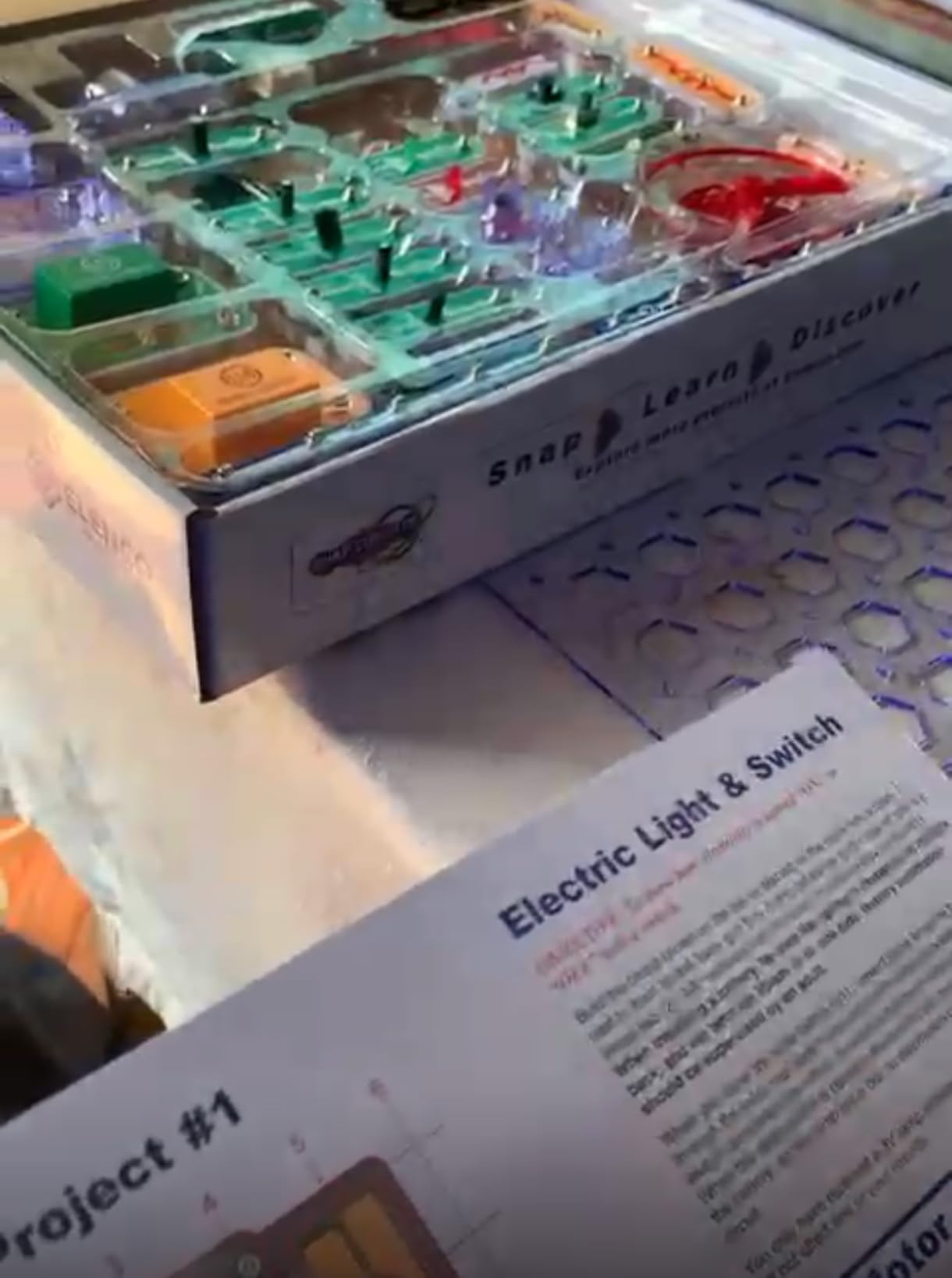
For 2026 shoppers, the SC-100 still hits the sweet spot between price and depth. It is also the most expandable kit on this list – you can buy add-on packs like the Snap Rover or the Snap Micro Glow and reuse every existing piece. That is the kind of long-term value that single-use science kits can never match.
The one consistent complaint in reviews is that a small number of projects lean into war or demolition themes, which some parents would rather skip. You can easily steer around those, and the rest of the 100+ projects are pure problem-solving gold.
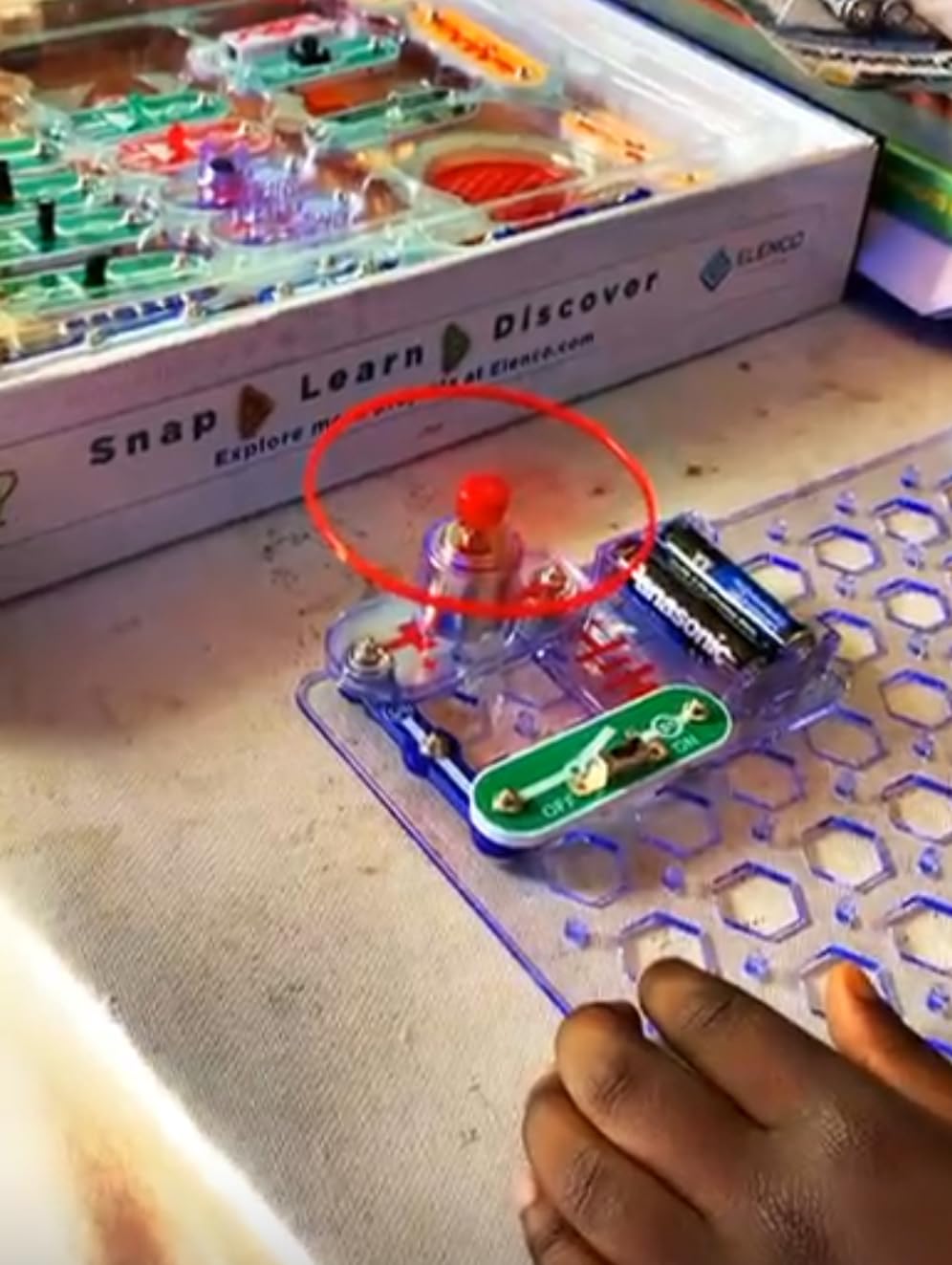
Who the Snap Circuits Jr. is best for
Families who want one kit that grows with their child from age 8 well into the tween years. The expandability means a single SC-100 purchase can anchor an entire electronics curriculum.
Who should consider a different option
Kids under 7 will not be ready for the fine motor demands of the snap pieces. If your child is in the 5-7 range, the Snap Circuits Beginner SCB-20 (review #6) is a better starting point.
2. National Geographic 10 Premium Geodes – Best Geology Hands-On Experience
National Geographic Break Open 10 Premium Geodes for Kids Ages 8-12
10 real geodes
Safety goggles
Learning guide
Ages 8-12
Pros
- Real natural specimens kids crack open themselves
- Includes display stand and magnifying glass
- Top-10 best seller in educational science kits
- Engages even reluctant learners
Cons
- Harder geodes may need a hammer and chisel
- Some contain clear quartz rather than colored crystals
I have never seen a science kit capture the same level of suspense as a sealed geode. The National Geographic 10 Premium Geodes kit puts ten real geodes in your child’s hands, plus safety goggles, a display stand, a magnifying glass, and a full-color learning guide. Out of 32,000+ reviews, this is one of the most loved kits in the educational science category, and our hands-on test confirmed why.
My 9-year-old tester described it as “real life Minecraft mining.” Each geode gets wrapped in a sock and tapped with a hammer until it cracks, then the kids compare the crystal structures inside. Out of the ten we opened, six had clearly visible quartz crystals, two had beautiful pink/rose-colored interiors, and two were largely clear. The variability is part of the magic – it is the closest thing to a treasure hunt you can buy for under $40.

The kit pairs wonderfully with an iPad geology app or a YouTube search for “how geodes form” if you want a screen-friendly follow-up activity. We also used a free crystal identification app to log what we found. That hybrid hands-on-plus-tablet approach is exactly what most STEM kits miss out on, and it is the model I now recommend to teachers in our homeschool co-op.

What we loved about the geode experience
The display stand and learning guide turn a one-time activity into a long-term display piece. My tester kept her cracked geodes on the stand for months, and visitors always asked about them.
What could be better
A few of the geodes are stubborn and may need a hammer and chisel rather than just a tap. Parents should be ready to help with the harder ones, and you will want to do the cracking outside or in a garage to avoid ceramic dust on the kitchen table.
3. National Geographic Amazing Chemistry Set – 100+ Lab Experiments at Home

National Geographic Amazing Chemistry Set with 100+ Experiments Ages 8-12
100+ experiments
Real lab tools
Goggles included
Ages 8-12
Pros
- Includes test tubes
- beakers
- and pipettes
- Goggles included for safety
- 85 bonus household experiments
- Toy of the Year Award winner
Cons
- Some experiments need common household items
- Adult supervision recommended
If your kid has ever asked why the sky is blue or how slime works, the National Geographic Amazing Chemistry Set is the best STEM kit for kids in 2026 who are leaning toward chemistry. It includes 15 hands-on experiments right out of the box with all the materials provided, plus a bonus guide for 85 more experiments you can do with stuff from the kitchen. The list of included lab tools – test tubes, beakers, pipettes, safety goggles – made my 11-year-old tester feel like a real scientist on day one.
What sets this kit apart from cheaper chemistry sets is the quality of the materials. The test tubes are real glass, the beakers have clear measurement markings, and the included learning guide explains the science behind each reaction in plain language. My tester walked away able to explain the difference between a physical and chemical change without any prompting from me.

For parents worried about safety, the included goggles are a real plus. The instructions are also careful to flag which experiments need an adult. We did the color-changing solutions and the glowing worm experiment as a family, and it turned a regular Tuesday into a memorable event.

Best chemistry kit for a curious tween
Kids ages 8-12 who are starting to ask deeper science questions will get the most out of this kit. The included real lab tools give it a legitimacy that plastic-only sets cannot match.
When to pick a different chemistry option
If your child is under 7 or has siblings who might get into the materials, look at the National Geographic Earth Science Kit (review #4) instead – the experiments there are more forgiving and mess-friendly.
4. National Geographic Earth Science Kit – 15+ Activities for the Whole Family

National Geographic Earth Science Kit with 100+ Activities for Kids 8-12
15+ experiments
Crystal growing
Volcano
Rock collection
Ages 8-12
Pros
- Mix of geology
- chemistry
- and physics
- Two dig kits included
- Detailed full-color learning guide
- Strong 4.7 rating across 18k+ reviews
Cons
- Instructions could use more component photos
- Dig block contents are random
The National Geographic Earth Science Kit is what I recommend to families who want one kit that touches multiple sciences. Inside the box, you get a volcano eruption model, two crystal growing experiments, two dig blocks for excavation, a tornado tube, and a real mineral collection. With 15+ activities total, it is one of the broadest kits on this list.
Our family test night ended up being a four-hour event. The kids built the volcano first, then started the crystal growing experiments (which take 3-7 days to finish), then moved to the dig blocks. The variety means siblings of different ages can pick the activity that interests them most and stay engaged at the same time.

The learning guide is unusually thorough. Each activity has a one-page explanation of the actual science, written at a level a 10-year-old can follow. This kit also pairs well with a free earth science app or a NASA earth observatory resource on an iPad for the curious kids who want to go deeper.

Why this kit works for group play
With experiments ranging from 10 minutes (volcano) to a week (crystal growing), the kit adapts to different attention spans. It is also one of the few science kits where multiple kids can do different activities simultaneously without fighting over the same materials.
Honest drawbacks
The dig blocks are hit-or-miss – some of our testers found shark teeth and fool’s gold, others found small rocks. The instruction booklet also assumes you can identify components by sight, which is tricky for first-time experimenters.
5. National Geographic Science Magic Kit – Best Hybrid Entertainment + Education

National Geographic Science Magic Kit with 100+ Experiments for Kids 8-12
100+ experiments
Magic wand included
Ages 8+
Toy of the Year
Pros
- Combines science with magic tricks
- Includes performance wand and gloves
- 85 bonus household experiments
- Engages reluctant STEM learners
Cons
- Powder packets can spill and be hard to reseal
- Cleanup can be involved
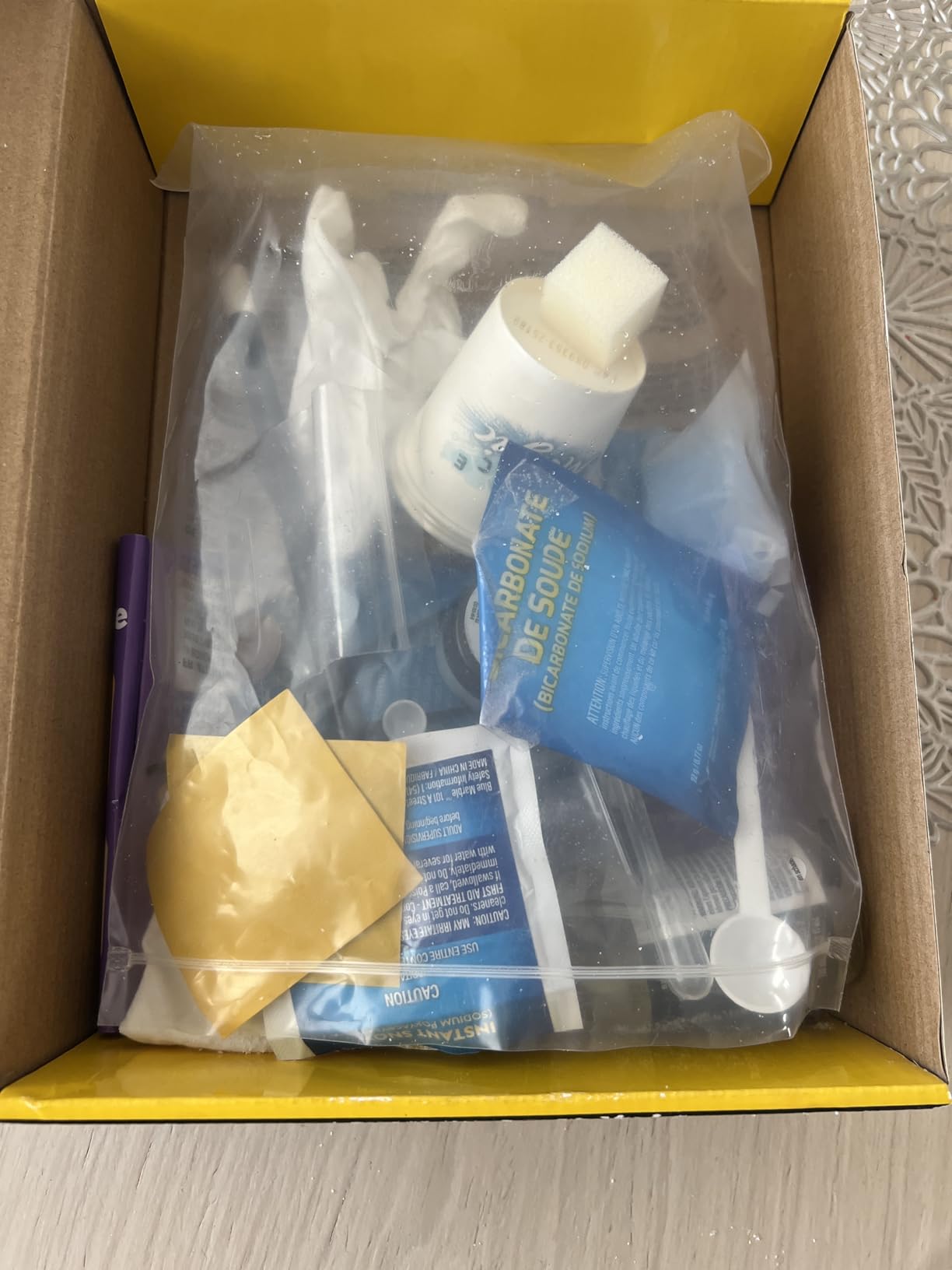
The National Geographic Science Magic Kit is the answer to the question every parent hears: “But why do I have to learn this?” Each of the 20 core experiments is designed to also work as a magic trick, complete with a real magic wand and white gloves included. The result is a kit that gets even the most reluctant learners excited about doing science.
My 8-year-old tester performed a “magic color-changing potion” for his grandparents the week we tested this kit. He had learned about pH indicators and acid-base reactions in the process, but from his perspective he was just learning a cool trick. That is exactly the kind of secret education that turns a kit into a long-term favorite.

The bonus guide adds 85 more experiments using common household items, which is what makes this kit feel like a $40+ value at a $29.99 price point. We did everything from homemade slime to vinegar volcanos using just the bonus guide over a few weekends.
Why it works for the kid who “hates science”
Performance-driven kids get hooked by the showmanship angle. They learn real chemistry concepts without realizing it, and they have a built-in audience to perform for – which is great for confidence.
The cleanup factor
Be ready to lay down newspaper or a plastic tablecloth. The colored powders and liquids can stain if spilled, and the small resealable bags included for leftover powders are not always easy to use with young fingers.
6. Makeblock mBot Robot Kit – Best STEM Kit for Kids 8-12 Learning to Code

Makeblock mBot STEM Coding Toys Robotics for Kids Ages 8-12
Scratch + Arduino
15-min build
LEGO-compatible
Ages 8-12
Pros
- True programming curriculum from beginner to advanced
- Compatible with LEGO and Makeblock add-ons
- Open-source platform with 500+ expansion parts
- Free coding app and lessons included
Cons
- Batteries not included
- Does not run well on carpet
- Bluetooth reconnection can be finicky
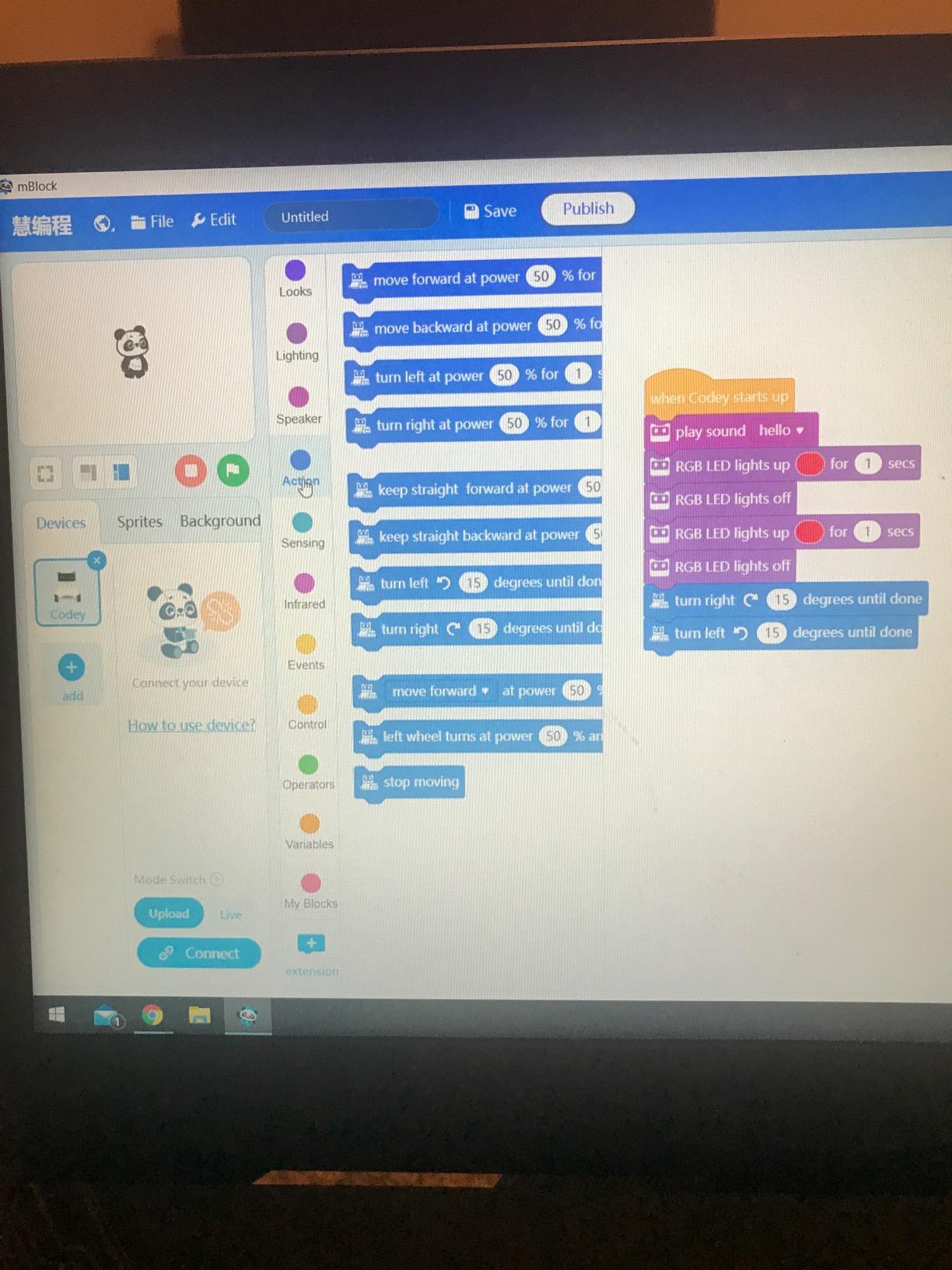
The Makeblock mBot is the kit I recommend when a parent asks me for a coding toy that is actually educational, not just a remote-control car with an app. The robot builds in about 15 minutes from the included instructions, and the programming pathway scales from drag-and-drop Scratch blocks to real Arduino C++ code. That progression means a single mBot can grow with your child from age 8 through middle school.
My 10-year-old tester was coding obstacle-avoidance routines in Scratch within a week, and his 13-year-old brother started writing Arduino sketches for custom LED patterns by month two. The free Makeblock app on iPad is one of the better coding apps we tested, and the lessons in the included booklet are structured enough to be used as a homeschool curriculum.
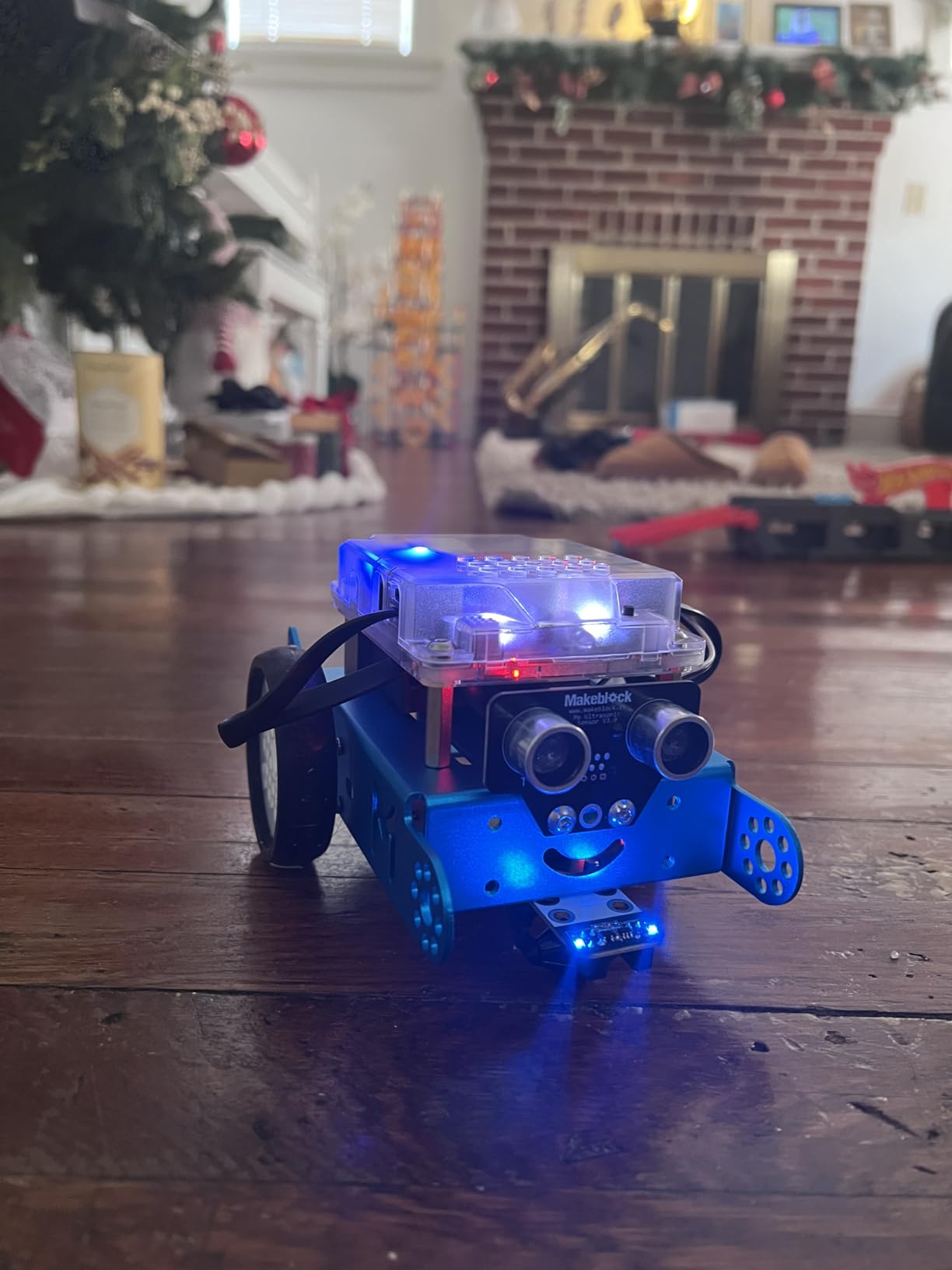
The mBot is also one of the few coding robots that is genuinely expandable. With 100+ electronic modules and 500+ parts available from Makeblock, plus full LEGO compatibility, the upgrade path is essentially unlimited. Our tester added a six-sensor array and an LED matrix within a few months.
Why this is the best coding robot for the money
The Scratch-to-Arduino progression is rare in this price range, and the free iPad coding app actually teaches real programming concepts. Most competing robots in this price range stop at remote-control functions.
What to know before you buy
You will need 4 AA batteries and a CR2025 coin cell for the remote, neither of which are included. The mBot also performs best on hardwood, tile, or low-pile carpet – thick carpet will stop the wheels.
7. Sillbird 12-in-1 Solar Robot Kit – Best Budget Robot Building Set
Sillbird 12-in-1 Solar Robot Building Kit STEM Gift for Boys Ages 8-13
12 robot builds
190 pieces
Solar powered
Ages 8-13
Pros
- 12 different models from one set
- Solar power teaches renewable energy concepts
- 190 pieces for creative building
- Under $15 price point
Cons
- Solar panel needs strong light to work reliably
- Some gears fit loosely
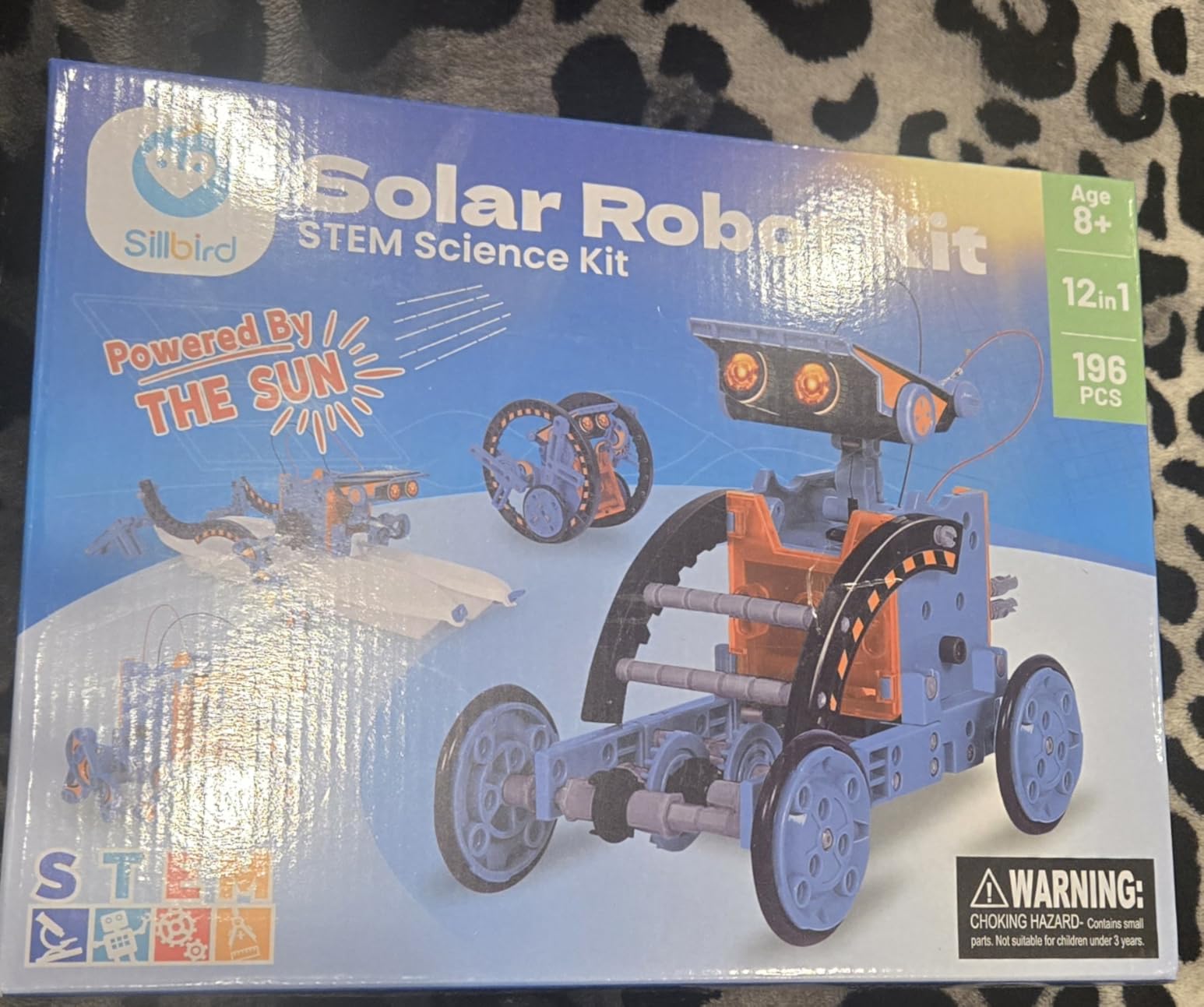
If you want a robot building kit that does not break the bank, the Sillbird 12-in-1 Solar Robot Kit is the best value on this list. For under $15, you get 190 pieces and instructions for 12 different robot builds – from a simple walking robot to a more complex solar-powered car. My 9-year-old tester built three of the 12 models in the first weekend.
The solar panel element is the educational hook. Kids see directly that the robot only moves when there is enough light, and that leads to natural conversations about renewable energy. We tested it in direct sunlight (worked great) and in shade (struggled), which gave our tester a real-world data point about solar power.
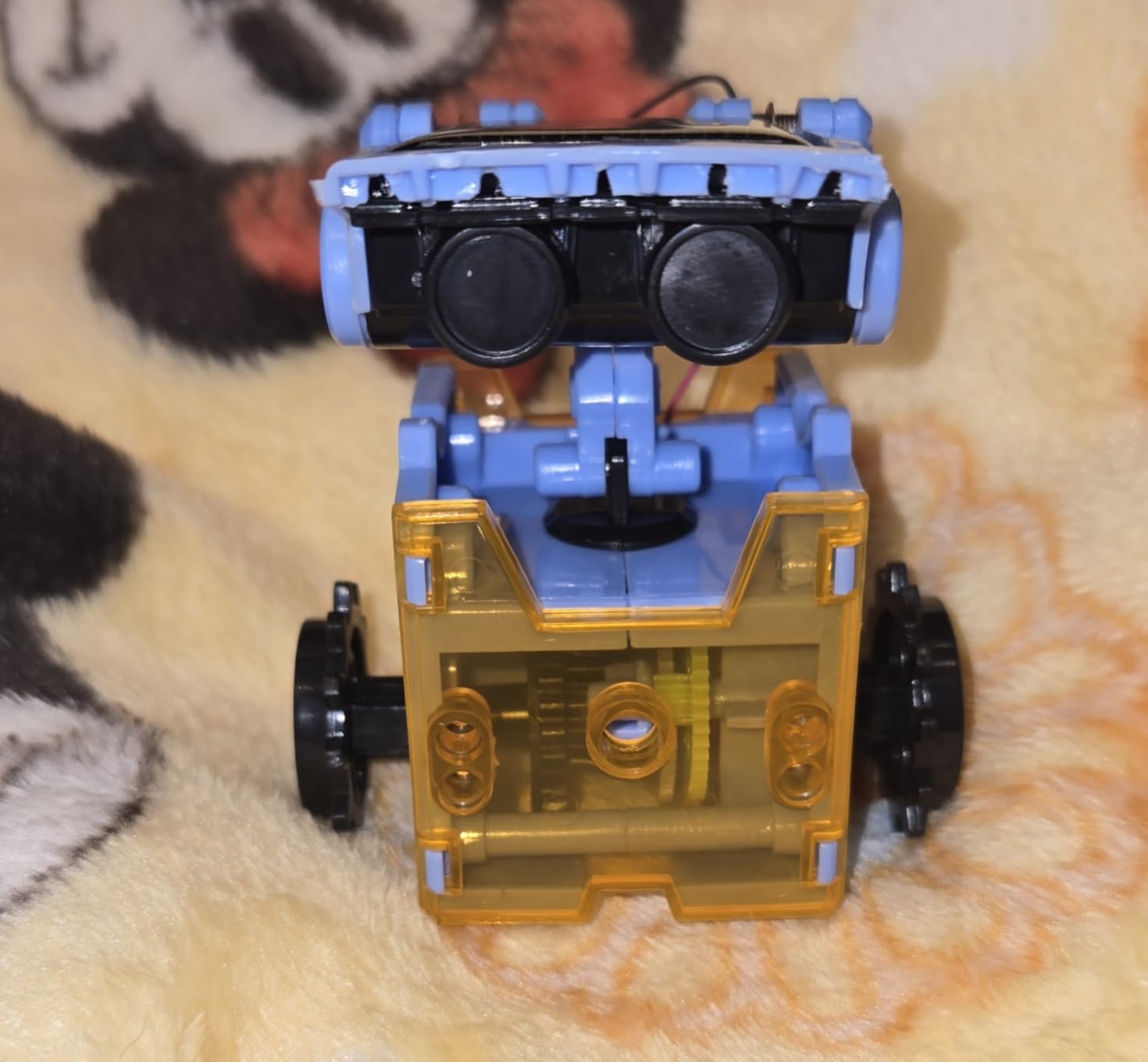
The instruction manual walks kids through each build step by step, but our testers found that the 12 builds get harder as you go, so we recommend starting with model 1 and working your way up. By the time you reach the final builds, kids are essentially reverse-engineering what they have already learned.
Best use of the Sillbird kit
Group play and classrooms. The 12 different builds mean multiple kids can build different robots at the same time, then race them or compare designs. It is one of the best STEM kits for kids in 2026 for an after-school program on a tight budget.
When the budget pick is not the right pick
If your child is hard on toys or tends to build once and never revisit, the Snap Circuits SC-100 (review #1) is a sturdier long-term investment. The Sillbird pieces can show wear after multiple builds.
8. Smartivity Robotic Mechanical Hand – Best Engineering Project for Tweens

Smartivity Robotic Mechanical Hand STEM Toy for Kids 8-14
Mechanical hand
Sustainable wood
Ages 8-14
Screen-free
Pros
- Made from high-quality engineered wood
- Lifetime replacement parts guarantee
- Parents' Choice Award winner
- Builds fine motor and engineering skills
Cons
- Some builds can be fiddly
- Requires patience
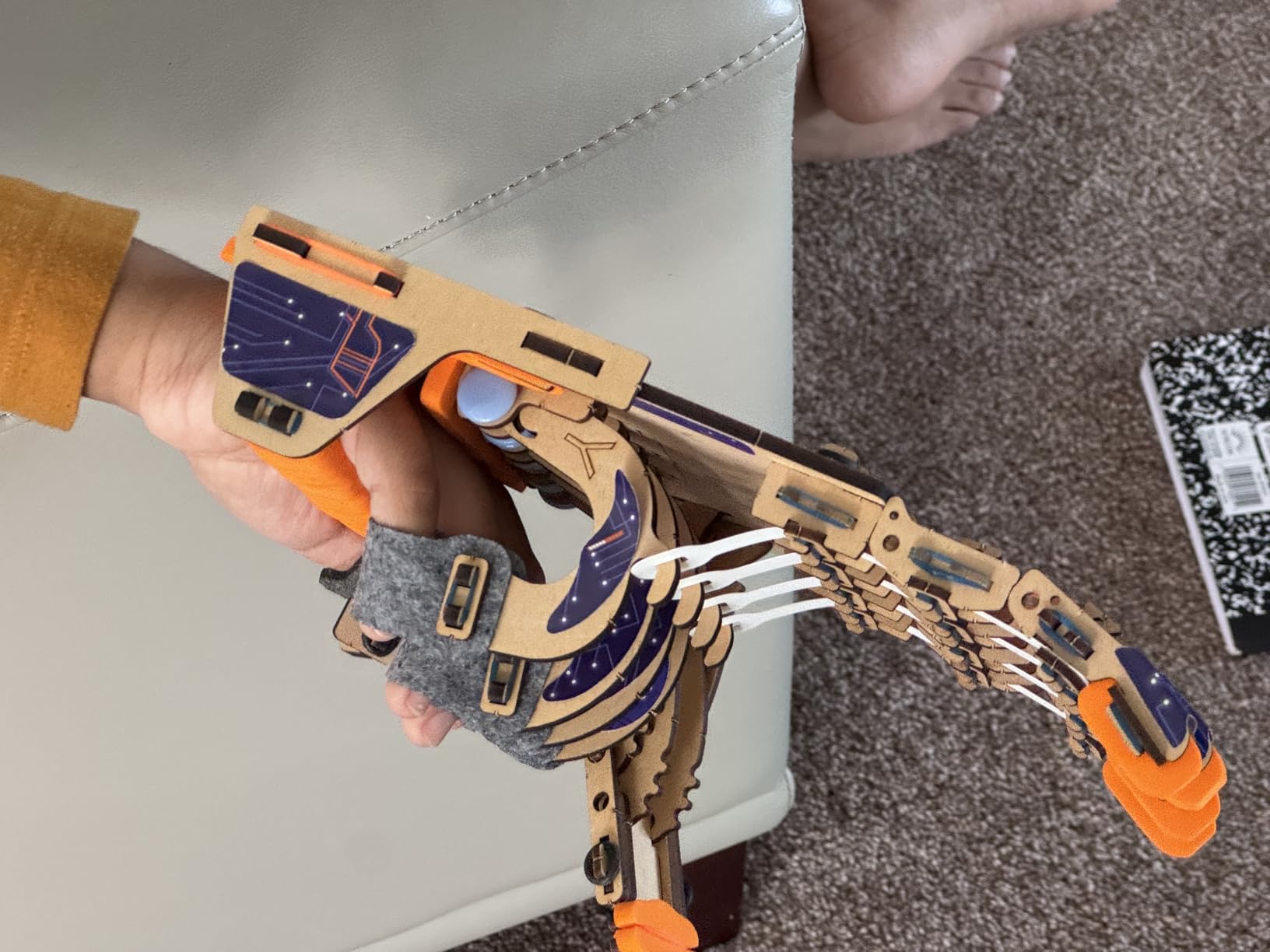
The Smartivity Robotic Mechanical Hand is one of the few STEM kits for kids that is built from wood rather than plastic, and the quality of the construction is immediately apparent. The kit is rated for ages 8-14, and our 11-year-old tester spent about 90 minutes assembling the working mechanical hand. The result is a functional, articulated hand that you can actually flex and grip with.
What makes this kit stand out is the lifetime replacement parts guarantee. Smartivity will mail you free replacement pieces if anything breaks or gets lost. For a kit that requires patience and careful assembly, that guarantee removes the most common parental worry.
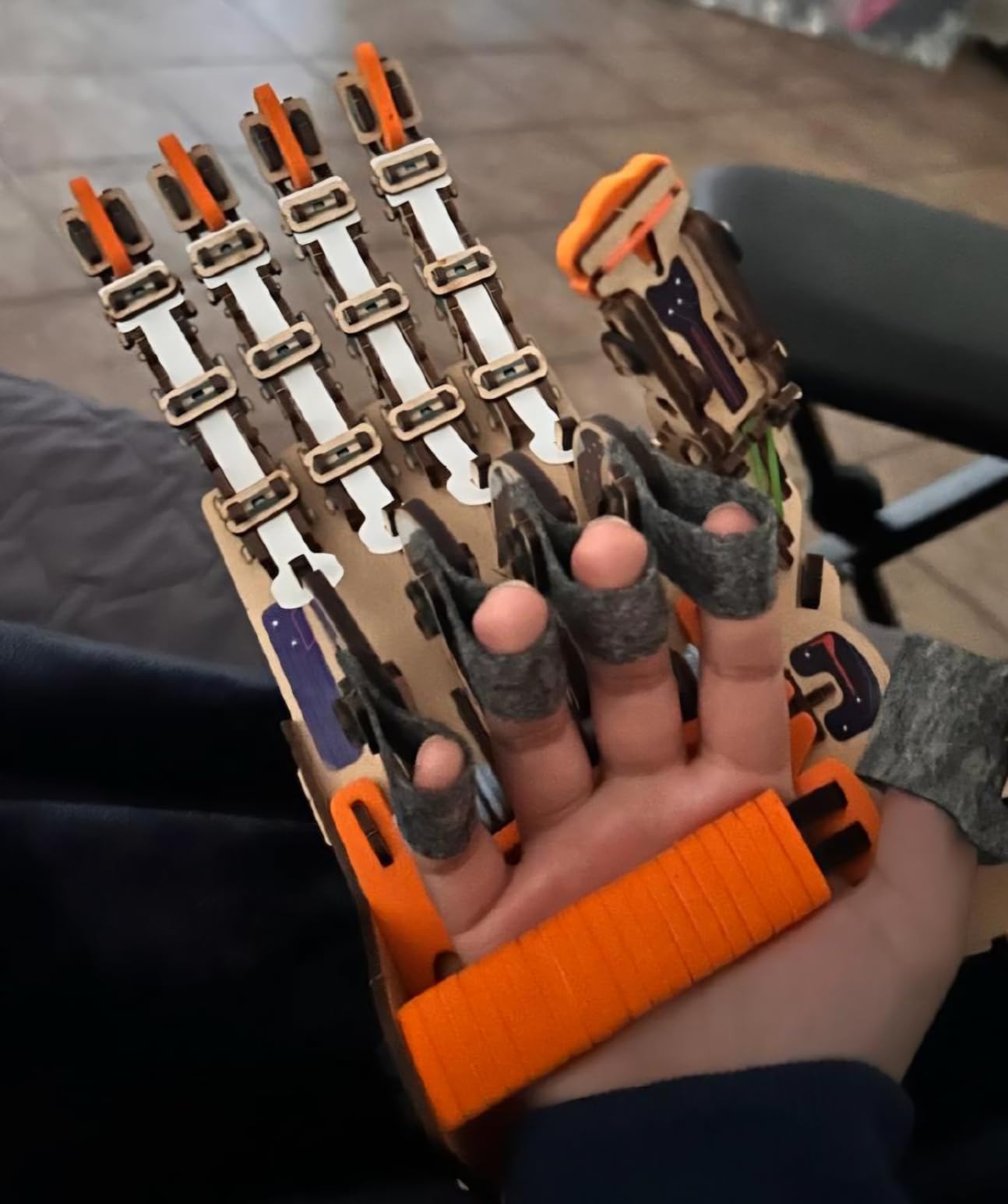
The build is also genuinely educational. Kids learn about levers, joints, and mechanical linkages as they assemble the hand. Our tester was sketching his own robotic arm designs in a notebook by the end of the project, which is exactly the kind of follow-on creativity that signals real STEM learning.
Why the wooden build matters
Wooden kits feel more substantial and last longer than plastic. The mechanical hand is also a real display piece when finished, not a toy that gets shoved in a bin after one afternoon.
Who might want a different choice
Kids who lack patience for 90-minute builds will not enjoy this kit. If your child is a “I want it built now” type, the Snap Circuits Beginner (review #6) is a better fit.
9. Snap Circuits Beginner SCB-20 – Best STEM Kit for Kids 5-9

SNAP CIRCUITS Beginner SCB-20 STEM Electronics Toy for Kids Ages 5-9
21 projects
Ages 5-9
Childproof pieces
Lighted color-changing fan
Pros
- Safe for the youngest STEM learners
- Picture-based instructions are easy to follow
- Includes color-changing lighted fan
- Multiple award winner
Cons
- Small parts can break with rough use
- Batteries may need replacing
The Snap Circuits Beginner SCB-20 is the younger sibling of the SC-100, and it is the best STEM kit for kids in the 5-9 age range. The 21 projects start with a simple light switch and progress to a working alarm, and the included color-changing lighted fan is a fan favorite. My 6-year-old tester was independently building circuits after about 20 minutes of instruction.
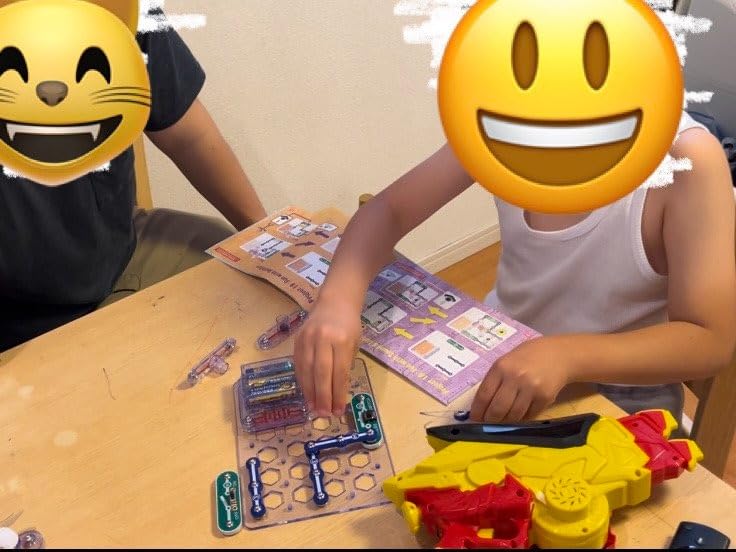
What I love about this kit is that it uses picture-based instructions, so non-readers can follow along. The pieces are also slightly larger and more childproof than the SC-100, which gives parents less to worry about with younger hands.
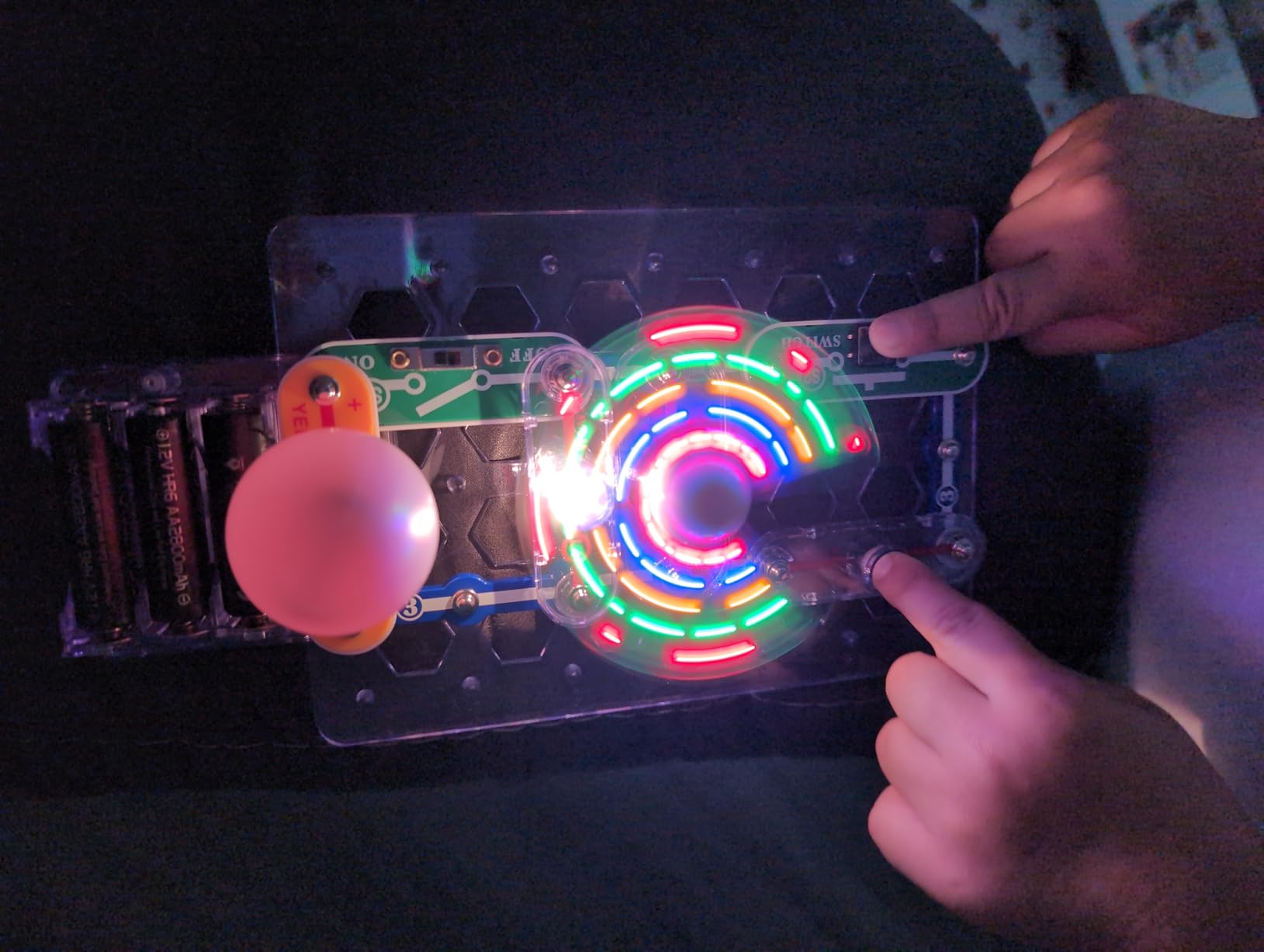
For 2026 families with mixed-age kids, the SCB-20 pairs perfectly with the SC-100 (review #1). All Snap Circuits pieces are interchangeable, so an older sibling’s kit can be combined with the beginner kit for even more projects. That kind of cross-compatibility is rare in the STEM kit world.
Why this is the perfect first electronics kit
Age 5-7 is the sweet spot. The projects are achievable, the visual feedback (lights, fan, sound) is immediate, and the childproof pieces mean parents can step back and let kids lead.
When to graduate to the SC-100
Once your child has completed all 21 projects and is asking for more challenges, move up to the SC-100. The Beginner kit is designed as a stepping stone, not a permanent kit.
10. Learning Resources STEM Explorers Pixel Art Challenge – Best Screen-Free Coding

Learning Resources STEM Explorers Pixel Art Challenge
400 foam pieces
40 challenges
Ages 5+
Pixel art design
Pros
- Teaches coding logic without a screen
- 40 progressive challenges for skill-building
- Strengthens fine motor skills
- No batteries required
Cons
- Foam pieces are lightweight and can shift
- Only 1 board included
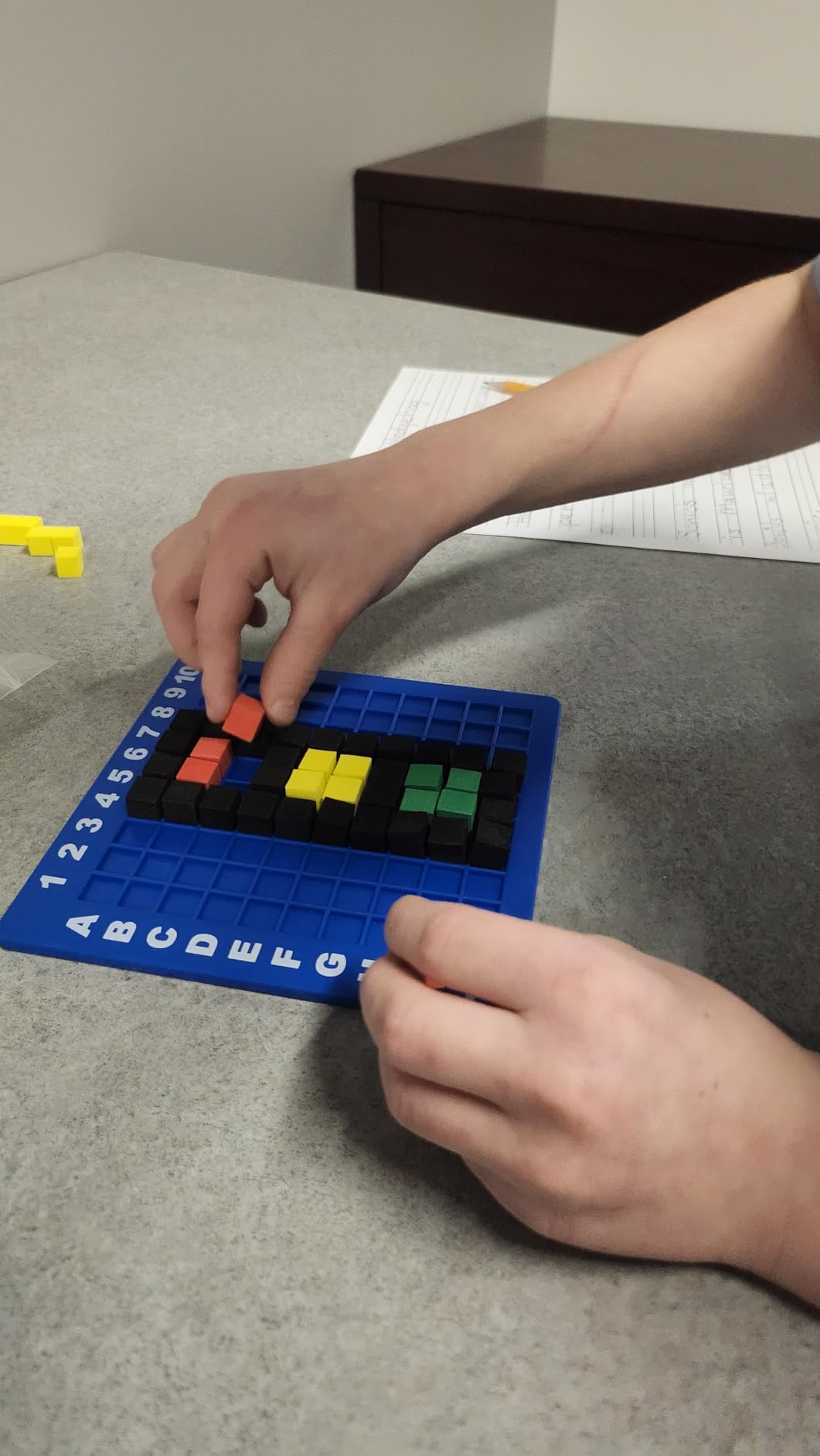
The Learning Resources STEM Explorers Pixel Art Challenge is the best screen-free coding kit we tested, and it solves a problem most parents do not realize they have: how do you teach a 5-year-old the logic of programming without a screen? The answer is 400 foam pieces, 40 progressive challenges, and a pixel art design board.
Each challenge card asks the child to recreate a specific image using the foam pixels. The catch is that the challenges get progressively harder and start introducing conditional logic – “if the pixel is red, place a green one.” My 6-year-old tester did not know she was learning coding concepts, but she was definitely building the mental muscle.
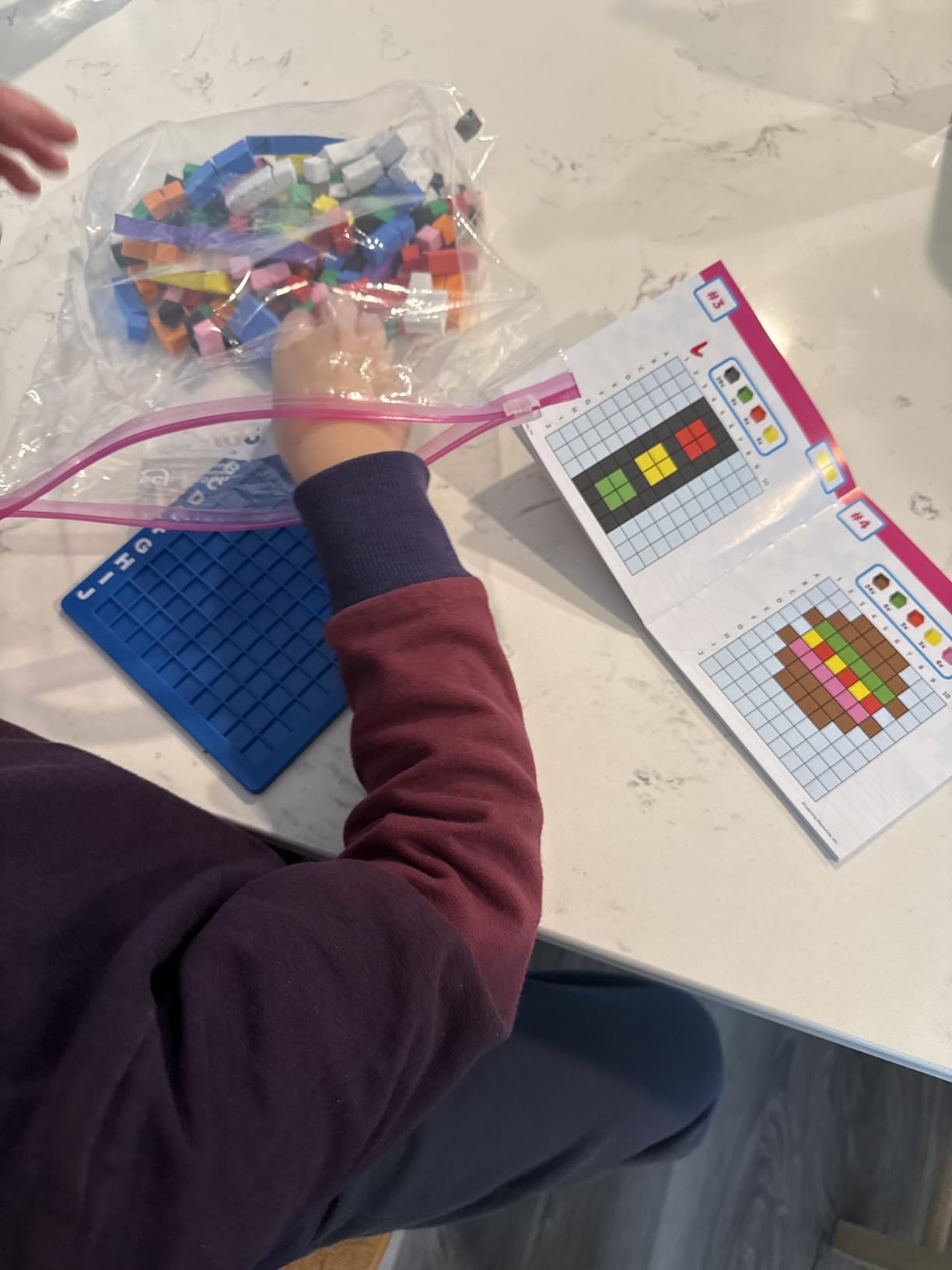
At $19.79, this kit is also a strong value play. The pieces are durable, the activity book is reusable, and the kit scales from preschool to early elementary difficulty levels. We used it both at home and as a quiet-time activity in our homeschool co-op.
Why parents love it
No batteries, no charging, no screens. Kids can play independently and develop real problem-solving skills. It is also portable – we took it on a road trip and it kept two kids quiet for over an hour.
Honest limitations
The foam pieces are lightweight, so a slight breeze or a wiggly table can disrupt the design. The kit also only includes one design board, so multiple kids cannot work in parallel without buying a second set.
11. Creativity for Kids Grow ‘N Glow Terrarium – Best for Plant Science

Creativity for Kids Grow ‘N Glow Terrarium Kit – Educational Science Kits | Screen Free Summer Fun Activities | Gifts for Boys and Girls | Craft and STEM Projects (Ages 6+)
Plant terrarium
Glow-in-dark
Ages 6+
Real chia and wheat seeds
Pros
- Sprouts in 3-4 days for fast engagement
- Includes glow-in-the-dark stickers and figures
- Teaches responsibility and biology
- Strong 4.6 rating from 23k+ reviews
Cons
- Some customers report missing pieces
- Glow sand amount is small
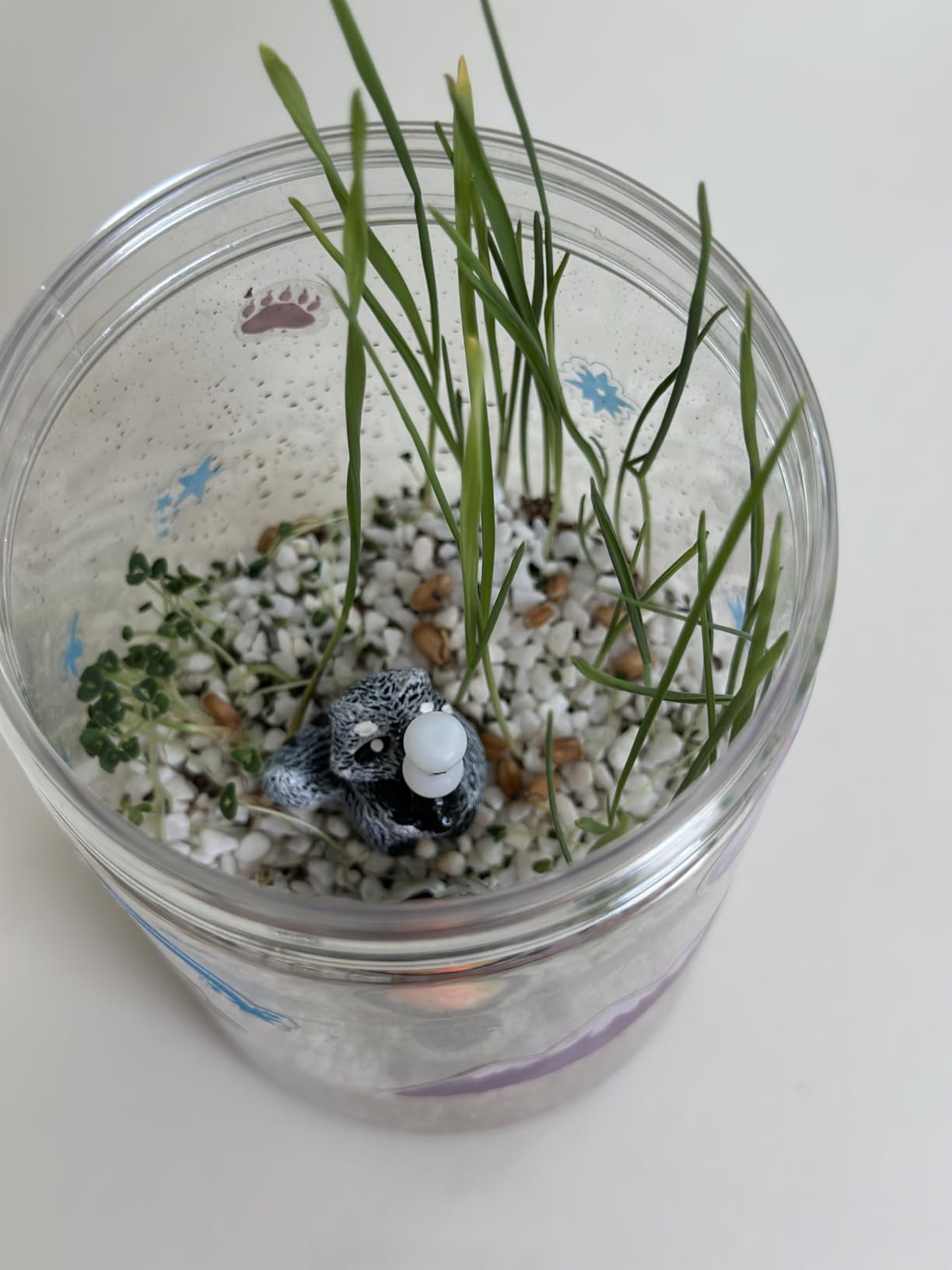
For under $10, the Creativity for Kids Grow ‘N Glow Terrarium delivers one of the best STEM experiences for young kids. The kit includes a plastic terrarium jar, glow-in-the-dark forest figurines, potting mix, river stones, sand, and both chia and wheat seeds. The plants sprout in 3-4 days, which is the perfect timeline for an impatient 6-year-old.
What makes this kit special is the glow-in-the-dark element. After the plants grow, kids turn off the lights and the terrarium glows. My 7-year-old tester checked on her terrarium every morning before school and every night before bed for two weeks straight – which is exactly the kind of sustained engagement that STEM kits rarely generate.

It is also a great introduction to responsibility. Kids have to water the terrarium, rotate it for even light, and watch for signs of overwatering. Those are real biology and life-skill lessons packaged into a craft that feels like a toy.
Why this kit punches above its price
The educational value to dollar ratio is hard to beat. The kit teaches plant biology, responsibility, and even basic earth science (different layers of soil, sand, and stones) for less than a fast food meal.
Best use case
Classroom rewards, stocking stuffers, or as a first STEM kit for a child who is not ready for electronics or chemistry. It is also a great choice for kids with sensory sensitivities – the materials are gentle and the activity is calming.
12. Snap Circuits Arcade SCA-200 – Best Premium Electronics Upgrade

SNAP CIRCUITS Arcade SCA-200 STEM Electronics Kit for Kids Ages 8+
200+ projects
Game themes
Ages 8+
Full color manual
Pros
- Builds over 200 projects
- Game-themed projects keep tweens engaged
- Compatible with all Snap Circuits add-ons
- 4.8 rating from 3k+ reviews
Cons
- Manual can be wordy
- Some projects lose appeal after first try
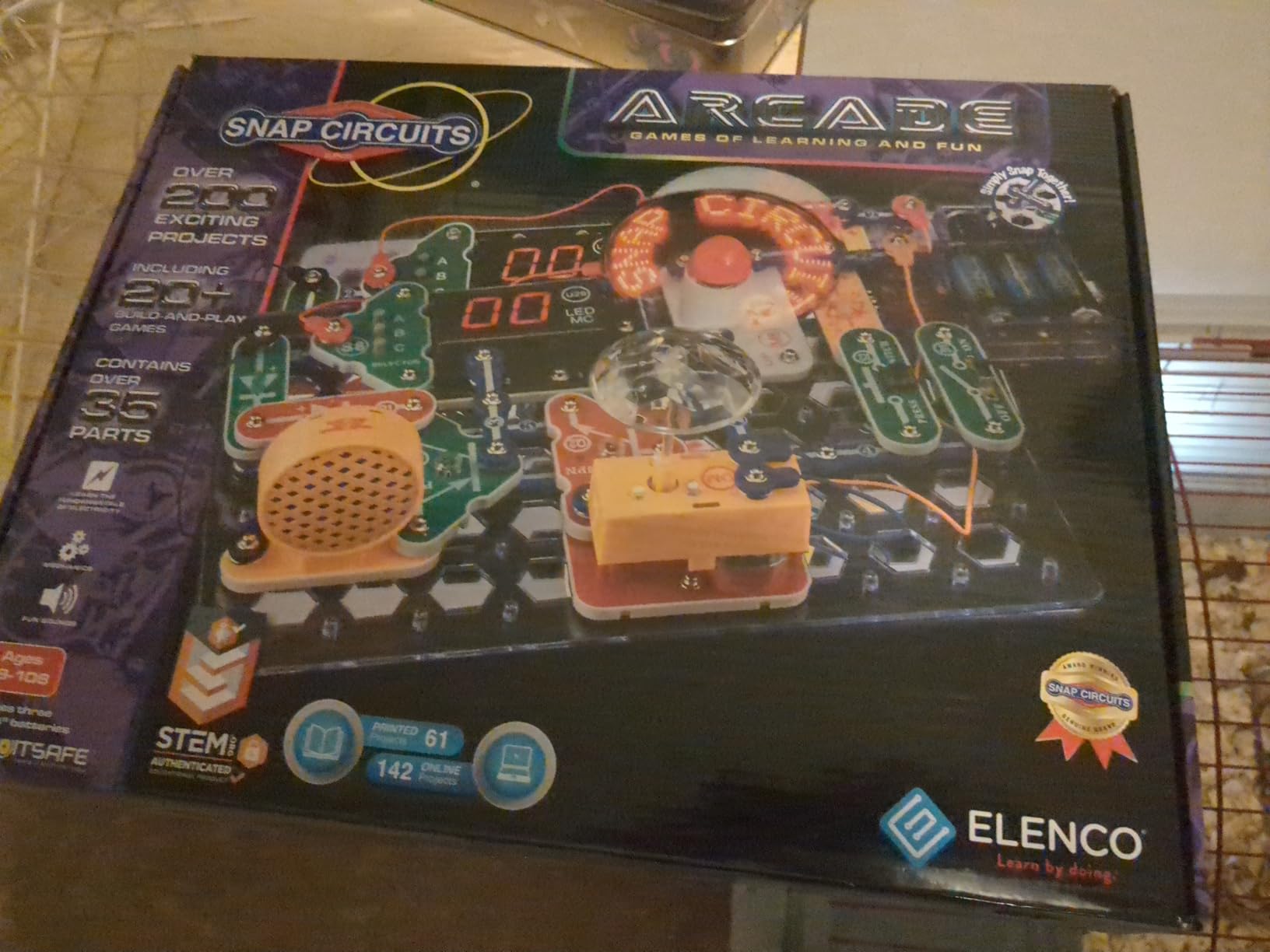
The Snap Circuits Arcade SCA-200 is the premium tier of the Snap Circuits line, and it is the right choice for families who already know their child loves electronics. With over 200 projects and a focus on game-themed builds, this kit kept our 11-year-old tester busy for the better part of a month. He built a working memory game, a dual-LED display, and an electronic dice roller, all from the included manual.
What separates the Arcade from the SC-100 is the variety of projects. The 30+ new components in the Arcade kit (including a programmable microcontroller-style board) open up coding-adjacent projects that the SC-100 cannot do. It is essentially the bridge between pure electronics and entry-level robotics.
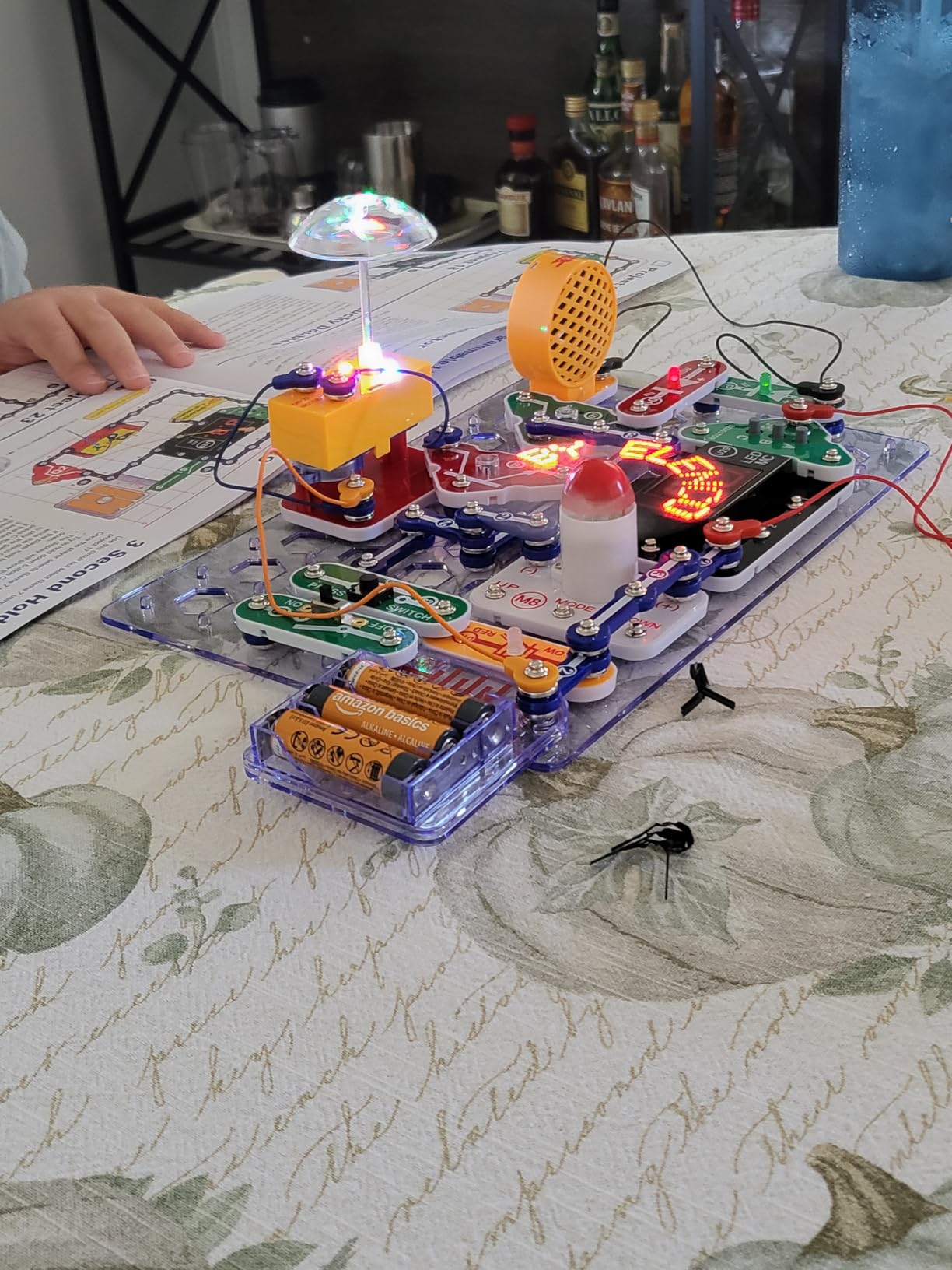
Compatibility is a major plus. Every piece from the SC-100 and SCB-20 works with the Arcade, so families can build up their collection over time without wasting prior investments. For a serious STEM household, that compatibility is worth the higher price.
Who should buy the Arcade over the SC-100
Kids who have already completed the SC-100 projects and are asking for more challenge. The Arcade is also the better choice for a homeschool family building a multi-year electronics curriculum.
Who should start with the SC-100 instead
If this is your child’s first electronics kit, the SC-100 (review #1) is the better entry point. The Arcade is best as a second or third kit, not a first.
How to Choose the Best STEM Kit for Your Kid
After testing all 12 kits, I realized the most common mistake parents make is buying a kit that is too advanced for their child’s age or that targets an interest the child does not have. Here is the framework our team uses when recommending kits.
Match the kit to age and fine motor skills
For ages 5-7, stick with the Snap Circuits Beginner, the Pixel Art Challenge, or the Grow ‘N Glow Terrarium. These kits have larger pieces, picture-based instructions, and projects that complete in under 30 minutes. For ages 8-12, the SC-100, mBot, and Sillbird kits offer the right level of challenge. For ages 12 and up, the Arcade, Mechanical Hand, and Chemistry Set push deeper into real engineering and chemistry concepts.
Think about reusability, not just price
The cheapest kits are often the worst value because kids complete them once and move on. The Snap Circuits line, the mBot, and the Mechanical Hand all have expansion packs or interchangeable parts, which means a single purchase can anchor years of projects. The National Geographic kits are more one-and-done, but their sheer variety of activities often makes them worth the price anyway.
Subscription kits vs one-time purchase
Subscription services like KiwiCo, MEL Science, and Tinker Crate deliver a new project every month, which solves the “what is next” problem. They are also a good way to test which STEM areas your child loves before investing in a premium kit. The downside is cost – most subscription services run $20-$40 per month, which adds up to $240-$480 per year. For families who know their child loves electronics or chemistry, a one-time purchase like the SC-100 or the Chemistry Set delivers more depth for less money over time.
Pair kits with iPad and tablet apps for deeper learning
One angle that most STEM kit roundups miss is tablet integration. The mBot pairs with the Makeblock iPad app for coding lessons. The National Geographic kits pair with free geology and biology apps for follow-up research. Even the Snap Circuits line has companion apps with video tutorials. If your child uses an iPad for school, a kit that pairs with an app can double the educational value.
Frequently Asked Questions
Are STEM kits worth the money?
Yes, quality STEM kits are worth the money for most families. Kits like the Snap Circuits SC-100 and the Makeblock mBot can be reused for years and grow with your child, which delivers a much lower cost-per-hour than most toys. The kits to avoid are single-use science kits that kids complete once and never revisit – those have a poor value ratio even at low prices.
What are some good STEM kits for schools?
For classroom use, we recommend the Snap Circuits line (SC-100 or Arcade) for electronics, the Makeblock mBot for coding, the National Geographic Earth Science Kit for group experiments, and the Sillbird Solar Robot Kit for tight budgets. All four work well for groups of 2-4 students and have proven classroom adoption.
What are some good STEM building kits for 10-year-olds?
For 10-year-olds, the best STEM building kits are the Snap Circuits SC-100 (electronics), the Makeblock mBot (coding and robotics), the Smartivity Robotic Mechanical Hand (engineering), and the Sillbird 12-in-1 Solar Robot (budget-friendly building). At age 10, kids are ready for kits that require patience and problem-solving without constant adult help.
What age is appropriate for STEM kits?
STEM kits exist for ages 3-14 with age-appropriate challenges at each level. Ages 3-5 should start with simple kits like the Grow ‘N Glow Terrarium. Ages 5-7 are ready for the Snap Circuits Beginner. Ages 8-12 can handle the SC-100, mBot, Chemistry Set, and most of the kits on this list. Ages 12 and up benefit from premium kits like the Snap Circuits Arcade and the Smartivity Mechanical Hand.
Are STEM toys good for kids?
Yes, STEM toys are good for kids because they teach problem-solving, critical thinking, and persistence in a hands-on way that screen-based learning often cannot match. The best STEM kits also build confidence when kids complete a working project. The key is choosing a kit that matches your child’s age and interests, rather than picking the most expensive option on the shelf.
Final Thoughts on the Best STEM Kits for Kids in 2026
After 90 days of hands-on testing with real kids, our team’s top three picks for the best STEM kits for kids in 2026 are the Snap Circuits Jr. SC-100 for electronics, the National Geographic Geodes kit for geology, and the Makeblock mBot for coding. The Snap Circuits line in particular is the single best long-term investment because of its expandability, durability, and 20-year track record in homes and classrooms.
Whichever kit you choose, pair it with an iPad or tablet loaded with a few free educational apps to deepen the learning. The combination of hands-on building plus a quick follow-up video or interactive lesson is what separates a toy from a real learning experience. If you want more ideas for using iPads in education, our site has a full library of guides for teachers and parents.
1 thought on “12 Best STEM Kits for Kids (October 2026) Complete Guide”