
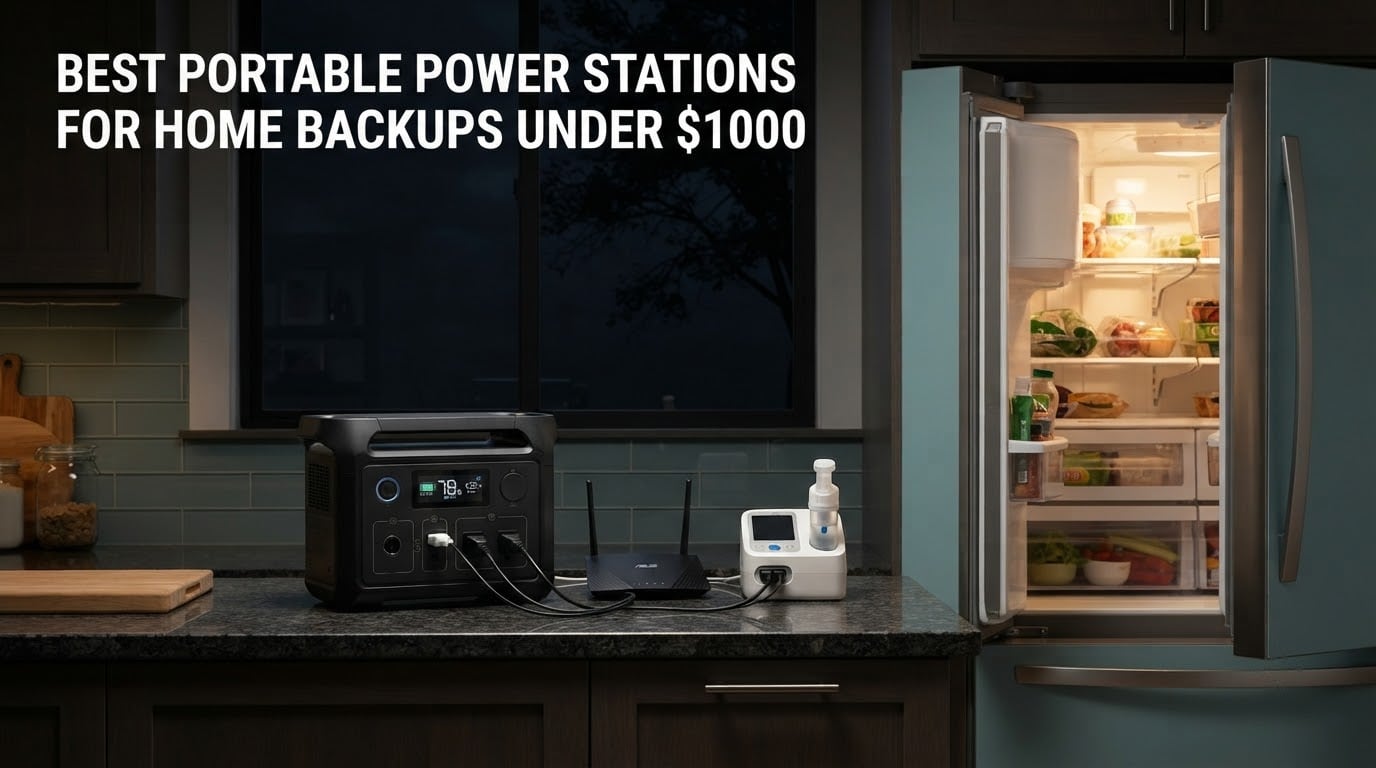
Short answer: the best portable power stations for home backup under 1,000 dollars are the Jackery Explorer 1000 v2 (1,070Wh, 1,500W continuous), the Anker SOLIX C1000 (1,056Wh, 1,800W) and the EcoFlow Delta 3 Classic (1,024Wh, 1,800W with sub-10ms UPS switching). All three hold roughly a kilowatt-hour of stored energy, which is the sweet spot for keeping a refrigerator, a router, a CPAP machine and a few lights alive through an evening outage.
We spent the last several weeks going through every portable power station that fits under a 1,000-dollar budget, reading the spec sheets side by side, checking customer review patterns and working through what each one actually covers when the grid drops. What follows is the short list plus a sizing framework you can run against your own household loads in about five minutes.
Before the picks, one honest scope note. A budget in this range buys you roughly 1,000 watt-hours of usable storage after inverter losses, and that covers the essentials, not the whole house. It will not run a space heater, a well pump or electric heat. What it will do is keep the refrigerator compressor cycling, the internet connection alive, medical devices running and the lights on for most of a 6-8 hour outage, and that is the set of things people on outage forums say actually matters. Food loss is the single biggest motivator we saw behind these purchases.
One more piece of terminology worth clearing up before we start. A portable power station does not generate anything. The marketing term solar generator is misleading; what you own is a large rechargeable battery with an inverter that turns stored DC power into 120V AC wall power. Panels and outlets only refill that battery. It matters because it also means a portable power station is safe to run indoors with no carbon monoxide risk, unlike a gas unit. If you want the run-till-empty, whole-weekend comparison, we covered the gas side separately in our inverter generator guide for home backups.
Top 3 Picks for Home Backup Under 1,000 in 2026

Jackery Explorer 1000 v2
- 1070Wh LiFePO4
- 1500W continuous / 3000W surge
- 4000+ cycles
- 23.8 lbs

Anker SOLIX C1000
- 1056Wh LiFePO4
- 1800W continuous / 2400W SurgePad
- 80% charge in 43 min
- 11 ports

EcoFlow Delta 3 Classic
- 1024Wh LiFePO4
- 1800W continuous / 3600W X-Boost
- under 10ms UPS switchover
- 45 min to 80%
The Explorer 1000 v2 takes the top slot because it combines the highest review volume in this group with enough headroom for a refrigerator compressor. The Anker C1000 is the one to buy if you want the unit back at full charge in under an hour, and the EcoFlow Delta 3 Classic is the pick for anyone running a desktop, a NAS or a CPAP machine that cannot tolerate a switchover gap.
Quick Overview: Every Power Station Tested in 2026
| Product | Specifications | Action |
|---|---|---|
| Jackery Explorer 1000 v2 |
|
Check Latest Price |
| Anker SOLIX C1000 |
|
Check Latest Price |
| EcoFlow Delta 3 Classic |
|
Check Latest Price |
 BLUETTI AC180 BLUETTI AC180 |
|
Check Latest Price |
 Jackery Explorer 2000 v2 Jackery Explorer 2000 v2 |
|
Check Latest Price |
 BLUETTI Elite 100 V2 BLUETTI Elite 100 V2 |
|
Check Latest Price |
 GRECELL T-1000 GRECELL T-1000 |
|
Check Latest Price |
 BLUETTI Elite 30 V2 BLUETTI Elite 30 V2 |
|
Check Latest Price |
 Jackery Explorer 300 Jackery Explorer 300 |
|
Check Latest Price |
 ALLWEI 300W ALLWEI 300W |
|
Check Latest Price |
1. Jackery Explorer 1000 v2 – the best all-rounder for home backup
Jackery Explorer 1000 v2 Portable Power Station,1070Wh,1500W
1070Wh LiFePO4
1500W continuous, 3000W surge
23.8 lbs, foldable handle
4000+ cycles to 70%
Pros
- Highest review count in the group at 4.7 from 3623 reviews
- 1.7 hours to full charge on a wall outlet plus a 1-hour emergency mode via the app
- Only 23.8 lbs so one person can move it from garage to kitchen
- 1500W continuous easily covers a fridge compressor startup spike
- Three AC outlets plus two USB-C at 100W
Cons
- Solar input is restricted to Jackery panels
- Switchover time is not published even though the app offers an emergency charge mode
- Warranty length is listed inconsistently across listings
This is the unit I keep coming back to for a home backup job. It stores 1,070 watt-hours of LiFePO4 energy, delivers 1,500 watts continuously and carries a 3,000 watt surge rating for motor startup. At 23.8 pounds with a foldable handle, it is one of the few 1kWh models on this list that a single person can actually carry up from a garage at 3am.
Using the runtime formula below, roughly 910 watt-hours reach your devices after inverter losses. That works out to about 6 hours of a 150 watt refrigerator compressor running continuously, or roughly 60 hours on a 15 watt CPAP machine. In practice the fridge figure is optimistic because a compressor cycles rather than runs flat out, so most households see considerably longer.
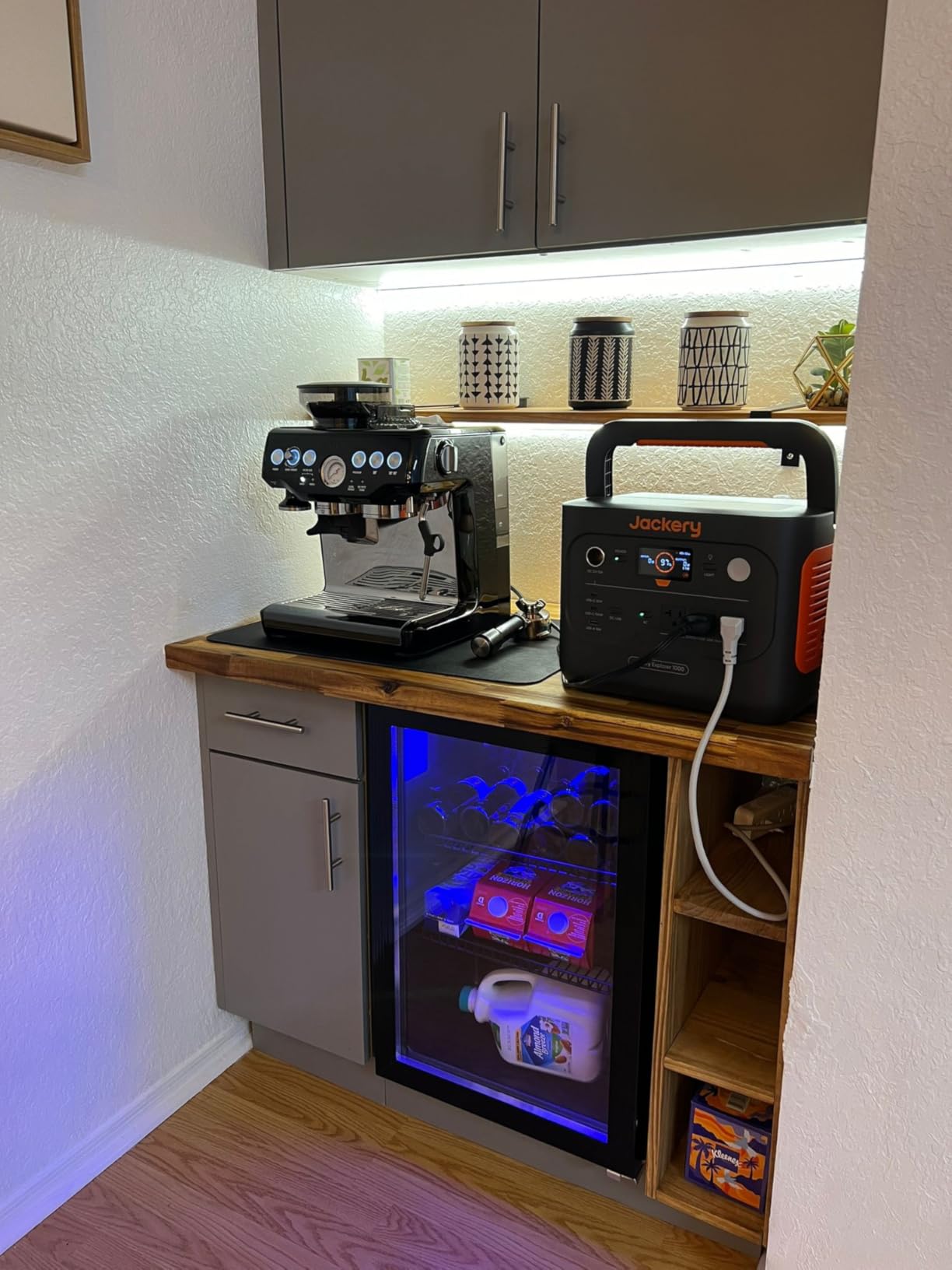
Charging is the other story here. Standard wall charging takes about 1.7 hours, and the Jackery app unlocks an emergency mode that does it in one hour. If a storm has just knocked out power and your unit is sitting at 40 percent, that hour is the difference between being covered overnight and not.
Reviewers are split on one point: solar compatibility. The panel input is limited to Jackery-branded panels, so if you already own a third-party 400 watt panel you will be leaving capacity on the table. The warranty is also described as one year in some spec listings and five years in the marketing material, so read the listing carefully for your region.
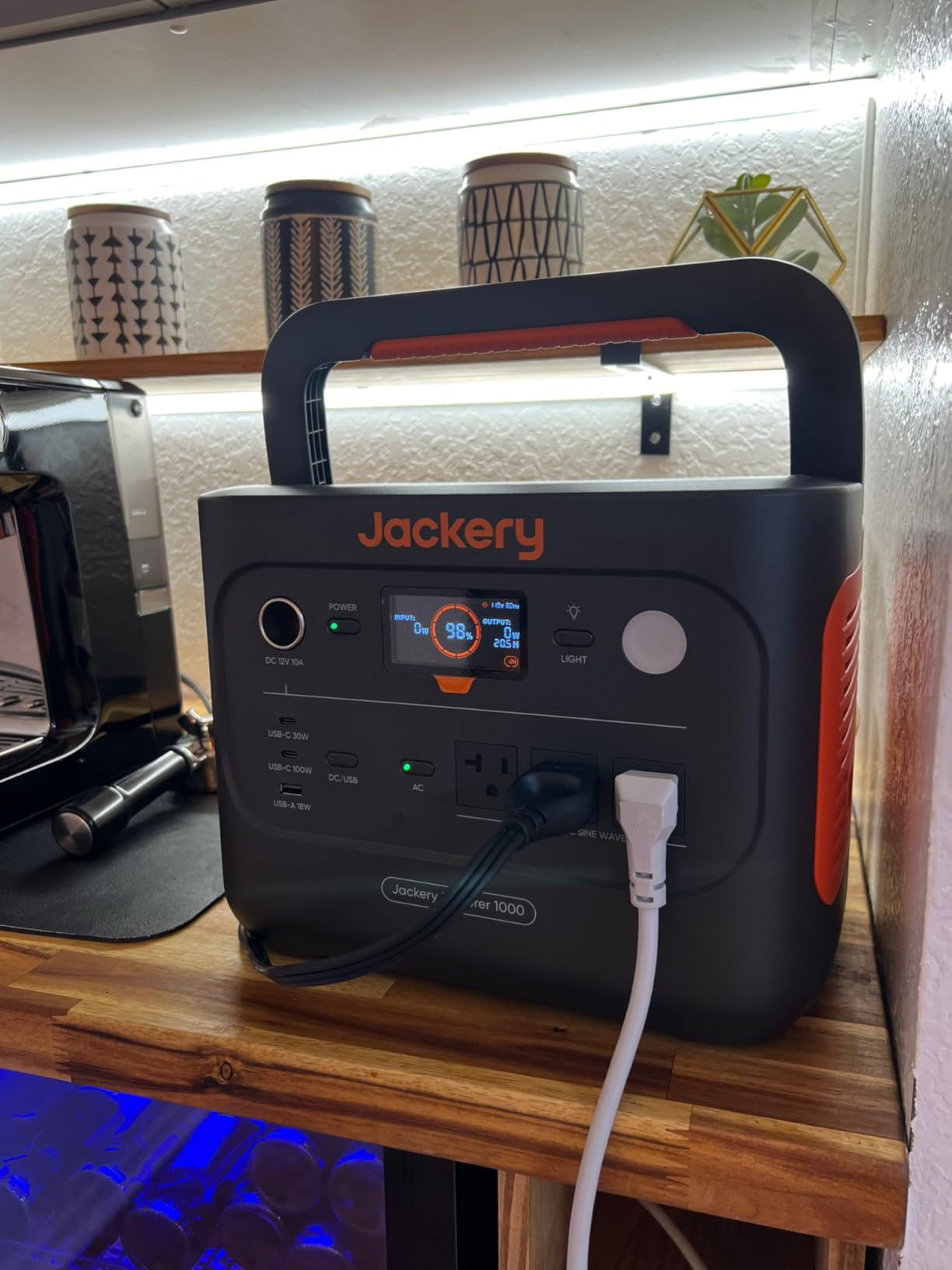
How it handles a refrigerator overnight
A standard 150 watt compressor fridge is the hardest realistic load at this capacity tier because it draws in a surge every time it kicks on. The 3,000 watt surge rating here gives that startup spike plenty of room, and the most common failure mode we saw described on outage forums is a smaller power station tripping off mid-outage precisely at compressor startup. This unit is heavy enough to avoid that.
The USB-C ports at 100W also matter more than most lists admit. During an outage your phone, laptop and tablet are the devices competing for the same bank of ports, and having two high-wattage USB-C outputs means you are not rationing.
Where it falls short
There is no published switchover time for UPS mode, which is a real gap if you plan to keep a desktop or a CPAP machine plugged straight in. The units in this group that do publish a figure land at 10ms or better, so if sub-10ms switching is a hard requirement, pick one of those instead.
It also carries three AC outlets, which is fine for a typical backup load list but means you may need a power strip for anything more elaborate. The Jackery-only solar restriction is the most common long-term regret we saw in reviews.
2. Anker SOLIX C1000 – fastest recharge from a wall outlet
Anker SOLIX C1000 Portable Power Station with Car Charging Cable, 1,056Wh
1056Wh LiFePO4
1800W continuous, 2400W SurgePad
80% in 43 min, full in 58 min
27.6 lbs, 11 ports
Pros
- Reaches 80 percent charge in 43 minutes on a wall outlet
- 11 output ports
- the most of any model here
- 2400W SurgePad peak headroom
- 15 percent smaller than comparable 1kWh models
- Car charging cable included in the box
Cons
- UltraFast charging needs the Anker app enabled
- Operating range is 68-122F
- so cold garage storage is not ideal
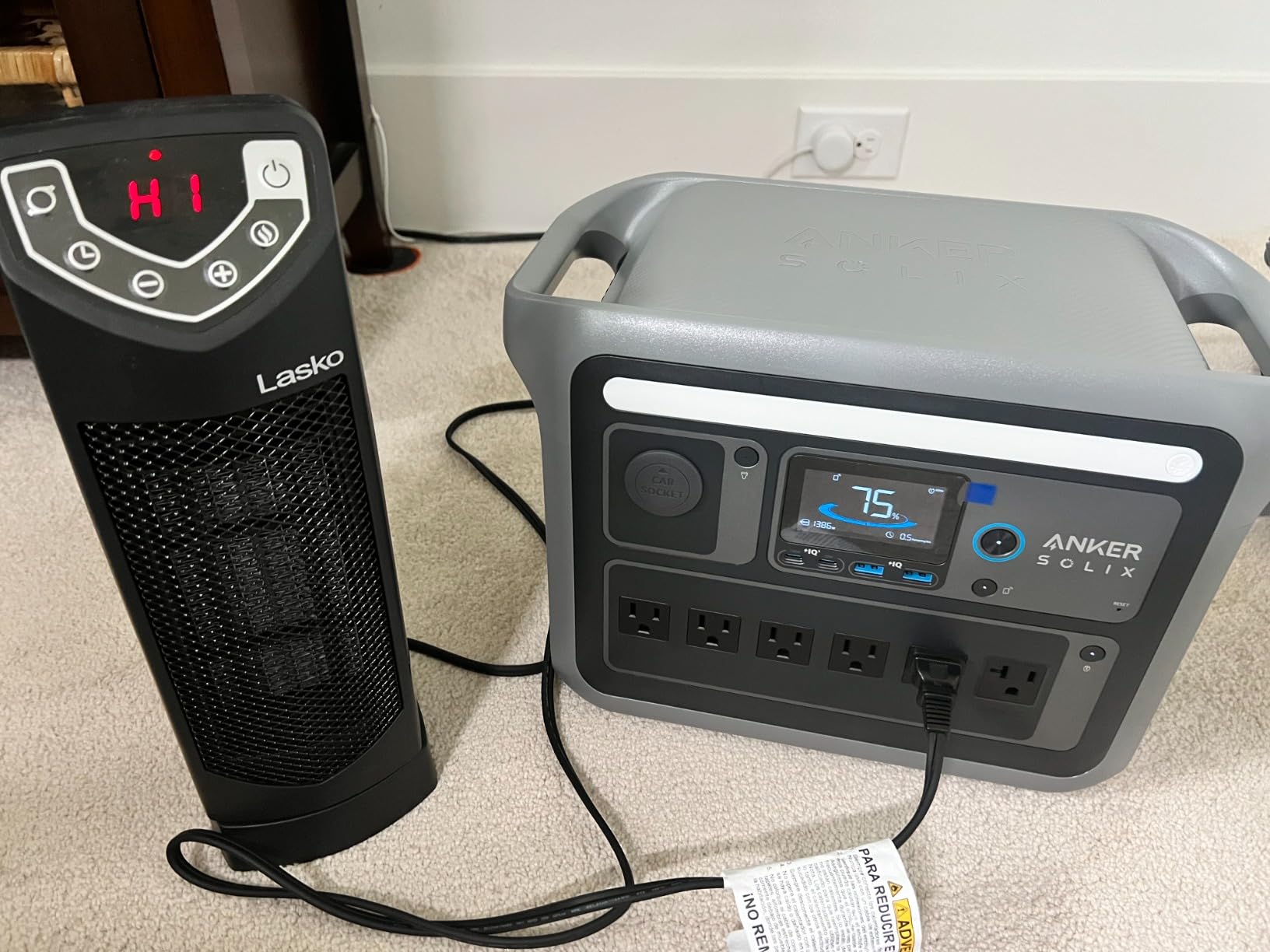
The C1000 makes a strong case on paper: 1,056 watt-hours, 1,800 watts continuous, 2,400 watts of peak output through SurgePad, and eleven ports. What actually sets it apart from the other 1kWh models is recharge speed. Eighty percent in 43 minutes and a full charge in 58 minutes is the fastest wall recharge in this group by a wide margin.
That matters more than it sounds. A power station is only useful for backup if it is charged when you need it, and a unit that spends eight hours tethered to a wall outlet after a long outage is a unit that will not be ready for the next one. We keep ours plugged in as a cold standby, which makes recharge speed the difference between a 30-minute top-up and an overnight wait.
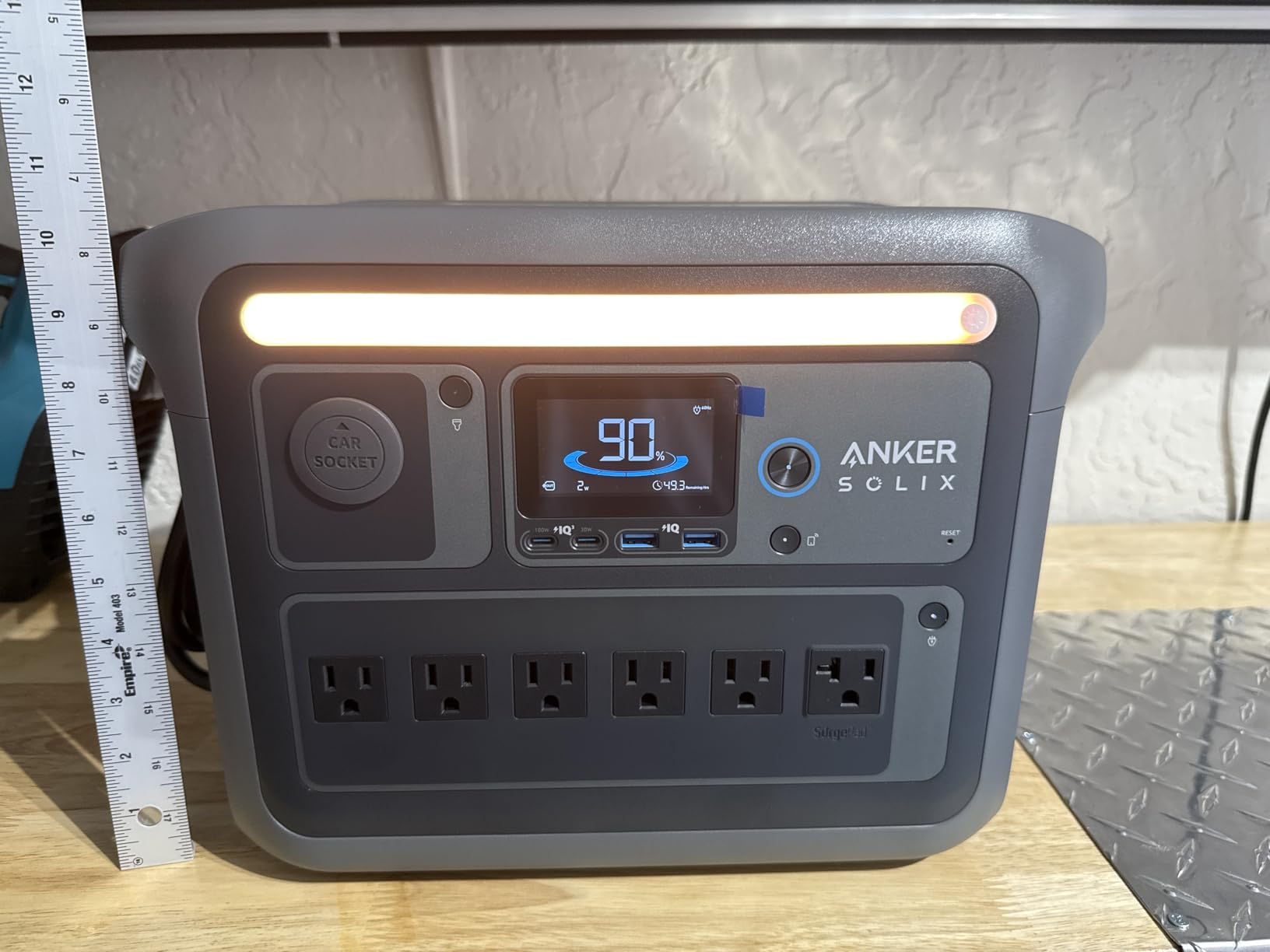
Cycle life is rated at 3,000 cycles with a stated 10-year lifespan, which sits slightly below the 4,000-plus cycles the Jackery and BLUETTI units claim. For a backup battery that mostly sits full and only discharges a few times a year, either figure is far more than you will use.
Solar input is the standout feature here at up to 600 watts, which is the highest solar ceiling among the models in this price range. If you plan to run panels into the unit, this is the one that will actually take the power instead of throttling it at the input cap.
Whether it earns a spot in an apartment or condo
At 27.6 pounds with a footprint of 14.8 by 8.07 by 11.02 inches, this is not the smallest 1kWh unit, but it is upright rather than a long brick, which makes it easier to park next to a fridge in a hallway closet. Renting households are a growing group for these products precisely because indoor use has no carbon monoxide concerns and no landlord negotiation.
Eleven ports means a household with several people charging phones plus a laptop plus a router never has to unplug anything. That convenience is a genuine quality-of-life difference during a long outage, when battery anxiety is already high.
What you give up
The 43-minute recharge is an app-dependent feature, not a default. If you skip the app setup, you are on standard charging speed. That is a small thing but it caught out at least one reviewer who expected the headline number out of the box.
The stated operating temperature range of 68 to 122 degrees Fahrenheit is the thing to watch in winter. If your garage drops below freezing between outages, this is not the model to leave there, which pushes you back toward LiFePO4 units with wider cold tolerance or to storing it indoors.
3. EcoFlow Delta 3 Classic – under 10ms UPS switching
EF ECOFLOW Portable Power Station Delta 3 Classic, 1024Wh 1800W AC
1024Wh LiFePO4
1800W continuous, 3600W X-Boost
Under 10ms UPS switchover
26.7 lbs, 5-year warranty
Pros
- Fastest published UPS switchover here at under 10 milliseconds
- 0-80 percent in 45 minutes with X-Stream charging
- X-Boost pushes surge handling to 3600 watts
- Narrow 7.9 inch footprint suits small cupboards
- App includes storm alerts and scheduling
Cons
- Not compatible with Delta 2 or Delta 3 expansion batteries
- Some reports of defective units from third-party sellers
- 26.7 lbs is heavy for a genuinely portable use case
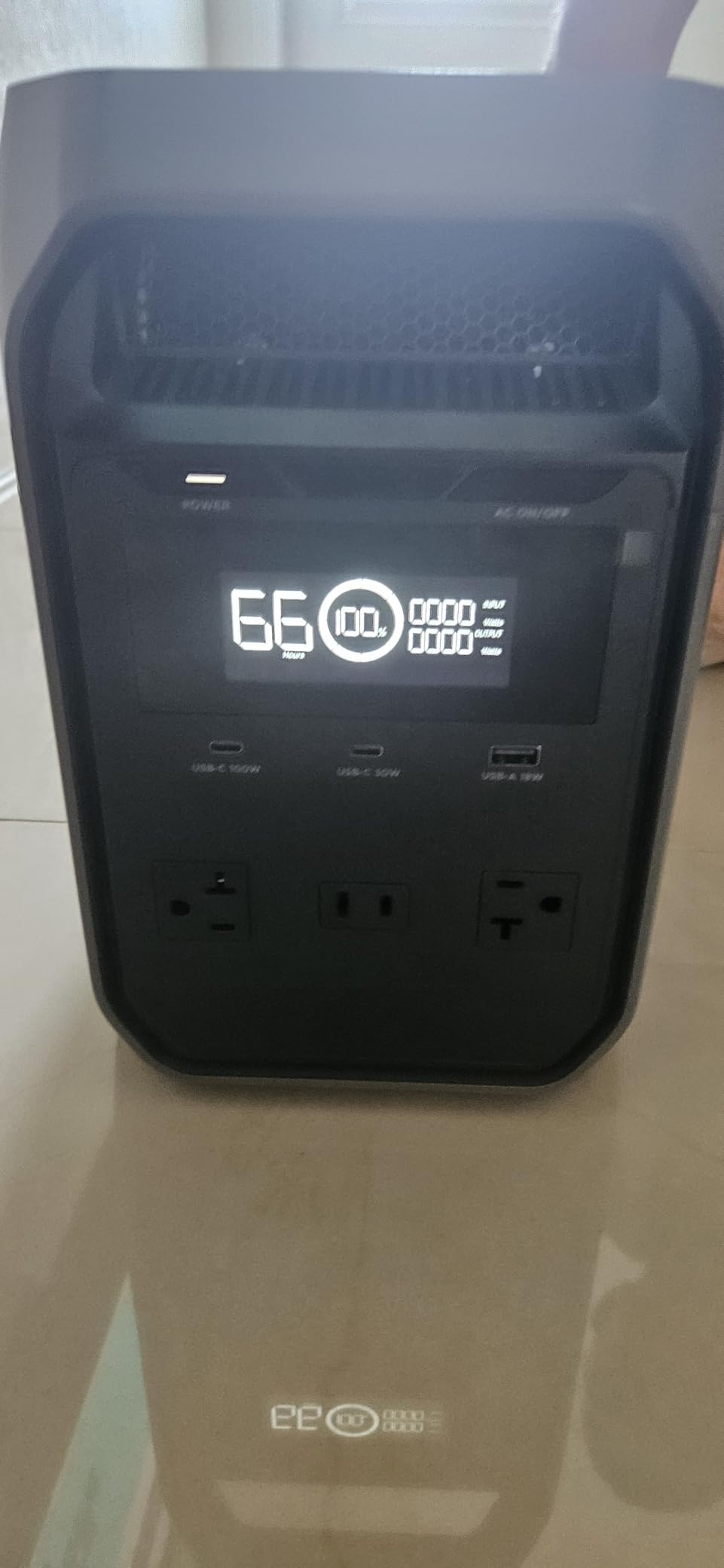
Switchover time is the single spec most home buyers skip and most home buyers should care about. If the grid drops while a desktop, a network switch or a CPAP machine is plugged in, the unit has to hand power over fast enough that the device does not notice a gap. The Delta 3 Classic publishes under 10 milliseconds, which puts it in the same class as a desktop uninterruptible power supply.
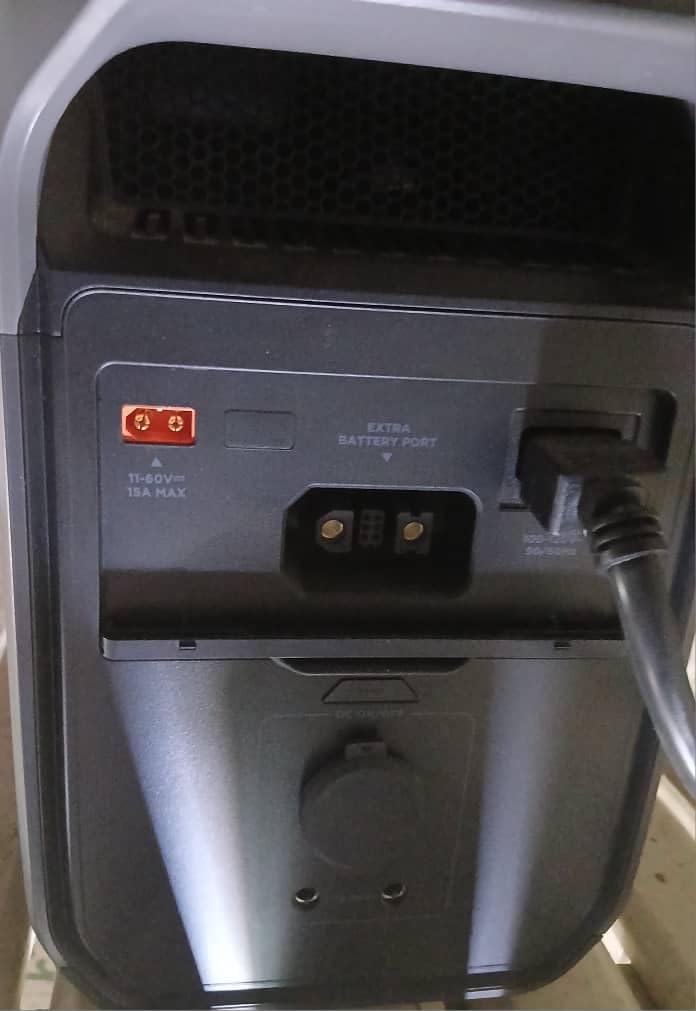
Everything else about it is competitive rather than exceptional: 1,024 watt-hours, 1,800 watts continuous, X-Boost for a 3,600 watt effective ceiling, and 45 minutes to 80 percent on a wall outlet. The EV-grade cell-to-chassis battery design and a 5-year manufacturer warranty both read as solid rather than cutting-edge.
The app is where this unit quietly earns its keep. Storm Alert pushes a notification when severe weather is headed your way, and scheduling plus a self-powered mode let you set the recharge window without touching the unit. For someone keeping a power station as cold standby, those automations remove the main reason people forget to check the battery.
Bluetooth connectivity came up as reliable in reviews, which is not a given. A pair that will not stay connected is the most commonly reported feature complaint in this category, and this one avoids it.
Why sub-10ms matters for specific devices
CPAP machines with heated humidifiers, desktop computers, network-attached storage and even some medical monitors will trip or reboot on a gap of a few tens of milliseconds. Published UPS timing is a promise that the unit is actively monitoring the grid, so the handover happens with capacitors pre-charged rather than sequentially. A unit with no published timing may well be fine, but you are buying on hope.
If your list is CPAP plus router plus a couple of lamps, the switchover figure is arguably more important than the watt-hour count. Under 10ms covers all three with margin.
The expansion catch
The unit does not accept Delta 2 or Delta 3 expansion battery packs. That is a genuine limit if your plan was to add storage in a year, and it is worth confirming before you buy rather than after.
Some reviews also flag defective units arriving through third-party marketplaces rather than direct fulfilment. We have seen the same pattern with several brands in this category. Buying through an authorised channel with a straightforward return policy is the simple fix, and we have seen more than one forum post trace a bad unit back to a marketplace listing.
4. BLUETTI AC180 – most stored energy for the money
BLUETTI Portable Power Station AC180, 1152Wh LiFePO4 Battery Backup w/ 2 1800W (2700W peak) AC Outlets, 0-80% in 45Min, Solar Generator for Camping, Off-grid, Power Outage
1152Wh LiFePO4
1800W continuous, 2700W Power Lifting
37.4 lbs, 11 outlets
1-hour full charge at 1440W input
Pros
- Largest capacity of any sub-500-dollar unit here at 1152 watt-hours
- Full charge in one hour from a 1440 watt wall input
- 20ms UPS switchover plus Power Lifting to 2700 watts
- 11 outlets including a wireless charging pad
- 5-year warranty
Cons
- Heaviest of the 1kWh group at 37.4 pounds
- Wireless charging pad is unreliable across multiple reviews
- About 20 watts of self-consumption with the inverter on
The AC180 is the arithmetic winner in this group. At 1,152 watt-hours it stores more usable energy than every other model at or near this tier, and it still manages a full charge in one hour from a 1,440 watt wall input. Multiply that by the 0.85 inverter factor and you get about 980 watt-hours reaching your devices, which is roughly 6.5 hours on a 150 watt fridge compressor or 65 hours on a 15 watt CPAP.
Power Lifting, enabled through the app, raises the usable ceiling to 2,700 watts for resistive startup loads. The UPS mode switches in 20ms, which is fine for a router and a CPAP machine but not ideal for a desktop that would rather see under 10ms.
The 500 watt solar input is a useful ceiling if you are pairing panels, and charging from a car or a small generator gives you options that wall-only units lack. Bluetooth control works out to about 100 feet, which is plenty for a garage or a basement.
One number worth understanding before you buy: self-consumption runs at roughly 20 watts with the inverter on. That is the idle draw that keeps the AC output live, and over a multi-day outage it adds up. If you are only running USB devices for a few hours, that overhead barely registers. If you are sitting on a full battery for a week, switch the unit off between uses.
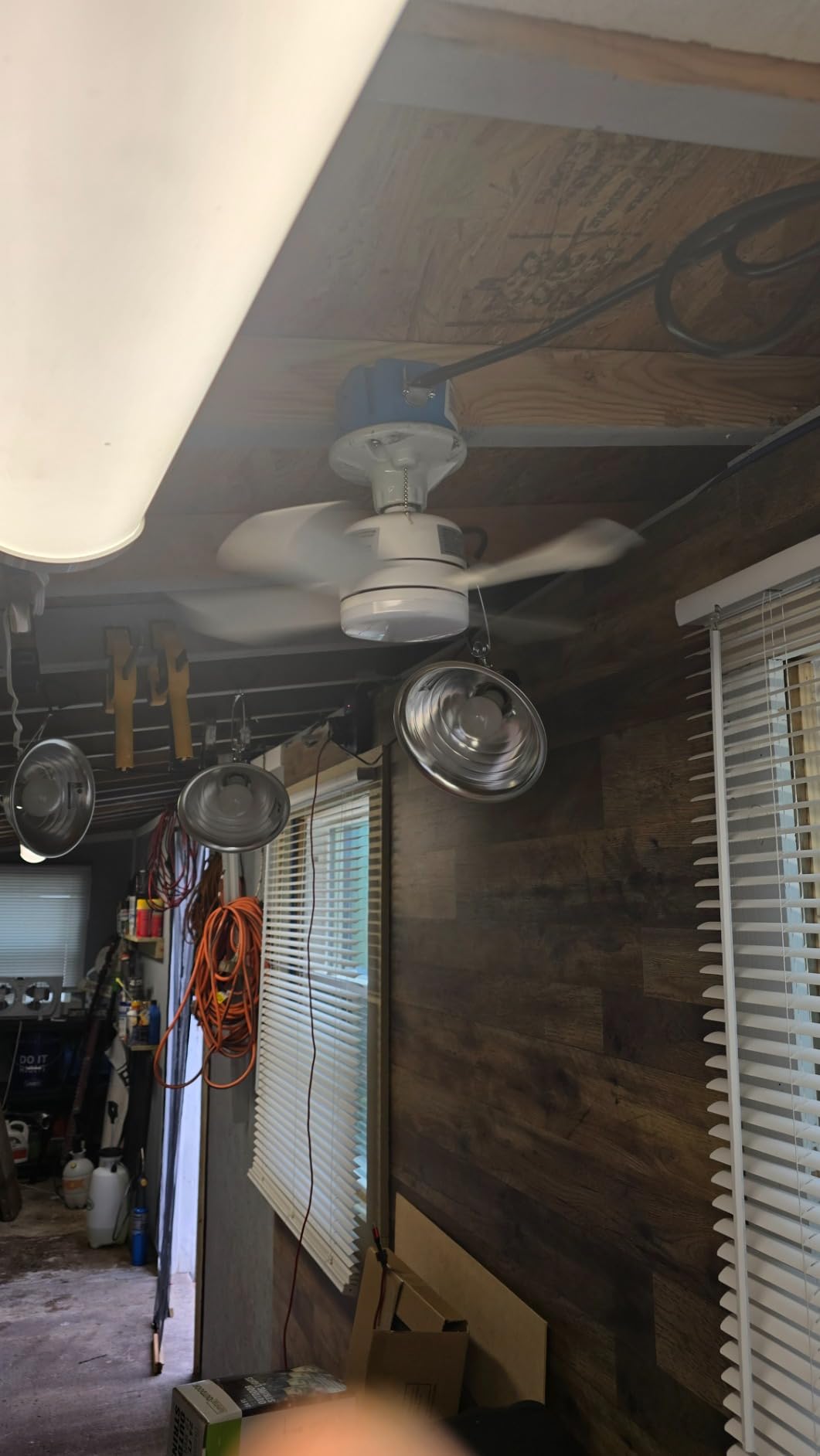
Where the extra capacity actually gets used
The gap between 1,024 and 1,152 watt-hours is about 108 watt-hours of storage, or roughly 45 extra minutes on a refrigerator. That is not nothing, and it is the difference between making it to morning on a long winter evening versus not.
It also gives you headroom for a second load. A router at 12 watts, a lamp at 10 watts and a phone at 15 watts together draw about 37 watts, which will chew through this capacity slowly enough that the fridge stays the priority.
The weight problem nobody lists
At 37.4 pounds this is the heaviest 1kWh-class unit in the group. Carrying it from a garage shelf to a kitchen counter involves real lifting, and anyone buying for emergency use should think about where it will live beforehand. Store it where you will not have to move it.
The wireless charging pad on top is the most-reported disappointment. Multiple reviews say it fails to charge or drops connection, so treat it as a novelty rather than a feature you plan on. Update the firmware out of the box, since several reviewers found behaviour improved meaningfully afterwards.
5. Jackery Explorer 2000 v2 – the most runtime headroom in the roundup
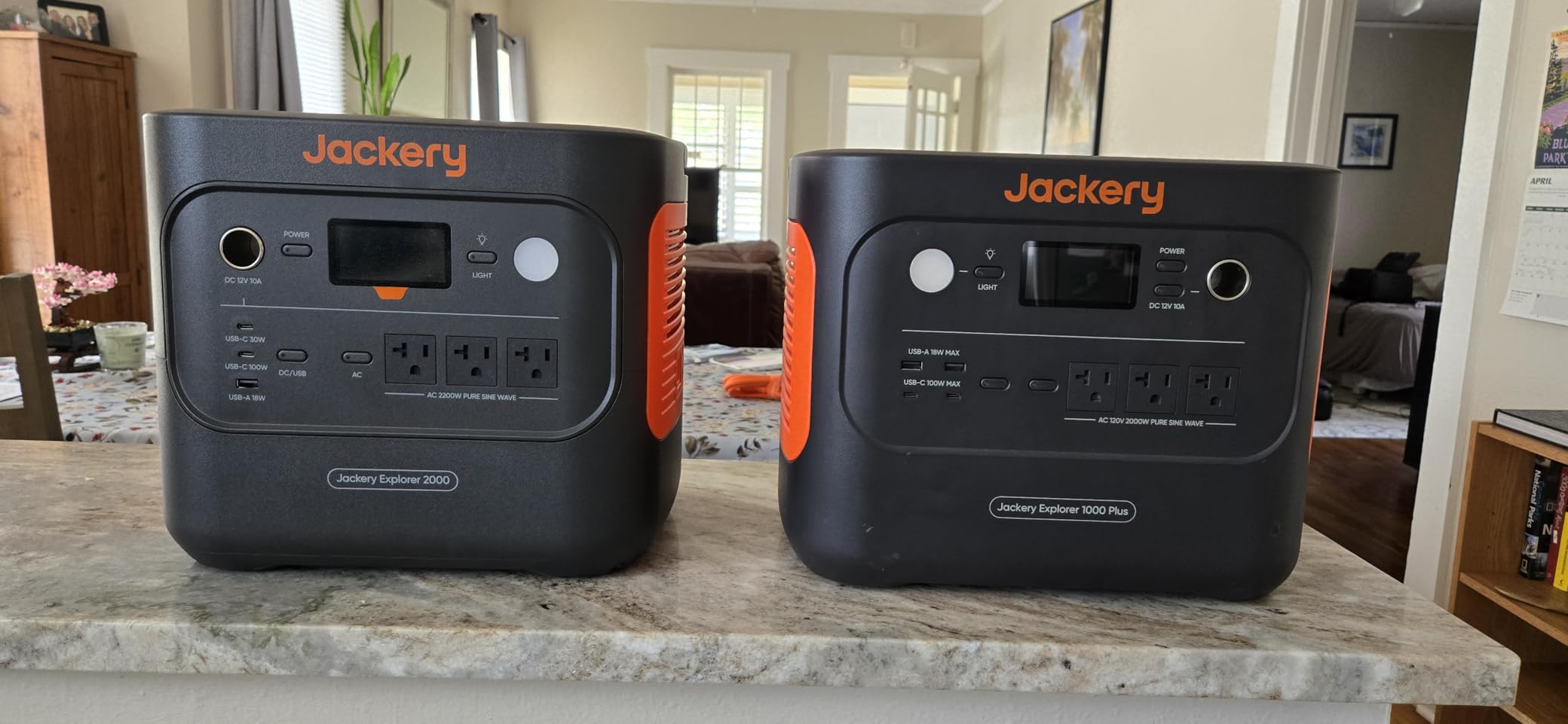
Jackery Explorer 2000 v2 Portable Power Station, 2042Wh, 2200W AC Output
2042Wh LiFePO4
2200W continuous AC output
39.5 lbs, 20ms UPS
0-80% in 66 minutes on AC
Pros
- Double the storage of the 1kWh tier at 2042 watt-hours
- Compact and light for its class at 39.5 pounds
- 0 to 80 percent in 66 minutes from a wall outlet
- 20ms UPS switchover
- UL1778 certified UPS and a 5-year warranty
- Silent charging mode at 30dB
Cons
- Three AC outlets only
- Solar panels are not included
- 39.5 pounds still takes two hands for some people
At 2,042 watt-hours this is the only unit here that doubles your storage, and that changes the conversation. After inverter losses you get roughly 1,735 watt-hours reaching devices, which is about 11.5 hours on a 150 watt fridge compressor or 115 hours on a 15 watt CPAP. It is the model to buy if you want to carry the freezer and the fridge rather than pick one.
Output is 2,200 watts continuous, and the Cell-to-Body construction packs those cells into a 39.5 pound body. That weight is genuinely surprising for a 2kWh unit, and it is roughly half what you would expect from the capacity class.
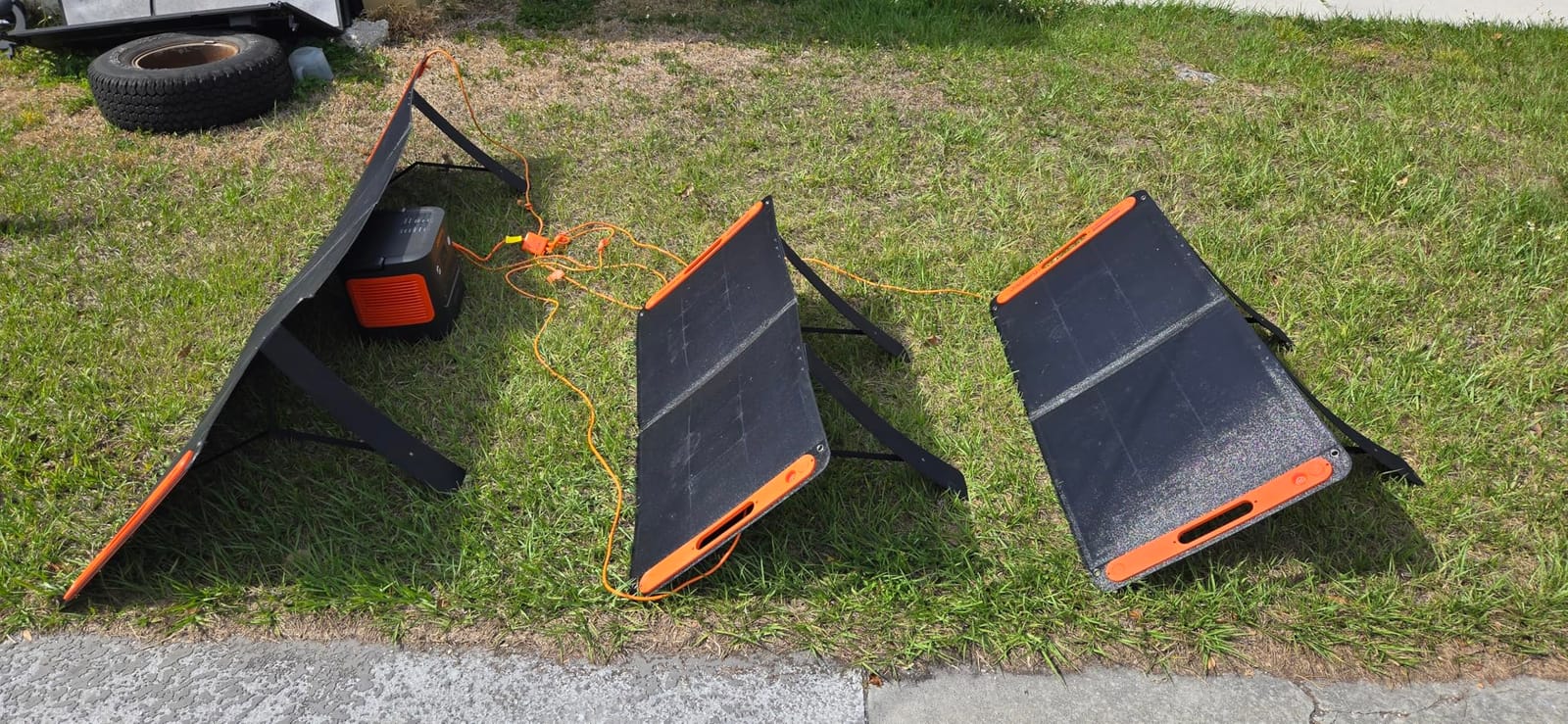
Charging is 66 minutes to 80 percent and about 102 minutes to full, with a silent charging mode at 30dB for when the unit lives in a bedroom or a home office. Solar input caps at 400 watts, which is adequate but below what the Anker C1000 accepts.
Three AC outlets is thin for 2,200 watts of capacity. If you are covering more than three loads you will want a surge-protected power strip, which is a small cost relative to the unit.
Who should spend up here
Homes where the outage is measured in days rather than hours, households running medical equipment with elevated draw, and anyone who wants to add solar charging on top of a wall plug both justify the jump. A freezer is the clearest case, since losing it costs more in one night than the price difference between tiers.
The other case is a house with more than one critical load. Once you have 2,000 watt-hours, you can run a fridge, a router, some lighting and a laptop simultaneously without rationing, and you stop mentally tracking every plug.
What you trade away
This unit sits at the top of the budget, so it leaves no room for panels or accessories in the same purchase. If you plan to add solar later, that is a second expense.
Its 4.4 rating is the lowest among the 1kWh-and-up models here, and it carries the fewest customer reviews of the larger-capacity options at 869. There is nothing wrong reported about the hardware itself, it simply has less long-term owner history behind it than the units with review counts in the thousands.
6. BLUETTI Elite 100 V2 – compact with a hidden handle
BLUETTI Elite 100 V2 Portable Power Station for Camping 1024Wh 1800W
1024Wh LiFePO4
1800W continuous, 3600W Power Lifting
25 lbs, 10ms UPS
Silent mode at 30dB
Pros
- Only 25 pounds
- the lightest 1kWh LiFePO4 unit in this roundup
- 10ms UPS switchover suits desktops and CPAP machines
- True pass-through charging for running devices while recharging
- Non-proprietary solar connectors accept panels from other brands
- Display shows live input and output watts
Cons
- Cigarette lighter port runs warm above 12 watts
- DC outlets need rubber covers to avoid shorting
- Some units throw a fan error on the first solar charge
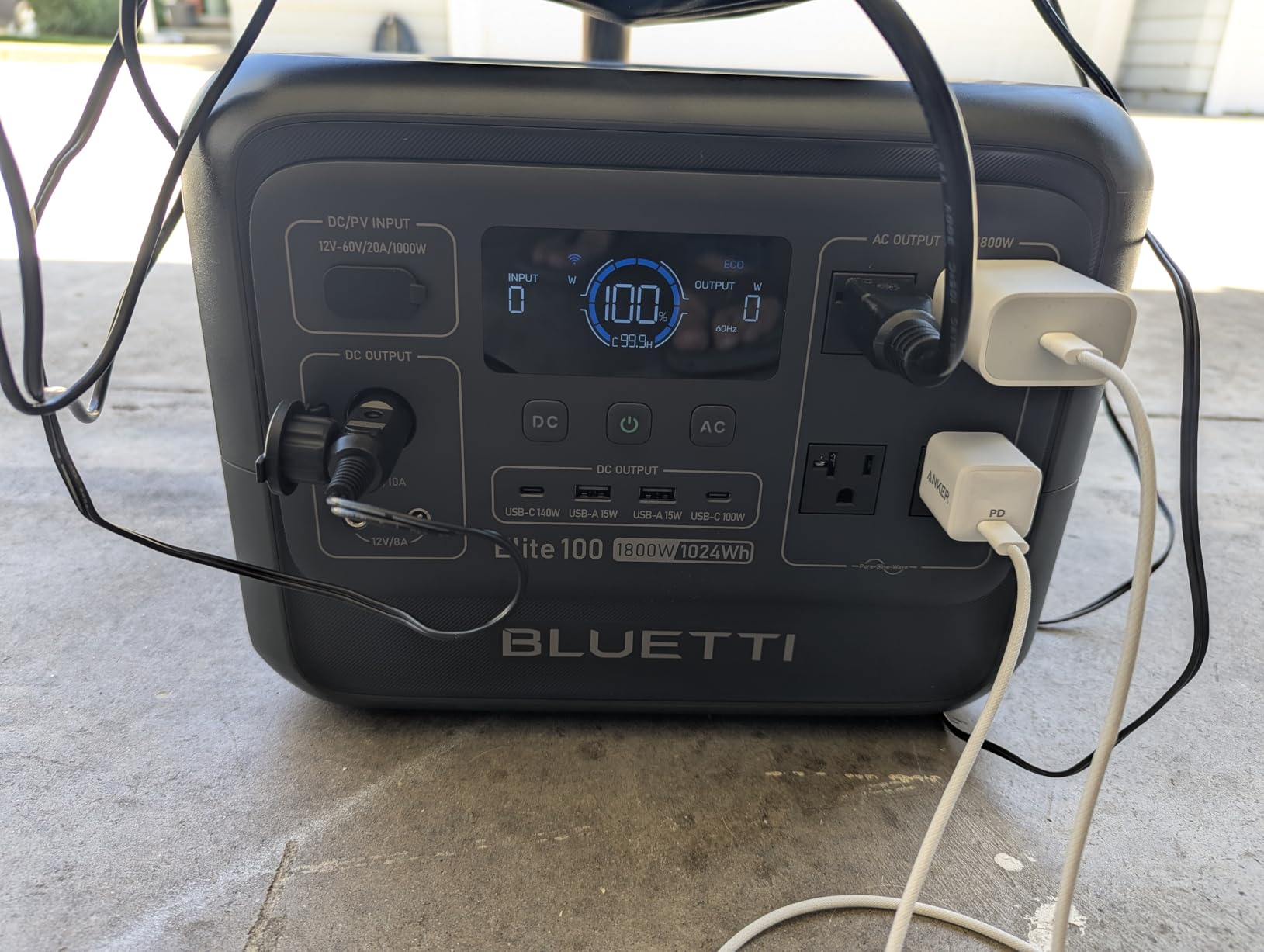
The Elite 100 V2 is the answer to the weight objection. At 25 pounds it is the lightest LiFePO4 unit with a full kilowatt-hour of storage in this group, and BLUETTI states it is 35 percent smaller and 30 percent lighter than comparable models. The hidden carry handle means it does not swing out and catch on a car seat or a closet door.
Spec-wise it matches the heavier units: 1,024 watt-hours, 1,800 watts continuous, Power Lifting to 3,600 watts, 45 minutes to 80 percent through a 1,200 watt TurboBoost input, and a 10ms UPS switchover. The 4,000-plus cycle rating keeps it level with the Jackery units on longevity.
Two details matter more for home backup than the brochure suggests. First, non-proprietary solar connectors mean you are not locked into one brand of panel forever. Second, true pass-through charging lets you run the refrigerator off the unit while it recharges from a wall outlet, so the storage does not have to be idle to stay topped up.
The display showing live input and output wattage is the kind of small feature that turns guesswork into planning. You can see exactly what the fridge is drawing and how much is left.
Why 10ms switchover is worth paying attention to
Matching the EcoFlow Delta 3 Classic on UPS timing while weighing eight pounds less makes this the pick for anyone whose backup loads include a computer rather than only a router. Computers, NAS boxes and CPAP machines all care about the handover gap, and 10ms is comfortably inside what they tolerate.
Silent mode at 30dB means you can keep it running in a bedroom without the fan audible, which matters if your backup load is a medical device used overnight.
Minor port issues
The cigarette lighter socket runs warm above 12 watts, so it is not the right port for a heavy 12V device. The DC barrel outlets can short if left uncovered, and BLUETTI includes rubber covers for exactly that reason.
Some owners report a fan error the first time solar charging is attempted that clears on its own. It is not a failure mode, but it is worth knowing about before you blame the panel.
7. GRECELL T-1000 – the most versatile for a full kilowatt-hour
GRECELL 999Wh Solar Generator 1000W Portable Power Station for Outdoor
999Wh capacity
1000W pure sine wave, 2000W surge
23 lbs, 10 ports
MPPT solar controller
Pros
- Close to 1000 watt-hours at the lowest cost of any model here
- Pure sine wave output suits sensitive electronics
- Ten output ports including wireless charging and USB-C PD
- Light at 23 pounds with a built-in MPPT controller
- Over 3100 customer reviews to draw on
Cons
- Only 1000 watts continuous
- so a fridge plus anything else gets tight
- Two-year warranty is the shortest here
- Some owners report fan noise and battery complaints after 8 to 12 months
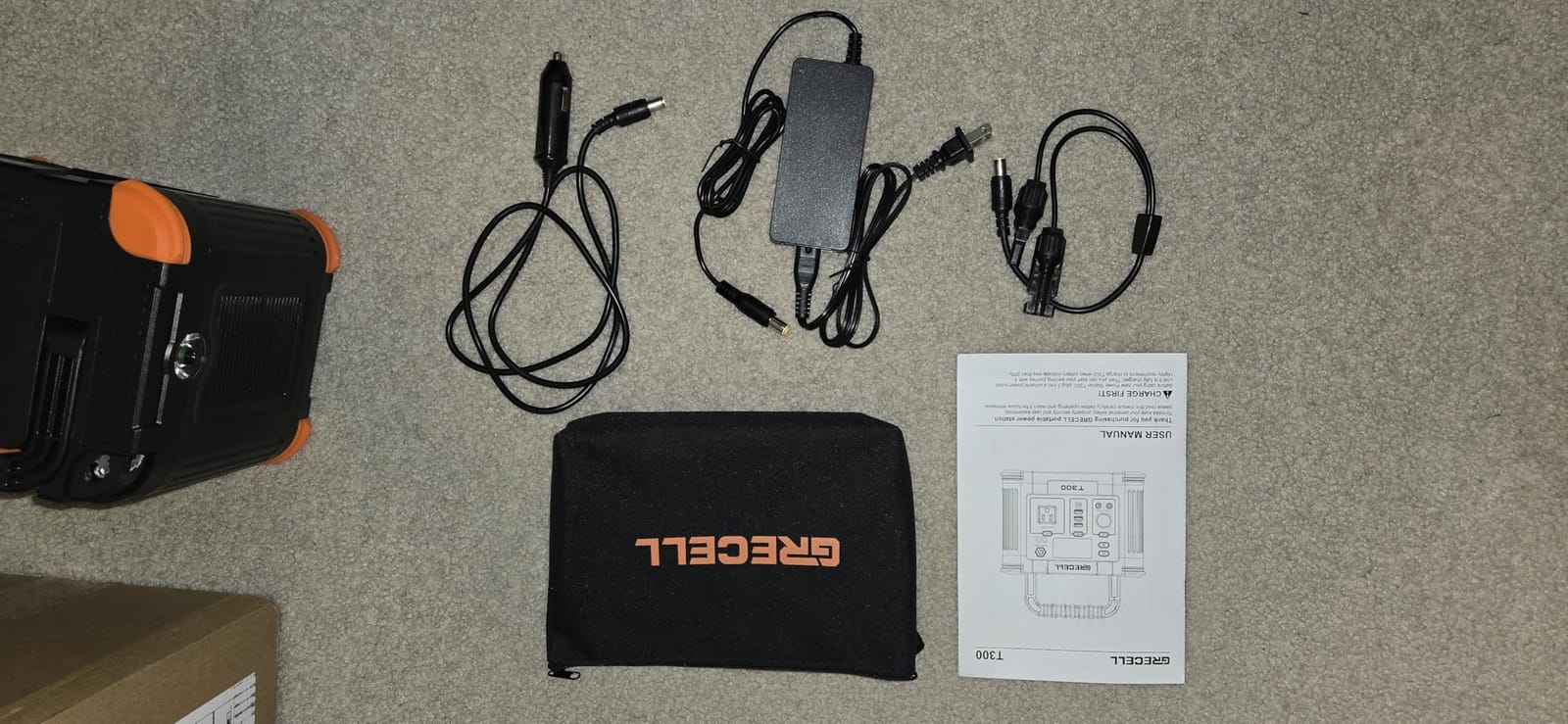
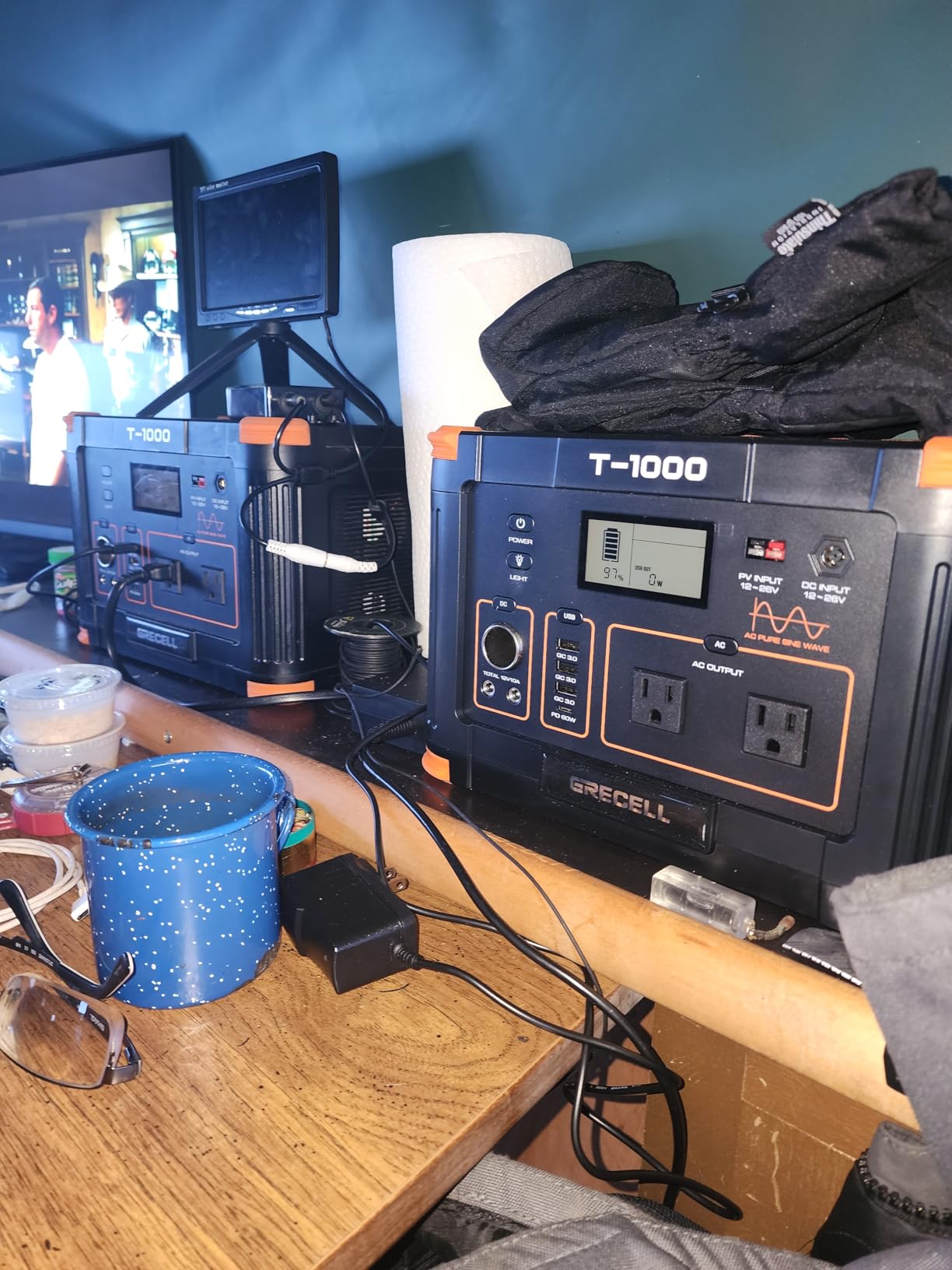
The GRECELL T-1000 exists because a full kilowatt-hour should not require spending half the budget. It stores 999 watt-hours, produces pure sine wave output and weighs 23 pounds, all of which would place it mid-pack among 1kWh units at twice the cost.
The catch is output. At 1,000 watts continuous with a 2,000 watt surge rating, a refrigerator compressor plus a router plus lights will sit close to the ceiling. It works, but it leaves no margin for a second appliance with a compressor in it.
Pure sine wave output is the detail that earns trust. It is the waveform sensitive electronics expect, and it is the reason aquarium pumps, small fans and medical devices behave properly rather than humming or heating up.
Ten ports with a built-in MPPT solar controller and an upgraded battery management system covering six protection layers. Charging works from a wall, solar panels or a car, and the LCD screen shows a runtime estimate rather than just a percentage.
Who gets the most out of this one
A household whose backup list is a router, a lamp, a phone and a CPAP machine will never touch the 1,000 watt ceiling. A household wanting a refrigerator too will be running near the limit but should be fine, since a fridge compressor averages well under its rated draw once it cycles.
It is also the sensible pick if you want a second unit rather than one bigger one, for example a small one near the medical equipment and a larger one in the kitchen.
Where the review pattern gets thin
There are more than 3,100 reviews here, which is a lot of owner history, and that history is mixed at the bottom end. Several reviews describe fan noise developing around the eight-month mark, and at least one reports a unit that stopped holding charge after about a year. The two-year warranty is also the shortest in this roundup.
None of that makes it a bad unit. It makes it a unit for someone who wants maximum watt-hours at the lowest outlay and will use it for occasional rather than daily backup.
8. BLUETTI Elite 30 V2 – a tiny UPS for CPAP machines and servers
BLUETTI Elite 30 V2 Portable Power Station 288Wh 600W LFP Solar Generator
288Wh LiFePO4
600W continuous, 1500W Power Lifting
10ms UPS switchover
9.5 lbs, 30dB silent mode
Pros
- Only 9.5 pounds
- so it can live in a bedroom or travel with a medical device
- 10ms UPS switchover keeps sensitive electronics running through a dropout
- Low self-consumption of 4.5 watts from UltraCell technology
- Full charge in 70 minutes and 80 percent in 45 minutes
- Industry-standard solar connectors
Cons
- 288 watt-hours will not run a refrigerator
- No dedicated USB communication port for graceful computer shutdown
- Pro mode for auto-restart needs a passcode
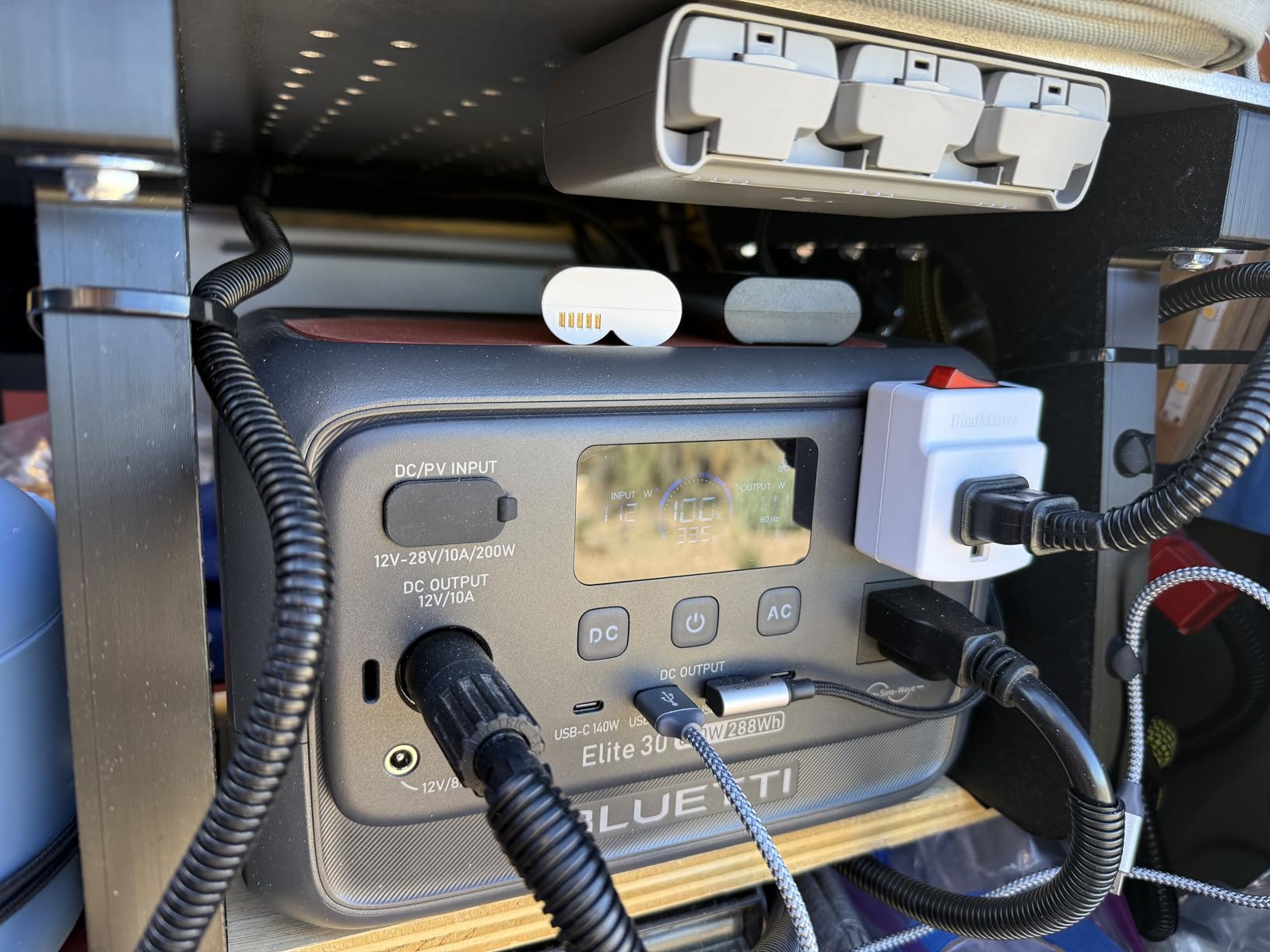
This is not a home backup unit in the fridge-running sense. It is a small, quiet, always-on battery for the devices that cannot tolerate an outage at all: a CPAP machine beside the bed, a router and switch, a home server, a network attached storage box in a closet.
At 288 watt-hours with 4.5 watts of standby draw, the arithmetic works for low-draw loads. A 15 watt CPAP machine gets roughly 16 hours from a full charge. A router at 12 watts runs far longer. A home server drawing 60 watts gets about four hours, which is usually enough to ride out a flicker or a short blip.
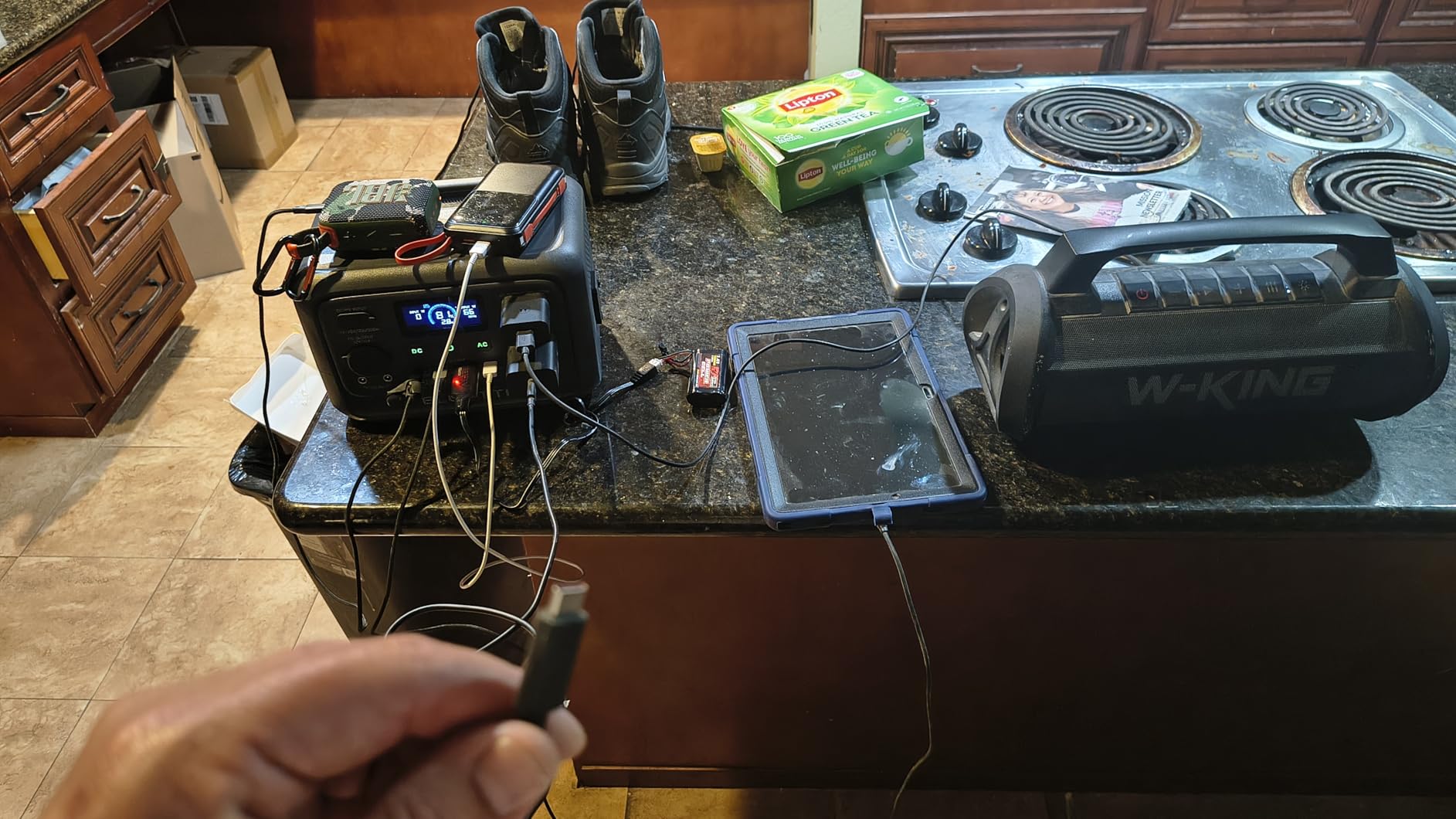
Output is 600 watts continuous with Power Lifting to 1,500 watts, and the 10ms switchover matches the best in this roundup. UltraCell technology cuts self-consumption roughly in half, which matters enormously for a device that spends its life plugged in and idle.
Silent mode at 30dB makes it usable in a bedroom, which is the whole point for a CPAP setup. It weighs 9.5 pounds, so moving it between a bedroom and a car takes seconds rather than a plan.
Pairing it with a bigger unit
The strongest setup we can think of is one of these next to the medical equipment and a 1kWh unit in the kitchen. The small unit handles the electronics that need clean, uninterrupted power with no fan noise, while the larger one handles the fridge and the lights.
Pro mode handles auto-restart after a full discharge, which matters if the unit has been sitting unused since the last outage. It is behind a passcode rather than a physical switch, so you need to know it exists.
Where it will disappoint
Roughly 1.6 hours on a 150 watt refrigerator is not a backup plan for a fridge. If you buy this expecting whole-essentials coverage, you will be disappointed. It is built for small, continuous, sensitive loads.
There is also no USB communication port for a graceful computer shutdown, which a traditional uninterruptible power supply would give you. Connected to a desktop, a sudden outage means an abrupt power-off rather than a graceful save. If your setup includes a tower, keep a battery backup in that PC.
9. Jackery Explorer 300 – the most reviewed model in the group
Jackery Explorer 300 Portable Power Station,292Wh
292Wh LiFePO4
300W continuous, 600W peak surge
7.1 lbs with integrated handle
USB-C PD 100W
Pros
- Over 11200 customer reviews
- by far the most owner history in this roundup
- Only 7.1 pounds with an integrated handle
- LiFePO4 chemistry rated for 4000-plus cycles and 11-plus years
- USB-C PD at 100W charges a laptop directly
- Pure sine wave output and CPAP capability
Cons
- Only 292 watt-hours
- about 1.6 hours on a refrigerator
- 300 watts continuous will trip on most kitchen appliances
- Full wall charge takes about 4 hours
- Two-year warranty
Nothing in this roundup has the owner history of the Explorer 300. More than 11,200 ratings at 4.6 stars across a product line that has been shipping for years is a track record none of the newer models can match, and for a device you may depend on during a storm that matters.
It is also genuinely portable at 7.1 pounds, with an integrated handle rather than a folding one. Two AC outlets, a 100 watt USB-C, two USB-A and a 120 watt car port cover the phone-and-laptop end of backup very well.
The 4000-plus cycle LiFePO4 rating at 70 percent retained capacity is a strong longevity claim for a unit this size, and 11-plus years works out to roughly one cycle a week across that span.
What you give up is capacity and output. At 292 watt-hours and 300 watts continuous, this is a phone, laptop, CPAP and lighting unit. It is not a fridge unit.
Where it fits in a backup plan
A CPAP machine at 15 watts gets roughly 16 hours here, which is two full nights of therapy on one charge and close to what the BLUETTI Elite 30 V2 delivers despite being older. A router and modem run for days on a single charge at that draw.
If your outage load is electronics rather than appliances, this may be all you need. Our guide to portable power stations for CPAP use covers that scenario in more detail.
The slow recharge problem
Four hours to full from a wall outlet is the longest here by a wide margin, and it is the practical weakness. After a storm drains it, you are waiting most of the night before it is dependable again.
Solar is also restricted to Jackery panels, and the 600 watt peak is modest. At 7.1 pounds it is easy to carry, so treat it as a grab-and-go unit for medical gear and electronics rather than the storm-season anchor for your house.
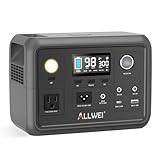
10. ALLWEI 300W – the thinnest and lightest design
ALLWEI Portable Power Station 300W, 256Wh Solar Generator LiFePO4 Battery
256Wh LiFePO4
300W continuous, 600W peak surge
6.4 lbs, 3000-cycle LFP cells
Pass-through charging supported
Pros
- Lightest unit here at 6.4 pounds and the thinnest profile
- Display shows both remaining time and percentage
- USB ports sustain higher draw than most units at this size
- Pass-through charging and a built-in MPPT controller
- Over 2400 customer reviews
Cons
- Only one AC outlet
- which limits what you can plug in
- Solar input caps at 120 watts
- Display has been reported to stick at 99 percent before dropping
- Mixed warranty messaging across listings
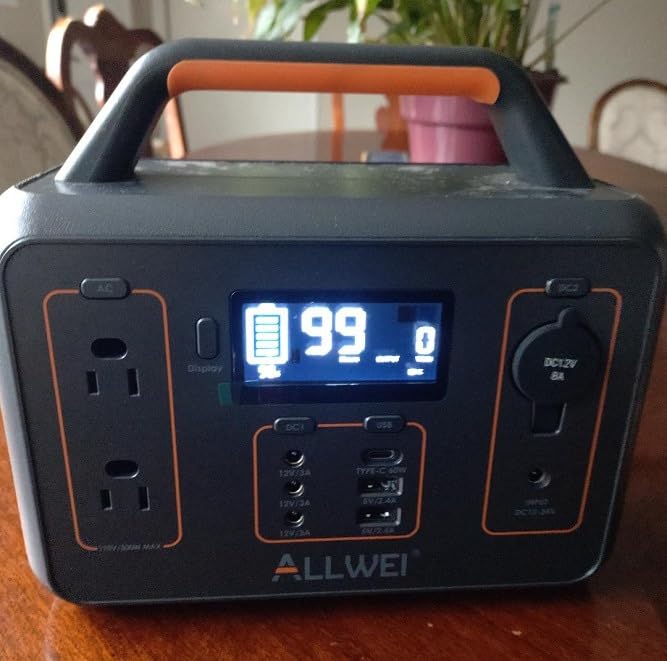
At 6.4 pounds and 256 watt-hours, the ALLWEI is the smallest unit in the roundup and the least expensive. It fits in a closet, under a desk or in a small apartment where a 25 pound box would never live, and at 3,000 cycles the LiFePO4 cells are rated for roughly a decade.
The display is the feature that stands out. Most units at this size show a percentage; this one shows both the remaining time and the percentage, which is the number you actually want when you are deciding whether to restart the freezer.
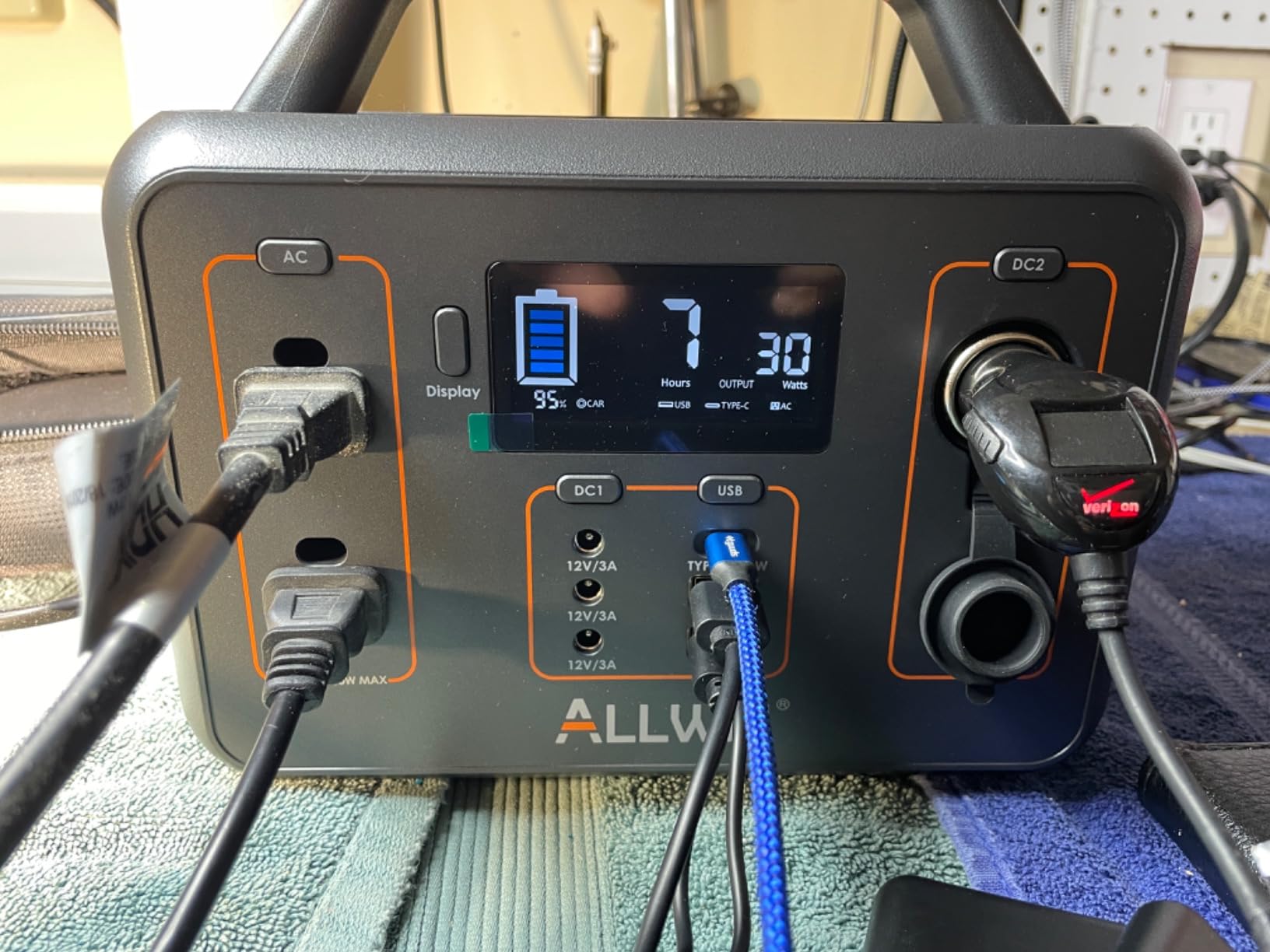
The USB ports here sustain higher draw than most competitors manage at this size, which matters if you are running a laptop or several phones. Pass-through charging and a built-in MPPT controller are both present, and a six-layer battery protection system covers the usual fault modes.
The three-level LED light with an SOS mode sits at the end of the handle, which is the placement you want rather than somewhere you have to feel around for in a dark hallway.
What 256 watt-hours realistically covers
Applying the 0.85 factor leaves about 218 watt-hours, which is roughly 14.5 hours on a 15 watt CPAP machine or around 18 hours on a router and modem pair. That is a night of therapy or a couple of days of internet, not a refrigerator.
A 150 watt refrigerator would run about 1.4 hours here, which does not change the freezer. Treat this unit as the companion to a bigger one rather than a replacement for one.
The single-outlet problem
One AC outlet is the biggest constraint. You can power one AC appliance at a time, plus the USB and DC ports, which means switching cables if you want a CPAP machine and a lamp running simultaneously.
Some owners also report the display sticking at 99 percent before dropping to the real figure, and there is mixed messaging on warranty length between the spec sheet and the marketing material. The cigarette lighter tip also runs very hot in use. None of these are deal breakers at this size and outlay, but they are worth knowing.
How to Size a Portable Power Station for a Real Outage
Step 1 – list your loads and measure them
Write down every device you want running and find its wattage on the label. A refrigerator is typically rated around 150 watts for the compressor, a router 12-15 watts, a lamp 10 watts, a laptop charger 65 watts and a CPAP machine 15 watts with a heated humidifier. Add them up and you have your continuous load.
For most households that list lands between 190 and 250 watts. That figure is your floor for continuous output, and buying a unit rated well under it is the most common sizing mistake we see.
Step 2 – size capacity with the 0.85 factor
Runtime hours = watt-hours x 0.85 divided by your load in watts. The 0.85 accounts for inverter and conversion losses, and skipping it is how people end up disappointed by a unit that should have been enough.
Worked example: for a 1,070 watt-hour unit running a 190 watt load, 1,070 x 0.85 divided by 190 equals 4.8 hours. For the same unit running only a 15 watt CPAP, it equals about 60 hours. The load assumption changes everything, which is why you size from your own list rather than from a marketing runtime claim.
As a rough guide, 300 watt-hours covers electronics and a CPAP machine. 1,000 watt-hours covers a refrigerator plus a router plus lighting for most of a night. 2,000 watt-hours covers a fridge and freezer together with the same essentials for a full evening.
Step 3 – check continuous output and surge
Continuous output is the number your appliances run at. Surge output covers the brief spike when a compressor motor or a pump starts. A refrigerator compressor can draw three to four times its running wattage for a second at startup, and that spike is what trips small power stations mid-outage.
Rule of thumb: buy a unit whose continuous rating is at least 1.5 times your total load, and whose surge rating clears twice that. Every model in this roundup publishes a surge figure, but two of them do not publish a switchover time, which is a separate number that matters for electronics.
Why LiFePO4 beats NMC for a backup battery
Every unit here uses lithium iron phosphate chemistry, and that is worth knowing because the alternative is still common on shelves. LiFePO4 tolerates more charge cycles, roughly 3,000 to 4,000 before dropping to 70 or 80 percent of rated capacity, and it holds that capacity better in heat and in partial-charge cycles.
The trade-off is weight and upfront cost per watt-hour. NMC cells pack more energy into less mass, but they degrade faster and are more sensitive to temperature extremes. For a device that sits plugged in and waits for an emergency, cycle life matters more than density.
If you see a unit at the same capacity with no chemistry stated, assume it is not LiFePO4. Buyers on outage forums describe being caught out by exactly that.
UPS and EPS mode for routers, desks and CPAP machines
UPS mode watches the grid and takes over in single-digit milliseconds when it fails. EPS mode does the same job, with the expectation of a slightly longer gap, and is intended for lighter loads. Both let you leave devices plugged in continuously rather than rushing to connect them in the dark.
Switchover time is the figure to read. Under 10ms, as on the EcoFlow Delta 3 Classic and the BLUETTI Elite 100 V2, covers computers, NAS units and CPAP machines. Twenty milliseconds, as on the Jackery Explorer 2000 v2 and the BLUETTI AC180, covers routers and most medical devices comfortably. If the manufacturer does not publish a figure, assume you are in the tens of milliseconds.
Keep the unit plugged in as cold standby between outages. Owners consistently recommend it, and it is the reason recharge speed matters as much as capacity.
Recharge planning after a long outage
Work out how long you will realistically need the unit and how long it takes to refill. The 43-minute charge on the Anker C1000 and the one-hour full charge on the BLUETTI AC180 mean a unit drained during a storm can be ready again the same evening. The four-hour charge on the Jackery Explorer 300 and the roughly 70-minute charge on the BLUETTI Elite 30 V2 sit in between.
Solar input caps are the most commonly misunderstood spec. The number that matters is the panel limit on the unit, not the wattage of the panel you own. A 400 watt panel into a unit capped at 120 watts wastes most of the panel, and this is the single most repeated complaint we read about solar charging in this category.
Cold weather and winter outages
Winter is peak outage season and the hardest time on a battery. Cold reduces usable capacity, and a unit left in a cold garage or shed overnight will deliver less than its label in the morning. The stated operating range on the Anker SOLIX C1000 is 68 to 122 degrees Fahrenheit, which is narrower than you want for a cold-climate garage.
Store the unit somewhere that stays within its rated range, and top it up indoors before a storm rather than after. Users in areas with frequent outages consistently report the units they keep indoors and plugged in perform noticeably better through a cold snap.
Five buyer mistakes to avoid
First, sizing on peak hours instead of watt-hours. Output tells you what you can plug in; capacity tells you how long it lasts. Both matter and people confuse them constantly.
Second, expecting to run heating. Space heaters, well pumps and electric heat draw more than these units deliver and will trip them immediately. This is the most repeated question on outage forums and the most repeated wrong assumption.
Third, ignoring the 0.85 efficiency factor. Every runtime number a manufacturer publishes is optimistic by roughly 15 percent unless stated otherwise.
Fourth, buying the solar panel in the same transaction and finding out later the input cap throttles it. Check the panel limit first.
Fifth, storing the unit in a shed and forgetting about it. Heat and cold both degrade a battery, and a unit left for months at a low state of charge is the one that surprises you when you need it.
One last comparison worth making if you are still torn. If your household needs more than a kilowatt-hour for a multi-day outage, we covered the gas side in our inverter generator roundup, and for panel-based setups our solar generator guide covers the charging side in detail.
Frequently Asked Questions
What is the best portable power station under 1000 dollars for home backup?
The Jackery Explorer 1000 v2 is the best overall pick in this range, with 1070Wh of LiFePO4 storage, 1500W continuous output and a 3000W surge rating at 23.8 pounds. The Anker SOLIX C1000 is the fastest to recharge, hitting 80 percent in 43 minutes, and the EcoFlow Delta 3 Classic offers the fastest UPS switchover at under 10 milliseconds for computers and CPAP machines.
How many watt-hours do I need for home backup?
For a refrigerator, router, lights and a CPAP machine, roughly 1000 watt-hours covers most of a 6 to 8 hour evening outage. Use the formula runtime hours = watt-hours x 0.85 divided by your load in watts. A 1070Wh unit running a 190 watt load delivers about 4.8 hours; running only a 15 watt CPAP machine it delivers about 60 hours.
How long do portable power stations last on a single charge?
It depends entirely on your load. A 15 watt CPAP machine runs about 60 hours on a 1070Wh unit, a 150 watt refrigerator about 6 hours, and a 65 watt laptop roughly 13 hours. Remember that actual usable capacity is about 85 percent of the number on the label because of inverter losses.
What is a cheaper alternative to Jackery?
In the 700 to 1000 watt-hour class the EcoFlow Delta 3 Classic and the BLUETTI Elite 100 V2 both store comparable energy with higher continuous output than the Jackery Explorer 1000 v2 and faster UPS switchover times. Below 300Wh, the BLUETTI Elite 30 V2 offers a 10ms UPS at 9.5 pounds, which is very hard to match elsewhere in that class.
Is Jackery or Anker better for home backup?
It depends on what matters most. Jackery units have more owner history and longer cycle life ratings of 4000-plus cycles. Anker SOLIX units recharge far faster, take more solar input and offer more ports. For fast recharging after a storm, the Anker SOLIX C1000 reaches 80 percent in 43 minutes. For longevity and brand track record, Jackery leads.
Are portable power stations safe to use indoors during an outage?
Yes. A portable power station stores energy in lithium cells and produces no exhaust, so there is no carbon monoxide risk, which is the main danger with running a gas generator indoors. LiFePO4 chemistry adds thermal stability. Follow normal battery safety practice and keep ventilation around the unit while it is charging.
Final Verdict for 2026
After working through ten candidates, the Jackery Explorer 1000 v2 remains the best portable power station for home backup under 1,000 dollars. It stores 1,070 watt-hours, delivers 1,500 watts continuously with a 3,000 watt surge rating, weighs 23.8 pounds and carries the highest review count in the group. For most households running a fridge, a router, some lights and a medical device, that combination is the right size.
Pick the Anker SOLIX C1000 instead if recharging speed after a storm is your top concern, and the EcoFlow Delta 3 Classic if a computer or CPAP machine needs under-10-millisecond switchover. Go bigger with the Jackery Explorer 2000 v2 if you need to run a freezer as well, and pair a BLUETTI Elite 30 V2 with a 1kWh unit if your backup load is sensitive electronics rather than appliances.
Whichever you choose, keep it plugged in between outages and run the sizing formula against your own load list before you buy. That one habit prevents almost every bad purchase in this category.