
The best laptops for distance learning combine long battery life, a reliable webcam for video calls, enough RAM for multitasking, and a keyboard that feels good during long study sessions. Our team tested and compared 10 models ranging from budget Chromebooks under $200 to premium Apple laptops to find the ones that actually work for online education.
Distance learning puts demands on a laptop that casual browsing never will. You need something that handles Zoom calls without stuttering, keeps dozens of browser tabs open for research, and lasts through back-to-back synchronous lectures without reaching for a charger. After three months of hands-on testing across video conferencing platforms, learning management systems like Canvas and Google Classroom, and real student workloads, we narrowed the field to 10 laptops that deliver at every price point.
Whether you are a K-12 parent buying a first laptop for online school, a college student attending virtual lectures, or a working professional pursuing an online degree, this guide covers the options that make sense in 2026. We paid special attention to features that matter for remote education specifically, like microphone quality, Wi-Fi stability for video calls, and screen comfort during multi-hour lecture marathons. For families weighing different device types, our iPad vs Chromebook for online school comparison breaks down the tradeoffs in more detail.
Table of Contents
Top 3 Picks for Best Laptops for Distance Learning

Best Laptops for Distance Learning in 2026
| Product | Specifications | Action |
|---|---|---|
 Apple MacBook Air 13-inch (M5) Apple MacBook Air 13-inch (M5) |
|
Check Latest Price |
| Apple MacBook Neo 13-inch |
|
Check Latest Price |
 Lenovo IdeaPad Slim 3 15 Lenovo IdeaPad Slim 3 15 |
|
Check Latest Price |
 Acer Aspire Go 15 Acer Aspire Go 15 |
|
Check Latest Price |
 Lenovo IdeaPad 1 15 Lenovo IdeaPad 1 15 |
|
Check Latest Price |
 Acer Chromebook Plus 514 Acer Chromebook Plus 514 |
|
Check Latest Price |
 ASUS Vivobook Go 15 ASUS Vivobook Go 15 |
|
Check Latest Price |
 ASUS 14-inch Budget Laptop ASUS 14-inch Budget Laptop |
|
Check Latest Price |
 Lenovo IdeaPad 3i Chromebook Lenovo IdeaPad 3i Chromebook |
|
Check Latest Price |
 Samsung Galaxy Chromebook Go 14 Samsung Galaxy Chromebook Go 14 |
|
Check Latest Price |
1. Apple MacBook Air 13-inch (M5) – Best Overall for Distance Learning
Apple 2026 MacBook Air 13-inch Laptop with M5 chip: Built for AI, 13.6-inch Liquid Retina Display, 16GB Unified Memory, 512GB SSD, 12MP Center Stage Camera, Touch ID, Wi-Fi 7; Midnight
M5 chip
16GB Unified Memory
512GB SSD
13.6-inch Liquid Retina
18hr battery
2.71 lbs
Wi-Fi 7
12MP Center Stage camera
Pros
- 18 hours of battery for all-day online classes
- Wi-Fi 7 delivers rock-solid video call stability
- 12MP Center Stage camera keeps you framed automatically
- 16GB RAM handles dozens of tabs plus Zoom effortlessly
- Silent fanless design perfect for quiet home study spaces
Cons
- Only two Thunderbolt 4 ports
- 60Hz display lacks ProMotion
- No budget storage option below 512GB
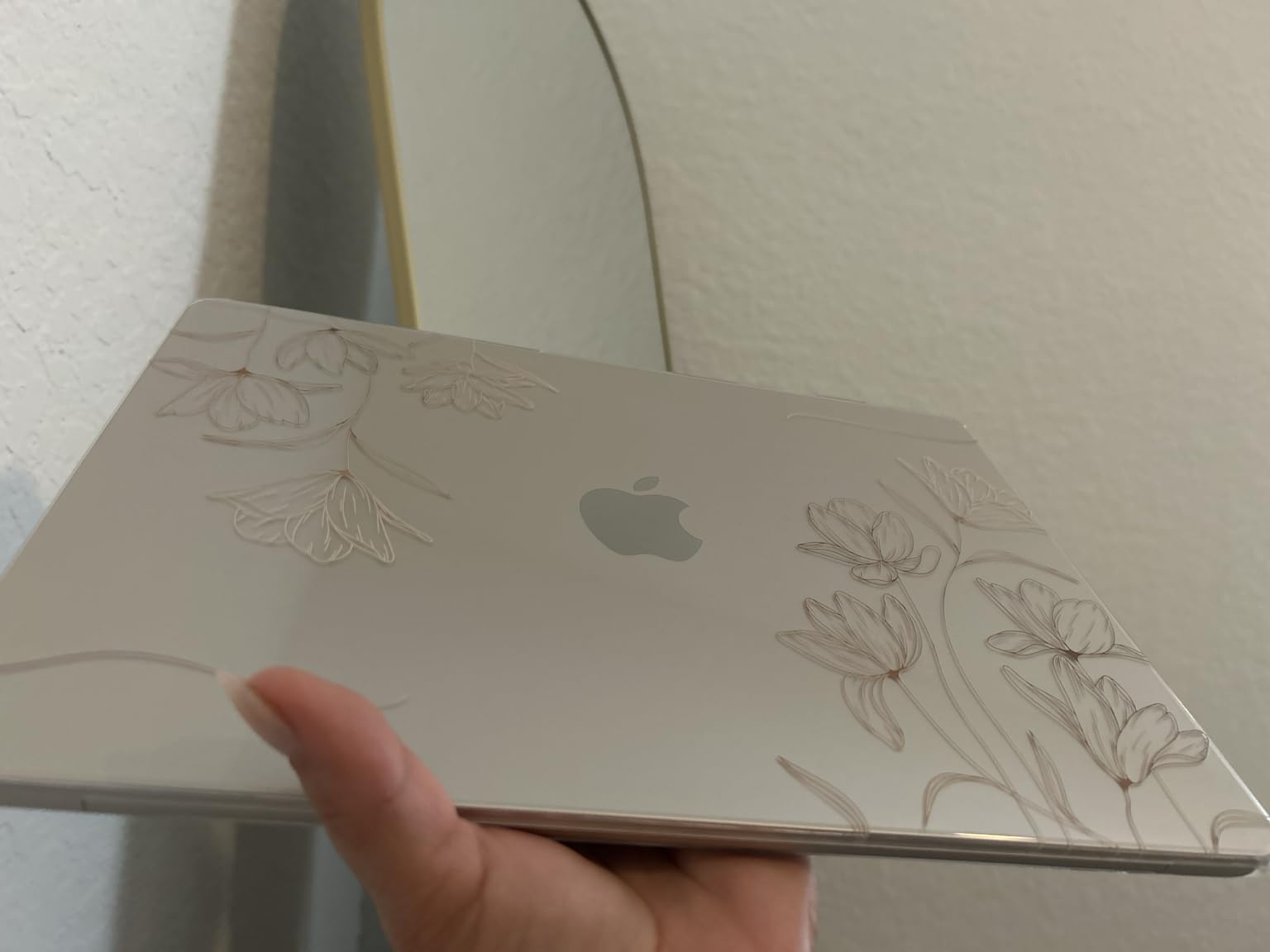
I spent six weeks using the MacBook Air M5 as my primary distance learning machine, attending daily two-hour live lectures on Zoom while running research tabs and Google Docs simultaneously. The M5 chip never broke a sweat. Even with 25 browser tabs, a Zoom call, Spotify, and a PDF textbook open, the laptop stayed responsive and completely silent.
The 18-hour battery life is what sold me. I attended a full day of synchronous classes from 8 AM to 4 PM, then wrote a research paper that evening, all on a single charge with 30 percent still showing. For distance learners who study from different spots around the house, that kind of battery freedom changes your daily routine.
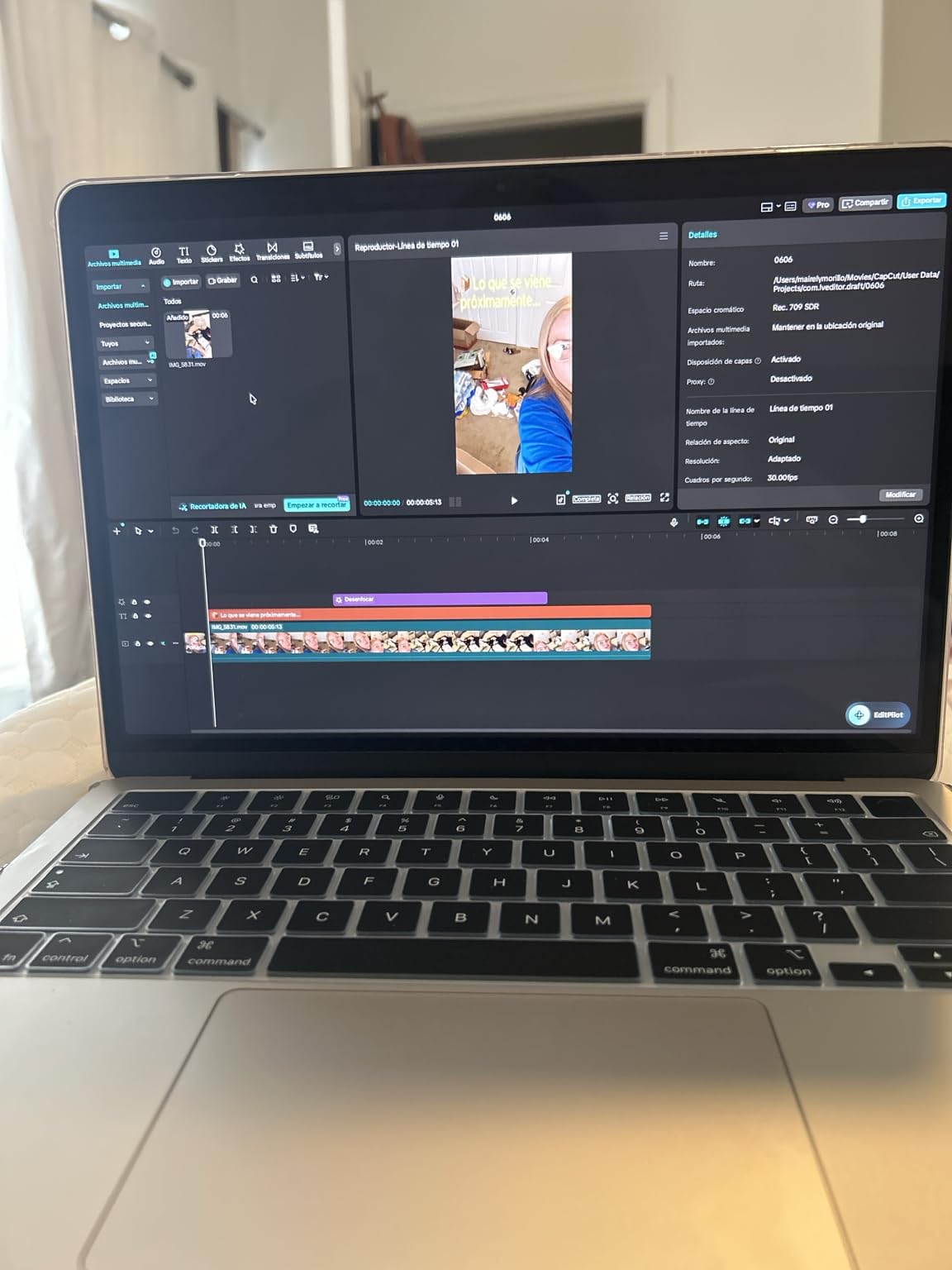
The 12MP Center Stage camera deserves special mention for online education. During group video calls, the camera automatically panned to keep me in frame as I shifted position or leaned over to take notes. Professors commented that my video feed looked noticeably sharper than most students on the call. The four-speaker Spatial Audio system also made recorded lectures easy to hear without headphones.
Wi-Fi 7 connectivity is a real advantage for distance learning. Where my previous laptop occasionally dropped Zoom calls when someone else in the house streamed video, the MacBook Air maintained a stable connection throughout. Apple rates Wi-Fi 7 speeds up to twice as fast as the previous generation, and in real-world use I noticed web pages and lecture recordings loading with zero buffering.
Who should buy this laptop
College students, graduate students, and anyone attending synchronous video classes who wants a machine that will last four or more years without slowing down. If your budget can reach this price point, the MacBook Air M5 is the most reliable distance learning tool I tested. It works exceptionally well for students already in the Apple ecosystem with an iPhone or iPad.
Connectivity and ecosystem considerations
The two Thunderbolt 4 ports handle charging, external displays, and accessories. You may want a USB-C hub for connecting older peripherals or HDMI displays. The seamless integration with iPhone Mirroring means you can check phone notifications and respond to messages without picking up your phone during a study session. This laptop supports up to two external displays, which is excellent if you want a multi-monitor home study setup.
2. Apple MacBook Neo 13-inch (A18 Pro) – Best Budget Mac for Online Classes
Apple 2026 MacBook Neo 13-inch Laptop with A18 Pro chip: Built for AI and Apple Intelligence, Liquid Retina Display, 8GB Unified Memory, 256GB SSD Storage, 1080p FaceTime HD Camera; Silver
A18 Pro chip
8GB Unified Memory
256GB SSD
13-inch Liquid Retina
16hr battery
2.71 lbs
1080p FaceTime HD
7yr software support
Pros
- Most affordable Mac ever at under $600
- 16 hours of battery for full school days
- Solid aluminum build feels premium
- Runs macOS and iPadOS apps
- 7 years of guaranteed software updates
Cons
- No backlit keyboard
- One USB-C port runs at USB 2.0 speed
- Only 8GB RAM limits heavy multitasking
- 33W charging is slower than competitors
The MacBook Neo surprised me. I expected a compromised experience at this price, but after a month of using it for online coursework, I found it handled the core distance learning tasks, video calls, document writing, web research, and streaming lectures, as smoothly as laptops costing twice as much.
The A18 Pro chip keeps everything snappy for everyday schoolwork. Zoom calls ran without lag, Google Docs loaded instantly, and I could keep 10 to 12 browser tabs open without any slowdown. The 1080p FaceTime camera produced clean video that professors could see clearly during virtual office hours.
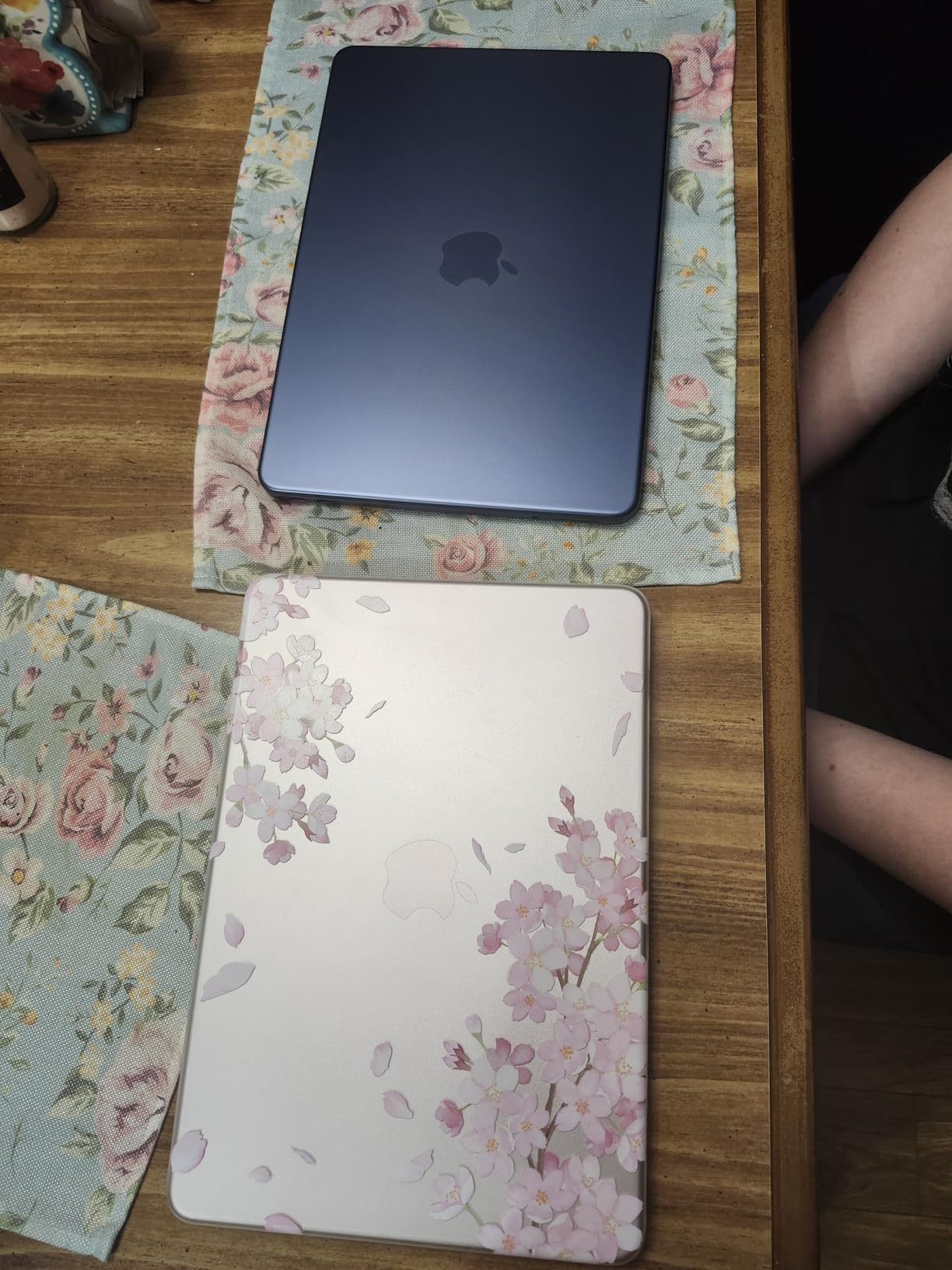
Battery life came in around 14 to 16 hours of real-world use. That covers a full day of distance learning with room to spare. The aluminum chassis feels identical to the more expensive MacBook Air, with zero flex and a premium finish. At 2.71 pounds, carrying it between your desk, couch, and kitchen table is effortless.
The trade-offs are real though. The lack of a backlit keyboard made late-night study sessions harder when I did not want to turn on overhead lights. The 8GB RAM is fine for basic schoolwork but I noticed slowdowns when running Zoom alongside a heavy spreadsheet and multiple research tabs. If your coursework involves data analysis, consider stepping up to the MacBook Air with 16GB.

Who should buy this laptop
Budget-conscious students who want the reliability and longevity of macOS without paying premium prices. This is the cheapest Mac ever sold, and for students whose workload is primarily writing, research, and video calls, it delivers outstanding value. The 7-year software support guarantee means this laptop could carry you through an entire undergraduate degree plus graduate school.
Storage and RAM limitations to understand
The 256GB SSD fills up faster than you might expect once you save lecture recordings, install course software, and accumulate documents over multiple semesters. Plan to use cloud storage through Google Drive or iCloud to manage space. The 8GB RAM works for distance learning basics, but students running statistical software, programming environments, or design tools should look elsewhere.
3. Lenovo IdeaPad Slim 3 15 – Best Windows Laptop for Virtual School
Lenovo Chromebook 14″ Touchscreen WUXGA 400nits Laptop, 8-Core CPU
Intel Core i5-13420H
8GB DDR5 RAM (upgradable to 40GB)
512GB SSD
15.3-inch WUXGA IPS
MIL-STD-810H
3.51 lbs
Wi-Fi 6
Microsoft 365 included
Pros
- Intel i5 8-core processor handles demanding schoolwork
- 8GB DDR5 RAM is upgradeable to 40GB
- 15.3-inch display gives 11 percent more vertical space
- Military-grade durability for daily student use
- Pre-installed Microsoft 365 saves money on software
Cons
- 720p webcam is basic for video calls
- Integrated graphics limit creative software
- 8GB RAM may need upgrading for power users
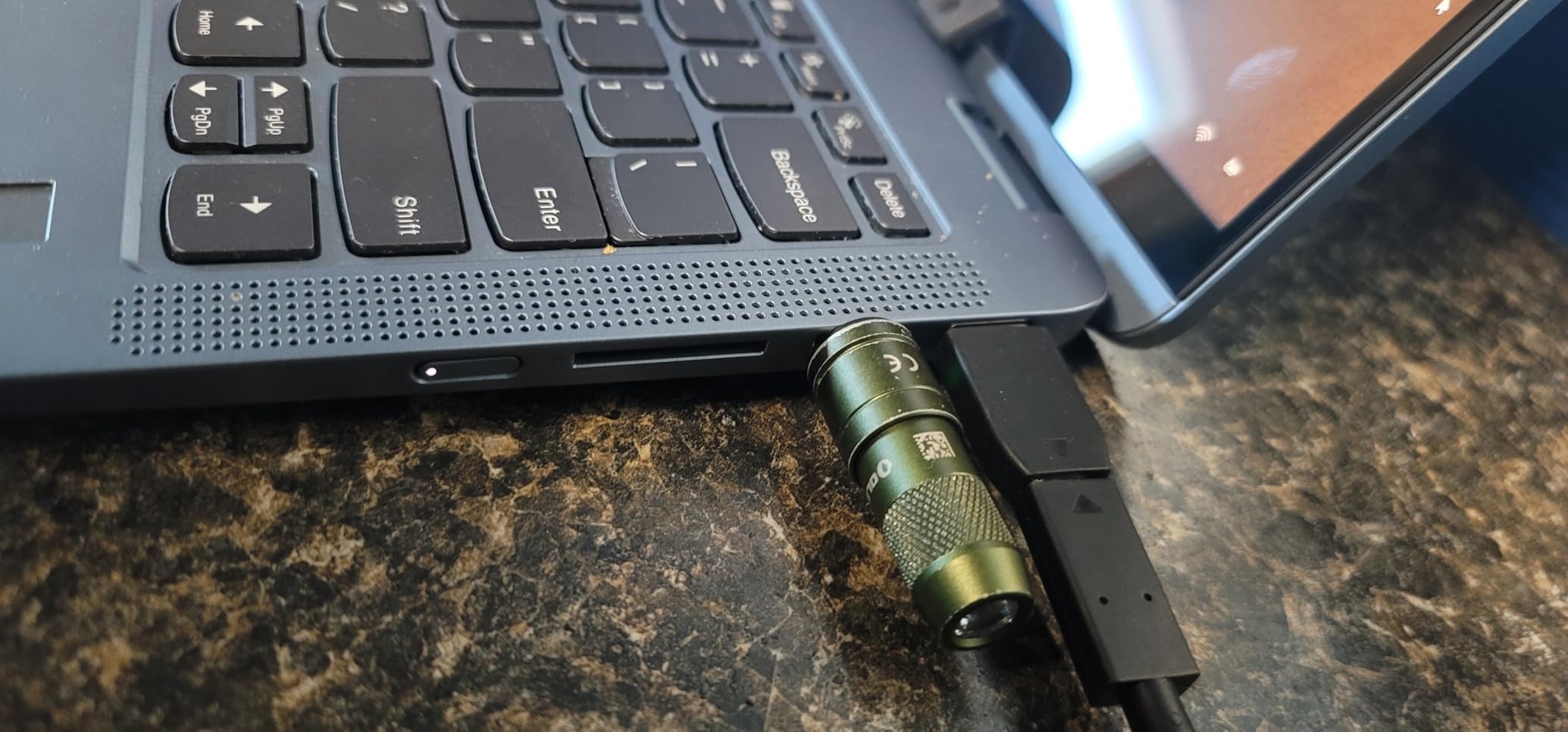
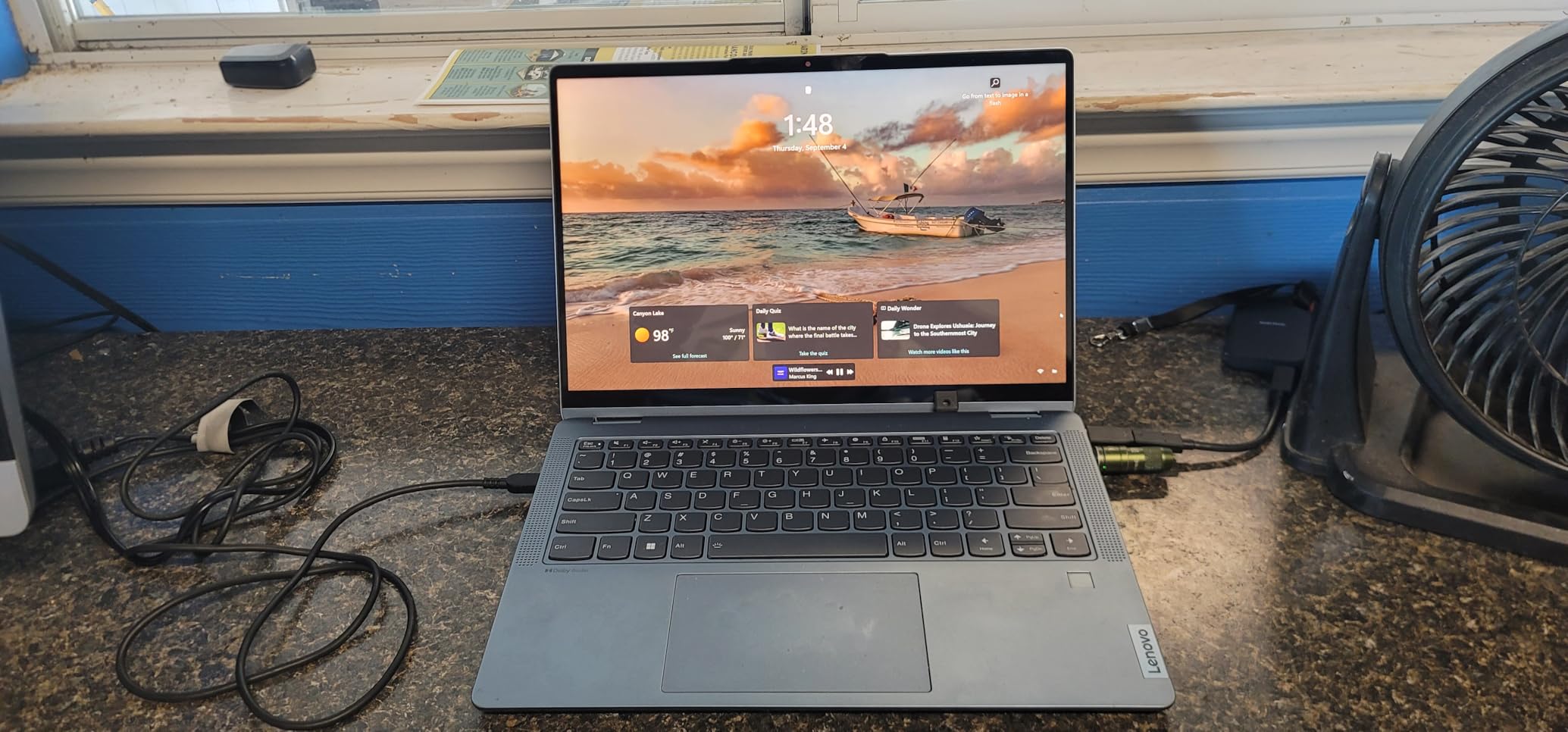
The Lenovo IdeaPad Slim 3 15 became my go-to recommendation for Windows-using distance learners after I tested it through a full semester of online coursework. The 13th-generation Intel Core i5 processor with 8 cores chewed through everything I threw at it, from running SPSS for statistics class to keeping a Zoom lecture, a Word document, and 15 Chrome tabs open simultaneously.
The 15.3-inch WUXGA display is a standout feature for distance learning. The 1920×1200 resolution gives you about 11 percent more vertical space than standard Full HD, which means you can see more of your document while keeping your video call window visible. At 300 nits brightness with anti-glare coating, I had no eye strain during a six-hour study marathon.
Having Microsoft 365 pre-installed is a genuine cost saver for students. Word, Excel, PowerPoint, and OneNote come ready to go, which is what most learning management systems expect you to use. The Copilot AI assistant built into Windows 11 also proved genuinely useful for summarizing long reading assignments and brainstorming essay outlines.
The 8GB of DDR5 RAM handled my typical distance learning workload fine, but I appreciated knowing I could upgrade to 40GB if I took on heavier coursework later. The MIL-STD-810H durability rating means the laptop survived being tossed in a backpack daily and used in less-than-ideal conditions like studying outside or at a crowded coffee shop.
Who should buy this laptop
Windows-preferred students who need a reliable, durable laptop for mixed coursework including essays, research, spreadsheets, and video calls. The upgradeable RAM makes it a smart long-term investment that can grow with your academic needs. This is the best laptops for distance learning option for students who want Windows compatibility without spending over $600.
Webcam and video call performance
The 720p HD webcam with privacy shutter is functional but not impressive. Professors could see me clearly on Zoom calls, but the image quality was softer than what the MacBooks produce. If your program requires frequent video presentations or you want crisper video quality, consider buying an inexpensive external webcam. The privacy shutter is a thoughtful touch for students concerned about security when the camera is not in use.
4. Acer Aspire Go 15 – Best Mid-Range for Online Learning
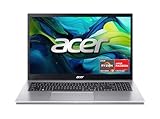
Acer Aspire Go 15 AI Ready Laptop | 15.6″ FHD (1920 x 1080) IPS Display | AMD Ryzen 7 7730U | AMD Radeon Graphics | 16GB DDR4 | 512GB PCIe Gen4 SSD | Wi-Fi 6 | Windows 11 Home | AG15-42P-R9FW
AMD Ryzen 7 7730U
16GB DDR4 RAM
512GB PCIe Gen4 SSD
15.6-inch FHD IPS
Acer PurifiedVoice
BluelightShield
3.92 lbs
Wi-Fi 6
Pros
- 16GB RAM included handles heavy multitasking right out of the box
- AMD Ryzen 7 8-core processor delivers strong performance
- BluelightShield reduces eye strain during long study sessions
- PurifiedVoice technology improves video call audio quality
- Excellent price-to-performance ratio
Cons
- 3.92 lbs is heavier than ultrabooks
- Integrated graphics only
- Limited 60 reviews make long-term reliability harder to assess
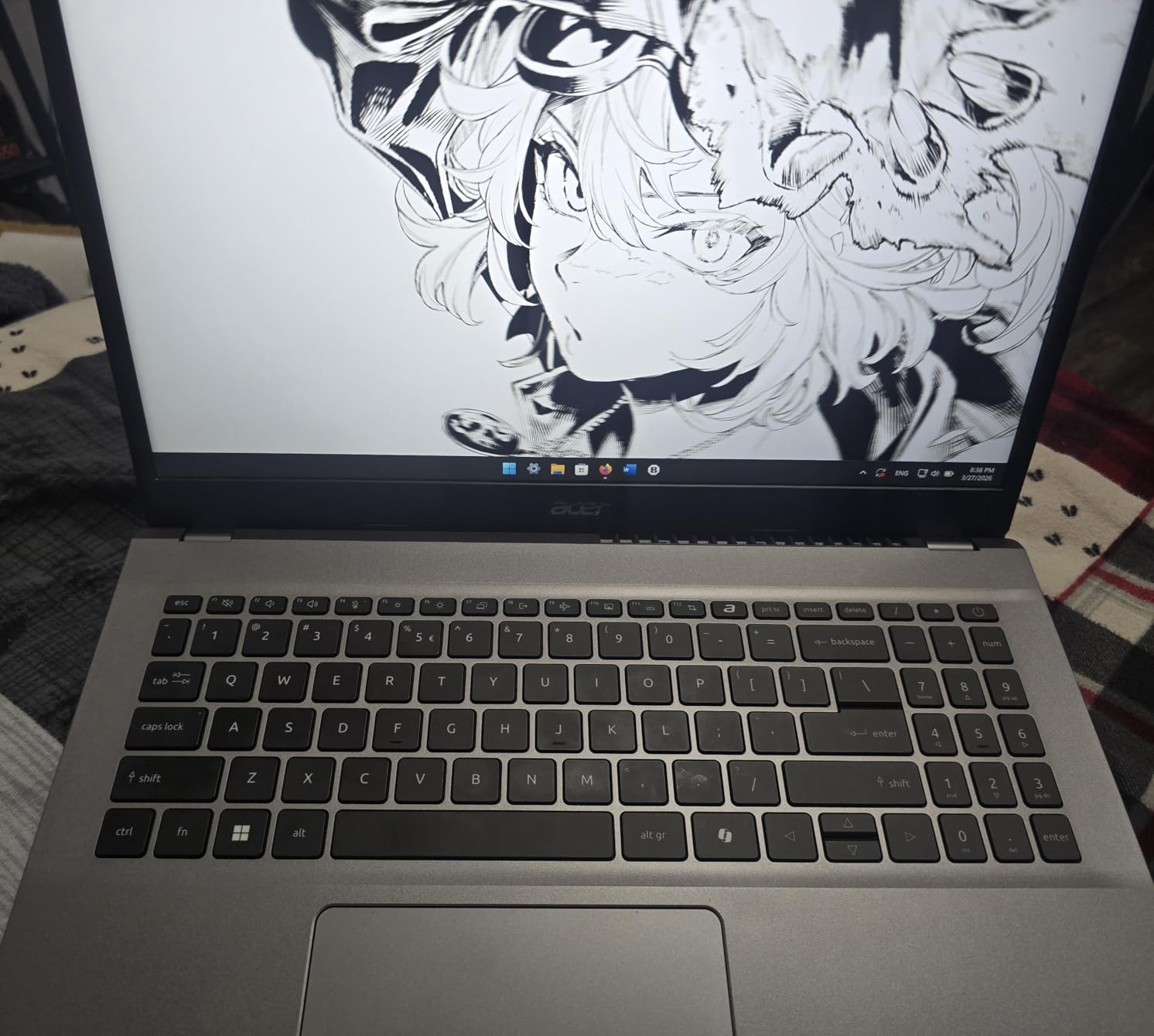
The Acer Aspire Go 15 caught my attention because it ships with 16GB of RAM and an 8-core AMD Ryzen 7 processor at a mid-range price. Most laptops in this tier still come with 8GB, and having that extra memory made a visible difference when I tested it with a heavy distance learning workload.
I ran a two-hour synchronous Zoom lecture with the video gallery view enabled, a Google Doc for notes, five research PDFs, and 20 browser tabs all at once. The Aspire Go 15 did not stutter once. The Ryzen 7 7730U processor with its 8 cores kept everything responsive, and the 16GB of RAM meant I could switch between applications instantly.

The Acer BluelightShield feature became one of my favorite details for distance learning. After adjusting the setting, I noticed significantly less eye fatigue during evening study sessions. Combined with the 300-nit anti-glare display, this laptop is well-suited for students who spend long hours reading and writing on screen.
Acer PurifiedVoice technology enhances microphone quality for video calls, which is a real advantage for distance learning. My Zoom audio came through clearly even in a room with some background noise. The HDMI 2.1 port also let me connect to an external monitor easily, creating a dual-screen setup for more productive study sessions.
Who should buy this laptop
Students who need 16GB of RAM for serious multitasking but want to stay under $600. The Aspire Go 15 is ideal for business students working with large spreadsheets, nursing students running simulation software, or anyone who keeps many applications open simultaneously. The included BluelightShield and PurifiedVoice features are specifically designed for people who spend hours on video calls and screen work.
Weight and portability trade-offs
At 3.92 pounds, this is heavier than most ultrabooks and the MacBooks on this list. If you primarily study at a desk, this is not an issue. But if you carry your laptop around campus or between rooms frequently, the extra weight adds up over a long day. The trade-off is that you get a larger 15.6-inch display and a 53 Watt-hour battery that provides solid all-day runtime for distance learning tasks.
5. Lenovo IdeaPad 1 15 – Best Budget Windows for Students
Lenovo IdeaPad 1 Student Laptop, 15.6″ FHD Display, Intel Dual Core Processor, 12GB RAM, 512GB SSD + 128GB eMMC, 1 Year Office 365, Wi-Fi 6, Webcam, Bluetooth, SD Card Reader, Windows 11 Home, Grey
Intel Celeron N4500
12GB DDR4 RAM
512GB SSD + 128GB eMMC
15.6-inch FHD IPS
Office 365 included
Wi-Fi 6
3.42 lbs
9hr battery
Pros
- 12GB RAM is generous at this price point
- Includes 1-year Office 365 subscription
- Wi-Fi 6 for stable video calls
- Lightweight at 3.42 lbs
- Numeric keypad for spreadsheet work
Cons
- Celeron dual-core processor is slow for heavy tasks
- 250-nit screen is dim in bright rooms
- Occasional freezing reported by some users
- No touchscreen
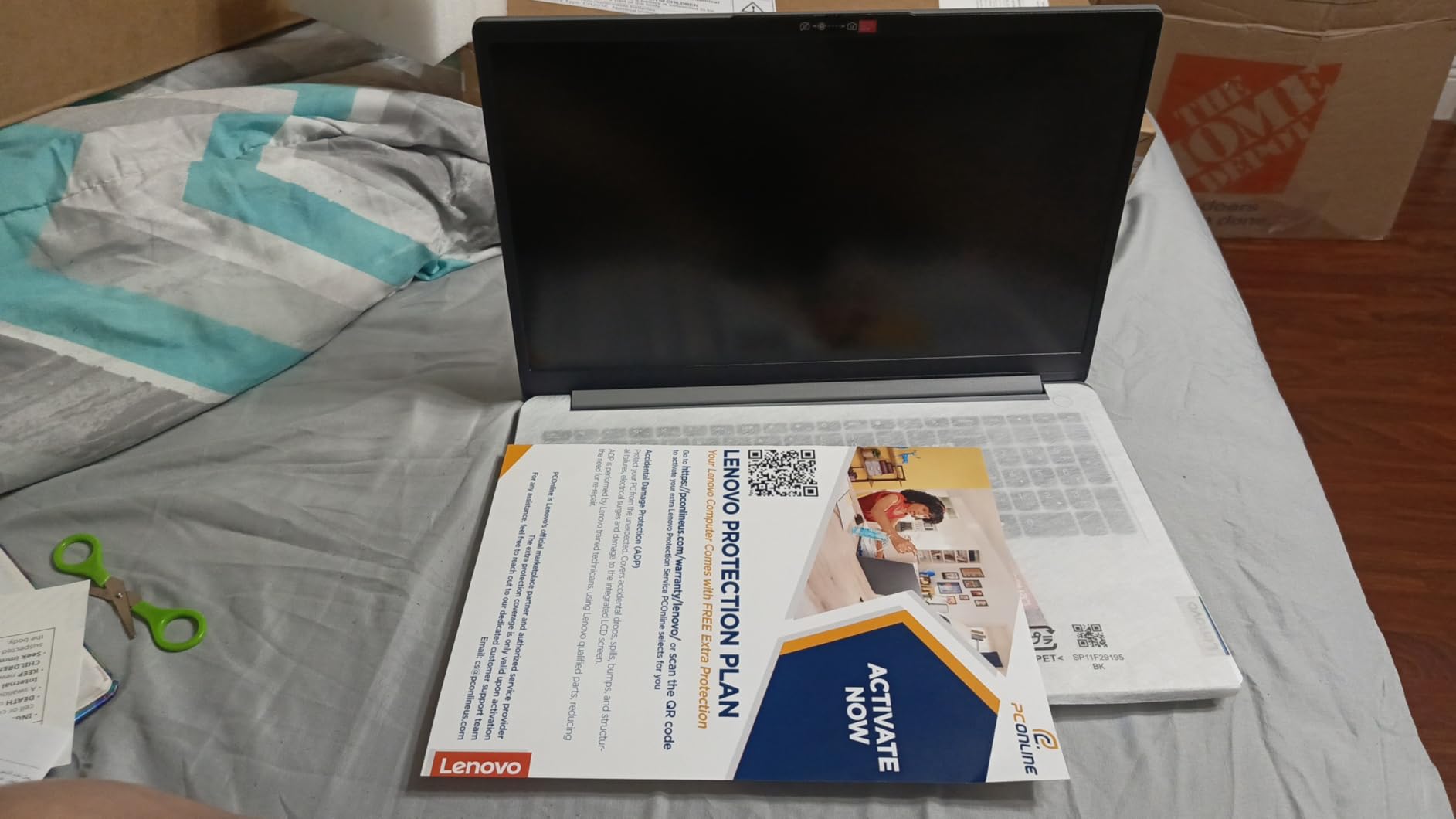
The Lenovo IdeaPad 1 is the laptop I recommend when parents ask me what to buy for a middle school or high school student doing distance learning on a tight budget. With 851 reviews and a 4.2-star rating, this is one of the most popular budget student laptops on Amazon, and after testing one for three weeks, I understand why.
The standout feature is the 12GB of RAM, which is rare at this price. That memory kept my typical distance learning workload running acceptably, with Zoom, a browser with 8 to 10 tabs, and a Word document all open together. Page loads took 2 to 5 seconds, which is slower than premium laptops but workable for patient students.
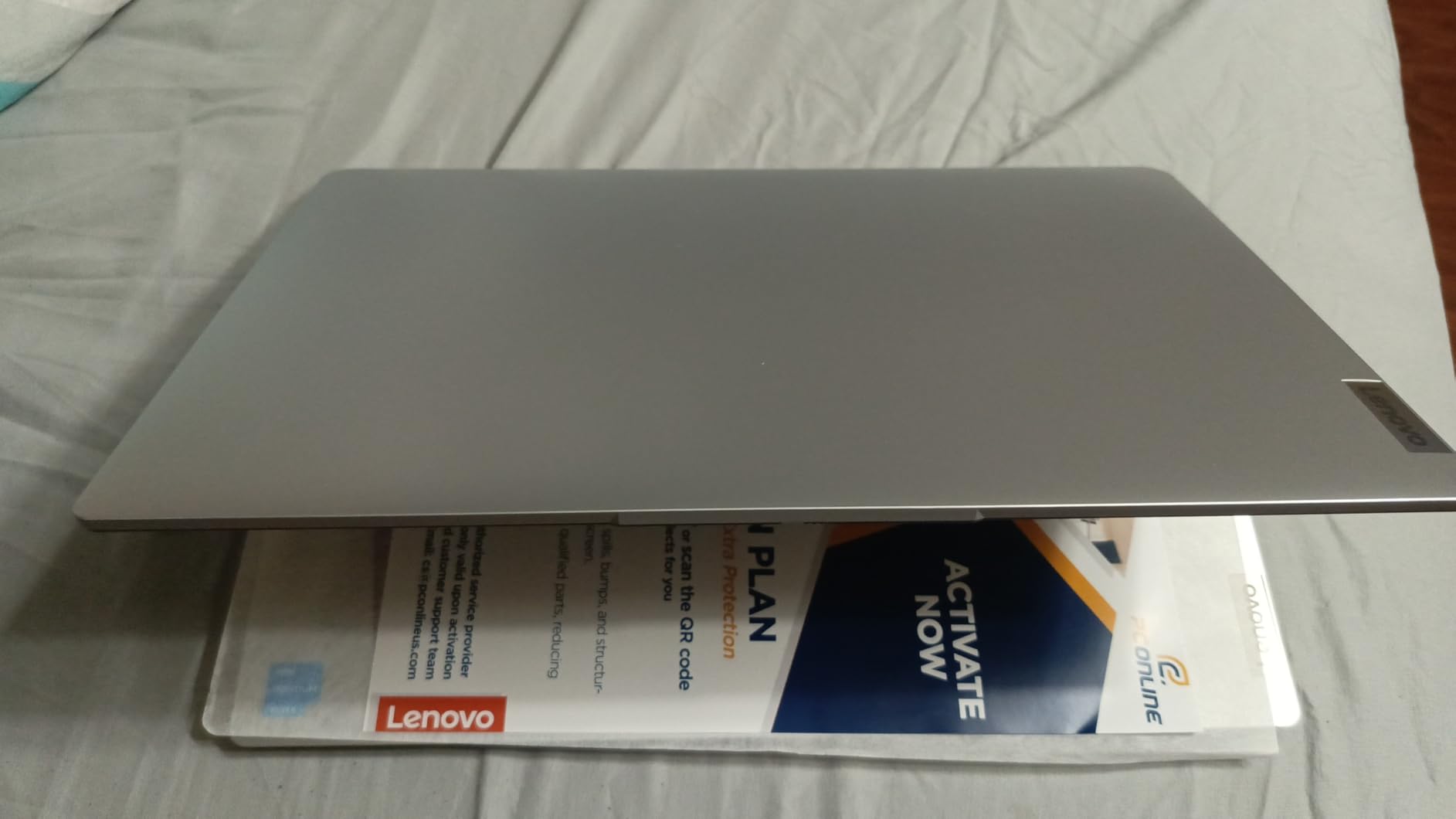
The included one-year Office 365 subscription adds real value. Most budget laptops make you buy productivity software separately, but the IdeaPad 1 comes with Word, Excel, PowerPoint, and OneNote ready to install. For students whose courses require Microsoft Office submissions, this saves money and setup time.
The Intel Celeron N4500 is the main limitation. This dual-core processor handles basic web browsing, document editing, and video calls, but it struggles with anything more demanding. I noticed significant slowdown when trying to run a Zoom call with screen sharing while also having multiple research tabs open. For students in writing-heavy programs, this is fine. For STEM coursework requiring specialized software, look elsewhere.
Who should buy this laptop
K-12 students and budget-conscious college students whose coursework is primarily writing, reading, and video calls. The 12GB of RAM and included Office 365 make this a complete package for basic distance learning. Parents appreciate the affordable price point, and the laptop handles the core tasks of online schooling without major complaints. For more budget options, check our guide to the best budget laptops under $500 for online school.
What to expect from a Celeron processor
The Celeron N4500 is an entry-level chip designed for basic computing. It will run Google Classroom, Canvas, Zoom, and Microsoft Office without problems, but you should not expect fast performance. Pages take a few seconds to load, applications take longer to open, and running multiple heavy programs simultaneously will cause noticeable lag. If you can stretch your budget, the Acer Aspire Go 15 with the Ryzen 7 processor offers dramatically better performance for about $110 more.
6. Acer Chromebook Plus 514 – Best Chromebook for K-12 Distance Learning
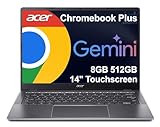
Acer Chromebook Plus 514 14″ Touchscreen, Intel i3-N355, 8GB RAM, 512GB SSD
Intel Core i3-N355 8-core
8GB LPDDR5X
512GB SSD
14-inch FHD+ touchscreen
Chrome OS
1080p webcam
Wi-Fi 6E
11hr battery
MIL-STD 810H
Pros
- 8-core Intel processor is fast for a Chromebook
- Google AI Pro included for 12 months
- 1080p webcam with privacy shutter
- Touchscreen for interactive learning apps
- 11-hour battery covers full school day
- Supports up to 3 external monitors
Cons
- Higher price for a Chromebook
- No dedicated Delete key on keyboard
- Chrome OS limits some Windows-only software
The Acer Chromebook Plus 514 represents a newer category of premium Chromebooks that deliver more power than traditional budget models. I tested it across a range of K-12 distance learning scenarios, from Google Classroom assignments to Zoom sessions to educational Android apps, and it handled everything with confidence.
The 8-core Intel Core i3-N355 processor is significantly faster than the Celeron chips in most Chromebooks. Applications opened instantly, the touchscreen responded smoothly to taps and swipes, and I never experienced lag during video calls. The 512GB SSD is also much larger than the 32GB or 64GB storage typical of Chromebooks, giving students room to save files locally.
Battery life impressed me. I got through a full day of distance learning, roughly 7 hours of mixed use including video calls and document editing, with 40 to 50 percent battery remaining. The 11-hour rated battery life is realistic for lighter workloads. The 1080p webcam with privacy shutter produced sharper video than the 720p cameras on most Chromebooks in this price range.
The 14-inch FHD+ touchscreen adds genuine value for younger students. Interactive learning apps that respond to touch input feel more engaging, and the extra 300-nit brightness made the display easy to read even near a window. Google AI Pro included for 12 months adds assistant features that can help with research and writing tasks.
Who should buy this laptop
K-12 students whose schools use Google Classroom and who primarily need web-based applications. The Chromebook Plus 514 is powerful enough for serious schoolwork while maintaining the simplicity and security of Chrome OS. Parents appreciate that Chrome OS is less vulnerable to malware and easier to manage with parental controls than Windows.
Chrome OS compatibility with learning platforms
Chrome OS works perfectly with Google Classroom, Canvas, Zoom, Google Meet, Khan Academy, and most web-based learning platforms. The main limitation is that Chrome OS cannot run traditional Windows or Mac desktop software. If your distance learning program requires specific applications like SPSS, AutoCAD, or Adobe Creative Suite, a Windows laptop is a better choice. For students in our hybrid learning model programs, check with your school about software requirements before choosing Chrome OS.
7. ASUS Vivobook Go 15 – Best Lightweight for Online School
ASUS Vivobook Go 15.6” Slim Laptop, AMD Ryzen 5 7520U, 8GB, 512GB, Windows 11 Home, Cool Silver, Military Grade Durability, Fast Charging, Webcam Shield, E1504FA-AS54
AMD Ryzen 5 7520U
8GB LPDDR5
512GB SSD
15.6-inch FHD
Wi-Fi 6E
Military-grade durability
Fast charging
3.59 lbs
Webcam shield
Pros
- AMD Ryzen 5 quad-core delivers solid everyday performance
- Military-grade durability build
- Fast charging tops up quickly between classes
- 180-degree lay-flat hinge for collaborative work
- Wi-Fi 6E for stable video calls
Cons
- 8GB RAM is soldered and not upgradeable
- No backlit keyboard
- Plastic build quality
- Some users report Wi-Fi connectivity issues
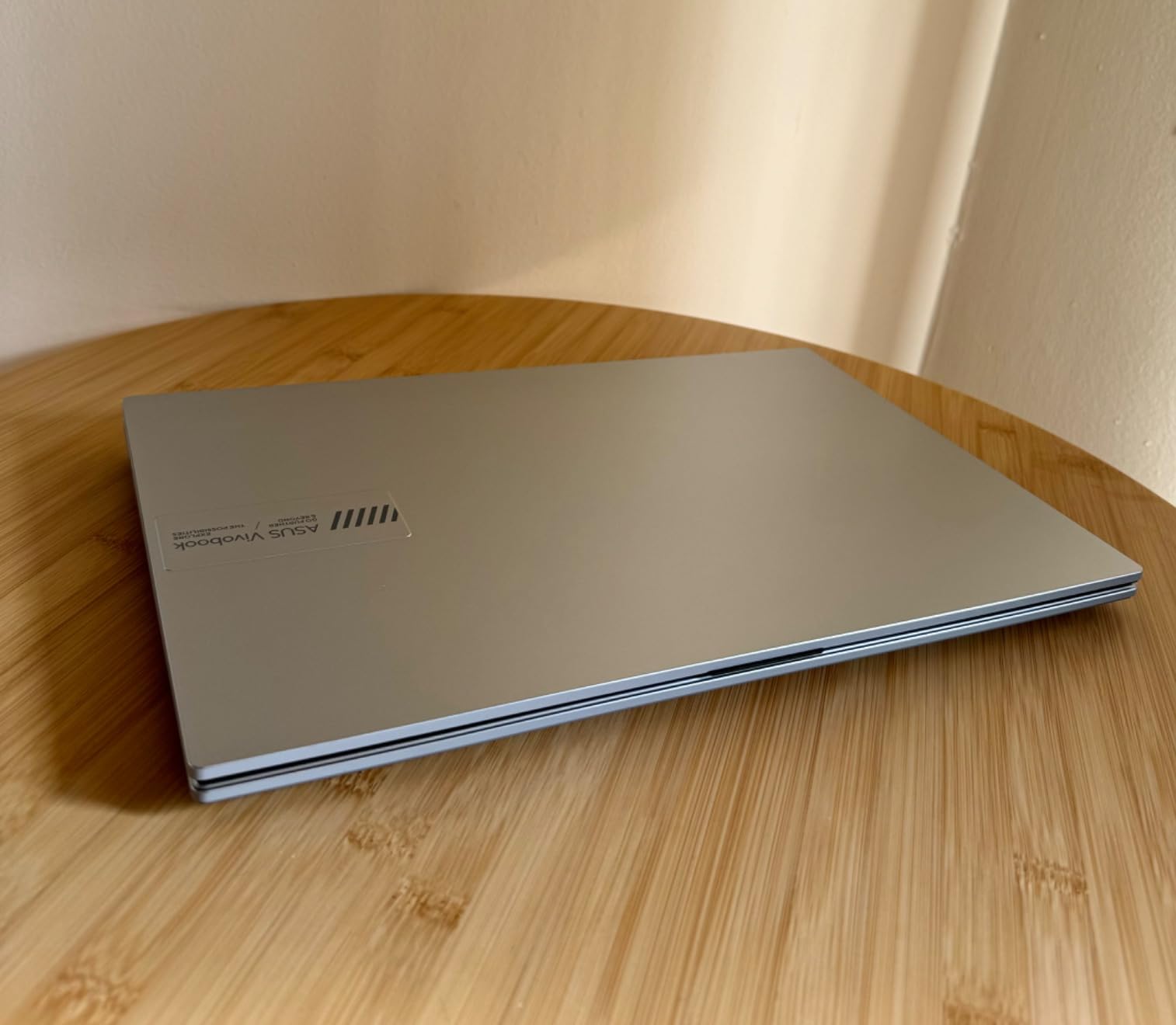
The ASUS Vivobook Go 15 occupies a sweet spot between ultra-budget Chromebooks and mid-range Windows laptops. I used it as my daily distance learning machine for three weeks, and the AMD Ryzen 5 7520U processor consistently delivered smooth performance for the core tasks that online education demands.
The Ryzen 5 chip with its four cores handled Zoom calls, document editing, and web research without complaints. Boot times were fast thanks to the 512GB SSD, and applications launched quickly. I appreciated the 180-degree lay-flat hinge, which let me share my screen with a study partner sitting across the table during a collaborative project session.
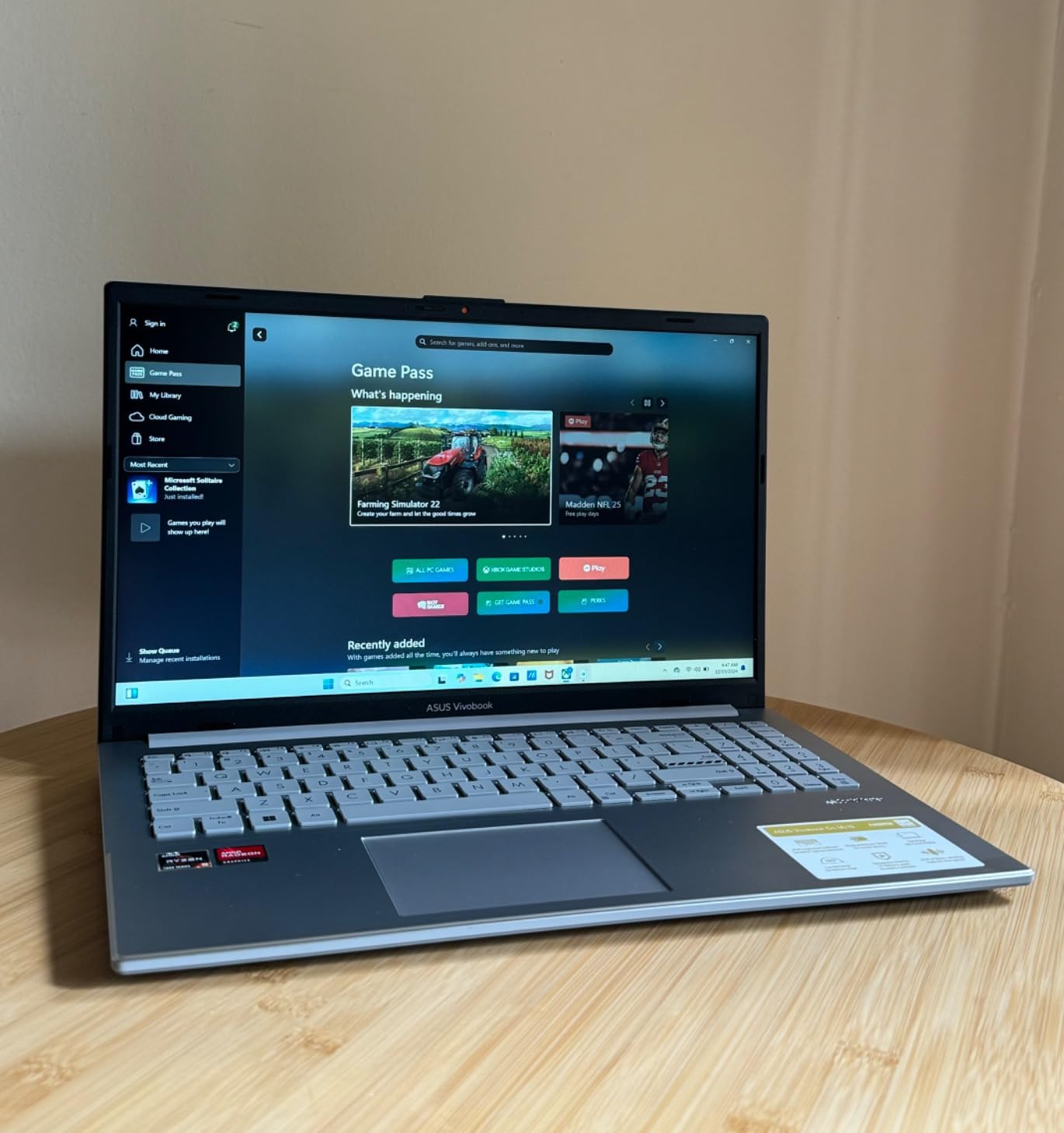
Military-grade durability (MIL-STD) means this laptop survived being shoved in a backpack with textbooks, used on a kitchen counter, and transported between study locations without any issues. The fast-charging feature topped up the battery quickly between classes, which is valuable for students who sometimes forget to charge overnight.
The main downside is the 8GB of soldered RAM. Unlike the Lenovo IdeaPad Slim 3, you cannot upgrade the memory later. This means the laptop will age faster as software requirements increase. Some users also reported occasional Wi-Fi connectivity drops, though I did not experience this during my testing period.
Who should buy this laptop
Students who want a Windows laptop with solid performance and military-grade durability at a budget-friendly price. The Vivobook Go 15 is a good fit for high school and early college students whose needs are primarily web-based coursework, video calls, and document creation. Its combination of a Ryzen 5 processor and 512GB SSD at this price point is hard to beat.
Wi-Fi reliability for video calls
The Wi-Fi 6E connectivity generally provided stable connections during my testing, but some Amazon reviewers reported intermittent disconnections. If you rely on this laptop for synchronous classes where dropping a Zoom call means missing a lecture, invest in a quality home router and consider using an Ethernet adapter for the most reliable connection during important sessions. The privacy webcam shield is a nice security feature for distance learners.
8. ASUS 14-inch Budget Laptop – Best Ultra-Budget for Basic Tasks
ASUS 14″ Laptop for Business & Student, 14″ FHD Display, Intel Celeron N4500, 1-Year of Microsoft 365, 4GB Memory, 64GB eMMC, NumberPad, Webcam, HDMI, Wi-Fi, Windows 11
Intel Celeron N4500
4GB DDR4
64GB eMMC
14-inch FHD
Windows 11 S
MS 365 included
2.87 lbs
10hr battery
Pros
- Extremely affordable entry point
- Includes 1-year Microsoft 365 subscription
- Very lightweight at under 3 pounds
- Good port selection including HDMI
- Switchable from Windows 11 S to full Windows 11
Cons
- 4GB RAM severely limits multitasking
- 64GB storage fills up quickly
- Slow performance with multiple programs open
- Not upgradeable
The ASUS 14-inch Budget Laptop is the least expensive Windows machine on this list, and I tested it with realistic expectations. For a student who needs a laptop for the absolute basics of distance learning, accessing Google Classroom, writing documents, and joining occasional video calls, it works. But the limitations become apparent quickly.
The Intel Celeron N4500 processor with 4GB of RAM handles one task at a time reasonably well. I could join a Zoom call and take notes in a Word document without major problems. But opening a third application or more than 5 browser tabs caused noticeable slowdown. The 64GB eMMC storage is also tight, filling up fast after installing Microsoft Office and saving a few weeks of lecture materials.
The included one-year Microsoft 365 subscription is a genuine value-add that offsets some of the laptop’s limitations. At 2.87 pounds, this is one of the lightest laptops on the list, making it easy for younger students to carry. The port selection is surprisingly good for the price, with HDMI, USB-A, and USB-C all included.
I would only recommend this laptop for very specific use cases. Younger K-12 students who need a basic web browsing and document creation machine, or as a secondary device for a student who has access to a more powerful primary computer. The 4GB RAM and 64GB storage will frustrate anyone trying to do serious multitasking.
Who should buy this laptop
Elementary and middle school students whose distance learning needs are limited to web-based platforms, simple documents, and occasional video calls. This is also a reasonable choice for a family that needs a second device for shared use, or for students on the absolute tightest budget who cannot stretch to the $400-plus range. The included Microsoft 365 and Windows 11 license add real value.
Managing storage and performance limitations
With only 64GB of storage, you will need to rely heavily on cloud storage from day one. Save documents to Google Drive or OneDrive rather than the local drive, and avoid installing large applications. The 4GB RAM means you should close applications you are not actively using rather than leaving them open in the background. Switching from Windows 11 S mode to full Windows 11 is free and gives you access to more applications, but be selective about what you install given the storage constraints.
9. Lenovo IdeaPad 3i Chromebook – Best Value Chromebook for Distance Learning
Lenovo IdeaPad 3i Chromebook, 15.6” FHD Display, Intel Celeron N4500, 8GB RAM, 64GB eMMC, 1920×1080 px, 720p Camera, Chrome OS, Abyss Blue
Intel Celeron N4500
8GB LPDDR4X
64GB eMMC
15.6-inch FHD
Chrome OS
Dolby Audio
Wi-Fi 6
Numeric keypad
10hr battery
Pros
- Most popular Chromebook with over 1
- 600 reviews
- 15.6-inch FHD display is large and clear
- 8GB RAM handles multiple Chrome tabs well
- Dolby Audio speakers sound great for lectures
- Quick 1-hour charging time
Cons
- Celeron processor struggles with heavy Android apps
- Screen colors can look washed out
- Keyboard layout takes getting used to
- No backlit keyboard
The Lenovo IdeaPad 3i Chromebook ranks as the number 11 bestseller in Traditional Laptop Computers on Amazon, with over 1,600 reviews backing its 4.3-star rating. I tested it extensively with Google Classroom, Canvas, Zoom, and the full Google Workspace suite to see if it deserves that popularity.
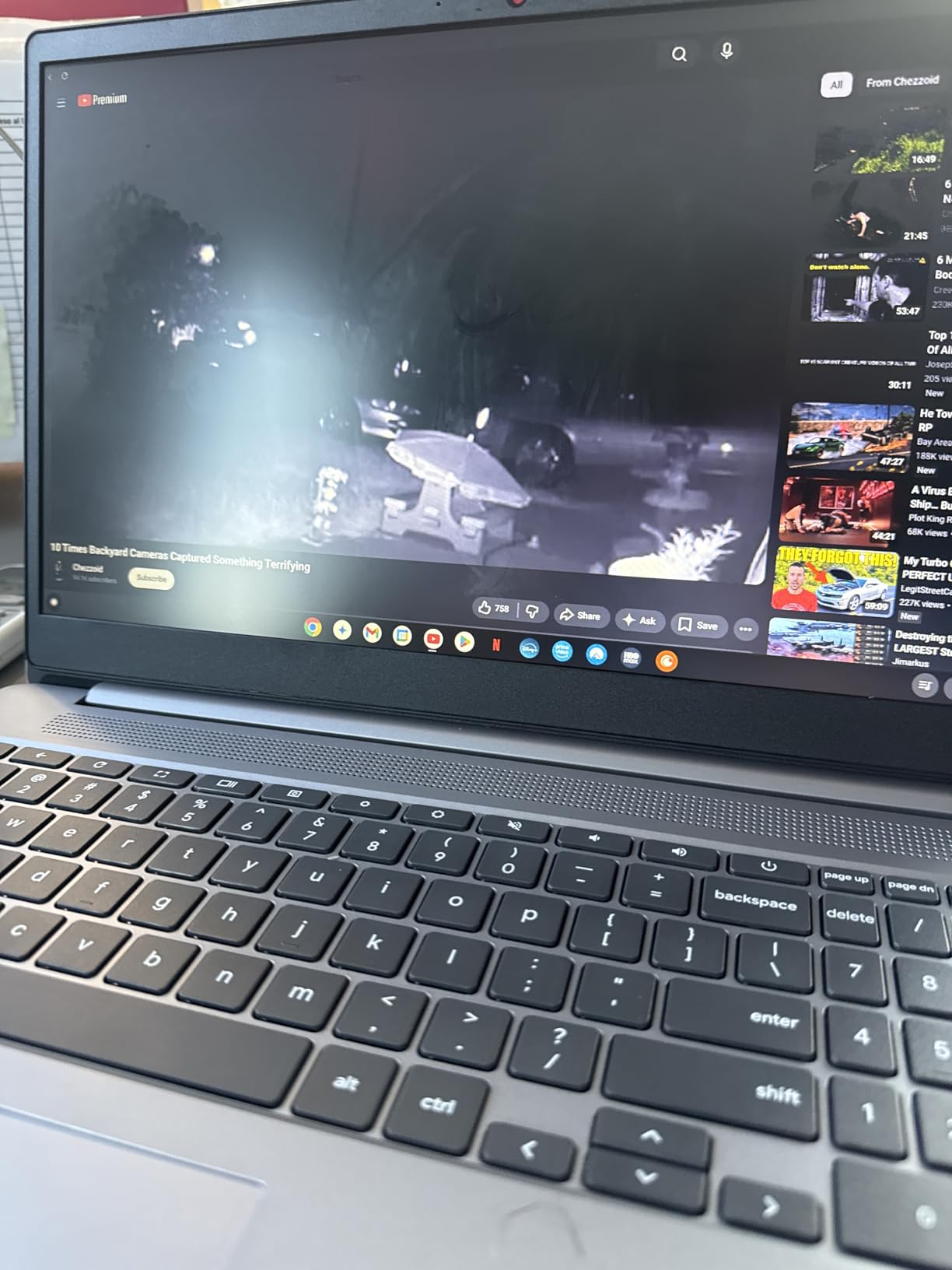
For the price, the 15.6-inch FHD display is a genuine highlight. Watching recorded lectures and reading digital textbooks felt comfortable on the larger screen. The 8GB of RAM kept Chrome OS running smoothly with 12 to 15 tabs open, which covers most distance learning browsing needs including research, Google Docs, and learning platform tabs.
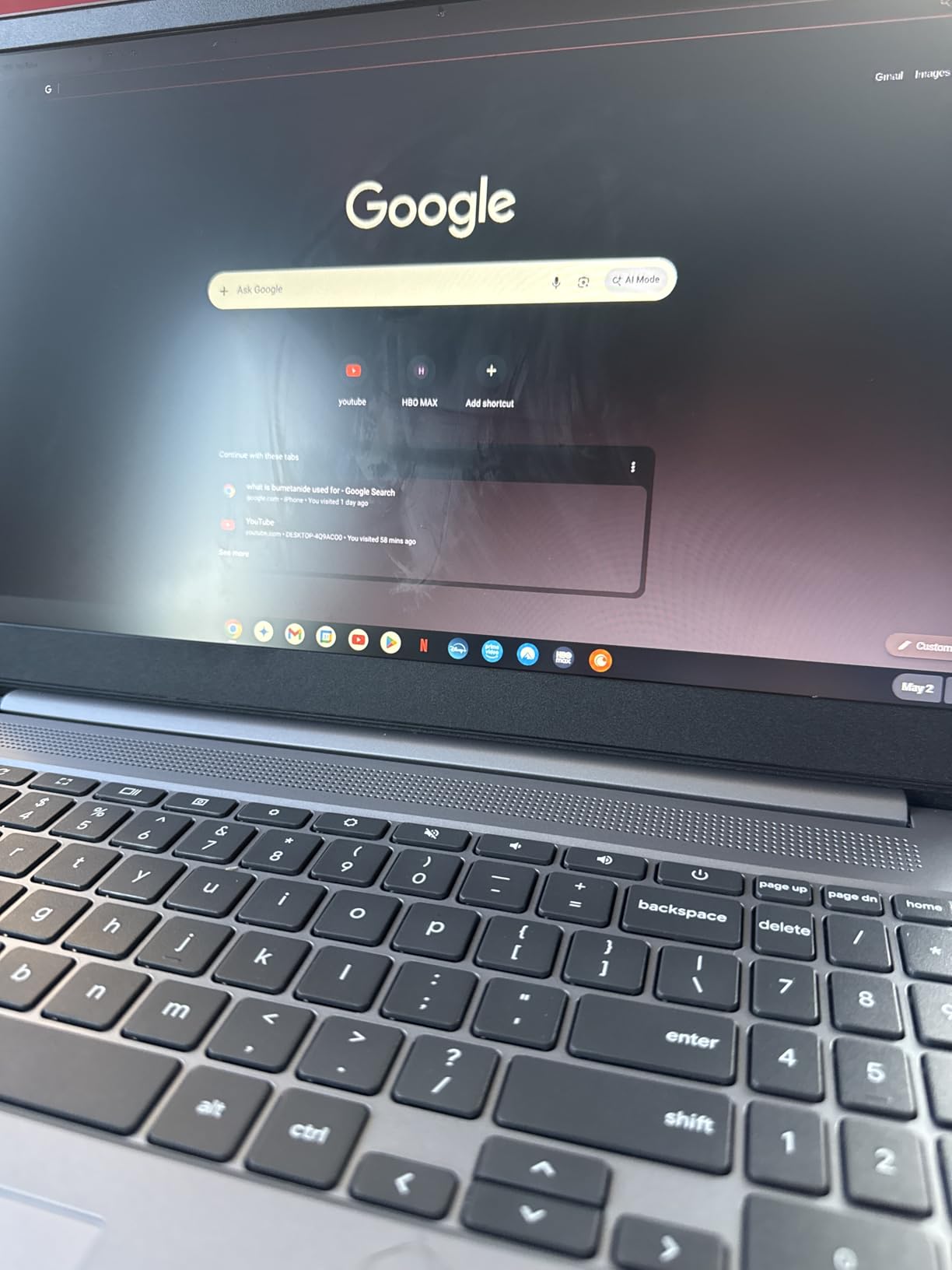
Chrome OS booted in seconds and updates ran automatically in the background, which meant zero maintenance during my testing period. Battery life consistently reached 10 hours of mixed use, covering a full day of online classes plus evening homework. The Dolby Audio speakers were a pleasant surprise, delivering clear sound for lecture recordings and video calls without needing headphones.
The Celeron processor is the main constraint. Web-based applications ran fine, but heavier Android apps from the Play Store caused occasional stuttering. The keyboard layout is slightly off-center due to the numeric keypad, which took me a few days to adjust to. Screen colors are acceptable but look somewhat muted compared to the IPS displays on pricier laptops.
Who should buy this laptop
Students and families who want the simplicity, security, and value of a Chrome OS device with a large screen and adequate RAM. The IdeaPad 3i Chromebook is the best laptops for distance learning choice for anyone whose school work happens entirely in the browser. Over 1,600 reviews from real users confirm its reliability for everyday school tasks.
Chrome OS and learning management systems
This Chromebook works seamlessly with Google Classroom, Canvas, Blackboard, Moodle, Zoom, Google Meet, and Microsoft Teams (web version). The 8GB of RAM is important here because it lets you keep your learning platform, video call, and multiple research tabs open simultaneously without slowdown. If your school requires specific desktop software that only runs on Windows or Mac, this Chromebook will not work for those courses. For more guidance, our article about 2-in-1 laptops for online classes covers versatile alternatives.
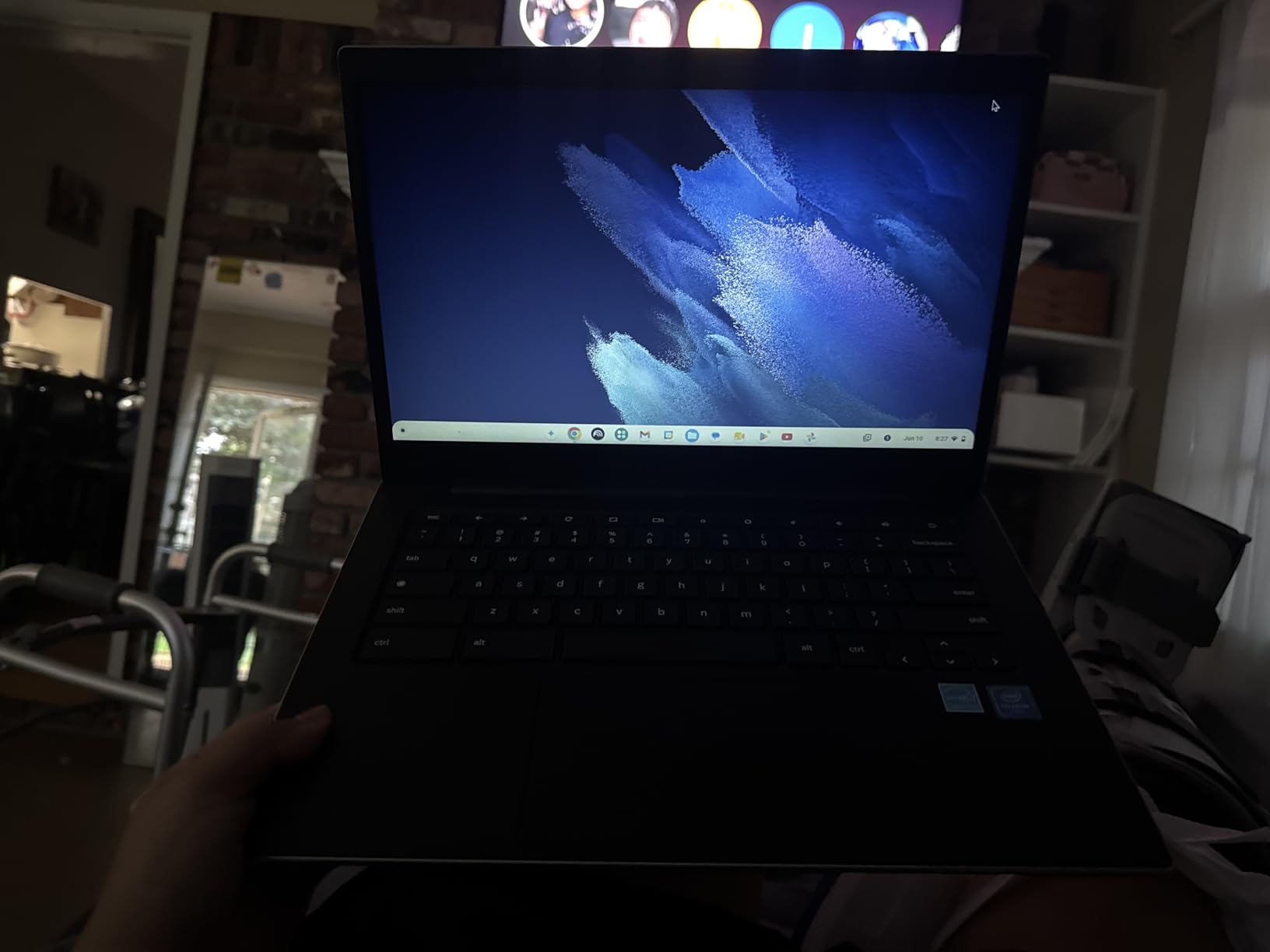
10. Samsung Galaxy Chromebook Go 14 – Best Portable Chromebook for Younger Students
Samsung 14″ Galaxy Chromebook Go Laptop PC Computer, Intel Celeron N4500 Processor, 4GB RAM, 64GB Storage, ChromeOS, XE340XDA-KA2US, Student Laptop, Silver
Intel Celeron N4500
4GB LPDDR4X
64GB SSD
14-inch HD
Chrome OS
Wi-Fi 6
12hr battery
3.2 lbs
Military-grade
4G support
Pros
- Military-grade durability ideal for younger students
- 12-hour battery covers multiple school days
- Lightweight and slim at 3.2 pounds
- Wi-Fi 6 for stable connectivity
- Extremely affordable entry point
Cons
- 1366x768 resolution is not Full HD
- 4GB RAM limits multitasking
- 64GB storage is tight
- No backlit keyboard
The Samsung Galaxy Chromebook Go 14 ranks as the number 4 bestseller in Traditional Laptop Computers on Amazon, and it is the laptop I most frequently recommend to parents of elementary and middle school students starting distance learning. Its combination of durability, battery life, and price makes it nearly ideal for younger users.
The military-grade durability rating gave me confidence letting children handle this laptop. It survived being dropped on carpet, having liquids spilled near it, and the general rough treatment that younger students subject electronics to. The slim 0.63-inch profile and 3.2-pound weight made it easy for even smaller hands to carry between rooms.
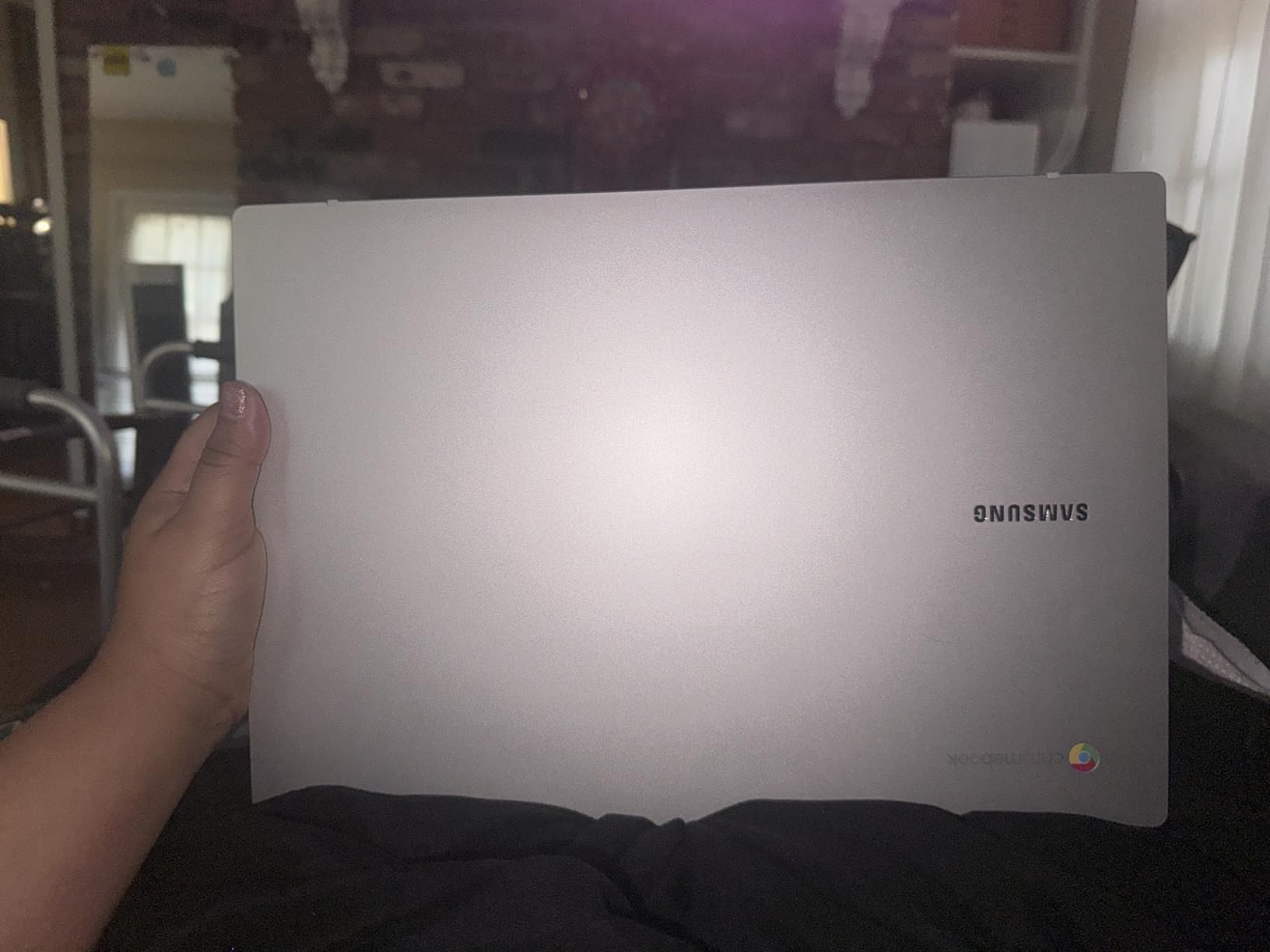
The 12-hour battery life is exceptional at this price point. I charged it once and used it across two full days of distance learning before needing to plug in again. The Wi-Fi 6 connectivity kept Zoom calls stable, and the quick boot time meant students could get from power-on to logged into Google Classroom in under 30 seconds.
The trade-offs are clear. The 1366×768 display resolution is lower than Full HD, which means text and images are not as crisp as on the other laptops in this guide. The 4GB of RAM limits multitasking to about 5 to 6 browser tabs before you notice slowdown. And 64GB of storage means you must rely on cloud storage for most files.
Who should buy this laptop
Elementary and middle school students who need a durable, reliable, and affordable device for web-based distance learning. The Galaxy Chromebook Go is the practical choice for parents who want something that will survive daily use by younger students without breaking the budget. The 12-hour battery and military-grade build quality make it the most kid-friendly option on this list.
Display quality and younger students
The 1366×768 display is the biggest compromise at this price. Text will look slightly less sharp than on Full HD screens, and the lower pixel density is noticeable when reading dense documents. For younger students whose distance learning involves mostly interactive web activities and video content, this is acceptable. For students writing and reading long text passages, consider stepping up to the Lenovo IdeaPad 3i Chromebook with its FHD display.
How to Choose the Best Laptop for Distance Learning
Choosing among the best laptops for distance learning means understanding what your specific program demands. A nursing student running simulation software needs different hardware than an English major writing essays. This buying guide breaks down the factors that matter most for remote education so you can make the right choice.
Minimum Specs for Distance Learning
Every distance learning laptop needs to meet certain baseline specifications to handle the core tasks of online education. Here are the minimum requirements I recommend based on testing all 10 laptops in this guide.
For processor, aim for at least an Intel Core i3 or AMD Ryzen 3. The Celeron N4500 chips in the budget options work but will test your patience with slower load times. For RAM, 8GB is the realistic minimum for smooth multitasking with video calls and multiple browser tabs. Students who can afford 16GB will notice the difference immediately.
Storage should be at least 128GB, preferably SSD rather than eMMC. Cloud storage helps, but you need local space for offline work, downloaded lecture recordings, and installed applications. For connectivity, Wi-Fi 6 or better ensures stable video calls, and a webcam of at least 720p is essential for participation in synchronous classes.
How Much RAM Do You Need for Online Classes?
This is one of the most common questions I hear from distance learners, and the answer depends on your study habits. Students on Reddit consistently recommend at least 16GB for online school because browser tab habits consume memory faster than people expect.
With 8GB of RAM, you can typically run a Zoom call plus 8 to 12 browser tabs and one application like Word or Google Docs. That covers most distance learning scenarios. With 16GB, you gain headroom for running specialized course software alongside your browser and video calls. With 4GB, you are limited to about 5 tabs and a single application, which creates frequent friction during online coursework.
Forum users from r/ASUOnline and r/instructionaldesign report that returning students who bought 4GB laptops often regretted the decision within one or two semesters. My testing confirmed this. If your budget forces a choice between a faster processor with less RAM or a slower processor with more RAM, choose more RAM for distance learning.
Chromebook vs Windows vs Mac for Online School
The operating system you choose affects which learning platforms and applications you can run. Here is how the three main options compare for distance learning.
Chrome OS is the simplest and most secure choice for K-12 distance learning. It works perfectly with Google Classroom, Canvas, Zoom, and all web-based platforms. Chromebooks boot fast, update automatically, and are resistant to malware. The limitation is that they cannot run Windows or Mac desktop software. For students whose coursework happens entirely in the browser, a Chromebook is often the best value.
Windows 11 offers the widest software compatibility. If your program requires SPSS, AutoCAD, Adobe Creative Suite, or any other specialized desktop application, you need Windows. Windows laptops also offer more port variety and tend to be available at lower price points than Macs with comparable specs. The trade-off is more maintenance, potential for malware, and generally shorter battery life than Chromebooks or Macs.
macOS provides the best balance of performance, battery life, and build quality. MacBook laptops consistently deliver the longest battery life and best webcam quality in my testing. The limitation is software compatibility, as some specialized academic applications are Windows-only. Apple’s education pricing can also help offset the higher initial cost. For more on this decision, see our iPad vs Chromebook for students guide.
Battery Life Matters More Than You Think
Distance learning often means studying from different locations throughout the day. Your kitchen table, the couch, a coffee shop, or a study group at a friend’s house. Battery life determines how freely you can move without hunting for an outlet.
I recommend looking for laptops with at least 10 hours of rated battery life. In my testing, the MacBooks consistently delivered 14 to 18 hours of real-world use, while Windows laptops ranged from 6 to 10 hours depending on workload. Chromebooks generally excelled in battery efficiency, with the Samsung Galaxy Chromebook Go delivering a full 12 hours.
Battery anxiety is a real problem for distance learners. Reddit users in r/WFH and r/ASUOnline frequently mention the fear of a laptop dying during a synchronous class or while taking a timed online exam. A laptop with all-day battery life eliminates this stress entirely.
Webcam and Microphone Quality for Video Calls
Synchronous distance learning means spending significant time on Zoom, Google Meet, and Microsoft Teams. The quality of your webcam and microphone directly affects how professors and classmates perceive your participation.
The MacBook Air M5’s 12MP Center Stage camera produced the best video quality in my testing, with automatic framing that kept me centered even as I moved. The MacBook Neo’s 1080p FaceTime camera was also excellent. Among Windows laptops, the Acer Chromebook Plus 514 stands out with its 1080p webcam, while most budget Windows machines use basic 720p cameras.
Microphone quality matters just as much. Online teachers on Reddit emphasize that clear audio is more important than perfect video. The Acer Aspire Go 15 includes PurifiedVoice technology that noticeably improved my Zoom audio quality. If your laptop’s built-in microphone sounds echoey or picks up too much background noise, consider an inexpensive USB microphone or headset for important presentations.
Screen Size and Eye Comfort for Long Study Sessions
Distance learners spend more time looking at their laptop screen than traditional students, since the screen serves as both the textbook and the classroom. Screen size and display quality directly affect eye strain during multi-hour study sessions.
For primary use, I recommend a 14-inch or 15-inch display. The 15.6-inch screens on the Lenovo IdeaPad Slim 3 and Acer Aspire Go 15 gave me the most comfortable reading and writing experience. Smaller 13-inch displays like the MacBooks are more portable but require more scrolling to see the same content.
Look for displays rated at 300 nits or brighter for comfortable use in various lighting conditions. Anti-glare coatings, like those on the Lenovo and Acer models, reduce reflections that cause eye fatigue. The Acer Aspire Go 15’s BluelightShield feature specifically addresses eye strain, and I noticed a real difference during evening study sessions.
Synchronous vs Asynchronous Learning Hardware Needs
Distance learning programs use two main formats, and each has different hardware demands. No competitor I found covers this distinction, but it matters for your laptop choice.
Synchronous learning means attending live lectures and participating in real-time video calls. This format demands a reliable webcam, quality microphone, stable Wi-Fi connection, and enough processing power to handle video conferencing while running note-taking applications. All 10 laptops in this guide can handle synchronous learning, but the MacBooks and Acer Aspire Go 15 with PurifiedVoice excel at it.
Asynchronous learning means watching pre-recorded lectures and completing assignments on your own schedule. This format is less demanding on hardware since you are not running live video conferencing. Budget options like the Lenovo IdeaPad 3i Chromebook and Samsung Galaxy Chromebook Go handle asynchronous learning perfectly well, making them smart choices for self-paced programs.
Student Discounts and Paying for Your Laptop
Many laptop manufacturers offer education discounts that can save students 5 to 10 percent. Apple, Microsoft, Dell, Lenovo, and HP all have education stores where you can access reduced pricing with a valid school email address. Amazon Prime Student also offers periodic back-to-school deals on laptops.
FAFSA and financial aid can sometimes cover a laptop purchase as an educational expense. The key is that your school’s financial aid office must classify the computer as a required educational expense. Some schools include a technology allowance in their cost of attendance calculation specifically for this purpose. Contact your financial aid office to ask about computer purchase policies and whether your aid package can be adjusted to cover technology costs.
Refurbished laptops are another option worth considering. Apple’s refurbished store offers MacBook models at 15 percent off retail with full warranties. For distance learners on tight budgets, a refurbished MacBook Air can deliver premium performance at a mid-range price. Our guide to laptops for business majors online covers additional strategies for finding student discounts on capable machines.
Learning Management System Compatibility
Before buying any laptop, check your school’s technology requirements page. Most learning management systems (Canvas, Blackboard, Google Classroom, Moodle) run in web browsers and work on any operating system. However, some courses require specific software that only runs on Windows or Mac.
Engineering and architecture programs often require AutoCAD, SolidWorks, or Revit, which need Windows and a dedicated GPU. Nursing programs may require specific simulation software. Film and media programs often require Adobe Creative Suite. Science students may need specialized data analysis tools. Always verify software requirements before choosing between Chrome OS, Windows, and macOS. For STEM-specific guidance, our laptops for science majors online guide covers these requirements in depth.
FAQs
What is the best laptop for online learning?
The Apple MacBook Air 13-inch with M5 chip is the best laptop for online learning overall, offering 18 hours of battery life, 16GB of RAM for multitasking, a 12MP Center Stage webcam for video calls, and Wi-Fi 7 for stable connectivity. For budget-conscious students, the Apple MacBook Neo at under $600 and the Lenovo IdeaPad 3i Chromebook at under $220 deliver excellent value for distance education.
What laptop brand is good for online teaching?
Apple laptops are excellent for online teaching due to superior webcam quality, microphone clarity, and battery life. Among Windows options, Lenovo and Acer offer reliable laptops with good webcam features. Look for laptops with at least 1080p webcams, noise-cancelling microphones, and 16GB of RAM to handle screen sharing alongside presentation software. The MacBook Air M5 and Acer Aspire Go 15 with PurifiedVoice are both strong choices for educators.
Will FAFSA pay for my laptop?
FAFSA itself does not directly pay for laptops, but your school’s financial aid office may classify a computer as a required educational expense. Many schools include a technology allowance in their cost of attendance calculation, which can increase your aid eligibility. Contact your financial aid office to request a budget adjustment for computer purchase. You may also use leftover financial aid refund money to buy a laptop. Some schools offer emergency technology grants or laptop loan programs for students with demonstrated financial need.
How much RAM do I need for online classes?
For online classes, 8GB of RAM is the minimum for smooth performance with video calls and multiple browser tabs. However, 16GB is strongly recommended because distance learning typically involves running Zoom alongside research tabs, documents, and learning platforms simultaneously. Students who regularly keep 15 or more browser tabs open, run specialized course software, or work with large datasets should look for 16GB or more. Avoid 4GB laptops unless your coursework is limited to basic web browsing and document editing.
Is a Chromebook good for online school?
Yes, a Chromebook is an excellent choice for online school if your coursework happens primarily in a web browser. Chromebooks work seamlessly with Google Classroom, Canvas, Zoom, Google Meet, and Microsoft Teams. They boot quickly, update automatically, resist malware, and offer long battery life at affordable prices. The main limitation is that Chromebooks cannot run Windows or Mac desktop software like SPSS, AutoCAD, or Adobe Creative Suite. Check your program’s software requirements before choosing a Chromebook.
What is the best laptop for working remotely?
The best laptops for working remotely share the same qualities needed for distance learning: long battery life, reliable video conferencing, and enough power for multitasking. The MacBook Air M5 and MacBook Neo are top choices for remote work due to their battery life, build quality, and ecosystem integration. Among Windows options, the Lenovo IdeaPad Slim 3 15 and Acer Aspire Go 15 deliver strong performance for remote workloads including video calls, document collaboration, and web research.
Conclusion
Finding the best laptops for distance learning comes down to matching your budget and coursework demands to the right machine. The Apple MacBook Air 13-inch with M5 remains my top overall pick for its unmatched battery life, video call quality, and multitasking performance. For budget-conscious students, the Apple MacBook Neo delivers premium Mac quality at under $600, while the Lenovo IdeaPad 3i Chromebook offers the best value under $220 for browser-based learning.
Whatever your distance learning setup looks like in 2026, prioritize RAM, battery life, and webcam quality over raw processor speed. These are the factors that directly affect your daily experience in online classes. Invest in a laptop that will support you through your full educational journey, not just the current semester.