
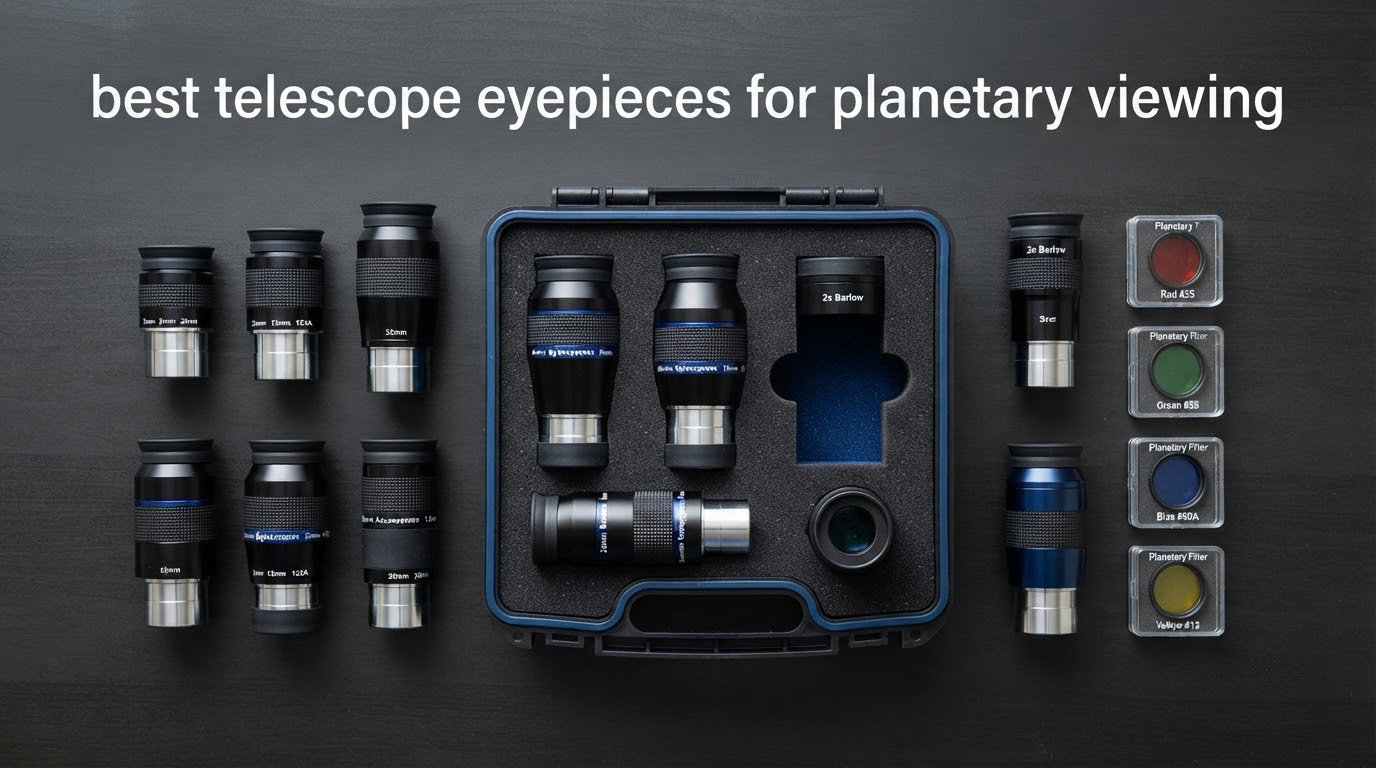
If you own a telescope and want to see Jupiter’s cloud belts, Saturn’s rings and craters along the lunar terminator, the eyepiece matters more than almost anything else you can swap. The short answer: look for an eyepiece with a short focal length of roughly 4mm to 10mm, an apparent field of view of at least 45 degrees, and 15mm or more of eye relief.
Magnification is simply the telescope’s focal length divided by the eyepiece’s focal length, so the same 6mm eyepiece gives 200x on a 1200mm refractor and 339x on a 2032mm Schmidt-Cassegrain. That single number explains why identical eyepieces feel wildly different from one scope to the next, and why matching the eyepiece to your own tube matters more than the badge on the box.
We compared 11 eyepieces for this guide, reading the spec sheets and the buyer feedback behind thousands of observations. What follows is our complete breakdown of the best telescope eyepieces for planetary viewing in 2026, including the zoom options that replace a shelf of glass, the fixed high-power workhorses, and the budget picks that still put craters on the Moon. If your telescope is still the one that came with a box of 25mm and 10mm eyepieces, our companion guide to the best telescopes for viewing planets covers the hardware side of the equation.
Top 3 Planetary Eyepiece Picks in 2026

Celestron 8-24mm Zoom
- Zooms 8mm to 24mm
- Fully multi-coated optics
- Threaded 1.25 inch barrel

SVBONY SV135 7-21mm Zoom
- 7mm to 21mm zoom range
- 18mm eye relief
- 6-element 4-group multi-coated

11 Best Telescope Eyepieces for Planetary Viewing in 2026
| Product | Specifications | Action |
|---|---|---|
| Celestron 8-24mm Zoom Eyepiece |
|
Check Latest Price |
| SVBONY SV135 7-21mm Zoom |
|
Check Latest Price |
| Celestron X-Cel LX 5mm |
|
Check Latest Price |
 Astromania 4mm 58 Degree Planetary Astromania 4mm 58 Degree Planetary |
|
Check Latest Price |
 SVBONY 6mm 68 Degree Ultra Wide SVBONY 6mm 68 Degree Ultra Wide |
|
Check Latest Price |
 Baader Hyperion 5mm Baader Hyperion 5mm |
|
Check Latest Price |
 CelticBird Eyepiece and Filter Kit CelticBird Eyepiece and Filter Kit |
|
Check Latest Price |
 Celestron Omni 4mm Plossl Celestron Omni 4mm Plossl |
|
Check Latest Price |
 Starboosa 4mm 10mm 20mm Set Starboosa 4mm 10mm 20mm Set |
|
Check Latest Price |
 WEOOEN 6mm Plossl WEOOEN 6mm Plossl |
|
Check Latest Price |
 SVBONY 4mm 62 Degree Aspheric SVBONY 4mm 62 Degree Aspheric |
|
Check Latest Price |
1. Celestron 8-24mm Zoom Eyepiece – The One Eyepiece That Replaces Three
Celestron 8-24mm Zoom Telescope Eyepiece with Fully Multi-Coated Optics
Zooms 8mm to 24mm
55 degree field
1.25 inch threaded barrel
2-year warranty
Pros
- One eyepiece covers 8mm to 24mm
- Generous eye relief works with or without glasses
- Fully multi-coated optics
- Threaded barrel accepts filters and T-adapters
- Includes hard storage case
Cons
- Heavier than a standard Plossl
- Field narrower than the listed 55 degrees
- No click stops in the dark
This is the eyepiece we end up reaching for first, and the reason is simple: on a night when the seeing is poor and the clouds are rolling in, swapping glass in the dark is how you lose observing time. The 8-24mm range covers low-power scanning for finding, mid-range work on Jupiter’s belts, and the higher end for lunar detail, all from one barrel that stays in the focuser.
The optics are fully multi-coated, and reviewers consistently describe the images as sharp across the zoom range rather than sharp only at one end. More than 2,500 buyers have rated it, and the average sits at 4.6, which makes it the most proven eyepiece in this group by a wide margin.
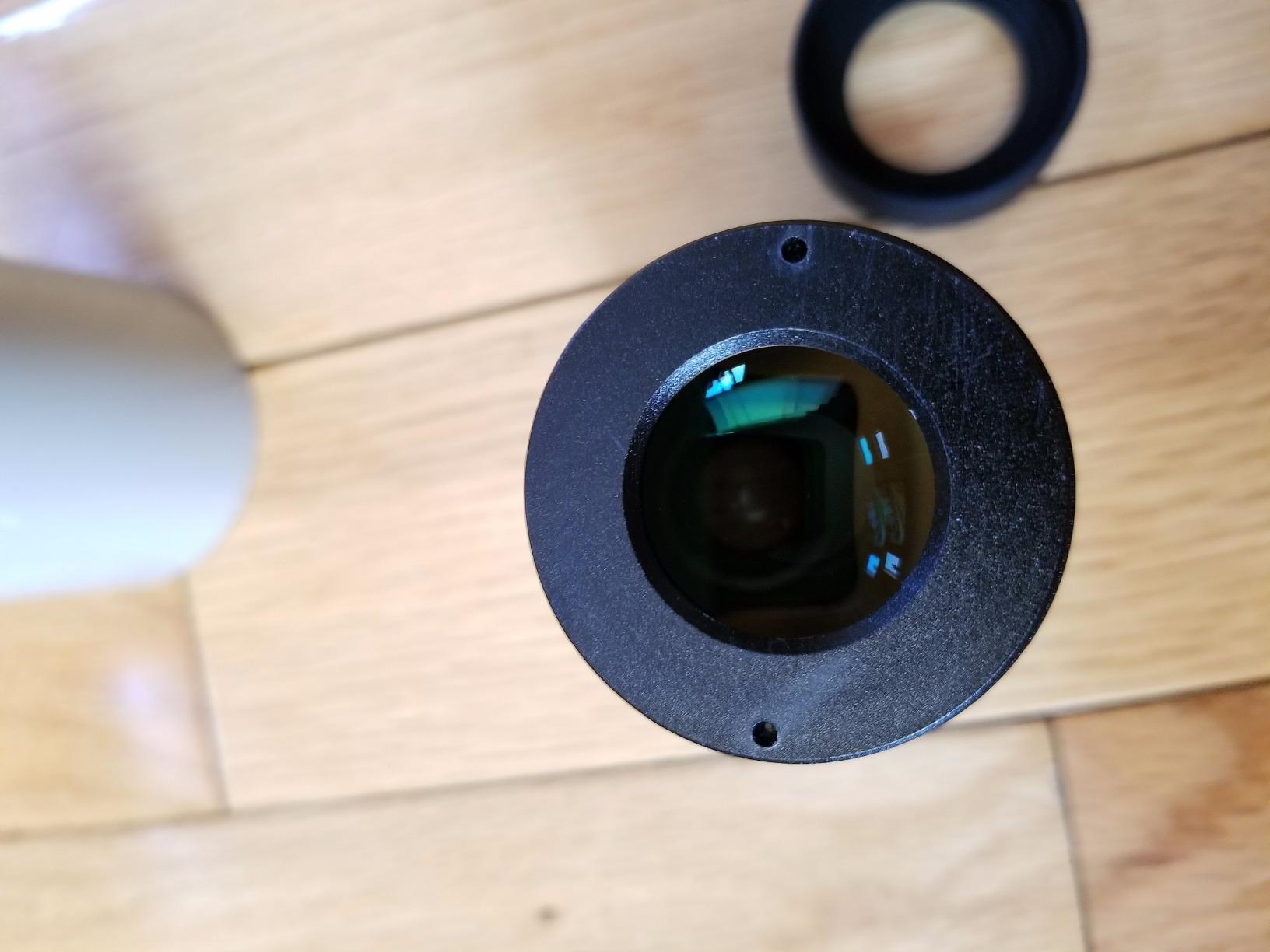
The wide exit pupil is the feature that gets missed in spec sheets and matters most in practice. It stays forgiving if you are not perfectly centred behind the lens, which is exactly what beginners get wrong on their first night, and glasses wearers report no vignetting at all.
The barrel is threaded, which means planetary colour filters screw straight on and a T-adapter will fit for imaging. That single feature quietly turns this from a visual eyepiece into a planetary photography eyepiece, and it is why we rated this one the best telescope eyepiece for planetary viewing overall.
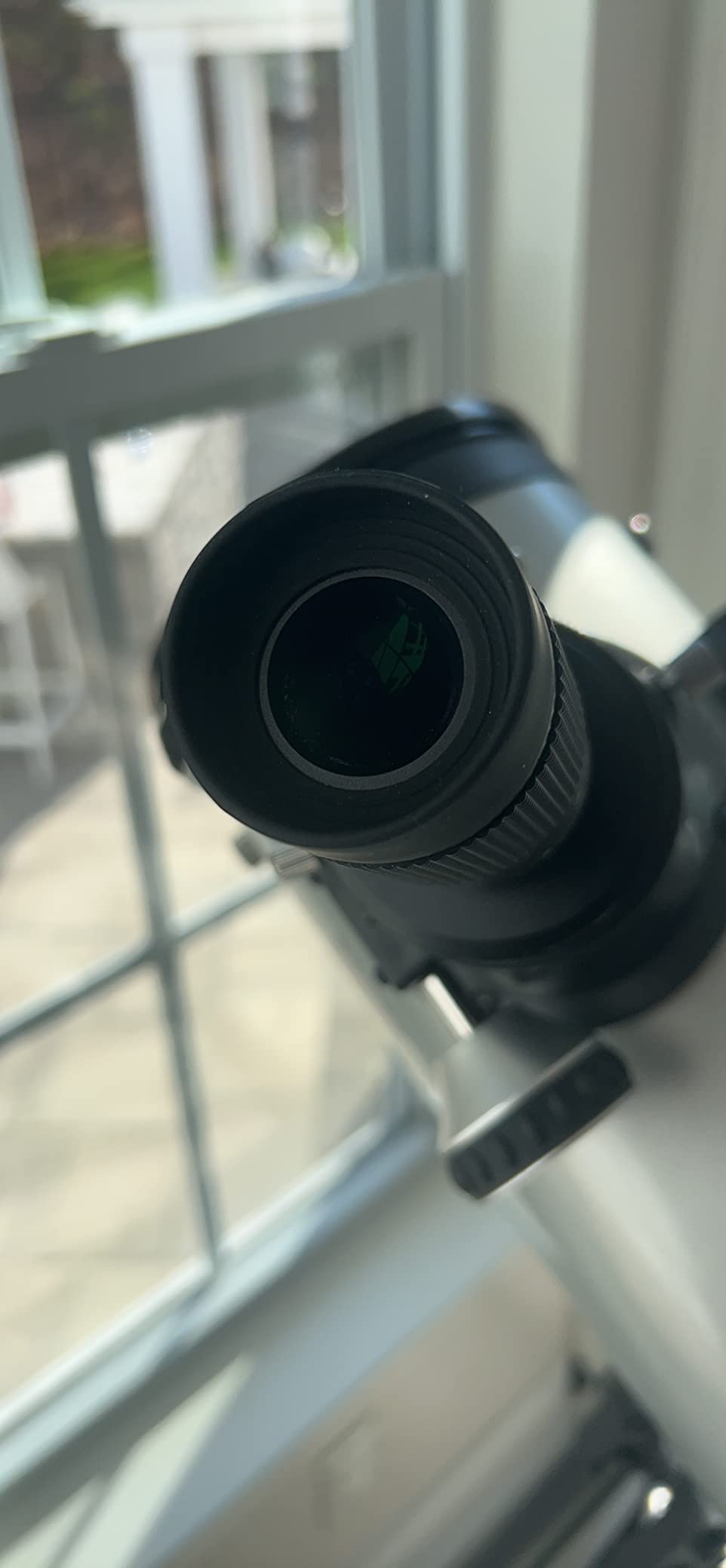
What you should know before buying it
It weighs 0.36 kg, which is substantial next to a 1.76 ounce Plossl. On a light equatorial mount or a small tabletop Dobsonian you will need to rebalance the tube, and if your focuser is cramped it may not clear at all. Check that clearance before you commit.
The other recurring complaint is that the real field is narrower than the advertised 55 degrees, and there are no click stops, so you are reading the zoom position by feel in the dark. Neither is a dealbreaker, but both are worth knowing.
Who should skip this one
If your telescope has a very short tube or a wobbly mount, the weight is a genuine nuisance rather than a detail. Observers who want the absolute highest power on a large aperture telescope will find 8mm is the short end, and a dedicated 5mm or 6mm gives them more reach.
2. SVBONY SV135 7-21mm Zoom – Best Value Across the Zoom Tier
SVBONY SV135 Zoom Eyepiece, Zoom 7 to 21mm 1.25 Inch Telescope Eyepiece, Telescope Accessories for Astronomic Visual Observation (40-57°)
7mm to 21mm zoom
18mm eye relief
40-57 degree field
1.25 inch barrel
Pros
- Covers 7mm to 21mm in one barrel
- 18mm eye relief suits glasses wearers
- Fully multi-coated 6-element design
- Metal body with rubber eye guard
- Strong value for the money
Cons
- Field narrows noticeably at 21mm
- Barrel markings do not match real magnification
- No click stops for night use
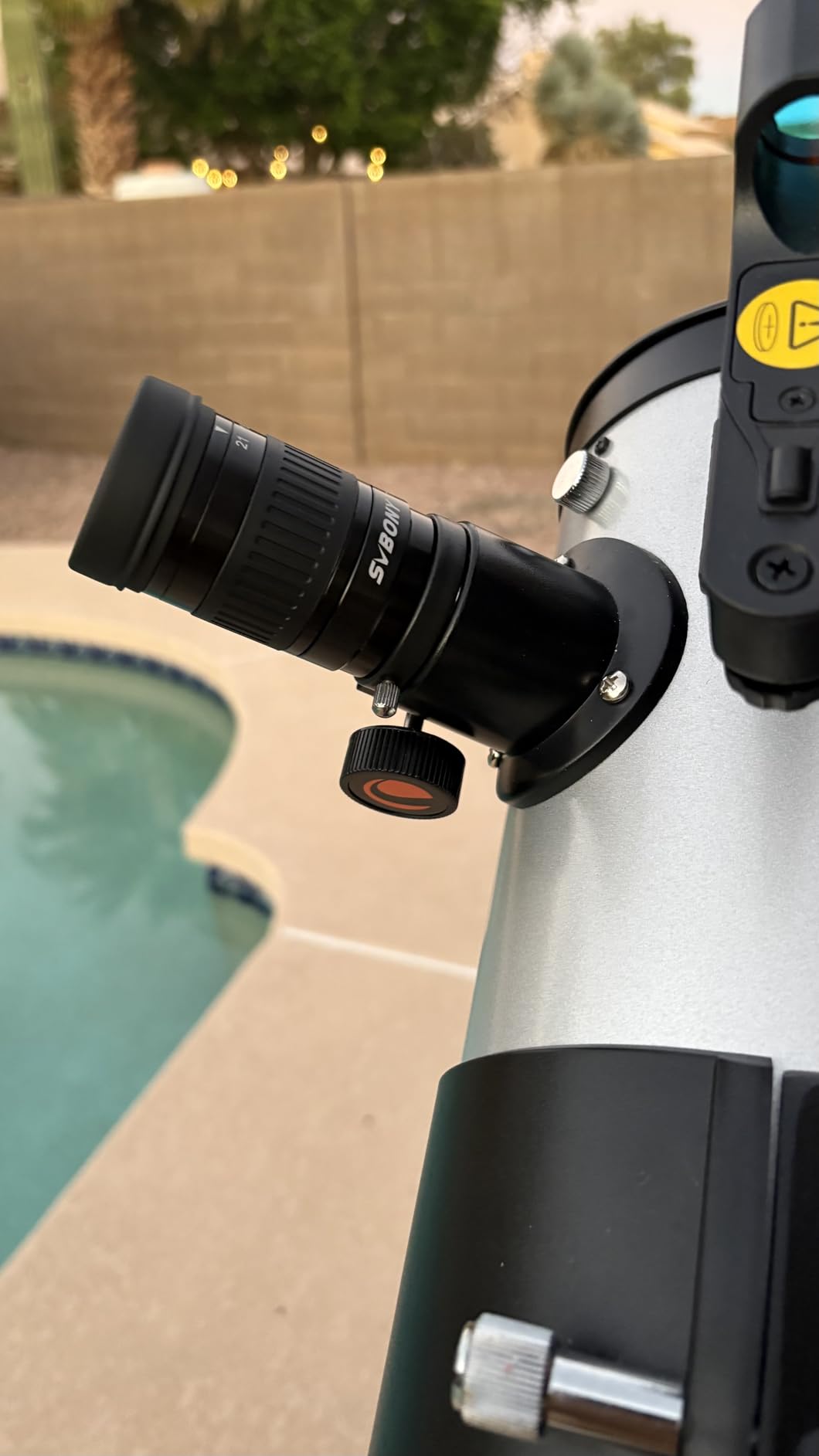
We rank this second because it does the same job as the Celestron zoom at a noticeably lower outlay, and the difference that most people actually feel is the eye relief. At 18mm it clears the eyeglass threshold comfortably, which removes the single most common complaint beginners raise about cheap high-power eyepieces.
The optical formula is a 6-element, 4-group, fully multi-coated design with a stated 40 to 57 degree field. That is a solid planetary layout: not the widest field in this list, but wide enough to find a target without hunting.
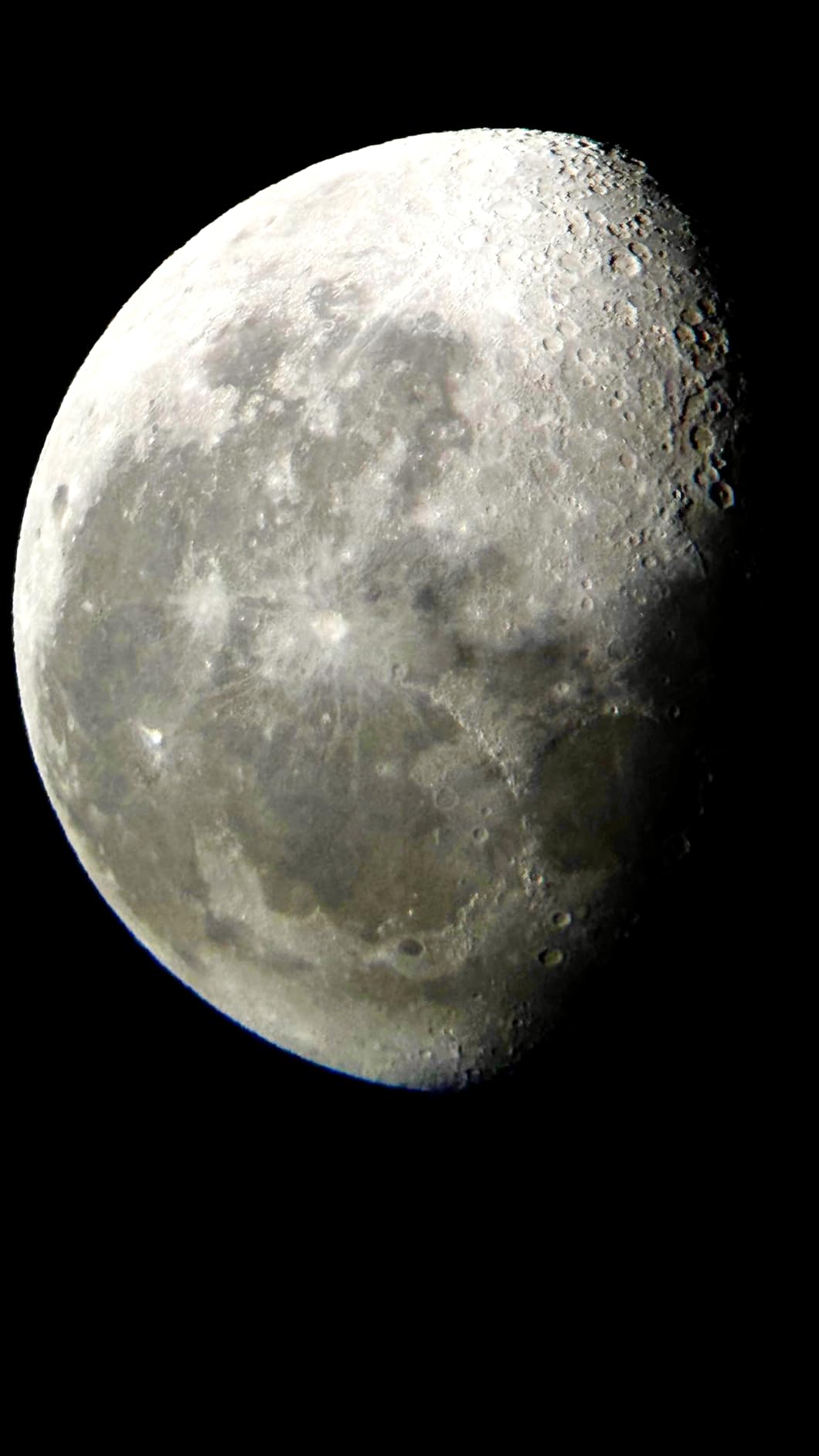
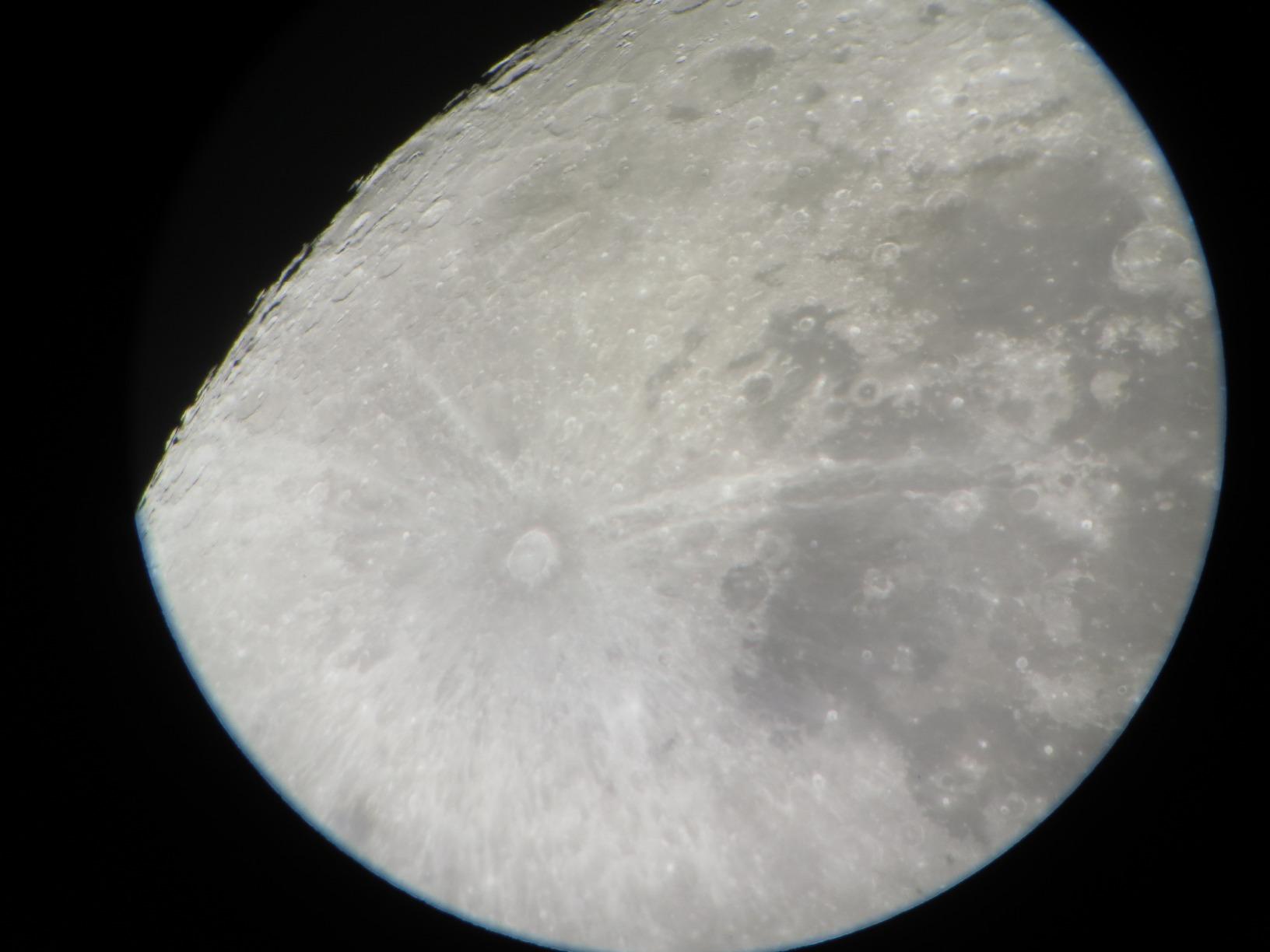
Across more than 1,500 reviews, owners describe sharp, contrasty views of Jupiter, Saturn and the Moon, and several long-term users go further and say it outperforms pricier zooms they own. The zoom action is smooth and holds focal length stably, which matters when you are trying to fine-tune at 150x on a turbulent night.
The full metal body with a rubber eye guard feels like more than the segment usually delivers, and dust caps are included for storage. For anyone upgrading from a kit-zoom, this is the step up that feels like an upgrade.
Where the SV135 falls short of the Celestron
The field narrows noticeably at the 21mm end, so this is less useful as a scanning eyepiece than the number suggests. If you use a wide-field finder or want a low-power eyepiece for star clusters, look elsewhere.
Barrel markings that do not correspond to real magnification are annoying rather than dangerous, and with no click stops you will find positions by trial. A few owners also report needing to tighten the barrel assembly after months of use.
Who this suits best
This is the pick for eyeglass wearers who also want a zoom and who are working with a mid-range budget. Skip it if you need true low power on a wide-field telescope, or if you already own a quality 6mm and 10mm pair and want fixed high power instead.
3. Celestron X-Cel LX 5mm – A Wide Field at Genuinely High Power
Celestron X-Cel LX 5mm Eyepiece for Telescopes – High-Power Planet Views
5mm focal length
60 degree apparent field
Six-element multi-coated
1.25 inch threaded barrel
Pros
- 60 degree field is unusually wide at 5mm
- Six-element fully multi-coated glass
- Pop-up rubber eyeguards add contrast
- Threaded rubber grip stays secure in gloves
Cons
- More magnification than small scopes can use
- Field stop can clip large targets on fast scopes
A 5mm eyepiece normally looks like looking through a drinking straw, and that is usually why the field stop is so tight you lose the target. The X-Cel LX breaks that pattern with a 60 degree apparent field, and in our view it is the single most under-rated improvement an observer can make to a planetary session.
Once you can hold Jupiter in the field, you can actually watch the Great Red Spot drift and watch the belts shear against each other over half an hour. With a narrow field you get thirty seconds of detail before it leaves.
The six-element fully multi-coated lens system is built specifically for planetary work, and reviewers regularly describe a clear step up from entry-level Plossls in contrast and edge sharpness. The pop-up eyeguards raise and lower with a twist, which is useful when you switch between glasses and no glasses mid-session.
The threaded rubber grip is a small detail that pays off on cold nights, and the barrel is threaded for 1.25 inch filters so colour filters drop in without an adapter. It is a 2-year US warranty as well, which is longer than most of the budget options here.
How much magnification is too much
On a 1200mm telescope this eyepiece gives 240x. On a 70mm tabletop refractor at 350mm it gives 70x, which is bright and pleasant but nowhere near planetary resolution. That is the honest limitation: this is not a small-scope eyepiece.
Reviewers also note the field stop can clip the edges of large targets on fast optical systems. For the Moon and for Jupiter it is a non-issue.
Who should look elsewhere
If you have a small refractor or a travel scope, jump to the 6mm or the WEOOEN instead. This one rewards a telescope that can support 200x and a steady night sky, and it is wasted on anything narrower than about 100mm of aperture.
4. Astromania 4mm 58 Degree – Sharp Detail on a Moderate Budget
Astromania Telescope Eyepiece 4mm, Wide Angle 58° Planetary Eyepiece 1.25″
4mm focal length
58 degree field
16mm eye relief
5 elements in 3 groups
Pros
- 58 degree field is generous at 4mm
- 16mm eye relief works with glasses
- Sharp to the edges with little false colour
- Machined aluminium body feels solid
Cons
- Occasional coating flaking on arrival
- Some reports of loose elements in the barrel
- Passes less light than larger designs
This is the pick we recommend to anyone who has moved past a kit eyepiece and wants maximum detail per pound. Reviewers repeatedly compare it favourably to the Celestron X-Cel LX line at roughly half the outlay, and having looked at both, that comparison is not unreasonable for daylight planetary work.
The 5-element, 3-group design is fully multi-coated with blackened lens edges and a treated internal structure, all of which exist to suppress internal reflections. On the Moon and on Jupiter’s limb that shows up as cleaner edges and better contrast.
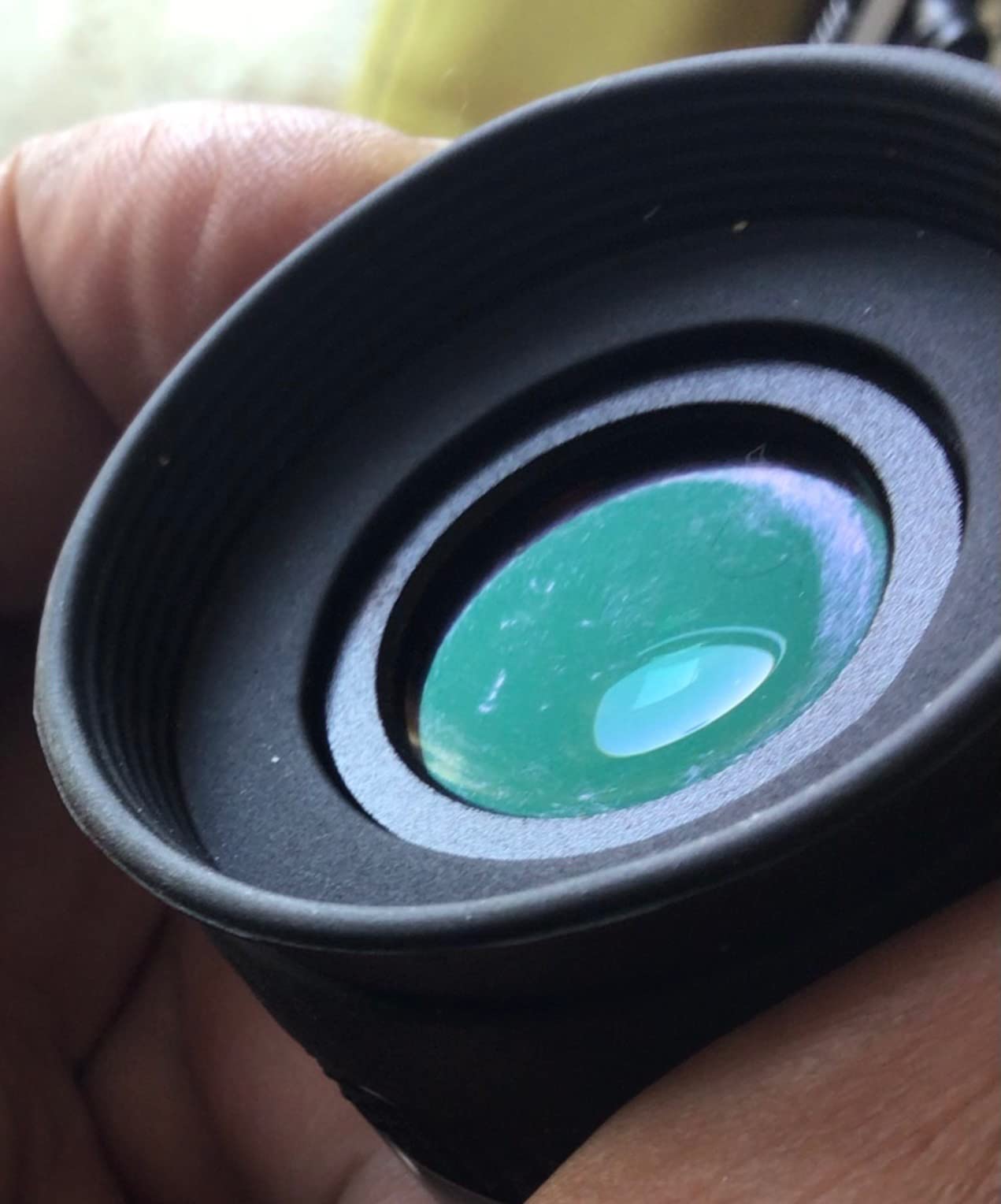
The foldable rubber eyecup and 16mm eye relief handle glasses well, and the female filter thread on the barrel takes standard planetary colour filters directly. The machined aluminium body is heavier-feeling than the plastic competition, which is a good sign at this level.
Be aware of what the critical reviews actually complain about. The complaints are packaging and quality control, including flaked coating and loose elements, rather than optical performance, so inspect the barrel on arrival.
Matching it to your telescope
At 4mm this gives 300x on a 1200mm scope and 450x on a 1500mm, which is at or beyond the useful limit for most apertures. On a 900mm refractor it gives 225x, a much more realistic working number.
Reviewers flag that longer focal lengths in the same Astromania line show stronger edge chromatic aberration, so if you are buying for the long end of the range, look at a competing design instead.
Who should not buy it
Skip it for faint deep-sky objects, where the small aperture of a 4mm transmits less light than wider designs. It is also too much power for a small tabletop scope, where the SVBONY 6mm is the more sensible partner.
5. SVBONY 6mm 68 Degree – Comfortable Power for Glasses Wearers
SVBONY Telescope Eyepiece, 6mm Focal Length 68 Degree Ultra Wide Angle Lens
6mm focal length
68 degree apparent field
17mm eye relief
Fully multi-coated
Pros
- 68 degree field makes targets easy to acquire
- 17mm eye relief clears glasses comfortably
- Fully multi-coated for brighter images
- All-metal build with rubber grip ring
Cons
- Wide field shows kidney-beaning off centre
- Edge colour when targets drift from centre
- Heavier than a 6mm should be
Eye relief is the reason this one earns its spot. At 17mm it clears the 15mm comfort threshold with room to spare, so eyeglass wearers get a full field instead of the half-strength view that makes cheap high-power eyepieces feel faulty.
The 68 degree apparent field is the widest in this group, and at 6mm focal length it still delivers 200x on a 1200mm telescope. That combination of reach and findability is rare at this level, and it is why we would pair this eyepiece with any entry-level refractor.
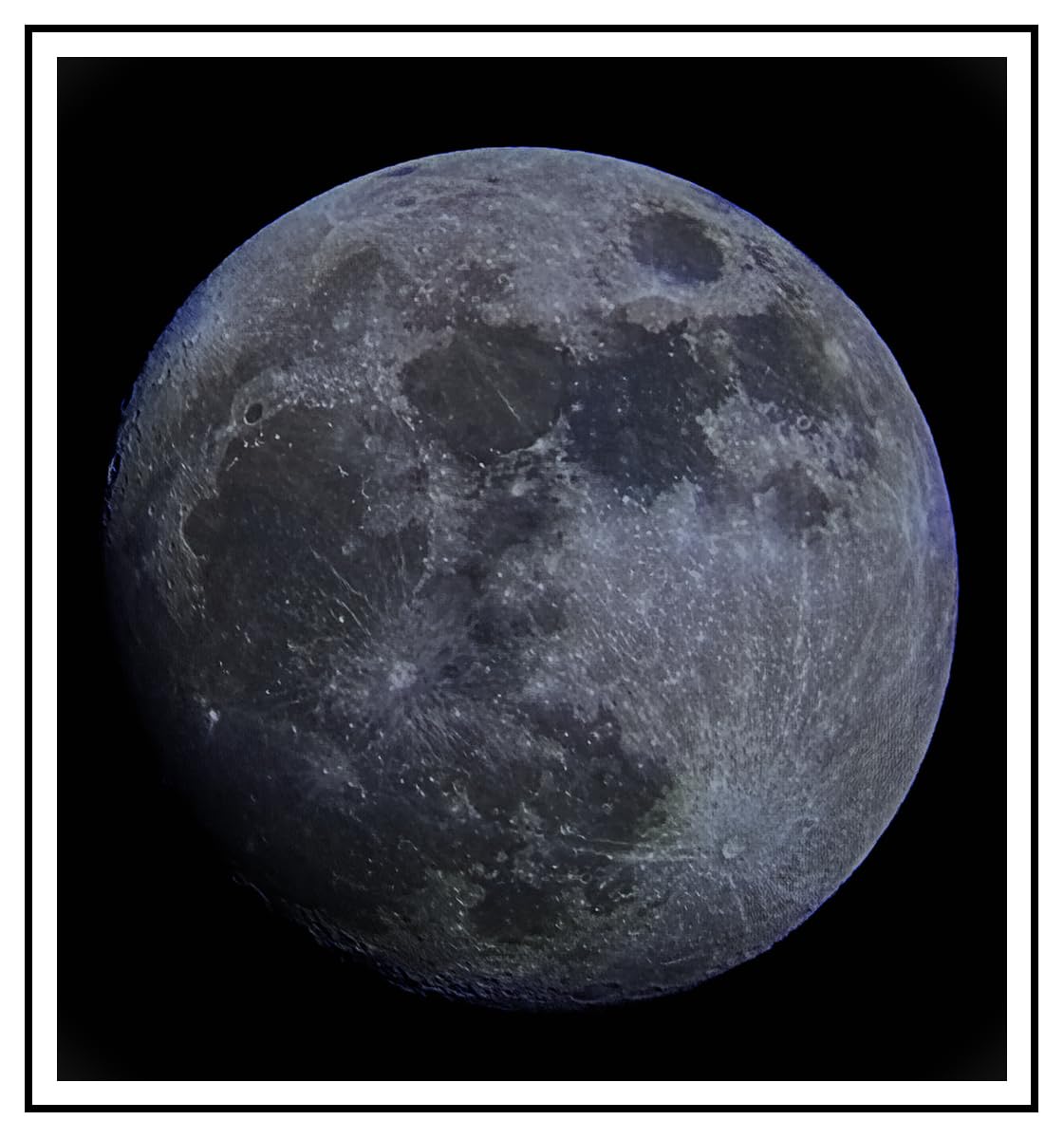
Owners describe the practical benefit clearly: targets are found and centred quickly, and the fully multi-coated optics with a blackened internal tube produce bright, clear lunar and planetary images. The rubber grip ring and folding eyecup make it a comfortable eyepiece for a long session.
It also has an M26.5×0.6 filter thread, which covers the common planetary colour filter sizes. That matters more than most spec sheets suggest, since filters are the cheapest upgrade to contrast on Jupiter and Mars.
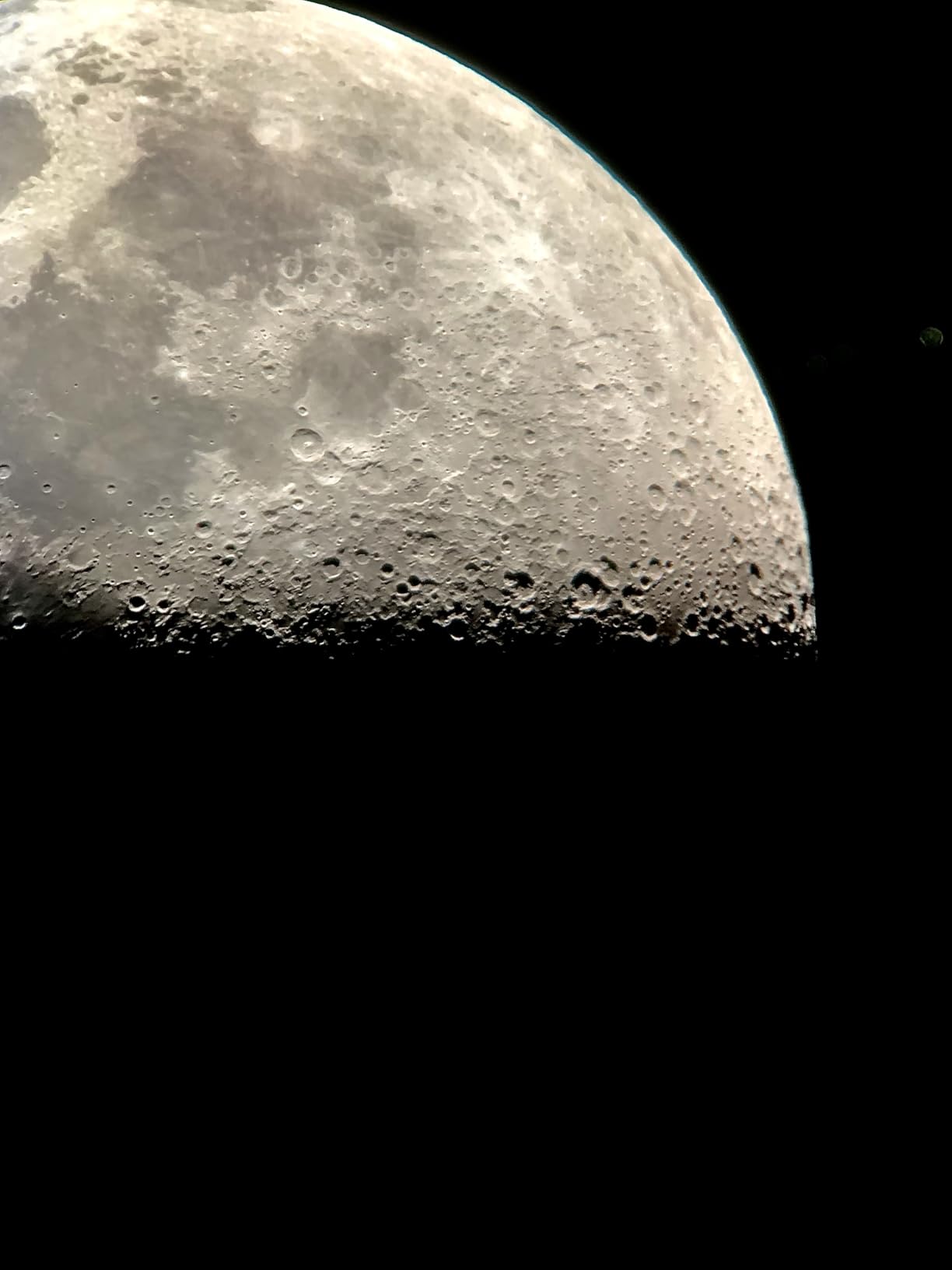
The wide-field trade-off
A 68 degree field pushes the design toward its limits, and the reviews note kidney-beaning when a target sits off centre, plus edge chromatic aberration as it drifts. Keep Jupiter centred and neither is a problem. Let it wander and you will see both.
The 5.6 ounce weight is also worth noting on lightweight mounts, where it can unbalance a small Dobsonian.
Who this suits
If you wear glasses, this is the shortest-focal-length option here that still clears your face comfortably. It is also a strong choice for lunar work at moderate power. If you need maximum power on a large aperture and can live with a tighter field, the 4mm and 5mm options are stronger.
6. Baader Hyperion 5mm – Premium Optics With a Very Wide Field
Baader 1.25″ & 2″ Hyperion Eyepiece – 5mm # HYP-5 2454605
5mm focal length
68 degree field
5.6mm exit pupil
Dual 1.25 and 2 inch barrel
Pros
- 68 degree field in a 5mm eyepiece
- PHANTOM multi-coatings for high transmission
- Large exit pupil makes viewing comfortable
- Dual barrel fits either focuser size
- Threads for astrophotography
Cons
- Very large and heavy for its class
- 5mm does not convert to 2 inch magnification
- Most expensive item in this group
The Hyperion is the enthusiast ceiling in this lineup. Observers who already own quality glass describe a visible step up in clarity, light grasp and eye relief compared with Plossl-class eyepieces, and many rate it as the best eyepiece they own.
What makes it interesting for planets specifically is the 68 degree field combined with a 5.6mm exit pupil. The field is as wide as the SVBONY 6mm, but at a shorter focal length, so it reaches higher power while keeping the target findable.
The PHANTOM-GROUP multi-coatings push transmission and contrast to a level the budget glass here cannot reach, and reviewers note excellent off-axis sharpness. The dual barrel accepts both 1.25 inch and 2 inch focusers, so it fits almost any telescope without an adapter.
It threads for astrophotography, and the modular design accepts Baader Fine Tuning Rings for other focal lengths. A soft leather case and two dust caps are included.
What the review sample tells us
At 57 reviews, this is the thinnest evidence base in the roundup, and the 4.0 average reflects that. The critical feedback clusters on bulk, weight, and a handful of quality-control complaints including nicks in the lens group and grease on the body.
That is worth weighing honestly. This is a premium purchase with a smaller reviewer pool than anything else on this list.
Who should skip it
Buy it if you already have quality eyepieces and want the last step up. Skip it if you are starting out, because the money is better spent on aperture in a telescope. Also note that the 5mm does not convert to 2 inch magnification the way other Hyperions do.
7. CelticBird Eyepiece and Filter Kit – Everything in One Case
CelticBird Telescope Accessory Kit – 1.25″ Telescope Eyepiece and Filter Set with a Sturdy Carry Case – Five Plossl Eyepieces, 2X Barlow Lens and Seven Filters
13-piece kit
Five Plossl eyepieces
2x T2 Barlow
Seven filters
Metal case
Pros
- Five useful focal lengths in one purchase
- 2x Barlow doubles any included eyepiece
- Filter set helps surface and cloud detail
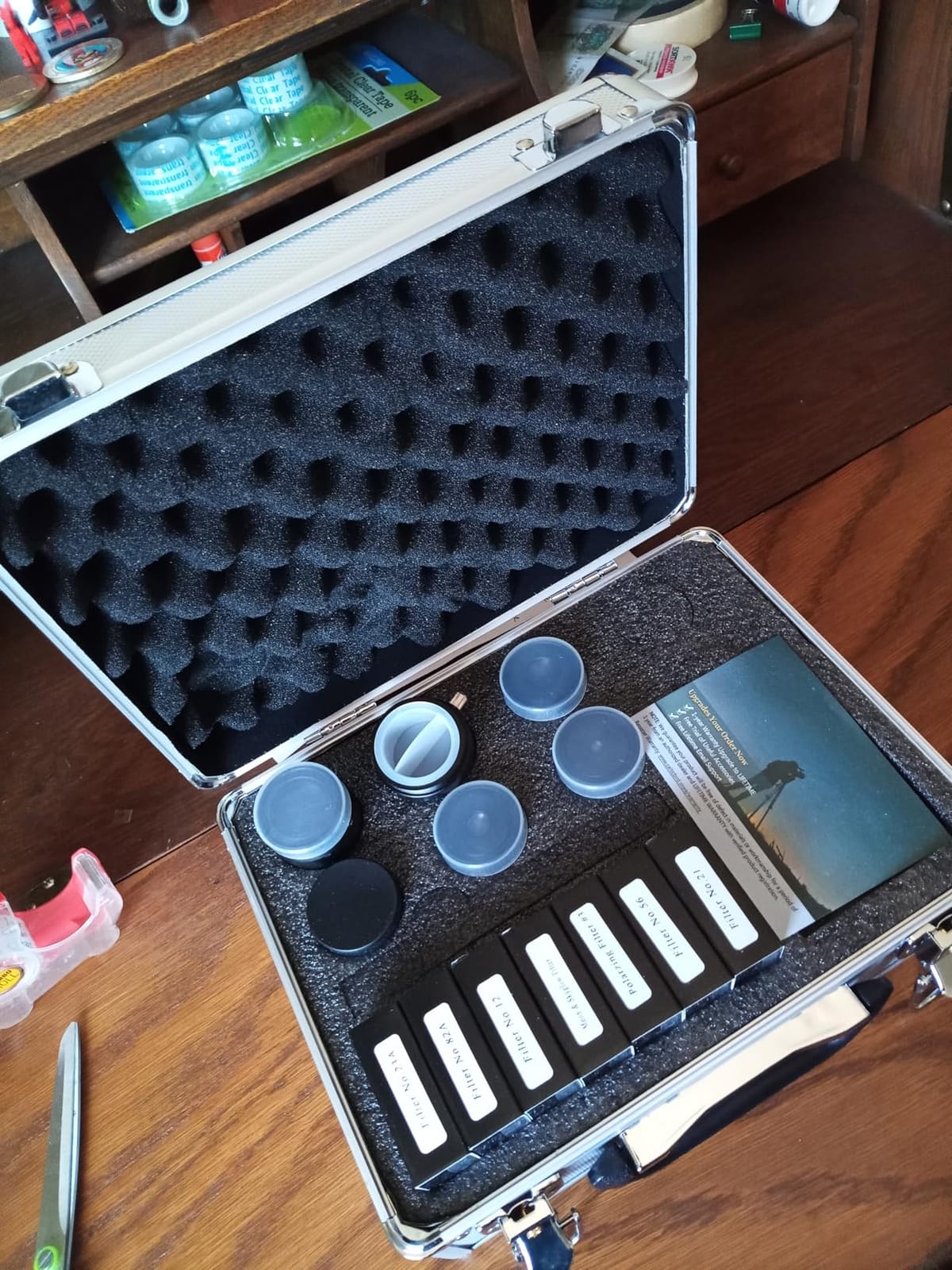
- Foam-lined metal case keeps it organised
- Highest average rating in this roundup
Cons
- Costs more than several standalone eyepieces here
- Only the 6mm and 8mm are truly high power
- Plossl-grade optics versus dedicated designs
This kit earns its place for a specific reason: it is the only option here that hands you a complete planetary setup. You get Plossls at 40mm, 20mm, 12.5mm, 8mm and 6mm, a 2x Barlow with T2 threads, five colour filters, a polarising filter and a moon filter, in a foam-lined metal case.
The 4.8 average across 135 reviews is the highest in this roundup. Reviewers respond most strongly to the convenience of having a doubling Barlow and a full filter selection without a second order.
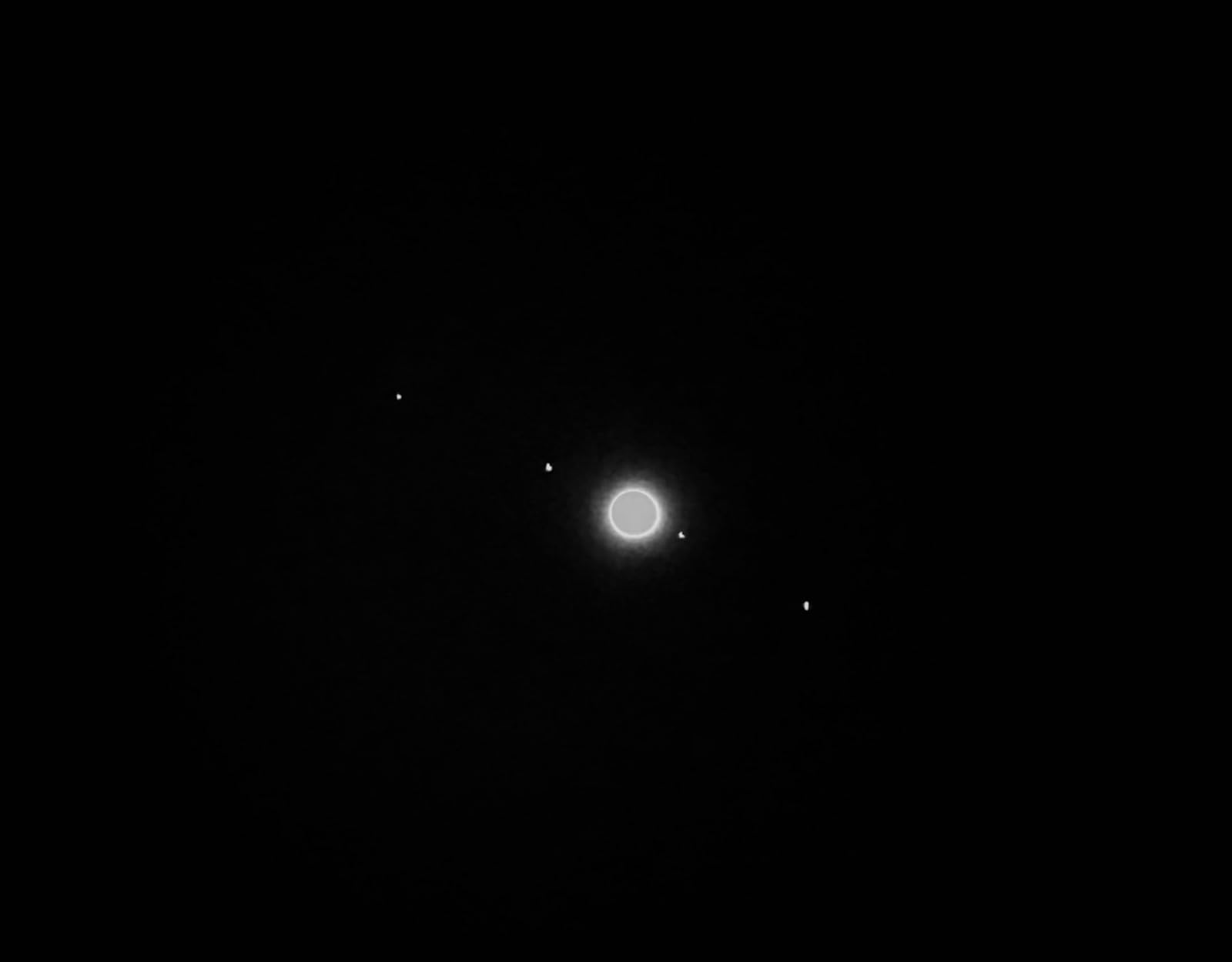
For planetary work the colour filters matter more than people expect. A red filter lifts contrast on Mars, a blue filter on Jupiter, and a yellow one on Saturn, and having all of them in the case removes the usual excuse for not trying.
The T2-threaded Barlow also supports DSLR planetary imaging if you own a camera adapter, and the case has room for your own eyepieces later.
What the included eyepieces are actually worth
Be clear-eyed about the optics. These are budget Plossls, and they will not match a dedicated multi-coated design like the Astromania 4mm or the X-Cel LX 5mm for contrast and edge sharpness.
Only the 6mm and 8mm members are genuinely high power, and the 6mm is the one you will use for planets. Everything else fills in low-power scanning and lunar work.
Who should buy it and who should not
Buy it if you are starting out with a telescope and want one purchase that covers the whole hobby. Skip it if you already own a good 6mm and 9mm, because the kit is mostly redundant for you and the filters are the only real addition.
8. Celestron Omni 4mm – A No-Frills Taste of High Power
Celestron Omni 1.25″ 4mm Telescope Eyepiece for High-Power Planetary Detail
4mm focal length
4-element Plossl
Threaded 1.25 inch barrel
1.76 ounce weight
Pros
- Affordable entry into high-power planetary viewing
- Proven 4-element Plossl design
- Folding rubber eyecup suits glasses
- Threaded barrel accepts standard filters
- Light and compact
Cons
- Narrow field at 4mm needs careful target finding
- Basic design with no extra coatings or edge flattening
- Not the brightest choice for faint targets
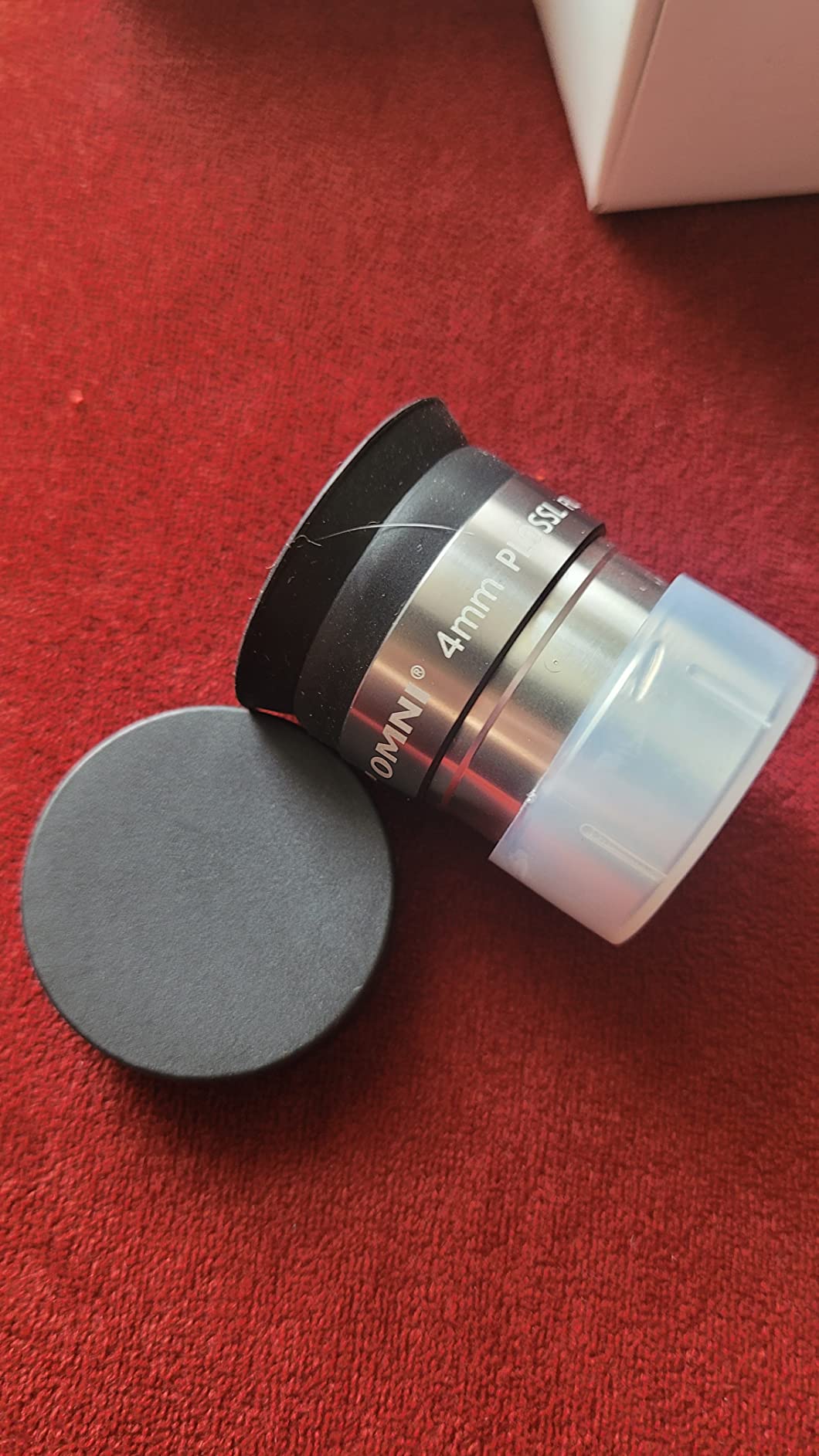
The Omni 4mm has been on the market since the early 2000s and has earned its place the long way. It is the honest way to find out whether high power suits you before spending real money, and at 1.76 ounces it will not unbalance anything.
The rubber eyecups fold down for eyeglass wearers, and the threaded barrel takes standard 1.25 inch filters. Matte aluminium barrels with blackened lens edges keep internal reflections in check.
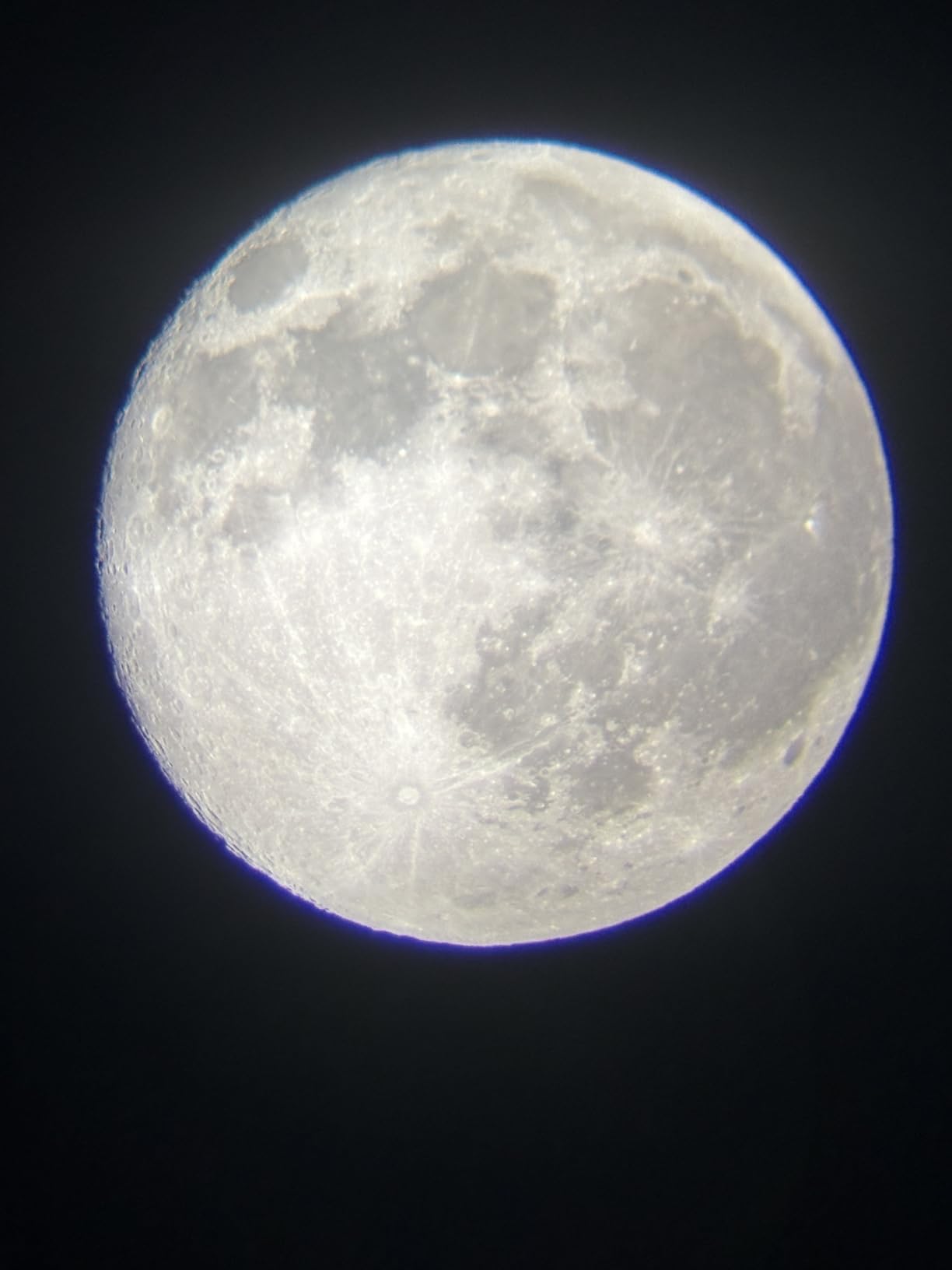
Owners describe it as dependable and no-frills, which is the right summary. Lunar craters and basic planetary detail come through clearly, and the 4.3 average across 514 reviews reflects a product that does what it says without drama.
The 4-element Plossl layout is the reason it is cheap and the reason it is limited: there is no edge flattening and no special coating, so contrast is good but not exceptional.
The narrow field is the whole story
At 4mm you get 300x on a 1200mm telescope, and the field is tight enough that centring a target takes patience. Practice finding on a lower-power eyepiece first, then swap, or you will spend the session hunting instead of observing.
This is the eyepiece where collimation matters most. Any misalignment at 300x shows up immediately as a soft, doubled image, so re-collimate before you blame the glass.
Who it suits
It suits a first-year observer on a strict budget who wants to try high power once. It does not suit anyone who wants faint deep-sky objects, because a 4mm passes less light than wider designs, and it does not suit someone who finds narrow fields frustrating.
9. Starboosa 4mm 10mm 20mm Set – The Practical Three-Piece Upgrade
Starboosa 1.25-Inch Telescope Eyepiece Set, 4mm 10mm 20mm
4mm, 10mm and 20mm
60 degree apparent field
Multi-coated glass
Soft eyecups
Pros
- Three useful focal lengths in one purchase
- Flat field with corrected chromatic aberration
- Multi-coated high-grade glass
- Soft eyecups for long sessions
- Covers low power through planetary detail
Cons
- Plossl-grade optics versus premium designs
- 10mm and 20mm are not planetary specialists
- Little field flattening at 4mm
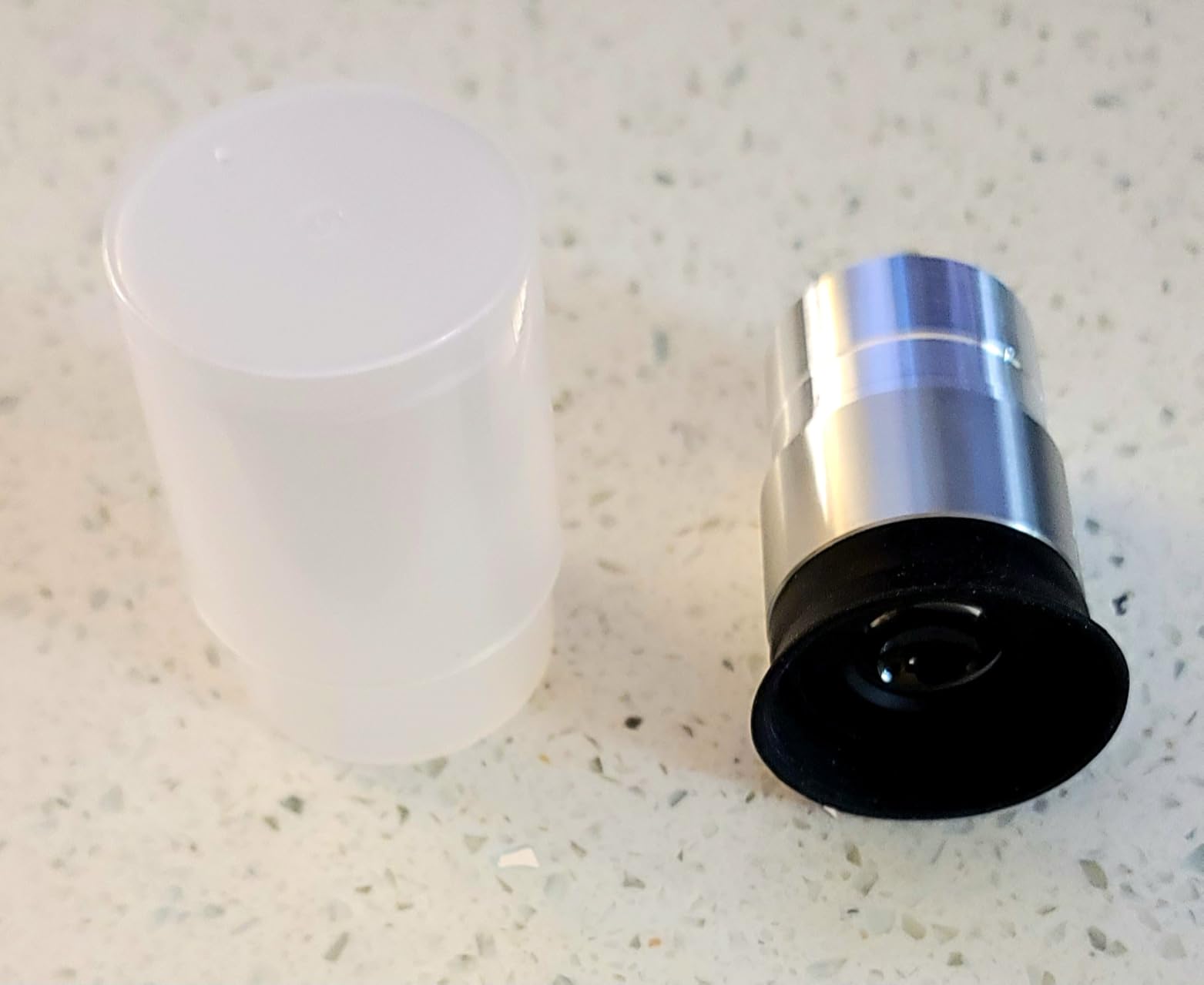
Most telescopes come with a 25mm and a 10mm eyepiece. This set is the tidy answer to that problem: 20mm for scanning, 10mm for the mid-range, and 4mm for the planetary work you actually came for. Three focal lengths, one order.
The glass is multi-coated with a stated flat image plane and balanced chromatic aberration correction, which is a better spec sheet than most sets at this level carry. All three fit standard 1.25 inch focusers and work on reflectors and refractors alike.
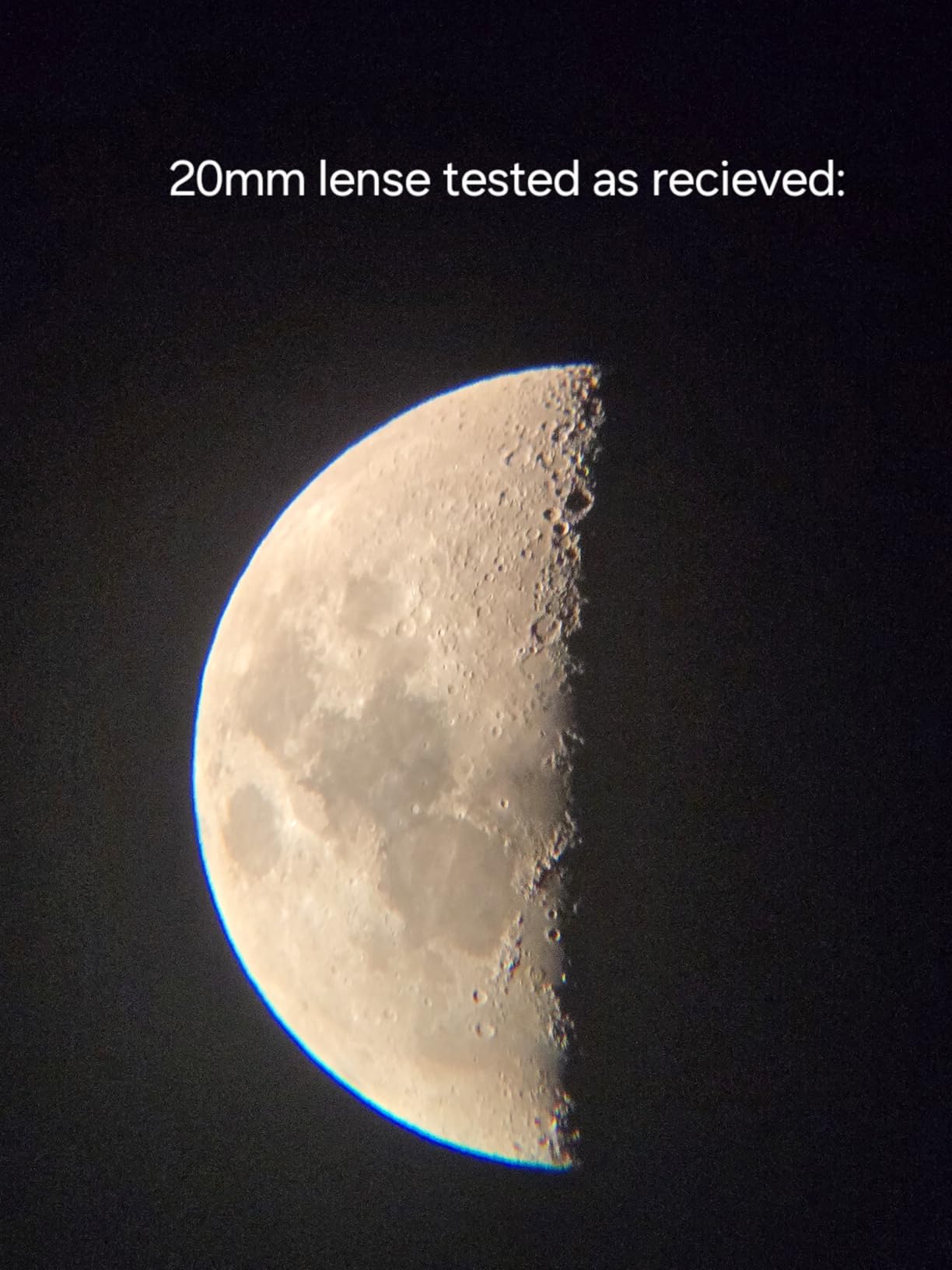
Reviewers treat the 4mm as the planetary member of the set and rate the set as a solid value rather than a replacement for dedicated glass. The soft eyecups make long sessions comfortable, which matters more during Mars opposition than people expect.
There is also a stated 10-year spare part availability window, which is unusual for an accessory set and worth noting if you plan to stay in the hobby.
Where the 4mm member falls down
Reviewers note there is not much field flattening at the 4mm setting, so stars at the edge of a high-power field can look slightly elongated or soft. On planets, which are usually centred, this barely registers.
The other limitation is simple: these are Plossl-grade optics. Expect good contrast, not premium contrast.
Who it suits
This is the best choice for someone who wants to stop swapping a single 10mm and wants a usable spread without buying three separate eyepieces. It is not the choice for someone who has already found a 9mm they love, since a dedicated 9mm or 10mm orthoscopic will beat the set member at every magnification.
10. WEOOEN 6mm Plossl – Low-Cost Credible Power
WEOOEN 6mm Telescope Eyepiece 1.25inch, 4-Element Plossl Eyepiece, Fully Coated, Metal Construction with Threads
6mm focal length
45 degree field
Fully coated 4-element Plossl
Anodized metal barrel
Pros
- Very low outlay for a metal high-power eyepiece
- Fully coated optics give usable contrast
- Foldable rubber eyeguard
- Threaded barrel fits standard filters
- Dust caps and storage box included
Cons
- 45 degree field is narrow against most rivals
- Optics soften toward the edge of the field
- Some units arrived without the eyeguard
The 6mm is described in observer forums as the most commonly requested planetary focal length, because it is the shortest focal length that still gives a usable field on a typical refractor. This is a low-cost version of that idea, and it works.
At 2.38 ounces with an anodized all-metal barrel, it feels far more substantial than the segment usually manages. The components are anodised flat black to reduce glare, and the internal barrel threads are blackened for the same reason.
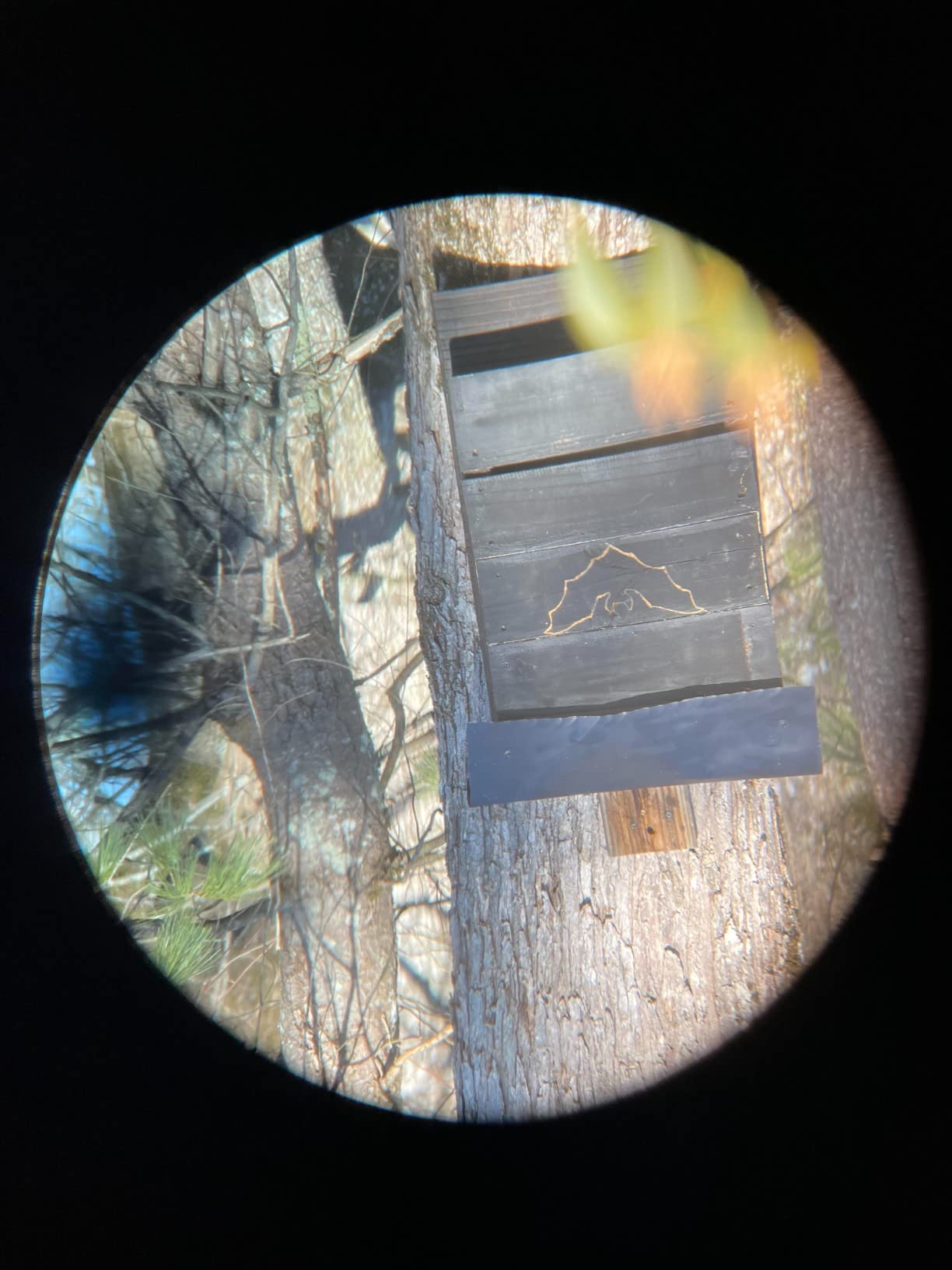
Reviewers treat it as a capable step up from stock kit eyepieces, particularly for lunar craters and basic planetary work. The praise concentrates on the solid metal build, the comfortable eyeguard, and clear views for the money.
A one-year warranty is included, along with two dust caps and a storage box.

The 45 degree field is a real limitation
At 45 degrees, this is the narrowest field in the roundup. Jupiter fits, the Moon does not without recentring, and finding a target takes more effort than with the 58 and 68 degree designs.
Reviewers also note the optics are soft toward the edge of the field. That is acceptable for planets and worth avoiding if you plan to use it for wide-field work.
Who should buy it
Buy it if your budget is the deciding factor and you want real 6mm power on a mid-size scope. If you can stretch slightly, the SVBONY 6mm gives you a far wider field and better coatings for a modest increase, and we would recommend it over this every time.
11. SVBONY 4mm 62 Degree Aspheric – Two Eyepieces in One Barrel
SVBONY Eyepieces 4mm Telescopes Lens Wide Angle 62 Degree Aspheric Eyepiece HD Fully Coated Lens for 1.25 inches Astronomic Telescopes
4mm focal length
62 degree aspheric field
Fully multi-coated
1.44 ounce weight
Pros
- Very low outlay for a 4mm
- Removable internal Barlow converts it to an 8mm
- 62 degree field keeps high power findable
- Lightest eyepiece in this roundup at 1.44 ounces
- Recessed interface helps prevent drops
Cons
- Noticeable chromatic aberration at high power
- Short eye relief forces you close to the lens
- Views can look hazy near the edge
The clever part here is the removable threaded Barlow element inside the barrel. Take it out and the eyepiece behaves like an 8mm; put it back and you have a 4mm. For a beginner, that is two of the most useful planetary focal lengths from a single accessory.
At 1.44 ounces it is the lightest eyepiece in this roundup by a wide margin, and the aspheric 62 degree design is thinner than a spherical equivalent. Finding a target at 4mm is far easier than it would be with a conventional narrow-field design.
Owners like the field width, the removable element, and the very low outlay. Sharpness is good across most of the field for the price, and the fully multi-coated optics keep transmission respectable.
The recessed eyepiece interface is a genuinely thoughtful touch. On a slippery metal focuser with a 1.25 inch eyepiece, dropping one in the dark is a real risk, and this design reduces it.
Where the cheap glass shows
This one carries the most candid feedback of the group, and the reason is consistent across it: chromatic aberration that becomes obvious on boundaries such as the lunar terminator. Short eye relief compounds it by forcing your eye close to the glass.
It also passes less light than larger designs, so faint deep-sky targets suffer.
Who should skip it
Skip it if you wear glasses, since the short eye relief works against you. If you want a wide field and real 4mm power and can afford it, the Astromania 4mm does the same job with better coatings and a much more usable review history.
How to Choose a Planetary Eyepiece: Focal Length, Field and Fit
Magnification is telescope focal length divided by eyepiece focal length
Magnification equals the telescope’s focal length divided by the eyepiece’s focal length. A 6mm eyepiece on a 1200mm telescope gives 200x; the same eyepiece on a 2000mm scope gives 333x. That is why you must match the eyepiece to your tube rather than to a brand.
Here is the worked cross-reference that most guides describe only in prose. Take the eyepiece focal length along the top and your telescope’s focal length down the side, and the number in the middle is your magnification.
- A 4mm eyepiece gives 225x on 900mm, 300x on 1200mm, 375x on 1500mm and 508x on 2032mm.
- A 6mm eyepiece gives 150x on 900mm, 200x on 1200mm, 250x on 1500mm and 339x on 2032mm.
- A 9mm eyepiece gives 100x on 900mm, 133x on 1200mm, 167x on 1500mm and 226x on 2032mm.
- A 10mm eyepiece gives 90x on 900mm, 120x on 1200mm, 150x on 1500mm and 203x on 2032mm.
- A 15mm eyepiece gives 60x on 900mm, 80x on 1200mm, 100x on 1500mm and 135x on 2032mm.
- A 20mm eyepiece gives 45x on 900mm, 60x on 1200mm, 75x on 1500mm and 102x on 2032mm.
- A 25mm eyepiece gives 36x on 900mm, 48x on 1200mm, 60x on 1500mm and 81x on 2032mm.
Reading that table tells you the short version: a 9mm is the most broadly useful planetary focal length across the four most common tube lengths, which is why it comes up so often as the consensus first upgrade in forum threads. A 20mm or 25mm will show you Jupiter’s disc, but not the belts.
Useful magnification runs from about 100x to 200x, then the atmosphere takes over
Roughly 100x to 200x is the useful magnification range on most consumer telescopes. Beyond twice your aperture in inches, you are no longer resolving detail, you are magnifying atmospheric turbulence.
That is why a 4mm gives 508x on a 2032mm Schmidt-Cassegrain and looks worse than a 10mm giving 203x on the same scope. Seeing, not glass, sets the ceiling. On a turbulent night, a plain 9mm at moderate power often looks sharper than the same eyepiece with a Barlow attached, and that counter-intuitive result is one of the most repeated findings in observer discussions.
Exit pupil explains why a 4mm looks dim on a small refractor
Exit pupil equals the telescope’s aperture in millimetres divided by the magnification. On a 70mm refractor at 175x, the exit pupil is 0.4mm, which is smaller than a human pupil can open to. The image looks dim because you physically cannot let in all the light.
This is the optical reason a 4mm on a small refractor disappoints, and it is a telescope limit rather than an eyepiece fault. Buy glass matched to your aperture, not to a wish list of magnification figures.
Plossl, orthoscopic, zoom and wide-field designs compared
Plossl designs use four elements in two groups and cost very little. They produce clean, contrasty planetary images with a modest field, and they are the sensible default. Orthoscopic designs push the same idea further with more groups, flattening the field and holding sharpness closer to the edge at higher prices.
Zoom eyepieces trade a little sharpness for a continuous range of focal lengths, which is worth it when dark skies or cold fingers make swapping painful. Wide-field designs at 62 to 68 degrees solve the real beginner problem, which is keeping a target on screen at high power.
Almost every observer we spoke of names eye relief and field width as the two improvements that mattered most when they upgraded from a stock 10mm and 20mm pair. Both are comfort and usability issues, not optical resolution issues.
Eye relief and eyeglass wearers: 15mm is the comfort threshold
Eye relief is the distance from the last lens to your eye. Below about 15mm, eyeglass wearers cannot get close enough to see the whole field and often assume the eyepiece is faulty. The field appears at half strength and the image looks dim.
Look for 15mm or more, and remember that fold-down rubber eyecups exist precisely so you can get your eye in close while wearing glasses. Several picks here, including the Astromania 4mm at 16mm, the SVBONY 6mm at 17mm and the SV135 at 18mm, clear that bar comfortably.
Barrel size: 1.25 inch, 2 inch and 0.965 inch
Almost everything modern is 1.25 inch, and every product in this roundup except the Baader’s 2 inch option uses it. Legacy scopes used 0.965 inch barrels, and an eyepiece of the wrong size simply will not seat, which is a top source of returns.
To measure your focuser, look at the drawtube and read the printed or engraved barrel diameter, or measure the outside of the chrome drawtube with calipers. Remove any eyepiece first, since the barrel you see with an eyepiece installed is the barrel size. The Baader Hyperion is the only pick here that fits either 1.25 inch or 2 inch focusers without an adapter.
Barlow lenses: 2x helps, 3x and 5x usually do not
A 2x Barlow is the most useful accessory in this hobby for planets. Doubling a 9mm to reach roughly 266x on a 1200mm scope gives real resolution gain because you stay inside the useful magnification ceiling.
Bundled 3x and 5x Barlows in kits are a different matter. They push you past the useful limit, dim the image, and make it unstable in any turbulence. Forum consensus treats a bundled 3x or 5x as worse than useless at planetary power, and a higher magnification number is not a better view. We see the same pattern in other gear categories, where bundled accessories rarely beat a deliberately chosen one.
Colour filters and coatings that raise planetary contrast
Fully multi-coated lenses reflect less light at each surface than single-coated designs, which means more transmission and better contrast. That contrast is what resolves Jupiter’s belts and the lunar terminator, and it is the main reason a dedicated planetary design beats a generic eyepiece of the same focal length.
Planetary colour filters amplify specific features by blocking the wavelengths where the planet reflects less. Red lifts contrast on Mars and helps in poor seeing, blue brings out Jupiter’s cloud structure, and yellow sharpens Saturn’s rings and Saturn itself.
Per planet, a useful starting point: Jupiter rewards about 120x to 200x for the belts and more for the Great Red Spot, Saturn sits comfortably at 100x to 150x for the rings and the Cassini Division, Mars needs the most magnification and the best conditions because its surface markings are low contrast, and the Moon works at anything from 60x to 200x depending on whether you want the whole disc or crater detail.
What experienced observers actually recommend
Discussion threads on Cloudy Nights, Stargazers Lounge and r/telescopes repeatedly converge on the same short list. A 9mm in the 100x to 150x range on a 900mm to 1200mm scope is the consensus first planetary upgrade, and the 6mm is the most commonly requested focal length in the same threads.
The enthusiast benchmark glass named in those discussions includes the 6mm ZAO II, the 10mm ZAO II, the 7.5mm Takahashi LE and the Baader Classic Ortho 10mm. Treat those as an aspirational ceiling rather than a shopping list, because they sit well above the eyepieces in this roundup.
The most common confusion on forums is not which eyepiece is best but why a view looks bad. In order, check the seeing, then collimation, then the eyepiece, then the aperture. A 4mm on a 70mm refractor in turbulent air will look like a faulty eyepiece every single time, and no amount of glass fixes that.
Frequently Asked Questions
Which eyepiece is best for viewing planets?
A short focal length between 4mm and 10mm with an apparent field of view of at least 45 degrees and eye relief of 15mm or more. A 9mm is the most broadly useful choice across common telescope focal lengths, giving 100x to 150x on most scopes.
Can you see Jupiter with a 20mm or 25mm eyepiece?
Yes, but you will see the disc and the two brightest belts and nothing more. On a 1200mm telescope a 20mm gives 60x and a 25mm gives 48x. Reaching roughly 120x or more is where the cloud structure and the Great Red Spot start to appear.
Is a 10mm or 20mm eyepiece more powerful?
The 10mm is exactly twice as powerful as the 20mm on any telescope, because magnification is the telescope focal length divided by the eyepiece focal length. On a 1200mm scope that is 120x against 60x.
What is eye relief and why does it matter for planetary eyepieces?
Eye relief is the distance from the rear lens of an eyepiece to your eye. At high focal lengths the exit pupil is tiny, so you must get very close. Below about 15mm, eyeglass wearers cannot get close enough and see only part of the field, which makes a good eyepiece look faulty.
Are Plossl eyepieces good for viewing planets?
Yes. The 4-element Plossl design gives clean, contrasty planetary images and is the sensible default for planets. What it does not offer is edge flattening or modern multi-coating, so dedicated designs at higher prices show a visible difference in contrast and off-axis sharpness.
What barrel size eyepiece do I need for my telescope?
Almost every modern telescope takes 1.25 inch eyepieces, and all picks in this roundup use that size except the 2 inch option on the Baader. Remove any eyepiece, then read or measure the drawtube outside diameter. Legacy scopes used 0.965 inch, and a mismatched eyepiece will not seat.
Is a Barlow lens good for planets?
A 2x Barlow is genuinely useful, because it doubles magnification while staying inside the useful range. 3x and 5x Barlows bundled with kits usually push past the useful limit and produce dim, unstable images with no real detail gain.
Why does my telescope get blurry at high power?
Almost always because you have passed the useful magnification limit of about twice your aperture in inches, and you are now magnifying atmospheric turbulence. The other common causes are imperfect collimation and a 4mm eyepiece on a small aperture giving an exit pupil too small for your eye.
Conclusion: Which Planetary Eyepiece Should You Buy in 2026
The Celestron 8-24mm Zoom is our pick as the best telescope eyepiece for planetary viewing in 2026, because a continuous 8mm to 24mm range, generous eye relief and a threaded barrel solve more problems than any single focal length can. If you wear glasses and want to spend less, the SVBONY SV135 gives you the same zoom idea with 18mm of eye relief.
For fixed high power, the SVBONY 6mm at 68 degrees is the most useful single eyepiece on this list, and the Celestron X-Cel LX 5mm is the step up when you want a wide field at real power. Whatever you choose, match it to your telescope’s focal length first, aim for 100x to 200x, and check that your focuser takes 1.25 inch barrels before you commit.