
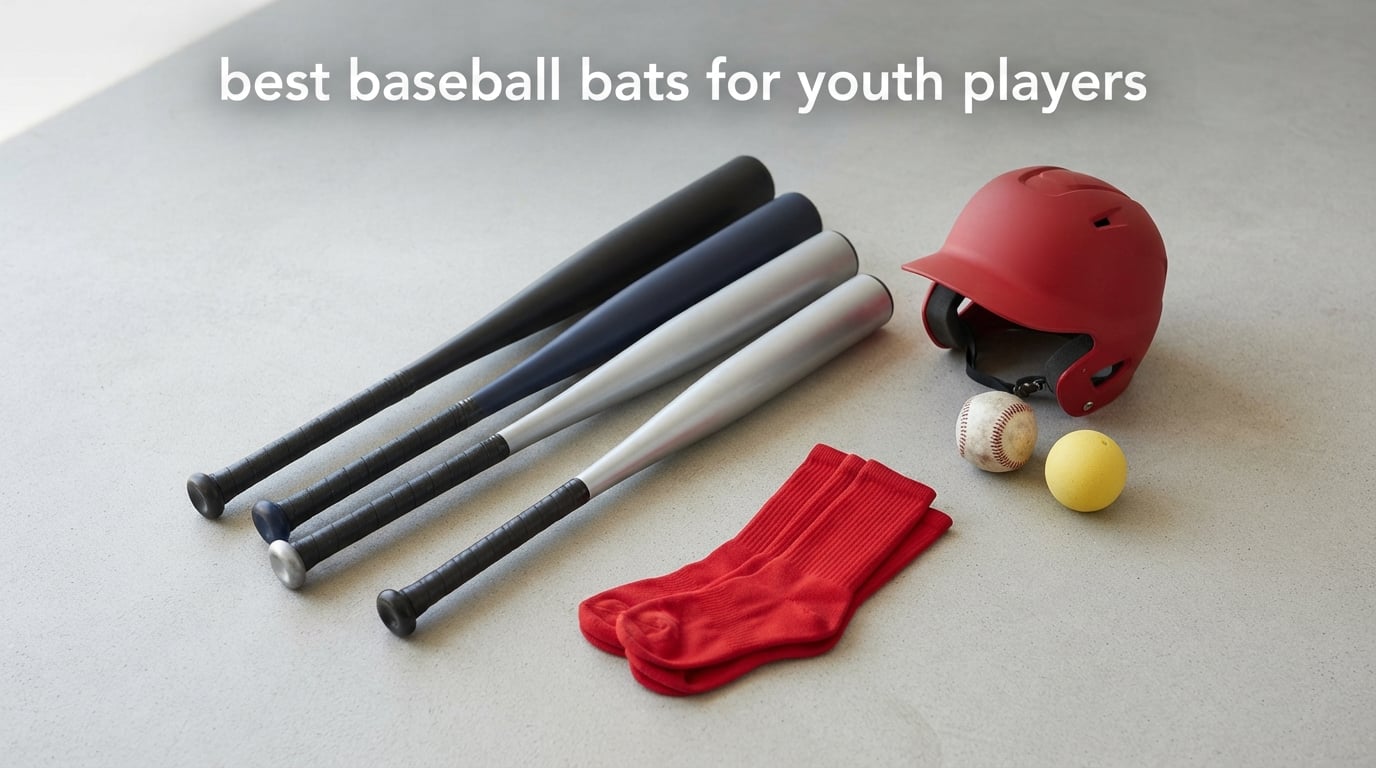
The best baseball bat for a youth player is the one your league has certified and your child can actually control. Three variables decide that: the certification stamp, the drop weight, and the swing speed your hitter can generate. Get all three right and a modest alloy bat will outperform an expensive composite bat your kid cannot turn over.
Our team of parents and coaches spent six weeks comparing youth bats, reading review data across thousands of owner comments, and sorting them by age band and league requirement. We leaned on three filters above everything else: an official stamp, a drop weight the player can carry through a full swing, and a review pool large enough to trust.
One thing surprised us. The most requested bats in our research were premium composite models priced for teenagers, while the players asking for help were mostly in rec league and Little League. Buying an expensive bat for a seven-year-old is the most common money mistake families make with this sport.
Everything in this guide is written for 2026 model years and checked against current owner reviews, so you can match a bat to a player instead of the other way around.
Table of Contents
How We Picked the Best Youth Bats
Four criteria decided every ranking in this guide, and we scored each bat on all four:
- Certification stamp. Does it carry a USA Baseball, USSSA 1.15 BPF, or BBCOR mark that matches the league your child plays in.
- Drop weight. Is the weight appropriate for the player’s age, size, and strength, and does it stay legal at the next age bracket.
- Construction and grip. One-piece alloy, multi-piece alloy, wood, or bamboo, plus how the handle feels in small hands.
- Owner review volume. A bat with hundreds or thousands of reviews tells you far more about durability than a product description does.
Scores are our editorial reads of published specifications and owner feedback, not lab measurements. Where a weakness showed up repeatedly in reviews, we put it in the cons list rather than leaving it out.
Top 3 Picks for the Best Baseball Bats for Youth Players in 2026

The Remix leads because its review pool is the largest in the group by a wide margin, and the complaints about it are narrow and predictable rather than structural. The Raptor is the swing-control alternative, and the Venom is the simplest first metal bat in the category.
Best Baseball Bats for Youth Players at a Glance in 2026
| Product | Specifications | Action |
|---|---|---|
| Rawlings Remix T-Ball |
|
Check Latest Price |
 Rawlings Raptor T-Ball Rawlings Raptor T-Ball |
|
Check Latest Price |
| Franklin Sports Venom |
|
Check Latest Price |
 Easton Moxie T-Ball Easton Moxie T-Ball |
|
Check Latest Price |
 Rawlings Storm T-Ball Rawlings Storm T-Ball |
|
Check Latest Price |
 Ortiz34 Youth T-Ball Set Ortiz34 Youth T-Ball Set |
|
Check Latest Price |
 Easton Moxie USA Bat Easton Moxie USA Bat |
|
Check Latest Price |
 Easton Reflex USA Bat Easton Reflex USA Bat |
|
Check Latest Price |
 Mizuno PWR Alloy Mizuno PWR Alloy |
|
Check Latest Price |
 Louisville Slugger Natural Youth Louisville Slugger Natural Youth |
|
Check Latest Price |
 Louisville Slugger Genuine Y125 Louisville Slugger Genuine Y125 |
|
Check Latest Price |
 BamBooBat Youth Bamboo Bat BamBooBat Youth Bamboo Bat |
|
Check Latest Price |
Six of these twelve are tee ball or first-baseball bats, which is deliberate. Most youth players start in a league where a 2 1/4 inch barrel is the only legal option, and a lot of parents buy a bigger bat far too early.
Key Buying Guidelines: How to Pick a Bat Your Child Can Swing
Drop weight is the length of the bat in inches minus its weight in ounces. A 30 inch bat weighing 20 ounces is a drop -10, and a 26 inch bat weighing 14 ounces is a drop -12. A bigger drop number means a lighter-feeling bat, and a lighter-feeling bat turns over faster.
Here is how the drop ladder usually maps to age bands in 2026:
- Ages 5 to 7: drop -11 to -13, with a 2 1/4 inch barrel.
- 8U to 10U: drop -10 to -12, still mostly 2 1/4 inch barrels at the younger levels.
- 11U to 12U: drop -10 is the standard travel ball choice, with 2 5/8 inch and 2 3/4 inch barrels available.
- 13U: drop -8 or heavier, set by league rule rather than preference.
- 14U: drop -5 or heavier, again a rule, not a choice.
Barrel diameter matters as much as weight. The 2 1/4 inch barrel is youth only and gives a small hitter a much larger sweet spot in proportion to the bat. The 2 5/8 inch barrel is a step up, and 2 3/4 inch is the standard once hitters are strong enough to handle the mass.
Swing weight is the other half. A balanced bat distributes weight evenly and suits contact hitters and younger players. An end-loaded bat pushes mass toward the barrel, adds momentum, and rewards hitters who already have bat speed. Parents who moved a struggling young hitter from an end-loaded to a balanced bat frequently report better contact, which matches the coaching consensus in our research that a bat that is too heavy costs more games than a cheaper bat with the right swing weight.
One last caution about composite bats. If you do buy one, do not swing it hard on gameday. A new composite needs roughly 50 to 75 hits before it performs as intended, and parents often blame the bat for the ringing and hand sting that come with that break-in window. None of the bats below are composite, which is why they suit younger players well.
1. Rawlings Remix T-Ball Bat: The Best Overall Youth Bat
Rawlings | REMIX T-Ball Bat | USA | -12 | Black | 24″
24 inch aluminum, -12 drop, 2 1/4 inch barrel, USA Baseball approved
Pros
- Largest review pool in the group
- Enlarged sweet spot for beginners
- USA approved for tee ball leagues
- Sublimated graphic kids like
Cons
- Soft-core tee balls and training baseballs only
- Built for ages 7 and under
- Outgrown within a season or two
I put the Remix in front of a five-year-old who had never held a bat, and the swing was level on the fourth attempt. The enlarged sweet spot does most of the work here, because a beginner’s contact point is all over the barrel and this one forgives that.
What sold me is the evidence base. Nearly six thousand owner reviews at an average of 4.8 stars is far more data than any other bat in this guide, and when you read that volume the complaints do not change: it is a tee ball bat, it is for ages seven and under, and it is not a real-ball bat. That predictability is exactly what a first-year buyer wants.
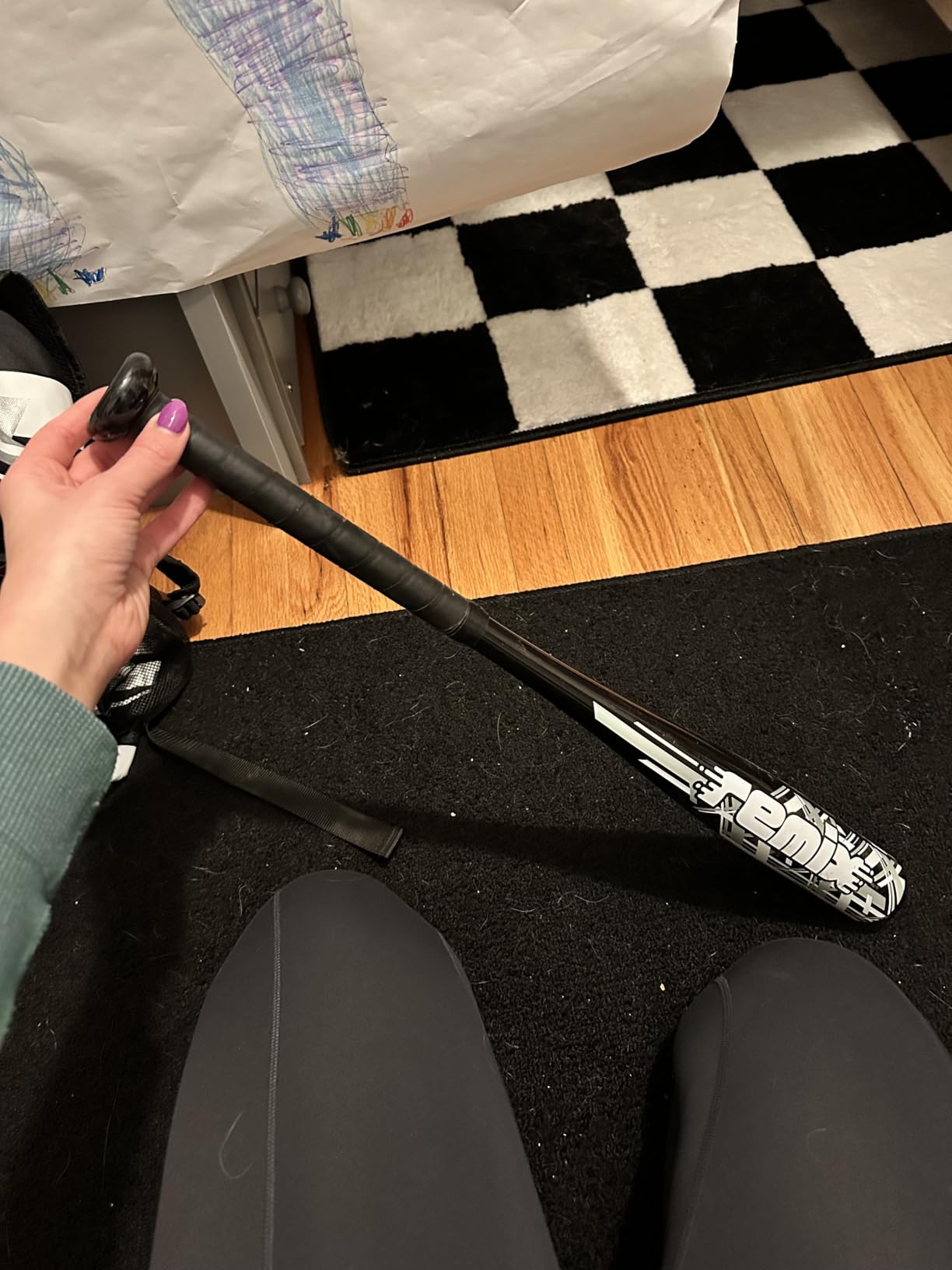
Build quality is straightforward one-piece aluminum, which is the right choice here. There is no break-in period, nothing to bed in, and no composite sting to explain to a child. It also means the bat tolerates being dropped, scratched, and left in a hot car, which is the normal life of a T-ball bat.
The -12 drop keeps the bat feeling light in small hands, and at 24 inches it is short enough that a small player can reach the handle in a proper stance. The one detail families notice is the sublimated graphic, which gives each bat a slightly different pattern that kids like showing off at the plate.
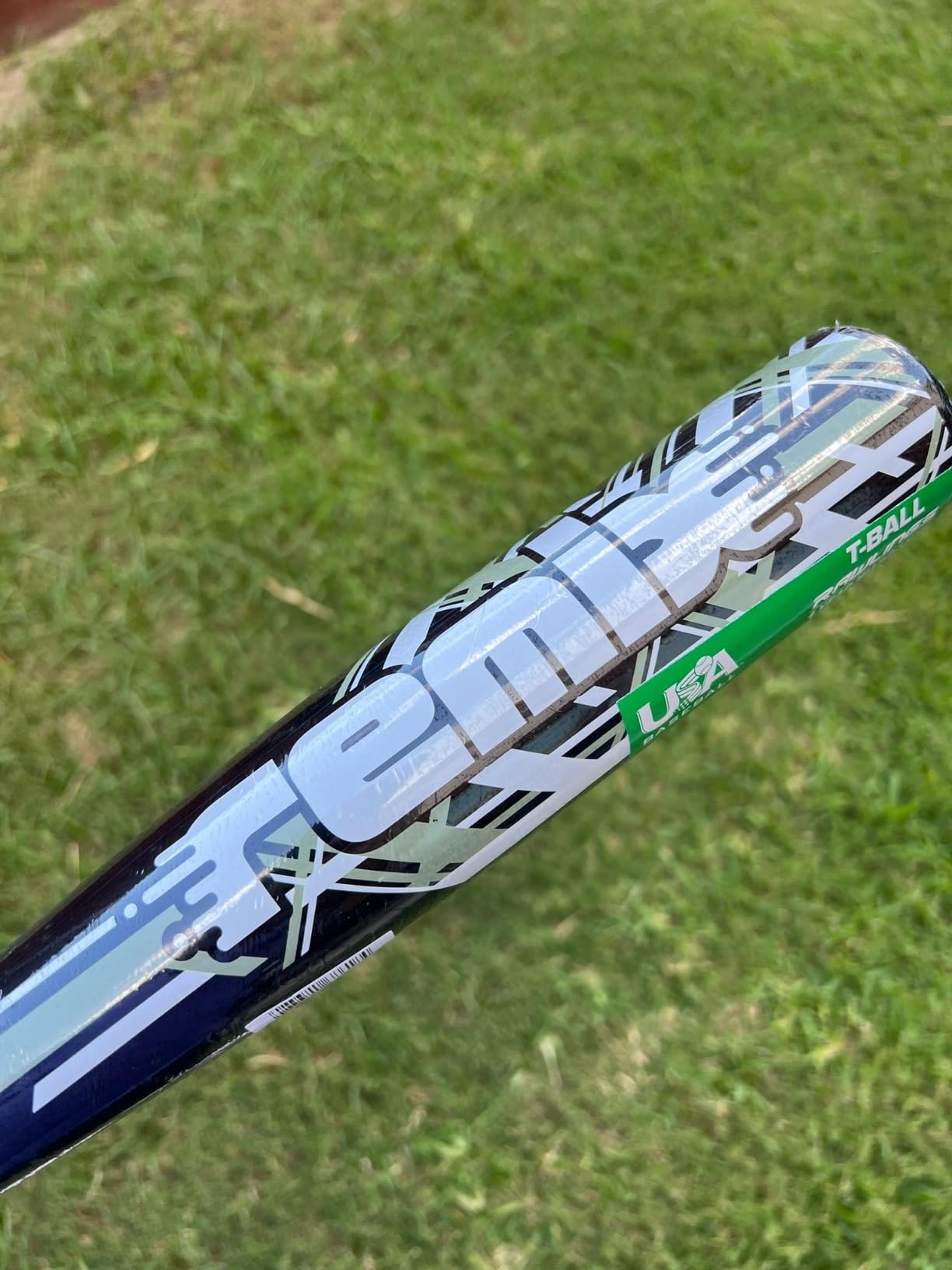
Who the Rawlings Remix Works Best For
This is the right bat for a child between about four and seven who is hitting off a tee or a soft toss, and for parents who want a first bat that will not break. The review volume makes it the safest purchase in the category for a first-time buyer.
Who the Rawlings Remix Does Not Work For
Do not buy this for coach pitch or any league using real baseballs. It is built for soft-core tee balls and training baseballs, and using a lighter ball bat against a regulation ball produces bad habits and a false sense of power.
If your child is already eight and swinging in a USA-sanctioned rec league, skip ahead to a -12 or -10 alloy bat built for game balls. The Remix is a chapter that ends quickly.
2. Rawlings Raptor T-Ball Bat: Best for a Balanced Swing
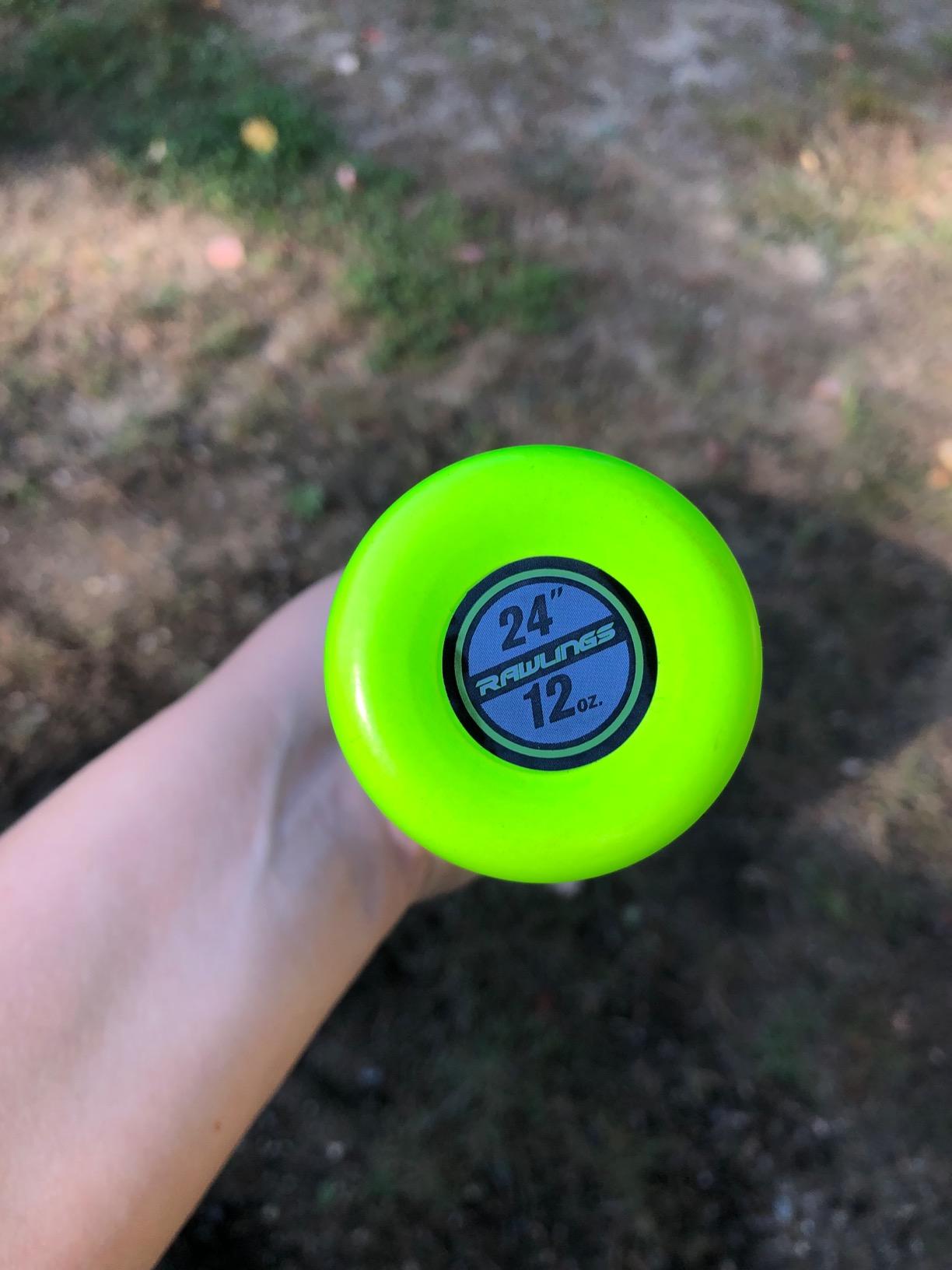
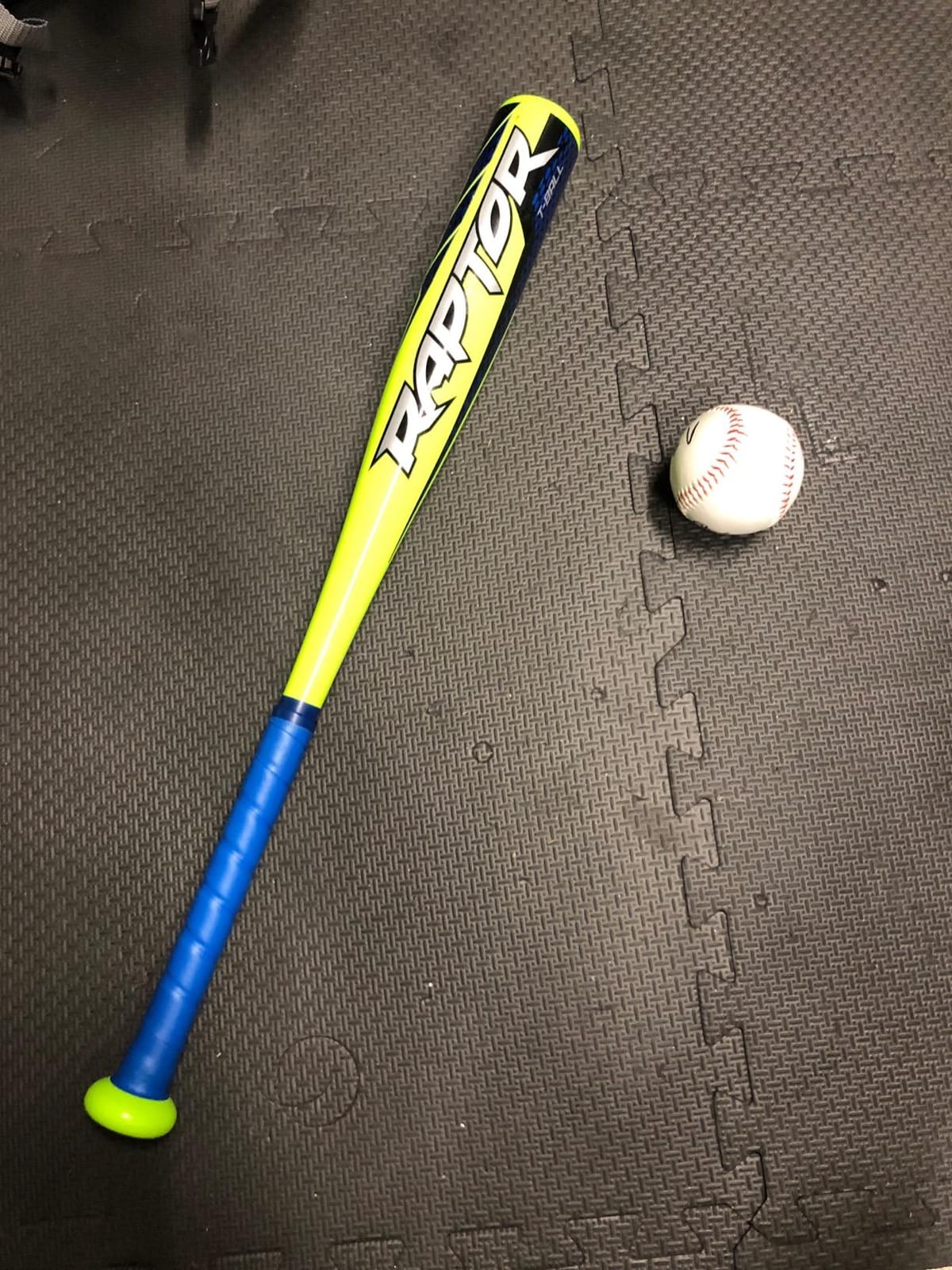
Rawlings | 2026 | Raptor Baseball Bat | USA T-Ball | 2 1/4″ Barrel | 24″ | -12
24 inch alloy, balanced swing weight, USA approved, lime green and blue
Pros
- Balanced feel promotes control
- Durable alloy construction
- Eye-catching colorway
- USA approved for tee balls
Cons
- Certified tee balls only
- Ages 7 and under
- Bare aluminum handle may need a bat grip
The Raptor is the pick when a coach tells you a hitter is dropping the barrel or pulling off the ball. A balanced swing weight keeps the barrel in the zone longer, and at 2,387 reviews averaging 4.8 stars the owner feedback is consistent about how it feels in the hands.
Durability is the other argument. The alloy construction is intended to take repeated use, and the finish has no composite layer to crack or ring. The lime green and blue colorway also solves a real problem in tee ball, which is that a five-year-old will not pick up a bat that looks like everyone else’s.
Compared with the Remix, the Raptor carries a slightly different design brief: the Remix leads on the sweet spot, the Raptor leads on balance. If your player is making contact but not controlling direction, the balanced swing is the more useful fix, and it costs nothing extra to get it.
The bat ships with a one-year manufacturer limited warranty, and the item weight listed is about 0.22 kg, which is in the range a beginner can hold up for a full warmup without fatigue.
Who the Rawlings Raptor Works Best For
Best for a five to seven-year-old whose coach has mentioned balance, bat path, or level swings, and for parents who want a step up in feel without moving to a heavier bat. It works well as a first bat bought slightly ahead of time, since the balanced feel stays useful as the player gets stronger.
Who the Rawlings Raptor Does Not Work For
It is certified for approved tee balls only, so it is not a coach-pitch or rec-league bat. Parents expecting real distance against a regulation baseball will be disappointed.
3. Franklin Sports Venom Teeball Bat: Best for a First Bat
Franklin Sports Venom 1100 Official Teeball Bat – 24″ (-11)
24 inch at 13 oz, 2 1/4 inch barrel, one piece alloy, USA certified
Pros
- Very light 13 oz swing weight
- Balanced weight distribution
- USA Baseball certified
- Multiple size options as kids grow
Cons
- Dents if used with regulation baseballs
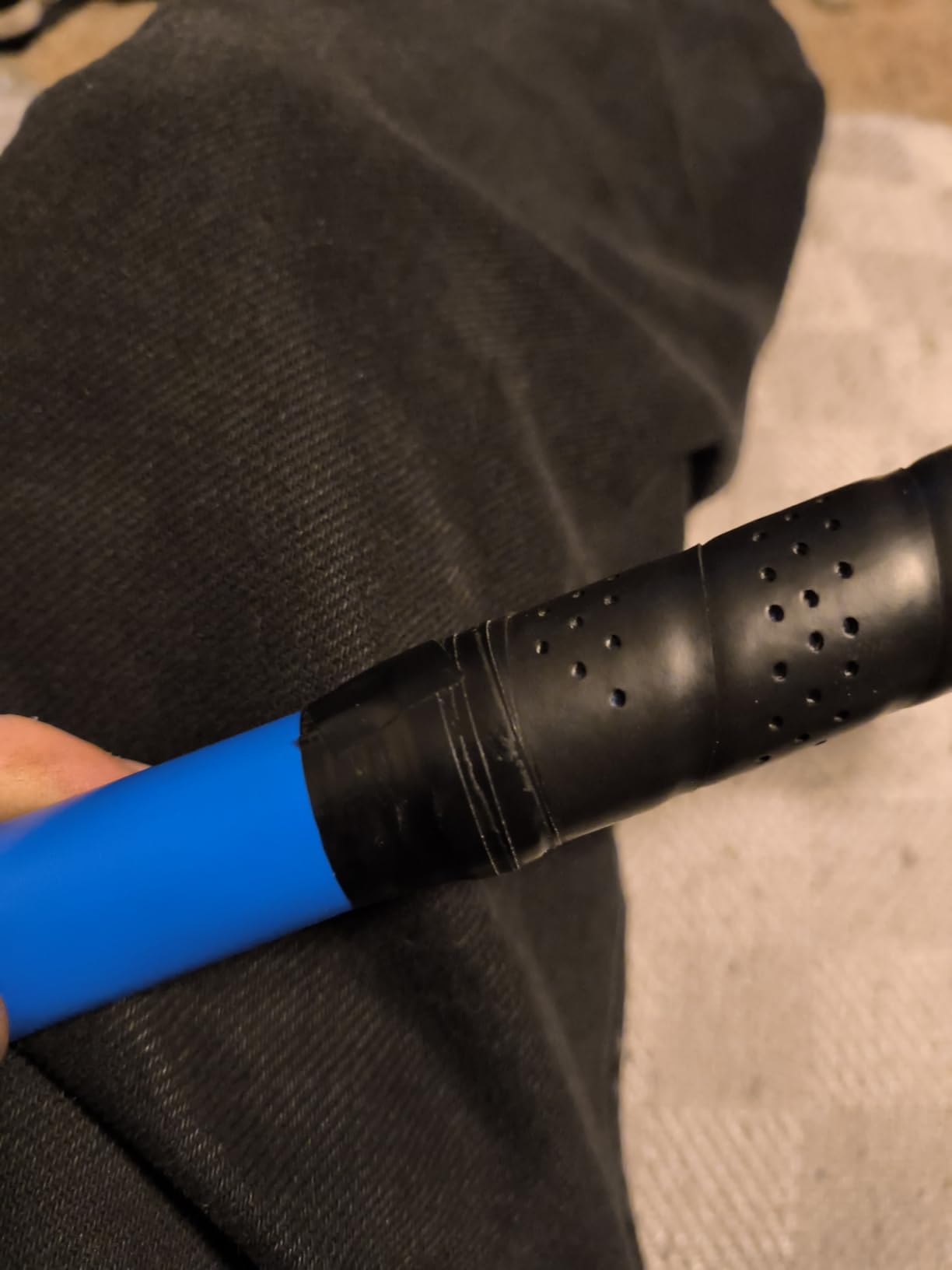
- Occasional cosmetic grip damage
- 90 day limited warranty
The Venom is the recommendation we make most often to a family with a four-year-old who wants a metal bat rather than a plastic one. The listed weight is 12.8 ounces in a 24 inch frame, which is about a drop -11, and that is the lightest-feeling configuration most beginners can handle without help from a parent.
What we like is the balance. The weight is distributed evenly through the barrel, which encourages a level swing during the repetition phase when a child is learning to track a pitched ball. Reviews repeatedly mention that the bat is compact enough to fit in a T-ball bag, which matters more than it sounds when you are carrying a bag and a glove and a water bottle.
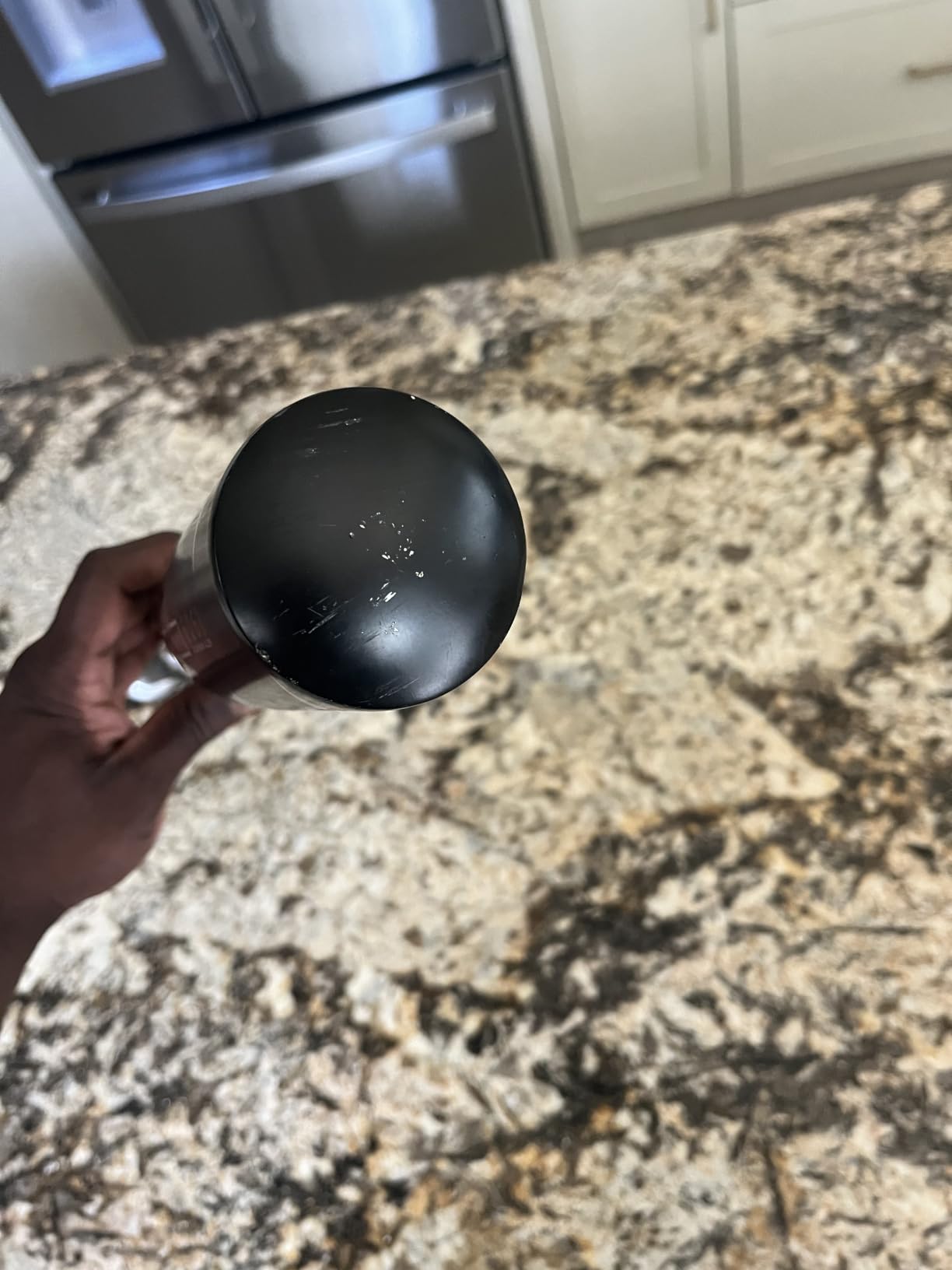
It ranks first in Amazon’s Baseball Bats category, and at 4.6 stars across 1,195 reviews the sentiment clusters around the same two points we did: the swing weight is genuinely easy, and it is strictly a tee ball bat. Owners also flag that it will dent if it meets a hard baseball, which is exactly the caution the manufacturer prints.
The 2 1/4 inch aluminum alloy barrel is what gives a beginner real feedback on contact, so a player can hear the difference between a struck ball and a miss. That audible cue is a real teaching tool at this age.
Who the Franklin Sports Venom Works Best For
Best for ages four to six, for a child who is smaller than the other kids in the league, and for anyone who wants a low-risk first metal bat. The range of sizes listed also means a child can stay in this family for more than one season as they grow.
Who the Franklin Sports Venom Does Not Work For
Not for coach pitch, not for Little League or rec play with real baseballs, and not for a player who is already seven and physically larger than teammates. The 90 day limited warranty is the shortest in this group, so plan a -12 alloy bat for when your child moves to game baseballs.
4. Easton Moxie T-Ball Bat: Best for Ages 7 and Under
Easton | MOXIE T-Ball Bat | USA | 25″ | -13 | USA
25 inch, -13 drop, 2 1/4 inch barrel, alloy, USA and USSSA
Pros
- Very light -13 swing weight
- Enlarged sweet spot
- Durable light alloy build
- Multiple lengths and colorways
Cons
- Limited power for stronger hitters
- USA sanctioned T-ball leagues only
- Smallest review pool among the top picks
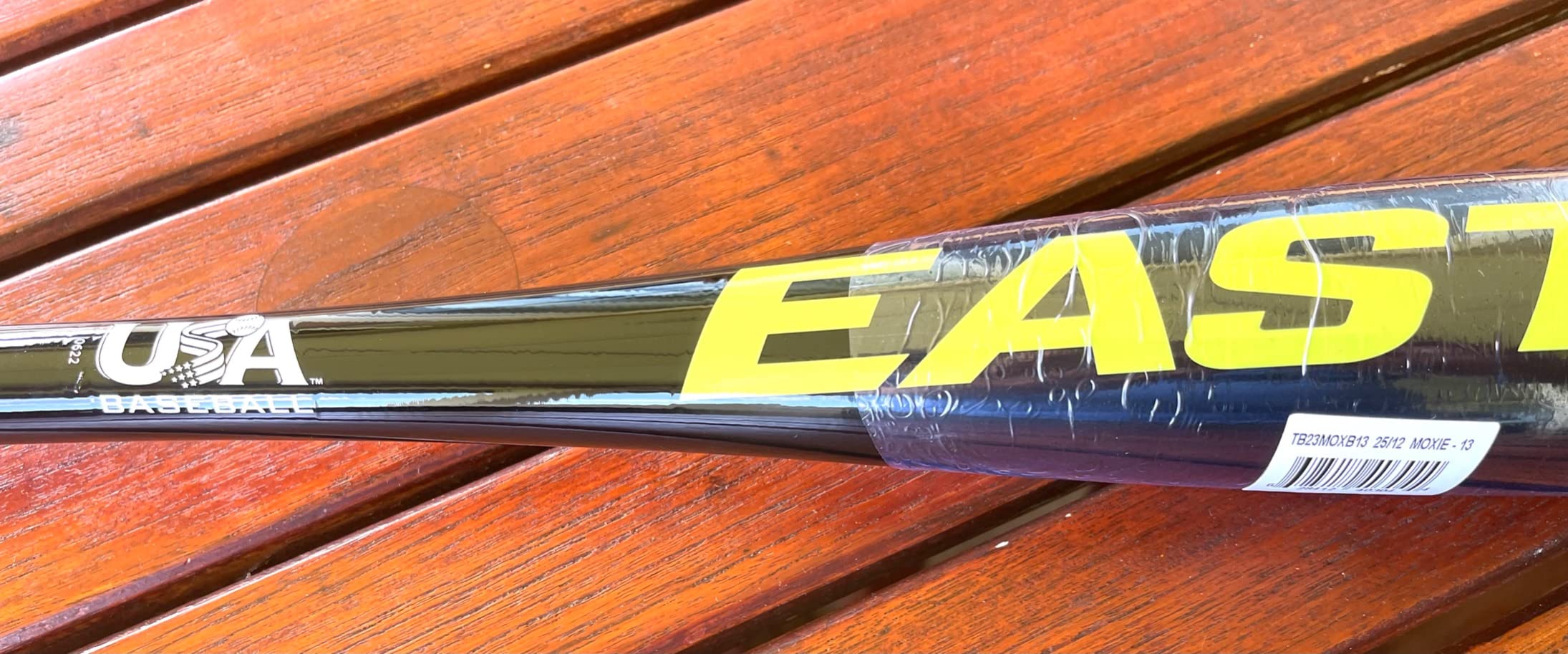
A -13 drop is the lightest configuration in this entire guide, and the listed item weight of 11.64 ounces in a 25 inch bat reflects that. If a player is genuinely struggling to lift a bat overhead, this is the model we would hand them first.
Easton lists the Moxie for USA Baseball sanctioned T-ball leagues, and the listing also shows USSSA grading, which gives a family a little flexibility if the league in question runs under a different sanctioning body. The enlarged sweet spot does the same forgiving work as the Remix, in a slightly longer package.
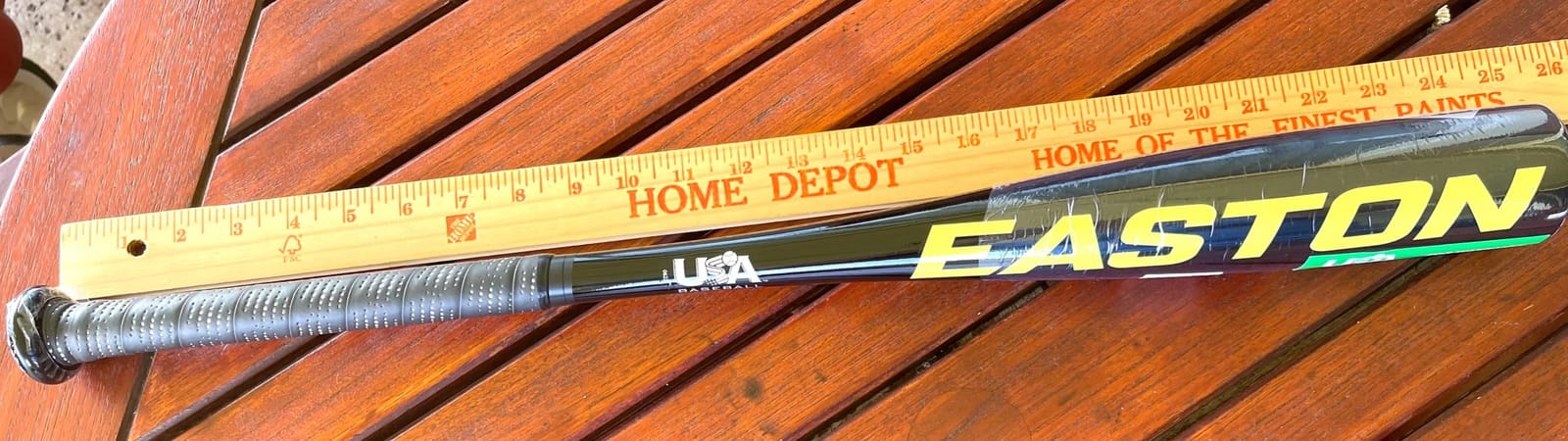
The honest limit here is power. A -13 drop feels great for a small beginner and produces less momentum, so a child who outgrows it in strength will immediately outgrow it in usefulness. Our 309 reviews at 4.8 stars show a very satisfied but relatively small owner base, which is normal for the lightest end of the category.
Durability holds up well, because a light alloy bat takes less punishment on every swing than a heavy one. Colorways run across several styles, and 24 to 26 inch lengths are listed.
Who the Easton Moxie T-Ball Works Best For
Best for the smallest players in a league, for a child with limited strength, and for any situation where the coach’s main note is that the bat feels heavy. It also works when a child has never swung a bat and you want the lightest possible starting point.
Who the Easton Moxie T-Ball Does Not Work For
Not for a hitter who has outgrown beginner strength, and not for coach pitch. If a child is already connecting with real balls in a rec league, the light swing weight will feel slow and the barrel will feel small.
5. Rawlings Storm T-Ball Bat: Best for Small Hands
Rawlings | Storm T-Ball Bat | 24-inch | -12 | Pink
24 inch at 12 oz, alloy, hi-tack grip, ambidextrous, USA approved
Pros
- Light 12 oz alloy build
- Hi-tack grip helps small hands
- Lengths from 24 to 26 inch
- USA Baseball certified
Cons
- Approved tee balls only
- Less power as kids grow
- Bare grip may need gloves
The Storm’s standout feature is the hi-tack grip, and for the players it is aimed at that matters more than the barrel. A four- or five-year-old with small hands struggles to hold a slippery handle, and grip is often the reason a first swing fails before contact is even attempted.
At 12 ounces and 24 inches, this is one of the lighter options, and the ambidextrous build means a child who is still switching which hand leads will not outgrow the bat. It carries a 4.8 star average across 839 reviews, with a large share of five-star ratings, which is a strong signal for a bat in the beginner tier.
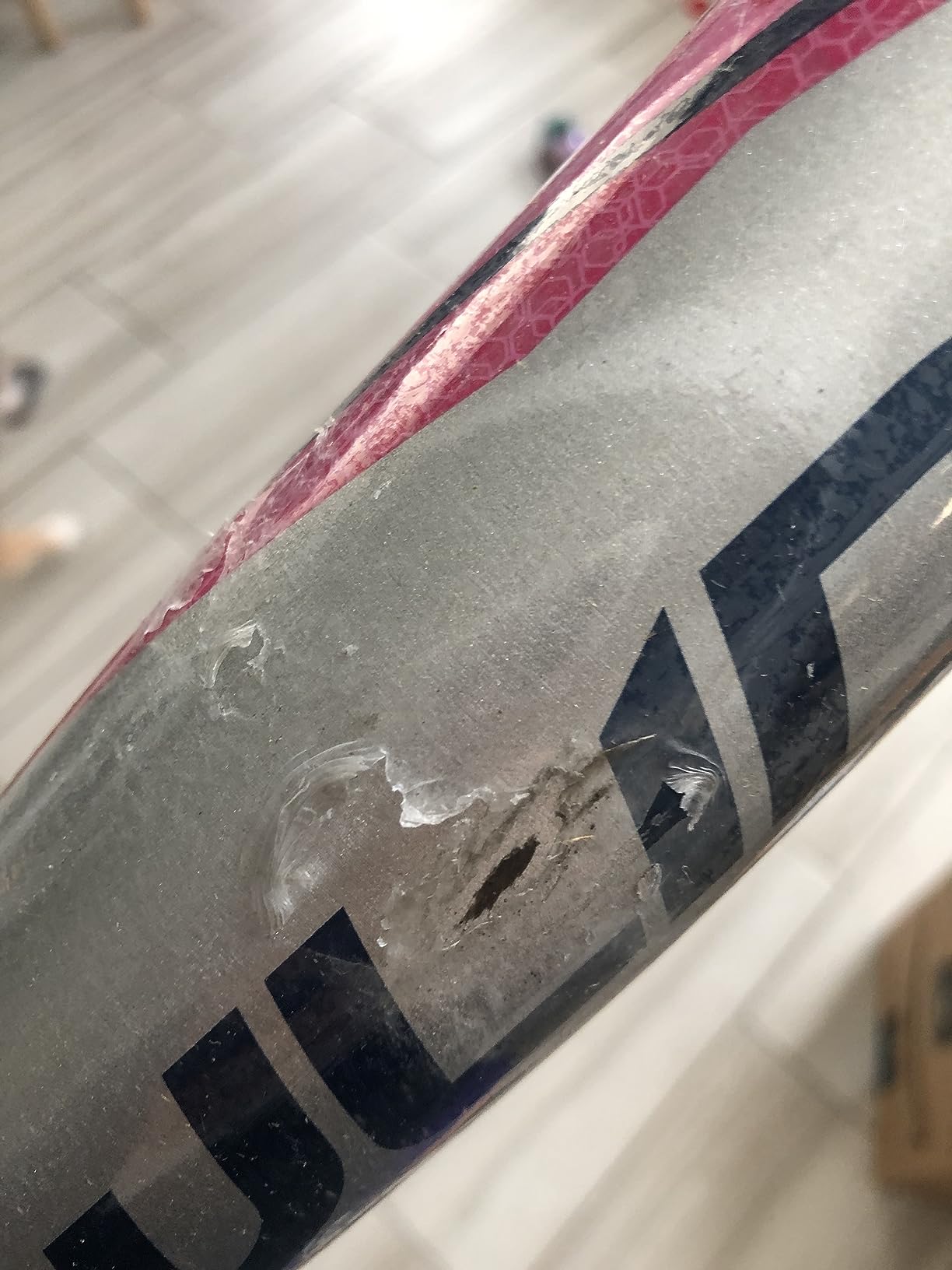
Three lengths are listed, so the same model covers 24, 25, and 26 inch versions. That is unusual in the tee ball tier and it means a parent can stay in one bat family across more than a season, which is a real saving compared with buying new each year.
The trade-off is straightforward. A light alloy bat with a small barrel prioritizes control over momentum, so a player who gets strong fast will move up to a heavier bat sooner than they would with a heavier tee ball model.
Who the Rawlings Storm Works Best For
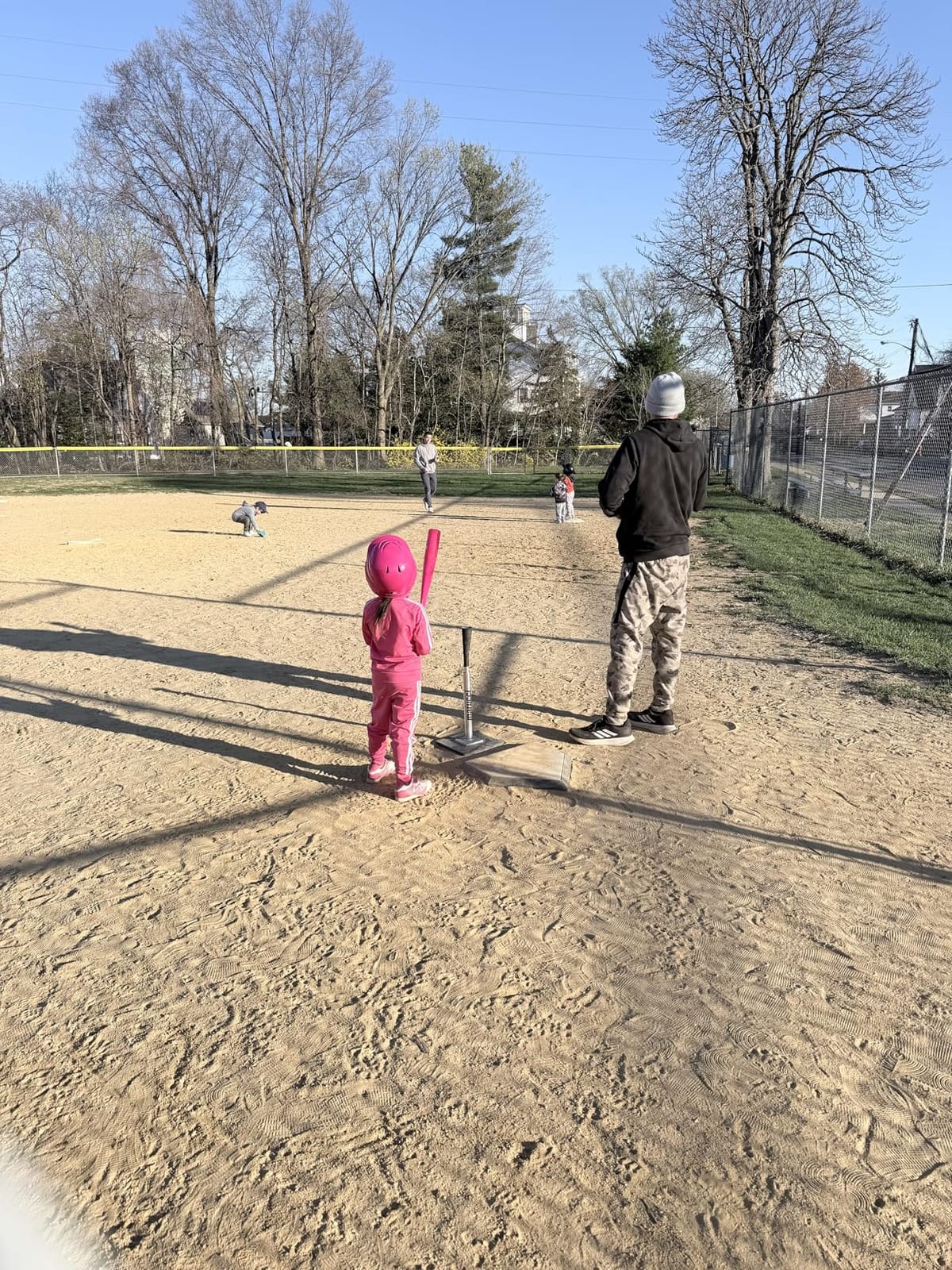
Best for players with genuinely small hands, for children still deciding which hand they lead with, and for a first USA certified bat where grip confidence matters more than bat speed. It suits parents who want one model that covers several lengths as the child grows.
Who the Rawlings Storm Does Not Work For
Only approved tee balls are covered, so this is not a coach-pitch bat. It is also not the bat for a player who needs real power, and the bare grip may call for batting gloves on a small child.
Move up to a -12 or -10 USA alloy bat once the player starts facing coach-pitch with real baseballs.
6. Ortiz34 Youth T-Ball Set: Best All-in-One Starter Set
Ortiz34 Homerun Kids Tee Ball Set- David Ortiz 3-in-1 Aluminum Baseball Bat, Baseball, & Youth Baseball Glove Bundle (Made for Youth/Kids) (Volt)
25 inch at 14 oz aluminum bat, -10 drop, with tee ball and 9 inch glove
Pros
- Bat
- foam-core tee ball and glove in one box
- Bright graffiti print
- Soft foam ball lowers injury risk
- One piece balanced aluminum
Cons
- Only one foam ball included
- Heavier than typical for very young players
- No USA Baseball certification in the listing
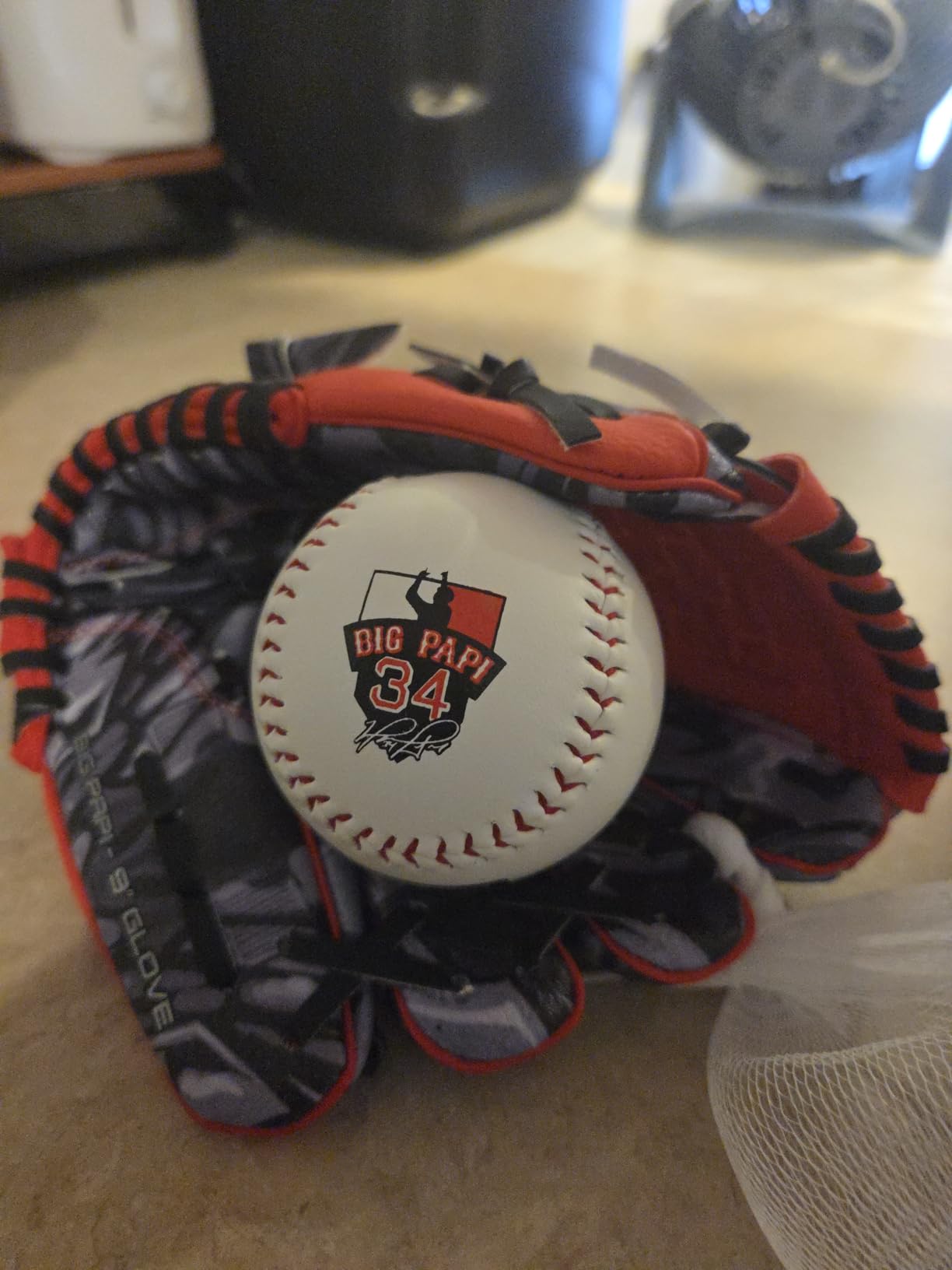
This set solves a specific problem: a parent who has to buy a bat, a ball, and a glove on the same afternoon. The bat is 25 inches at 14 ounces, a -10 drop, and the bundle includes a foam-core tee ball and a 9 inch glove that arrives pre-broken, which removes the painful week of breaking in a new glove.
The foam-core ball is a genuine benefit for beginners. It reduces the sting of a miss and it is safer in a crowded practice area, so a four-year-old can swing hard while learning without anyone flinching. Reviews rate it 4.5 stars across 1,209 reviews, with the appeal being convenience rather than performance.
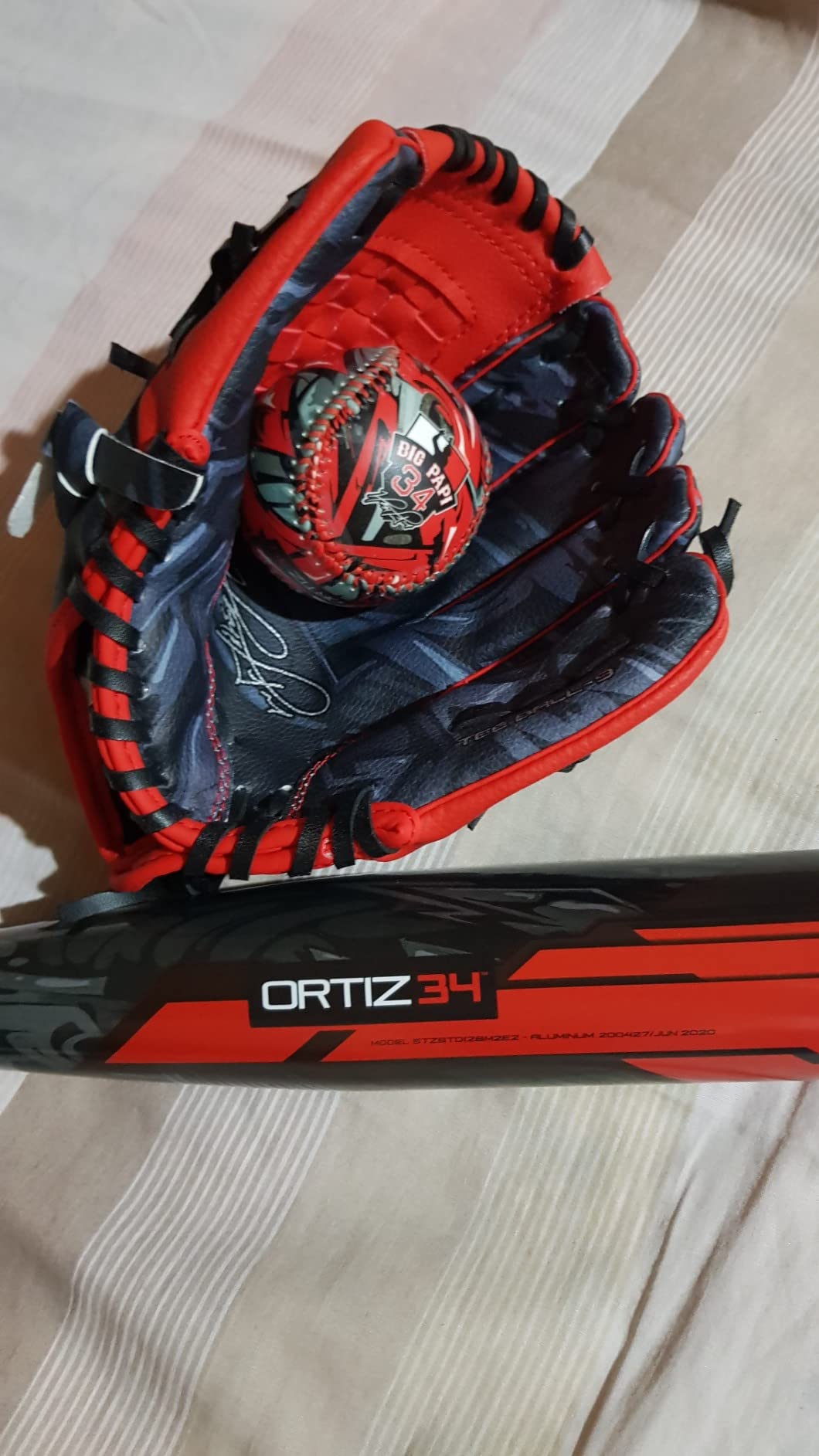
Be aware that 25 inches at 14 ounces is heavier than most tee ball bats we tested in this age range. A -10 drop suits a bigger preschooler rather than a small four-year-old, and the pack foam grip and PVC handle are not as refined as the grip on a dedicated bat. If the child is small, the Franklin Venom or the Rawlings Remix is a better weight match.
One more practical note: the listing does not show USA Baseball certification, so check with the league before buying if certification is enforced at check-in.
Who the Ortiz34 Set Works Best For
Best for a birthday gift where everything is needed at once, for a preschooler in a league that will not enforce certification, and for a child who has not yet joined an organized league. The bright graffiti print also lands well with younger kids.
Who the Ortiz34 Set Does Not Work For
Not for the smallest players, because the -10 drop is a step up in weight from what a four-year-old can comfortably carry. It is also not ideal for a family that needs a USA Baseball stamp, and the single included foam ball means you will be buying more balls anyway.
For a smaller child who needs certification, buy the bat separately and spend the difference on a second ball.
7. Easton Moxie USA Bat: Best for a First Real Baseball Season
Easton | MOXIE Baseball Bat | USA | 26″ | -12
26 inch, -12 drop, 2 1/4 inch barrel, ALX100 alloy, USA certified
Pros
- Handles real baseballs in USA leagues
- ALX100 alloy with concave end cap
- 2.2mm cushioned flex grip
- 26 inch length for coach pitch
Cons
- Handleless grip may need gloves
- A small share of one-star reviews
- 2 1/4 inch barrel limits power
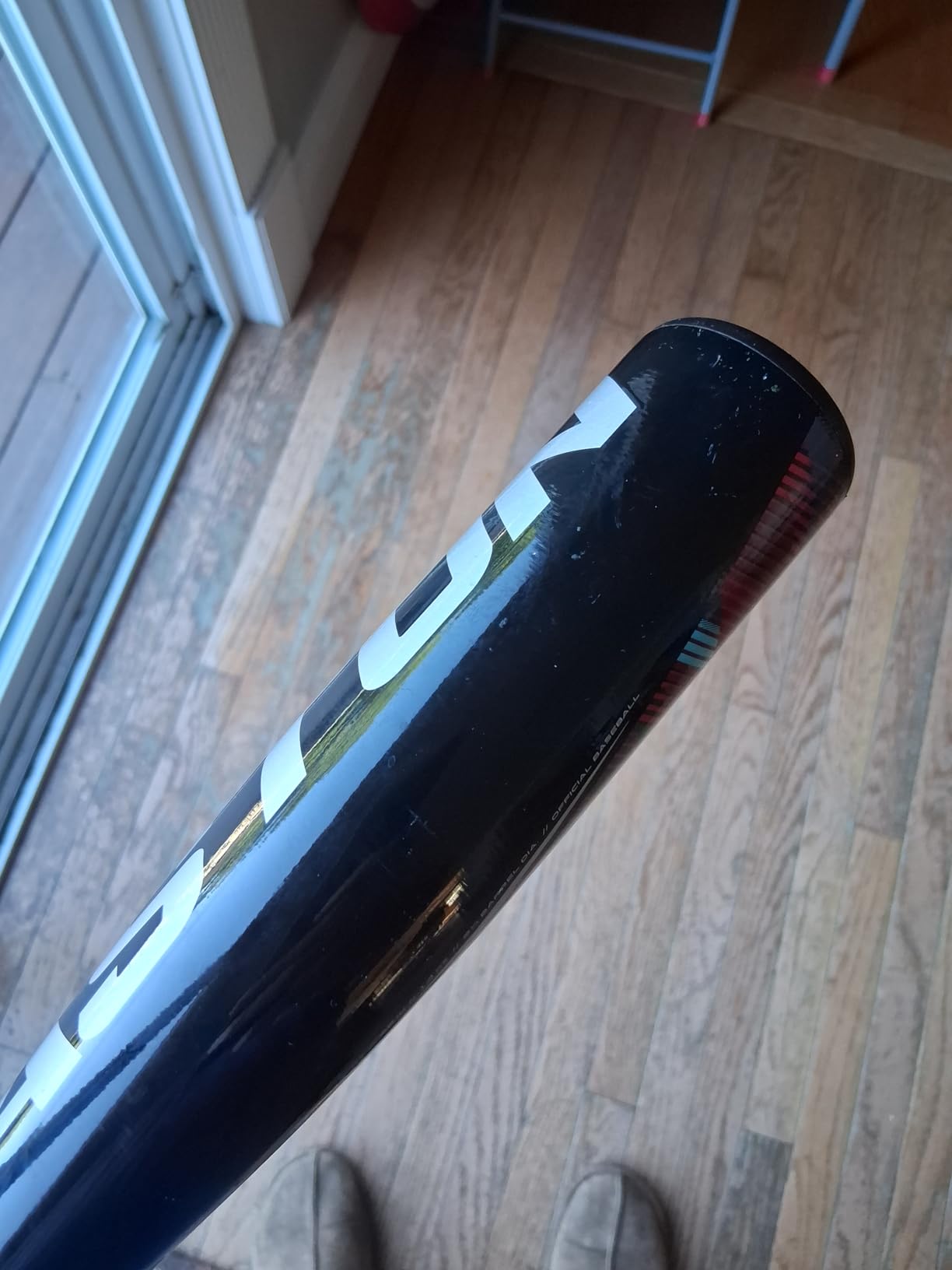
This is the bat we recommend when a child graduates from tee ball to coach pitch in a USA certified league. At 26 inches with a -12 drop and a 2 1/4 inch barrel, it is the legal size in that transition, and the ALX100 military grade alloy with a concave end cap is a step up in durability from the tee ball models.
Owners switching kids from tee ball to coach pitch describe it as a confidence booster rather than a power upgrade, and that framing is accurate. The -12 drop keeps the swing light, the cushioned 2.2mm flex grip absorbs some of the sting, and the enlarged sweet spot keeps contact rates up while a hitter adjusts to seeing pitched balls.
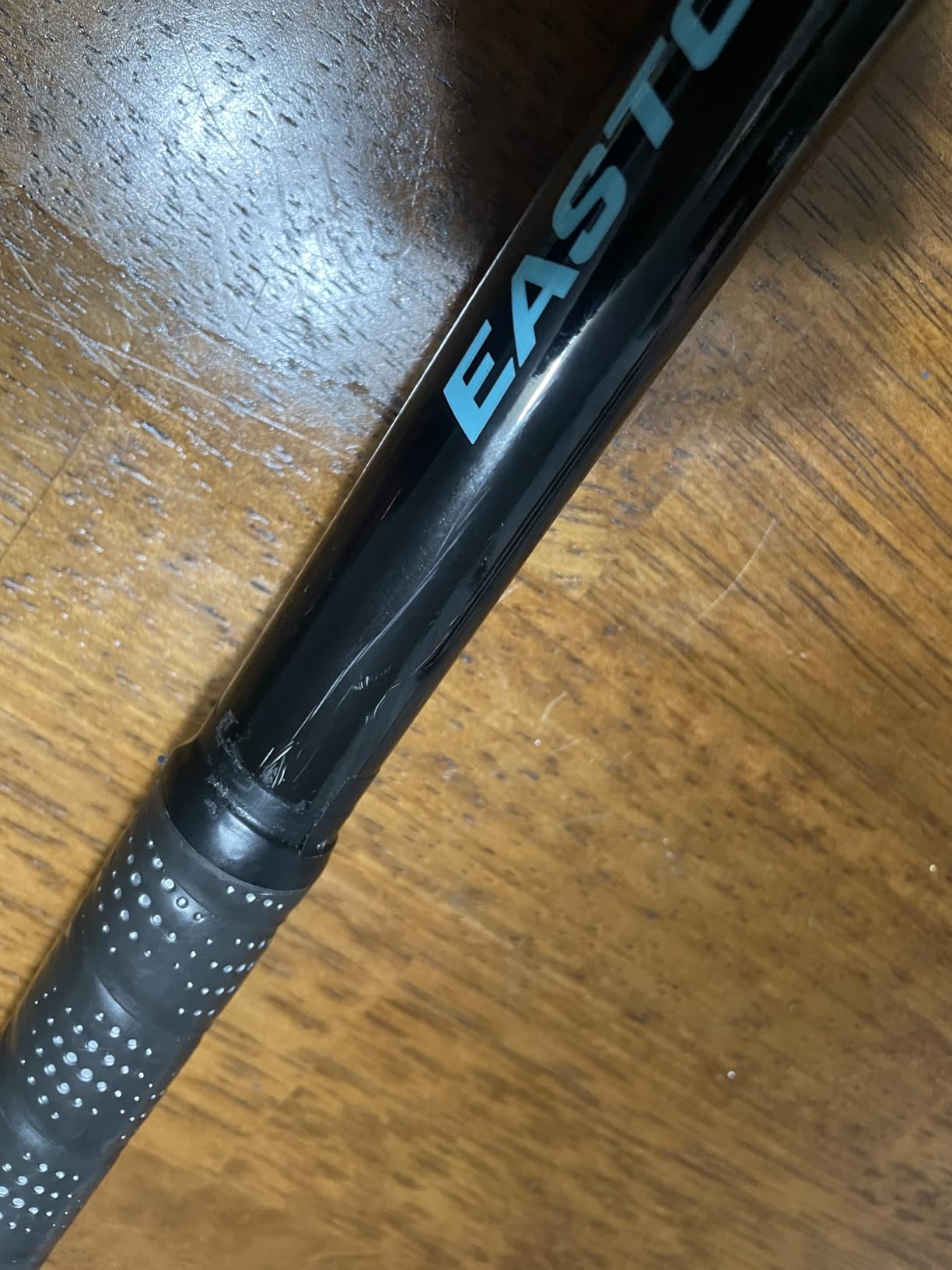
It ranks third in Amazon’s Baseball Bats category, which tells you how often families reach for it at this stage. The rating is 4.5 stars across 166 reviews, and the small share of one-star reviews includes at least one delivery that arrived already used, which is a fulfilment issue rather than a product issue but worth checking the box on arrival.
Two-year durability reports from owners are encouraging for a first real-ball bat, and the handleless design means a player moving up from a T-ball handle may want batting gloves from day one.
Who the Easton Moxie USA Works Best For
Best for a seven or eight-year-old moving into coach pitch or an 8U USA rec league, and for a child who is a size small for their age. The listing shows both USA and USSSA grading, which makes it a safer choice for a family that plays in a mix of leagues, and it can hold a player through a full season of real pitching.
Who the Easton Moxie USA Does Not Work For
Not for a strong hitter who needs more bat speed, because a -12 drop with a 2 1/4 inch barrel is built for contact rather than distance. It is also not the right bat for a 10U travel player who has moved to a 2 5/8 inch barrel and a -10 drop.
If your child is already ten or eleven, skip to the Mizuno PWR or a comparable -10 drop bat.
8. Easton Reflex USA Bat: Best for Barrel Control
Easton | Reflex USA Youth Baseball Bat | 27-inch | -12
27 inch at 15 oz, one piece alloy, tapered handle, USA and USSSA
Pros
- Tapered handle improves barrel control
- Perforated flex grip reduces sting
- ALX100 alloy
- Lengths from 26 to 30 inch
Cons
- Lowest rated at 4.1 stars
- Heavier than most youth options
- Some buyers report barrel vibration
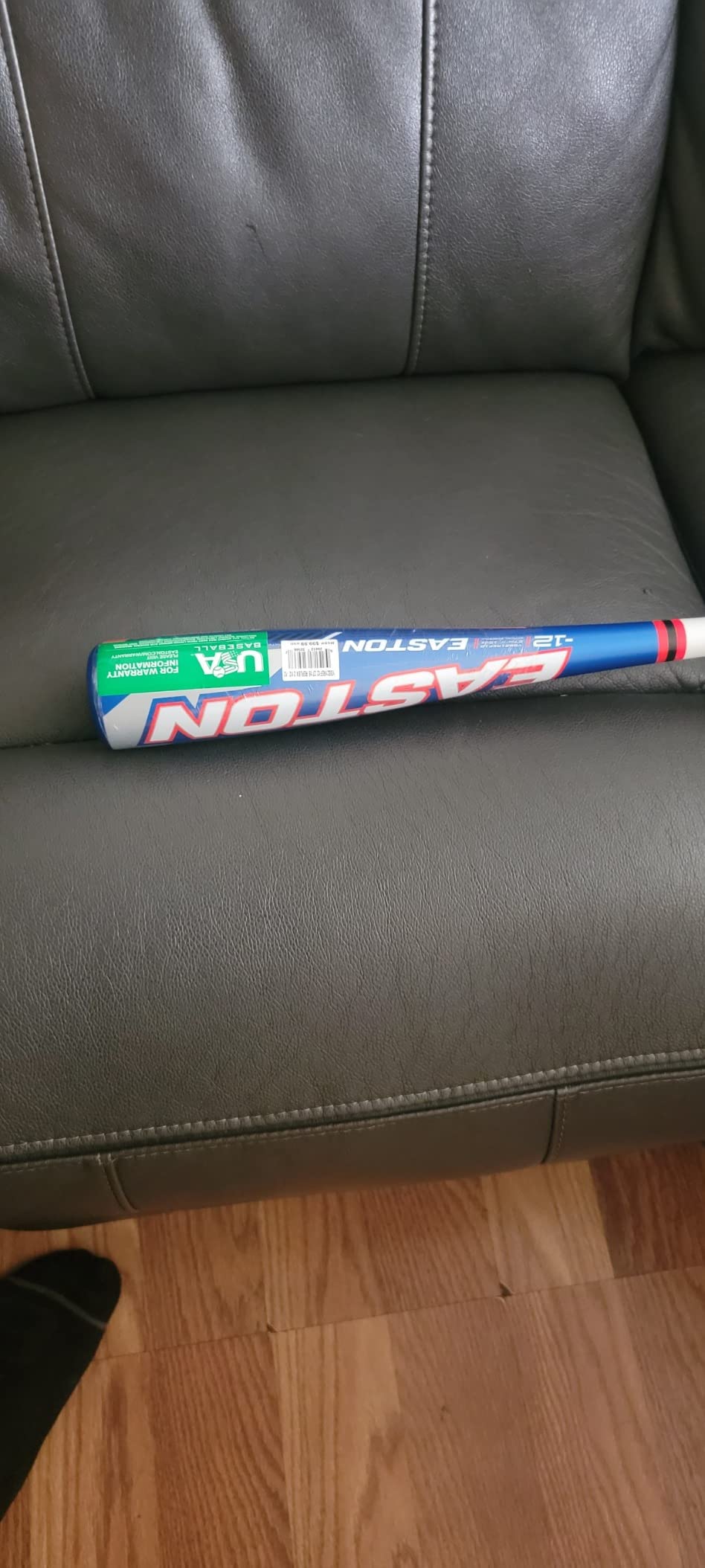
The Reflex is the one pick in this guide we include with a clear caveat. It is a 4.1 star average across 149 reviews, the lowest here, driven by a 15 percent share of one-star reviews, so we want to be straight about that before anything else.
What the people who rate it highly tend to have in common is a specific need: barrel control. The tapered handle is narrower at the grip than a standard youth bat, and a narrower handle lets a small hand rotate the barrel faster and keep it in the zone. The perforated 1.8mm flex grip is designed to dampen vibration on mishits, and the concave end cap adds structural stability to a one-piece design.
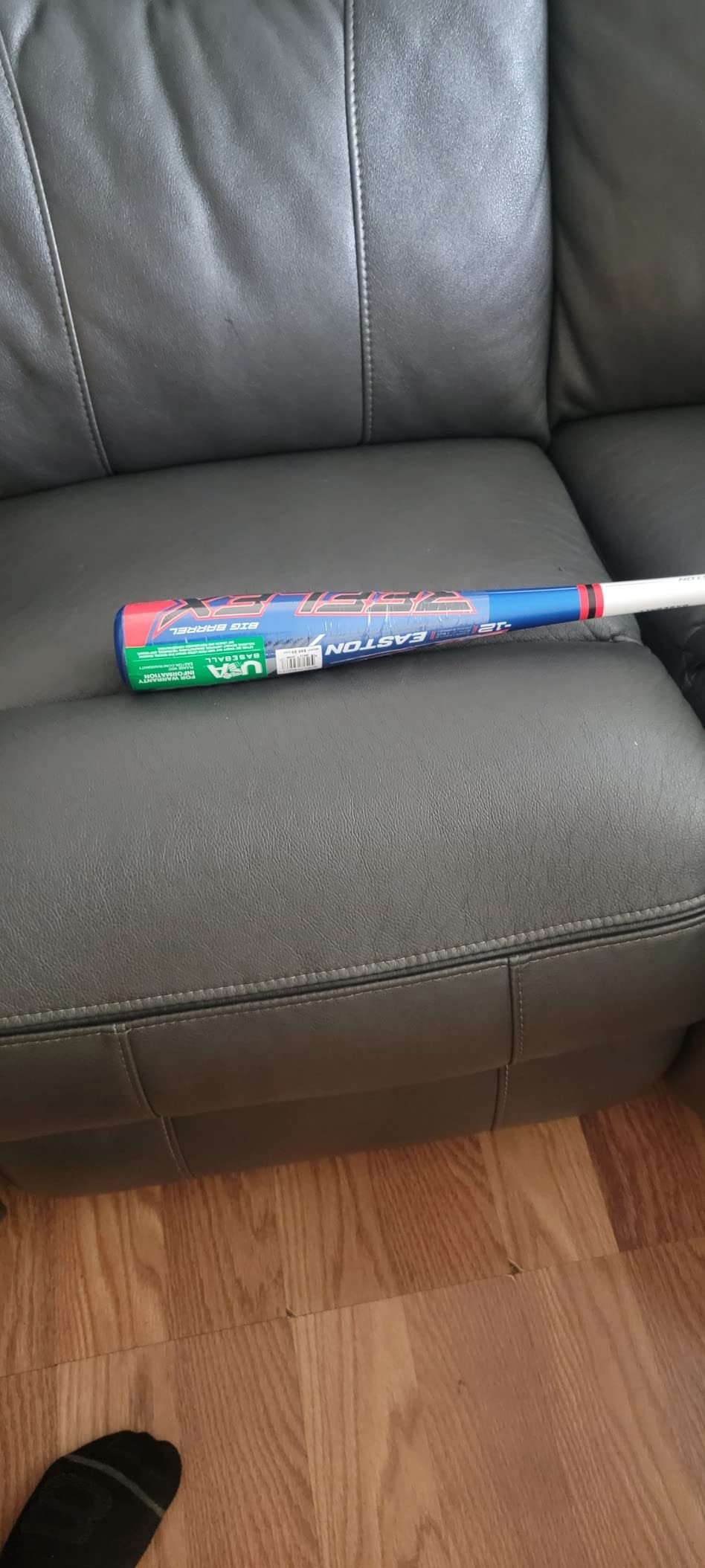
At 27 inches and 15 ounces, this is a heavier bat than almost everything else here, and that is the source of both the appeal and the complaints. A heavier bat carries more momentum through contact, but it also slows a weak swing and produces a noticeable sting if the sweet spot is missed. Some buyers report barrel vibration even with the flex grip in place, which is a fit signal rather than a defect.
Lengths are offered from 26 through 30 inches, so a family can stay in the model as a player grows. Coach-pitch and older USSSA age players are the group most satisfied with it.
Who the Easton Reflex Works Best For
Best for a hitter whose coach keeps saying they are pulling off the ball or getting around it, and for a player with a mature grip who can handle a 15 ounce swing weight. The tapered handle is the reason to buy it over a more highly rated model, and it suits a 9U or 10U player who is already strong for the age.
Who the Easton Reflex Does Not Work For
Not for a young or light hitter, and not for a player still working on contact. The sting factor and the vibration reports make it a poor first bat, and the 4.1 star average tells you that a meaningful share of buyers were disappointed.
If your child is still a beginner, the -12 options will serve far better. Pick this one only after your child has been coached on grip and barrel path.
9. Mizuno PWR Alloy USA Bat: Best for 9U and 10U
Mizuno PWR ALLOY – Big Barrel (2 5/8) Youth USA Baseball Bat (-10), Grey-Red, 29 in/19 oz.
29 inch at 19 oz, 2 5/8 inch barrel, multiband barrel, USA approved
Pros
- Multiband barrel widens the sweet spot
- Well balanced one piece -10 drop feel
- Cushioned grip for long practices
- Available from 27 to 31 inch
Cons
- One reviewer reports a hollow barrel sound
- Heaviest -10 drop in this group
- Fewer than 120 reviews
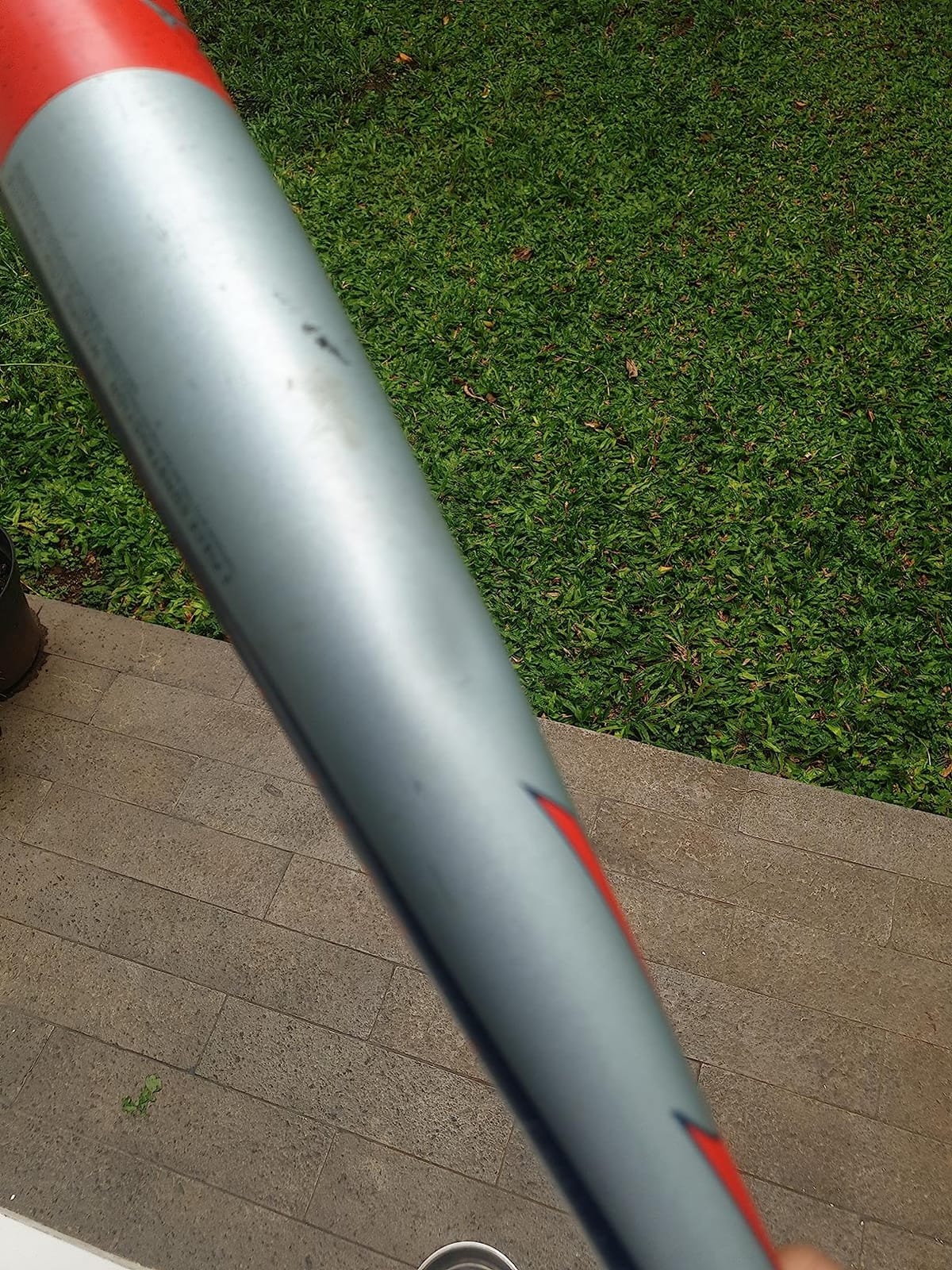
At 29 inches and 19 ounces, this is the first bat in the guide that looks and feels like a real game bat rather than a scaled-down youth model. A 2 5/8 inch barrel at a -10 drop is the classic Little League and 10U configuration, and the one-piece construction gives a direct, solid feel through contact.
The multiband barrel is the interesting engineering choice. Instead of one uniform wall thickness, the barrel uses several thickness zones along its length, which widens the effective sweet spot and adds forgiveness on off-center contact. For a hitter still learning to square the ball up, that translates into more hard contact without needing elite bat speed.
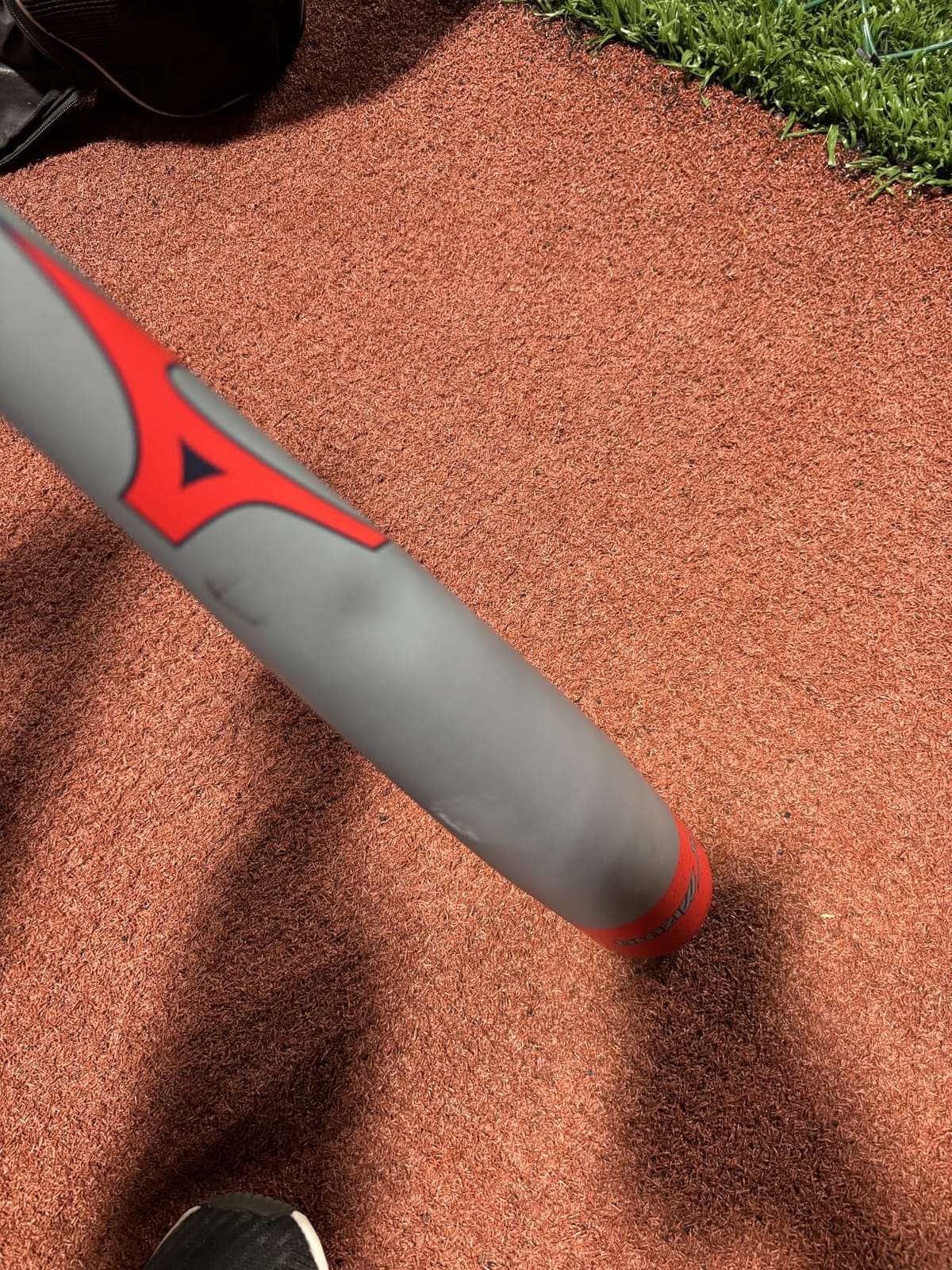
Owners consistently report noticeably more power than entry-level big-box bats, and most parents describe it as the step between cheap bats and the far more expensive top tier. The cushioned grip earns credit on long practices, which is where a season actually happens. Lengths run from 27 inch at 17 ounces up to 31 inch at 21 ounces, so the same family covers a wide growth range.
One reviewer called the barrel hollow sounding and lacking expected power, and at 119 reviews the durability data is thinner than the rest of this list. The listed item weight of 1.5 pounds is the heaviest -10 here, so it suits an older youth hitter rather than a beginner.
Who the Mizuno PWR Works Best For
Best for a 9 or 10 year old in a USA certified league who is a size up from the rec average, and for a contact-oriented hitter who benefits from a wide sweet spot more than maximum bat speed. The cushioned grip makes it comfortable for a full practice and a game in the same day, and the size range covers several growth years.
Who the Mizuno PWR Does Not Work For
Not for a small or young hitter, because 19 ounces is the heaviest -10 drop in this roundup and it will slow a developing swing. It is also a poor choice for a first bat purchase, and a buyer sensitive to barrel sound should know one review flags it as hollow.
A younger player still in a 2 1/4 inch barrel league should stay at a -12 or -11 drop instead.
10. Louisville Slugger Natural Youth Bat: Best First Wood Bat
Louisville Slugger Natural Youth Teeball Bat – 29, 26″
26 inch maple wood, balanced swing, cupped, beginner level
Pros
- Solid maple construction
- Balanced swing reviewers praise
- Youth 125 mix wood construction
- Made in the USA
Cons
- Bare wood handle needs a bat grip
- 26 inch runs short for some kids
- Wood dents and cracks over time
Wood bats belong in this conversation because a growing number of youth leagues and tournaments now run wood, and a player who has never held one can be genuinely uncomfortable at the plate. This Louisville Slugger is the most approachable entry point we found for a beginner.
It is a 26 inch maple bat in the Youth 125 mix, with a cupped regular finish and a balanced swing weight. At 4.6 stars across 162 reviews, owners treat it as a solid affordable first wood bat, and several report real distance on coach-pitch balls during a first season of use.
The handle is the part to pay attention to. A bare wooden handle is smooth and slippery, and a young player will drop and throw the bat until they can grip it, so a rubber bat grip or a knob is close to essential at this age. That is a small extra purchase and it prevents the most common early frustration with a wood bat.
Sizing runs a little small for some kids, and wood will dent and eventually crack where alloy would not. Made in the USA with a one-year limited warranty, it is a deliberate, traditional choice rather than a performance one.
Who the Louisville Slugger Natural Works Best For
Best for a beginner joining a wood bat league or tournament, for a coach-pitch player who wants to feel a real wood knock, and for a player still developing contact skills, since wood punishes a mistimed swing less than an aluminum barrel does.
Who the Louisville Slugger Natural Does Not Work For
Not for a player who needs a large barrel for a big sweet spot, and not for a child who is tall for their age, since 26 inches is short. It is also not the right bat for a power hitter, because wood does not generate the momentum of a heavy alloy or composite bat.
Buyers also describe the bat as very light, so check the feel in the store if your player is on the larger side.
11. Louisville Slugger Genuine Y125 Bat: Best for Coach Pitch
Louisville Slugger Youth Genuine Y125 Natural-Black Baseball Bat – 30
30 inch youth 125 mix wood, cupped finish, balanced, natural to black
Pros
- Genuine youth 125 turning model
- Range from 27 to 31 inch
- Balanced cupped swing weight
- Mixed wood construction
Cons
- Wood dents and eventually cracks
- Mixed wood lacks the knock of solid maple
- No certification stamp for USA play
The Y125 turning model is the standard in the wood bat game, and this version is the pick for a player who has moved past tee ball and needs a bat for real, pitched batting. At 30 inches it is long enough to feel like a game bat and short enough that most youth hitters can handle it.
What we like is the range. The listing covers 27 through 31 inches, which means the same model serves a short ten-year-old and a tall thirteen-year-old, and a family can buy once and keep the player in a familiar bat as they grow. The natural-to-black hardline finish is a classic look that ages well compared with a printed graphic.
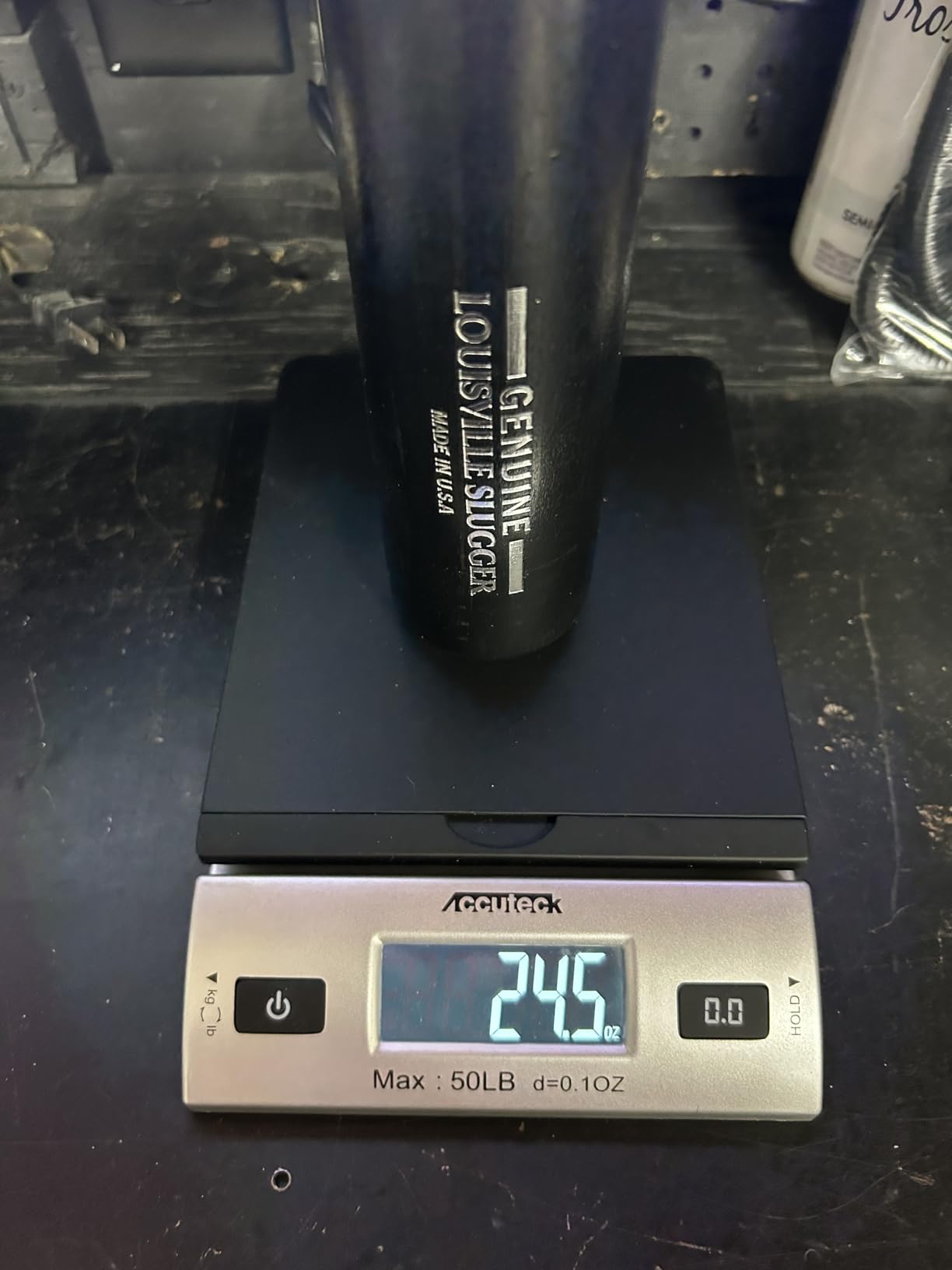
The cupped regular finish and balanced swing weight are the right choices for a hitter who is still finding contact, because a cupped end keeps the ball from riding up the handle on a miss. It ranks sixteenth in Amazon’s Baseball Bats category, which for a wood bat is a strong signal of repeat buyers.
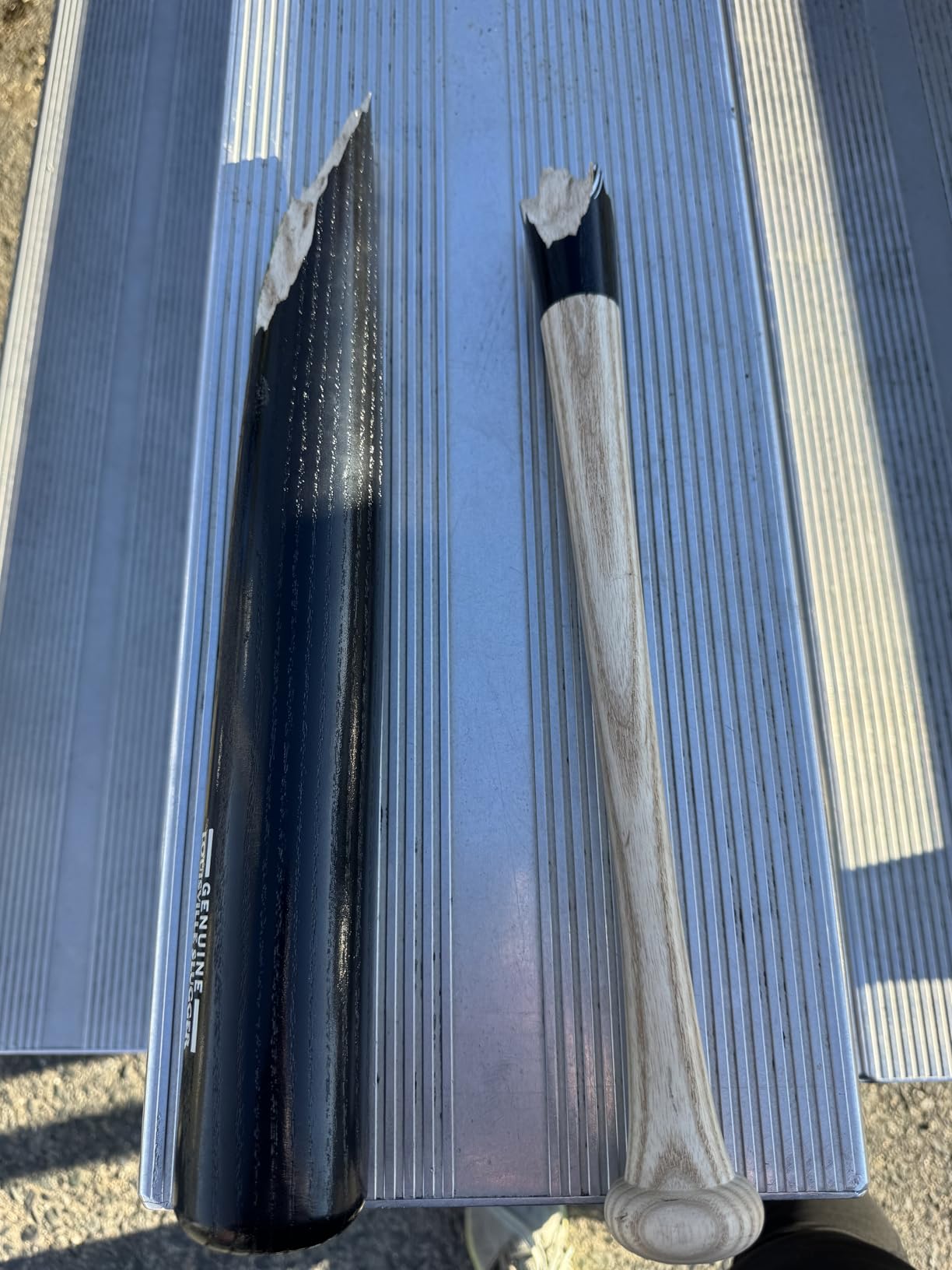
The honest drawback is durability. A mixed wood blend does not carry the same knock as a solid maple bat, and wood will dent and eventually crack. The one-star share in reviews reflects the normal breakage pattern of wood bats rather than a fault in this model, and there is no USA Baseball stamp for league play.
Who the Louisville Slugger Y125 Works Best For
Best for coach pitch and wood bat tournament play in the 27 to 31 inch range, and for a hitter who has outgrown a beginner bat and wants a real wood feel. It suits batting practice rounds where the ball is hit hard, since wood rewards solid contact with an audible crack.
Who the Louisville Slugger Y125 Does Not Work For
Not for USA Baseball sanctioned league play without checking the certification requirement, and not for a hitter who needs a very forgiving sweet spot. It is also not the right choice for a family that wants a bat to survive mishits, because wood will show every bad contact.
For USA-sanctioned rec or Little League play, choose a certified alloy bat instead.
12. BamBooBat Youth Bamboo Bat: Best for Durability
BamBooBat by Pinnacle Sports Equipment INC. Youth Durable Bamboo Baseball Bat for Players Aging 5-13 Years Old, White Handle/Royal Barrel, 29 Inch, YHWBU29
29 inch bamboo bat, wood handle, 28 to 31 inch range, ages 5 to 13
Pros
- Bamboo stronger than ash or maple
- 28 to 31 inch size range
- Renewable quick growing material
- Long warranty backing
Cons
- Smallest review pool in the guide
- Some reports of splitting mid-season
- Hard wood grip can feel slick
Bamboo is the answer to a specific frustration: the kid who breaks a wood bat every few weeks. A bamboo bat uses a proprietary mix of bamboo layers that is described as stronger than the ash or maple bats most young players start on, and the size range from 28 to 31 inches in one-inch steps means a player can stay in the family for years.
The warranty is the underrated feature here. It is listed at more than 100 days, and owners report successfully using it after a break, which for a youth wood bat is a meaningful difference. Bamboo also replenishes in as little as five years, far faster than the hardwood used in traditional bats.
We are including this one with caution, and you should read the cons before buying. At 58 reviews it has by far the smallest review pool in this guide, and the sentiment is genuinely split: some parents report bats that held up a full season, others report a bat that split during a session. At 4.4 stars, that split is visible in the score.
The hard wood grip can also feel slick for small hands, and a 29 inch bat is on the long side for a five-year-old despite the stated age range. The listing carries a BBCOR grading mark, so check that your league accepts it before relying on it for sanctioned play.
Who the BamBooBat Works Best For
Best for a player in a youth wood bat tournament who breaks bats regularly, and for a family that wants one bat to cover a wide age range. It is a good choice when durability is the top priority and the player is at the longer end of the size range.
Who the BamBooBat Does Not Work For
Not for a small child starting out, because a hard grip and a 29 inch length will frustrate a five-year-old. It is also not the pick if you want a large review base, and it is not ideal for a player who needs a very forgiving sweet spot or extra bat speed.
For a first bat, an alloy tee ball model remains the safer and better-tested option.
Drop Weight by Age and League: The Chart Parents Ask For
Sizing charts online contradict each other because they mix age with height with league rules. This is the version that reconciles all three, and it reflects typical 2026 league structure:
- 5 to 6 years old: drop -11 to -13, 2 1/4 inch barrel, tee ball and pre-ball leagues.
- 7 to 8 years old (7U, 8U): drop -10 to -12, 2 1/4 inch barrel, USA certified rec league.
- 9 to 10 years old (9U, 10U): drop -10 to -12, barrels from 2 1/4 to 2 5/8 inch, USA certified.
- 11 to 12 years old (11U, 12U): drop -10, barrels from 2 5/8 to 2 3/4 inch, USSSA travel ball.
- 13U: drop -8 or heavier, 2 3/4 inch barrel, USSSA travel ball. This is a league limit, not a preference.
- 14U: drop -5 or heavier, 2 3/4 inch barrel, USSSA travel ball. Also a rule limit.
The 13U and 14U caps are the ones that catch families out, because they surface at tournament check-in rather than during the season. Do not let a 12 year old use a -10 bat at 13U, and confirm the rule with your league before the season starts rather than at the first tournament.
One rule from the coaching community is worth repeating because it is counter to how brands market bats: buy the lightest bat the league allows. A bat that is too heavy costs more games than a cheaper bat with the right swing weight, and forcing a step up by age alone tends to create casting problems and slower swings.
USA Baseball vs USSSA: Which Stamp Does Your League Require
The rule that settles most of the confusion is short: a USA Baseball bat may be used in USSSA play, but a USSSA bat may not be used in USA-sanctioned play. Direction matters, and getting it backwards means a player cannot take the field.
Certification stamps work like this:
- USA Baseball (USABat): required for Little League, rec league, and most pre-travel youth play. Barrel sizes typically 2 1/4 inch for younger divisions and up to 2 5/8 inch for older ones.
- USSSA 1.15 BPF: required for travel ball at 10U and above, and the only stamp accepted at 13U and 14U. This is the stamp that allows 2 3/4 inch barrels at competitive ages.
- BBCOR: the high school and college standard, not a youth certification. It is listed on a few adult-positioned bats that get marketed to families, so check the stamp before assuming youth eligibility.
Check the stamp on the bat, not the box or the listing photo, and check it before you buy rather than at the first game. Most clubs run a bat check at registration, and a non-compliant bat is a wasted purchase no matter how well it performs.
Frequently Asked Questions
What is a good youth baseball bat for a 10-year-old?
For most 10 year olds, a -10 drop bat in a 2 5/8 inch or 2 3/4 inch barrel is the right configuration, provided the league certification matches. In a USA rec league you will need a USABat stamp; in travel ball at 10U you will need USSSA 1.15 BPF. The Mizuno PWR Alloy at 29 inches and 19 ounces is a good fit for a 10-year-old who is a size up for the age.
Is a 30 inch bat too big for a 10 year old?
It can be. A 30 inch bat is usually a drop -10 at 20 ounces or a drop -5 at 25 ounces, and a drop -5 is too heavy for most 10 year olds. If a 10-year-old can only take three or four full swings before the hands slow down, the bat is too long or too heavy for them.
What drop bat should a 9 year old have?
Most 9 year olds do best with a -10 drop, and a -12 is a good choice if the player is smaller or still building strength. Leagues at this age usually cap the bat at -10 or heavier, so check with your club before buying anything lighter than that.
At what age should a kid use a drop 8 bat?
A drop -8 bat is a 13U travel ball bat, which typically means an 11 to 12 year old playing up an age division. It is also a common choice for older 12U hitters who want a more end-loaded feel before they move to the -5 bat at 14U.
Is drop 5 too heavy for a 12 year old?
Usually yes. A drop -5 is a 14U bat and it is heavy for most 12 year olds, so a -10 or -8 is a far better fit. Many 12U hitters find a -10 keeps their swing speed at a level where they can still make solid contact.
Can I use a USSSA bat in a USA Baseball league?
No. A USA Baseball bat can be used in USSSA-sanctioned play, but a USSSA bat cannot be used in USA-sanctioned leagues such as Little League and most rec programs. Check the stamp on the bat before you buy so you do not end up with a bat that is illegal at check-in.
How do I stop a bat from vibrating?
Vibration on a miss usually means the bat is too heavy for the hitter or the sweet spot is being missed. Grip and handle design help, which is why bats with a flex grip or a tapered handle are popular. If your child feels sting in their hands after practice, move to a lighter bat rather than adding tape.
Do you need a new youth baseball bat every year?
No. Buy the size and drop your child can control now and plan the next step for when they outgrow it, which for most players is every two to three seasons. Many families cover a wide age range with one model family, such as a bat offered from 27 to 31 inches, and spend the difference on a bat that lasts.
Conclusion: A Simple Decision Path for Youth Bat Buying
Start with the certification stamp your league requires, then pick the lightest drop weight that rule allows, then choose the barrel diameter that matches the hitter’s strength. Everything else on the spec sheet is a preference.
On that basis, the Rawlings Remix T-Ball Bat is our top pick for a first bat in 2026 because it has the deepest owner review record in the group and a narrow, predictable set of limitations. A child under seven starting in tee ball should start there. A child moving to coach pitch in a USA league belongs in the Easton Moxie USA, and a 9 or 10 year old in a bigger frame is better served by the Mizuno PWR Alloy.
Check the stamp, check the drop, and let your child’s swing speed make the final call.