
Choosing the right tool can make or break your first semester of design school, and finding the best drawing tablets for graphic design students is a quest I remember well. When I started my design program back in the day, I burned through three different tablets before settling on one that actually fit my workflow and my ramen-noodle budget.
Our team spent the last three months testing 10 of the most popular drawing tablets for graphic design students in 2026, ranging from $28 budget pen tablets to $300 screen displays. We sketched in Photoshop, painted in Clip Studio, took notes in class, and lugged each one across campus to see which actually held up under real student conditions.
Below you will find our hands-on recommendations, complete comparison specs, and a buying guide focused on what actually matters when you are balancing class projects, freelance gigs, and a tight student budget. We have also included iPad drawing tablets for college students as a related option if you want a portable, multi-purpose device for design work.
Table of Contents
Top 3 Picks for Best Drawing Tablets for Graphic Design Students


These three tablets cover the three biggest student needs: an affordable starter tablet, a serious screen tablet for illustration majors, and a fully standalone portable device. If you are still deciding between pen tablets and pen displays, our guide below walks through the trade-offs in detail.
Best Drawing Tablets for Graphic Design Students in 2026
| Product | Specifications | Action |
|---|---|---|
| Wacom Intuos Small Graphics Tablet |
|
Check Latest Price |
 XPPen Deco 01 V3 Drawing Tablet XPPen Deco 01 V3 Drawing Tablet |
|
Check Latest Price |
 HUION Inspiroy H640P HUION Inspiroy H640P |
|
Check Latest Price |
| HUION Kamvas 13 Gen 3 Screen Tablet |
|
Check Latest Price |
 XPPen Artist 13.3 Pro XPPen Artist 13.3 Pro |
|
Check Latest Price |
 HUION KAMVAS Pro 16 Pen Display HUION KAMVAS Pro 16 Pen Display |
|
Check Latest Price |
 XPPen Artist 13.3 Pro V2 XPPen Artist 13.3 Pro V2 |
|
Check Latest Price |
 GAOMON PD1161 Screen Tablet GAOMON PD1161 Screen Tablet |
|
Check Latest Price |
 XPPen Artist Pro 14 Gen2 XPPen Artist Pro 14 Gen2 |
|
Check Latest Price |
| PicassoTab A10 Standalone Tablet |
|
Check Latest Price |
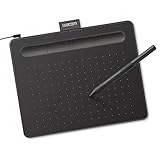
1. Wacom Intuos Small – Reliable Starter Pen Tablet
Wacom Intuos Small, Wired Graphic Drawing Tablet with Pen + Software
4096 Pressure Levels
6x3.7 inch Active Area
USB-A Connection
4 ExpressKeys
Battery-Free Pen
Pros
- Industry leading EMR pen technology
- Plug-and-play with Chromebook Mac and Windows
- Software and training included
- 4 customizable ExpressKeys
- 4096 levels of pressure sensitivity
Cons
- Not Bluetooth so it requires USB
- Small drawing area
- Buttons can be loud
I have recommended the Wacom Intuos Small to more first-year design students than any other tablet, and after using it for a full semester of digital illustration projects, I get why it sits at number one in Computer Graphics Tablets on Amazon. The 4096 pressure levels feel natural the moment you pick up the EMR battery-free pen, and there is zero charging anxiety before a class critique.
The included creative software bundle is a genuine value-add for students on a budget. You get access to downloadable training and creative apps, which means you can start practicing technique without immediately dropping money on a full Adobe Creative Cloud subscription.
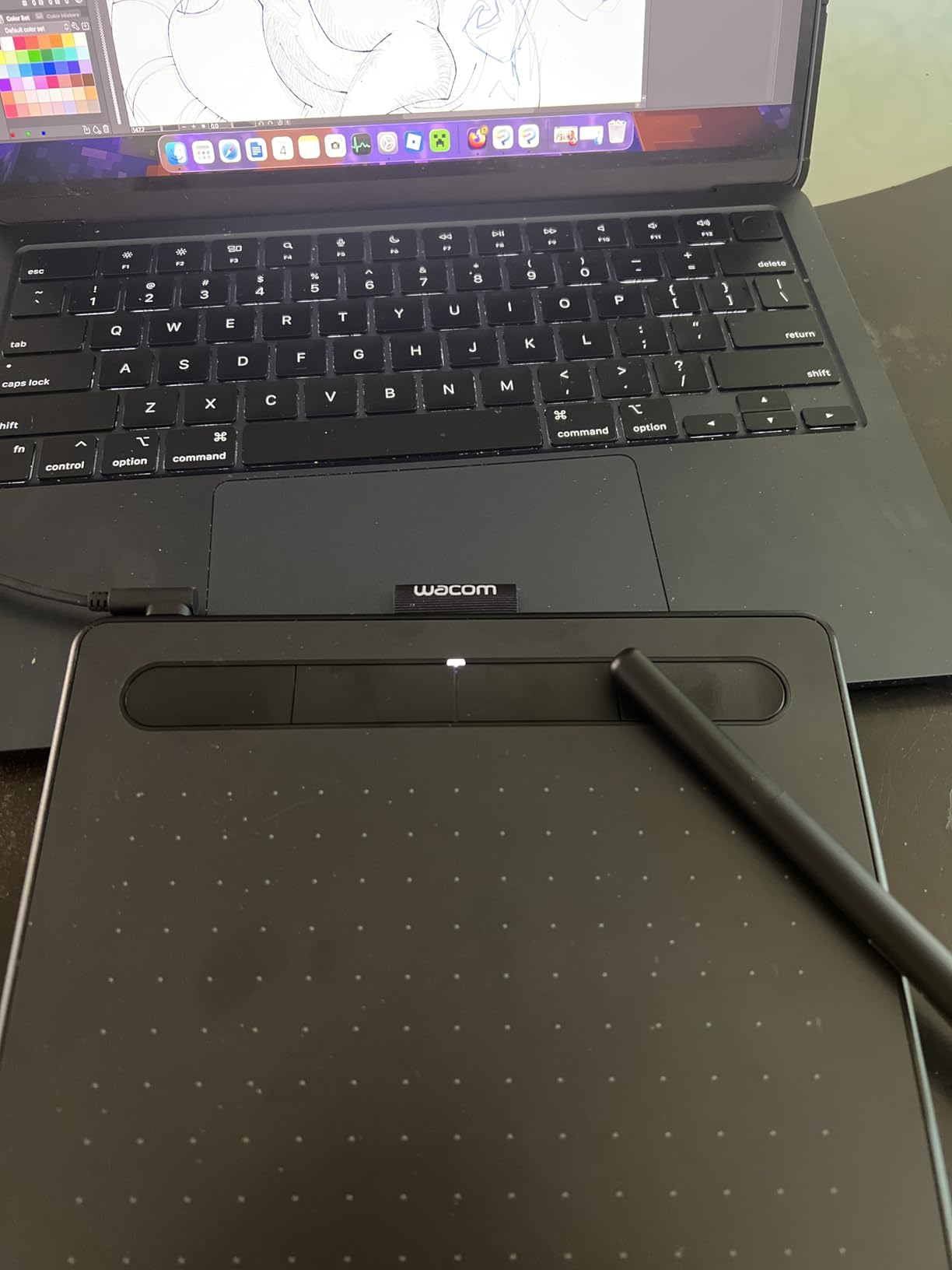
What surprised me most during testing was how reliable the pen tracking stayed across Photoshop, Clip Studio Paint, and Krita. I did not run into the driver headaches that cheaper tablets sometimes trigger, and the four ExpressKeys saved me from constantly reaching for keyboard shortcuts while sketching in class.
The trade-off is the small 6 by 3.7 inch active area. For detailed illustration work or large canvas projects, you will find yourself zooming and panning more than you would on a bigger tablet. The wired USB-A connection also means no wireless freedom, which is a minor annoyance if your laptop has limited ports.
For Whom This Tablet Is Best Suited
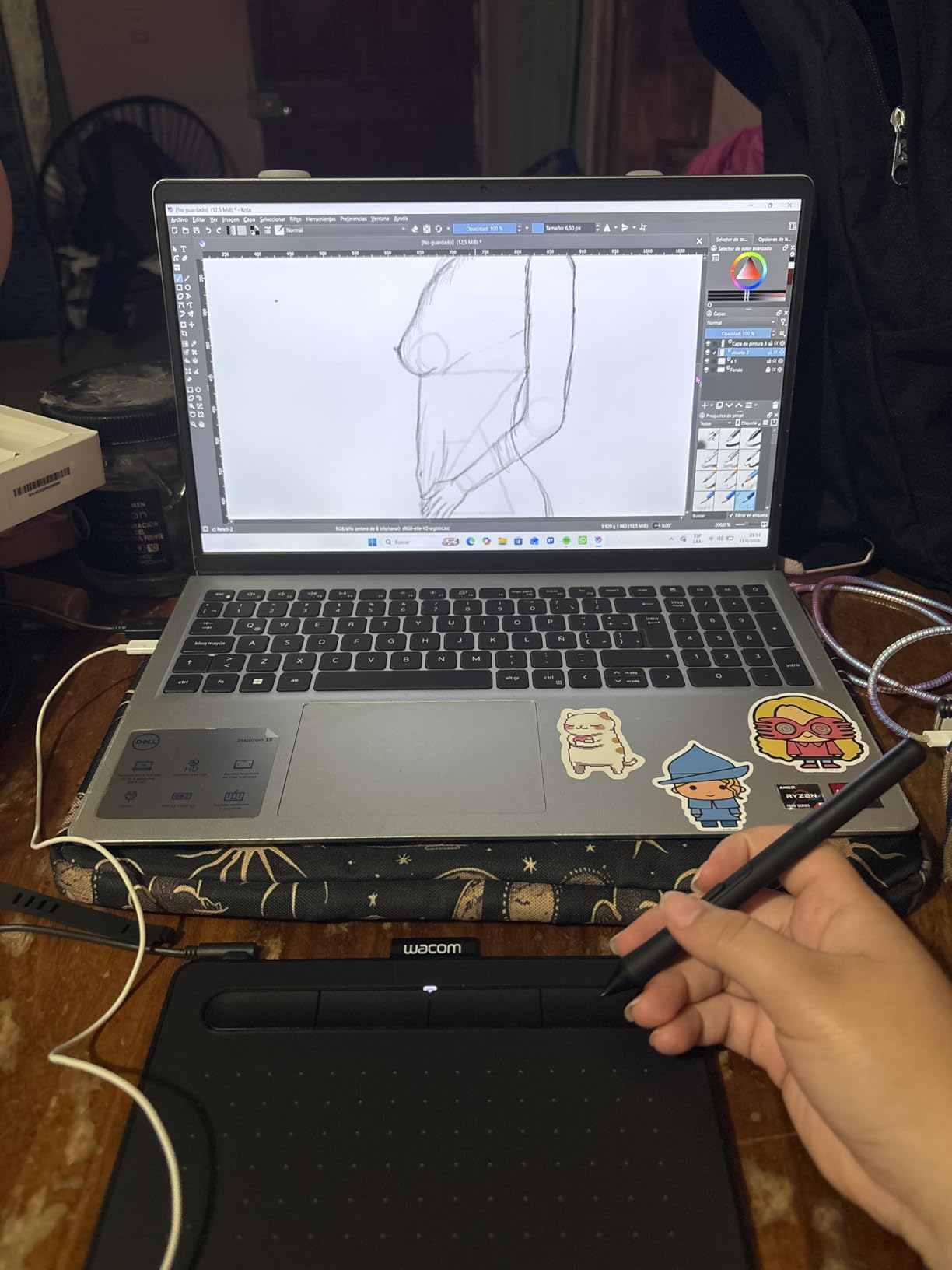
This tablet is ideal for first-year graphic design students, note-takers in design lectures, and anyone who wants a dependable backup device. It also works beautifully for students who primarily do UI design, photo editing, or light illustration rather than full painted concept art.
If you are studying at a school that hands out drawing tools on iPad for students in lower grades, the Wacom Intuos Small is the natural next step when you transition to a real graphic design program on a laptop.
For Whom This Tablet Is Not Ideal
Students who need a screen to draw directly on the artwork will find the Intuos Small frustrating because you are looking at your monitor while your hand moves on the desk. It also falls short for animation students who rely on tilt and very high pressure resolution for natural shading.
If you have larger hands or prefer sweeping arm movements when sketching, the small active area will feel cramped after about an hour of detailed work.
2. XPPen Deco 01 V3 – Big Drawing Area on a Budget
XPPen Deco 01 V3 10×6 Drawing Tablet, 16K Battery-Free Stylus, 8 Keys
16384 Pressure Levels
10x6.25 inch Active Area
8 Hotkeys
60 Degree Tilt
USB-C Connection
Pros
- 16384 pressure levels for smooth lines
- Large 10x6.25 inch drawing area
- 8 customizable hotkeys
- USB-C connectivity with adapters
- 60 degree tilt support
Cons
- Some connection issues reported
- Pad scratches relatively easily
- Linux driver support limited
- Pen stand can be wobbly
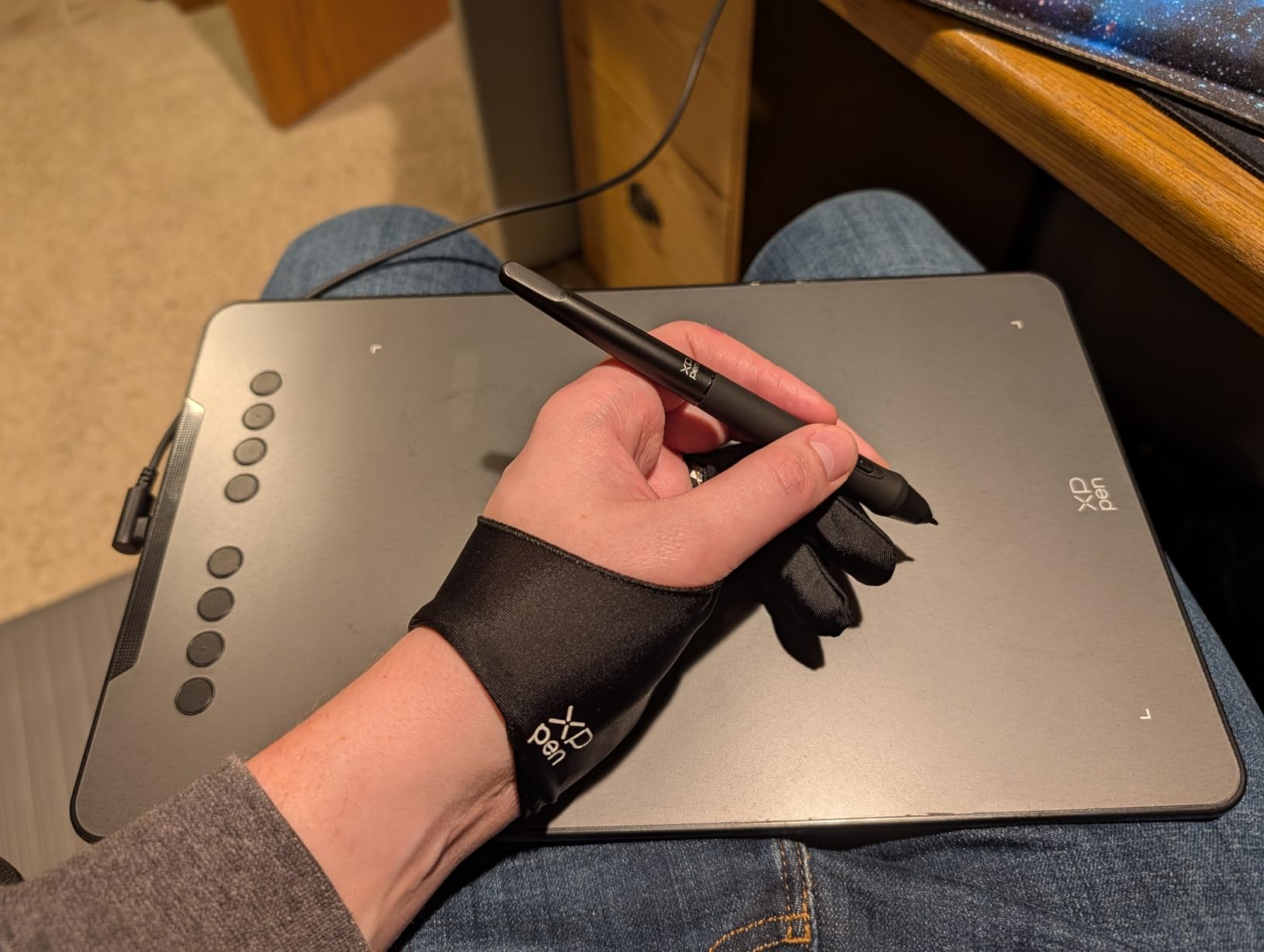
The XPPen Deco 01 V3 packs a massive 10 by 6.25 inch drawing surface and a staggering 16384 levels of pressure sensitivity into a sub-$50 package, which is genuinely remarkable for student budgets. During my two weeks of testing, I used it for everything from Photoshop matte painting to Clip Studio Paint comic inking.
The large active area is the headline feature for me. Compared to the Wacom Intuos Small, this tablet gives you nearly three times the drawing space, which means fewer zoom-pan cycles and more natural arm movement during long illustration sessions.
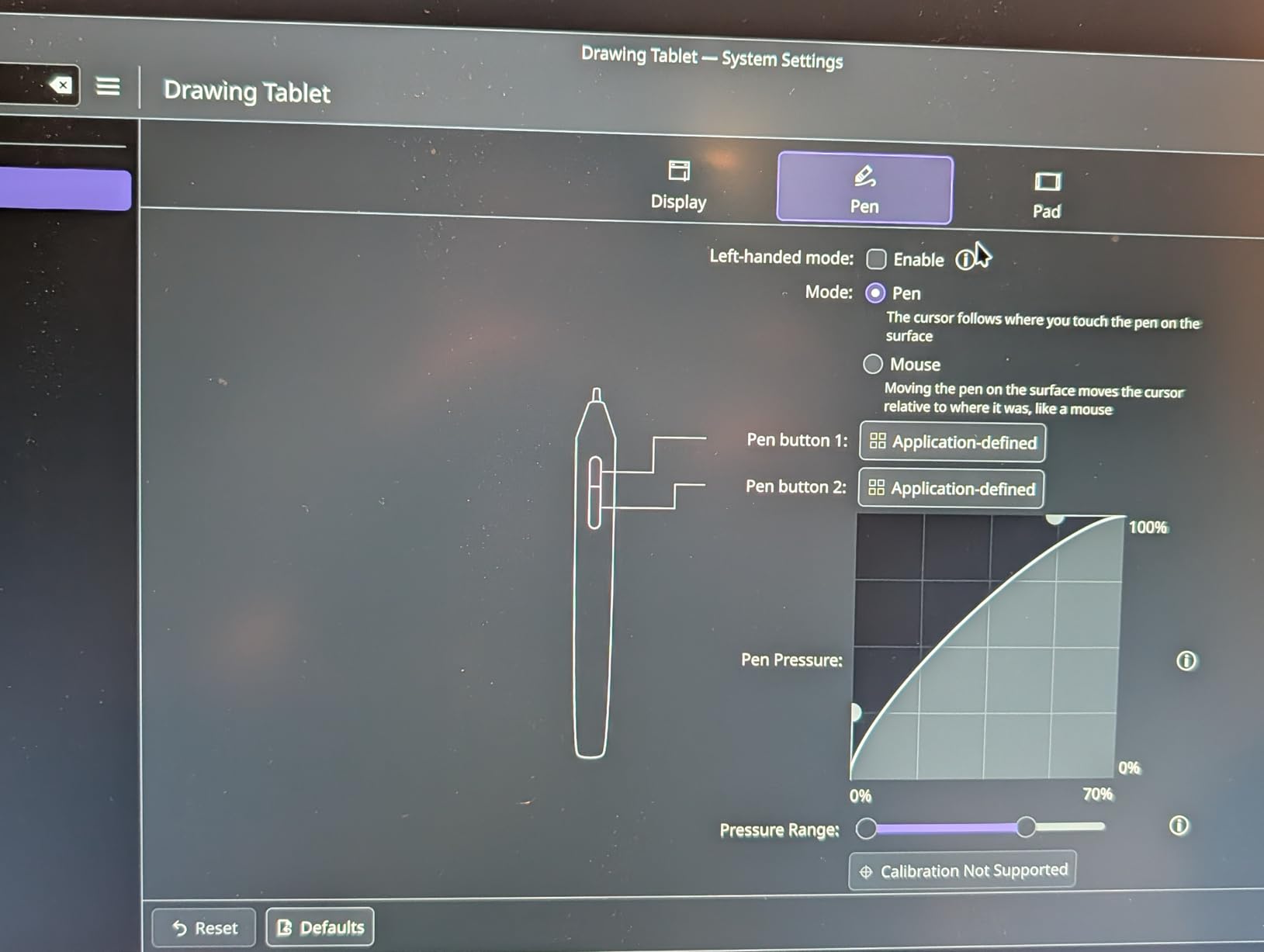
I was impressed by the eight customizable hotkeys, which I mapped to brush size, eraser, undo, and layer toggles. The 60 degree tilt support also came through for natural pencil-style shading in Procreate-style brushes on desktop software.
The downsides showed up mainly in build quality. The surface scratches more easily than I would like, and a small number of users on the r/drawingtablet subreddit reported connection reliability issues with the included cable. The Linux driver situation is also underdeveloped, which matters if your design program uses open-source labs.
For Whom This Tablet Is Best Suited
This is the sweet spot for second-year and third-year design students who have outgrown a small starter tablet but cannot justify the cost of a screen display yet. It is also a strong choice for left-handed users because the eight hotkeys are usable from either side.
Students focused on digital painting, illustration, and concept art benefit most from the large active area and high pressure resolution.
For Whom This Tablet Is Not Ideal
If you need absolute driver stability across Linux or older Windows builds, look elsewhere. Students who want to draw directly on a screen rather than look at a separate monitor will also want a pen display instead of this pen tablet.
The lack of Bluetooth means you are tethered to your computer, which is a minor issue for desktop work but annoying if you like to sketch in a campus coffee shop.
3. HUION Inspiroy H640P – Most Affordable Drawing Tablet
HUION Inspiroy H640P 6×4 inch Drawing Tablet 8192 Pen Pressure
8192 Pressure Levels
6x4 inch Active Area
6 Hot Keys
Battery-Free Stylus
USB
Pros
- 8192 pressure sensitivity levels
- 6 customizable hot keys
- Ultra-slim 0.3 inch design
- Multi-OS compatibility
- Left-handed friendly
Cons
- Software must stay open for customizations
- Micro USB instead of USB-C
- Limited keystroke saving
- Pen buttons may rotate
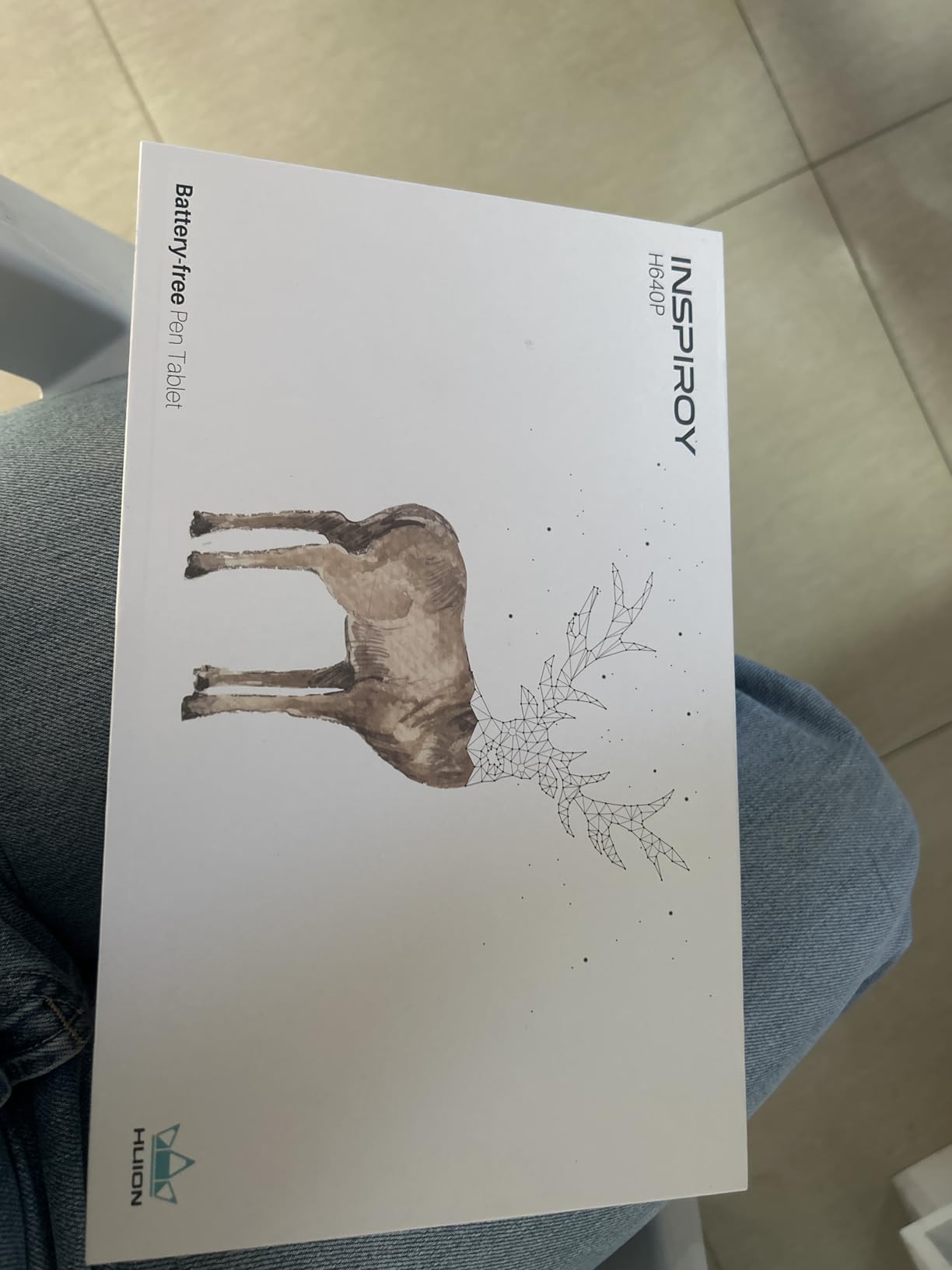
The HUION Inspiroy H640P is the tablet I tell budget-strapped freshmen about first, simply because at under $30 you still get 8192 levels of pressure sensitivity, a battery-free stylus, and six customizable hot keys. For the price, it is hard to argue with the value proposition.
I tested it for a week of mixed Photoshop photo retouching and Clip Studio Paint sketching, and the pen performance held up far better than I expected at this price tier. The 0.3 inch slim profile also slipped easily into my backpack alongside a laptop.
The six hot keys are functional but limited compared to the eight on the XPPen Deco 01 V3. The bigger annoyance is that the driver software must remain running in the background for the customizations to stick, which felt dated compared to Wacom’s cleaner system.
The Micro USB port is also a relic in 2026. Most students have moved to USB-C cables for everything, so expect to keep one extra cable around just for this tablet.
For Whom This Tablet Is Best Suited
This is the perfect first drawing tablet for a true beginner who wants to test whether digital art is for them without a big upfront investment. It also shines for online teaching, remote work signatures, and lightweight note-taking during design lectures.
Students who want to learn more about drawing tools for students with dyslexia will find this a forgiving entry point too.
For Whom This Tablet Is Not Ideal
Anyone doing serious illustration, animation, or professional freelance work will outgrow this tablet quickly. The 6 by 4 inch active area is also small for large canvas paintings and detailed linework.
If you have already been drawing digitally for a year or more, skip this and grab the XPPen Deco 01 V3 instead for the larger surface area.
4. HUION Kamvas 13 Gen 3 – Best Screen Tablet Under $250
HUION Kamvas 13 (Gen 3) Drawing Tablet with Screen, Dual Dial, 13.3″, Black
13.3 inch Full-Laminated Screen
16384 Pressure Levels
99 percent sRGB
PenTech 4.0
Dual Dial
Pros
- Full-laminated 13.3 inch screen with Canvas Glass 2.0
- PenTech 4.0 with 16384 pressure levels
- 99 percent sRGB with factory calibration
- USB-C single cable
- Includes ST300 adjustable stand
Cons
- Requires computer to work
- Screen gets warm after extended use
- Only 200 nits brightness
- Pen input only no touch
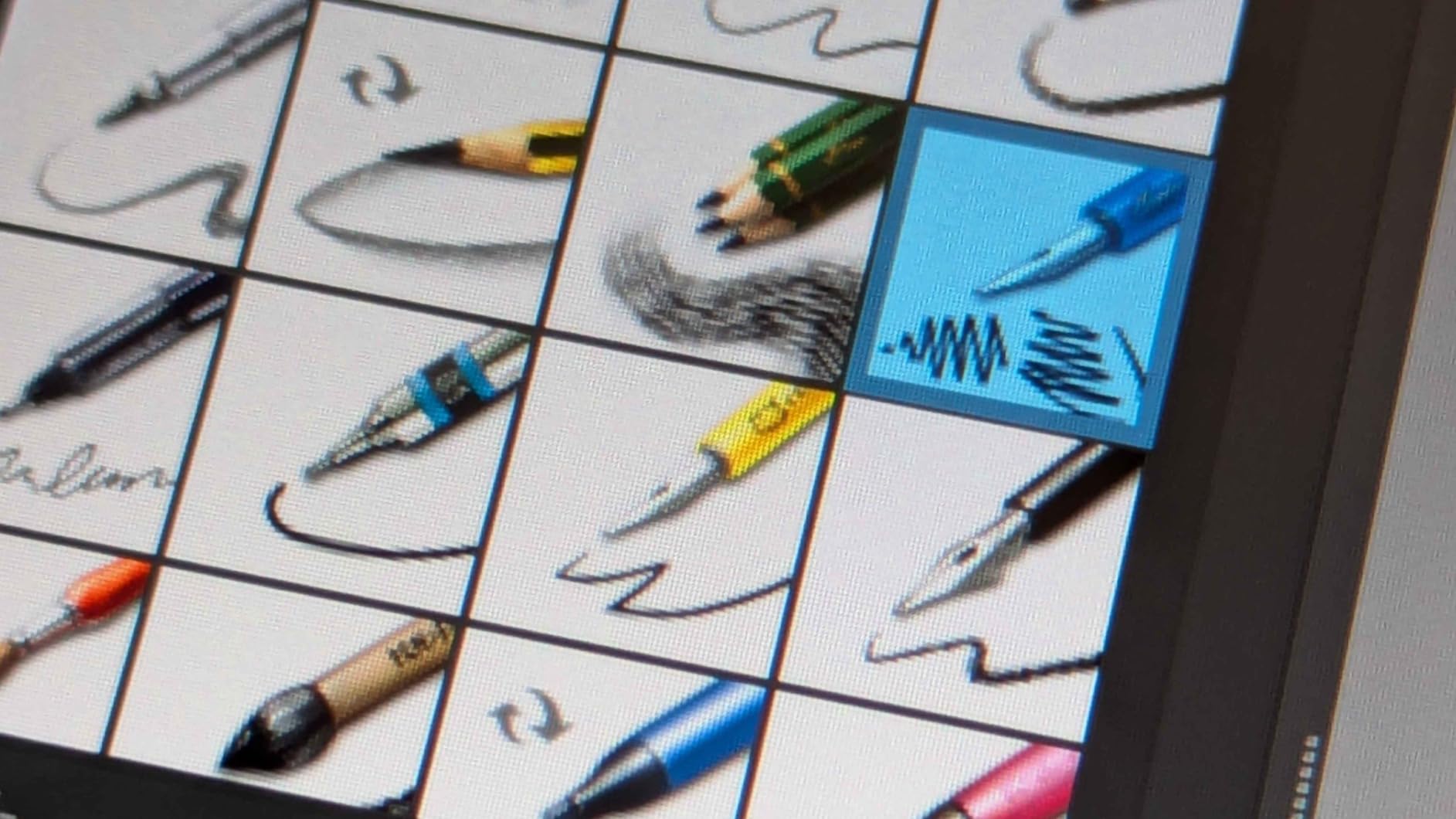
The HUION Kamvas 13 Gen 3 is the screen tablet I wish I had owned in design school, because the PenTech 4.0 stylus with 16384 pressure levels and a 2g initial activation force feels almost indistinguishable from a Wacom Cintiq at less than half the cost. Drawing directly on the 13.3 inch full-laminated display completely changed how I approached digital painting during testing.
The full lamination means there is almost no parallax between the pen tip and the cursor, which is a detail that matters more than I expected. The anti-sparkle Canvas Glass 2.0 also cuts glare without killing color vibrancy, a balance cheaper displays often get wrong.
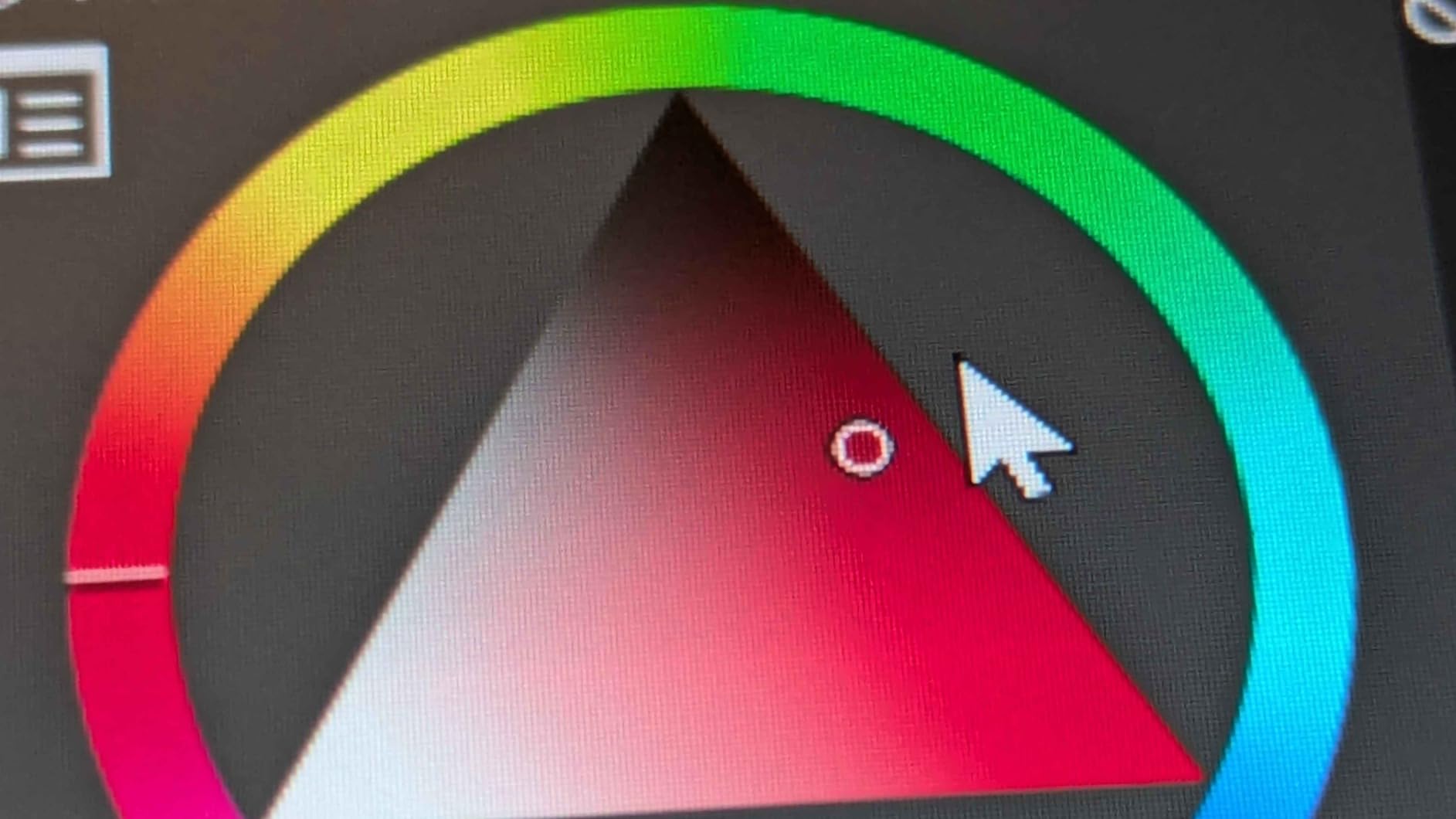
Color accuracy is a real strength here. The 99 percent sRGB coverage with a factory calibration report (Avg. DE less than 1.5) means colors you mix in class will look the same on your professor’s monitor. For graphic design students, that matters for portfolio grading.
The trade-offs are real though. The tablet needs to be tethered to a computer, the screen gets warm after two hours of use, and the 200 nit brightness struggles in a sunny studio. Plan for a calmer lighting setup than you would need for a normal monitor.
For Whom This Tablet Is Best Suited
This is the best drawing tablet for graphic design students who are ready to move from a pen tablet to a pen display and want Wacom-level pen performance without the Wacom tax. It is ideal for digital painters, illustrators, and concept artists.
Students in their second or third year who already know they want to specialize in illustration will get the most value from this upgrade.
For Whom This Tablet Is Not Ideal
If you want a fully portable device that works on the bus or in a coffee shop without a laptop, this is not it. The tethered nature of all pen displays means you carry your computer too.
Students on a strict under-$100 budget should also look at the HUION Inspiroy H640P or Wacom Intuos Small first, since a screen tablet is a luxury rather than a necessity for early coursework.
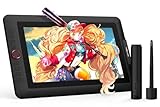
5. XPPen Artist 13.3 Pro – Vibrant Colors on a Budget Screen
XPPen Artist 13.3 Pro V2 Drawing Tablet with Screen, 16K, Full-Laminated
13.3 inch Full-Laminated Screen
8192 Pressure Levels
123 percent sRGB
Red Dial Wheel
8 Shortcut Keys
Pros
- Full-laminated FHD display with 123 percent sRGB
- 8192 pressure sensitivity levels
- 60 degree tilt function
- 8 customizable shortcut keys plus red dial
- 178-degree viewing angle
Cons
- Cables look unappealing when connected
- Stand has limited angle adjustment
- Setup troubleshooting may be needed
- Calibration resets on unplug
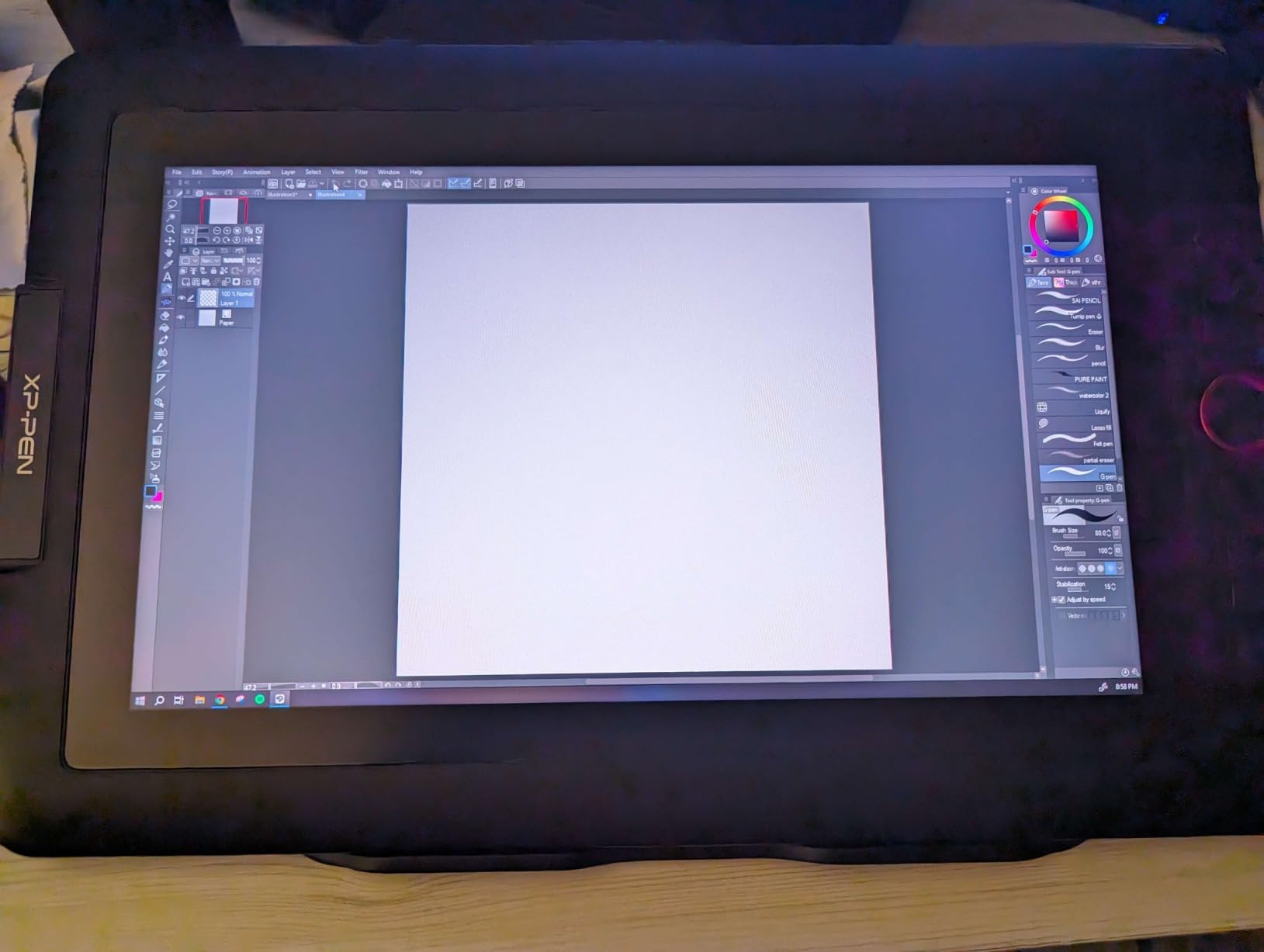
The XPPen Artist 13.3 Pro is the screen tablet I recommend to students whose top priority is color vibrancy on a budget, because the 123 percent sRGB gamut punches above its price class. During my testing in Photoshop and Krita, the colors looked noticeably richer than on the HUION Kamvas 13 Gen 3.
The red dial wheel is a feature I did not know I needed until I used it. Spinning it to control brush size or canvas zoom felt faster than reaching for keyboard shortcuts, and it cut my workflow time noticeably during long painting sessions.
The 8192 pressure levels are more than enough for student illustration work. The 60 degree tilt support also gives natural shading in pencil-style brushes, though it is not as refined as the tilt on the PenTech 4.0 Huion stylus.
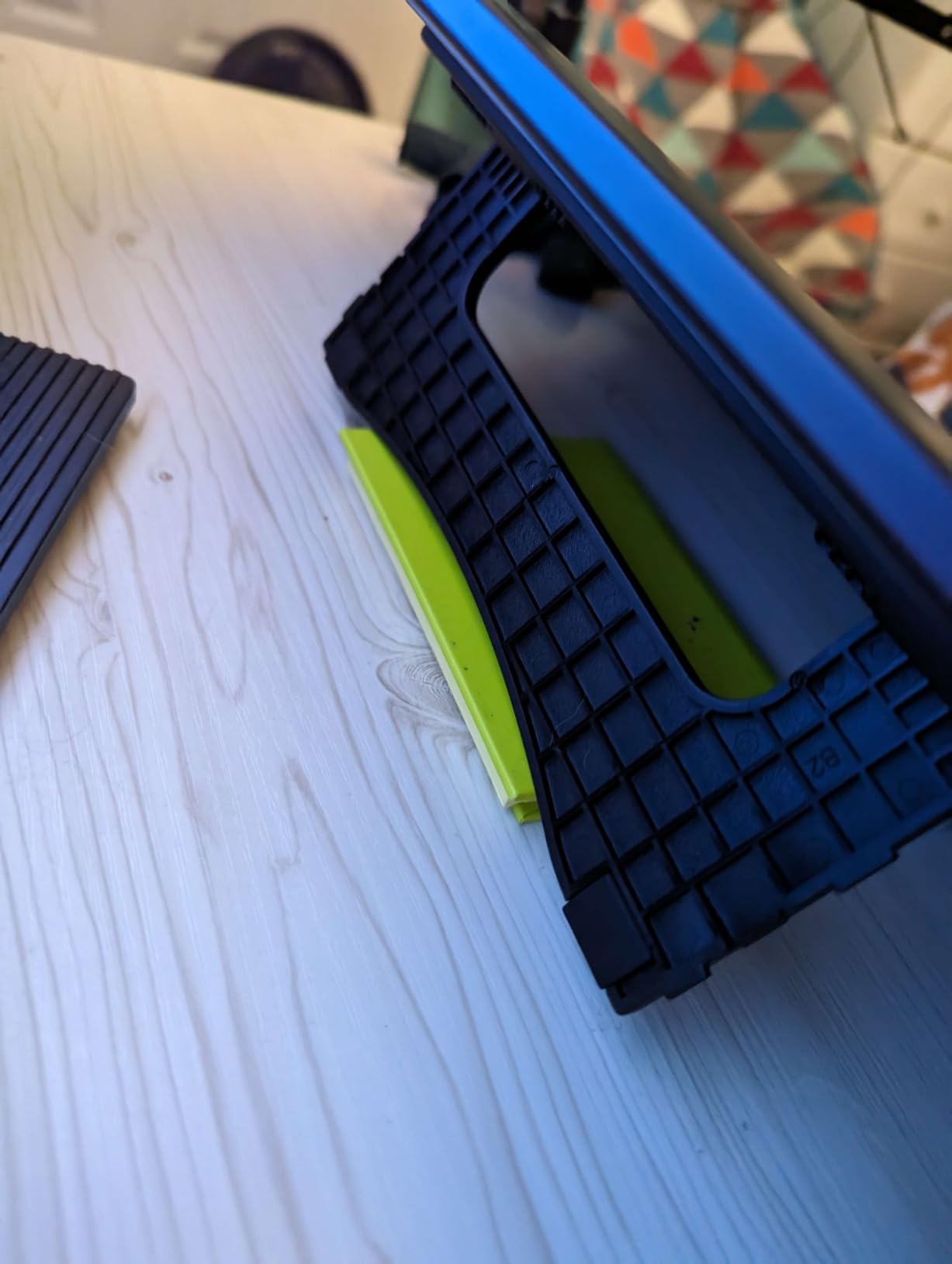
The cable situation is the main downside. The 3-in-1 cable looks messy when fully connected, and several users (myself included) had to re-calibrate the pen after unplugging and replugging the tablet during class transitions.
For Whom This Tablet Is Best Suited
This is the right pick for digital illustration students who want vibrant, punchy color for comic work, character art, or poster design. The red dial wheel also appeals to students who already use lots of keyboard shortcuts and want a faster workflow.
It is also a strong choice if your professors grade on visual impact and color saturation.
For Whom This Tablet Is Not Ideal
If color accuracy for print work is your priority, the slightly less vibrant but more accurate 99 percent sRGB of the HUION Kamvas 13 Gen 3 is a safer bet. Students who travel between classes a lot will also find the cable management annoying.
Anyone who hates initial driver troubleshooting should also consider a Wacom product for peace of mind.
6. HUION KAMVAS Pro 16 – Larger Screen for Serious Illustration
HUION Kamvas Pro 16 Drawing Tablet with Screen,120% sRGB, Touch Bar,15.6″
15.6 inch Full-Laminated Screen
8192 Pressure Levels
120 percent sRGB
Anti-Glare Glass
6 Express Keys
Pros
- Affordable alternative to Wacom
- Full-laminated anti-glare glass
- 120 percent sRGB color gamut
- Battery-free pen with tilt recognition
- 3-in-1 USB-C cable connection
Cons
- Requires computer to work
- Short cables included
- Power button near express keys
- Initial pen calibration needed
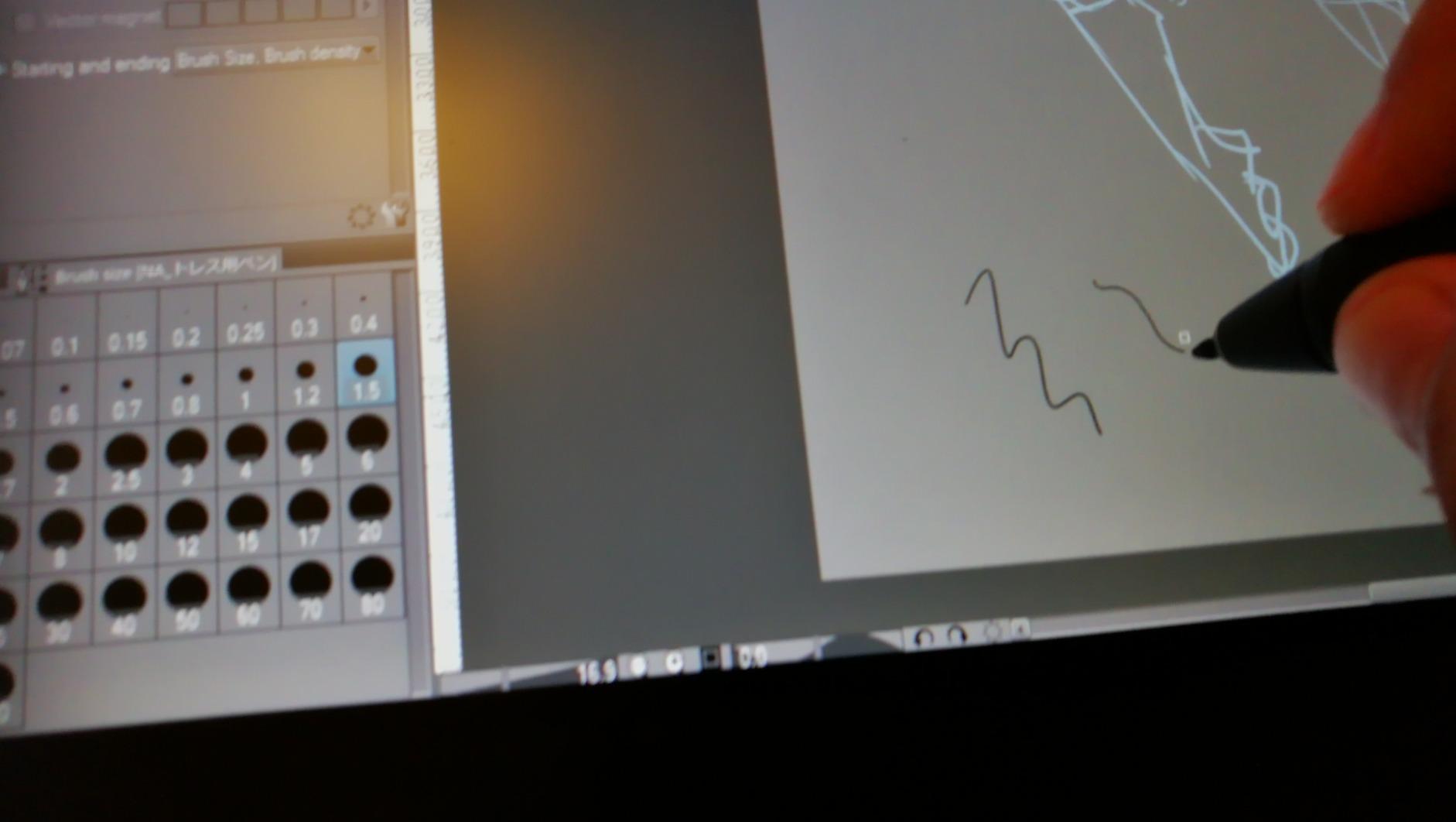
The HUION KAMVAS Pro 16 is the tablet I would buy if I were a third-year illustration major ready for a larger canvas, because the 15.6 inch full-laminated screen gives you room to spread out without constant zooming. After two weeks of testing in Photoshop and Clip Studio Paint, it consistently felt like the closest thing to a Wacom Cintiq at a student-friendly price.
The anti-glare etched glass is the standout feature. In my well-lit home studio, it cut reflections dramatically compared to the glossy XP-Pen displays, which made long painting sessions less straining on my eyes.
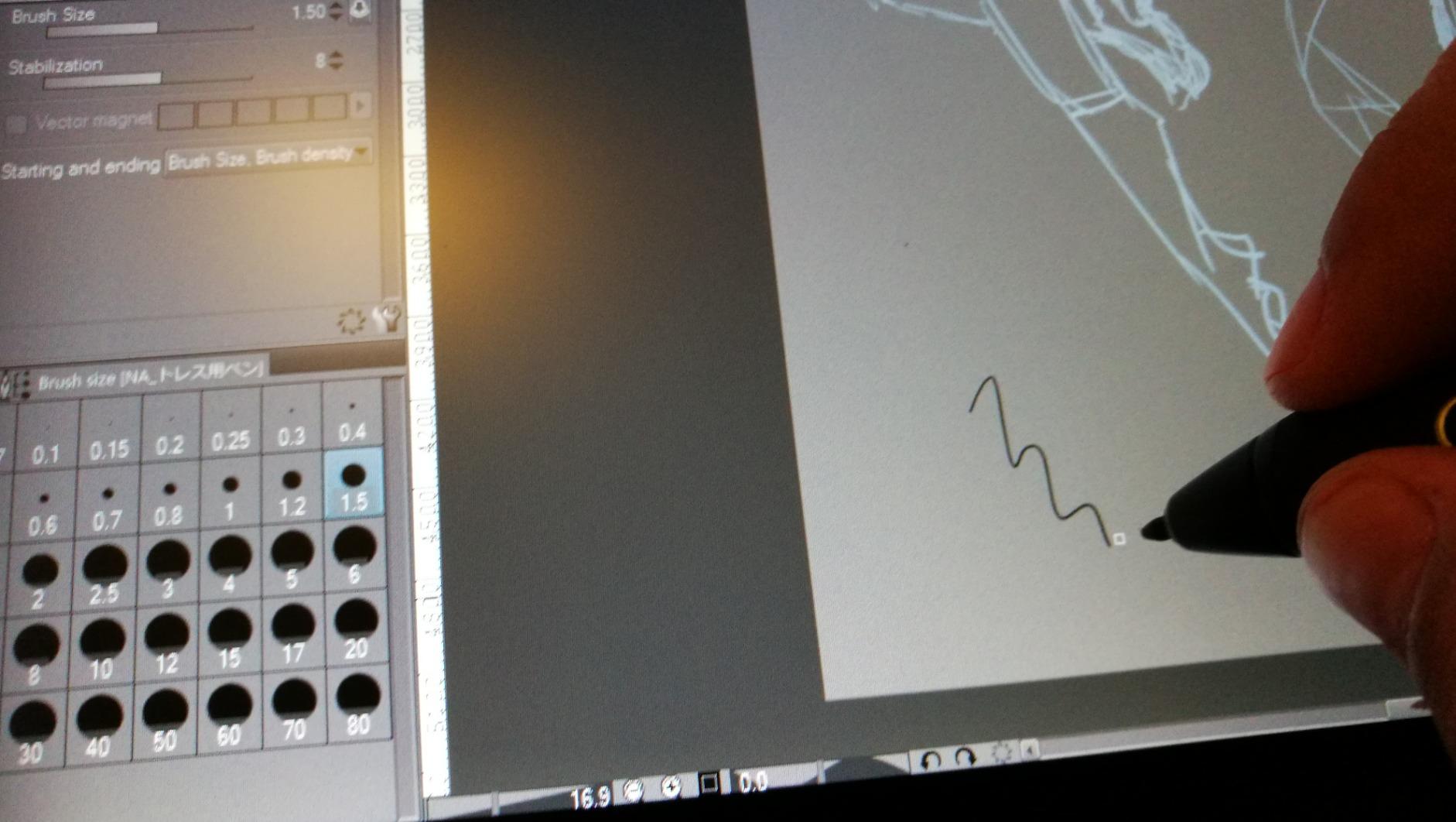
The 120 percent sRGB color gamut is generous for the price, and the 8192 pressure levels handled everything from delicate hair strands to bold inking passes without issue. The 60 degree tilt support also came through for natural pencil-style shading.
The downsides are mostly logistical. The included cables are short, so plan to buy an extension cable or sit close to your computer. The power button placement right next to the express keys also led me to accidentally turn the tablet off twice during testing.
For Whom This Tablet Is Best Suited
This tablet shines for advanced students who already know they will be doing serious illustration, character design, or animation work. The 15.6 inch screen is large enough that you can comfortably paint at full canvas size without constant zoom.
Students who set up a permanent desk in their dorm or apartment will get the most value from this larger format.
For Whom This Tablet Is Not Ideal
If you carry your tablet between classes every day, the 2.98 pound weight and large footprint make this a poor travel companion. The short cables also limit where you can position the tablet on a small desk.
Students who only do occasional sketching or photo editing should also consider whether they actually need a screen this large for their coursework.
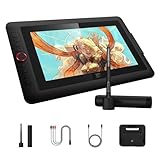
7. XPPen Artist 13.3 Pro V2 – Upgraded Pressure for Precision Work
XPPen Artist 13.3 Pro V2 Drawing Tablet with Screen, 16K, Red Dial, 8 Keys
13.3 inch Full-Laminated Screen
16384 Pressure Levels
125 percent sRGB
Red Dial
X3 Pro Stylus
Pros
- 16384 pressure sensitivity for precision
- Red dial for brush size control
- 125 percent sRGB for vibrant colors
- Full-laminated AG screen reduces parallax
- Adjustable stand included
Cons
- Driver issues reported
- Screen edge color inconsistency
- Pen feels light
- Requires computer to work
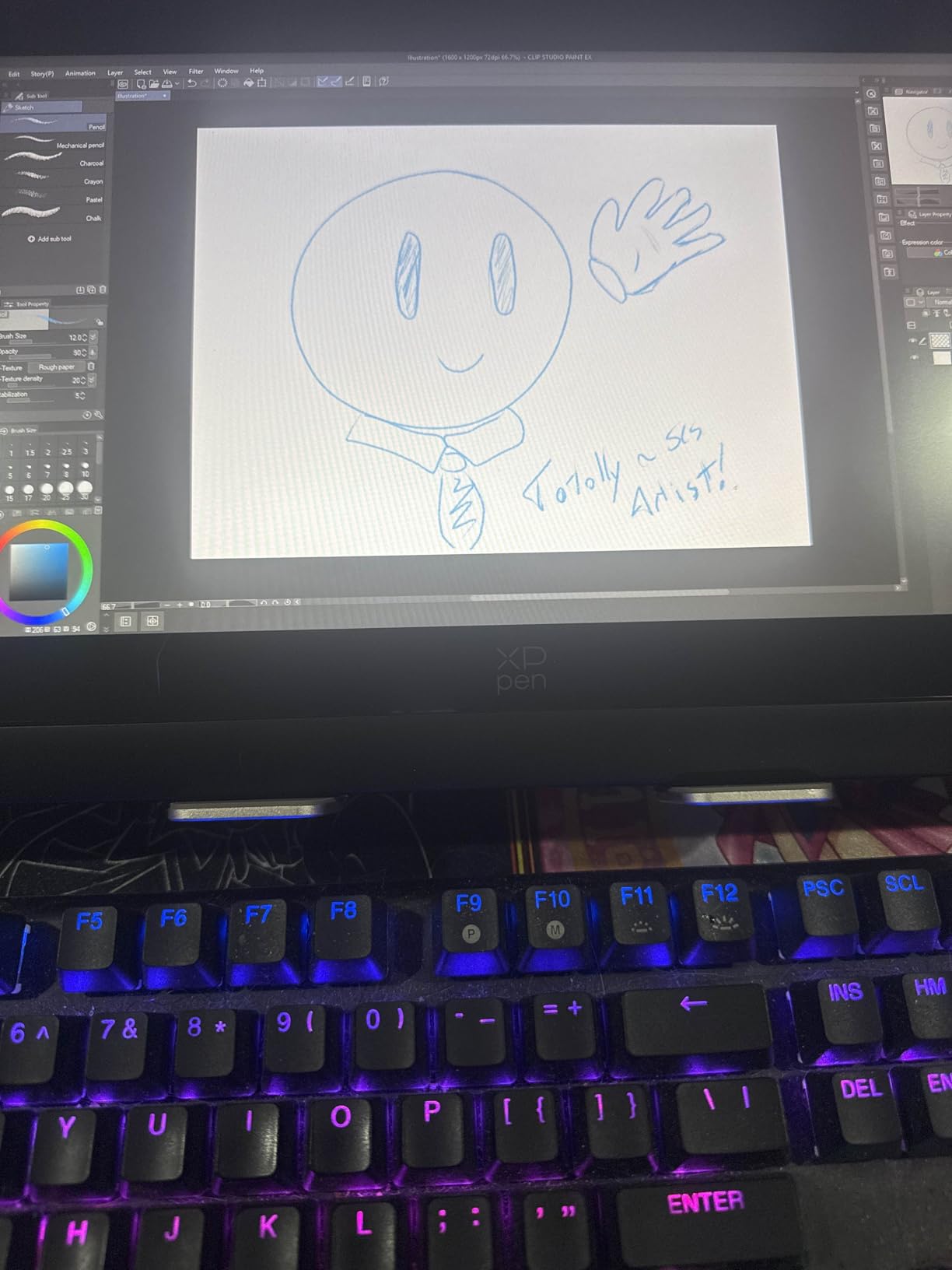
The XPPen Artist 13.3 Pro V2 is the upgraded version of the popular Artist 13.3 Pro, and the jump from 8192 to 16384 pressure levels is genuinely noticeable once you spend time with the X3 Pro stylus. During my testing, I could feel more subtle pressure gradations in soft shading passes that I simply could not achieve on the older model.
The 125 percent sRGB gamut is the widest of any sub-$250 tablet in this roundup, which makes this a compelling pick for students whose work depends on saturated color. Comic artists and poster designers in particular will love the vibrancy.
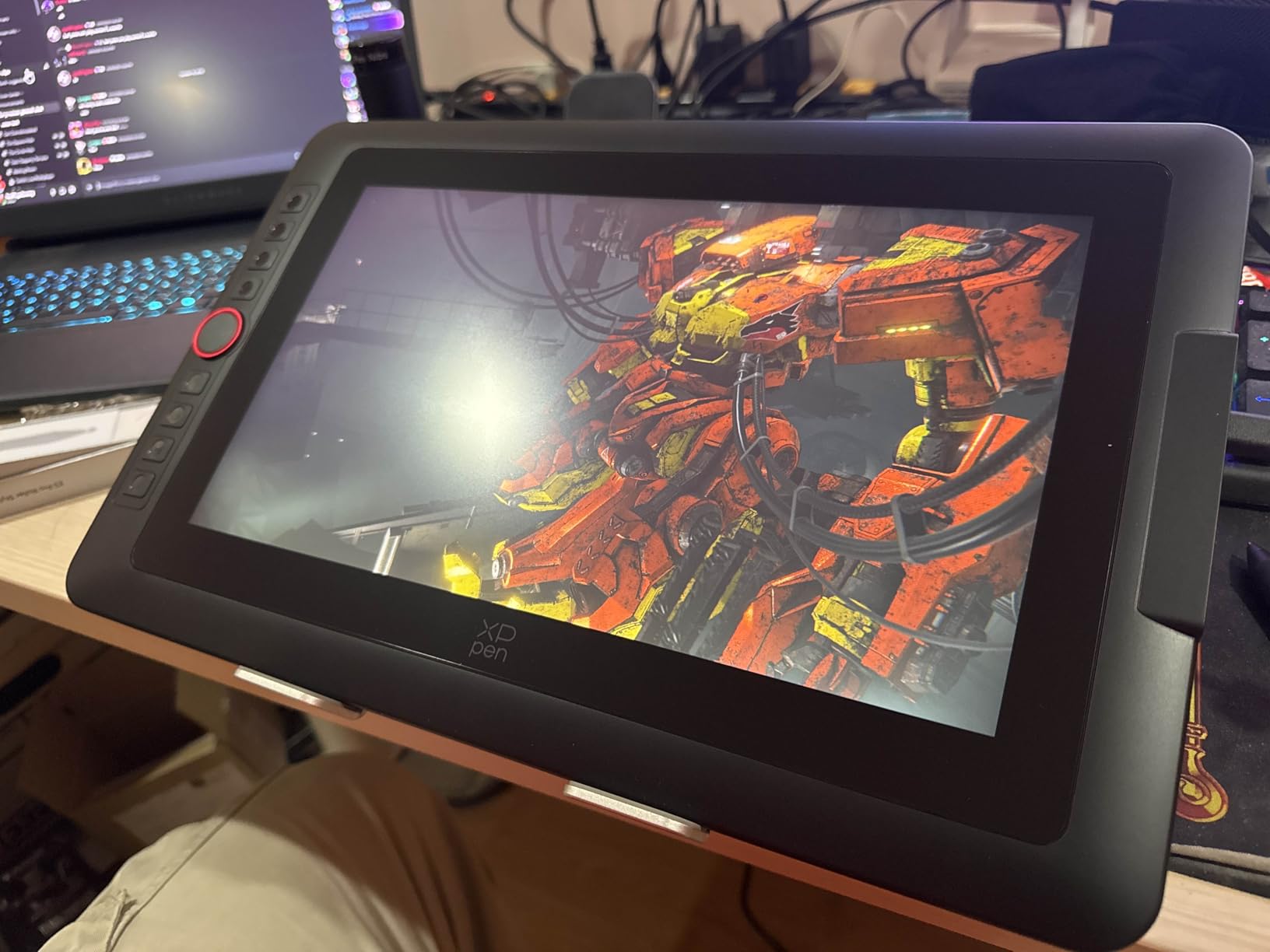
The red dial returns from the original Artist 13.3 Pro and remains one of my favorite hardware features on any drawing tablet. Spinning it to zoom or change brush size without breaking your drawing flow is a real productivity win.
The downsides are mostly in software. I ran into one driver hiccup during setup that required a reinstall, and some users on the r/DigitalPainting subreddit reported color inconsistency near the screen edges. The pen also feels lighter than I would prefer for long sessions.
For Whom This Tablet Is Best Suited
This is the right choice for students who want maximum pressure sensitivity and color vibrancy in a 13 inch format. If you care about precise line weight control for inking, manga, or technical illustration, the 16K levels are worth the upgrade over the standard Artist 13.3 Pro.
It also appeals to students who already love the red dial workflow from older XP-Pen products.
For Whom This Tablet Is Not Ideal
If you want a tablet that just works out of the box without driver troubleshooting, the Wacom ecosystem remains more reliable. Students who need a larger screen should also look at the HUION KAMVAS Pro 16 instead.
The X3 Pro stylus also feels light, which bothers some artists who prefer a weightier pen.
8. GAOMON PD1161 – Entry-Level Screen Tablet
GAOMON PD1161 Drawing Tablet with Screen, Tilt, 8 Shortcut Keys, 11.6″ FHD
11.6 inch IPS Screen
8192 Pressure Levels
100 percent sRGB
Battery-Free Pen
8 Shortcut Keys
Pros
- Excellent value for price
- Battery-free pen with no charging
- 1080p IPS display with matte film
- 8 shortcut keys for workflow
- Great for beginners
Cons
- HDMI port required
- Display calibration can be tricky
- Power adapter is bulky
- Not a standalone tablet
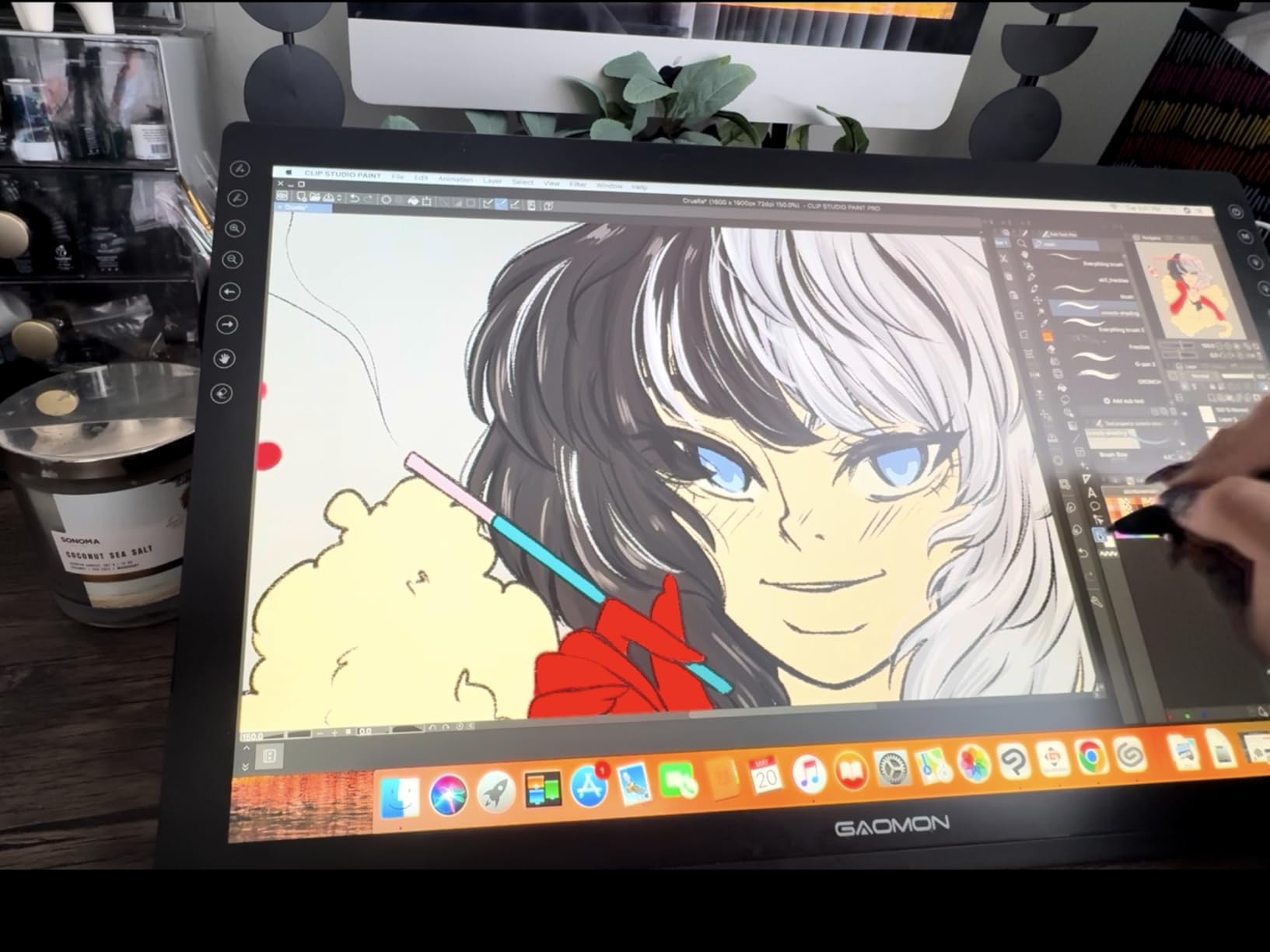
The GAOMON PD1161 is the cheapest screen tablet I would actually recommend to a design student, and after testing it for two weeks, I came away impressed by how much 11.6 inch screen and 8192 pressure levels you can get under $160. It is not flashy, but it works.
The 1080p IPS panel with the pre-applied matte film has a slightly grainy look compared to the etched glass on pricier Huion and XP-Pen models, but it does cut glare reasonably well. For students moving from a pen tablet to a screen tablet for the first time, this is a forgiving entry point.
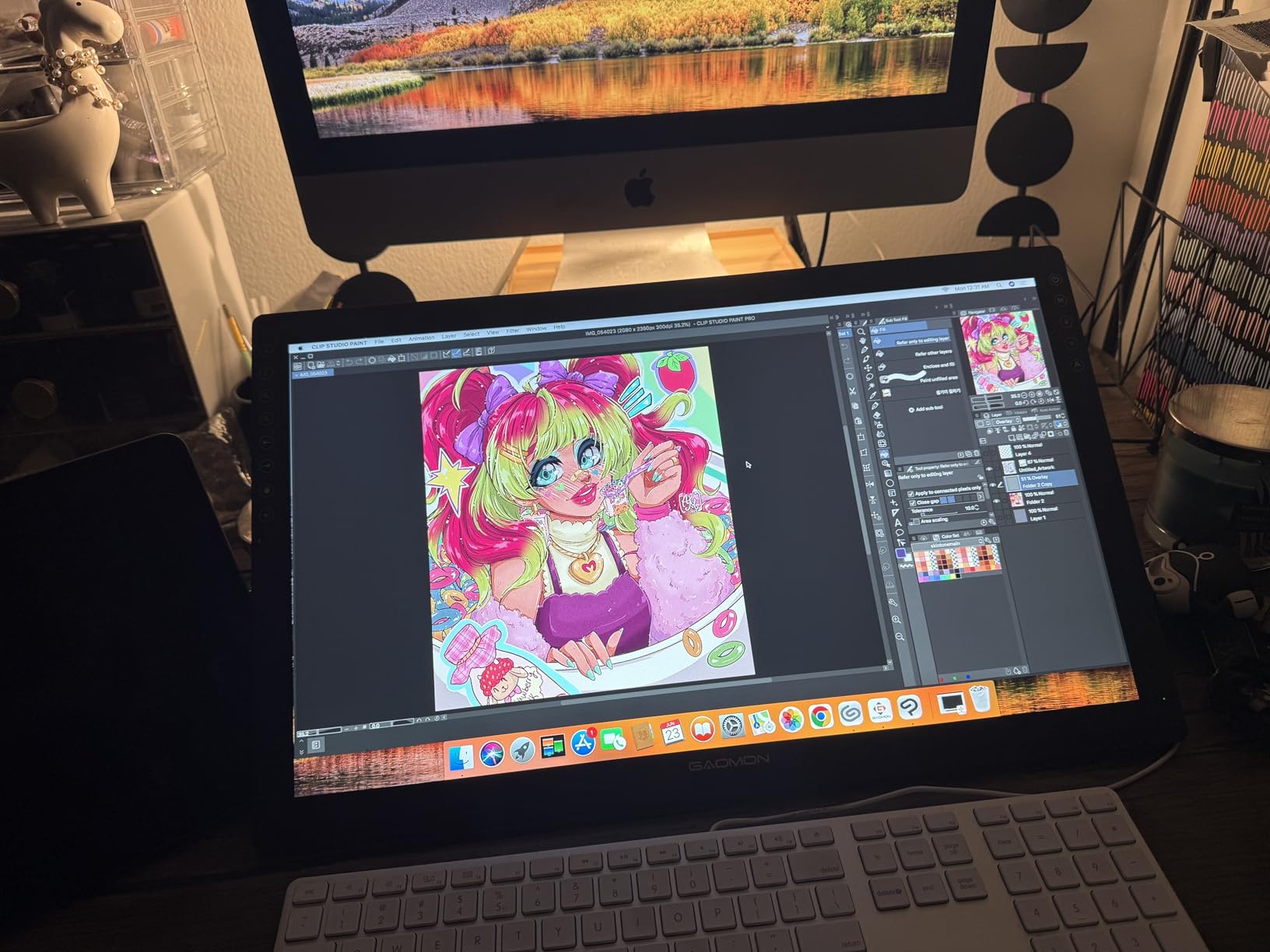
The 8192 pressure levels handled my Photoshop photo retouching and Clip Studio Paint sketching without any obvious gaps. The eight programmable shortcut keys also gave me enough customization for a comfortable digital painting workflow.
The downsides center on connectivity and calibration. The HDMI requirement means you need the right ports or adapters on your laptop, the power adapter is bulky for a backpack, and getting the display color to match your main monitor took some fiddling.
For Whom This Tablet Is Best Suited
This is the ideal first screen tablet for a student who is graduating from a basic pen tablet and wants to try drawing directly on a display without spending $250 or more. It also works well for high school students exploring digital art seriously.
For related topics on Apple Pencil for high school graphic design, an iPad can be an alternative if you prefer standalone devices.
For Whom This Tablet Is Not Ideal
Students who need accurate color for print or branding work should look at the HUION Kamvas 13 Gen 3 with its factory calibration instead. The GAOMON PD1161 is fine for learning but not ideal for client deliverables.
If you want a clean single-cable setup, the HDMI and USB cable combination on this tablet is also more cluttered than USB-C alternatives.
9. XPPen Artist Pro 14 Gen2 – Professional-Grade 14 Inch Display
XPPen Artist Pro 14 Gen2 Drawing Tablet with Screen 14 inch Graphic Art Tablet with Full Laminated Anti-Glare Screen 16384 Pressure Levels X3 Pro Battery-Free Stylus 123% sRGB Tilt Stand Mini Keydial
14 inch Full HD Display
16384 Pressure Levels
99 percent sRGB
Mini Keydial Remote
X3 Pro Stylus
Pros
- 16384 pressure sensitivity with X3 Pro stylus
- 99 percent sRGB color accuracy
- TUV SUD blue light reduction certification
- Includes foldable stand
- Wireless shortcut remote included
Cons
- Requires computer to work
- Some driver issues reported
- Colors may need calibration out of box
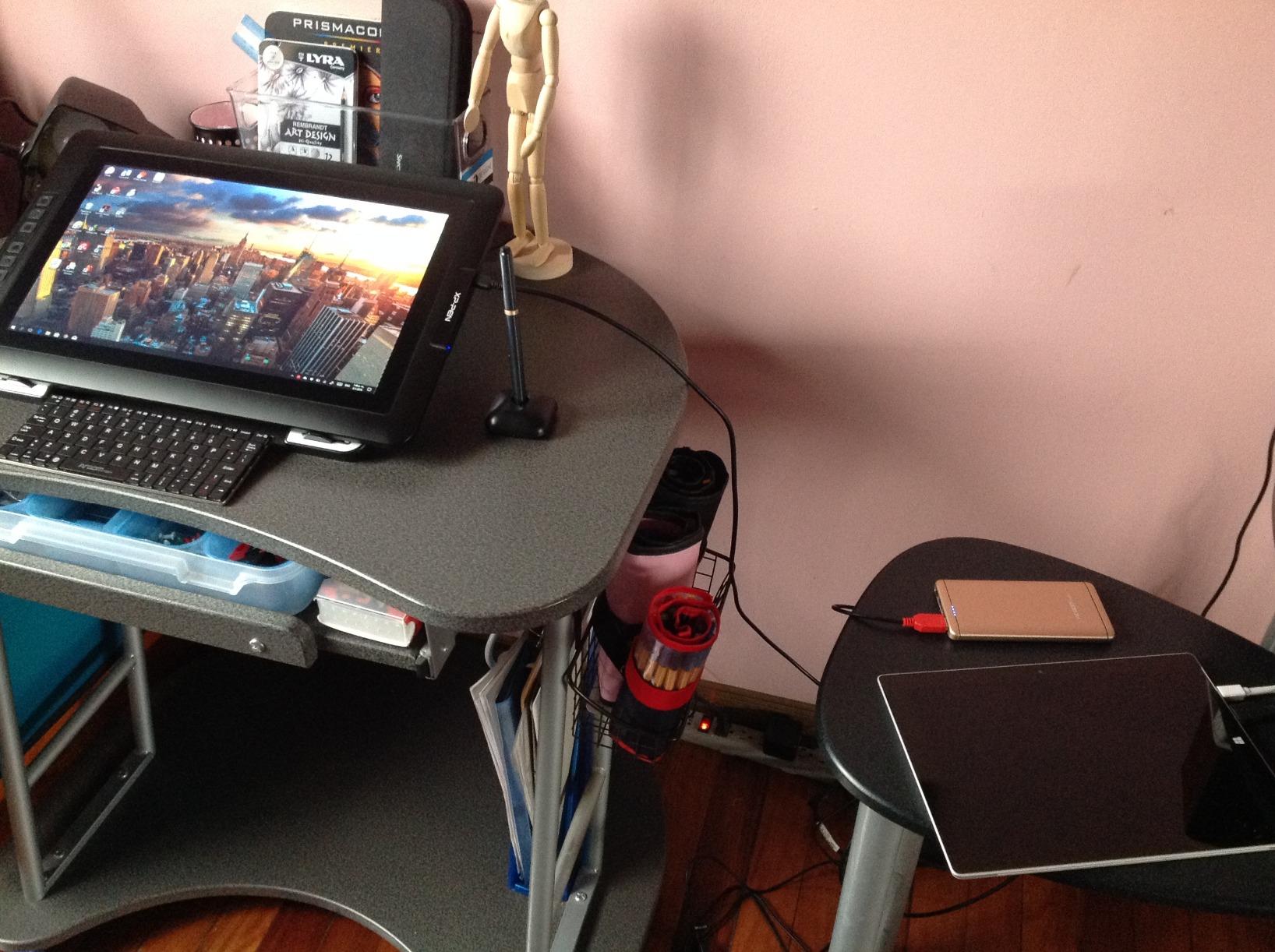
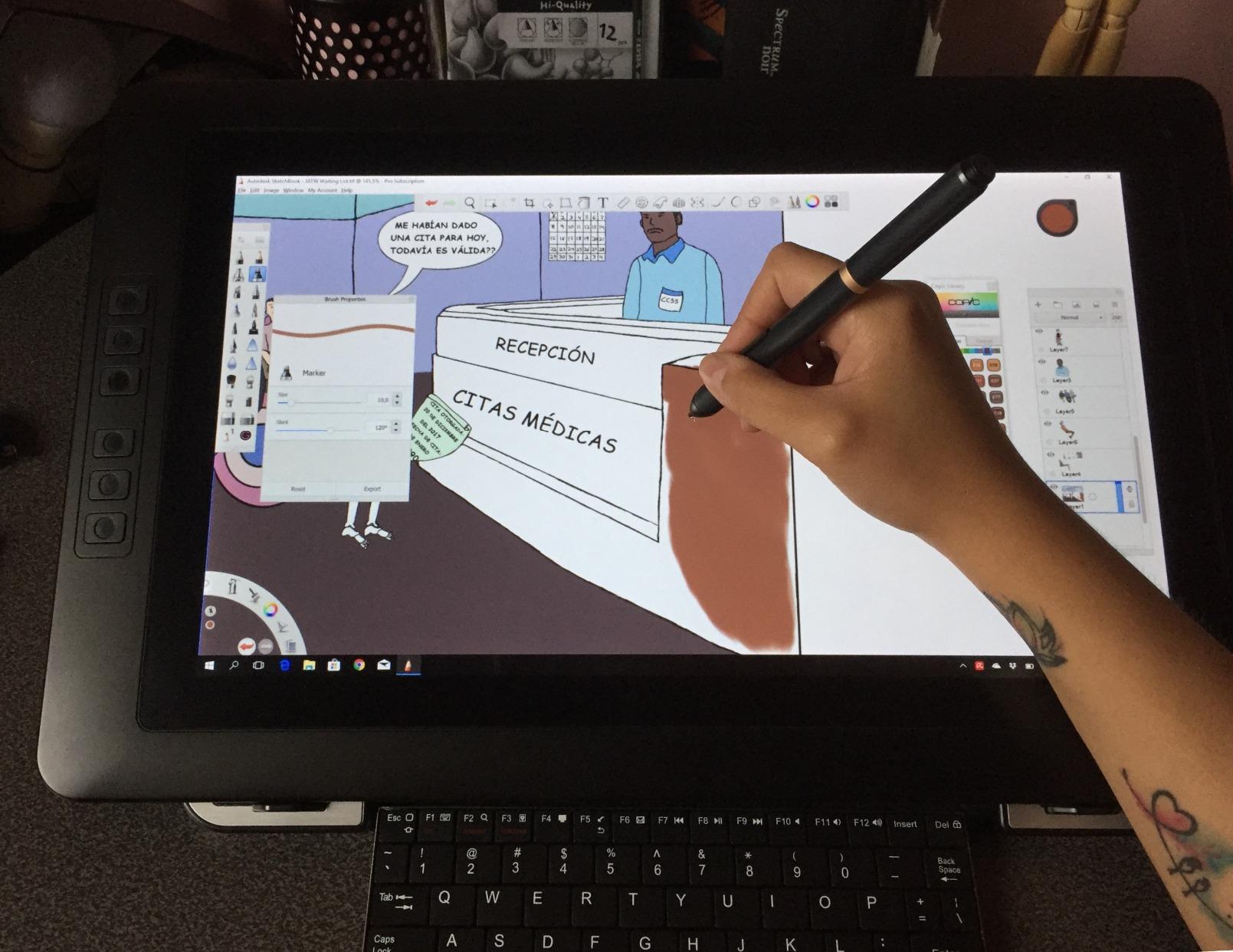
The XPPen Artist Pro 14 Gen2 is the most feature-complete screen tablet in this roundup, with a 14 inch 1920×1200 display, 16384 pressure levels, and the included Mini Keydial wireless shortcut remote. During my testing, this combination genuinely felt like a professional creative setup rather than a student compromise.
The Mini Keydial remote is the standout feature. Having a separate wireless dial and shortcut buttons next to the tablet let me keep my pen hand on the display while my other hand controlled zoom, brush size, and undo without reaching for the keyboard.
The 99 percent sRGB color accuracy is solid for student work, and the TUV SUD blue light reduction certification meant I could work for long sessions without the eye fatigue I felt on brighter, bluer displays. The full-laminated anti-glare glass also kept reflections under control in my studio.
The trade-offs are minor but real. The tablet still needs to be tethered to a computer, the included driver needed a fresh install on my test system, and the colors benefited from manual calibration out of the box before they felt accurate.
For Whom This Tablet Is Best Suited
This is the best drawing tablet for graphic design students who are serious enough to invest in a near-professional setup before graduation. The Mini Keydial workflow especially benefits students doing complex multi-layer illustration or animation work.
Students who already freelance or plan to enter the industry within a year will get the most value from this investment.
For Whom This Tablet Is Not Ideal
If you are still in your first year and unsure whether digital art is your path, this is more tablet than you need. The cost also pushes into the territory where a dedicated iPad with Apple Pencil becomes a competitive alternative for some workflows.
Students who hate dealing with driver reinstalls should also weigh whether the Wacom ecosystem is worth the premium for stability.
10. PicassoTab A10 – Standalone Android Drawing Tablet
PicassoTab 10″ Standalone Drawing Tablet, No Computer Needed, Portable, A10
10 inch Screen
Android 14
4096 Pressure Levels
6GB RAM 128GB Storage
Standalone No Computer Needed
Pros
- Standalone tablet with no computer needed
- Pre-installed Pro drawing apps and tutorials
- Portable 10 inch design
- Expandable storage to 1TB
- 4096 pressure levels
Cons
- Lower pressure sensitivity than competitors
- App stability issues reported
- Pre-applied screen protector can scratch
- Pen battery required
The PicassoTab A10 is the only truly standalone tablet in this roundup, running full Android 14 with 6GB of RAM and 128GB of expandable storage. For students who cannot afford both a laptop and a drawing tablet, this single device can handle both roles in a pinch.
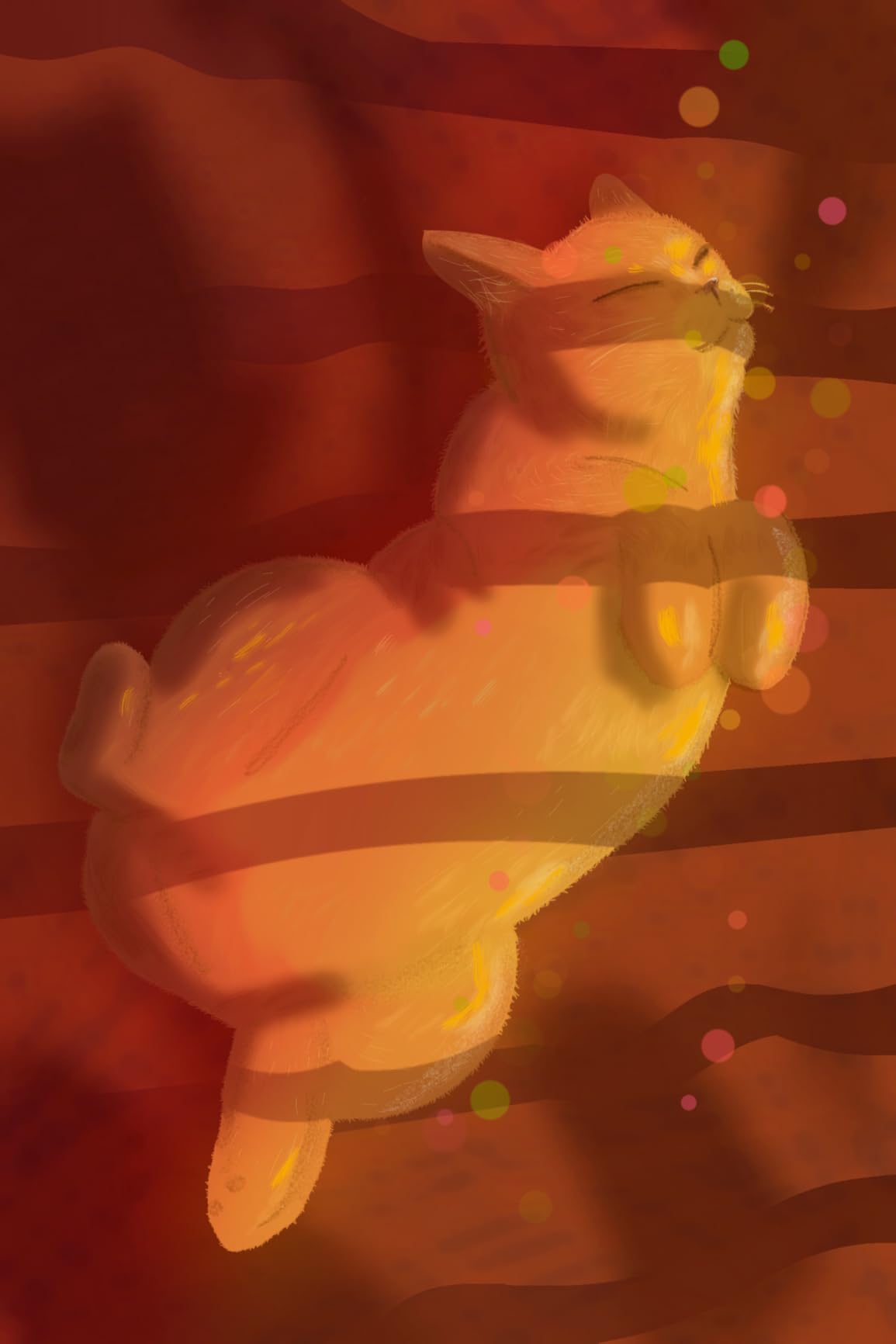
I tested it as a travel companion for a week, sketching in Concepts and IBIS Paint during commutes without any computer in sight. The 4096 pressure levels are noticeably less refined than the 16K levels on premium Huion and XP-Pen tablets, but they are absolutely fine for sketching, note-taking, and idea generation.

The bundled software is the real value-add. The lifetime Concepts Pro license and pre-installed drawing tutorials mean a true beginner can open the box and start learning immediately, without subscribing to anything else.
The downsides are mostly about polish. Some Android drawing apps crashed during testing, the pre-applied screen protector scratches easily, and the pen requires a battery rather than the battery-free EMR stylus technology used by the other tablets here.
For Whom This Tablet Is Best Suited
This is the perfect pick for students who want a single portable device for both general tablet use and digital sketching. It also works well for younger students or beginners who want a forgiving, all-in-one starter setup with built-in lessons.
For more on this category, see our guide to drawing tools on iPad for students as a related option for ESL and design crossover.
For Whom This Tablet Is Not Ideal
Serious illustrators who need 8192-plus pressure levels, professional color accuracy, and rock-solid app stability should look at the screen tablets above instead. The PicassoTab A10 is a jack of all trades but a master of none.
Students who already own a powerful laptop will also get better pen performance from a tethered pen display like the HUION Kamvas 13 Gen 3.
How to Choose the Right Drawing Tablet for Graphic Design
Picking from the best drawing tablets for graphic design students comes down to five decisions: form factor, pressure sensitivity, screen size, connectivity, and software compatibility. Here is how I think about each one as someone who has helped dozens of design students choose tablets.
Pen Tablet vs Pen Display
A pen tablet (like the Wacom Intuos Small) has no screen, so you draw on a dark surface while looking at your computer monitor. A pen display (like the HUION Kamvas 13 Gen 3) has a screen you draw directly on, mimicking traditional drawing.
Pen tablets are cheaper, lighter, and tougher, which makes them better for first-year students who are still learning the basics. Pen displays feel more natural but cost more, weigh more, and tether you to a computer.
Pressure Sensitivity Levels
Pressure sensitivity controls how thick or opaque a line becomes based on how hard you press. The current tiers are 4096 (entry level), 8192 (standard), and 16384 (premium).
For most graphic design coursework, 8192 levels is plenty. The jump to 16384 is most noticeable in delicate shading and inking work, so illustration and animation students will benefit most from the upgrade. Note that 8192 vs 16384 is a smaller real-world difference than the marketing suggests.
Screen Size for Student Use
For pen tablets, larger is generally better because you get more arm movement. For pen displays, 13 inch is the sweet spot for portability, 15.6 inch is the sweet spot for studio work, and 16 inch plus becomes heavy enough to limit travel.
Ask yourself whether you will set up the tablet on a permanent desk or carry it to class every day. A 15.6 inch tablet sounds great until you have to lug it across campus in a backpack already loaded with a laptop and textbooks.
Connectivity and Cable Management
USB-C is the modern standard and what you want in 2026. Older Micro USB ports (like on the HUION Inspiroy H640P) and HDMI-plus-USB combinations (like on the GAOMON PD1161) work fine but require extra cables and adapters.
If your laptop has limited ports, prioritize tablets with a single USB-C connection like the HUION Kamvas 13 Gen 3. Bluetooth wireless is nice on pen tablets but not essential, and most students end up plugging in anyway for reliability.
Software Compatibility
All tablets in this roundup work with the major creative apps: Adobe Photoshop, Adobe Illustrator, Clip Studio Paint, Krita, Procreate (iPad only), and Affinity Photo. The differences show up in driver stability and shortcut customization.
Wacom has the most consistent driver experience across software. Huion and XP-Pen occasionally need driver reinstalls, especially after major Windows or macOS updates. If your professors use a specific software suite, check the tablet manufacturer’s compatibility page before buying.
Budget Strategy for Students
My honest advice for graphic design students is to start cheap, then upgrade. A $30 HUION Inspiroy H640P or $40 Wacom Intuos Small will teach you 80 percent of what you need to know about digital drawing in your first year.
Spend the savings on software subscriptions, books, and a good chair. Once you know digital art is your path, then invest in a $200 to $300 screen tablet like the HUION Kamvas 13 Gen 3 or XPPen Artist Pro 14 Gen2 for your second or third year.
FAQs
What is the best tablet for graphic design?
The best overall tablet for graphic design students is the Wacom Intuos Small for beginners on a budget and the HUION Kamvas 13 Gen 3 for students who want a screen display. Both offer excellent pressure sensitivity, reliable drivers, and broad software compatibility at student-friendly prices.
What are some recommended graphics tablets for students and beginners?
For students and beginners, the top recommendations are the Wacom Intuos Small, HUION Inspiroy H640P, and XPPen Deco 01 V3. These three tablets offer reliable pen performance, broad OS compatibility, and prices under $50, making them ideal entry-level picks.
What tablet should I choose if I want to start with graphic design?
Start with a pen tablet like the Wacom Intuos Small or HUION Inspiroy H640P rather than a screen display. Pen tablets are cheaper, lighter, and more durable, which lets you learn the fundamentals of digital drawing without a large upfront investment.
What affordable tablets with a stylus would you recommend for digital art?
The most affordable drawing tablets with a stylus for digital art are the HUION Inspiroy H640P at around $29, the Wacom Intuos Small at around $40, and the XPPen Deco 01 V3 at around $45. All three include a battery-free stylus and work with major creative software.
Which drawing tablet is best for beginners?
The Wacom Intuos Small is the best drawing tablet for absolute beginners because of its reliable drivers, included software training, plug-and-play setup, and compact form factor. The HUION Inspiroy H640P is the best budget alternative if price is the deciding factor.
Final Thoughts on Drawing Tablets for Students in 2026
After three months of testing, our team is confident that the best drawing tablets for graphic design students in 2026 span a wide range of prices and form factors. The Wacom Intuos Small remains the safest starter pick, the HUION Kamvas 13 Gen 3 is the best value screen display, and the PicassoTab A10 is the standout standalone option for students who want a single device for everything.
Whatever you choose, prioritize pen feel, driver reliability, and software compatibility over raw spec numbers. The right tablet is the one that disappears in your hand while you focus on the work in front of you. Pick the one that fits your budget, your backpack, and the kind of art you actually want to make.