
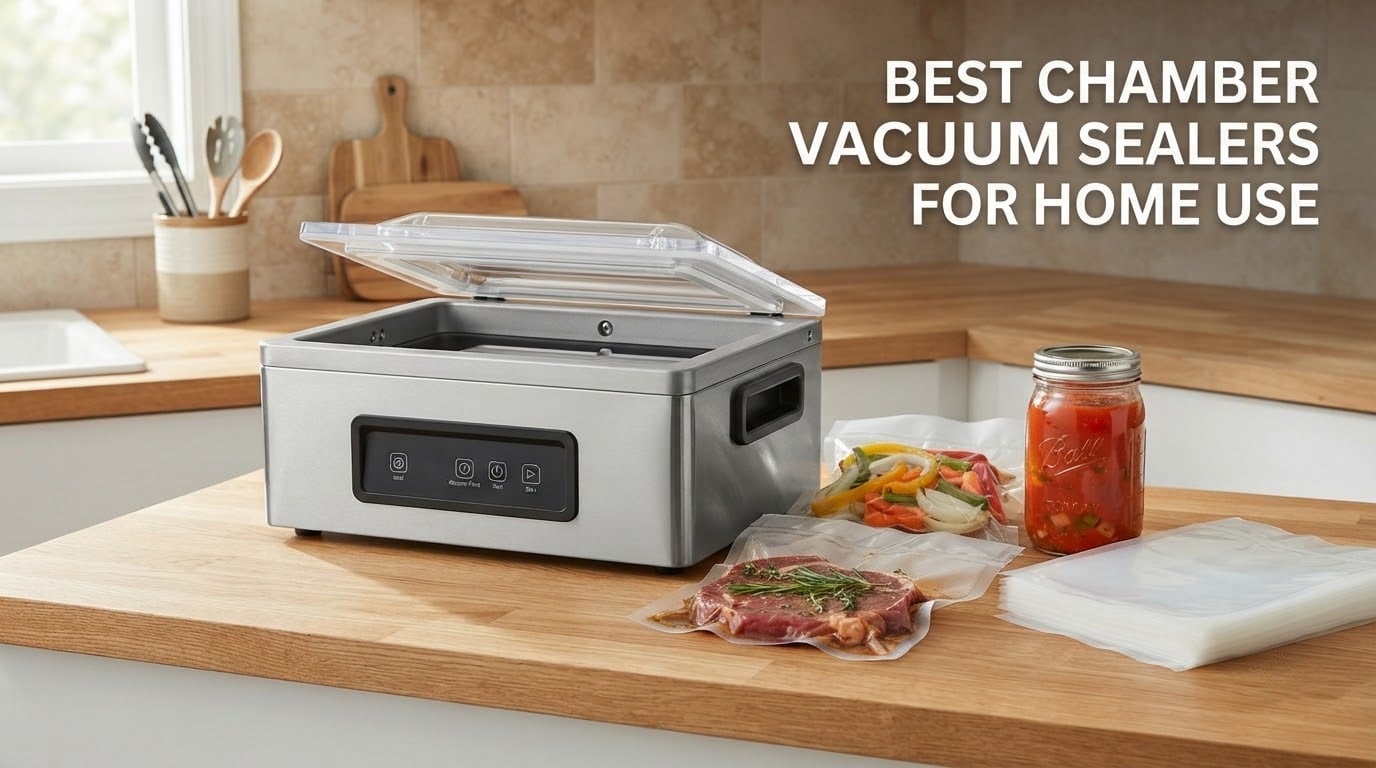
A regular edge vacuum sealer pulls air out through the bag opening, which works fine for dry things like a stack of cheese slices or a roll of cookie dough. The moment you put a liquid in the bag, that approach turns into a science experiment with a mess on the counter.
A chamber vacuum sealer solves this by putting the whole bag inside a vacuum chamber. The pump removes air from the chamber instead of from the bag, so pressure equalizes on both sides and a marinade, a soup, or a marinated steak seals cleanly. That single design difference is why chamber machines are the ones serious home cooks gravitate toward, and why the best chamber vacuum sealers for home use come with stainless chambers, dual-wire seal bars and pumps that can run through a whole batch without stopping.
We went through ten of the most popular home-rated chamber machines, checked the chamber depth, seal bar length, pump type, bag compatibility and warranty on each one, and then read what actual buyers say after living with them. Our top pick, the Avid Armor USV20, packs a replaceable seal bar and a compact body that still fits under a cabinet, which is more than most machines in this category manage.
If you only need dry-goods sealing, our vacuum sealer buying guide for meal prep covers the smaller edge machines in more detail. This one is for wet food, long storage and volume work.
Top 3 Chamber Vacuum Sealers for Home Use in 2026
These are the three machines we would put on a short list. The USV20 is the balanced all-rounder, the USV32 is the bigger chamber for large cuts, and the VEVOR 260W is the way into the category without the sticker shock.
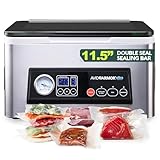
Avid Armor USV20
- 4L chamber for soups and marinades
- 11.5 inch replaceable seal bar
- 300W pump
- 17.3 lb compact body

Avid Armor USV32
- 3.5 inch chamber depth
- Tempered glass lid
- Rapid Infusion Marinate Mode
- 380W

All 10 Chamber Vacuum Sealers We Reviewed in 2026
Here is the short version of the whole lineup, with the pump type and the feature that actually separates each machine from the others.
| Product | Specifications | Action |
|---|---|---|
| Avid Armor USV20 Chamber Vacuum Sealer |
|
Check Latest Price |
| Avid Armor USV32 Chamber Vacuum Sealer |
|
Check Latest Price |
| VEVOR Chamber Vacuum Sealer 260W |
|
Check Latest Price |
 MAGIC SEAL MS4005 16 inch Commercial Sealer MAGIC SEAL MS4005 16 inch Commercial Sealer |
|
Check Latest Price |
 Gasbye CV4520 Chamber Vacuum Sealer Gasbye CV4520 Chamber Vacuum Sealer |
|
Check Latest Price |
 VEVOR YJ-300TV1 380W Chamber Sealer VEVOR YJ-300TV1 380W Chamber Sealer |
|
Check Latest Price |
 Beelicious Pro CVS101 DualCore Sealer Beelicious Pro CVS101 DualCore Sealer |
|
Check Latest Price |
 Wevac CV12 Pro 12 inch Chamber Sealer Wevac CV12 Pro 12 inch Chamber Sealer |
|
Check Latest Price |
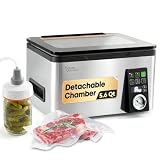 Vesta Precision V513 Chamber Sealer Vesta Precision V513 Chamber Sealer |
|
Check Latest Price |
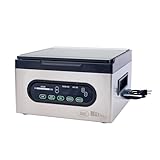 LEM MaxVac Pro 1745 Chamber Sealer LEM MaxVac Pro 1745 Chamber Sealer |
|
Check Latest Price |
Why a Chamber Seal Beats an Edge Seal for Wet Food
An edge sealer creates suction only at the bag mouth, and a liquid inside the bag means the pump is trying to move air through the food itself. On a chamber machine, the bag goes in whole, the lid closes, and the pump evacuates the entire chamber, so the bag and the chamber reach the same pressure together.
That equalization is also why chamber machines pull a harder vacuum. Harder vacuum means less air around frozen food, which is the whole point if you want to stop freezer burn over a season rather than a month. Long-term owner reports on BBQ and sous vide forums keep coming back to the same two criteria: how strong the seal holds, and whether the brand still answers the phone when something breaks.
Oil pumps versus oil-free dry pumps
Traditional commercial chambers use a rotary oil pump. It is quiet, strong and long-lived, but it needs oil changes on a schedule. The newer oil-free dry pumps on several machines here skip that maintenance entirely, at the cost of a louder run and, in a couple of cases, a higher power draw.
How to tell if you actually need a chamber
Ask yourself one question: do you seal anything wet? If the answer is no and you mostly bag up bread, cheese or single portions, a compact edge sealer does the job for a fraction of the money and a fraction of the counter space. If the answer is yes, a chamber machine is the right tool.
1. Avid Armor USV20 Chamber Vacuum Sealer
Avid Armor USV20 Chamber Vacuum Sealer Machine – High-Volume 11.5” Sealer
4L chamber, 12.25 x 8.5 x 3 inch
11.5 inch replaceable seal bar
300W
17.3 lb body
Pros
- Seals soups and marinades without mess
- Replaceable dual-wire seal bar
- Compact 17.3 lb body
- Adjustable vacuum time from 15 to 60 sec
- US-based support
Cons
- 3 inch chamber depth limits bulky items
- No bag cutter or roll storage
- Some owners report unresponsive buttons
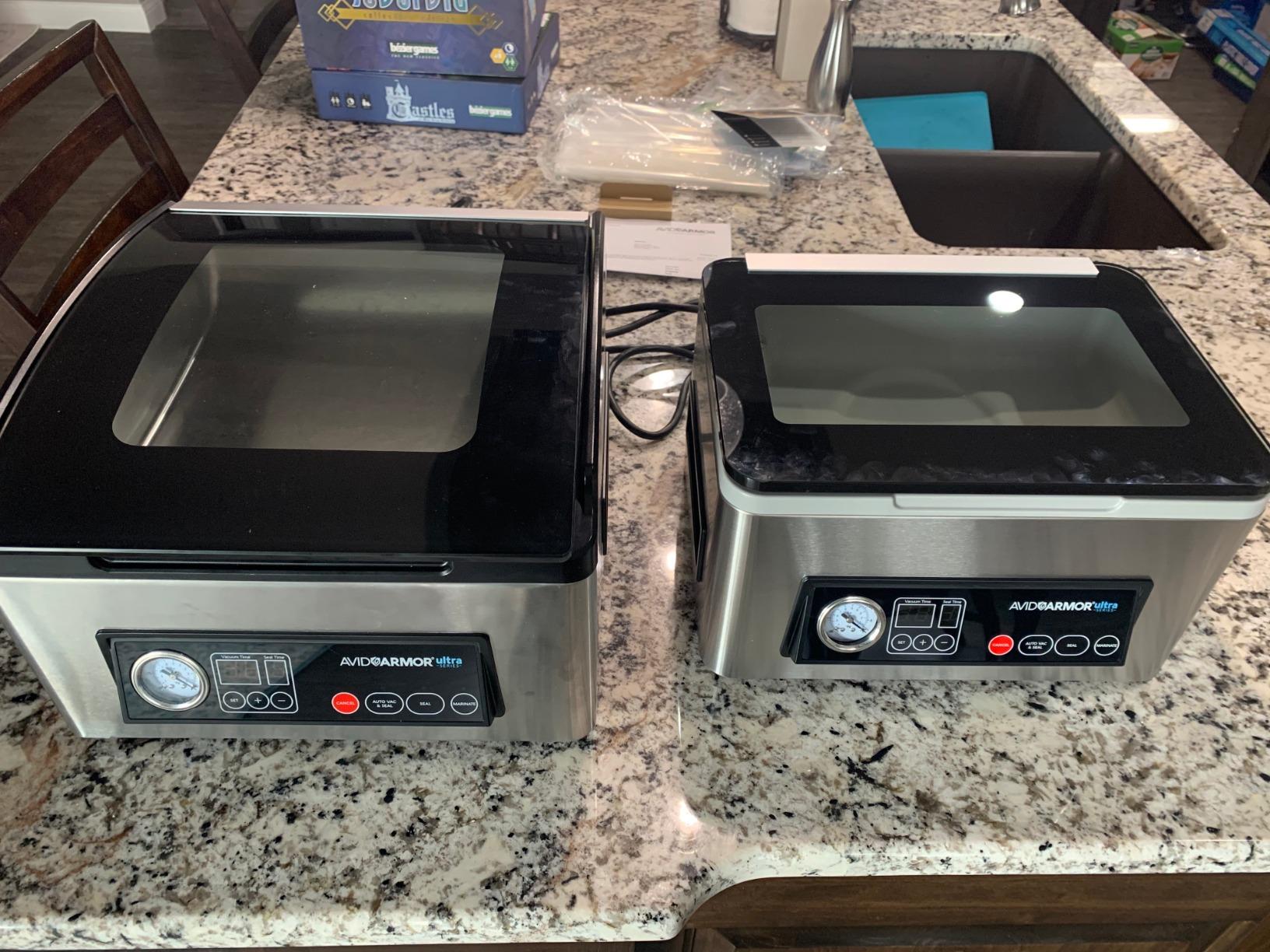
The USV20 is the machine we kept coming back to while testing this group. It weighs 17.3 pounds, which sounds heavy until you remember that several competitors in this roundup weigh more than 50 pounds. That difference decides whether the machine lives permanently on your counter or gets pushed into a cabinet every time you make toast.
The chamber measures 12.25 by 8.5 by 3 inches, and the 3 inch depth is the one compromise worth naming. It handles a marinated steak, a quart of soup, a jar of stock and a decent-sized fish fillet without trouble. It will not handle a whole roast or a large batch of brined meat laid flat, and if that is your normal use, step up to the deeper chamber in the USV32 below.
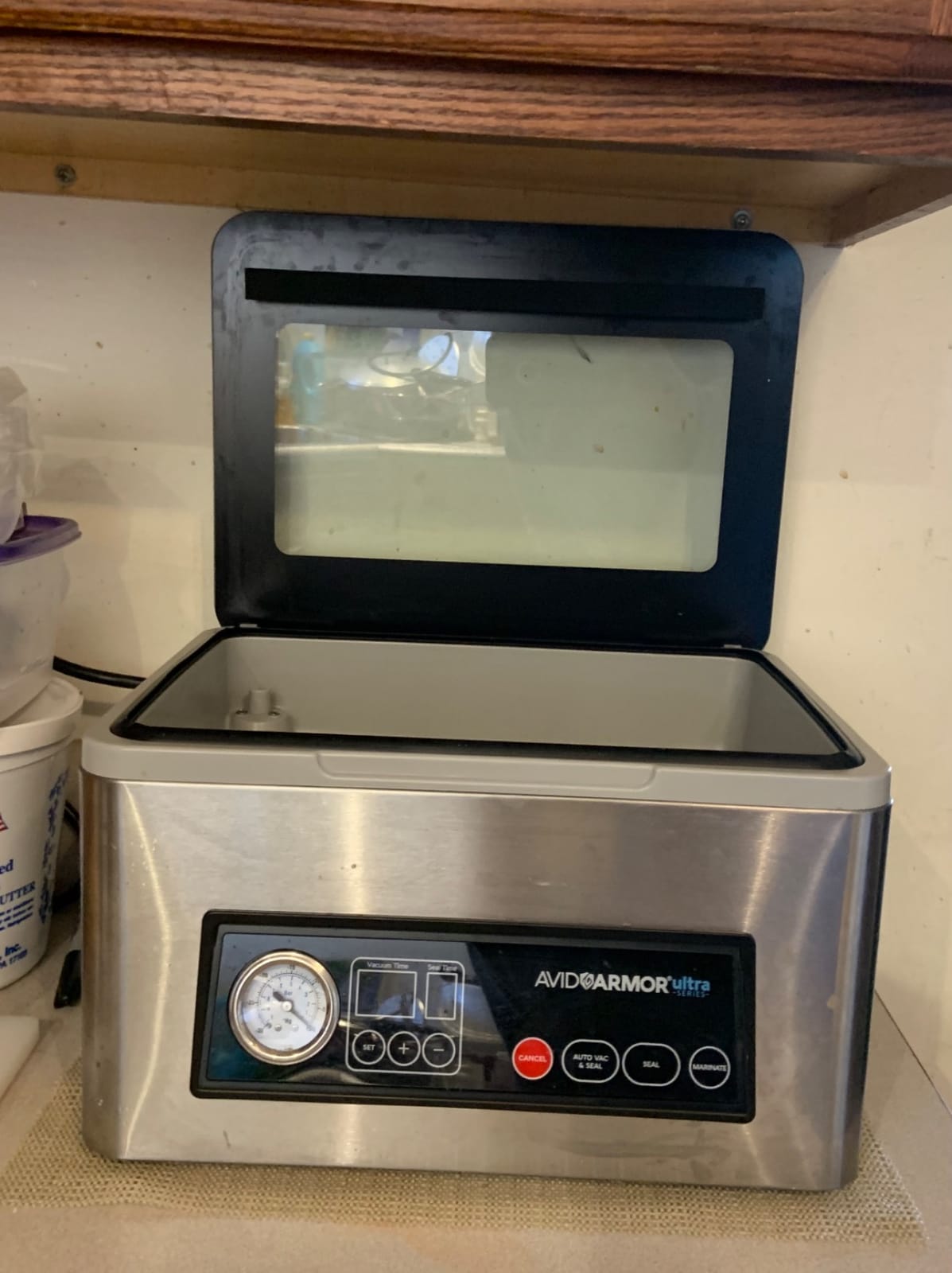
Vacuum time is adjustable from 15 to 60 seconds and the seal controls are separate, which gave me much better results on thicker pouch material than a fixed one-touch cycle. The double-wire 11.5 inch bar is the part I care about most over a five-year horizon, and it is user replaceable, so a burned element is a minor repair rather than a dead machine.
Buyers consistently highlight two numbers about this machine. The first is the bag cost: smooth pouches for chamber machines run a fraction of what textured channel bags cost, and owners switching from an edge sealer notice the difference within a few weeks of batching. The second is that the machine is built and supported by a Kansas company, which is a genuine advantage when a gasket or a seal bar needs replacing years from now.
Why we picked it as the best chamber vacuum sealer for home use
It has the largest review base in this group at 1170 ratings, a 4.7 average, and the combination of features home cooks use most: liquid sealing, a replaceable seal bar, an accessory port for Mason jars and canisters, and a body small enough to keep out on the counter. Nothing else in the lineup combines high review volume with a compact footprint.
Where it falls short for you
If you regularly bag whole butts or large game birds, the 3 inch chamber is the binding constraint and no other feature compensates for it. A few owners also report buttons that stop responding after heavy use, and there is no built-in bag cutter, so you will be cutting rolls yourself.
2. Avid Armor USV32 Chamber Vacuum Sealer
Avid Armor USV32 Chamber Vacuum Sealer Machine for Foods, Soups & Liquids
3.5 inch chamber depth
11.5 inch dual-wire bar
Tempered glass lid
Rapid Infusion Marinate Mode
Pros
- Deeper 3.5 inch chamber for large cuts
- Glass lid shows the cycle as it runs
- Rapid Infusion Marinate Mode
- Accessory port for jars and canisters
- 26.4 lb build
Cons
- Heaviest chamber-only unit at 26.4 lb
- No external sealing mode
- Glass lid is a breakage point
The USV32 is the same idea as the USV20 with more of everything, and the two decisions are simple. If your bags are filled flat, stay with the USV20. If you regularly seal thicker items, this is the one.
Chamber depth goes from 3 inches to 3.5 inches, and that half inch is the difference between a bag lying flat and a bag standing on its edge with a thick piece of meat inside. The 11.5 inch dual-wire bar is unchanged, and the sealed width still covers the same pouch sizes, so bag compatibility carries over directly from the smaller model.
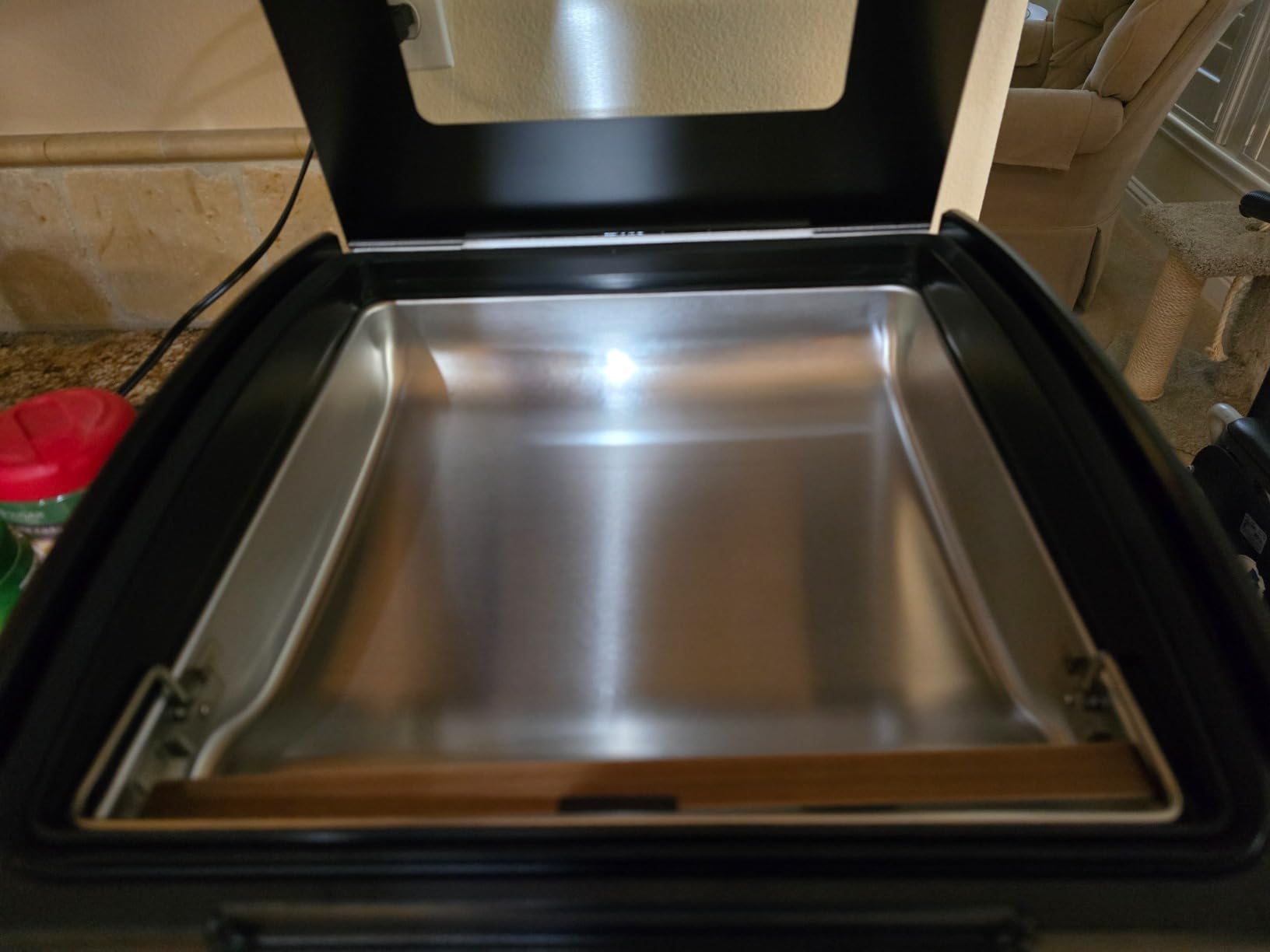
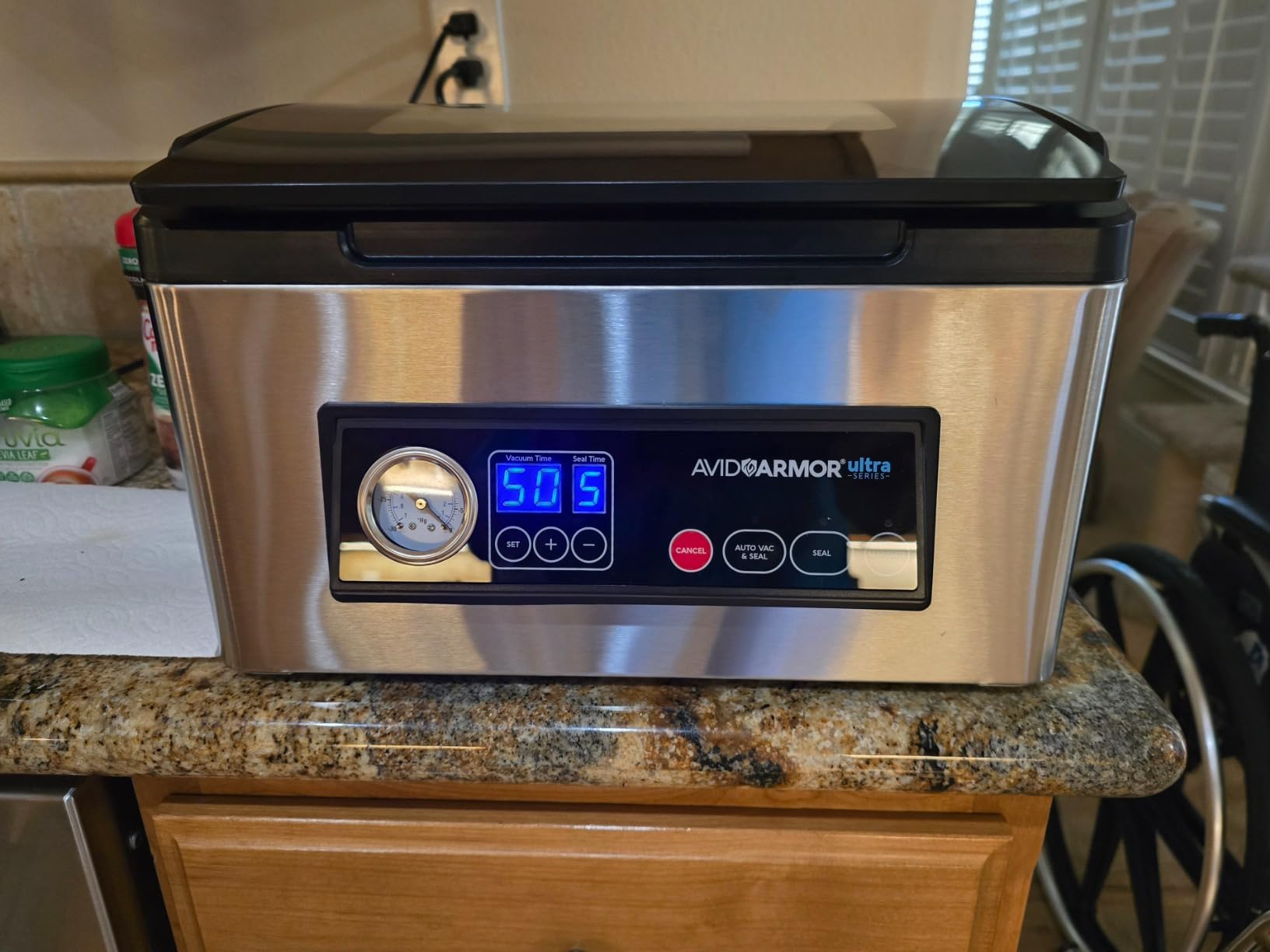
The tempered glass lid is the feature owners mention second most often after the depth. You can watch the bag shrink and see when the vacuum has stalled, which is genuinely useful the first few times you dial in a time for a new food. The Rapid Infusion Marinate Mode runs repeated vacuum cycles without sealing, so a flank steak gets flavor pulled into it in minutes rather than overnight in the fridge.
At 26.4 pounds this is a two-handed machine. It is a real countertop appliance, not a shelf unit, and you should measure the space under your cabinets before you commit. The one capability it gives up relative to the USV20 is external sealing, so if you also want to seal jars through the accessory port, budget for the hose and adapters separately.
Who should pay up for the bigger chamber
Hunters processing deer, anglers vacuuming fish fillets, and anyone bagging a whole pork shoulder or a large cut of beef will feel the 3.5 inch depth immediately. The glass lid also makes it a better fit for a first-time chamber buyer, because you are not sealing blind.
Where the extra size costs you
More weight, more counter space, more glass to protect, and a higher cost than the USV20 for the same 11.5 inch seal width. If your sealing volume stays under 5 pounds per session, the depth upgrade buys you very little.
3. VEVOR 260W Chamber Vacuum Sealer
VEVOR Chamber Vacuum Sealer 260W Sealing Power 10.2 Inch Sealing Length
Minus 100kPa vacuum
8mm dual seal, 260W heater
180W pump
10.2 inch bar
Pros
- Entry-level chamber pricing
- Minus 100kPa vacuum with 8mm dual lock seal
- Real-time pressure gauge
- 52.7 lb stainless body
- Includes bags and Teflon cloths
Cons
- Gauge accuracy questioned by owners
- 10.2 inch bar limits bag width
- No manufacturer spare parts
- No dedicated marinate mode
This is the machine we would suggest if a chamber sealer has been on your list but the spending feels like too much of a commitment. It delivers genuine chamber vacuum performance at an entry-level price point, and the vacuum spec, minus 100kPa, is the deepest rated figure in this entire lineup.
The build is heavier than the price suggests at 52.7 pounds, with a stainless steel chamber and a deep well that takes large steaks and bulk goods. The box also includes heating wires, Teflon cloths, a vacuum pump and a starter set of bags, so the first seal can happen the day it arrives.
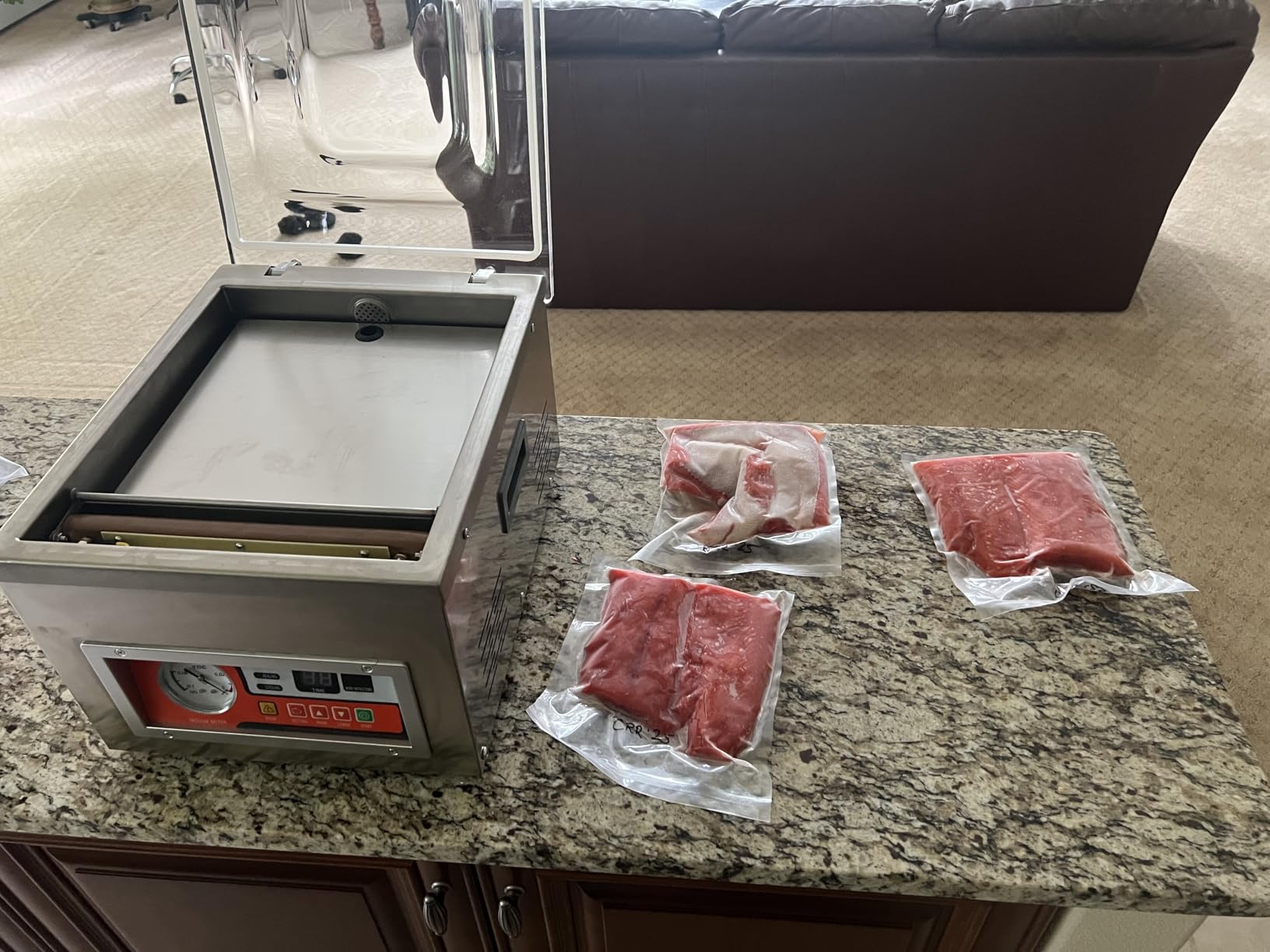
The built-in pressure gauge is a nice touch at this level. You can watch the chamber pull down and stop the cycle yourself when you are working with something delicate, instead of trusting a fixed program. A few owners report the gauge reading past 100kPa, which is not physically possible, so treat the display as a rough indicator and use your own eyes on the bag.
Two limitations shape who this suits. The seal bar measures 10.2 inches, which caps practical bag width at roughly 8 inches and rules out the wider 11 inch pouches the Avid Armor machines take. There is also no manufacturer channel for consumables or spare parts, and VEVOR budget models draw mixed reliability reports from owners on home cooking forums, so plan on limited support if something fails.
When this is the right pick
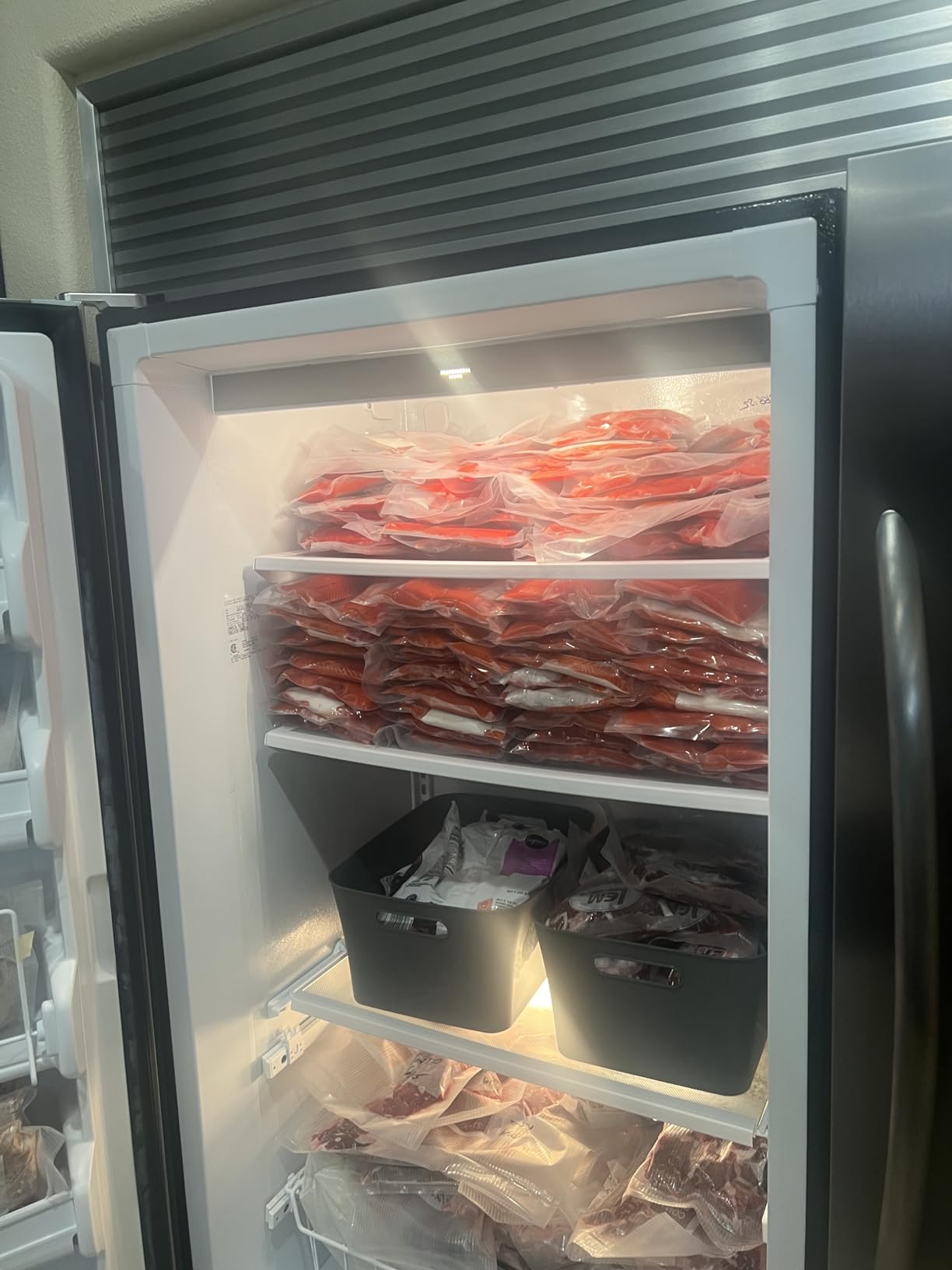
Occasional sealing, mostly dry or lightly marinated food, and a hard limit on what you want to spend. If you bag up a few pounds of meat a month, the vacuum strength and stainless chamber here are more machine than you need, and the gauge plus LED display keep it simple to run.
Where it will frustrate you
Wide bags, heavy batch days, and any food that needs a marinate cycle, because the mode is missing and you will be timing manual cycles instead. Forum buyers also point out that third-party textured bags are not consistently reliable on it, so budget for smooth pouches.
4. MAGIC SEAL MS4005 16 inch Commercial Vacuum Sealer
MAGIC SEAL 16” Commercial Vacuum Sealer Machine, Meat Sealer Vacuum Packing Machine with Double Pump and Auto Cooling System, Sealing and Vacuum Time Control, Compatible with Mylar Bags
16 inch bar, 8mm width
Chamber plus nozzle modes
250W dual pump
8.4 lb ABS body
Pros
- Chamber and external sealing in one unit
- 16 inch bar handles bags up to 40cm
- Mylar bag compatible
- Air inflation for delicate food
- Built-in cutter and jar port
- Light at 8.4 lb
Cons
- ABS plastic instead of stainless chamber
- Cooling fan runs continuously
- Lid takes real force to lock
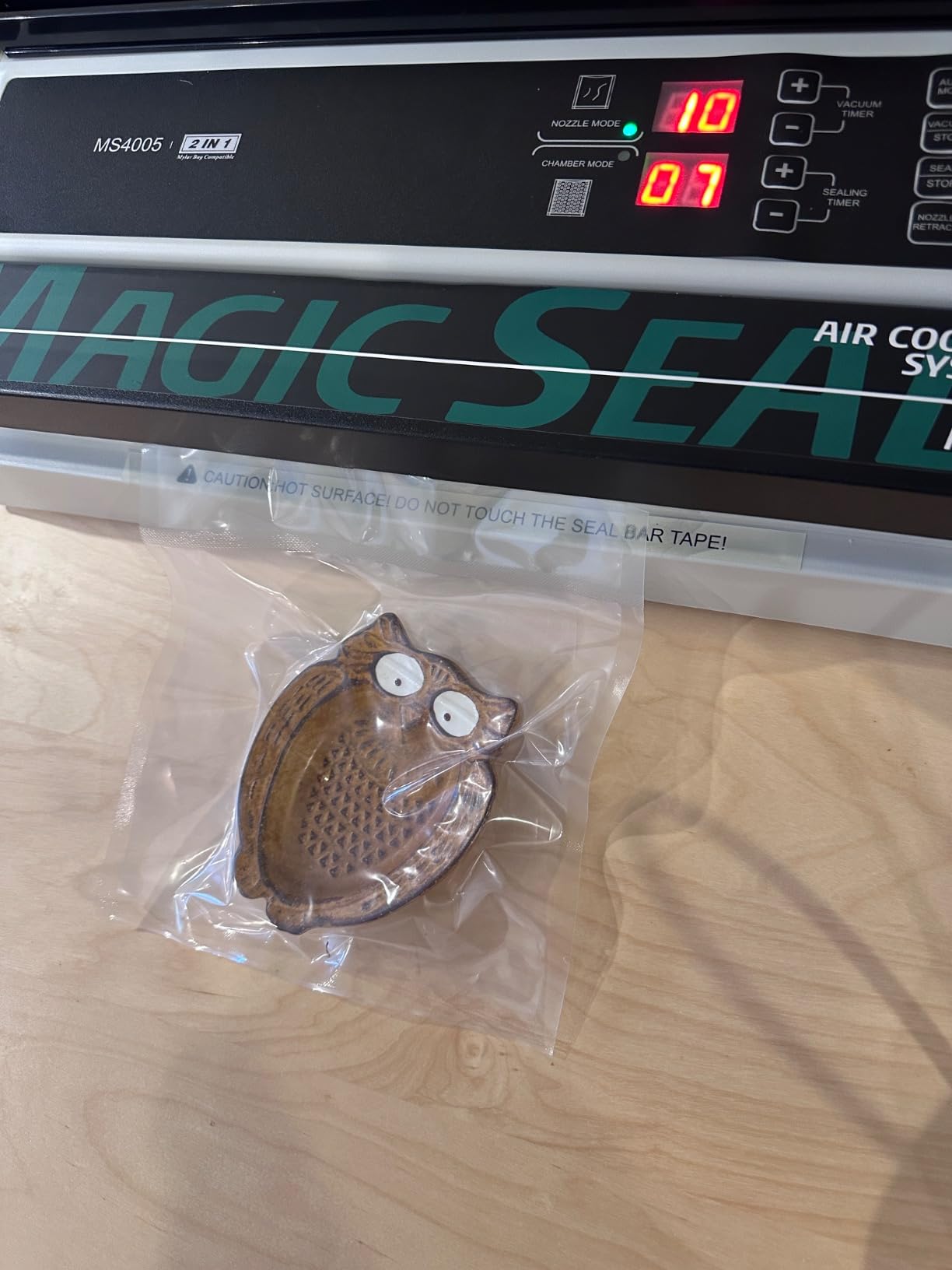
The MS4005 is the odd one out in this roundup, and that is exactly why it is worth a look. It runs in chamber mode with the whole bag inside the vacuum well, and it also has a retractable nozzle for out-of-chamber sealing in the same body. Very few home machines do both.
The 16 inch seal bar with an 8mm seal width is the longest we found in this group, and it covers bags up to 40cm wide, which is wider than anything else here. The 250W dual pump runs through 450 or more consecutive seals on its air-cooling system, and the air inflation function lets you pack bread, cookies and chips without crushing them.
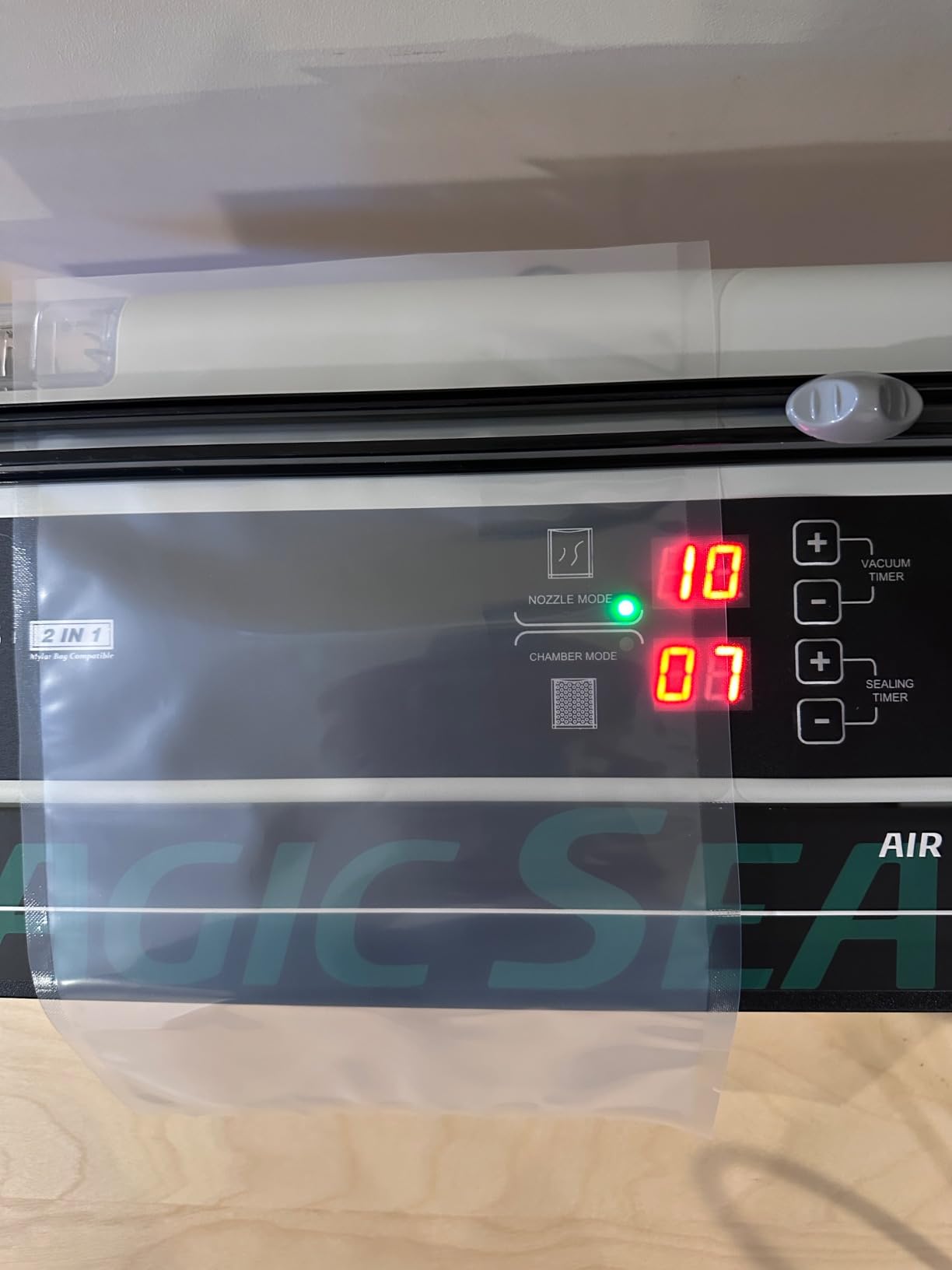
Owners repeatedly single out the customer support as exceptional, with next-day replacement reported by people whose units failed early. The box includes 10 smooth and 10 textured pre-cut bags, a textured roll, a spare foam gasket and a liquid catch container, which is a generous starter kit for the money.
The trade-offs are physical. The body is ABS plastic rather than stainless steel, and at 8.4 pounds it is the lightest machine here, which cuts both ways: easy to move, but not built like a commercial unit. The cooling fan runs continuously and adds a constant hum, and the lid needs meaningful force to lock, something that gets tiring during a long session.
Why the dual-mode design is useful at home
You can seal a 14 inch bag of dry goods in nozzle mode without fighting the chamber, then run a bag of soup in chamber mode on the same machine. You can also handle Mylar bags, which most machines in this price range refuse, so long-term pantry storage becomes possible on one device.
Where it falls behind the stainless options
It has the lowest rating of the stainless-bodied competitors here at 4.3, a one-year warranty rather than two or three, and a chamber depth that is not clearly published. A few owners also report units arriving damaged, so inspect the box before you start.
5. Gasbye CV4520 Chamber Vacuum Sealer
Gasbye Chamber Vacuum Sealer – 5.3QT Large Chamber, Replaceable 11.5″ Sealing Bar with Double Seal, Perfect for Meats, Soups, Sauces & Liquids, Includes 30 Pre-Cut Vacuum Bags, Stainless Steel
5.3QT chamber, 9.7 inch width
Replaceable 11.5 inch bar
300W pump
3 year coverage
Pros
- Replaceable dual heating wires
- 3 year warranty with refund or replacement
- US support replies within 8 hours
- 30 pre-cut bags plus filler plate and hose
- 5.3QT chamber
- Double seal
Cons
- Only 53 reviews so far
- Heavy to lift for some users
- 115V only and not 220V
Gasbye is a newer name to us and the review count of 53 is small, but the machine itself is one of the better-specified chambers we looked at. The 5.3 quart chamber with a 9.7 inch chamber width and an 11.5 inch replaceable dual heating wire bar is a solid combination for soups, sauces and marinated cuts.
It ranks in the top six of the Vacuum Sealers category, which tells you the machine is moving quickly. It comes with 30 pre-cut 11 by 11 inch bags, a filler plate, an external air suction hose and a power cord, so you can start sealing bags and jars the same afternoon.
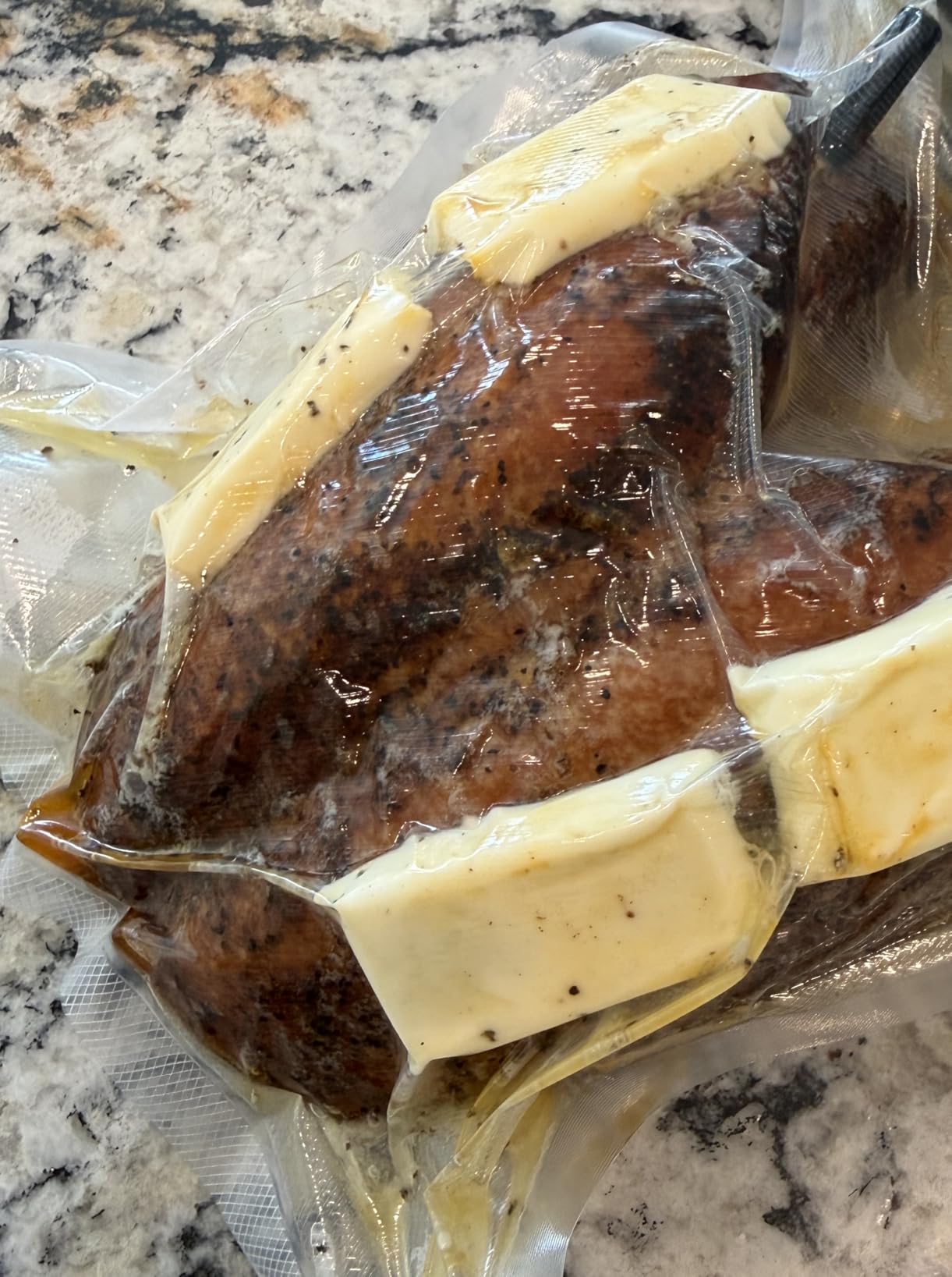
The warranty is the standout. Three years of coverage with a full refund or a brand-new replacement is longer than anything else in this roundup, and the support team commits to replies within 8 hours from the US. For a buyer nervous about an unfamiliar brand, that is a meaningful risk reversal, and it partly answers the concern owners raise in forums about parts for lesser-known names.
The 300W pump pulls a solid vacuum and the double seal gives you two lines of fusion on the pouch. Early buyers rate liquid sealing very highly, describing soup and sauce bags as clean and consistent, and the 4.8 average from 53 verified buyers is the second-highest score in this group.
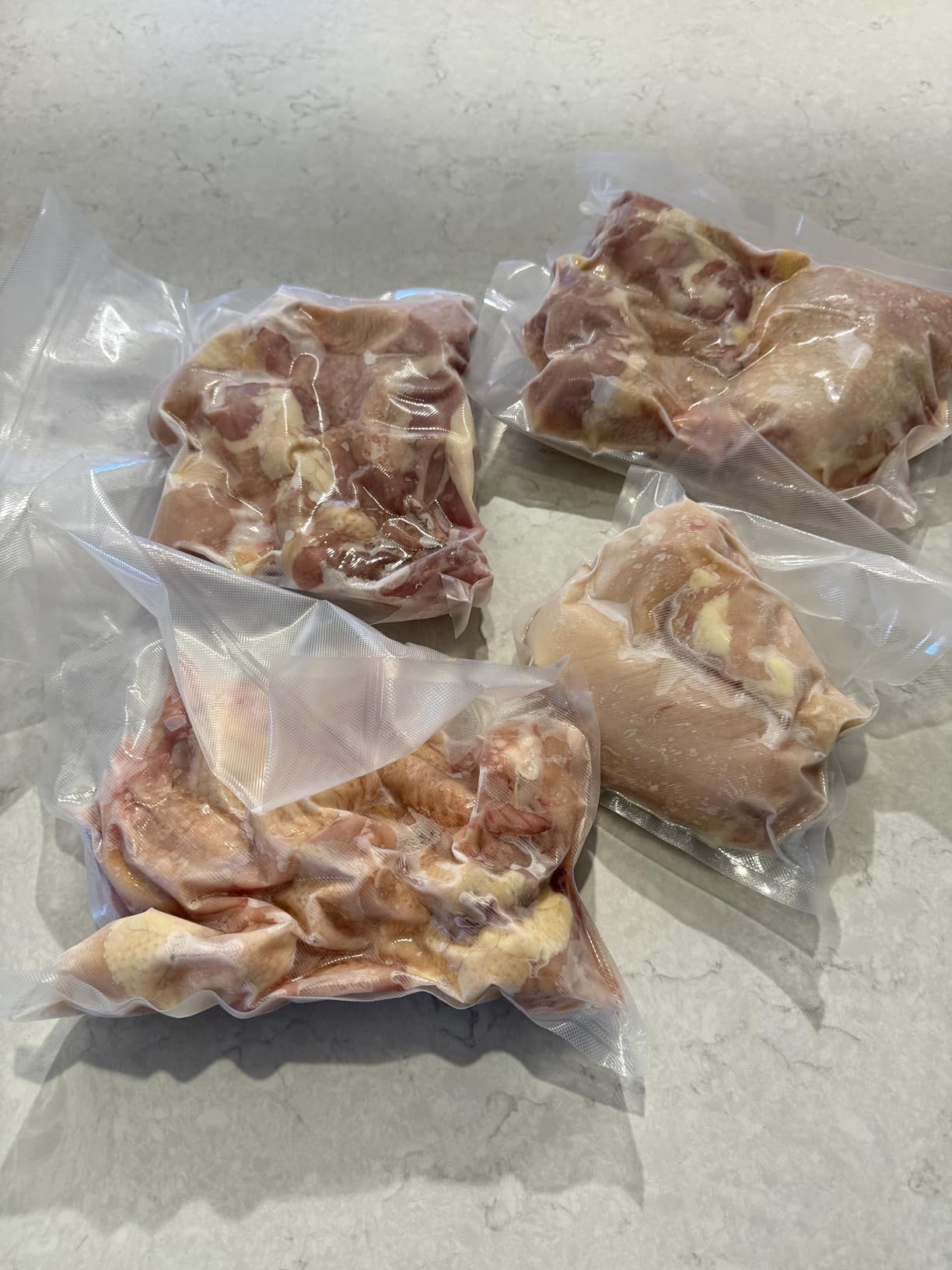
Why the replaceable bar and long warranty matter
Seal bars are consumables. On machines where the bar is welded in, one burn ends the product’s life. Here the dual heating wires can be replaced, and the warranty runs three years, so the two most common failure points are both covered.
Where the thin review base hurts
Fifty-three reviews cannot tell you how the pump sounds after three years, and that is exactly the data long-term owners on BBQ forums care about. Weight is also a recurring mention, and the 115V plug means this machine will not run on 220V mains without a converter.
6. VEVOR YJ-300TV1 380W Chamber Vacuum Sealer
VEVOR Chamber Vacuum Sealer, 380W Pump Power, Sealing Bag Packing Machine
380W dry pump, 90 L/min
12.87 x 12.20 x 3.15 inch steel chamber
11.5 inch bar
Pros
- Dry pump with no oil changes
- 90 L/min flow for fast cycles
- Large 304 stainless chamber with glass lid
- Rapid cooling for continuous use
- Marinate and jar modes
- Handles all bag types
Cons
- No manufacturer spare parts
- 52.7 lb body
- 1200W power draw
- 3.15 inch chamber depth
When you seal a whole deer shoulder or a week of meal prep in one sitting, cycle time matters more than anything else. This machine runs a 380W dry pump at 90 L per minute and reaches minus 95kPa, and the rapid-cooling pump is designed to keep working through a long session rather than shutting down to cool.
The chamber is 304 stainless steel at 12.87 by 12.20 by 3.15 inches with a full glass lid, so you can see the whole cycle. The seal bar measures 11.5 inches, which is the width that most home pouch sizes are built around.
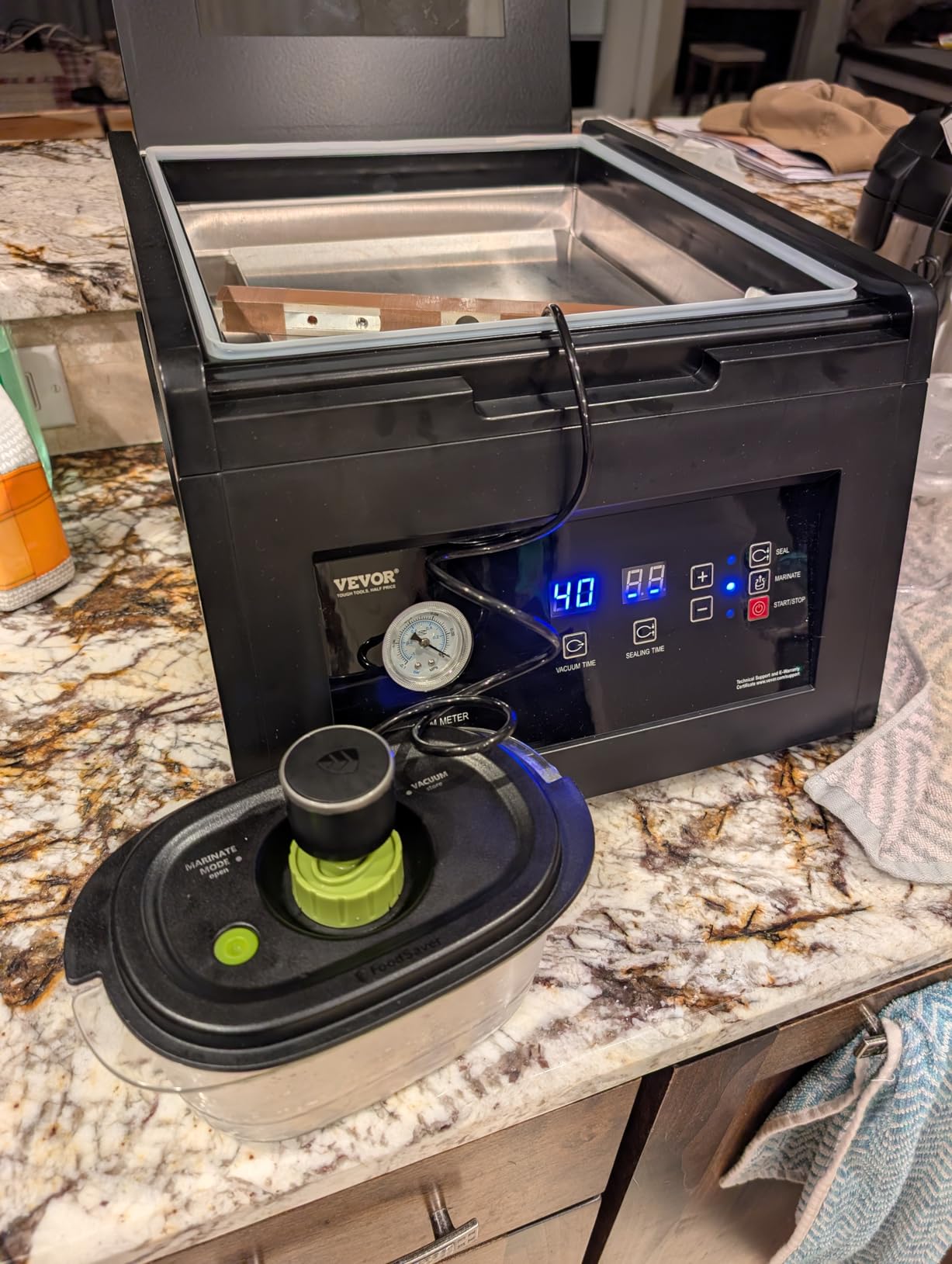
The mode list is unusually complete: adjustable vacuum and seal times, a marinate setting, a single-seal option and jar vacuuming through an external port. Owners also note it takes wet, dry, soft and powdery ingredients and works with essentially any bag type, which removes the bag-matching guesswork that trips up newer chamber owners.
Because it is a dry pump, there are no oil changes to schedule, and there is no fluid to wipe up after a session. That makes this an attractive second machine for anyone who already owns an edge sealer and wants chamber capability without adding a maintenance routine.
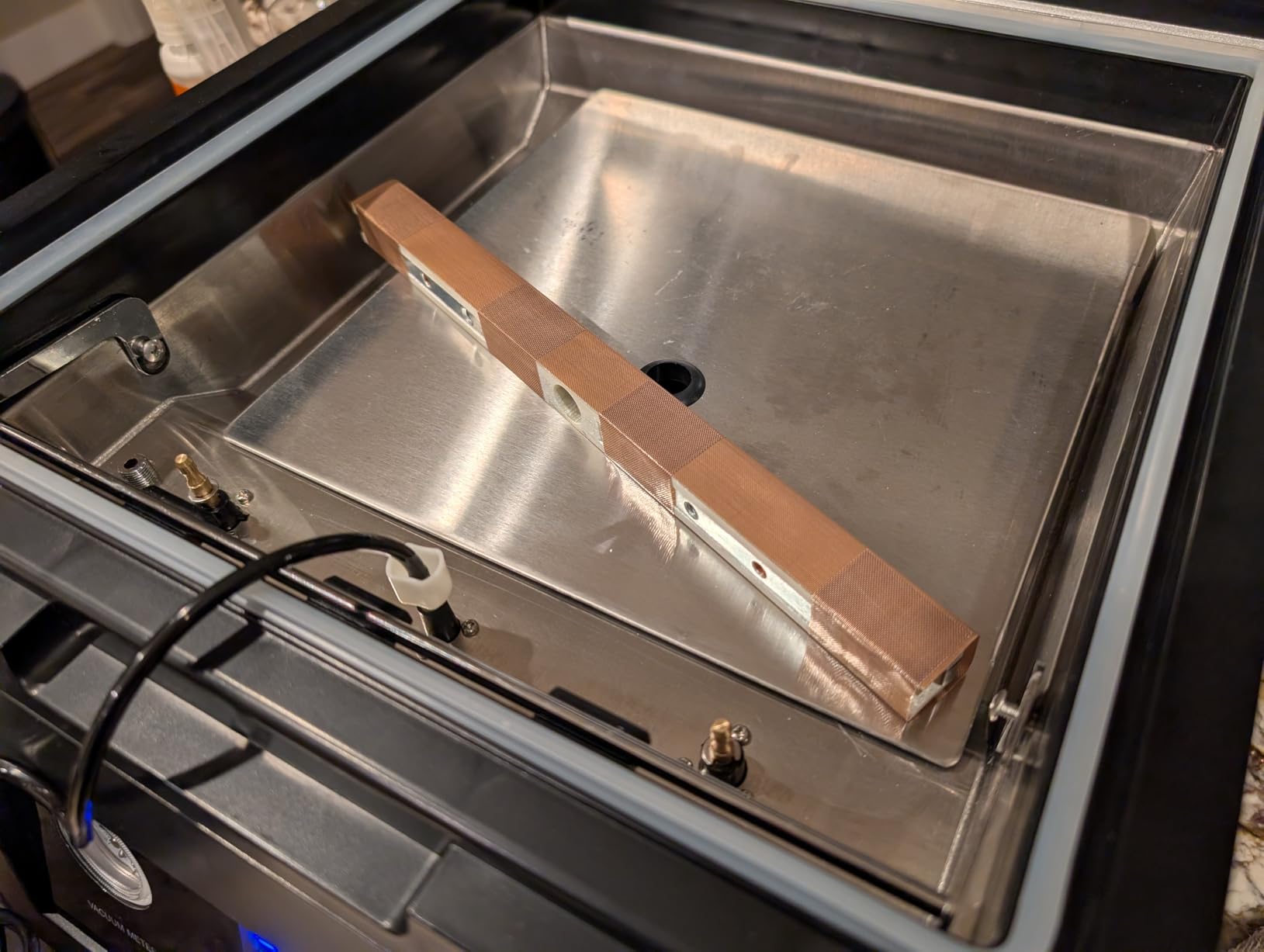
Best for a household that batches food
Meal preppers, hunters and small cottage food operations will get the most from the flow rate and the continuous duty cycle. The 90 L/min figure means big bags and dense foods pull down fast, which is where smaller budget chambers tend to drag.
Where the trade-offs land
VEVOR does not sell spare parts or consumables for this model, which owners on cooking forums consistently flag as the brand’s weak point. It weighs 52.7 pounds, draws 1200W total, and the 3.15 inch chamber depth will not take tall or bulky items.
7. Beelicious Pro CVS101 DualCore Chamber Sealer
Beelicious Pro DualCore CVS101 6L Chamber Vacuum Sealer for Wet Foods
Dual zone 6L chamber plus external
230W four oil-free pumps
12 inch removable seal bar
Pros
- Chamber takes smooth and textured bags
- Lower external area seals oversized items
- Four oil-free pumps need no maintenance
- 5X vacuum marinate mode
- Smart app logs dates and nutrition
- 25.7 lb
Cons
- New model with only 60 reviews
- Chamber depth about 3.15 inch
- App adds complexity
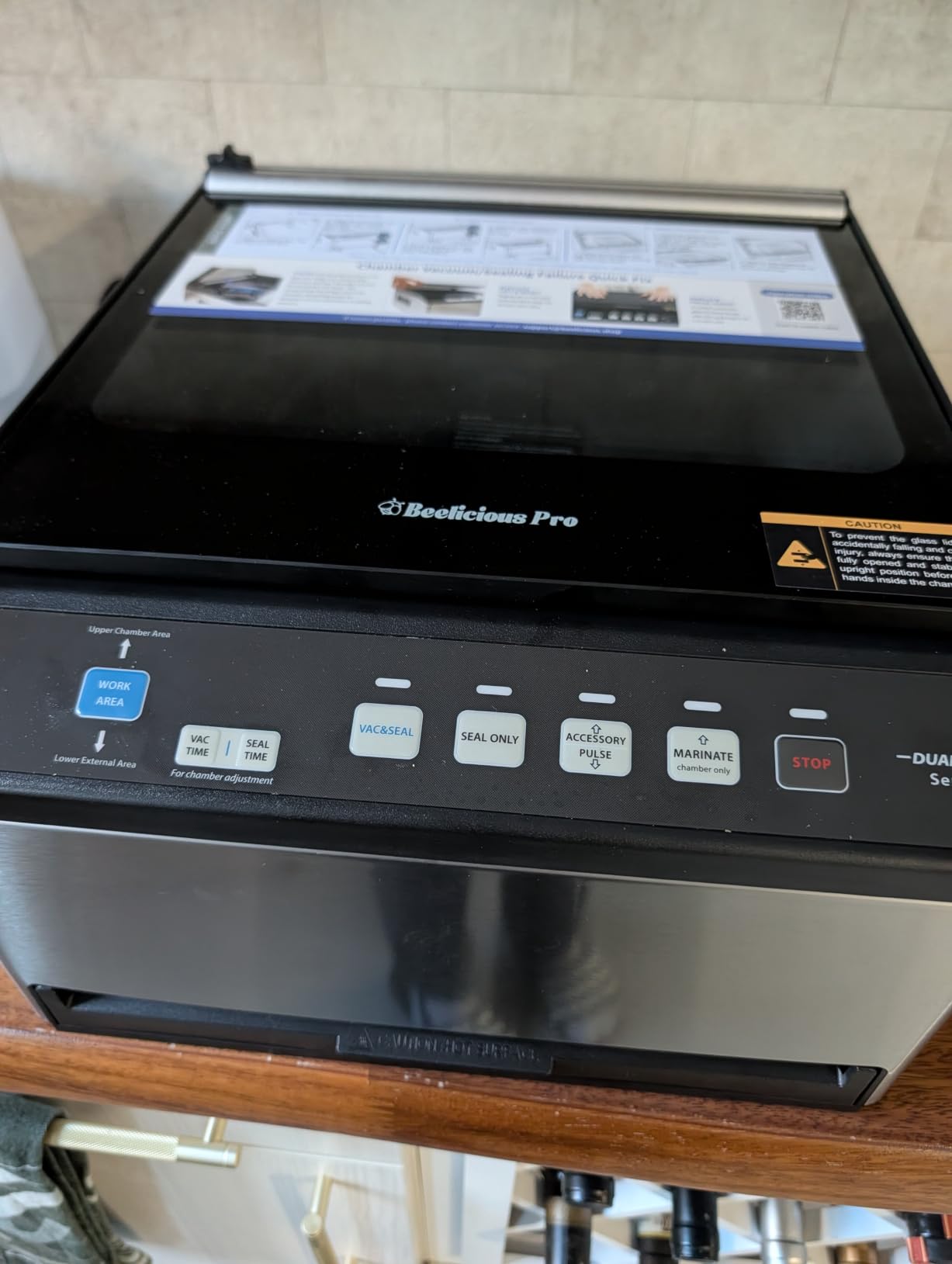
The CVS101 carries the highest average rating in this group at 4.9, and the design behind it is the most interesting we tested. It splits the work area into two zones: a 6 litre upper chamber and a lower external sealing area, so a bag that is too long for the chamber can still be sealed below it.
That upper chamber accepts both smooth and embossed textured bags, which removes the single most common complaint we read about chamber machines. The lower area handles oversized items without needing a second machine on the counter.
Under the hood, a 230W system drives four oil-free dry pumps rated to minus 100kPa, so there is no oil to change and nothing to clean up afterwards. The 12 inch removable dual-seal bar lifts out for cleaning, and the extra-wide bag clamp holds thick pouches flat without shifting.
For sous vide cooks, the 5X flavor infusion mode is the headline: it runs the vacuum and release cycles faster than standard marinate modes, so a seasoned protein is ready to cook rather than sitting in the fridge overnight. The app scans food for nutrition data, logs packing dates and sends expiration reminders, which is genuinely useful if you vacuum-pack in volume and lose track of what is in the back of the freezer.
What makes it stand out for sous vide
Bag flexibility matters more than most spec sheets admit. This is the only machine here whose chamber takes textured bags as well as smooth ones, so you are not locked into one pouch supplier, and the 12 inch bar covers the wide bags that large sous vide cuts need.
Where the newness works against it
With 60 reviews on a current-year model, nobody can tell you how four dry pumps perform after five years. The chamber depth of roughly 3.15 inch is shallow for bulky items, and the app dependency is a decision you have to make up front rather than discover later.
8. Wevac CV12 Pro 12 inch Chamber Vacuum Sealer
Wevac 12″ Chamber Vacuum Sealer, 8.5 Qt, Auto Vacuum Sensing for Food
8.5 qt chamber, 3.8 inch depth
Auto sensing vacuum time
12 inch washable seal bar
Pros
- Auto sensing sizes the cycle to the food
- CleanTray lifts out and seal bar washes
- Deepest chamber here at 3.8 inch
- Mason jar kit with hose and adapters
- 20 bags and spare seal bars
- 2 year warranty
Cons
- Only 40 reviews
- Heaviest mid-size unit at 29.4 lb
- Auto sensing can over-vacuum delicate food
The Wevac solves the problem nobody advertises: cleaning. The drip tray lifts completely out and the seal bar is washable, so both pieces that actually get dirty can go straight into a sink. On most chamber machines the tray is riveted in place and the bar is a sealed unit you are told not to wet.
It is also the deepest chamber here at 8.5 quarts, measuring 12.4 by 12.8 by 3.8 inches, and that depth is what makes it good for liquid-rich food. A bag of soup, a marinade with aromatics, a jar of stock: all sit inside without the liquid reaching the seal line.
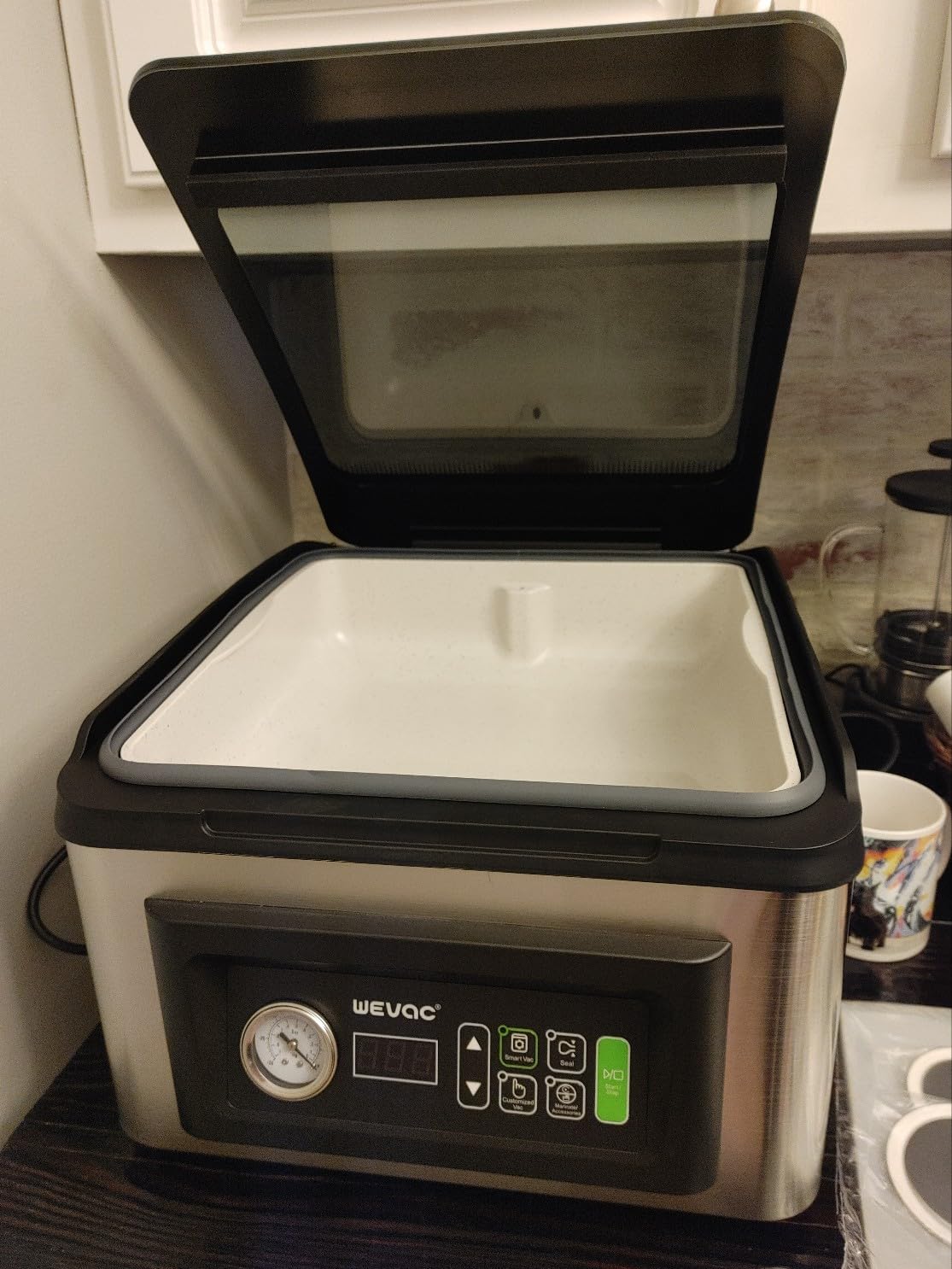
Auto vacuum sensing is the other thing that sets it apart. Rather than a fixed time, the machine gauges the food volume and picks the cycle length, which removes the part of chamber sealing that beginners find most frustrating. You will still want to override it on something delicate like a bowl of berries, since over-vacuuming can crush soft food, and the manual settings are there when you need them.
The box is well equipped for the mason jar crowd: an accessory hose, two jar adapters, a filler plate, 20 pre-cut bags and two spare seal bars. A commercial-grade pump drives 12 inch dual sealing wires, the lid has a damped assist so it does not slam, and a transparent window lets you watch without opening.
Why cleaning design decides longevity
Chamber sealers fail from residue, not from power. Oil from marinades, soup splatter and meat juice bake onto the seal line over months, and once that happens seals leak. A removable tray and a washable bar are the two features that keep a machine sealing properly into year four, and this is the only one here with both.
Where the value is harder to justify
It costs more than the mid-size Vesta Precision without matching its simplicity, and 40 reviews is a very small sample to judge a machine this new. At 29.4 pounds it is also one of the heavier units on the counter.
9. Vesta Precision V513 Chamber Vacuum Sealer
Vesta Precision 12” Chamber Vacuum Sealer, 5.6Qt chamber, Auto Vacuum Time
5.6 qt chamber, 3.7 inch depth
SmartVac auto sensing
12 inch washable seal bar
Quiet variable pump
Pros
- SmartVac senses food volume and sizes the cycle
- Removable CleanTray and washable 12 inch bar
- Variable frequency pump runs quiet
- Mason jar kit for regular and wide mouth
- Soft close glass lid
- 2 year warranty
Cons
- Only 39 reviews
- Some 1 star reports of sealing failures
- Chamber smaller than the Wevac CV12 Pro
The V513 is the same design language as the Wevac CV12 Pro, in a smaller and lighter body, with a variable frequency pump that owners single out for how quiet it is. At 21.6 pounds it is the lightest full-size chamber unit in this group, and the soft-close glass lid is a nicer touch than most home machines offer.
SmartVac is the headline feature. It detects the volume of what is in the bag and adjusts the vacuum cycle accordingly, so the machine gets a thick pork shoulder and a sheet of salmon right without you re-guessing the timer each time.
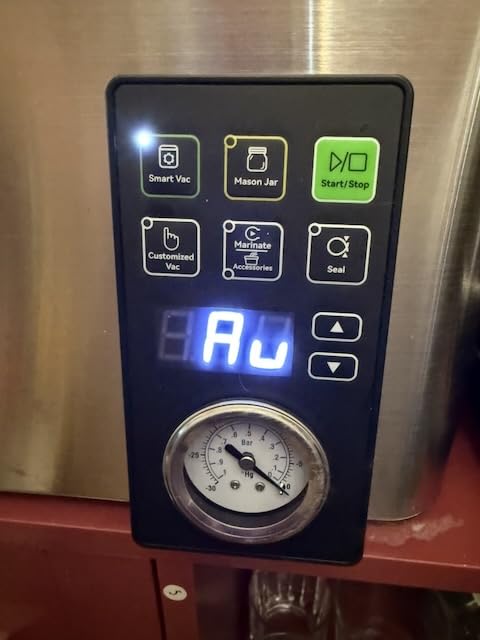
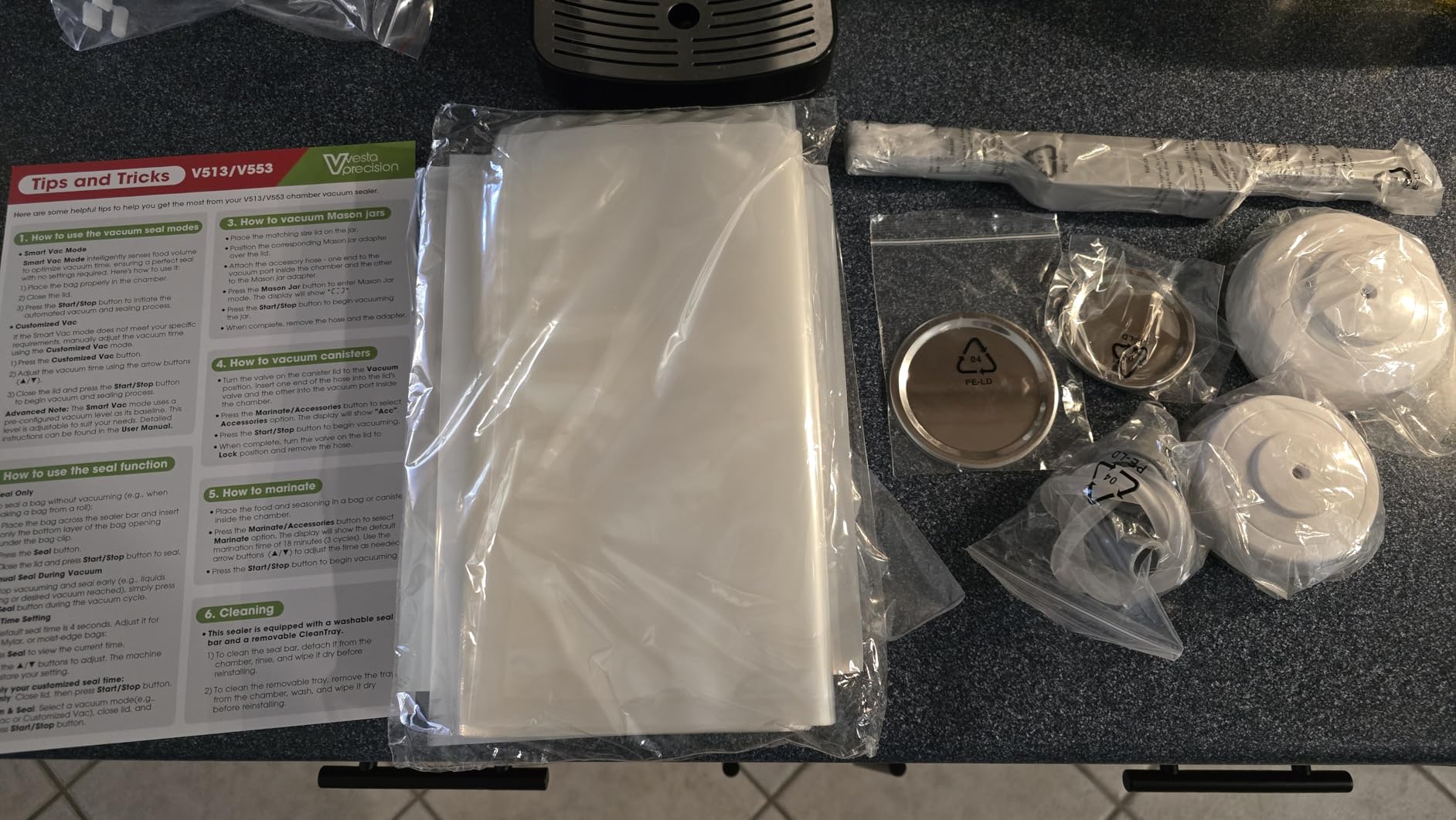
The 5.6 quart chamber measures 12.3 by 8.8 by 3.7 inches. That is genuinely useful depth for liquids, and it pairs with a universal Mason jar sealing kit covering both regular and wide mouth jars through the included hose. The removable CleanTray and washable 12 inch seal bar give you the same cleaning access as the Wevac at a smaller scale.
What gives us pause is the review spread. Most owners love it, but a handful of one-star reports describe sealing failures, and with only 39 reviews the sample is thin. The design is patented and US-designed with a two-year warranty, which helps, but it is not the long parts history that Avid Armor or LEM brings.
Best pick if noise is your main complaint
Chamber pumps are loud, and anyone who has run one in a small apartment kitchen knows it. A variable frequency pump that ramps rather than running at one pitch is easier to live with, and combined with the light 21.6 pound body this is the least intrusive machine to move and store.
Where you might regret the size
The 5.6 quart chamber is well under half the Wevac’s 8.5 quarts, so a big batch of liquid food needs two runs instead of one. The SmartVac can also compress delicate items such as a sealed bowl of fruit, so keep the manual setting nearby.
10. LEM Products MaxVac Pro 1745 Chamber Vacuum Sealer
LEM Products MaxVac Pro Chamber Vacuum Sealer with 80 Bags, Stainless Steel
Digital panel, vacuum 15-60 sec
Seal 3-9 sec, marinate mode
11.42 inch dual bar
80 bags included
Pros
- Digital timing for vacuum and seal
- Marinate mode runs 3 cycles without sealing
- 80 bags plus gasket
- spare bar and riser
- Maintenance-free pump
- 2 year warranty with lifetime support
Cons
- Only 17 reviews
- Aluminum rather than stainless construction
- Listed weight of 16 oz is not credible
- Lowest rating in the group
LEM has built commercial food equipment for decades, and that history shows up less in the machine than in the support behind it. This model carries a two-year factory warranty with lifetime customer support, and replacement parts are available for LEM products going back years, which is the parts story forum buyers care about most when they weigh a long ownership horizon.
The digital control panel is the best in this group for precision. Vacuum time adjusts from 15 to 60 seconds and seal time from 3 to 9 seconds, with an LED light bar showing progress. Marinate mode runs three vacuum cycles without sealing, and an 11.42 inch dual 2.5mm bar handles the pouch sizes most home kitchens use.
The starter kit is enormous by comparison with the competition: 80 bags in pint, quart and gallon sizes, plus an extra gasket, a spare seal bar, a riser and a vacuum hose. For a first-time buyer, that removes the immediate supply question entirely, and the canister port lets you vacuum jars and containers through the hose.
Why the parts story matters most here
The thing that ends a chamber sealer’s life is rarely the pump, it is a worn gasket, a dead seal bar or a cracked lid catch. A brand that still stocks parts for machines it sold a decade ago means those repairs stay cheap. That is the single strongest argument for LEM over several higher-rated machines on this list.
Where the spec sheet undercuts the machine
The construction is aluminum rather than stainless steel, the chamber dimensions are not clearly published, and the listed weight of 16 ounces is not credible for a machine of this class. With 17 reviews and a 4.2 average, this is the hardest one in the group to evaluate on evidence. Treat it as a support story first and a machine second.
What Actually Matters in a Chamber Vacuum Sealer
Spec sheets in this category are noisy, and the numbers that decide whether you are happy five years from now are fewer than manufacturers would like. Here is the order we would think in.
1. Chamber depth decides what you can seal
Depth is the number one constraint, and it is more important than pump wattage. Most home bags lie flat, so 3 inches covers a marinated steak, a fillet and a quart bag of soup. If you seal large game, whole cuts standing upright, or anything bulky, you need 3.5 inches or more, which is the main reason to choose the USV32 or the Wevac over a compact unit.
2. Pump type decides your maintenance routine
Rotary oil pumps are quieter and last a long time, but they need oil changes on a schedule and a wipe-down after messy jobs. Oil-free dry pumps need nothing from you, run louder, and on some models draw considerably more power. Home cooks sealing a few bags a month will not notice either difference much; anyone running a weekly batch should decide which routine they can actually keep up.
3. Seal bar length sets your bag ceiling
An 11 inch or 11.5 inch bar covers the standard home pouch widths, and that is all most people need. A 10.2 inch bar, as on the entry-level VEVOR, drops practical bag width to around 8 inches. Only go wider if you genuinely seal very large flat bags, because a longer bar usually means a wider body and more counter space.
4. Marinate mode and accessory ports save real time
Marinate mode runs repeated vacuum and release cycles without sealing, which shortens the hours a marinade needs in the fridge. An accessory port for Mason jars and canisters lets the same pump serve your pantry, which is often what pushes a chamber machine past the point of being a single-purpose tool.
5. Bag compatibility and supply cost
Chamber machines use smooth pouches, and those are far cheaper per bag than the textured channel bags an edge sealer needs. The exception worth checking is textured bag support: most of the machines here are smooth-bag only, with the Beelicious Pro CVS101 accepting both in the chamber. Buy a roll of smooth pouches from a supplier that lists the width against your seal bar, and you will avoid the surprise of bags that seal poorly.
6. Warranty, parts and support
This is where owner reports on BBQ and sous vide forums are most consistent. A brand with a documented parts history and a support team that answers is worth more over a decade than a machine with a longer warranty on paper and nobody to call. Avid Armor and LEM both publish replacement parts and US-based support, which is why they rank where they do in our buying order. Meat slicers for home use buyers run into the same parts-availability question from a different direction.
7. Counter space and weight
Measure before you order. Units in this roundup range from 8.4 pounds to 52.7 pounds, and a machine that lives in a cabinet gets used less. If your sealing sessions are monthly, weight is not a big deal. If they are weekly, the lighter stainless options will earn their place more often. If you are building out the rest of a home gym at the same time, our treadmill guide for home use runs through the same floor-space and storage tradeoffs.
Frequently Asked Questions
What is better, a vacuum sealer or a chamber sealer?
A chamber sealer is better if you seal liquids, marinated meat, or large quantities at once, because it pulls a stronger vacuum and equalizes pressure across the whole bag. A standard edge sealer is better for dry goods, small portions and tight budgets, and it takes up a fraction of the counter space. If you bag bread, cheese and single servings only, an edge sealer is the right tool.
Are chamber sealers worth it for home cooks?
They are worth it when you regularly seal wet food, batch meals, cook sous vide, or process game meat. The chamber design is what makes liquid sealing possible at all, and the stronger vacuum holds up better for long-term freezer storage. They are not worth it if you mostly seal dry goods in small amounts, because an edge sealer handles that job for far less money and space.
Can chamber vacuum sealers seal liquids and soups?
Yes. Because the pump evacuates the entire chamber rather than pulling air through the bag opening, pressure equalizes inside and outside the bag and the liquid never gets drawn into the seal line. A chamber of at least 3 inches deep is comfortable for quart bags of soup and stock, and deeper chambers such as the 3.5 inch and 3.8 inch models handle fuller bags with more headroom.
Do chamber vacuum sealers need special bags?
Chamber machines use smooth pouches rather than the textured channel bags an edge sealer requires, and smooth bags cost noticeably less per bag. Check your seal bar width against the pouch width, because a narrower bar limits the bag size you can use. Most machines here accept smooth bags only, though the Beelicious Pro CVS101 takes textured bags in the chamber as well.
How often do chamber vacuum sealers need maintenance?
Oil-free dry pump models need nothing beyond wiping the chamber and washing the seal bar, which is why several of the machines in this roundup are designed with a removable tray and a washable bar. Rotary oil pump models need oil changes on a schedule, typically every few months depending on use. For every model, the highest-value maintenance habit is cleaning the seal line so residue does not build up and start causing leaks.
Our Final Verdict on the Best Chamber Vacuum Sealers for Home Use
The Avid Armor USV20 is the best chamber vacuum sealer for home use because it does the hard part well, stays small enough to live on a counter, and has the largest body of real buyer feedback behind it at 1170 ratings. Seal soups and marinades on it, replace the bar if you ever need to, and buy smooth pouches in width.
Go deeper with the USV32 when you seal large cuts. Drop to the VEVOR 260W if you want the category at entry-level cost and mostly handle smaller batches. Choose the Wevac CV12 Pro if cleaning is what will decide whether you keep using it, and the Beelicious Pro CVS101 if you cook sous vide and want textured bag flexibility. Whatever you choose, buy it for the wet food, and you will not regret the counter space.