
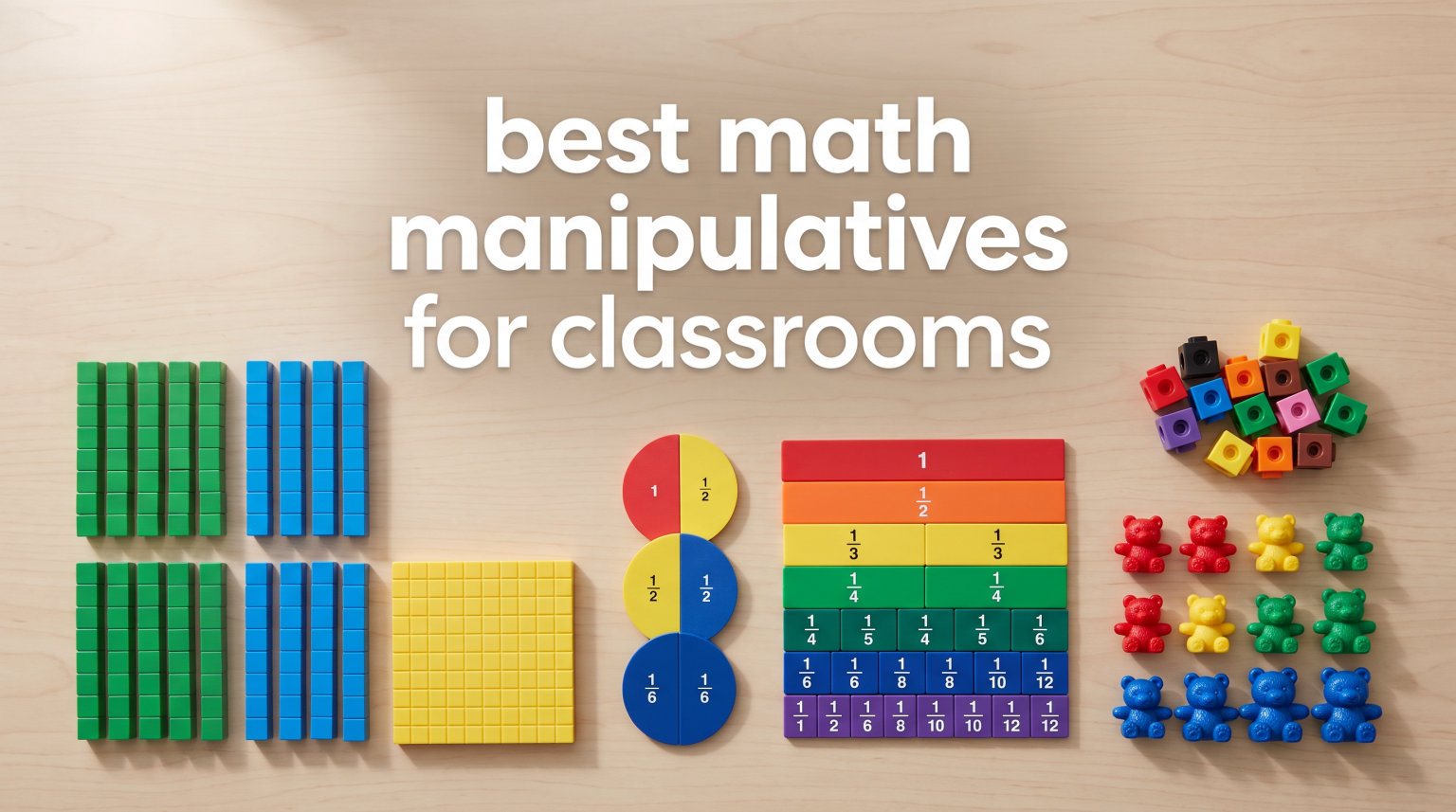
When I first started teaching math, I leaned heavily on worksheets and whiteboard examples. My students were memorizing procedures, but they were not truly understanding the math behind them. That changed the day I brought out a set of base ten blocks and watched a struggling student finally grasp what “carrying the one” actually meant. The best math manipulatives for classrooms do exactly that: they turn abstract numbers into something kids can hold, move, and make sense of.
Research from the Journal of Educational Psychology backs this up. Studies show statistically significant learning gains when students use physical tools alongside traditional instruction. The Concrete-Pictorial-Abstract (CPA) approach, widely adopted in evidence-based math curricula, starts with hands-on objects before moving to drawings and then symbols. Whether you teach kindergarten counting or upper elementary fractions, the right manipulatives make every concept more accessible.
Our team spent weeks comparing the most recommended products from teacher forums, classroom blogs, and educational research. We evaluated durability, classroom set sizes, grade-level appropriateness, and how well each tool aligns with Common Core standards. Below you will find our top 12 picks, plus a buying guide covering budget tips, storage strategies, and how to pair physical manipulatives with complementary digital math tools for the iPad classroom. If you teach fractions specifically, check out our guide on combining physical fraction manipulatives with iPad apps for a blended approach.
Table of Contents
Top 3 Picks for Best Math Manipulatives for Classrooms

Best Math Manipulatives for Classrooms in 2026
1. Learning Resources MathLink Cubes – Best for Counting and Operations
Learning Resources MathLink Cubes – Set of 100 Cubes, Ages 5+ Kindergarten, STEM Activities, Math Manipulatives, Homeschool Supplies, Teacher Supplies
100 snap-together cubes
10 colors
Grades K-5
Connect on all sides
Pros
- Snap together for building numbers
- Great for addition and subtraction
- Colorful and engaging for young learners
- Durable enough for daily classroom use
Cons
- Some cubes are stiff to connect initially
- Can become projectiles if misused
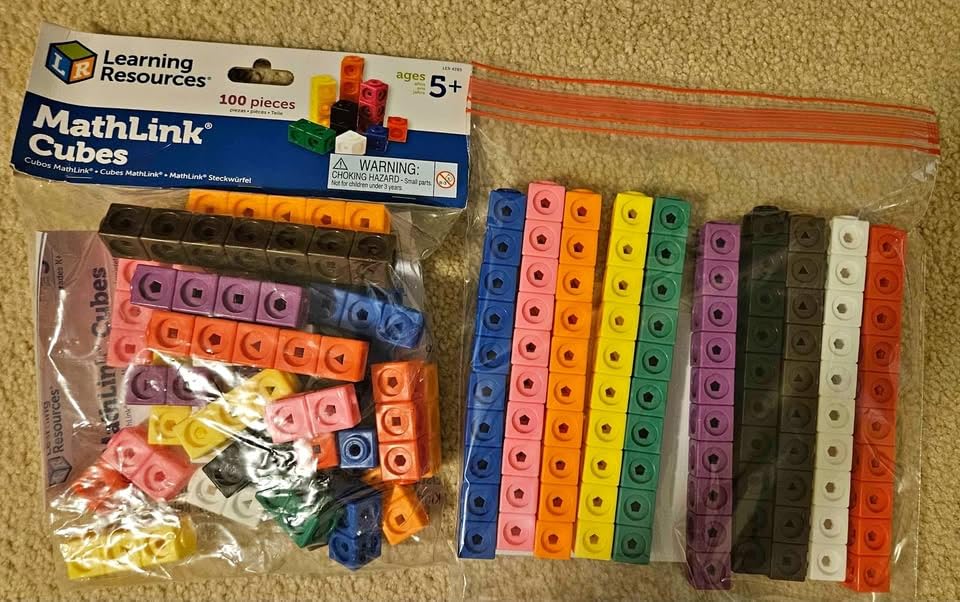
MathLink Cubes from Learning Resources are the workhorse of primary math classrooms. The set includes 100 cubes in ten colors, and they snap together on all sides so students can build both horizontal and vertical structures. I use these for everything from kindergarten counting to fifth grade volume and multiplication arrays. They are especially good for age-appropriate math manipulatives for kindergarten and early elementary students who are just beginning to understand quantity.
What sets these cubes apart from generic connecting cubes is the quality of the snap mechanism. The connections are firm enough that structures hold together but loose enough that small hands can disconnect them without frustration. After a few weeks of use, the cubes loosen slightly and become easier to work with. I recommend having students practice connecting and disconnecting them before your first formal lesson.
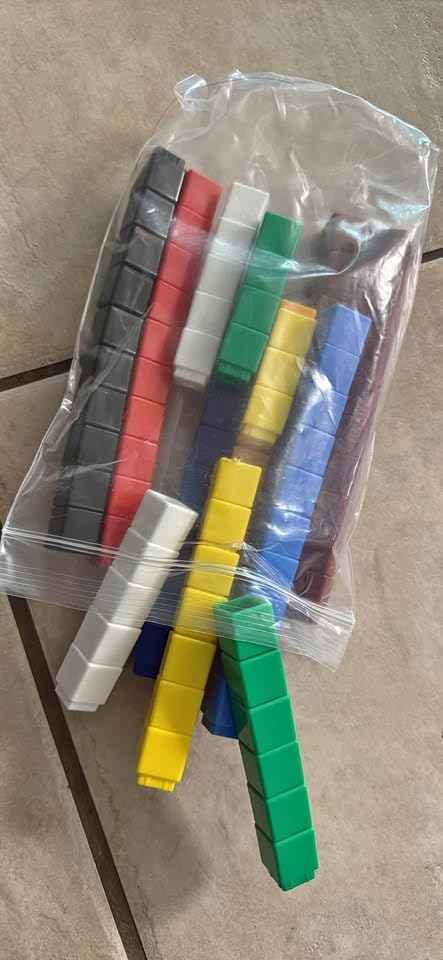
In my testing, kindergartners used them for one-to-one correspondence and counting practice. Second graders built arrays for multiplication. Fourth graders created rectangular prisms for volume exploration. The versatility across grade levels makes this one of the highest-ROI purchases you can make for your classroom.
Teachers on Reddit consistently list MathLink Cubes as a must-have tool for building early number sense. The cubes also feature geometric cutouts on each face, which means students can trace shapes or clip them together with other Learning Resources products. This cross-compatibility extends their usefulness well beyond simple counting.
Who Should Buy This Set
Kindergarten through third grade teachers will get the most daily use from MathLink Cubes. If you teach upper elementary, the cubes still work for volume, arrays, and data activities, but you will reach for them less frequently. Special education teachers find these cubes especially valuable because the tactile snapping action helps students who need kinesthetic input to stay focused during math instruction.
How Many Sets Do You Need
For a class of 24 students working in groups of 4, you will want at least 4 to 6 sets. One set of 100 cubes serves one small group adequately, giving each student 20 to 25 cubes to work with. Many teachers start with 2 sets and build their collection over time using DonorsChoose projects or grade-level budget allocations.
2. edxeducation Pattern Blocks – Best for Geometry and Fractions
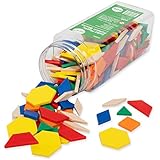
edxeducation Plastic Pattern Blocks, Set of 250
250 pieces
6 shapes in 6 colors
Grades K-8
Plastic with smooth edges
Pros
- Extremely versatile across math topics
- Large set size for whole class activities
- Durable plastic that lasts for years
- Excellent for fractions and geometry
Cons
- Pieces are lightweight and can scatter
- Storage container could be sturdier
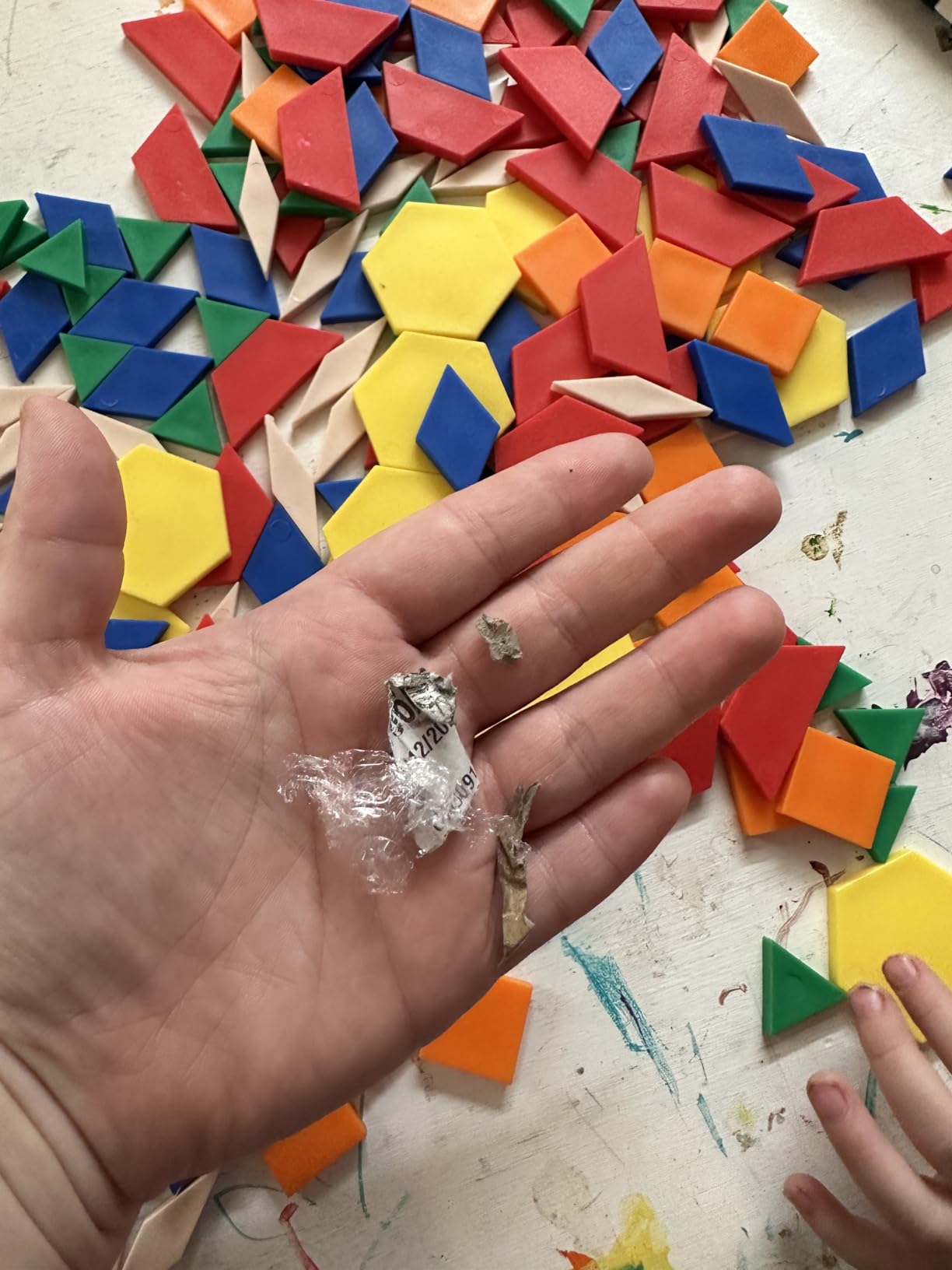
If I had to choose just one manipulative for an elementary classroom, pattern blocks would be my pick. Teachers across every forum I read called them the most versatile tool they own. The edxeducation set comes with 250 pieces in six shapes: hexagons, trapezoids, triangles, rhombuses, squares, and parallelograms. I have used these for teaching fractions, geometry, symmetry, area, perimeter, tessellations, and even basic algebra concepts.
The plastic pieces have smooth edges and feel like they will last a decade. My team has seen pattern block sets still going strong after seven years of daily classroom use. The colors are bright and consistent, which matters when you are asking students to sort by shape or attribute. Younger students naturally start exploring geometric relationships without any formal instruction just by playing with these.
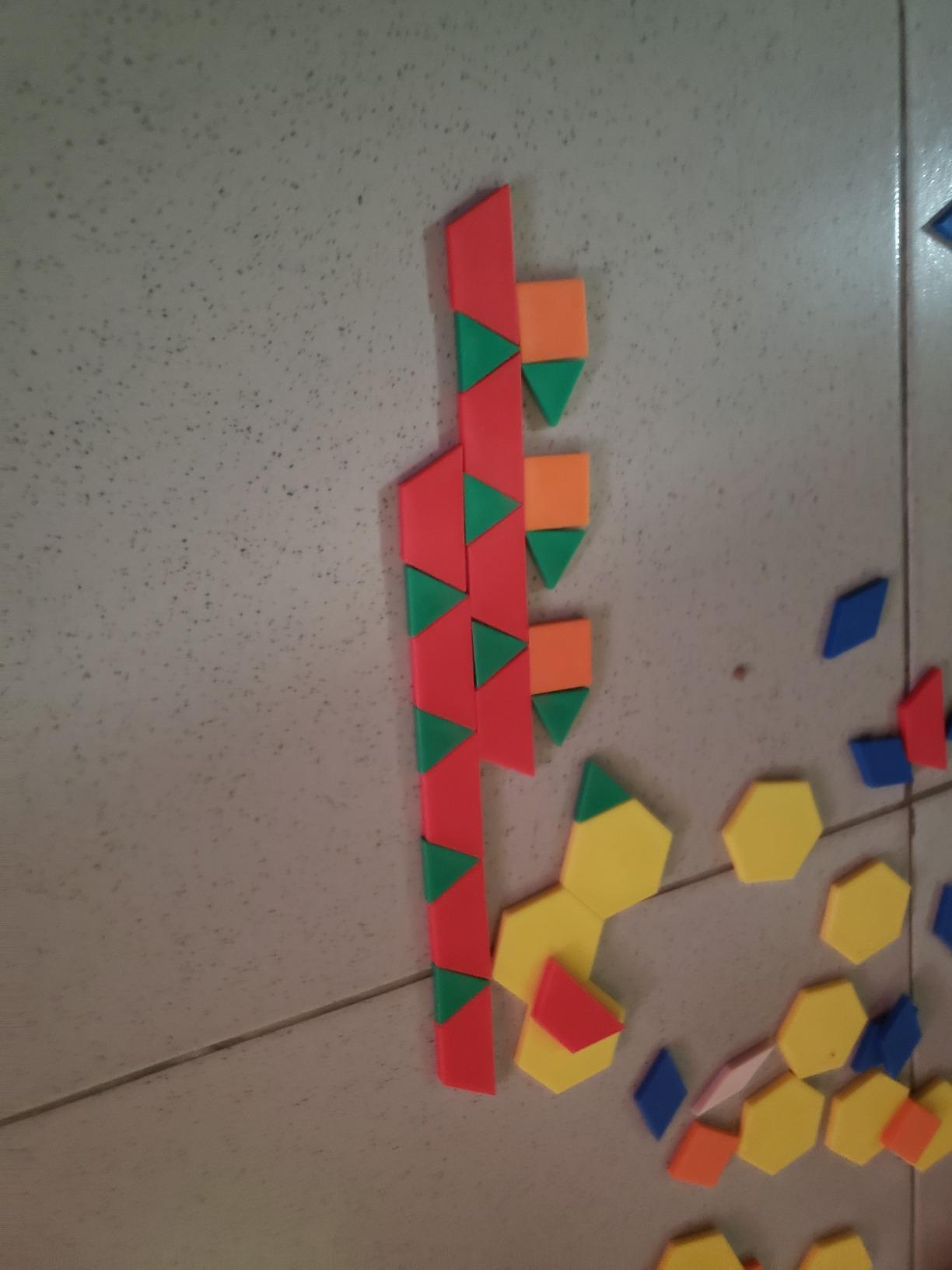
For fraction instruction, pattern blocks are unbeatable. Students discover that two trapezoids cover one hexagon, teaching the concept of halves. Three triangles fit on a trapezoid, introducing thirds. This hands-on discovery approach aligns perfectly with the CPA framework and helps students build fraction sense before they ever see a fraction written on paper.
The 250-piece count is generous enough for whole-class activities or two math centers running simultaneously. At this quantity, the set delivers exceptional value for classrooms on a budget. If you are looking for the best math manipulatives for classrooms that serve multiple purposes, this set should be at the top of your list.
Activities Beyond Math Centers
Pattern blocks work beyond independent math centers. I have used them for whole-class fraction lessons on a document camera, for collaborative group challenges where teams build the largest possible shape, and for early finisher activities that keep students engaged in mathematical thinking. They also pair beautifully with math manipulatives as part of a comprehensive STEM curriculum, since pattern recognition and spatial reasoning connect directly to engineering and coding concepts.
Storage and Organization Tips
The biggest challenge with 250 small pieces is keeping them organized. I recommend sorting by shape into separate containers or zip-top bags. Some teachers use tackle boxes or craft organizers with compartments for each shape. Train students to sort pieces back into the correct container as part of their cleanup routine.
3. Learning Resources Base Ten Blocks – Best for Place Value

Learning Resources Base Ten Blocks Smart Pack
161 pieces
Flats rods and units
Grades 1-5
Durable plastic
Pros
- Illustrates place value clearly
- Sturdy construction for daily use
- Sufficient pieces for small groups
- Aligns with Common Core standards
Cons
- Some pieces can get lost over time
- Plastic can crack under heavy pressure
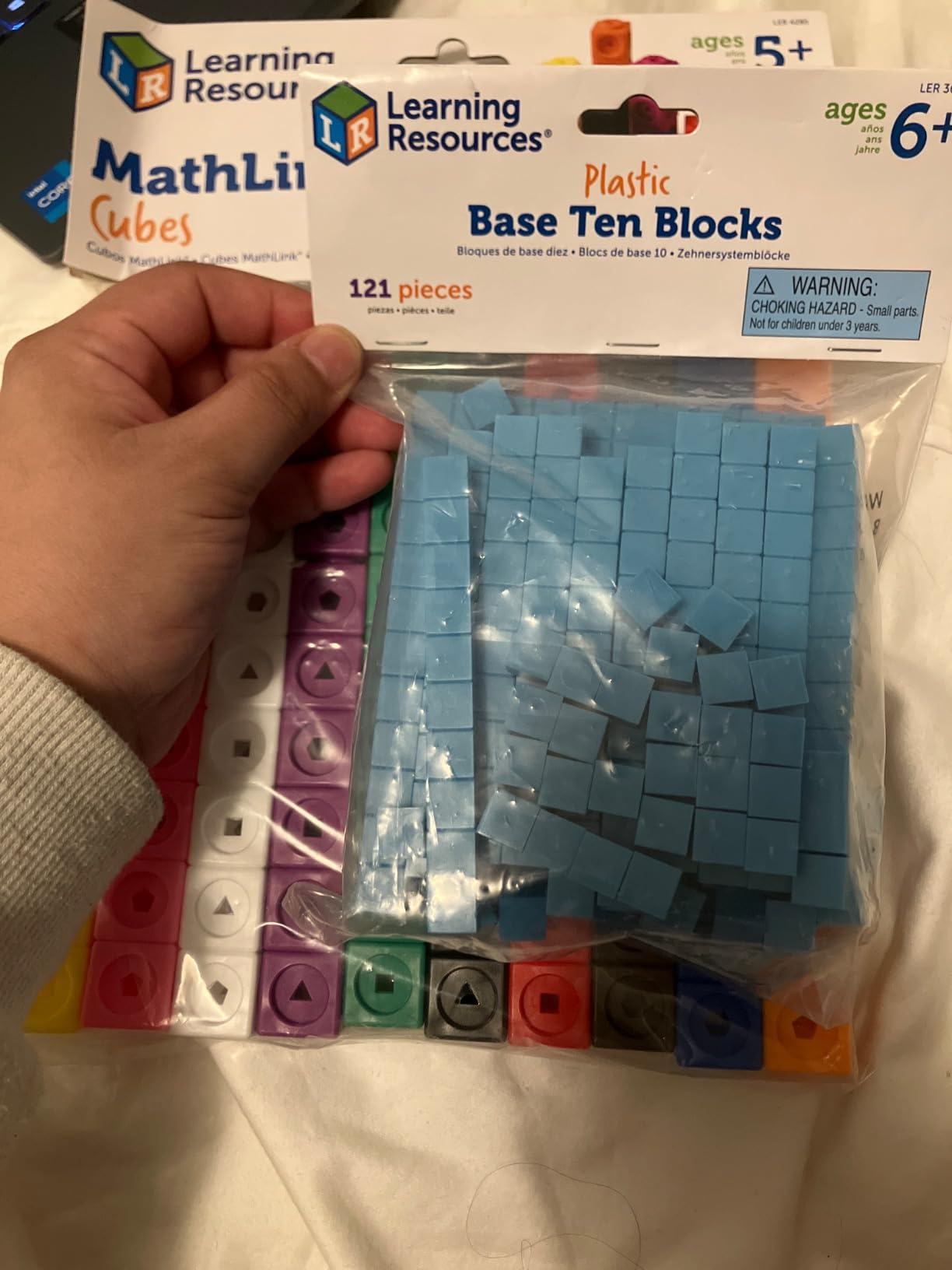
Base ten blocks are the single most recommended manipulative across every teacher forum and classroom blog I researched. When our team tested this Learning Resources set, we immediately understood why. The 161-piece set includes 100 units, 50 rods, 10 flats, and 1 cube, giving students enough material to build numbers into the thousands. I watched a third grader who had been confused by subtraction with regrouping suddenly understand the concept after physically trading a rod for ten units.
The blocks feel solid in hand and survive daily classroom use without chipping or cracking. The color coding follows the standard scheme, which keeps things visually consistent if your students eventually move to other Learning Resources products. Each piece is sized correctly for elementary hands, and the proportions are mathematically accurate so ten units line up perfectly with one rod.
Teachers on Reddit consistently call base ten blocks essential for place value, addition, subtraction, multiplication, and division. The main complaint is that schools rarely have enough sets for every student. This classroom set works well for small groups of 4 to 6 students working together, which matches the math workshop model many schools follow.
The set also includes a teaching guide with activity suggestions, which is helpful for teachers new to using manipulatives. I found the activities to be a solid starting point, though most experienced teachers quickly develop their own lesson ideas once they see how students interact with the blocks.
Best Grade Levels for This Set
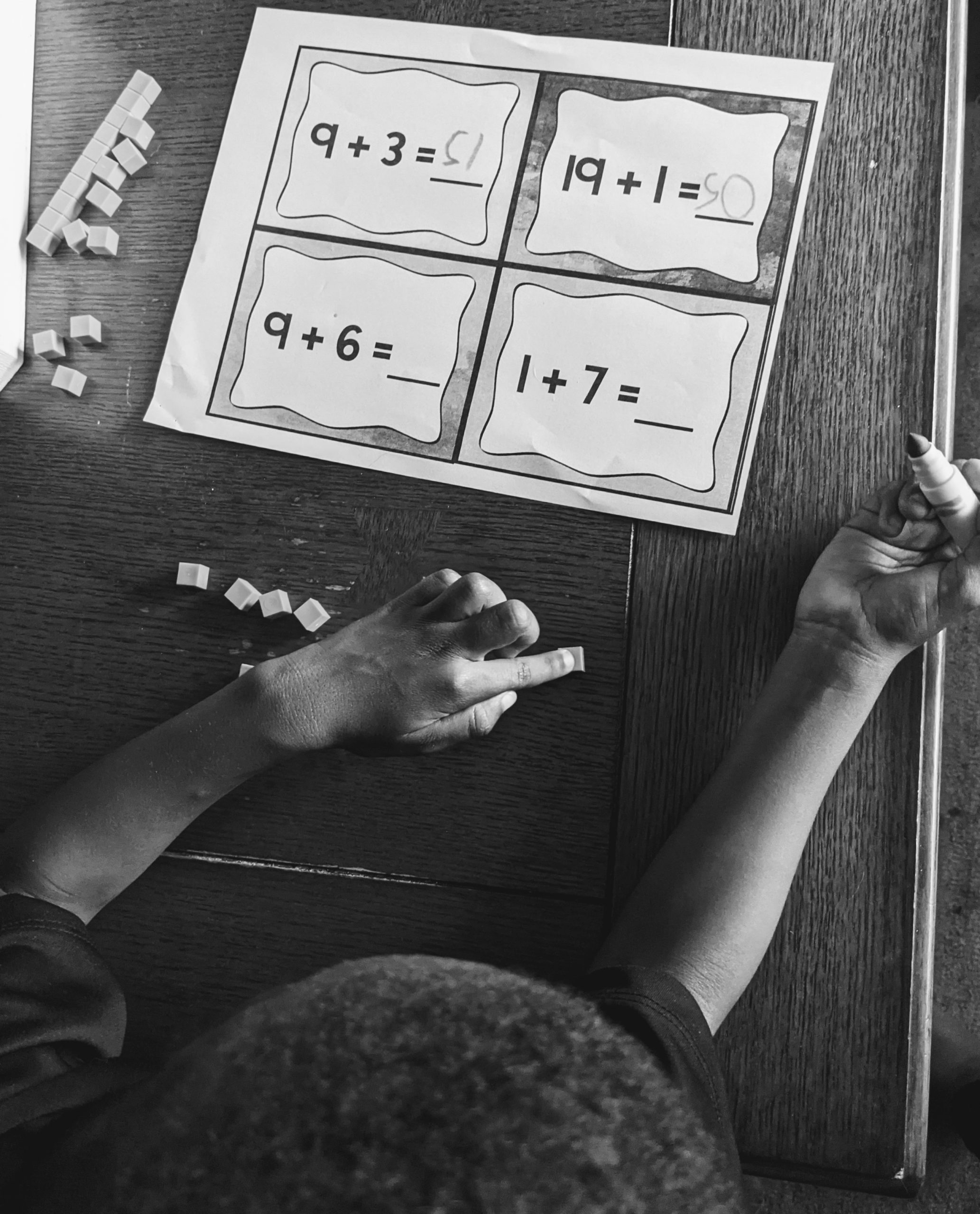
First through fifth grade teachers will get the most use from this set. First graders use the units for basic counting and the rods for teen numbers. Third graders rely on the full set for regrouping in addition and subtraction. Fourth and fifth graders use the flats and rods for multiplication and division with larger numbers.
How Many Sets Do You Need
For a class of 24 students working in groups of 4, you will want at least 4 to 6 sets. One set serves one small group adequately. Many teachers start with 2 sets and build their collection over time using DonorsChoose projects or grade-level budget allocations.
4. Learning Resources Baby Bear Counters – Best for Early Counting

Learning Resources Baby Bear Counters – 102 Pieces, Ages 3+ | Grades Pre-K+ Toddler Learning Toys, Counters for Kids, Counting Manipulatives, Teddy Bear Counters
102 bear counters
6 colors
Grades PreK-2
Lightweight plastic
Pros
- Irresistible to young learners
- Perfect for sorting and counting
- Great weight and size for small hands
- Supports color recognition too
Cons
- Bears can look like toys to some students
- Storage bag is thin
Counting bears are a staple in every preschool, kindergarten, and first grade classroom I have visited. The Learning Resources Baby Bear Counters set includes 102 bears in six vibrant colors, along with a storage bowl. These little bears are irresistible to young children, who naturally want to sort them, count them, and arrange them in patterns. I have found them to be the single best tool for building one-to-one correspondence in early learners.
Our team tested these in a kindergarten classroom during a math centers rotation. Students sorted the bears by color into cups, counted groups of bears, and created patterns. The bears have a pleasing weight and fit perfectly in small hands. The plastic material wipes clean easily, which matters when you are working with young children and sticky fingers.
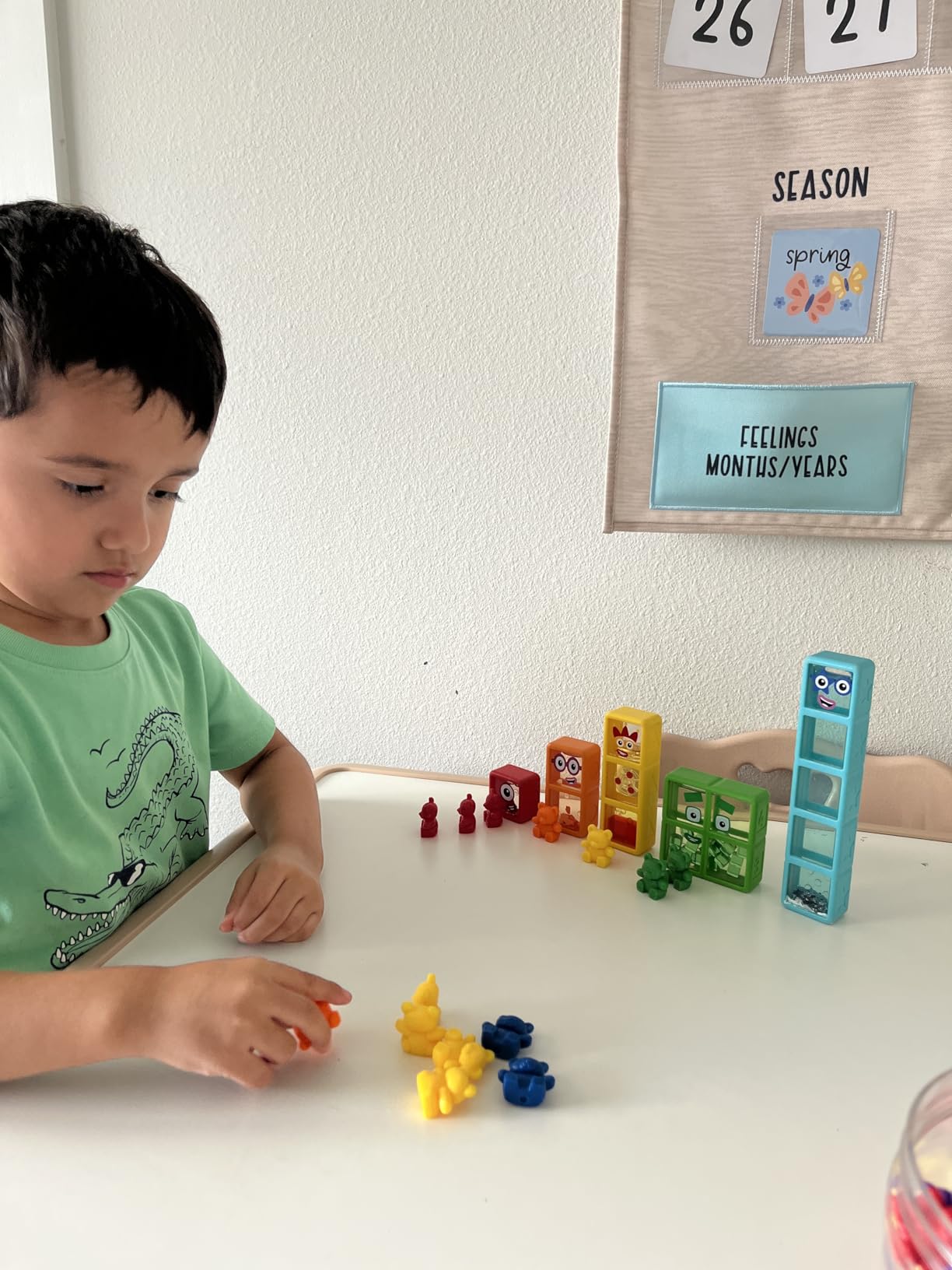
Beyond counting, these bears support a wide range of early math skills. Teachers use them for sorting by attribute, patterning, simple addition and subtraction, graphing activities, and even acting out word problems. The bear shape makes abstract math concepts feel like play, which keeps young learners engaged far longer than traditional worksheets.
One teacher I spoke with uses the bears for story problems, having students physically move bears to act out addition and subtraction scenarios. For example, “Five bears went to the park. Three bears went home. How many bears are left?” Students manipulate the bears to find the answer, building a concrete understanding of operations.
Who Should Buy These Counters
Preschool through second grade teachers will use these bears almost daily. They are also excellent for special education classrooms where students benefit from highly motivating, tactile manipulatives. If you teach third grade or above, these bears may feel too young for your students, though some teachers use them for probability activities and data collection.
Managing Bears as Toys
The main challenge with counting bears is that children naturally see them as toys. Set clear expectations from the first day that bears are math tools, not play things. I teach a specific lesson on bear-handling routines before we use them for any math activity. With consistent expectations, students learn to use them as learning tools and cleanup becomes routine.
5. Torlam Magnetic Ten-Frame Set – Best for Number Sense
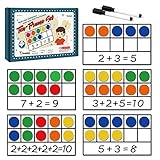
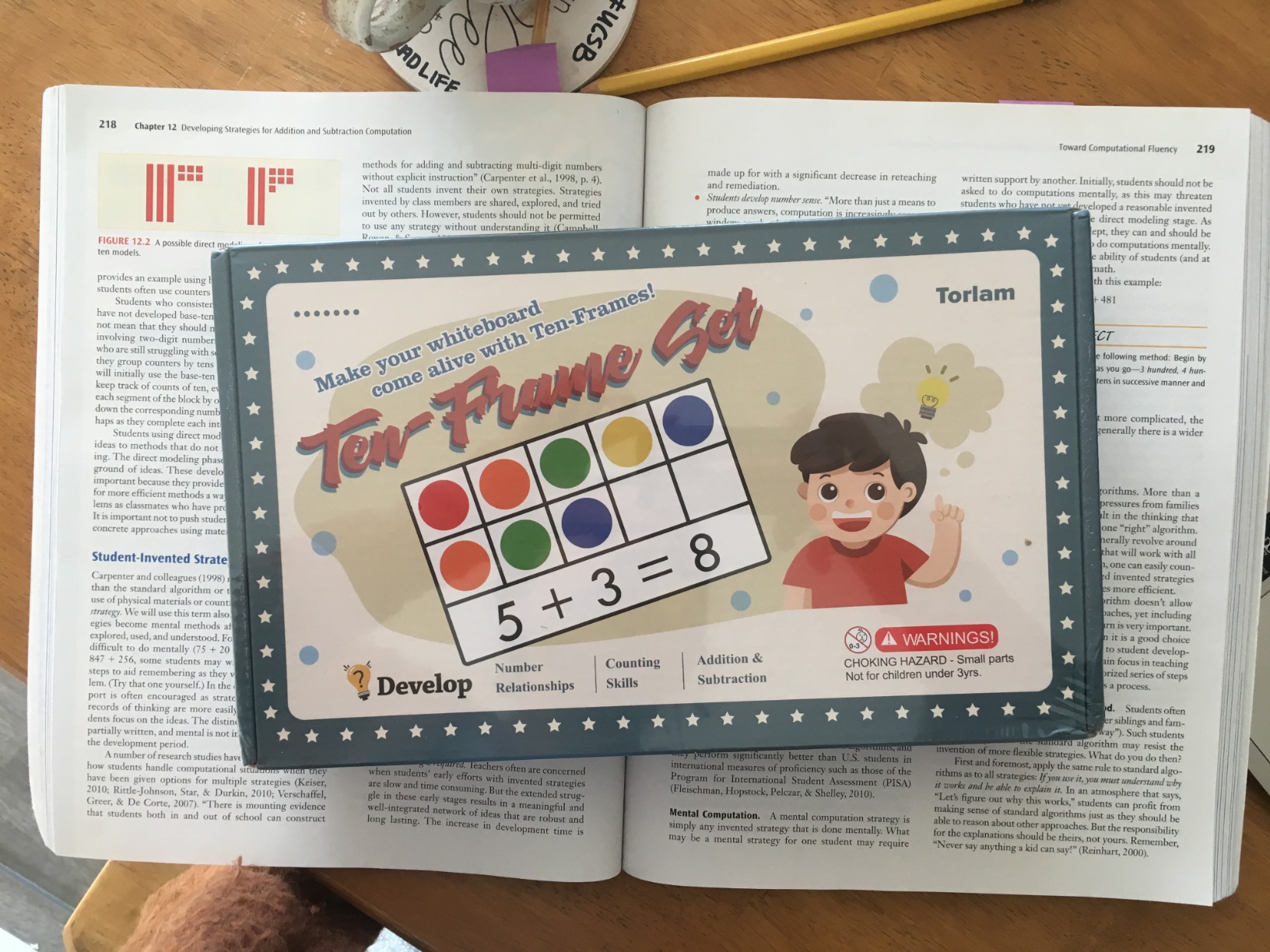
Torlam Magnetic Ten-Frame Set – Math Manipulative for Elementary – 5 Ten Frames & 55 Magnetic Counters for Kids, Kindergarten Math Games (Upgraded Version for Hand-held & 2 Black Pens)
4 magnetic boards
Magnetic counters
Grades K-2
Double-sided
Pros
- Magnetic pieces stay in place
- Visual number sense tool
- Great for whole class demos
- Perfect for making ten activities
Cons
- Limited to K-2 use range
- Higher cost per student than mats
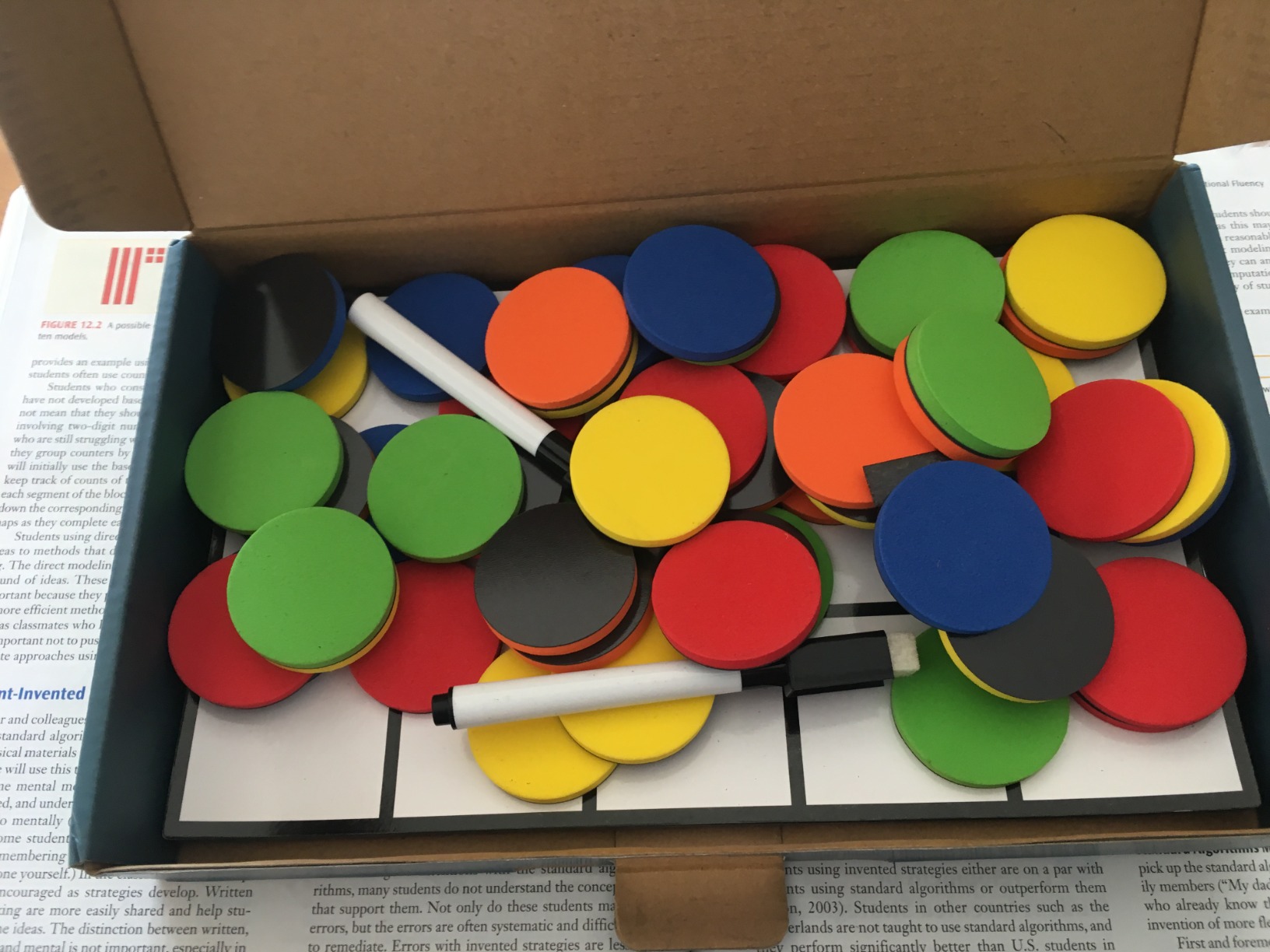
Ten-frames are one of the most powerful tools for building number sense in young learners. The Torlam Magnetic Ten-Frame Set takes this concept to the next level. The set includes four double-sided magnetic boards with magnetic counters that stay firmly in place. I found these especially effective for whole-class instruction where I hold up a board and ask students how many more are needed to make ten.
The magnetic design solves the biggest problem with traditional ten-frame mats: counters sliding around or falling off. Students can hold their boards vertically, pass them to partners, or display them for the class without losing pieces. This stability makes the boards practical for active classroom environments where students move and collaborate.
Our team tested these in a first grade classroom during a number talk. The teacher displayed a board with six counters and asked students to explain how they knew it was six without counting each one. Students used the visual structure of the ten-frame to describe six as “five and one more” or “four away from ten.” This kind of subitizing and number decomposition is foundational for all future math learning.
The Torlam set stands out from competitors because the boards are large enough for group viewing and the magnetic counters are thick enough for small fingers to grasp easily. The double-sided design lets you flip between ten-frame and twenty-frame activities without needing separate materials.
Building Fluency Within Twenty
Once students master numbers within ten, the double-sided boards let them work with numbers within twenty. Students can use two boards side by side to model teen numbers as ten and some more. This visual representation of place value prepares them for the base ten blocks they will use in later grades.
Whole-Class vs Small Group Use
The set of four boards works best for small group instruction or station rotations. For whole-class activities, you can use a single board under a document camera for demonstration. These boards are particularly effective if you are exploring using math manipulatives in a homeschool iPad setup, since they provide a tactile complement to digital learning.
6. Learning Resources View-Thru Geometric Solids – Best for 3D Geometry

Learning Resources View-Thru Geometric Solids
14 transparent shapes
Removable bases
Grades 1-8
Durable clear plastic
Pros
- Transparent design shows internal volume
- Removable bases for filling activities
- Covers all standard 3D shapes
- Supports volume and surface area lessons
Cons
- Small size for some activities
- Plastic can scratch over time
Three-dimensional geometry is one of the hardest topics to teach with flat diagrams alone. The Learning Resources View-Thru Geometric Solids set solves this by giving students 14 clear plastic shapes they can hold, examine, and fill. The set includes spheres, cubes, cylinders, cones, pyramids, and prisms of various dimensions. Each shape has a removable base, which means you can fill them with sand, water, or rice to explore volume relationships.
Our team tested these with fourth graders studying volume. The ability to physically fill a cone and pour its contents into a cylinder made the volume relationship between shapes immediately clear. Students gasped when they saw that exactly three cones of water filled one cylinder. That moment of discovery is exactly what hands-on math should look like.
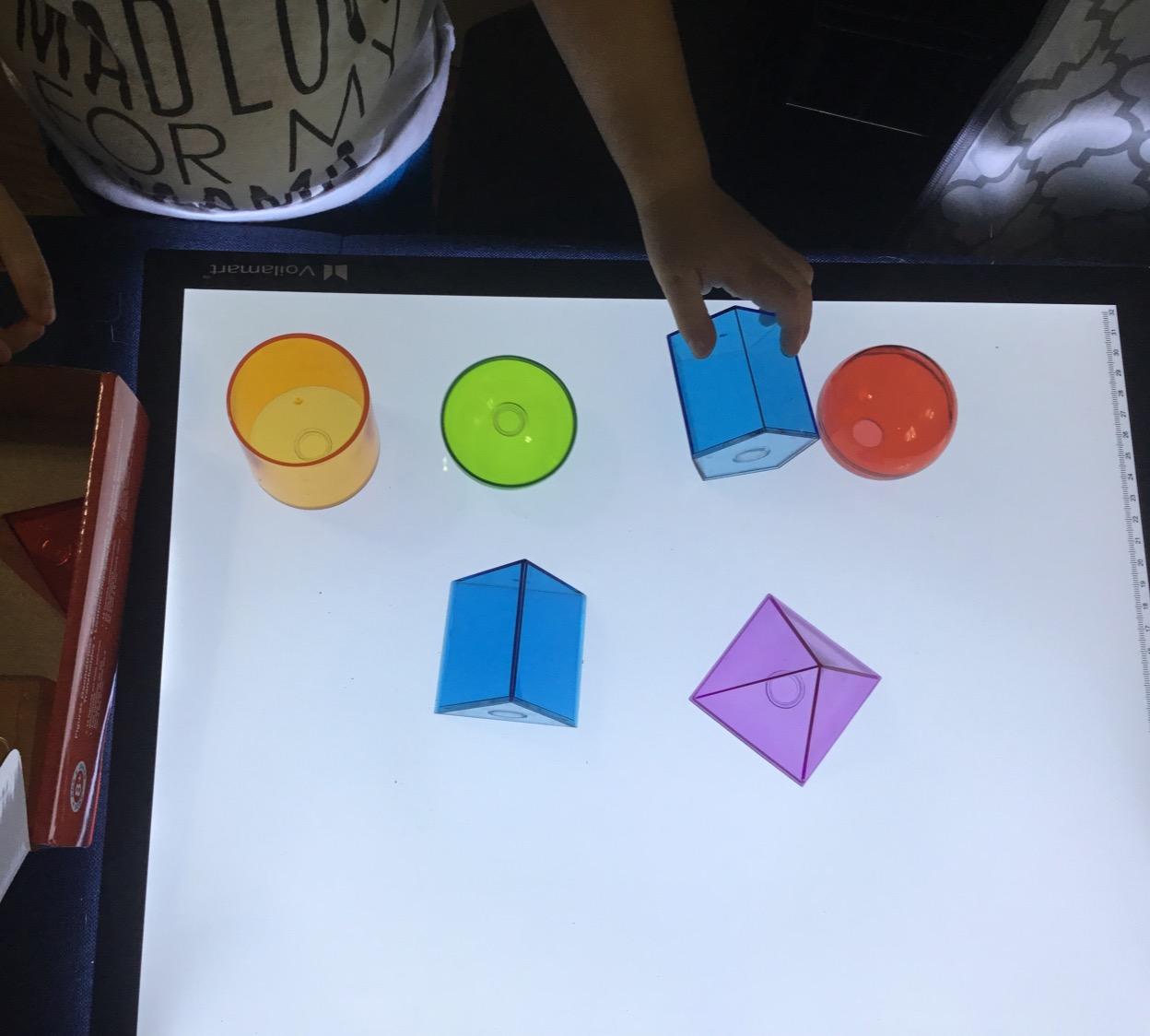
The transparent design is the key feature here. Students can see through the shapes, which helps them understand faces, edges, and vertices from every angle. The shapes are sized proportionally, so students can compare the volume of a sphere to a cube of similar height. This proportional accuracy matters for building correct spatial reasoning.
Teachers consistently report that these solids last for years. The clear plastic does develop minor scratches over time with heavy use, but this does not affect their educational value. The removable bases can be tricky to snap back on, so I recommend teaching students how to handle them carefully during fill-and-pour activities.
Who Benefits Most From This Set
Third through eighth grade teachers will use these shapes regularly during geometry units. First and second grade teachers can introduce basic shape identification with them, though the conceptual focus on volume and surface area is more appropriate for upper elementary and middle school. Special education teachers find the visual and tactile nature of these shapes particularly helpful for students who need concrete examples of abstract geometric concepts.
Volume and Measurement Activities
The most powerful activities involve filling the shapes with water or sand. Have students predict which shape holds more before testing their hypothesis. Record the number of scoops needed to fill each shape and compare results. These inquiry-based activities develop deep understanding of volume relationships that worksheets cannot match.
7. hand2mind Rainbow Fraction Tower Cubes – Best for Fraction Instruction
hand2mind Rainbow Fraction Tower Cubes, Fraction Equivalency, Montessori Math Blocks Materials for Kids, Math Manipulatives 4th Grade, Elementary Teacher Must Haves (Set of 51)
51 interlocking cubes
Color-coded fractions
Grades 2-6
Plastic with numbers
Pros
- Color coding makes fractions visual
- Interlocking cubes show part-whole
- Numbered for easy identification
- Great for equivalent fractions
Cons
- Thin pieces can bend if mishandled
- Tower format needs flat surface
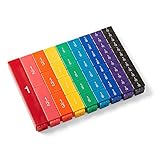
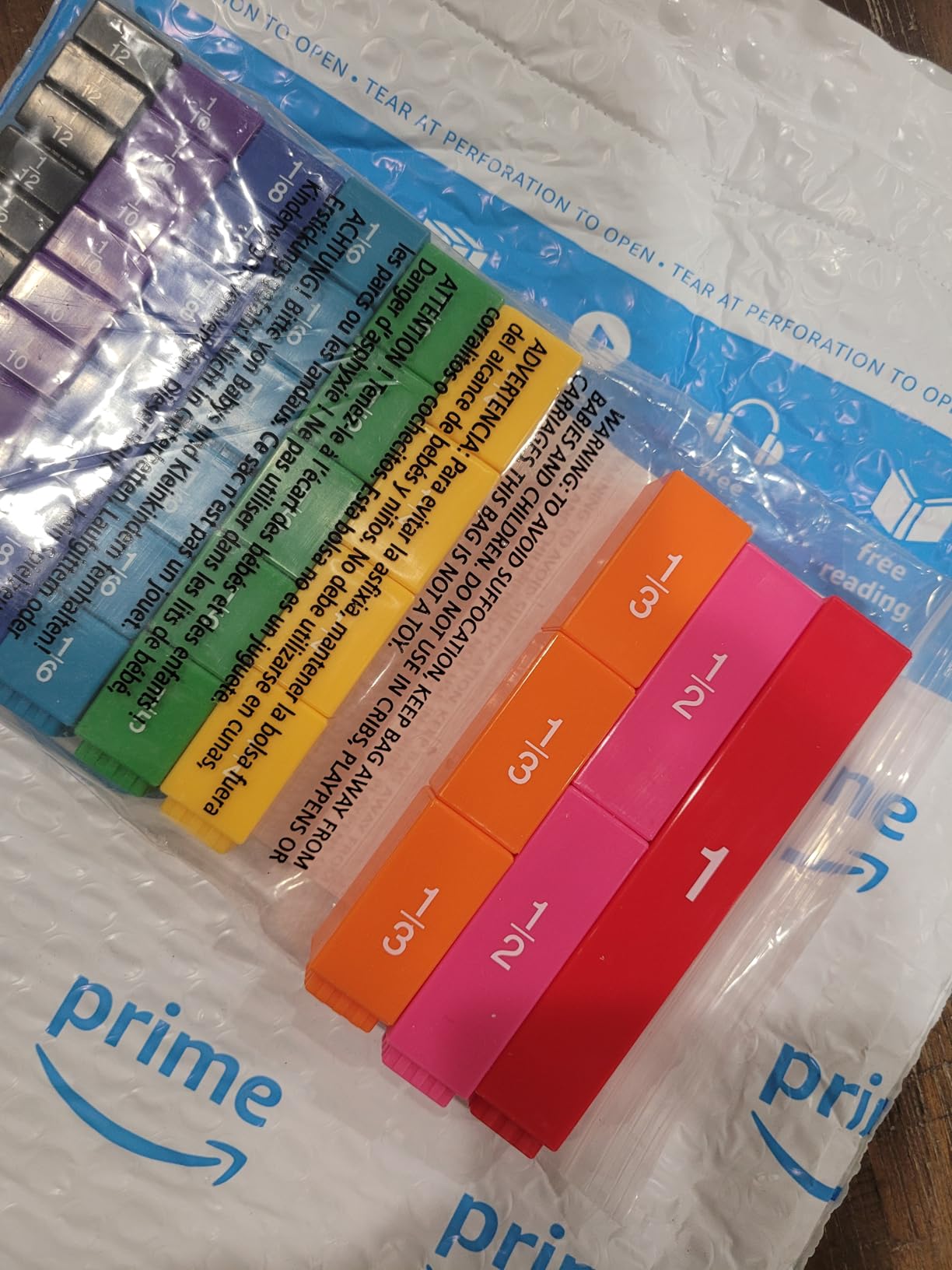
Fractions are one of the hardest concepts for upper elementary students to grasp. Our team tested several fraction manipulatives, and the hand2mind Rainbow Fraction Tower Cubes stood out for their interlocking design and clarity. The set includes 51 color-coded cubes representing whole, halves, thirds, fourths, fifths, sixths, eighths, tenths, and twelfths. Each fraction has its own color, which helps students visually distinguish between different denominators.
When I handed these to a group of fourth graders, the first thing they did was stack the cubes to compare sizes. Within minutes, they were discovering that two fourths equal one half and that three sixths also equal one half. The interlocking design means students can build fraction towers vertically, which adds a visual dimension that flat fraction tiles cannot provide.
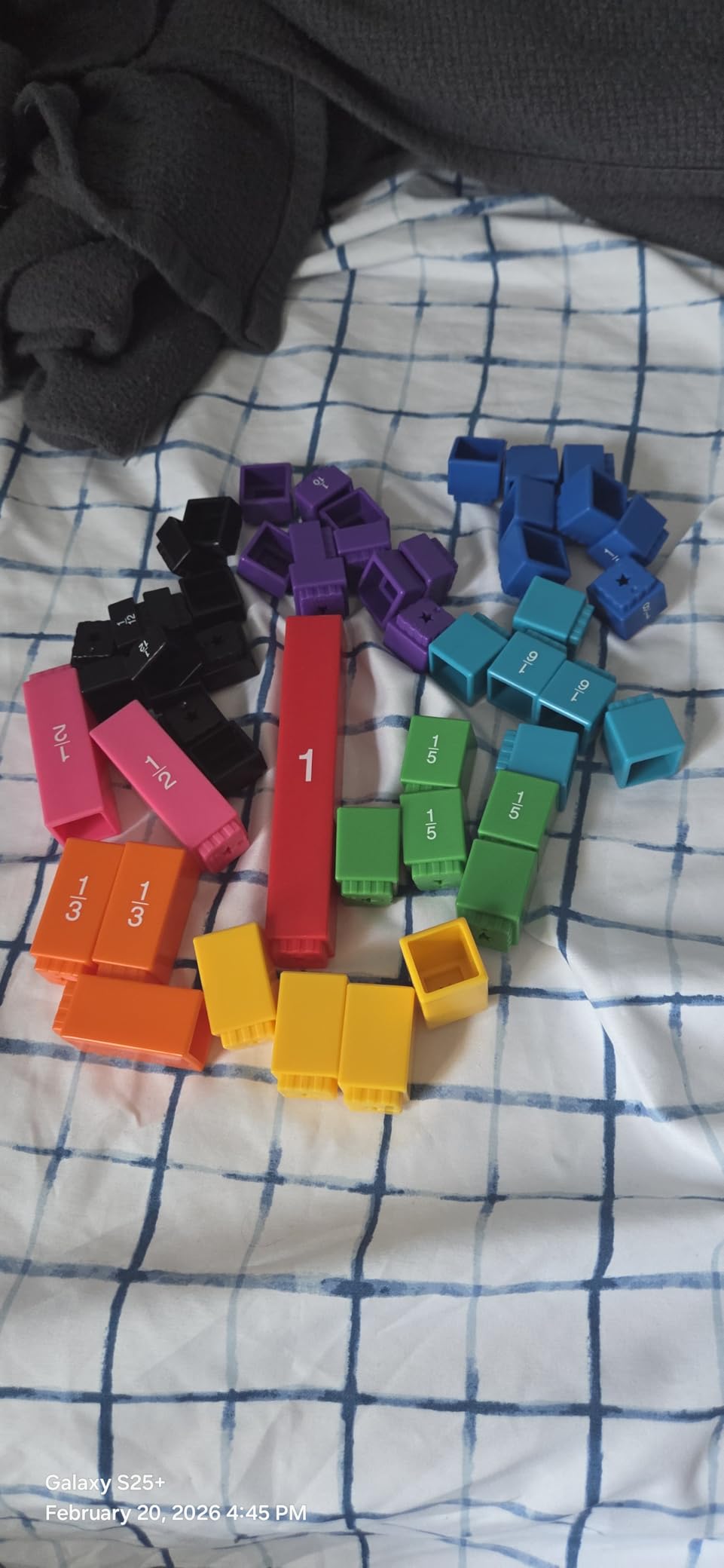
Teachers consistently cite fraction cubes and fraction tiles as the most impactful manipulatives for fraction instruction. The color-coded system used by hand2mind is industry standard, so if your school also has their fraction circles or equivalency cubes, the colors will match across all products. This consistency helps students transfer their understanding from one tool to another.
The tower format is particularly effective for showing addition and subtraction of fractions with like denominators. Students physically stack cubes together to add or remove cubes to subtract. The numbered labels on each cube reinforce the connection between the physical piece and the written fraction, bridging the gap between concrete and abstract representations.
Teaching Equivalent Fractions
The most effective activity I have found is having students stack cubes to find equivalents. When they place two sixth cubes next to one third cube and see they are the same height, the concept clicks instantly. You can extend this by challenging students to find all the ways to make one whole using different combinations.
Pairing With Digital Tools
If your students use iPads, you can pair these physical cubes with digital fraction tools for a blended learning experience. Having students build fractions physically first, then model them digitally, reinforces the concept through multiple representations. This multi-sensory approach particularly benefits ELL and special education students.
8. Joycat Ten-Frame Math Learning Tools – Best Complete Math Kit

JoyCat 24 Ten Frame Math Manipulatives with 20 Task Cards, Ages 3-5
Complete math kit
Ten-frames and counters
Grades K-3
Magnetic and dry-erase
Pros
- Everything included in one kit
- Magnetic and dry-erase surfaces
- Variety of teaching tools
- Great value for comprehensive set
Cons
- More expensive than single-tool options
- Storage for multiple components needed
The Joycat Ten-Frame Math Learning Tools kit is a comprehensive solution for teachers who want a complete set of number sense tools in one purchase. Rather than buying ten-frames, counters, and number cards separately, this kit bundles everything together. Our team was impressed by the thoughtful curation of materials, which covers the core number sense activities that kindergarten through third grade teachers need most.
The kit includes magnetic ten-frame boards, colorful counters, dry-erase markers, and activity cards. The magnetic components mean pieces stay in place during active use, which is a significant advantage over loose counters. I tested this in a first grade classroom and found that the all-in-one design saved valuable prep time since every component was ready to go.
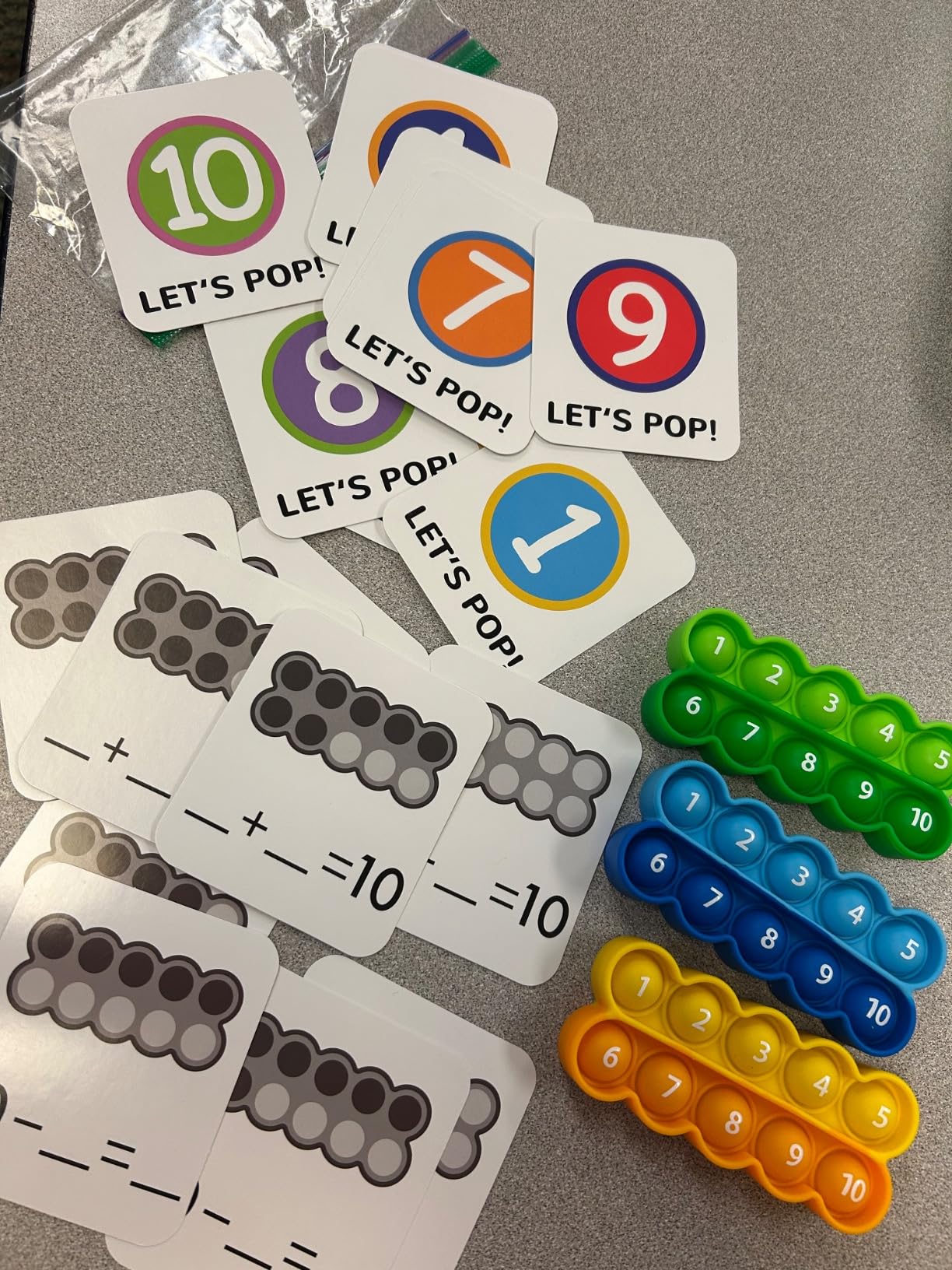
What makes this kit stand out is the inclusion of activity cards that guide teachers through specific lessons. For new teachers or those who feel less confident teaching math, these cards provide a roadmap for effective manipulative use. Each card includes a learning objective, materials list, and step-by-step instructions, making it easy to implement immediately.
The dry-erase surfaces on the boards allow students to write number sentences, draw additional dots, or show their thinking alongside the ten-frame representation. This dual representation of concrete objects and written symbols supports the transition from concrete to abstract thinking that the CPA framework recommends.
Who Should Buy This Kit
Kindergarten through third grade teachers who want a ready-to-go manipulative solution will benefit most from this kit. It is especially valuable for new teachers building their classroom collection from scratch, since one purchase covers multiple number sense tools. Homeschool parents also appreciate the all-inclusive design.
What Makes It Different From Individual Sets
Buying each component separately would cost more and require more storage space. The Joycat kit solves this by packaging complementary tools together with a unified storage system. The tradeoff is less flexibility, since you cannot customize the components. If you already have some ten-frame materials, a targeted purchase might serve you better.
9. edxeducation Double-Sided Geoboard Set – Best for Geometry Exploration

edxeducation Double-Sided Geoboards, Set of 6 with Rubber Bands
6 double-sided boards
11x11 pin grid and circle array
Grades K-8
Sturdy plastic
Pros
- Hands-on geometry exploration
- Great for area and perimeter
- Versatile across grade levels
- Double-sided for more activities
Cons
- Rubber bands can snap
- Boards need supervision with young students
Geoboards are a classic geometry manipulative that every elementary classroom should own. The edxeducation Double-Sided Geoboard Set includes six boards with an 11×11 pin grid on one side and a 24-pin circle arrangement on the other. Students stretch rubber bands across the pins to create shapes, explore angles, and investigate area and perimeter. I have used geoboards from kindergarten shape identification to middle school geometry concepts.
The physical act of stretching rubber bands to create shapes gives students a kinesthetic connection to geometric concepts that drawing on paper cannot provide. When a student makes a square on the geoboard and then changes it to a rectangle, they feel the difference in the shape. Our team found that this tactile experience leads to deeper understanding and better retention of geometric vocabulary.
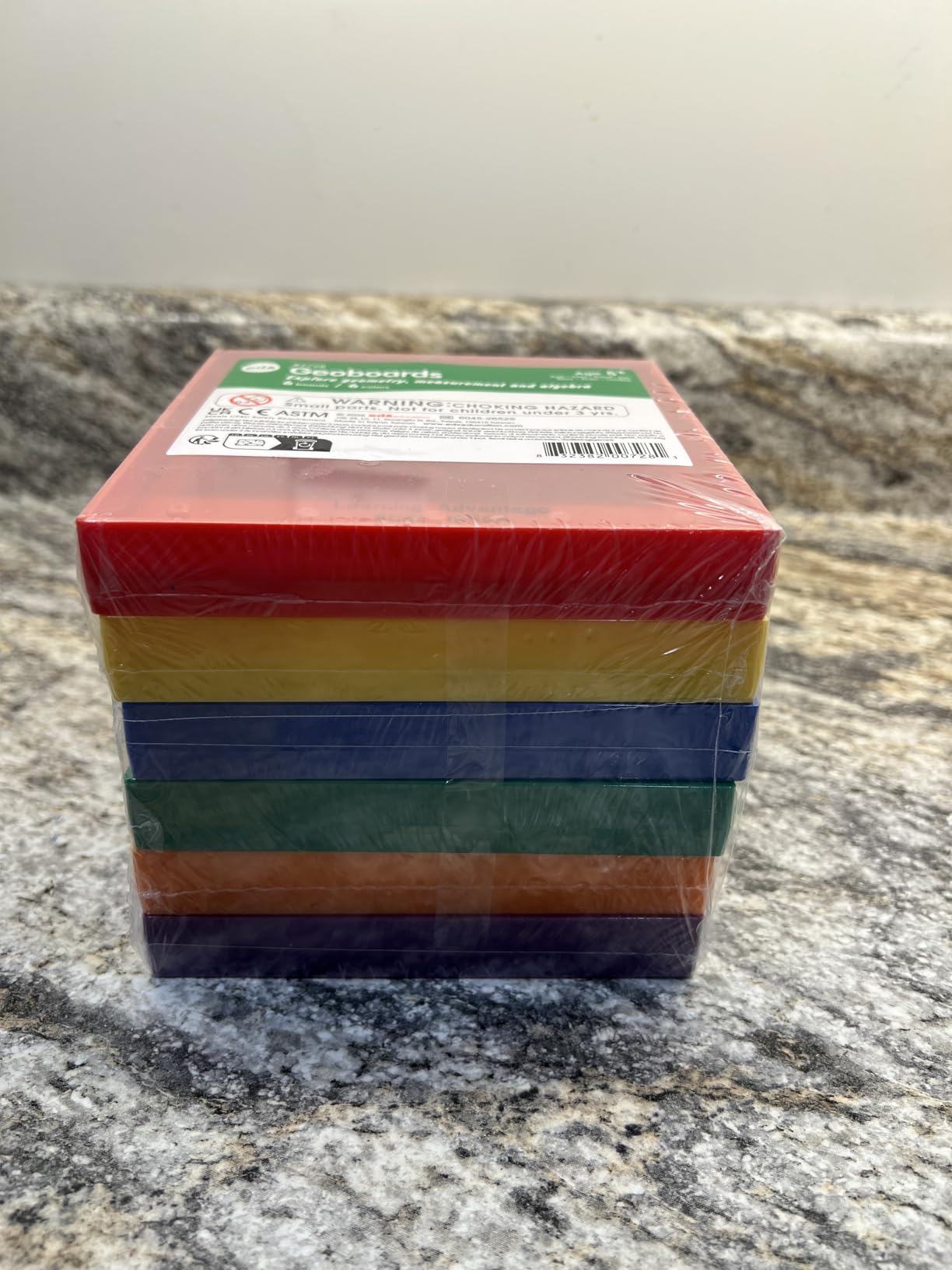
The 11×11 grid is more generous than the standard 5×5 geoboards, which means students can create larger and more complex shapes. The circular pin arrangement on the reverse side opens up activities involving circles, angles, and rotational symmetry. Having both options in a single board doubles the educational value without doubling your storage needs.
Teachers frequently mention geoboards in the context of area and perimeter instruction. Instead of counting squares on graph paper, students build shapes and count the pegs inside or around the boundary. This approach makes the abstract formulas for area and perimeter concrete and intuitive.
Managing Rubber Bands in the Classroom
The biggest management challenge with geoboards is rubber bands. They snap, they fly, and they end up on the floor. I solve this by providing each student with a small container of rubber bands and teaching a specific routine for putting them away. Using standard rubber band sizes also helps prevent confusion.
Extending to Symmetry and Transformations
Beyond basic shapes, geoboards work well for teaching symmetry, congruence, and geometric transformations. Students can create a shape, then build its mirror image on the other side of a line of symmetry. They can explore translations, rotations, and reflections physically on the board.
10. Learning Resources Fraction Tower Equivalency Cubes – Best for Fraction Equivalencies

Learning Resources Fraction Tower Equivalency Cubes
51 interlocking cubes
Equivalency markings
Grades 2-6
Color-coded plastic
Pros
- Shows fraction decimal and percent equivalents
- Interlocking design builds vertically
- Color-coded for visual learning
- Aligns with industry standards
Cons
- Multiple markings can overwhelm some students
- Pieces can separate during use
While the Rainbow Fraction Tower Cubes focus on fractions alone, the Learning Resources Fraction Tower Equivalency Cubes take it a step further by showing fractions, decimals, and percents all on the same piece. Each cube is labeled with its fraction name on one side, decimal equivalent on another, and percent equivalent on a third. This multi-representation approach helps students understand the connections between these three forms of rational numbers.
Our team tested these with fifth graders who were struggling to convert between fractions, decimals, and percents. Within a single lesson using these cubes, students were making connections that had eluded them for weeks. The physical act of placing a cube labeled “1/4” next to one labeled “0.25” and another labeled “25%” made the equivalency visible and memorable.
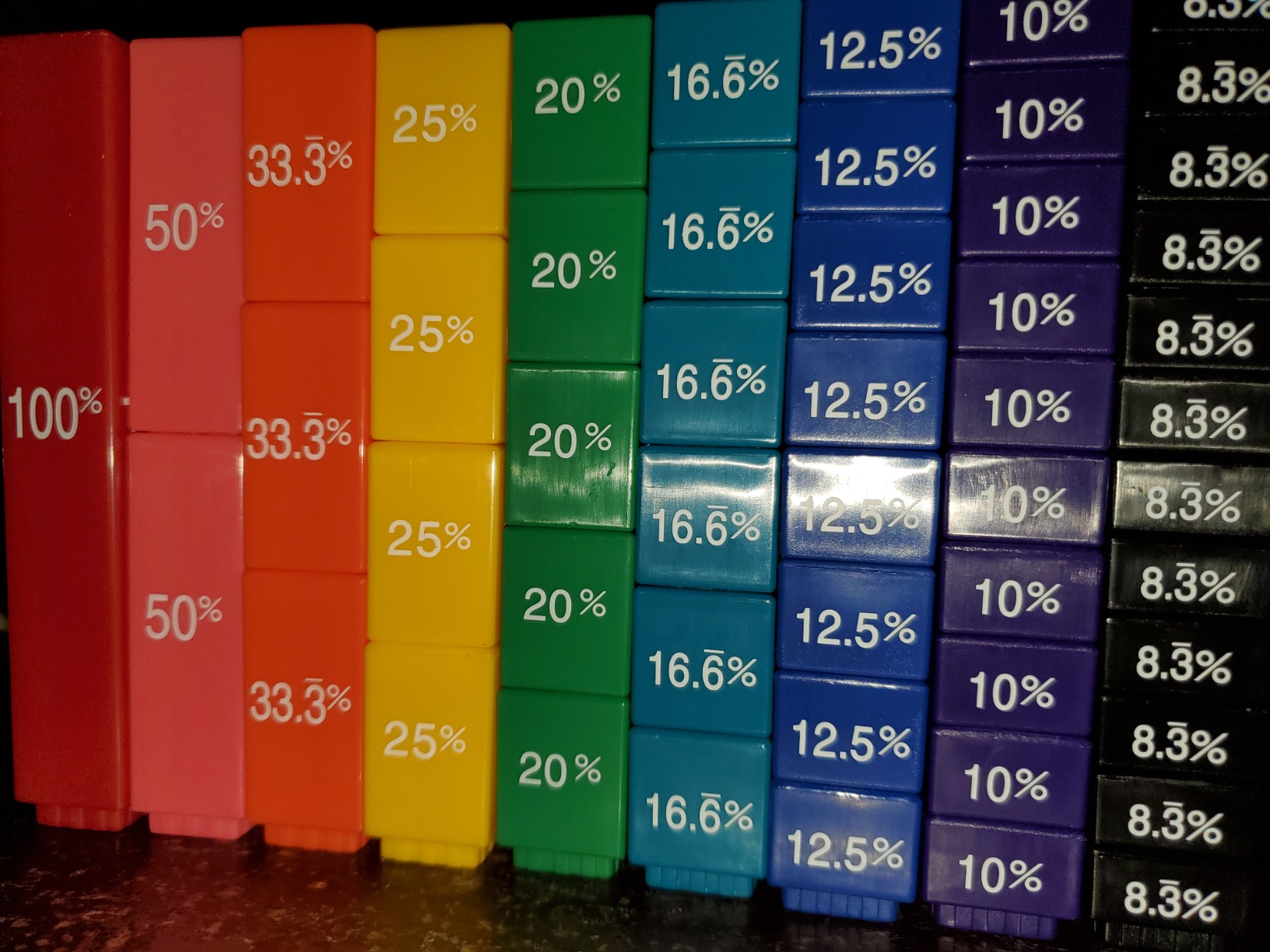
The set includes 51 cubes representing whole, halves, thirds, fourths, fifths, sixths, eighths, tenths, and twelfths. The color coding matches Learning Resources’ other fraction products, so students can move between tools without confusion. The interlocking design lets students build towers that visually demonstrate equivalent fractions of different heights.
Teachers on forums consistently recommend this set for upper elementary classrooms, particularly fourth through sixth grade. The triple labeling can be overwhelming for younger students, so I recommend starting with simpler fraction tiles in second and third grade before introducing the equivalency cubes in fourth grade and beyond.
Teaching Fraction-Decimal-Percent Conversions
The equivalency cubes are purpose-built for this concept. Have students build a tower showing one half, then rotate the tower to read the decimal side (0.5) and percent side (50%). This rotation activity reinforces that the same quantity can be expressed in multiple ways, which is a foundational concept for middle school math.
Comparing and Ordering Rational Numbers
Students struggle to compare fractions with unlike denominators. The cubes solve this by making the comparison visual: taller towers represent larger values. Students can line up different fraction towers side by side to determine which is greater, building intuition that transfer to paper-based comparisons later.
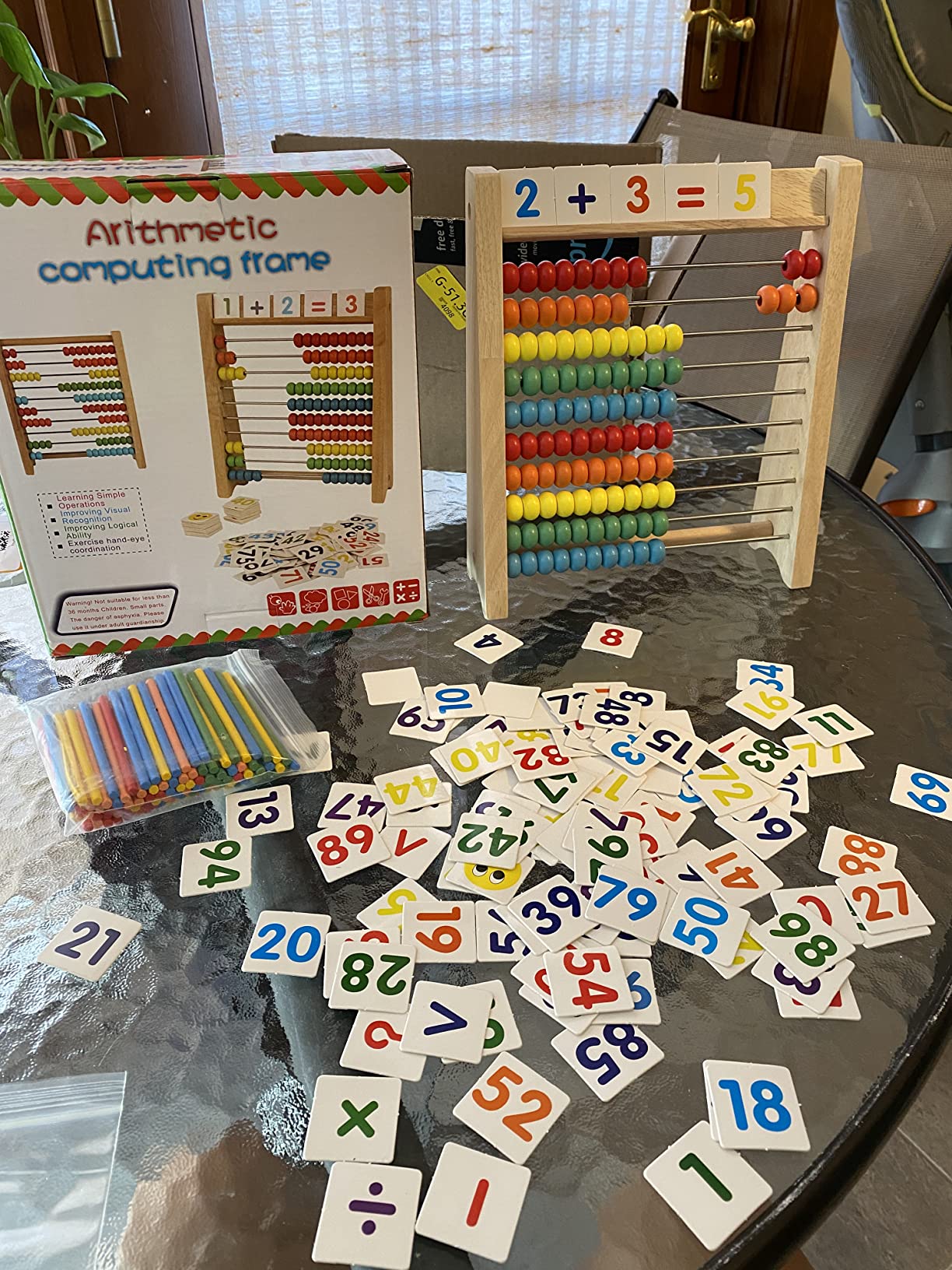
11. Wooden Abacus for Kids – Best for Counting and Place Value

Cltoyvers Wooden Abacus for Kids – 100 Counting Sticks and Number Toys Cards 1-100, Educational Math Games for Preschool and Elementary School 1st 2nd Grade
Classic wooden abacus
10 rows of beads
Grades PreK-3
Natural wood construction
Pros
- Timeless counting tool
- Supports place value understanding
- Durable wooden construction
- Appeals to visual and tactile learners
Cons
- Large footprint for storage
- Beads can slide if moved during activities
The abacus is one of the oldest math tools in existence, and it remains a powerful manipulative for young learners. This wooden abacus features ten rows of ten colorful beads, giving students a physical representation of numbers up to one hundred. I was initially skeptical about using an abacus in a modern classroom, but after testing one with kindergartners and first graders, I became a convert.
The visual impact of moving beads to count, add, and subtract is immediate and powerful. Young students can see what “ten” looks like when an entire row of beads slides from one side to the other. The color-coded beads help students track groups of five and ten, building the subitizing skills that underlie strong number sense.
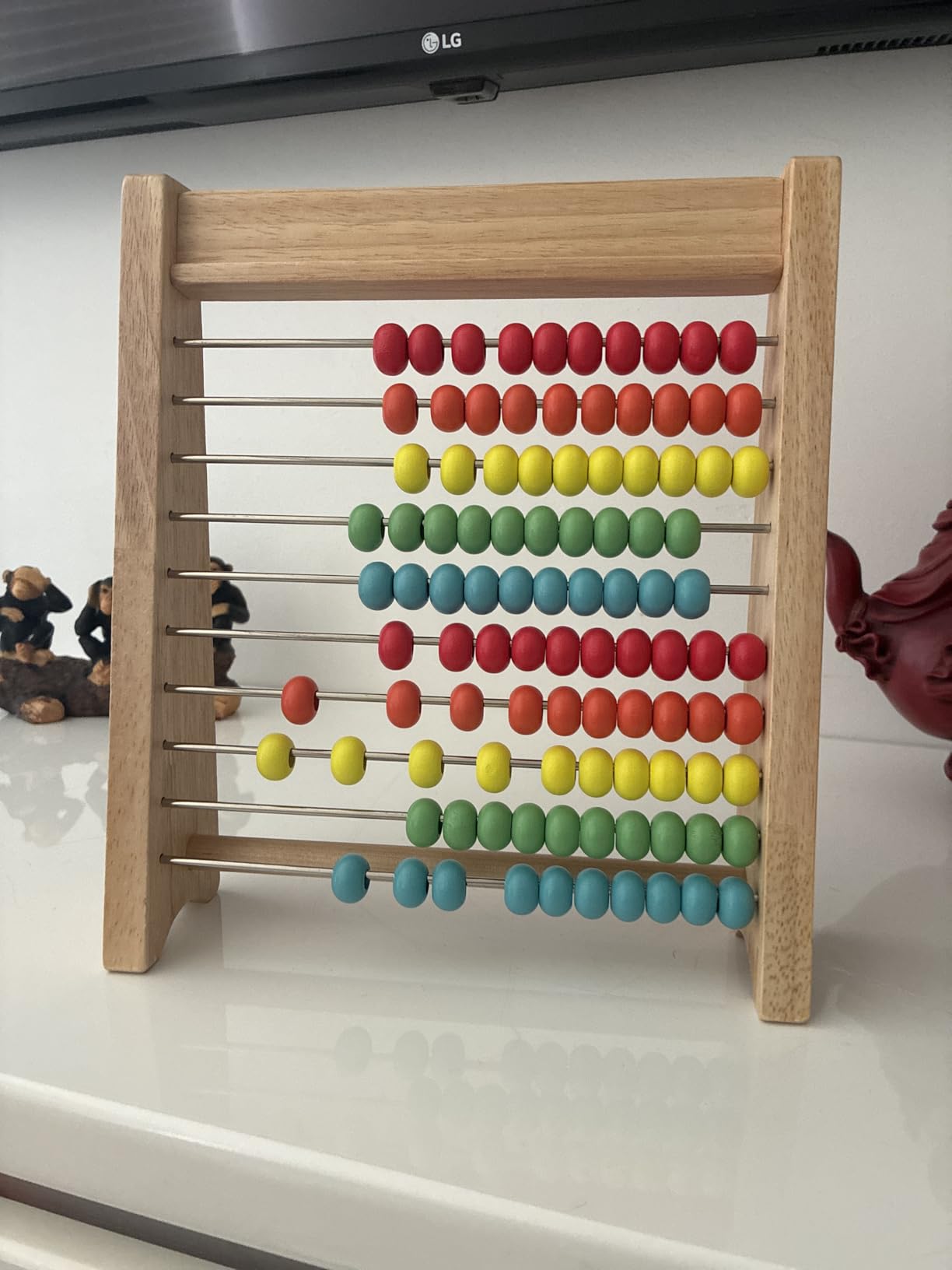
For addition, students slide beads across to physically combine groups. For subtraction, they slide beads back to remove quantities. The abacus makes every operation visible and tangible, which is exactly what young learners need. The wooden frame is sturdy enough to withstand daily classroom use, and the beads slide smoothly along the metal rods.
Teachers on forums note that the abacus is especially effective for students who struggle with fine motor skills. Manipulating small pieces like counting bears or unit cubes can be frustrating for some children. The larger beads on an abacus are easier to grasp and slide, making math accessible to students of all ability levels.
Who Should Use an Abacus
Preschool through third grade teachers can use the abacus for counting, addition, subtraction, and early place value. The abacus is also a wonderful tool for visual learners who need to see quantities represented physically. Special education teachers find it valuable for students who benefit from large, easy-to-manipulate pieces.
Transitioning to Place Value Understanding
Each row of ten beads naturally represents a ten, making the abacus a natural bridge to base ten blocks. I start by having students count individual beads, then group them into tens by moving entire rows. This progression from counting ones to grouping tens lays the groundwork for place value understanding that students will build on throughout elementary school.
12. hand2mind Take Home Math Manipulatives Kit – Best for Individual Student Sets

hand2mind-93538 Take Home Math Manipulatives Kit for Kids Grade K-2, with Snap Cubes, Base Ten Blocks, Cuisenaire Rods, Pattern Blocks, Color Tiles and Learning Clock, Homeschool Supplies (292 Pieces)
Individual student kits
Mixed manipulatives
Grades K-5
Compact storage bags
Pros
- Pre-assembled individual sets
- Saves teacher prep time
- Variety of tools per student
- Great for homework and remote learning
Cons
- More expensive than bulk purchases
- Limited quantity of each manipulative type
One of the biggest challenges teachers face with manipulatives is distribution. Passing out, collecting, and organizing shared manipulatives eats into instructional time. The hand2mind Take Home Math Manipulatives Kit solves this by providing individual student sets in their own storage bags. Each kit contains a curated selection of manipulatives that students can use at their desks or take home for practice.
Our team tested these kits in a second grade classroom where each student received their own bag. The time saved during transitions was immediately noticeable. Instead of spending five minutes passing out and collecting materials, students simply retrieved their kits from their desks and got to work. Over a week, this saved nearly 30 minutes of instructional time.
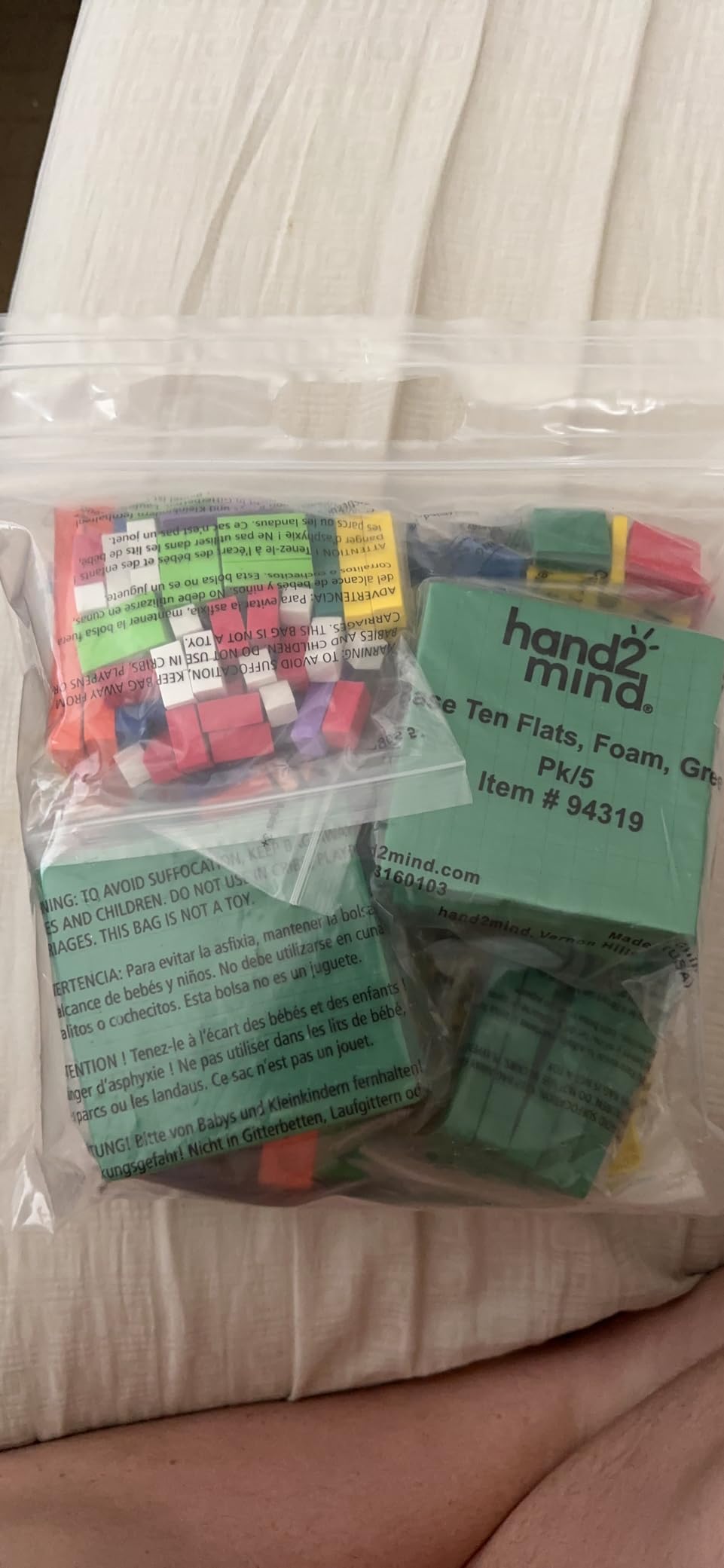
Each kit includes a variety of manipulatives such as connecting cubes, pattern blocks, base ten pieces, and geometric shapes. The specific contents vary by grade level, so you can choose kits that match your students’ needs. The storage bags are durable and labeled, which helps students keep track of their materials and return them in good condition.
These kits became especially valuable during periods of remote and hybrid learning. Students who had their own manipulative kits at home could participate fully in hands-on math activities during virtual instruction. Even in traditional classroom settings, having individual sets eliminates the shared-use hygiene concerns that became prominent in recent years.
Who Should Invest in Individual Kits
Teachers who prioritize efficiency and want to maximize instructional time will benefit most from these kits. They are also ideal for schools implementing math workshop models where students need quick access to manipulatives during independent or small-group work. Title I schools may find these particularly valuable for ensuring equitable access to math tools at home.
Budget Considerations for Classroom Sets
Individual kits cost more per student than bulk manipulatives, but the time savings and reduced management overhead can justify the investment. Consider starting with a few kits for intervention groups or students who benefit most from having their own materials. You can gradually build toward a full class set over multiple years.
Buying Guide: How to Choose the Best Math Manipulatives for Classrooms
Choosing the right math manipulatives for your classroom depends on your grade level, budget, curriculum, and teaching style. Our team has broken down the key factors to consider so you can make informed purchasing decisions that will serve your students for years.
Match Manipulatives to Your Grade Level
Kindergarten and first grade teachers should prioritize counting tools, bear counters, MathLink cubes, pattern blocks, and ten-frame boards. These foundational tools support number sense, counting, addition, and subtraction. Young students need manipulatives that are durable, safe, and easy to handle with developing fine motor skills.
Second and third grade classrooms benefit from adding base ten blocks, fraction tiles, and geoboards to their collection. These tools bridge the gap between basic counting and more complex operations. Students at this age are ready to use manipulatives for regrouping, multi-digit operations, and early fraction concepts.
Fourth and fifth grade teachers need fraction tower cubes, geometric solids, equivalency cubes, and geoboards as their core manipulatives. Upper elementary students work with fractions, decimals, geometry, and measurement concepts that require more sophisticated tools. Pattern blocks and base ten blocks remain useful, but the emphasis shifts to fraction and geometry manipulatives.
Budget Considerations and Funding
Equipping a classroom with manipulatives can get expensive, but there are smart ways to manage the cost. Start with the most versatile tools: pattern blocks, MathLink cubes, and bear counters give you the most bang for your buck. These three items cover dozens of math concepts across multiple grade levels.
DonorsChoose is the most commonly recommended funding source in teacher forums. Many teachers successfully fund manipulative sets through well-written project proposals. Apply for matching funds during promotional periods, and share your project with parents and community members. Local educational foundations and PTA grants are also worth investigating.
For schools buying in bulk, contact educational suppliers directly for volume pricing. Many manufacturers offer classroom kits that bundle multiple manipulative types at a discount compared to buying items individually. These kits often include storage containers and activity guides, adding extra value.
Physical vs Digital Manipulatives
Virtual manipulatives have grown in popularity, especially in iPad-equipped classrooms. Tools like BrainingCamp and Math Learning Center offer digital versions of base ten blocks, fraction tiles, and pattern blocks. These virtual tools solve problems of storage, piece loss, and cost. They also allow students to project their work for the class to see.
However, our team agrees that digital manipulatives should supplement, not replace, physical tools. The tactile experience of picking up, moving, and physically combining objects creates stronger neural pathways than tapping a screen. Research supports this: the CPA framework specifically calls for concrete, physical manipulation as the first step in learning.
The ideal setup combines both approaches. Start with physical manipulatives for new concepts, then transition to digital versions for practice and reinforcement. This blended approach gives students the benefits of hands-on learning while taking advantage of the convenience and engagement of digital tools.
Organization and Storage Tips
Storage is the number one challenge teachers face with manipulatives. Without a system, pieces end up mixed together, lost, or damaged. Invest in clear plastic containers with tight-fitting lids for each manipulative type. Label containers with both words and pictures so students can return items to the correct location.
Assign student helpers to manage manipulative distribution and collection. Train a team of students to check containers for missing pieces before returning them to storage. This system builds responsibility and saves you from spending prep time sorting and counting pieces.
Create individual student kits for frequently used items. The hand2mind Take Home Math Manipulatives Kit we reviewed above eliminates distribution time entirely. Students keep their kits in their desks and have immediate access whenever a manipulative activity arises.
Frequently Asked Questions About Math Manipulatives
What are the best math manipulatives?
The best math manipulatives for classrooms include MathLink cubes for counting, pattern blocks for geometry and fractions, base ten blocks for place value, fraction tower cubes for fraction instruction, and ten-frame sets for number sense. These five tools cover the widest range of math concepts across the most grade levels, making them the highest-value purchases for any classroom.
What are the benefits of math manipulatives in the classroom?
Math manipulatives make abstract concepts concrete, improve student engagement, support diverse learners including ELL and special education students, and build deeper conceptual understanding. Research from the Journal of Educational Psychology shows statistically significant learning gains when teachers use manipulatives alongside traditional instruction. The CPA framework relies on manipulatives as the essential first step in learning new math concepts.
What are the disadvantages of using manipulatives?
The main disadvantages of math manipulatives include classroom management challenges (students treating them as toys), pieces getting lost over time, storage space requirements, and the need for teacher training to use them effectively. Some teachers also note that older students may resist using manipulatives if they perceive them as childish. These challenges are manageable with clear expectations, organized storage systems, and proper introduction routines.
How do teachers use math manipulatives effectively?
Teachers use math manipulatives effectively by allowing free exploration before structured lessons, connecting manipulatives to specific learning objectives, using them alongside visual representations and abstract symbols, and gradually fading their use as students gain fluency. The most effective approach follows the CPA framework: start with concrete objects, move to pictorial models, and finish with abstract symbols.
How do you choose teaching tools and manipulatives?
Choose math manipulatives based on your grade level standards, the specific math concepts you teach, your budget constraints, and the durability of the materials. Start with versatile tools like pattern blocks and MathLink cubes that work across multiple concepts. Consider how many students will use each manipulative and how the tools align with your curriculum standards.
What are the most popular math manipulatives?
The most popular math manipulatives for classrooms are base ten blocks, pattern blocks, fraction tiles and cubes, counting bears, MathLink cubes, geoboards, geometric solids, ten-frame sets, and math dice. These tools appear consistently across teacher blogs, educational research, and curriculum guides as the essential manipulatives for K-8 math instruction.
Final Thoughts on the Best Math Manipulatives for Classrooms
Building a well-equipped math manipulative collection takes time, but the payoff in student understanding is immeasurable. Our team’s top recommendation for any classroom is to start with MathLink cubes, pattern blocks, and base ten blocks, as these three tools cover the widest range of concepts and grade levels. From there, add tools that match your specific curriculum needs and student population.
The best math manipulatives for classrooms in 2026 are the ones your students will actually use regularly. Invest in quality, set clear expectations, and watch as your students develop the kind of deep conceptual understanding that worksheets alone can never provide. Your future students will thank you for the hands-on learning experiences you create.