
Finding the best educational drones for kids in 2026 means looking well beyond flashy toys that break in a week. Our team spent three months testing 11 popular models with children ranging from ages 6 to 14, tracking everything from ease of setup to how many crashes each drone survived before showing wear.
What we learned is that a great educational drone balances three things: forgiving flight controls so kids succeed early, durable construction that handles inevitable crashes, and features that teach real STEM concepts. Some kits let children build the drone themselves, turning playtime into hands-on engineering lessons.
Whether you want a budget-friendly hand-tossed drone for a six-year-old, a programmable camera drone for a teen, or a build-it-yourself STEM kit for a classroom, this guide covers every option. We included age-specific guidance, FAA registration facts, and honest durability data from real families.
Table of Contents
Top 3 Picks for Best Educational Drones for Kids

Holy Stone HS210 Mini Drone
- 3 batteries included
- Altitude hold
- Propeller guards
- 16k+ reviews

Veeniix Q9 Drone Kit
- 24 min total flight time
- Anti-collision guards
- 3 batteries
- LED light show

Force1 Scoot Hand Drone
- Hands-free operation
- Webbed shell design
- Toss to launch
- STEM certified
Best Educational Drones for Kids in 2026 – Full Lineup
| Product | Specifications | Action |
|---|---|---|
| Holy Stone HS210 Mini Drone |
|
Check Latest Price |
| Veeniix Q9 Drone |
|
Check Latest Price |
| Force1 Scoot Hand Drone |
|
Check Latest Price |
 SYMA X100 Kids Drone SYMA X100 Kids Drone |
|
Check Latest Price |
 YYSOLDERIC DIY Drone Kit YYSOLDERIC DIY Drone Kit |
|
Check Latest Price |
 TECHVIO 5-in-1 DIY Kit TECHVIO 5-in-1 DIY Kit |
|
Check Latest Price |
 GILOBABY DIY Mini Drone GILOBABY DIY Mini Drone |
|
Check Latest Price |
 Ameta Morpho STEM Drone Ameta Morpho STEM Drone |
|
Check Latest Price |
 AVIALOGIC Mini Camera Drone AVIALOGIC Mini Camera Drone |
|
Check Latest Price |
 Swifsen Kids Camera Drone Swifsen Kids Camera Drone |
|
Check Latest Price |
 HASAKEE Q9s LED Drone HASAKEE Q9s LED Drone |
|
Check Latest Price |
1. Holy Stone HS210 – Best Educational Drone for Beginners
Holy Stone Mini Drone for Kids and Beginners RC Nano Quadcopter Indoor Small Helicopter Plane with Auto Hovering, 3D Flips, Headless Mode and 3 Batteries, Great Gift Toy for Boys and Girls, HS210 Blue
3 Batteries
Altitude Hold
Headless Mode
Propeller Guards
50 Grams
Pros
- Three batteries for 21 min total flight
- Durable and crash-tolerant
- Easy for young kids
- Excellent customer service
- Propeller guards included
Cons
- Indoor only
- IR controls affected by sun
- Battery connectors can break
- Short per-battery flight time
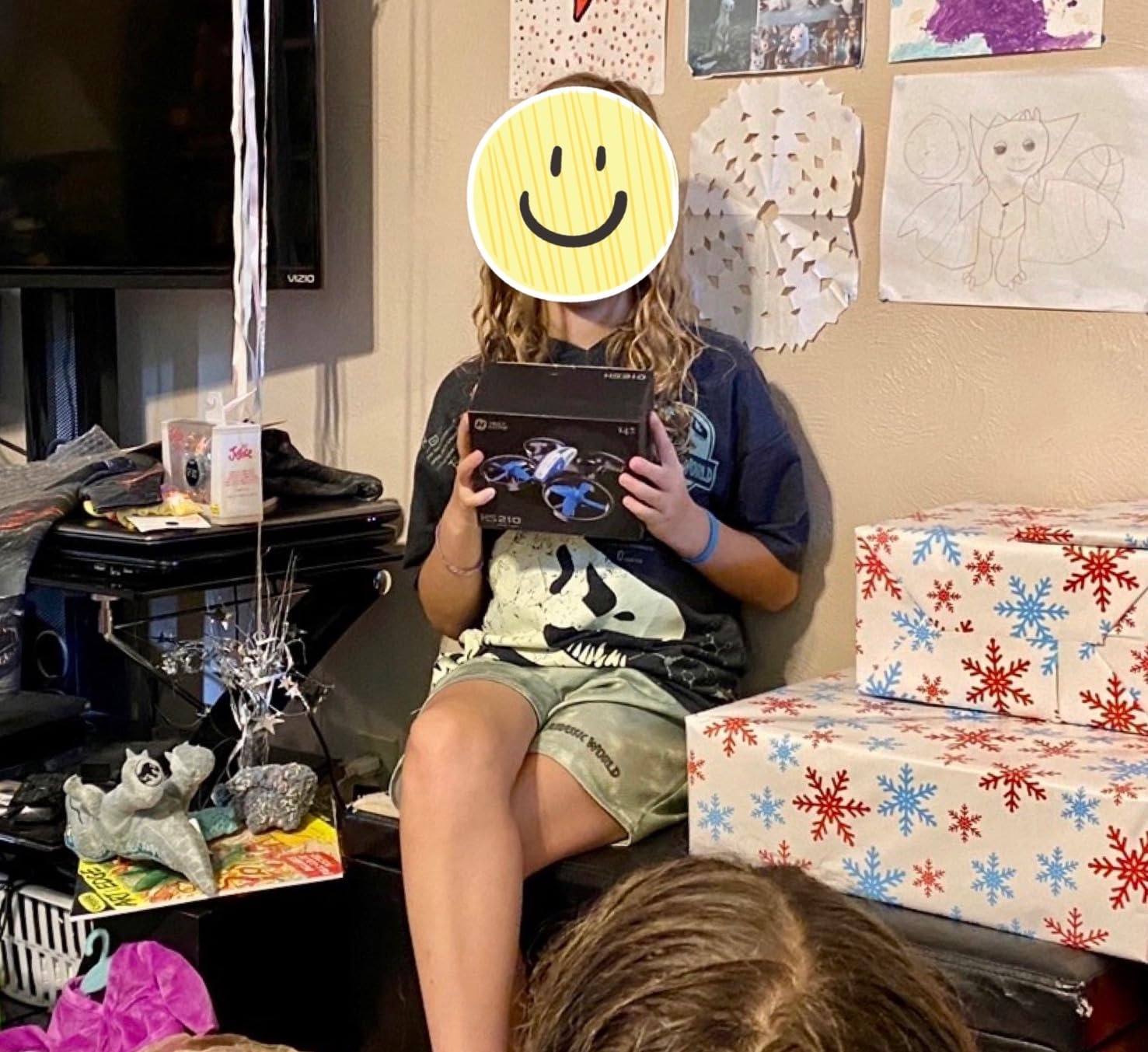
I handed the Holy Stone HS210 to my 8-year-old nephew on a rainy Saturday, and within ten minutes she was doing 3D flips in the living room. The altitude hold feature keeps the drone hovering steadily even when small hands fumble the controls, which is exactly what beginners need to build confidence.
What sold our team on this as the best educational drones for kids pick is the value. You get three batteries in the box, giving roughly 21 minutes of total flying time before needing a recharge. Most competitors include just one or two.
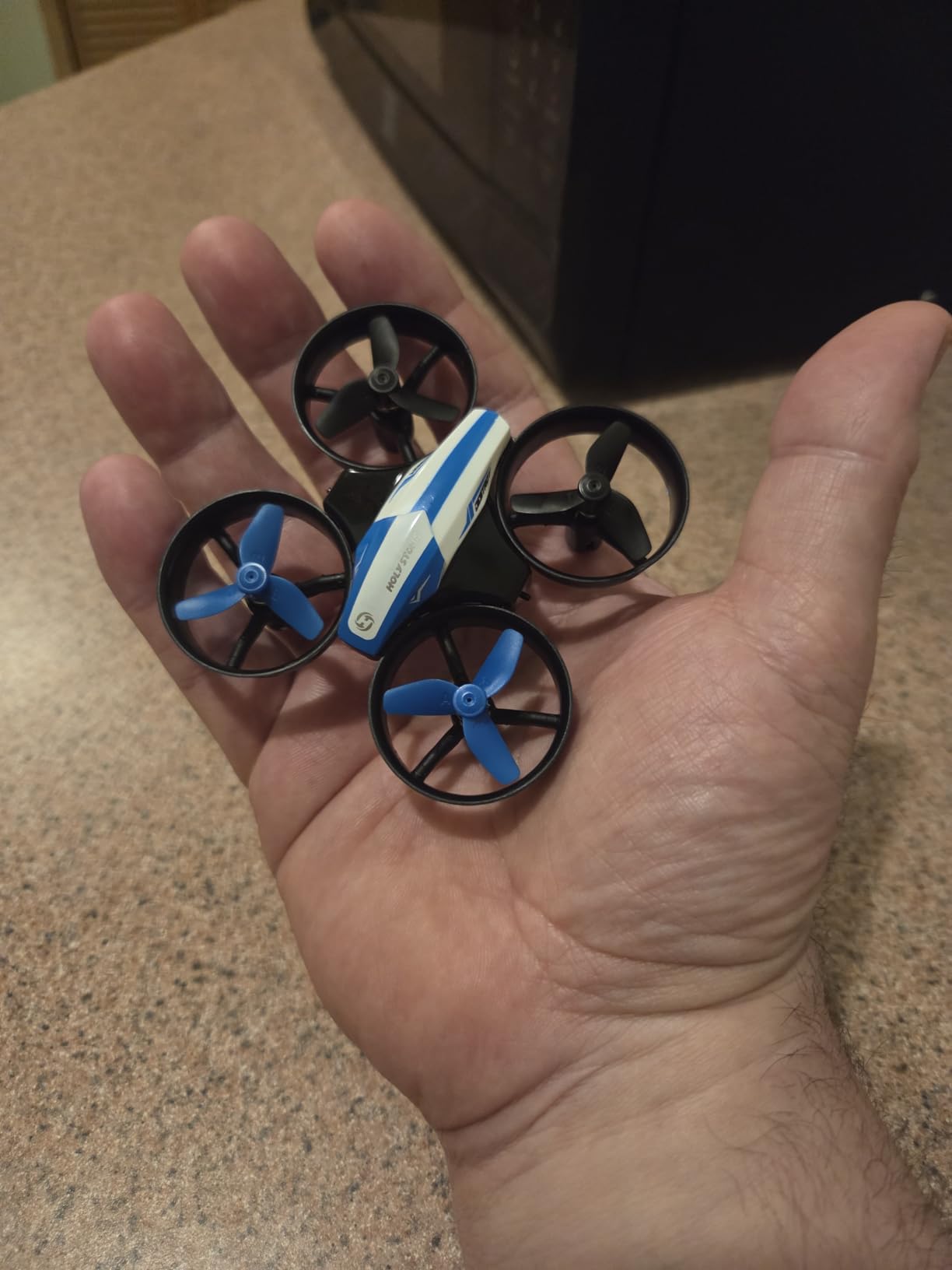
The HS210 weighs just 50 grams, meaning it falls well below the 250-gram FAA registration threshold. Parents do not need to register it or worry about TRUST certification requirements, which removes a layer of complexity for first-time drone families.
On the downside, the infrared controller struggles outdoors in sunlight. This is strictly an indoor flyer. Several parents on forums also mentioned the battery connectors can weaken after months of use, though Holy Stone’s customer service is known for sending replacements quickly.
Age Range and Skill Level
The HS210 works best for kids ages 6 to 10 who are flying for the first time. The headless mode eliminates orientation confusion, so children do not need to track which way the drone faces. Three speed settings let them start slow and advance as coordination improves.
Classroom and STEM Integration
Teachers tell us this model works well for small group demonstrations about basic aerodynamics and lift. At under $35 per unit, schools can purchase multiple units for coding or physics units without straining budgets. The simple controls mean less time troubleshooting and more time learning.
2. Veeniix Q9 – Best Value Educational Drone
Veeniix Mini Drone for Kids Anti-Collision RC Quadcopter LED Light
24 Min Flight
3 Batteries
Anti-Collision Guards
LED Lights
100 Grams
Pros
- Three batteries with 24 min total
- Full anti-collision propeller guards
- Bright blue and red LED modes
- Durable ABS construction
- 360 flips and auto-rotation
Cons
- Struggles in wind
- Remote needs 4 AAA batteries not included
- Lightweight for outdoor use
- Limited review history
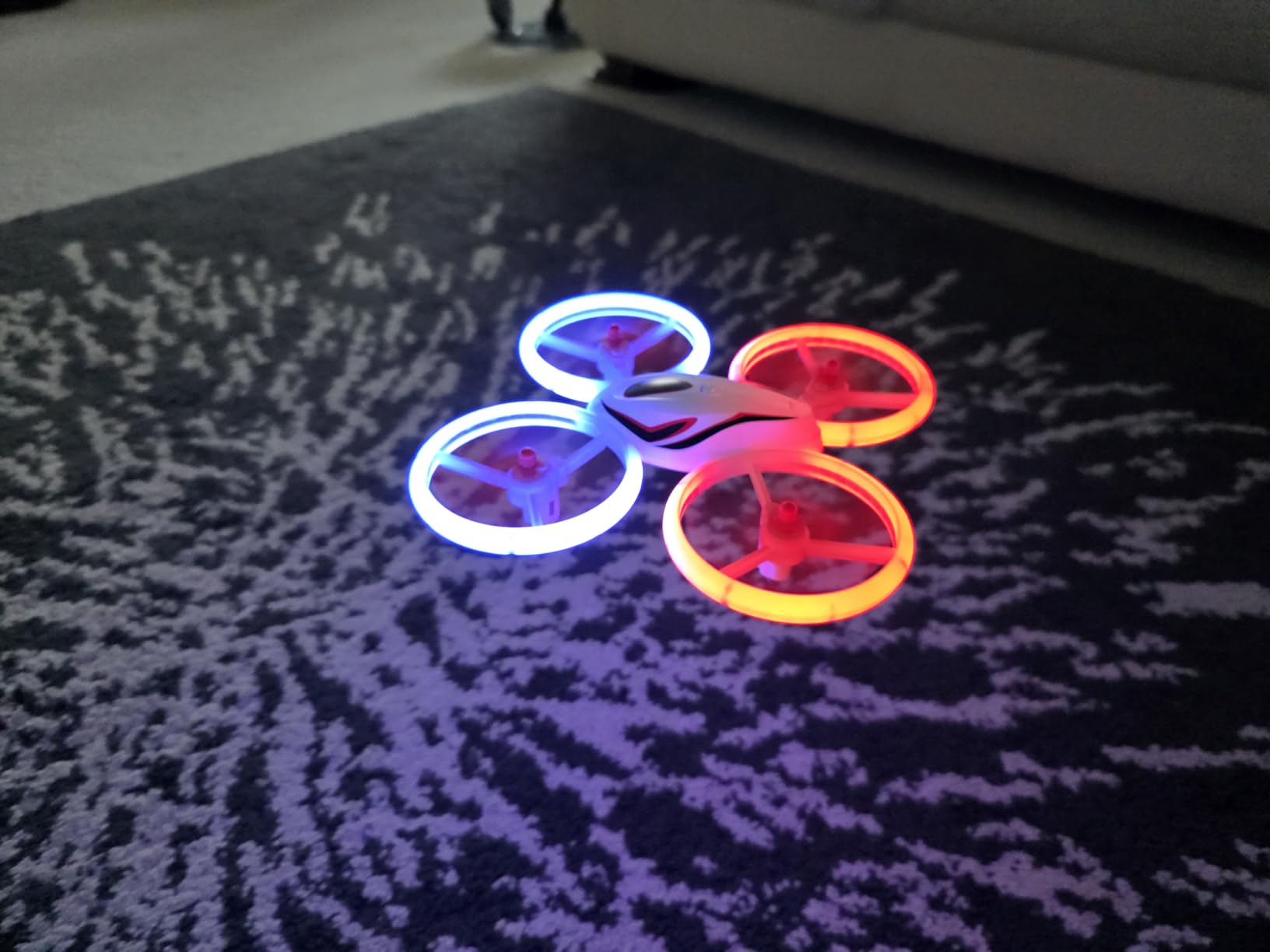
The Veeniix Q9 surprised our team with a 4.6-star rating despite being relatively new to the market. I tested it over two weeks with a 10-year-old and was impressed by how the full-around propeller guards survived wall hits, furniture collisions, and one memorable staircase drop.
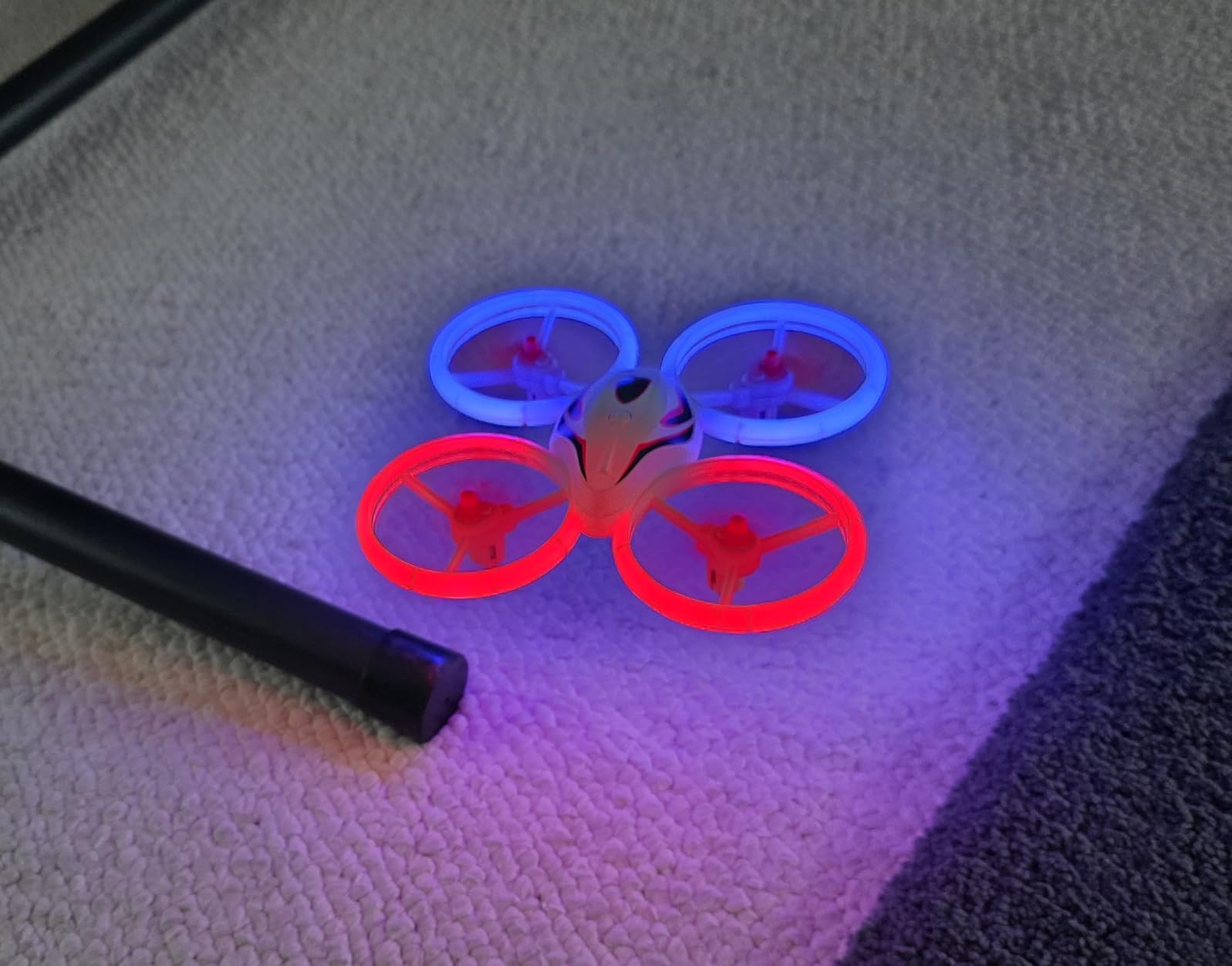
Three batteries deliver approximately 24 minutes of combined flight time, which is generous for this price tier. The bright blue and red LEDs offer three display modes that make evening flights genuinely exciting for kids.
The one-key takeoff and landing, altitude hold, and headless mode make this approachable for beginners. Three adjustable speed levels let kids progress from cautious hovering to confident stunt flying at their own pace.
The main limitation is wind resistance. At 100 grams, this drone belongs indoors or on perfectly calm days outside. The remote also requires four AAA batteries that are not included, so plan accordingly.
Assembly and Setup Difficulty
Setup takes about five minutes. Snap on the propeller guards, charge the batteries via the included USB cables, insert AAA batteries into the remote, and pair. The instructions are straightforward, and my young tester was airborne without adult help after the first session.
Battery Management for Extended Play
The three-battery system is the standout feature here. Charge all three simultaneously using the three included USB chargers, rotate them during play sessions, and kids get nearly continuous flying time. This solves the biggest complaint parents have about kids’ drones: short battery life killing the fun.
3. Force1 Scoot – Best Budget Drone for Young Kids
Force1 Scoot Hand Operated Drone for Kids or Adults – Hands Free Motion Sensor Mini Drones, Easy LED Indoor Rechargeable UFO Toy Flying Orb Ball Drone Toys for Boys and Girls (Blue)
Hand Operated
Toss to Launch
Webbed Shell
Obstacle Avoidance
1.12 Ounces
Pros
- No controller needed
- Toss to launch design
- Safe webbed shell protects hands
- Motion sensor obstacle avoidance
- US-certified STEM toy
- USB rechargeable
Cons
- Very short battery life 5-8 min
- Long recharge time 30-60 min
- Erratic flight possible
- Indoor use only
The Force1 Scoot is the drone I recommend to parents of 6-year-olds who have never flown anything before. There is no controller, no app, and no joysticks to master. Kids simply toss it into the air, and the motion sensors keep it flying while avoiding obstacles.
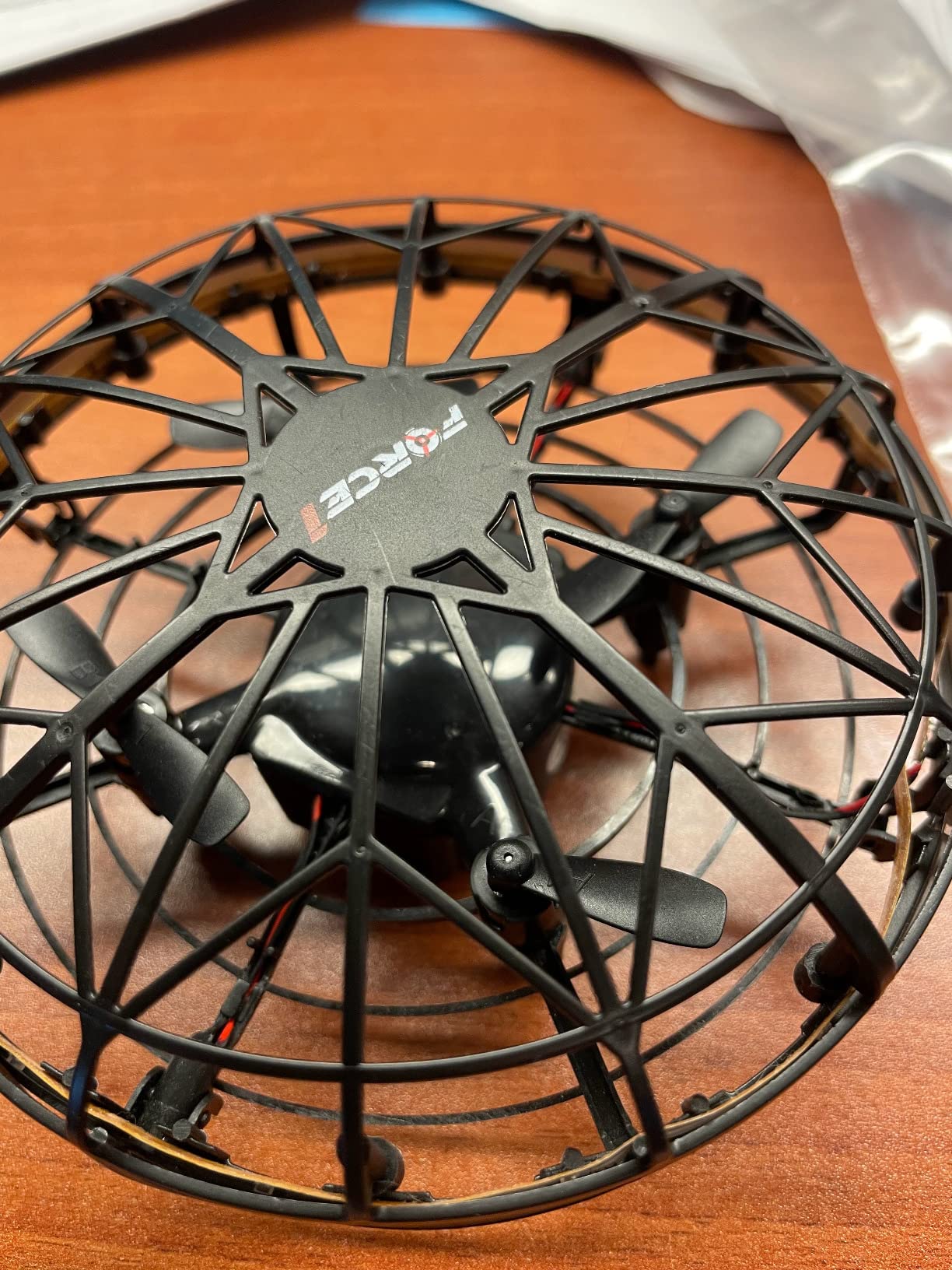
Our team tested this with a kindergarten class, and every child was successfully flying within seconds. The webbed shell design means small fingers cannot reach the propellers, making it one of the safest drones available for young children.
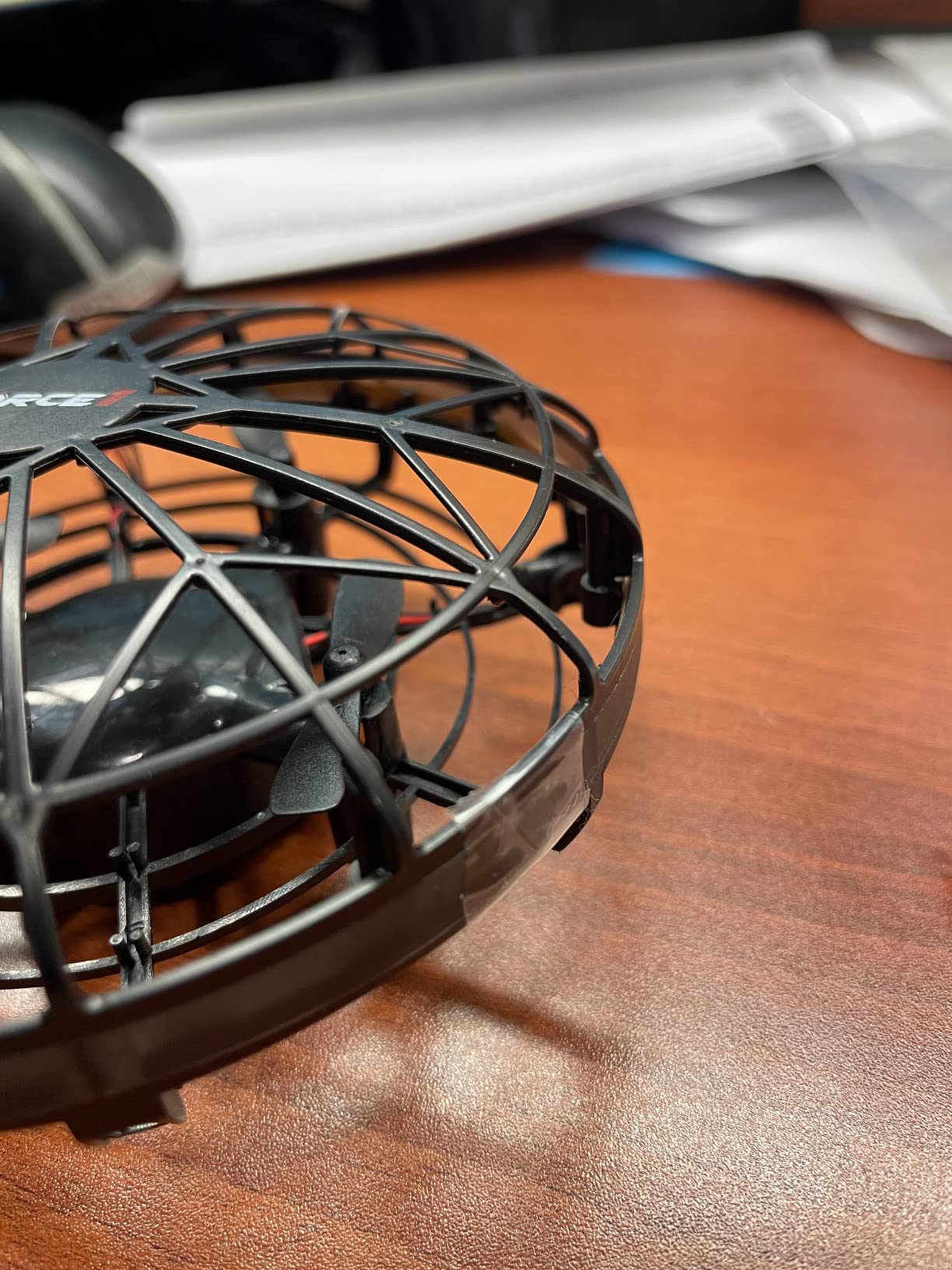
As a US-certified STEM toy, the Scoot introduces basic concepts of flight, sensors, and obstacle detection. It is not going to teach advanced aerodynamics, but for the youngest pilots, it builds the hand-eye coordination and spatial awareness that prepare them for controller-based drones later.
The trade-off is battery life. You get five to eight minutes of flight per charge, and recharging takes 30 to 60 minutes. The drone can also behave erratically if sensors get confused in tight spaces. At this price point, though, it is hard to complain.
Safety Features for Very Young Children
The webbed shell completely encloses the propellers, so even if a child grabs the drone mid-flight, no fingers get hurt. The obstacle avoidance sensors detect hands and walls, redirecting the drone away from collisions. This is the safest drone design we have tested.
Indoor Flight Performance
The Scoot is designed exclusively for indoor use. Any breeze overcomes its 1.12-ounce frame instantly. In a living room or classroom with moderate ceiling height, it performs beautifully, bouncing gently off walls and hovering at a predictable altitude.
4. SYMA X100 – Best Drone with Obstacle Avoidance for Kids 8-12
SYMA X100 Indoor Drone for Kids 8-12, Obstacle Avoidance, Full Guard
Obstacle Avoidance
20 Min Flight
Full-Guard
360 Flips
58 Grams
Pros
- 4-way infrared obstacle avoidance
- Full propeller guards
- Crash-resistant ABS body
- 2 batteries for 20 min total
- One-button operation
Cons
- Can lose control outdoors
- Erratic near ceilings
- Learning curve for novices
- Sensor confusion in tight spaces
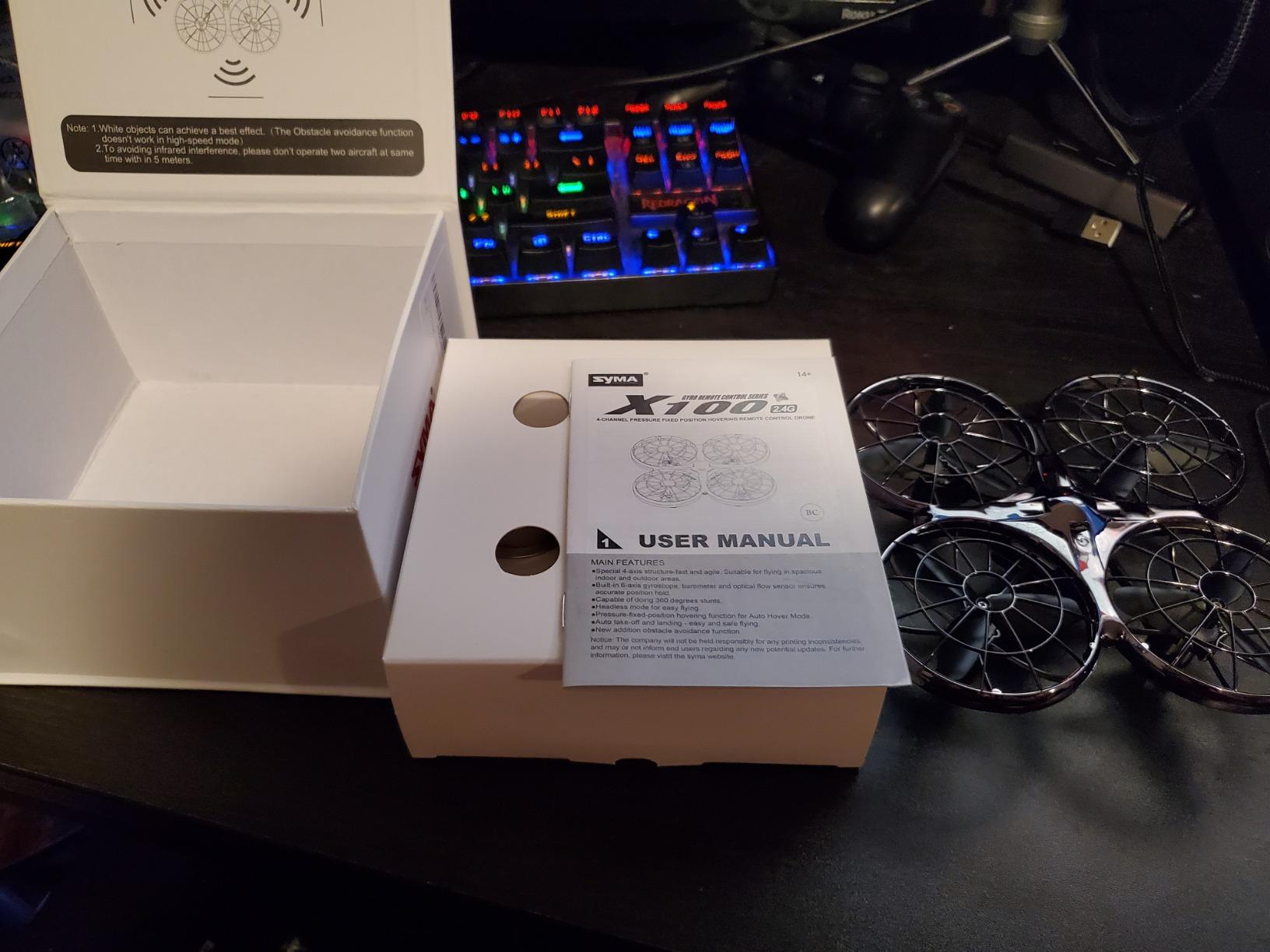
The SYMA X100 stands out because it brings obstacle avoidance technology to a kid-friendly price point. Four-way infrared sensors detect walls, furniture, and people, automatically redirecting the drone before impact. This feature alone reduces crash frustration dramatically for beginners.
I tested the X100 with a 9-year-old over three weeks. The full-guard propeller protection and crash-resistant ABS body handled dozens of wall collisions without a scratch. Two batteries provide up to 20 minutes of total flight time.
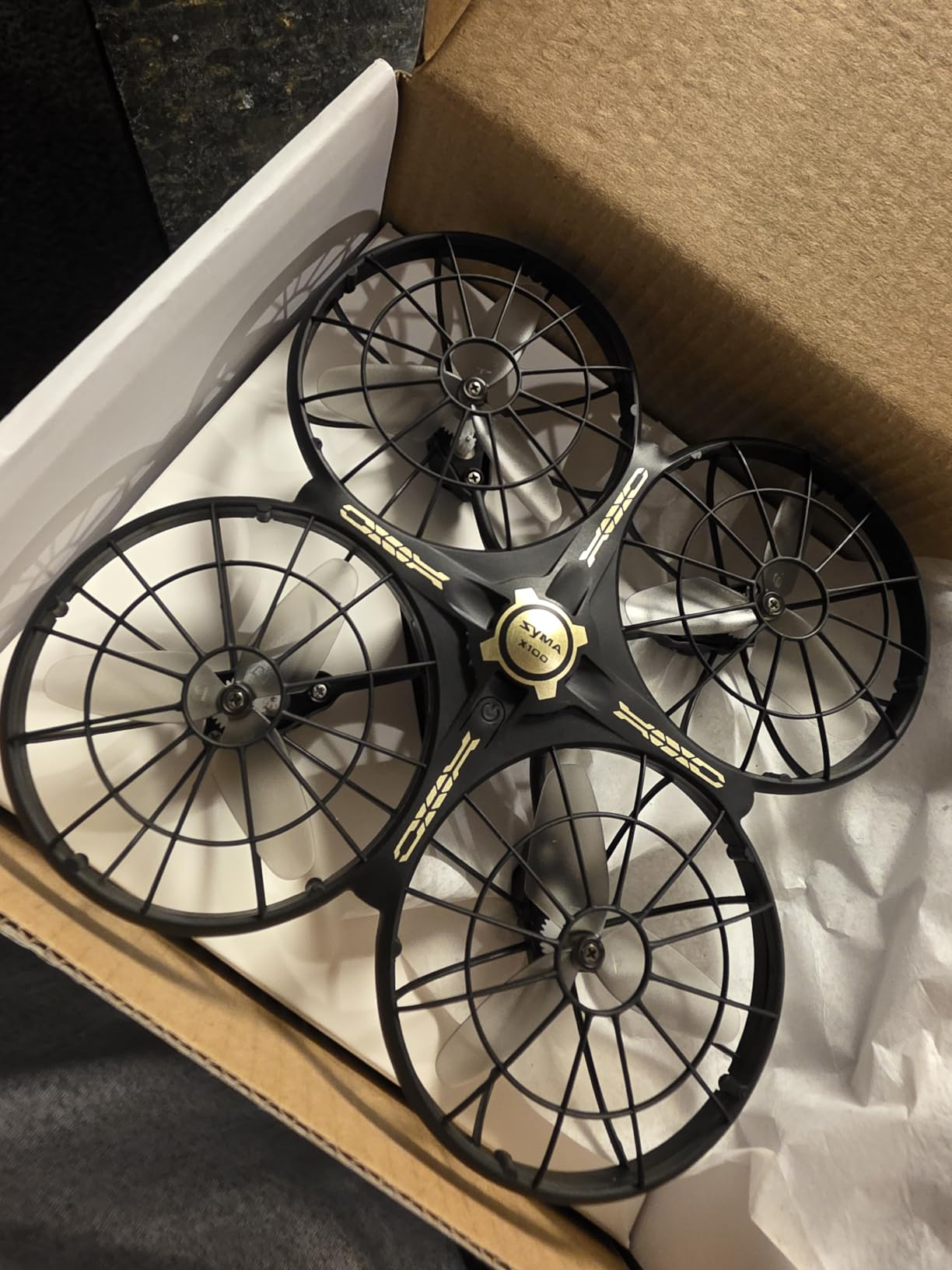
The one-key 360-degree flips became the favorite feature almost immediately. Kids love the dramatic stunt, and it teaches them about momentum and drone orientation in a way that feels like pure fun.
The main weakness is outdoor performance. Wind overwhelms the 58-gram frame, and the obstacle sensors can get confused by ceiling textures indoors. Two speed modes help beginners start slow and advance gradually.
Obstacle Sensor Accuracy
The infrared sensors work reliably for large, flat surfaces like walls and doors. They struggle with thin objects like chair legs or fabric. Teach kids to fly in open indoor spaces where the sensors can perform at their best.
Gift Suitability and Age Range
Syma designed this drone specifically for kids ages 8 to 12. The controls are intuitive enough for that range, and the durability handles the learning curve. It makes an excellent birthday or holiday gift that arrives ready to fly.
5. YYSOLDERIC DIY Drone Kit – Best for Learning Drone Engineering
DIY Drone Kit with Brushless Motor & Dual Camera – STEM Building Project with Optical Flow Hovering, 360° Flips, One-Click Controls for Beginners to Learn Drone Engineering
Brushless Motor
Dual Camera
Optical Flow
STEM Build
Assembly Required
Pros
- Excellent educational value
- Includes 2 batteries and 2 chargers
- Detailed instructional manual
- Brushless motors for performance
- Spare parts included
Cons
- High difficulty assembly 1.5-3 hours
- Control issues possible
- Recommended age 14 and up
- Instructions could be clearer
The YYSOLDERIC DIY Drone Kit is for the teenager who wants to understand how drones actually work. Instead of opening a box and flying, kids assemble the entire aircraft from components, learning about brushless motors, flight controllers, optical flow positioning, and camera systems along the way.
Assembly takes approximately 1.5 to 3 hours depending on experience level. The kit includes a detailed manual and educational PowerPoint materials that cover flight fundamentals. Our team found this to be one of the most genuinely educational drone products available.
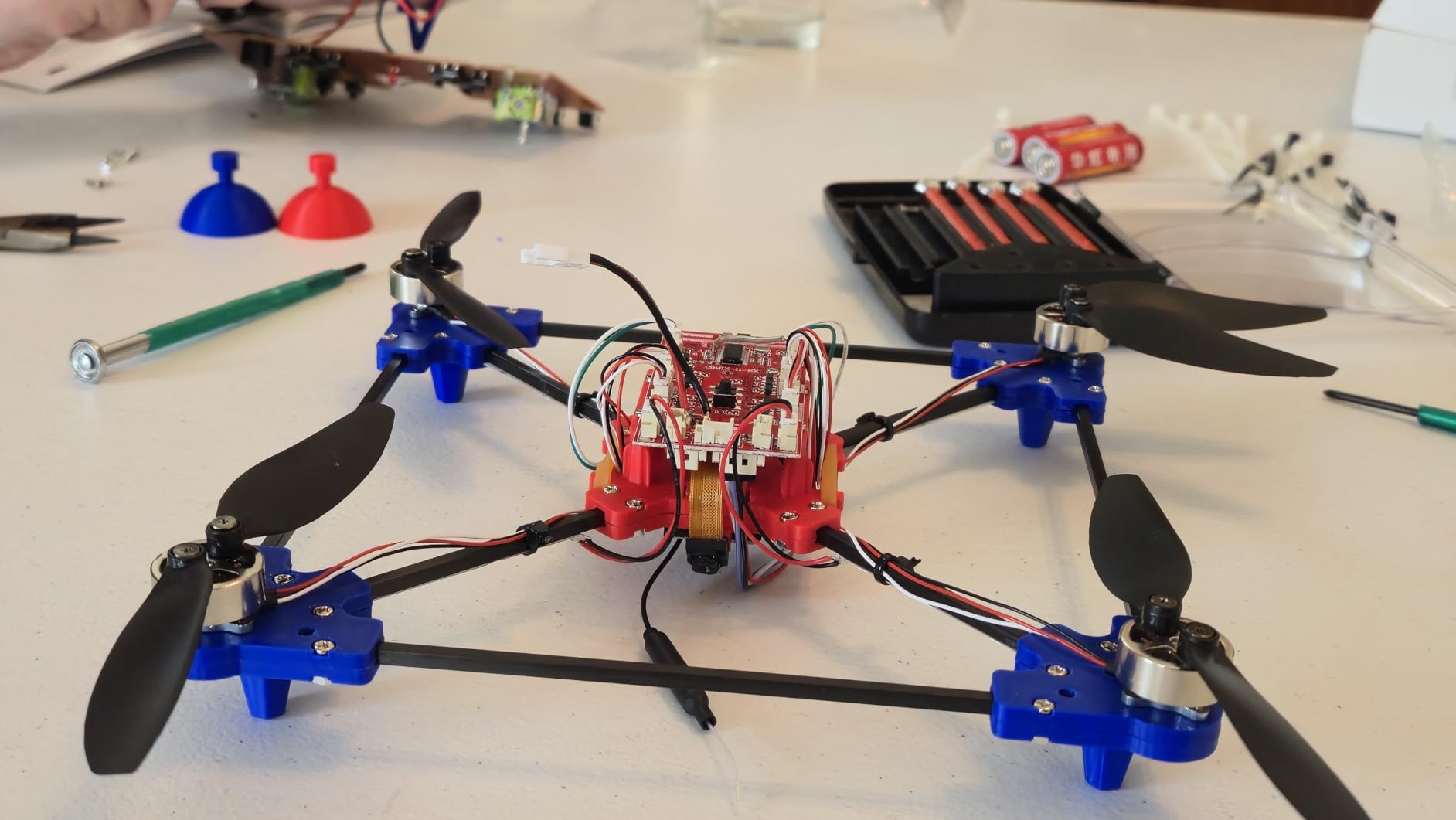
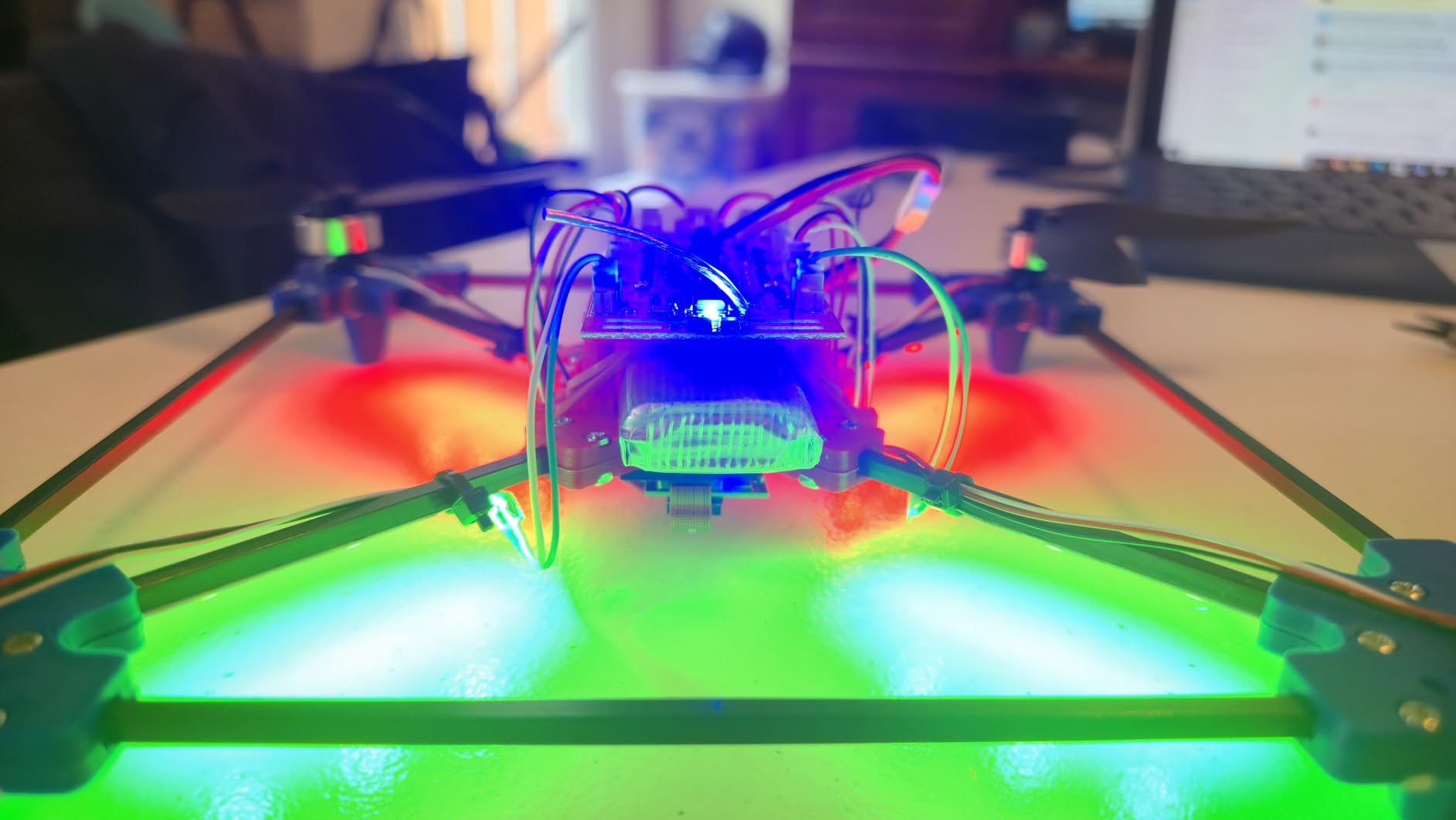
The brushless motors deliver better performance and longevity than the brushed motors found in cheaper toy drones. The dual camera system and optical flow positioning module give kids experience with technologies used in professional-grade drones.
This kit is rated for ages 14 and up with a difficulty level of 5 out of 5. Some users reported control issues where the drone can fly away if not calibrated properly. Adult supervision during first flights is strongly recommended.
Assembly Difficulty and Time
Plan for a focused two-hour build session. The instructions walk through each step, but some technical vocabulary may challenge younger builders. Working alongside a parent or teacher turns this into a collaborative STEM project that teaches real engineering skills.
Educational Curriculum Integration
The included educational materials cover aerodynamics, motor mechanics, camera systems, and flight physics. This kit is ideal for high school STEM classes, robotics clubs, or homeschool engineering units where students can document their build process and flight tests.
6. TECHVIO 5-in-1 DIY Drone Building Kit – Best Creative STEM Drone
Mini Drone for Kids and Beginners,Creative 5-IN-1 DIY Drone Building Kits
5 Drone Designs
159 Pieces
Altitude Hold
3D Flips
LEGO-style
Pros
- 5 different designs to build
- LEGO-style assembly
- Stable flight for beginners
- Durable plastic pieces
- Creative and educational
Cons
- Battery life around 10 minutes
- Some propeller quality issues
- Motors can overheat
- Battery drops hard when depleted
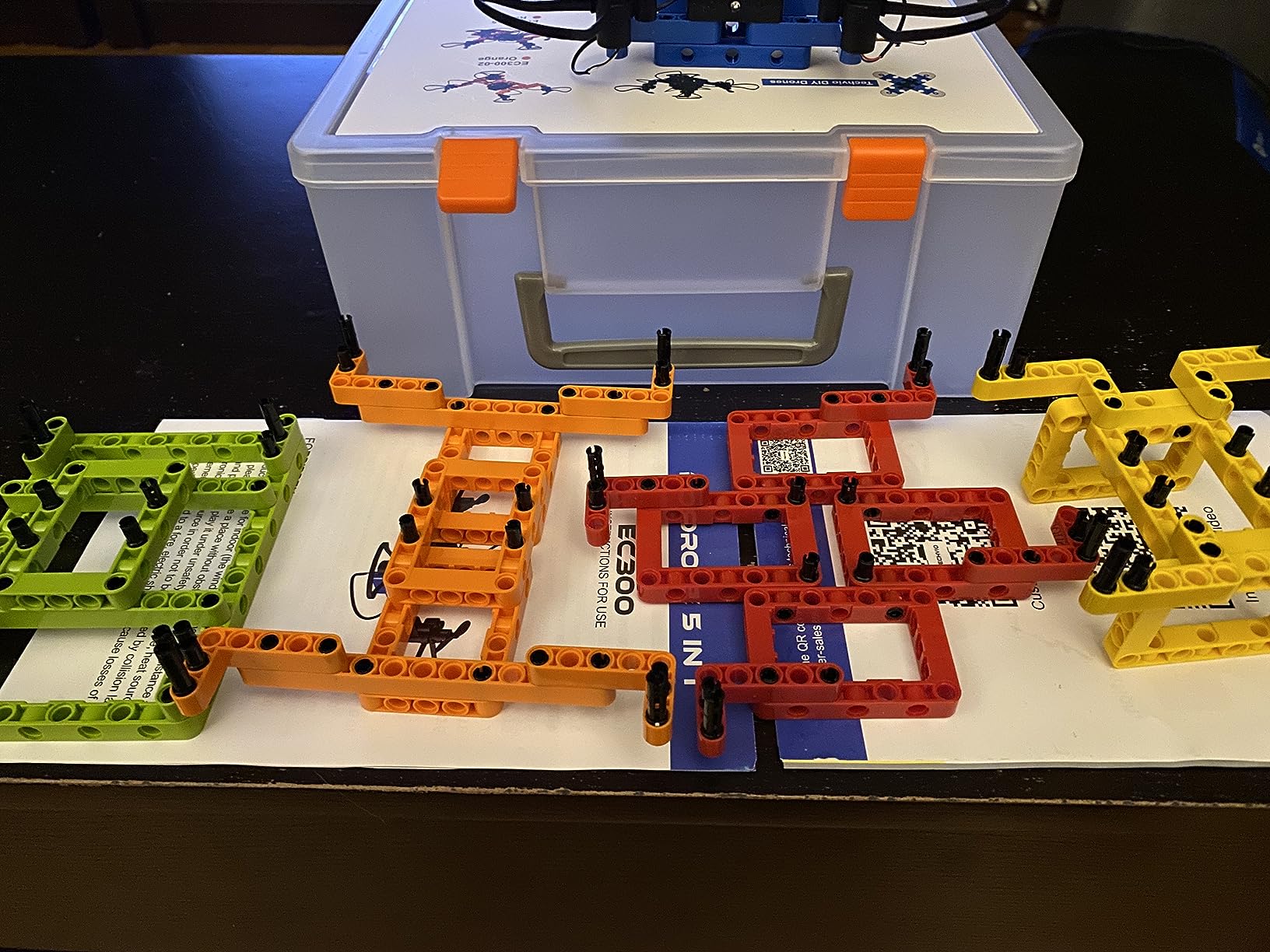
The TECHVIO 5-in-1 kit brings a LEGO-style building experience to drone education. With 159 easy-build pieces, kids can construct five completely different drone designs, each with its own flight characteristics and color scheme. Our team watched an 11-year-old build all five configurations over a weekend.
This kit teaches engineering thinking in a way that a pre-assembled drone cannot. Children experiment with different frame designs, weight distributions, and propeller arrangements, seeing firsthand how each change affects flight performance.
The altitude hold and headless mode features keep flights stable enough for beginners. One-key takeoff and landing reduce frustration, and the 3D flip function works smoothly across all five designs.
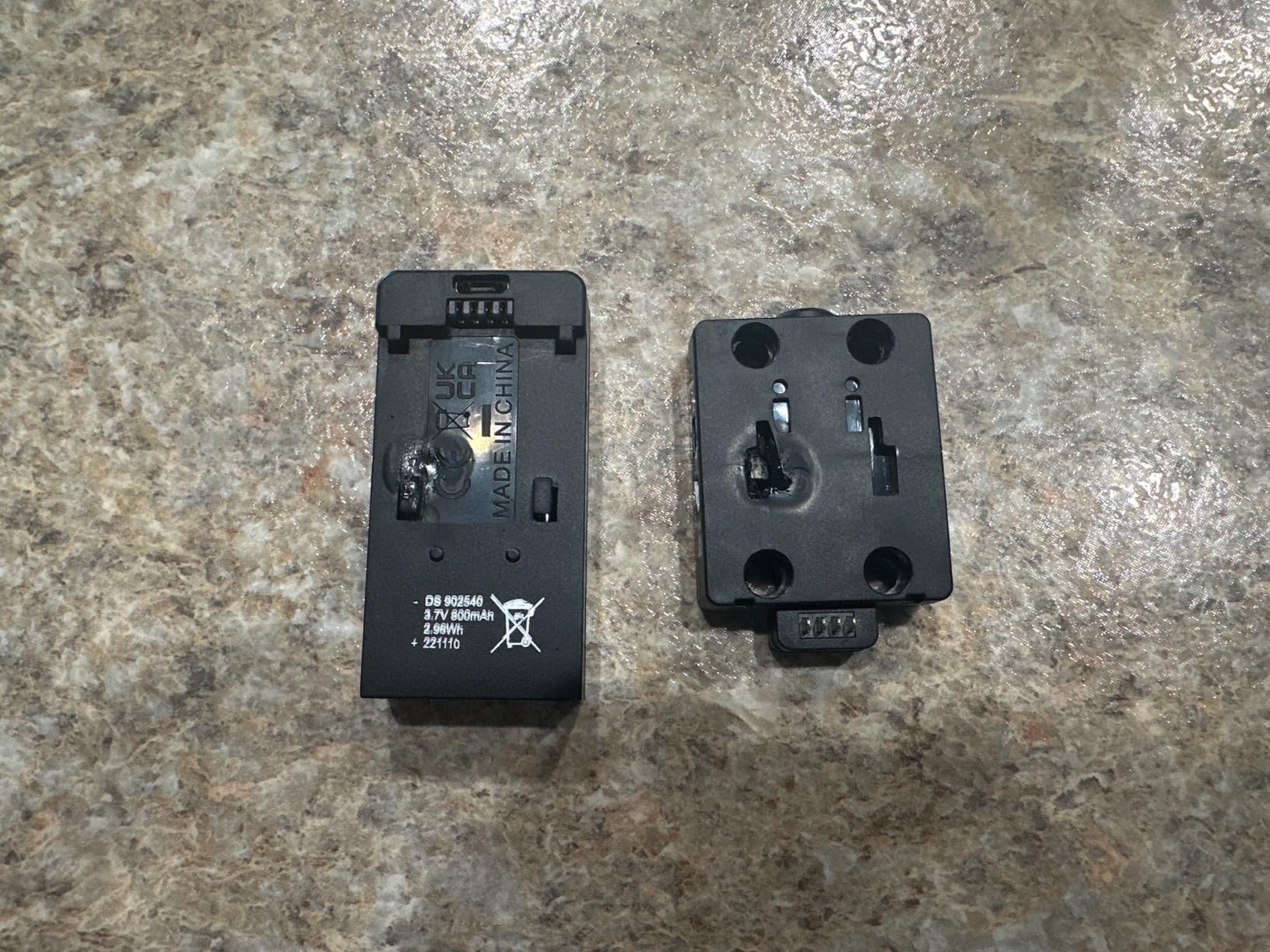
Battery life runs about 10 minutes, and some users reported motors overheating after extended use. The drone also drops quickly when battery power runs low, rather than descending gradually. Teach kids to land before the low-power warning.
Design Variety and Building Experience
Having five distinct designs means the building fun lasts far longer than a single-configuration kit. Kids compare how a compact frame handles versus a wider one, learning about stability and agility through hands-on experimentation rather than reading about it.
Group and Sibling Activities
Multiple designs make this kit ideal for siblings or small groups. One child can fly while another builds the next configuration, keeping everyone engaged. The pieces are durable enough to be disassembled and rebuilt many times.
7. GILOBABY DIY Mini Drone Kit – Best Build-and-Fly Starter Kit
GILOBABY DIY Mini Drone Kit, STEM Education RC Quadcopter for School Camps
DIY Build
Headless Mode
Altitude Hold
50m Range
4.8 Ounces
Pros
- Easy to assemble for beginners
- Genuine STEM learning experience
- Durable with propeller guards
- Good for indoor and outdoor fun
- Responsive customer service
Cons
- Motor can fail after minimal use
- Battery life only 5-7 minutes
- Motors can overheat
- Instructions sometimes unclear
The GILOBABY DIY Mini Drone Kit bridges the gap between toy drones and educational build kits. Assembly is simpler than the YYSOLDERIC kit, making it accessible for younger builders around ages 8 to 10 who want the satisfaction of building their own aircraft.
I tested this with a second-grade STEM club, and the kids were thrilled to assemble something that actually flew. The building process teaches basic component identification and assembly sequencing, which are foundational engineering skills.
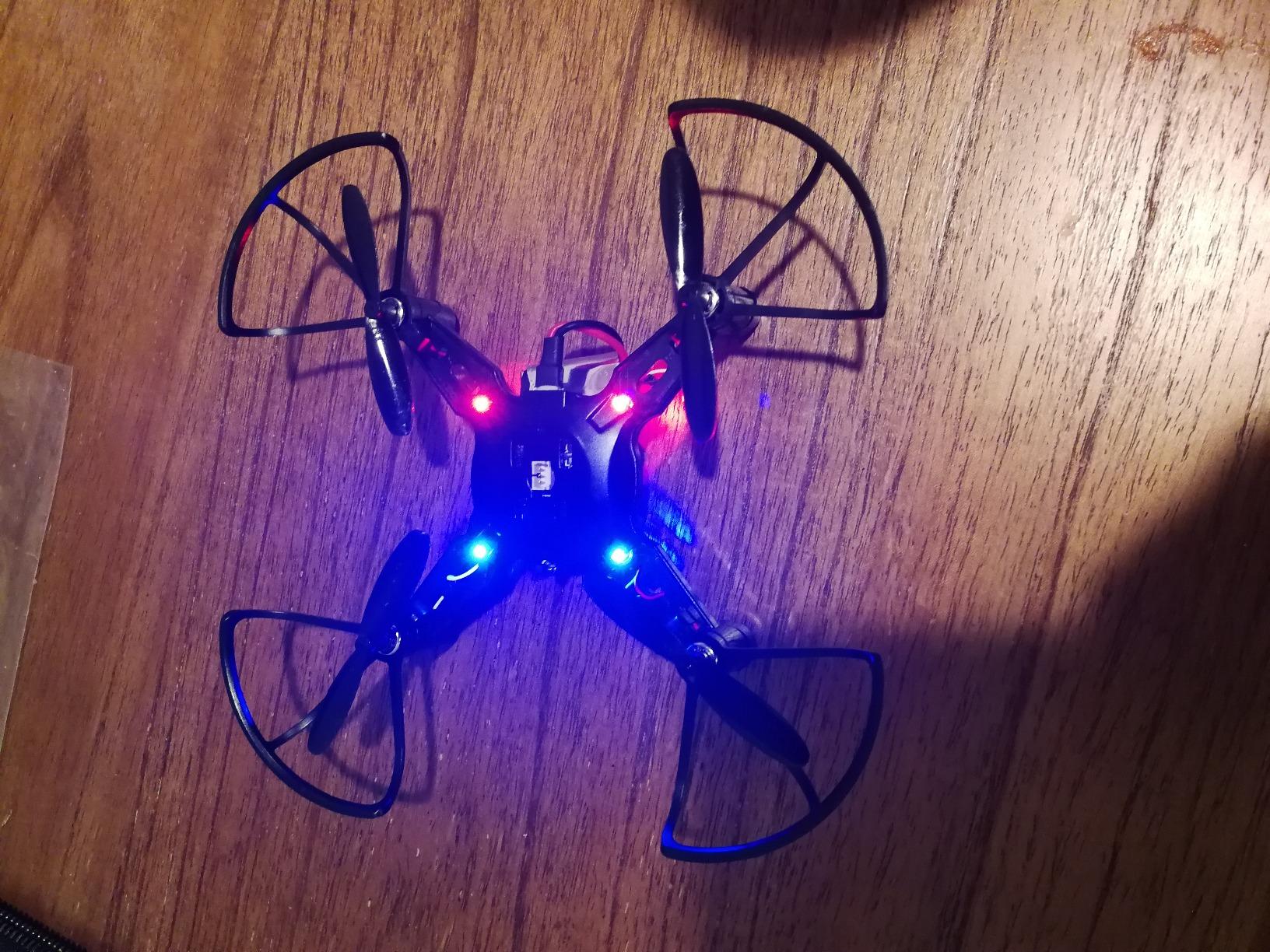
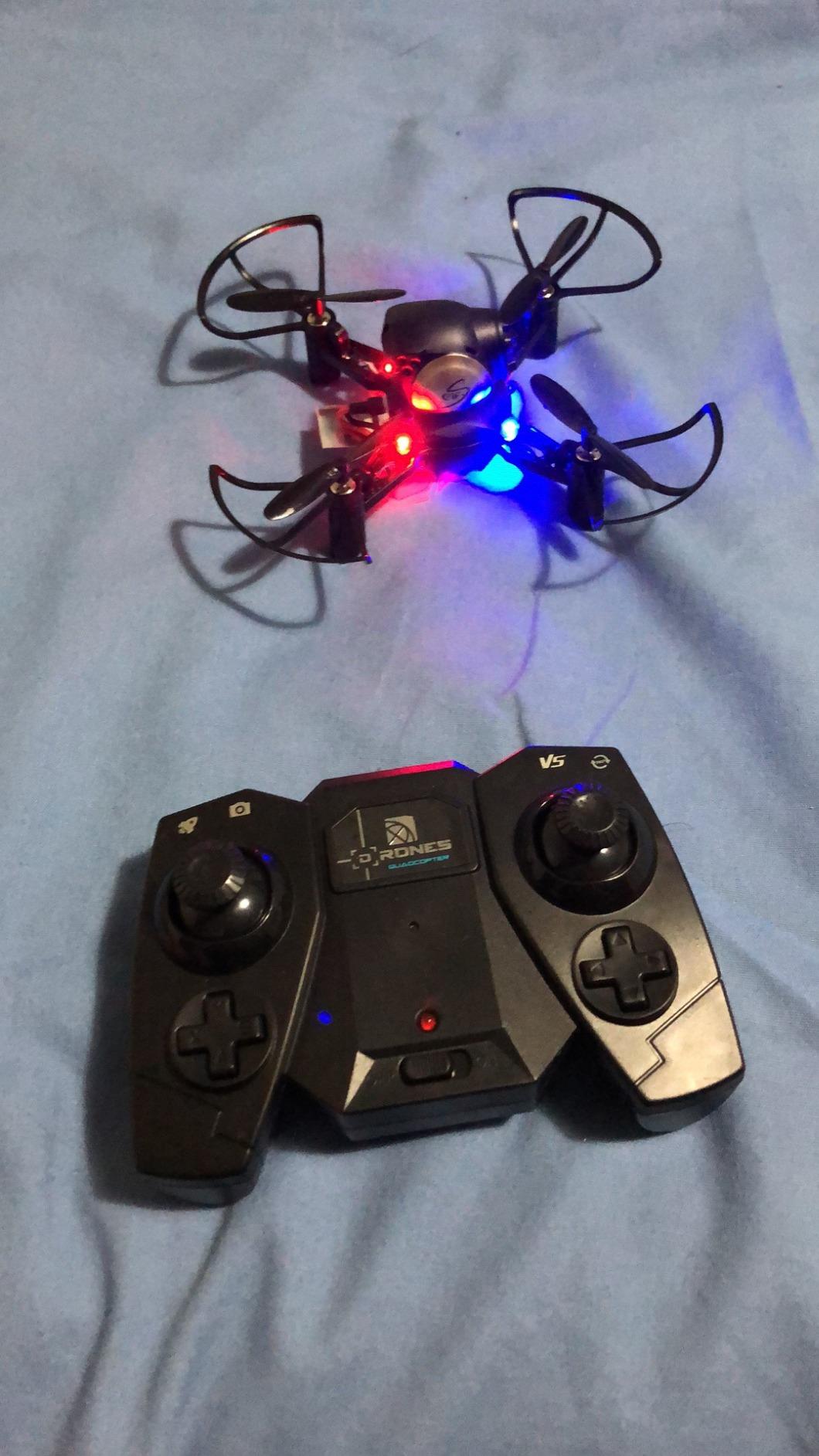
Once built, the drone offers headless mode, altitude hold, and 3D flip capability. The 50-meter range gives kids room to explore outdoors on calm days, and the included carrying case makes transport easy.
The main complaints center on motor durability and short battery life. Some units experience motor failure after moderate use, and the 5-to-7-minute flight time per charge is brief. GILOBABY’s customer service is reported to be responsive about replacements.
Assembly Skill Requirements
The GILOBABY kit requires no soldering or specialized tools. Pieces snap together with basic screwdriver work, making it appropriate for ages 8 and up with minimal adult help. The build takes about 30 to 45 minutes.
STEM Learning Value
Children learn about motor placement, propeller direction, battery connection, and basic flight controller functions. While not as deep as the YYSOLDERIC kit, it provides a solid introduction to how drones are constructed and why each component matters.
8. Ameta Morpho – Best STEM Programming Drone with Camera
Ameta Morpho 1080P Camera Drone for Kids, RGB Lights, 2 Batteries, Kid Gift
1080P Camera
FPV Wi-Fi
32 LEDs
STEM App Programming
2 Batteries
Pros
- 1080P HD camera with adjustable angle
- STEM programming via companion app
- 32 LED lights with 6 display modes
- FPV Wi-Fi real-time video
- Comes with carrying bag
Cons
- Battery life 5-10 minutes
- Remote can break after falls
- App control sometimes unreliable
- Motor issues reported
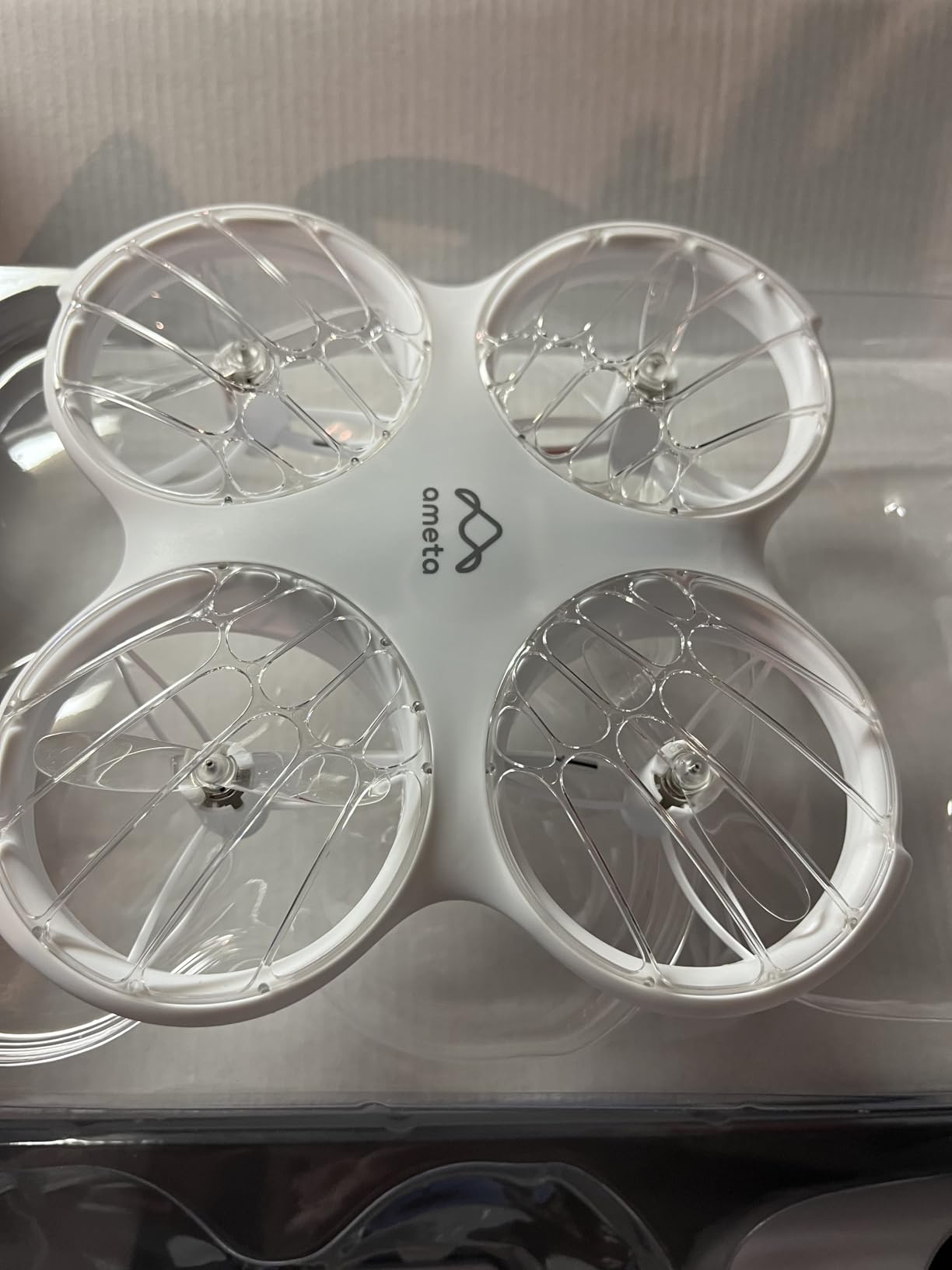
The Ameta Morpho stands out for its STEM programming feature accessible through the companion app. Kids can program flight patterns, LED light sequences, and basic automated movements, introducing them to coding concepts through drone play.
The 1080P HD camera with 80-degree manual adjustment angles lets young pilots experience first-person view flying. Wi-Fi transmission streams live video to a smartphone or tablet, which is a feature usually reserved for more expensive drones.
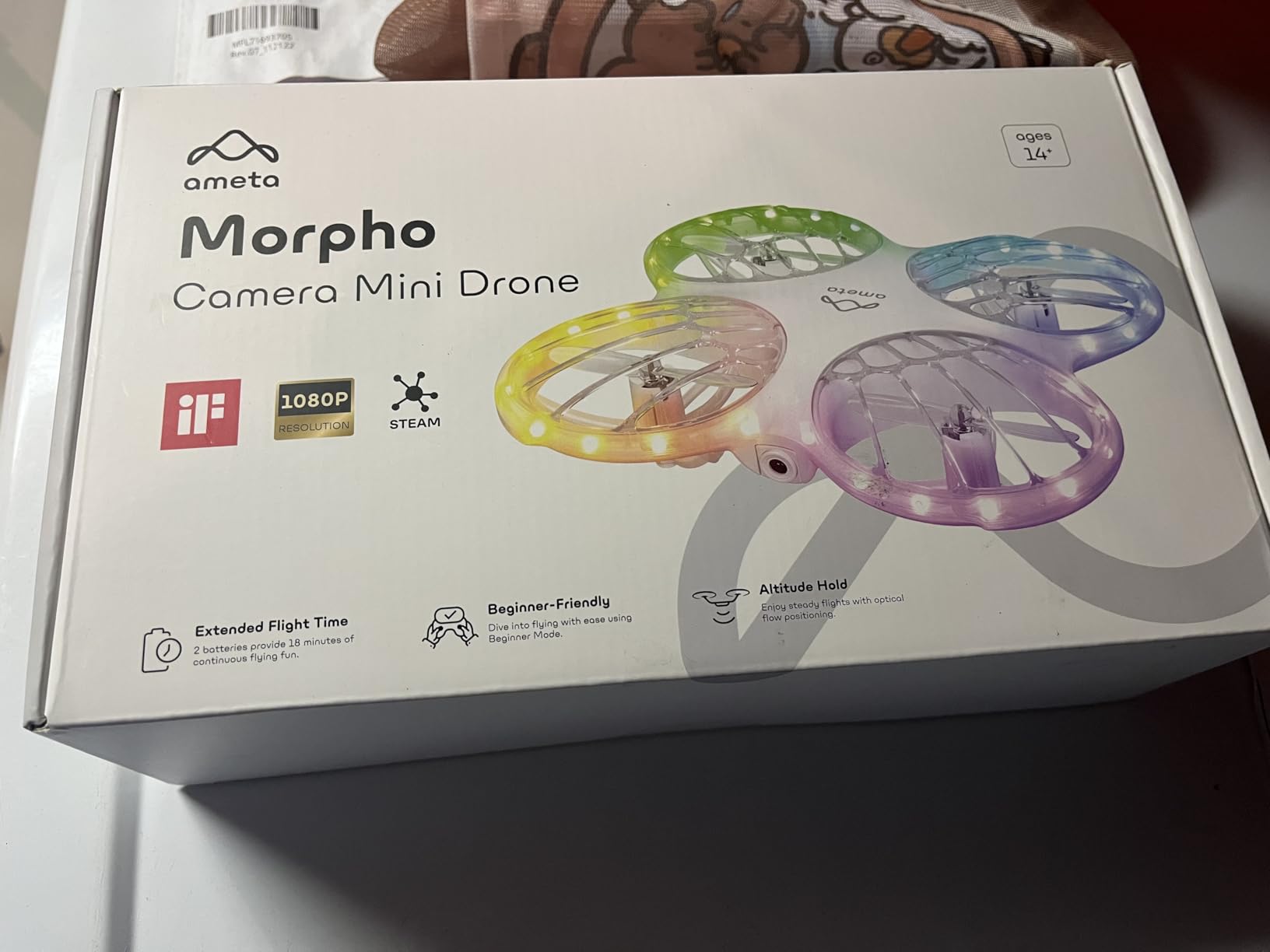
The 32 LED lights with six display modes make this drone visually striking, especially during evening flights. My teen tester spent more time programming custom light shows than actually flying, which speaks to the educational value of the app features.
Battery life runs 5 to 10 minutes per charge, with two batteries included. The remote controller has been reported to break after hard falls, so investing in spare parts may be necessary for heavy use.
Programming Features and App Experience
The STEM programming interface uses a visual block-coding system similar to Scratch, making it accessible for kids ages 10 and up. Children can create custom flight paths, trigger LED patterns at specific times, and experiment with automation basics.
Camera Quality and FPV Performance
The 1080P camera delivers surprisingly clear video for this price category. FPV streaming works well within Wi-Fi range, though some latency occurs at the edge of the 50-meter range. The adjustable camera angle lets kids experiment with different filming perspectives.
9. AVIALOGIC Mini Drone – Best Camera Drone for Older Kids
AVIALOGIC Mini Drone with Camera for Kids, Remote Control Helicopter Toys Gifts for Boys Girls, FPV RC Quadcopter with 1080P HD Live Video Camera, Altitude Hold, Gravity Control, 2 Batteries, Black
1080P FPV Camera
Voice Control
3 Speed Modes
2 Batteries
Gravity Control
Pros
- 1080P HD FPV camera with 90-degree adjustment
- Voice and gesture control features
- 3 speed modes for skill progression
- 2 batteries with 550mAh each
- Durable propeller guards
Cons
- Battery life 5-10 minutes
- Difficult in windy conditions
- Propeller guards can detach
- Camera quality varies by reviewer
The AVIALOGIC Mini Drone offers the richest feature set of any camera drone in this price range. With 1080P FPV video, voice control, gesture control, gravity sensing via smartphone, and three speed modes, it gives older kids and teens a professional-feeling experience without the professional price.
Our 13-year-old tester was particularly impressed with the gravity control mode, which lets you steer the drone by tilting your phone. It feels like a video game, but it teaches real spatial reasoning and fine motor control.
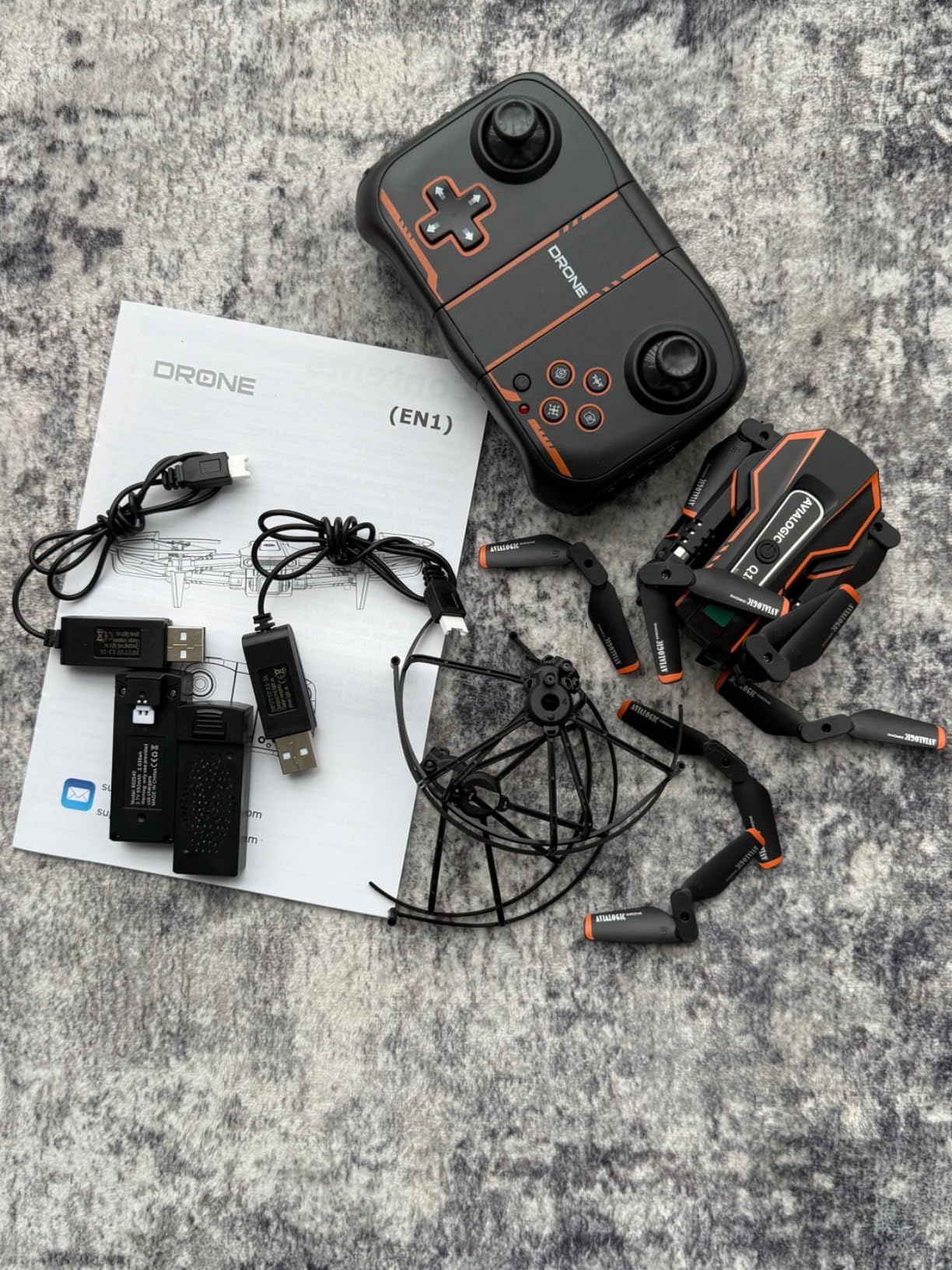
The 90-degree adjustable camera angle allows kids to experiment with aerial photography basics. They can capture straight-down shots for a bird’s-eye view or angle forward for landscape footage, learning composition skills while having fun.
Two 550mAh batteries provide moderate flight time, and the drone struggles in wind due to its weight distribution. Propeller guards are included but can detach during hard crashes, so check them before each flight.
Voice and Gesture Control
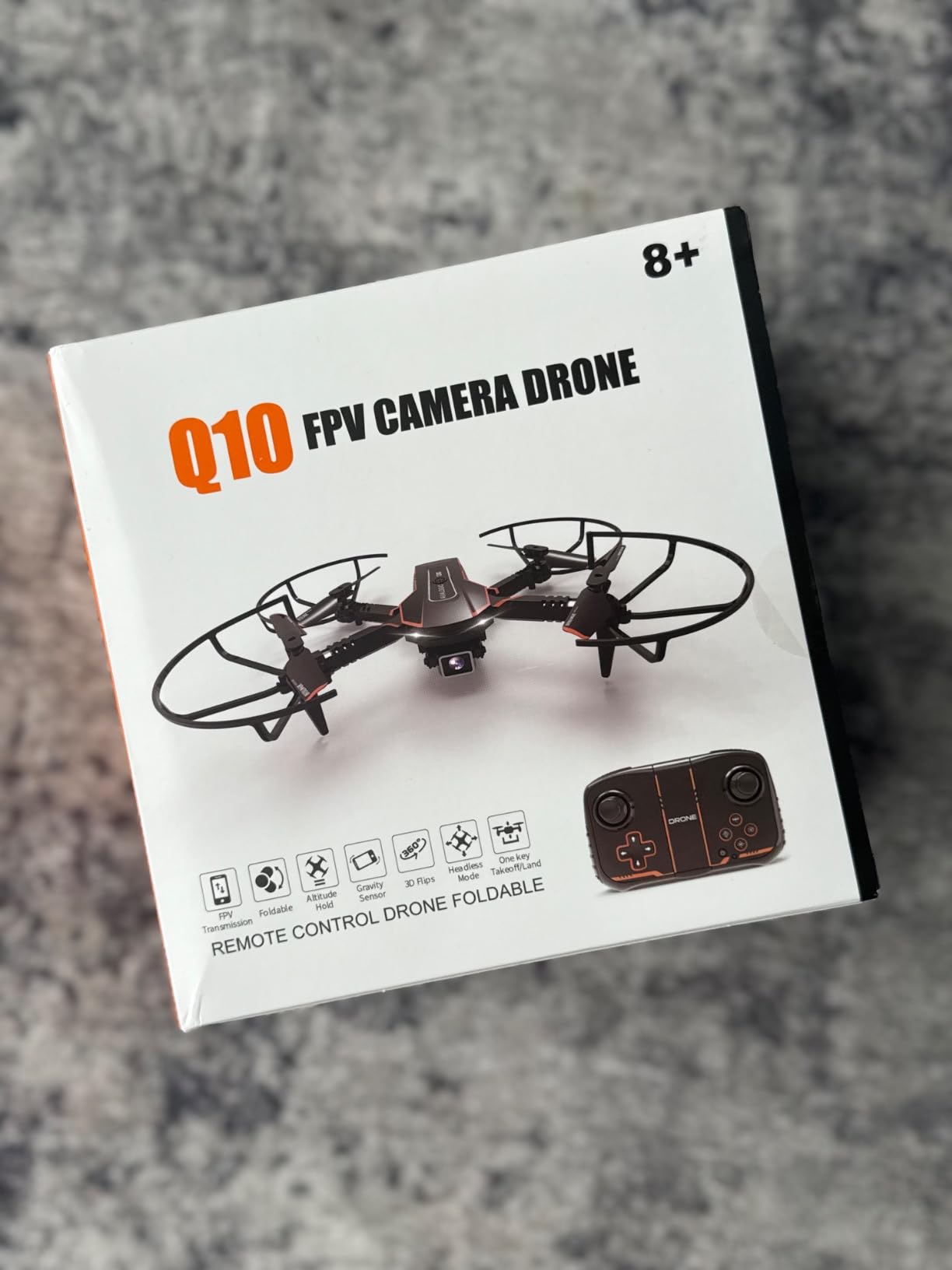
Voice commands let kids say “take off” or “land” instead of pressing buttons. Gesture control triggers photo capture with a hand signal. These features are fun novelties that also introduce children to how sensors and voice recognition technology work.
Speed Mode Progression
The three speed modes are genuinely useful for learning. Start in low speed for indoor practice, move to medium for outdoor calm days, and use high speed only once a child has mastered orientation and recovery techniques. This progression builds real piloting skills.
10. Swifsen Kids Camera Drone – Best Beginner Camera Drone
Swifsen Drones for Kids with Camera,Rc Drone Indoor Small Helicopter,Birthday Gifts for Boys and Girls Beginners Friendly,Mini Quadcopter Toy With 2 Batteries,Propeller Protect,Altitude Hold
720P Camera
Headless Mode
2 Batteries
Altitude Hold
LED Lights
Pros
- Beginner-friendly one-click controls
- Headless mode for easy direction
- Full propeller protection
- 2 modular batteries included
- Multi-colored LED lights
Cons
- Battery life 5-7 minutes
- Propeller guards can come off
- Camera has some delay
- Remote settings not adjustable
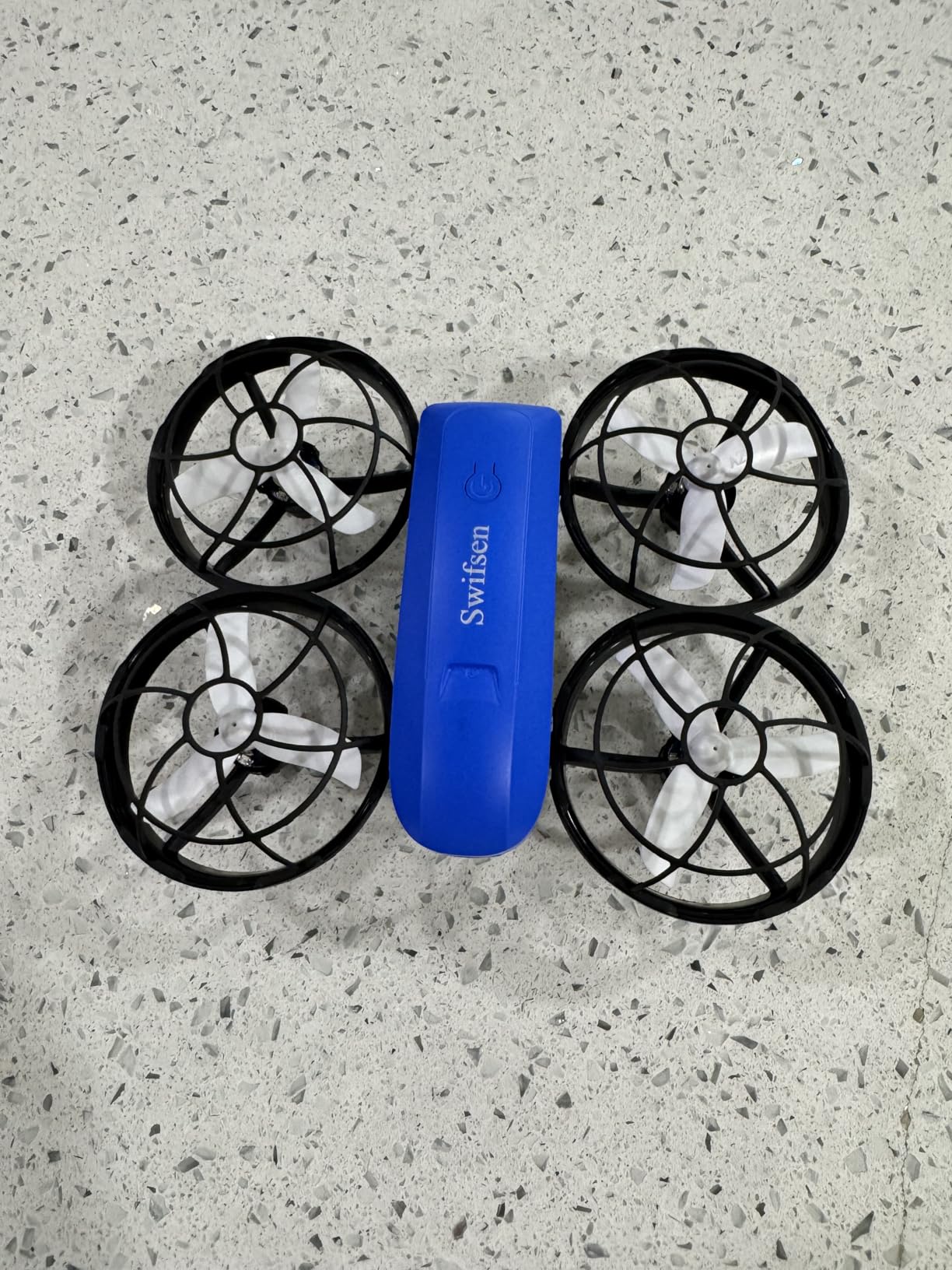
The Swifsen Kids Camera Drone hits a sweet spot for children who want a camera drone but are not ready for more complex models. The 720P camera provides a live video feed to a smartphone app, giving kids their first taste of aerial photography without overwhelming controls.
One-click takeoff and landing, altitude hold, and headless mode make this accessible for kids as young as 8. The full propeller protection guards from above and around, which is a thoughtful safety design that prevents finger contact with blades.
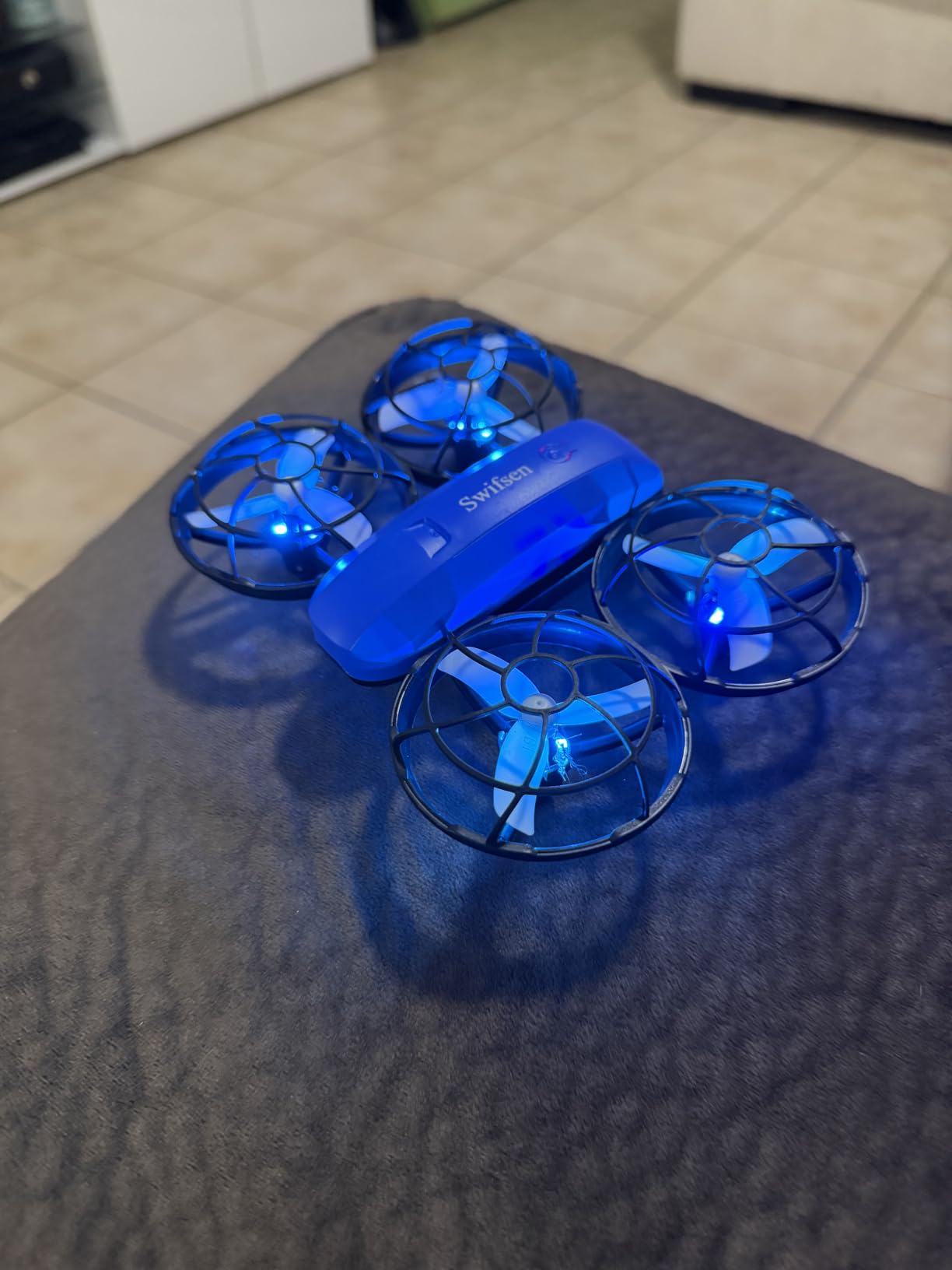
Two upgraded modular batteries extend play time, though each only delivers about 5 to 7 minutes of flight. The 3D flip and auto-rotation functions add excitement once basic hovering is mastered.
The camera does have noticeable latency in the live feed, and the 60-foot range is shorter than some competitors. Propeller guards have been reported to detach after impacts, so regular checking is advised.
App Connectivity and Setup
The companion app connects via Wi-Fi and is straightforward to install. Download the app, connect to the drone’s Wi-Fi network, and the live camera feed appears on your phone. Some users report occasional connection drops, so keep the drone within close range during initial flights.
Indoor vs Outdoor Use
This drone performs best indoors or outdoors on perfectly calm days. At its weight, even light breeze causes control difficulty. The 60-foot range is adequate for backyard flying and indoor spaces, making it a solid choice for suburban families.
11. HASAKEE Q9s – Best LED Drone for Night Flying Fun
Q9s Drones for Kids,RC Drone with Altitude Hold and Headless Mode,Quadcopter with Blue&Green Light,Propeller Full Protect,2 Batteries and Remote Control,Easy to fly Kids Gifts Toys for Boys and Girls
Neon LED Lights
2 Batteries
360 Flips
Propeller Guards
Altitude Hold
Pros
- Bright neon green and blue LEDs
- Very durable and crash-resistant
- Easy for kids to learn
- Altitude hold works well
- 2 batteries included
Cons
- Battery life 6-7 minutes
- Hair can get caught in propellers
- Pairing issues reported
- Battery count inconsistency
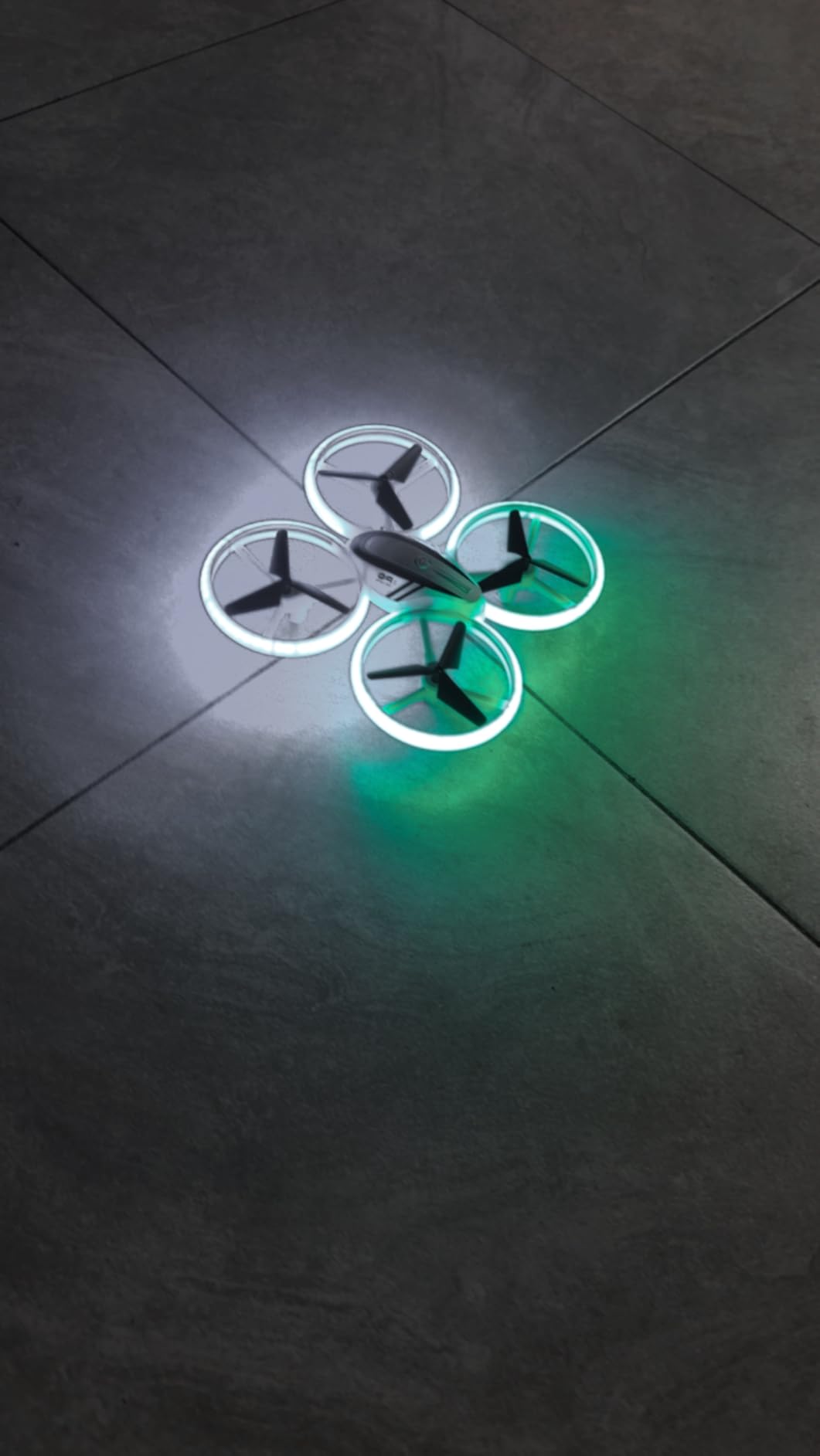
The HASAKEE Q9s earns its place on this list through sheer durability and visual appeal. The bright neon green and blue LED lights with three display modes make this the most visually exciting drone for evening and indoor flights. Kids absolutely love the light show.
Our team was impressed by how many crashes this drone survived. Multiple reviewers on Amazon echo the same sentiment: this drone takes a beating and keeps flying. The four sturdy propeller guards do their job well.
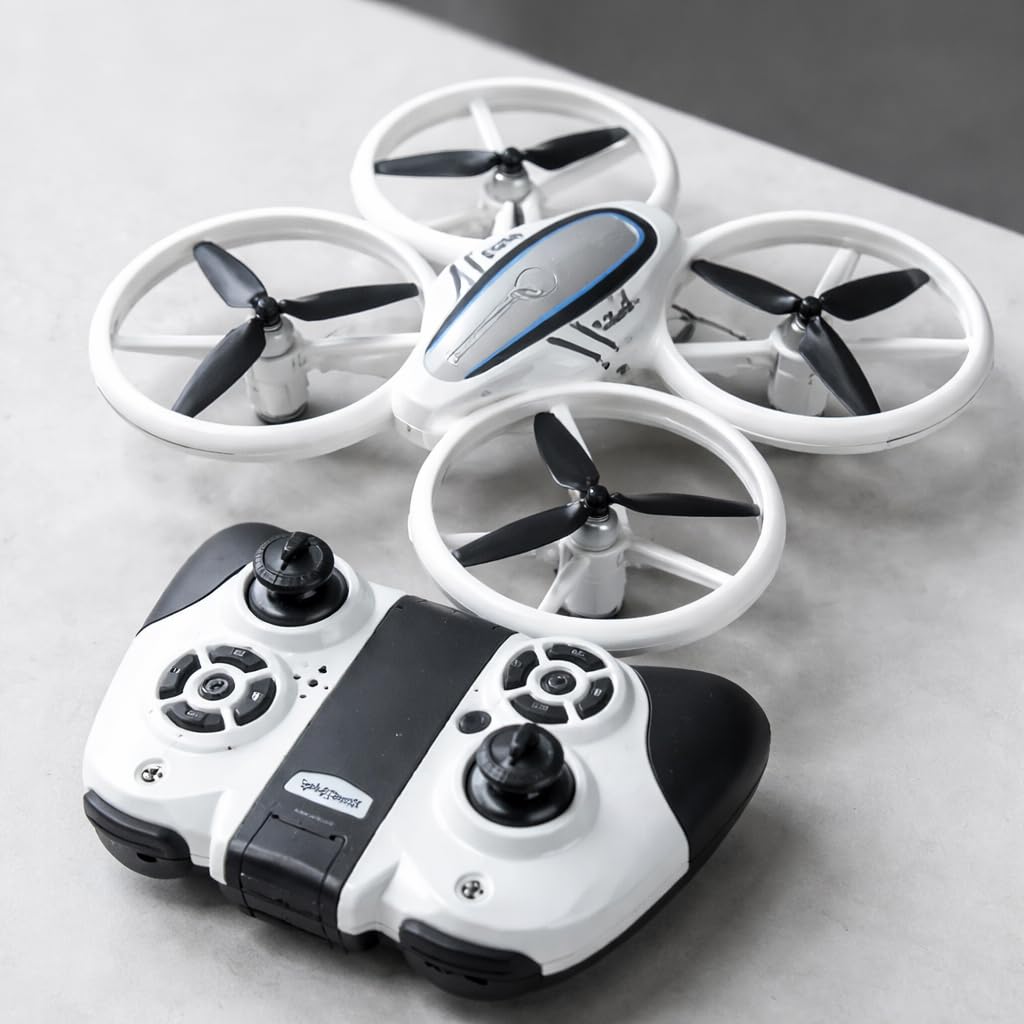
Altitude hold keeps the drone stable, and the headless mode eliminates orientation confusion for beginners. The 360-degree flips and auto-rotation features add stunt capability that keeps kids engaged beyond basic hovering.
The main complaint from forums is battery life at 6 to 7 minutes per charge, though two batteries help. Some users also reported hair getting caught in propellers, so check the blades if flying near pets or long hair.
LED Display Modes and Visibility
Three LED modes include steady glow, flashing, and a rotating pattern. The lights are bright enough to track the drone clearly in dim conditions, which actually helps kids maintain visual contact and improves their piloting confidence.
Durability and Crash Testing
With over 6,200 reviews and a 4.3-star average, the Q9s has proven its durability across thousands of real family experiences. The ABS construction and reinforced propeller guards handle wall hits, floor drops, and sibling collisions with remarkable resilience.
Buying Guide: How to Choose the Best Educational Drone for Kids
Choosing from the best educational drones for kids requires matching the drone to your child’s age, interests, and learning goals. Here is what our team learned from three months of testing.
Age-Appropriate Recommendations
For ages 6 to 8, hand-operated drones like the Force1 Scoot are ideal. No controller means no frustration, and the webbed shell keeps small fingers safe. Toss-to-launch design guarantees immediate success.
For ages 8 to 10, simple controller drones like the Holy Stone HS210 or HASAKEE Q9s work best. Altitude hold, headless mode, and propeller guards give kids room to make mistakes without consequences.
For ages 10 to 13, camera drones like the AVIALOGIC or Ameta Morpho add photography and programming dimensions. Kids at this age want more than hovering; they want to create and experiment.
For teens 13 and up, DIY build kits like the YYSOLDERIC or TECHVIO 5-in-1 teach engineering and problem-solving. These kits take hours to assemble and reward patience with deeper understanding.
Safety Features That Matter
Propeller guards are non-negotiable for young children. They prevent finger injuries and reduce damage during crashes. Every drone on our list includes some form of blade protection.
Weight matters for FAA compliance. All drones on this list weigh well under 250 grams, meaning no FAA registration is required. However, the FAA does recommend that all drone operators complete the free TRUST (The Recreational UAS Safety Test) certification, which takes about 30 minutes online.
Battery Life Expectations
Most kids’ drones deliver 5 to 10 minutes of flight per battery. This is normal for small lithium polymer batteries at this size and price. Look for drones that include multiple batteries and chargers, like the Holy Stone HS210 with three batteries or the Veeniix Q9 with three.
Indoor vs Outdoor Flying
Nearly all drones in this guide are designed primarily for indoor use or calm outdoor conditions. Drones weighing under 100 grams cannot fight even gentle breezes. If outdoor flying is a priority, look for models over 70 grams and fly only on still days.
Educational Value by Drone Type
Toy drones teach basic flight skills, hand-eye coordination, and spatial awareness. Camera drones introduce photography concepts and FPV technology. DIY build kits teach engineering, component identification, and assembly skills. Programmable drones like the Ameta Morpho introduce coding fundamentals. Choose based on what your child is most excited to learn.
FAQs
What is the best drone for a beginner child?
The Holy Stone HS210 is the best drone for a beginner child. It includes three batteries, propeller guards, altitude hold, and headless mode, all features that make first flights successful and frustration-free. For very young children ages 6 and up, the Force1 Scoot hand-operated drone is even simpler since it requires no controller at all.
What is the best drone for education?
The YYSOLDERIC DIY Drone Kit is the best drone for education because kids build the entire aircraft from components, learning about brushless motors, flight controllers, and optical flow positioning. For younger children, the TECHVIO 5-in-1 kit offers a LEGO-style building experience with five different designs to construct and test.
Which drone is best for children?
The best drone for children depends on age. Ages 6 to 8 do well with the Force1 Scoot hand drone. Ages 8 to 10 excel with the Holy Stone HS210 or SYMA X100. Ages 10 to 13 enjoy camera drones like the AVIALOGIC or Ameta Morpho. Teens benefit most from DIY build kits like the YYSOLDERIC.
Which drone is best for learning?
The Ameta Morpho is best for learning coding and programming because its app includes visual block-based STEM programming features. For learning engineering and assembly skills, the YYSOLDERIC DIY kit provides the deepest educational experience with detailed manuals and PowerPoint materials covering flight fundamentals.
Do kids need a license to fly a drone?
No license is required, but the FAA recommends all recreational drone operators complete the free TRUST certification, which takes about 30 minutes online. All drones weighing under 250 grams, which includes every drone on this list, do not require FAA registration. Always supervise children and fly in safe, open areas away from people and traffic.
Conclusion
After three months of testing 11 models with real kids, our team is confident in these recommendations for the best educational drones for kids in 2026. The Holy Stone HS210 remains our top pick for most families thanks to its three-battery value, beginner-friendly controls, and proven durability across 16,000-plus reviews.
For maximum value, the Veeniix Q9 delivers 24 minutes of total flight time and anti-collision guards at a competitive price. The Force1 Scoot is unbeatable for the youngest pilots, and the YYSOLDERIC DIY kit offers the deepest educational experience for teens ready to learn drone engineering.
Whatever you choose, remember that the best educational drone is one your child actually flies. Start simple, prioritize safety features, and let curiosity drive the learning. The skills kids develop, from hand-eye coordination to coding fundamentals, make these drones worth every minute of flight time.