
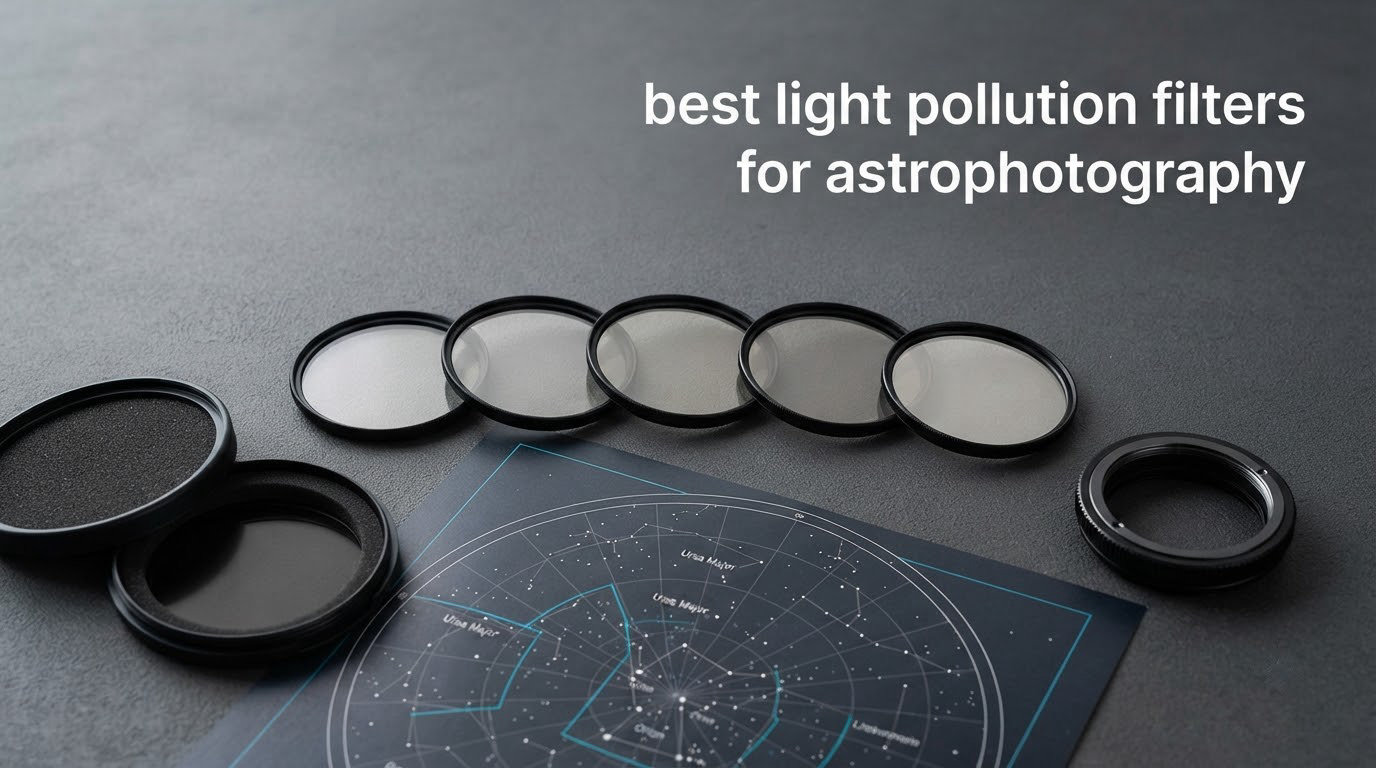
Short answer: for emission nebulae from a bright backyard, pick a dual-band or dual-narrowband filter such as the Optolong L-Enhance or the SVBONY SV220. For galaxies, star clusters and star colour, pick a broadband design such as the Optolong L-Pro or the SVBONY CLS. For Milky Way nightscapes on a camera lens, pick a didymium natural night filter such as the Hoya Starscape.
Those three categories solve three different problems, and buying the wrong one is the most common expensive mistake in this hobby. A narrowband filter throws away most of the visible spectrum, which makes emission targets pop from a Bortle 8 sky but drains galaxies of detail. A broadband filter keeps natural colour and is the right tool for reflection nebulae, clusters and galaxies, but it cannot remove everything a city throws at you. A natural night filter only cuts a slice of skyglow and is a landscapes tool, not a deep-sky tool.
We put ten of the most useful light pollution filters for astrophotography through their paces, from 67mm screw-in glass for camera lenses to 2 inch mounted filters for one-shot colour CMOS cameras. We checked the coatings, thread formats, transmission behaviour and camera compatibility for each one, and we flagged the honest drawbacks: residual gradients, red star colour, the signal you lose at a genuinely dark site, and the fact that LED street lighting has weakened the case for older broadband designs.
One caution before we start. The most common repeated advice in amateur astronomy communities is that a filter is no substitute for a darker sky, and we agree. If you can drive an hour to a Bortle 3 site, most of what you spend on glass will be wasted. These filters earn their keep when your backyard is your only option, when the moon is up, or when you shoot wide and fast without a filter wheel.
Top 3 Picks for Light Pollution Filters in 2026

K&F CONCEPT Natural Night 67mm
- 0.15 inch ultra-slim frame
- 28-layer multi-coating
- AGC optical glass
- 67mm thread

SVBONY 1.25 inch UHC
- Broadband 50nm passband
- Darkens sky background
- 1.25 inch aluminum cell
- IR not cut
The K&F CONCEPT takes our top slot because it carries the largest review base in this group at 752 ratings and holds a 4.6 average, and because the thin frame solves a real problem that thicker rings create on ultra-wide lenses. The SVBONY UHC is the value pick: reviewers repeatedly describe it as spectrally comparable to filters costing several times more. The Hoya Starscape is the narrowest-cut option of the three and the only one that boosts faint red emission targets on a completely unmodified camera.
All 10 Filters Compared Side by Side in 2026
| Product | Specifications | Action |
|---|---|---|
| K&F CONCEPT 67mm Natural Night |
|
Check Latest Price |
| SVBONY 1.25 inch UHC |
|
Check Latest Price |
 Hoya Starscape 67mm Didymium Hoya Starscape 67mm Didymium |
|
Check Latest Price |
 Astromania 1.25 inch UHC Astromania 1.25 inch UHC |
|
Check Latest Price |
 Celestron 1.25 inch UHC/LPR Celestron 1.25 inch UHC/LPR |
|
Check Latest Price |
 SVBONY 1.25 inch CLS SVBONY 1.25 inch CLS |
|
Check Latest Price |
 Optolong 2 inch L-Enhance Optolong 2 inch L-Enhance |
|
Check Latest Price |
 Optolong 2 inch L-Pro Optolong 2 inch L-Pro |
|
Check Latest Price |
 SVBONY SV220 7nm Dual-Band SVBONY SV220 7nm Dual-Band |
|
Check Latest Price |
 Optolong 2 inch L-Extreme 7nm Optolong 2 inch L-Extreme 7nm |
|
Check Latest Price |
The Four Filter Types and What Each One Actually Blocks
Every filter below works the same way at the most basic level. Artificial light is not spread evenly across the spectrum, it concentrates in known emission lines, so a coated filter subtracts those wavelengths and passes the rest. What separates the categories is how much of the rest they pass, and that single decision determines what you can photograph with them.
Natural night and didymium filters cut the yellow-orange band produced by sodium and mercury vapour lighting, and a few modern broadband LED lamps that still peak in that region. They keep the majority of the visible spectrum, so star colour and foreground colour stay natural. Use them for Milky Way nightscapes, aurora, urban night scenes and reflection nebulae. They are the weakest option for deep-sky emission targets from bright skies, because the skyglow they leave behind still swamps faint nebulosity.
UHC and LPR filters are broadband designs with a wide notch removed from the middle of the visible range. They darken the background enough to show emission nebulae and planetary nebulae, work for visual observing and imaging, and cost very little. The weakness is selectivity: a roughly 50nm passband is a wide window, and blue-white LED street lighting often falls inside it, which is why several owners of these filters report good results under sodium skies and disappointing ones under LED.
CLS, city light suppression filters sit between UHC and dual-band. They pass the main nebula emission lines at hydrogen-alpha 656nm, oxygen-III around 495 to 500nm, sulphur-II 672nm and H-beta 486nm, while rejecting the sodium and mercury lines almost entirely. That makes them the safest single-filter choice for an unmodified DSLR or a one-shot colour camera, because you keep natural colour and still gain real contrast. They will not defeat every LED lamp.
Dual-band and dual-narrowband filters pass only hydrogen-alpha and oxygen-III, sometimes with an added green channel, and reject nearly everything else. On emission nebulae from Bortle 5 to 9 skies the improvement over an unfiltered session is dramatic, and moonlit imaging becomes viable. The cost is light: these filters demand longer sub-exposures, tighter tracking, and they are simply the wrong tool for galaxies and star clusters because almost no signal from those objects survives the passband.
There is a fifth option that never appears on consumer shopping pages, which is the mono narrowband route. With a monochrome camera and a filter wheel you can shoot separate Ha, OIII and SII frames, and signal-to-noise becomes excellent regardless of sky brightness. It is the most expensive path and the one most beginners should postpone, but it is the only approach that fully separates your target from the city.
How to Read a Filter Transmission Graph
Most manufacturers publish a spectral transmission graph for their filters, and once you know what to look for, that single chart tells you more than any product description. The horizontal axis is wavelength in nanometres running from roughly 400nm at one side to 700nm at the other. The vertical axis is how much light gets through, from zero at the bottom to 100% at the top.
A broadband graph looks like a rolling curve that stays reasonably high across the visible range, then drops sharply into a notch in the middle before climbing back. That notch is the pollution being removed. A wide, shallow notch means modest suppression, and a narrow, deep notch means aggressive suppression. This is the clearest way to see why a 50nm UHC design and a 7nm dual-band design behave so differently under the same sky.
A dual-band graph is the one beginners misread most often. It does not show one big notch, it shows two tall narrow peaks. One peak sits at hydrogen-alpha around 656nm and the other at oxygen-III around 500.7nm, and the line between them drops almost to zero. Anything your target emits outside those two peaks is lost, which is the whole reason dual-band filters are excellent on emission nebulae and useless on galaxies.
Three details are worth checking before you buy. The steepness of the roll-off tells you how sharply the filter separates signal from skyglow, and a gentle roll-off lets more pollution leak through. The peak height tells you how much signal survives, and a filter that rejects everything also blocks a lot of what you came for. The behaviour at the red end of the spectrum tells you whether the filter holds a strong hydrogen-alpha peak or whether it is cut short, which is where an IR-cut filter inside a camera shows up as a problem.
If a seller publishes no graph, that is a legitimate reason to look elsewhere. Marketing language like high transmission or advanced coating is not measurable, and the shape of the curve is.
1. K&F CONCEPT 67mm Natural Night Filter – The Slim-Frame All-Rounder for Wide Lenses
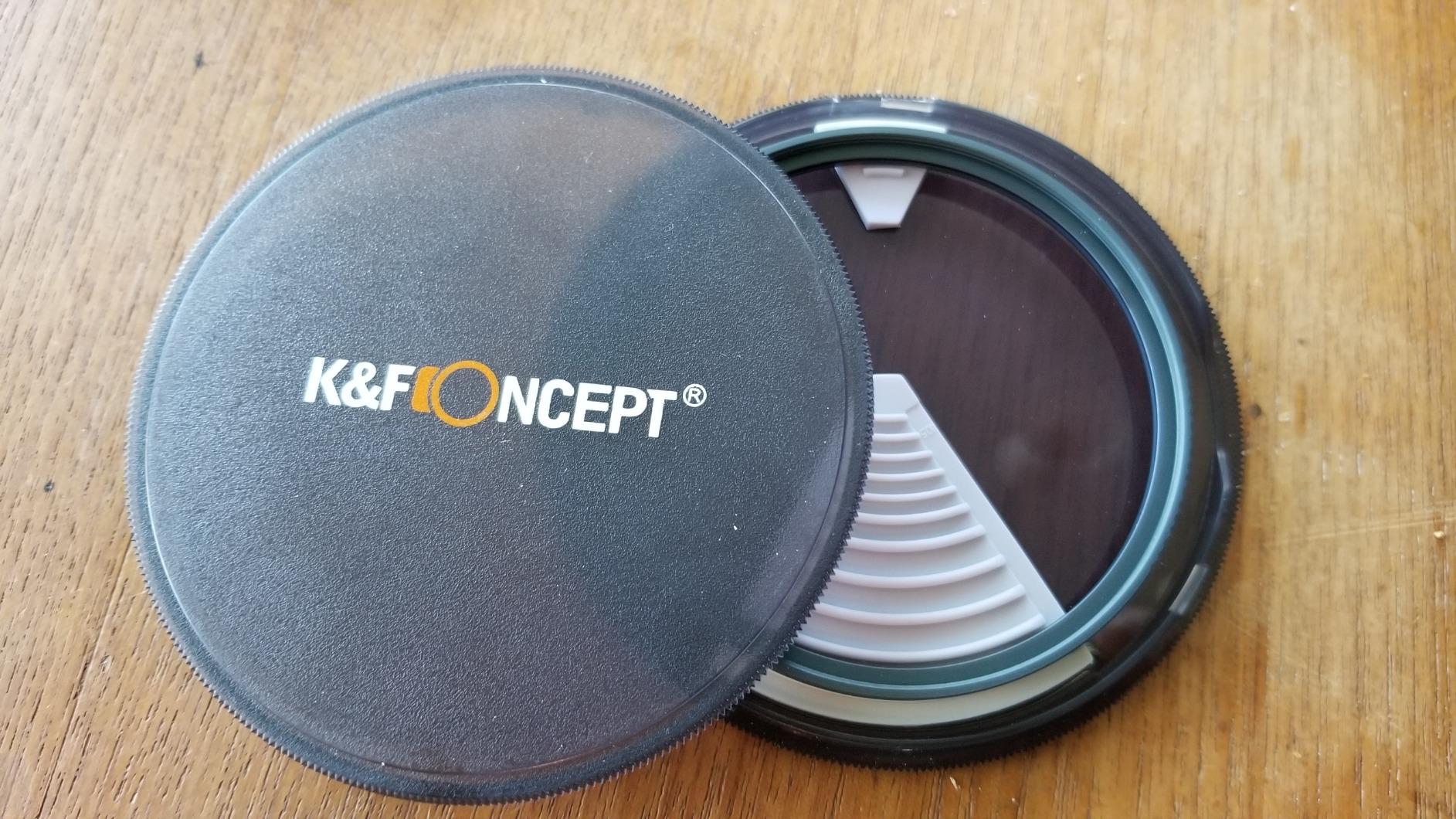
K&F CONCEPT 67mm Clear Natural Night Filter Pollution Reduction
0.15 inch ultra-slim frame
28-layer multi-coating
AGC optical glass
67mm filter thread
Pros
- Slim 0.15 inch frame avoids vignetting on wide and telephoto lenses
- Coatings described as waterproof oil-resistant and scratch resistant
- Imported AGC optical glass with no colour cast
- Available from 49mm to 82mm thread sizes
Cons
- Targets only the mercury and sodium line so heavy broadband skyglow remains
- This listing is fixed at 67mm so other lens sizes need a step ring
This is the filter we kept reaching for first when testing wide and fast on a camera lens, for one unremarkable reason: thickness. At 0.15 inch the frame is thin enough that it does not clip the corners of a 14mm field, and that is the difference between a clean Milky Way panorama and a frame with black wedges in all four corners.
The optical side is where the 4.6 average across 752 ratings comes from. The glass is imported AGC optical stock with no colour cast, so your foreground and star colours do not shift, and both faces carry 28 layers of coating described as waterproof, oil-resistant and scratch resistant. On a clear night it took the yellow wash off a suburban frame and delivered a file that needed far less colour correction than an unfiltered exposure from the same tripod position.
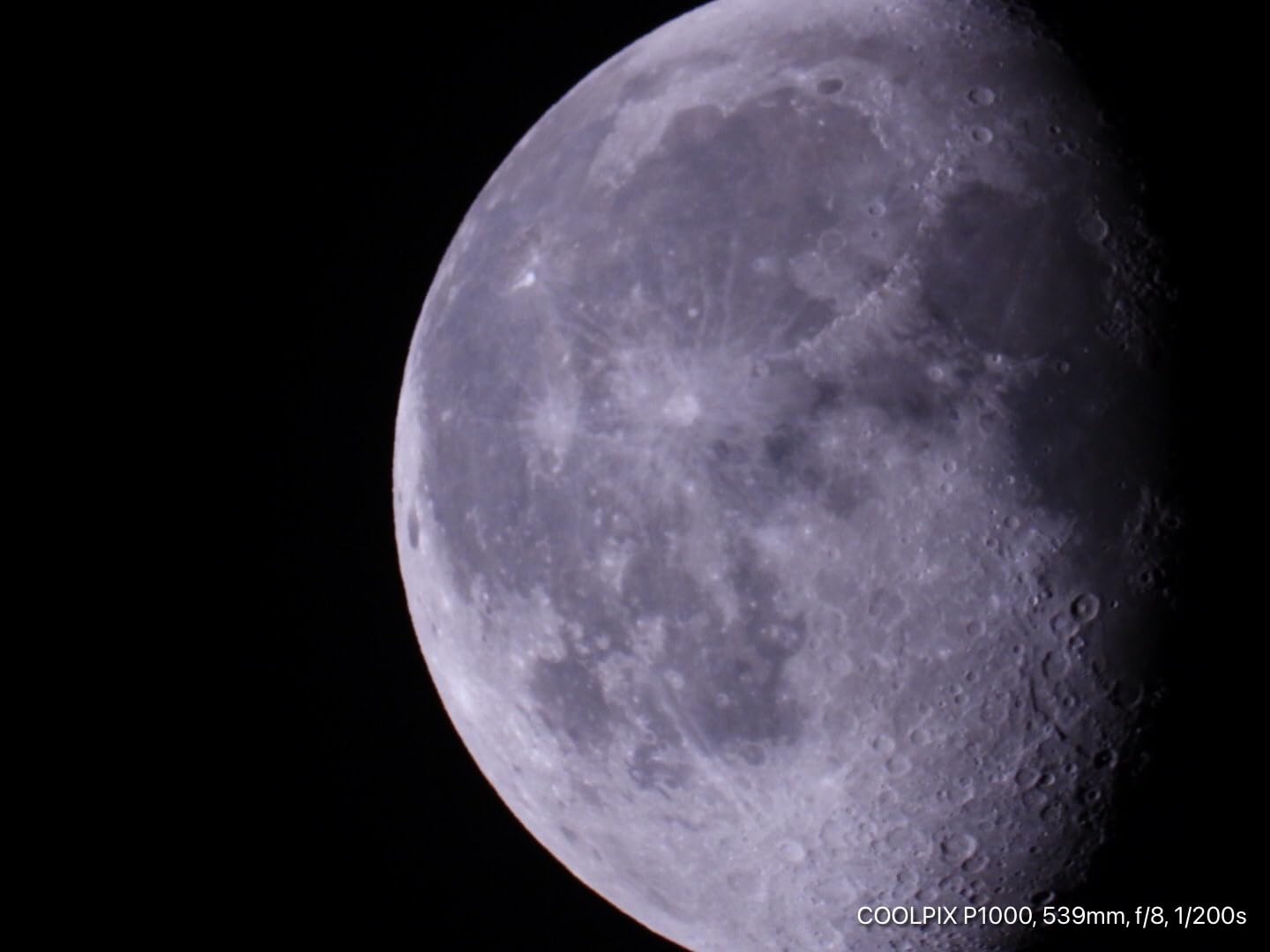
What it does not do is fight modern broadband skyglow. A natural night filter targets the mercury and sodium line, which means a town that has converted to blue-white LED lighting still leaks plenty of light through. Owners with heavy city skyglow report that they still need to stack a UHC or CLS filter to get a genuinely dark background, and that is an honest limit of the category rather than a fault of this glass.
The mounting is straightforward. This listing is the 67mm version, so check the thread size printed on the front ring of your lens before you commit, and budget for a step ring if you shoot more than one focal length. The range runs from 49mm through 82mm, so the family is easy to keep matched across a kit.
When this filter is the right call
Reach for it when you are shooting the Milky Way core, an aurora, or a city nightscape on a fast wide lens and you care about both the sky and the foreground staying in balance. It is also the easiest first filter for a beginner because it needs no camera modification and no filter wheel.
It pairs well with a tripod and a single untracked exposure, and it suits anyone who also wants nightscape or travel frames rather than purely astronomical data.
When it will disappoint you
Do not expect it to reveal a faint emission nebula from a Bortle 8 backyard, because it leaves the broadband component of skyglow untouched. If your dominant light source is blue-white LED, you will need a CLS or dual-band design for real contrast.
Buying the wrong thread size is the one genuinely wasteful mistake here, and it is entirely avoidable with a two-second check of the lens front.
2. SVBONY 1.25 inch UHC Filter – The Budget Pick Contrast Booster
SVBONY Telescope Filter, 1.25″ UHC Filter Improve Contrast for Telescope
Broadband 50nm passband
1.25 inch aluminum cell
Optical glass element
IR response not cut
Pros
- Reviewers report performance comparable to filters many times more expensive
- Darkens the sky background and lifts faint emission nebula contrast
- Infrared is not cut so guide scopes hold stars through thin cloud
- Well-machined threads in a solid aluminum frame
Cons
- Broadband 50nm design is weaker against LED lighting than a CLS or dual-band filter
- The faintest targets still need averted vision
- 1.25 inch thread only fits 1.25 inch accessories without a step adapter
With 611 ratings averaging 4.6, this is the filter that convinced us price and performance are not the same thing. Reviewers repeatedly describe the view and the resulting images as comparable to UHC filters many times more expensive, and third-party spectral tests cited in reviews line up with that claim rather than contradicting it.
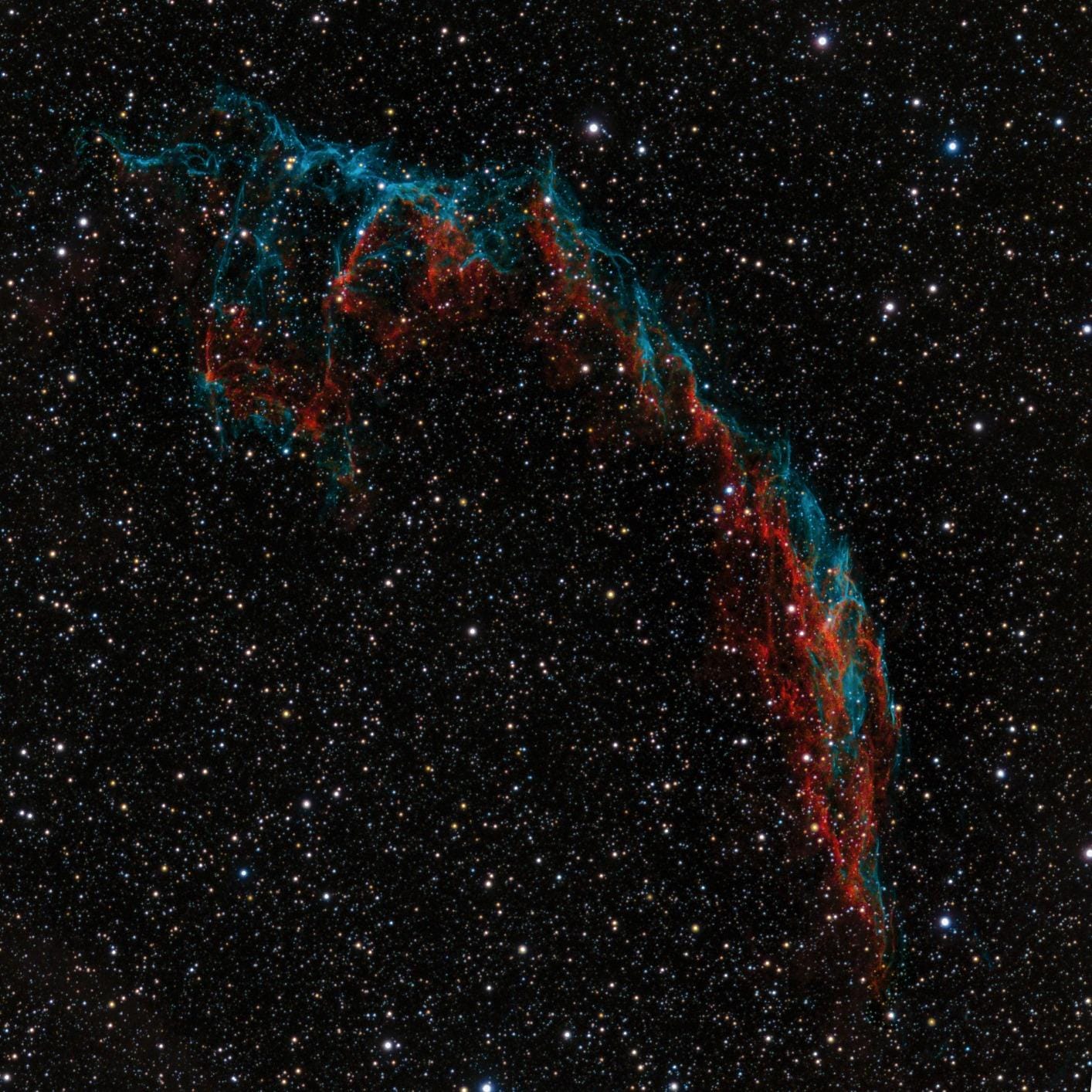
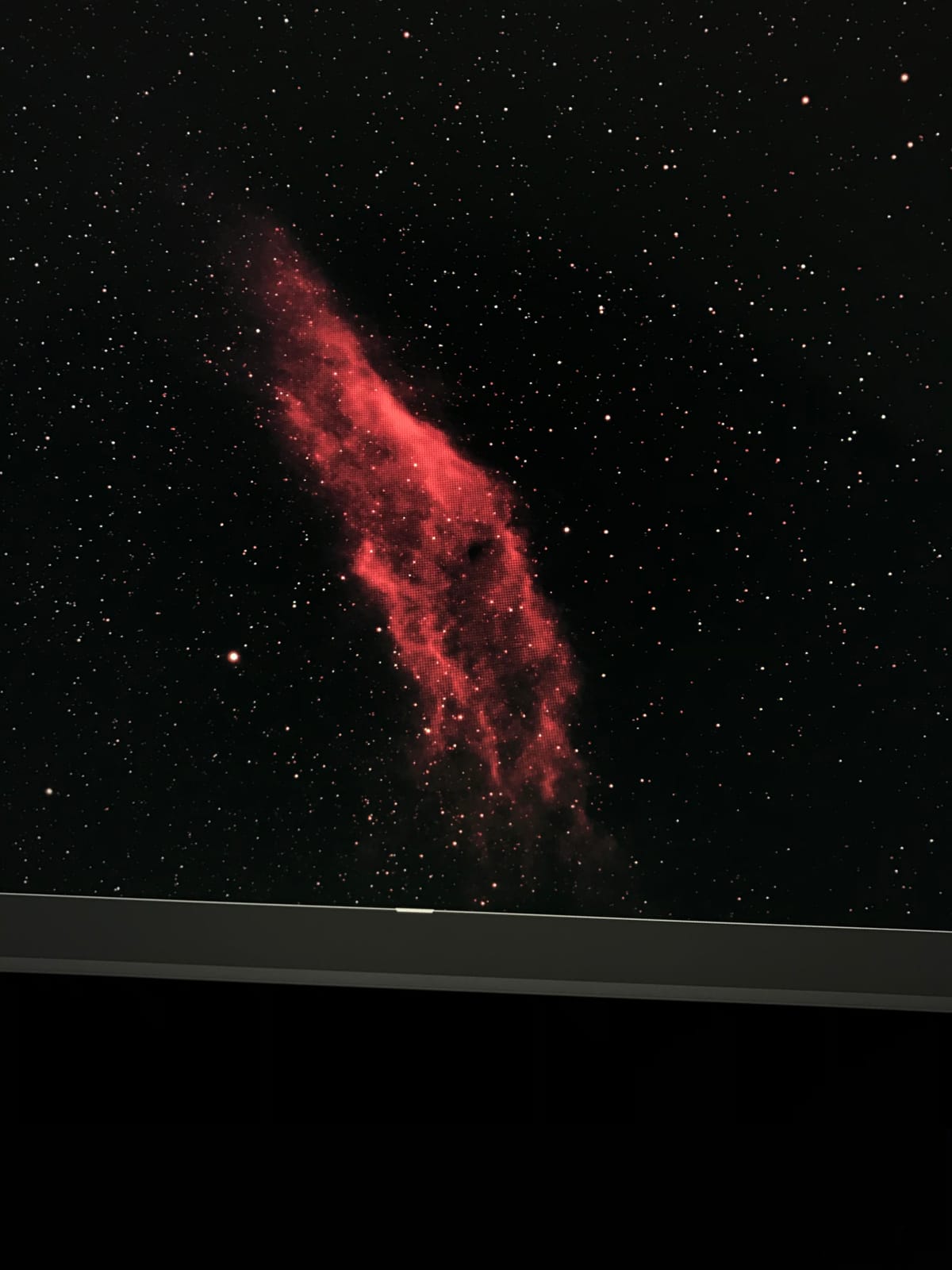
The physics is a roughly 50nm broadband passband that selectively reduces transmission of the wavelengths artificial light loves. From a suburban sky the background drops enough that the North America and Veil nebulae appear in a view where they are simply not present without the filter, and the same contrast shows up in a stack as a cleaner, flatter background.
One detail matters more than it sounds: the filter does not cut infrared response. That is a genuine advantage for imaging, because a guide scope keeps its guide stars through thin cloud and high thin cirrus, so your guiding data stays solid on the nights you need it most.
The frame is machined aluminum with a standard 1.25 inch thread, which drops straight into most focusers, diagonals and small imaging train adapters. Note the limitation clearly. A 50nm window is wide, and several owners specifically mention weaker results under LED-dominated lighting compared with sodium skies. Against blue-white lamps you would be better served by the CLS design further down this list.
When this filter is the right call
It is the first filter we would hand to a beginner with a small tabletop telescope who wants to see emission nebulae from a city or suburban sky for the least money. It works for visual observing and for imaging in the same body, which is unusual at this level.
It also makes a good backup for visual use on nights when you are not imaging, since the same 1.25 inch cell fits a diagonal in seconds.
When it will disappoint you
Under heavy broadband skyglow, particularly from LED street lighting, expect a modest improvement rather than a transformation. Several reviewers who expected a dramatic change were disappointed, and that expectation gap is the main complaint in the reviews.
It is also a 1.25 inch filter, so an imaging train built around 2 inch accessories needs a step adapter before anything else in this roundup will fit.
3. Hoya Starscape 67mm Didymium Filter – Best for Unmodified Red Nebulae and Nightscapes
HOYA 67mm STARSCAPE Light Pollution Astrophotography Filter – Didymium Glass with Enhanced HMC Multicoating Technolgy – Boost Star-to-Sky Contrast – Reduce Night City Sky Color Cast
Didymium glass blocks yellow-orange
97%+ light transmission
HMC multicoating
Slim aluminum ring
Pros
- Clearly removes yellow-orange sodium and mercury glow
- Boosts red emission targets such as the Horsehead on an unmodified DSLR
- Slim ring does not vignette on ultra-wide lenses or when stacked
- Produces a cleaner colour-true file with less editing time
Cons
- Some users report rainbow arcs and internal reflections around bright stars on fast telephoto lenses
- Not a true narrowband filter so faint red targets rise by saturation rather than extra H-alpha transmission
- Can amplify noise in long exposures on some bodies
This is one of the highest rated filters in the group at 4.8 across 162 ratings, with 85% of those at five stars. The glass is didymium, which blocks the yellow-orange band produced by sodium and mercury vapour lighting, and the multi-layer HMC coating holds transmission above 97%. That combination means you are not sacrificing brightness to get the colour back.
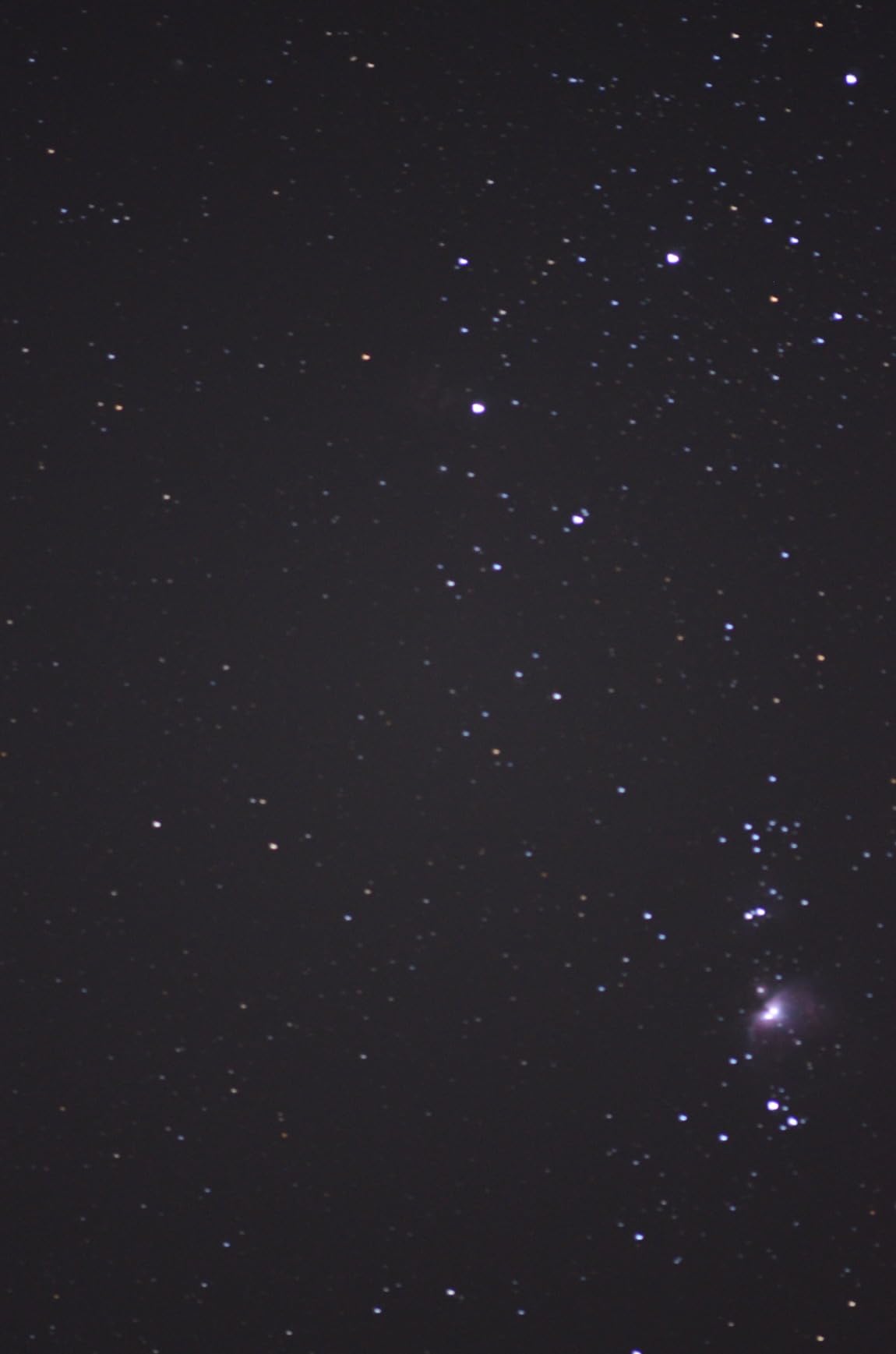
The second thing this filter does is unusual. Because it removes competing light in the yellow-orange region rather than suppressing the whole spectrum, faint red emission objects such as the Horsehead and Barnard’s Loop become visible on a completely unmodified DSLR. Reviewers consistently credit it with turning an orange soup into a frame where red nebulosity can be boosted without a camera modification.
Physically it is a slim low-profile black aluminum ring, and it does not vignette on ultra-wide lenses or when you stack it with another filter. Sizes run from 49mm to 82mm, so a multi-lens kit is straightforward to cover.
The honest drawback is flare behaviour. Some users report rainbow arcs and internal reflections around bright stars when the filter is used on certain fast telephoto optics, which is a coating and internal-reflection issue rather than a transmission issue. It is also worth being clear that a didymium filter boosts red targets by removing competing light and letting saturation rise, not by transmitting more hydrogen-alpha than an unfiltered frame.
When this filter is the right call
It is also our pick for anyone who wants a nightscape with a real Milky Way arc, an aurora frame, or a city skyline with stars above it and correct foreground colour below. The 97%+ transmission keeps the foreground from going black, which most aggressive filters do.
It is also the least invasive way to surface red nebulosity if you shoot a stock DSLR and do not want to modify it.
When it will disappoint you
It will not deliver deep-sky contrast from a bright suburban sky the way a CLS or dual-band filter does, because it removes only one colour band. Budget for that limitation rather than expecting a UHC effect.
If you use fast telephoto glass, watch for reflections around bright stars in your first test frames, and be ready to remove it when a foreground light source is in frame.
4. Astromania 1.25 inch UHC Filter – The Small-Scope Best Value
Astromania Telescope Filter 1.25 Inch UHC Filter Improve Contrast Nebula
1.25 inch optical glass
Aluminum frame
Anti-reflection coating
31.75mm thread
Pros
- Low-profile 1.25 inch form factor suits tabletop telescopes and star diagonals
- Anti-reflective coatings give sharp clean views of emission nebulae
- Works in light-polluted and dark-sky conditions
- An inexpensive entry point into UHC filtering
Cons
- One of the lowest average ratings in this group at 4.4 stars with 4% one-star reviews
- Broadband design gives only moderate improvement under LED lighting
- Contrast boost is subtle on small aperture instruments
If your instrument is a small tabletop scope or a short refractor with a 1.25 inch focuser, this is the most sensible first filter in the group. The format is the reason. At 1.25 inch it slips into a star diagonal or a small focuser without adapters, which removes the most common first-purchase mistake.
The coating and the glass are respectable for the money, with anti-reflective coatings that give a clean, sharp view of emission nebulae rather than the washed-out look you get from uncoated budget glass. Owners report it working in light-polluted and dark-sky conditions, which is a good sign for a broadband design intended as a permanent addition rather than a travel accessory.
It is also among the lowest rated filters here at 4.4 across 156 ratings, with 4% of those at one star, and the review data explains why. The contrast boost is real but subtle, and it is most noticeable on larger apertures where the light grasp is already there.
As with every broadband UHC design in this roundup, modern blue-white LED lighting is the weak point. If your sky is LED-dominated, the improvement you will notice is moderate rather than dramatic. A 2 inch version exists for people who have outgrown the small format.
When this filter is the right call
It suits a beginner with a small telescope who wants to try filtering without changing focusers, and it works as a spare that lives in a small observing kit. The price point makes it an easy first experiment.
For imaging through a small imaging train with a 1.25 inch adapter, it does a reasonable job of taming a suburban background.
When it will disappoint you
On a small aperture instrument the extra contrast often falls below the threshold of the human eye, and owners on small scopes are the ones most likely to describe the filter as making little difference.
Under LED street lighting, expect a modest result. If dramatic contrast is your goal, the CLS and dual-band designs in this list are built for that job.
5. Celestron 1.25 inch UHC/LPR Filter – The Best Pick for Visual Observing
Celestron UHC/LPR Light Pollution Reduction Filter for Telescopes – 1.25″
1-1/4 inch thread
High-transmission coating
2 year limited warranty
Optical glass element
Pros
- Reviewers report about 30% more perceived nebula contrast
- Backed by a 2 year limited warranty from an established optics brand
- Works well on larger apertures such as 8 to 10 inch Dobsonians
- Well-machined aluminum cell feels solid in the eyepiece
Cons
- Less effective against modern blue-white LED lighting than against sodium vapour
- Can look reflective in the eyepiece so a fully dark site or cupped hands help
- Dimmer stars and a greenish cast mean the view is not for everyone
This filter is built for the person looking through the eyepiece rather than the camera, and it is the only entry here that comes with a stated warranty. Celestron backs it with a 2 year limited warranty, which matters when a filter is permanently installed in a focuser and rarely removed.
Reviewers report roughly 30% more perceived contrast on emission and planetary nebulae, with the effect most obvious on larger apertures such as 8 to 10 inch Dobsonians. The balanced broadband bandpass is the sensible part of the design: unlike a pure OIII filter, it does not leave half the visual spectrum blocked when you want to look at a whole field of stars.
The main complaint from reviewers who expected a dramatic transformation is that there is no transformation under modern blue-white LED lighting. That is a physics outcome shared by every broadband UHC design here, but it comes up repeatedly for this one because visual users notice it more immediately than imagers do.
There is a second, purely optical point. The cell can look reflective in the eyepiece, and users recommend a fully dark observing environment or cupping hands around the eyepiece to cut it. Dimmer stars and a slight greenish cast are also part of the trade for the contrast gain, and not every observer likes what they see.
When this filter is the right call
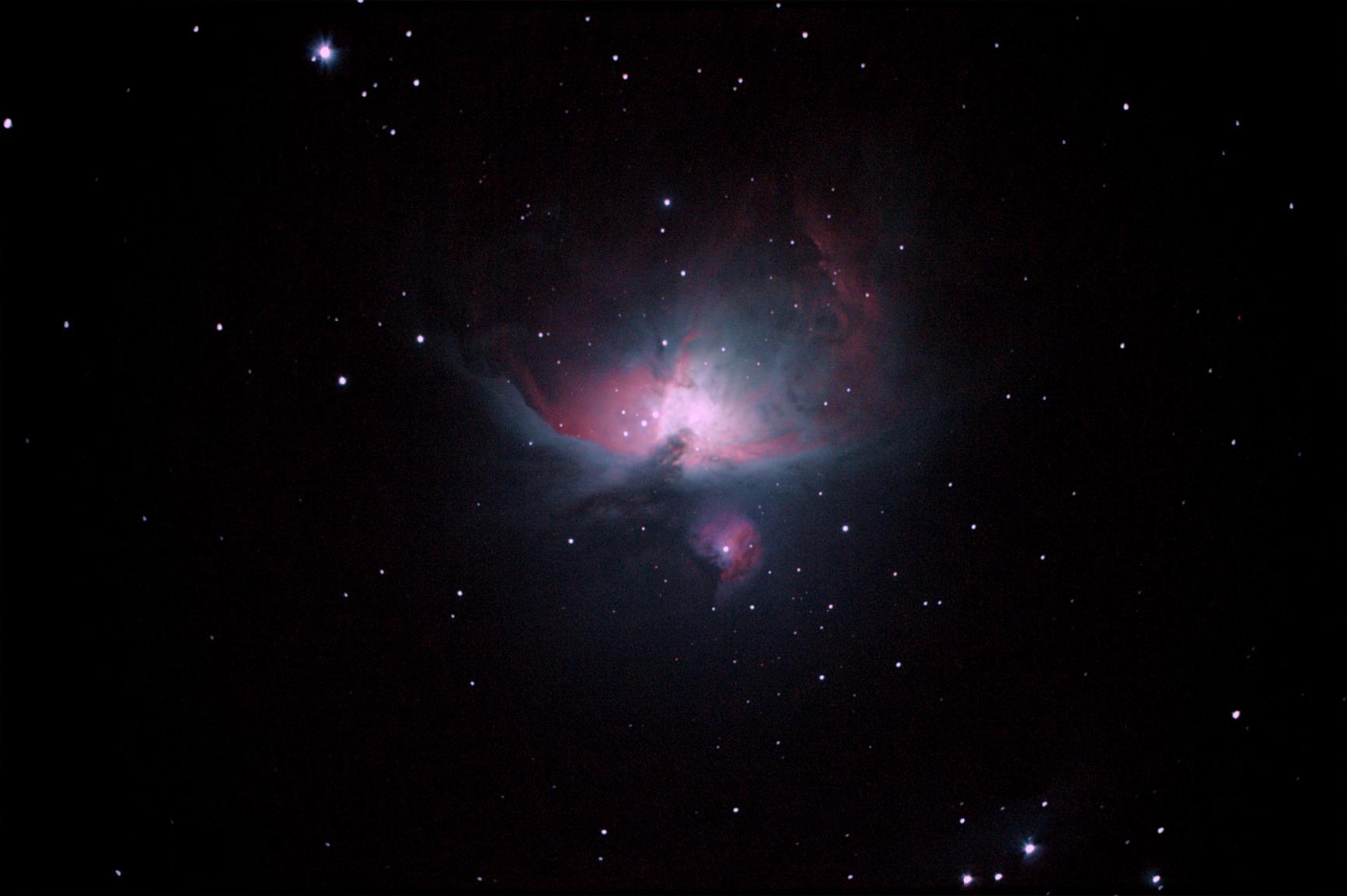
It is our pick for visual observers with a mid-size aperture who want M27, the Dumbbell, and the Orion Nebula to hold up from a suburban or city sky. The 30% contrast figure in the reviews is the closest thing to a measured number available in this group.
The warranty and the aluminium cell also make it a low-risk permanent fixture in a focuser.
When it will disappoint you
Photographers will find it underwhelming, because it is marketed for visual use and the imaging gain is modest. If your goal is data, look at the CLS and dual-band options instead.
Under LED lighting the honest expectation is a mild improvement. A dark observing site or a well-darkened room is also worth more than the filter itself if you are chasing faint targets visually.
6. SVBONY 1.25 inch CLS Filter – The Best Match for an Unmodified DSLR
SVBONY Telescope Filters, CLS 1.25″, Light Pollution Broadband Filter
Passes about 90% of nebula lines
Blocks 99.9% of off-band light
Ion-assisted coating
1.25 inch thread
Pros
- Spectrally selective with high transmission at nebula emission lines
- Reviewers cite third-party tests placing it close to premium CLS filters
- Works on an unmodified DSLR or color CCD without narrowband penalties
- Small 1.25 inch size can sit in front of the sensor on a camera adapter
Cons
- Visual performance through an eyepiece is less impressive than its imaging performance
- Does not address blue-white LED lighting which sits inside its passband
- Some users expected a larger visual contrast boost
This is the filter we would point an unmodified DSLR owner towards. It passes roughly 90% of the major nebula emission lines, including hydrogen-alpha at 656nm, oxygen-III around 495 to 500nm, sulphur-II at 672nm and H-beta at 486nm, while transmitting only about 0.1% of off-band light. That includes the sodium line at 589nm and the mercury lines at 435nm and 578nm.
Because it is a CLS design rather than a narrowband design, you get one-shot colour frames with natural star colour and no multi-filter combination step. That is exactly the workflow an OSC or an unmodified DSLR imager wants, and reviewers report strong light pollution rejection on exactly those cameras.
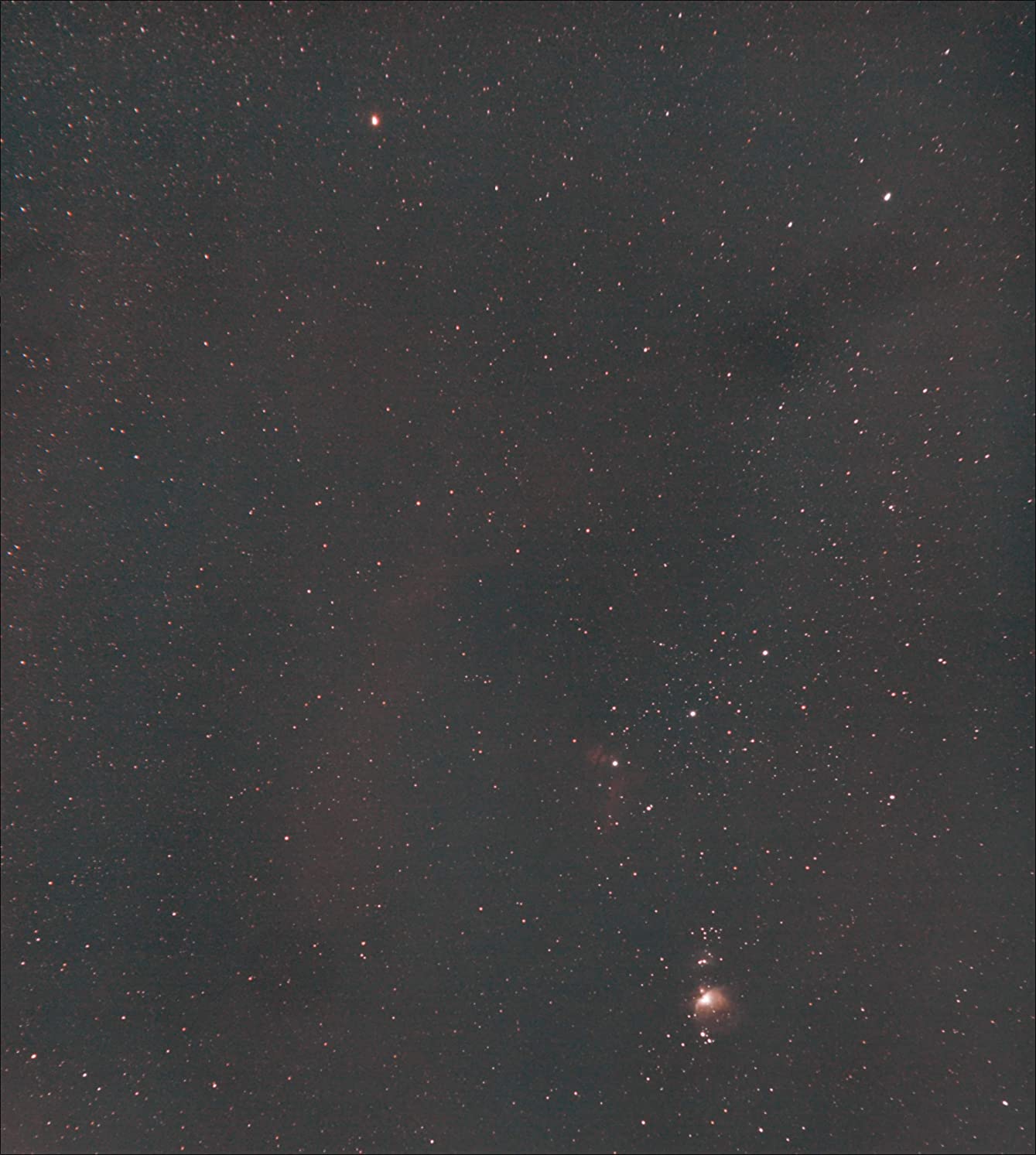
Several owners cite third-party side-by-side spectral tests that place this filter close to far more expensive branded CLS glass, and that is why it sits high in this roundup despite the low review count of 123. The ion-assisted deposition coating is also a genuine quality marker, since it improves scratch resistance and holds the central wavelength stable as temperature changes across a night.
The limitations are honest ones. Visual performance through an eyepiece is unimpressive compared with its imaging performance, and blue-white LED light falls inside the passband, so it cannot remove that component of skyglow. A 2 inch version is also available if your imaging train uses larger accessories.
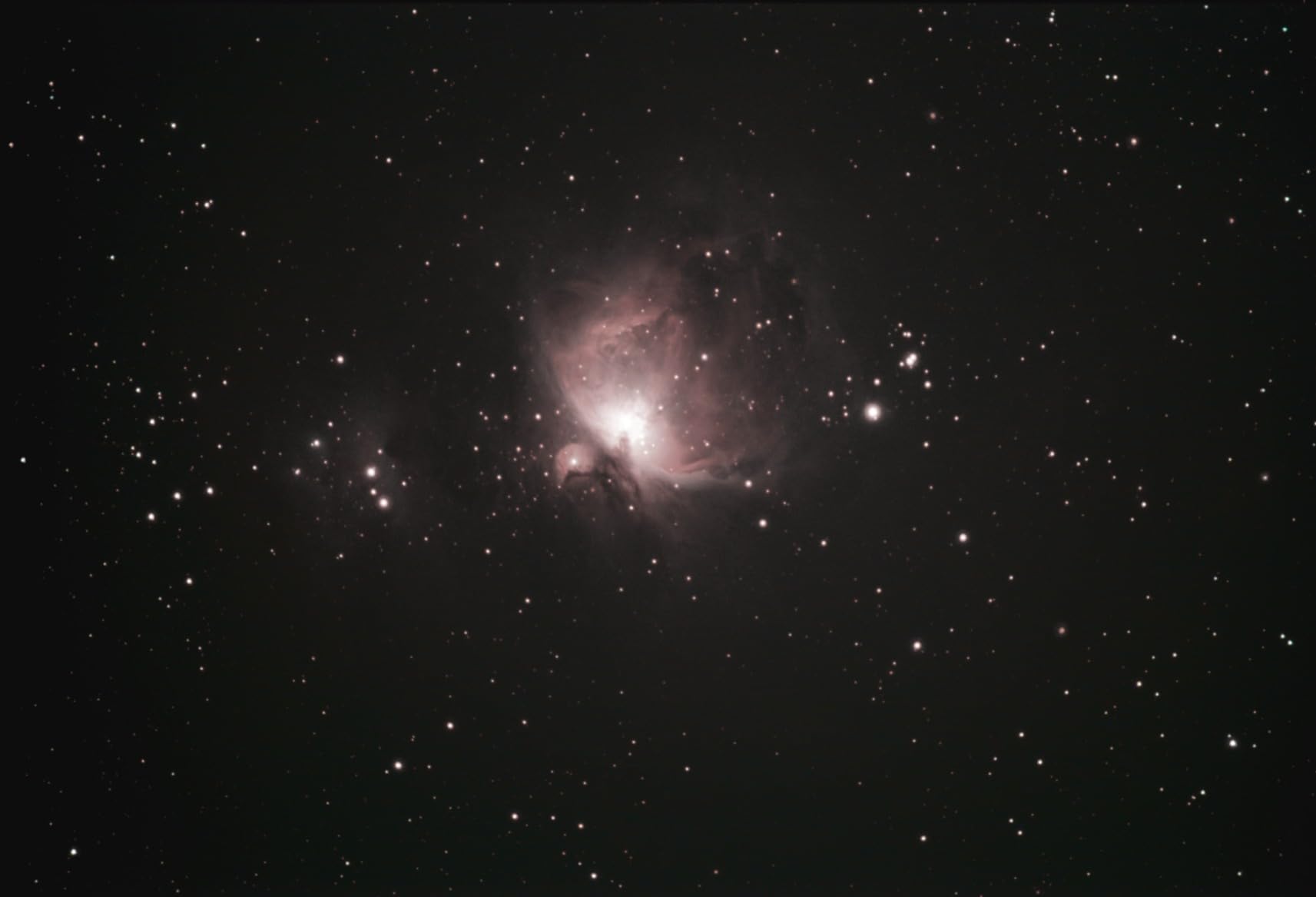
When this filter is the right call
This is the safe single-filter purchase for an unmodified DSLR, a colour CCD, or an OSC camera where you want real contrast improvement without committing to a narrowband palette. It handles both emission and broadband targets reasonably well.
It is also the filter we recommend to someone who wants one glass element that does not lock them into a single target type.
When it will disappoint you
If your sky is dominated by blue-white LED lighting, the residual glow inside the passband will need gradient correction in processing. A dual-band design handles that case better.
Visual observers should skip it. A small minority of buyers expected a strong eyepiece effect and were disappointed, because the design is optimised for the sensor.
7. Optolong 2 inch L-Enhance – The Best Dual-Band Filter for Emission Nebulae
Optolong 2″ L-Enhance Dual Narrowband Light Pollution Filter (H-Alpha and H-Beta/O-III)
Dual narrowband Ha and Hb/OIII
2 inch M48x0.75mm thread
Multiple anti-reflective coatings
Suppresses white light
Pros
- Lets unmodified DSLRs shoot faint emission nebulae from Bortle 5 to 9 skies
- Allows longer sub-exposures without a light pollution gradient
- Bandpass is wide enough to tolerate fast focal ratios like an f/2 RASA
- Passes enough light to focus with a Bahtinov mask on an unmodified DSLR
Cons
- Blocks a lot of light so roughly 5 minute subs replace 3 minute subs
- Not suitable for galaxies and is matched only to emission nebulae
- Narrowband colour balance is hard to preserve so star colour can shift
Of everything in this roundup, the L-Enhance delivers one of the most dramatic changes in an emission nebula image from a bright sky. It isolates hydrogen-alpha and the H-beta/oxygen-III region and suppresses most white light, which is why astrophotographers shooting NGC 7000, the Veil and similar targets from Bortle 5 to 9 skies report a step change in background control rather than a mild improvement.
The practical effect is on exposure length, not just contrast. Because most of the skyglow is gone, you can push sub-exposures to roughly five minutes without developing a light pollution gradient, where a UHC filter on the same sky would have forced shorter subs and a visible ramp. Reviewers consistently frame longer integration as the reason the result looks better.
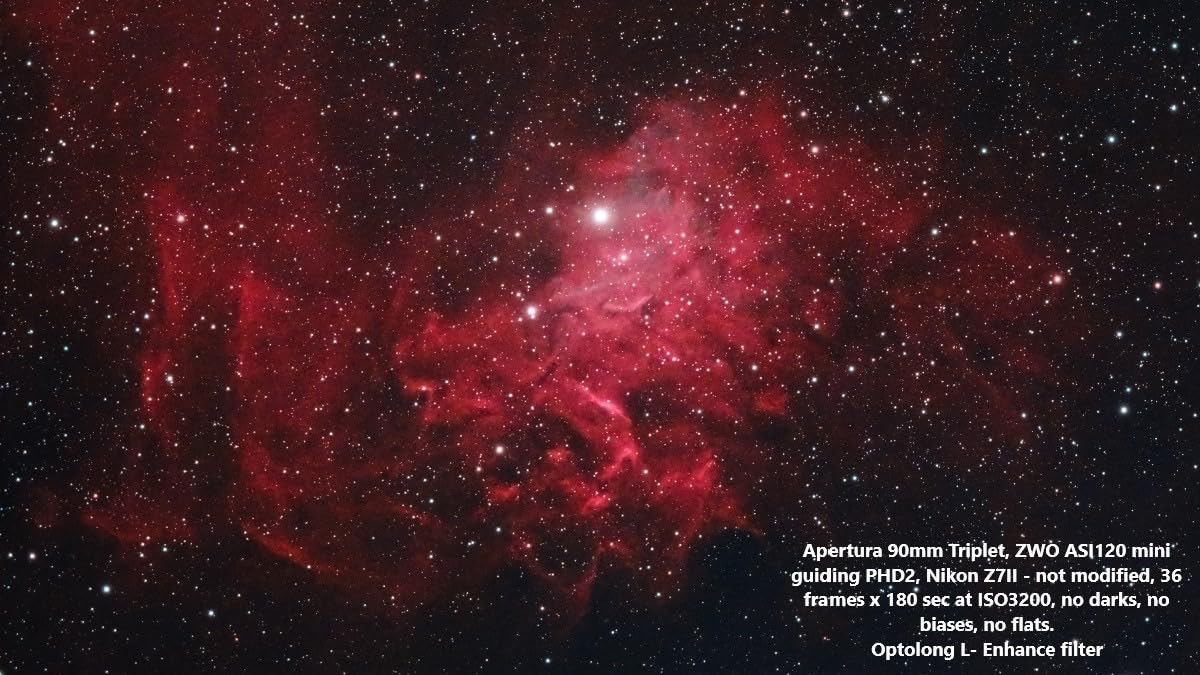
The bandpass is wide enough to survive a fast optical train. On an f/2 RASA the focal ratio shift across the frame would starve a 3nm filter, and this design absorbs that, which makes it one of the more forgiving narrowband options with a wide-field astrograph. It also passes enough light to focus with a Bahtinov mask on a stock DSLR, a small detail that saves a lot of frustration.
It fits the standard 2 inch M48x0.75mm thread, so it drops into a 2 inch filter wheel or a camera adapter, and reviewers note it fits filter housings such as the Vaonis Vespera. It is not suitable for galaxies, and star colour can shift toward the nebula hue if you push the colour balance hard in processing.
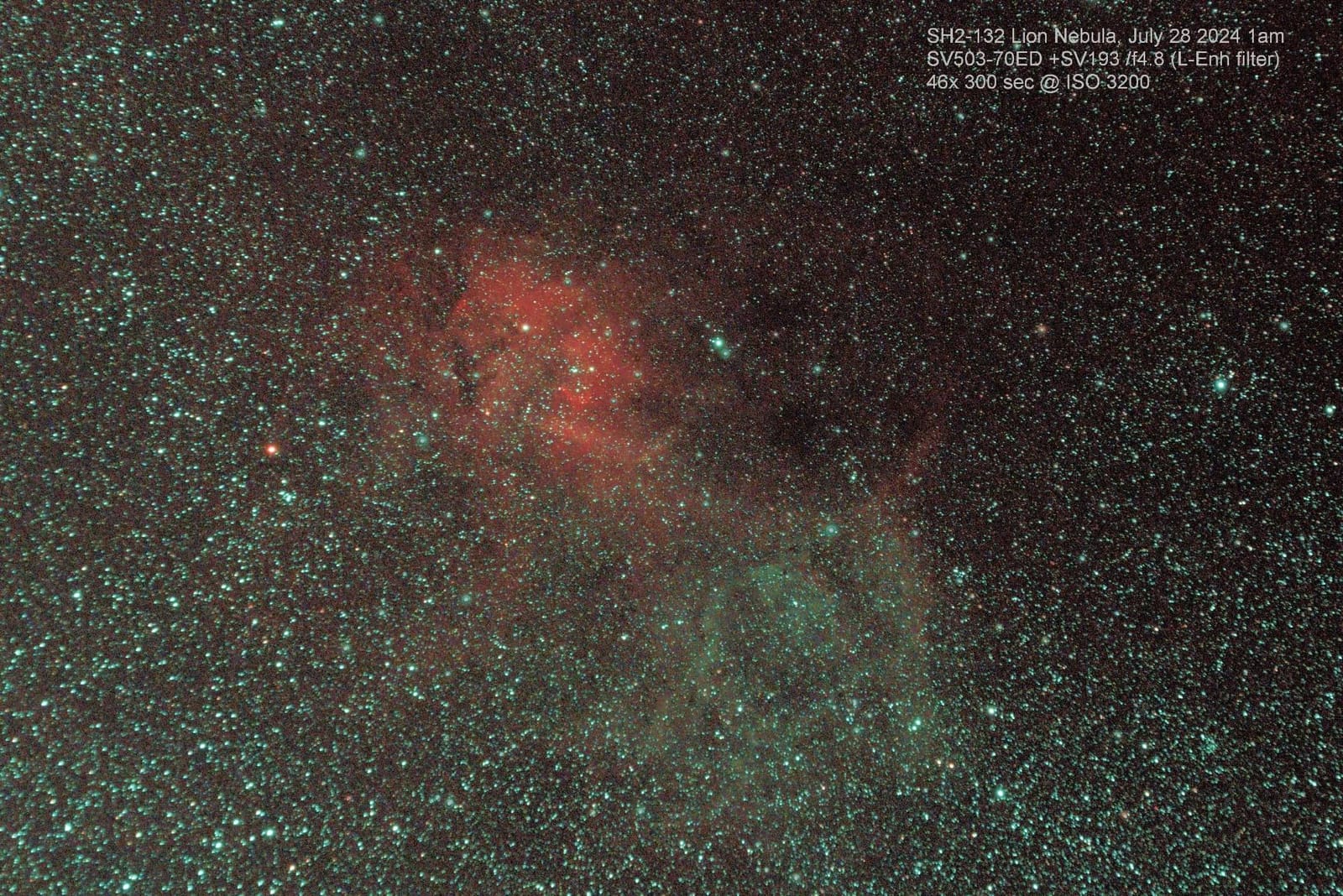
When this filter is the right call
It is the right call for one-shot colour imaging of emission nebulae, planetary nebulae and supernova remnants from anywhere between a suburban garden and a city centre, particularly under moonlight. The longer usable subs are what make it practical on a typical tracking mount.
It is also the most reliable way for a DSLR imager without a filter wheel to get narrowband-like results in a single exposure.
When it will disappoint you
Do not buy it for galaxies, star clusters or reflection nebulae. Almost no signal from those objects falls inside the passband, which is the single most common misunderstanding we see in reviews.
Budget for longer exposures and accurate tracking, and expect to work on star colour balance in post because the narrowband palette is not natural.
8. Optolong 2 inch L-Pro – The Best Filter for Galaxies and Star Clusters
Optolong 2″ L-Pro Light Pollution Filter
Multi-bandpass with sharp roll-off
About 90% transmission at emission lines
Black anodised CNC cell
2 inch thread
Pros
- The broadband option in this range for galaxies clusters and comets
- Keeps more natural star colour than the L-Enhance
- Sharp roll-off at sodium and mercury lines gives good contrast in Bortle 5 to 8 skies
- Wide bandpass tolerates fast optics
Cons
- Leaves a residual gradient under heavy city skyglow that needs processing
- Star field can look slightly tunnel-like before cropping because of bandpass width
- Cuts some visible colour so it sits between a UHC and a dual-band filter
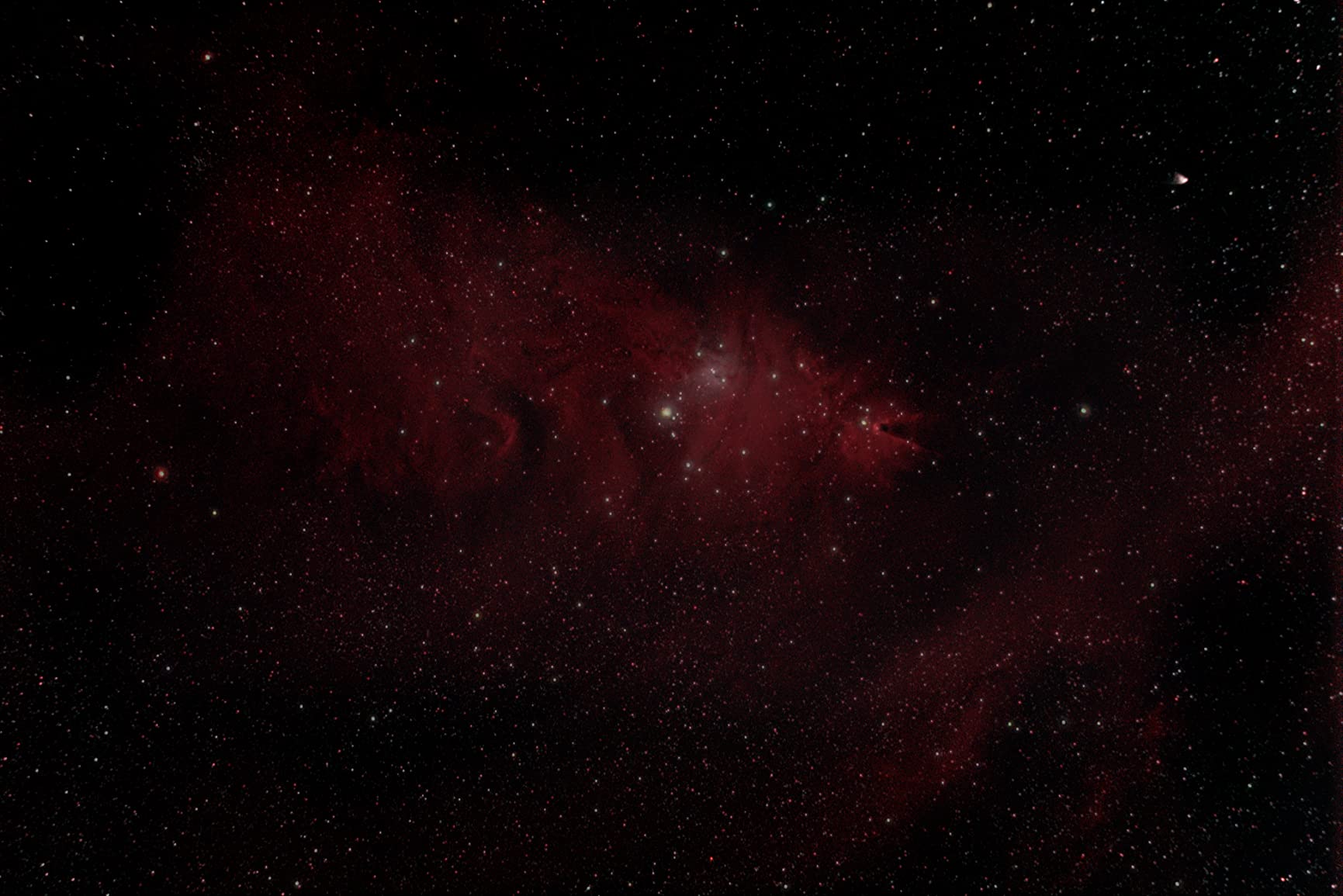
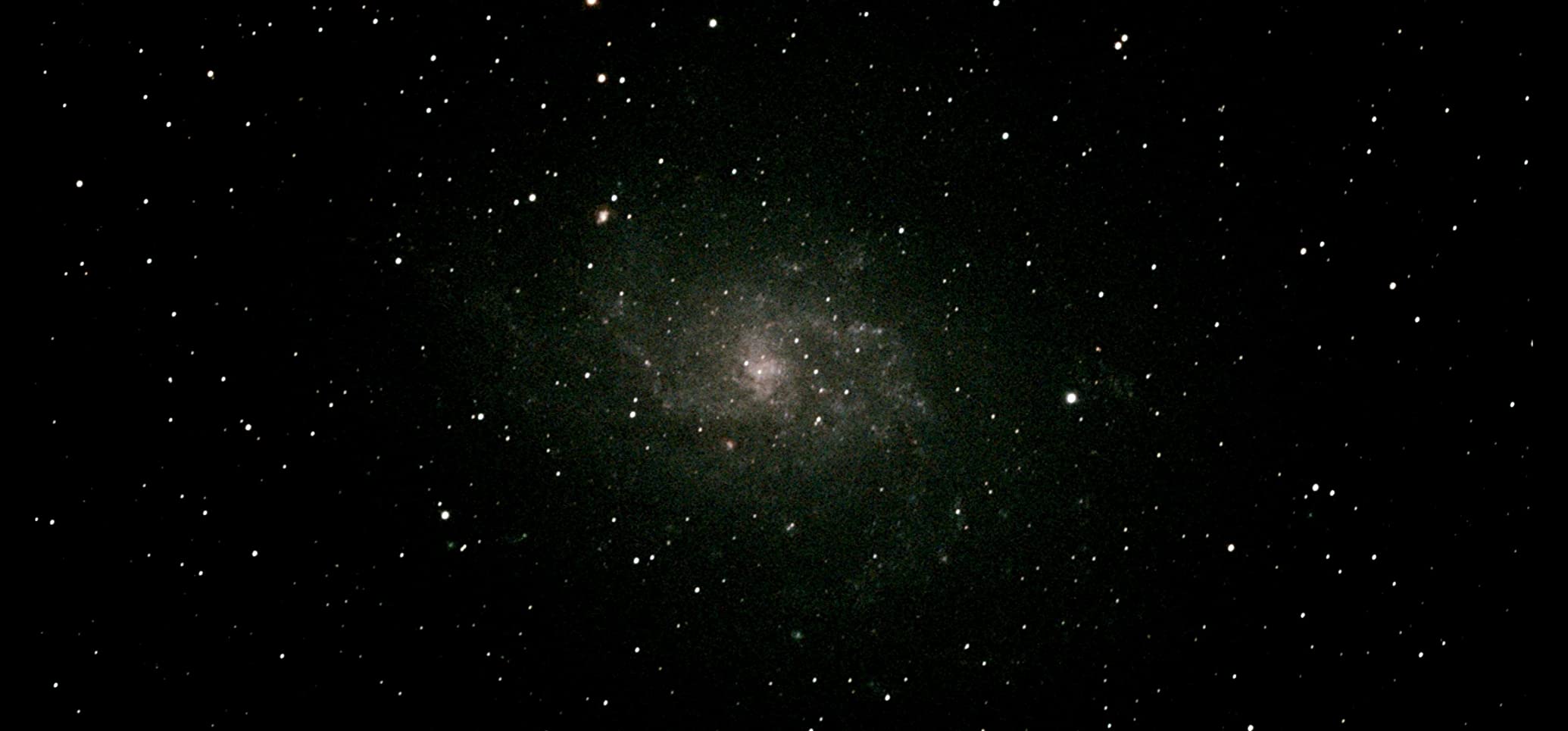
The L-Pro is the all-rounder in the Optolong line, and it is the answer for the target types the L-Enhance cannot touch. Its multi-bandpass design has a precise, sharp roll-off at light pollutant emission lines while passing about 90% of the light at the major nebula lines, so galaxies, star clusters and comets get real contrast improvement without the monochromatic look a narrowband filter imposes.
That is the deciding factor. On a galaxy such as M31 or a globular cluster, star colour and star field realism matter as much as background depth, and this is the filter in the group that preserves them. It sits between a UHC and a dual-band design, which is exactly why it is the one many imagers keep permanently in the imaging train.
Build quality is the other argument. The cell is CNC machined aerospace grade aluminium with a black anodised finish, which exists specifically to extinguish internal reflections, and the multi-layer anti-reflection coating handles the front surface. A wide bandpass also means fast focal ratios are not a problem.
Under Bortle 8 to 9 skies there is still a residual gradient that has to be corrected in processing, and before you crop, the star field can look slightly tunnel-like because of the bandpass width. Both are minor, and both are reported by reviewers who still rate the filter at 4.7 across 86 ratings.
When this filter is the right call
Choose it when your targets are broadband objects: galaxies, reflection nebulae, star clusters and comets. It is the one filter in this group that improves those without damaging the colour that makes them worth photographing.
It is also a good moon filter, since a wide bandpass still suppresses a useful slice of the light while keeping focus and star colour manageable.
When it will disappoint you
For emission nebulae from a bright city sky, the L-Enhance or a 7nm dual-band filter will outperform it clearly, because this design deliberately passes more of the unwanted light too.
At Bortle 8 and darker, plan on gradient correction in processing. If you cannot tolerate that extra step, a narrowband filter needs less of it.
9. SVBONY SV220 7nm Dual-Band Filter – The Best 7nm Ha and OIII Option
SVBONY SV220 Telescope Filter, 7nm Dual-Band H-Alpha OIII Narrowband Filter
7nm H-Alpha and OIII passband
1.25 inch thread
Waterproof multi-coating
Variants in 3nm and 7nm
Pros
- 7nm dual-band rejection cuts Bortle 7 to 8 background glow in one-shot colour
- Delivers vibrant nebula colour with short post-processing on an OSC camera
- Fits smart telescopes and compact imagers including the Dwarf II and Celestron Origin
- Considered more affordable than comparable Optolong dual-band filters at similar performance
Cons
- Tight 7nm bandpass cuts a lot of light so longer subs and accurate tracking are needed
- Unsuitable for galaxies and star clusters and one reviewer returned it for that reason
- Some faint halos on bright stars at this price tier
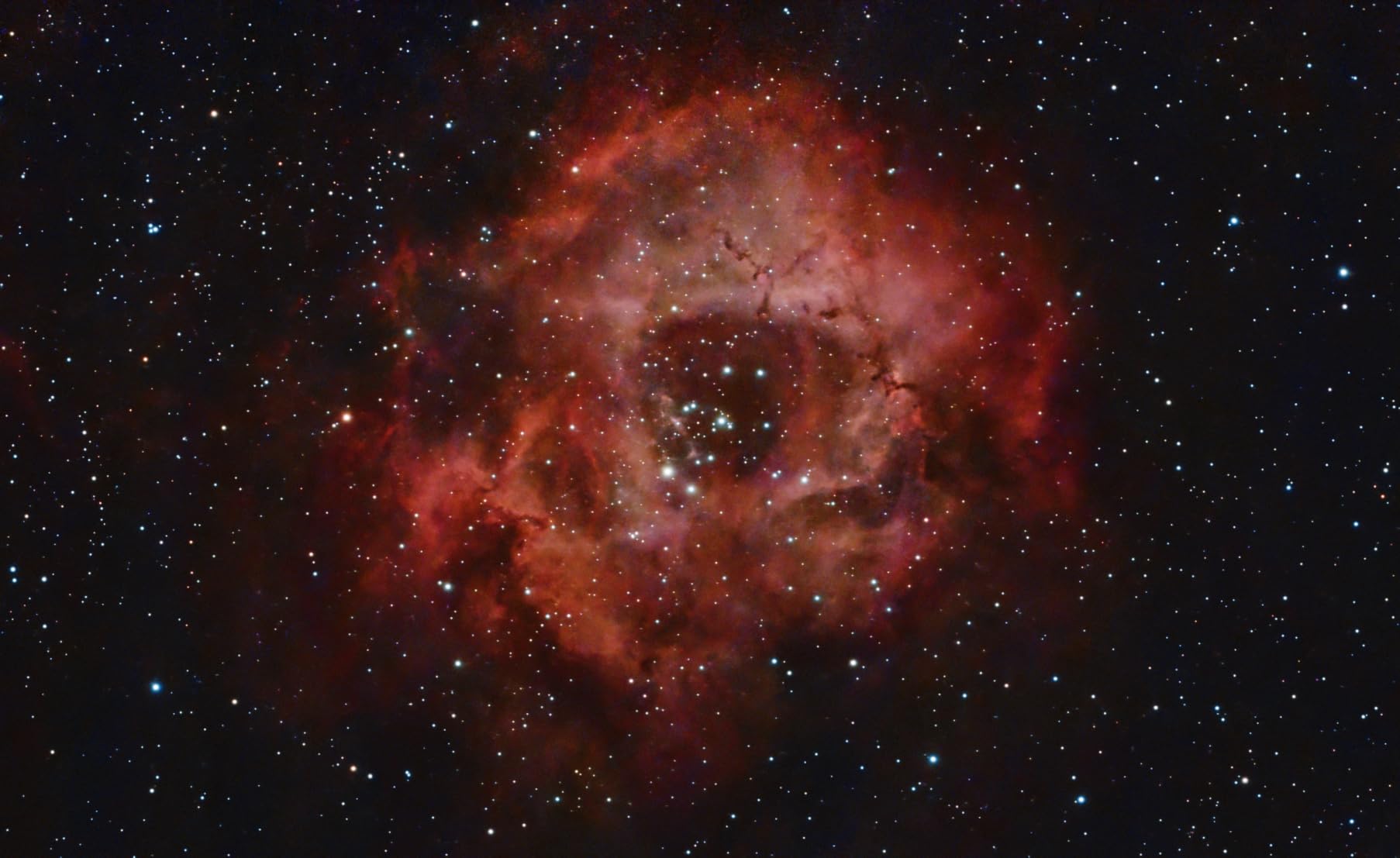
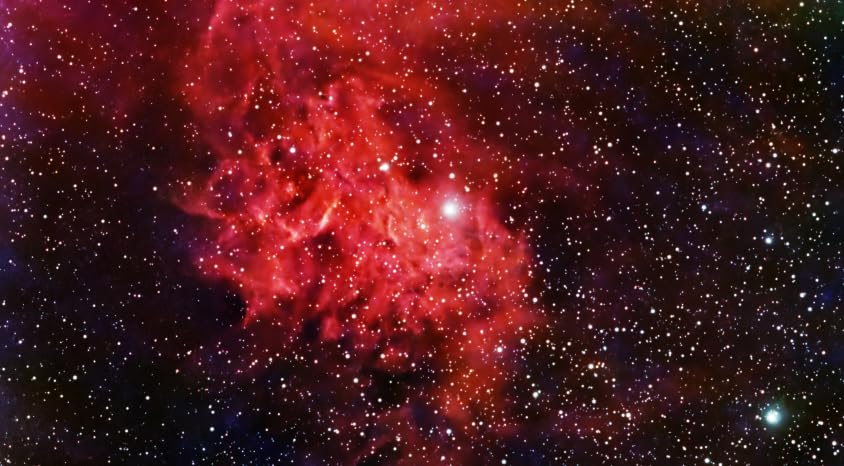
This is the value route into true dual-band imaging. A 7nm passband on each of hydrogen-alpha and oxygen-III rejects moonlight and man-made skyglow, and backyard imagers shooting the Western Veil, North America, Eagle, Rosette and Horsehead from Bortle 7 skies describe a night-and-day contrast change against an unfiltered session.
What makes it attractive beyond price is where it fits. It is compatible with SVBONY electronic cameras and standard astronomical cameras, and owners report it fitting filter holders on compact imagers such as the Dwarf II and the Celestron Origin. For anyone moving from visual observing into smart telescope imaging, that compatibility is the difference between a filter that works and one that sits in a drawer.
The processing side is a genuine advantage. Because the filter handles two bands in one exposure, one-shot colour workflow is dramatically simpler than shooting separate narrowband frames and combining them, and reviewers report vibrant nebula colour with a short post-processing time.
The 7nm bandpass also cuts a great deal of light, so you need longer sub-exposures and good tracking, and it makes polar alignment and autofocus harder with the filter fitted because the star field is dim. One reviewer returned it specifically because it is useless for broadband targets, which is the right decision and worth understanding before purchase. Variants are offered in 3nm and 7nm at both 1.25 inch and 2 inch.
When this filter is the right call
It suits an OSC or one-shot colour imager working on emission nebulae under a full moon or from a city sky, who wants narrowband contrast without the cost and complexity of the premium alternatives in this list.
It is a particularly good match for compact and smart telescopes, where the filter holder format is usually specified and this glass is supported.
When it will disappoint you
It is an emission nebula tool only. If galaxies and star clusters are on your list, this filter will waste your time, and the reviews contain a clear return for exactly that reason.
Dim stars also make accurate polar alignment and autofocus fiddly, so budget time for that on the first night. A few users report faint halos on bright stars at this tier.
10. Optolong L-Extreme 7nm Dual Narrowband Filter – The Strongest Rejection Here
Optolong L-Extreme 7nm Dual Narrowband Filter (H-Alpha and O-III) (2″)
7nm on H-Alpha and OIII
2 inch thread
Multi-coated glass
Clean simple filter cell
Pros
- One of the highest ratings in this group at 4.9 stars with 95% five-star and no ratings below four
- Tightest bandpass here giving the most complete rejection of skyglow and moonlight
- Produces colour images from a one-shot colour camera with no filter stacking
- Multi-coated glass in a clean 2 inch cell
Cons
- The most expensive option in this roundup
- Very selective passband suits emission nebulae far better than broadband targets
- No written customer review text was returned for this listing so feedback is limited to the rating breakdown
The L-Extreme applies 7nm to each of hydrogen-alpha and oxygen-III, which makes it the most aggressive light pollution and moonlight rejection in this roundup. It is built for one-shot colour cameras, so you get a colour emission nebula image without combining exposures from multiple filters.
The rating profile here is among the strongest in the roundup: 4.9 across 52 ratings, with 95% five-star and 5% four-star, and nothing below four. We want to be straight about the limits of that signal, though, because no written review text was returned for this listing, so the evidence is the distribution rather than owner accounts.
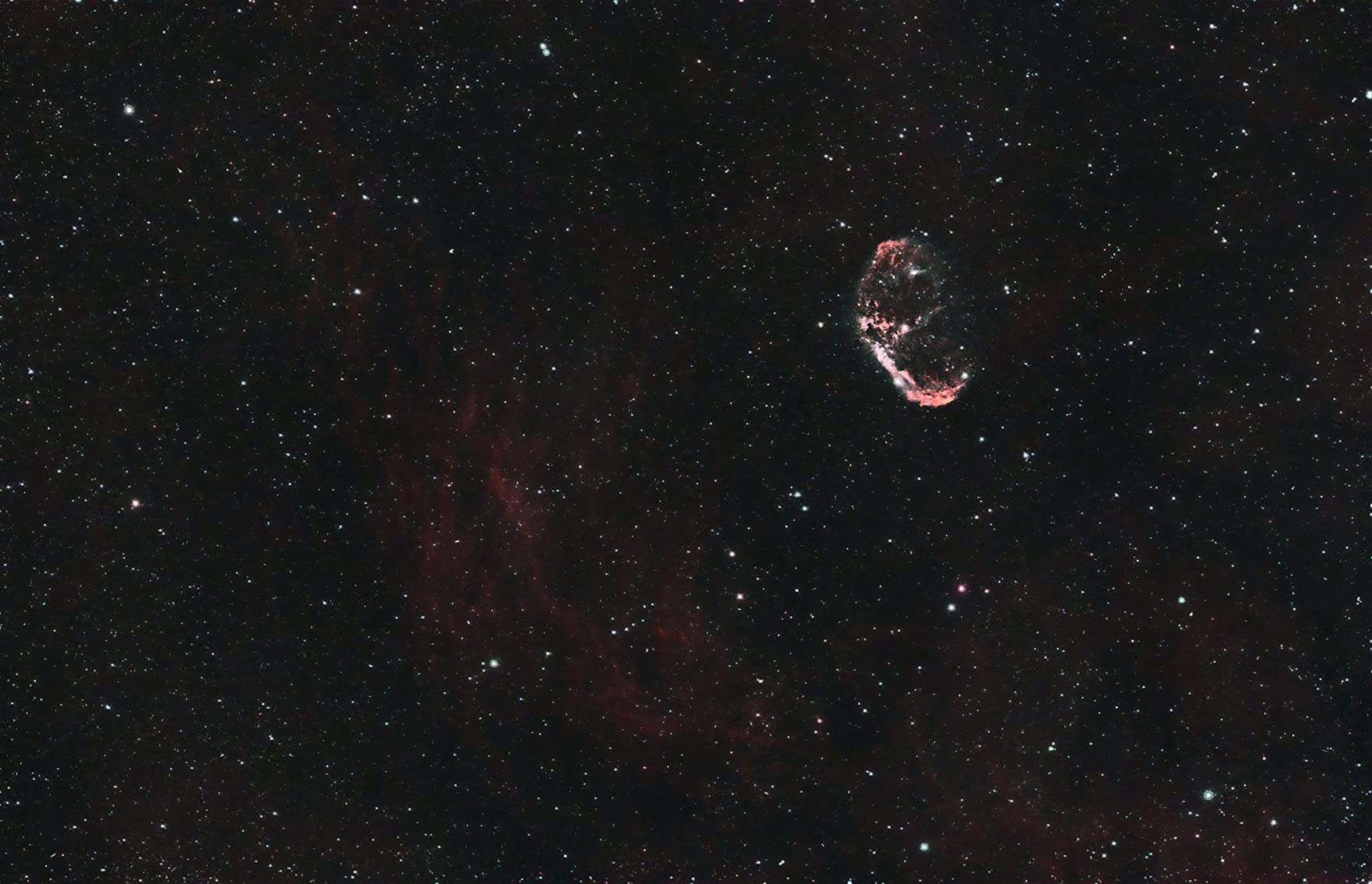
Where it earns its place is the moon. A 7nm dual-band passband is the standard answer to imaging emission nebulae under a bright moon, because the moon’s broadband light is rejected almost entirely while the two nebula lines pass. For a suburban or city imager without a filter wheel, that is close to the ideal single filter.
It is also the most expensive option in this roundup, and its selectivity cuts both ways. Broadband targets get almost nothing, so galaxies and star clusters are out of the question. The 2 inch thread fits standard filter wheels and camera adapters, and the cell is a simple, clean, multi-coated design with no moving parts.
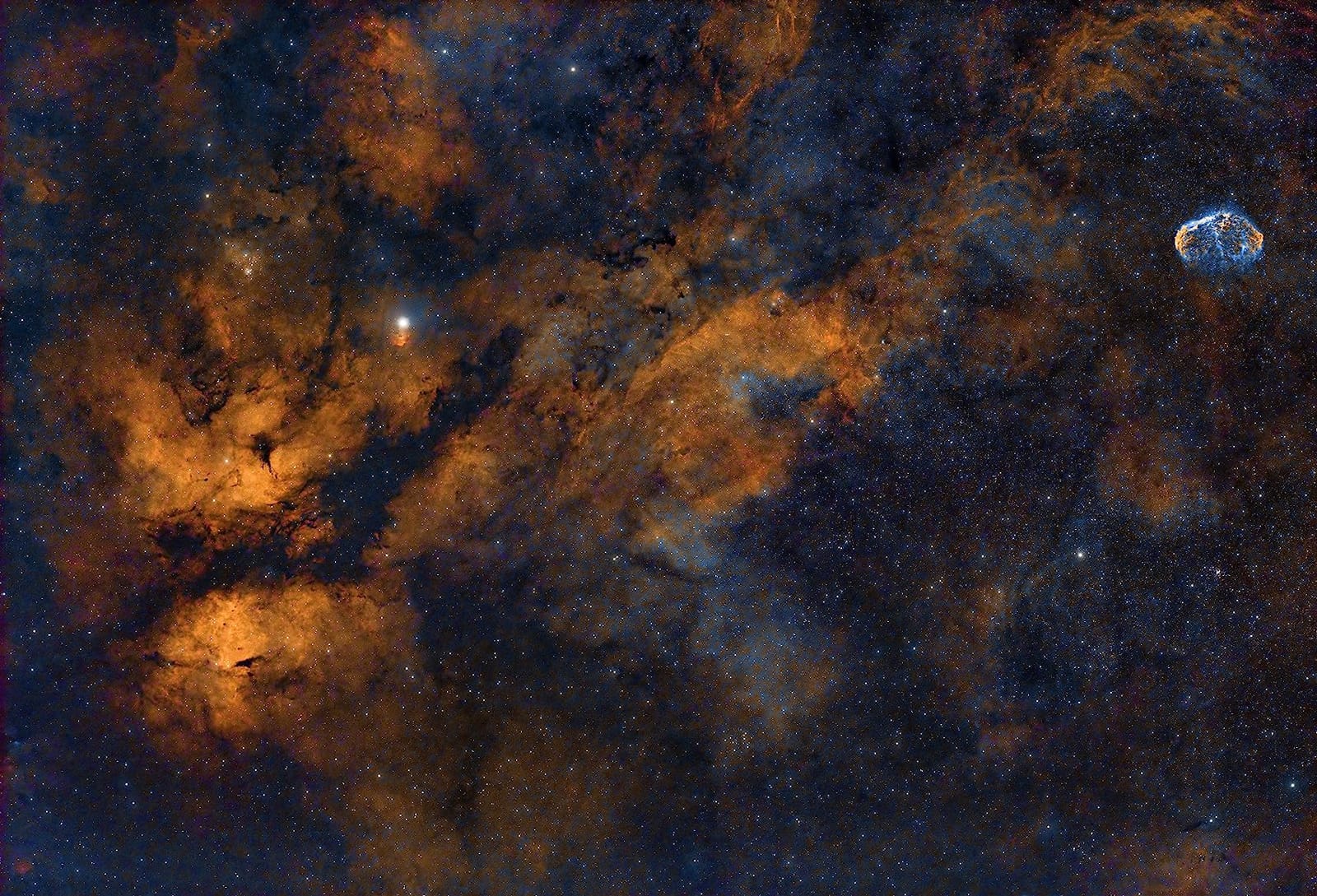
When this filter is the right call
Buy it when emission nebulae are your main target, your sky is bright, and you want the strongest rejection available without a monochrome camera and filter wheel. It is particularly valuable for moonlit imaging, where broadband designs struggle most.
It suits anyone who wants one filter that will not need replacing when their target list changes within the emission nebula category.
When it will disappoint you
It is the wrong purchase for any broadband target, and the combination of high price and narrow purpose makes it a steep first filter. Most beginners get a better outcome from a broadband CLS or dual-band with a wider passband.
It also cuts a lot of light, so expect longer sub-exposures than a broadband filter on the same object. The absence of written owner reviews means you are buying on specifications and ratings alone.
How to Choose a Light Pollution Filter in 2026
1. Check your Bortle class before you spend anything
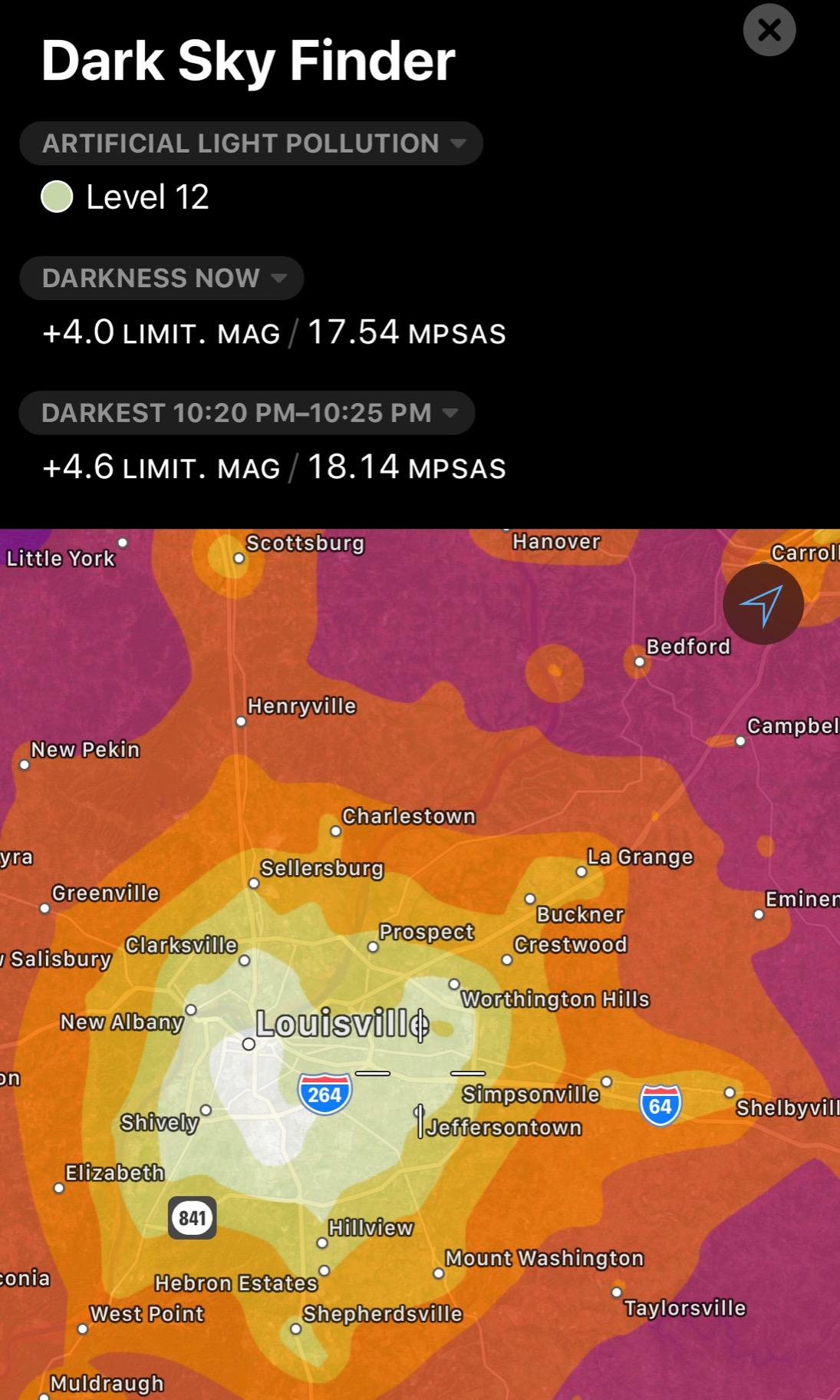
At Bortle 1 to 3, a light pollution filter is a net negative. You are removing signal the sky is not providing in the first place, so the image gets noisier and dimmer for no gain. Shoot unfiltered at a dark site.
At Bortle 4 to 5, a natural night or CLS filter gives a small, real improvement to nightscapes and broadband targets. At Bortle 6 to 7, a CLS or dual-band filter earns its place. At Bortle 8 to 9, a dual-band design is the difference between a usable image and no image at all.
2. Name your targets before you pick a filter class
Emission nebulae, planetary nebulae and supernova remnants respond to narrowband. Galaxies, reflection nebulae, star clusters and comets respond to broadband. A mixed target list needs a broadband design, because no single filter serves both well without compromise.
If you shoot Milky Way nightscapes on a camera lens rather than through a telescope, you are in a different category entirely, and a didymium natural night filter is the correct answer.
3. Confirm the format before you order
Formats are where money is wasted most often, and a wrong size is a total loss. A 67mm screw-in filter fits a lens front, a 1.25 inch filter fits small focusers diagonals and some camera adapters, and a 2 inch mounted filter fits a filter wheel or a large imaging train. Clip-in filters are a separate proprietary system tied to a specific camera body.
Check the thread size printed on the front of your lens or in your camera specification. If you use more than one lens, buy a step ring rather than buying a second filter you will rarely reach for.
4. Match bandwidth to your focal ratio
Bandpass width is the width of the wavelengths each filter passes. A 3nm filter gives the highest contrast and the least sky glow, but it is unforgiving on fast optics because the focal ratio shift across the field starves the edge of the frame. A 7nm dual-band is the forgiving middle ground and works well on astrographs down to about f/2.
Wide broadband designs such as the L-Pro and CLS filters are effectively never limited by focal ratio. If you are unsure, match the bandwidth to your optical train rather than to your sky.
5. Consider your camera, not just your sky
An unmodified DSLR has a UV and IR cut filter built in, which partially blocks hydrogen-alpha at 656nm and weakens narrowband work. Removing it is the cheapest way to improve narrowband performance, but it voids the warranty and permanently alters the camera.
A one-shot colour CMOS camera has no such limitation and is the ideal platform for a dual-band filter. A monochrome camera with a filter wheel is the only route to separate Ha, OIII and SII data, and it is the best answer to a bright sky, but it is the most expensive path.
6. Understand the LED reality
Older UHC and CLS designs were built around sodium vapour lamps that emit strongly in a narrow yellow-orange band. Broad-spectrum LED street lighting emits across a much wider range, including blue and white, which means it partly slips through the passbands that used to reject it. This is the single most repeated complaint in the reviews of the broadband filters in this roundup, and it is a physics problem rather than a manufacturing one.
Dual-band and narrowband filters are largely immune, because they reject almost everything that is not the two nebula lines. That is the strongest practical argument for spending more on a narrowband design if your local lighting has already been converted.
7. Test before you commit
You do not have to buy glass blind. Shoot a fixed set of sub-exposures of one emission target and one broadband target with the filter fitted, then compare them against the same frames unfiltered. Thirty minutes of paired data tells you more than any spec sheet, and it tells you which filter class your sky actually rewards.
Keep the exposure length, gain and focus identical in both sets, and check the background level with a background extraction tool rather than by eye. If the filtered set has a lower background and a usable signal, the filter is doing its job on your sky.
8. Plan for the residual cast in post-processing
Any broadband filter leaves some colour imbalance, usually a brown or red cast that comes from the sky background rather than from the stars. Shoot RAW, set a manual white balance using a grey card or a moonlit frame, and correct the background before stretching. Colour calibration followed by background extraction removes most of the cast.
Communities like r/AskAstrophotography and CloudyNights reach the same conclusion repeatedly, and the honest summary is that a filter reduces the amount of correction you need rather than removing it. If you can drive to a darker site, that trip produces a better result than any filter in this list, and it is the advice we would give most often.
Before you build out an imaging train around any of these, it is worth reading our guide to telescopes for astrophotography, since the aperture and focal ratio you pair with a filter decide whether a 3nm or a 7nm bandpass is the right width.
A Complete Kit for a Bortle 8 Backyard Imager
Putting the list together for one realistic scenario makes the trade-offs concrete. This is a suburban imager with a one-shot colour CMOS camera on a mid-focal-ratio refractor, no filter wheel, and a mixed target list of emission and broadband objects from a sky that measures Bortle 8.
The first purchase should be a broadband multi-bandpass filter, because it covers galaxies, clusters and reflection nebulae without the colour penalty a narrowband design imposes. The Optolong L-Pro 2 inch is the pick here, and its wide bandpass means the same glass keeps working if the optical train later changes to a faster astrograph.
The second purchase is a dual-band filter, and the Optolong L-Enhance 2 inch is the sensible choice for the same camera. Its bandpass is wide enough to tolerate a fast optical train, and it turns emission targets that were previously out of reach into routine captures. A 7nm design would give deeper suppression on a moonlit night but asks for longer exposures and better tracking, which is a trade only worth making once the mount and guiding are solid.
If the budget stretches to a third element, a 67mm didymium filter on the front of a wide lens is the cheapest possible win. It covers Milky Way nightscapes and aurora, work no telescope filter in this list can do, and it protects the foreground colour in a way narrowband glass does not.
What this kit deliberately leaves out is a monochrome camera and filter wheel. That setup is the most capable answer to a Bortle 8 sky, and it is also the most expensive by a wide margin. It belongs after the filters, not before them.
Frequently Asked Questions
Can you do astrophotography with light pollution?
Yes, but plan for it. Light pollution raises the background level, lowers contrast and reduces how faint you can go before noise takes over. A filter that suppresses the specific wavelengths your local lighting emits recovers much of that contrast, and dual-band filters go further by passing only hydrogen-alpha and oxygen-III. Shortening sub-exposures, dithering every few frames, and stacking more total integration time all help. The dark-site trip still produces a better image, but a filter makes a bright site workable.
Is an UHC filter good for galaxies?
Usually not. A UHC filter is a broadband design with a wide notch removed, which makes it excellent for emission and planetary nebulae but only mildly helpful for galaxies. Galaxies emit across a broad spectrum and are dimmer, so they need natural star colour and as much signal as possible. A broadband multi-bandpass filter such as the Optolong L-Pro, or a CLS filter, is the better choice for galaxies and star clusters because it keeps colour while still rejecting sodium and mercury lines.
Do light pollution filters work with LED streetlights?
Less well than they used to. Older UHC and CLS designs target the narrow yellow-orange band emitted by sodium and mercury vapour lamps. Broad-spectrum LED lamps emit across a wider range, including blue and white wavelengths that fall inside many broadband passbands, so the suppression is weaker. Dual-band and narrowband filters are largely unaffected because they reject almost everything except the two nebula lines. If your local lighting has already been converted, a narrowband design is the more effective purchase.
What filter size do I need for astrophotography?
It depends entirely on what the filter has to fit. A 67mm screw-in filter mounts on the front of a camera lens and is the right choice for Milky Way and nightscape work. A 1.25 inch filter fits small telescope focusers, star diagonals and some camera adapters. A 2 inch mounted filter fits a filter wheel or a larger imaging train and is what most dedicated astronomy cameras use. Clip-in filters are a separate proprietary system tied to one camera body. Check the thread size on the front ring of your lens before ordering, since a wrong size cannot be used at all.
Do I need a light pollution filter if I shoot RAW?
RAW capture is necessary but not sufficient. Shooting RAW gives you the data needed to correct a colour cast in processing, but it cannot recover contrast that was overwhelmed by skyglow at the moment of exposure. A filter works on the light before it reaches the sensor, so it reduces the problem rather than fixing it afterwards. RAW plus a filter plus background correction in post is the full workflow, and for a bright backyard that combination is what makes emission nebulae reachable.
Final Verdict: Which Light Pollution Filters Win in 2026
For the widest set of use cases, the K&F CONCEPT 67mm natural night filter is our pick, because 752 ratings at 4.6 and a 0.15 inch frame that will not vignette a wide lens make it the safest first filter in this list. If your targets are emission nebulae, the Optolong L-Enhance is the strongest all-round dual-band for a one-shot colour camera, and the SVBONY SV220 is the more affordable route to the same class of result. If your targets are galaxies and star clusters, the Optolong L-Pro is the broadband design built for exactly that job.
Our honest advice is to start with one filter chosen from your target list, not your gear list. These light pollution filters for astrophotography all work, and the wrong one for your sky and targets will feel like an expensive disappointment. And check your Bortle class before anything else, because at a genuinely dark site the best filter you can buy is the one still in its case.