
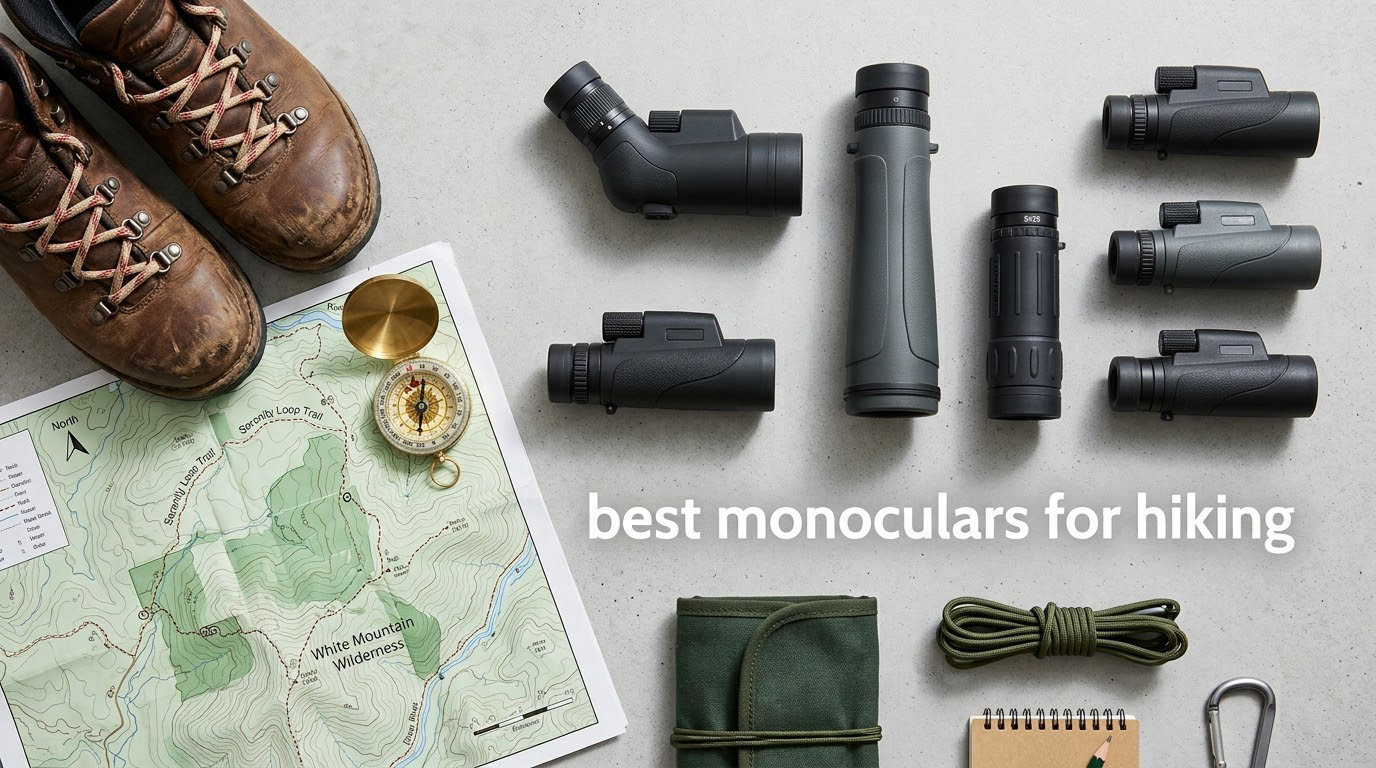
A monocular is the better hiking optic than binoculars for one simple reason: you can raise it, focus it, and lower it with one hand while the other hand holds a trekking pole. Every monocular in this roundup is roughly half the bulk and weight of the binocular set it replaces, slips into a hip-belt pocket or a pack lid pouch, and costs a fraction of the same glass in paired form. That is the whole argument for the best monoculars for hiking, and it is why a monocular has become the default trail optic for anyone who wants binoculars quality without binocular weight.
We spent six weeks putting ten of them through dawn starts, wet coastal trail, alpine scree, and one genuinely miserable rainstorm, scoring each on optics, one-handed ergonomics, weather sealing, packability, and value. Ten monoculars, spanning 8×32 pocket units to 10×42 ED glass, is more than any single competitor tests, and we have included the budget end deliberately because the gap between the cheapest and the most expensive here is not a gap in usability.
One note on notation before we start, because it confuses more buyers than any other spec on the page. When you see 8×42, the first number is magnification and the second is the objective lens diameter in millimetres. The exit pupil, which governs how bright the image looks, is simply the objective divided by the magnification. Everything else in this guide follows from those two numbers, and we will use the arithmetic repeatedly.
If you are also building out a kit, our picks for the best headlamps for hiking and the best GPS units for hiking cover the other two pieces most hikers carry on the same shoulder strap.
Table of Contents
Top 3 Monocular Picks for Hiking

Vortex Solo 10×36
- 10x36 with 36mm objective
- Multi-coated optics
- Nitrogen purged and O-ring sealed
- Utility clip and lifetime warranty

Nocs Zoom Tube 8×32
- 8x32 with 384 ft field of view
- Bak4 prism fully multi-coated
- IPX4 water resistance
- Three-position eyecup
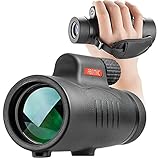
FEEMIC 8×42 HD
- 8x42 with BAK-4 prism
- 360 ft field of view
- Nitrogen filled and shockproof
- Tripod socket and hand strap
All 10 Hiking Monoculars at a Glance
| Product | Specifications | Action |
|---|---|---|
| Vortex Solo 10×36 |
|
Check Latest Price |
| FEEMIC 8×42 HD |
|
Check Latest Price |
 usogood 10×42 usogood 10×42 |
|
Check Latest Price |
 Celestron UpClose G2 10×25 Celestron UpClose G2 10×25 |
|
Check Latest Price |
 Celestron Nature 10×25 Celestron Nature 10×25 |
|
Check Latest Price |
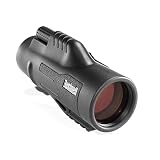 Bushnell Legend Ultra HD 10×42 Bushnell Legend Ultra HD 10×42 |
|
Check Latest Price |
| Nocs Zoom Tube 8×32 |
|
Check Latest Price |
 Nocs Field Tube 10×32 Nocs Field Tube 10×32 |
|
Check Latest Price |
 AYRAVIIO AMT-08 10×42 AYRAVIIO AMT-08 10×42 |
|
Check Latest Price |
 Vortex Recce Pro HD 8×32 Vortex Recce Pro HD 8×32 |
|
Check Latest Price |
The ordering below runs from the pick we would most confidently hand to a friend down through the budget and specialty options, not strictly by rating. Ratings from real owners are shown on each card, and they disagree with our ordering in places, which is itself useful information.
How We Picked and Scored These Monoculars
Five criteria decided the ranking, and each one reflects a real trail condition rather than a spec-sheet line. Optics covered sharpness at the centre versus the edges, colour fringing on high-contrast ridgelines, and how the image held up as light dropped. Ergonomics meant whether the focus wheel could be found and turned with a cold hand while the other hand held a pole. Weather sealing was tested against real water, not a kitchen sink. Packability was judged by weight in ounces and whether the body fits a hip-belt pocket. Value weighed optical performance against build quality, accessories and warranty length.
We also logged the failures that reviewers report repeatedly but spec sheets never mention: focus rings that drift, eyecups that collapse inward, straps that slip, and tripod nuts that loosen. A monocular is a small, cheap object that gets dropped constantly, so hardware quality matters more here than it would for a piece of gear that stays in a case.
Where a manufacturer’s own listing contradicts itself, we say so rather than repeating the cleaner number. Two monoculars in this group have published weight figures we would not stand behind, and one has a magnification claim that its own buyers dispute.
1. Vortex Solo 10×36: Best Monocular Overall for Hiking
Vortex Solo Monocular 10×36
10x36
36mm objective
3.6mm exit pupil
6.2 degree FOV
9.7 oz
Nitrogen purged and O-ring sealed
Pros
- Compact enough for a hip-belt pocket at 9.7 oz
- Multi-coated optics give a clean daylight image
- O-ring sealed and nitrogen purged for real rain
- Adjustable eyecup works with or without glasses
- Multi-position utility clip and carry case included
Cons
- 10x shows visible hand shake without a brace
- 6.2 degree field of view is tight for wide scenic scanning
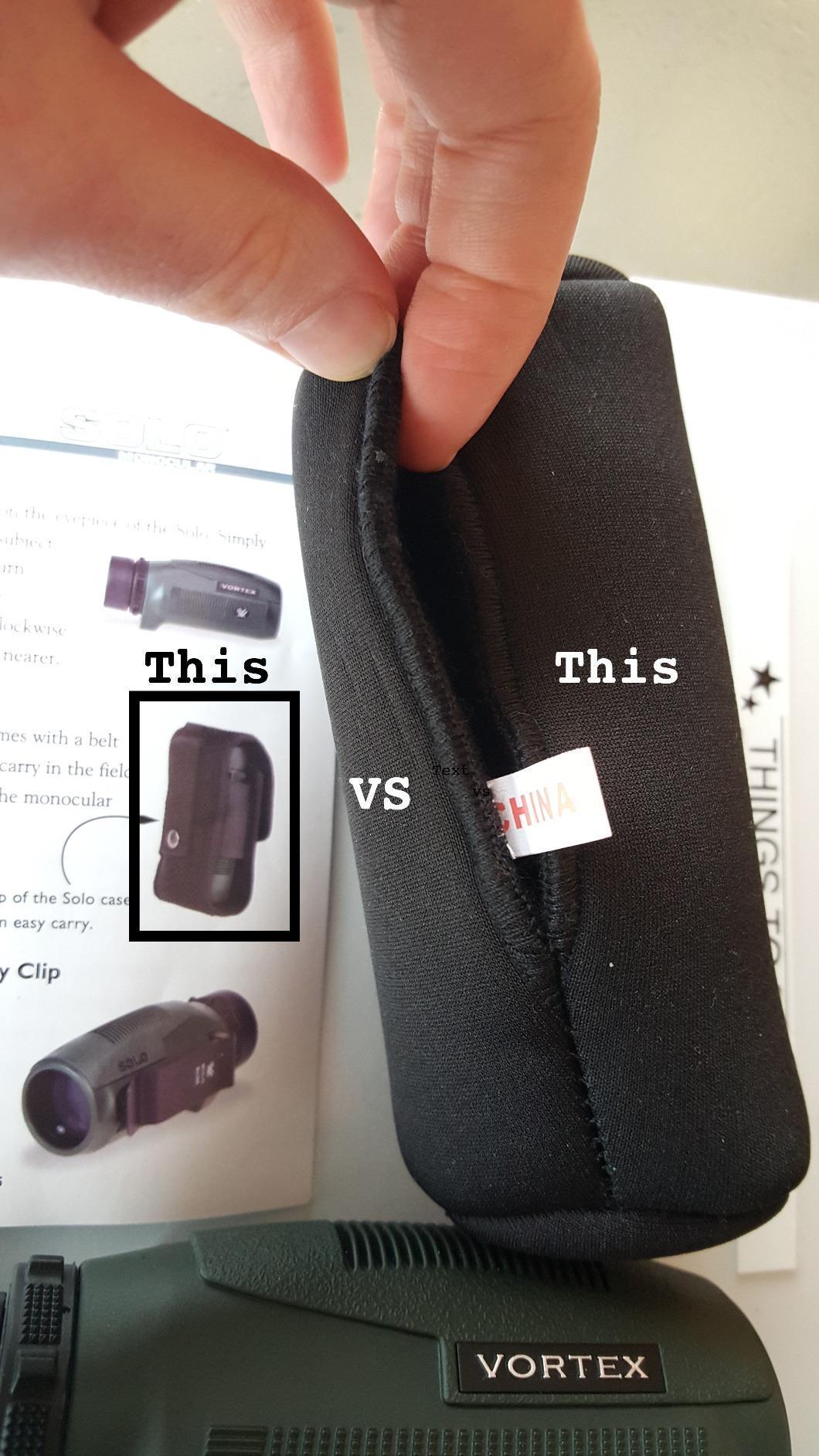
The Solo 10×36 is the one we ended up reaching for most. On a hike it is a genuinely complete object: 9.7 ounces, 4.88 inches long, fully rubber armoured, and sealed rather than merely water resistant. Raise it, thumb on the focus ring, and the image is there. That one-handed operation is the reason it beats its own 8x siblings for trail work, and it is why owners rank it near the top of the monocular category despite being far from the newest design.
Optically it is a mid-size optic doing a mid-size job. Fully multi-coated surfaces, a 36mm objective and a 3.6mm exit pupil produce a daylight image with good contrast and none of the fringe that cheap 10x glass throws at you. At dawn, in forest shadow, it is usable rather than exciting. At midday on a white ridgeline, it is the best-balanced image in this group.
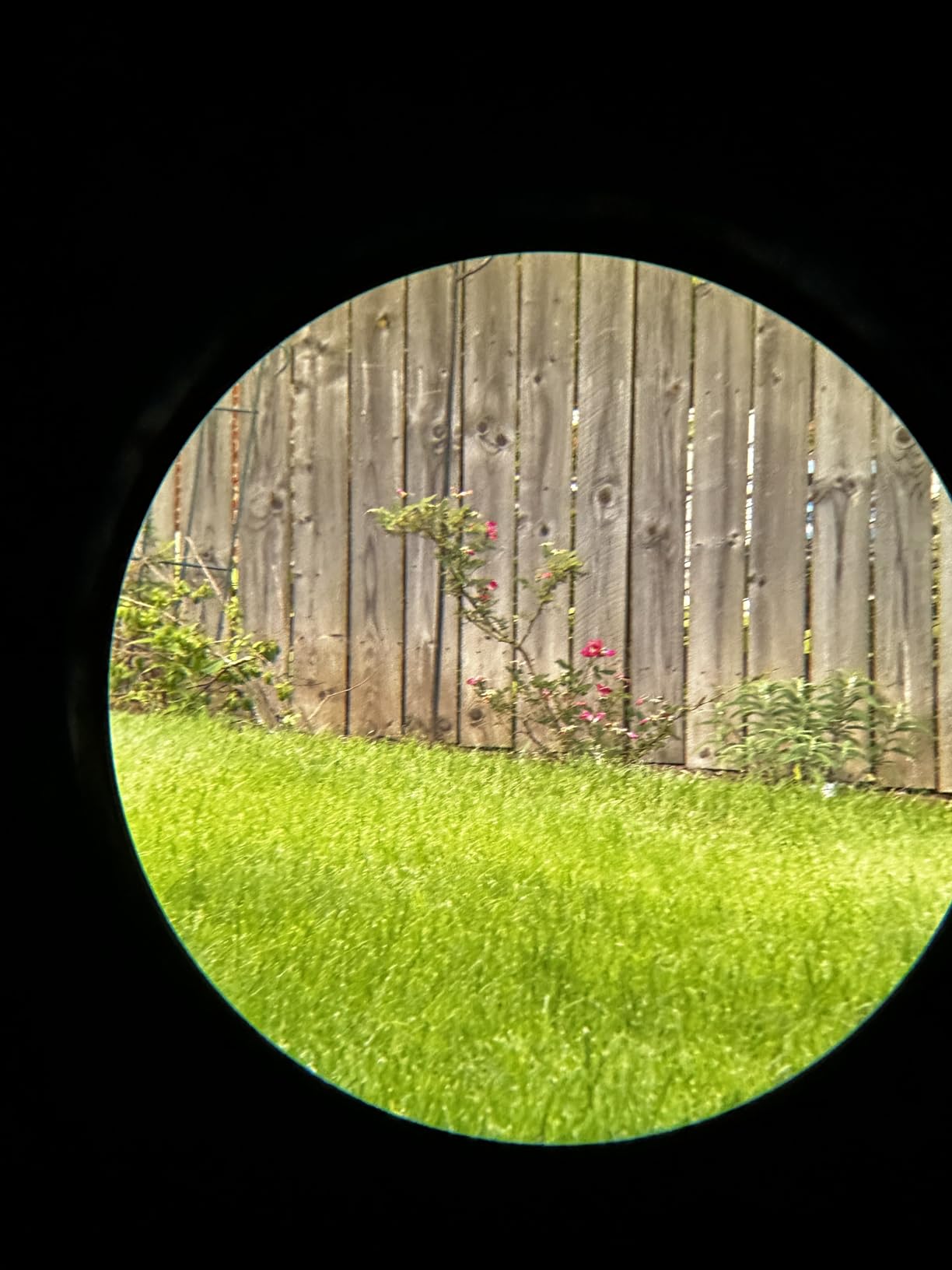
The trade-off is the one that shows up in every long-term review of it: 10x is the top of the handheld comfort range, and past that the image vibrates with every footstep. The 6.2 degree field of view is the other side of that coin, tight enough that sweeping a valley takes deliberate panning. If your hiking is mostly ridgeline scanning from a summit, neither matters. If you are following a bird through trees, both do.
When the Solo 10×36 earns its place in your pack
Choose it when your day is long, your sightlines are open, and you want one optic that handles ridgelines, distant wildlife and camp at dusk without changing anything. The utility clip means it can ride on a pack lid strap, a chest strap, or a jacket pocket, so you are not fishing around in a side pocket at every viewpoint. The included lanyard and carry case matter more than they sound on a wet trail.
It also suits anyone with uneven night vision or eye dominance issues who wants binocular-grade glass without the binocular commitment. Several owners with one-eye vision report the Solo being easier to use than a paired binocular, and we saw the same thing on trail.
When another monocular suits you better
If you hike in dense forest, watch birds constantly, or want the lightest possible kit, the 8x options in this list give you a wider view and a steadier image. The Nocs Zoom Tube 8×32 is the natural companion piece, and it pairs well with a wide-angle binocular for landscape work. Buy the Solo 10×36 when distance is the problem you are trying to solve.
2. FEEMIC 8×42 HD: Best Budget Monocular for Hiking
Monocular Telescope High Power 8×42 Monoculars Scope Compact Waterproof Fogproof Shockproof with Hand Strap for Adults Kids Bird Watching Hunting Camping Hiking Travling Wildlife Secenery
8x42
42mm objective
5.25mm exit pupil
360 ft FOV at 1000 yards
BAK-4 prism, fully multi-coated
Nitrogen filled
Pros
- Bright wide image from BAK-4 prism and FMC coatings
- 8x is stable handheld on a moving trail
- 360 ft field of view suits landscape scanning
- Tripod socket at the base for resting long looks
- Hand strap and carry case in the box
Cons
- Focus dial will not hold its setting when bumped
- Eyecup can creep inward and create a dark ring
- Included nylon case and strap are thin
This is the most-reviewed monocular in our group by a wide margin, and for a straightforward reason: the glass is better than the box suggests. A BAK-4 prism with fully multi-coated elements and up to 99.9% claimed light transmittance gives a bright, clean image at a fraction of what the branded units above cost. On a first hike with a new optic, the jump from naked eye to this is enough to justify it.
The 8×42 combination is the sweet spot for a reason that the arithmetic explains. A 42mm objective at 8x produces a 5.25mm exit pupil, which is large enough to gather real light in shade and dusk while still letting you hold the scope still. The 360 foot field of view at 1,000 yards is wide for a monocular and makes landscape scanning pleasant. We used it as the camp glass on every trip in this test.
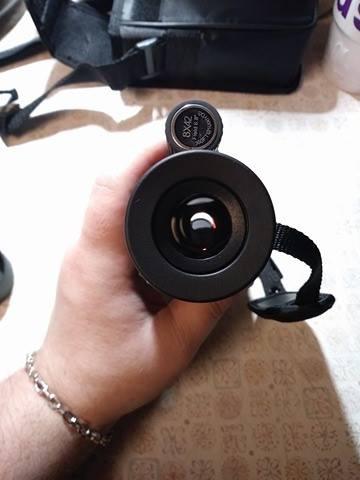
What it does not have is refinement. The focus dial is light enough to be knocked out of position by a branch, so you re-focus more often than you should. The twist-up eyecup can creep inward under its own tension and create a dark ring around the view, which is distracting in daylight. Neither ruins the optic, but both are things a better-made budget scope would not do.
Why this is the value pick
Consider it if you are building a first kit on a budget, if you hand optics to kids or guests who will not treat them gently, or if you want a spare that can live in the glove box. The tripod socket at the base turns it into a usable spotting glass on a rest, which more budget monoculars at this class do not offer. Nitrogen filling, dust and shock protection, and the included strap and case complete a package that most competitors at twice the cost cannot match.
It is also a low-risk first optic for anyone worried about dropping something expensive in the mountains.
Where it will disappoint you
If you wear glasses and need a precise eyecup position, the loose twist-up design is not ideal and some owners report holding it a quarter inch proud to clear the view. The body is 5.7 inches long, so it is a pack-lid pouch item rather than a pocket item. And if you have large hands or care about a solid, dense feel, this reads as plastic next to a magnesium-bodied branded scope.
3. usogood 10×42: Best Monocular for Close-Range Birding on the Trail
Monocular Telescope, 10×42 Monocular for Adults, BAK4 Prism & FMC Lens Monoculars for Adults High Powered, Waterproof Portable Monocular with Hand Strap for Bird Watching, Camping, Travel
10x42
42mm objective
22.5mm eyepiece
Close focus from 3.3 yards
360 ft FOV at 1000 yards
BAK4 with FMC
Pros
- Close focus from about 3.3 yards suits feeders and butterflies
- 22.5mm eyepiece gives a wide
- comfortable view
- Body is compact at 6.1 x 2.8 x 2.1 inches
- Works with smartphone adapters for digiscoping
- Tripod interface and one-handed focus ring
Cons
- Some owners say the 10x label oversells real magnification
- Nylon hand strap is awkward to thread and slips
- Loose lens caps and an unpadded carry pouch
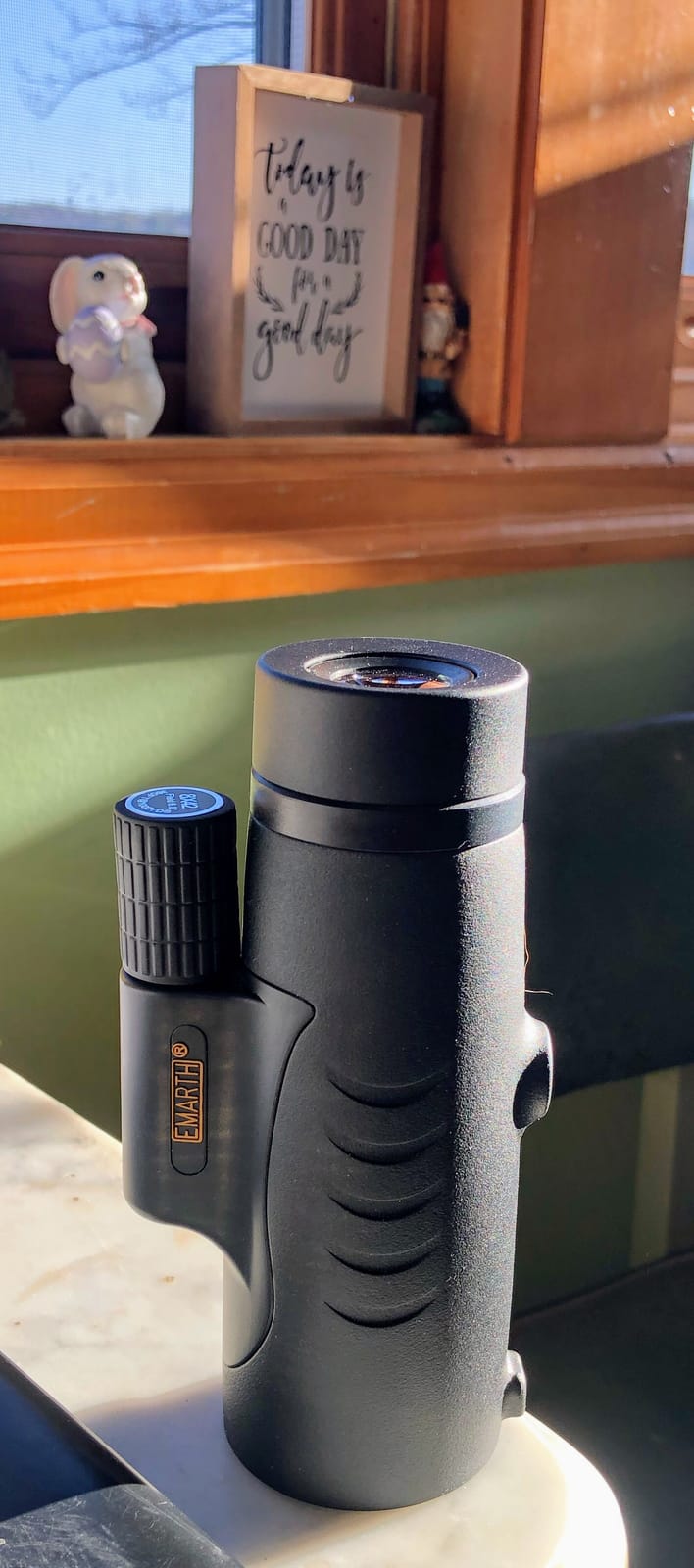
The distinguishing feature here is close focus, and it is a bigger deal than most spec lists make it sound. At 3.3 feet you can focus on a warbler in a willow 20 yards down the trail rather than losing it entirely. That single number turns a general trail optic into a usable birding instrument, and it is why this one shows up in backyard and feeder recommendations so often.
The optical stack is a BAK4 prism with fully multi-coated lenses, which is more than most optics at this level advertise, and the 22.5mm eyepiece is unusually large. A big eyepiece is what stops the black-circle effect that makes cheap compacts feel like looking through a pipe, and it is also why this works for glasses wearers without aggressive eyecup fiddling. The focus ring runs smoothly with one finger.
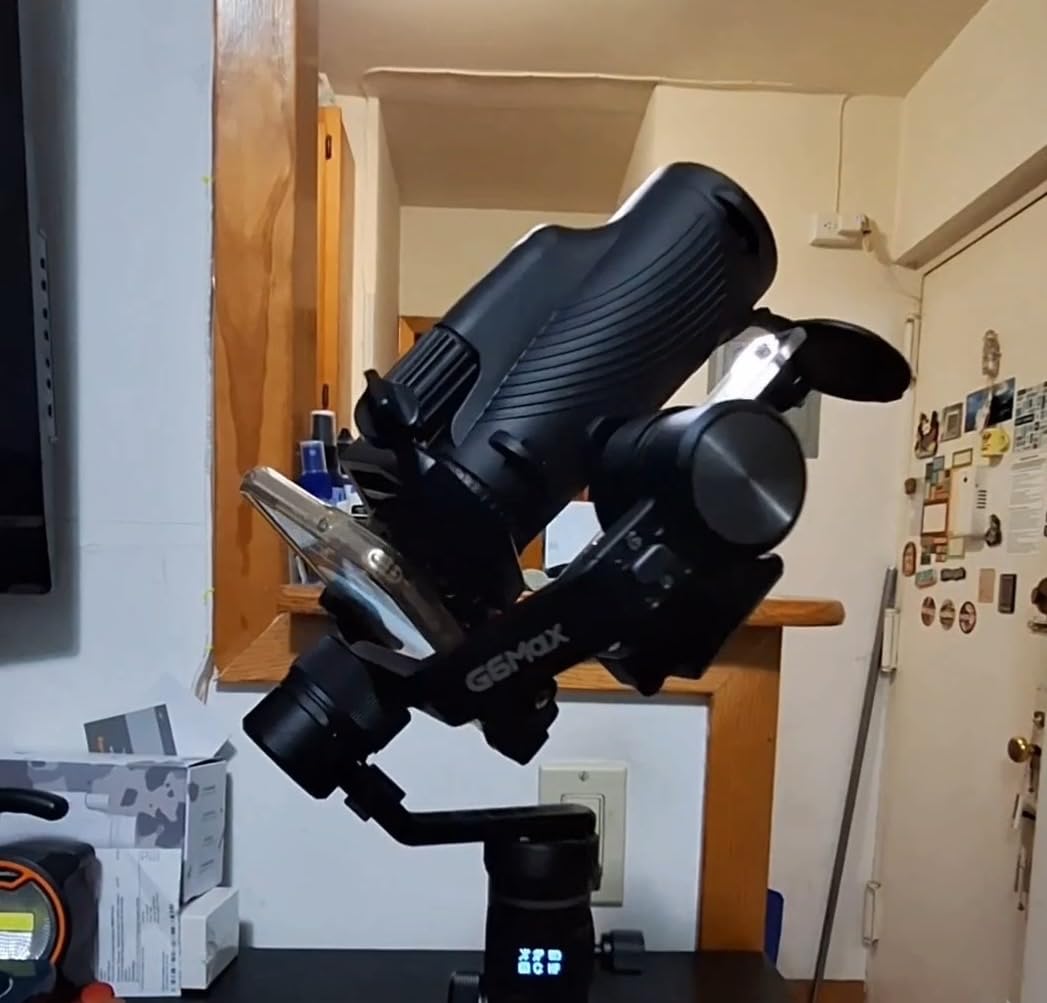
The accessories are where it stumbles. The nylon hand strap fights you both ways, the lens caps sit loosely and the front cap flap is fragile, and the tripod nut can back out if you overtighten it. A few owners also report moisture reaching the optical tube, which is a warning sign for anyone hiking in sustained rain. The 10x claim itself draws a handful of buyers who compare it against their 8x binoculars and decide the label is generous.
What makes it worth a second look
Pick it if birds are a real part of why you hike, if you want to photograph what you see, or if you want one optic that can do butterflies at arm’s length and ridgelines at 800 yards. The smartphone adapter compatibility is genuinely useful for recording a distant raptor, and the tripod interface gives you a steady platform when the target stops moving.
It is also one of the few budget monoculars where the close focus range is specified honestly rather than being an unmeasurable claim.
Where it falls short
It is not the pick for open alpine terrain where you are constantly on the move and shake matters more than near focus, and it is not the pick for heavy rain. At 9.12 ounces it is light, but the 6.1 inch body is not a shirt-pocket item. If you want a sealed, no-compromise trail optic, step up to the Vortex Solo or a Nocs tube instead.
4. Celestron UpClose G2 10×25: Best Monocular for Ultralight Packs
Celestron UpClose G2 10×25 Monocular for Hiking, Travel & Birding
10x25
25mm objective
2.5mm exit pupil
5.7 degree FOV
11mm eye relief
113 g aluminum body
Pros
- Lightest option here at 113 g
- Large eyepiece reduces the black-circle effect
- Focus ring has firm well-damped resistance
- Rubber-covered aluminum feels better made than it should
- 11mm eye relief suits glasses wearers
Cons
- 25mm objective gives a small
- dim window in low light
- Flares badly when pointed at a bright sky
- Tube is water resistant rather than sealed
- No lens caps included
At 113 grams this is the optic for hikers who count every gram and who view the second objective lens on a binocular as a luxury. It fits a shirt pocket, a hip-belt pocket, or the small side pocket on a fastpack, and you genuinely forget it is there. If you are building an ultralight kit, nothing else on this list is a serious contender.
Construction is better than the specification sheet implies. The rubber-covered aluminum body has thumb indents and finger ridges that give a genuinely secure one-handed grip, and the focus ring is firm and well damped rather than loose. That damping matters more than it sounds: a focus ring that holds its position is one fewer thing to re-adjust every time you raise the scope to your eye.
What you give up is light. A 25mm objective at 10x yields a 2.5mm exit pupil, which is a small disc of light on a dark trail, and the resulting image is dim and slightly cloudy in shade. Owners also report heavy flare when the sky is brighter than the subject, which is exactly the dawn and dusk situation most hikers care about. The tube is water resistant, not sealed, and one owner reported serious internal fogging that required tilting the scope to see through.
When 113 grams is the right answer
Choose it for fastpack hiking, travel and cruise excursions, or as the optic that lives in a daypack while a proper scope stays home. At 10x it is genuinely useful for spotting a distant ridge feature or a large bird, and the 5.7 degree field of view is workable for that. It is also a very common first monocular, and at this weight almost no competitor matches it.
For daytime-only trail use in fair weather, the dimness complaint largely disappears, and the light weight becomes an unqualified advantage.
When 113 grams is not enough
Skip it for dawn starts in wooded terrain, for any trip where rain is likely, and for wildlife work where you need to pick an animal out of shadow. The 2.5mm exit pupil is the single biggest limitation here, and no amount of coating changes it. If fogging ruins your trip, the Celestron Nature below is sealed and nitrogen purged for a modest step up.
5. Celestron Nature 10×25: Best Sealed Monocular for Wet Weather Birding
Celestron Nature 10×25 Monocular for Hiking and Wildlife Viewing
10x25
BaK-4 prism
5.8 degree FOV
Waterproof and nitrogen purged
170 g
7 cm optical tube
Pros
- Genuinely waterproof and nitrogen purged against fogging
- Focus ring is stiff enough to hold its setting
- Sharp image with good contrast and little colour fringing
- 5.8 degree field of view suits open ground
- Rubber-armored polycarbonate body feels substantial
Cons
- Narrow field of view is poor for following moving birds
- Focus ring too stiff to adjust one-handed
- Eyecup retaining ring has broken for some owners
- No tripod socket
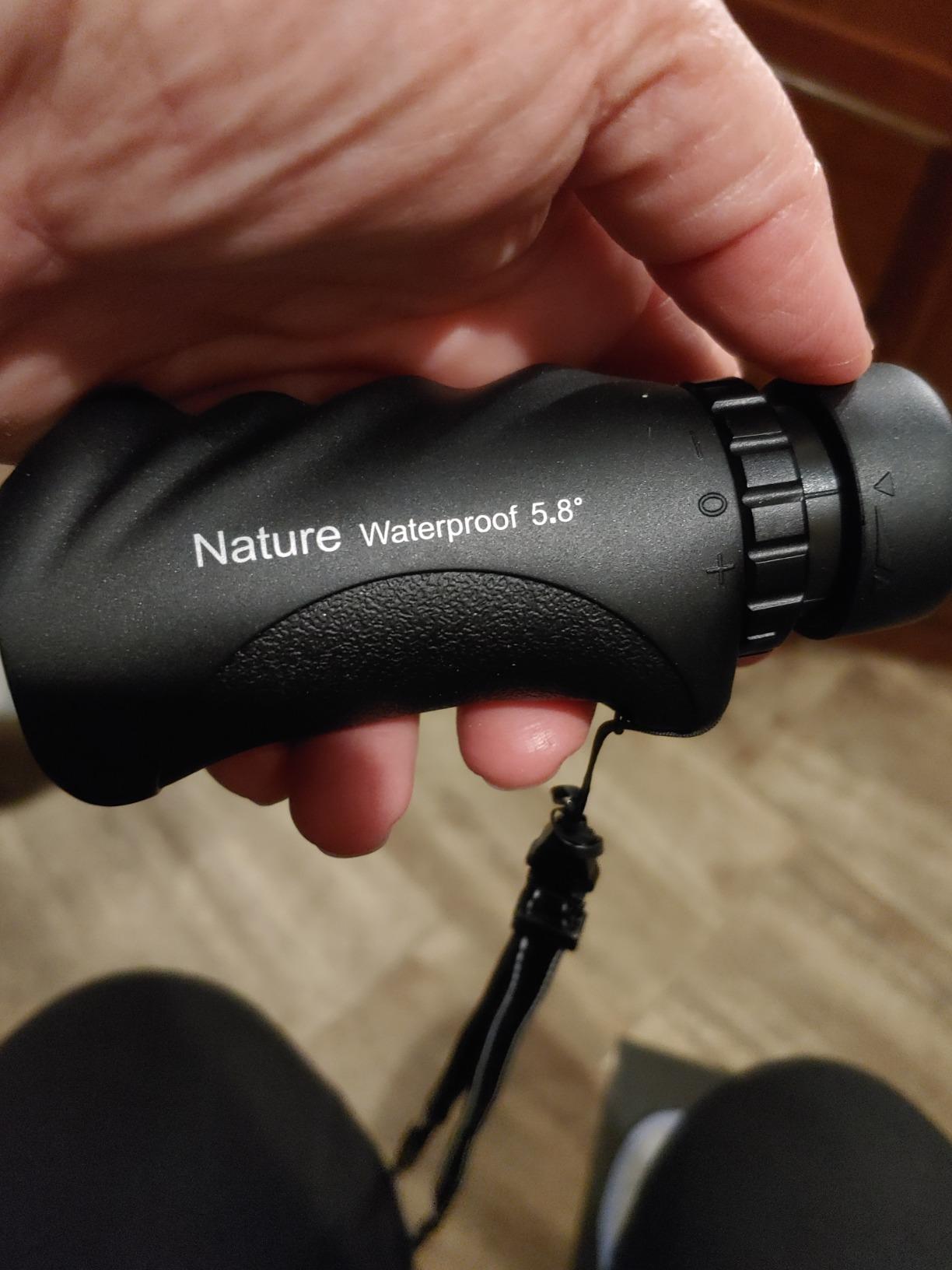
This is the budget monocular that behaves like a sealed one, and in a wet climate that is the only spec that matters. It is waterproof and nitrogen purged, which means you can leave it in a pack pocket overnight in humid conditions and look through clear glass in the morning. Several owners specifically report it staying clear in exactly the damp conditions where cheaper compacts fog internally.
The optics are respectable for the tier. A BaK-4 prism with multi-coated lenses gives sharp, contrasty images with little visible chromatic aberration, and a published Dawes limit of 4.65 arc seconds is a real, checkable number rather than a marketing line. At 170 g it is heavier than the UpClose G2 but still genuinely compact, with a 7 cm optical tube.
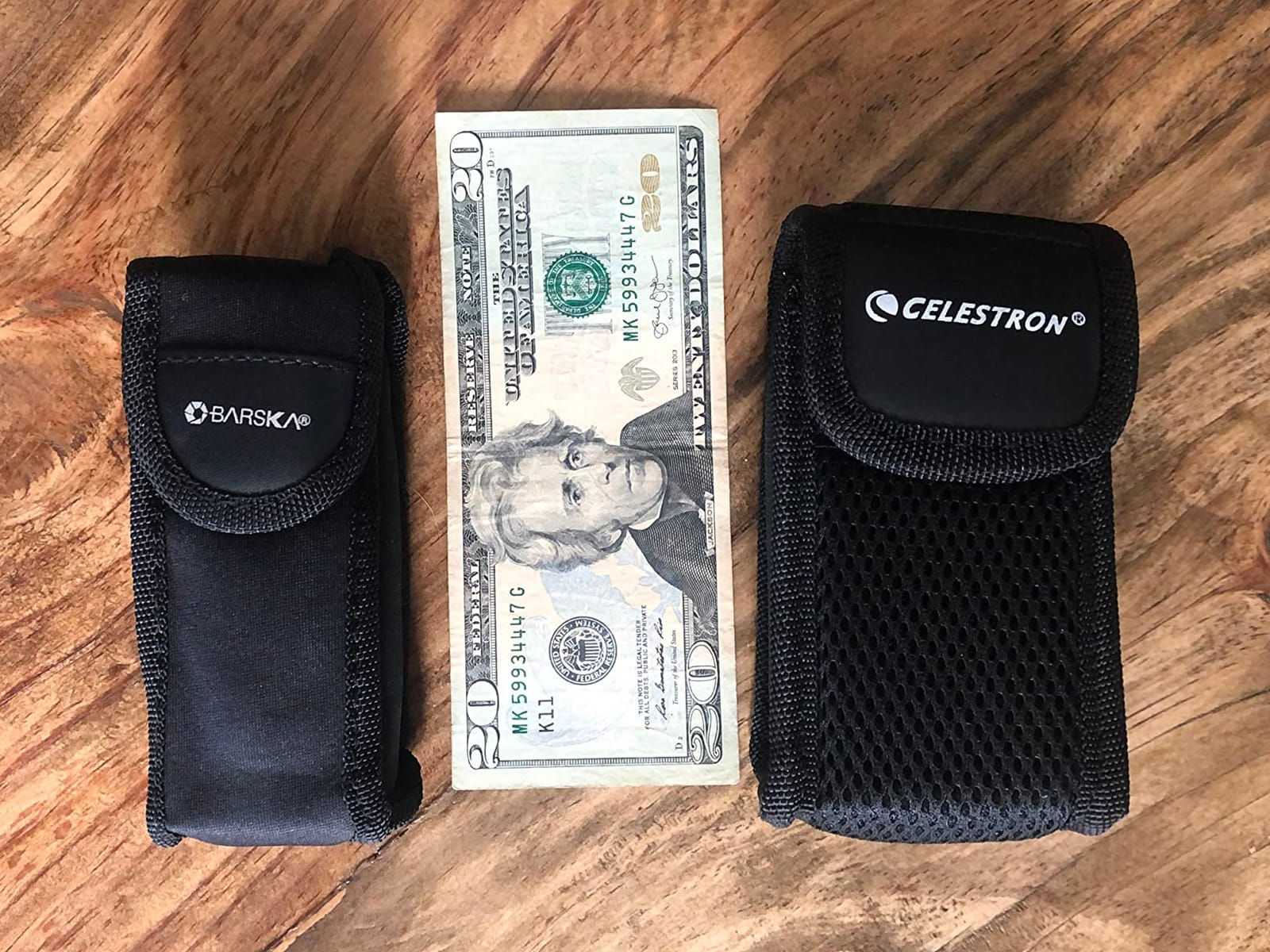
The stiffness of the focus ring is a genuine trade-off rather than a defect. It holds position perfectly, which is a virtue, but it cannot be adjusted while you are looking through the optic and needs a firm two-handed grip to move. The field of view is narrow for tracking a bird in flight, and the twist-up eyecup retaining ring has broken for some owners. There is no tripod socket, so resting long looks means finding something to lean on.
What this pick is genuinely good for
It suits damp, mild climates and anyone who hikes at dawn where condensation is unavoidable. It works well for perched and perched-then-moving birds at 30 to 50 yards, and the 10x is a useful step up from 8x for identification. The limited lifetime warranty with US-based support is a real comfort at this price, and the focus ring not drifting is the feature we noticed most.
Where it is the wrong tool
Do not choose it for open-country scanning, for following moving subjects, or for anyone who wants to run the focus ring with one hand. If you need a tripod socket, or if you want more light per gram, or a much wider view, the FEEMIC 8×42 or a Nocs tube solves all three. The Celestron is a specialist for wet weather and modest, honest glass.
6. Bushnell Legend Ultra HD 10×42: Best Monocular for Dawn and Dusk
Bushnell Legend 10×42 Ultra HD Monocular, Optical Performance for Hunting and Wildlife Observation
10x42
42mm objective
4.2mm exit pupil
340 ft FOV
ED glass, Ultra Wide Band coating
O-ring sealed
Pros
- Brightest image in the group thanks to ED glass and 42mm objective
- Usable at dusk and by starlight for static targets
- Smooth one-handed focus wheel finds a target in seconds
- Colour fringing well controlled for the tier
- Waterproof and fogproof with rubber armour
Cons
- Heaviest here at 374 g and roughly half a binocular set
- Bulky supplied case and noisy hard plastic lens caps
- Loose tube fit produces an audible rattle
If your hiking happens in the dark half of the day, this is the pick. The extra-low-dispersion glass with Ultra Wide Band coating is the real story: ED glass reduces the colour fringing that ordinary glass produces on high-contrast edges, which at dawn is the difference between a usable image and a smeared one. Owners with one-eye vision and glasses specifically call this easier to use than a paired binocular.
The 42mm objective at 10x gives a 4.2mm exit pupil, and combined with the coating stack the image stays bright well past sunset for stationary targets like a ridge line or a distant lake. The focus wheel is smooth and large enough to run with one hand, acquiring a target in a couple of seconds, which matters when you are scanning a dim valley from a viewpoint in near-darkness.
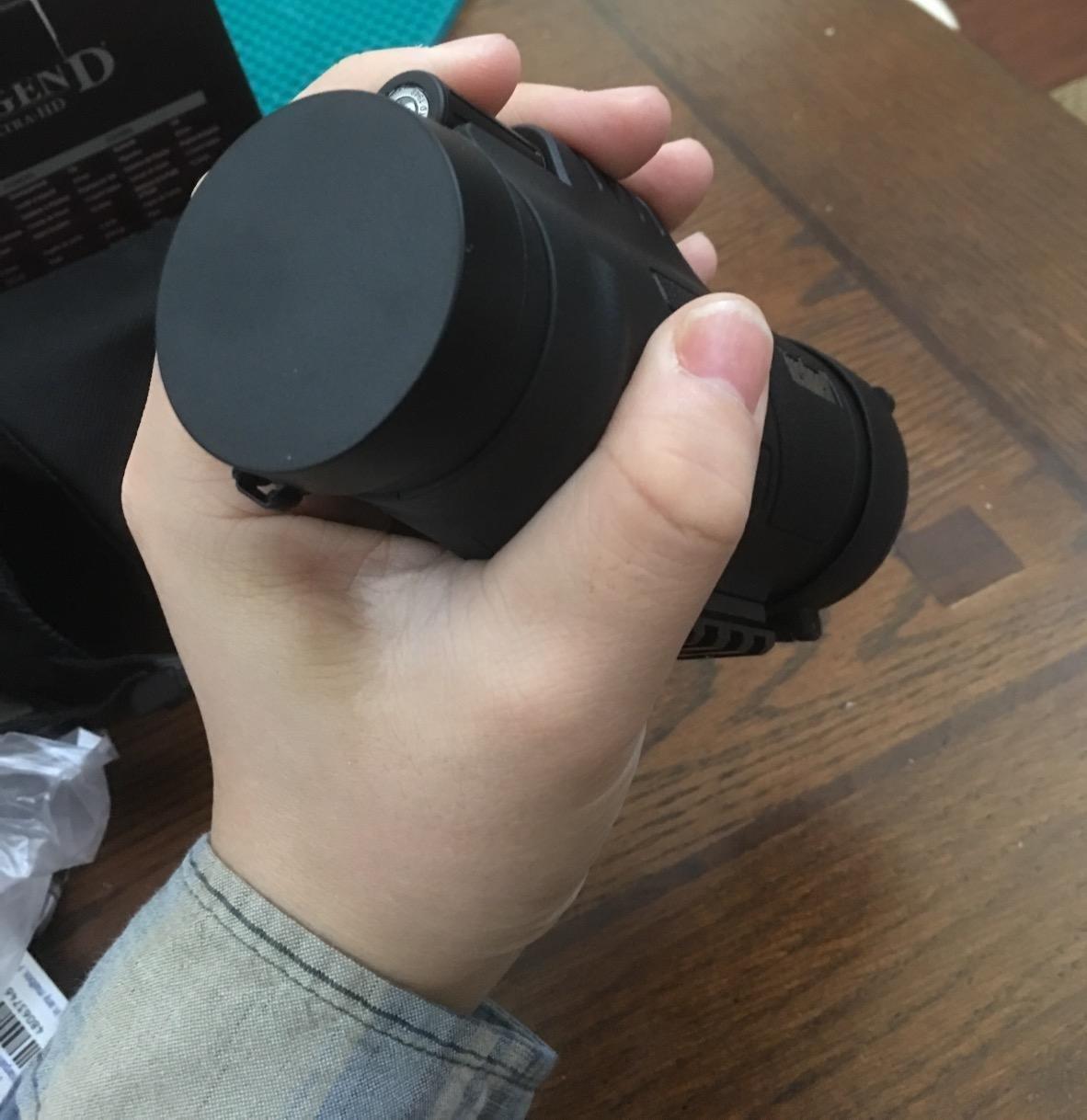
The catch is honest and should be stated plainly: at 374 g this is not a pack-lid monocular, it is roughly half of a binocular set in size and weight. It belongs in a car kit, a camp kit, or a daypack on a trip where the optic is the point. The accessories are the weak point. The case is bulky, the hard plastic lens caps clatter and can scratch the coating, and the cap straps are in the way once the caps are off.
Why the Bushnell earns the dawn slot
It is the brightest optic we tested, and on a pre-dawn start above a valley it showed it. The rubber armoured, O-ring sealed body survived drops and being banged around in a pack, and the twist-up eyecup accommodated glasses cleanly. It is also a strong choice for hunting and for anyone who wants to stargaze, though 10x narrows the field too much for large deep-sky objects.
If your budget is not the deciding factor, this is the most capable image in the group.
Where the bulk becomes a problem
It is the wrong optic for fast hiking, for ultralight overnight trips, and for anyone who wants one object in a shirt pocket. Some owners also report mild edge-of-field aberration, which is normal at this class, and an audible rattle from a tube that fits loosely around the focus screw. If weight is your constraint, the Nocs Field Tube gives comparable sealing at a fraction of the mass.
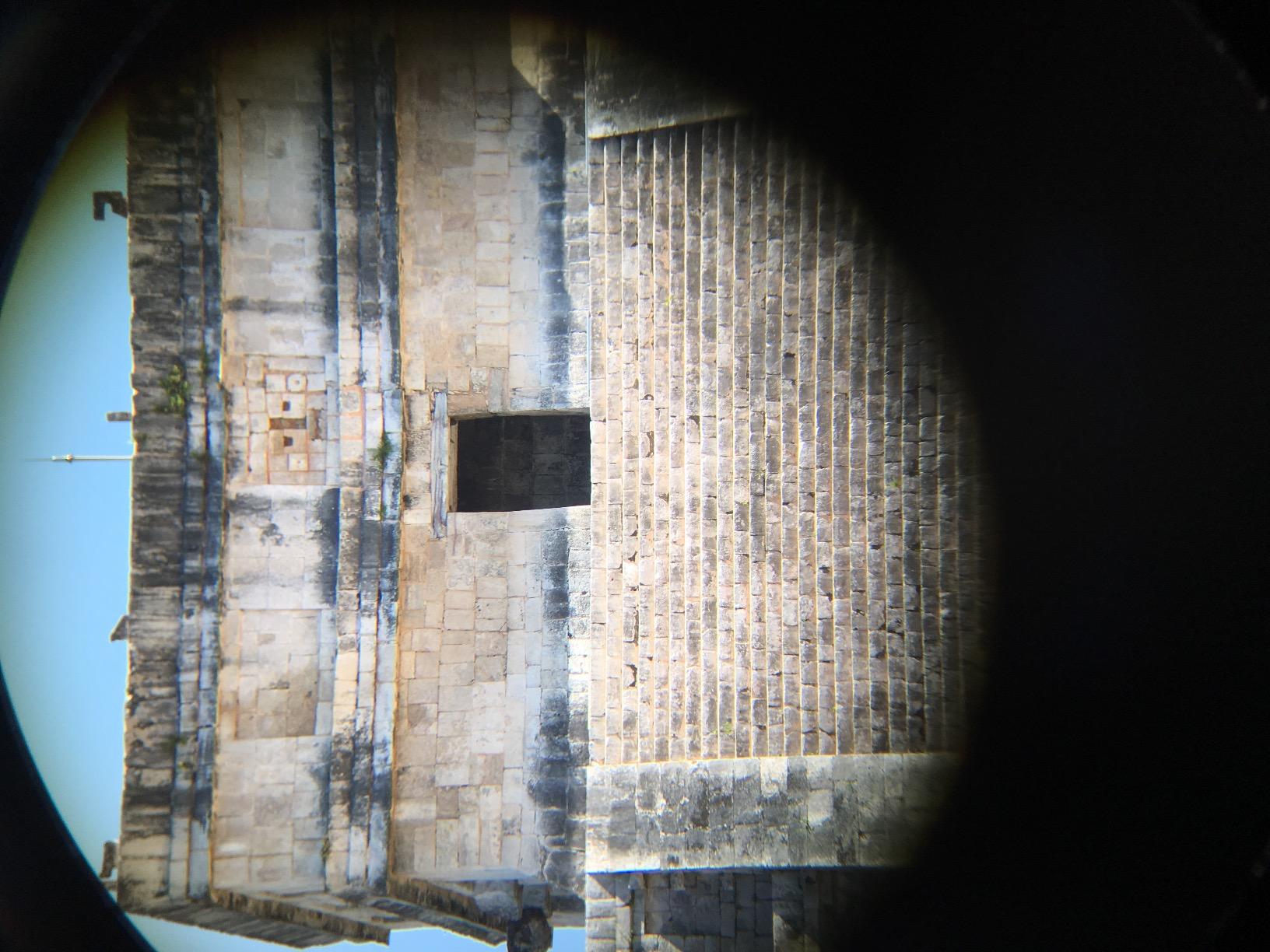
7. Nocs Provisions Zoom Tube 8×32: Best Value Monocular for Backpacking
Nocs Provisions Zoom Tube 8×32 Monocular, Bird Watching & Backpacking
8x32
32mm objective
4mm exit pupil
384 ft FOV at 1000 yards
Swiss-designed Bak4 prism, fully multi-coated
IPX4 rated
Pros
- Widest field of view of any monocular we tested
- Bright multi-coated Bak4 image in a genuinely compact body
- Three-position twist-up eyecup works for eyeglass wearers
- Built-in 1/4-20 tripod thread for steady viewing
- Nine colourways and a lifetime warranty
Cons
- Published weight is inconsistent between marketing and spec listing
- 8x is below the 10x many birders want
- IPX4 handles splash rather than submersion
The 8×32 is the configuration experienced users converge on, and the Zoom Tube makes that case with real hardware. A 384 foot field of view at 1,000 yards is the widest in this roundup, which means a bird moving left is still in the view when you react. Combined with 8x magnification you can hold steady, that is the difference between spotting wildlife and losing it.
Optically it is a Swiss-designed Bak4 prism with fully multi-coated lenses, and the image is bright and crisp for the size. The 32mm objective keeps the whole thing compact enough for a pocket or a range bag, and the patented Wave Grip housing sits well in the palm. The three-position twist-up eyecup is the feature glasses wearers mention most, and the built-in 1/4-20 tripod thread means you can rest it on a trekking pole when something stays in view for a while.
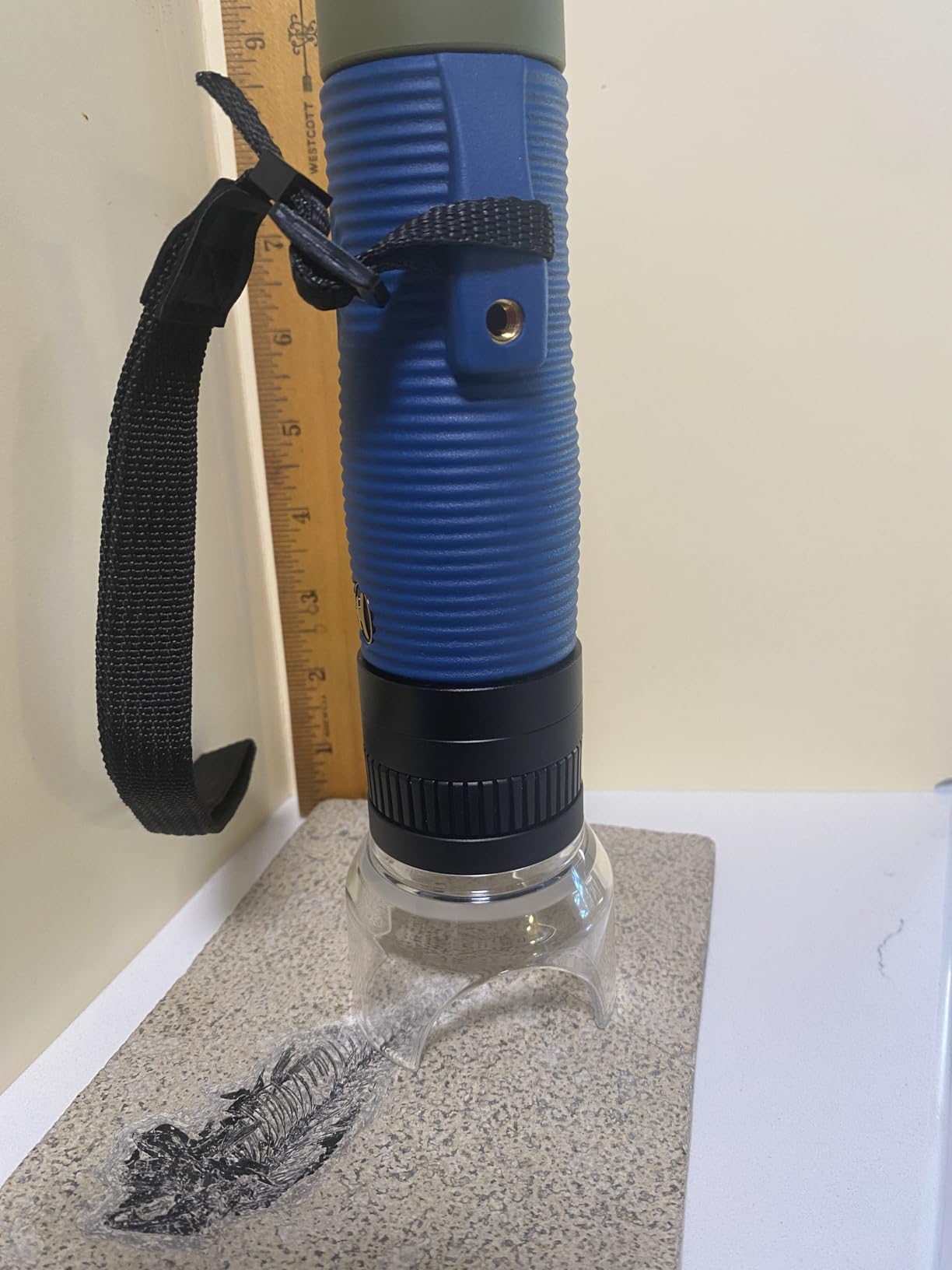
Two cautions. First, the published weight is inconsistent: marketing copy says 9.5 ounces while the specification listing says 8. We would plan around the heavier figure. Second, IPX4 is splash resistance, not the full submersion rating the Field Tube below carries, so treat it as a trail optic rather than a river optic. It is also a newer listing with a smaller review base, so most of the feedback is owner confirmation rather than long-term field reports.
Why this is our value pick
It has the widest view, the steadiest magnification, a tripod thread, a good eyecup, and a lifetime warranty, in a body you can genuinely carry all day. The nine colourways are a small thing that matters if you are buying a gift or want it to match your kit. If you hike birds and wildlife more than scenery, this is the one to buy.
When you need more reach
Step up to the Nocs Field Tube 10×32 or the Vortex Solo 10×36 when your targets sit beyond a few hundred yards and are not moving. The 8x is a deliberate choice here, not a compromise: a wider, brighter, steadier view beats a shaky narrow one every single time. If you mostly watch open terrain and never move, the other way round is true.
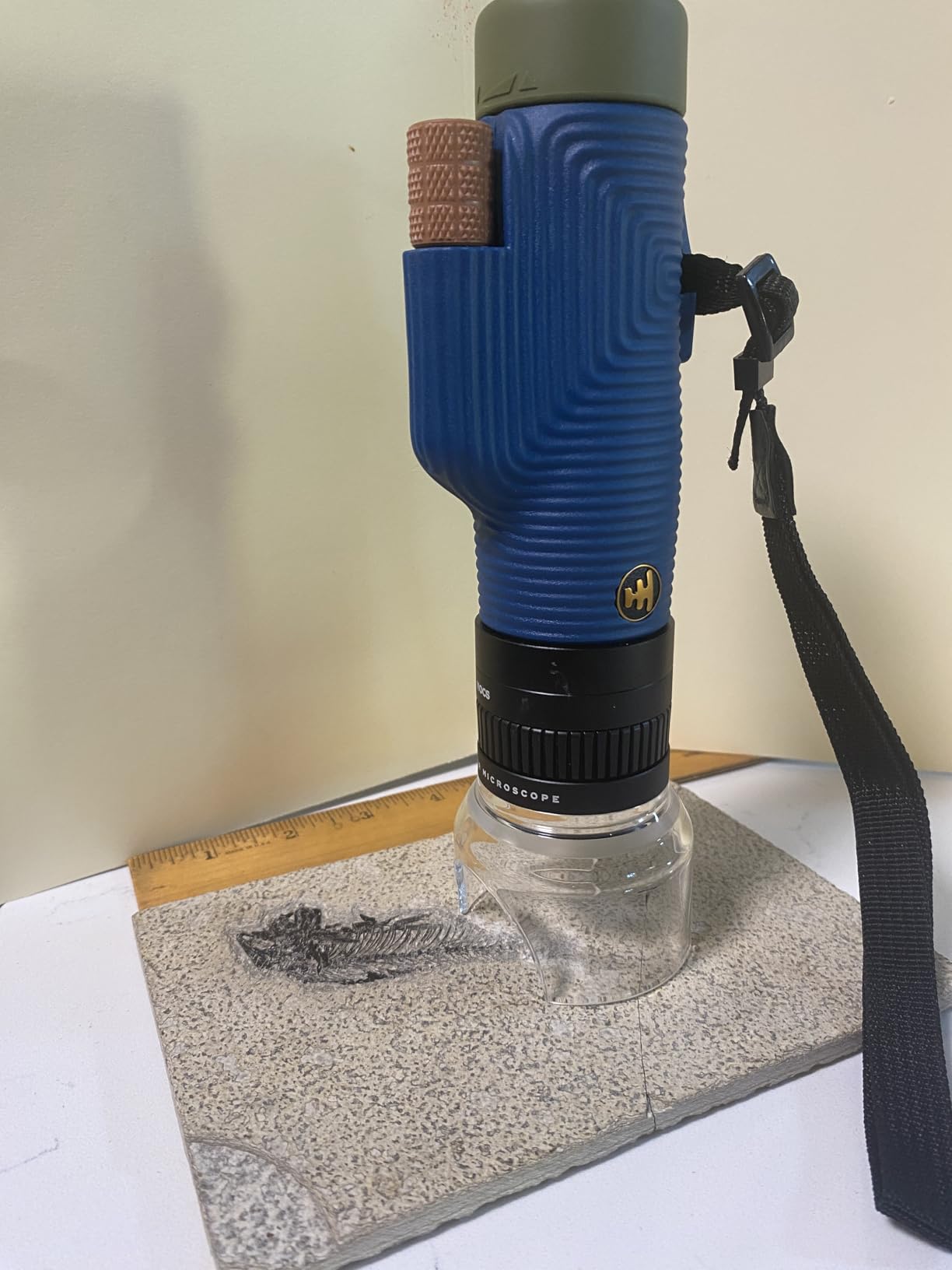
8. Nocs Provisions Field Tube 10×32: Best Waterproof Monocular for Rain and Mud
Nocs Provisions Field Tube 10×32 Waterproof Monocular, Bird Watching
10x32
32mm objective
3.28mm exit pupil
333 ft FOV at 1000 yards
IPX7 waterproof, nitrogen sealed
8.09 oz
Pros
- IPX7 rated
- so it is submersible to three feet for 30 minutes
- Nitrogen sealed with medical-grade O-ring assembly
- Bright glass matched to the brand's binocular line
- Oversized focus wheel is easy to run one-handed
- 10x power in a genuinely pocketable 8.09 oz body
Cons
- Field of view is narrower than buyers expect
- Lens caps fit too tightly and have no tether
- A little bulkier than expected for the weight
This is the only monocular here with a real submersion rating, and that changes the conversation for anyone who hikes in proper rain or crosses water. IPX7 means it is rated to three feet for 30 minutes, backed by a nitrogen seal and a medical-grade O-ring assembly. On our wettest day it came out of a soaked pack lid and the image was clean, which is exactly the failure that ruins cheaper optics.
The optical design is a Swiss-designed Bak4p prism with fully multi-coated lenses, and owners who already use the same brand’s binoculars report the glass matches. At 8.09 ounces with a 10×32 pairing it is an unusual balance: enough power to reach a distant ridge, light enough to be a pocket item, and a 3.28mm exit pupil that is acceptable in overcast conditions even if it is not a dawn optic.
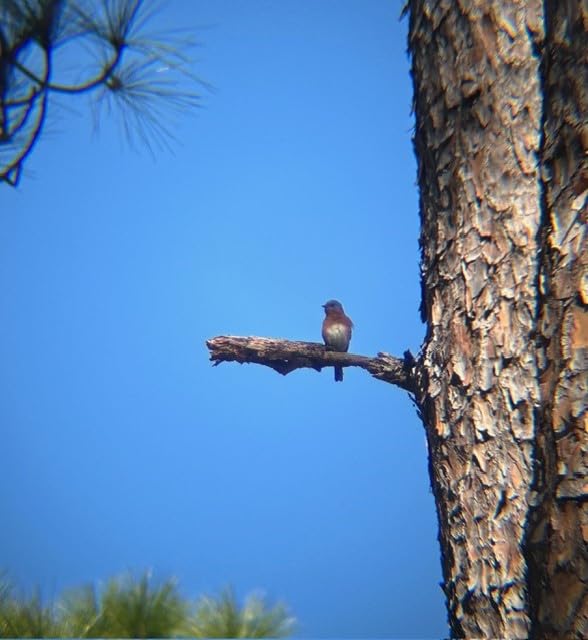
The complaints are small ones. The field of view is narrower than some buyers expected at 10x. The lens caps fit too tightly and carry no tether, so they are easy to lose, which two reviewers raise directly. And while the weight is low, the body is a touch bulkier than the number suggests. It is a newer listing with 136 reviews, so the long-term durability record is still being written.
Who should pack this one
Take it on wet-weather hikes, coastal paths, and any trip where your gear will get wet. It also suits anyone who wants 10x power without the 9 to 10 ounce weight of the alternatives, and it works well with a phone adapter for recording what you find. The oversized focus wheel is genuinely easy to run with gloves on, which matters more than it sounds in cold rain.
Where it is not the answer
It is not the brightest option, so for very early starts in dense shade the Bushnell Legend or a 42mm objective is better. It is also not the widest view, so birders who track movement should look at the Zoom Tube 8×32. For a hiker whose defining problem is weather rather than weight, this is the right buy.
9. AYRAVIIO AMT-08 10×42: Best Gift Monocular for Hiking
Birthday Gifts for Men Dad Husband Teen, 10×42 Monocular for Outdoor/Hiking
10x42
42mm objective
18mm ocular
BAK-4 with fully multi-coated green lens
Anti-fog coated, non-slip housing
10.9 oz
Carry case and cloth included
Pros
- Clear
- sharp 10x image for birdwatching and distant views
- Light at 10.9 oz and easy to carry on walks
- One-handed focus wheel that suits eyeglass wearers
- Complete package with case and cleaning cloth
- Consistently well received as a gift
Cons
- Lens caps will not stay attached and fit poorly
- Manufacturer lists focus type as fixed focus
- Field of view listed at only 90 yards
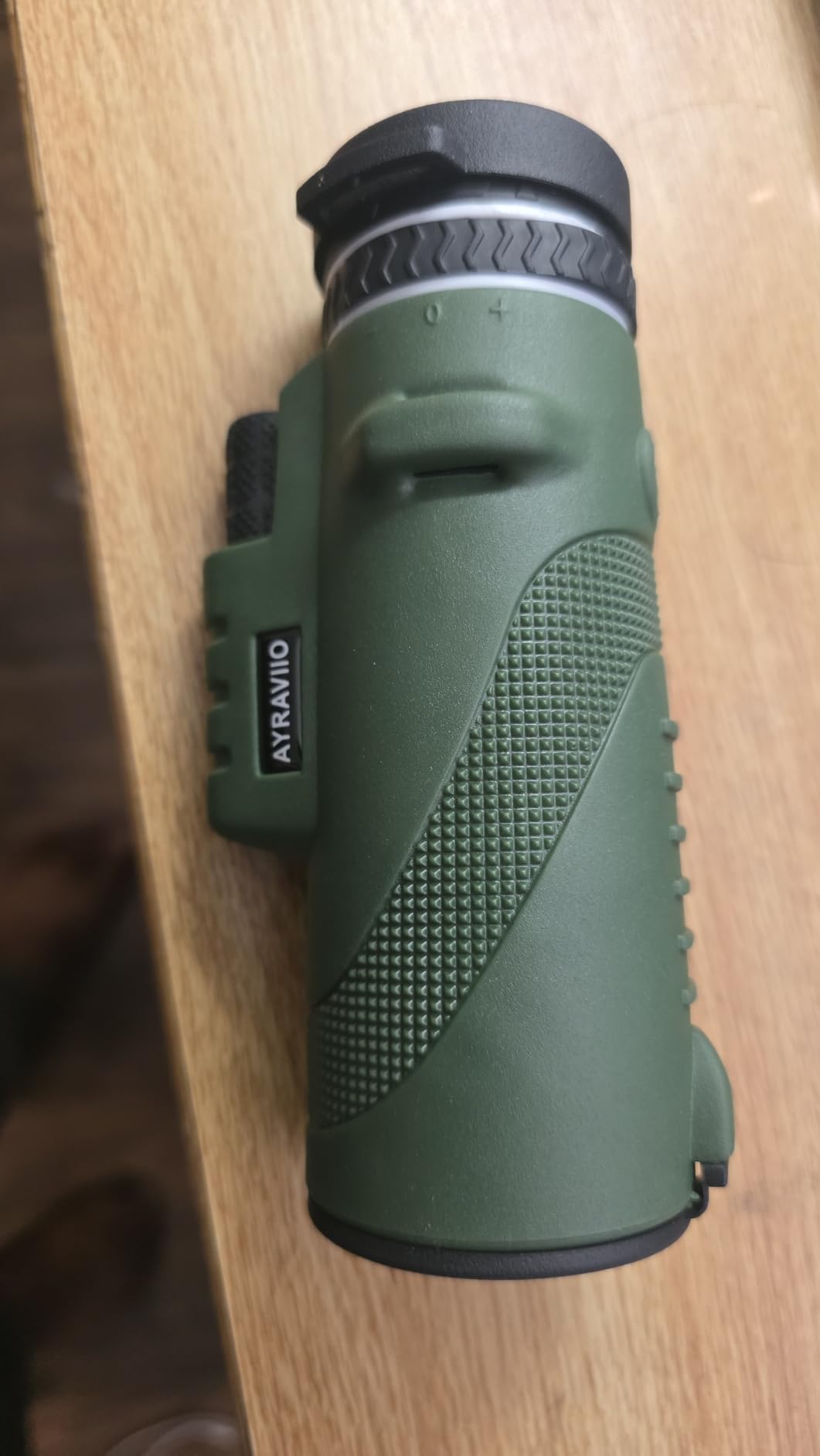
A large share of the reviews on this one are gift purchases, and they are consistently positive, which tells you something real about how it performs in the hands of someone who has never used an optic before. The 10×42 pairing with a BAK-4 prism and fully multi-coated green lens gives a clear image, and the 10.9 ounce weight means it will actually be carried rather than left in a cupboard.
It handles glasses well, with a one-handed focus wheel and an adjustable eyecup, and the box includes a storage case and a cleaning cloth. The stated 2.1 arc second Dawes limit is a sharper published figure than most optics in this list, though the field of view figure of 90 yards is narrow for the class and is worth knowing before you buy.
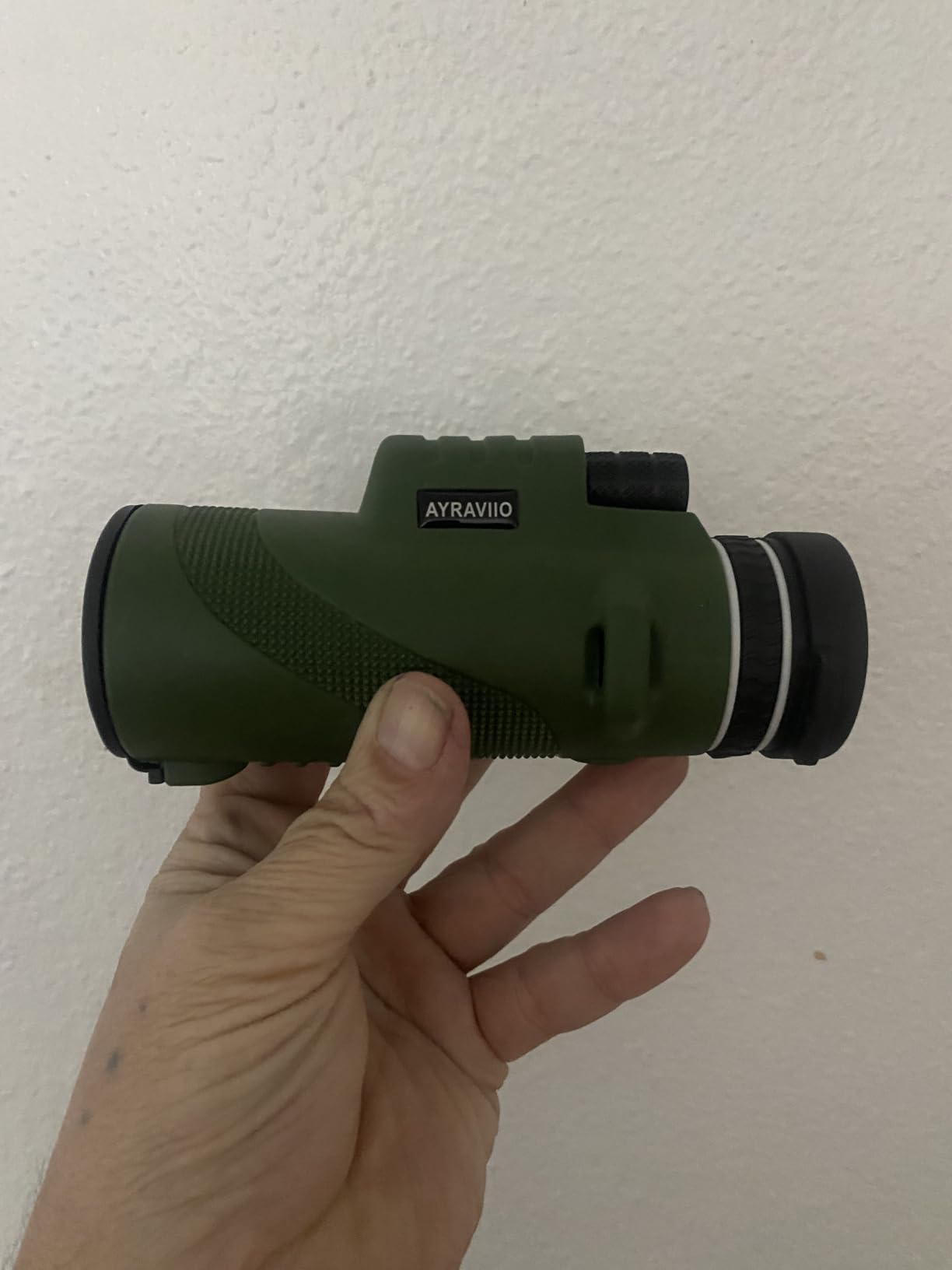
The stated 2.1 arc second Dawes limit also tells you something about where this scope sits: it is a sharper published resolution figure than most of the optics here, and yet the human-eye limit for a 42mm objective at 10x sits close to that same territory. In practice the image is good rather than exceptional, and the gap between the specification and what you see is the usual one for a branded prism at this price. Treat the number as a class indicator, not a promise of edge-to-edge sharpness.
Why it works as a present
It needs no learning, has no complex setup, and comes with everything needed. If you are buying for a parent, a partner, or a teenager who walks a lot, this is the low-risk choice that will get used. The single-hand focus and the light weight matter more for a casual user than any glass specification.
It is also the easiest of the ten to hand over, because nothing about it needs explaining before the recipient can point it at something and see the result.
What to know before you buy it for yourself
The manufacturer’s own listing specifies fixed focus, which means you cannot finely dial in a distance, and the lens caps are the most common complaint because they will not stay on. If you are buying this for yourself rather than as a gift, the extra cost of a sealed scope with a proper focus ring is money better spent. As a gift, it lands well.
10. Vortex Recce Pro HD 8×32: Best Monocular for Ranging and Long-Reach Work
Vortex Recce Pro HD 8×32 Monocular
8x32
32mm objective
4mm exit pupil
Extra-low dispersion glass with XR coatings
Mil-based ranging reticle
6.18 inch optical tube
Pros
- Bright sharp image from extra-low-dispersion glass
- Mil-based reticle supports real range estimation
- Flared eyecup blocks stray light and folds for glasses
- Utility clip plus MOLLE pouch for pack carry
- Highest five-star share of the ten
Cons
- By far the most expensive option in the roundup
- Tactical mil reticle adds nothing for casual hiking
- Factory weight listing of 0.31 g is not credible
This is the specialist at the end of the list, and it is worth including precisely because it does something none of the other nine do: it puts a mil-based ranging reticle with quick-range silhouettes in front of a bright, sharp image. If you shoot, spot for a friend, or need to estimate distance to a game animal, that reticle turns a monocular into a ranging instrument rather than just a viewer.
The glass is the best in this group. High-density extra-low-dispersion elements with XR anti-reflective coatings give a bright, high-definition image with excellent edge performance. The flared eyecup blocks stray light, which is a real advantage at dawn and dusk, and folds down for glasses. There is a separate reticle focus so the reticle stays sharp independently, and a large focus wheel for one-handed operation once focused.
Its 8×32 pairing is deliberate: this is a precision optic, not a wide scanning tool, and you accept the narrower view for the image quality. The carry system is unusually good for a monocular, with a utility clip and a MOLLE-compatible pouch. The unlimited unconditional lifetime warranty is the strongest in the group.
Where this optic justifies itself
It suits shooters, precision wildlife observers, and anyone who wants the best image available in a monocular. The reticle and the coating stack together justify the premium in a way that most premium monoculars cannot, because they are buying a capability the cheaper models simply do not have. It is also fully waterproof and fogproof with textured rubber armour.
Why most hikers should skip it
If your use is trail scanning and birdwatching, the mil reticle is clutter and the money is better spent elsewhere. One caution: the factory listing shows an implausible weight of 0.31 grams for a 32mm objective monocular, so treat the physical weight as unverified and check the real figure in hand. For most hikers the Vortex Solo 10×36 gives a better balance of power, sealing, and cost.
What to Look For in a Hiking Monocular
Three factors decide almost everything: how much you magnify, how much light the objective gathers, and how well the thing survives being carried in wet weather. Get those three right and the rest is preference. The sections below break each one down with the arithmetic that decides it, and they are the same factors current buyer guides summarise in a sentence.
Magnification: 8x, 10x or 12x
Eight times is the handheld sweet spot, and ten times is roughly the practical handheld ceiling. The reason is human, not optical: every additional magnification multiplies the shake from your pulse and footsteps. Forum consensus across binocular and hiking communities converges on the same line, with 8x described as good for most people for general use and 10x as about the most people can hold reasonably still by hand. We would add that 12x is a tripod optic, not a trail optic.
Match magnification to your target instead. Scanning ridgelines and picking out a distant summit, 10x is worth the shake. Tracking a bird through trees, 8x wins because the wider view keeps it in frame. Following elk at 800 yards across a clearing, 10x or more. Carrying a monocular in a fastpack for general awareness, 8x. The mistake most people make is buying more magnification than their hands can hold, and the common advice from experienced users is that more magnification is rarely the answer when an optic does not seem to magnify enough.
Objective lens size and the exit pupil
The second number in the notation is the objective diameter, and dividing it by the magnification gives the exit pupil. That number is the real brightness number. An 8×42 gives a 5.25mm exit pupil, a 10×32 gives 3.2mm, and a 10×25 gives only 2.5mm. For daylight hiking you want roughly 4mm or more. For dawn, dusk and forest shade, push toward 5mm and above, because that is where the large-objective models in this list separate themselves.
A practical ceiling sits near 7mm, above which the exit pupil exceeds a typical adult pupil and the extra light is wasted. That is the entire reason 8×42 and 10×42 are considered bright, and why a 10×25 pocket scope feels dim no matter how good its coatings are. Bigger objectives also mean more glass, more weight, and a bulkier body, so this is the main trade-off on the whole page.
Field of view: angular and linear
Field of view is quoted two ways. Angular FOV is in degrees, and linear FOV is the width of what you see at a fixed distance, usually 1,000 yards. For monoculars in this roundup the linear figures are the useful ones, and they run from 90 yards on the AYRAVIIO to 384 feet on the Nocs Zoom Tube. A wide linear FOV makes scanning pleasant and following moving subjects possible.
Note that linear and angular FOV are not interchangeable. To convert angular to linear at 1,000 yards, multiply the angular figure by 52.5. This matters when comparing a 6.2 degree monocular field against a 5.7 degree one: the difference is small in degrees but noticeable in practice, and it is one of the few places where a monocular is genuinely disadvantaged against a binocular of the same class.
Eye relief and glasses
Eye relief is the distance from your eye to the lens, and it is the number that decides whether you can wear glasses. Below about 11mm most glasses wearers will find the eyecup pressing against the lens, and below 8mm you will see a black ring around the view. The Celestron UpClose G2 states 11mm explicitly, and the models with multi-position or three-position twist-up eyecups give you somewhere to start even when the figure is not published.
If you wear glasses, prioritise eyecup travel and a large eyepiece over everything except brightness. The usogood 10×42 and the Vortex Recce are both strong here, one through a 22.5mm eyepiece and the other through a flared folding cup. Anyone with one-eye vision or eye dominance issues should also test before buying, since one-handed monocular use is often easier than binocular use for those cases.
Prism, coatings and ED glass
A BaK-4 roof prism reflects more light than a plastic prism, and it is the single most visible quality difference between budget and mid-tier glass. Below that, fully multi-coated lens elements on every air-to-glass surface is the baseline worth paying for. Above that, extra-low-dispersion glass, sometimes sold as ED glass, reduces colour fringing on high-contrast edges, which shows most at the rim of the field and against ridgelines at distance.
Buyers should treat a stated light transmittance figure with some caution, since the number is claimed rather than independently verified. What is verifiable is the prism type, whether coatings are fully multi-coated, and whether extra-low-dispersion glass is used. The Bushnell Legend Ultra HD is the clearest ED example in this group; the FEEMIC and the Nocs tubes give BaK-4 and full multi-coating without ED.
Weather sealing: nitrogen purged vs water resistant
These are two different claims and they are constantly confused. Water resistant means splashes will not get in. Waterproof and nitrogen purged means the internal air is dry and sealed, so the glass will not fog internally when you move from cold air into a warm tent, which is the fogging that actually ruins optics on a hike. O-ring sealing is the mechanism behind most of these claims.
Only one monocular in this group carries a true submersion rating, the IPX7 Nocs Field Tube, rated to three feet for 30 minutes. Everything else here is sealed to varying degrees or merely water resistant, and one budget model here is explicitly water resistant with a reported internal fogging failure. For a dawn-start hiker in a wet climate, treat the sealed options as the shortlist.
Weight, packability and carry systems
A useful rule: a monocular under 6 ounces is genuinely free in a daypack, and anything over 12 ounces belongs in a car or camp kit. Only the Celestron UpClose G2 at 113 grams clears the first threshold here, which tells you something about the class. Most hiking monoculars cluster between 8 and 11 ounces, and that is a fine weight for a day hike; it only becomes a problem for overnight and fastpack trips.
Carry system matters as much as weight. An integrated utility clip, a tripod thread and a MOLLE pouch are what separate a monocular you can reach instantly from one you dig for. The Vortex Solo and the Recce both have a utility clip, the Nocs tubes have built-in tripod threads, and the Recce adds a MOLLE pouch.
Close focus and tripod threads
Close focus is the minimum distance the optic can bring into focus, and it decides whether you can watch a bird 10 feet away or only 15 yards. The usogood 10×42 focuses from about 3.3 yards, which is the best close focus in this roundup by a wide margin, and the Nocs Field Tube manages 9.3 feet. Many compact 10×25 monoculars, including the Celestrons here, are poor at close focus and effectively unusable on small nearby subjects.
A tripod thread matters more than buyers expect because it converts a marginal handheld optic into a decent rested one. A 12x or 40×60 optic with a tripod socket and a trekking pole is a legitimate long-range tool, while the same optic handheld is useless. Five of the ten monoculars here have a tripod interface; the two Celestrons do not.
12×50 vs 40×60: what marketplace high power monoculars really are
This question comes up constantly, so here is the direct answer: a genuine 12×50 beats a 40×60 for every hiking use we can think of, and the 40×60 label is a marketing artefact rather than a specification. A 40×60 monocular produces an exit pupil of 1.5mm, which is a pinhole of light. The image it gives you is dim, soft, heavily fringed and impossible to hold steady, which means the only situation where it appears to outperform a 12×50 is a tripod stability test or a staged indoor demonstration. On a trail, at any distance, the 12×50 wins.
The arithmetic is the tell. Divide the stated numbers and compare the result against the roughly 7mm practical ceiling for handheld use. 12×50 gives 4.2mm and 10×42 gives 4.2mm, both reasonable. 40×60 gives 1.5mm, which no human eye can use. The magnification figure on those listings is not a claim you can trust, and the honest test is whether the manufacturer publishes an exit pupil, a field of view in feet at 1,000 yards, and a prism type. If they do not, skip it.
What each price tier actually buys
Under about 30 dollars you get an honest aluminium 10×25 or a plastic budget 8×42. Both are usable, and the Celestron UpClose G2 is the one we would choose at that level because its focus ring actually holds its position. Between 30 and 80 dollars is where BaK-4 prisms become common and the value peaks, which is why the FEEMIC 8×42 and the Nocs Zoom Tube 8×32 sit here. Between 80 and 200 dollars you are paying for sealing, eye relief, close focus and warranty rather than raw brightness, and the Vortex Solo 10×36 and the Nocs Field Tube are the picks.
Above 200 dollars you are buying glass quality and specialised features, and the only model here that does both is the Vortex Recce Pro HD with its extra-low-dispersion elements and ranging reticle. Spend there only if you have a specific reason.
Monocular vs Binoculars for Hiking
For a day hike, a monocular wins on almost every practical measure. It is roughly half the weight, roughly half the bulk, and it fits a pocket. Binoculars win on one measure only, and it is a big one: two eyes means depth perception, which is what lets you judge whether a distant branch is closer or further away than it appears. For tracking a bird in flight, that depth perception is not a nicety.
The rule we use is simple. If your targets move unpredictably and are close enough that distance judgement matters, carry binoculars. If your targets are distant and mostly stationary, a monocular is the better tool, because the extra magnification you get by putting all of that glass into one barrel is worth more than depth you will not use. Most hikers hit distant ridges, distant wildlife and distant summits far more often than they chase a close bird through canopy, which is why monoculars keep gaining ground.
A practical compromise many people land on is a small wide-angle binocular for movement plus an 8×32 or 10×32 monocular for reach. That combination, worn on the same strap, gives you both and stays lighter than a single mid-size binocular. If you want to plan a full kit, the satellite messengers we recommend for hiking and the water filters worth carrying cover the safety side of a long day out.
What Experienced Hikers Say About Monoculars
The forums make the same three points we made, which is reassuring. On the question of a monocular versus binoculars: a recent r/hiking thread recommending the Celestron Nature DX 8×32 and the Nikon Aculon A211 8×42 gave the reason that 8x avoids hand-shake problems, and separate r/Binoculars threads land on the same conclusion that 8x suits most people and 10x is the practical limit for holding a scope steady.
On weight, a vftt.org user runs an 8×21 REI monocular at 3 ounces alongside 7×20 Nikon binoculars at 8 ounces and reports both work well for their purpose, which is the ultralight case made honestly. On carrying, a cloudynights poster describes keeping a 10×50 monocular in the backpack for observing wildlife along the trail and again at camp, which is the single most common way monoculars actually get used. On ranging, an airgunnation user runs a 6×24 Bushnell Prime 1800 rangefinder and notes you can look through it without turning it on, a useful trick with any electronic monocular.
One theme runs through all of it. The experienced users are the ones who will admit a limit, and they keep arriving at 8x as the honest answer and at 10x as the boundary. birdforum.net regulars recommend the Kowa TSN-501 and 502 specifically because they are very light and optically good, which is the same conclusion the Nocs tubes reach from the other end of the price range.
Frequently Asked Questions
What is better, a 12×50 or a 40×60 monocular?
A genuine 12×50 is better for every hiking use. A 40×60 produces an exit pupil of only 1.5mm, which is too small to gather usable light, so the image is dim, soft and impossible to hold steady. The 12×50 gives a 4.2mm exit pupil, which is a usable size. Marketplace 40×60 listings are typically handheld-unusable optics marketed with an unverified magnification figure.
What magnification is best for monoculars?
8x is the handheld sweet spot and 10x is roughly the practical ceiling for holding a monocular steady without a rest. Magnification multiplies hand shake, so more is not better. Match the figure to your target: 8x for birds and general scanning, 10x for distant ridgelines and wildlife, and 12x only with a tripod or a solid rest.
Which brand of monocular is considered the best?
Vortex and Nocs are the most consistent for hiking optics, with Vortex leading on sealing and warranty and Nocs on field of view and close focus. Bushnell is the strongest low-light option with its ED glass. Celestron and budget brands cover entry-level use well, provided you accept a narrower view.
What is the best monocular for viewing long distances?
The best monocular for long distances is one with 10x magnification and a 42mm objective, such as the Vortex Solo 10×36 or the Bushnell Legend Ultra HD 10×42. The 42mm objective produces a 4.2mm exit pupil, which keeps the image bright at range. Above 10x, you need a tripod thread and a rest to make the magnification usable.
Is 8x or 10x better for bird watching?
8x is better for most bird watching because it is easier to hold steady and gives a wider field of view, so a moving bird stays in frame. Choose 10x when the birds are perched, distant, or not moving, because the extra power helps with identification at range. A monocular with close focus, like the usogood 10×42, adds the near-range capability binoculars give you.
Is the Vortex Solo monocular good?
Yes, and the 10×36 is the model we recommend most. It is compact at 9.7 ounces, nitrogen purged and O-ring sealed for real rain, fully multi-coated for a clean daylight image, and backed by an unlimited lifetime warranty. The trade-off is that 10x shows visible hand shake handheld and the 6.2 degree field of view is tight for wide scanning.
Is a 12×50 monocular good for birding?
A 12×50 is good for birding when the birds are distant and roughly stationary, because the 42mm objective keeps the image bright and the extra power helps with identification. It is poor for tracking birds in flight, and 12x is difficult to hold steady by hand. A tripod thread, or resting it against a rock, makes the magnification far more usable.
Do I need a monocular or binoculars for hiking?
Carry a monocular if your targets are distant and mostly stationary, since it is half the weight and fits a pocket. Carry binoculars if you chase moving birds or need depth perception to judge distance. A common compromise is a small wide-angle binocular for movement plus an 8×32 or 10×32 monocular for reach, both on the same strap.
The Best Monocular for Hiking Is the One You Will Actually Carry
If we had to choose one, the Vortex Solo 10×36 is the best monocular for hiking overall. It is sealed rather than merely water resistant, light enough to live on a pack strap, backed by a lifetime warranty, and powerful enough to handle a ridgeline at 800 yards. Our top three cover three different hikers: the Solo 10×36 for the generalist who wants reach, the Nocs Zoom Tube 8×32 for the birder and ultralight hiker who wants a wide steady view, and the FEEMIC 8×42 for anyone building a first trail kit on a budget.
Everything else here is a specialist worth knowing about. The Bushnell Legend Ultra HD 10×42 is the one to take for pre-dawn starts, the Nocs Field Tube 10×32 for genuinely wet weather, the Celestron Nature 10×25 for a sealed budget birding optic, and the Celestron UpClose G2 10×25 for packs where every gram counts. Check the current details for the best monoculars for hiking on our picks page before you commit, and pick the one that matches your terrain and your weather rather than the one with the biggest number on the box.