
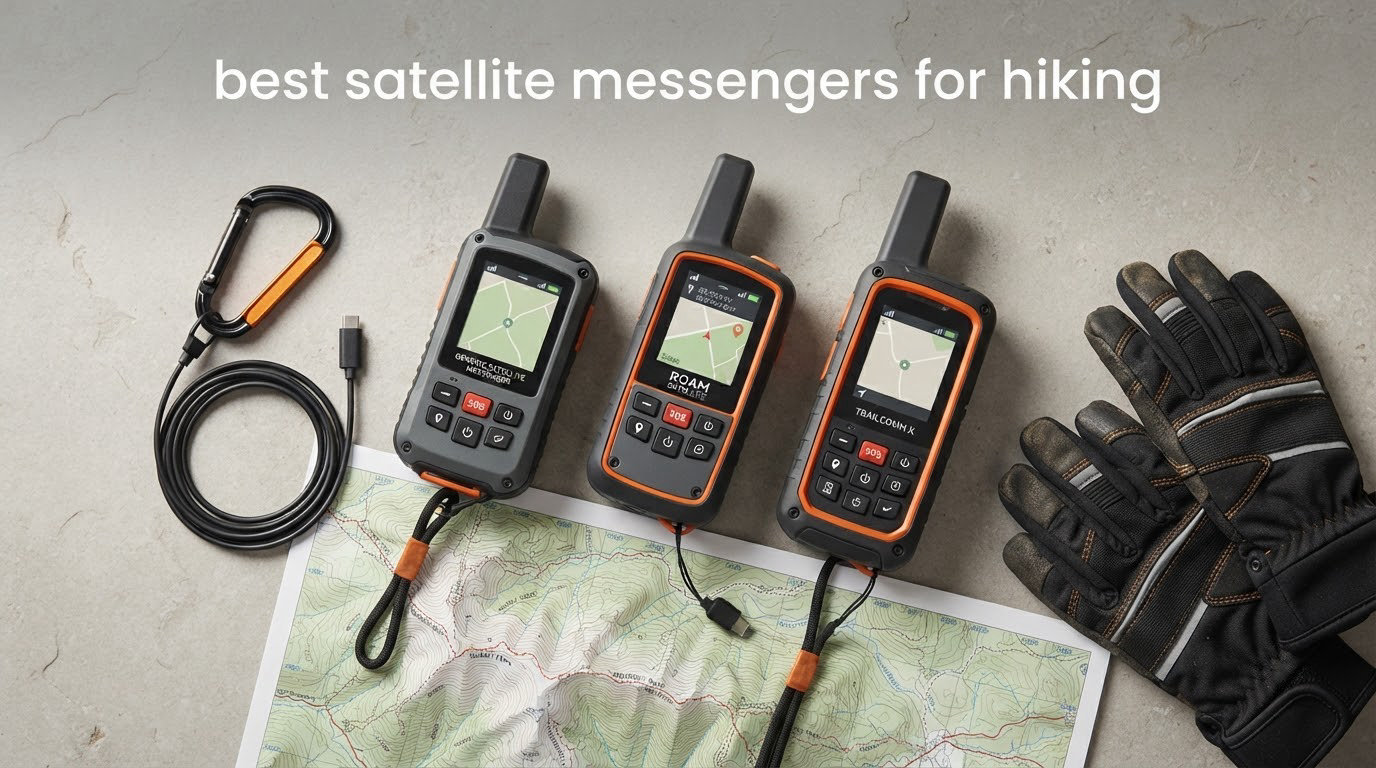
Most backcountry searches start with a missed check-in. Someone at home stops hearing from you, the trailhead ranger opens a report, and what follows is a search rather than a rescue. A satellite messenger is the cheapest way to turn that search back into a response, and picking the best satellite messengers for hiking is a decision most hikers only make once, right before a long trip.
Our team carried these units on multi-day routes, winter overnights and a long multi-week trek, and we compared all eight side by side on weight, battery life by mode, network coverage, and how the software behaves in the cold. Two of the picks also earn a spot in our headlamp roundup for the same reason: gear that is easy to operate in the dark is worth more than gear that is merely capable.
Before we get into the list, the short version. The ZOLEO Satellite Communicator is the best satellite messenger for hiking overall, because it puts two-way Iridium messaging and unlimited free check-ins into the smallest package here. The Garmin inReach Mini 2 is the runner-up and the lightest serious option. If you only want a distress signal and refuse to pay a subscription, the ACR ResQLink View is the device to buy.
Everything below reflects what the specifications sheets claim and what owners report back. Ratings and review counts are copied from the retailer listings at the time of writing, and specs like weight and battery figures change between hardware revisions, so check the listing before you commit.
Top 3 Satellite Messenger Picks for Hiking in 2026
Our three headline picks cover the three most common hiking profiles: a phone-paired communicator for value and simplicity, a fully self-contained Garmin for anyone who wants the device to work alone, and a long-battery Garmin for trips measured in weeks rather than days.

Quick Picks and Full Comparison in 2026
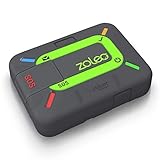
Best overall: ZOLEO Satellite Communicator. Pros: same Iridium network as the Garmins, 200-plus hour battery, unlimited free check-ins, IP68 waterproofing. Cons: no built-in screen, app setup is fiddly, and every message is typed on your phone.
Best for ultralight packing: Garmin inReach Mini 2. Pros: 99 g, works completely without a phone, up to 14 days of battery in 10-minute tracking mode, TracBack navigation. Cons: cramped monochrome display, slow on-device typing.
Best for long expeditions: Garmin inReach Messenger. Pros: up to 28 days of tracking battery, group messaging, free preset check-ins, can revive a dead phone. Cons: needs an app for most tasks, small resistive screen, no keyboard.
Best standalone with a keyboard: SPOT X. Pros: dedicated phone number so messages arrive without a paired device, 240-hour battery, two-way emergency contact. Cons: older Globalstar coverage, 3.9 rating trails the Iridium devices, bulkier body.
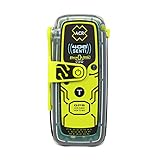
Best with no subscription: ACR ResQLink View. Pros: no monthly cost ever, 406 MHz distress signal, buoyant and waterproof, self-test function. Cons: alerts only, no messaging to family, 28-hour battery.
Best for offline navigation: Garmin inReach SE+. Pros: 2.3-inch colour screen, full topographic maps, IPX7 rated. Cons: 2017 design, 8 oz, dated interface.
Best for organized groups: ACR Bivy Stick. Pros: Iridium network, GroupTrack for up to 12 people, 3.35 oz, unused message credits roll over. Cons: app crashes reported, no built-in screen, some long-term hardware failures.
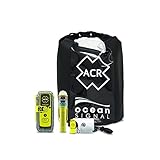
Best all-in-one emergency bundle: ACR ResQLink 400 Survival Kit. Pros: beacon, strobe light, whistle, signal mirror and dry bag in one package, 5-year warranty. Cons: included clips reportedly do not fit the beacon, 4.7 rating on a small review base.
Here is the same eight devices in a single table, with the specs that actually change your packing list and your trip plan.
| Product | Specifications | Action |
|---|---|---|
| ZOLEO Satellite Communicator |
|
Check Latest Price |
 Garmin inReach Mini 2 Garmin inReach Mini 2 |
|
Check Latest Price |
 SPOT X SPOT X |
|
Check Latest Price |
 ACR ResQLink View ACR ResQLink View |
|
Check Latest Price |
| Garmin inReach Messenger |
|
Check Latest Price |
 Garmin inReach SE+ Garmin inReach SE+ |
|
Check Latest Price |
 ACR Bivy Stick ACR Bivy Stick |
|
Check Latest Price |
 ACR ResQLink 400 Survival Kit ACR ResQLink 400 Survival Kit |
|
Check Latest Price |
1. ZOLEO Satellite Communicator – Best Overall for Hiking
ZOLEO Satellite Communicator (Slate Grey)
Iridium network
200+ hour battery
IP68 waterproof
12 oz
Pros
- Runs on the same Iridium network as the Garmins
- 200-plus hour rated battery
- Unlimited free check-ins that cost nothing extra
- Compact and IP68 waterproof
- Automatic breadcrumb location sharing
Cons
- Companion app setup is not intuitive
- No built-in screen so navigation happens in the app
- Text only with no voice capability
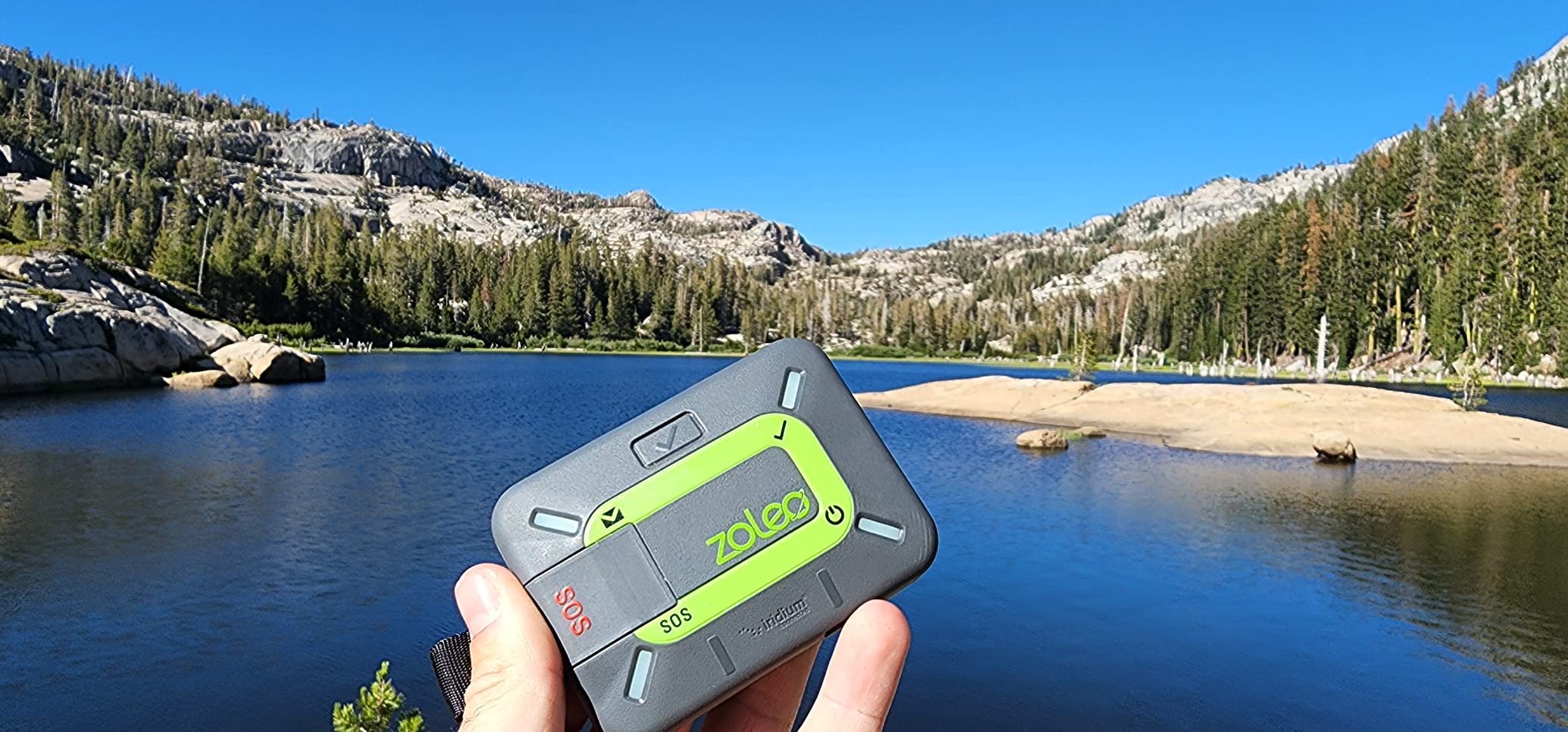
The ZOLEO is the device I hand to friends who want satellite messaging without learning a new hardware menu. You clip the puck to a shoulder strap, pair it over Bluetooth, and the messaging happens in an app on a phone you already own. Everything transmits on the Iridium network, which is the same infrastructure the Garmin inReach devices ride on, so coverage on a multi-week trek is effectively identical.
Battery life is the headline here. The rated figure is 200 hours, and owners report running well past a week of continuous use, which means you can carry it for a whole trip without thinking about a power bank. The trade is that you still carry your phone, and on a cold trip a phone in a sleeping bag is exactly the thing that dies first.
Weather forecasts come through the app, messages run to 900 characters, and unlimited check-ins are included in the plan rather than being counted against an allowance. There is a dedicated SMS number and email address so replies arrive as ordinary texts, plus a non-emergency Medical Assist option that is useful for things like a sprained ankle that does not warrant a full rescue.
The honest complaints are software complaints. Owners describe the setup instructions as vague and the app as unintuitive, and a few report coordinate dropouts under heavy tree cover. If you are the type who reads a manual before the first trip, that is a ten-minute cost. If you are not, expect to fumble it once in your living room before it clicks.
Who the ZOLEO suits best
It suits anyone already comfortable typing long messages on a phone, and anyone who wants generous check-ins without watching an allowance counter. The free unlimited check-ins are the reason most owners keep it switched on all trip rather than only in emergencies.
It also suits group trips where everyone shares one plan. One r/overlanding reader put it plainly: they are a fan of ZOLEO because of the plan, and paired it with the point that the ZOLEO only works with a phone while the Garmin is self-contained. Both halves of that statement are true, and the plan structure is the reason this device keeps coming up in hiking threads.
Where the ZOLEO falls short
Its own weakness is the moment your phone dies or freezes, because there is no fallback keyboard and no on-device screen. A r/algonquinpark reader who carried both a Garmin inReach Mini and a ZOLEO reported no issues with either, but the important detail is that the ZOLEO never had to be the primary device that day.
Because the ZOLEO adds 12 ounces on top of a phone you already carry, it is a heavier package than a single self-contained Garmin, and the ZOLEO is the heaviest puck in this guide. If you are already carrying a large phone for navigation and photos, that overhead is harder to justify than the price difference suggests.
2. Garmin inReach Mini 2 – Best for Ultralight Packers
Garmin inReach® Mini 2, Satellite Communicator, Orange
99 g
14-day tracking battery
Interactive SOS
1.27 inch screen
Pros
- Lightest Garmin in this guide at 99 g
- Works with no phone at all
- Physical buttons operate with gloves
- Up to 14 days of battery in 10-minute tracking mode
- TracBack navigation to walk back to your start
Cons
- 1.27 inch monochrome screen is too small for maps
- Typing custom messages on the device is slow
- Setup documentation is thin
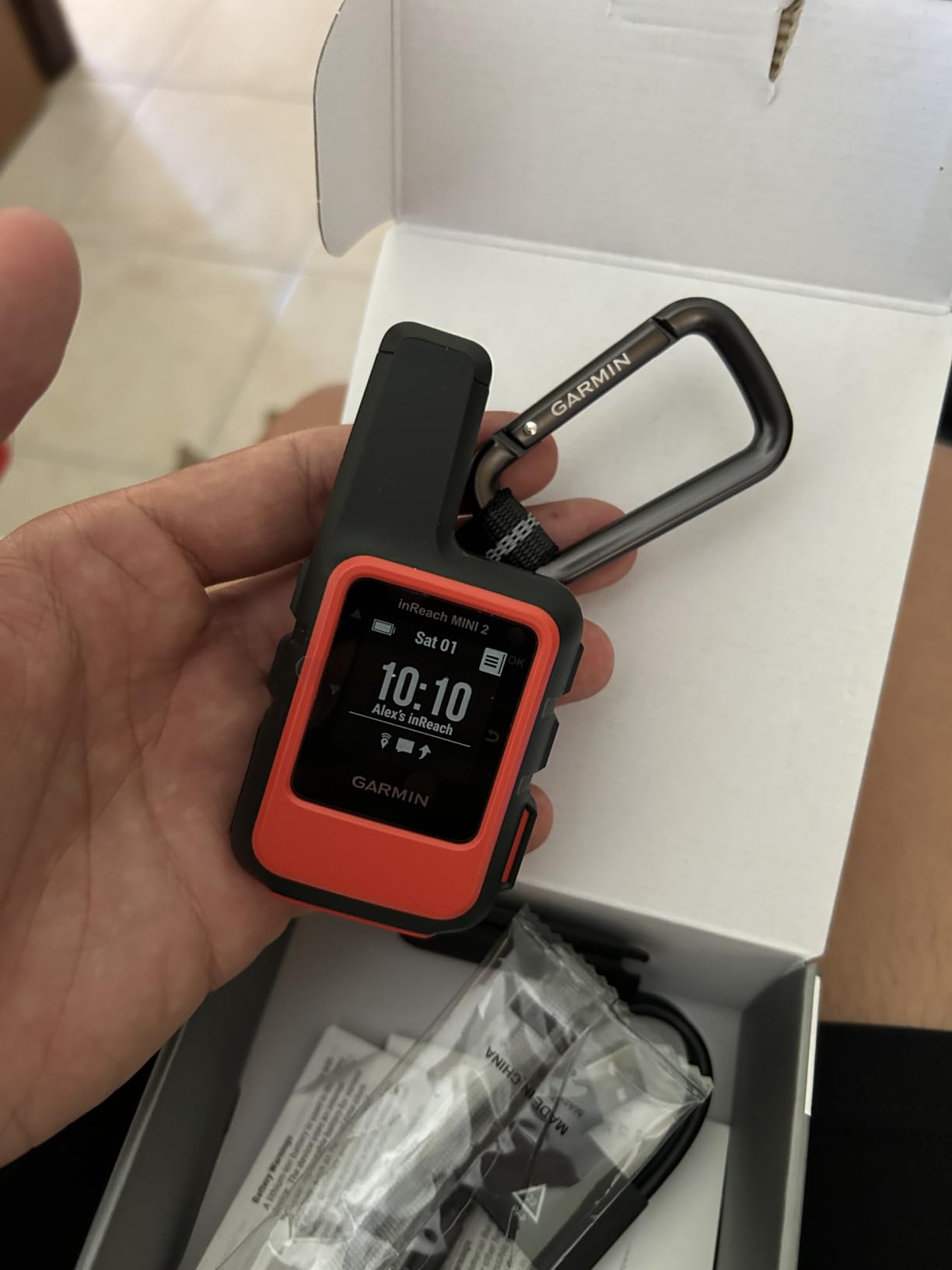
This is the device the backpacking crowd points to when someone asks for a standalone satellite messenger, and the reason is simple: it works with nothing else. No phone, no app, no Bluetooth partner. You turn it on, it acquires GPS, and you can send a check-in, read a reply and fire an interactive SOS from the unit in your pocket.
At 99 g it is the second-lightest messaging device we carried, behind only the 3.35 oz Bivy Stick, and it disappears into a shoulder strap pocket. The rated battery is 336 hours, and Garmin quotes up to 14 days in 10-minute tracking mode, which is the number that matters if you are not near a trailhead. Owners do report some units draining faster than that claim in sustained cold, so treat 14 days as a ceiling rather than a promise.
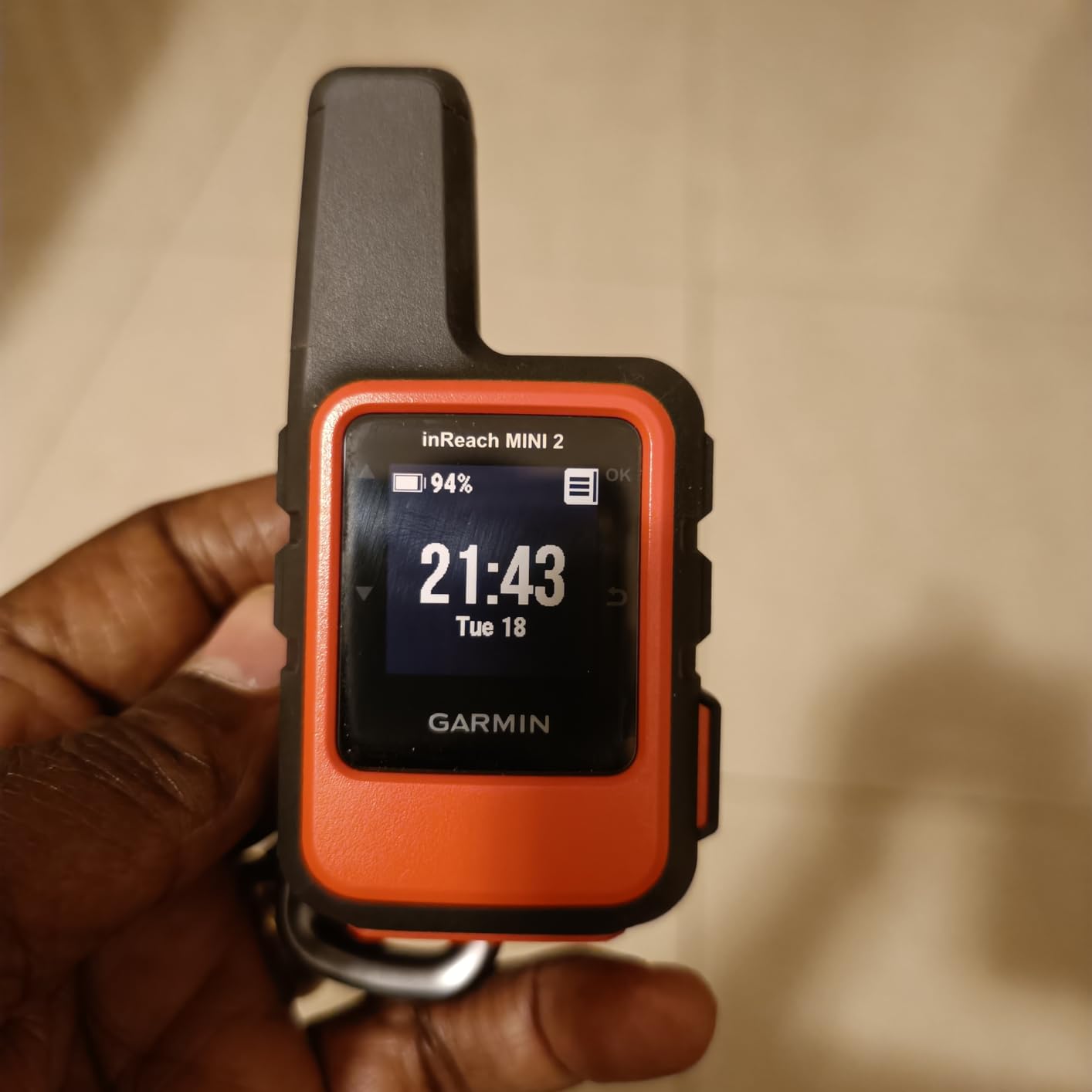
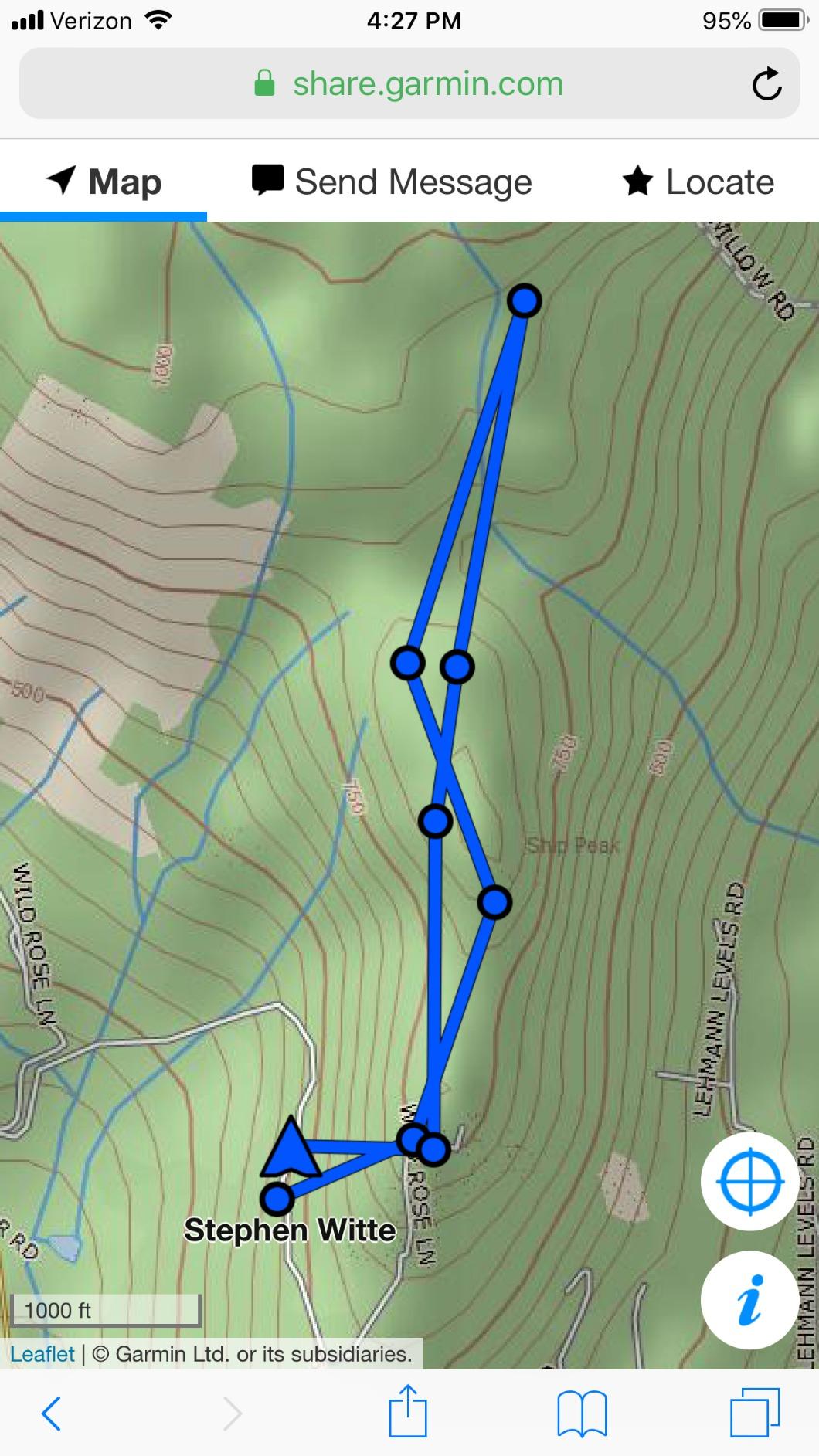
TracBack records your route so the device can walk you back to your starting point, and the interactive MapShare page gives your contacts a live map link rather than a coordinate they have to paste somewhere. The digital compass handles stationary heading, which matters more than it sounds when you are standing still in fog trying to work out which way is downhill.
The weak point is the display. It is a 1.27-inch monochrome transflective panel at 176 by 176, readable in daylight, useless for navigation, and slow for anything involving the on-screen keyboard. Owners describe the physical buttons as excellent with gloves, which is the tradeoff: this is a device built for pressing, not for scrolling.
Why hikers keep choosing the Mini 2
Because it removes a single point of failure. Hikers on r/backpacking frame the choice this way: iPhones have satellite messaging, and if you want a standalone unit, get a Garmin inReach Mini. A Bushcraft USA Forums reader made the broader point about the inReach line, calling the tracking side superior to the competition.
It is also the easiest Garmin to justify packing. At 99 g it costs you almost nothing in base weight, and because it works on its own you can leave the phone in the bottom of the pack for photography only. On a cold-weather trip that is not a small gain, since a phone kept warm is a phone that still works when you need it.
Where the Mini 2 disappoints
It disappoints anyone hoping for a navigator. The screen is for reading a short reply, not for following a route, and Garmin’s own documentation is thin enough that several owners complain about the learning curve for first-time users.
It also disappoints people who type a lot. Composing anything longer than a sentence on that keypad is a genuine chore, so plan on using it for confirmations and emergencies and doing the chatting from a paired phone at camp.
3. SPOT X – Best Standalone Messenger With a Keyboard
Spot X with Bluetooth 2-Way Satellite Messenger
Globalstar network
Dedicated phone number
240-hour battery
7.04 oz
Pros
- Dedicated phone number means messages arrive without a phone
- Two-way emergency contact to confirm help is coming
- 240-hour rated battery
- Physical device with no app dependency
Cons
- 3.9 rating with 15 percent one-star reviews
- 7.04 oz is heavy for the class
- Globalstar coverage is less complete than Iridium
The SPOT X is the only device here with its own phone number, so an ordinary text from home arrives on the device itself. You do not need your phone paired to receive a message, and you can type replies on the physical keypad under a canopy or in a snowstorm.
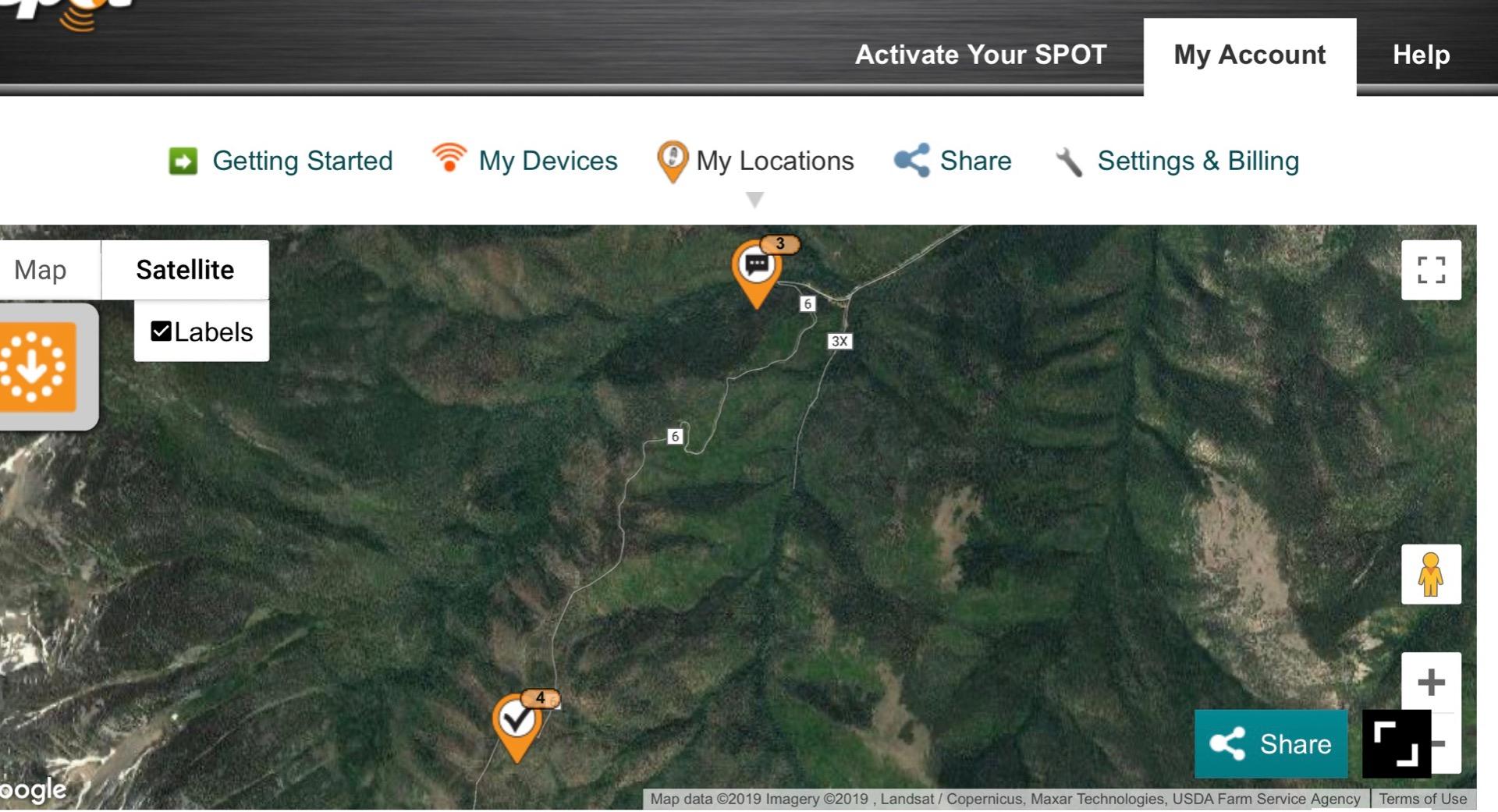
That combination is still rare, and it is why a r/Kayaking reader who spent two weeks off-grid chose the SPOT X specifically: they did not want messaging assistance to depend on a phone. The tracker sends your coordinates with every message, the SOS button gets a two-way conversation with search and rescue so you can confirm help is on the way, and the rated battery is 240 hours.
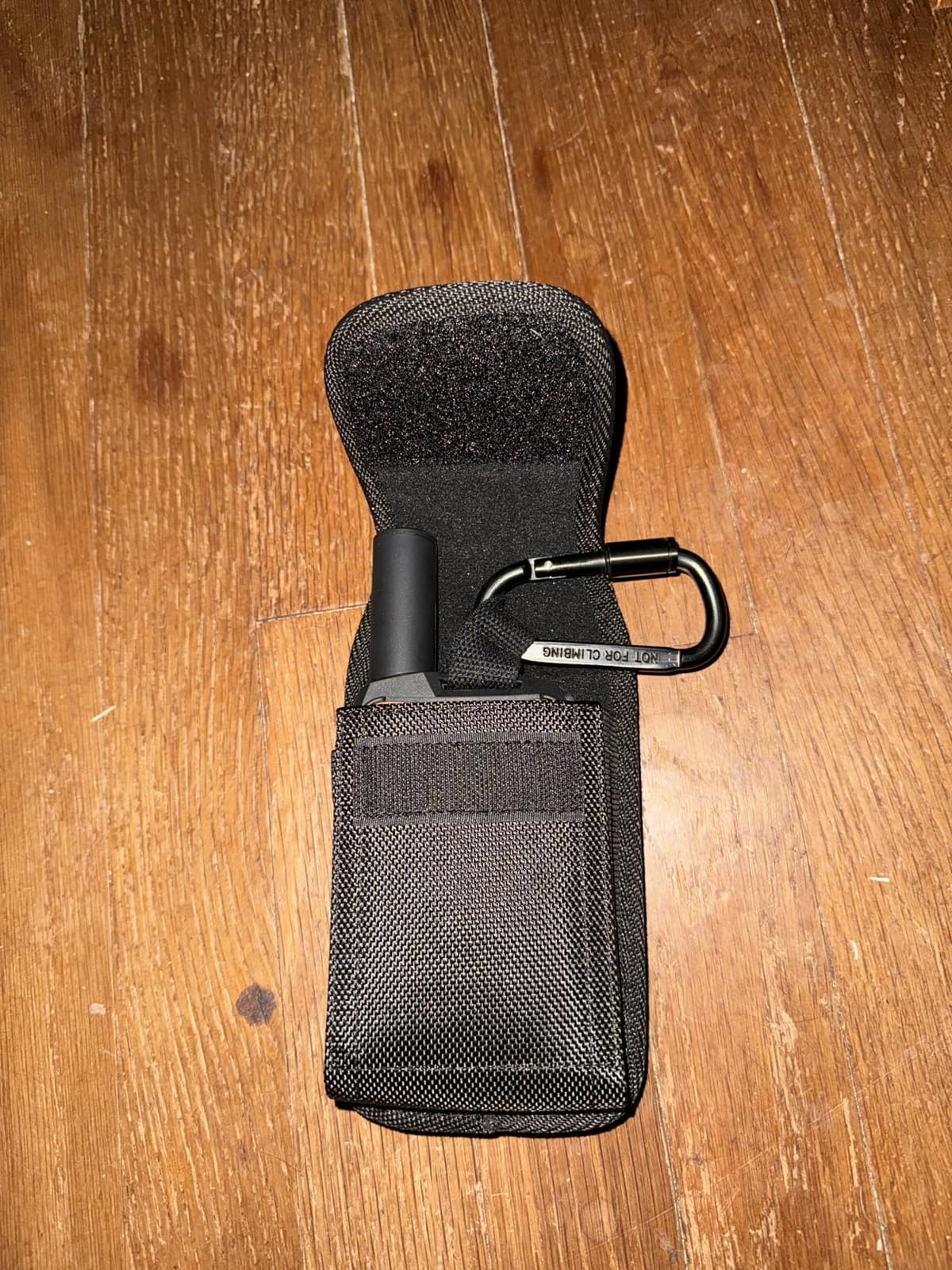
The catch is the network. SPOT runs on Globalstar, which covers the Americas well but is sparser and slower internationally than Iridium, and that is the single most common reservation among hikers comparing brands. If your trip is international, an Iridium device is the safer bet. If your trip is in North America, the coverage difference is much less dramatic.
The second catch is the rating. At 3.9 with 740 reviews, it sits near the bottom of this guide, with roughly 15 percent one-star reviews. Owners point to the older network, the extra weight against the ZOLEO, and a less capable app as the reasons. A r/WildernessBackpacking reader summarised the experience as a bit like hitting a button and wondering whether the message will ever arrive, which is exactly the perception the two-way emergency channel is supposed to fix.
When the SPOT X is the right call
It is the right call when you need a device that functions alone but also want to actually converse rather than fire off pings. The dedicated number means family can text you directly, which is the same independence r/overlanding readers praise when they prefer a self-contained Garmin over a phone-paired setup.
It is also right for paddlers and anyone on a boat or a moving platform where a phone left in a dry bag is frequently a phone that is dark. The messaging function does not care where you are as long as the sky is clear.
When the SPOT X is the wrong call
It is the wrong call for a long international traverse, where the Globalstar footprint is the deciding factor. It is also the wrong call if weight is your primary constraint, because 7.04 oz for a communicator plus a phone you still need for the app is a real budget hit in an ultralight kit.
Owners also report sticky keys and a slow processor, so expect the typing experience to feel dated next to a phone keyboard. It works, it is independent, but it is not fast.
4. ACR ResQLink View – Best SOS Device With No Subscription
ACR ResQLink View PLB425 – Buoyant GPS Personal Locator Beacon – 2922
406 MHz distress signal
No subscription
COSPAS-SARSAT coverage
5-year warranty
Pros
- No monthly cost of any kind
- 406 MHz signal penetrates terrain far better than a messenger
- Buoyant and waterproof with LED and infrared strobes
- LCD confirms the unit is on and has a GPS fix
- Self-test verifies function without triggering a rescue
Cons
- Alert-only with no messaging to family
- This listing variant is programmed for French registration
- 28-hour battery is short by messenger standards
Everything else on this list is a communication device you maintain. The ResQLink View is a beacon you activate once and forget about, and it sends a 406 MHz distress signal to the government-run COSPAS-SARSAT network that routes alerts directly to search and rescue anywhere in the world, with no subscription attached at any point in its life.
That difference in signal type is the technical story. A 406 MHz beacon transmits on a frequency chosen for penetration, which is why it can reach a rescue aircraft through terrain and canopy that would defeat a messaging device. It is a different tool doing a different job, not a cheaper version of the same thing.
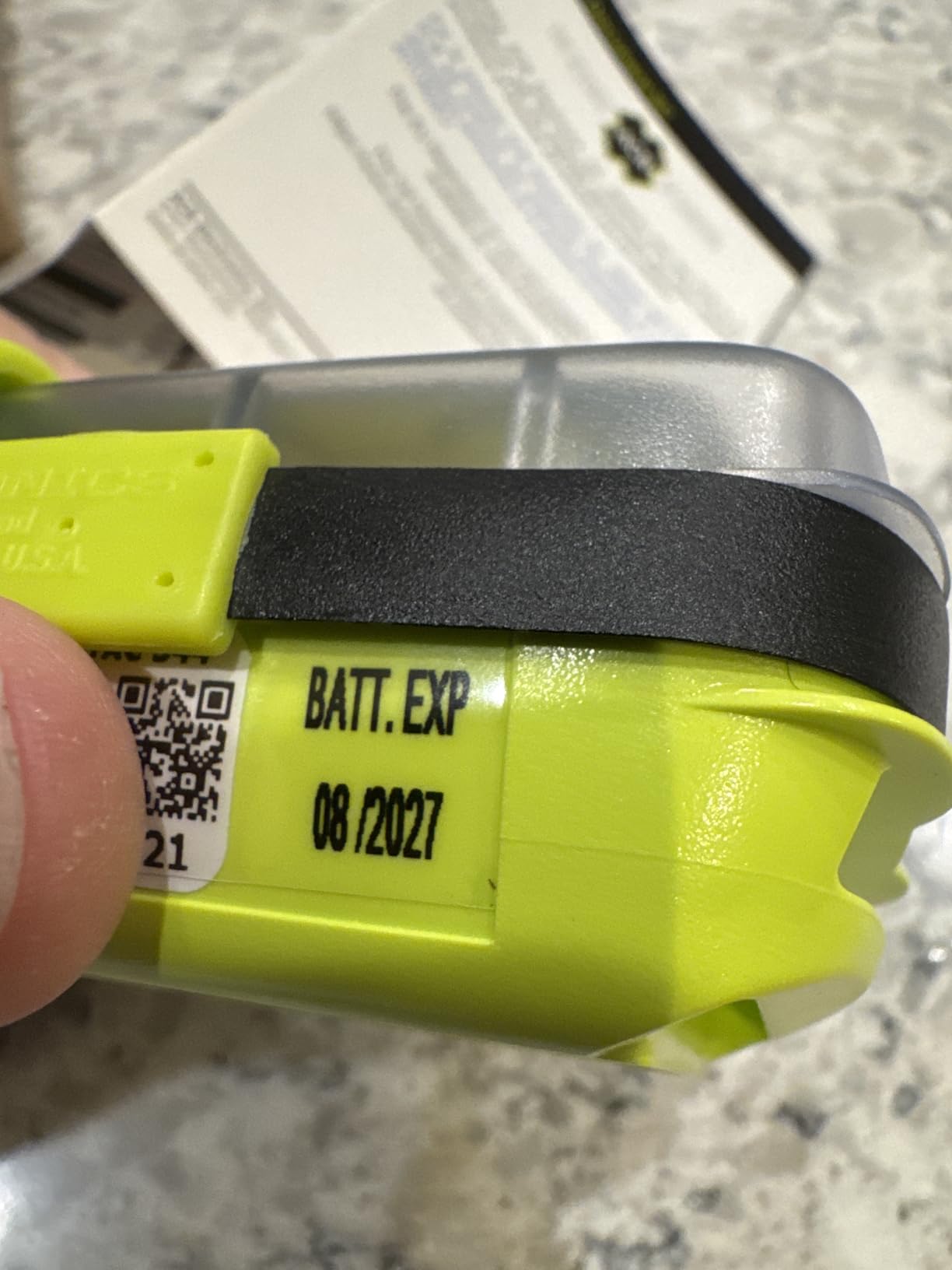
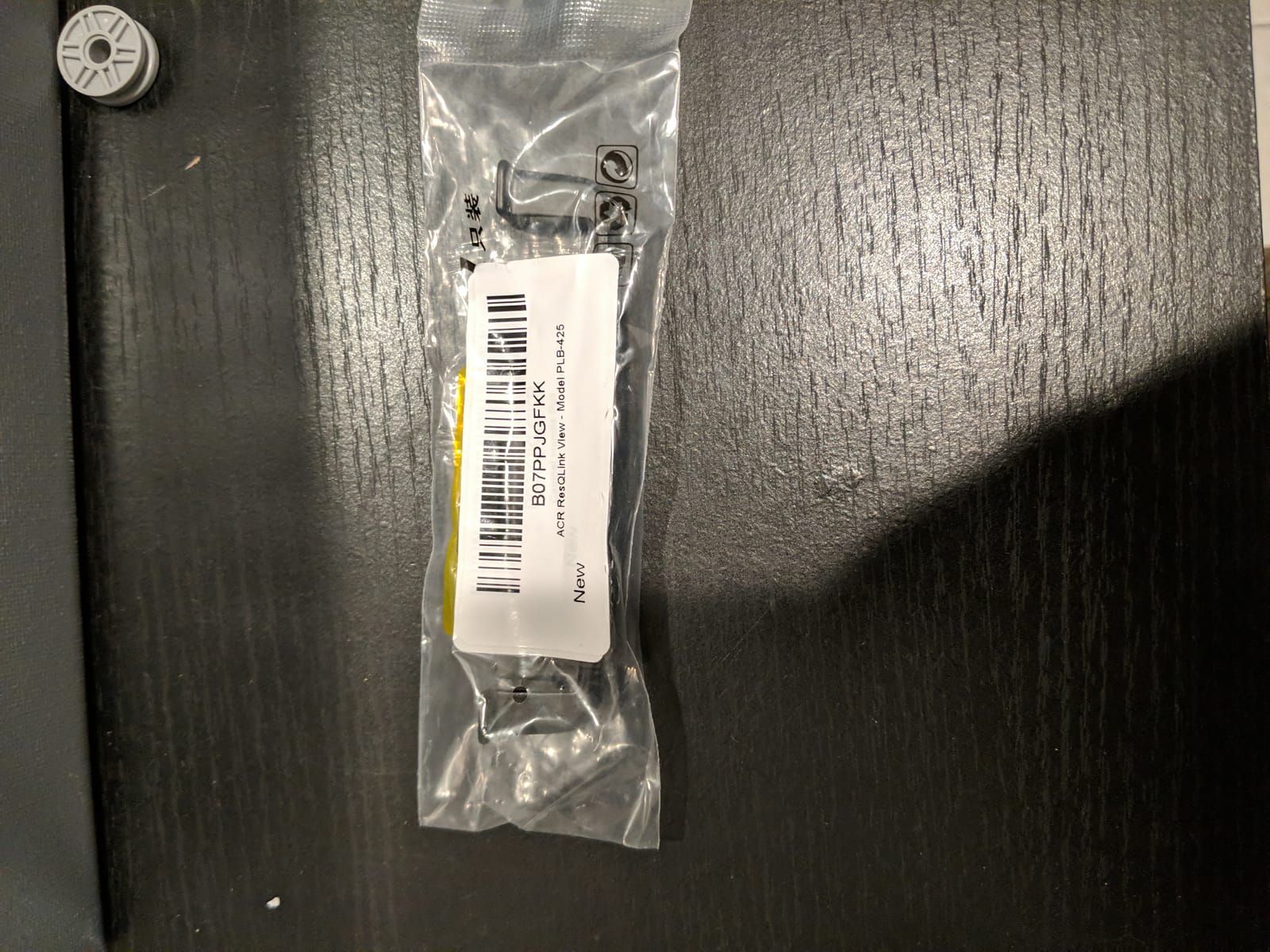
The housing is buoyant and waterproof with both a visible LED strobe and an infrared one for night rescues, it mounts on a wrist strap, and it includes a belt clip, a PFD oral inflation tube clip and adhesive skins. The LCD shows you the GPS fix and operating status, and the self-test function lets you verify the whole thing works without sending an actual distress call.
Two cautions. The rated battery is 28 hours, which is generous for an emergency and useless for anything that resembles day-to-day use, and this specific listing is programmed for French registration, which some buyers found not registrable in their own country. Check the registration region before an expedition, because a beacon with the wrong registration is an expensive paperweight.
Why hikers pair a beacon with a messenger
Because they fail in different ways. A messenger depends on a subscription, an app and often a phone; a beacon depends on a battery and the sky. Hikers who want the redundancy carry one of each, and the beacon is always the smaller half of that argument since it is only used in the worst case.
It is also the right answer for a paddler, a climber on a route with no reception, or anyone who will not commit to a monthly plan. A forum-wide question we kept seeing is whether a beacon alone is enough, and the consensus answer is that it covers the emergency case and nothing else, which is sometimes precisely what people want.
Where the ResQLink View falls short
It cannot send you a weather forecast, cannot tell your family you are fine, and cannot receive the reply that would have changed your plan. If your risk is a missed check-in rather than a catastrophic injury, a beacon does not help you at all.
The registration problem deserves a second mention because it is the single most common complaint in the reviews of this listing, and it is entirely avoidable if you check the region label before you leave home. A self-test five minutes before the trip does not confirm the rescue centre will accept your registration, only that the unit transmits.
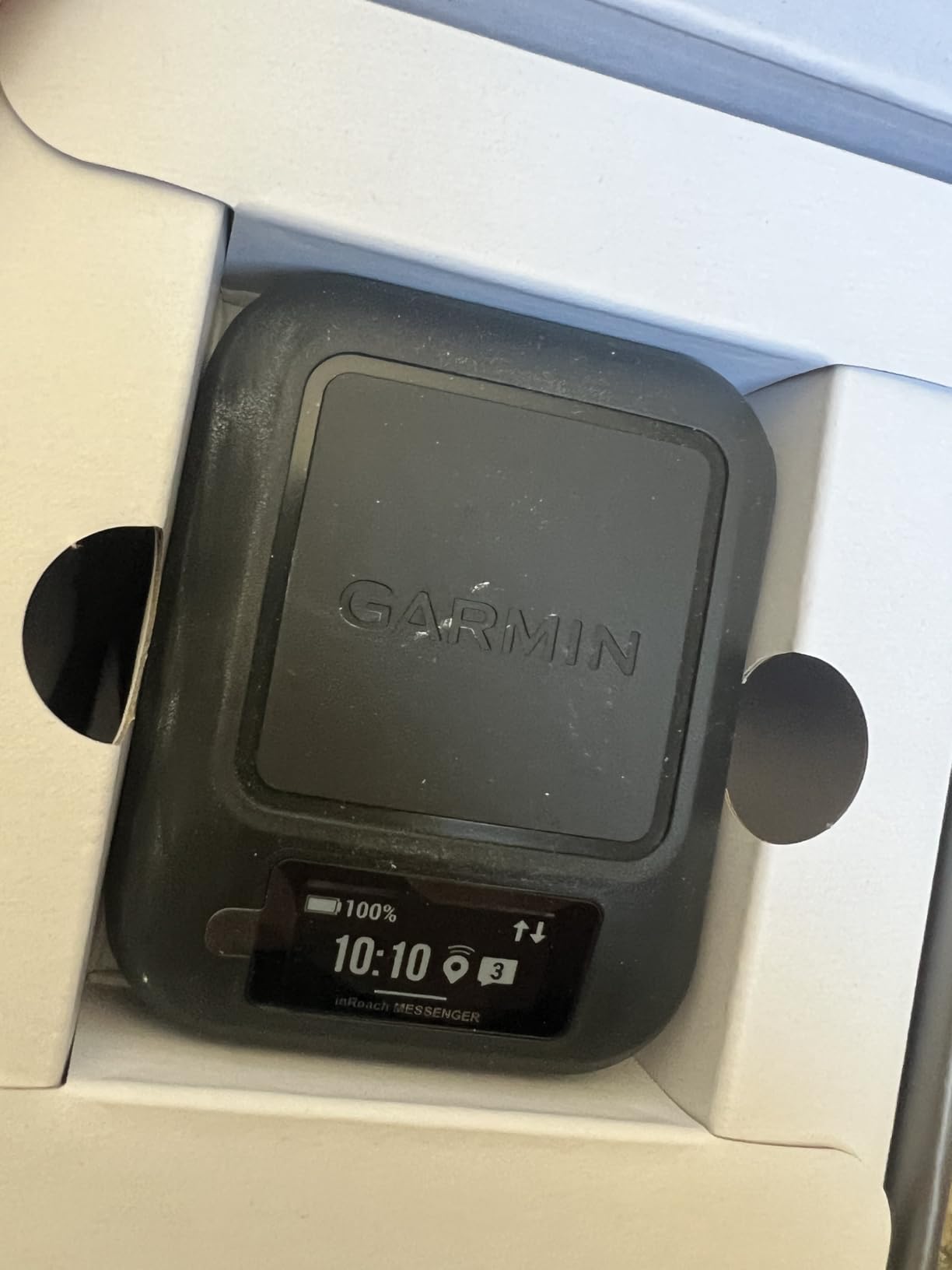
5. Garmin inReach Messenger – Best for Multi-Week Trips
Garmin inReach® Messenger Satellite Communicator, Global Two-Way Messaging
28-day tracking battery
4 oz
Group messaging
Safety charging
Pros
- Up to 28 days of battery in 10-minute tracking mode
- Only 4 oz
- Group messaging with several contacts at once
- Free preset check-ins that do not use your text allowance
- Safety charging can revive a dead phone
Cons
- Requires the phone app for full functionality
- Resistive screen is poor in cold or wet conditions
- No physical keyboard for composing
The 28-day battery figure in 10-minute tracking mode is what separates this from the Mini 2, and on a three-week traverse it is the difference between recharging and never thinking about it. At 4 oz it is also the lightest full-featured Garmin communicator in the guide, lighter than the ZOLEO package including a typical phone.
The features that matter most for a long trip are the quiet ones. Preset check-in messages are free and do not count against your text allowance, which removes the temptation to skip a check-in because of billing. Group messaging lets you brief everyone waiting at home in a single send, and multi-band GNSS reception across BeiDou, GPS, Galileo and QZSS holds a lock in more places than a single-band receiver would.
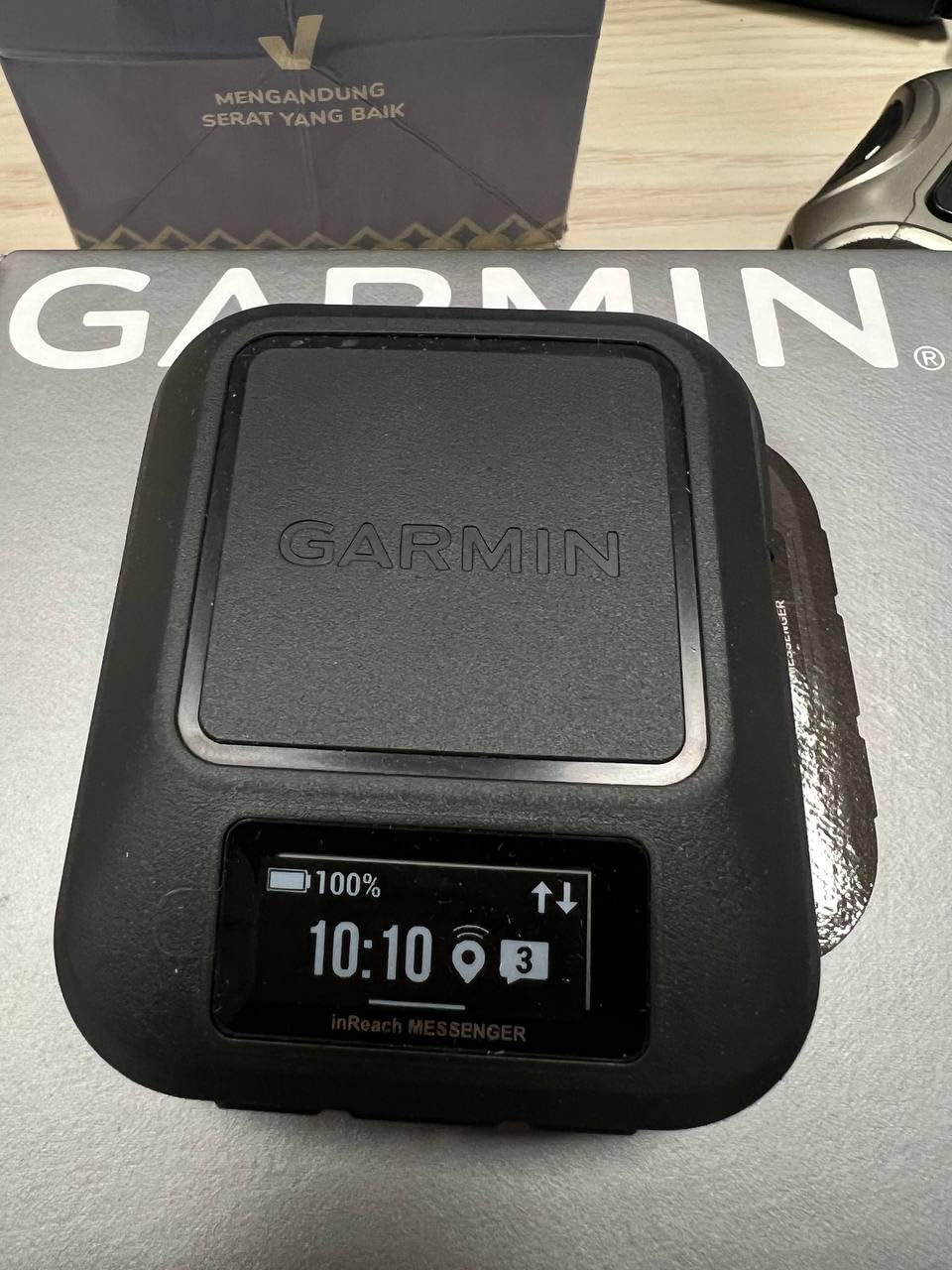
Safety charging is the sleeper feature. If your phone dies on day twelve, the Messenger can top it up, which effectively turns your phone from a second required device into a backup. The built-in screen keeps showing status even when the phone does not, so you always know whether your last message actually sent.
The compromise is the same one the ZOLEO makes, and in a review context it is worth weighing honestly. The screen is a 2.74 cm resistive panel at 160 by 68 pixels, which owners single out as unresponsive in cold or wet conditions, and there is no keyboard, so composing happens in the app. It is a small box that pairs well, not a device you read at length.
What makes it the long-trip pick
Battery headroom changes behaviour. When you do not have to manage a charge cycle, you keep the tracking interval tighter, which means whoever is at home gets a better picture of where you are. A tighter interval is worth more than any feature that only matters in an emergency you hopefully never have.
It is also the Garmin that answers the family-tracking question most completely. A vftt.org reader in early 2026 described ZOLEO as very responsive with an excellent app, and separately noted that inReach is regarded as the gold standard. The Messenger is the Garmin that mixes both: inReach hardware with a phone workflow.
Where the Messenger falls short
It falls short for anyone whose phone is the weak link. If your phone dies in the cold, you still have a small screen and a menu-driven interface with no keyboard, which is a much thinner fallback than the Mini 2 offers.
Forum sentiment is also a real data point here rather than a marketing line. Users do report Garmin app bugs that break weather forecasts and messaging in specific geographic zones, and any paired-only workflow inherits those failures. Test the app on a walk in your own coverage dead zone before you depend on it above treeline.
6. Garmin inReach SE+ – Best Standalone Navigator With Messaging
Garmin inReach SE+, Handheld Satellite Communicator with GPS Navigation
2.3 inch color screen
Topographic maps
100-hour battery
IPX7
Pros
- Largest screen of any device here at 2.3 inches
- Topographic maps and NOAA charts through the Earthmate app
- Up to 100 hours of tracking battery
- IPX7 water rating with impact-resistant housing
Cons
- 2017 design with a dated interface
- Heaviest Garmin in this guide at 8 oz
- Bulkier than the Mini 2 and the Messenger
Every other Garmin here is a communicator that can display a few lines of text. The inReach SE+ is a handheld navigator that can also message, with a 2.3-inch colour screen and full topographic map support through the free Earthmate app, including downloadable maps, NOAA charts and aerial imagery cached before the trip.
If your hiking involves wayfinding rather than just check-ins, that changes the equation. Offline topo maps on a device that can also reach a rescue centre removes an entire class of problem, and the battery figures are generous: up to 100 hours in 10-minute tracking, 75 hours with one-second logging, 30 days at 30-minute power save, and up to three years powered off in storage.
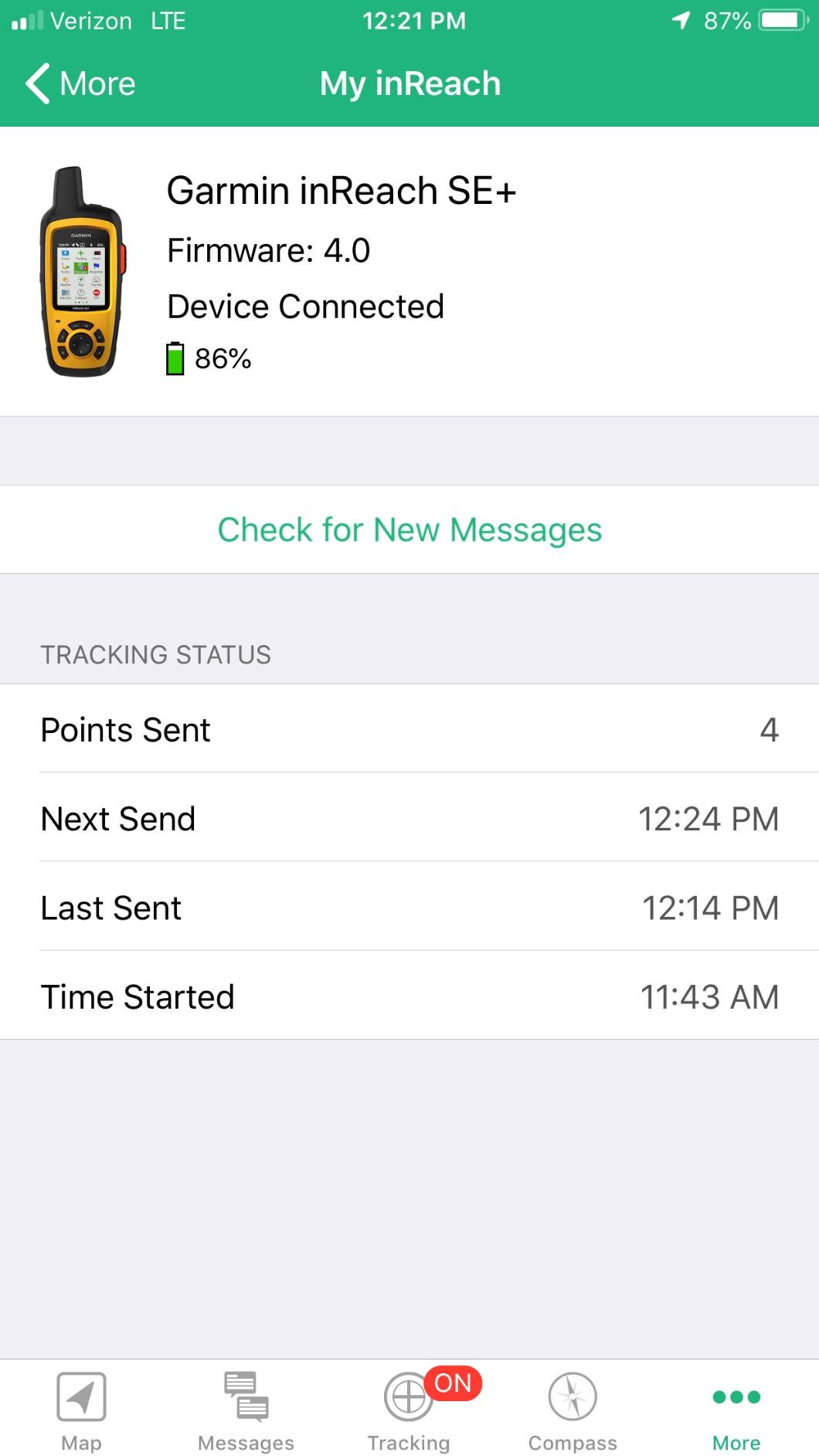
The two-way messaging is full Iridium coverage with interactive SOS to a 24/7 monitoring centre, so nothing about the emergency function is compromised by the larger chassis. IPX7 water rating and an impact-resistant housing mean it tolerates the same abuse as the smaller units, just in a bigger box.
What you give up is currency. This is a 2017 design, and reviewers who compare it to the current Minis and Messenger point to the dated interface and the app ecosystem that came with it. The 4.2 rating reflects that: buyers who want a standalone navigator love it, and everyone else finds it a generation behind.
Who should still buy a 2017 navigator
Hikers who routinely navigate off a paperless map and want the map and the messenger in one object, particularly on hunting trips, canoe routes and multi-day bushcraft trips where a dedicated GPS is already the primary tool. For those users the larger screen is not waste, it is the point.
It is also a reasonable choice if you are buying for a family member who will not fiddle with an app. A big screen with buttons and a straightforward interface is easier to hand to a parent than a small paired workflow is.
Where the SE+ falls short
At 8 oz it is the heaviest Garmin in this guide, and the 6.5-inch-long body will not disappear into a pack the way the Mini 2 does. Weight creep is a genuine budget line for long trips, and 4 oz of extra device is 4 oz you could spend on a warmer layer.
It is also simply behind. The interface dates from 2017, and Garmin has since moved messaging to a different app pattern. Buying a current communicator is a better call unless maps are your primary requirement.
7. ACR Bivy Stick – Best for Groups on a Budget
ACR Bivy Stick – Iridium Satellite Communicator, GPS Tracker & SOS
Iridium network
3.35 oz
GroupTrack for 12 people
IPX7 and MIL-STD-810
Pros
- Same Iridium network as Garmin at a lower device and plan cost
- Very light at 3.35 oz with a carabiner included
- Unused message credits roll over to the next month
- GroupTrack handles up to 12 people at once
Cons
- Bivy app crashes reported
- No built-in screen to read messages on
- Several owners report units failing to charge or power on
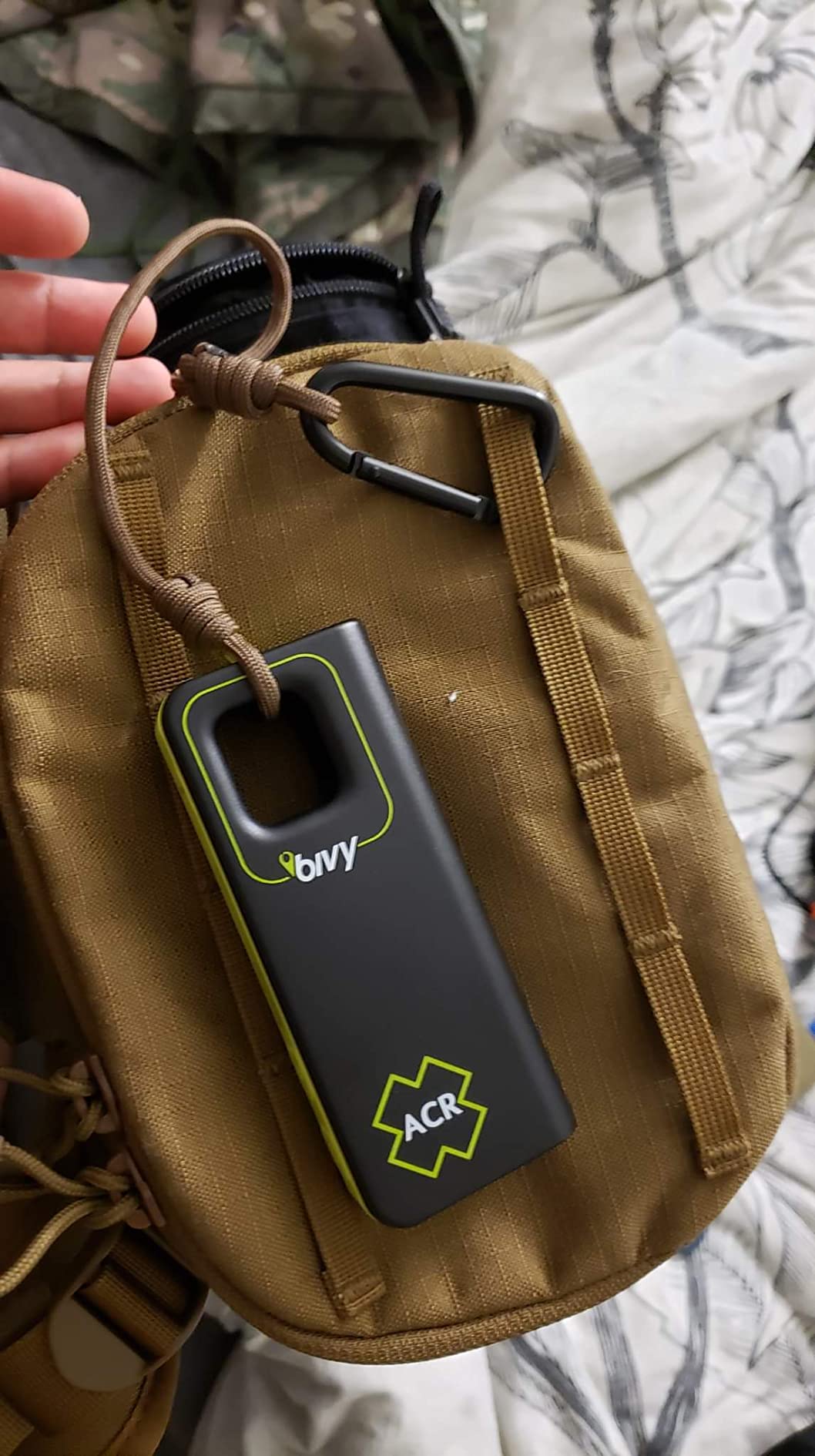
The Bivy Stick runs on Iridium, the same global network as the Garmin inReach line, at a device and plan cost that a lot of hikers find hard to argue with. At 3.35 oz it is the lightest messaging device in this guide, and its housing is IPX7 and MIL-STD-810 compliant, which is a durability claim most communicators in this category do not make.
GroupTrack is the feature that earns it its place. It handles messaging and tracking for up to 12 people, with unlimited custom GPS check-ins and a breadcrumb trail, so an entire group of friends can see each other without anyone needing to buy a different brand or learn a different app. It has a dedicated SMS number and email address and 24/7 SOS monitoring through Global Rescue.
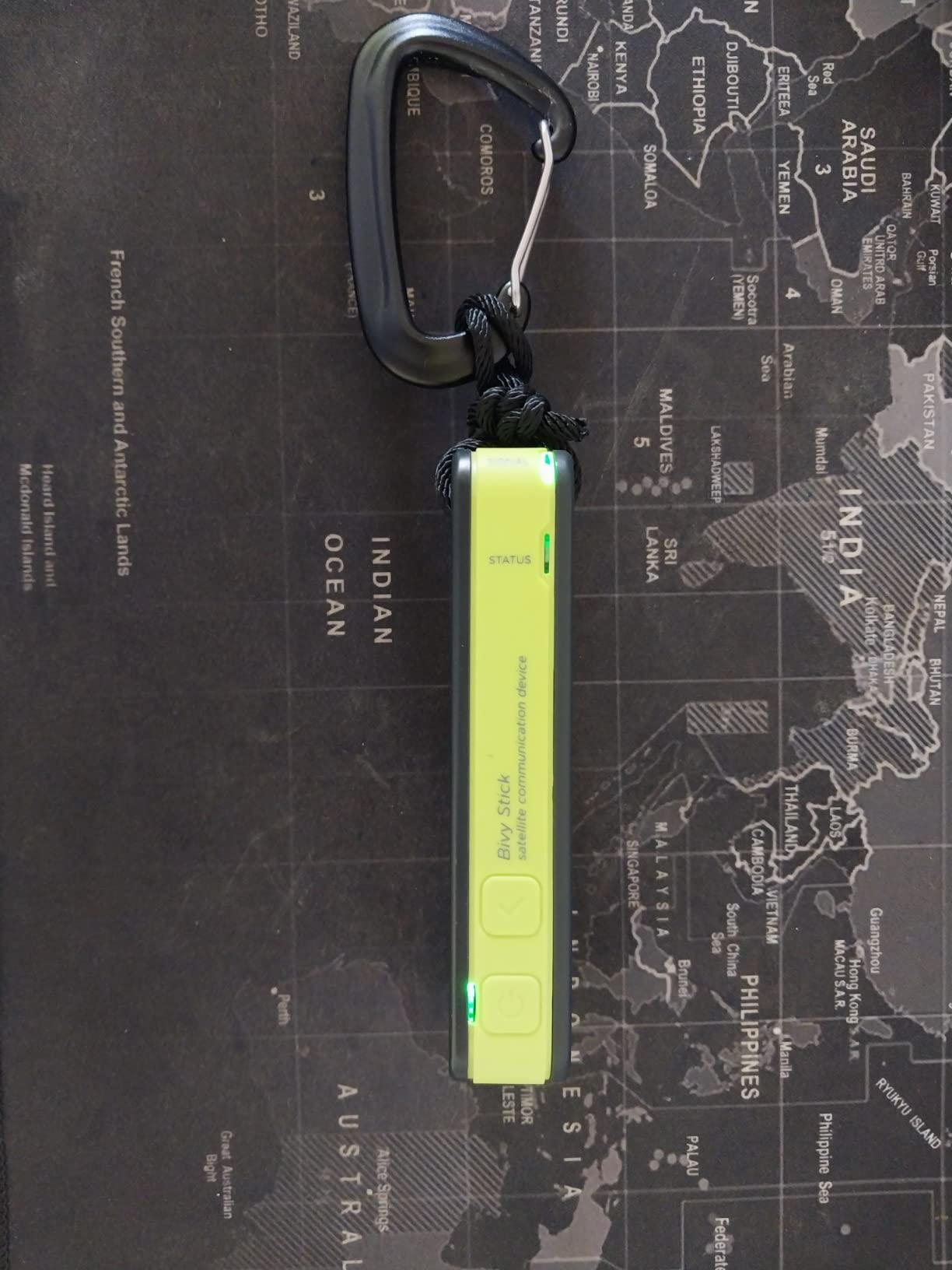
Credit rollover is an underrated plan feature. Months when you use no messages are not lost, which quietly makes the Bivy Stick one of the cheaper options for a hiker who only walks in a handful of weeks a year. The app also carries offline global maps and a large library of curated routes, so navigation does not vanish entirely even without a screen on the device.
The weakness is the same weakness its rating tells you about. At 3.8 with 203 reviews it has the lowest score here, and about 16 percent of reviews are one-star. Owners describe the Bivy app as busy and unrefined, report crashes that kill route tracking and incoming messages, and mention occasional trouble holding a Bluetooth connection to a phone. Long-term hardware failure after a year is the other recurring theme.
Where the Bivy Stick wins
It wins for groups, and not narrowly. An organisation coordinating twelve people on one plan with one app beats a room where half the group uses Garmin and half uses something else. It also wins for anyone who wants Iridium coverage without a Garmin price tag.
It wins for a specific kind of buyer, too: a hiker with four or five trips a year who wants the least expensive route onto a global network. Credit rollover plus unlimited check-ins means the plan is not going to sting in the month you forget to cancel, which is the objection that comes up most often in hiking threads.
Where the Bivy Stick loses
It loses to anything with a screen when the phone is not in your hand. There is no on-device display at all, so unlike the Garmin Messenger you cannot confirm anything on the device itself, and a vftt.org reader put the general sentiment nicely: inReach is regarded pretty highly, with the tracking side superior to the competition.
It also loses on app reliability, and that is the part that matters in the backcountry. An app crash while you are in a drainage with no bars is a different problem entirely from an app crash at home, and the Bivy app’s reported crashes are the same class of complaint that r/CampingGear readers raise when they describe preferring the ZOLEO app for heavier texting.
8. ACR ResQLink 400 Survival Kit – Best Complete Emergency Bundle
ACR ResQLink 400 GPS Personal Locator Beacon Survival Kit: Compact, Reliable, and Designed for Quick Rescue, ensuring Your Safety in Emergencies with GPS Precision.
Beacon plus 5 accessories
5-year warranty
No subscription
Buoyant beacon
Pros
- Beacon strobe whistle mirror and dry bag in one package
- Highest average rating in the guide at 4.7
- No subscription for the distress alert
- Beacon self-tests without setting off an alarm
Cons
- Included belt and PFD clips reportedly do not fit the beacon
- Customer support and replacement parts hard to reach
- Listed item weight is inaccurate for the package
This is a different kind of recommendation. Instead of another communicator, it packages the ResQLink 400 GPS personal locator beacon with a C-Strobe H2O waterproof rescue light, a Res-Q whistle, a signal mirror and a RapidDitch waterproof dry bag, so someone who has never owned a beacon can assemble a credible emergency kit from a single box.
The beacon itself is a COSPAS-SARSAT distress transmitter with no subscription, a five-year manufacturer warranty, and the same self-test behaviour as the ResQLink View, meaning you can confirm it works without alerting anyone. The accessories are individually ordinary and individually useful, which is exactly the argument for buying them together: a strobe you cannot find in a resupply bag is worth nothing, and a whistle that is in your pack rather than in a drawer is worth a great deal.
Reviews are almost uniformly positive, with 86 percent five-star, and the recurring theme is complete, low-maintenance safety equipment for boating, kayaking and off-grid work. For anyone who wants a rescue capability but refuses a subscription, this is the whole answer in one purchase.
Two physical issues come up repeatedly. Buyers report that the belt and PFD clips included in the kit do not actually fit the beacon, which is an odd thing for a beacon kit to get wrong, and a long-running complaint about unresponsive customer support and hard-to-source replacement parts. The listed item weight of 0.27 oz is also plainly a data-entry error for a five-item package, so judge the pack weight yourself.
Who should buy a bundled kit
First-time buyers who want one box to open rather than a checklist to assemble, and paddlers, where a strobe and whistle live in the dry bag alongside the beacon. It is also the most giftable version of this gear, because someone else can check the registration and the self-test for you.
It is a sensible complement to a messenger rather than a replacement for one. A beacon handles the emergency, a communicator handles the check-ins, and neither one substitutes for the other in a real emergency.
Where the kit falls short
It is not a communication device. There is no messaging, no check-ins, no weather forecast, and no way to tell your family you are fine, so it does not answer the question most hikers actually have, which is how long until someone notices.
The clip mismatch is worth checking the moment the box arrives rather than the morning of a trip, and given the support complaints, buying the beacon separately may be the more straightforward route if you already own the rest of the kit.
How to Choose a Satellite Messenger for Hiking
What a satellite messenger actually does
A satellite messenger sends and receives text messages, shares your location, and triggers a rescue alert over a satellite network instead of cell towers, so it works where there are no bars. That is the whole concept, and everything else on this page is a variation on how well it does those three things.
Three networks appear in this guide. Iridium, used by the ZOLEO, the Garmin inReach line and the Bivy Stick, gives near-global coverage and is the right choice for international trips. Globalstar, used by the SPOT X, covers the Americas well and is sparser elsewhere. COSPAS-SARSAT, used by the ACR beacons, is a government-run distress-only system with no messaging at all.
Every one of them needs a clear view of the sky. A canyon wall, a dense canopy or a snowstorm overhead will degrade any of them, which is why the honest advice is to send your check-ins from open ground rather than from the most convenient campsite.
Standalone or smartphone-paired: the decision that matters most
A standalone device, such as the inReach Mini 2, the SPOT X or the inReach SE+, works on its own with buttons and a screen. A paired device, such as the ZOLEO, the inReach Messenger or the Bivy Stick, uses a phone for composing and reading, with the puck doing the transmission.
The forum verdict is close to unanimous and it comes down to one question: will your phone still work? One r/overlanding commenter framed it as Garmin being all self-contained versus the ZOLEO pairing only to a phone. Another, in r/backpacking, gave the shortest version of the same advice: if you want standalone, get a Garmin inReach Mini.
Our rule of thumb after watching both approaches fail in different ways: if the trip is cold, technical or solo, take standalone. If the trip is warm, social and short, paired is lighter and cheaper, and the phone is already in your hand anyway.
Battery life by mode, not by marketing
Battery claims are meaningless without the mode attached. A messenger running a 10-minute tracking interval uses vastly more power than one sitting in a low-power state, and the headline figure on the box is always the flattering one.
On this guide the honest spread is enormous: the ACR beacons are rated in hours, the SPOT X and Bivy Stick around 240 and 120 hours, the inReach Mini 2 at 336 hours, and the inReach Messenger and SE+ quoted in days. For a trip measured in weeks, only the day-scale numbers give you freedom. For a weekend, anything in the hundreds of hours is generous.
Cold derates all of them. If your trip includes winter, assume the published figure is an upper bound and carry a power bank. For the other half of a cold-weather kit, our backpack cooler roundup covers keeping food workable when the temperature drops.
Subscription cost and the case for pausing instead of cancelling
Subscription cost is the number one objection we saw in hiking forums, and it deserves a straight answer. Each brand charges a one-time activation fee on top of a monthly plan, and if you hike a few weeks a year, the plan cost over five years dwarfs the device cost by a wide margin.
So the question is not whether the subscription is good value in the abstract, but whether your hiking pattern makes it cheap. A hiker who walks twelve weeks a year can amortise it comfortably. A hiker who walks two weeks a year is better served by a device that can be suspended between trips, and the forum consensus is that suspending is the feature to look for, since several brands allow it and charge a fee or nothing depending on the plan.
The beacon route sidesteps the question entirely. If your only requirement is that a distress signal gets out when you are hurt, a no-subscription PLB has a five-year cost of ownership that no monthly plan can match.
Where satellite messengers are restricted
Two of the most-asked questions in this category are about legality, so this deserves a direct paragraph rather than a footnote. Import and possession rules for satellite communications equipment vary by country, and some jurisdictions have restricted the use of Globalstar and Iridium-based devices while permitting COSPAS-SARSAT distress beacons that conform to the international rescue standard.
Restrictions have historically applied in countries including India, Brazil, Pakistan and parts of the Middle East and North Africa, and the specific list changes. If your trip crosses a border, verify the rules for every country on your route with that country’s telecom regulator before you pack, and assume you need to declare the device at customs.
The practical mitigation is to check before you buy rather than at the border. A device that is legal where you live and illegal at your destination can end your trip at an airport, and the paperwork problem is far more expensive than a different purchase.
Do you still need one if you have an iPhone?
Yes, with caveats. Recent iPhones have satellite messaging built in, and a r/backpacking commenter put the mainstream view plainly: iPhones have satellite messaging, but if you want standalone, get a Garmin inReach Mini. The phone feature exists; a dedicated device does something different.
A phone cannot be worn on your sternum in a whiteout, cannot run for five days on a battery, cannot be tracked while it is off, and turns into a brick in cold weather. It also requires you to carry the one device you most want to protect in a wet bag.
The sensible answer for most people is to carry both. The phone handles the easy case, the messenger handles the case where the phone is dead, wet or buried at the bottom of a pack.
Quick shortcut by trip type
Day hike with partial coverage: the ZOLEO. Overnight backpacking: the inReach Mini 2, standalone and light. Multi-week thru-hike: the inReach Messenger, for the 28-day battery and group messaging. Group or family trip: the Bivy Stick, for GroupTrack up to 12. Paddling or water crossings: the SPOT X or a beacon, for the phone number and buoyant housing. Emergency only, no subscription: the ResQLink View.
Test before every trip, in this order. Register the device, confirm the region matches where you are going, run the self-test, send one real check-in, and read the reply. Then do it again on the morning you leave.
Frequently Asked Questions
What is the best satellite messaging device for backpacking?
The ZOLEO Satellite Communicator is the best all-round choice for backpacking, because it uses the same global Iridium network as the Garmin inReach line, runs for a rated 200-plus hours, and includes unlimited free check-ins. If you need a device that works with no phone at all, the Garmin inReach Mini 2 at 99 g is the pick, and it is rated up to 14 days in 10-minute tracking mode.
Is there anything better than Garmin inReach?
For most hikers, no. Garmin inReach is treated as the gold standard in backpacking forums largely because of the tracking side and because the Mini 2 works fully standalone. ZOLEO and the ACR Bivy Stick run on the same Iridium network at a lower cost, so the difference is hardware, app and plan structure rather than coverage.
Which is better, Garmin inReach or SPOT?
Garmin inReach uses Iridium for near-global coverage, which matters for international trips. SPOT uses the more limited Globalstar network, which covers the Americas well but is sparser elsewhere. SPOT X does have a dedicated phone number, so messages arrive without a paired phone, but its 3.9 rating and heavier 7.04 oz body trail the Iridium devices.
Why are Garmin inReach devices banned in some countries?
Satellite communications equipment is regulated by national telecom authorities, and some countries restrict the import or use of Globalstar and Iridium-based devices while still permitting COSPAS-SARSAT distress beacons that meet the international rescue standard. The list changes, so verify the rules for every country on your route before you travel.
Are satellite phones good for hiking?
Satellite phones are far heavier and bulkier than messengers and are really aimed at voice callers rather than hikers, but they do have a place on high-expedition gear lists. For most hikers a dedicated satellite messenger is the better tool, with a dedicated phone number for incoming messages and a much lower pack weight.
Do satellite messengers work without cell service?
Yes, that is the entire point. They transmit directly to an orbiting satellite network rather than to a cell tower, so they work in the backcountry, at sea and in canyons with no coverage. They do need a clear view of the sky, so dense canopy, canyon walls and heavy overcast can all reduce performance.
Conclusion: The Best Satellite Messengers for Hiking in 2026
After a season of carrying these eight devices, the best satellite messengers for hiking in 2026 still come down to how you travel. Take the ZOLEO Satellite Communicator for value, battery life and Iridium coverage at a modest pack weight. Take the Garmin inReach Mini 2 if you want a device that works with nothing else in your pack, and the Garmin inReach Messenger if your trip runs for weeks.
For groups, the ACR Bivy Stick puts twelve people on one plan. For anyone who refuses a monthly fee, the ACR ResQLink View is a five-year, subscription-free distress signal that no messenger can match on penetration.
Whatever you choose, register it, test it, and send one real check-in before you walk out. The most capable device in the world is worth nothing if its first message is sent from a garage.