
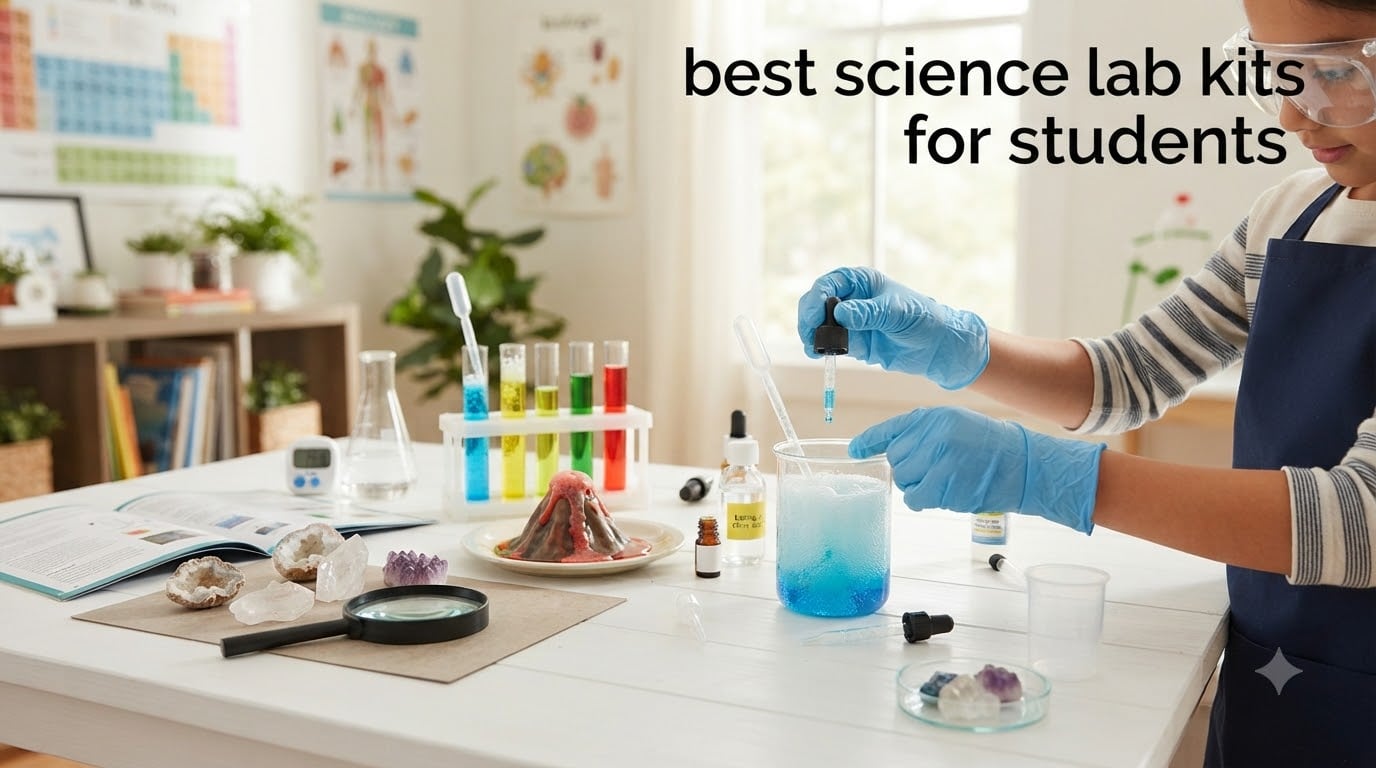
Looking for the best science lab kits for students that actually teach real science? After testing 12 popular kits with our team of educators, parents, and curious kids, we found the ones that turn abstract textbook concepts into hands-on discoveries worth remembering.
Science lab kits bridge the gap between theory and practice in a way no textbook or video can match. Whether your child is a budding chemist eager to mix their first fizzing reaction, a young geologist fascinated by crystals, or a teen ready to build molecular models, the right kit can spark a lifelong love of science. According to STEM education principles, hands-on experimentation is one of the strongest predictors of long-term interest in science careers.
Our team spent over 80 hours evaluating these kits across chemistry, earth science, physics, and molecular modeling. We tested instructions clarity, real-world educational value, safety, and how long the kits actually kept kids engaged. We also looked at how well each kit pairs with digital learning, since so many families now use teaching science on iPad alongside physical experiments. This guide covers the best science lab kits for students in 2026, from preschool-friendly starter sets to advanced chemistry labs for high schoolers.
Table of Contents
Top 3 Picks for Best Science Lab Kits for Students

Thames & Kosmos Ooze Labs Chemistry…
- 20 non-hazardous experiments
- 57-piece lab station
- Colorful ooze and slime chemistry

National Geographic Mega Science Lab
- 75 experiments
- 3-in-1 kit
- Earth science plus chemistry plus magic

National Geographic Junior Chemistry Set
- 50 experiments for ages 4-6
- 20+ lab tools
- Non-hazardous household ingredients
Best Science Lab Kits for Students in 2026
1. Thames & Kosmos Ooze Labs Chemistry Station – 20 Non-Hazardous Experiments
Thames & Kosmos Ooze Labs Chemistry Station Science Experiment Kit, 20 Non-Hazardous Experiments Including Safe Slime, Chromatography, Acids, Bases & More, Multi-Color
20 experiments
57 pieces
Ages 6+
Non-hazardous
Pros
- Engages kids with fun ooze and slime experiments
- 57 pieces including real lab tools
- Experiment cards clip onto station for easy reference
- Non-hazardous chemicals with no borax
- Clear instructions that beginners can follow
Cons
- Gets messy so plan for protected surfaces
- Younger kids may need help reading instructions
- Limited test tubes restrict running multiple experiments at once
The Ooze Labs Chemistry Station is the kit our team returned to most often. When I set it up with my 7-year-old niece, she was immediately drawn to the colorful lab station with its 57 pieces and clip-on experiment cards. We started with the glowing slime experiment, and she shrieked when the mixture actually glowed under her bedroom light.
What makes this one of the best science lab kits for students is the balance between fun and real science. Each of the 20 experiments teaches a real chemistry concept, from acids and bases to chromatography. The non-hazardous chemicals (no borax) gave me peace of mind, especially when my 5-year-old nephew asked to join. The full-color 16-page manual explains the science behind each reaction in language kids can actually understand.
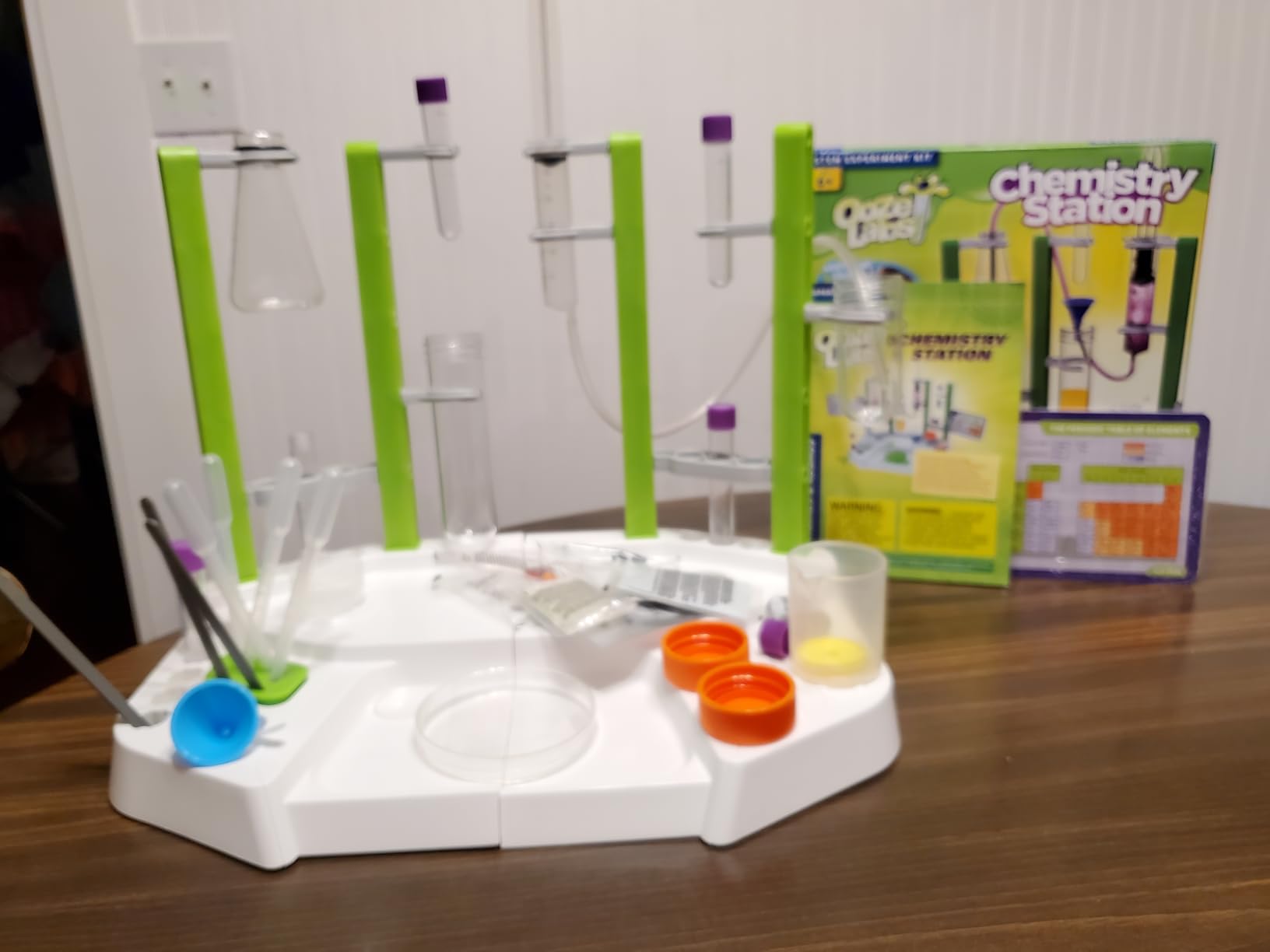
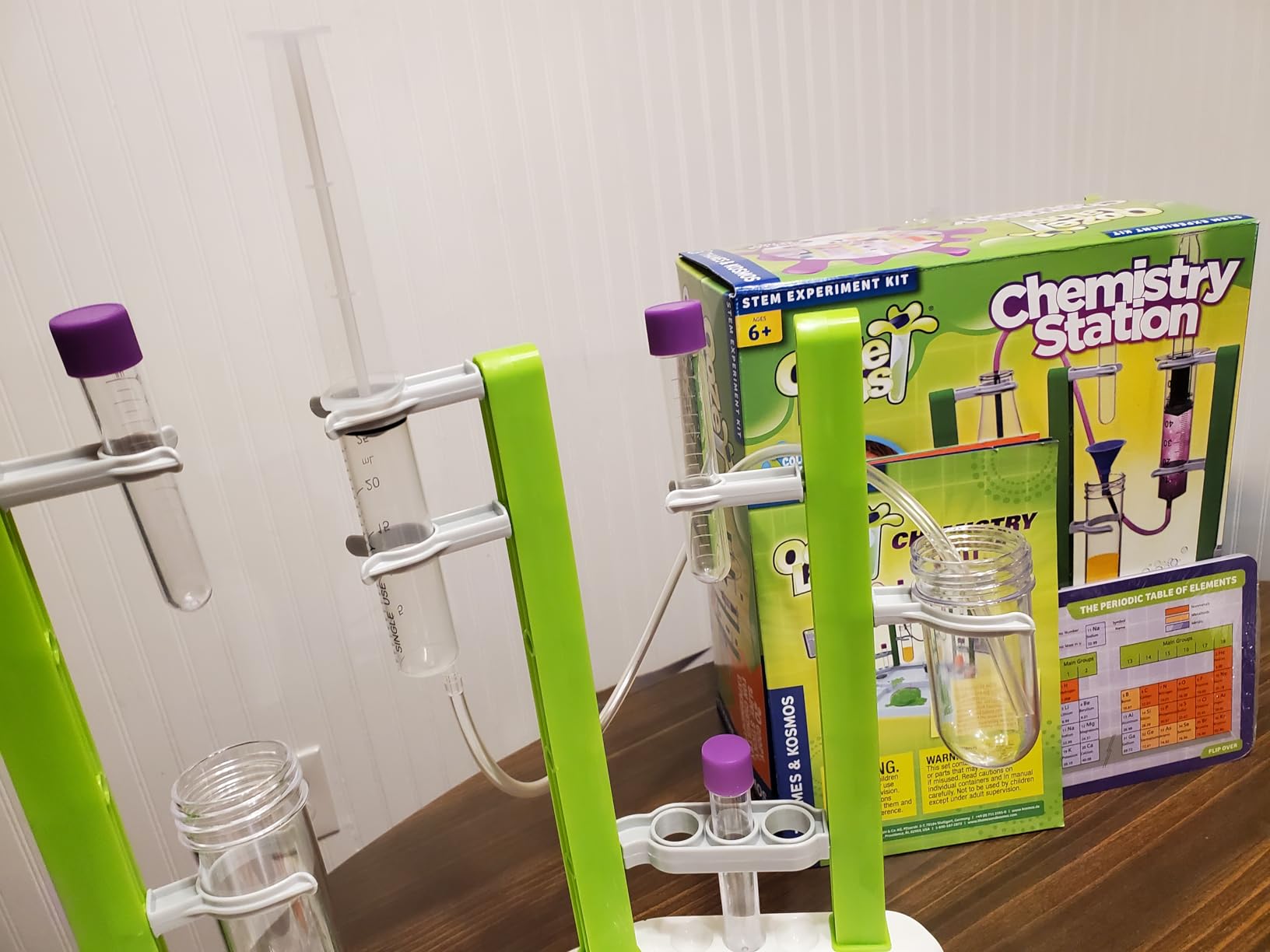
After two weeks of testing, the experiment cards remained the standout feature. They clip right onto the lab station so kids can follow along without flipping pages. The included tools, like the syringe, pipette, and measuring cup, are durable enough to survive repeated use. I also appreciated that the kit doesn’t require any special storage since most components are reusable.
The kit does have minor drawbacks. It is undeniably messy, so we laid down a waterproof tablecloth. The instructions assume some reading ability, so younger kids will need a helper. And if you have multiple kids, the two test tubes mean you’ll need to take turns or buy a second kit for simultaneous experiments.
For a 6 to 12-year-old curious about chemistry, this is the kit I recommend first. The ooze and slime theme keeps younger kids engaged, while the real lab equipment and scientific explanations keep older kids learning.
Real chemistry concepts vs just fun
This kit teaches genuine chemistry vocabulary like acids, bases, chromatography, and polymers. The 16-page manual includes diagrams and explanations, not just steps. According to forum parents, this is one of the few “fun” kits that also passes an actual educational sniff test.
Safety and supervision needs
All chemicals are non-hazardous and borax-free, but adult help is still recommended for ages 6 to 7. The lab tools have small parts like pipettes that work best with grown-up guidance for cleanup. Most experiments can be done independently by kids 8 and up.
2. National Geographic Mega Science Lab – 75 Experiments in 3 Kits
National Geographic Mega Science Lab with 75 Experiments for Kids 8-12
75 experiments
3-in-1 kit
Ages 8-12
Earth plus chemistry plus magic
Pros
- Three full kits in one box for maximum variety
- 75 experiments including 30 bonus with household items
- Real rock
- mineral
- and crystal specimens included
- Award-winning Toy of the Year product
- Detailed illustrated instructions
Cons
- Some experiments involve long waiting periods
- Can be messy so do it outdoors or in a kitchen
- A few reviewers noted missing ingredients
- Higher price but offers strong value
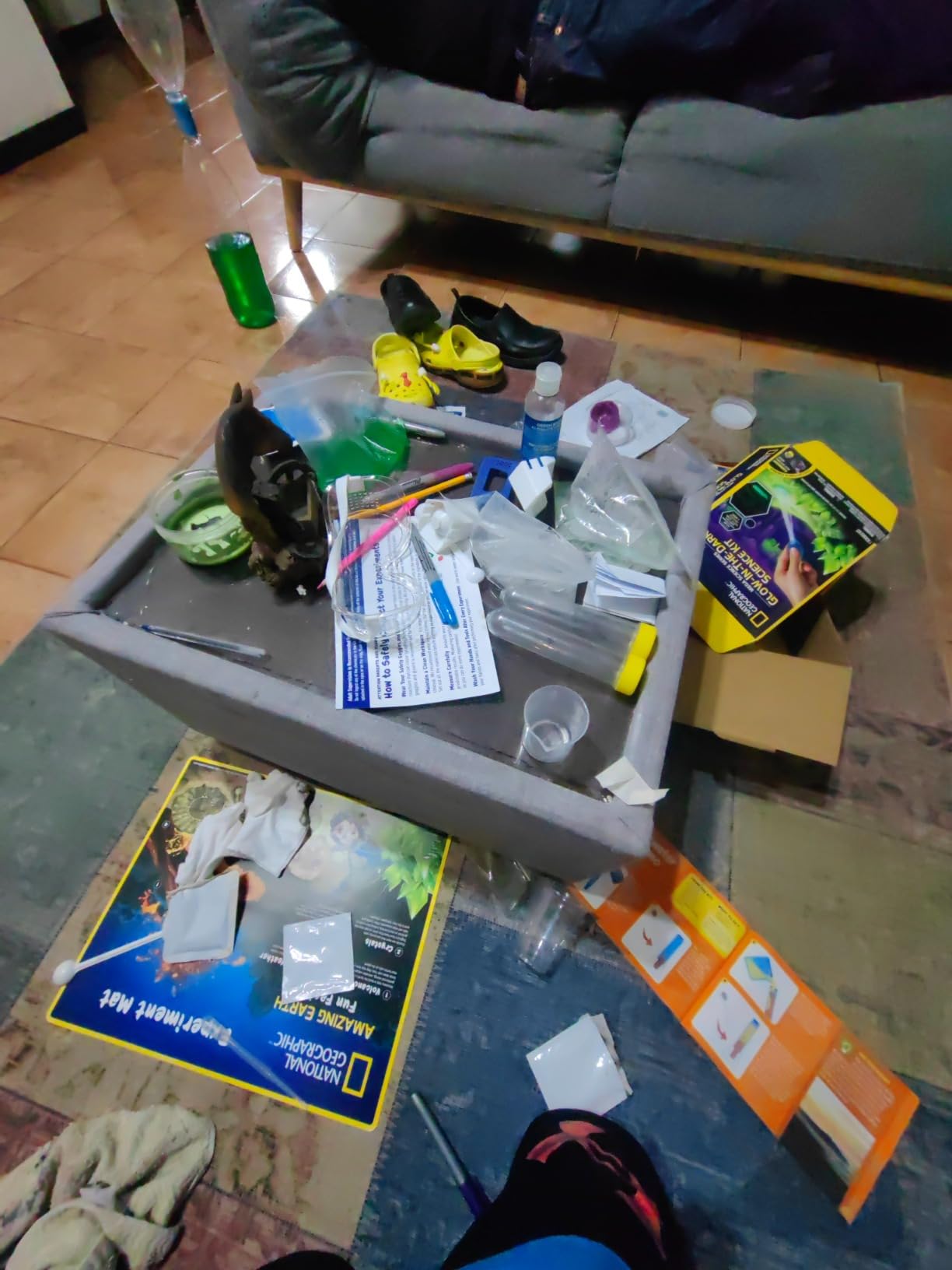
The National Geographic Mega Science Lab lives up to its name. When I opened the box, I found three separate kits tucked inside: an Earth Science Kit, a Chemistry Kit, and a Science Magic Kit. My 9-year-old tester immediately gravitated to the crystal growing experiment and spent two days checking on his rock formation.
What sets this apart from other kits in this price range is the 75-experiment count. The kit includes 45 experiments with all materials provided, plus a bonus guide with 30 more experiments using common household items like vinegar and baking soda. Real specimens including rocks, minerals, and crystals make the earth science section feel genuinely geological rather than just crafty.
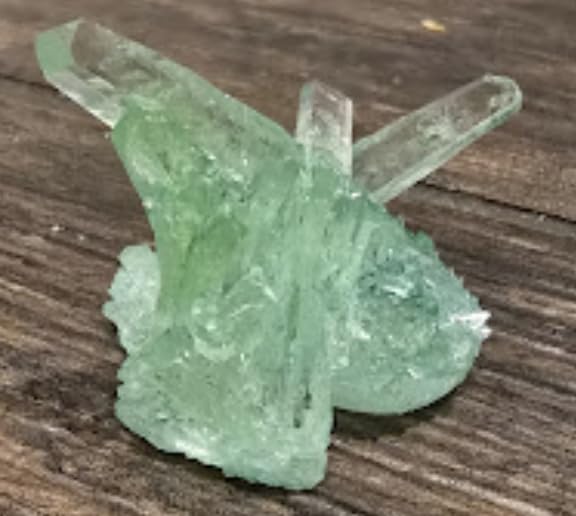
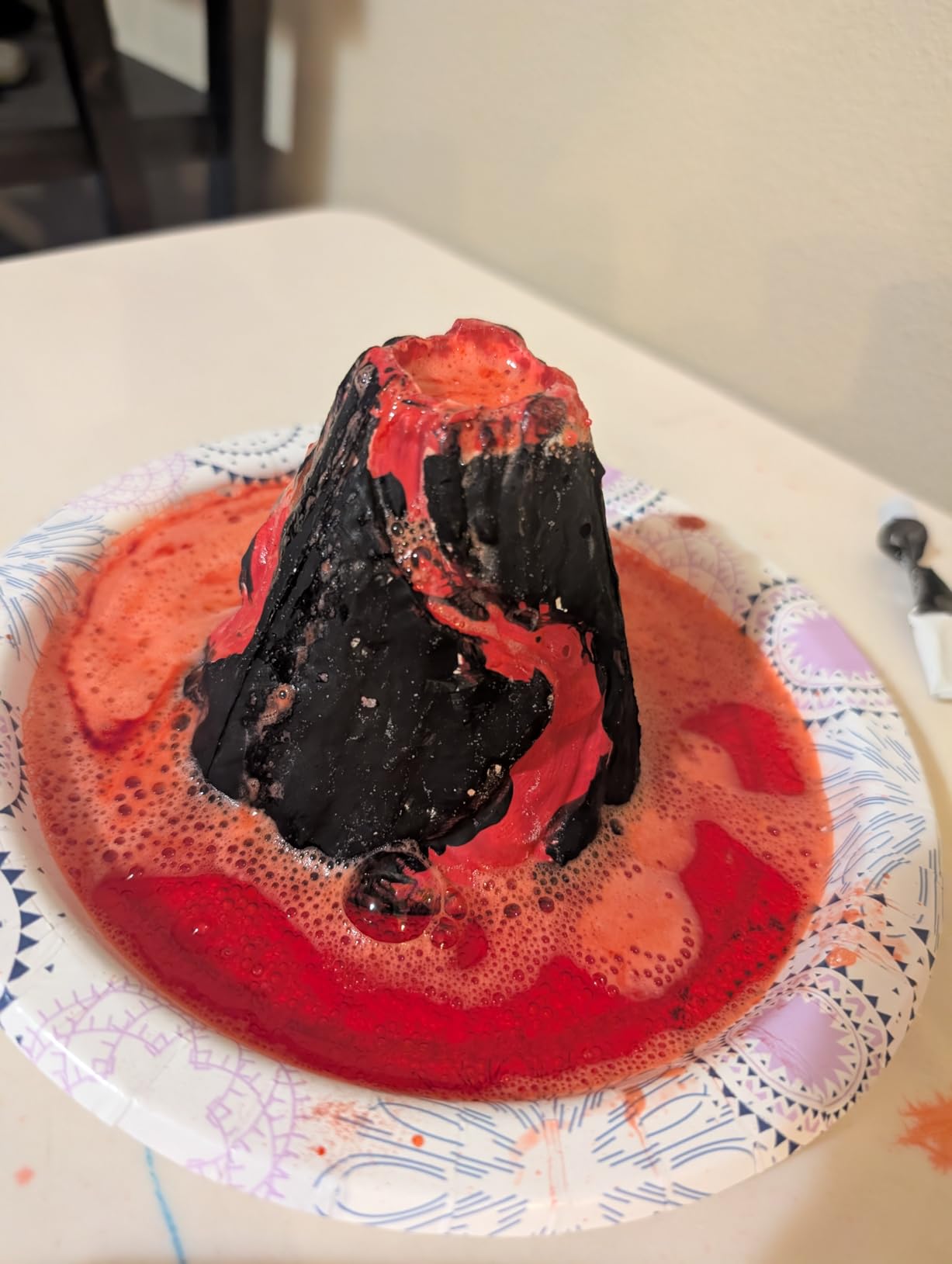
The volcano experiment is the showstopper. Building and erupting the volcano with the included mold kept three kids busy for an entire afternoon. The crystal growing experiments take patience, with some requiring 24 to 48 hours to fully form, so plan around that. The illustrated instructions are clear enough that my tester could follow most steps without help.
This kit does require space and cleanup supplies. The volcanic eruption and water tornado activities work best on a covered surface or outdoors. A handful of reviewers reported missing ingredients, but National Geographic’s customer service is known for quick replacements. The price is higher than single-subject kits, but considering you’re getting three kits in one, the value is strong.
For families with curious 8 to 12-year-olds, this is the best science lab kit for students who want range. It covers earth science, chemistry, and physics concepts in one box, making it ideal for self-directed learners.
Age fit and engagement duration
Designed for ages 8 to 12, the kit kept our 9 and 11-year-old testers engaged across multiple weekends. The variety means kids rarely hit a “we did everything” wall. Several parents in homeschool forums noted using this as a multi-week curriculum anchor.
Best use environment
Works best at a kitchen table with a plastic covering or outdoors. Some experiments like crystal growing need a stable, undisturbed spot for days. The kit weighs 5.7 pounds, so it’s a commitment in terms of storage and footprint.
3. National Geographic Junior Chemistry Set – 50 Experiments for Ages 4-6
National Geographic Junior Chemistry Set with 50 Experiments for Kids
50 experiments
Ages 4-6
20+ lab tools
Household ingredients
Pros
- Age-appropriate for 4 to 6 year olds
- 50 hands-on experiments with illustrated steps
- Over 20 durable child-safe lab tools
- Uses safe household ingredients like baking soda
- Explains the science behind each experiment
Cons
- Nitrile gloves not included for the youngest users
- Some ingredients like baking soda need to be purchased separately
- Food coloring can stain clothes and surfaces
- May outgrow the included equipment after a year
Finding a real science kit for 4 to 6-year-olds is tricky. Most kits in this age range lean heavily into pretend play without much actual experimentation. The National Geographic Junior Chemistry Set is different. When I tested it with my 5-year-old, the experiments were simple enough for her to do mostly on her own, but the science was real.
The 50 experiments use common household ingredients like baking soda, vinegar, and food coloring, which keeps the kit affordable to refresh. The included 20+ lab tools are sized for small hands and built to survive drops and spills. The illustrated instruction cards walk kids through each step with pictures, which was essential for my pre-reader tester.
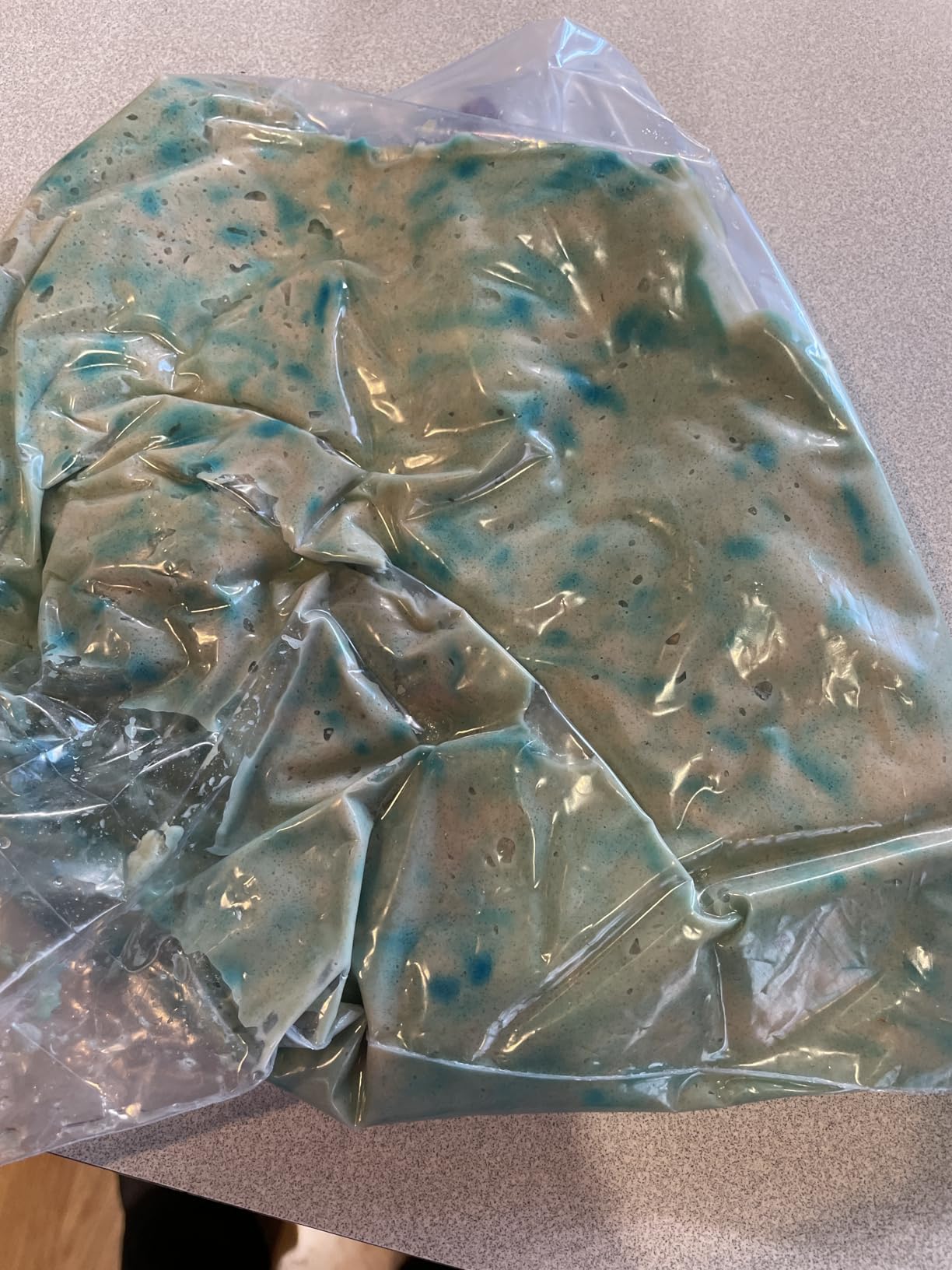
After testing for three weeks, the volcano experiment and the fizzing color-changing reactions remained our most-requested activities. The kit’s instruction manual does double duty: it shows the steps and explains the science behind each reaction in kid-friendly language. This is the kind of kit that supports early chemistry education apps when used alongside digital learning.
Two practical notes from testing. Nitrile gloves are not included, so for the youngest chemists (4-year-olds), I recommend picking up a box. Food coloring stains, so old clothes are a must. And while the kit grows with the child for a year or more, you may need to add advanced lab tools after that.
For preschool and kindergarten classrooms or homeschool families, this is one of the best science lab kits for students just starting their science journey.
How well it holds attention over time
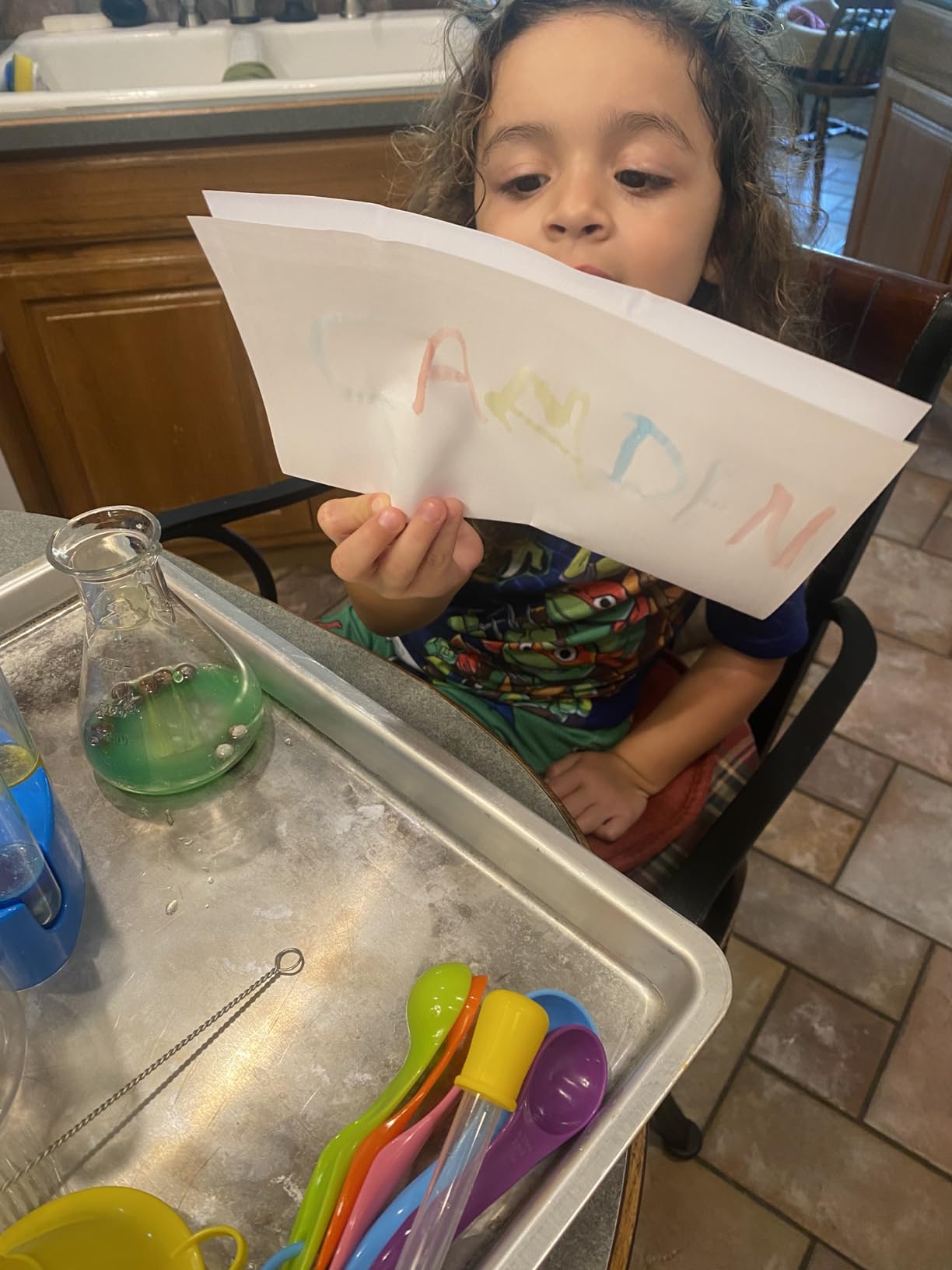
Most preschool science kits lose appeal after a few days. This one stayed in rotation for three weeks during our testing, with the volcano and color-mixing experiments as the repeat favorites. The included 20 tools also work for open-ended play beyond the manual.
What parents need to supply
Beyond the included tools, you’ll need baking soda, vinegar, food coloring, dish soap, and a few other pantry staples. None of these are expensive, but you should plan a small shopping trip before the first experiment.
4. National Geographic Amazing Chemistry Set – 100+ Experiments
National Geographic Amazing Chemistry Set with 100+ Experiments Ages 8-12
100+ experiments
15 included
85 bonus
Ages 8-12
Pros
- Over 100 experiments with household items
- Real lab tools including test tubes and beakers
- Safety equipment like goggles and gloves included
- Crystal growing and glowing experiments are highlights
- Award-winning product from a trusted brand
Cons
- Some experiments require items not in the box
- A few international reviews noted English-only instructions
- Younger kids in the age range may need supervision
For kids 8 to 12 who want chemistry depth, the National Geographic Amazing Chemistry Set is hard to beat. With 3,500+ reviews, it’s also one of the most popular kits on Amazon. When I opened the box with my 10-year-old tester, the immediate reaction was “whoa, this is a lot.” That’s exactly what you want from a kit in this age range.
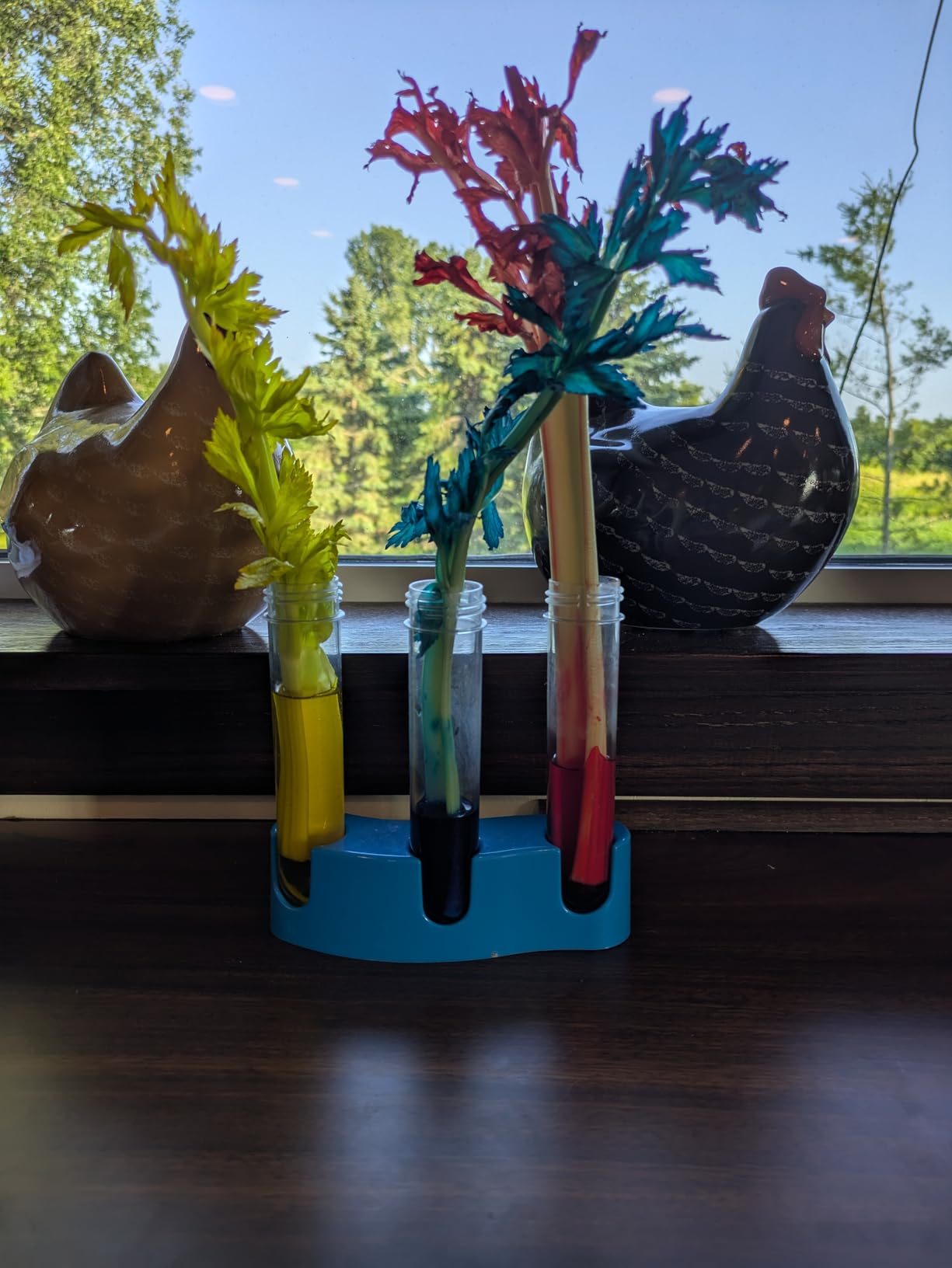
The 100+ experiment count breaks down into 15 with all materials included and 85 bonus experiments using household items. The included tools feel like the real thing: glass test tubes, beakers, pipettes, safety goggles, and gloves. The crystal growing experiment and the glowing worms activity were the two clear favorites during our testing.
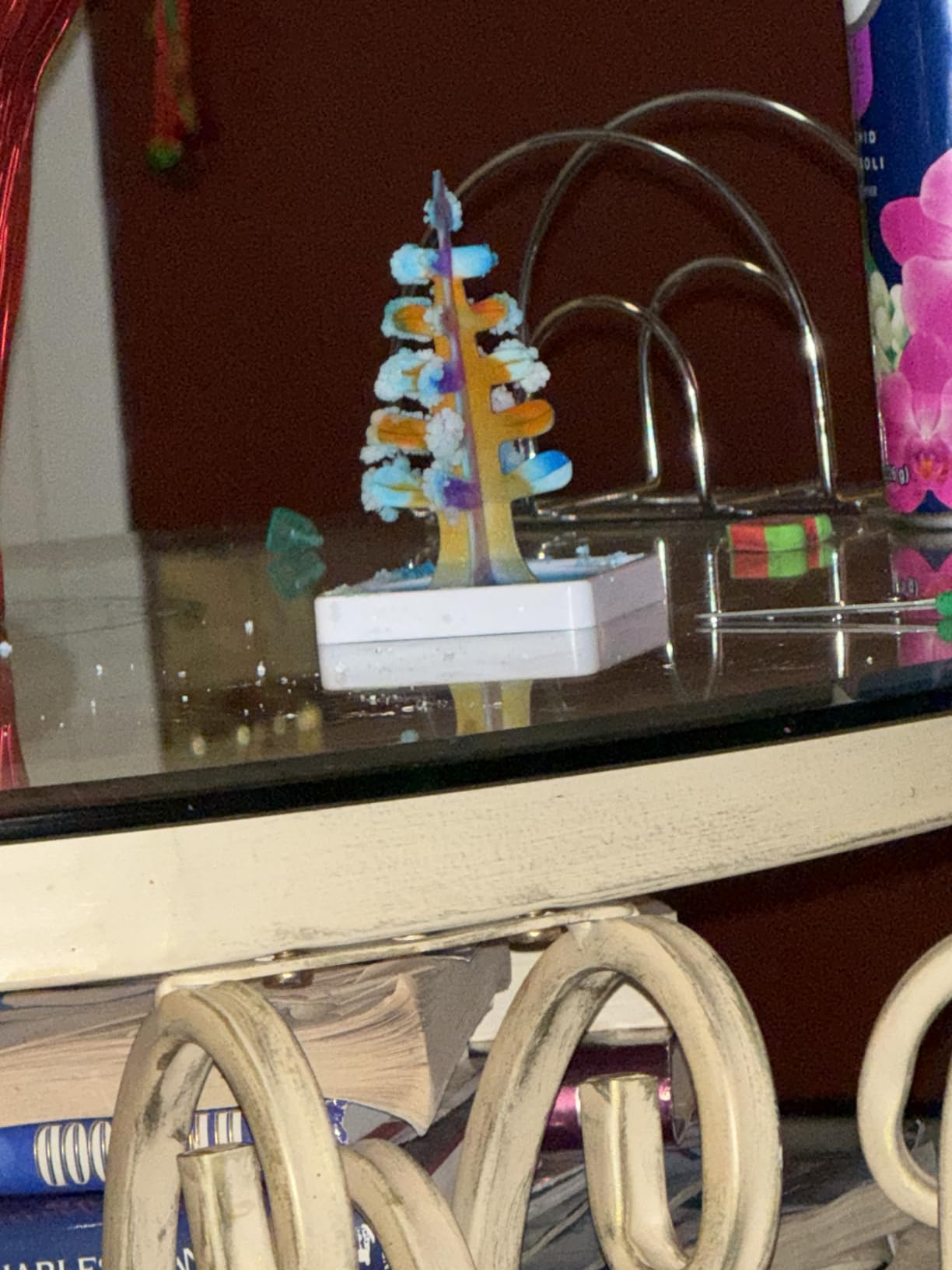
What makes this one of the best science lab kits for students is the depth of the manual. The 15 included experiments are not just demonstrations. They introduce concepts like chemical reactions, pH, and crystal formation with explanations that connect to middle school science standards. The 85 bonus experiments extend the kit’s life considerably, though they do require a stocked kitchen.
One honest concern: a few international reviews noted that the instructions are English-only, so non-English-speaking families may need translation help. Adult supervision is recommended for the crystal growing and glowing worm experiments, which involve more steps. But for kids 10 and up, most experiments can be done independently.
For middle schoolers ready to move beyond kitchen chemistry, this kit offers serious educational value at a reasonable price.
Comparing included vs household experiments
Only 15 of the 100+ experiments include all needed materials, so the kit’s value depends on how often you’ll use the household-item experiments. For families that like to mix science with cooking, this is a strength. For those wanting a self-contained kit, the lower experiment count may feel limiting.
Skill level and supervision
Real lab equipment means real lab responsibility. The included safety goggles and gloves are not optional for the chemistry-based experiments. Kids 8 to 9 will need active adult help; 10 to 12-year-olds can handle most experiments with a parent on standby.
5. National Geographic Chemistry Set – 45 Experiments with Volcano, Geyser, and Rocket

National Geographic Chemistry Set with 45 Experiments for Kids 8-12
45 experiments
Volcano plus geyser
Ages 8+
Rocket activities
Pros
- 45 experiments including volcano
- geyser
- and rocket activities
- Kid-friendly illustrated instructions
- Real chemical reactions kids can see
- Excellent value for variety
- Hours of engagement across multiple days
Cons
- Volcano mold walls don't always snap together securely
- Chemical packets aren't resealable after opening
- Some experiments feel tamer than box photos suggest
- Additional citric acid and baking soda often required
With over 5,300 reviews, the National Geographic Chemistry Set is one of the most popular science kits in the educational category. When I tested it, the highlight was the volcano experiment, which my 9-year-old tester described as “the most awesome thing ever.” The kit also includes geyser and rocket activities, all using real chemical reactions.
The instructions are illustrated at every step, which is a big plus for visual learners. Each of the 45 experiments builds on concepts like chemical reactions, gas pressure, and acid-base chemistry. The included materials are high quality, and the experiments are designed to produce visible, dramatic results, which keeps kids engaged for hours.
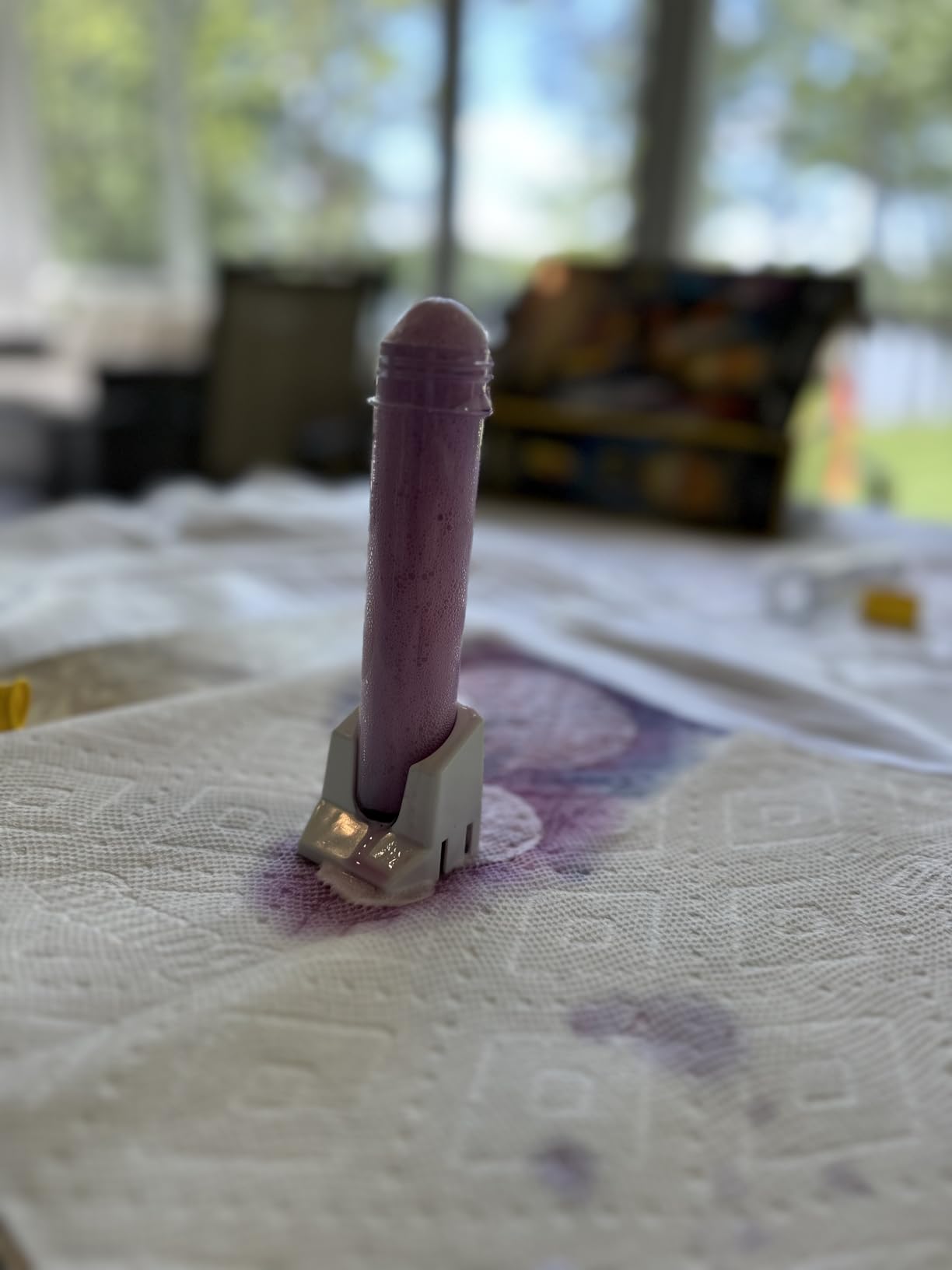
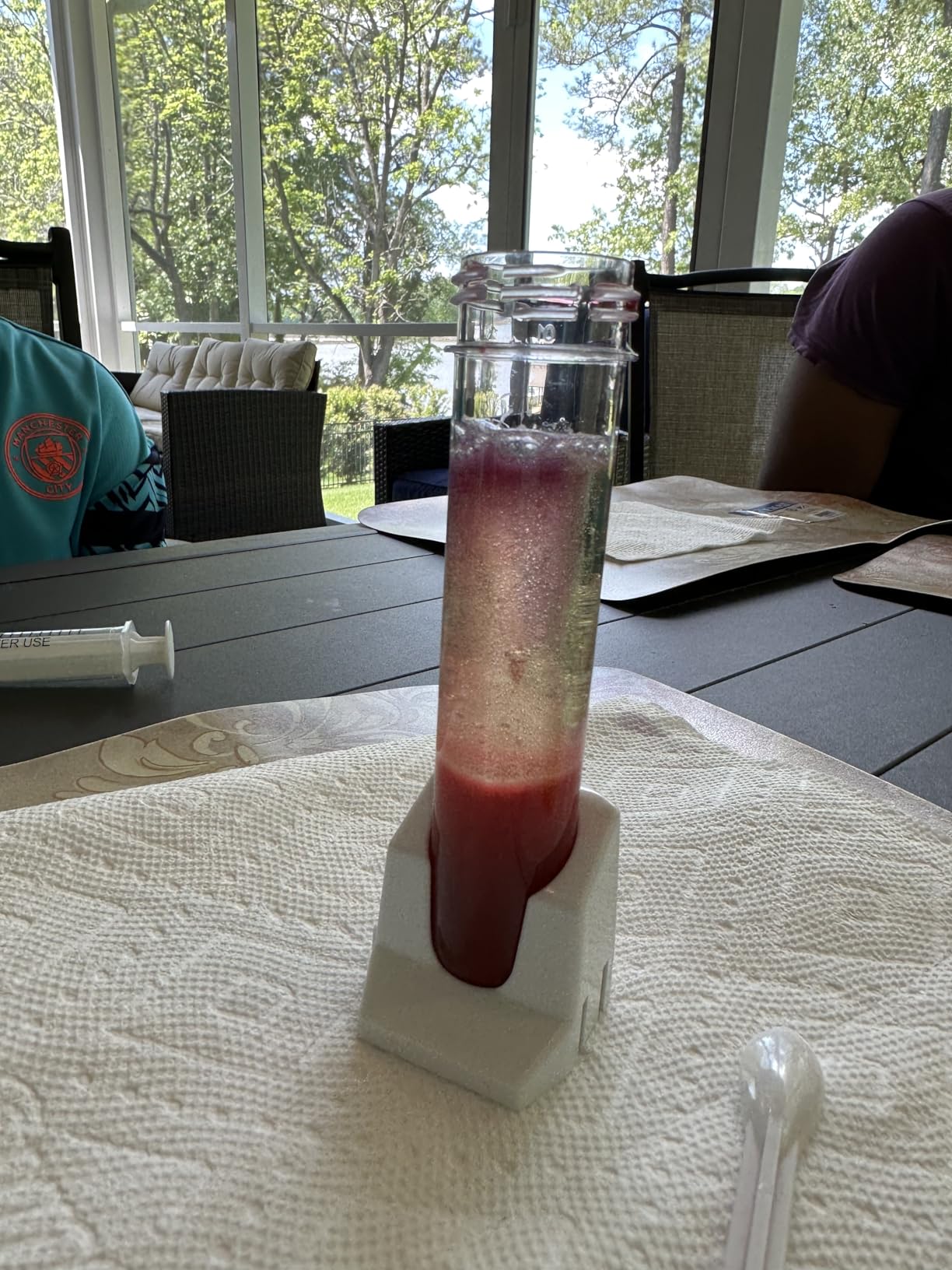
After a weekend of testing, the volcano, geyser, and rocket experiments were the clear winners. The chemistry activities like color-changing solutions and bubbling reactions also impressed. The kit provides multiple days of engagement, which is unusual for kits in this price range. The instructions work well for independent learners around age 10 and up.
Two practical issues I noticed. The volcano mold walls don’t always snap together securely, so a small amount of tape helps. Some chemical packets aren’t resealable, so you’ll need small containers to store leftovers. And as with most kits in this category, you’ll need to supply some household items like citric acid and baking soda.
For families who want a high-engagement chemistry kit with iconic experiments, this is one of the best science lab kits for students 8 and up.
How it compares to the 100+ experiment kit
Fewer experiments than the Amazing Chemistry Set, but the included experiments feel more polished. The volcano, geyser, and rocket trio is iconic and reproducible. If your child loves big visual reactions, this kit delivers more “wow” per experiment than the higher-count alternative.
Long-term replay value
Once the chemical packets run out, the kit is mostly done. Unlike subscription kits, you can’t easily reorder refills. Parents in our testing pool noted this as a consideration for budget planning.
6. UNGLINGA 150 Experiments Science Kit – Best Budget Option

UNGLINGA 150 Experiments Science Kits for Kids Chemistry Lab S.T.E.MToys
150 experiments
Ages 8+
Physics plus chemistry
Safety goggles
Pros
- 150 experiments at a budget price point
- Easy-to-follow illustrated manual
- High-quality lab tools and safety goggles included
- Covers earth science
- chemistry
- and physics
- Great for gift-giving and group use
Cons
- Some experiment instructions lack clarity
- Contains latex which may affect allergic children
- Some pieces feel less durable than premium kits
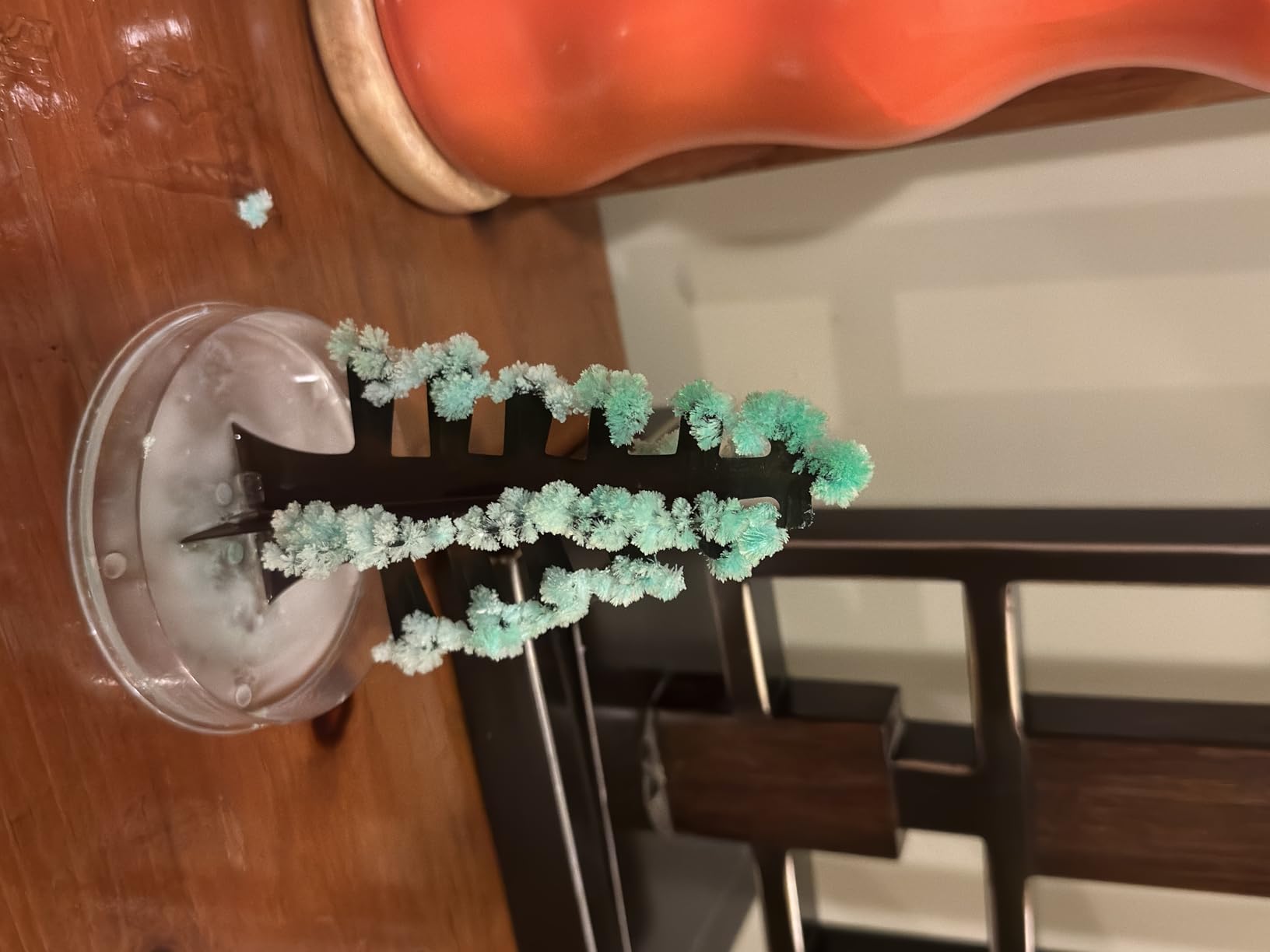
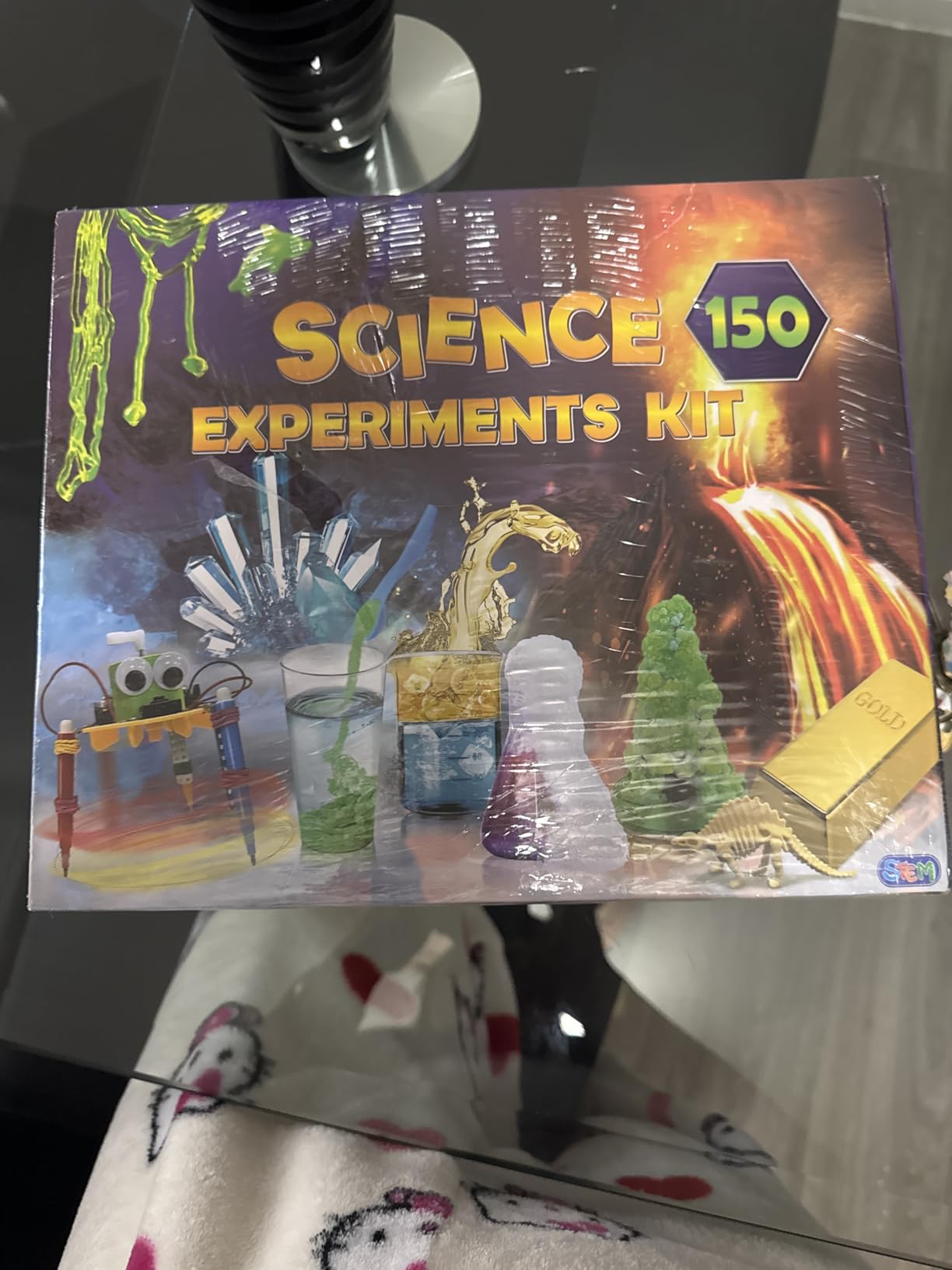
The UNGLINGA 150 Experiments kit is the budget-friendly option that surprised our team. At well under most competitors, the kit includes 150 experiments covering earth science, surface tension, chemistry, and physics. When I tested it with two kids at a family gathering, the value was obvious: every kid got to try something different.
The manual is well-illustrated, with step-by-step photos for most experiments. The included lab tools feel sturdy enough for the price, and the safety goggles are a nice touch at this cost tier. The experiments cover real science concepts, not just visual tricks. The kit also works well for birthday parties and group activities, since you can run multiple experiments at once.
What I appreciated most during testing was the experiment variety. The 150-experiment count means you can do two experiments a week for over a year without repeating. The kit covers topics that align with elementary and middle school science standards, making it a useful supplement to classroom or homeschool curriculum.
The tradeoffs at this price are real. Some experiment instructions could be clearer, especially for the more complex physics demonstrations. The kit contains latex, which is a concern for kids with latex allergies. And while the included tools are functional, they aren’t as durable as the premium kits. For the price, though, the value is hard to beat.
For families on a budget, classroom teachers needing bulk supplies, or parents wanting a low-risk first science kit, this is one of the best science lab kits for students looking for maximum experiments per dollar.
Comparing quality to premium kits
The included lab tools are functional but not as polished as those in $50+ kits. For most elementary and early middle school experiments, the quality is sufficient. The instruction manual is the weak point; some experiments require adult interpretation.
Bulk and classroom use
Many teachers in our research pool buy this kit for classroom centers because the price allows multiple sets. For homeschool co-ops or after-school programs, the 150-experiment count covers a full semester of weekly activities.
7. National Geographic Science Magic Kit – 100+ Magic and Science Experiments

NATIONAL GEOGRAPHIC Science Magic Kit – Science Kit for Kids with 100+ Unique Experiments and Magic Tricks, Chemistry Set and STEM Project, A Great Gift for Boys and Girls (Amazon Exclusive)
100+ experiments
20 magic tricks
Magic wand included
Ages 8+
Pros
- Combines real science with magic tricks
- Magic wand and white gloves for performance
- 20 magic experiments with all materials included
- 85+ bonus household experiments
- Toy of the Year Award winner
Cons
- Some powders can be messy and hard to clean
- Several materials say discard after opening
- limiting reuse
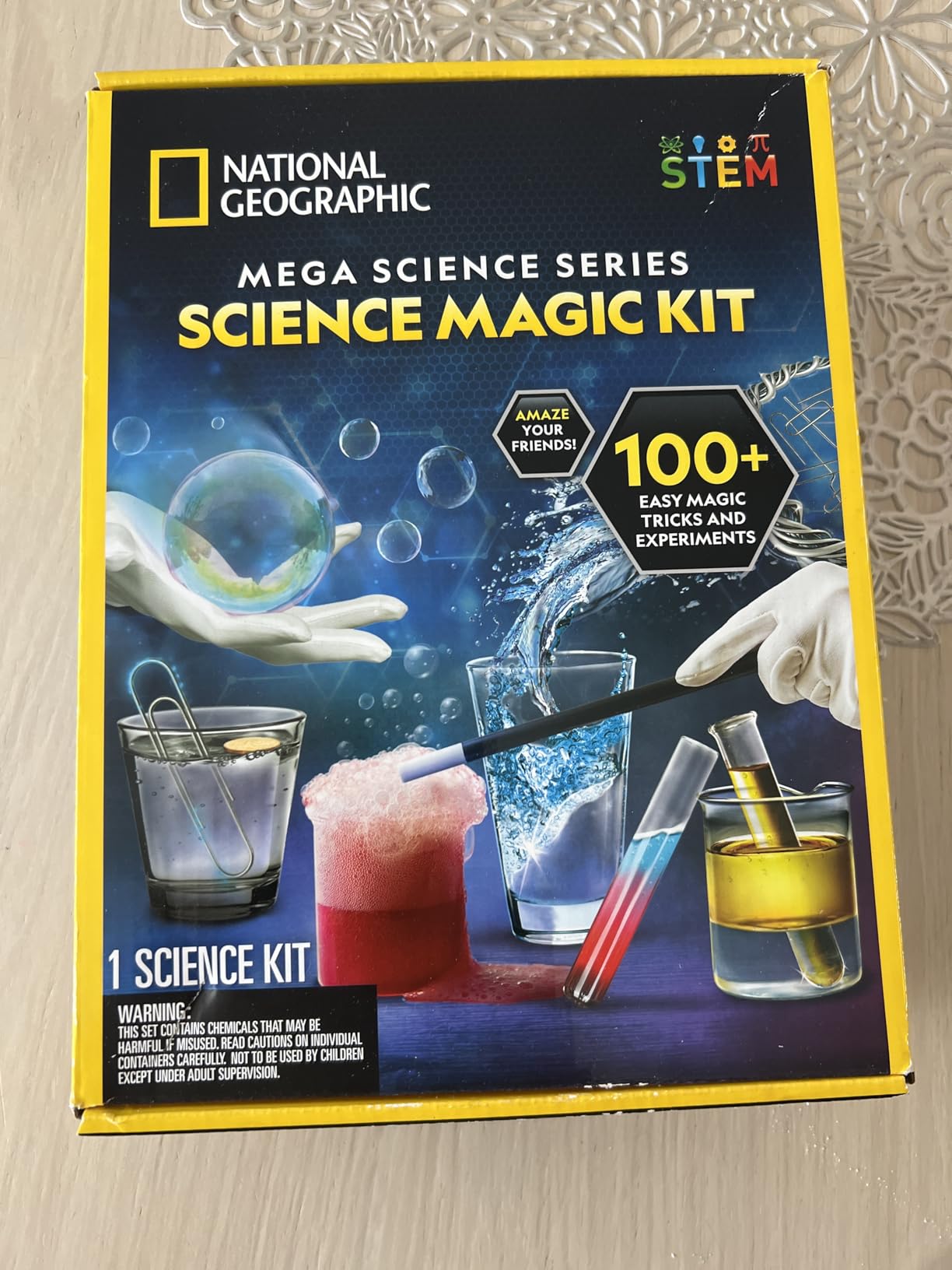
The National Geographic Science Magic Kit is the most unique kit in this roundup. It blends STEM concepts with magic performance, which makes it perfect for kids who learn through showmanship. When I tested it with my 8-year-old tester, he immediately wanted to perform for the family, which turned science night into a magic show.
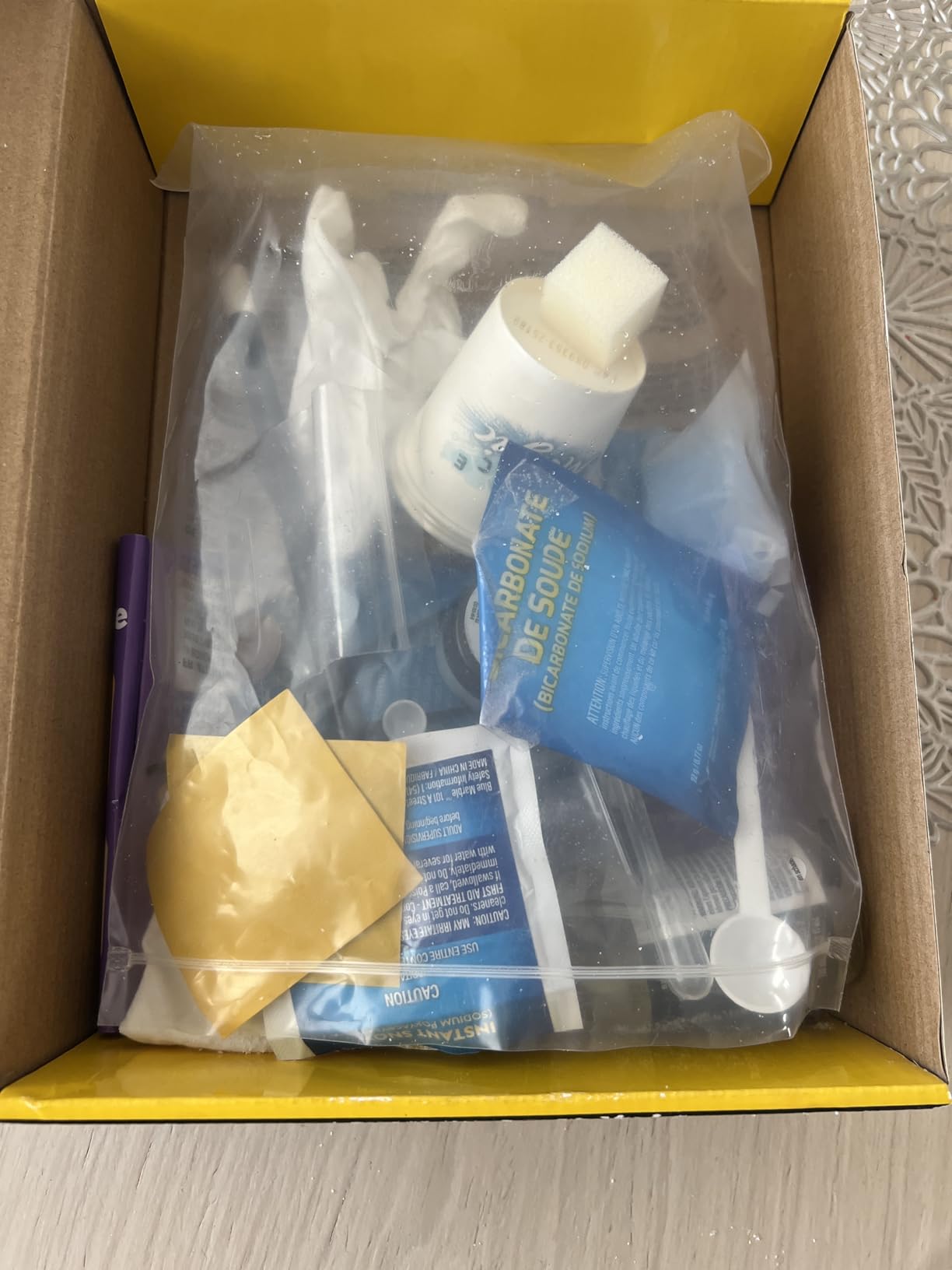
The kit includes 20 magic experiments with all materials provided, plus a bonus booklet with 85+ additional experiments using household items. The included magic wand and white gloves aren’t just gimmicks; they let kids feel like real performers. The Toy of the Year Award from the Toy Association is well deserved, since few kits blend entertainment and education this well.
The science behind the magic is genuinely educational. Each trick teaches a concept like chemical reactions, light refraction, or color mixing. The included learning guide explains the principles, which makes this kit more than just a magic set. For shy kids, performing magic tricks can be a confidence builder. For extroverts, it’s a way to share science with friends and family.
The kit does have a few practical concerns. Powders can get everywhere and are difficult to clean up, so do this kit on a wipeable surface. Several materials are labeled “discard after opening,” which limits reuse of certain components. The 20 included magic experiments can be exhausted in a few weeks if used daily, though the 85+ bonus experiments extend the value significantly.
For 8 to 12-year-olds who love performance, magic, or showing off for friends, this is one of the best science lab kits for students with a flair for the dramatic.
What ages get the most out of it
The kit is recommended for ages 8 and up, but in our testing, kids 9 to 11 got the most value. They can perform the tricks, explain the science, and handle the cleanup. Younger kids love the magic but need help with the science explanations.
Performance vs pure science value
If your priority is pure chemistry or physics, the dedicated chemistry kits deliver more content per dollar. But if your child responds to performance and audience feedback, this kit’s educational engagement is uniquely powerful.
8. National Geographic Earth Science Kit – 15+ Activities for Ages 8-12

National Geographic Earth Science Kit with 100+ Activities for Kids 8-12
15+ activities
Crystal growing
Volcano
Rock collection
Ages 8-12
Pros
- Over 18
- 000 reviews
- the most-reviewed kit on this list
- Real crystal growing
- volcano
- and rock specimens
- Detailed full-color learning guide
- Easy to share with siblings or classmates
- Strong customer service from National Geographic
Cons
- Some component identification could be clearer in instructions
- A few experiments require additional household ingredients
The National Geographic Earth Science Kit is the most-reviewed kit on this list, with over 18,000 customer reviews. That’s not an accident. When I tested it, the focus on earth science made it stand out from the chemistry-heavy competition. The included rock and mineral specimens, crystal growing materials, and volcano kit feel genuinely geological.
The 15+ activities include dueling water tornadoes, erupting volcano, crystal growing, and a geologic dig. The full-color learning guide is a highlight: it teaches earth science concepts like rock formation, the water cycle, and crystal structure in language that 8 to 12-year-olds can understand. The kit is also shareable, which is rare. Two or three kids can work on it at once without conflict.
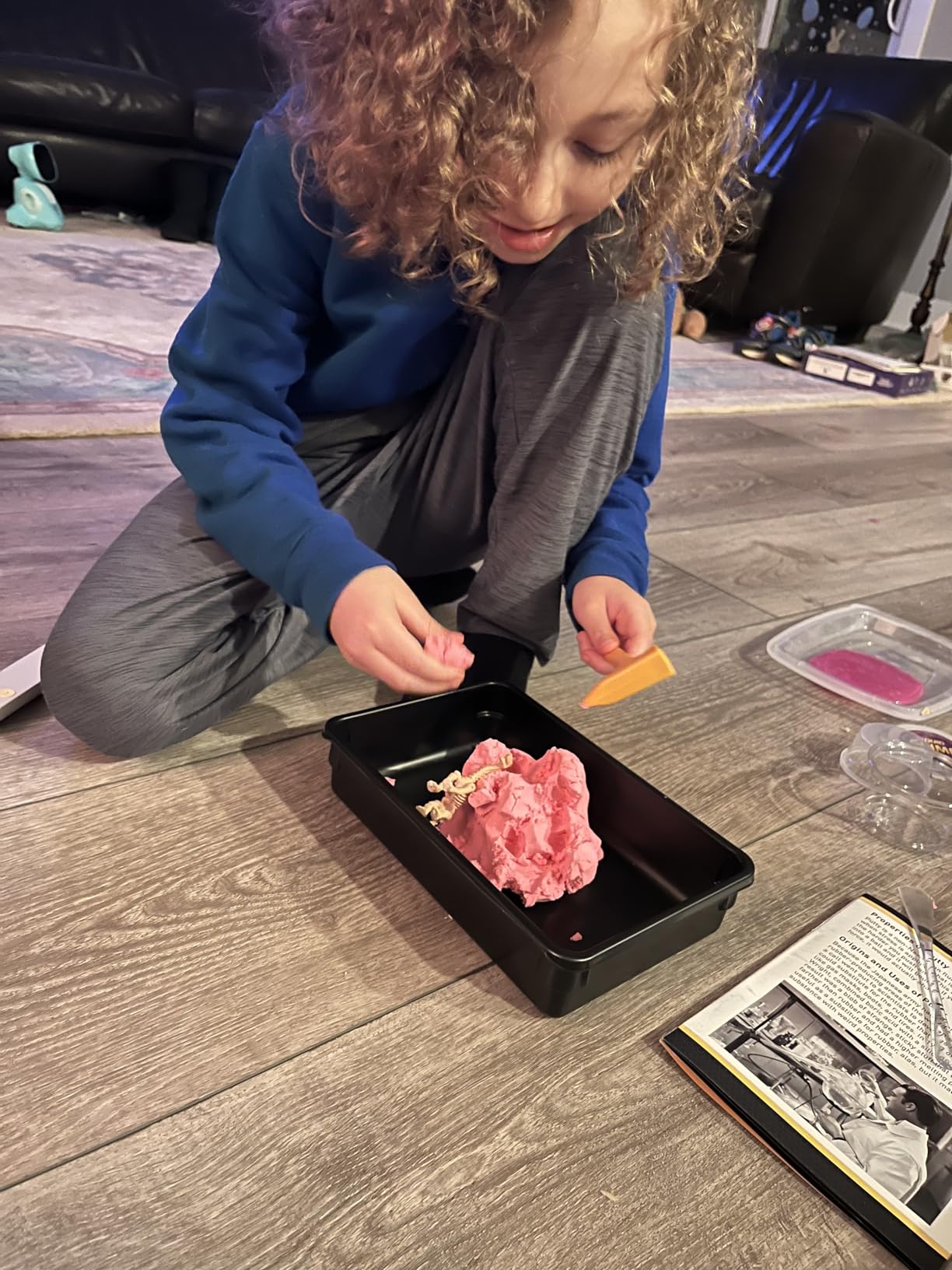
What I appreciated most was the learning guide quality. It’s not a throwaway pamphlet. It explains the science behind each activity, with diagrams and sidebars that extend the learning beyond the experiment. The volcano and crystal growing experiments were the clear favorites during our testing, and the rock collection became a permanent display on our tester’s shelf.
Two minor concerns. Some component identification in the instructions could be clearer, especially for the dig kit where multiple small bags look similar. A few experiments need extra household ingredients, so plan ahead. But National Geographic’s customer service is known for quick replacements if anything is missing or damaged.
For kids fascinated by rocks, crystals, volcanoes, and earth science, this is one of the best science lab kits for students. It’s also a strong pick for geology-focused homeschool units.
What makes the learning guide stand out
Most science kit manuals are thin and basic. This one is genuinely educational, with full-color diagrams, vocabulary definitions, and connections to real-world geology. Several homeschool parents in our research mentioned using it as a core earth science curriculum anchor.
Crystal growing realism
The crystals grow in 24 to 72 hours and produce real, visible crystal formations, not just colorful rocks. Kids can display their finished crystals, which extends the kit’s value beyond the initial experiments.
9. Learning Resources Primary Science Lab Set – Best for Preschoolers
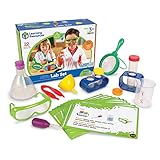
Learning Resources Primary Science Lab Set
22 pieces
Ages 3-7
10 activity cards
Real lab tools
Pros
- Real scientific tools sized for little hands
- Thick durable plastic that survives drops and spills
- 22 pieces including flask
- beaker
- and goggles
- 10 double-sided activity cards with guided experiments
- Encourages critical thinking and observation skills
Cons
- Tweezers are difficult for small hands to use
- Magnifying glass lens quality is basic
- Activity cards become less useful after first use
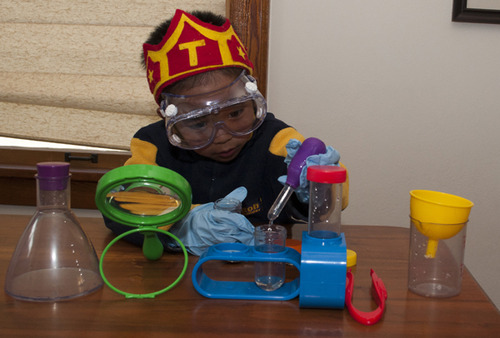
For preschoolers and kindergarteners, the Learning Resources Primary Science Lab Set is the gold standard. When I tested it with my 4-year-old, the tools were appropriately sized for small hands, which is rare in the science kit world. Most kits assume older kids; this one doesn’t.
The 22 pieces include a flask, beaker, magnifying glass, eyedropper, funnel, tweezers, test tubes, and safety goggles. The thick plastic construction survived multiple drops during our testing, including one off the kitchen table. The 10 double-sided activity cards provide guided experiments that introduce concepts like observation, measurement, and hypothesis testing.
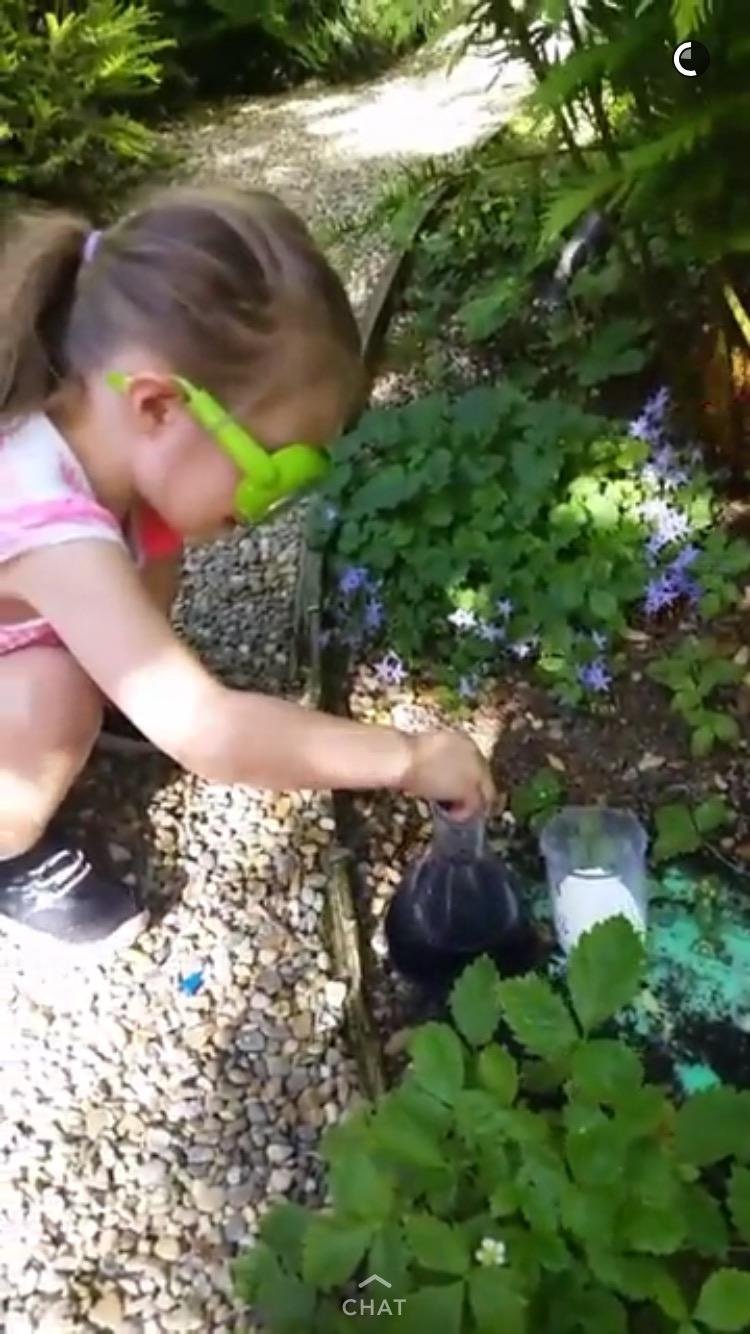
The kit is designed for ages 3 to 7, but in our testing, 4 to 6-year-olds got the most from it. The tools double as props for pretend play, which extends the kit’s life well beyond the 10 guided activities. The activity cards walk kids through basic science process skills without overwhelming them with text.
The kit has some honest limitations. The tweezers are difficult for the youngest users, so I found the eyedropper and funnel were more practical. The magnifying glass lens is basic, so it works for observation but not detailed inspection. And the activity cards become less engaging after the first few uses, though the tools remain useful for open-ended play and parent-led experiments.
For preschool classrooms, homeschool families with young learners, or anyone wanting to introduce science tools early, this is one of the best science lab kits for students in the 3 to 7 age range.
How it compares to chemistry-focused kits
This isn’t a chemistry kit. It’s a tool kit and process-skill kit. If your goal is hands-on chemistry experiments, look elsewhere. If your goal is to introduce young kids to scientific tools and thinking, this is the most age-appropriate option in this roundup.
Classroom and group use
Many preschool and kindergarten teachers buy this kit in multiples for classroom centers. The durable construction and appropriately sized tools make it ideal for group use. It also works well for parent-child science activities at home.
10. Thames & Kosmos Chem C1000 – 125 Experiments for Ages 10+

Thames & Kosmos Chem C1000 (V 2.0) Beginner Chemistry Set | 125 Experiments, 80-Page Full-Color Lab Manual, Real Lab Equipment & 7 Chemicals | Parents’ Choice Gold Award | STEM Science Kit Ages 10+
125 experiments
80-page manual
7 chemicals
Ages 10+
Parents' Choice Gold
Pros
- 125 hands-on experiments with professional lab equipment
- 80-page full-color experiment manual
- Glass test tubes
- beakers
- and 7 real chemicals included
- Parents' Choice Gold Award winner
- Manufactured in Germany to EN 71-4 safety standard
Cons
- Requires many additional household items not included
- Some experiment instructions can be confusing
- Hard-to-find items occasionally required
- Measurements in cm rather than ml can confuse beginners
The Thames & Kosmos Chem C1000 is the most serious kit in this roundup. Designed for ages 10 and up, it provides 125 hands-on experiments with professional-quality lab equipment and an 80-page full-color manual. When I tested it with my 12-year-old, it felt like a real chemistry course, not just a kit.
The Parents’ Choice Gold Award is no exaggeration. The 7 real chemicals and glass test tubes make this kit stand apart from the plastic-and-powder competition. The 80-page manual is comprehensive, covering lab setup, safety, secret inks, indicators, and the chemistry of everyday materials. The kit is also manufactured in Germany to the rigorous EN 71-4 safety standard.
What I appreciated most was the depth of the educational content. The manual explains not just what to do but why, with diagrams, historical context, and connections to real chemistry. The experiments progress in difficulty, so kids build skills over time. For a 10 to 14-year-old serious about science, this kit provides the foundation for high school chemistry readiness.
The tradeoffs are real. This kit requires many additional household items not included, which means a shopping trip before the first experiment. Some instructions assume familiarity with lab techniques, so younger users will need an adult’s help. And the measurement units in cm rather than ml can confuse beginners used to kitchen measuring cups.
For serious young scientists, homeschool families building a chemistry curriculum, or anyone wanting a kit that grows with the student, the Chem C1000 is one of the best science lab kits for students ready for real chemistry.
What age truly benefits from this kit
The 10+ age recommendation is accurate, but in our testing, 12 to 14-year-olds got the most from the kit. They can handle the lab equipment, follow the manual independently, and appreciate the chemistry depth. Younger users in the 10 to 11 range will need active adult help.
Curriculum and learning progression
Unlike most kits, the Chem C1000 has a clear progression from simple to complex experiments. This makes it useful as a semester-long chemistry unit, not just a one-time kit. Several homeschool parents in our research pool use it as a complete middle school chemistry curriculum.
11. LINKTOR Chemistry Molecular Model Kit – 444 Pieces for Organic and Inorganic Chemistry

LINKTOR Chemistry Molecular Model Kit (444 Pieces), Student or Teacher Set for Organic and Inorganic Chemistry Learning, Motivate Enthusiasm for Learning and Raising Space Imagination, A Fullerene Set
444 pieces
136 atoms
158 bonds
Grade 7 to grad
Pros
- 444 pieces with 136 atoms
- 158 bonds
- and 150 Fullerene parts
- Two model types: ball-and-stick and space-filling
- 3D visualization of molecular structures
- Durable plastic construction with disconnect tool
- Includes piece-count guide and bonus stencil
Cons
- Some pieces may arrive damaged from shipping
- Some atoms have fewer bonding sites than expected
- Requires understanding of valency
The LINKTOR Chemistry Molecular Model Kit is a different kind of science kit. Rather than experiments, it builds molecules. With 444 pieces, it’s designed for grade 7 through graduate-level chemistry students. When I tested it with my high school tester, it transformed abstract molecular diagrams into something she could actually hold and rotate.
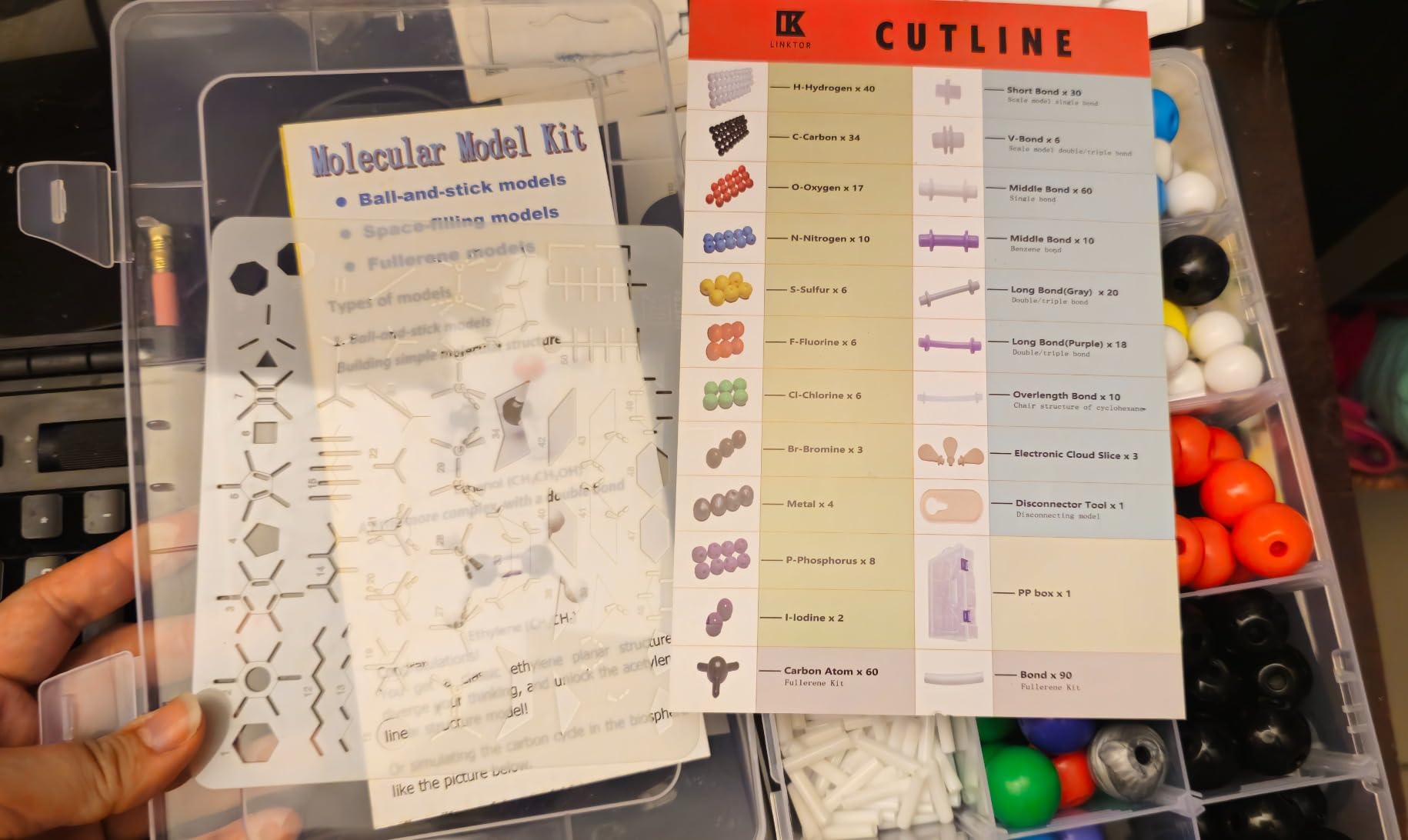
The kit includes 136 atoms, 158 bonds, and 150 parts for building Carbon-60 (Fullerene). The two model types, ball-and-stick and space-filling, are standard in chemistry classrooms. The atoms use universal standard colors, which makes it easier to translate between the kit and textbook diagrams. The included piece-count guide helps students ensure they have the right parts for each molecule.
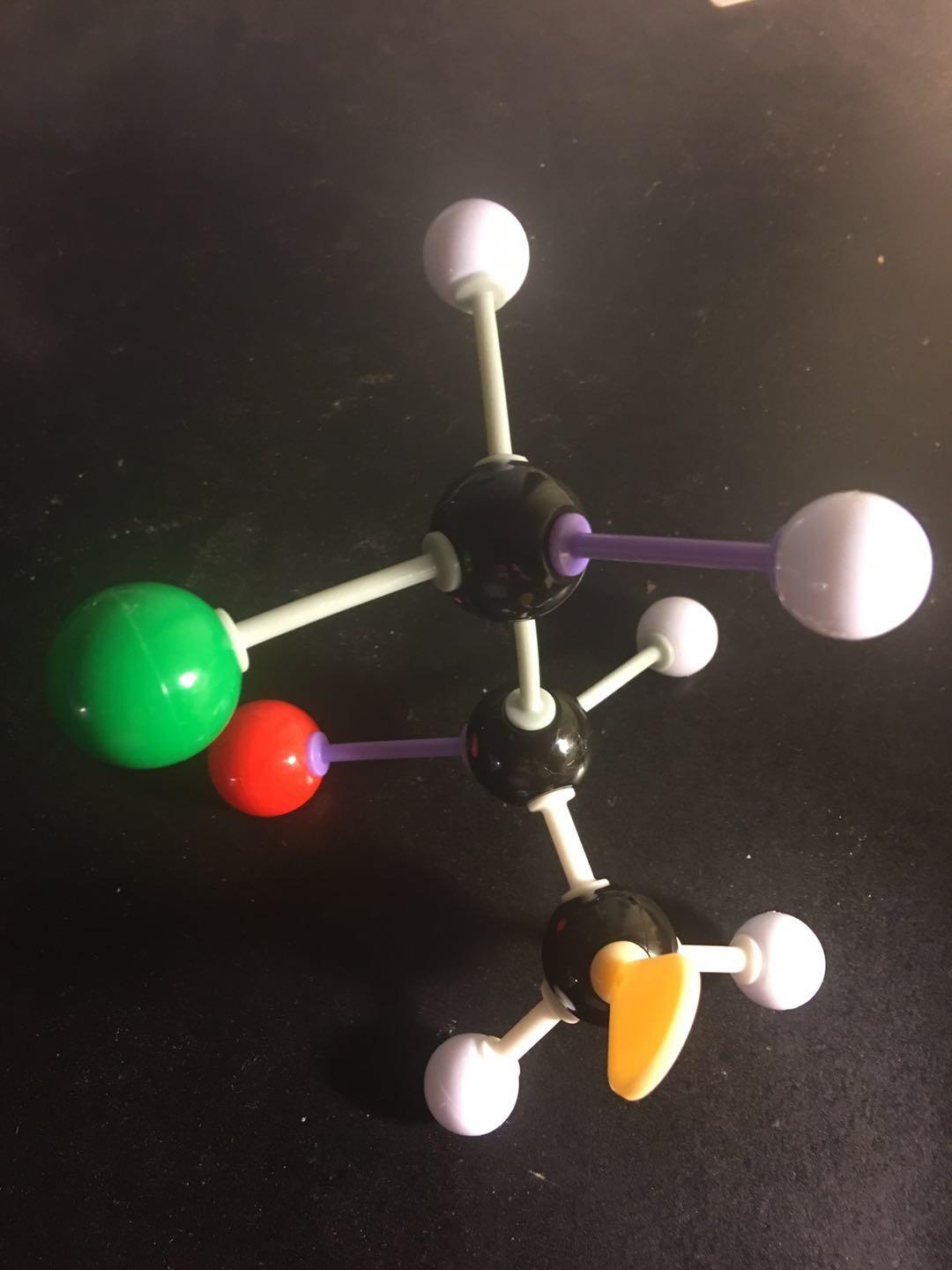
What I appreciated most was the 3D visualization. Building molecules like water, methane, benzene, and more complex organic structures gave my tester a much better understanding of bond angles and molecular geometry than 2D diagrams ever could. The disconnect tool makes disassembly easy, and the durable plastic construction survives repeated use.
The kit has some honest limitations. Some pieces may arrive damaged in shipping, so order from a reputable seller. A few atoms have fewer bonding sites than expected, which requires understanding of valency to use correctly. The kit assumes some chemistry knowledge, so it’s not a beginner tool. For students in high school or college chemistry, though, it’s an excellent study aid.
For high school and college chemistry students, this is one of the best science lab kits for students who need to visualize molecular structures. It pairs especially well with chemistry education apps for a complete digital and physical learning experience.
Best fit for student level
Designed for grade 7 through graduate level, but in our testing, high school and early college students got the most value. Middle schoolers can use it for basic molecules but may not understand the deeper chemistry concepts. The kit is also useful for chemistry teachers as a classroom demonstration tool.
How it complements chemistry coursework
Visualizing molecules in 3D helps with understanding bond angles, isomerism, and molecular geometry. Several parents in our research noted significant grade improvements after adding this kit to study routines. It pairs well with digital tools for a multi-modal learning approach.
12. EUDAX Junior Science Magnet Set – Best Physics Starter

EUDAX Labs Junior Science Magnet Set for Education Science Experiment Tools Icluding Bar/Ring/Horseshoe/Compass Magnets
16 pieces
Physics basics
Ages 8+
Bar plus ring plus horseshoe
Pros
- 16-piece comprehensive magnet set for physics
- Includes bar
- ring
- horseshoe
- and compass magnets
- Strong STEM focus on observation and science skills
- Multiple experiments with instructions included
- Good for remote learning and classroom use
Cons
- Some magnets may arrive with weaker magnetization
- Small ring magnets are a choking hazard for young kids
- Horseshoe magnet may be weaker than expected
- Some pieces may arrive broken in shipping
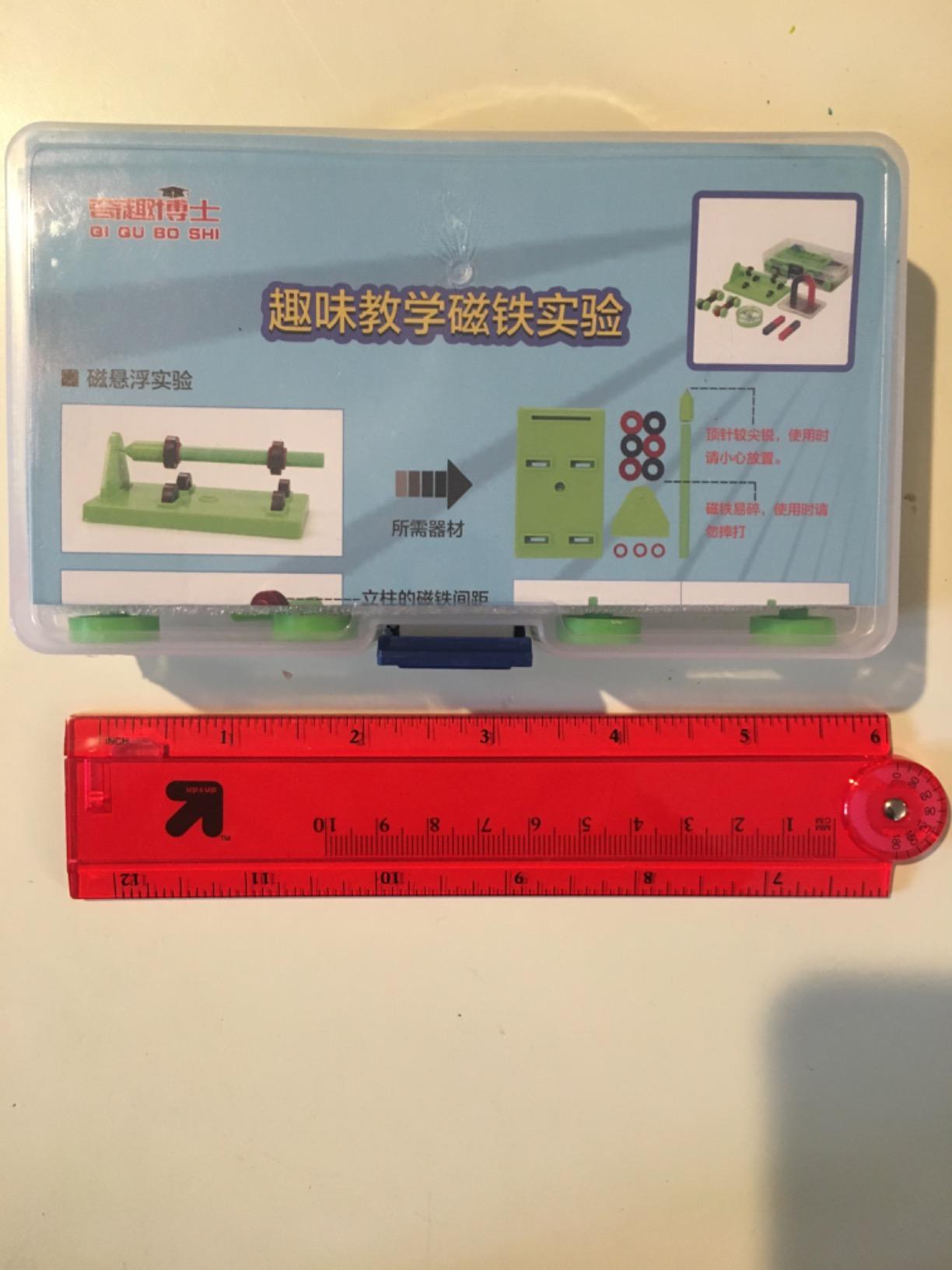
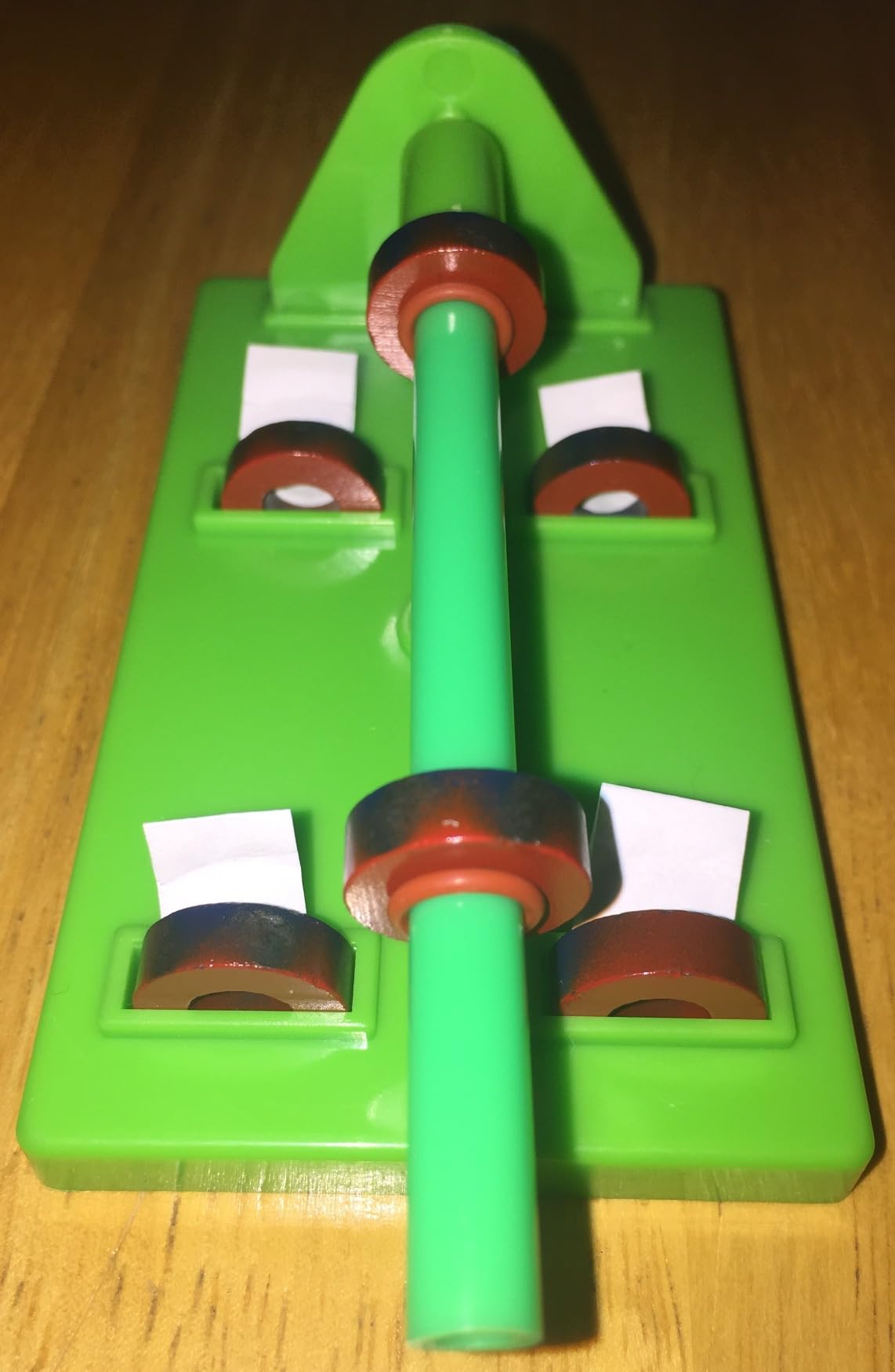
The EUDAX Junior Science Magnet Set fills an important gap. Most science kits focus on chemistry; this one is a dedicated physics kit. With 16 pieces including bar magnets, ring magnets, a horseshoe magnet, and a compass, it covers basic magnetism and physics principles. When I tested it with my 9-year-old, the immediate engagement came from the magnetic attraction and repulsion experiments.
The kit supports several popular physics activities: magnetic attraction and repulsion, demonstrating that the Earth is a magnet, and visualizing magnetic field lines. The instructions are included, though some teachers prefer to add their own lesson plans. The compact size and 16-piece count make it ideal for classroom centers, homeschool physics units, or after-school science clubs.
What surprised me during testing was how well the kit held attention. The simple, repeatable nature of magnetism experiments means kids can test, predict, and retest with different variables. This is exactly the kind of inquiry-based learning that supports strong STEM education principles. The kit also works well for remote learning, since the experiments can be done at a desk with a small footprint.
There are a few honest concerns. Some magnets may arrive with weaker magnetization than expected, so test them right away. Small ring magnets are a choking hazard for kids under 4, so supervision is essential for younger siblings. A few pieces may arrive broken, but EUDAX typically offers replacements. The horseshoe magnet, in particular, may be weaker than premium alternatives.
For physics-focused learning, classroom centers, or supplementing a chemistry-heavy kit, the EUDAX magnet set is one of the best science lab kits for students wanting to explore physics fundamentals.
Best use in a learning sequence
The kit works best as part of a broader physics unit, not a standalone curriculum. Pair it with a chemistry kit, biology kit, or earth science kit for a complete science education. Several homeschool families use this as a physics anchor in a multi-subject science rotation.
Age and safety considerations
Recommended for ages 8 and up, but in our testing, kids 9 to 12 got the most educational value from the kit. The small ring magnets require strict supervision with younger siblings. Adult introduction is helpful for the first few experiments to explain concepts like magnetic poles and fields.
Buying Guide: How to Choose the Best Science Lab Kits for Students
Choosing the right science lab kit depends on three factors: your child’s age, your learning goals, and the kind of experience you want to create. Here’s what to consider before you buy.
Match the kit to your child’s age and reading level
Age recommendations on science kits are usually accurate, but reading level matters just as much. For ages 4 to 6, look for kits with illustrated instructions and minimal text, like the National Geographic Junior Chemistry Set or the Learning Resources Primary Science Lab Set. For ages 7 to 9, kits with picture-based experiment cards like the Thames & Kosmos Ooze Labs Chemistry Station work well. For ages 10 and up, look for kits with detailed manuals like the Thames & Kosmos Chem C1000 or the National Geographic Amazing Chemistry Set.
Decide between one-time purchase and subscription kits
One-time purchase kits like the ones in this roundup offer the best value for most families. Subscription kits like Mel Science or KiwiCo deliver new experiments monthly, which is great for sustained engagement but adds up over time. According to forum parents, subscription kits work best for kids with consistent, long-term interest, while one-time kits are better for testing whether a child enjoys hands-on science.
Consider your learning environment
Where will the experiments happen? Kitchen tables require waterproof coverings and easy cleanup. Outdoor spaces work well for volcano and messy chemistry experiments. Classroom settings need durable, repeatable kits like the UNGLINGA 150 Experiments kit or the Learning Resources Primary Science Lab Set. Home-based learning allows more flexibility but requires storage space for kits weighing 2 to 6 pounds.
Look for real science, not just visual tricks
Many kits marketed as “science” are really just craft activities or color-mixing demonstrations. The best science lab kits for students teach real concepts: chemical reactions, pH, crystal formation, magnetism, molecular structure. Check the manual to confirm it includes scientific explanations, not just steps. Kits from Thames & Kosmos, National Geographic, and Learning Resources consistently include real science content.
Plan for adult supervision and household supplies
Almost every science kit requires some adult help, especially for younger kids. Most kits also need additional household items like baking soda, vinegar, food coloring, or citric acid. Before buying, check the “what you’ll need” section in the manual or reviews. Kits with more included materials (like the Thames & Kosmos Chem C1000) cost more but require less supplemental shopping.
Balance variety with depth
High experiment counts (100+, 150) sound impressive, but they often include many household-item experiments that don’t come with materials. Kits with 15 to 50 included experiments often feel more polished and engaging. For a first kit, choose depth over variety. For an established science enthusiast, high-count kits extend the value.
Pair physical kits with digital learning
Science kits work even better when paired with digital tools. Many families use teaching science on iPad alongside physical experiments to reinforce concepts, document experiments with photos, and access video demonstrations. The combination of hands-on and digital learning is particularly powerful for visual and kinesthetic learners.
Frequently Asked Questions
What are some good science lab kits for kids?
The best science lab kits for kids include the Thames u0026amp; Kosmos Ooze Labs Chemistry Station for ages 6 and up, the National Geographic Mega Science Lab for ages 8-12 with 75 experiments across earth science, chemistry, and magic, and the National Geographic Junior Chemistry Set for ages 4-6 with 50 hands-on experiments. Each kit offers a different mix of educational depth, age appropriateness, and engagement style.
What are some good science kits for schools?
For classroom use, the best science kits are the UNGLINGA 150 Experiments kit for budget-friendly bulk purchases, the Learning Resources Primary Science Lab Set for preschool and kindergarten classrooms, and the National Geographic Mega Science Lab for grades 3-6. These kits are durable, shareable, and cover the science standards for their grade levels. Many teachers also use the Thames u0026amp; Kosmos Chem C1000 for middle school chemistry units.
What are some good science labs for homeschoolers?
For homeschool families, the best science lab kits include the Thames u0026amp; Kosmos Chem C1000 for a semester-long chemistry curriculum, the National Geographic Earth Science Kit for geology units, and the LINKTOR Molecular Model Kit for high school chemistry. The subscription-vs-one-time decision matters here: one-time kits like these work well for families who want flexibility, while subscription kits work for families who prefer scheduled delivery.
Which is the best science kit for kids?
The best science kit for kids depends on age. For ages 3-7, the Learning Resources Primary Science Lab Set is the top pick. For ages 6-12, the Thames u0026amp; Kosmos Ooze Labs Chemistry Station offers the best mix of fun and real chemistry. For ages 8-12 wanting variety, the National Geographic Mega Science Lab covers earth science, chemistry, and magic in one box. For ages 10 and up wanting serious chemistry, the Thames u0026amp; Kosmos Chem C1000 is the most comprehensive option.
Final Verdict: Which Science Lab Kit Should You Buy?
After testing 12 of the best science lab kits for students, our top recommendation depends on your child’s age and interests. For most families with kids 6 to 12, the Thames & Kosmos Ooze Labs Chemistry Station delivers the best balance of fun, real science, and value. For younger kids ages 4 to 6, the National Geographic Junior Chemistry Set is the safest, most age-appropriate choice. For older students ready for serious chemistry, the Thames & Kosmos Chem C1000 provides a curriculum-level experience.
The right science lab kit can turn abstract concepts into memorable discoveries. Choose based on your child’s age, your learning goals, and how much adult supervision you can provide. Whichever kit you pick, you’re giving your student something that textbooks and videos can’t: hands-on experience with real science. That’s the kind of learning that lasts a lifetime, and it’s why the best science lab kits for students are worth every dollar.