
Finding the best USB microphones for students used to mean choosing between quality and what a college budget could actually handle. I spent the last three months comparing ten popular options across online classes, podcast recording, Discord calls, and dorm-room streaming to see which mics actually deliver clear audio without draining your meal plan budget.
Built-in laptop mics pick up fan noise, keyboard clatter, and the hum of a mini fridge. A dedicated USB microphone changes how professors, teammates, and listeners hear you, often more than upgrading your laptop. The right one is plug-and-play, fits a cramped desk, and holds up through a semester of being shoved in a backpack.
I focused on options that matter to students: prices that make sense, simple USB setup without audio interfaces, and sound that works for everything from Zoom lectures to YouTube voiceovers. If you also do music production, our guide to the best MacBooks for music production pairs well with several of these picks.
Below I break down each mic with real specs, what works, what does not, and who it fits best. Whether you need something under $25 for occasional Zoom calls or a dual USB/XLR mic that grows with you into podcasting, there is a pick here for your setup.
Table of Contents
Top 3 Picks for Best USB Microphones for Students


Best USB Microphones for Students in 2026
| Product | Specifications | Action |
|---|---|---|
| FIFINE K669B Metal Condenser |
|
Check Latest Price |
 TONOR TC-777 Podcast Mic TONOR TC-777 Podcast Mic |
|
Check Latest Price |
 Amazon Basics Condenser Mic Amazon Basics Condenser Mic |
|
Check Latest Price |
 ZealSound K66 Podcast Mic ZealSound K66 Podcast Mic |
|
Check Latest Price |
 FIFINE AmpliGame A6V FIFINE AmpliGame A6V |
|
Check Latest Price |
 MAONO AU-A04 Pro Kit MAONO AU-A04 Pro Kit |
|
Check Latest Price |
| FIFINE AmpliGame AM8 Dynamic |
|
Check Latest Price |
 Razer Seiren V3 Mini Razer Seiren V3 Mini |
|
Check Latest Price |
 HyperX SoloCast Condenser HyperX SoloCast Condenser |
|
Check Latest Price |
 Blue Yeti Nano Blue Yeti Nano |
|
Check Latest Price |
1. FIFINE K669B – The Budget Metal Workhorse
FIFINE K669B USB Microphone, Condenser Recording Mic for Vocals, Meeting
Cardioid condenser
USB plug-and-play
Metal body
Volume knob on mic
Tripod stand included
Pros
- Plug-and-play with no drivers needed
- Solid metal construction feels premium
- Volume knob right on the mic
- Includes a stable tripod stand
- Great value versus pricier alternatives
Cons
- Picks up background noise at high gain
- No mute button on the mic itself
- Not compatible with Xbox or phones
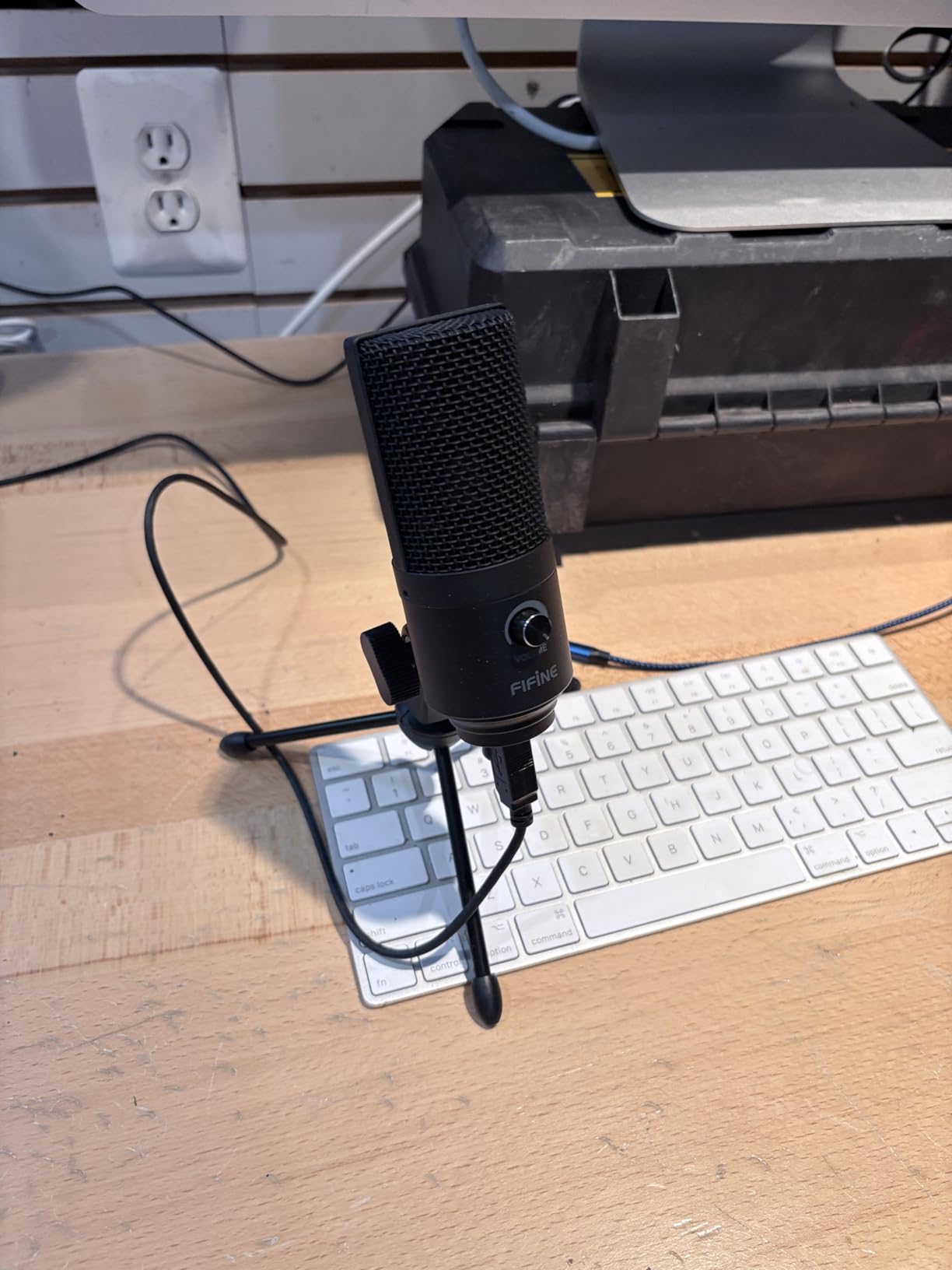
I tested the FIFINE K669B during a full week of online lectures and Discord study groups. The first thing that struck me was the metal body at this price point, it feels like a mic that should cost twice as much. Plug it into any laptop USB port and it shows up as an audio input instantly, no driver downloads or fiddling in settings.
For Zoom classes, my voice came through noticeably clearer than my laptop’s built-in mic. Professors stopped asking me to repeat myself, and group project calls felt more professional. The cardioid pattern focused on my voice well from about six inches away.
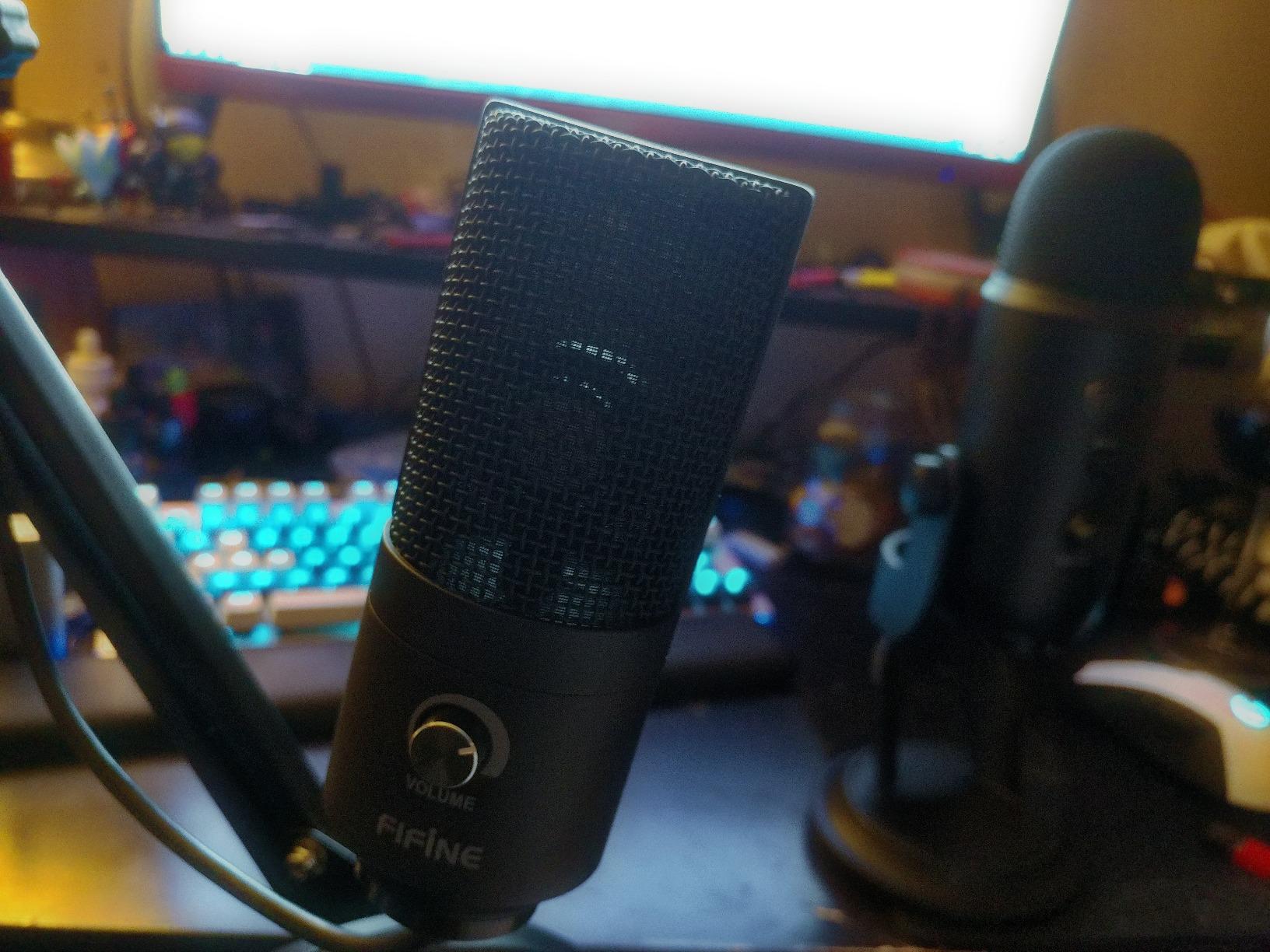
The volume knob on the front is genuinely useful. I could dial down input gain during a call without tabbing out to system settings. That said, if you crank the gain too high, it starts picking up your desk fan, keyboard, and roommate conversations. Keeping it around 60 to 70 percent was the sweet spot in my dorm setup.
The included tripod stand is stable enough for a desk but a bit short. I ended up stacking it on a textbook to get the mic closer to mouth level. With over 34,000 reviews on Amazon, this is one of the most battle-tested budget mics out there.
Best Suited For
This is the ideal pick for students who want a serious audio upgrade without thinking about it. If your main needs are Zoom lectures, Discord, light voice recording, and the occasional YouTube video, the K669B covers all of it. The plug-and-play setup means it works the moment you plug it in.
It is also great if you are sharing a desk with a roommate and need something small that stores easily in a drawer. The compact tripod folds down, and the whole setup weighs under a pound.
What to Watch Out For
There is no mute button on the microphone itself. If a professor suddenly calls on you or your roommate walks in mid-recording, you have to mute through software or unplug. The lack of a physical mute is the biggest daily annoyance I hit.
It also picks up background noise if you set the gain above 70 percent. In a noisy dorm with a window AC unit or a gaming PC fan running, you may need software noise reduction in OBS or Zoom to keep things clean.
2. TONOR TC-777 – Cheapest Complete Kit
TONOR TC-777 Podcast Microphone, USB Computer Microphone, Cardioid Condenser PC Mic with Tripod Stand and Pop Filter for Podcasting, Streaming, Vocal Recording, Compatible with PC & Laptop, PS4/5
Cardioid condenser
USB 2.0 plug-and-play
Shock mount included
Pop filter included
One-click mute
Pros
- Plug-and-play with no drivers
- Includes both shock mount and pop filter
- One-click mute on the mic
- Sturdy tripod stand
- Great value for absolute beginners
Cons
- Pop filter arm can be flimsy
- Some users report clicking or static issues
- USB cable may be short for some setups
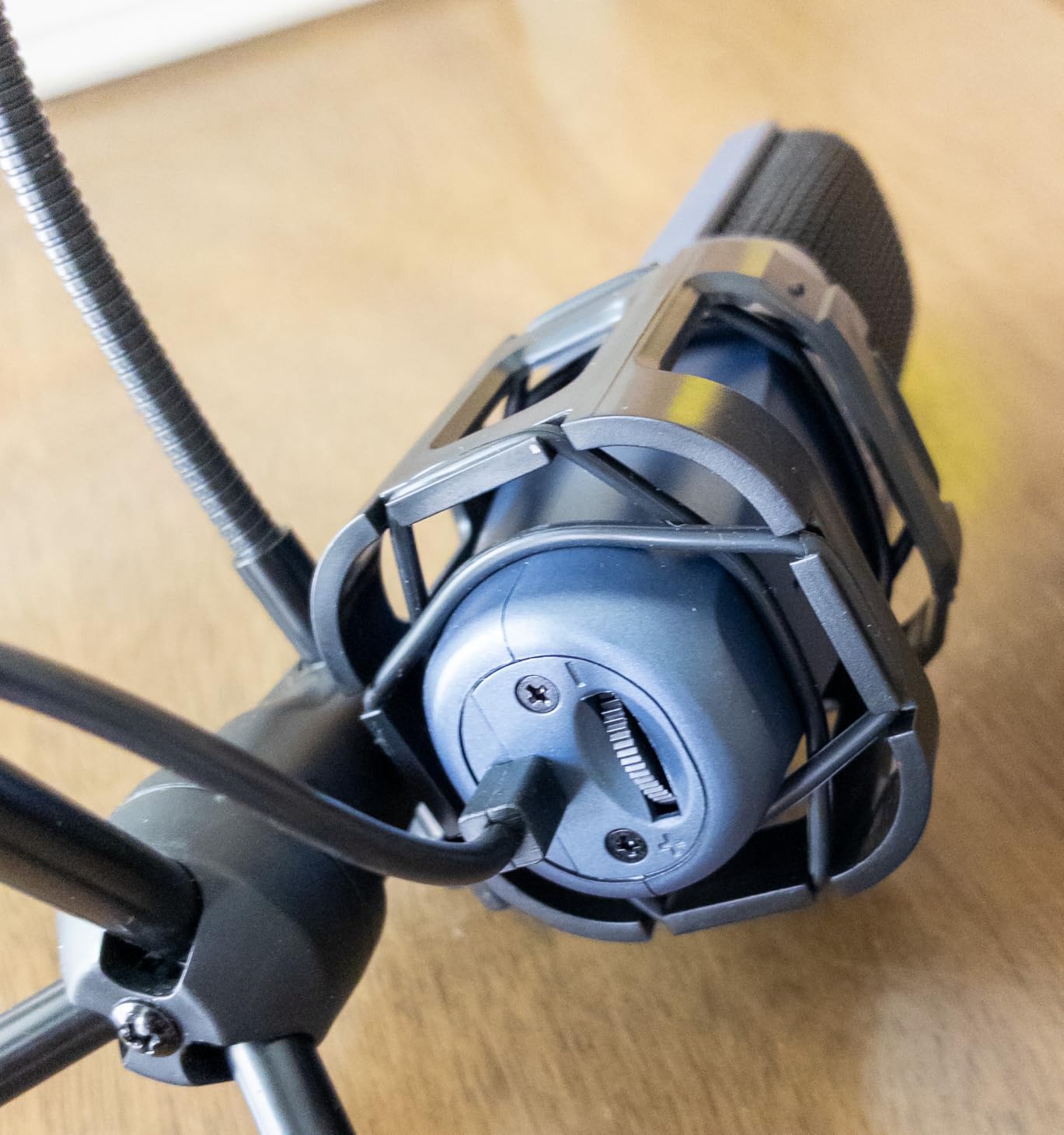
The TONOR TC-777 came as a complete kit right out of the box, which is rare at this price. Inside I found the microphone, tripod stand, shock mount, pop filter, and USB cable. For a student buying their first mic, that means no extra purchases before you can start recording.
I used it for a podcast project and the pop filter did its job taming harsh P and B sounds. The cardioid pattern kept my voice front and center while sitting at my desk. Audio quality was clear and serviceable for a beginner-level setup.
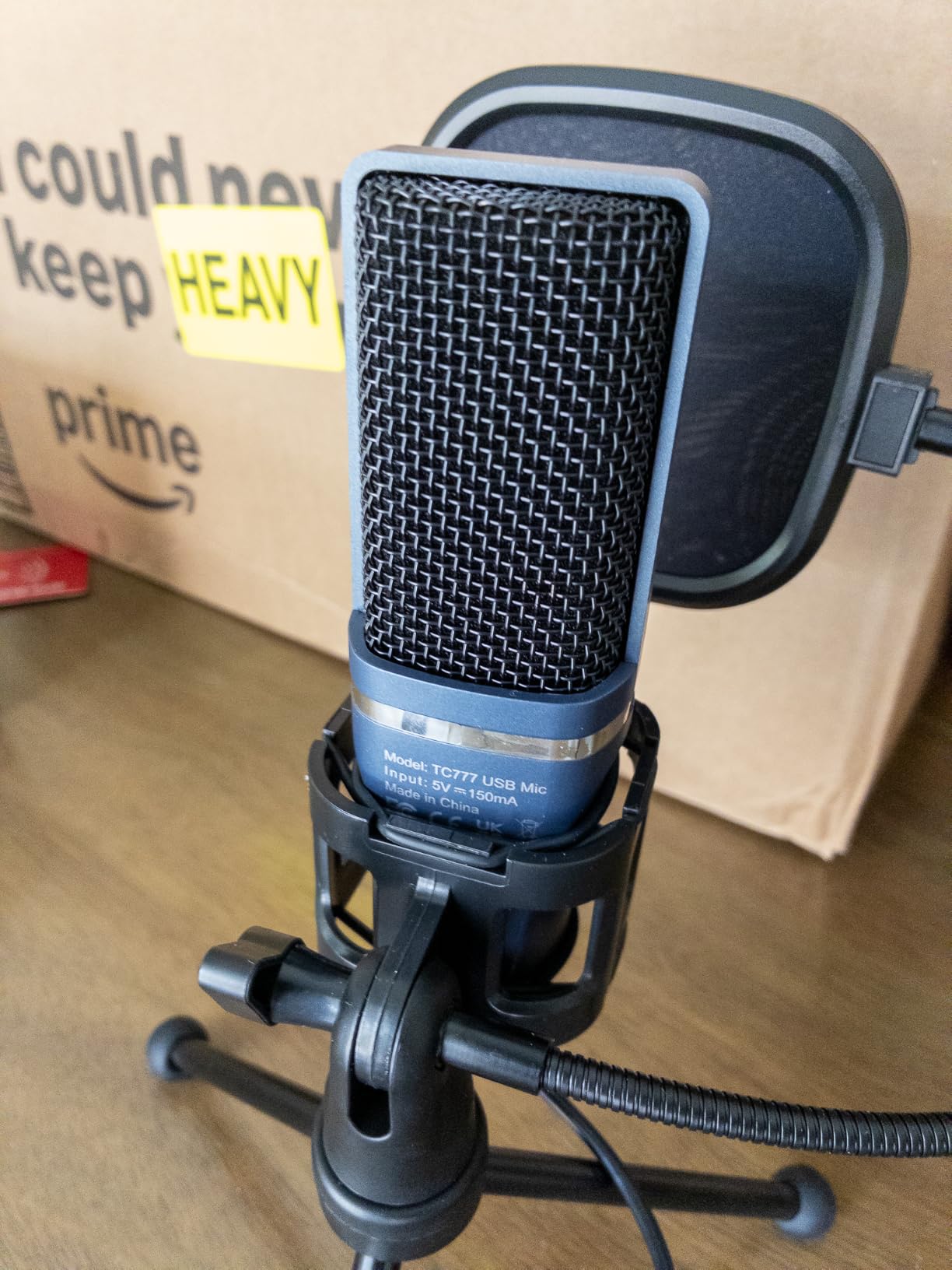
The one-click mute button was a daily lifesaver during study group calls. Tap once to mute, tap again to unmute, no need to hunt for the Zoom mute button. The shock mount absorbed most desk bumps when I typed during recordings.
On the downside, the pop filter arm felt thin and bent slightly after a few weeks of adjustments. I also noticed occasional faint static in quieter recordings, something to be aware of if you do voiceover work where silence matters. The included USB cable is about six feet, which was fine for my desk but might fall short if your tower sits on the floor.
Best Suited For
This is the best usb microphones for students pick if you want everything in one box for the lowest possible price. Beginners who have never owned a mic will appreciate not needing to buy accessories separately. The included shock mount and pop filter alone would cost extra with most other mics.
It fits students doing casual podcasting, Discord, and Zoom classes on a tight budget. If you are just starting and unsure whether audio is your thing, this is a low-risk way to test the waters.
What to Watch Out For
The 4.3-star average is slightly lower than pricier options for a reason. Some users report static or clicking sounds, particularly after extended use. If you plan to record music or professional voiceovers, the noise floor may bother you.
The pop filter arm is the weakest physical part. Mine started drooping after heavy use. You can bend it back, but it is something to handle carefully rather than constantly reposition.
3. Amazon Basics Condenser Microphone – Clean and Simple
Amazon Basics Condenser Microphone for PC, Cardioid Pickup, USB Mic for Streaming, Recording, and Podcasting, 360° Adjustable Stand, Plug and Play, 5.8″ x 3.4″, Black
Cardioid condenser
14mm diaphragm
360-degree adjustable stand
One-tap mute
USB-C plug-and-play
Pros
- Clean professional design with no flashy RGB
- True plug-and-play on Windows and Mac
- One-tap mute button
- Compact 360-degree adjustable stand
- Good value for work calls and meetings
Cons
- No built-in noise cancellation or EQ
- Included USB cable quality is inconsistent
- Not as sturdy as metal-bodied mics
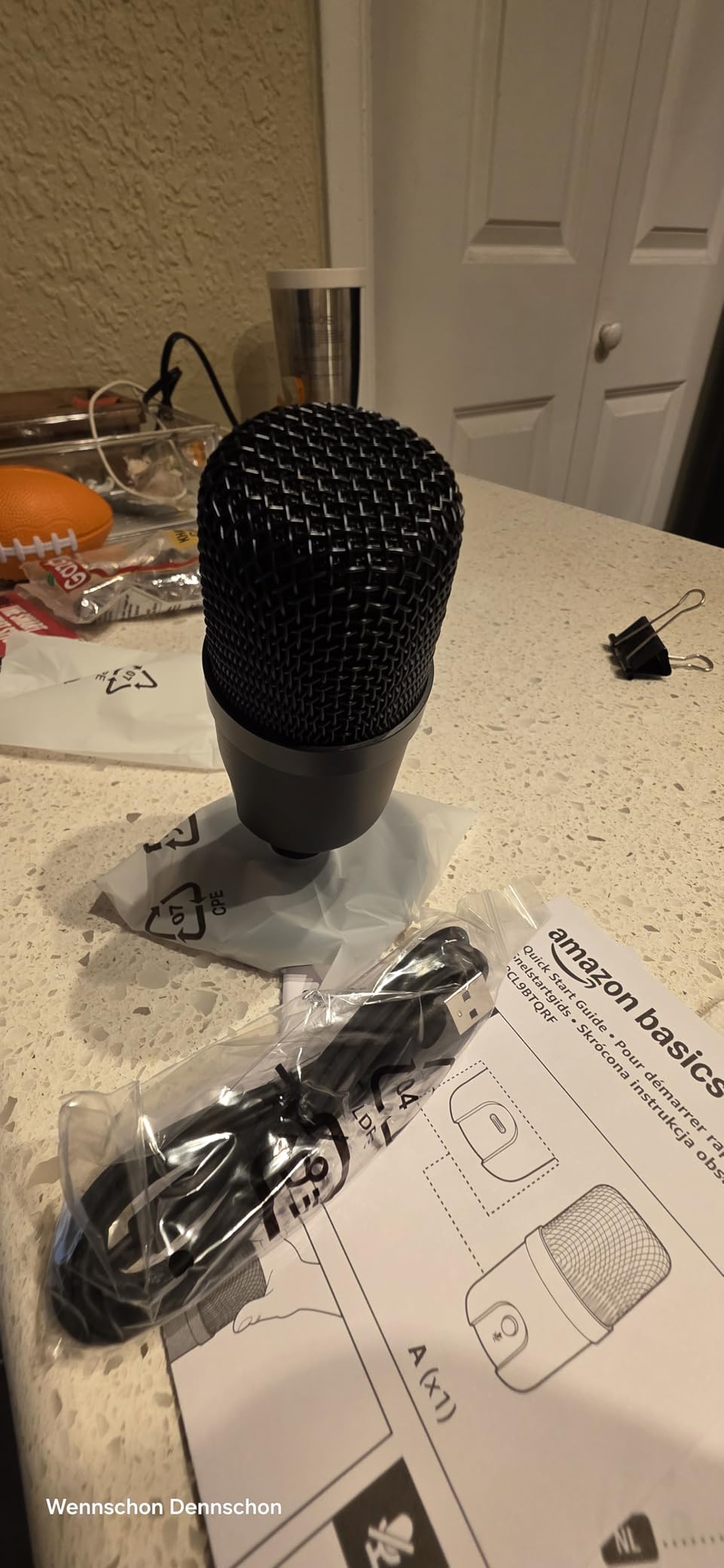
The Amazon Basics Condenser Microphone surprised me with how understated it looks. No RGB, no aggressive gaming aesthetic, just a clean black mic that fits a professional workspace. For students who attend internships or job interviews over video, that matte professional appearance matters.
Setup took about ten seconds. I plugged it in, selected it as my input in Windows, and joined a Teams meeting. My voice came through clearly and the person on the other end noticed the upgrade from my laptop mic immediately.
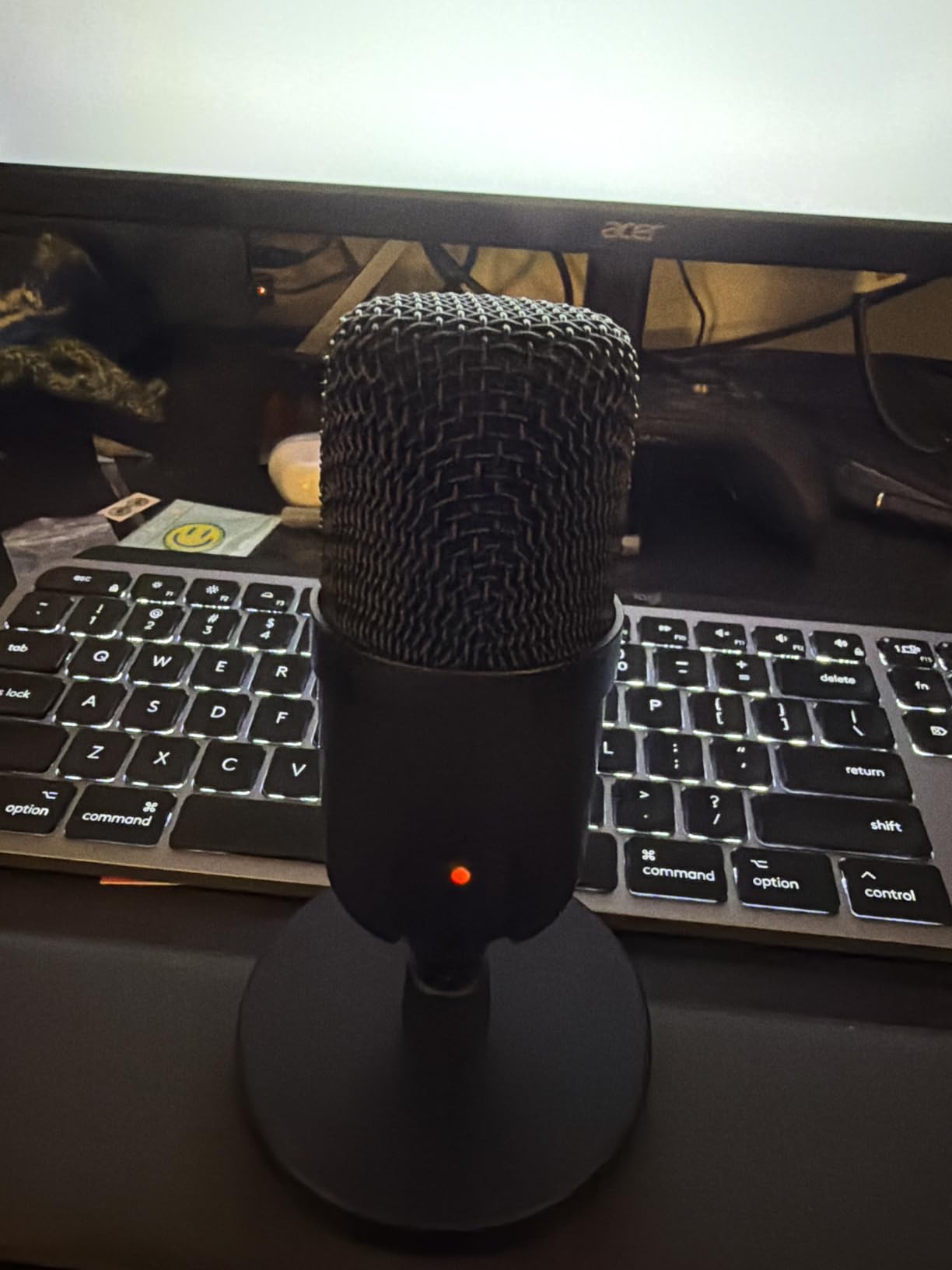
The 360-degree adjustable stand is handy for getting the right angle on a cluttered dorm desk. I could rotate the mic to face me directly and then swing it away when not in use. The one-tap mute on top is responsive and clicks with enough feedback that you know it registered.
The included USB cable uses a USB-C connection on the mic end, which feels modern. However, a few reviewers reported receiving a faulty cable. I did not have this issue, but it is worth testing yours the day it arrives so you can request a replacement if needed.
Best Suited For
This mic is best for students who need clean, professional-looking audio for work calls, internships, and online classes. If RGB lighting and gaming branding would look out of place in your video calls, the Amazon Basics blends into any background.
It also suits students who value simplicity. There is no software to install, no profiles to manage, just plug and talk. The compact footprint means it leaves room on your desk for textbooks and notes.
What to Watch Out For
There is no built-in noise cancellation or EQ. In a noisy environment, you will rely on software filters in Zoom or Teams to clean up background sounds. The mic captures what it hears accurately, which is good for clarity but unforgiving for ambient noise.
The build is lighter than the FIFINE K669B. It feels solid enough for desk use but I would not trust it to survive a drop onto a hard floor. Handle it with care during transport.
4. ZealSound K66 – Feature-Packed for Mobile Students
ZealSound Podcast Microphone for PC, Noise Cancellation USB Mic with Gain, Volume Adjustment & Mute Button, Monitoring & Echo, for YouTube, TikTok, Podcasting, Streaming, iPhone, iPad, Android, Mac
192kHz sampling
Noise reduction mode
Real-time monitoring
Gain/echo controls
USB-C and Lightning ready
Pros
- Studio-quality 192kHz sampling
- Intelligent noise reduction mode
- Real-time zero-latency monitoring
- Wide compatibility including iPhone and iPad
- USB-C and Lightning adapters included
Cons
- Echo adjustment is very sensitive
- Picks up background noise without noise reduction on
- Accessories could be higher quality
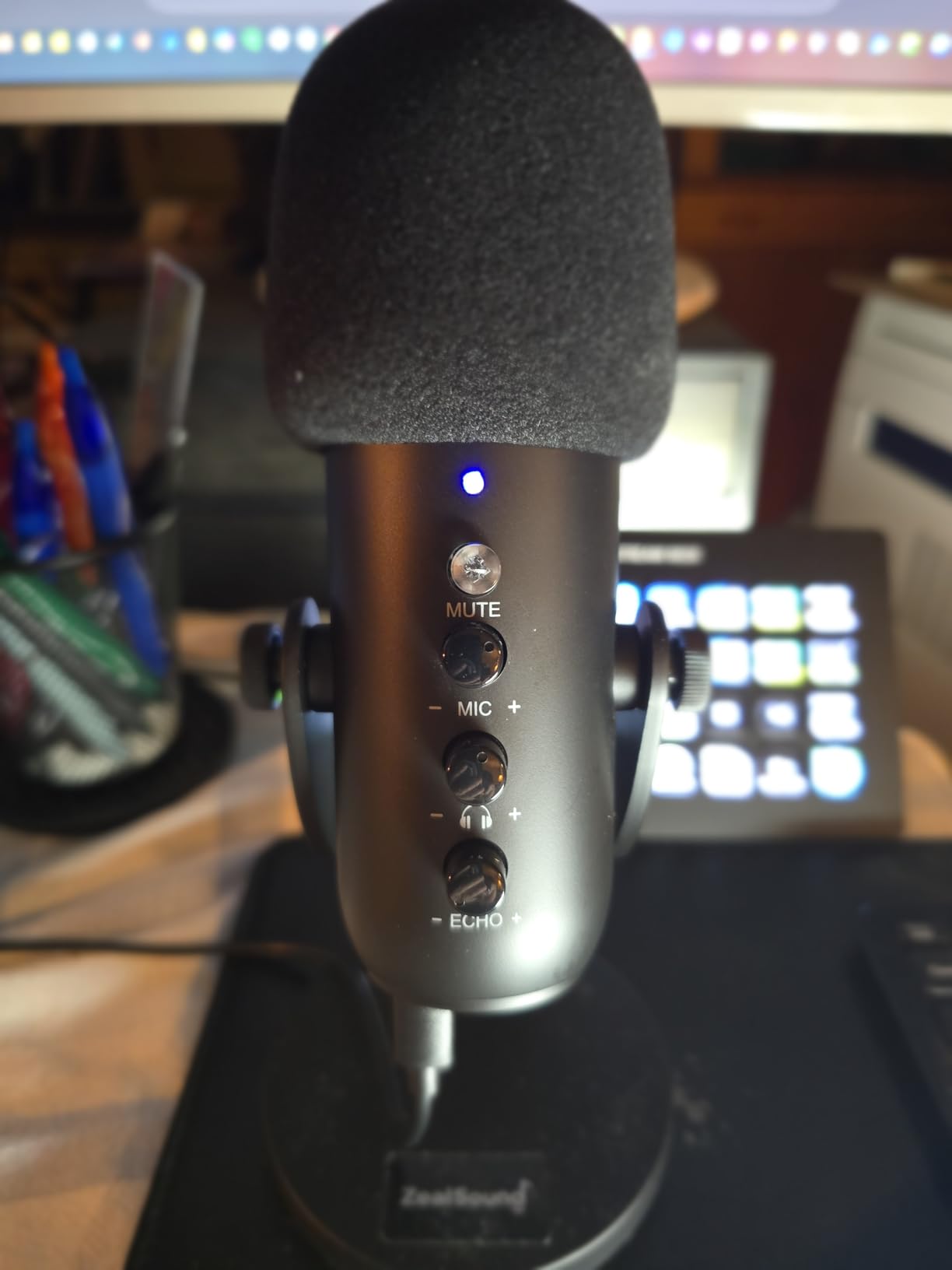
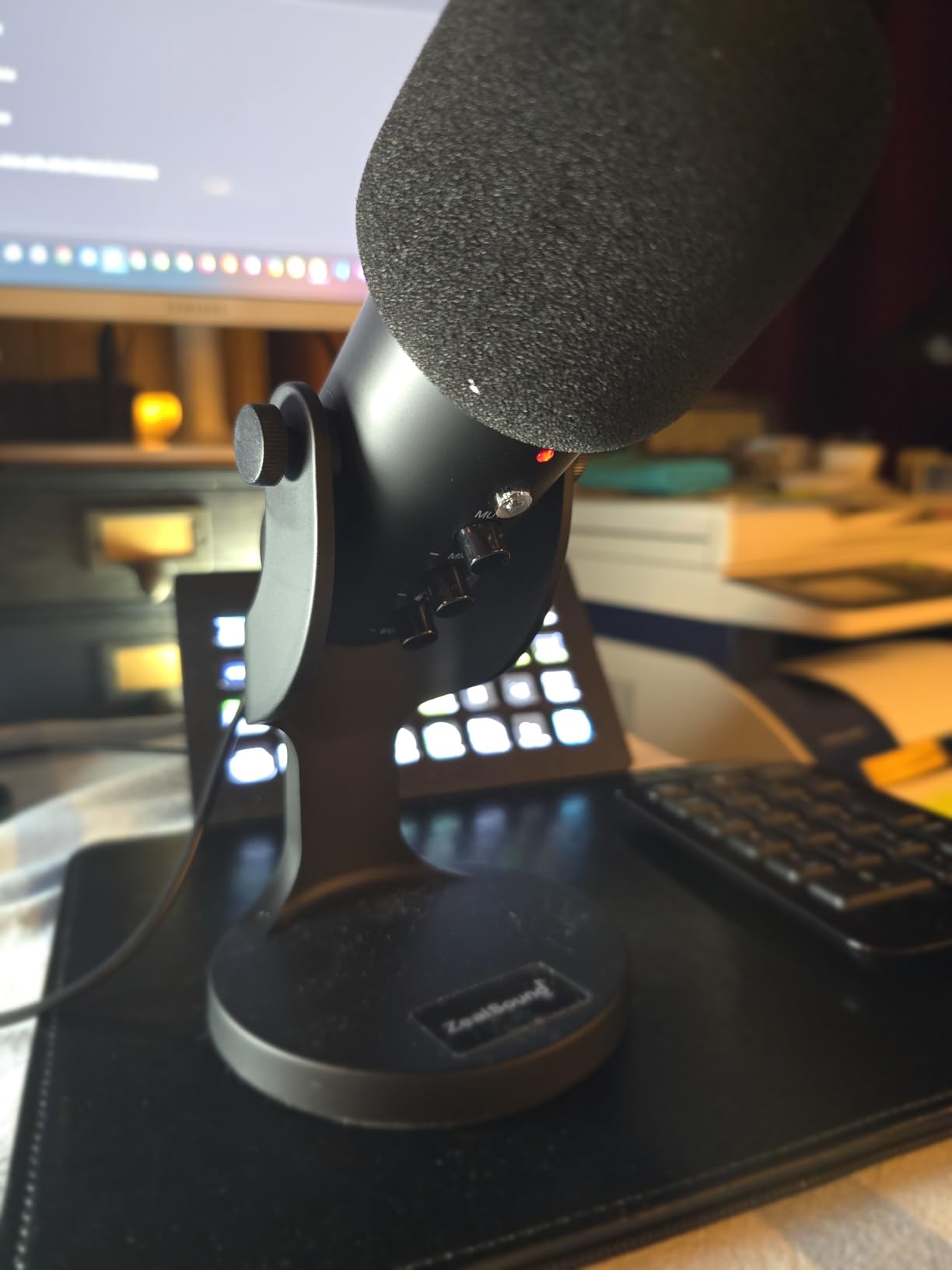
The ZealSound K66 is the most feature-dense mic in this price range. I counted separate knobs for mic gain, monitoring volume, and echo, plus a mute button and a 3.5mm headphone jack for zero-latency monitoring. For students who want control over their audio, this is the pick.
The standout feature for me was the intelligent noise reduction mode. Hold the mute button to toggle it on, and the mic actively suppresses background sound. In my dorm with a fan running, this made a noticeable difference on Discord calls.
This is also one of the few budget mics that works with iPhones and iPads out of the box. ZealSound includes both USB-C and Lightning adapters. I recorded a podcast episode directly into my iPad using GarageBand, no extra dongles needed.
The echo knob is the weak point. Even small adjustments swing from no effect to obvious reverb. I ended up leaving it near zero most of the time. Without noise reduction mode active, the default sound picked up more room noise than I expected.
Best Suited For
This is the best pick for students who record on multiple devices. If you bounce between a laptop, iPad, and phone for content creation, the included adapters save you from buying extras. The monitoring jack also helps podcasters who want to hear themselves in real time.
It is also strong for students who want hardware controls rather than software menus. Adjusting gain and monitoring volume with physical knobs is faster than digging through settings mid-call.
What to Watch Out For
Out of the box, noise reduction is off and the mic sounds ordinary. You need to turn it on intentionally, and if you forget, you will wonder why the audio is no better than a cheaper mic. Make this the first thing you test when setting it up.
The echo control is touchy. Treat it gently and start from zero. The included shock mount and cords work but feel basic compared to what comes with the MAONO AU-A04 kit.
5. FIFINE AmpliGame A6V – Gaming Vibes for Streamers
FIFINE AmpliGame A6V USB Gaming Microphone, Condenser RGB Mic for Streaming
192kHz sampling
iF Design Award
Tap-to-mute with RGB
Gradient RGB lighting
Gain control knob
Pros
- iF Design Award-winning build
- Quick tap-to-mute with RGB indicator
- 192kHz detailed audio
- Includes shock mount and pop filter
- Detachable 6.6ft USB-C cable
Cons
- RGB cannot be turned off independently
- Picks up background noise at high gain
- May need software noise reduction in busy rooms
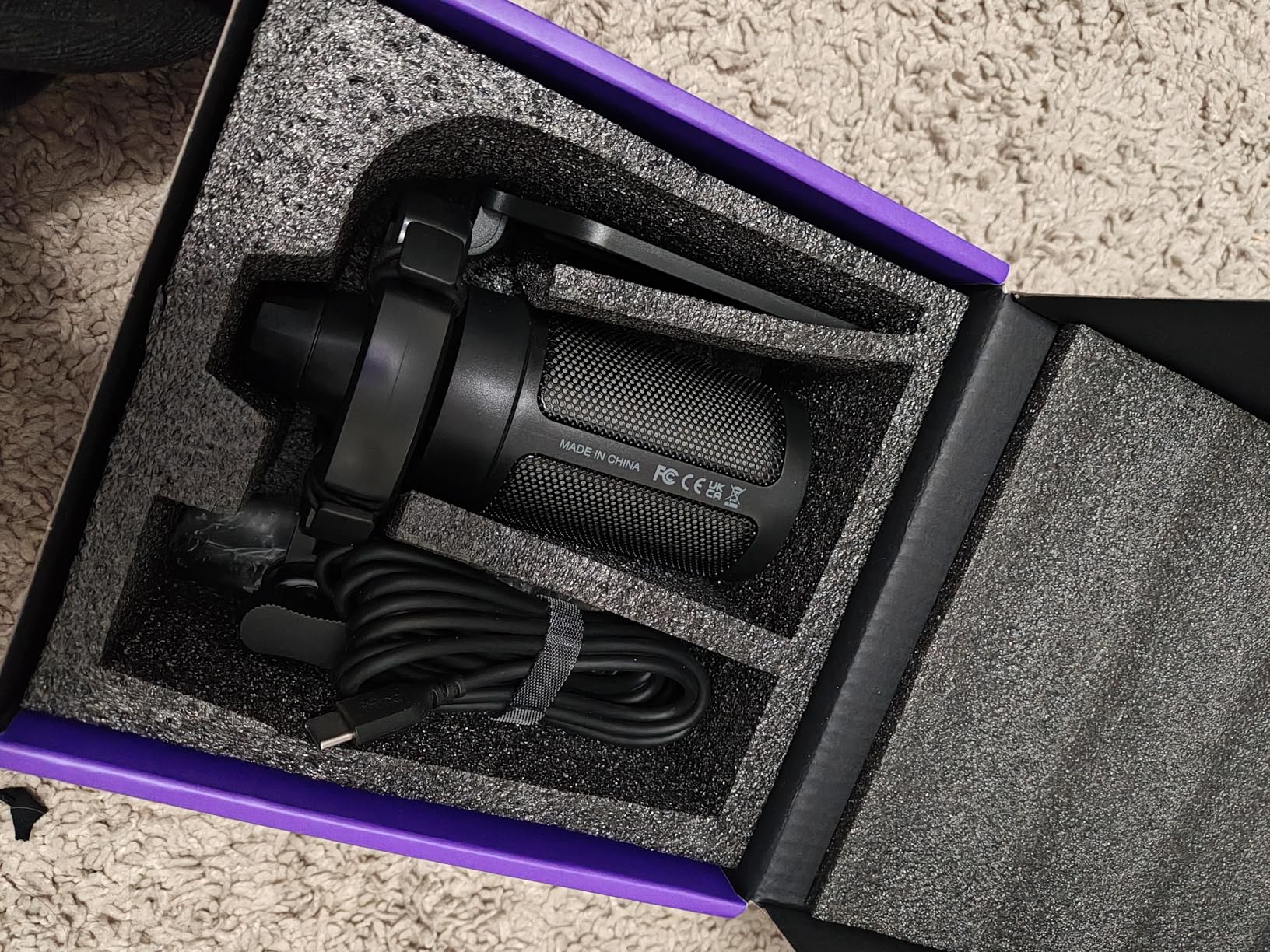
The FIFINE AmpliGame A6V won an iF Design Award and you can see why when it sits on your desk. The black body with gradient RGB lighting cycling through seven colors makes it look like premium gaming gear. For students who stream or record gaming content, this mic fits the aesthetic.
The tap-to-mute sensor on top is my favorite feature. Tap the top plate and the RGB turns off to confirm mute status. Tap again and you are live. During a Twitch stream, I never had to look away from gameplay to manage audio.
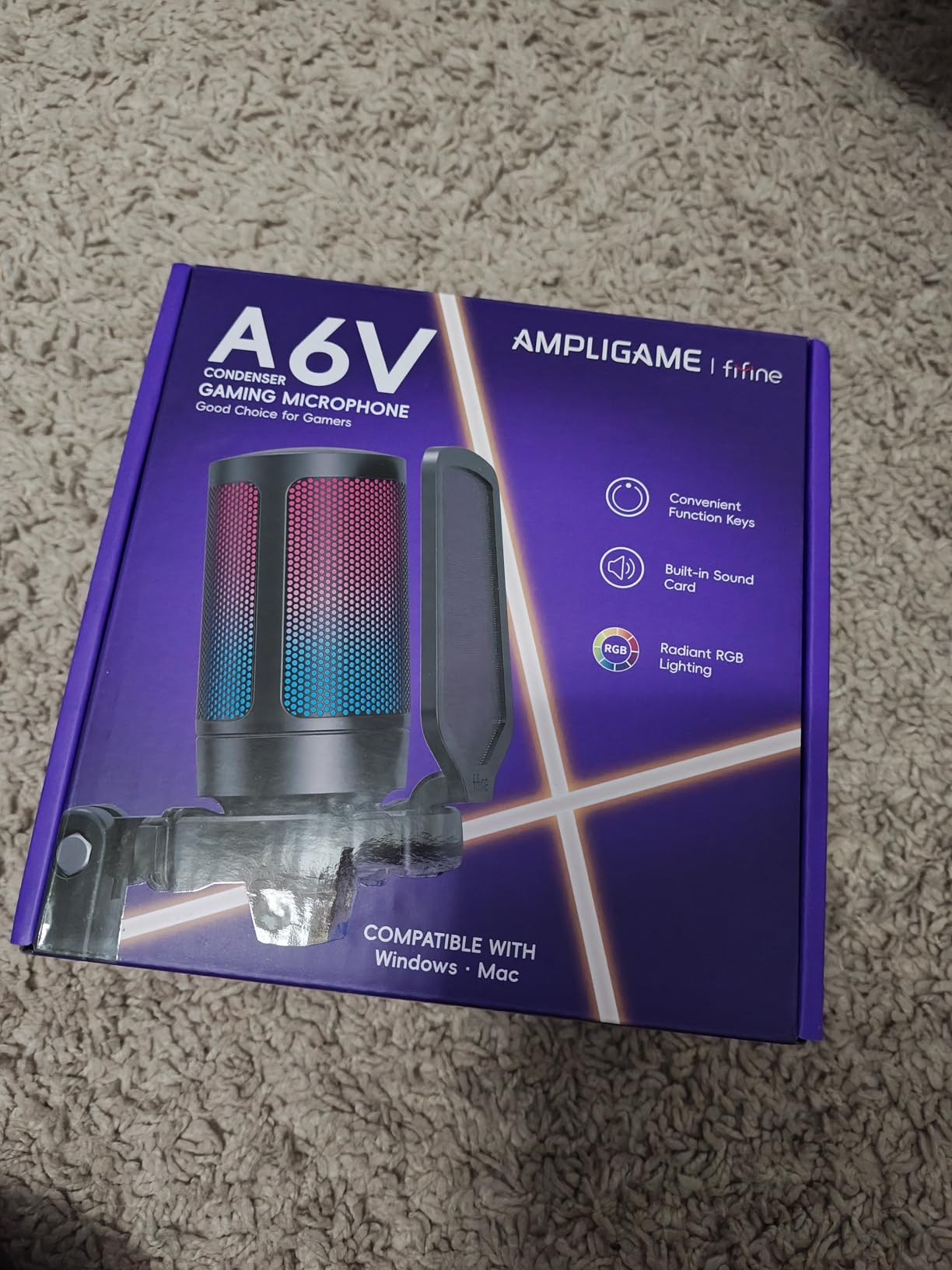
Audio quality matches the looks. The 192kHz sampling rate captures detail that holds up for YouTube voiceovers and podcast intros. The included shock mount with rubber bands absorbs desk bumps well, and the pop filter tames plosives on its own.
The big trade-off is the RGB. You cannot turn it off without muting the mic, which is frustrating in a dark dorm room at night. If RGB bothers you during late study sessions, this design choice will annoy you.
Best Suited For
This mic is built for student streamers and content creators who want their setup to look as good as it sounds. If you have a Twitch channel, post gaming clips on YouTube, or run a Discord community, the A6V fits the vibe perfectly.
It is also a strong pick for students who like hardware controls. The gain knob on the front lets you adjust input on the fly, and the tap-to-mute feels natural after a few hours of use.
What to Watch Out For
The always-on RGB is the main drawback. If you record in a shared dorm room at night or simply dislike lighting, there is no way to disable it without losing mic function. This is a design choice, not a bug, but it limits where the mic fits.
Like many condenser mics at this price, it picks up background noise if you push the gain too high. In a busy room with multiple people, you will want to add software noise suppression in OBS or Discord.
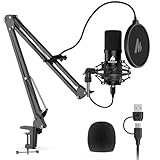
6. MAONO AU-A04 – Pro Sound Chipset Kit
MAONO A04 USB Microphone, 192kHz/24Bit Condenser Mic Kit for PC Podcast
192kHz/24bit sampling
16mm condenser
Boom arm included
Shock mount and pop filter
Cardioid pattern
Pros
- Professional 192kHz/24bit sound chipset
- Includes sturdy boom arm
- All-metal construction
- Good background noise rejection
- Compatible with PC
- Mac
- PS4/5 and phones
Cons
- Boom arm base can bend over time
- No mute button
- Larger desk footprint
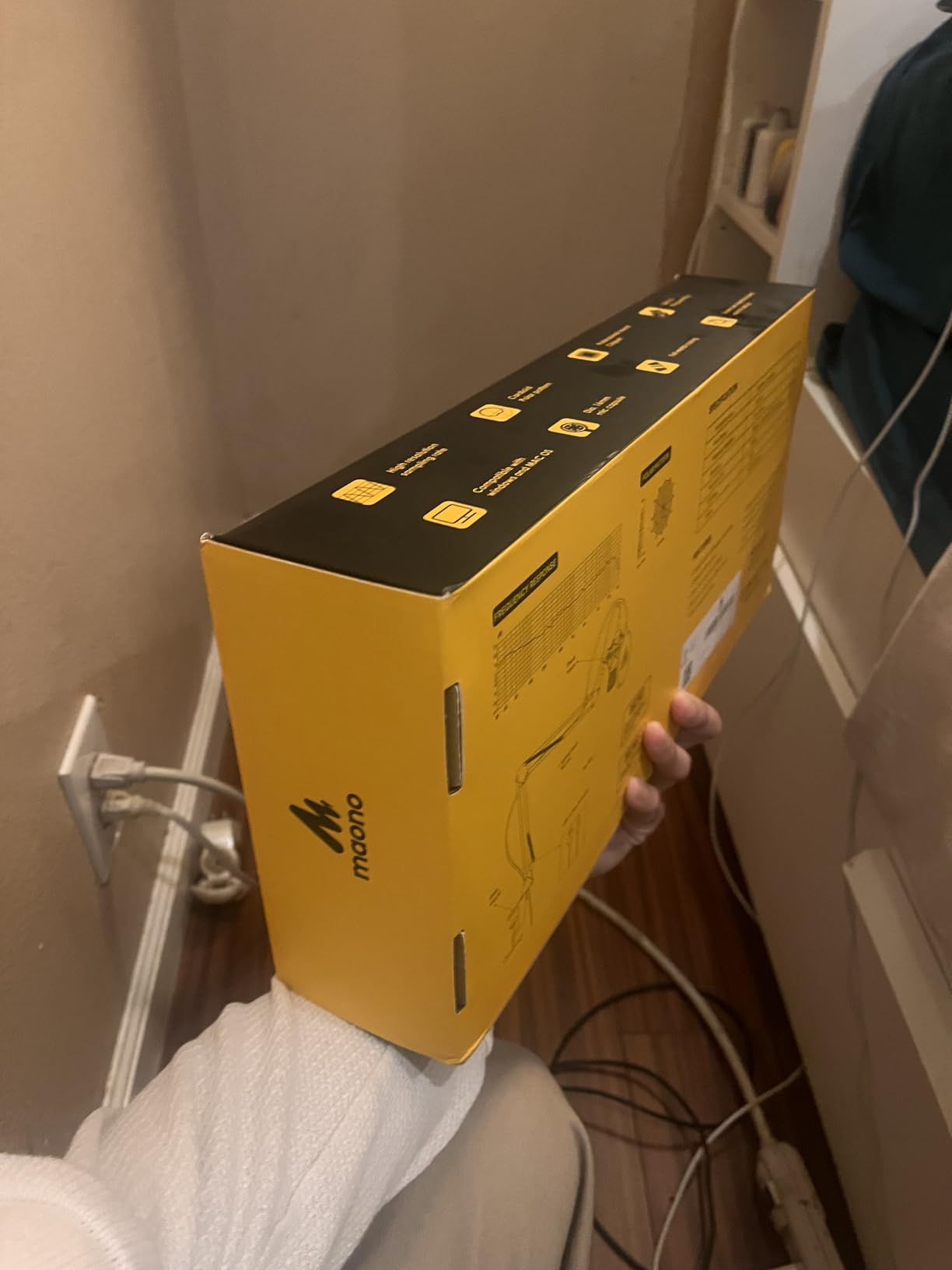
The MAONO AU-A04 is the kit I would hand to a student serious about podcasting or voice recording. It comes with a boom arm, shock mount, pop filter, and the mic itself in a single box. That boom arm alone changes how you can position the mic versus a desktop tripod.
The 192kHz/24bit sampling rate and professional sound chipset deliver audio that competes with mics twice the price. I recorded a podcast episode and the warmth and clarity surprised me for this tier. The cardioid pattern rejected most background sound from behind and to the sides.
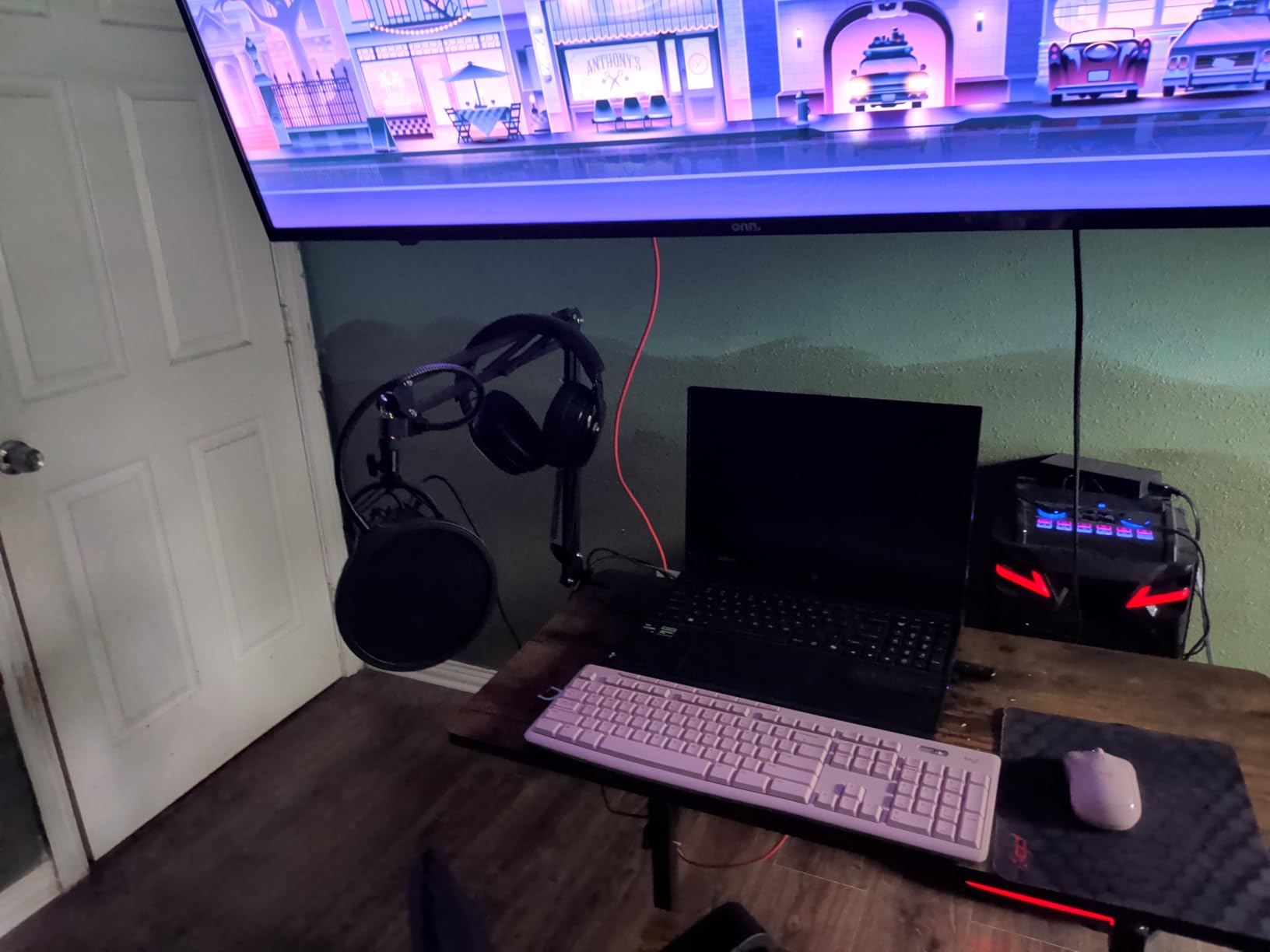
The all-metal build feels reassuring. This is not a mic that flexes when you grip it. With over 15,000 reviews and a 4.5-star average, the AU-A04 has earned its reputation as a value leader in the podcast space.
The boom arm base is the one weak spot. Several users, including me over time, noticed the desk clamp can bend under the mic’s weight after months of use. A heavier clamp or wall mount fixes this, but it is an extra cost to plan for.
Best Suited For
This kit is ideal for students starting a podcast, YouTube channel, or voiceover side gig. The boom arm positioning flexibility makes a real difference for recording quality, letting you place the mic at the perfect distance from your mouth.
It also suits students who want a setup that feels professional. The metal body and boom arm combo looks the part in any dorm or apartment, and the audio quality backs up the appearance.
What to Watch Out For
There is no mute button on the mic. For live calls, you will rely on software muting, which is slower and more error-prone than a physical switch. If muting mid-call matters to you, look at the FIFINE AM8 or AmpliGame A6V instead.
The boom arm and accessories take up more desk space than a compact desktop mic. In a tight dorm setup, plan where the boom arm will mount and whether the cable run works for your desk layout.
7. FIFINE AmpliGame AM8 – Dual USB/XLR Powerhouse
FIFINE AmpliGame AM8 USB/XLR Dynamic Microphone for Gaming Streaming
Dynamic USB/XLR mic
50Hz-16KHz response
RGB lighting
Tap-to-mute
Headphone monitoring jack
Pros
- Dual USB and XLR for future upgrades
- Dynamic capsule rejects room noise
- Tap-to-mute with LED indicator
- Headphone jack for monitoring
- RGB lighting with 3 modes and 10+ colors
Cons
- Can still pick up noise in untreated rooms
- Occasional USB reinitialization needed
- Gain knob may need manual adjustment
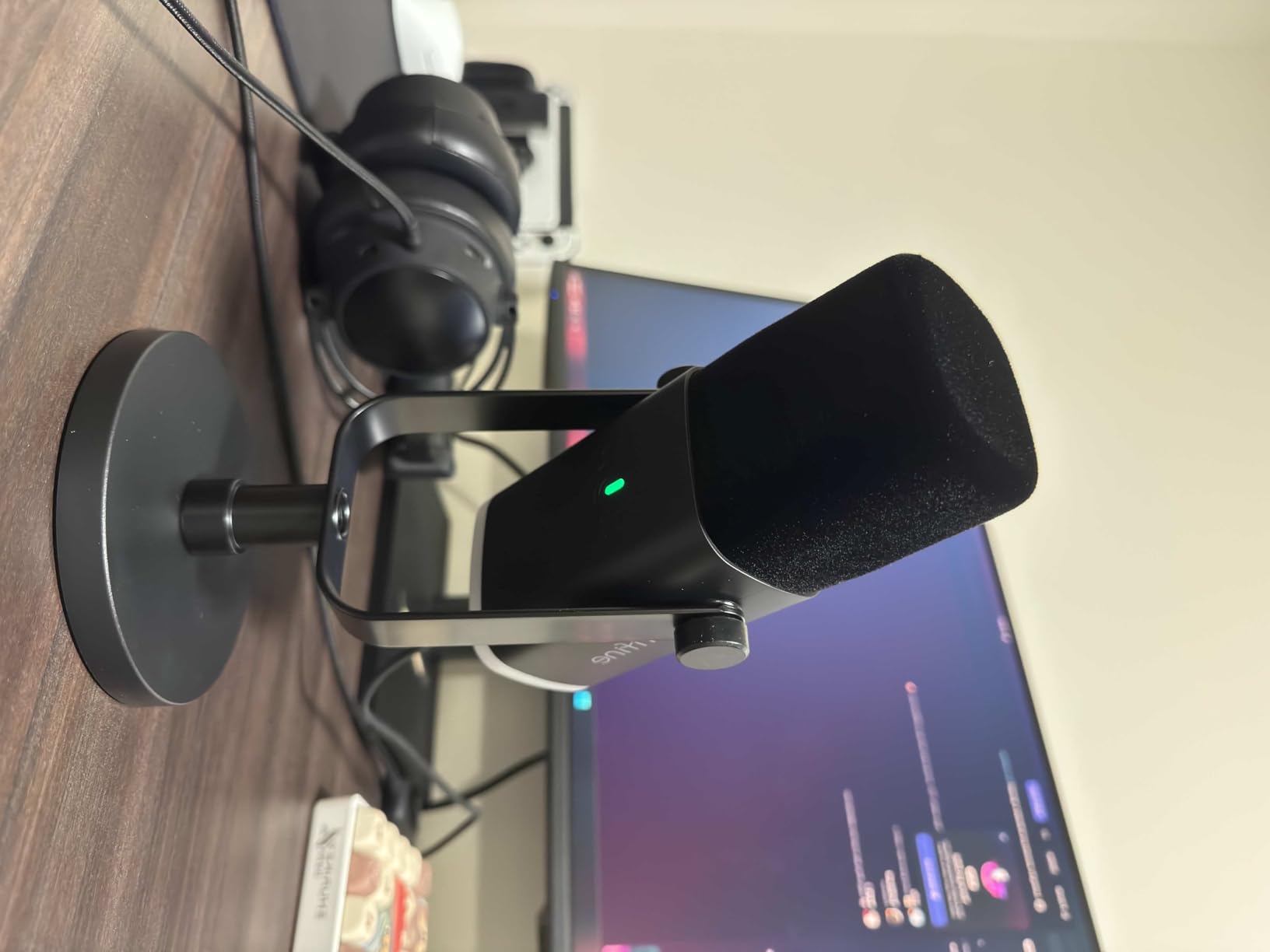
The FIFINE AmpliGame AM8 is my top pick for students who want one mic that grows with them. It has both USB for plug-and-play simplicity and XLR for when you eventually add an audio interface. That dual connectivity means you never outgrow this mic.
What sold me is the dynamic capsule. Unlike condenser mics that grab every sound in the room, the dynamic AM8 naturally rejects more background noise. In my untreated dorm room with a fan and roommates, my Discord voice came through cleaner than with any other mic on this list.
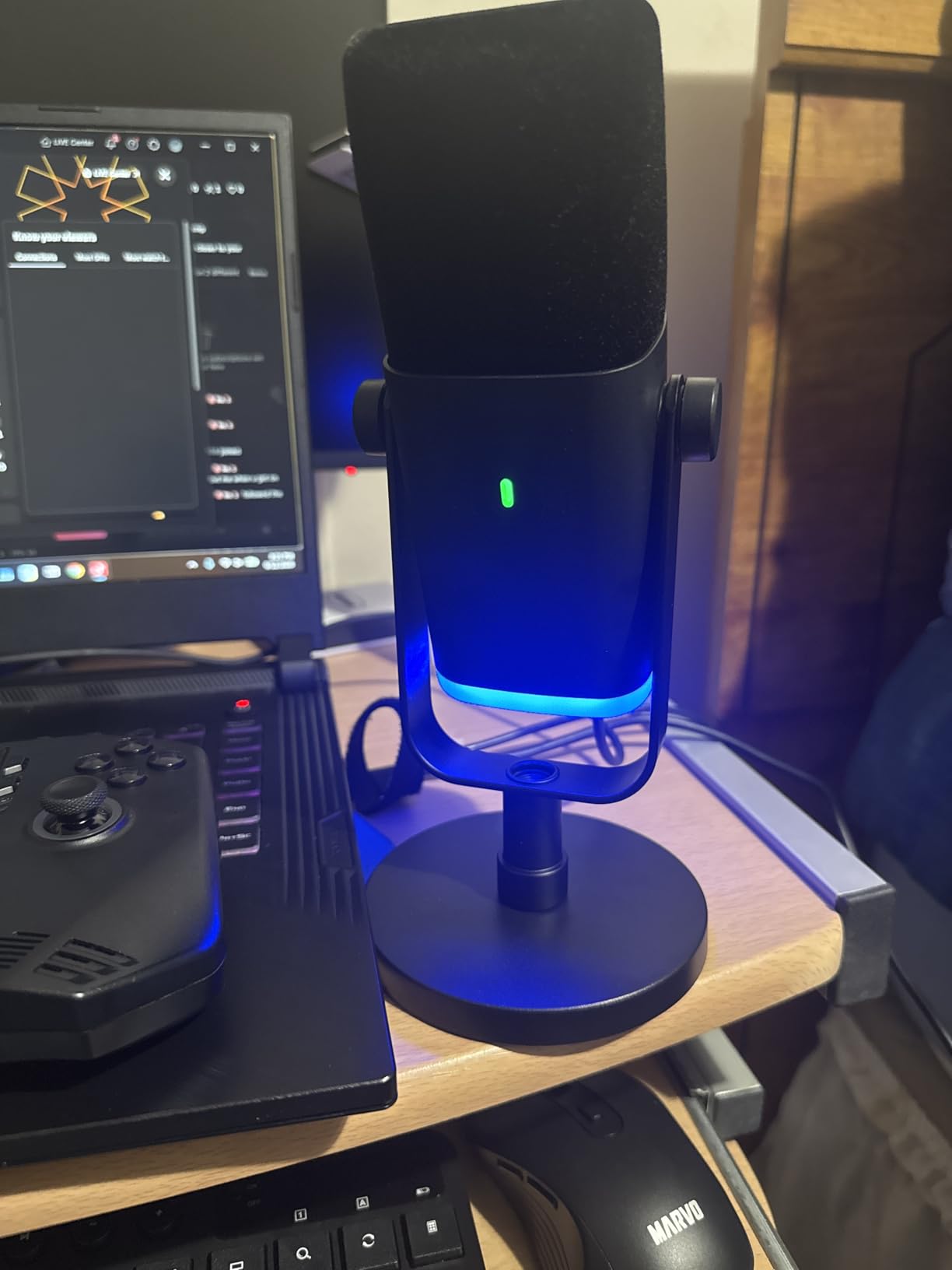
The tap-to-mute on top works the same way as the A6V, with RGB turning off to confirm mute. The headphone jack on the back lets you monitor your audio in real time, zero latency, which matters for podcasters and streamers who want to hear exactly what their audience hears.
The dynamic nature has a trade-off. You need to speak closer to the mic, about two to three inches, versus the six inches or more that works for condensers. This is normal for dynamic mics but takes adjustment if you are used to sitting back from your mic.
Best Suited For
This is the best usb microphones for students pick for anyone who plans to get serious about audio. Start with USB, and when you upgrade to an audio interface for pro-level recording, switch the cable to XLR and you have a broadcast-ready mic.
It is also the top choice for noisy dorm rooms. The dynamic capsule does more natural noise rejection than any condenser on this list, reducing your dependence on software noise filters that can make you sound processed.
What to Watch Out For
The dynamic capsule requires close mic placement. If you are used to leaning back in your chair during calls, your audio will drop off. Plan to use a boom arm or position the desktop stand close to your mouth.
A small number of users report occasional dropouts that need a USB replug to fix. I did not experience this in my testing, but it is worth keeping the cable accessible rather than buried behind your desk in case a reinitialization is needed.
8. Razer Seiren V3 Mini – Compact and Focused
Razer Seiren V3 Mini USB Microphone, Supercardioid Condenser Mic, Black
Supercardioid condenser
Tap-to-mute with LED
Built-in shock absorber
Ultra-compact
Plug-and-play USB
Pros
- Ultra-compact footprint saves desk space
- Supercardioid pattern suppresses room noise
- Tap-to-mute sensor works reliably
- Built-in shock absorber
- Plug-and-play with no drivers
Cons
- Stand can be unstable on some surfaces
- No software controls for sensitivity
- May pick up keyboard noise with default settings
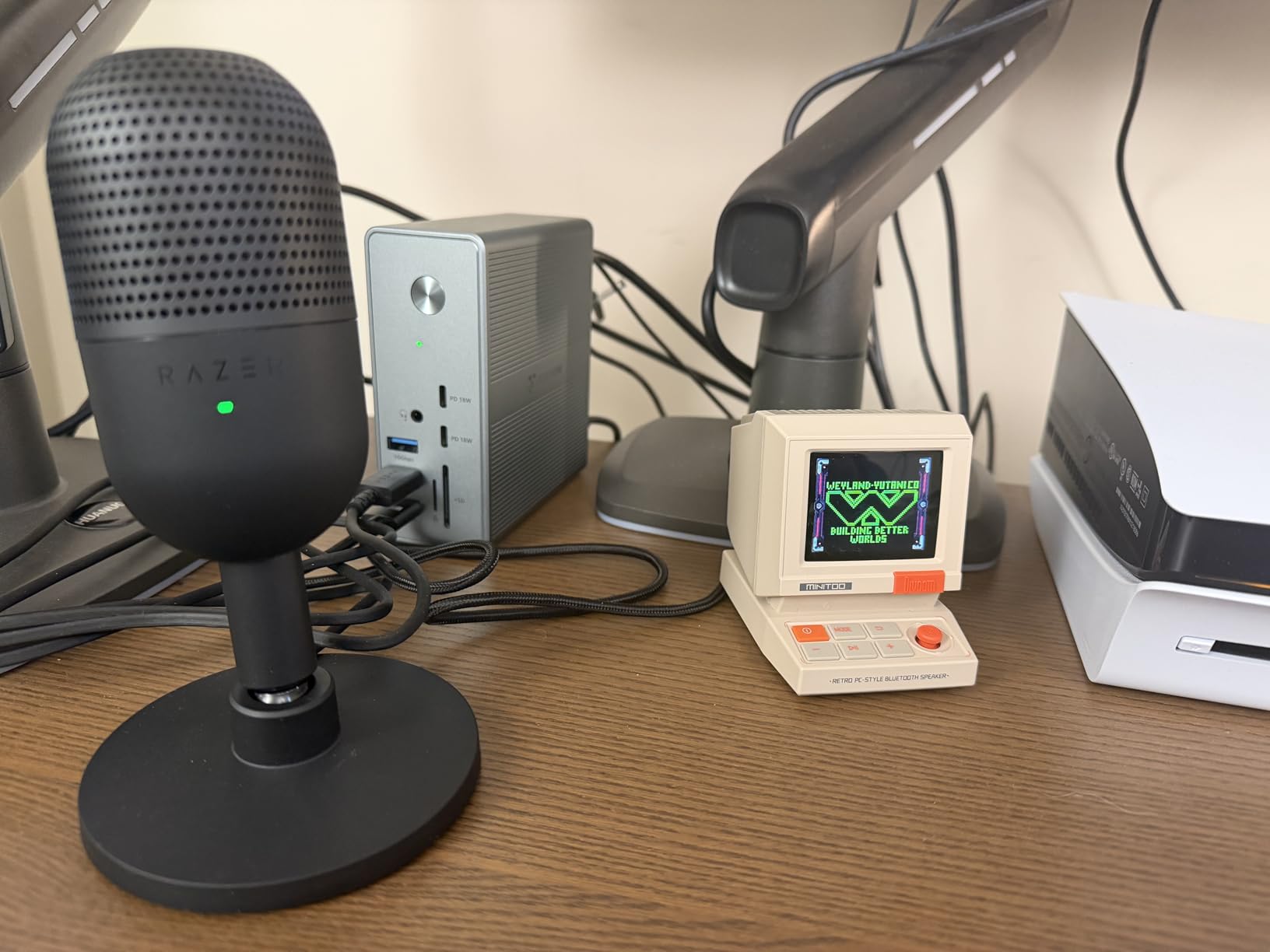
The Razer Seiren V3 Mini is the smallest mic I tested, and that compact size is its biggest selling point. It takes up barely more desk space than a coffee mug. For students with limited real estate on a dorm desk, this matters more than you might expect.
The supercardioid pattern is tighter than standard cardioid, which means it focuses on your voice and rejects more sound from the sides and rear. In practice, my keyboard clicks and roommate chatter came through less than with the other condenser mics in this list.
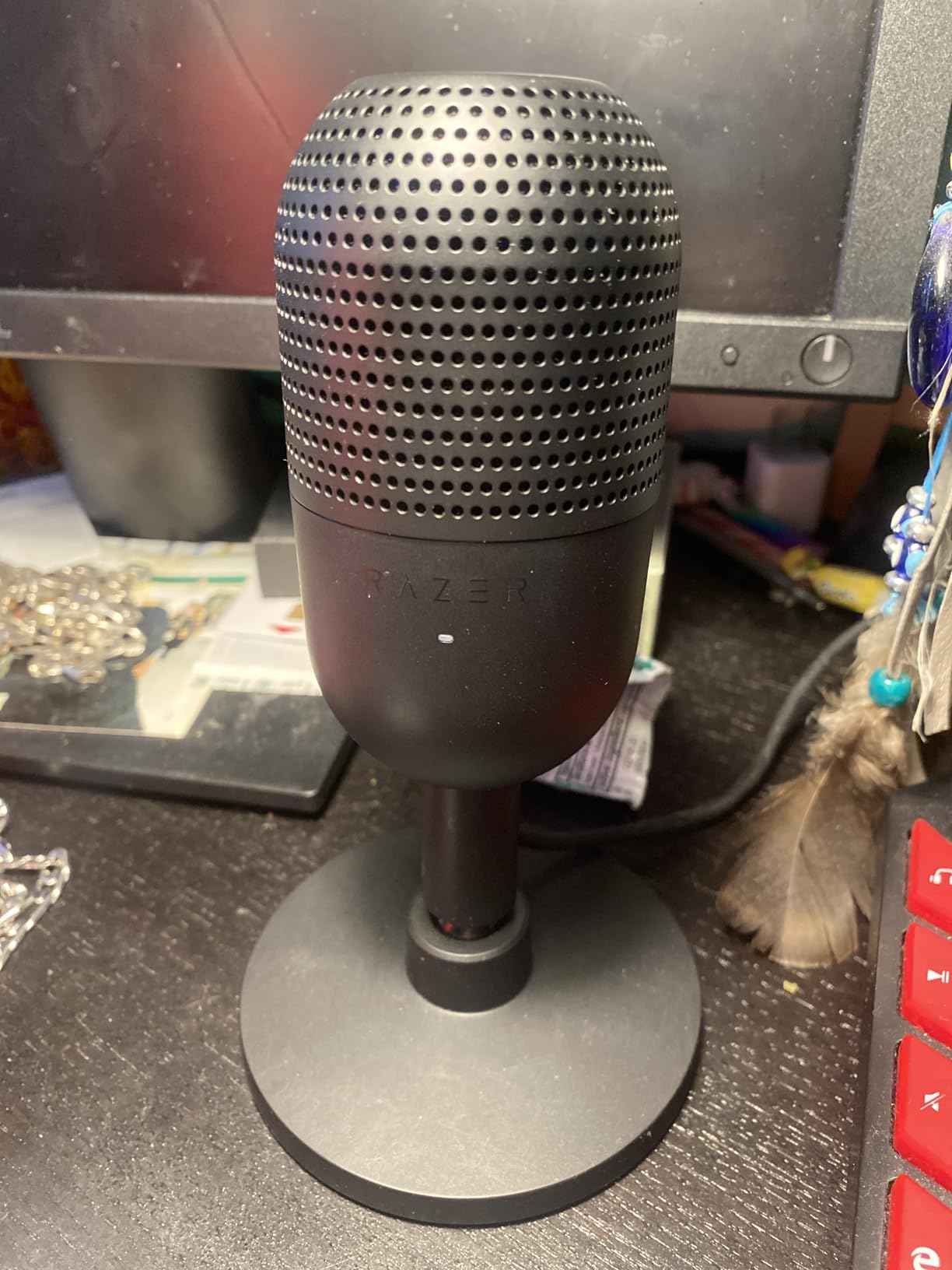
The tap-to-mute sensor on top has a satisfying LED indicator. Tap once, the light turns red, you are muted. Tap again, light returns, you are live. This is the same interaction model as the HyperX SoloCast and it works well.
The included stand is short and slightly narrow. On a perfectly flat desk it is fine, but on an uneven surface it wobbled for me. A heavier base or mounting it on a boom arm would solve this, but that adds cost.
Best Suited For
This mic is perfect for students who prioritize desk space. If your desk holds a laptop, textbooks, a tablet, and a coffee cup with no room to spare, the V3 Mini fits without crowding. It is also a clean choice for students who like Razer’s design language.
The supercardioid pattern makes it a good pick for shared rooms. If your roommate is gaming behind you, the tighter pickup pattern ignores more of that noise than a standard cardioid mic would.
What to Watch Out For
There are no onboard controls for sensitivity or volume. You adjust everything through your operating system or Razer Synapse software. If you want hardware knobs, look at the FIFINE AM8 or ZealSound K66 instead.
The short stand positions the mic below mouth level for most desks. You will likely want to prop it up or pair it with a boom arm. Mechanical keyboard noise can still bleed in if the mic sits close to your keys, despite the tighter pattern.
9. HyperX SoloCast – Best Value Hi-Res Mic
HyperX SoloCast – USB Condenser Gaming Microphone, for PC, PS4, PS5 and Mac, Tap-to-Mute Sensor, Cardioid Polar Pattern, great for Streaming, Podcasts, Twitch, YouTube, Discord,Black
24-bit/96kHz Hi-Res
Tap-to-mute with LED
USB-C plug-and-play
Adjustable stand
Cardioid pattern
Pros
- Hi-Res 24-bit/96kHz audio quality
- Tap-to-mute sensor with LED indicator
- USB-C plug-and-play
- Flexible adjustable stand fits under monitors
- Compatible with PC
- Mac
- PS4
- PS5
Cons
- Can pick up desk vibrations without shock mount
- No pop filter included
- May unmute when computer sleeps on some systems
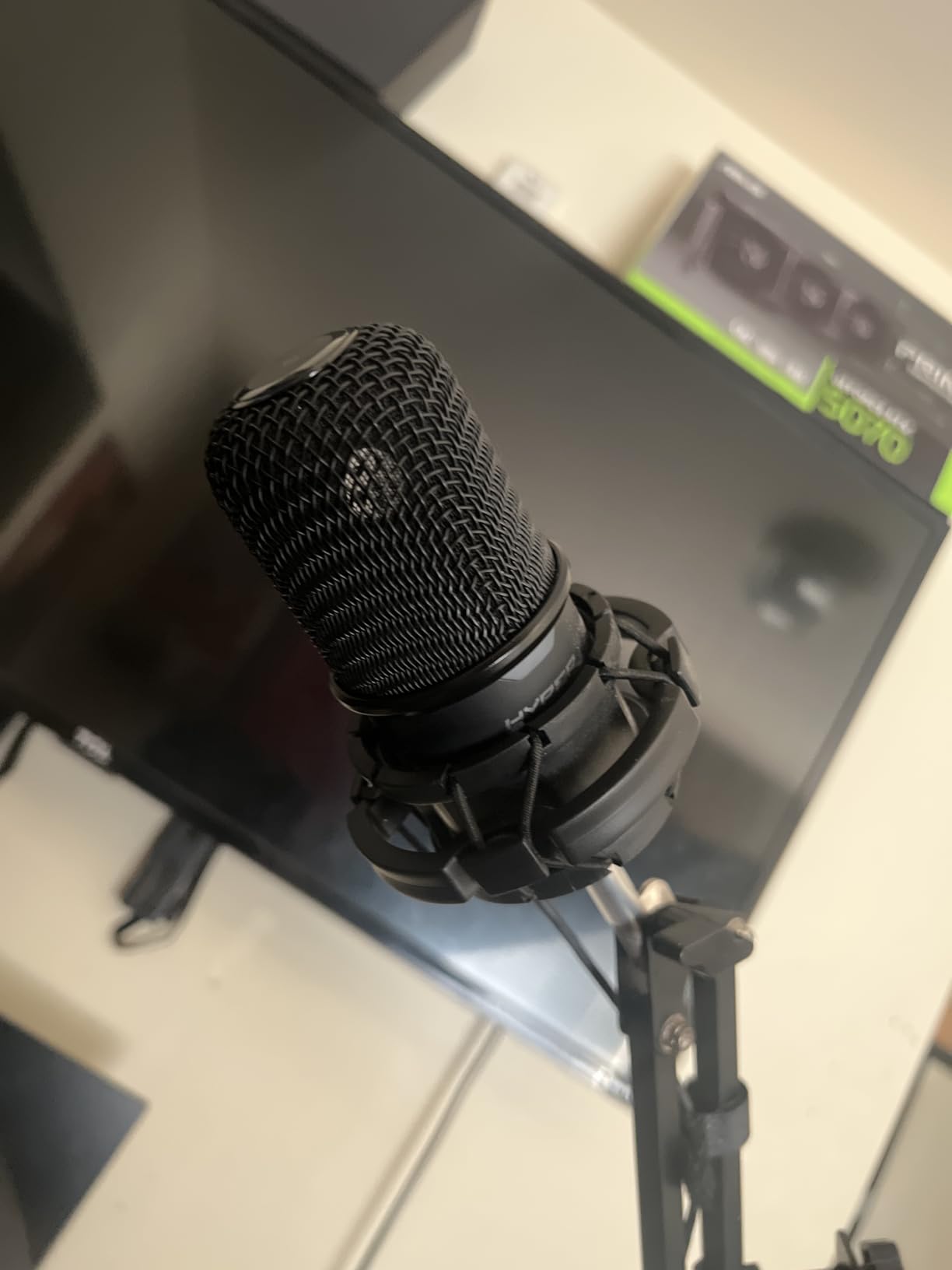
The HyperX SoloCast is the best balance of price and audio quality on this list. At 24-bit/96kHz, it records at higher resolution than most mics under $100. For students who care about audio specs, that Hi-Res certification is more than marketing.
I used the SoloCast for a mix of Zoom classes, Discord, and a podcast project. Across all three, the audio had a clarity and depth that the cheaper FIFINE and TONOR mics could not match. My voice sounded fuller and more present.
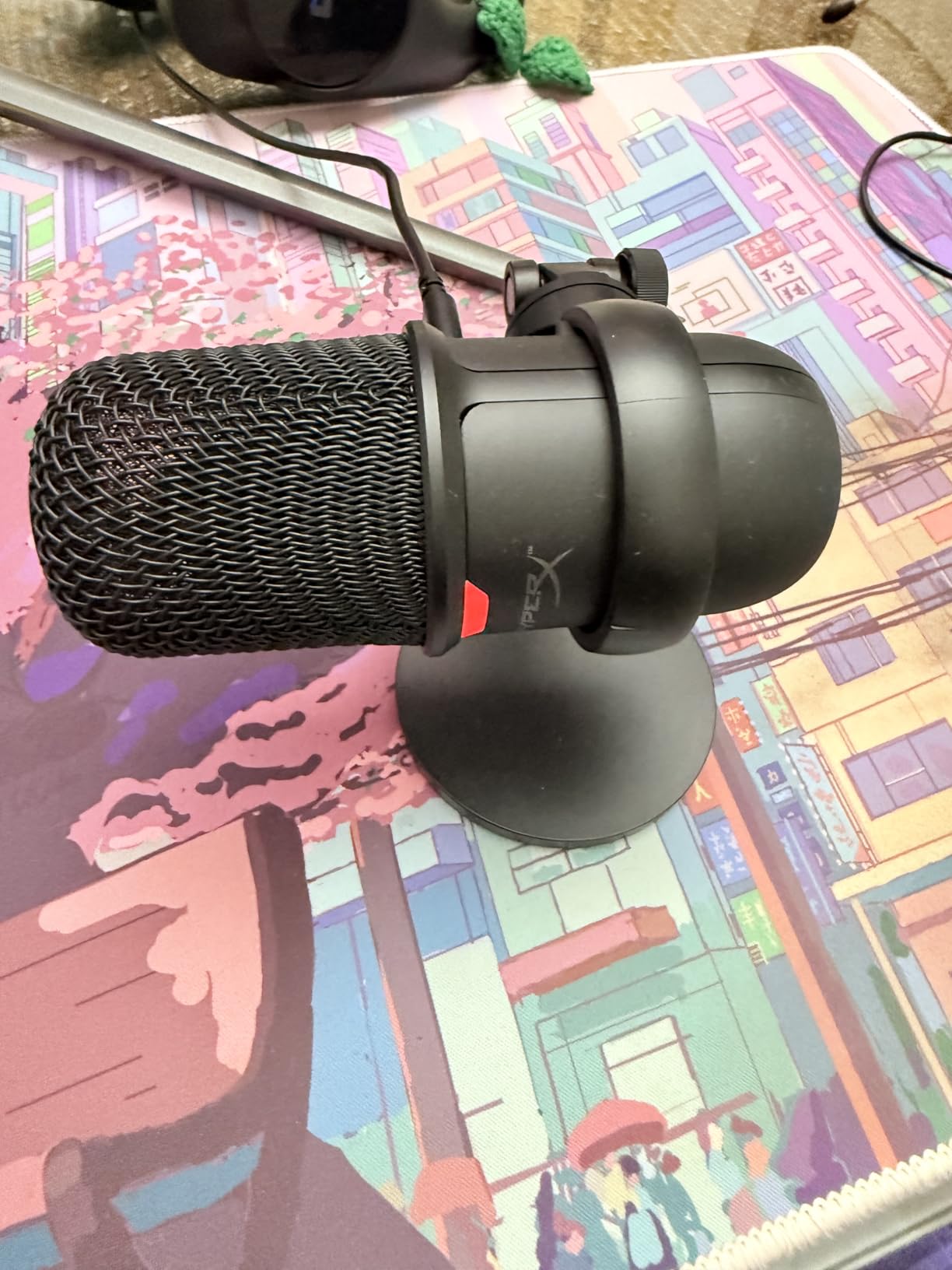
The adjustable stand is a clever design. It can fold flat, sit at an angle, or mount under a monitor using the included hardware. The 3/8-inch and 5/8-inch threading means it fits standard boom arms if you want to upgrade later.
The main issue is that without a shock mount, desk vibrations travel straight into the mic. Typing hard on a desk-mounted setup created audible thumps in my test recordings. A foam pad under the stand or a boom arm fixes this, but neither is included.
Best Suited For
The SoloCast is the best value pick for students who want higher-end audio quality without paying premium prices. If you record podcasts, YouTube voiceovers, or music covers and care about bit depth and sample rate, this is the sweet spot.
It also works well for cross-platform students. The USB-C connection handles PC, Mac, PS4, and PS5 with no extra setup. If you switch between a gaming console and a laptop, one mic covers both.
What to Watch Out For
No pop filter or shock mount is included. For podcast or voiceover work, you will want to add a pop filter to tame plosive sounds. That is an extra $10 to $15 on top of the mic price.
On some Windows systems, the mic un-mutes itself when the computer goes to sleep and wakes. This is a known quirk and a software update usually resolves it, but check your firmware version if you notice it happening.
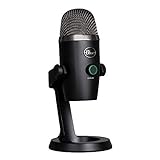
10. Blue Yeti Nano – Premium Brand, Compact Size
Logitech for Creators Blue Yeti Nano USB Microphone for Gaming, Streaming, Podcasting, Twitch, YouTube, Discord, Recording for PC and Mac, Plug & Play -Blackout
Blue broadcast sound
Cardioid and Omni patterns
Blue VO!CE software
No-latency monitoring
Plug-and-play USB
Pros
- Legendary Blue broadcast sound quality
- Blue VO!CE software for vocal effects
- Cardioid and omni pickup patterns
- No-latency headphone monitoring
- Compact design for premium tier
Cons
- Sensitive to background noise
- Software setup can be complex
- Some Windows 11 compatibility issues reported
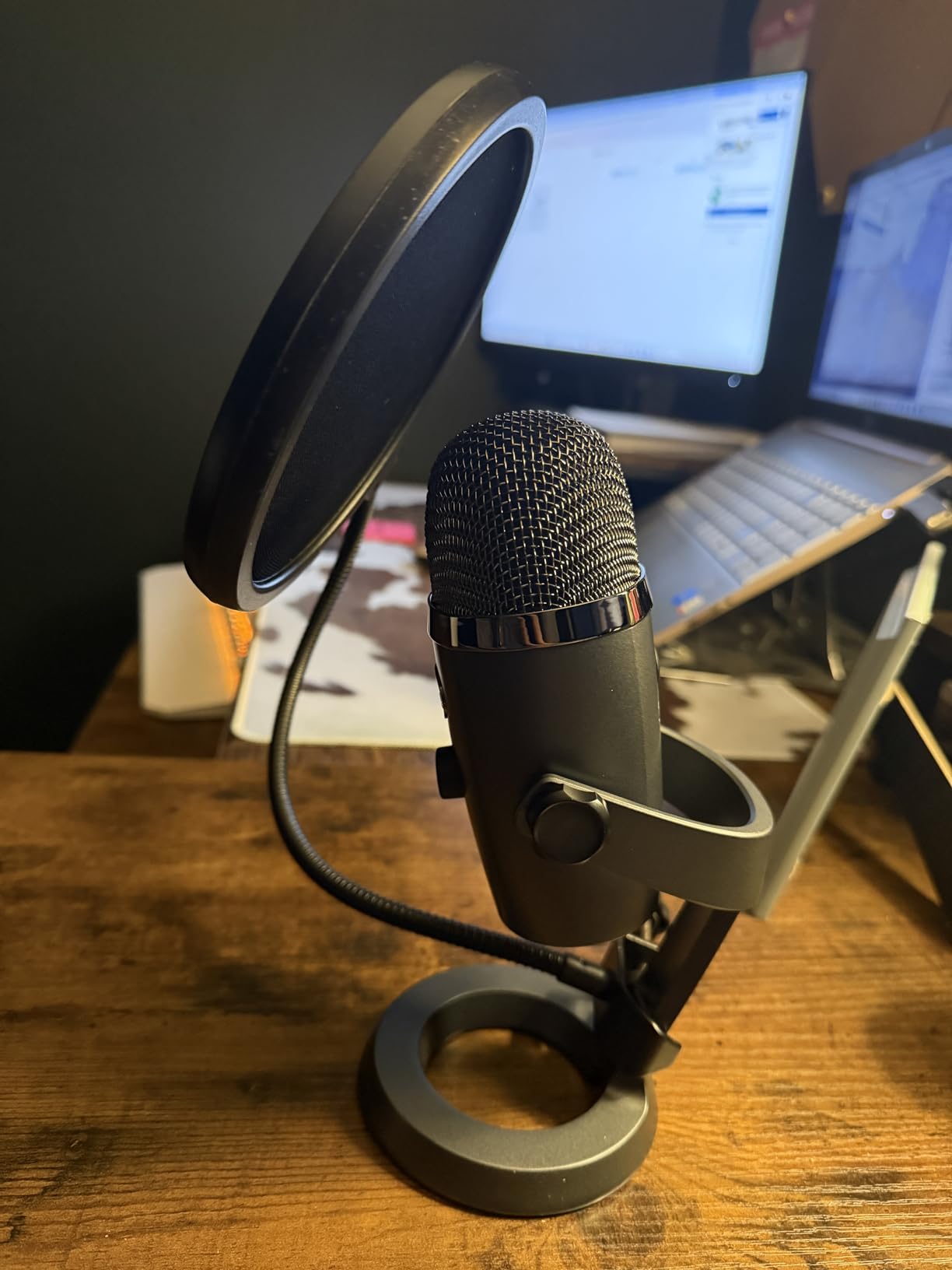
The Blue Yeti Nano is the most expensive mic on this list, and it shows in the audio quality. Blue’s broadcast sound is a known quantity, and the Nano delivers that signature warmth in a smaller package than the full-size Yeti. For students who want brand-name quality, this is the ceiling.
Both cardioid and omni patterns are included. Cardioid focuses on your voice for solo recording, while omni captures sound from all directions for roundtable discussions or ambient room recording. Switching patterns is a button press on the mic itself.
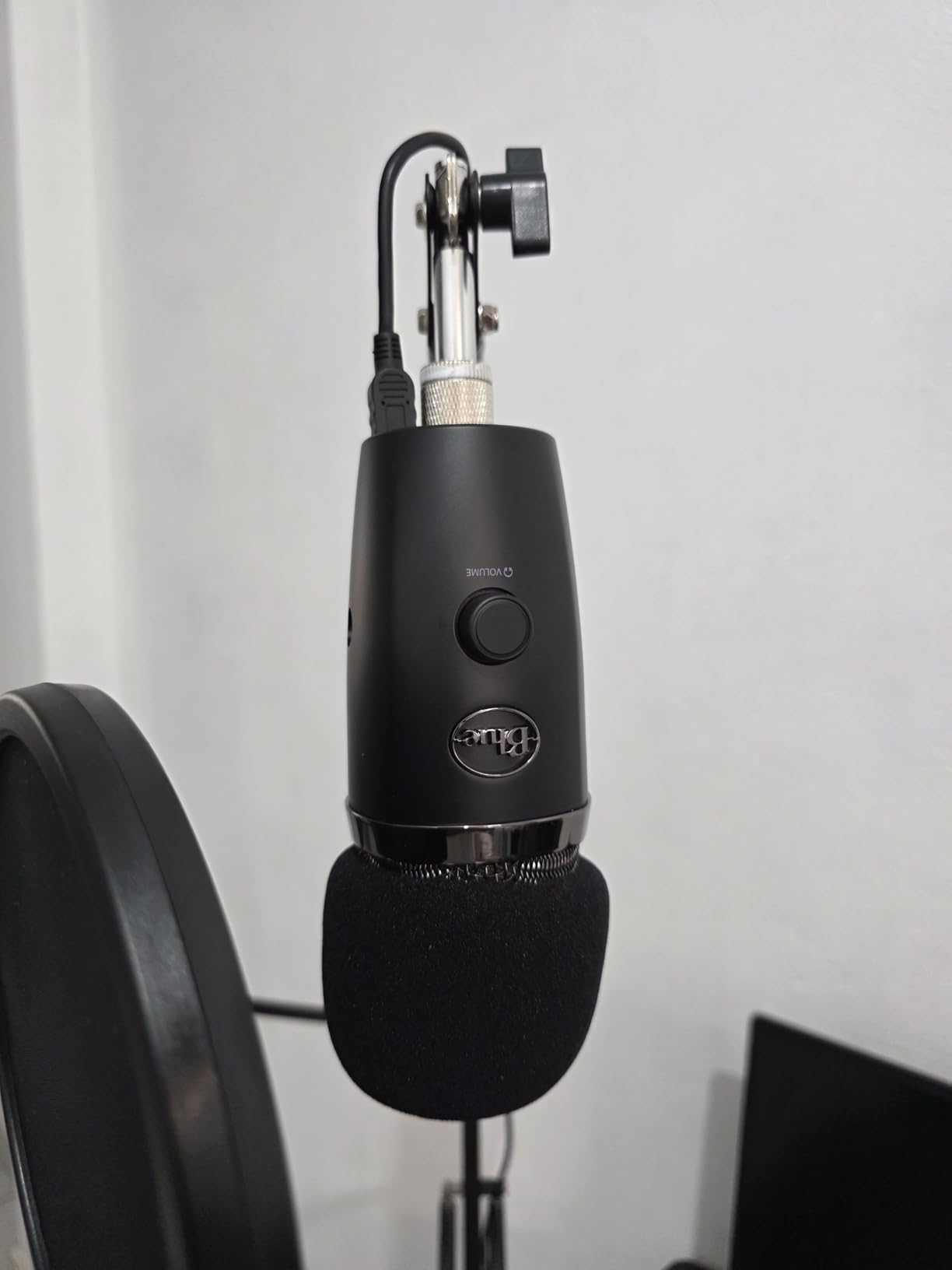
The Blue VO!CE software is where the Yeti Nano flexes. It offers broadcast vocal effects, modulation, noise reduction, and EQ presets. I tested a few presets and they genuinely elevate voice quality for streaming and podcasting, though they take time to dial in.
Like all condenser mics, the Yeti Nano is sensitive to background noise. In a noisy dorm, you will need to manage your environment or lean on software noise suppression. Some users also report compatibility quirks with Windows 11 that require driver updates.
Best Suited For
The Yeti Nano suits students who want the Blue brand name and broadcast-quality audio for streaming, podcasting, or voice work. If you are willing to spend more for a recognizable, capable mic, the Nano delivers.
The omni pattern also makes it unique on this list. If you record group discussions, study sessions, or roundtable podcasts where multiple people speak, omni pickup captures everyone in the room without needing multiple mics.
What to Watch Out For
At this price, you are paying a premium for the Blue brand and VO!CE software. The audio quality gap versus the HyperX SoloCast or FIFINE AM8 is smaller than the price gap suggests. Decide whether the brand, software features, and omni pattern justify the extra cost for your needs.
The software situation is split between Blue Sherpa and Logitech G HUB, which can confuse first-time users. Set aside time to install and learn whichever app you choose, as firmware updates happen through these tools.
Buying Guide: How to Choose a USB Microphone as a Student
Choosing among the best usb microphones for students comes down to four real questions. What are you recording, where are you recording it, what is your budget, and what device are you plugging into. Here is how to think through each one.
Pick the Right Mic Type: Condenser vs Dynamic
Most USB mics are condenser mics. They are sensitive, capture detail well, and work for most student uses. The trade-off is that they pick up everything, including fan noise, keyboard clicks, and roommate chatter.
Dynamic mics, like the FIFINE AM8, naturally reject more background sound. They are the better choice for untreated dorm rooms with ambient noise. The compromise is that you need to speak closer to the mic, about two to three inches away.
Understand Polar Patterns
Cardioid is the most common pattern and works for 90 percent of student use cases. It picks up sound from the front and rejects sound from behind and the sides. Supercardioid, used in the Razer Seiren V3 Mini, is even tighter and rejects more side noise.
Omni, found on the Blue Yeti Nano, captures sound from all directions. Use it for group recordings or ambient capture, but avoid it in noisy rooms. Bidirectional picks up front and back simultaneously, useful for two-person interviews facing each other.
USB vs XLR: What Students Actually Need
USB is what most students want. Plug it in, select it as your input, and you are recording. No audio interface, no extra cables, no power supply. Every mic on this list supports USB.
XLR is the professional standard used in studios and podcast networks. XLR mics need an audio interface like a Focusrite Scarlett or a mixer. For students, the only reason to consider XLR is if you plan to upgrade later. The FIFINE AM8 supports both USB and XLR, which is why it earns the Editor’s Choice spot.
Budget Tiers for Students
Under $30, expect basic condenser mics like the FIFINE K669B or TONOR TC-777. These work for Zoom classes and casual recording but lack premium features like mute buttons and monitoring jacks.
From $30 to $60, you get features like tap-to-mute, RGB, gain knobs, and better build quality. The FIFINE AmpliGame A6V and MAONO AU-A04 sit in this tier. This is the sweet spot for most students.
Above $60, you pay for audio quality and brand name. The HyperX SoloCast and Blue Yeti Nano deliver better bit depth, sample rates, and software features. These make sense for serious podcasters or content creators. Pairing a quality mic with one of the best MacBooks for music production sets you up for professional-grade student work.
Dealing with Dorm Room Noise
Dorm rooms are hostile audio environments. Mini fridges hum, fans blow, hallways echo, and roommates exist. Based on forum discussions with students, the most common frustration is background noise, not mic quality.
Three things help. First, choose a dynamic mic or a supercardioid condenser for tighter pickup. Second, add software noise suppression in Zoom, Discord, or OBS. Third, position the mic close to your mouth and reduce input gain so it captures less ambient sound. None of these alone solves everything, but together they make a cheap mic sound clean.
iPad and Tablet Compatibility
If you record on an iPad, look for a mic that supports USB-C or includes adapters. The ZealSound K66 ships with both USB-C and Lightning adapters, making it the most iPad-friendly pick on this list. The Amazon Basics mic uses USB-C natively.
For older iPads with Lightning ports, you need a Lightning-to-USB camera adapter, which costs extra. Check your iPad’s port type before buying. Most USB mics draw enough power through the iPad’s port without an external power supply.
Frequently Asked Questions
What is the best USB microphone for a student?
The FIFINE AmpliGame AM8 is the best overall pick for most students because it offers dual USB and XLR connectivity, a dynamic capsule that rejects dorm room noise, tap-to-mute controls, and headphone monitoring. For a lower budget, the FIFINE K669B delivers clear audio under $30.
Are USB microphones good for students?
Yes. USB microphones are plug-and-play, require no audio interface, and dramatically improve audio quality for online classes, podcasts, streaming, and video calls compared to built-in laptop mics. They fit student budgets and desk space better than professional XLR setups.
What USB microphone should I get for online classes?
For online classes and Zoom calls, look for a mic with a mute button and cardioid pickup pattern. The Amazon Basics Condenser Microphone, FIFINE K669B, and Razer Seiren V3 Mini all work well. Choose based on your budget and whether you need a compact footprint.
How much should a student spend on a USB microphone?
Most students should spend between $20 and $60 on a USB microphone. The $20 to $30 range covers basic Zoom and Discord use, while $30 to $60 adds features like tap-to-mute, gain controls, and shock mounts. Spending more than $100 is only worth it for serious content creators.
What is the best budget USB microphone?
The TONOR TC-777 is the best budget pick because it includes a shock mount, pop filter, and tripod stand in one box. The FIFINE K669B is another strong budget option with better build quality and a metal body for a few dollars more.
Conclusion
After testing ten mics across three months of online classes, podcasts, Discord, and streaming, the best usb microphones for students come down to your priorities. For most students, the FIFINE AmpliGame AM8 is the strongest all-around pick thanks to its dual USB/XLR design and dynamic capsule that handles dorm noise better than any condenser on this list.
If budget is the priority, the FIFINE K669B and TONOR TC-777 cover the basics for under $30. For Hi-Res audio quality without paying a premium, the HyperX SoloCast is the value leader. And for students who want brand-name broadcast sound with multi-pattern flexibility, the Blue Yeti Nano sits at the premium end.
Whatever you choose, any of these ten mics will outperform your laptop’s built-in microphone on the first call. Pick the one that matches your budget, your space, and how serious you plan to get with audio in 2026.