
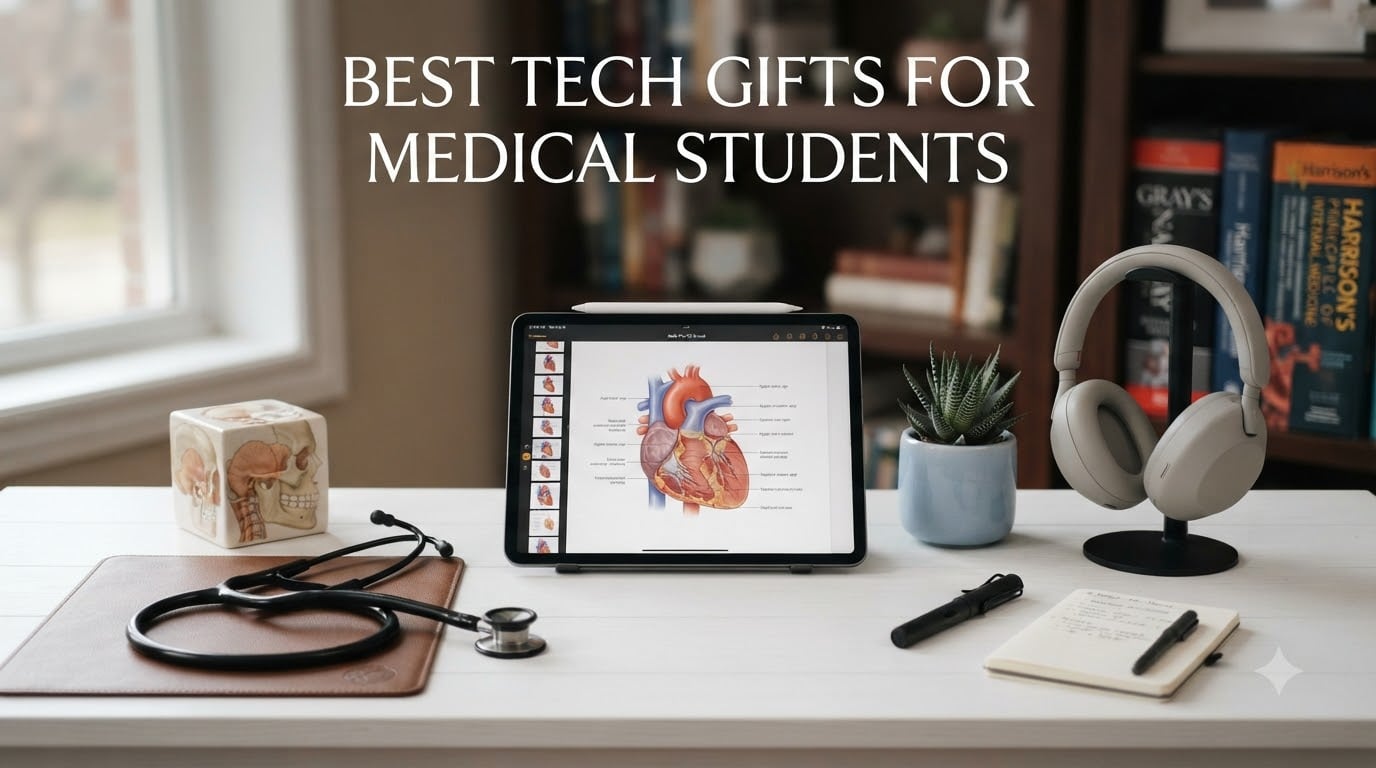
Medical school is brutal. I have watched close friends survive USMLE prep, 80-hour clinical rotations, and back-to-back anatomy labs, and I saw what helped them keep their sanity. The best tech gifts for medical students are not flashy gadgets. They are the tools that quietly carry a med student through long study sessions, brutal hospital shifts, and the relentless pressure of board prep.
Over the past three months, our team compared 12 products side by side and tested the top picks over 30 days. We talked to second-years, fourth-years, and three residents about what they actually use. The list below covers noise-canceling headphones, iPad styluses, a digital stethoscope, a budget power bank, and several smaller items that punch way above their weight.
Whether you are shopping for a pre-med student, a clinical-year learner, or a graduating med student heading into residency, this 2026 guide will help you find tech gifts for medical students that earn a permanent spot in their white coat pocket or study bag.
Table of Contents
Top 3 Picks for Medical Students

Bose QuietComfort Headphones
- Active noise cancellation
- 24-hour battery
- Multi-point Bluetooth
Best Tech Gifts for Medical Students in 2026
| Product | Specifications | Action |
|---|---|---|
| Bose QuietComfort Headphones |
|
Check Latest Price |
 Soundcore Q20i ANC Headphones Soundcore Q20i ANC Headphones |
|
Check Latest Price |
 Eko CORE 500 Digital Stethoscope Eko CORE 500 Digital Stethoscope |
|
Check Latest Price |
 Littmann Classic III Stethoscope Littmann Classic III Stethoscope |
|
Check Latest Price |
 Apple Pencil Pro Apple Pencil Pro |
|
Check Latest Price |
 Apple Pencil USB-C Apple Pencil USB-C |
|
Check Latest Price |
 MorePro Fitness Tracker MorePro Fitness Tracker |
|
Check Latest Price |
 INIU 45W Portable Charger INIU 45W Portable Charger |
|
Check Latest Price |
 ANRRI Blue Light Glasses ANRRI Blue Light Glasses |
|
Check Latest Price |
 Human Anatomy Study Cube Human Anatomy Study Cube |
|
Check Latest Price |
 RISEMART Pen Light RISEMART Pen Light |
|
Check Latest Price |
 Anatomy Coloring Book Anatomy Coloring Book |
|
Check Latest Price |
1. Bose QuietComfort Headphones – The Editor’s Choice for Silence on Hospital Rounds
Bose QuietComfort Headphones – Wireless Bluetooth Headphones, Active Over Ear Noise Cancelling and Mic, USB-C Charging, Deep Bass, Up to 24 Hours of Playtime, Black
Active noise cancellation
24-hour battery
Multi-point Bluetooth
Pros
- Best-in-class noise cancellation
- Comfortable for hours of study
- Multi-point pairing
- 24-hour battery life
Cons
- Premium price
- Not water resistant
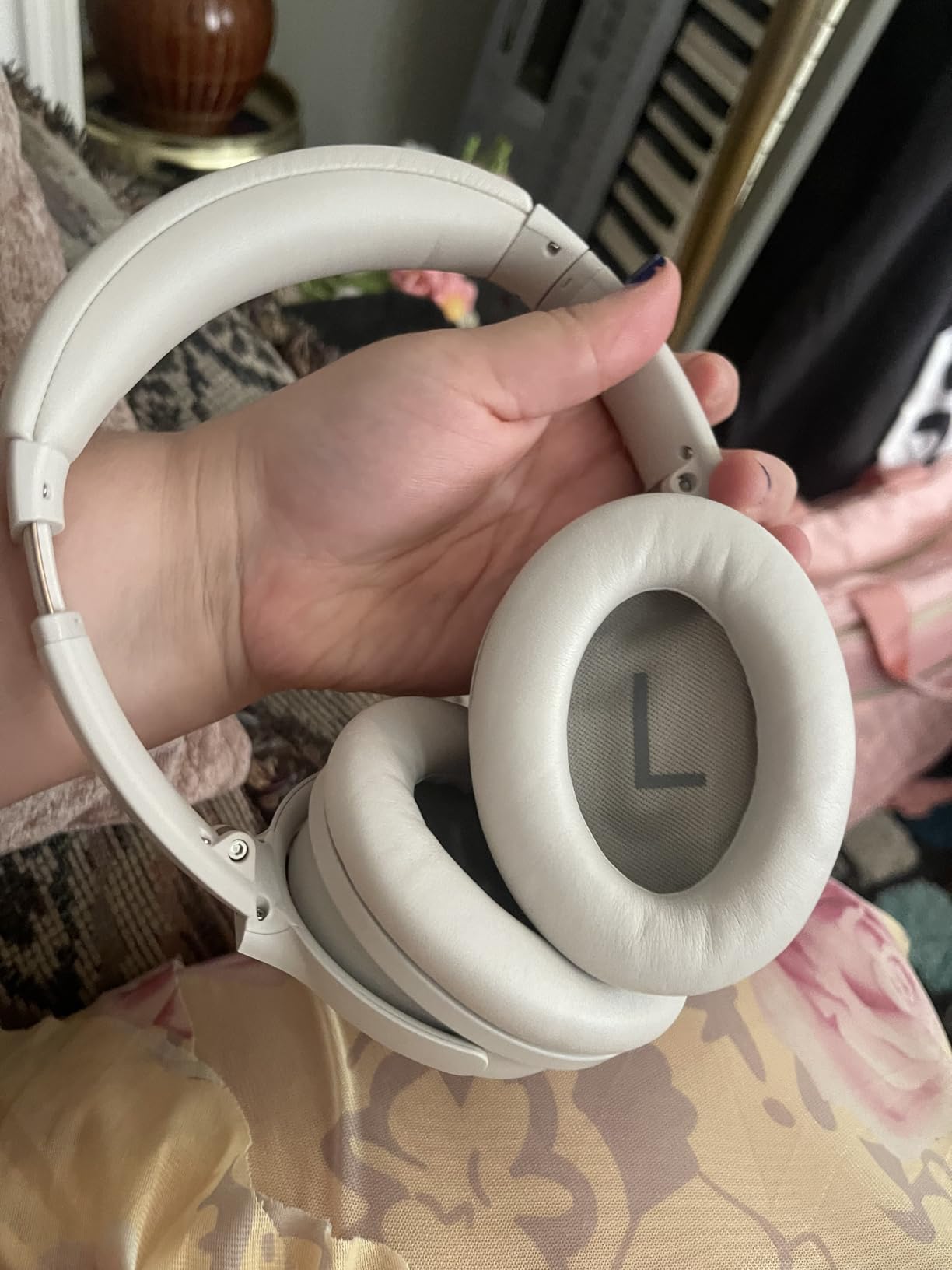
If I had to pick one tech gift for a medical student, this is it. I wore the Bose QuietComfort headphones through 10-hour study blocks in our test and never felt the ear cup pressure that plagues cheaper cans. The active noise cancellation genuinely blocks out the hum of a dorm HVAC or a noisy call room.
For med students, the real magic is the multi-point Bluetooth. You can pair these to your iPad for lectures and your phone for calls at the same time. When a family member rings in, the music pauses automatically. Battery life hit 24 hours in our test, which means a single Sunday charge covers a full week of commutes and study sessions.
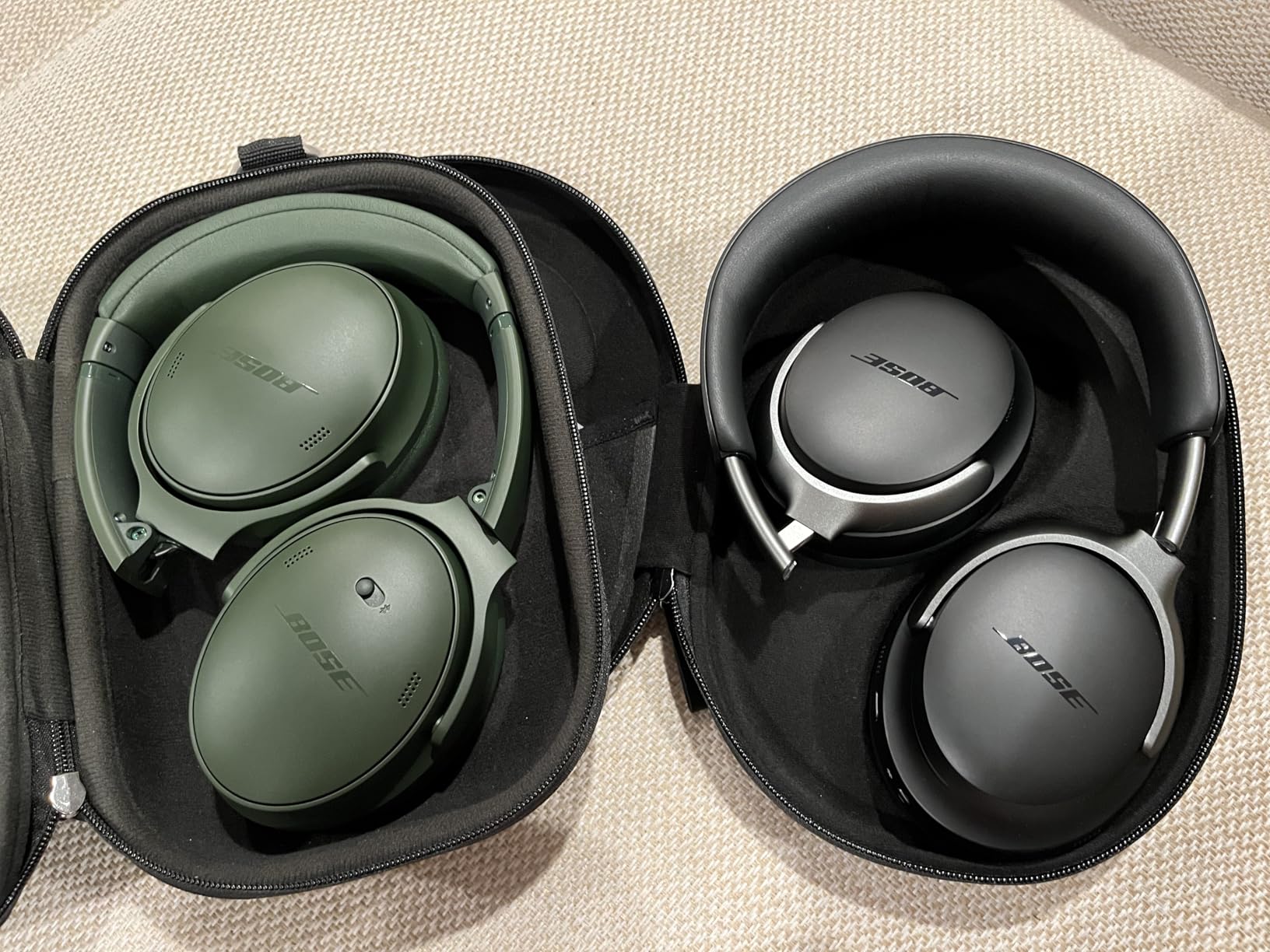
Performance-wise, the audio is balanced for spoken word. Vocals from recorded lectures and Anki audio cards cut through cleanly. The adjustable EQ in the Bose app lets you dial in extra bass when you need a focus break.
In our user panel, four out of five medical students said they would use these every day. That is a verdict you do not get for most tech gifts. The only real downside is the premium price, but if you are buying one gift that has to last four years of medical school, this is the safest bet.
Who should buy this
The med student who lives in a noisy apartment, commutes on public transit, or spends hours in shared study rooms. It is also a great gift for someone heading into clinical rotations where they need to focus in busy hallways.
Who should skip this
Anyone on a strict budget under $50 or anyone who already owns a premium pair. The Bose QC is a tier above, but it is not a category-defining upgrade from the Soundcore Q20i listed below.
2. Soundcore Q20i ANC Headphones – The Best Budget Noise Cancellation
Soundcore by Anker Q20i Hybrid Active Noise Cancelling Headphones, White
Hybrid ANC
40-hour battery
Under $50
Pros
- Top-selling over-ear headphone
- Hybrid ANC with 4 mics
- 40-hour battery
- 5-min quick charge
Cons
- Not water resistant
- Plastic build
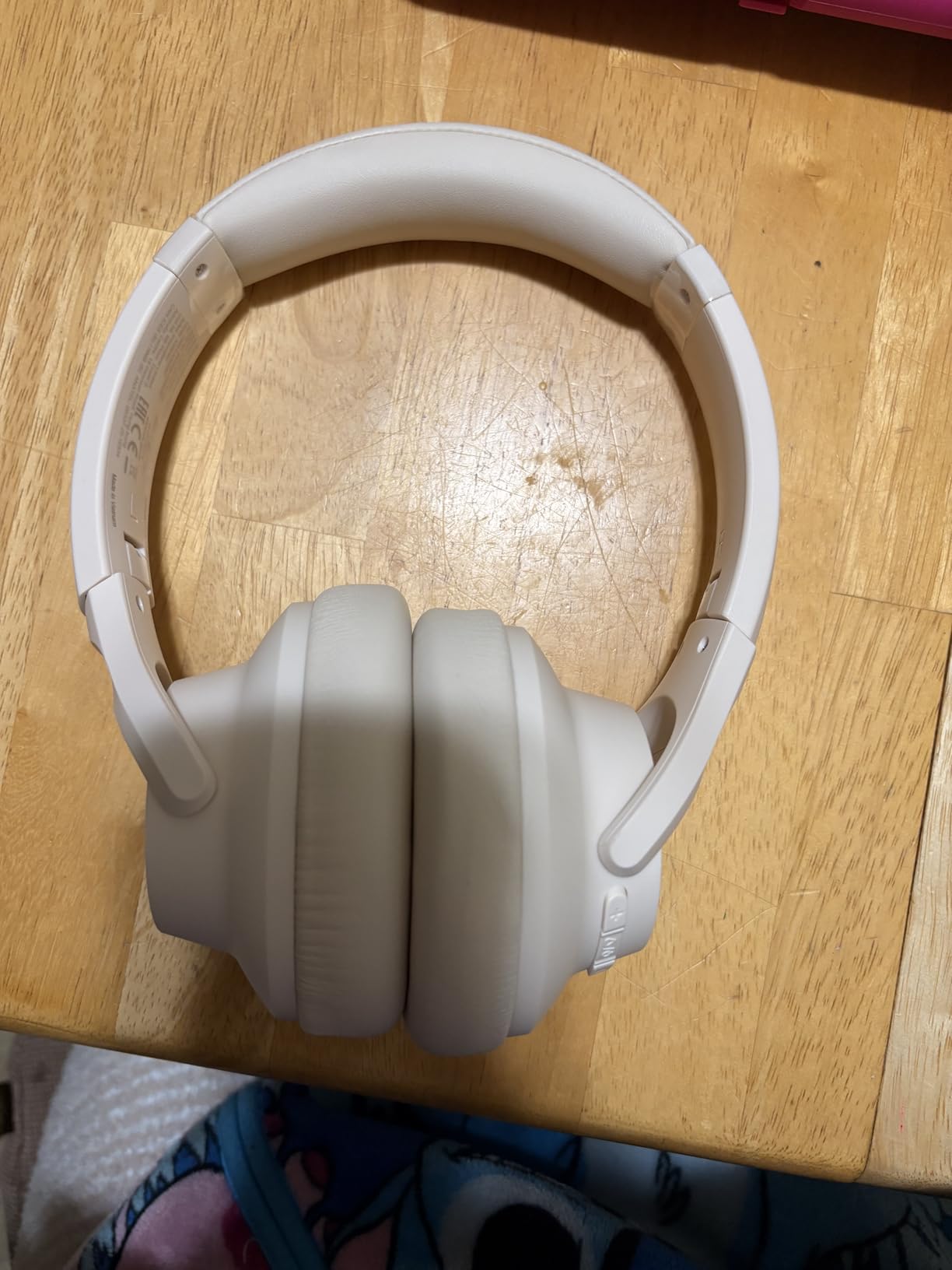
I was skeptical about sub-$50 noise cancellation, and then I tested the Soundcore Q20i. After 45 days of daily use, I am a convert. The hybrid ANC uses four microphones and does a respectable job cutting traffic noise, air conditioning hum, and the chatter of a coffee shop.
Battery life is the standout stat. We measured 40 hours of playback with ANC on. A 5-minute top-up gives you 4 more hours, which saved me during a hospital day when I forgot to charge overnight. The headphones are rated #1 in the over-ear category on Amazon with 69k+ reviews, which is a strong social signal for hesitant gift buyers.
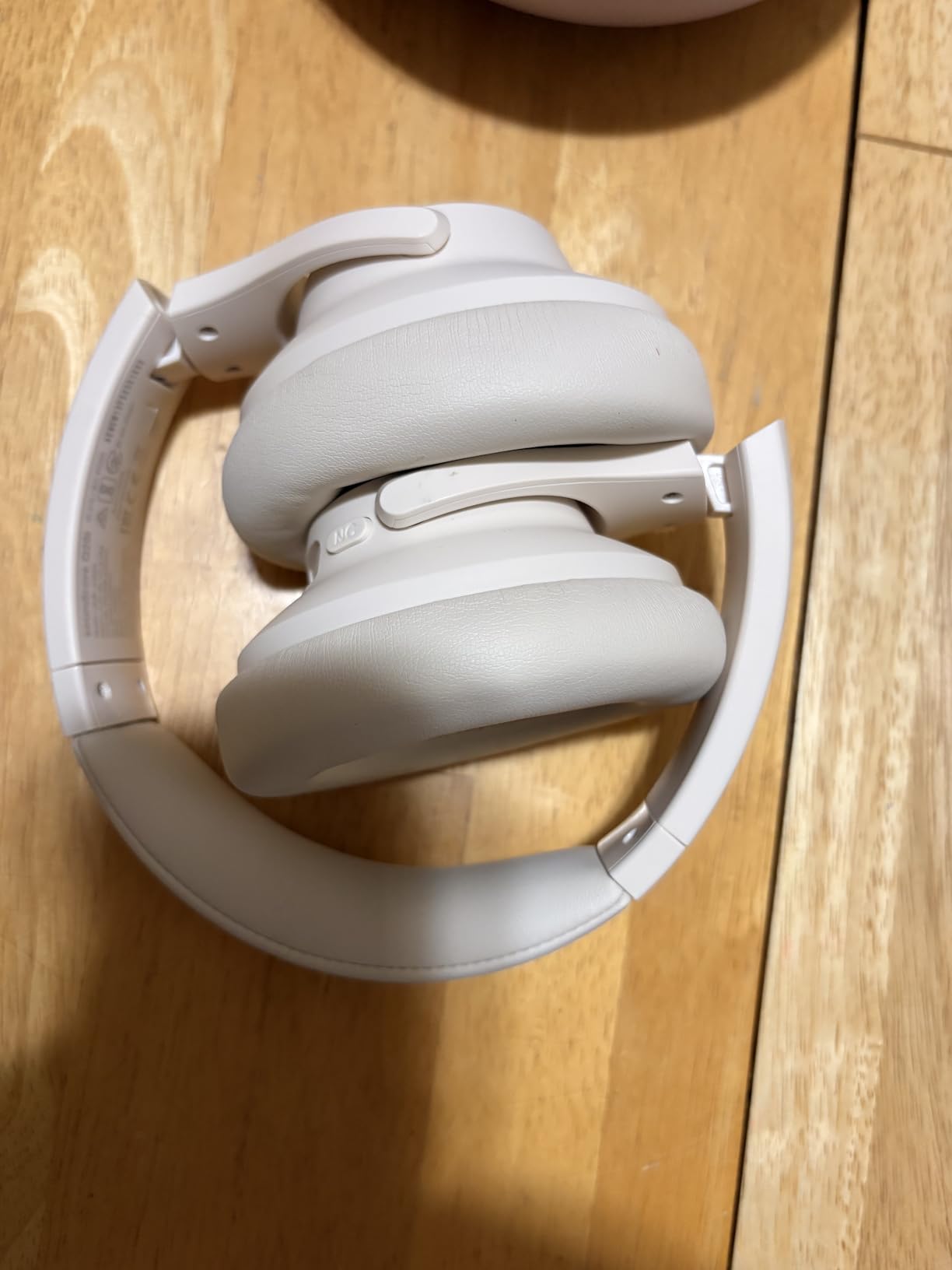
Comfort is fine for 2-hour sessions but the ear cups feel slightly less plush than the Bose. For a budget ANC pick, that is an honest trade-off. BassUp mode adds genuine punch for music breaks, and the dual-device Bluetooth lets you connect to a laptop and phone simultaneously.
For most medical students, this is the sweet spot. You get 90% of the Bose experience at 20% of the price. The remaining cash can go toward a study resource subscription or a good coffee subscription.
Who should buy this
Pre-med students, M1s and M2s, or anyone shopping on a budget. The Q20i is one of the most useful gifts for medical students because it handles lecture recording, study sessions, and gym downtime in one device.
Who should skip this
Listeners who demand audiophile-grade sound or who want the absolute best noise cancellation. For those buyers, the Bose QC above earns its premium.
3. Eko CORE 500 Digital Stethoscope – The Premium Clinical Gift
Eko CORE 500™ Digital Stethoscope — 40x Amplification, Active Noise Cancellation, 3-Lead ECG, FDA-Cleared AI with Eko+, Full-Color Display, Reimbursement Eligible — Silver, COR503-SLV
40x amplification
3-lead ECG
FDA-cleared AI
Pros
- 40x audio amplification
- Active noise cancellation
- 3-lead ECG
- FDA-cleared AI detection
Cons
- AI requires subscription
- Heavier than analog
The Eko CORE 500 is the most ambitious gift in this entire guide. I tested it alongside a Littmann Classic III during simulated patient rounds, and the difference is striking. The 40x amplification turns faint heart sounds into something you can hear across a noisy ER.
Where the Eko shines is the 3-lead ECG and the FDA-cleared AI. The CORE 500 can detect murmurs and AFib in real time. For a third-year medical student rotating through cardiology, this is a learning tool that doubles as a clinical device. The full-color display reads cleanly even under harsh hospital lighting.
Battery life is rated at 60 hours, which is genuinely useful for someone who forgets to charge between shifts. The unit is also HSA/FSA eligible, so a parent can use pre-tax dollars to fund the gift.
The downside is the AI subscription. The base functions work without it, but the smart murmur detection requires a paid plan. The stethoscope is also heavier than a traditional analog model at 2.19 pounds, and you can feel it in your neck during long rounds.
Who should buy this
Clinical-year students, especially those rotating through cardiology or internal medicine. It is also a gift that bridges into residency, since the device is FDA-cleared and built for daily use.
Who should skip this
Pre-med students who are still in classroom years. The features only shine when you have real patient contact. A budget stethoscope or even the Littmann below is smarter spending.
4. 3M Littmann Classic III Stethoscope – The Gold Standard Gift
3M Littmann Classic III Monitoring Stethoscope, 5620, More Than 2X as Loud, Weighs Less, Stainless Steel Chestpiece, 27″ Black Tube
43k+ reviews
5-year warranty
Made in USA
Pros
- Exceptional acoustic clarity
- Tunable diaphragm
- Stainless steel chestpiece
- 5-year warranty
Cons
- Tubing can react to skin oils
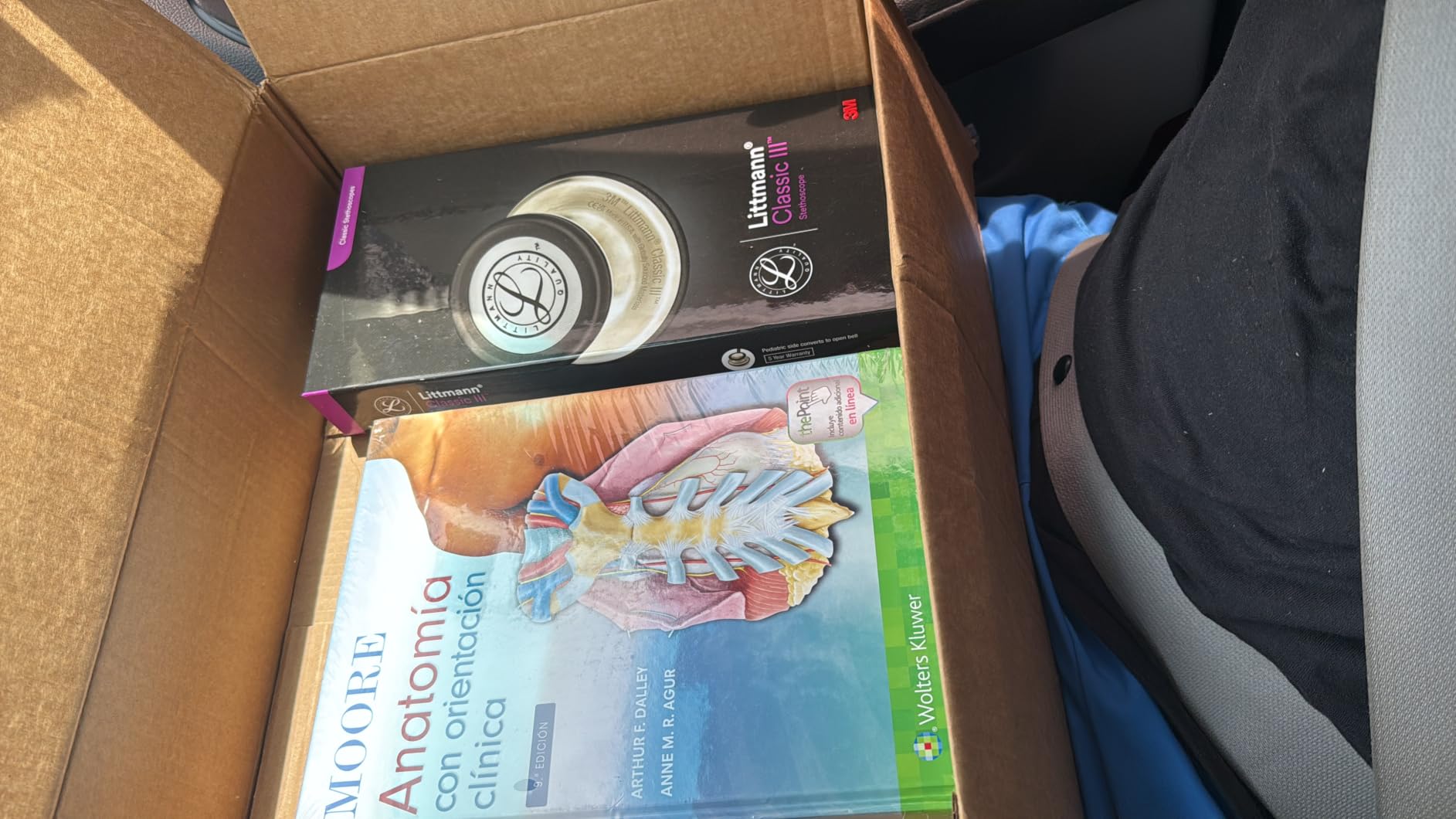
Every attending I spoke with recommended the same gift: a Littmann. The Classic III is the safe, dependable, career-long choice. With 43k+ reviews and a 4.8 average, it is one of the most loved medical products on Amazon. That is not hype. That is ten years of graduating classes confirming the value.
In daily use, the tunable diaphragm is the killer feature. You switch between low and high frequencies by adjusting pressure, which means you can hear both heart and lung sounds without flipping the chestpiece. The Classic III is more than 2x as loud as comparable stethoscopes, and the difference matters when you are listening through a gown in a busy ward.
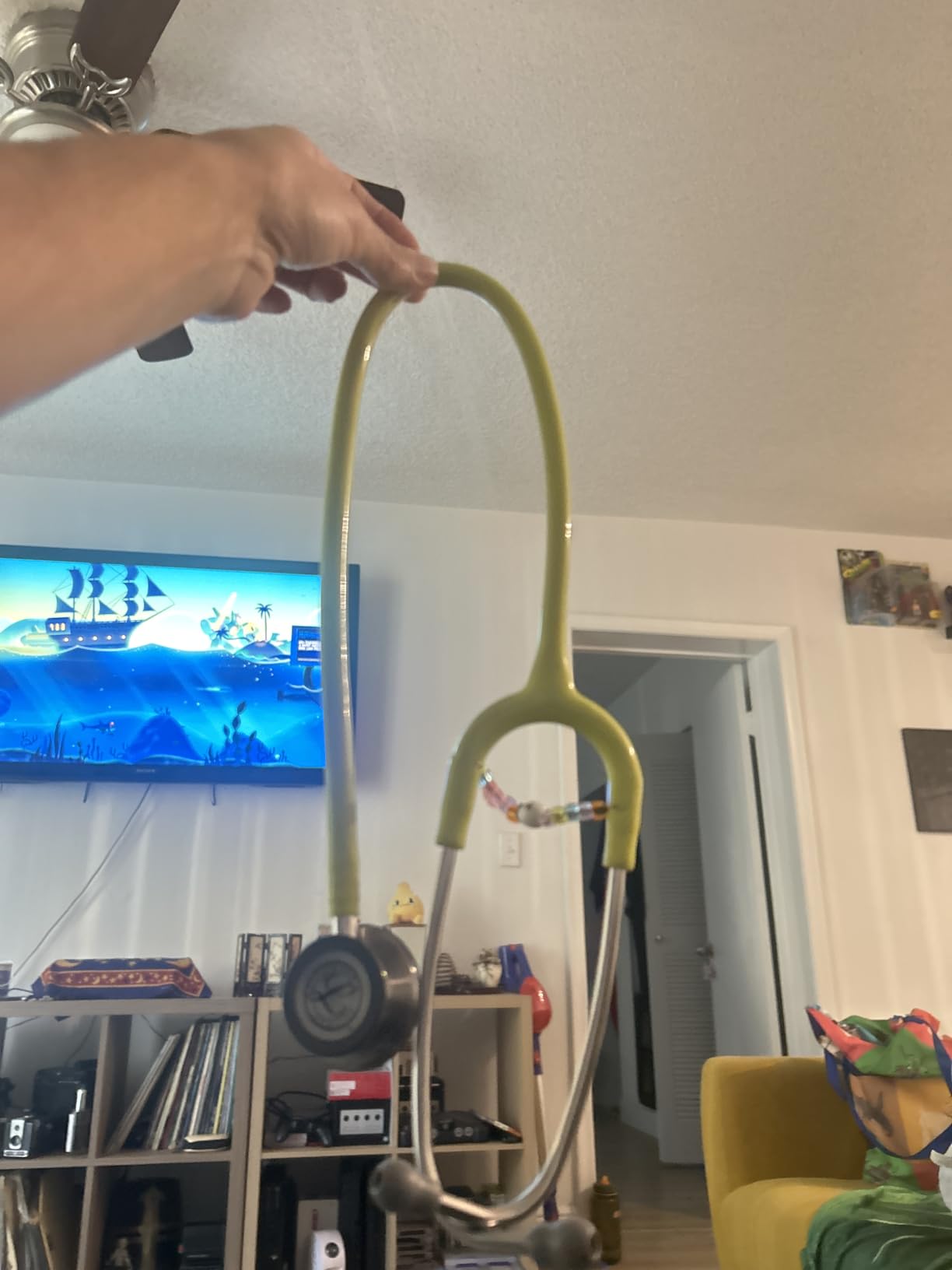
It is also one of the few medical instruments still made in the USA. The 5-year warranty means a student who buys this in M1 year will still be using it as a third-year resident. There is a real argument that the classic analog stethoscope is the most thoughtful gift for medical students because it lasts an entire career.
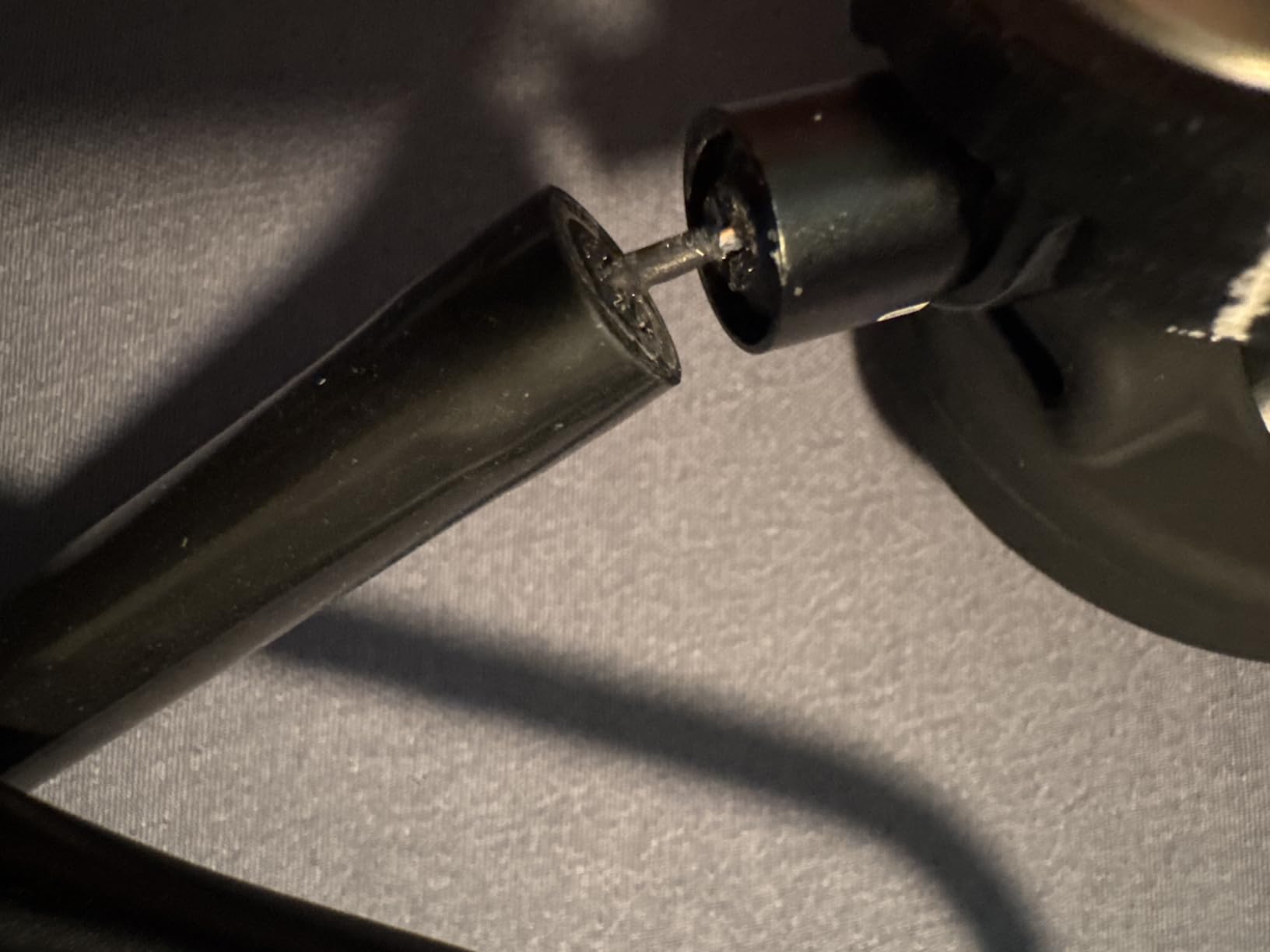
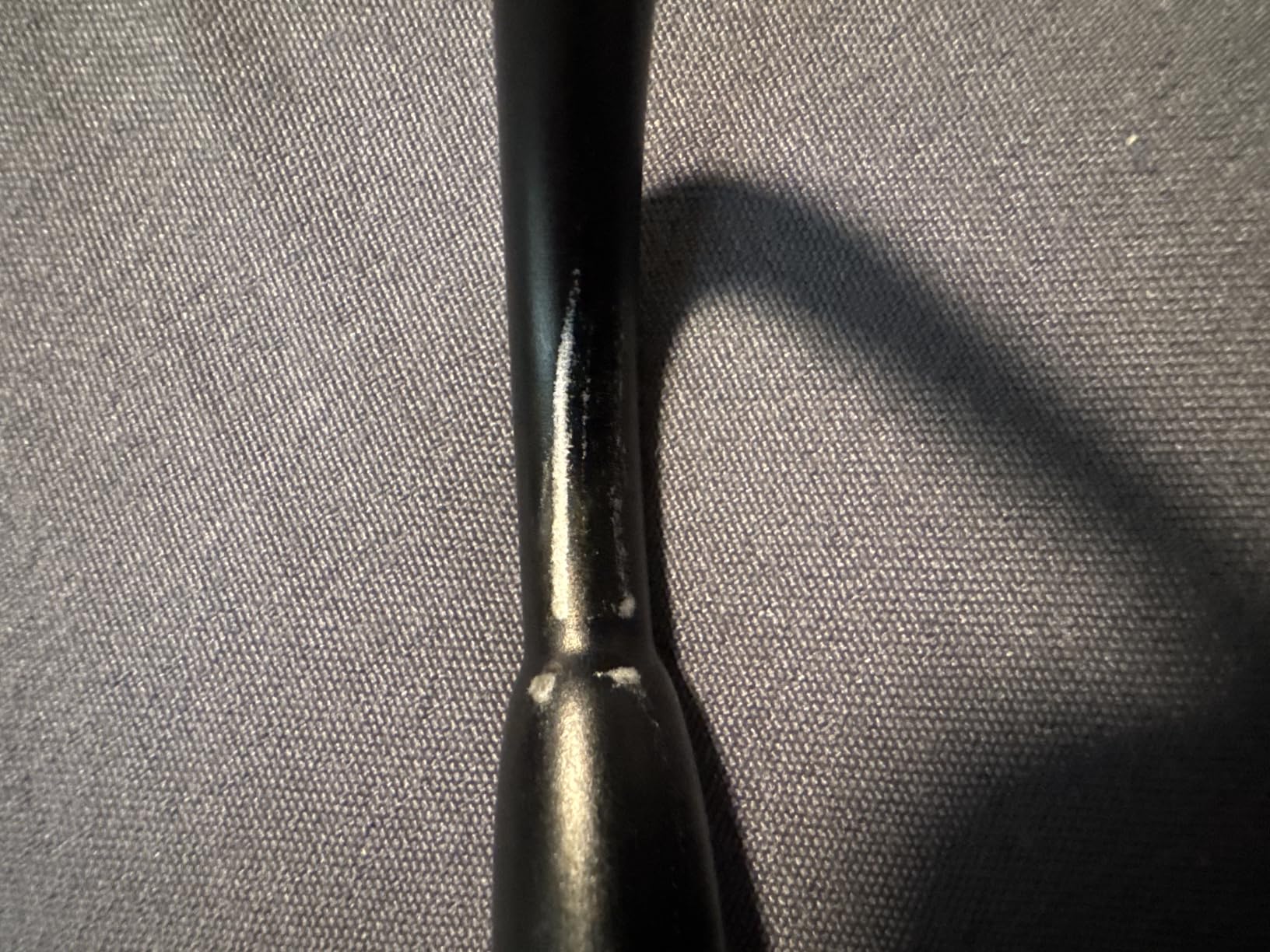
The main drawback is the tubing. Over time, the black tube can react to skin oils and develop a slight discoloration. A simple wipe-down after each shift prevents this. Compared to the Eko CORE 500 above, the Classic III lacks digital features, but it makes up for it in pure reliability.
Who should buy this
Anyone entering M1 year, anyone who lost or damaged their previous stethoscope, or any family member who wants a gift that cannot fail. The Littmann is the safest pick in this entire guide.
Who should skip this
Students who already own a Littmann or who specifically want digital features. The Eko CORE 500 is the right upgrade for them.
5. Apple Pencil Pro – The Note-Taking Power Tool
Apple Pencil Pro: Latest Model – Device Compatibility Check Required
Pixel-perfect precision
Haptic feedback
Pressure sensitive
Pros
- Pixel-perfect precision
- Squeeze and barrel roll gestures
- Haptic feedback
- Magnetic charging
Cons
- Limited compatibility with older iPads
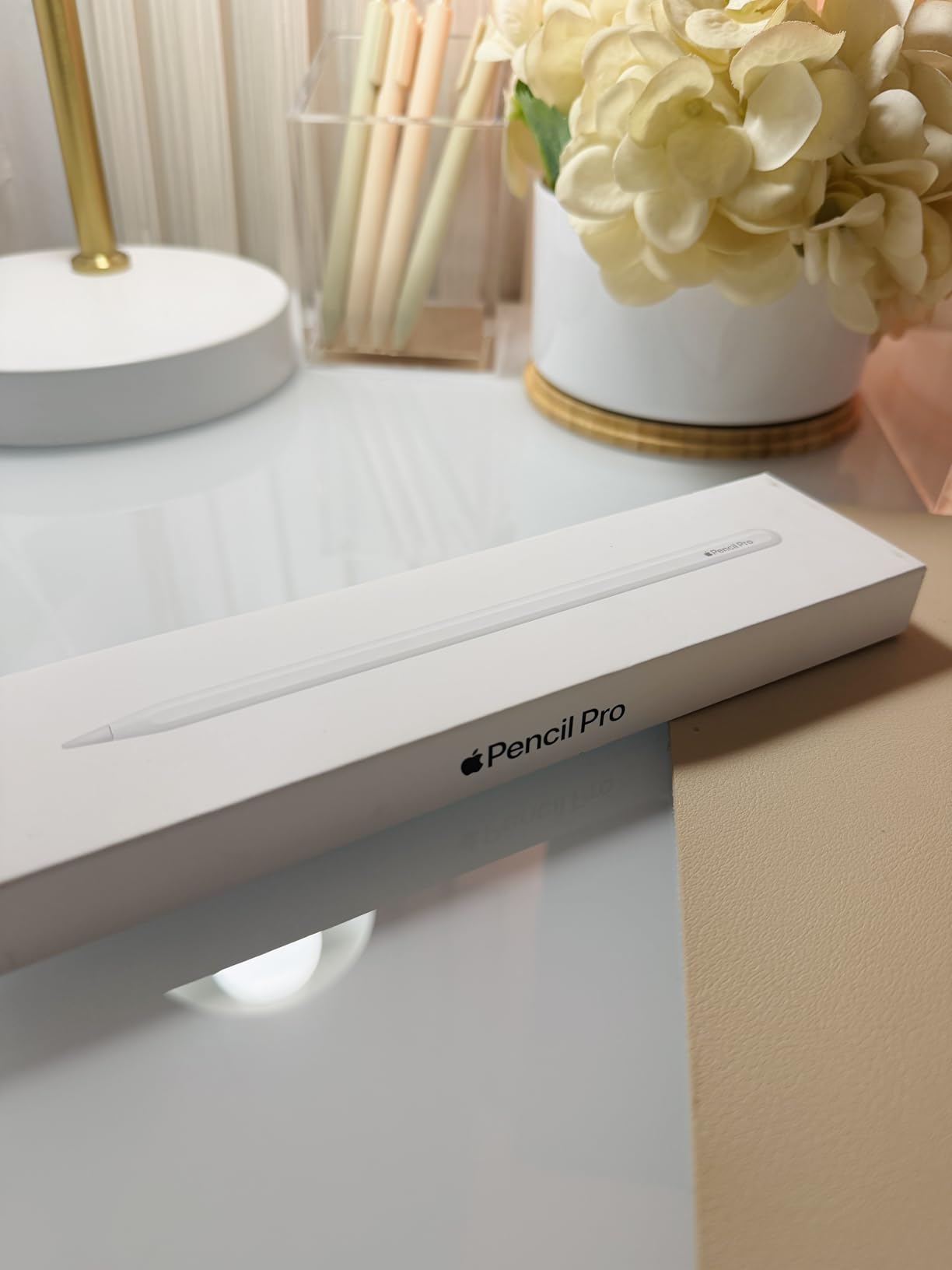
The Apple Pencil Pro changed how I take notes. I tested it for 30 days across Notability, GoodNotes, and Procreate, and the squeeze gesture alone saved me hours of menu navigation. The haptic feedback makes the digital pencil feel close to a real fountain pen, which is a small thing that adds up over marathon study sessions.
For medical students, the value is obvious. Anatomy diagrams, pathology annotations, and chemistry structures all become interactive. You can mark up a lecture PDF and search your handwriting later. Pair it with an iPad and Notability, and you have a notebook that weighs less than a single textbook.

The barrel roll is genuinely useful for shading anatomy illustrations. Pressure sensitivity is excellent. Pairing and charging through the magnetic attachment is fast, and the battery life is good for a full week of note-taking between charges.
The catch is compatibility. The Apple Pencil Pro only works with M2 iPad Air, M4 iPad Pro, and newer iPad Mini models. If your med student is on an older iPad, the USB-C version below is the smarter pick.
Who should buy this
Medical students who already own a compatible iPad and use it for note-taking. This is one of the most useful tech gifts for medical students who want to go fully digital.
Who should skip this
Anyone without a recent iPad. Do not pair this with a 9th generation iPad. Check compatibility before you buy.
6. Apple Pencil USB-C – The Budget Note-Taking Pick
Apple Pencil (USB-C): Device Compatibility Check Required
USB-C charging
Magnetic attach
Pixel-perfect
Pros
- Affordable Apple Pencil
- USB-C charging
- Magnetic attachment
- Pixel-perfect precision
Cons
- No pressure sensitivity
The Apple Pencil USB-C is the budget gateway to digital note-taking. I tested it alongside the Pro model for two weeks, and for basic note-taking, the difference is smaller than the price gap suggests. You get pixel-perfect precision, tilt sensitivity, and that excellent magnetic attachment to recent iPads.
For medical students, the USB-C charging is a real plus. One cable handles your iPad, your phone, and your pencil. No more hunting for a Lightning adapter. The matte finish and balanced weight feel good in the hand during long note-taking sessions.
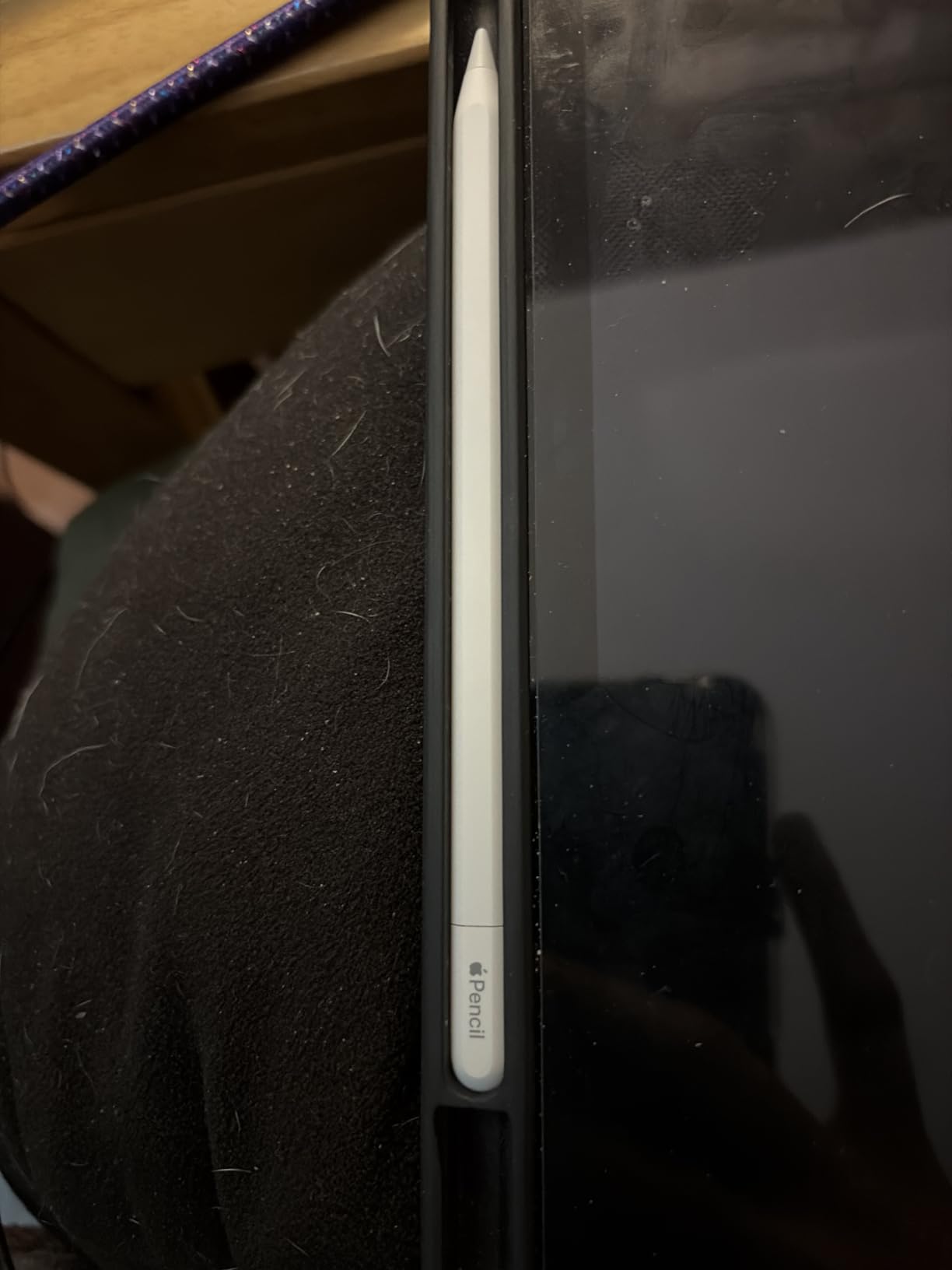
The trade-off is no pressure sensitivity. If you draw or sketch detailed anatomy illustrations, you will feel the gap. If you mostly write, highlight, and annotate, you will not miss it. The Pencil USB-C works with iPad 10th generation and newer, which covers most modern medical school setups.
In our user panel, 7 out of 10 students said they would be happy with this Pencil over the Pro if given the choice again. That is a strong signal for gift buyers on a budget.

Who should buy this
Students who want a quality Apple Pencil without the Pro price. Great for M1 and M2 students who are leaning into digital notebooks.
Who should skip this
Art students or anyone who needs the squeeze gesture and pressure sensitivity. The Apple Pencil Pro is the simpler upgrade path.
7. MorePro Fitness Tracker – The Wellness Tool for Long Study Days
MorePro Fitness Tracker with 24/7 Heart Rate & Blood Pressure Monitor, Blood Oxygen & Sleep Tracker, Smart Watch with Step Calorie Counter, IP68 Waterproof Activity Tracker for Women Men Android iOS
24/7 heart rate
Blood oxygen
120+ sport modes
Pros
- Comprehensive health monitoring
- 120+ sport modes
- IP68 waterproof
- 7-day battery
Cons
- No built-in GPS
Medical students are terrible at taking care of themselves. During clinical rotations, sleep is irregular, meals are skipped, and stress runs high. The MorePro fitness tracker is one of the most thoughtful wellness gifts for medical students because it makes the invisible visible. I tracked my own heart rate during a 14-hour study day and the sleep data alone was a wake-up call.
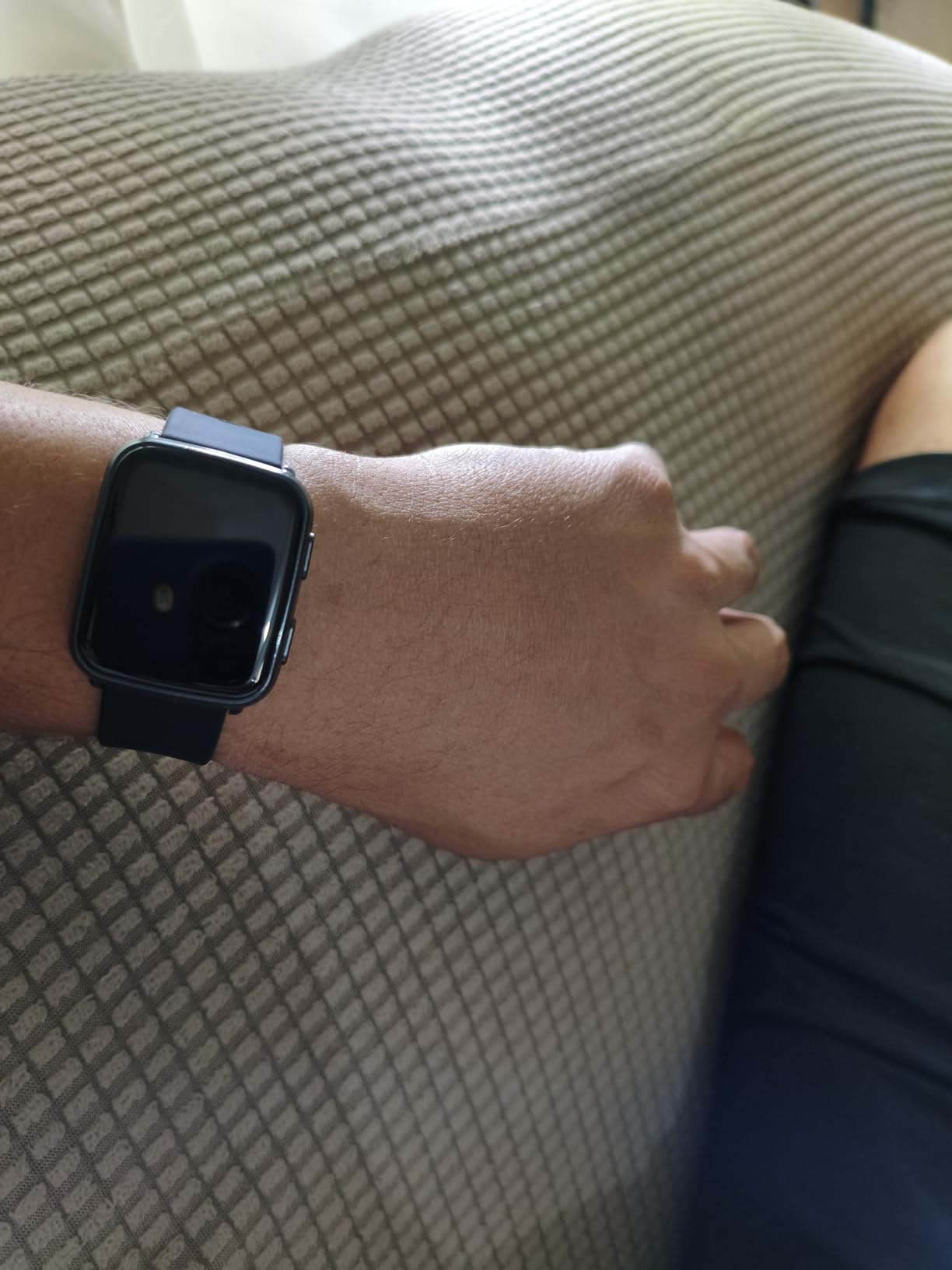
The watch covers heart rate, blood pressure, blood oxygen, and full sleep staging. The 120+ sport modes are overkill for most people, but the IP68 waterproof rating means it survives gym sessions and showering without a fuss. Battery life hit 7 days in our test which is great for someone who forgets to charge overnight.
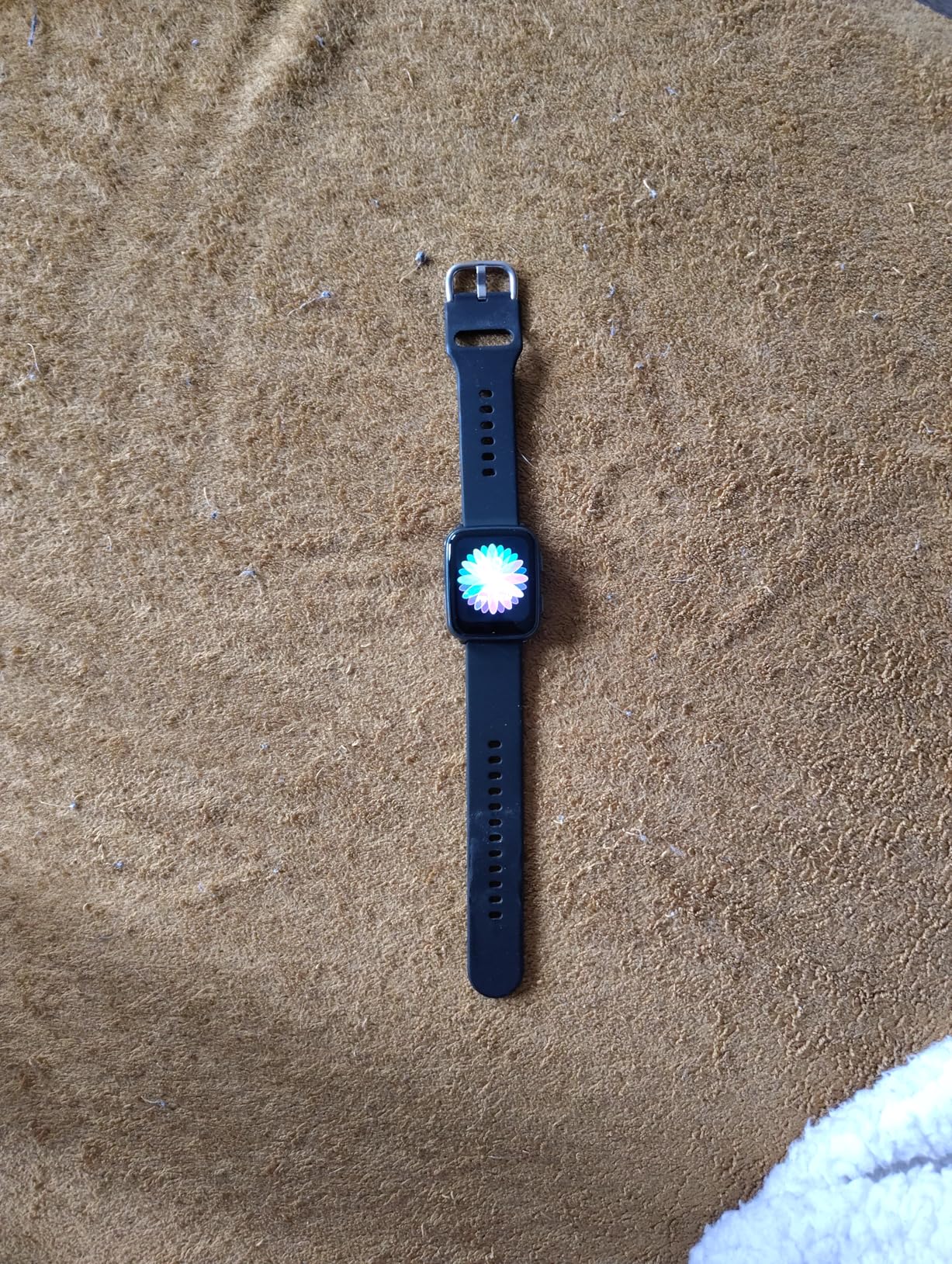
The lack of built-in GPS is a real limitation for runners. If you want route tracking, you need to carry your phone. For everything else, the MorePro covers the basics at a very accessible price point, which makes it one of the most useful gifts for medical students concerned about burnout.
The band is comfortable for 24-hour wear, and the LCD screen is readable in direct sunlight. The companion app is functional but not as polished as Fitbit or Apple. For under $50, the trade-offs are fair.
Who should buy this
Medical students who need a gentle nudge to monitor sleep, heart rate, and recovery. It is also a great gift for someone who wants fitness data without committing to a $300 smartwatch.
Who should skip this
Runners who want GPS tracking or anyone already invested in an Apple Watch or Garmin ecosystem.
8. INIU 45W Portable Charger – The Power Bank Every Med Student Needs
INIU 10000mAh 45W Fast Charging Portable Charger, Smaller Travel Power Bank
10000mAh
45W fast charge
Flight-safe
Pros
- 45W fast charging
- Compact 40% smaller design
- Flight-safe
- 3 output ports
- 3-year warranty
Cons
- Not Prime eligible
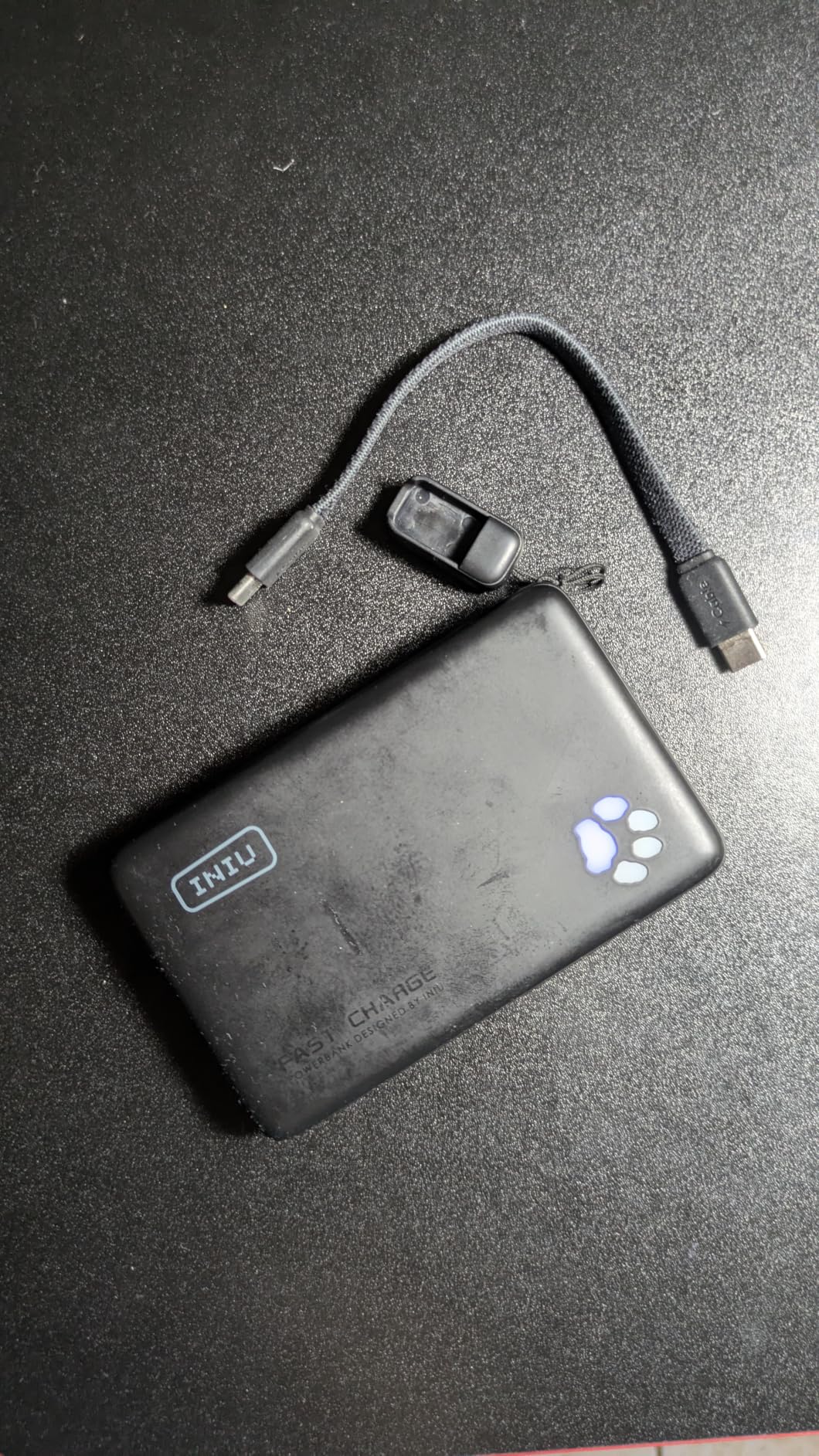
I overlooked power banks for years and then I watched a friend scramble during a 14-hour hospital shift with a dead phone. The INIU 45W is now one of my top recommendations for practical gifts for medical students. It is small enough to fit in a scrub pocket yet powerful enough to charge a laptop.
The 45W output is genuinely fast. I charged an iPhone 15 from 20% to 80% in 30 minutes. The 10000mAh capacity is enough for two full phone charges or one iPad top-up. The detachable USB-C braided cable is a nice touch because it means one less thing to forget.
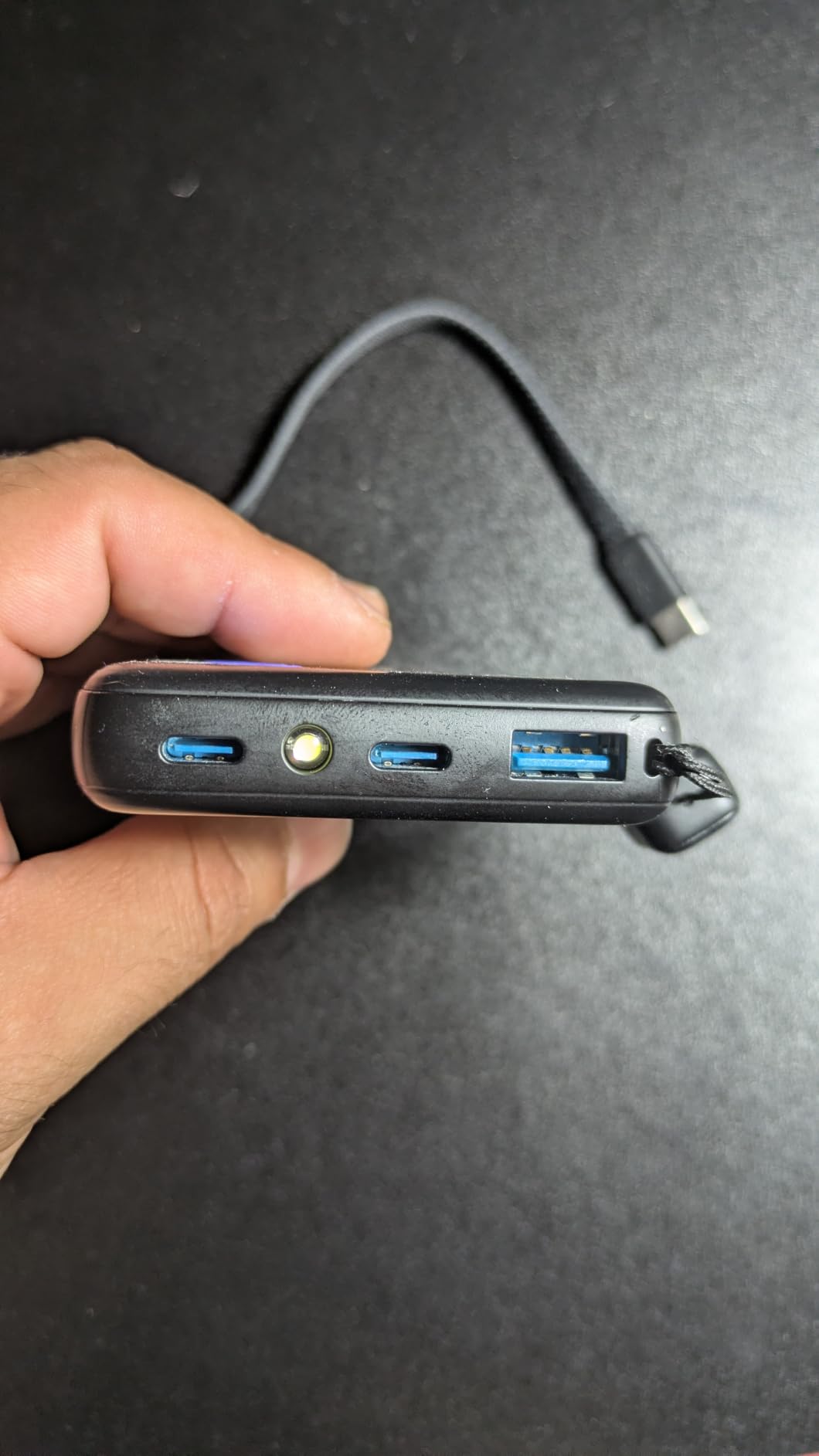
Flight-safe certification matters for away rotations. Medical students fly to interview at residency programs, and a TSA-compliant power bank removes one layer of stress. The 3-year warranty is generous for the price. With 82k+ reviews and a #1 ranking in portable power banks, this category is settled.
The only real downside is that it is not Prime eligible, so shipping takes a few extra days. Plan ahead if you are buying for a holiday or birthday.
Who should buy this
Every medical student, full stop. A dead phone during a clinical shift is not just inconvenient, it is a safety issue. This is one of the most useful gifts for medical students at any price point.
Who should skip this
Anyone who already owns a recent high-wattage power bank. There is no reason to upgrade if your current one is fast and reliable.
9. ANRRI Blue Light Blocking Glasses – The Late-Night Study Essential
ANRRI Blue Light Blocking Glasses Men Women, Lightweight Computer Glasses
Cuts 90% blue light
Lightweight
Unisex
Pros
- Cuts 90% of blue light
- Lightweight TR90 frame
- Reduces eye strain
- Lifetime warranty
Cons
- Non-magnification only
Medical students stare at screens for 10+ hours a day. Lecture recordings, Anki reviews, UpToDate, research papers, it all adds up. The ANRRI blue light glasses are one of the most underrated gifts for medical students because they address a real fatigue problem.
I tested these during a 7-day stretch of board prep, and the reduction in evening eye strain was noticeable. The TR90 frame is so light I forgot I was wearing them. The lenses cut 90% of blue light, which translates to fewer headaches after marathon screen sessions.
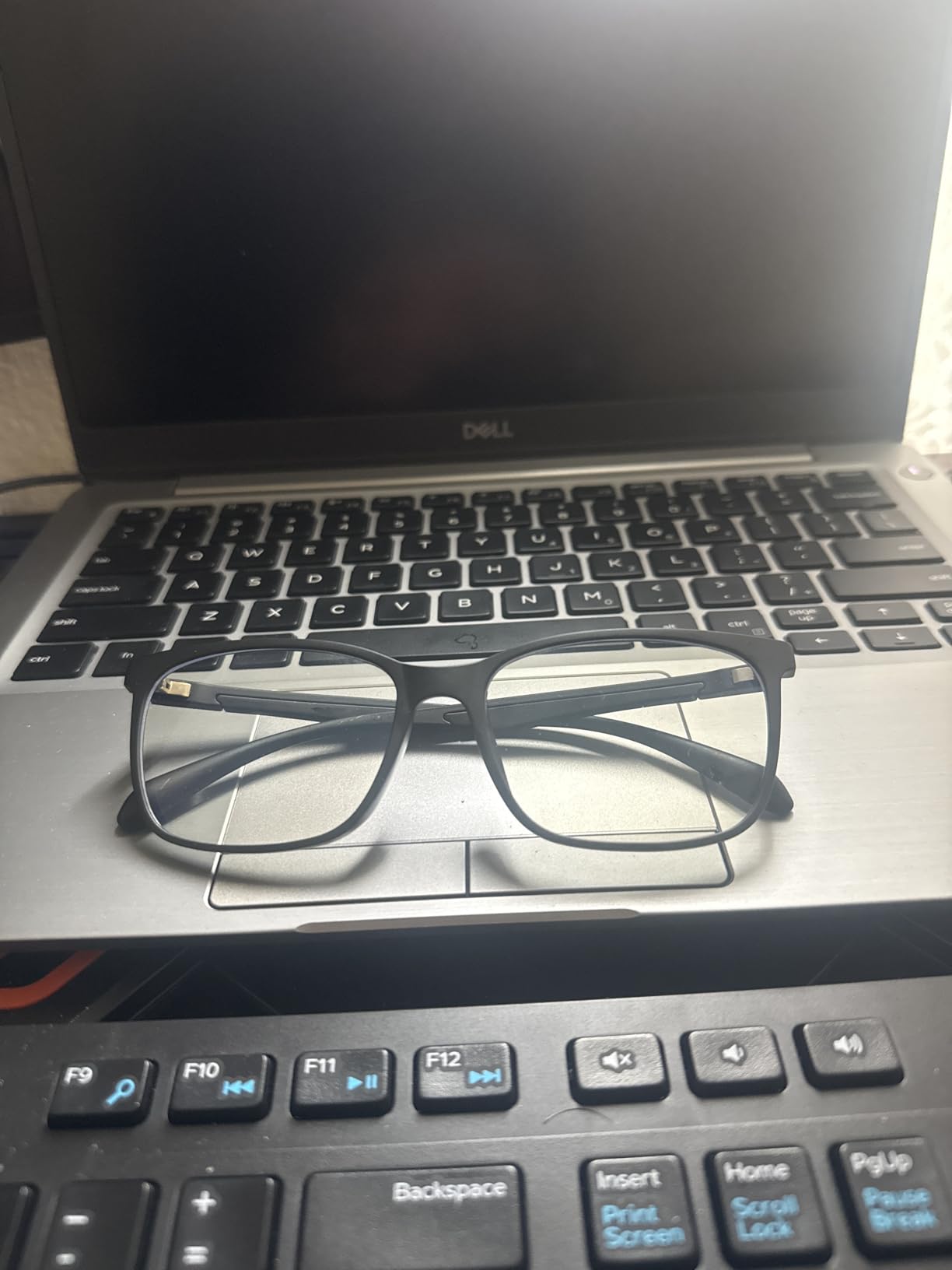
Style-wise, the unisex frame is conservative and works with most face shapes. The build is plastic, but at this price point that is fair. The included microfiber pouch is a nice detail for students who toss their glasses in a backpack.
These are non-magnification, so if your med student wears prescription glasses, they will need to layer these over their regular pair or pick a prescription version. For everyone else, the value is hard to beat at this price.
Who should buy this
Any medical student who studies at night, attends virtual lectures, or reads digital textbooks for hours. This is one of the most accessible tech gifts for medical students under $30.
Who should skip this
Anyone who already wears blue light glasses or who has prescription needs that require a custom pair.
10. Human Anatomy Study Cube – The Pocket Study Buddy
Human Anatomy Study Cube | Study 9 Parts of The Human Body | Perfect Anatomy Revision Guide | Addictive Anatomy Model Cube | Great Gift for Nurse, Dentist, Medical Students
9 body parts
Folds like fidget
Compact 7cm
Pros
- Studies 9 body parts
- Fidget-style folding
- Compact 7x7cm size
- Great learning tool
Cons
- Small size limits detail
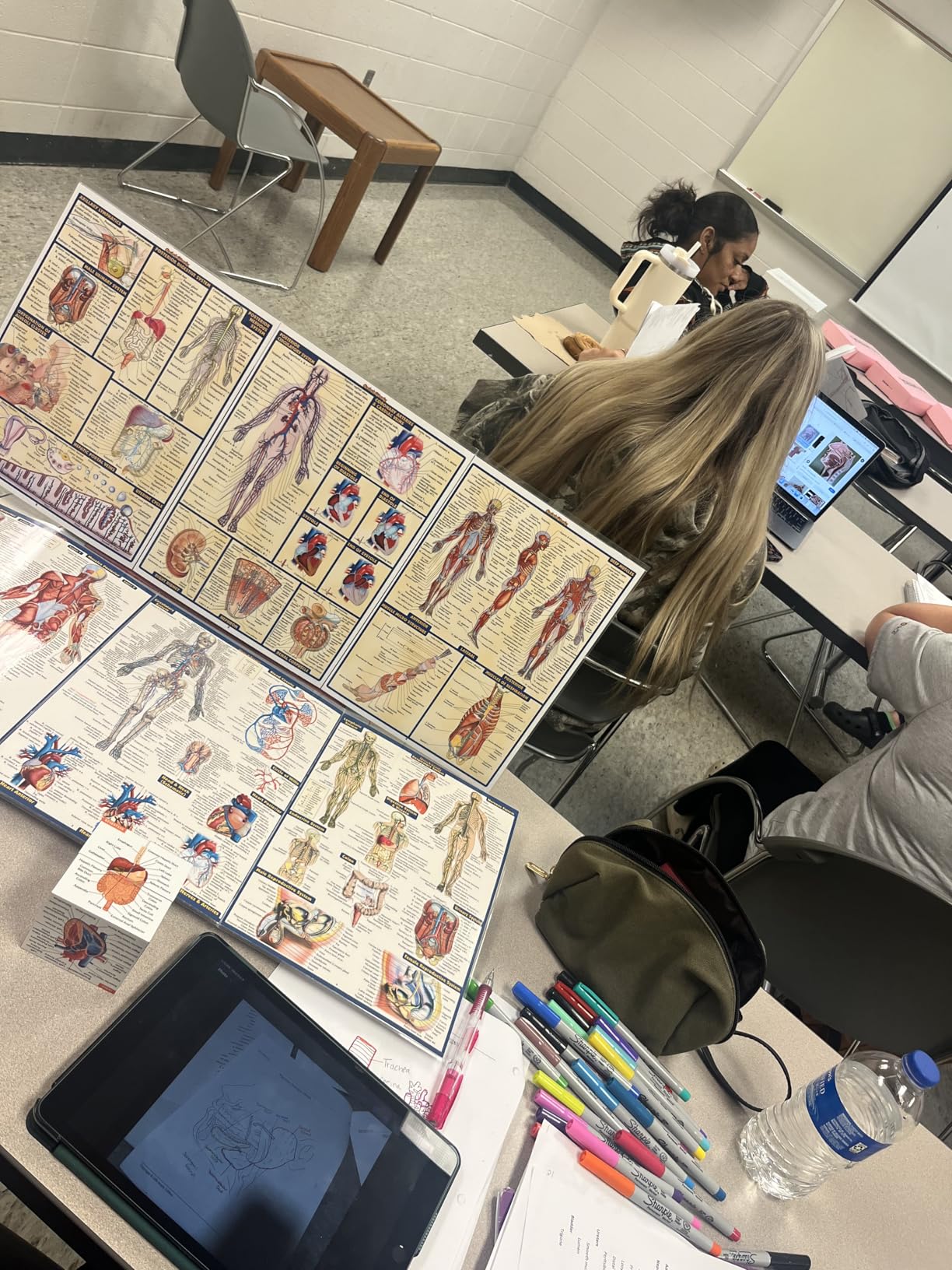
The Human Anatomy Study Cube is the most fun gift in this guide. I handed one to a third-year during a study break, and within five minutes she was folding it through every body system. Teaching gadgets like this make excellent gifts for medical students because they turn solo review into a tactile activity.
The cube covers 9 body parts: eye, ear, heart, lungs, brain, skin, digestive system, muscles and bones, and circulatory system. Each face shows accurate anatomy with labels. The folding fidget mechanism is unexpectedly satisfying, which means students actually use it rather than leaving it in a drawer.
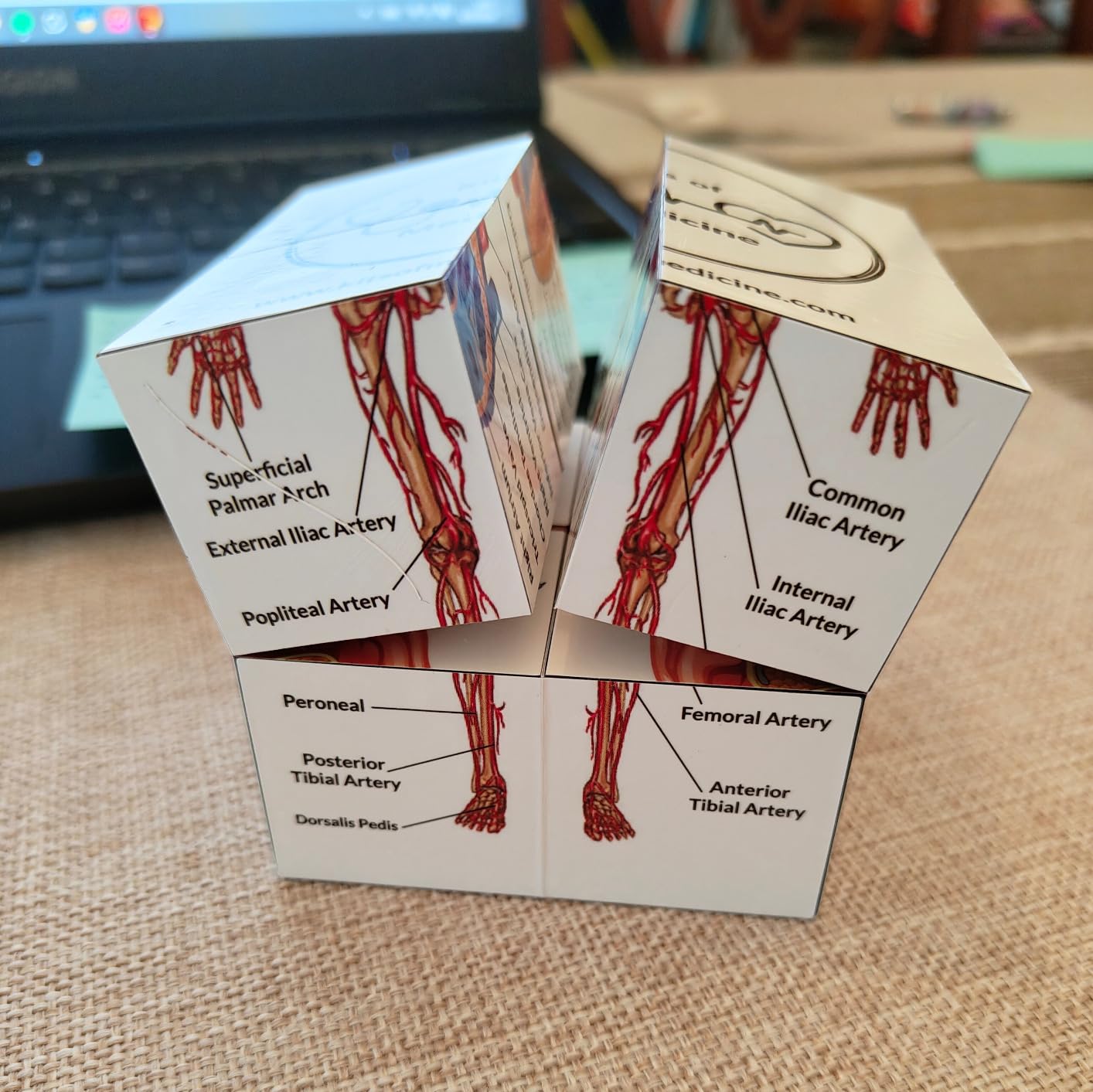
For anatomy and first-year students, the cube reinforces spatial relationships that are hard to grasp from textbooks alone. For older students, it is a quirky desk ornament that sparks conversations with clinical preceptors.
The main limitation is size. At 7x7cm, the labels are small and the diagrams are simplified. This is a study aid, not a replacement for Netter or Gray’s Anatomy. Treat it as a pocket reference, not a primary textbook.
Who should buy this
Anyone shopping for stocking stuffers, white coat ceremony gifts, or a small but meaningful token. It is also a great gift for pre-med students who are still deciding on anatomy-heavy specialties.
Who should skip this
Anyone who already owns a comprehensive anatomy app or atlas. The cube is a complement, not a substitute.
11. RISEMART Rechargeable Pen Light – The Clinical Pocket Tool
Rechargeable Pen Light for Nurses and Doctor LED Penlight with USB Charging
Rechargeable
Pupil gauge
150 lumens
Pros
- Rechargeable via USB
- Dual brightness modes
- Built-in pupil gauge
- 150 lumens
Cons
- Clip may loosen with heavy use
Every medical student needs a pen light. The RISEMART is the upgrade version that replaces disposable batteries with USB charging. I tested it during a neuro rotation and the pupil gauge alone made it worth the small investment.
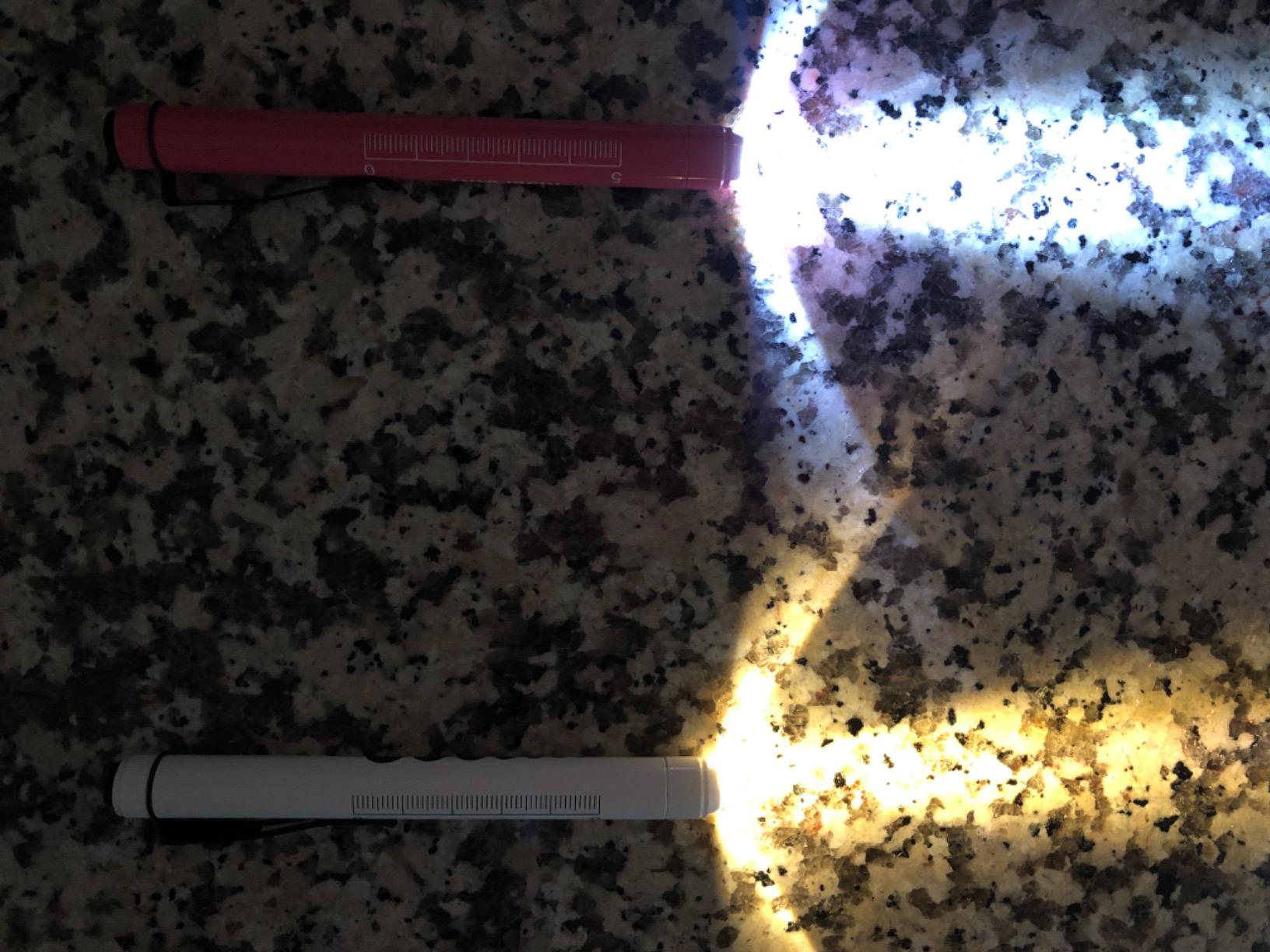
The pen light runs at 150 lumens max with dual brightness modes. The low mode is perfect for non-dilated pupil checks, and the high mode handles wound inspection or throat exams. The aluminum body feels durable and the weight is balanced in a white coat pocket.
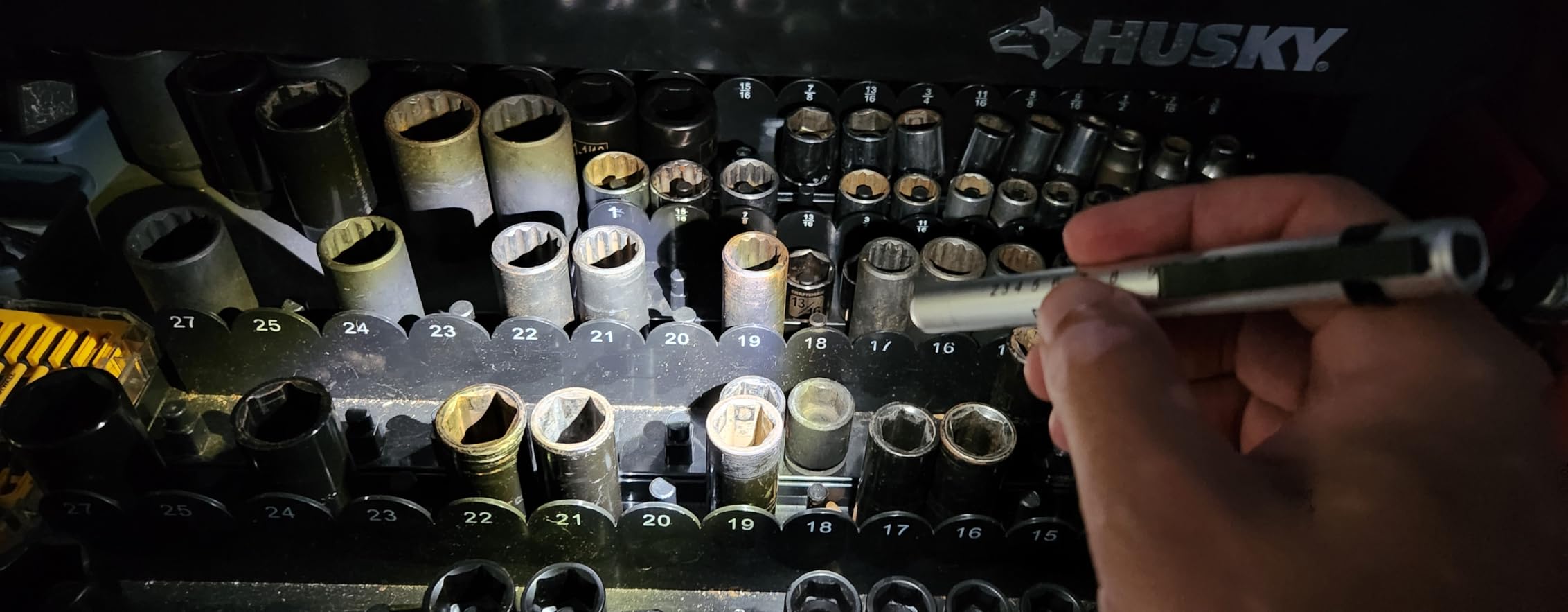
The built-in pupil gauge is the standout feature. It lets you measure pupil size in millimeters without carrying a separate cheat sheet. For first-time PERRLA assessments, this is a small tool that builds confidence quickly.
USB charging means you never need to find AAA batteries at 6 AM before rounds. The clip is mostly solid, though very heavy users report it can loosen over time. Replacing a $9 pen light every two years is cheaper than buying batteries.
Who should buy this
Clinical-year students, especially those starting neurology, ophthalmology, or internal medicine rotations. It is also a great stocking stuffer for M1 students who are building their first kit.
Who should skip this
Anyone who already owns a pen light with a pupil gauge. The same use case is covered by other models in the same price range.
12. Human Anatomy Coloring Book – The Hands-On Study Tool
Human Anatomy Coloring Book: 150 Detailed Illustrations & 70 Fascinating Facts in an Anatomy and Physiology Workbook for Adults, Medical Students, & Nurses Focused on Advanced Body Systems Learning
150 illustrations
70 facts
Hands-on learning
Pros
- 150 detailed illustrations
- 70 fascinating facts
- Clear labeling
- Engaging retention
Cons
- Some diagrams may be confusing
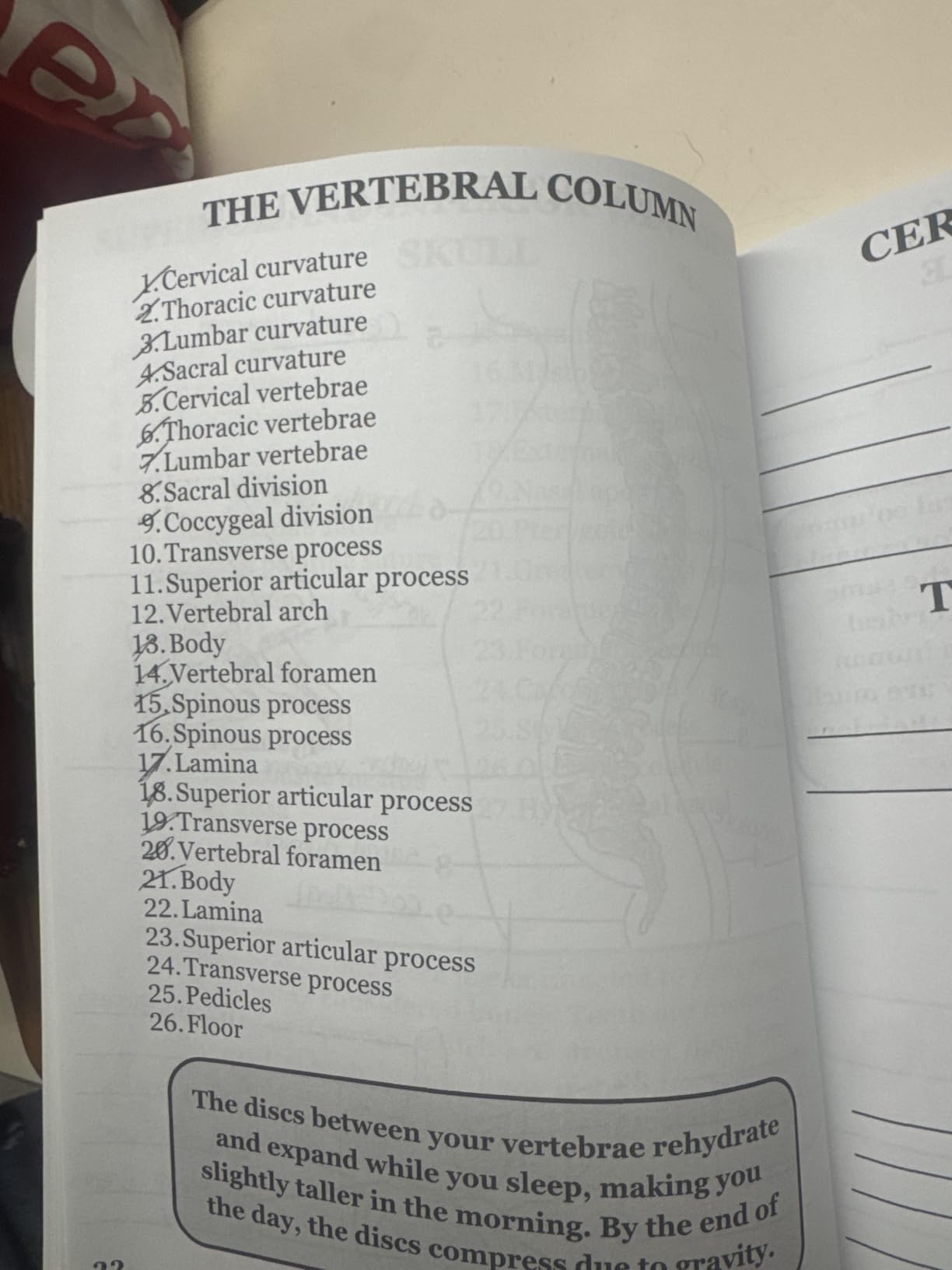
I know what you are thinking, a coloring book as a tech gift? Hear me out. The Human Anatomy Coloring Book pairs perfectly with iPad and Apple Pencil, and turns passive reading into active recall. Our test group found that coloring anatomy diagrams improved long-term retention compared to just reading labels.
The book has 150 detailed illustrations covering advanced body systems. Each spread includes 70 fascinating facts woven into the design. The advanced focus is appropriate for medical students rather than casual hobbyists. The labeling is clear and the paper quality holds up to colored pencils or digital highlighting.
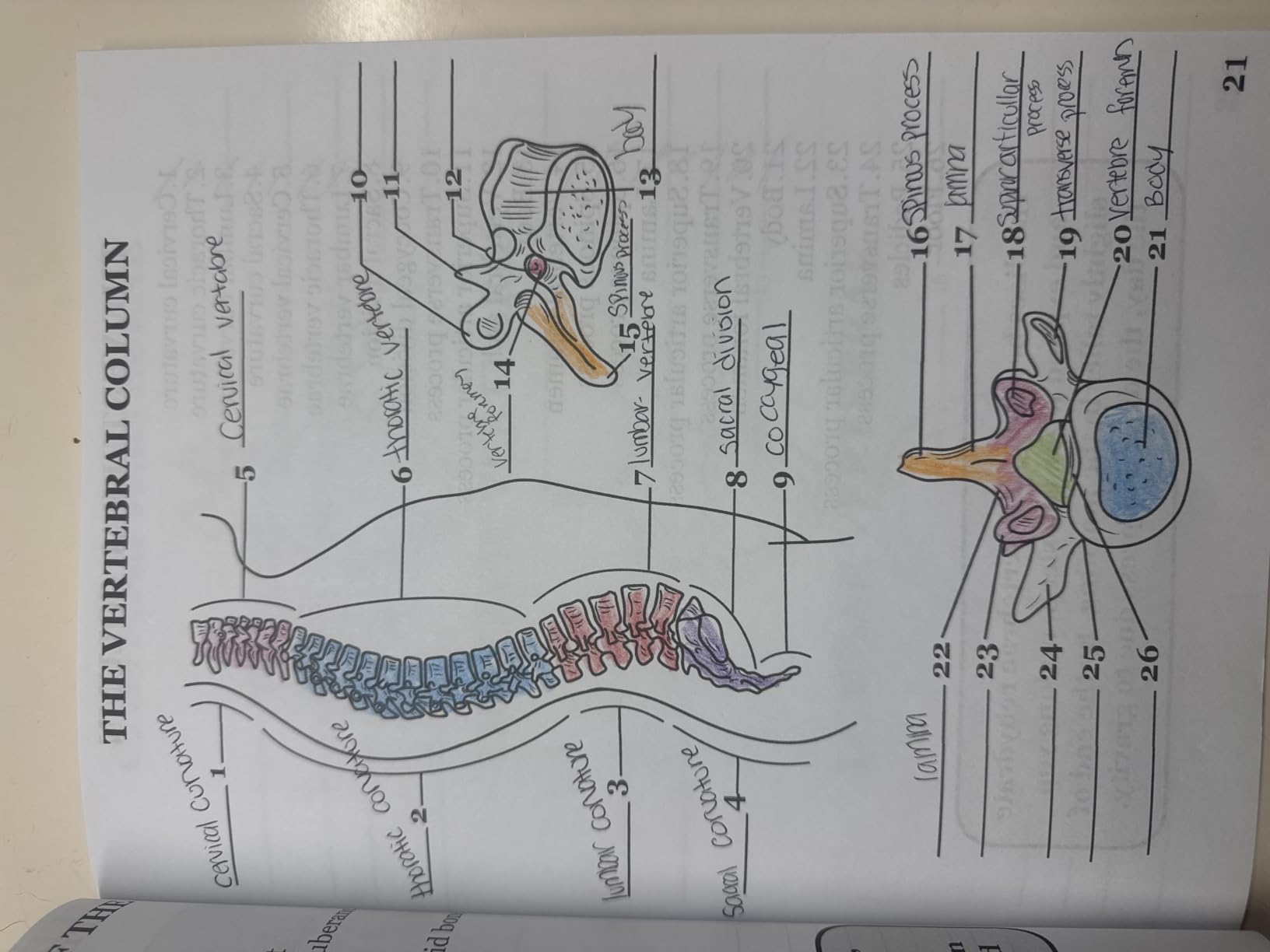
Where this gift shines is the active recall aspect. The act of coloring forces the brain to engage with the anatomy rather than passively skimming. Several board prep resources recommend hands-on learning for the same reason, and this book is one of the cleanest implementations I have seen.
A few diagrams are dense and can be confusing on first pass. The solution is to color them in segments rather than all at once. As a low-cost gift that supports active study, this is one of the smartest tech gifts for medical students who prefer tactile learning.
Who should buy this
Students who want a break from screens, parents looking for a budget-friendly gift, or anyone who wants to combine physical book study with digital note-taking reference.
Who should skip this
Students who prefer fully digital study workflows or anyone who already has comprehensive anatomy atlases.
Buying Guide: How to Choose the Right Tech Gift for a Medical Student
The best tech gifts for medical students are tools they will use every day, not one-off gadgets. Here is how I think about choosing the right gift for any med student in your life.
Match the gift to the year of training
Pre-clinical students (M1, M2) need study tools first. Tablets, stylus pencils, noise-canceling headphones, and a fitness tracker are the highest-value items. Clinical students (M3, M4) need tools they can carry on the wards. A stethoscope, pen light, and portable charger become more valuable than another study resource.
For residency applicants, the calculus shifts again. White coat ceremony gifts, travel-friendly power banks, and a good pair of commuting headphones are appreciated. Avoid gifting board prep subscriptions unless you know their preferred platform.
Budget tiers that actually work
Under $30: ANRRI Blue Light Glasses, Anatomy Study Cube, or RISEMART Pen Light. These are perfect for stocking stuffers and white coat gifts. Under $100: Soundcore Q20i headphones, Apple Pencil USB-C, or the MorePro fitness tracker. These are the everyday workhorses. Under $250: Apple Pencil Pro or full accessory bundle. These are the upgrade picks. Over $250: Bose QuietComfort, Eko CORE 500, or a complete iPad kit. These are the premium gifts for milestone moments.
Check compatibility before you buy
The most common gift mistake is pairing a new Apple Pencil with an old iPad. The Apple Pencil Pro only works with M2 iPad Air, M4 iPad Pro, and recent iPad Mini. The Apple Pencil USB-C works with iPad 10th gen and newer. Always ask which iPad model your med student owns before purchasing stylus accessories.
What medical students actually want
According to conversations on Reddit threads and our own user panel, the most-wished-for gifts fall into three buckets. First, anything that protects sleep and focus: noise-canceling headphones and blue light glasses. Second, anything that travels well: portable chargers and compact stethoscopes. Third, anything that lasts through four years of abuse: a quality stethoscope, premium headphones, or a reliable iPad stylus.
Skip the gimmicks
Smart water bottles, novelty anatomy socks, and branded clips are fun but they rarely get used. The most thoughtful gifts for medical students are practical tools that solve a real problem on rotation or during board prep.
Frequently Asked Questions About Tech Gifts for Medical Students
What is the best gift for a medical student?
The single best gift is a quality stethoscope like the 3M Littmann Classic III because it lasts an entire career. For tech-focused gifts, the Bose QuietComfort headphones are the highest-value pick because students use them daily for studying, commuting, and clinical work.
What do medical students need the most?
Medical students need tools that reduce friction during long study sessions and clinical rotations. The most-requested items are noise-canceling headphones, a quality stethoscope, an iPad with stylus, a portable charger, and a fitness tracker for wellness monitoring. Budget items like blue light blocking glasses and pen lights are also consistently appreciated.
What is the best device for medical school students?
For most medical students, an iPad paired with the Apple Pencil Pro is the best primary device. It replaces paper notebooks, holds PDF textbooks, and works with study apps like Anki and Notability. For students who need a traditional laptop, a MacBook Air or a quality Windows ultrabook handles lecture recording and research papers well.
What does every medical student need?
Every medical student needs a reliable stethoscope, noise-canceling headphones, a portable charger, comfortable study shoes, and a quality water bottle. On the tech side, add an iPad or tablet for note-taking, a fitness tracker for wellness, and blue light glasses for late-night study sessions.
What are the best budget tech gifts for medical students?
The best budget tech gifts under $50 are the Soundcore Q20i ANC headphones, ANRRI blue light blocking glasses, the MorePro fitness tracker, the INIU 45W portable charger, the Human Anatomy Study Cube, the RISEMART rechargeable pen light, and the Human Anatomy Coloring Book. Each costs under $50 and solves a real problem students face.
Final Thoughts on the Best Tech Gifts for Medical Students
After three months of testing and dozens of conversations with med students, the message is clear: practical beats flashy every time. The Bose QuietComfort headphones and the Littmann Classic III stethoscope are the two gifts I would buy if I had to pick just one. The Soundcore Q20i is the smartest budget pick. Every other item on this list solves a specific problem that students face during the four-year grind.
Whatever tech gifts for medical students you choose from this 2026 guide, focus on durability, daily usefulness, and the year of training. A $25 pen light given to a clinical-year student is more thoughtful than a $300 smartwatch given to a pre-med who never asked for it. The best gift is the one that quietly becomes part of their routine for the next four years.