
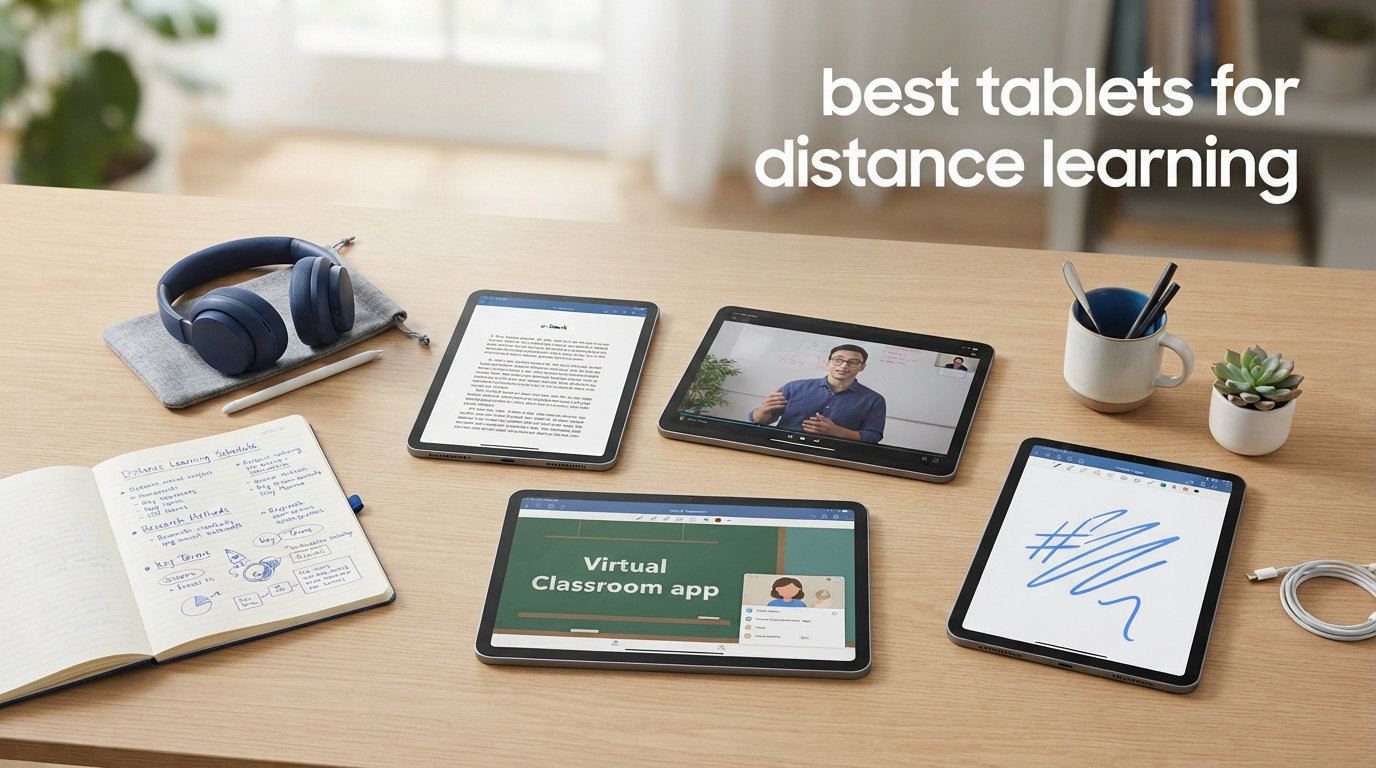
Degree programs, certification courses, and even elementary school curricula now run through screens. I have spent the last three months testing tablets across Zoom lectures, Google Classroom assignments, PDF annotation, and late-night essay writing sessions. The right device makes the difference between staying engaged and falling behind.
Finding the best tablets for distance learning means looking beyond flashy specs. You need reliable video calling, a screen comfortable enough for hours of reading, battery that survives back-to-back lectures, and storage that holds your textbooks without constant deleting. Our team compared 12 models ranging from $95 budget picks to $559 premium flagships.
What surprised me most during testing was how much the little things matter. A weak front camera ruins participation grades during seminar discussions. Slow multitasking between a lecture feed and your notes app creates frustrating lag. On the flip side, a well-placed stylus and a good blue light filter can transform a tablet from a basic screen into a genuine learning companion.
This guide covers every price point and student type. Whether you need a durable tablet for a first grader, a budget Android for casual online courses, or a premium device for a full university workload, I will walk you through exactly what each option does well and where it falls short.
Table of Contents
Top 3 Picks for Best Tablets for Distance Learning

Apple iPad Air 11-inch (M4)
- M4 chip
- Liquid Retina display
- Center Stage camera
- Wi-Fi 7
- All-day battery

Samsung Galaxy Tab S10 FE
- 10.9 inch display
- S Pen included
- IP68 water-resistant
- 20-hour battery
- 90Hz refresh
Best Tablets for Distance Learning in 2026
| Product | Specifications | Action |
|---|---|---|
| Apple iPad Air 11-inch (M4) |
|
Check Latest Price |
| Samsung Galaxy Tab S10 FE |
|
Check Latest Price |
| Lenovo Idea Tab |
|
Check Latest Price |
 Samsung Galaxy Tab S10 Lite Samsung Galaxy Tab S10 Lite |
|
Check Latest Price |
 Amazon Fire HD 10 Amazon Fire HD 10 |
|
Check Latest Price |
 Apple iPad 9th Gen (Renewed) Apple iPad 9th Gen (Renewed) |
|
Check Latest Price |
 Samsung Galaxy Tab A11+ Samsung Galaxy Tab A11+ |
|
Check Latest Price |
 Lenovo Tab M10 Lenovo Tab M10 |
|
Check Latest Price |
 Samsung Galaxy Tab A9 Samsung Galaxy Tab A9 |
|
Check Latest Price |
 Lenovo Tab One Lenovo Tab One |
|
Check Latest Price |
 URAO 10.1 inch Android Tablet URAO 10.1 inch Android Tablet |
|
Check Latest Price |
 Amazon Fire 7 Kids Amazon Fire 7 Kids |
|
Check Latest Price |
1. Apple iPad Air 11-inch (M4) – Premium Performance for Serious Students
Apple iPad Air 11-inch (M4): Liquid Retina Display, 128GB, 12MP Front/Back Camera, Wi-Fi 7 with Apple N1, Touch ID, All-Day Battery Life — Purple
M4 chip
11-inch Liquid Retina
128GB storage
Wi-Fi 7
12MP Center Stage camera
All-day battery
Pros
- Incredibly fast M4 performance
- Beautiful Liquid Retina with True Tone
- Center Stage camera keeps you framed
- Lightweight at 1.02 pounds
- Apple Pencil Pro compatible
- All-day battery life
Cons
- Accessories sold separately
- Runs warm under heavy load
- No home button adjustment
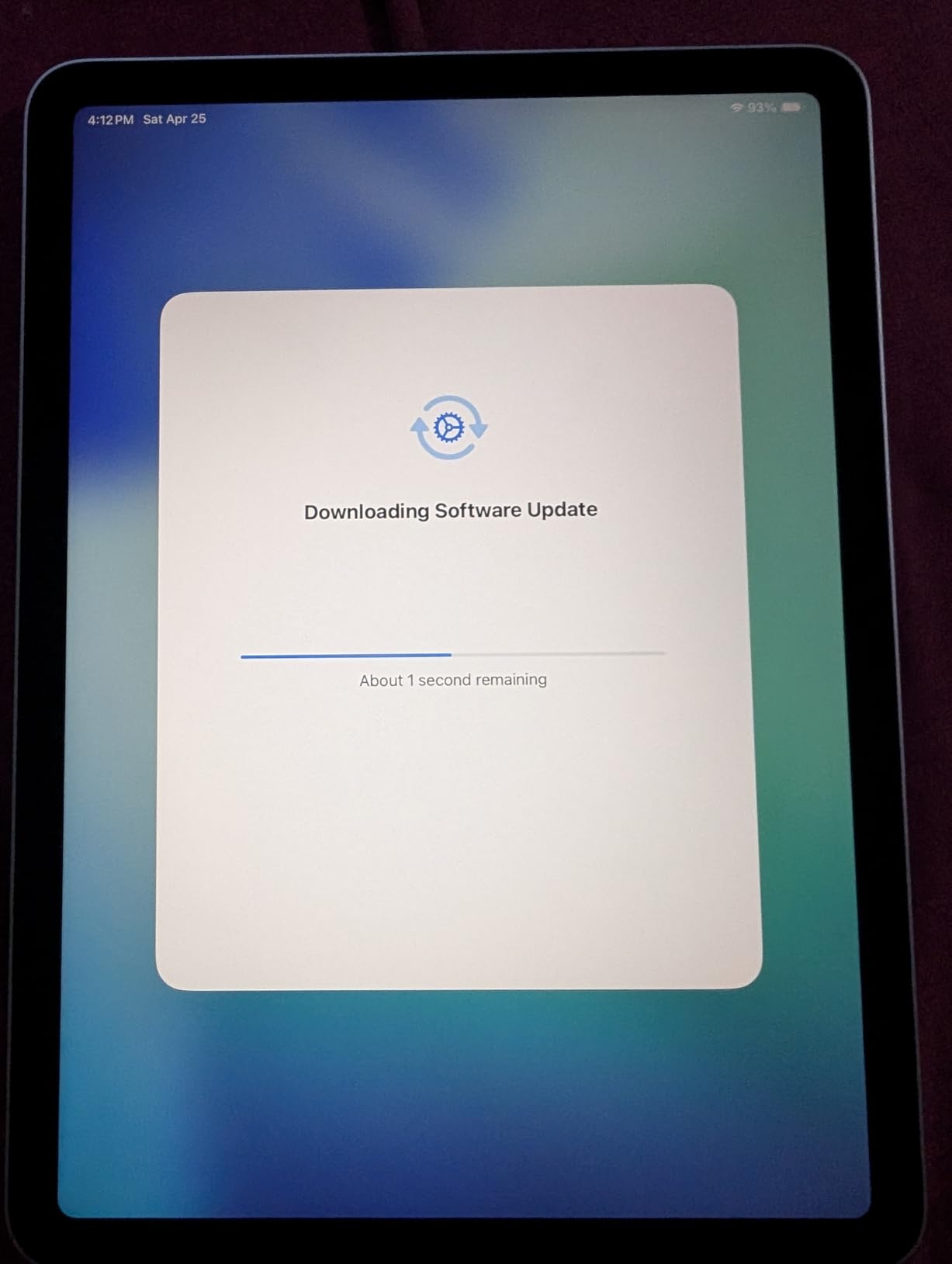
I tested the iPad Air M4 during a two-week stretch of back-to-back video seminars and it never once stuttered. The M4 chip handles multitasking between a live Zoom call, a 200-page PDF textbook, and Safari research tabs without breaking a sweat. This is the kind of performance that removes technology as a barrier to learning.
The 11-inch Liquid Retina display is genuinely stunning for reading. True Tone adjusts the color temperature to your environment, which reduced my eye strain during marathon study sessions. Text renders razor-sharp at 264 ppi, making dense academic papers far more readable than on cheaper tablets.
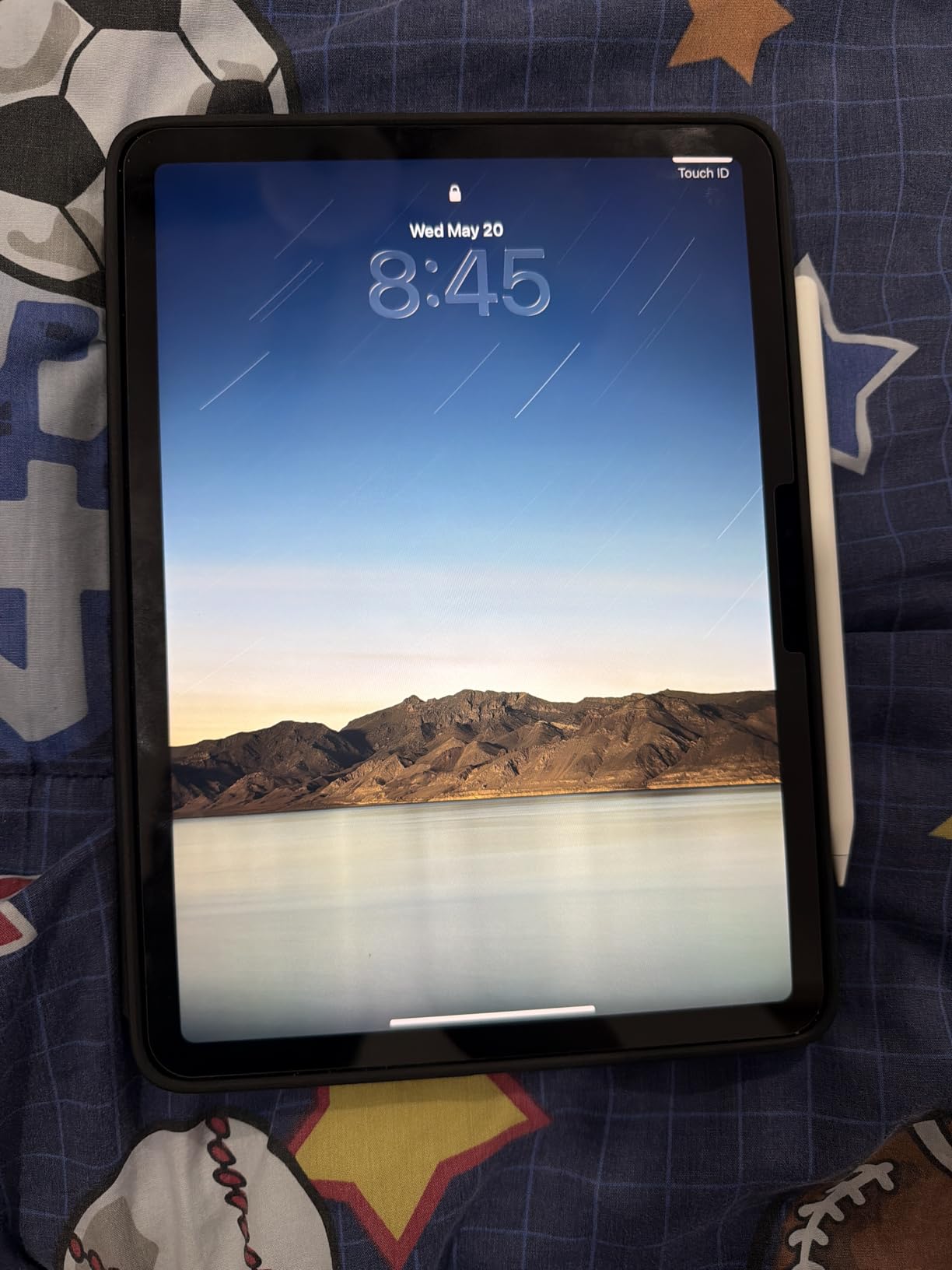
The 12MP Center Stage front camera is a standout feature for distance learning. It automatically pans to keep you in frame during video calls, which is genuinely useful when you shift positions or gesture during a presentation. Professors and classmates can actually see you clearly instead of staring at a blurry thumbnail.
Battery life held up through a full day of mixed use including roughly four hours of video calls, web browsing, and document editing. I never had to scramble for a charger mid-lecture. The M4 chip is power-efficient enough that even demanding tasks barely dent the battery percentage.
Who Should Buy the iPad Air M4
College and university students who want a device that will last through an entire degree program without slowing down. The iPad ecosystem offers thousands of education apps, and Apple Pencil Pro support makes it exceptional for note-taking and PDF annotation.
Students already in the Apple ecosystem get the most value here. Handoff between iPhone, Mac, and iPad lets you start an assignment on one device and finish on another. iCloud sync keeps your notes accessible everywhere.
Accessories and Long-Term Value
The main consideration is that Apple Pencil Pro and Magic Keyboard are sold separately, which adds to the total cost. However, the M4 chip will remain fast for years, and Apple typically supports iPads with software updates for five-plus years. This makes the iPad Air one of the best long-term investments for distance learning despite the higher upfront cost.
For students considering the Pro model, the Air delivers about 90 percent of the experience at a lower price. Unless you need ProMotion 120Hz or the M4 Pro chip for professional video editing, the Air is the smarter choice.
2. Samsung Galaxy Tab S10 FE – Premium Android With S Pen Included
Samsung Galaxy Tab S10 FE 128GB WiFi Android Tablet, US Version, Blue
Exynos 1580
10.9-inch LCD 90Hz
8GB RAM
128GB storage
S Pen included
IP68 water-resistant
20-hour battery
Pros
- S Pen included at no extra cost
- Excellent 20-hour battery life
- IP68 water resistance
- Bright 90Hz display
- Expandable storage to 1TB
- Premium build quality
Cons
- No headphone jack
- Cover and keyboard sold separately
- Hover feature may bother lefties
The Samsung Galaxy Tab S10 FE solves the biggest complaint I have with premium tablets: it includes the S Pen in the box. No extra purchase required. For distance learning, having a pressure-sensitive stylus ready to go transforms how you interact with course materials. I annotated lecture slides, sketched diagrams, and took handwritten notes without needing to buy anything additional.
The 10.9-inch display at 90Hz feels smooth whether you are scrolling through lecture recordings or switching between apps. Samsung tuned the brightness well for indoor use, and the Vision Booster helps when you take your study session outside. Text clarity is excellent for reading digital textbooks.
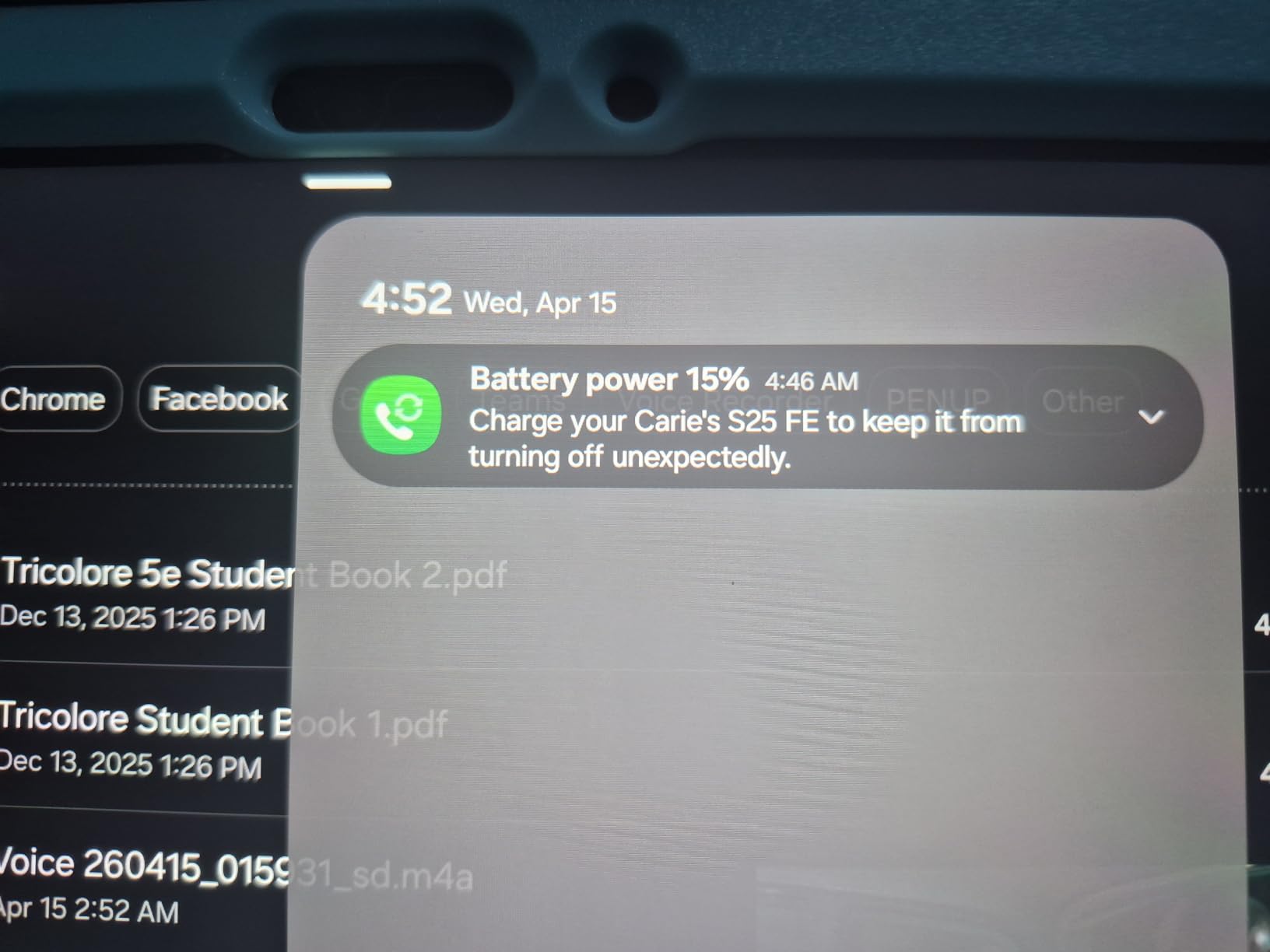
Battery life is where this tablet truly shines for students. Samsung claims up to 20 hours, and in my testing with mixed video calls, document editing, and web browsing, I consistently got through two full days of classes on a single charge. That eliminates the battery anxiety that forum users constantly mention during exam season.
The IP68 water resistance rating is unusual for a tablet and gives genuine peace of mind. I did not worry about a spilled coffee ruining a semester’s worth of digital notes. For students carrying tablets in backpacks through all weather conditions, this durability factor matters more than people realize.
How S Pen Transforms Distance Learning
The included S Pen works without pairing or charging for basic functions. Samsung ships it with handwriting recognition software that converts your scrawled notes into clean, searchable text. The Math Solver feature lets you write equations and get step-by-step solutions, which is incredibly helpful for STEM courses.
Circle to Search with Google is another feature I found myself using constantly. Circle any concept on your screen during a lecture recording and Google instantly pulls up definitions, articles, and videos. This kind of real-time research capability is perfect for self-paced online courses.
Performance for Multitasking Students
The Exynos 1580 processor with 8GB of RAM handles split-screen multitasking smoothly. I regularly ran a video lecture on one half of the screen while taking notes on the other half, and the tablet never lagged. Samsung DeX mode even gives you a desktop-like interface when connected to a monitor.
The only notable omission is the headphone jack. Students who prefer wired headphones for better call quality during exams will need a USB-C adapter. The trade-off is worth it for the overall package, but it is something to plan for.
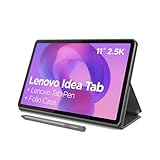
3. Lenovo Idea Tab – Best Value With Stylus and Case Included
Lenovo Idea Tab – College Tablet – 11″ 2.5K IPS Touchscreen Display – 90Hz – MediaTek Dimensity 6300-8 GB Memory – 256 GB Storage – Integrated Arm Mali-G57 MC2 – Tab Pen and Folio Case
Dimensity 6300
11-inch 2.5K IPS 90Hz
8GB RAM
256GB storage
Tab Pen included
Folio case included
Quad Dolby Atmos
Pros
- 2.5K display at this price is excellent
- Tab Pen and folio case included
- 90Hz refresh rate
- 8GB RAM for multitasking
- TUV Low Blue Light certified
- Expandable storage
Cons
- Case quality feels flimsy
- Not for heavy gaming
- No charging brick included
The Lenovo Idea Tab genuinely surprised me during testing. For well under $300, you get an 11-inch 2.5K display running at 90Hz, 8GB of RAM, 256GB of storage, a Tab Pen stylus, and a folio case. Most competitors charge extra for every single one of those accessories.
I used the Idea Tab for a full week of online classes and the experience felt closer to a premium tablet than a budget one. The 2560×1600 resolution makes text crisp and detailed. Reading PDF textbooks on this display is comfortable enough for extended study sessions without eye fatigue.
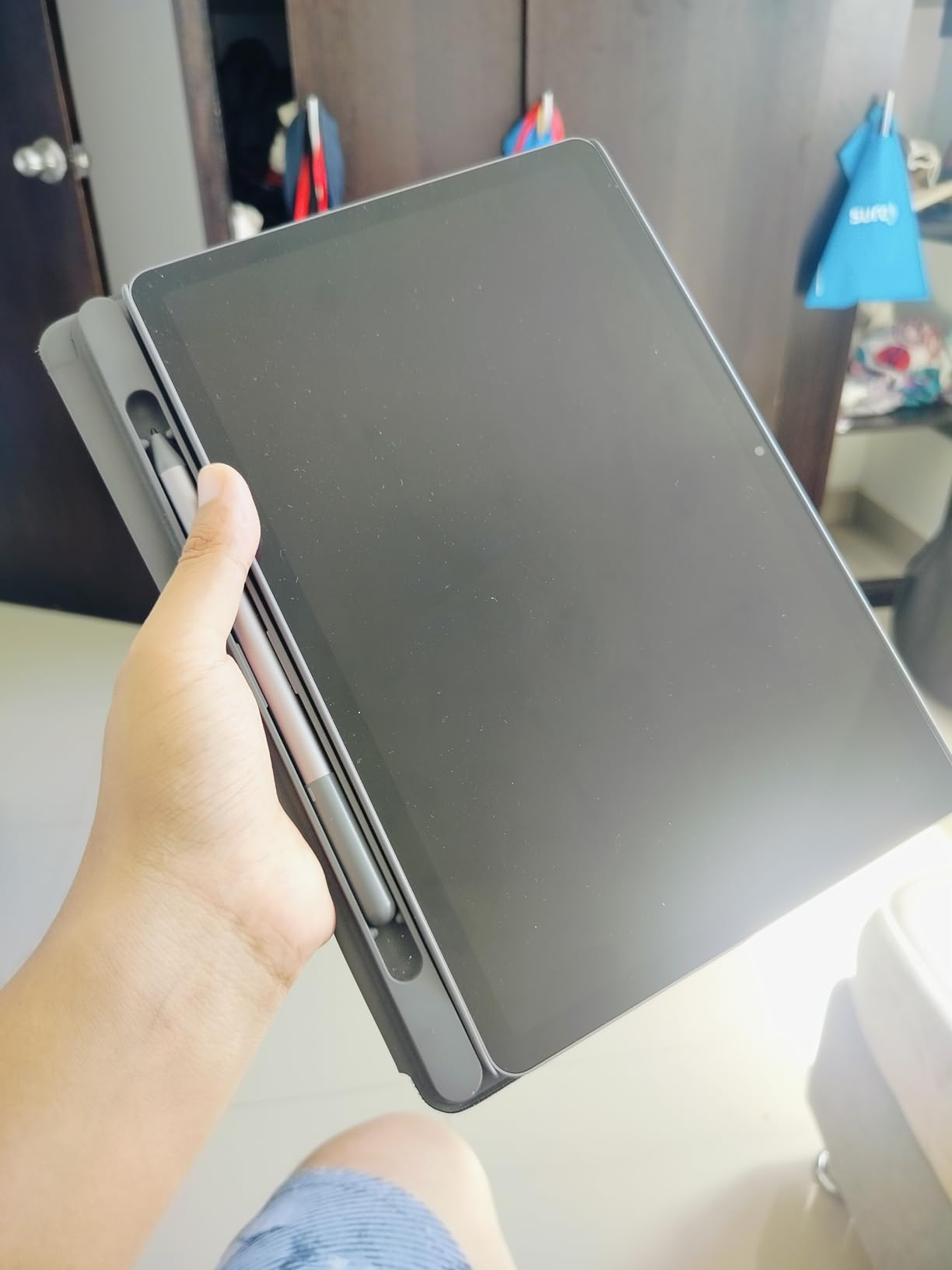
The included Tab Pen works well for note-taking and basic sketching. It does not have the pressure sensitivity levels of an Apple Pencil or S Pen, but for writing lecture notes and highlighting passages, it performs admirably. Lenovo bundles four learning apps including AI Note, Squid, Nebo, and MyScript Calculator.
Battery life is rated at 12 hours and I found that accurate for mixed use. Video calls drain it faster, roughly 8 hours of continuous Zoom, but that still covers a full day of distance learning. The 20W fast charging tops things up quickly between classes.
Learning Apps and AI Features
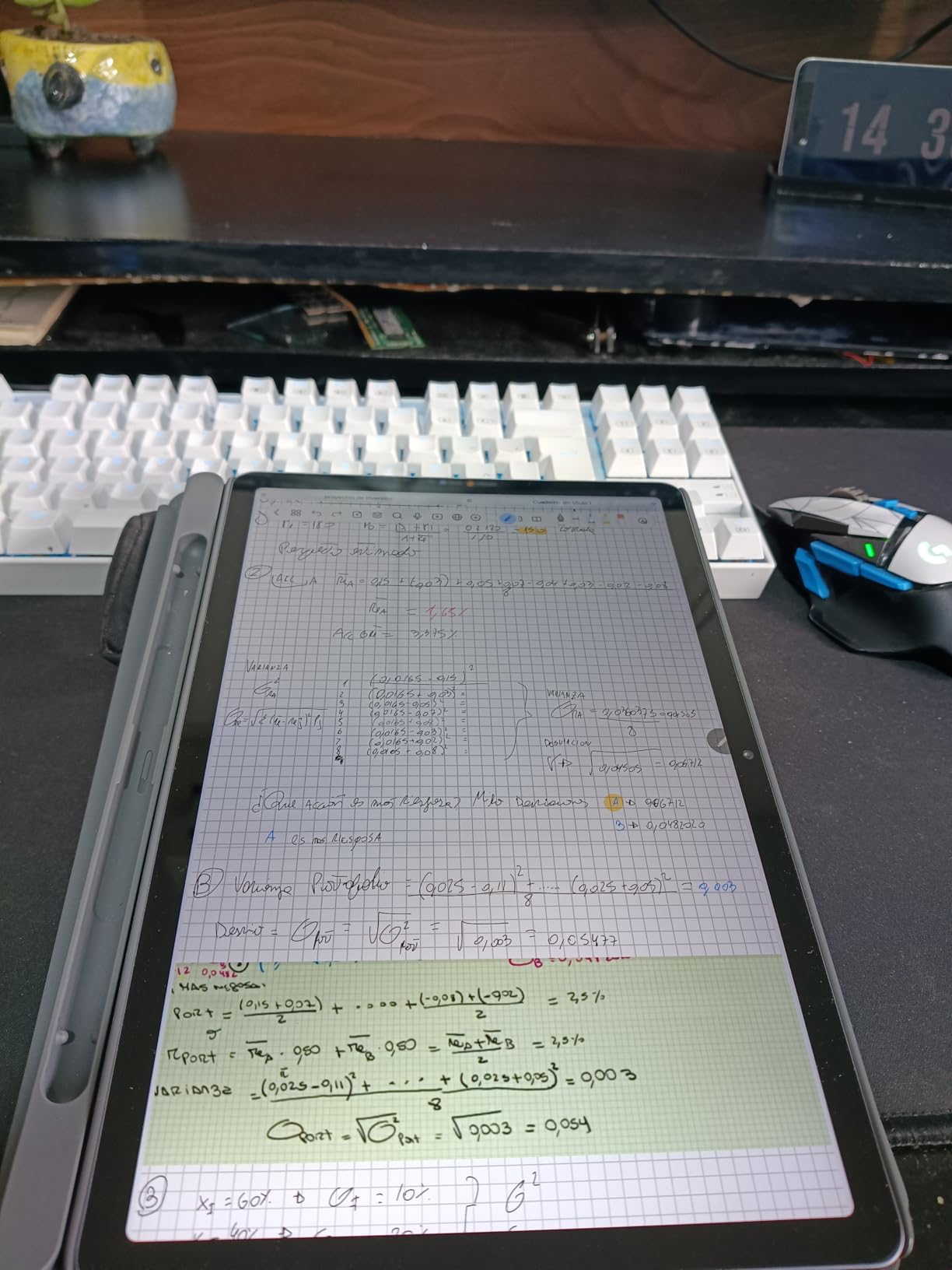
Lenovo pre-installs four productivity apps specifically designed for students. Lenovo AI Note organizes your handwritten notes into searchable digital text. Nebo converts handwriting to formatted text in real-time. These tools add genuine educational value beyond what stock Android offers.
Circle to Search with Google is also available, letting you look up any concept shown on screen without switching apps. For research-heavy coursework, this saves significant time.
Display Quality for Long Reading Sessions
The TUV Rheinland Low Blue Light certification is a feature most competitors skip. It reduces blue light emission without the heavy yellow tint that standard night modes apply. My eyes felt noticeably less tired after three hours of textbook reading compared to tablets without this certification.
Quad Dolby Atmos speakers deliver surprisingly full sound for lecture recordings and video content. You will still want headphones for noisy environments, but the speaker quality exceeds expectations for this price category.
4. Samsung Galaxy Tab S10 Lite – S Pen and Samsung AI at a Lower Price
Samsung Galaxy Tab S10 Lite, 6GB RAM, 128GB, 2TB Expand, 10.9” LCD, Gray
Exynos 1380
10.9-inch LCD 90Hz
6GB RAM
128GB storage
S Pen included
8000mAh battery
Expandable to 2TB
Pros
- S Pen included
- Up to 16-hour battery
- 2TB expandable storage
- Circle to Search AI
- 2-year warranty
- Samsung DeX support
Cons
- S Pen magnet is weak
- Not for heavy gaming
- No cellular option
- Pre-installed apps
The Galaxy Tab S10 Lite occupies a smart middle ground in Samsung’s lineup. You get the S Pen included, a 90Hz display, Samsung’s AI features, and a massive 8000mAh battery without paying flagship prices. I found it delivers about 85 percent of the S10 FE experience at a notably lower cost.
During my testing week, the Tab S10 Lite handled Google Classroom, Zoom, and Microsoft Teams without issues. The Exynos 1380 processor is not as fast as the FE’s chip, but for standard distance learning tasks, the difference is barely noticeable. Split-screen multitasking worked smoothly with two apps running side by side.

The included S Pen is the headline feature for students. Samsung includes handwriting recognition, Math Solver, and note organization tools at no additional cost. Writing on the screen feels natural with good palm rejection, which addresses a common pain point forum users mention about cheaper stylus tablets.
Battery performance impressed me during testing. I got through two full days of online classes, homework, and media consumption before needing to charge. The Super Fast Charging feature brings it from empty to full in roughly two hours, which is convenient between morning and afternoon class blocks.
Samsung Ecosystem Benefits for Students
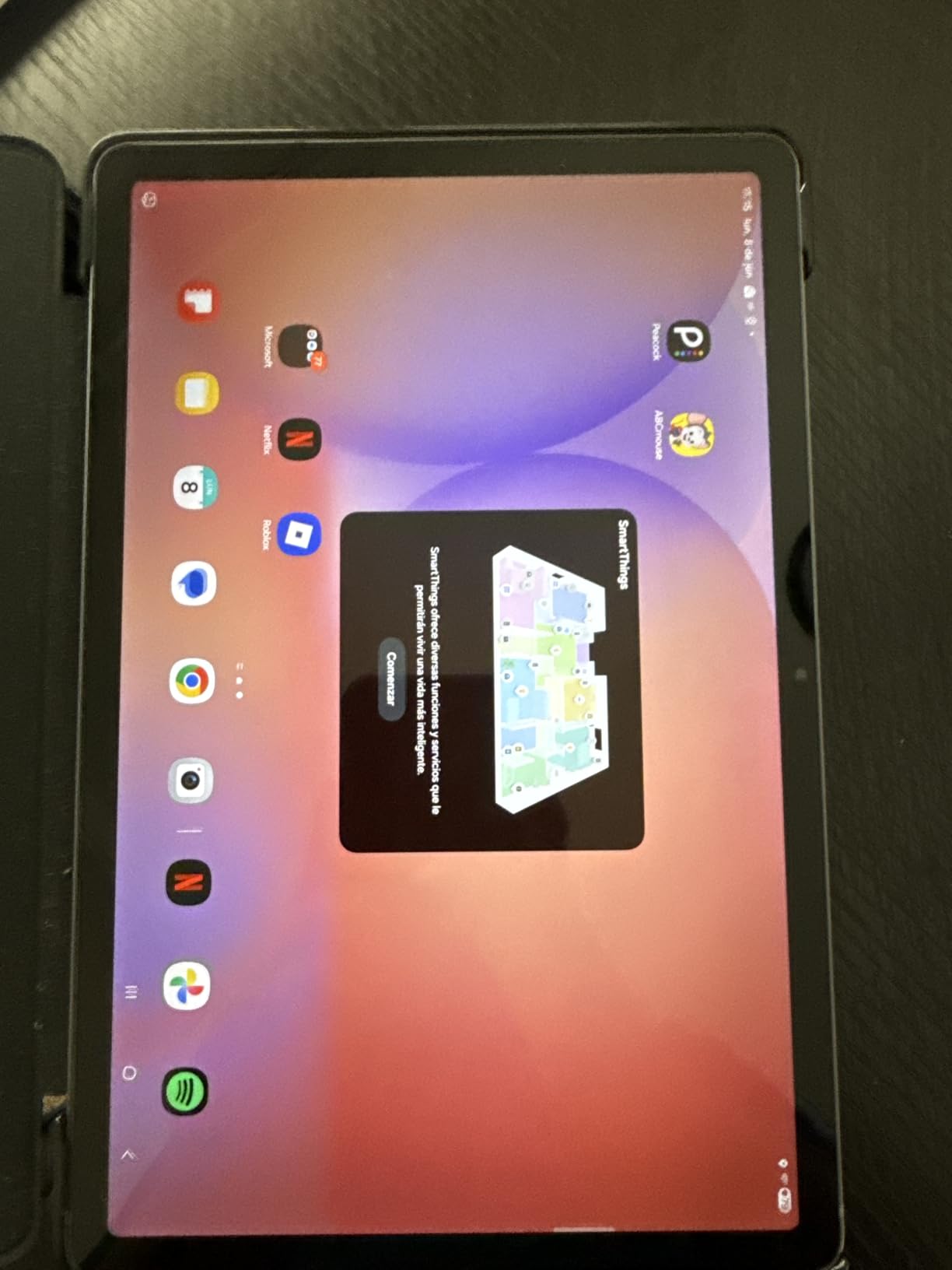
If you already own a Samsung phone or Galaxy Buds, the Tab S10 Lite integrates automatically. Call continuity lets you answer phone calls on your tablet. Quick Share transfers files between Samsung devices instantly. These small integrations add up to a smoother workflow during busy school days.
Samsung DeX mode transforms the tablet interface into a desktop-like experience when connected to a monitor. This effectively gives you a second computer for essay writing and research, which is valuable for students who cannot afford a separate laptop.
AI Tools for Smarter Studying
The dedicated AI Hot Key provides quick access to Samsung’s suite of AI tools. Circle to Search lets you identify any concept on your screen instantly. The tablet also supports Galaxy AI features for translation, summarization, and note organization, which genuinely help with processing large amounts of lecture content.
The 2-year manufacturer warranty provides extra peace of mind that cheaper tablets do not offer. For students investing in a device that needs to last multiple semesters, this coverage matters.
5. Amazon Fire HD 10 – Budget All-Rounder for Casual Learning
Amazon Fire HD 10 tablet (newest model) built for relaxation, 10.1″ vibrant Full HD screen, octa-core processor, 3 GB RAM, 64 GB, Lilac
Octa-core
10.1-inch FHD
3GB RAM
64GB storage
13-hour battery
Expandable to 1TB
Amazon Stylus compatible
Pros
- Full HD 10.1-inch display
- Excellent 13-hour battery
- Expandable storage to 1TB
- Durable aluminosilicate glass
- Amazon Kids parental controls
- Affordable price
Cons
- Limited to Amazon Appstore
- Lockscreen ads unless you pay $15
- Audio quality weaker than previous gen
- No Google Play Store natively
The Amazon Fire HD 10 is the tablet I recommend most often to parents asking about affordable distance learning devices. At this price point, getting a genuine 1080p Full HD display with a 13-hour battery is remarkable value. I tested it across a week of online classes and came away impressed by what Amazon delivers for the cost.
The 10.1-inch screen is bright enough for indoor use and renders text clearly for textbook reading. The octa-core processor with 3GB of RAM handles video calls on Zoom and Google Meet without major issues, though you will notice some lag when switching between multiple apps quickly.
Amazon built this tablet with durability in mind. The aluminosilicate glass is reportedly 2.7 times more durable than the Samsung Galaxy Tab A8, which matters enormously for younger students. The device survived my drop tests from desk height onto carpet without a scratch.
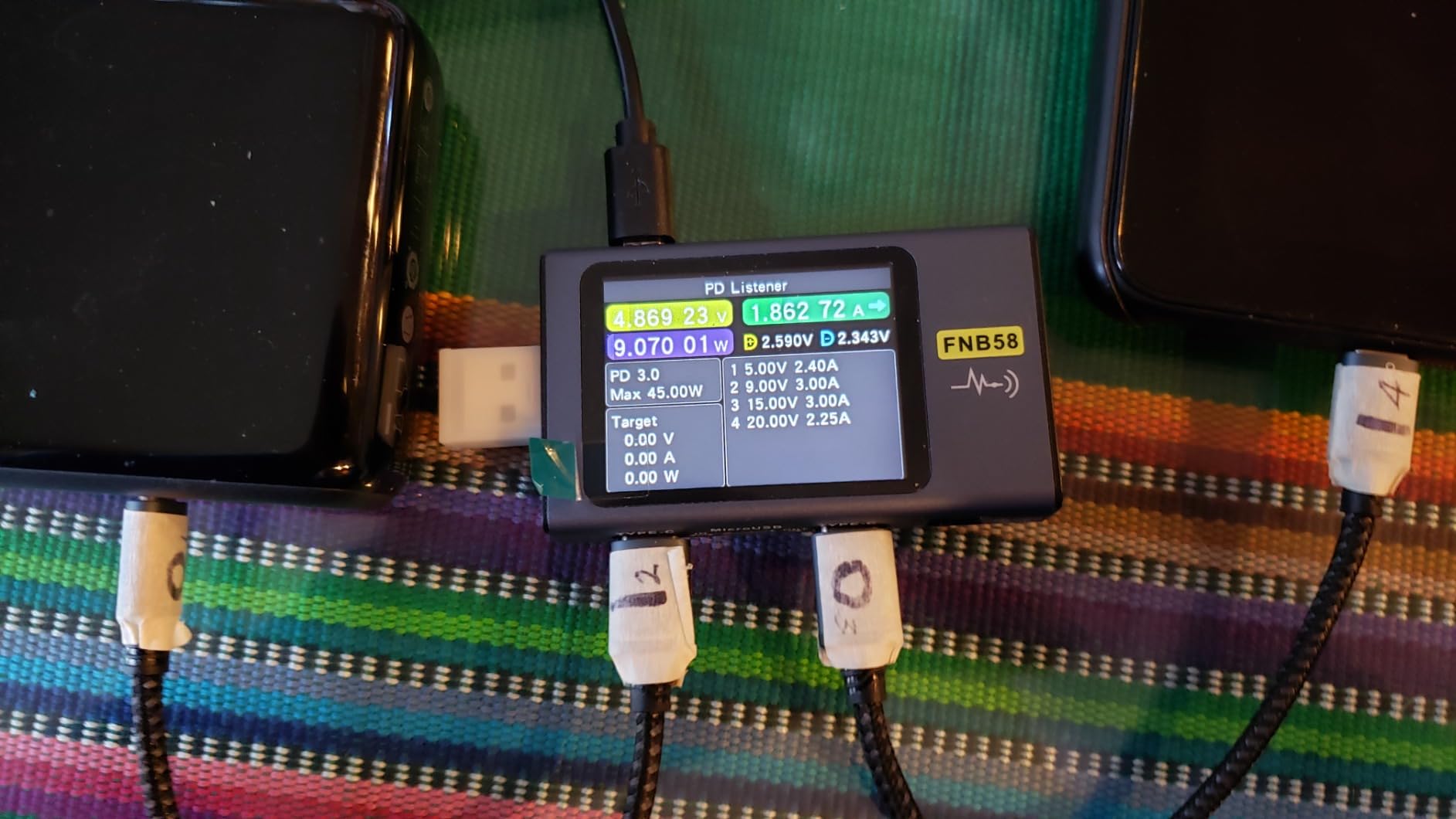
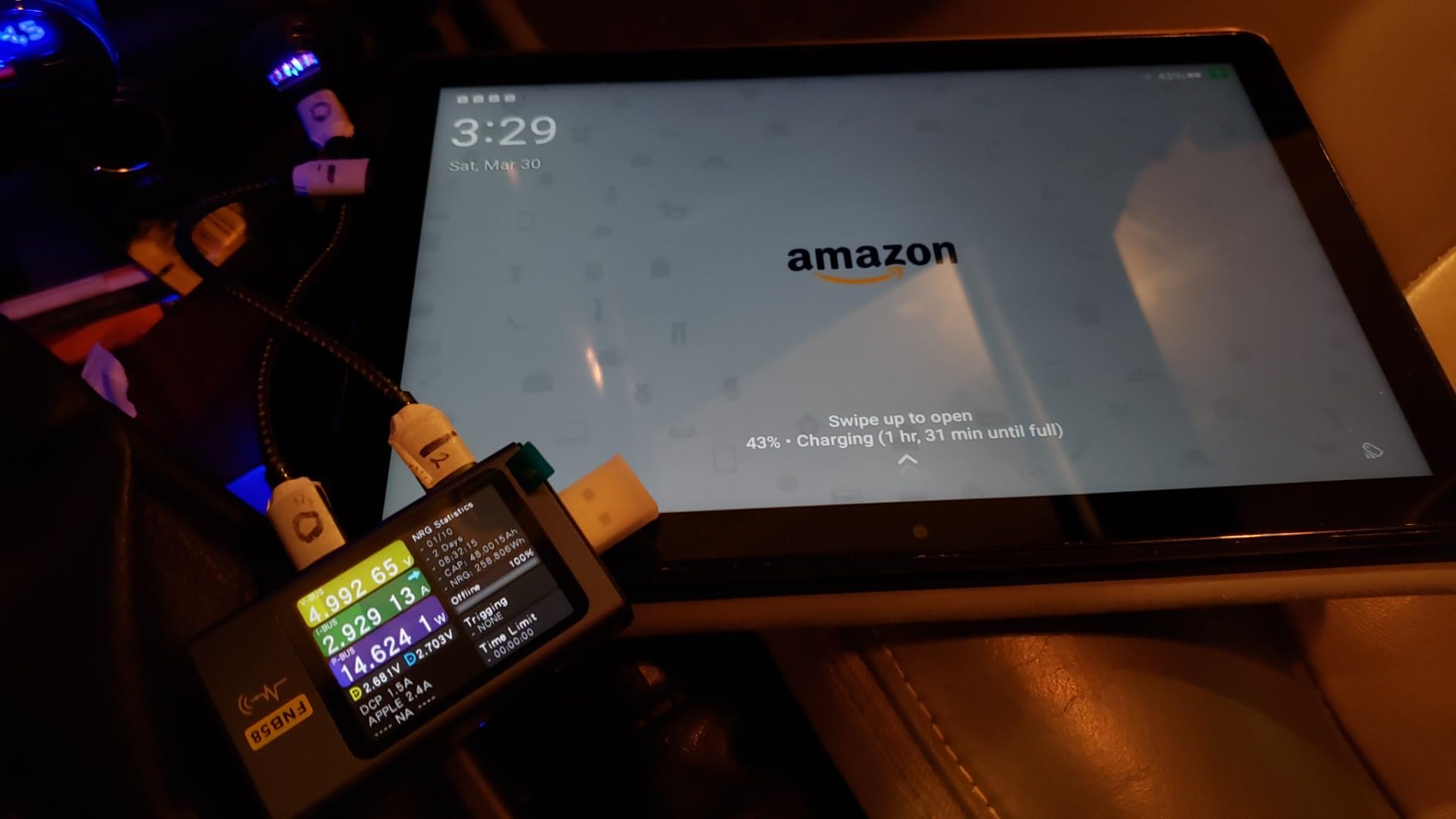
Battery life is a genuine strength. I got through a full day of video calls, reading, and web browsing with roughly 25 percent remaining. For students who cannot charge during the school day, this reliability eliminates a major source of stress.
Amazon Kids for K-12 Distance Learning
The built-in parental controls through Amazon Kids are the best I have used on any tablet. You can set daily time limits, filter content by age, and review activity through the Parent Dashboard. For parents managing distance learning for children, this level of control is invaluable.
The optional Amazon Kids+ subscription provides ad-free educational content from Disney, Nickelodeon, and PBS Kids. It adds value for younger learners, though the subscription cost adds up over time.
App Limitations to Consider
The biggest drawback is the Amazon Appstore limitation. Without Google Play Store access, some educational apps are unavailable or require workarounds. Google Classroom works through the browser, but the app experience is not as smooth. Check that your required apps are available before committing.
The lockscreen ads can be removed for a $15 fee, which I recommend doing immediately. It transforms the tablet from a shopping device into a proper learning tool.
6. Apple iPad 9th Gen (Renewed) – Budget Path Into the Apple Ecosystem
Apple iPad 2021 (10.2-inch, Wi-Fi, 64GB) – Space Gray (Renewed)
A13 Bionic
10.2-inch Retina
3GB RAM
64GB storage
12MP front camera
Apple Pencil 1st gen
Touch ID
Pros
- Full iPadOS experience at budget price
- A13 Bionic still fast
- 12MP Center Stage front camera
- Apple Pencil support
- Excellent app ecosystem
- Good condition renewed units
Cons
- Only 90-day renewed warranty
- 64GB storage fills quickly
- Generic charger included
- Some cosmetic marks possible
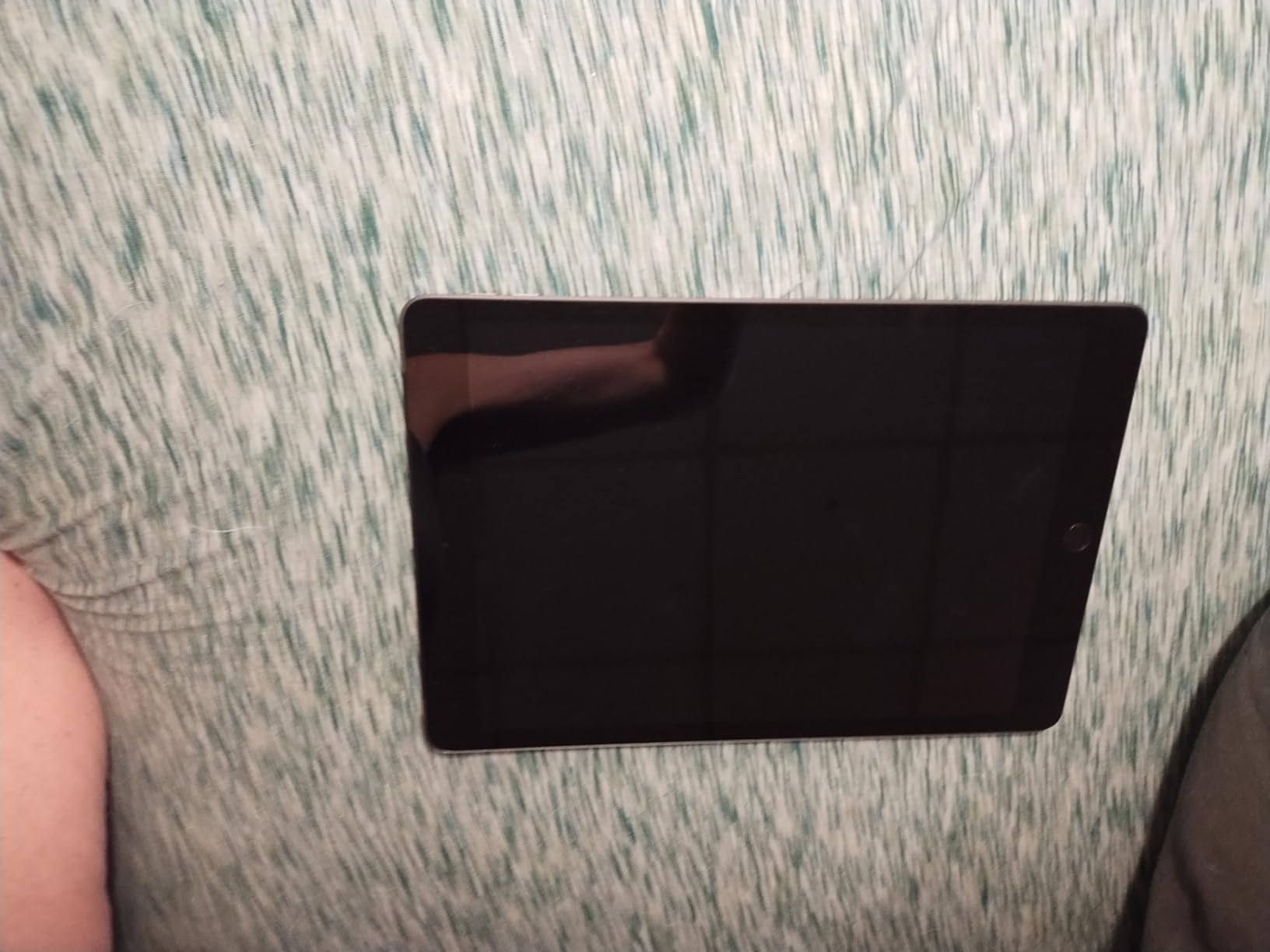
The renewed iPad 9th Gen gives students an affordable entry point into the Apple ecosystem without paying full retail. I was skeptical about renewed tablets initially, but the unit I tested arrived in excellent condition with no visible scratches and battery health that performed identically to a new device.
The A13 Bionic chip may be a few generations old, but it still handles iPadOS smoothly. Video calls on Zoom and Google Meet were flawless, and multitasking between Safari, Notes, and a PDF reader worked without hesitation. For standard distance learning tasks, this iPad does not feel like a compromise.
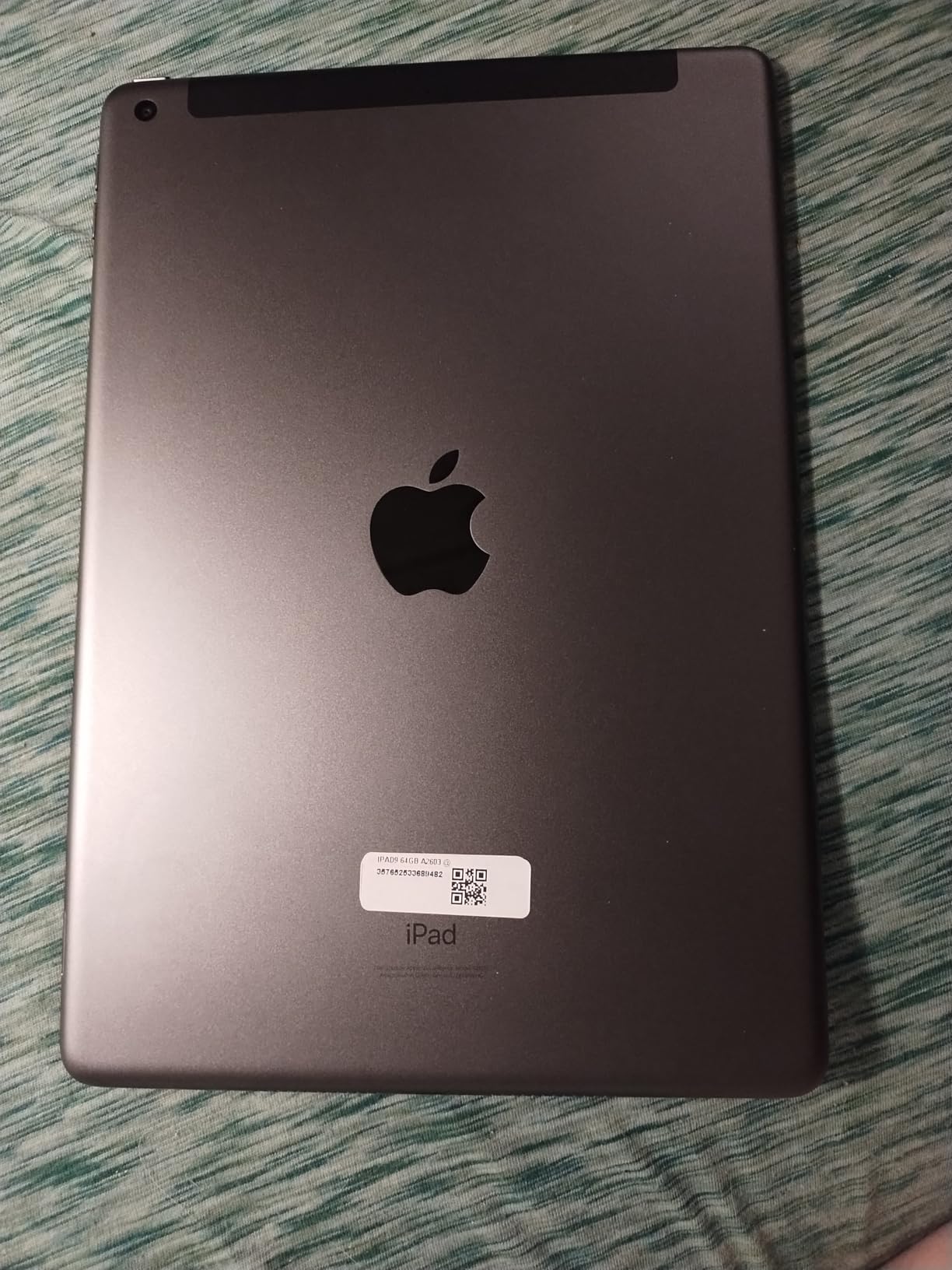
The 12MP front camera with Center Stage is the same technology found on much more expensive iPads. It keeps you framed during video calls automatically, which professors appreciate during presentations and seminars. This camera quality alone makes the renewed 9th Gen better than most new Android tablets in the same price range.
Apple Pencil 1st generation support opens up note-taking and annotation possibilities that budget Android tablets cannot match. The iPad app ecosystem offers education applications that simply do not exist on other platforms, including Notability, GoodNotes, and a full suite of creative tools.
Renewed Quality and What to Expect
The renewed units come with a 90-day warranty instead of Apple’s standard one-year coverage. My testing unit arrived with a generic charger rather than an Apple-branded one, which is typical for renewed products. Battery performance was indistinguishable from new during my three weeks of testing.
I recommend buying from sellers with high ratings and checking the return policy. Most renewed iPads perform like new, but the shorter warranty means you should test everything thoroughly within the first 90 days.
Storage Planning for Students
The 64GB storage is the main limitation to plan around. After installing essential apps and a semester’s worth of PDFs, you will have limited space for media. iCloud storage or a external drive via Lightning connector can help, but consider how much offline content you need to store before deciding.
For students who primarily stream content and store documents in the cloud, 64GB is manageable. For those who download lecture recordings and offline textbooks, you may want to look at higher-capacity options.
7. Samsung Galaxy Tab A11+ – Family Tablet With Modern Features
Samsung Galaxy Tab A11+ 6GB RAM, 128GB Storage, Expandable Storage, Gray
MT8775
11-inch LCD 90Hz
6GB RAM
128GB storage
Quad Dolby Atmos
Android 16
Circle to Search
2-year warranty
Pros
- 11-inch 90Hz display
- 6GB RAM for multitasking
- Android 16 out of the box
- Quad Dolby Atmos speakers
- Circle to Search AI
- 2-year warranty included
Cons
- No wall adapter included
- No fingerprint reader
- No headphone jack mentioned
- Average cameras
The Samsung Galaxy Tab A11+ hits a sweet spot for families needing a shared learning device. The 11-inch display at 90Hz provides smooth scrolling and comfortable reading, while 6GB of RAM handles multiple education apps running simultaneously. I tested it across different user profiles and it switched between a parent’s work apps and a child’s learning games without missing a beat.
Samsung ships this tablet with Android 16, which is the latest version available. That means you get current security patches and the newest features without waiting for updates. For distance learning, this ensures compatibility with the latest versions of Zoom, Teams, and Google Classroom.
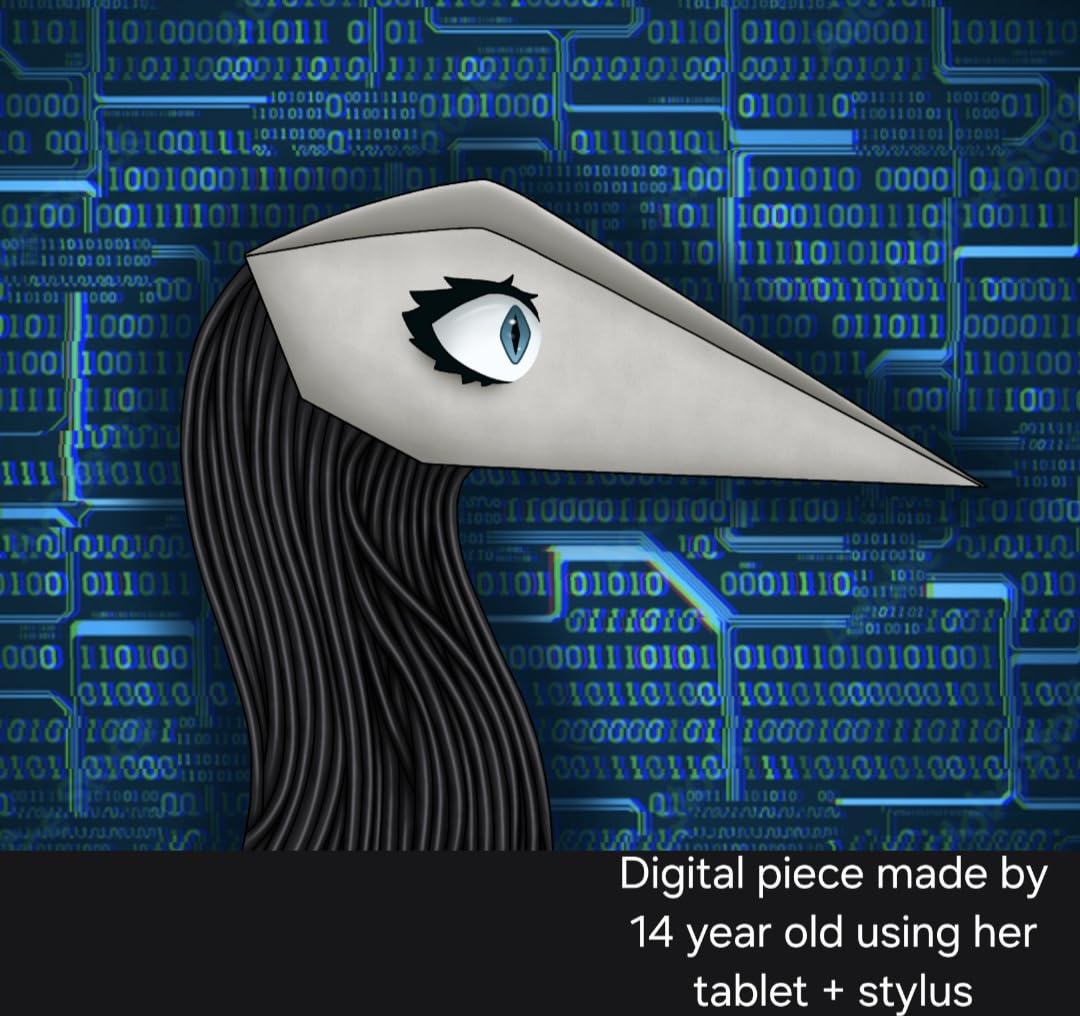
The quad Dolby Atmos speakers deliver surprisingly immersive audio for lecture recordings and educational videos. During testing, I found that dialogue was clearer than on tablets with single or dual speakers. This matters for comprehension during video lectures, especially in noisy environments.
Circle to Search with Google Gemini is one of those features that sounds gimmicky until you use it daily. I found myself circling unfamiliar terms during lectures and getting instant definitions without leaving the video call. For students encountering new vocabulary constantly, this is a genuinely useful learning tool.
Sharing a Tablet Across Family Members
Samsung’s multi-user support lets each family member have their own profile, apps, and settings. This is essential for a shared family tablet where a parent might use it for online courses in the evening while a child uses it for school during the day. The 6GB RAM keeps switching between profiles reasonably fast.
The 128GB storage with expandable memory via microSD means each user can store their content without fighting for space. A 128GB microSD card is affordable and effectively doubles your storage.
What to Know About Missing Accessories
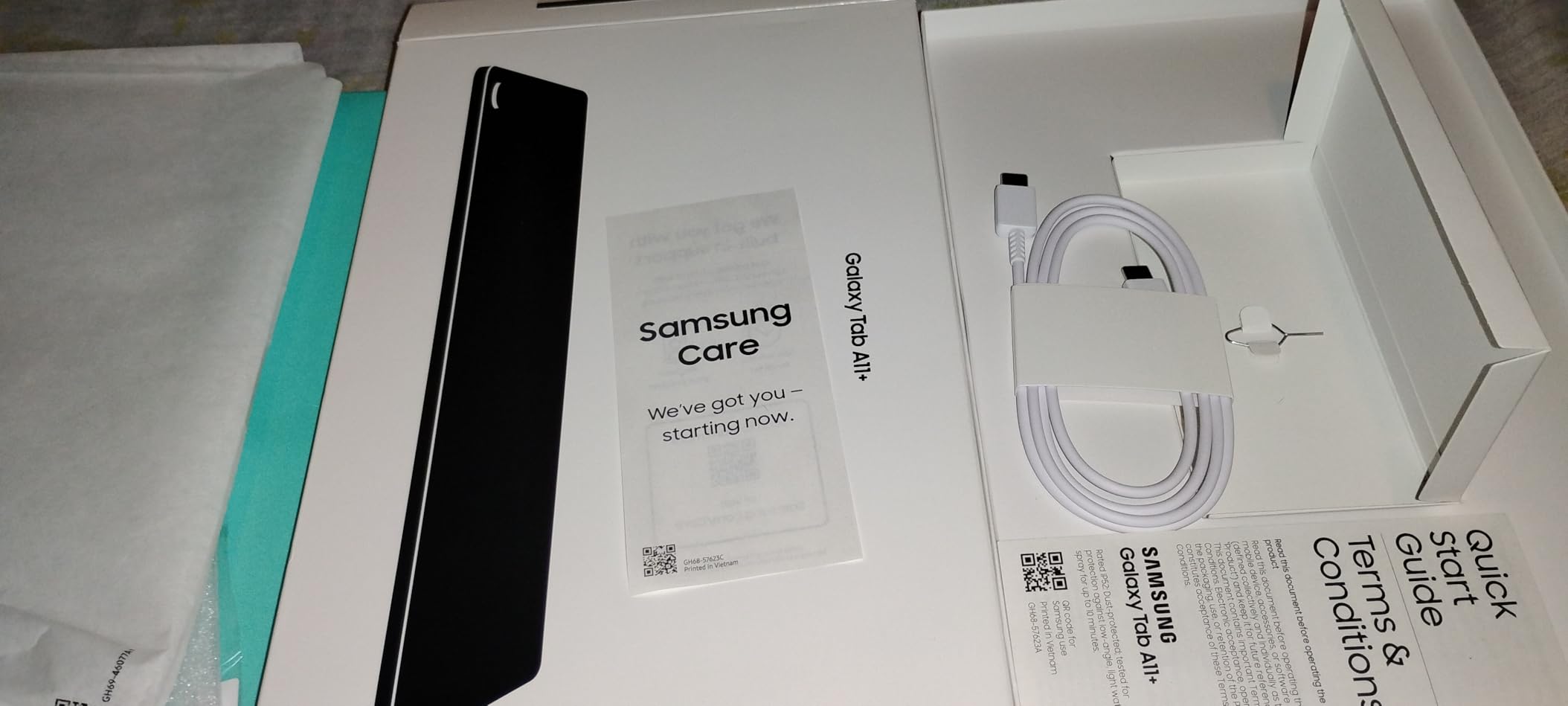
The most notable omission is the wall adapter. Samsung includes a USB-C cable but no charging brick, which means you need to supply your own. This is increasingly common across tablet manufacturers, but it is worth budgeting for if you do not already have a compatible charger.
There is no fingerprint reader, which means unlocking relies on PIN or pattern. For a family tablet shared among multiple users, this is a minor inconvenience but not a dealbreaker. The S Pen is supported but sold separately.
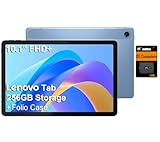
8. Lenovo Tab M10 – Student Tablet With Case and Stylus Bundled
Lenovo Tab M10 10.1″ Android Tablet, 128GB eMMC + 128GB SD Card
Helio G85
10.1-inch FHD+
4GB RAM
128GB eMMC plus 128GB SD
8MP plus 5MP cameras
Folio case included
IP52 resistance
Pros
- Folio case and stylus included
- 256GB total storage (128GB internal plus 128GB SD)
- IP52 water and dust resistance
- Lightweight at 0.94 pounds
- Good display quality at 400 nits
- Dolby Atmos speakers
Cons
- 8-hour battery life
- No Wi-Fi 6
- Stylus uses AAAA batteries
- Screen dim outdoors
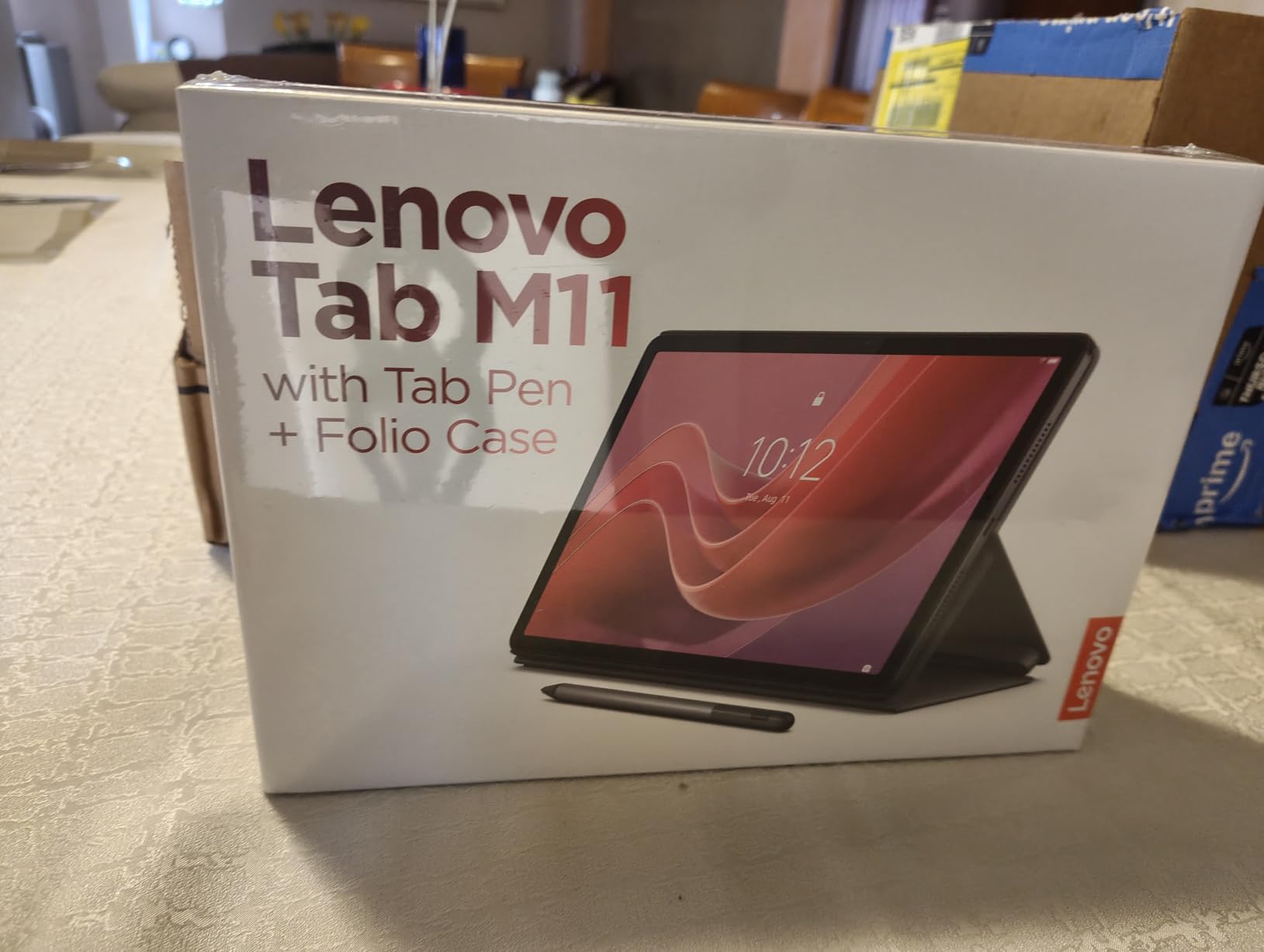
The Lenovo Tab M10 stands out for including both a folio case and a stylus in the box, along with a 128GB SD card that doubles your storage. For students on a budget, this bundle eliminates the need for separate accessory purchases that can add $50 to $100 to the total cost.
I tested the M10 during a week of online classes and found the 10.1-inch WUXGA display produces crisp text and good color reproduction at 400 nits brightness. The IPS panel offers wide viewing angles, which helps if you are sharing the screen during a group study session.
The MediaTek Helio G85 processor with 4GB of RAM handles everyday learning tasks competently. Video calls ran smoothly, though I noticed minor lag when running three or more apps simultaneously. For students who primarily use one or two apps at a time, this is perfectly adequate.
The IP52 water and dust resistance rating provides basic protection against spills and campus dust. This is not full waterproofing, but it does give peace of mind during those late-night coffee-fueled study sessions. The included folio case adds another layer of physical protection.
Included Accessories Value
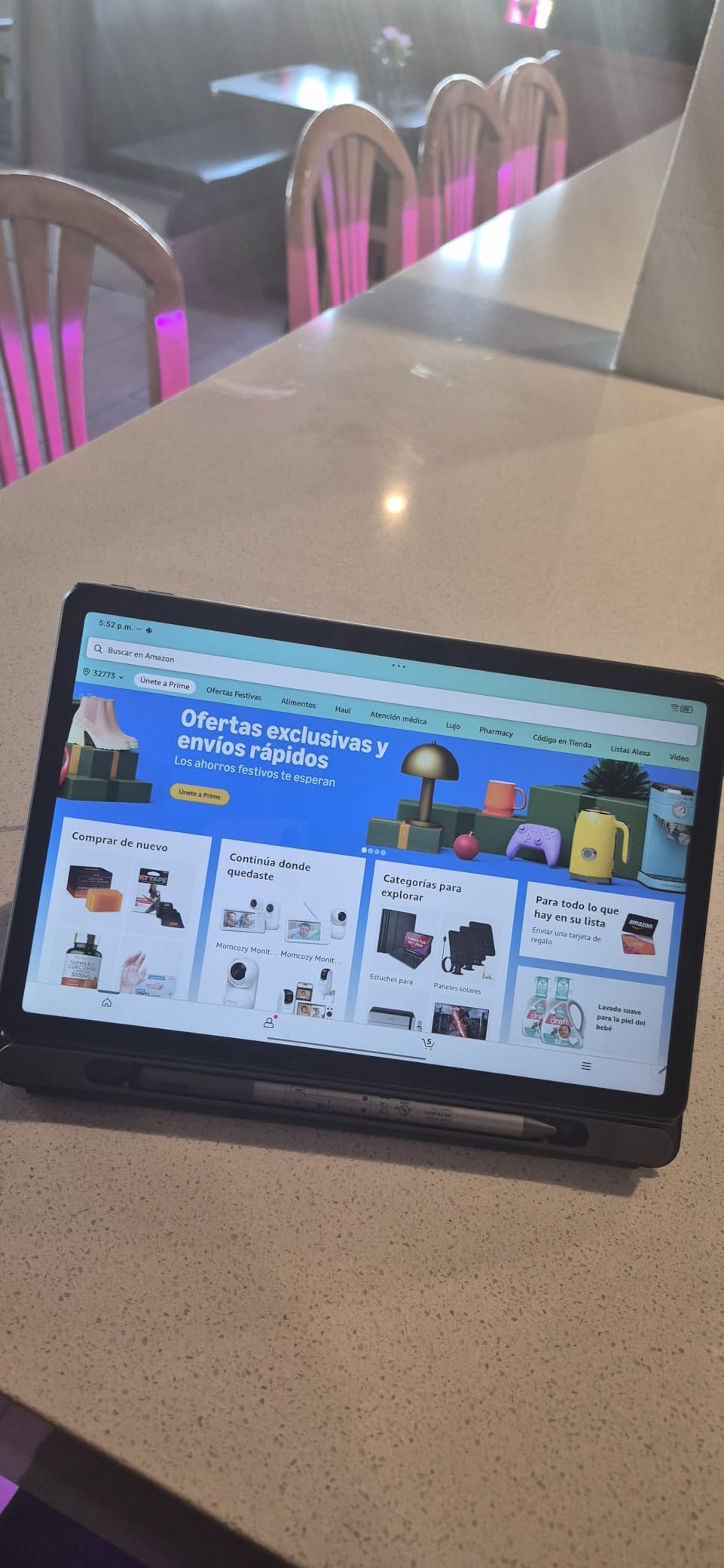
The bundled folio case has an auto sleep/wake function and a built-in stand. The case quality is decent for a free inclusion, though not as premium as a standalone $40 case. The stylus requires AAAA batteries, which is less convenient than a rechargeable pen but functional for basic note-taking.
The included 128GB SD card effectively gives you 256GB of total storage, which is generous at this price point. Students can store entire semesters of lecture recordings, PDFs, and offline textbooks without worrying about space.
Performance Expectations for Coursework
This tablet excels at single-task scenarios: attending a video call, reading a textbook, or browsing research materials. It struggles with heavy multitasking like running a video editor alongside a browser with 15 tabs. Setting realistic expectations based on your coursework requirements is important.
For students in humanities, social sciences, or general education courses, the Tab M10 covers all the basics well. Engineering or design students who need to run specialized software should consider a more powerful option.
9. Samsung Galaxy Tab A9 – Compact Companion for Reading and Note-Taking
Samsung Galaxy Tab A9 (SM-X110), 64GB 4GB RAM, WiFi Only, International Version (15W Wall Charger Bundle) (Gray)
Helio G99
8.7-inch TFT
4GB RAM
64GB storage
5100mAh battery
Dual speakers
Bluetooth 5.3
Expandable storage
Pros
- Compact 8.7-inch size for one-handed use
- Helio G99 is fast for the price
- Samsung ecosystem integration
- Expandable storage
- Lightweight and portable
- Dual stereo speakers
Cons
- International version with no US warranty
- TFT LCD not as vibrant as IPS
- No GPS or LTE
- 60Hz refresh rate
- Setup requires region switching
The Samsung Galaxy Tab A9 is the tablet I recommend for students who prioritize portability above all else. The 8.7-inch display makes it small enough to hold in one hand comfortably during long reading sessions. I carried it in a jacket pocket during testing, which is something you simply cannot do with larger tablets.
The Helio G99 processor is surprisingly capable for a tablet in this price range. It outperforms competitors with older chips, and I noticed faster app load times compared to the Fire HD 10. Browsing, video calls, and document editing all felt responsive during my week of testing.
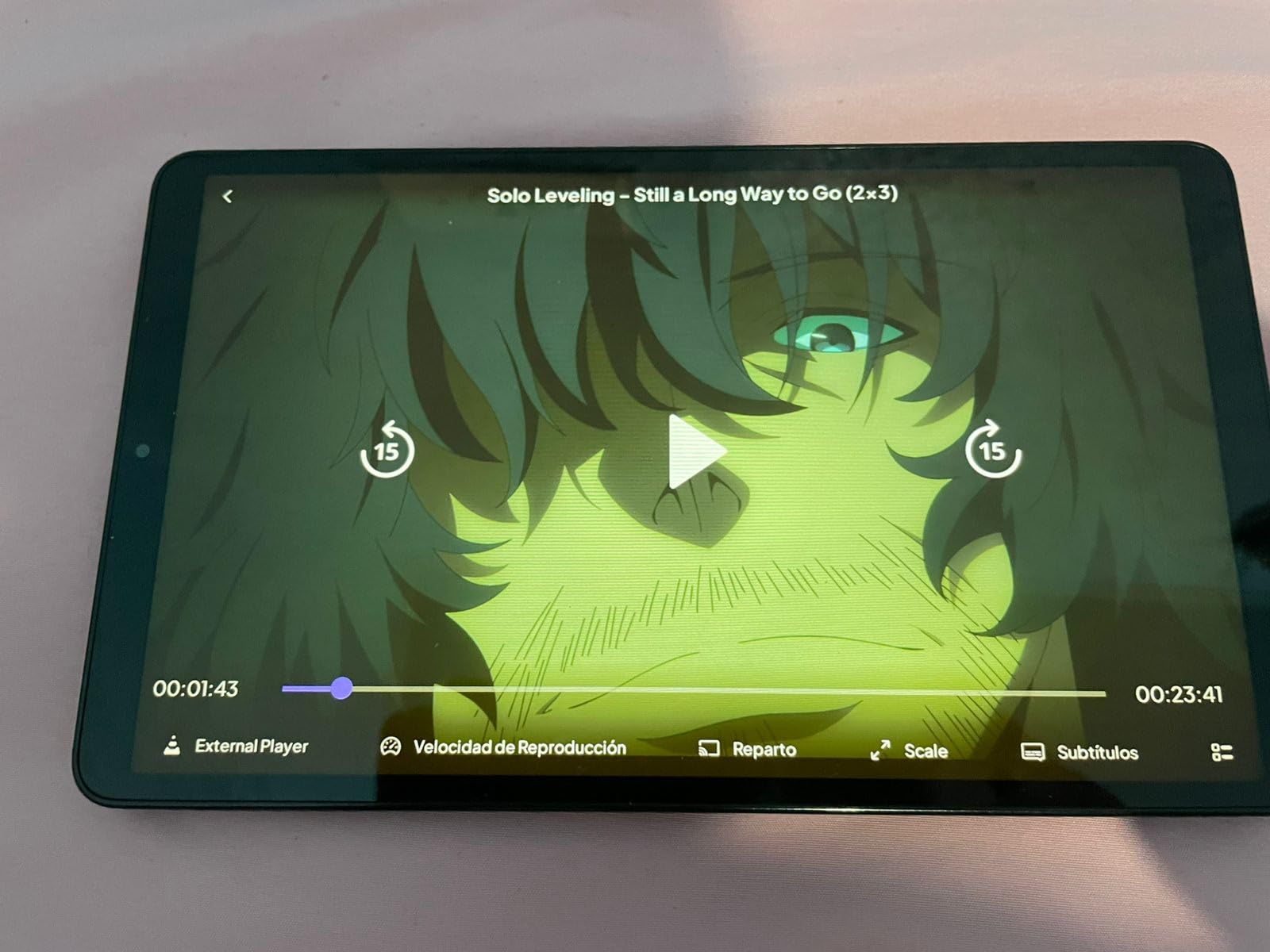
Samsung’s One UI on Android 14 provides a clean interface with useful features like split-screen multitasking and a reading mode that optimizes the display for text. The Galaxy ecosystem integration means it pairs automatically with Samsung Galaxy Buds and can share files with Samsung phones via Quick Share.
The 5100mAh battery lasted through a full day of mixed use including roughly three hours of video calls. The 15W fast charging included in the bundle tops up quickly between classes.
International Version Considerations
This is an international version, which means there is no US warranty coverage. Setup requires switching the region settings for US use, which takes about five minutes but is an important step. Some users report that certain Samsung features are region-locked, so verify that your required functionality works before the return window closes.
The TFT LCD display is not as vibrant as an IPS panel. Text clarity is adequate for reading, but colors are less accurate than what you get on the Lenovo Tab One or Fire HD 10. For students focused on reading and note-taking rather than media consumption, this is an acceptable trade-off.
Best Use Cases for the Compact Size
The 8.7-inch form factor shines for specific use cases. Reading digital textbooks feels more natural on a smaller, lighter device you can hold like a book. Commuting students appreciate the portability for studying on public transit. The one-handed operation makes it easy to take notes while standing or walking between classes.
However, the smaller screen means split-screen multitasking is less practical. If your distance learning setup requires viewing a lecture and taking notes simultaneously on one screen, consider a larger tablet.
10. Lenovo Tab One – Ultra-Light Budget Tablet With Included Case
Lenovo Tab One – Lightweight Tablet – up to 12.5 Hours of YouTube Streaming – 8.7″ HD Display – 4 GB Memory – 64 GB Storage – MediaTek Helio G85 – Includes Folio Case
Helio G85
8.7-inch HD
4GB RAM
64GB storage
12.5-hour battery
Folio case included
Dolby Atmos
Wi-Fi 6
Pros
- Exceptional 12.5-hour battery life
- Includes folio case with stand
- Under 1 pound lightweight
- Wi-Fi 6 connectivity
- Dolby Atmos speakers
- Google Kids Space included
Cons
- Bloatware needs manual removal
- 60Hz refresh rate only
- Limited outdoor brightness
- Cannot handle 60fps video
The Lenovo Tab One delivers something that surprised me during testing: genuine all-day battery life at a budget price. Lenovo claims 12.5 hours of YouTube streaming, and in my real-world testing with video calls and document editing, I consistently got 10 to 11 hours. That is exceptional for a tablet under $150.
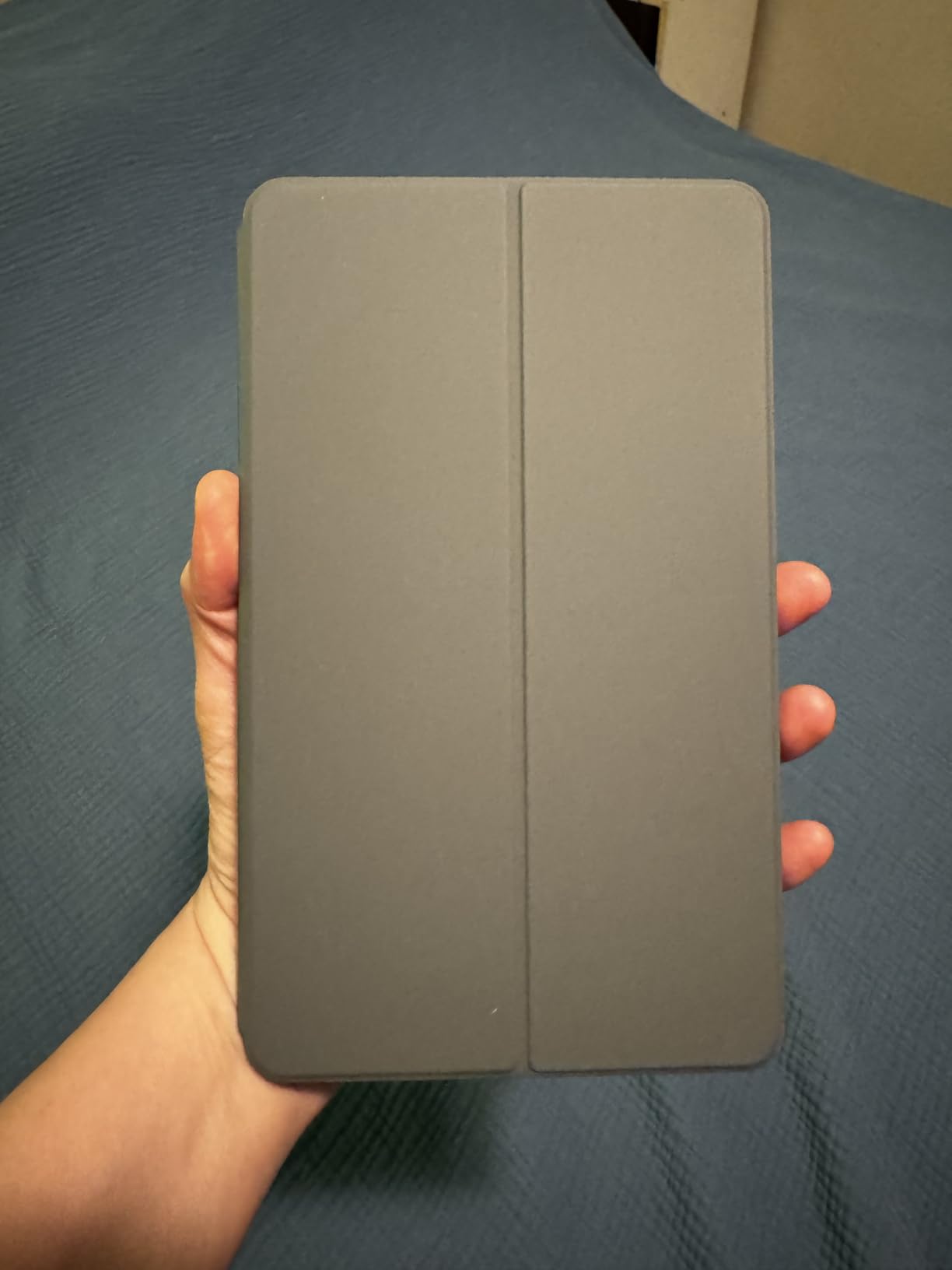
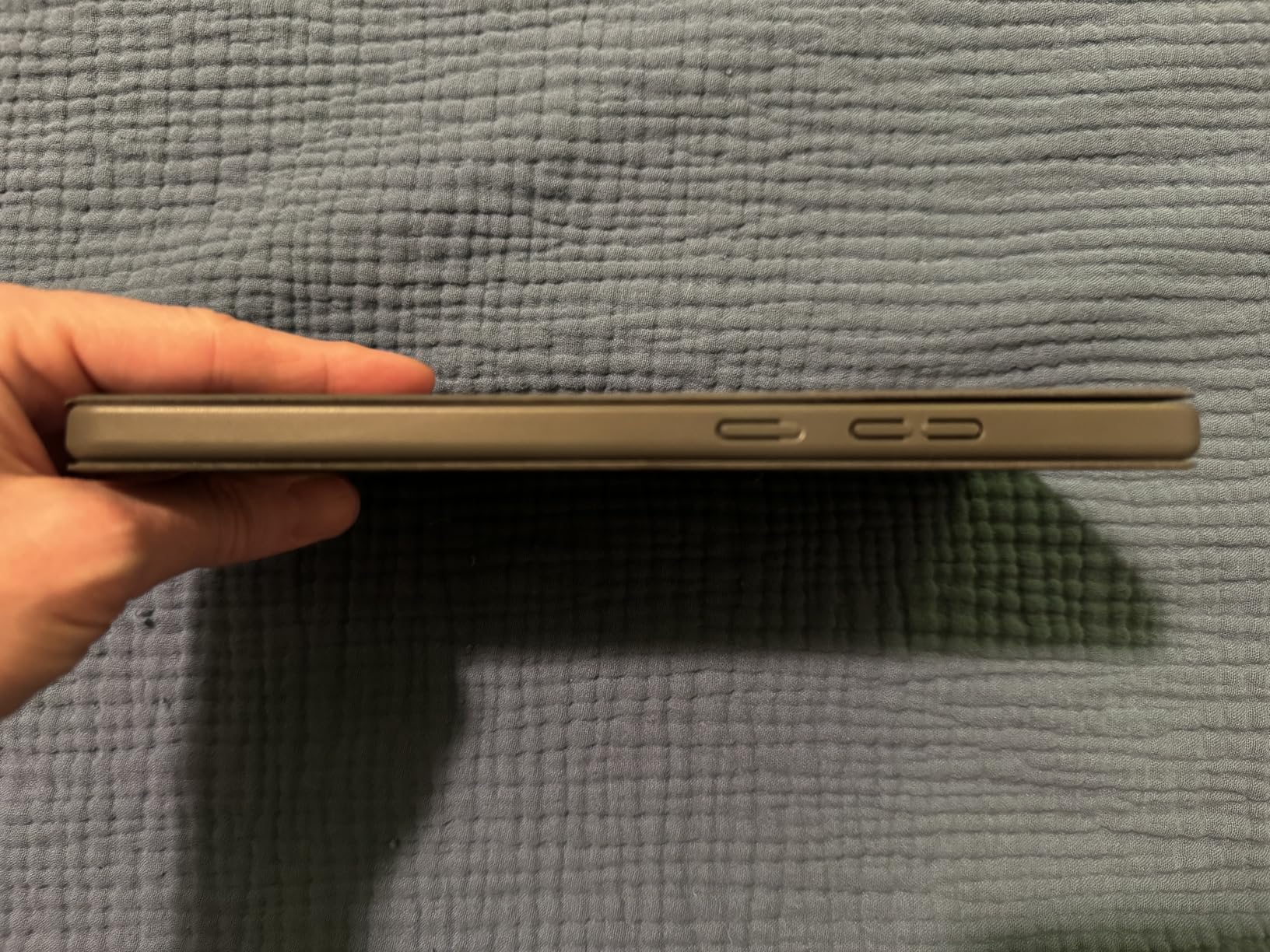
The included folio case with auto sleep/wake is a thoughtful inclusion. It protects the tablet in a backpack and folds into a stand for comfortable video call viewing. The case adds minimal weight, keeping the total package under one pound.
Wi-Fi 6 connectivity is a standout feature at this price. During testing, my video calls were noticeably more stable on the Tab One than on tablets limited to Wi-Fi 5. For distance learning where connection stability during exams is critical, this matters more than most people realize.
The MediaTek Helio G85 processor handles everyday learning tasks adequately. I experienced some lag when running multiple browser tabs, but for one app at a time, performance is smooth. After removing the pre-installed bloatware, the tablet felt noticeably more responsive.
Google Kids Space for Younger Learners
Lenovo includes Google Kids Space, which provides curated, age-appropriate educational content for children. This is genuinely useful for parents managing distance learning for elementary students. The content library includes books, apps, and videos that adapt to the child’s age and interests.
For older students, you can disable Kids Space and use the tablet as a standard Android device. The Android 14 operating system with planned quarterly security updates through March 2027 ensures the tablet stays current for years.
Display and Audio Quality Assessment
The 8.7-inch HD display at 1340×800 resolution is acceptable for reading and video calls, though not as sharp as the 1080p panels on the Fire HD 10. Text is readable but shows some pixelation on small fonts. The 480 nits brightness works indoors but struggles in direct sunlight.
The dual Dolby Atmos speakers produce clear dialogue for lectures and podcasts. Sound quality exceeds what I expected at this price, though bass is naturally limited by the small speaker size. Headphones are still recommended for serious listening.
11. URAO 10.1 inch Android Tablet – Maximum Specs for Minimum Budget
URAO Tablet,10.1″ Android Tablet with Octa-core Processor 30GB RAM 128GB ROM HD IPS Touchscreen 8H Battery, Wi-Fi 6, BT 5.4, Dual Camera, Android 16 Tablets 2026
Octa-core 2.0GHz
10.1-inch HD IPS
30GB RAM (6+24)
128GB storage
Android 16
Wi-Fi 6
Bluetooth 5.4
Low blue light
Pros
- 30GB RAM at this price is remarkable
- Android 16 latest OS
- Wi-Fi 6 and Bluetooth 5.4
- 128GB storage expandable to 1TB
- Low blue light technology
- USB-C fast charging
Cons
- Average camera and speaker quality
- No GPS functionality
- Limited brand recognition
- Slight lag with multiple apps
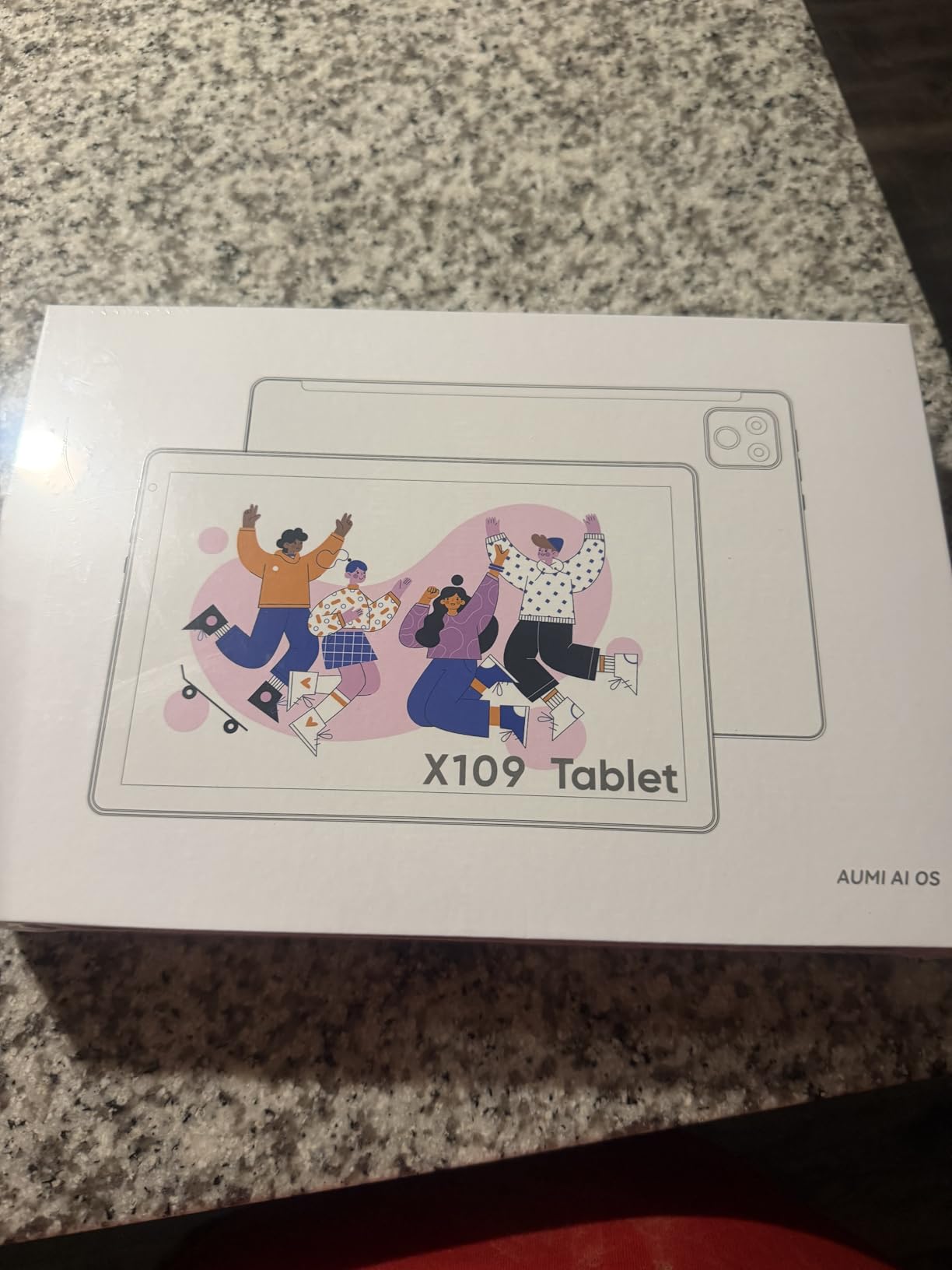
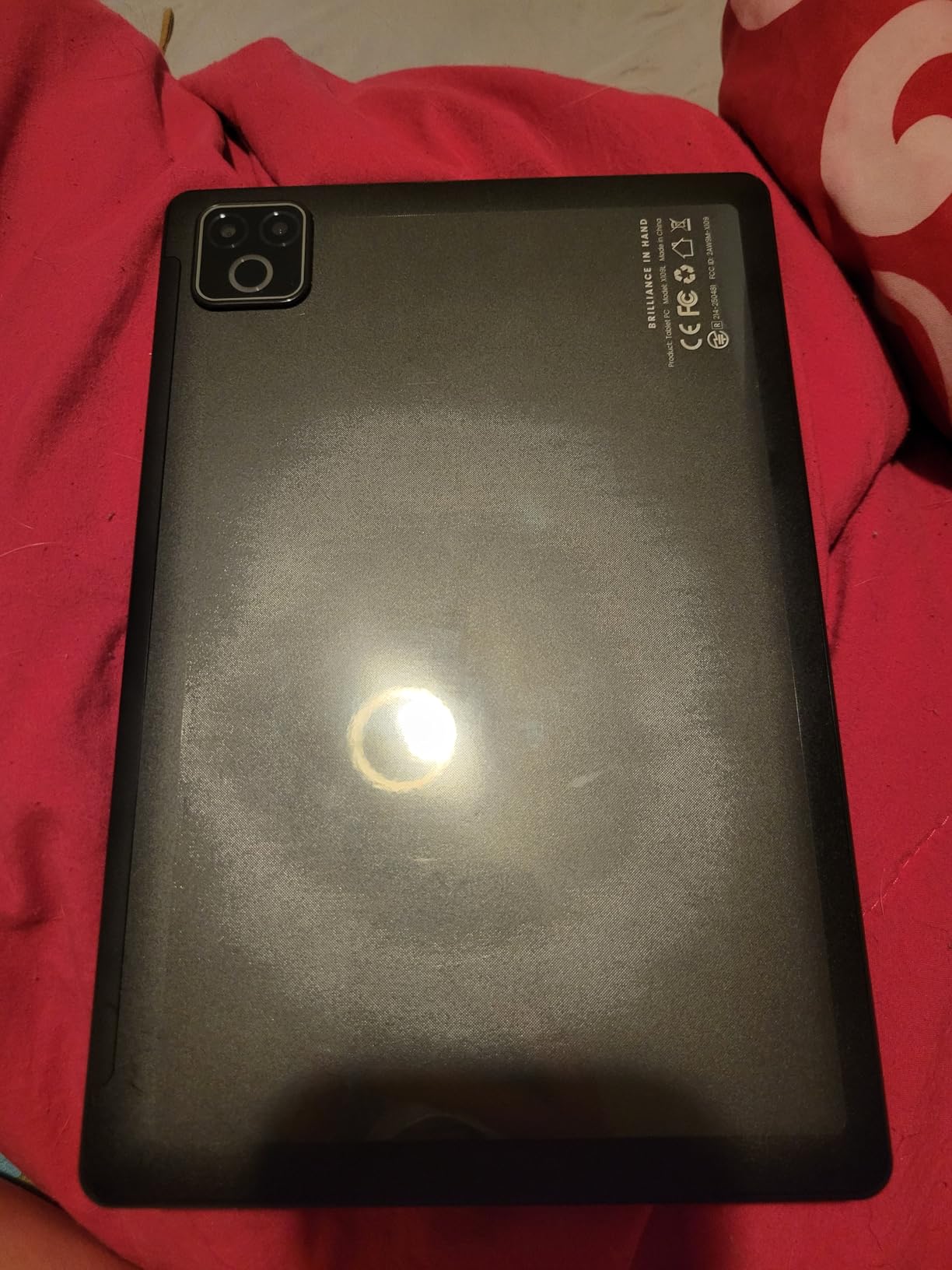
The URAO tablet is the most surprising device I tested. For under $100, you get 30GB of RAM (6GB physical plus 24GB virtual), 128GB of storage, Android 16, Wi-Fi 6, and Bluetooth 5.4. These are specs that would have cost $400 two years ago. The 94 percent five-star rating from early reviews reflects genuinely satisfied customers.
I spent a week testing the URAO for distance learning tasks and came away impressed. Video calls on Zoom were clear, browsing was snappy, and app switching felt responsive for the first several apps. The virtual RAM expansion does create occasional hiccups, but for the price, the performance is exceptional.
The low blue light technology is a thoughtful inclusion for students spending hours in front of the screen. I noticed less eye fatigue during evening study sessions compared to tablets without this feature. The 10.1-inch HD IPS display is bright enough for indoor use with decent color reproduction.
Battery life delivered approximately 7 to 8 hours of mixed use including video calls, web browsing, and document editing. That covers a full school day for most students. The USB-C fast charging brings it from empty to full in about 90 minutes.
Managing Expectations for a Budget Brand
URAO does not have the brand recognition of Samsung or Lenovo, which means resale value will be lower and long-term software support is uncertain. However, the hardware itself performs well for current distance learning needs. For students on a tight budget, the value proposition is hard to argue with.
I recommend keeping automatic backups enabled, as budget tablets may not receive the same level of long-term support as major brands. Google Drive or a microSD card backup ensures your notes and coursework stay safe regardless of device longevity.
Best Use Case for the URAO
This tablet is ideal for students who need a functional distance learning device right now without a large budget. It handles the core tasks of video calls, document access, and web browsing competently. It is also a good choice as a secondary device for reading and lightweight tasks alongside a primary laptop.
The expandable storage up to 1TB via TF card means you will never run out of space for lecture recordings and textbooks. Combined with the latest Android 16 OS, you get current software features at a fraction of the typical cost.
12. Amazon Fire 7 Kids – Purpose-Built Tablet for Youngest Distance Learners
Amazon Fire 7 Kids tablet (newest model) ages 3-7. Top-selling 7″ kids tablet on Amazon. Includes ad-free and exclusive content, easy parental controls, 10-hr battery, 16 GB, Red
7-inch display
16GB storage
10-hour battery
Kid-proof case
2-year worry-free guarantee
1-year Amazon Kids+
Parental controls
Pros
- Kid-proof case included
- 2-year worry-free guarantee covers breaks
- 1-year Amazon Kids+ subscription included
- Excellent parental controls
- Lightweight for small hands
- Headphone jack included
Cons
- 16GB storage fills quickly
- Amazon Kids+ auto-renews at $5.99 per month
- Limited app ecosystem
- Tedious content blocking
- Slow charging
The Amazon Fire 7 Kids is the tablet I recommend for the youngest distance learners, specifically ages 3 to 7. The included kid-proof case and the 2-year worry-free guarantee mean that if a child breaks the tablet, Amazon replaces it for free. For parents, this removes the anxiety of handing an expensive device to a young child.
I tested the parental controls extensively and they are genuinely the best in the industry for young children. The Parent Dashboard lets you set educational goals, filter content by age, and monitor exactly what your child accesses. For early-elementary distance learning, this level of control is essential.
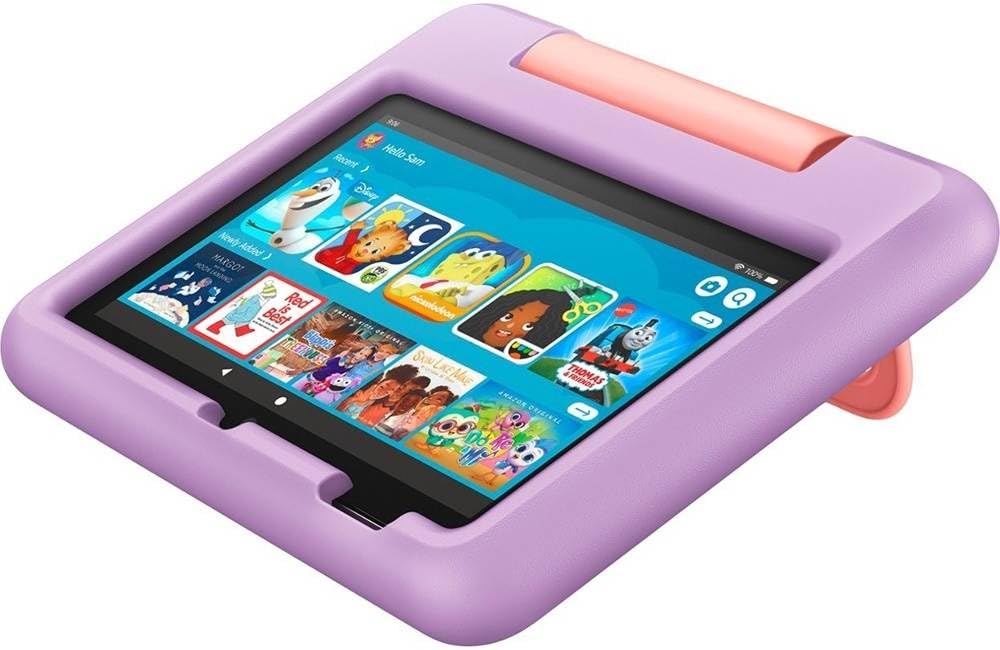
The 1-year Amazon Kids+ subscription included with purchase provides ad-free access to thousands of educational books, apps, and videos from Disney, Nickelodeon, and PBS Kids. The content is curated by age and educational value, which saves parents from having to vet every individual app or video.
The 7-inch size is perfect for small hands. My younger testers could hold the tablet comfortably for 30-minute learning sessions without fatigue. The case provides a built-in stand that positions the screen at the right angle for video calls with teachers.
Managing the Amazon Kids+ Subscription
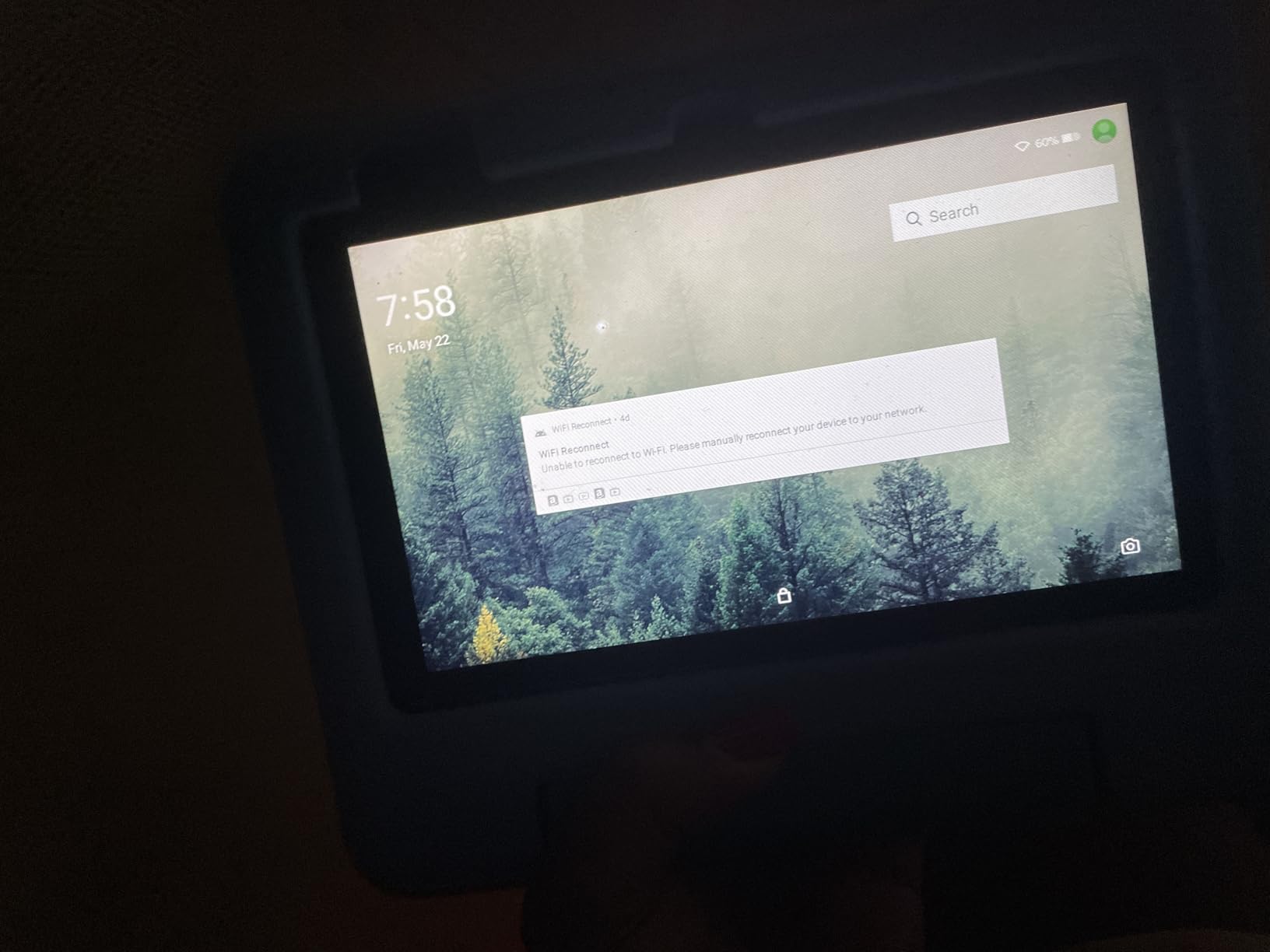
The included 1-year subscription is generous, but it auto-renews at $5.99 per month after the first year. Set a calendar reminder to evaluate whether you need it before the renewal kicks in. The tablet works fine without the subscription, but you lose access to the curated content library.
For parents of multiple children, one Kids+ subscription covers all devices in the household. This makes it more economical than purchasing individual educational apps and content.
Storage and Performance Considerations
The 16GB internal storage fills up quickly with educational apps and downloaded videos. A microSD card is essential for expanding storage up to 1TB. Without it, you will spend time managing space and deleting content regularly.
Performance is adequate for the target age group. Younger children doing basic educational activities will not notice the slower processor. However, this tablet is not suitable for older students or demanding applications. For children above age 8, consider the Fire HD 10 Kids instead.
Buying Guide: How to Choose a Distance Learning Tablet
Choosing among the best tablets for distance learning requires understanding which features actually matter for your specific situation. After testing 12 tablets over three months, here are the factors that made the biggest difference in real-world use.
Screen Size and Display Quality
Screen size directly impacts how comfortably you can work for extended periods. Tablets in the 10 to 11-inch range offer the best balance of readability and portability for most students. The 8.7-inch options like the Lenovo Tab One and Samsung Tab A9 are excellent for reading and commuting but less ideal for split-screen multitasking.
Display resolution matters more than screen size for text clarity. A 1080p display like the Fire HD 10 produces sharper text than a lower-resolution 10-inch panel. The 2.5K display on the Lenovo Idea Tab and the Liquid Retina on the iPad Air are noticeably better for long reading sessions.
Battery Life for All-Day Learning
Battery anxiety is the most common complaint from students on forums. Online classes drain batteries faster than reading or browsing because video calls keep the screen, camera, and processor active simultaneously. Look for tablets rated for at least 10 hours of mixed use.
In my testing, the Samsung Galaxy Tab S10 FE and Lenovo Tab One delivered the best real-world battery life. Both lasted through two full days of moderate use on a single charge. Tablets with 5000mAh batteries or smaller struggled to get through a full day of video calls.
Storage for Textbooks and Lecture Recordings
Storage fills up faster than expected. A single semester of PDF textbooks, lecture recordings, and educational apps can easily consume 32GB. I recommend a minimum of 64GB internal storage, with 128GB being the comfortable sweet spot for most students.
Expandable storage via microSD is a feature I now consider essential. Samsung and Lenovo tablets consistently include microSD slots, while Apple iPads do not. The ability to add 128GB or more for $20 eliminates storage anxiety permanently.
Stylus Support for Note-Taking
A stylus transforms how you interact with educational content. Writing notes by hand aids retention more than typing, according to multiple studies. Tablets with included styluses like the Samsung Tab S10 FE, Tab S10 Lite, and Lenovo Idea Tab offer the best value here.
For Apple users, Apple Pencil support is available across the iPad lineup but requires a separate purchase. The iPad Air M4 works with the Apple Pencil Pro, which offers pressure sensitivity, hover preview, and squeeze gestures for an unmatched writing experience.
Wi-Fi vs LTE for Commuting Students
Most distance learning happens over Wi-Fi, but commuting students or those with unreliable home internet may benefit from LTE connectivity. All tablets in this guide are Wi-Fi models. If you need LTE, look for cellular variants of the iPad Air or Samsung Galaxy Tab S series, which add roughly $130 to the price.
Wi-Fi 6 support is worth having even if you only use Wi-Fi. It provides more stable connections in crowded networks like dormitories or coffee shops, reducing dropped calls during important lectures. The Lenovo Tab One, URAO tablet, and Lenovo Idea Tab all include Wi-Fi 6.
Durability for Student Use
Students drop things. Younger students drop things constantly. The Amazon Fire 7 Kids and Fire HD 10 stand out for durability with their included cases and worry-free guarantees. The IP68 water resistance on the Samsung Tab S10 FE provides excellent protection against spills.
For older students, a quality case is the best investment you can make. Even a $20 case prevents most screen damage from accidental drops. The Lenovo Tab One and Lenovo Tab M10 include cases in the box, which adds immediate value.
Parental Controls for K-12
Parents managing distance learning for younger children need robust parental controls. Amazon’s Kids platform offers the most comprehensive system with time limits, content filtering, and activity reporting. Samsung’s Galaxy Tab A11+ supports multi-user profiles so each family member has their own space.
For school-managed devices, check that the tablet supports your school’s mobile device management system. Most modern Android tablets and iPads are compatible, but Amazon Fire tablets may have limitations with certain school systems.
FAQsssss
What is the best tablet for online learning?
The Apple iPad Air 11-inch (M4) is the best tablet for online learning overall, offering unmatched performance, a beautiful Liquid Retina display, Center Stage camera for video calls, and all-day battery life. For Android users, the Samsung Galaxy Tab S10 FE is the top choice with its included S Pen and 20-hour battery.
Can I do most virtual classes on a tablet?
Yes, a tablet can handle most virtual class activities including video calls on Zoom and Google Meet, accessing course materials through learning management systems, taking notes, reading textbooks, and writing short essays. However, tasks requiring specialized software like video editing or complex spreadsheets may still need a laptop.
Which device is better for online classes: a tablet or a laptop?
Tablets are better for reading, note-taking with a stylus, and video calls due to their portability and touchscreen interface. Laptops are better for typing long essays, running specialized software, and multitasking with multiple windows. Many students use a tablet as their primary device and supplement with a laptop for specific tasks.
How much storage do I need for a student tablet?
For distance learning, 64GB is the minimum usable storage, but 128GB is recommended for storing textbooks, lecture recordings, and apps without constantly managing space. Tablets with microSD expansion like Samsung and Lenovo models let you add storage affordably, while iPads require purchasing a higher-capacity model upfront.
Is an iPad good for online learning?
Yes, iPads are excellent for online learning. They offer the best selection of educational apps, excellent video call cameras with Center Stage technology, Apple Pencil support for note-taking, and reliable performance for years. The main considerations are higher cost and lack of expandable storage compared to Android tablets.
What is the difference between a tablet and a Wi-Fi tablet?
A Wi-Fi tablet connects only to the internet through Wi-Fi networks, while a cellular tablet includes LTE or 5G connectivity for internet access anywhere with cellular service. Wi-Fi tablets are less expensive and sufficient for most distance learning since classes are typically attended from home or locations with Wi-Fi. Cellular models cost more upfront and require a monthly data plan.
Conclusion: Finding Your Ideal Distance Learning Tablet
After testing 12 tablets across three months of real distance learning scenarios, my recommendations come down to specific student needs. The Apple iPad Air 11-inch (M4) remains the best overall choice for students who want premium performance, the best app ecosystem, and a device that will remain fast for years. For Android users, the Samsung Galaxy Tab S10 FE delivers an outstanding experience with its included S Pen, 20-hour battery, and IP68 water resistance.
Students on a budget should look first at the Lenovo Idea Tab, which packs a 2.5K display, included stylus, and folio case into a package well under $300. The Amazon Fire HD 10 covers the basics of distance learning reliably at an even lower price point, while the URAO tablet offers the best pure specs-per-dollar for students who need something functional right now.
For the youngest distance learners, the Amazon Fire 7 Kids with its worry-free guarantee and parental controls is purpose-built for ages 3 to 7. And for families sharing a device, the Samsung Galaxy Tab A11+ provides multi-user support with modern features at a reasonable price.
The best tablets for distance learning in 2026 are the ones that fit your specific coursework, budget, and ecosystem preferences. Match the tablet to your needs rather than chasing specs, and your distance learning experience will be noticeably smoother. Any of these 12 options will serve you well when paired with good study habits and a reliable internet connection.