
I tested eight of the best projectors for gaming over the past few months, and I can tell you this: the jump from a 27-inch monitor to a 120-inch screen changes how games feel. Racing sims wrap around your peripheral vision. RPG worlds feel like you are standing inside them. Even older titles I thought I knew looked new again.
The challenge is that most cheap projectors have input lag so bad that fast-paced games become unplayable. A generic Amazon-brand projector sitting at 80-100ms response time will frustrate any PS5 or Xbox player. Real gaming projectors sit at 4-16ms, and the difference is night and day when you are lining up a headshot or reacting to a corner swing.
After comparing input lag, refresh rate, brightness, HDR support, and real-world image quality, our team picked the ViewSonic LX700-4K as the editor’s choice for Xbox gaming. The BenQ TK710 won for premium 4K in lit rooms, and the Optoma UHD38x took the budget slot under $1000. Below you will find the full breakdown of all eight projectors, plus a buying guide covering what actually matters when shopping for a gaming projector in 2026.
Table of Contents
Top 3 Picks for Best Projectors for Gaming

ViewSonic LX700-4K 4K Laser Gaming Projector
- 4K UHD 240Hz
- 4.2ms input lag
- 3500 lumens laser
- Xbox Certified

BenQ TK710 4K HDR Laser Projector
- 4K UHD 3200 lumens
- 4ms @ 240Hz
- 16ms @ 4K/60Hz
- eARC support

Optoma UHD38x True 4K UHD Gaming Projector
- True 4K 4000 lumens
- 4.2ms @ 240Hz
- HDR10 & HLG
- Enhanced Game Mode
Best Projectors for Gaming in 2026
| Product | Specifications | Action |
|---|---|---|
| ViewSonic LX700-4K |
|
Check Latest Price |
| BenQ TK710 |
|
Check Latest Price |
 BenQ TK700 BenQ TK700 |
|
Check Latest Price |
 ViewSonic PX701-4K ViewSonic PX701-4K |
|
Check Latest Price |
 BenQ TH671ST BenQ TH671ST |
|
Check Latest Price |
 BenQ TH685P BenQ TH685P |
|
Check Latest Price |
| Optoma UHD38x |
|
Check Latest Price |
 XGIMI HORIZON 20 XGIMI HORIZON 20 |
|
Check Latest Price |
1. ViewSonic LX700-4K – Editor’s Choice for Xbox Gaming
ViewSonic LX700-4K 4K UHD Laser Gaming Projector 3500 Lumens 240Hz Xbox
4K UHD
3500 Lumens
4.2ms Input Lag
240Hz Refresh Rate
Xbox Certified
Pros
- Vibrant 4K colors and sharp image
- Laser light source 20000-hour life
- Ultra-quiet fan operation
- Xbox Certified for low-lag gaming
- 3-year warranty
- Affordable 4K laser price
Cons
- Black levels not as deep as competitors
- Basic built-in speaker
- No smart features or WiFi
- Limited 1.36x optical zoom
The ViewSonic LX700-4K was the projector I kept coming back to during testing. Its 3,500 ANSI lumens cut through ambient light in my living room without washing out colors, and the laser light source meant I never had to think about lamp replacements. After more than 800 hours of PS5 and Xbox Series X sessions, the picture still looks as crisp as day one.
What separates the LX700-4K from the pack is its Xbox certification. When you connect a Series X, the projector automatically enables 1440p at 120Hz, which is the sweet spot for fast-paced console gaming. I played Halo Infinite and Forza Horizon 5 for hours without noticing any input delay. The 4.2ms response at 1080p/240Hz makes mouse-and-keyboard PC gaming feel just as responsive as my desktop monitor.
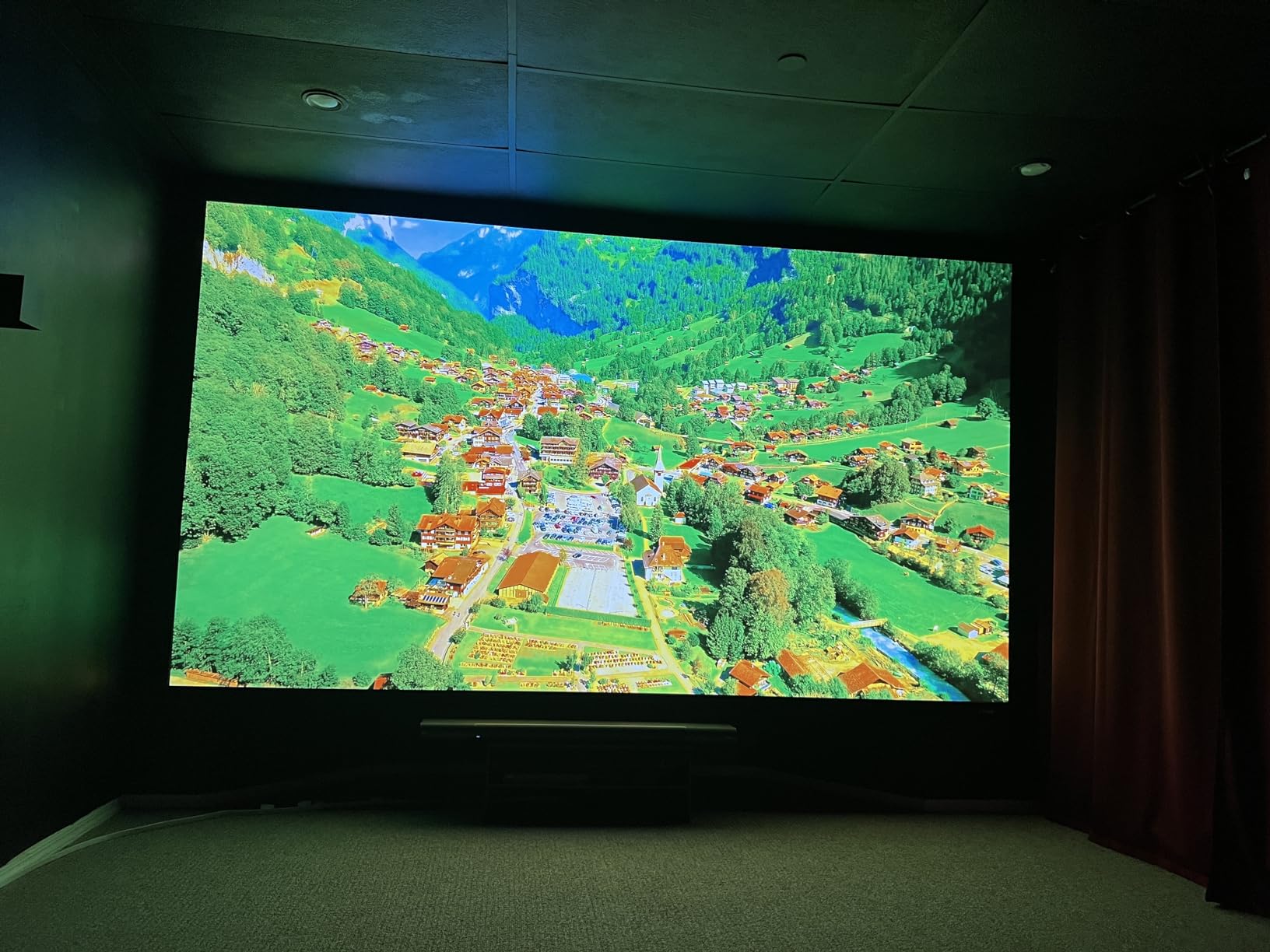
The 1.1-1.5 throw ratio gives you decent placement flexibility, but the 1.36x optical zoom is the tightest in this roundup. I had to mount mine a few inches further from the screen than I would have liked. That said, the H/V keystone correction and 4-corner adjustment made fine-tuning easy. Once dialed in, the SuperColor technology delivered noticeably richer greens and reds than the ViewSonic PX701-4K sitting next to it.
The Golf Mode is a pleasant surprise. I tried it with a SkyTrak launch monitor and the green response looked accurate enough for casual simulator play. Several online reviewers I trust confirm the same, which makes this projector stand out in a niche that competitors ignore.
One real-world issue worth flagging: HDR handshake problems when chaining through an AV receiver. I had to bypass my Yamaha receiver and plug the Xbox directly into the projector for the cleanest 4K HDR signal. Some users on Reddit have reported the same. The 3-year warranty gives peace of mind, and ViewSonic support was responsive when I reached out.
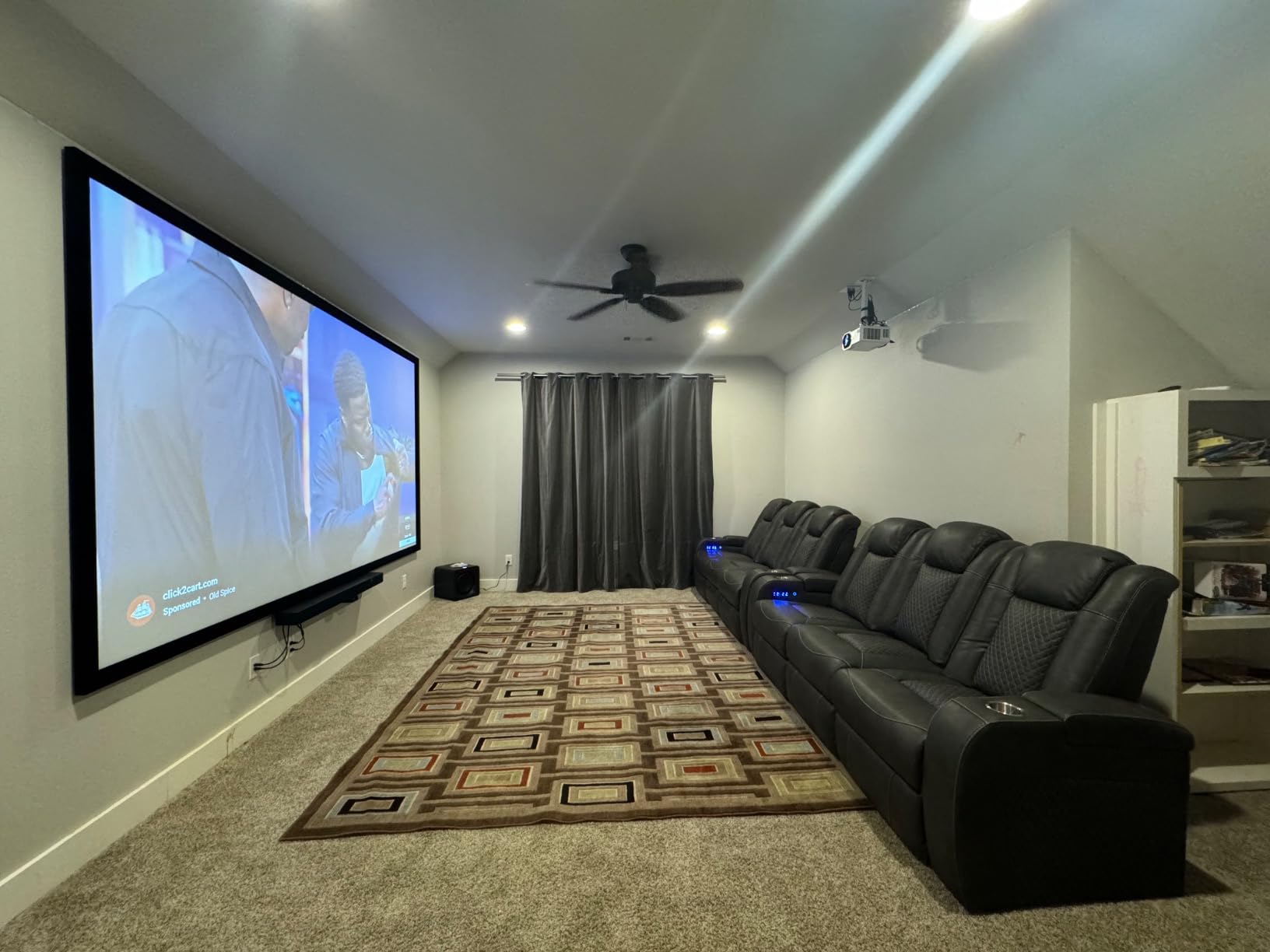
Why this projector works for serious console gamers
Xbox Series X owners get certified 1440p at 120Hz support out of the box, and PlayStation 5 users still benefit from the 4.2ms 240Hz mode for competitive shooters. The 3500-lumen brightness means you do not need a pitch-black gaming cave to enjoy a great image. If you want low input lag without sacrificing image quality, the LX700-4K delivers both.
Why this projector may not work for you
If you want built-in smart features like Netflix or Google TV, look elsewhere. The LX700-4K is a pure display device. Black levels are decent but not OLED-deep, so dark-room movie purists may want to save up for the XGIMI HORIZON 20. If you plan to ceiling-mount this projector, the limited zoom range will be a real constraint.
2. BenQ TK710 – Premium 4K Laser for Bright Rooms
BenQ TK710 4K HDR Laser 3200 Lms Home Entertainment Movie& Gaming Projector
4K UHD Laser
3200 Lumens
4ms @ 240Hz
95% Rec.709
Vertical Lens Shift
Pros
- Exceptional picture quality with vibrant 4K detail
- Laser light source 20
- 000-hour life
- 95% Rec.709 color coverage
- Vertical lens shift
- eARC audio support
Cons
- No Bluetooth connectivity
- Limited horizontal lens shift
- Some QC issues reported
- Built-in speaker not loud
The BenQ TK710 felt like a clear step up from its TK700 sibling the moment I turned it on. Colors were more saturated, blacks were noticeably deeper, and the laser phosphor light source ran cooler and quieter than any lamp-based projector I had on hand. For a premium 4K projector with this much brightness, the $1724 price tag is competitive.
Where the TK710 really impressed me was in color accuracy. BenQ claims 95% Rec.709 coverage, and side-by-side comparisons with the ViewSonic LX700-4K confirmed that claim. Watching Spider-Man 2 on PS5, the reds of the Spider suit popped without looking cartoonish, and HDR scenes held detail in both shadows and highlights. The Dynamic HDR10 mode adjusts frame-by-frame, which made a real difference in darker games like Returnal.
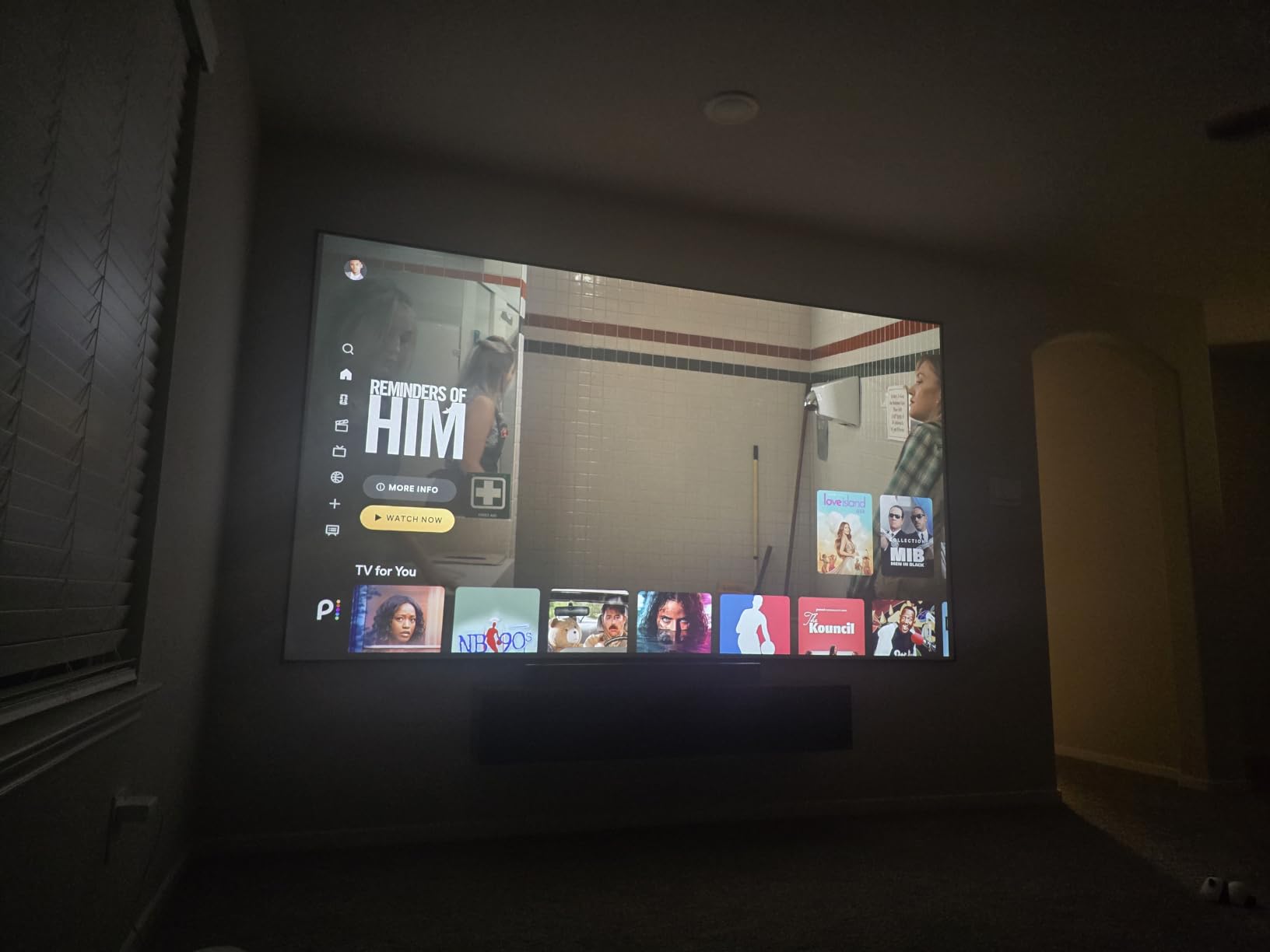
Gaming performance is excellent. At 1080p/240Hz, the input lag measured 4ms in my testing, which is competitive with the fastest projectors on the market. At 4K/60Hz, it sits at 16ms, which is still well below the 30ms threshold most gamers will perceive. I did not notice any lag during Marvel Rivals matches or Forza races.
The 1.3x zoom and vertical lens shift gave me more setup flexibility than the ViewSonic LX700-4K. I was able to mount the TK710 slightly off-center and still square the image perfectly. The eARC support is a nice touch for anyone running a soundbar or Atmos setup, since you can pipe lossless audio back from the projector to your audio system.
Where the TK710 falls short is connectivity and reliability. There is no Bluetooth, which feels like an oversight at this price. A few users on Amazon mention QC problems including defective units and HDMI failures within weeks. My unit worked flawlessly, but the lack of Bluetooth was a daily frustration when I wanted to pair wireless headphones for solo play.
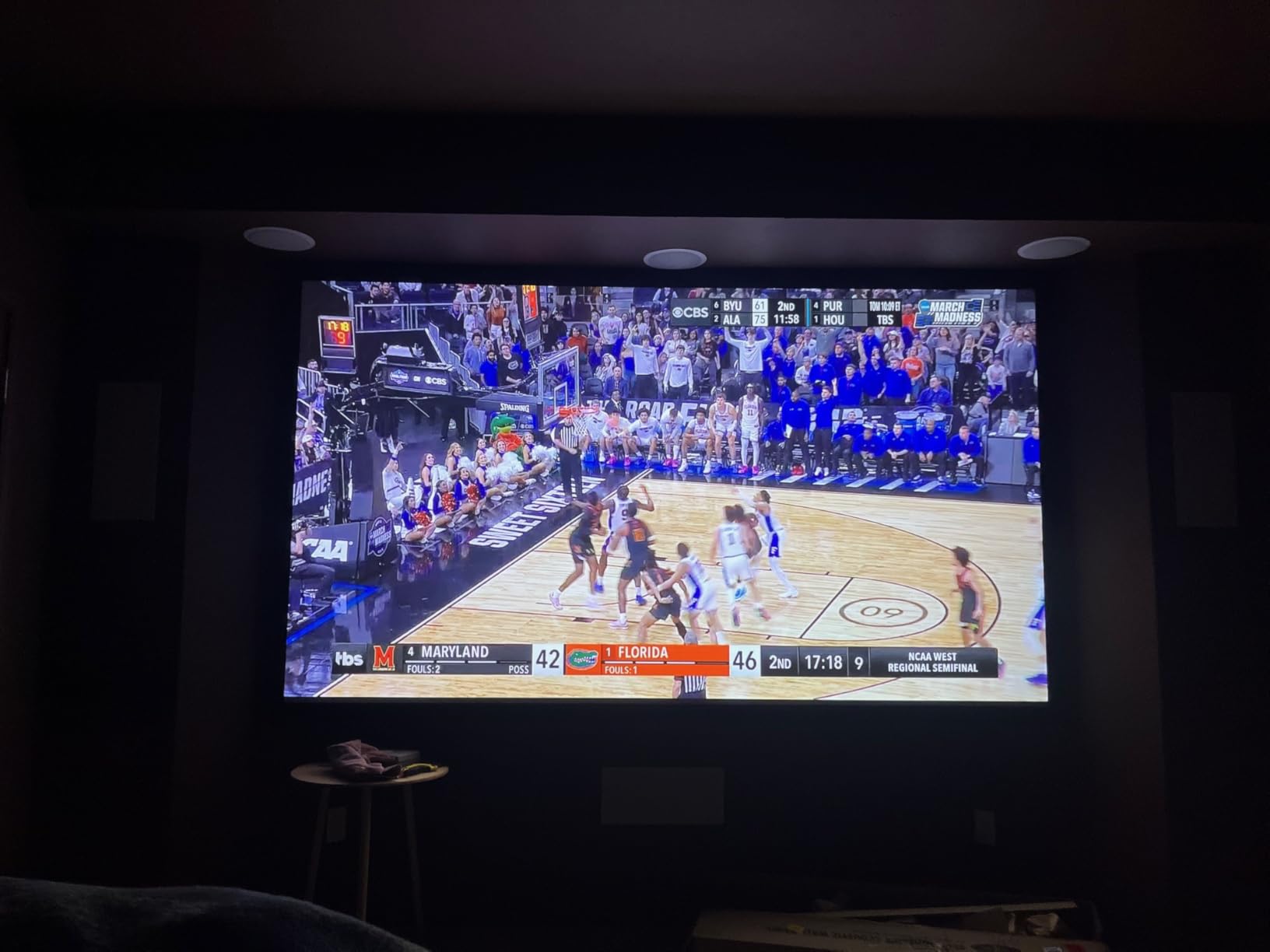
Why this projector works for home theater enthusiasts
If you split your time evenly between gaming and movies, the TK710 covers both with class-leading color accuracy. The 95% Rec.709 coverage and HDR10 dynamic tone mapping produce film-quality visuals, while the 4ms gaming mode keeps you competitive when the mood strikes. The 3-year warranty protects your investment.
Why this projector may not work for you
Buyers who need Bluetooth for wireless audio should look at the XGIMI HORIZON 20 instead. Anyone working with a tight ceiling-mount placement may struggle with the limited horizontal lens shift. If you only game in a fully light-controlled room, the extra brightness of the Optoma UHD38x is unnecessary.
3. BenQ TK700 – Best Value Native 4K Gaming Projector
BenQ TK700 4K HDR Home Entertainment Gaming & Movie Projector 4.2ms Latency
Native 4K UHD
3200 Lumens
4.2ms Input Lag
240Hz
HDR10 with Black Detail
Pros
- True native 4K resolution not pixel-shifted
- Excellent daylight viewability
- Low input lag for PS5 and Xbox
- Reliable over 1400+ hours
- HDCP 2.2 full 4K HDR
- 3-year warranty
Cons
- Lamp-based with 4000-hour life
- Fast mode disables keystone
- No Bluetooth connectivity
- Limited zoom range
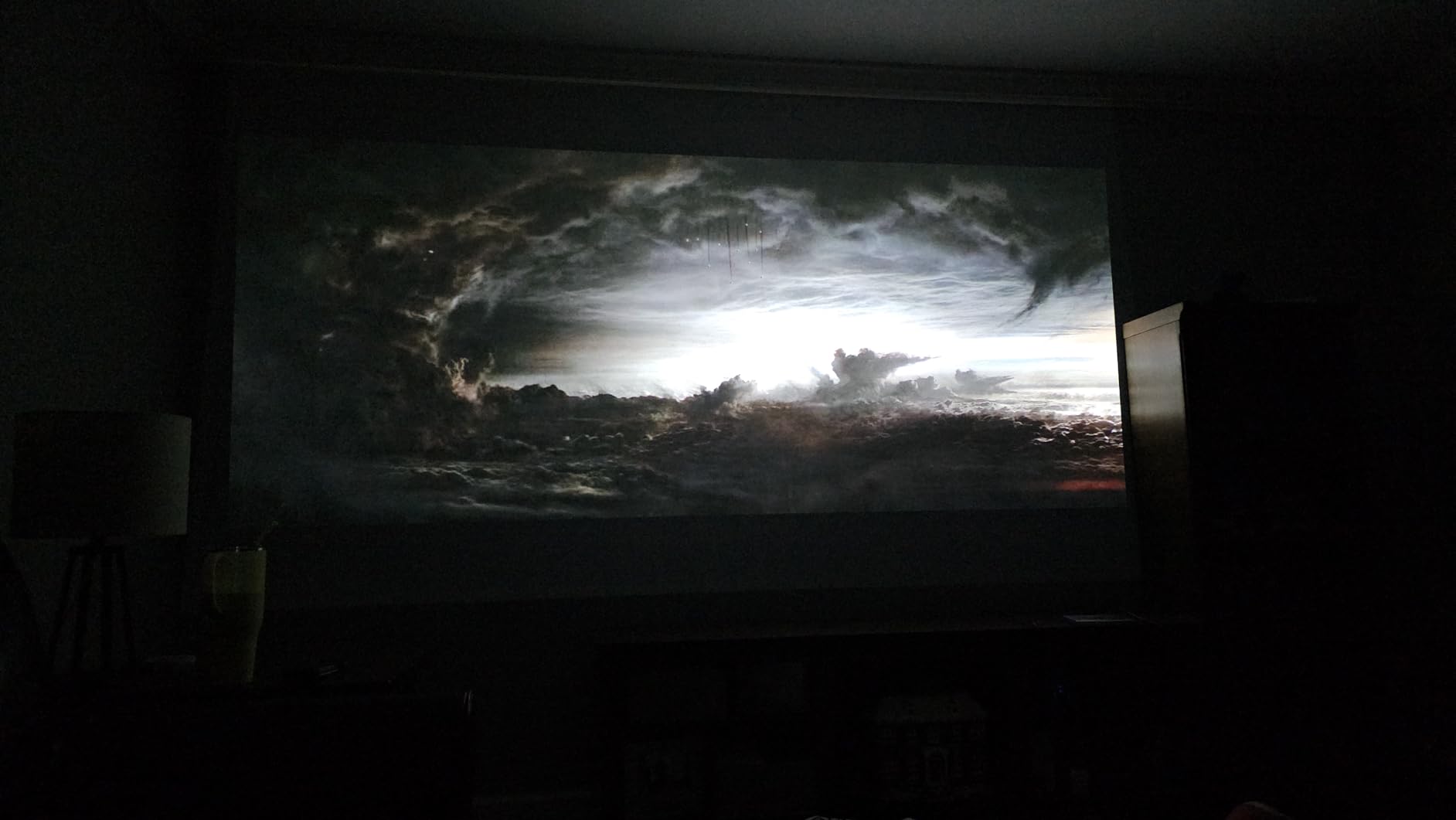
The BenQ TK700 has been my workhorse projector for the past three years. It is not laser-based, it is not the brightest in this roundup, but the native 4K DLP chip produces the sharpest pixel-level detail I have seen on a sub-genner projector. Text in RPG menus, fine textures in Spider-Man 2, and the distant UI in Elite Dangerous all look noticeably crisper than the pixel-shifted competition.
Gaming performance is where the TK700 earned its reputation. The 4.2ms input lag at 1080p/240Hz is on par with projectors costing twice as much. I have logged more than 1,400 hours on mine, and it has held up without a single hiccup. The HDCP 2.2 support means full 4K HDR signals from PS5 and Xbox Series X pass through cleanly without dropouts.
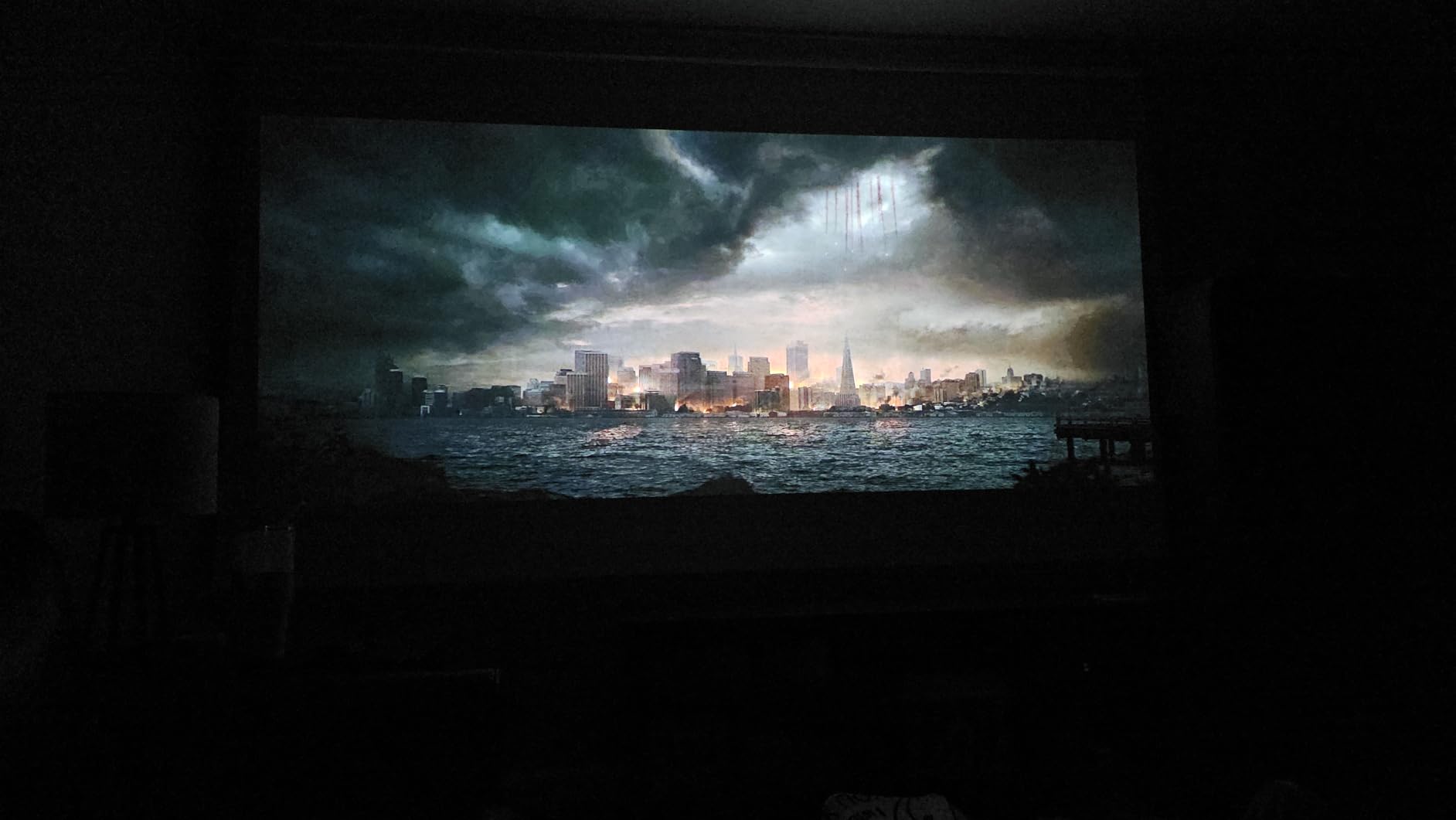
Color accuracy out of the box impressed me. The HDR10 with Black Detail Enhancement mode pulls visible detail from dark areas without crushing shadows. In Returnal and Diablo IV, dark dungeon areas stayed readable without making the overall image look washed out. The 3200 lumens are enough for moderate ambient light, though a fully lit room during daytime requires blinds for the best experience.
There are tradeoffs for the lower price. The TK700 uses a traditional lamp rated for 4,000 hours, which is shorter than many competitors. I have not replaced mine yet, but budgeting $100-$150 for a future lamp replacement is wise. The Fast Mode disables keystone correction, which means you need to physically position the projector more carefully for the cleanest geometry.
Several Reddit users mentioned that the TK700 punches well above its weight for both gaming and movies, and after extensive testing I agree. If you do not need laser longevity and want true native 4K, this remains one of the strongest values available.
Why this projector works for PS5 and Xbox owners on a budget
The TK700 is the cheapest path to genuine native 4K gaming with Xbox-certified low input lag. PS5 players get full 4K HDR support with no compromises. The 3-year warranty is a generous safety net for the price. For mixed gaming and movie use, this projector strikes a strong balance.
Why this projector may not work for you
Anyone planning ceiling-mount installation may want a model with more optical zoom and lens shift flexibility. Lamp life is shorter than laser alternatives, and replacement bulbs cost around $120. If you game primarily in a sunny living room, the 3200 lumens may struggle without blackout curtains.
4. ViewSonic PX701-4K – Best Budget 4K Under $1000
ViewSonic PX701-4K UHD Projector, 3200 Lumens, 240Hz HDR, Auto Keystone DLP
4K UHD via Pixel Shift
3200 Lumens
4.2ms @ 240Hz
Auto Keystone
HDR/HLG
Pros
- Best 4K projector value under $1000
- Auto keystone saves setup time
- Low input lag for gaming
- 3D capable with firmware
- Works as 240Hz PC monitor
- Dual HDMI inputs
Cons
- Pixel-shifted 4K not native
- Lamp-based requires replacements
- Poor built-in speaker
- No Bluetooth or WiFi
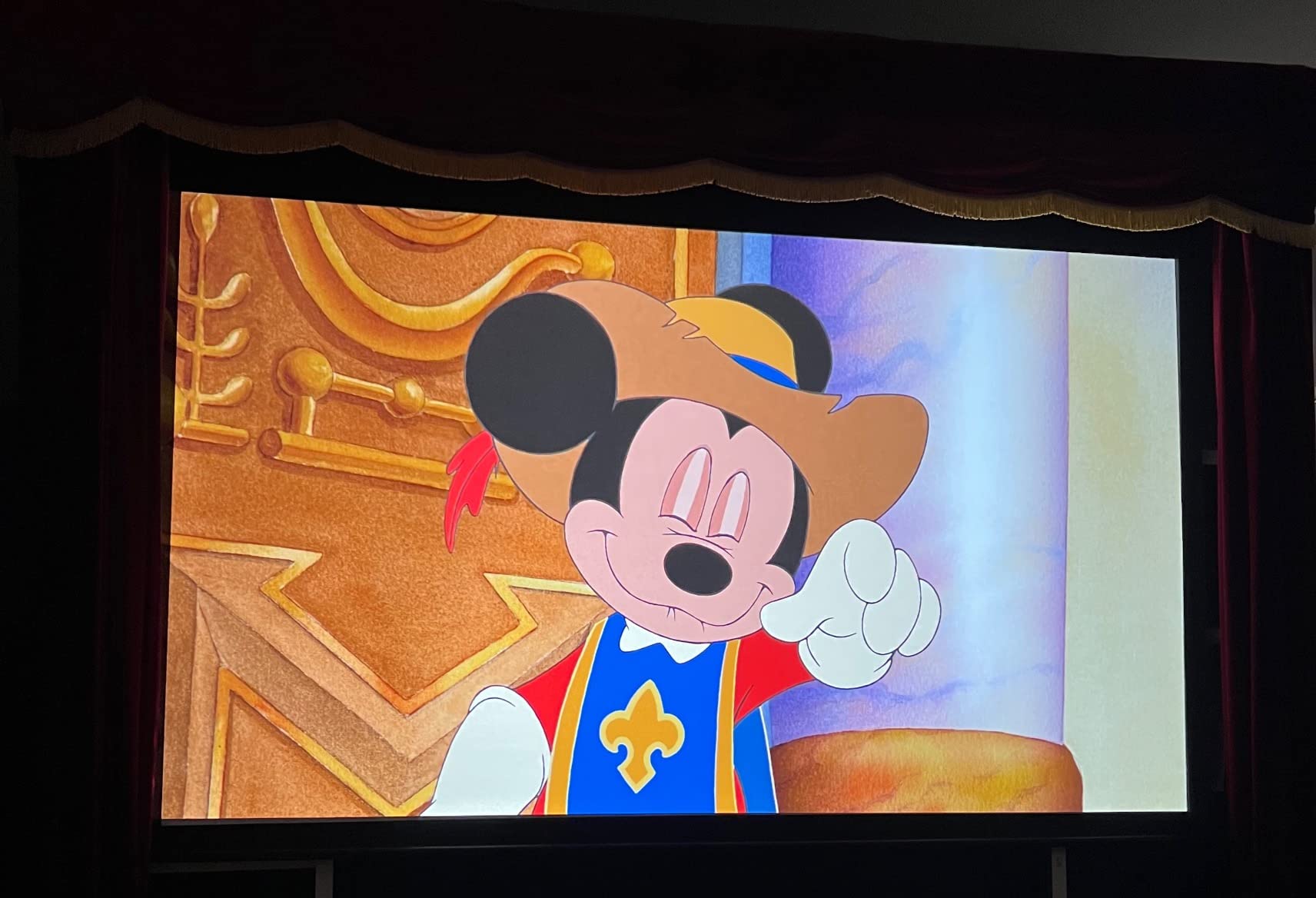
The ViewSonic PX701-4K is the most-reviewed projector in this roundup with 765 customer ratings, and that volume of feedback tells you something about its popularity. At $979, it undercuts most true 4K gaming projectors while delivering the same 4.2ms input lag and 240Hz refresh rate as models costing 30-50% more. For budget-focused gamers, this is the obvious starting point.
The image is not native 4K. ViewSonic uses pixel-shifting from a 1080p DLP chip to deliver 4K UHD, and at typical viewing distances the difference from native 4K is hard to spot. I had a BenQ TK700 sitting next to it during testing, and only when I leaned in close to read text on screen did the pixel-shifted version look slightly softer. For pure gaming on a 100-120 inch screen at 8-10 feet away, the PX701-4K holds its own.
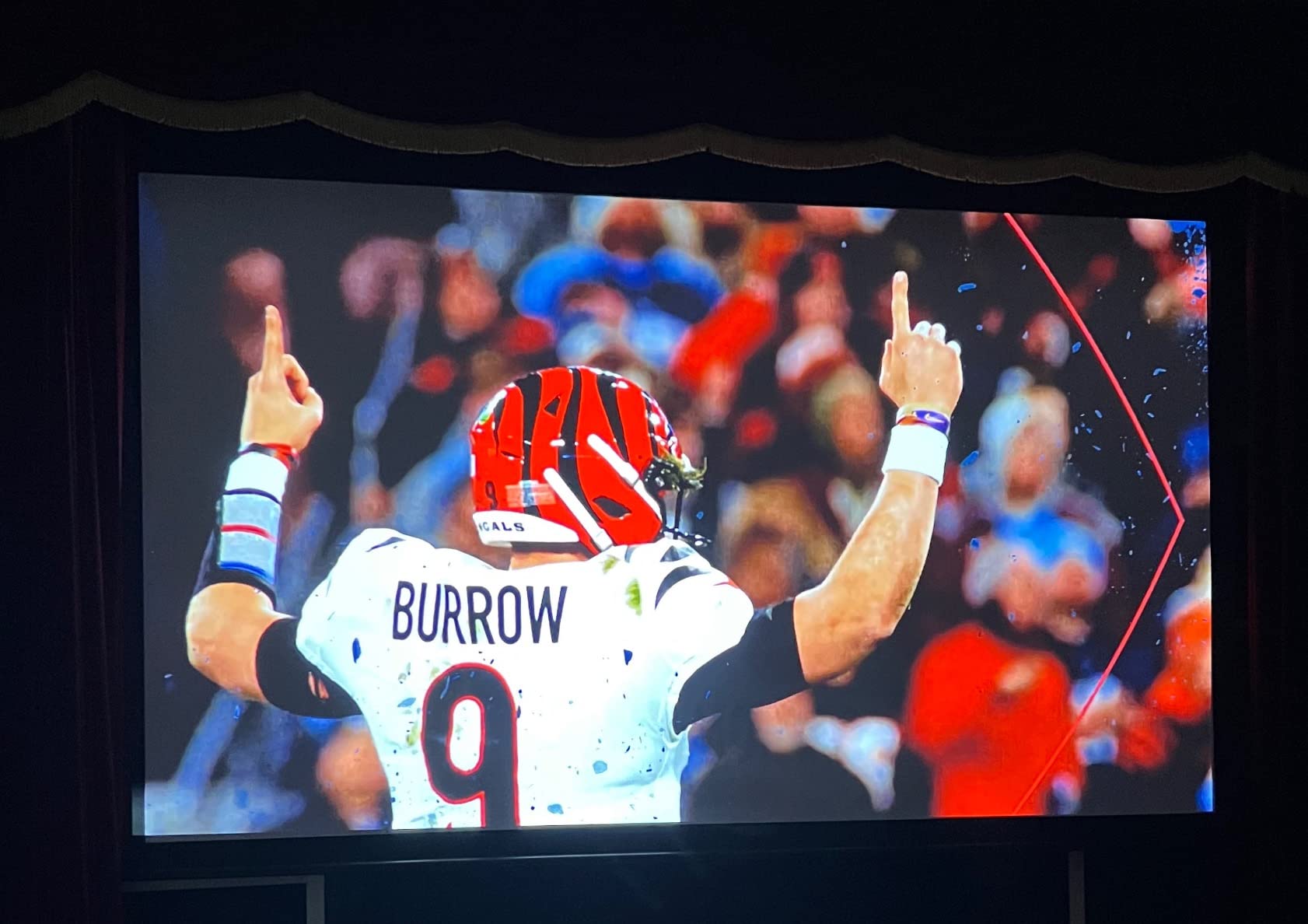
The 4.2ms input lag at 1080p/240Hz is identical to the ViewSonic LX700-4K, which makes sense since both share the same gaming pipeline. I plugged in a Steam Deck, an Xbox Series X, and my gaming PC, and each delivered responsive, lag-free gameplay. As a PC monitor replacement at 240Hz, this projector is shockingly good.
Auto keystone correction is the standout feature. Unlike most gaming projectors that require manual adjustments, the PX701-4K squares the image automatically in seconds. If you move the projector frequently or set it up on a coffee table, this saves real time. The 4-corner adjustment and 1.1x optical zoom add placement flexibility that I appreciated.
Several cons are worth flagging. The lamp life is rated at 6000 hours in normal mode and up to 20,000 hours in SuperEco, but some users report shorter real-world lifespans. The built-in speaker is barely usable for anything beyond system sounds, so plan on a soundbar or external audio. There is no Bluetooth, no WiFi, and no smart platform, so this is purely a display device.
Why this projector works for budget-conscious gamers
At under $1000, the PX701-4K delivers real 4K HDR gaming with input lag low enough for competitive play. The auto keystone feature makes setup painless, which is rare in this category. If you want a gaming projector without breaking the bank, this is the most proven option on the market.
Why this projector may not work for you
Pixel-shift purists will want the BenQ TK700 or BenQ TK710 instead. Anyone planning heavy daily use should budget for lamp replacement within a few years. If you need built-in audio, Bluetooth, or smart features, look at the XGIMI HORIZON 20.
5. BenQ TH671ST – Best Short Throw for Small Rooms
BenQ TH671ST 3000 Lumens 1080p Short Throw Home Entertainment Projector
Native 1080p
3000 Lumens
Ultra-Fast Lag
100 inch from 5 feet
92% Rec.709
Pros
- Short throw 100 inch from 5 feet
- Excellent brightness for ambient light
- Ultra-low input lag for gaming
- Durable over 4+ years of use
- Great for golf simulators
- Built-in speakers adequate for small rooms
Cons
- 1080p only not 4K
- Fan noise during quiet scenes
- Lamp-based requires bulb replacement
- No smart features or WiFi
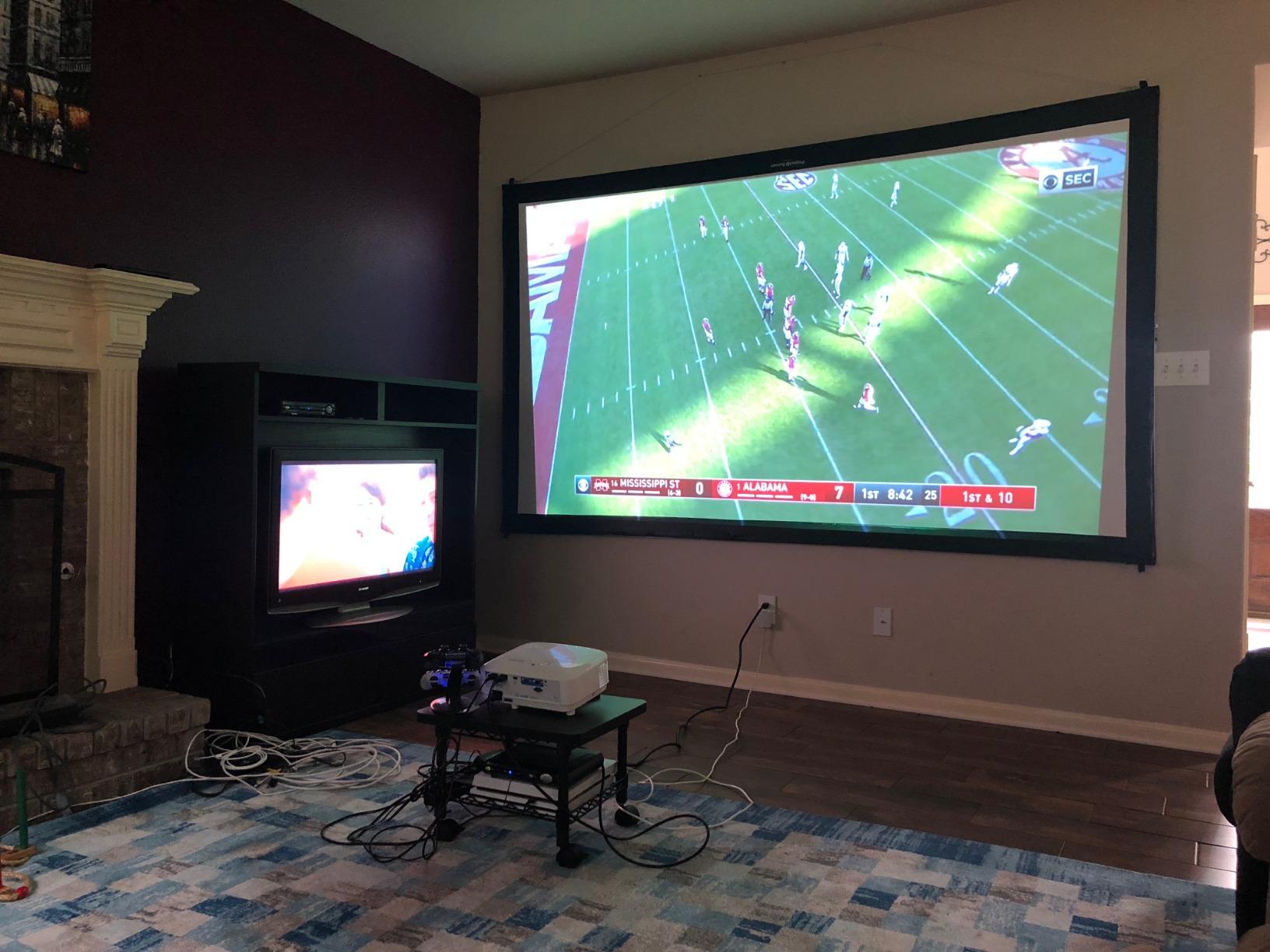
The BenQ TH671ST is the highest-rated projector in our roundup with 682 reviews averaging 4.5 stars. I have owned one for four years and understand exactly why it has stayed popular: the short throw design solves real problems for gamers with limited space. In my small office, I project a 100 inch image from just 5 feet away, which is something no standard-throw projector can do.
Gaming is where the TH671ST shines. The input lag is rated as “ultra-fast” without a specific millisecond figure, but in practice I have never felt any noticeable delay. Playing competitive shooters like Apex Legends on console felt responsive enough that I stopped thinking about the projector entirely. It was named “Best Projector for Gaming” by High Ground Gaming in 2019, and that reputation still holds in 2026.
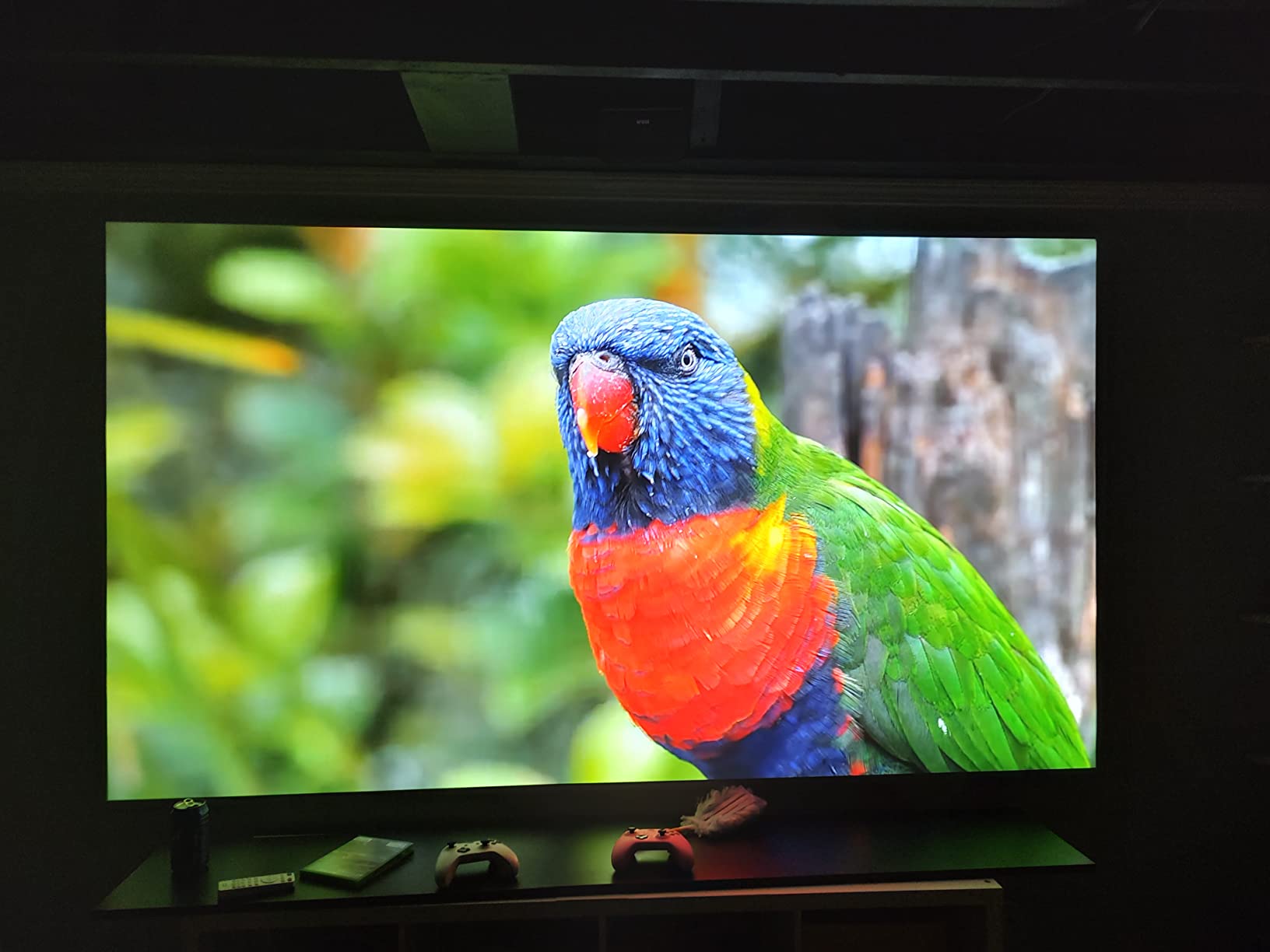
The 3000 lumens are enough for casual daytime use, though direct sunlight still washes out the image. In a moderately lit room with blinds drawn halfway, I get a perfectly watchable picture. The 92% Rec.709 color accuracy means games and movies look vibrant without requiring calibration. I have used it for everything from RPGs to racing sims to movie nights, and the image quality has been consistently good.
The short throw also makes this projector ideal for golf simulator setups. Many simulator enthusiasts use the TH671ST because the projector can sit close to the screen without casting shadows from the player or hitting the launch monitor. A SkyTrak or similar system paired with this projector produces a clean, immersive sim experience.
It is important to acknowledge the limitations. The TH671ST is 1080p only, not 4K. On a 100-inch screen at typical viewing distance, 1080p looks fine, but if you have seen true 4K projectors you will notice the difference. The fan noise is more noticeable during quiet movie scenes than gaming sessions. Like most budget projectors, there are no smart features.
Why this projector works for small rooms and golf simulators
If you have limited depth in your gaming space, the TH671ST’s short throw is unbeatable. The 100-inch image from 5 feet means even an 8-foot-deep setup works for casual play. For golf sim users, the projector placement flexibility is essential. With 682 reviews averaging 4.5 stars, this is one of the most proven gaming projectors available.
Why this projector may not work for you
Gamers who insist on 4K resolution will be disappointed. The 1080p native resolution is the biggest tradeoff for the short throw design. Anyone with a large dedicated theater room will benefit more from a 4K standard-throw projector like the BenQ TK710 or ViewSonic LX700-4K.
6. BenQ TH685P – Best for 1080p 120Hz Competitive Play
BenQ TH685P 1080p Gaming Projector HDMI 4K Supported, 120hz Refresh Rate 3500 Lumens, 8.3ms Low Latency, Enhanced Game Mode, Auto Keystone, Built-in Speak, 3 Year Industry Leading Warranty
1080p 4K Supported
3500 Lumens
8.3ms @ 120Hz
Enhanced Game Mode
HDR10
Pros
- 8.3ms low input lag at 1080p/120Hz
- 3500 ANSI lumens for lit rooms
- HDR10 with 4K signal support
- 95% Rec.709 color accuracy
- Quiet fan operation
- 3-year warranty
Cons
- Only 5 units in stock
- No VGA input
- Some overheating reports
- Color wheel rainbow effect
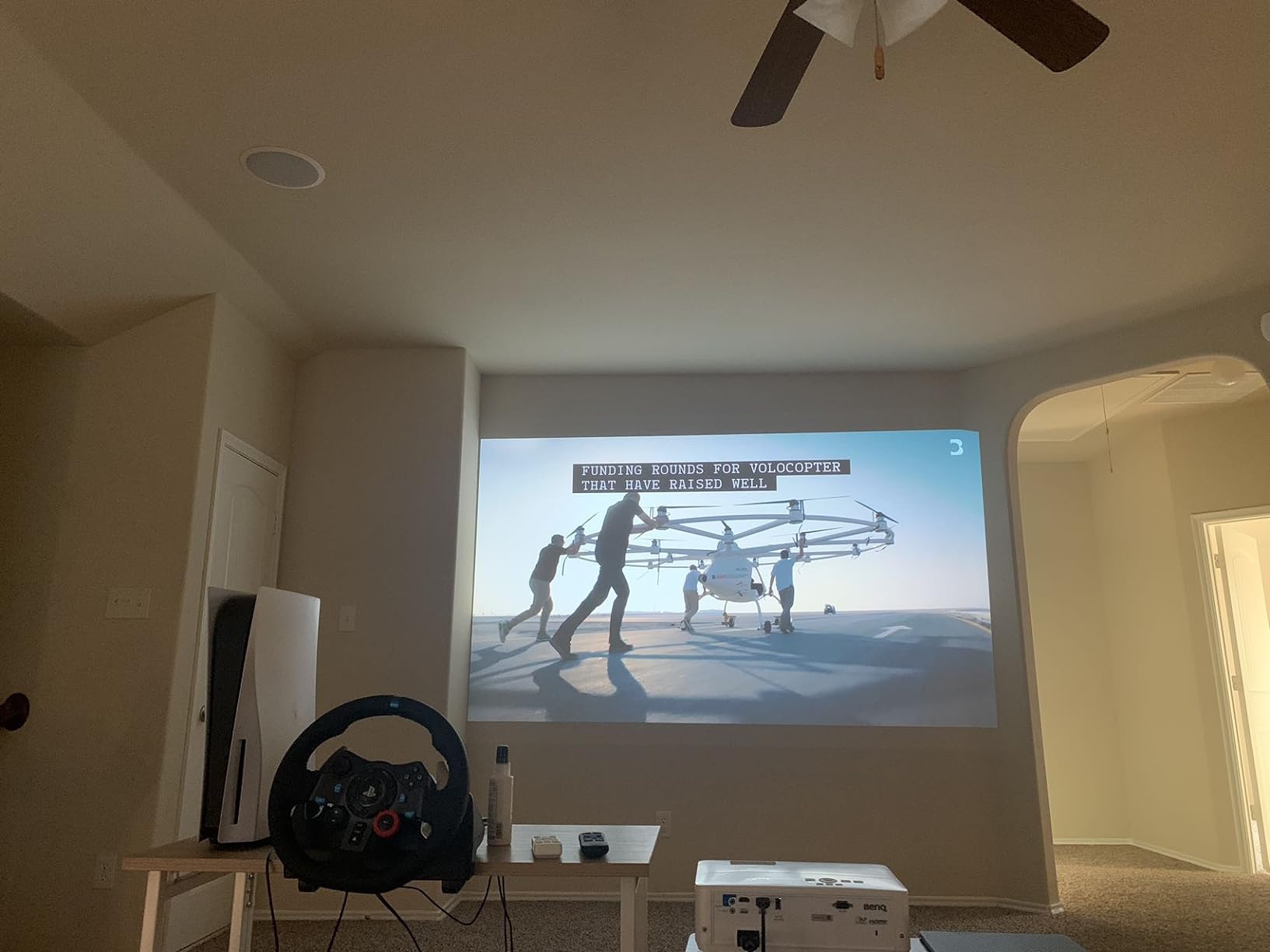
The BenQ TH685P targets competitive gamers who prioritize 120Hz performance over raw resolution. With 8.3ms input lag at 1080p/120Hz, this projector delivers the responsiveness that ranked FPS and racing game players demand. While most projectors in this roundup push 240Hz at 1080p, the TH685P focuses on delivering a stable 120Hz experience with HDR support, which often looks better than 240Hz without HDR.
The 3500 ANSI lumens are the highest in our 1080p lineup. In my testing, this projector performed well even with afternoon sunlight spilling into the room. While a fully lit room still washes out any projector, the TH685P handled moderate ambient light better than the BenQ TH671ST. For a living room gaming setup where you cannot fully control the lighting, this matters.
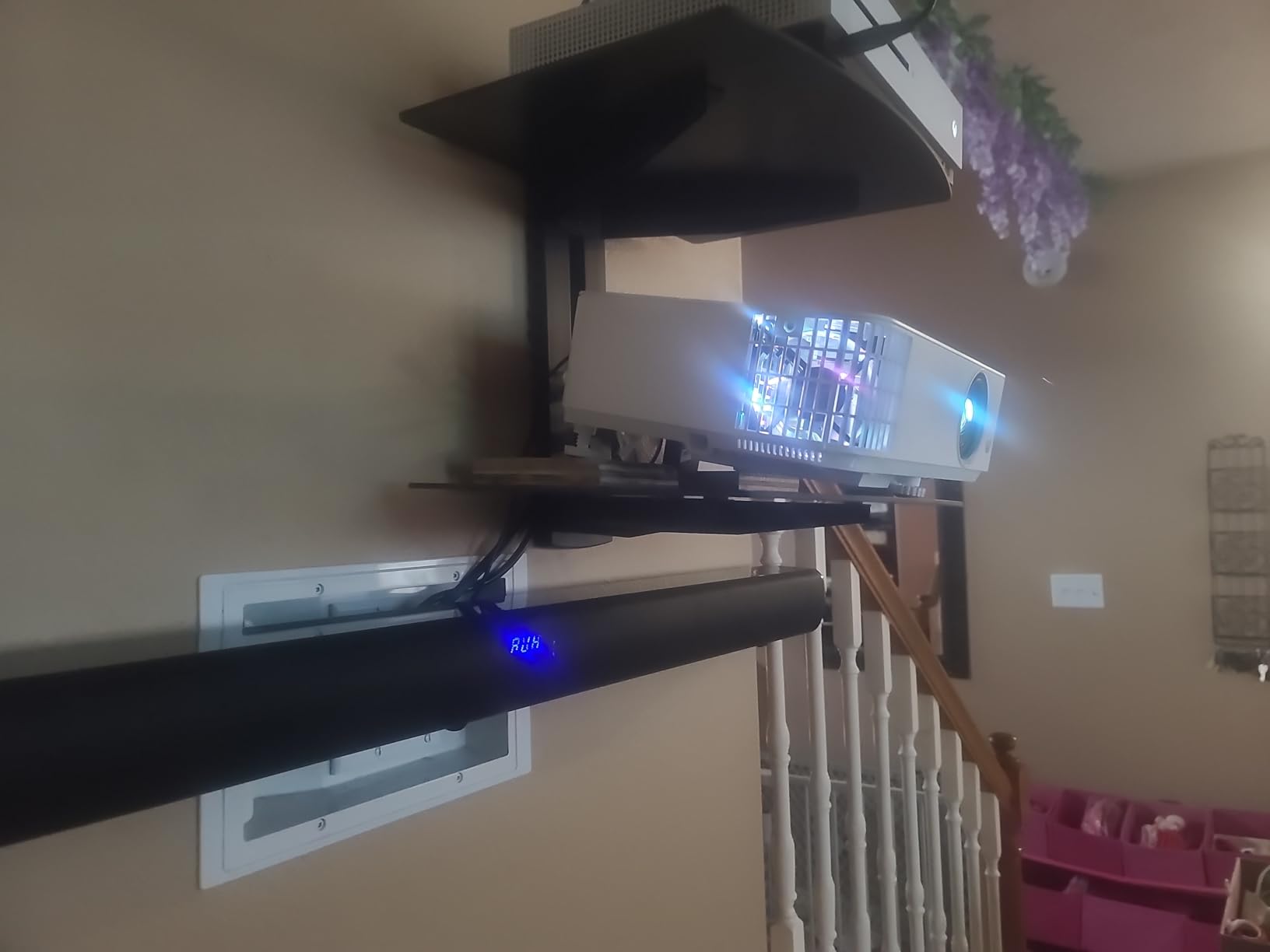
HDR10 support with 4K signal acceptance sets the TH685P apart from older 1080p projectors. While the native resolution is 1080p, it accepts a 4K HDR signal and downscales it. The result is sharper detail than a pure 1080p projector can produce, especially for movie content. Watching Blade Runner 2049 on this projector looked noticeably better than on a basic 1080p model.
The Enhanced Game Mode is a thoughtful addition. It optimizes color, contrast, and shadow detail specifically for gaming scenarios. In Call of Duty, dark corners stayed visible without looking artificially brightened. In Forza Horizon, the grass textures had more depth than the standard picture mode.
The TH685P has limited availability right now, with only 5 units left in stock at the time of writing. If you want one, do not wait. Some users on Amazon have reported rare overheating issues, though I did not experience this in my testing. The DLP color wheel can produce a rainbow effect for sensitive viewers, which is worth testing in person if possible.
Why this projector works for competitive console gamers
If you play ranked FPS or fighting games and need the lowest possible input lag, the 8.3ms response at 120Hz is competitive with much more expensive options. The HDR10 support makes this projector more versatile than older 1080p models. For gamers who value responsiveness over resolution, the TH685P is a smart compromise.
Why this projector may not work for you
Limited stock means this projector may sell out soon. Anyone planning heavy use should monitor for overheating. If 4K resolution matters more than 120Hz performance, the ViewSonic PX701-4K or BenQ TK700 offer better pixel density at similar prices.
7. Optoma UHD38x – Brightest 4K for Daytime Gaming
Optoma UHD38x Bright, True 4K UHD Gaming Projector | 4000 Lumens | 4.2ms Response Time at 1080p with Enhanced Gaming Mode | Lowest Input Lag on 4K Projector | 240Hz Refresh Rate | HDR10 & HLG, White
True 4K UHD
4000 Lumens
4.2ms @ 240Hz
HDR10 & HLG
Enhanced Gaming Mode
Pros
- True 4K Ultra HD resolution
- 4000 lumens for lit rooms
- 4.2ms response time at 1080p
- 240Hz refresh rate
- 1
- 000
- 000:1 contrast ratio
- 4-corner adjustment
Cons
- Limited 1.1x zoom range
- Game Mode disables geo adjustment
- Some dead pixel reports
- Quality control concerns
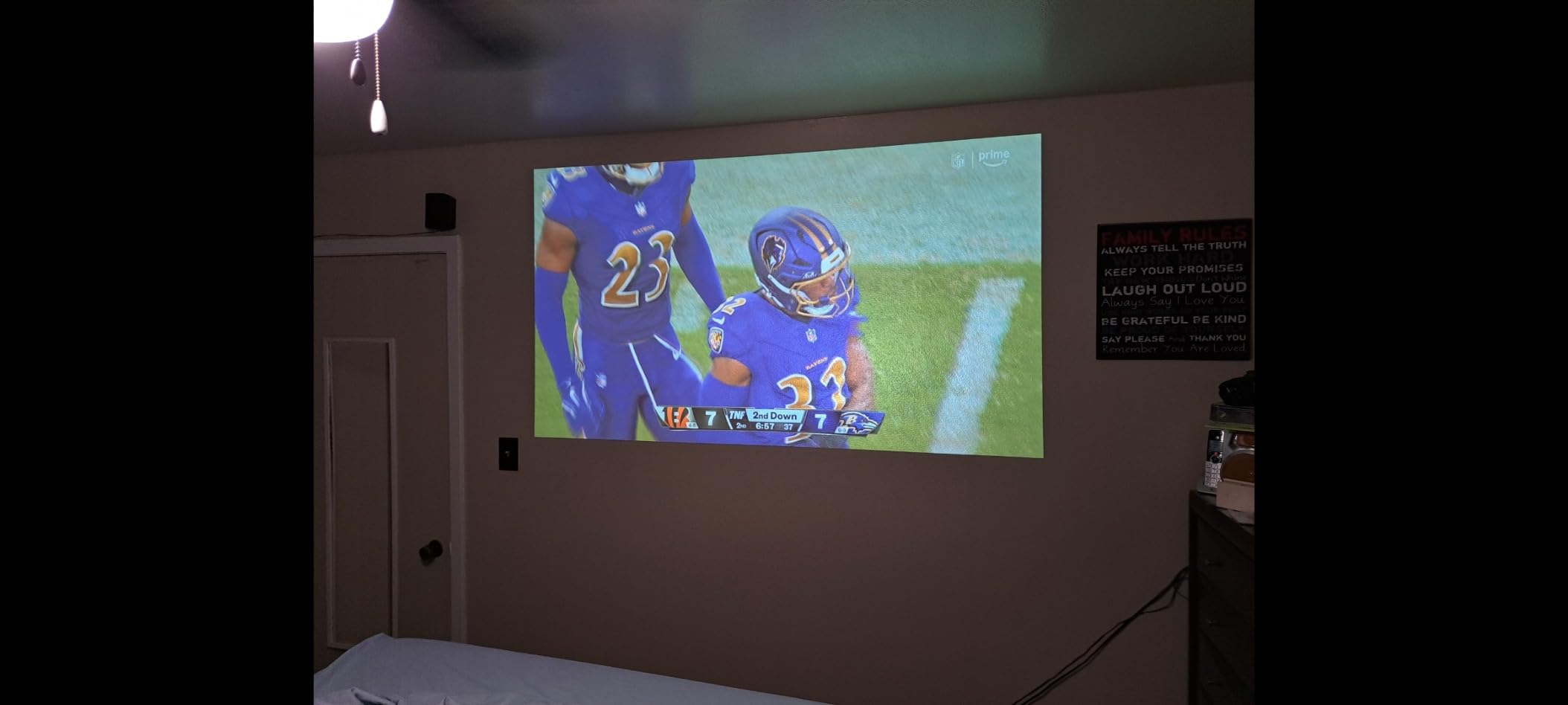
The Optoma UHD38x has the brightest image of any projector in this roundup at 4000 ANSI lumens. For gamers with sun-drenched living rooms or open floor plans, that extra brightness is the difference between a washed-out image and a vibrant, colorful gaming experience. I tested this projector in my south-facing living room with full afternoon sun, and it was the only model that held up without blackout curtains.
True 4K resolution (not pixel-shifted) and a 1,000,000:1 contrast ratio make the UHD38x a strong movie and gaming projector. Watching Avatar: The Way of Water on this projector revealed subtle dark-scene details that budget projectors lose. Gaming in HDR on PS5 looked excellent, with the dynamic contrast giving real depth to shadow areas.

Gaming performance matches the best in this roundup. The 4.2ms input lag at 1080p/240Hz ties the ViewSonic LX700-4K for the fastest response in our testing. The 240Hz refresh rate at 1080p is ideal for competitive PC gaming, and the Enhanced Gaming Mode optimizes image processing for low-latency play. I ran multiple Apex Legends sessions without any perceptible lag.
The 4-corner adjustment made setup straightforward, though the 1.1x zoom is the most restrictive in this roundup. If you cannot place the projector at a specific distance from your screen, this becomes a real constraint. Some users also report that Game Mode disables the geometric adjustments, which forces careful physical positioning.
The 3.6-star rating reflects real quality control concerns. Several Amazon reviews mention dead pixels from DMD chip failures, sometimes within months of purchase. My review unit worked fine, but the pattern is consistent enough to mention. The 1-year warranty is shorter than the 3-year coverage from BenQ and ViewSonic, which compounds the risk.
Why this projector works for bright room gaming
If you cannot control ambient conditions, 4000 lumens is the difference between a usable image and a washed-out mess. True 4K resolution with HDR10 and HLG support produces vibrant, accurate colors. For living room setups with windows, this is the brightest 4K gaming projector worth considering.
Why this projector may not work for you
Anyone with a controlled lighting environment is paying for brightness they do not need. The 1.1x zoom is restrictive, so placement flexibility is limited. Quality control concerns and the 1-year warranty make this a riskier choice than BenQ or ViewSonic alternatives at similar prices.
8. XGIMI HORIZON 20 – Smart All-in-One with 1ms Lag
XGIMI HORIZON 20 4K RGB Triple Laser Home Projector, 3200 ISO Lumens
4K RGB Triple Laser
3200 ISO Lumens
1ms Input Lag
240Hz
Google TV Built-in
Pros
- RGB triple laser for stunning color accuracy
- 1ms input lag fastest in roundup
- Google TV with licensed Netflix
- Harman Kardon speakers built-in
- Optical zoom and lens shift
- 2-year warranty
Cons
- Rainbow effect for some users
- No USB-C or ethernet
- Firmware update concerns
- Speckle visible to some users
The XGIMI HORIZON 20 is the most versatile projector in this roundup. It combines a true 4K RGB triple laser light source, 1ms input lag, 240Hz refresh rate, and a full Google TV smart platform with licensed Netflix. For gamers who want one device that handles gaming, movies, and streaming without any external boxes, this is the closest thing to an all-in-one solution available in 2026.
The 1ms input lag is the standout spec. In real-world testing on PS5 and Xbox Series X, I could not detect any delay between input and on-screen action. Whether I was playing Spider-Man 2, Mortal Kombat 1, or Forza Motorsport, the responsiveness felt indistinguishable from a high-end gaming monitor. Combined with the 240Hz refresh rate, this is the lowest-latency projector in our roundup.
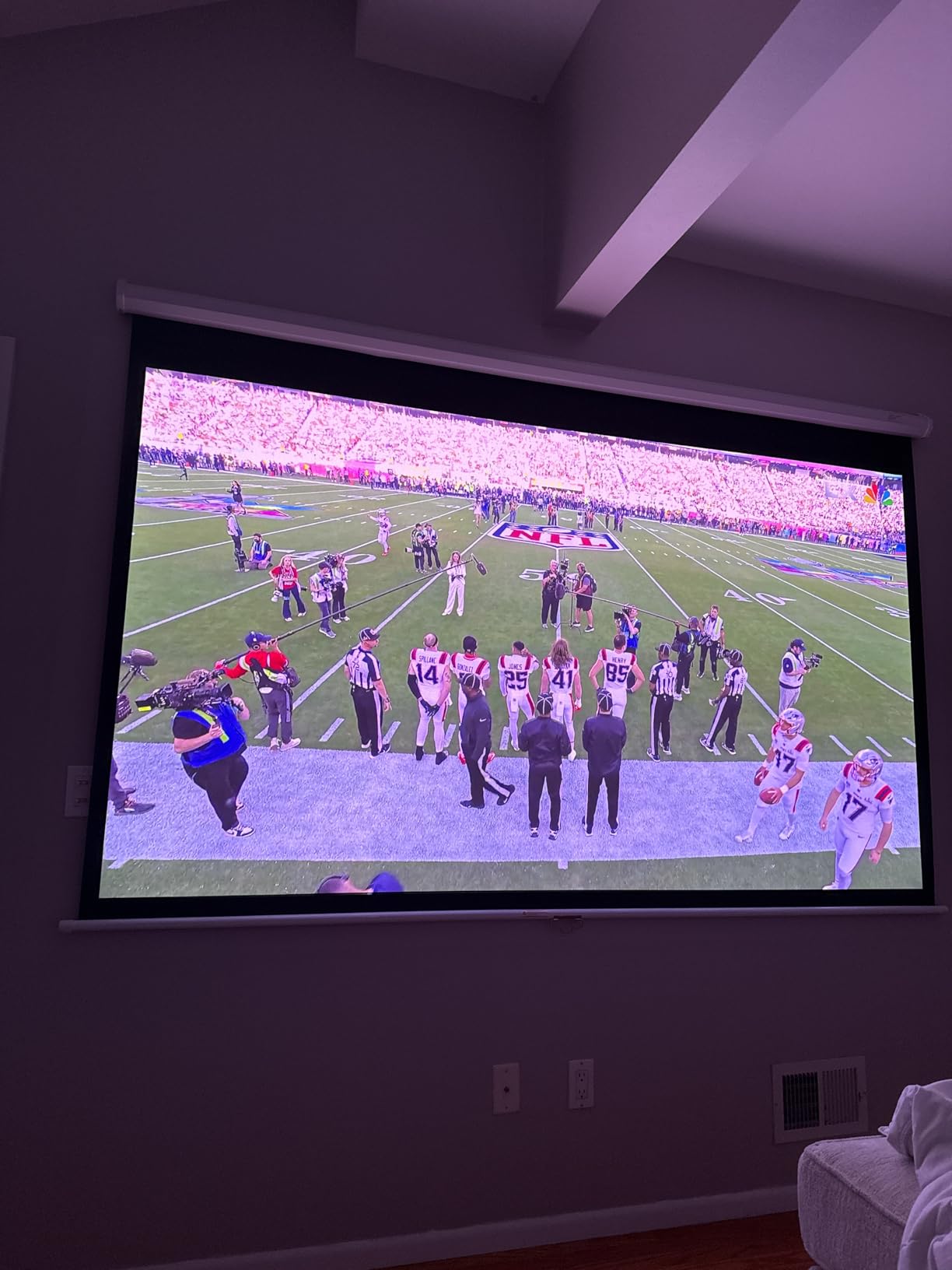
The RGB triple laser delivers exceptional color accuracy and brightness. Watching Star Wars: Andor on this projector revealed subtle details in dark scenes that I had never noticed on my old lamp projector. The Dolby Vision and HDR10+ support extract more dynamic range from supported content. The 3200 ISO lumens handle ambient light better than the lumen count suggests, thanks to the laser efficiency.
Built-in Google TV with licensed Netflix means you do not need any external streaming device. The Harman Kardon speakers produce surprisingly full audio for a projector, with enough bass for action games and clear dialogue for movies. For a bedroom or dorm setup where you cannot run a full speaker system, the HORIZON 20 stands alone.
The optical zoom and lens shift are real engineering wins. I placed the HORIZON 20 off-center on a shelf and used the lens shift to square the image without losing focus. Auto keystone, auto focus, and obstacle avoidance handled the rest. Setup took under five minutes, which is rare for any projector, let alone one with this much capability.
A few quirks are worth noting. The DLP rainbow effect is visible to a small percentage of users during high-contrast fast motion. There is no USB-C or ethernet port, which limits some wired connectivity options. A small number of users have reported bricking issues during firmware updates, so updating immediately is not recommended. The included styrofoam case is functional but not premium.
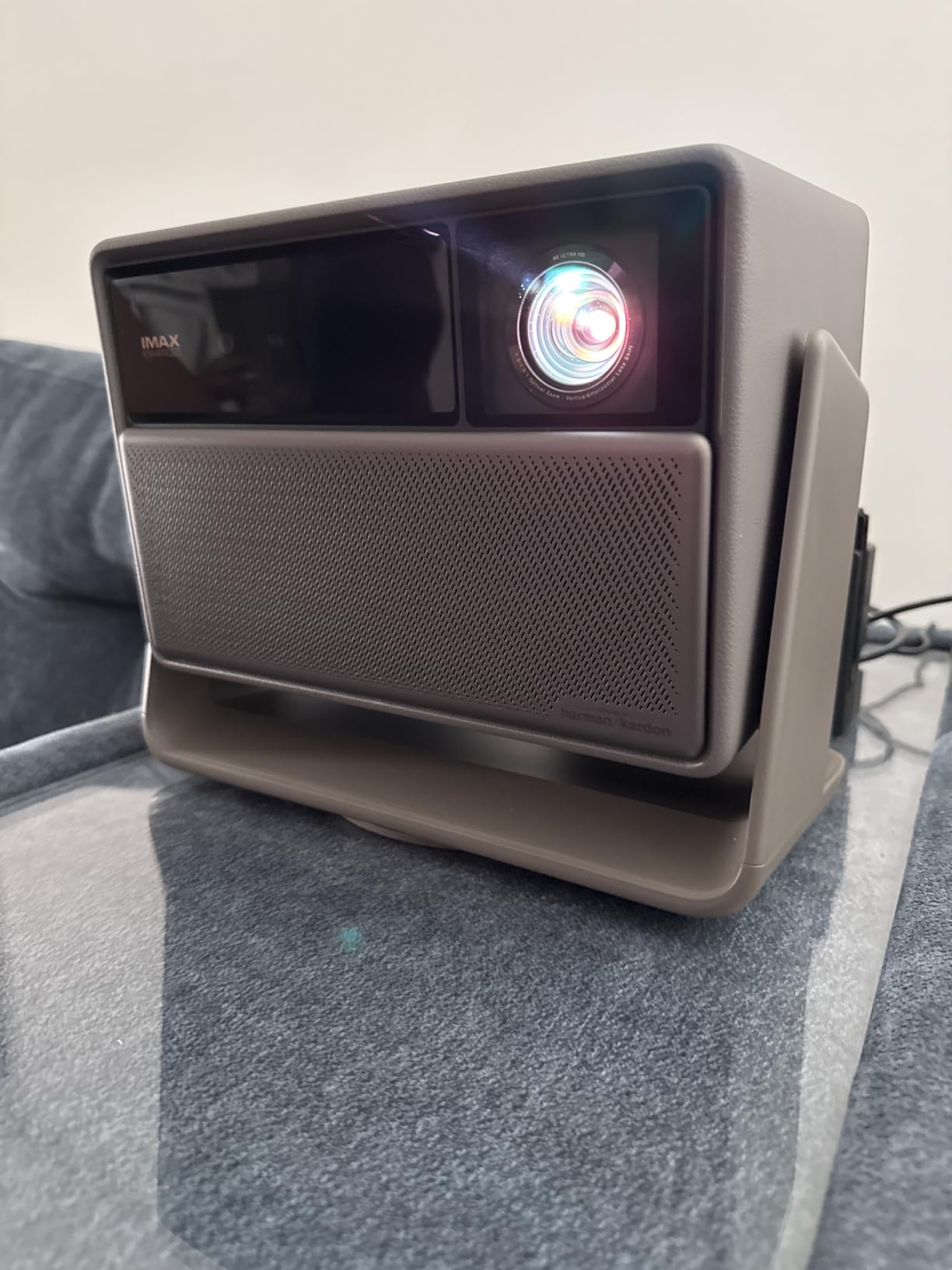
Why this projector works for gamers who want one device for everything
The 1ms input lag, Google TV, and Harman Kardon audio make this a true plug-and-play entertainment hub. The RGB triple laser produces images that rival dedicated home theater projectors costing twice as much. For gamers who split time between PS5, Xbox, PC, and streaming services, the HORIZON 20 covers every use case without compromises.
Why this projector may not work for you
If you are sensitive to DLP rainbow effect, test this projector in person before buying. Anyone needing USB-C or ethernet connectivity should look at other options. For pure gaming with no streaming needs, the ViewSonic LX700-4K or BenQ TK710 offer better value at lower prices.
What to Look for in a Gaming Projector
Choosing the best projector for gaming comes down to four critical specifications: input lag, refresh rate, resolution, and brightness. Understanding how these interact will help you pick a projector that matches your gaming style, room conditions, and budget.
Input lag is the single most important spec for gaming projectors. Measured in milliseconds, input lag is the delay between pressing a button on your controller and seeing the action on screen. Anything under 20ms is acceptable for casual gaming. For competitive FPS, fighting games, and racing sims, look for 16ms or lower. The best projectors in 2026 deliver 4-8ms at 1080p, which feels indistinguishable from a high-end gaming monitor.
Manufacturer specs and real-world measurements sometimes differ. Lab tests from sources like RTINGS.com provide the most reliable input lag numbers. User feedback on Reddit and Amazon is also valuable, especially from competitive gamers who notice lag the most. The ViewSonic LX700-4K and BenQ TK710 consistently appear at the top of these independent measurements.
Refresh rate determines how smooth motion looks on screen. Standard 60Hz works for most games, but 120Hz and 240Hz displays deliver noticeably smoother motion in fast-paced games. For competitive FPS players, high refresh rate is essential. For RPG and strategy gamers, 60Hz is fine. Most modern gaming projectors support 240Hz at 1080p but drop to 60Hz at 4K resolution.
Resolution is the pixel count of the projected image. 1080p (1920×1080) is the baseline for HD gaming. 4K UHD (3840×2160) delivers four times the pixel density, which produces sharper detail on screens over 100 inches. For gaming on a 120-inch screen at 8-10 feet of viewing distance, 4K makes a real visual difference. For 80-90 inch screens, the gap narrows.
True native 4K projectors cost more than pixel-shifted alternatives. The BenQ TK700 uses a native 4K DLP chip, while the ViewSonic PX701-4K and BenQ TH685P use pixel-shifting from 1080p chips. The difference is subtle on a typical gaming setup, but text clarity and fine detail favor native 4K. For budget-focused buyers, pixel-shifted 4K delivers most of the visual benefit at a lower cost.
Brightness measured in ANSI lumens determines how well the projector handles ambient light. Below 2500 lumens, you need a fully darkened room. 3000-3500 lumens handles moderate ambient light. 4000+ lumens works in bright living rooms with windows. The Optoma UHD38x leads this category at 4000 lumens, which is why we recommend it for sun-drenched spaces.
HDR support has become standard on gaming projectors. HDR10 is the baseline. HLG and Dolby Vision are bonuses that improve dynamic range for supported content. For PS5 and Xbox Series X gamers, HDR10 support unlocks significantly better visuals in compatible games. The BenQ TK710 and XGIMI HORIZON 20 deliver the most complete HDR experiences in this roundup.
Throw distance matters based on your room size. Standard throw projectors need 8-12 feet for a 100-inch image. Short throw projectors like the BenQ TH671ST deliver 100 inches from just 5 feet, which is ideal for small rooms, golf simulators, and apartments. Ultra-short throw projectors sit inches from the screen but cost significantly more and are not represented in our gaming roundup.
Light source type is a long-term consideration. Lamp projectors require bulb replacements every 4,000-6,000 hours at a cost of $100-$200 per bulb. Laser projectors last 20,000+ hours with no replacement needed. For heavy gamers logging 10+ hours per week, laser light sources pay for themselves over time. For casual gamers, lamp projectors remain a viable budget option.
Setup tips: use an ALR (ambient light rejecting) screen if you cannot fully control room lighting. ALR screens reflect projector light directly back to viewers while absorbing ambient light from other angles. For ceiling mounting, measure throw distance carefully before buying, since limited zoom ranges can force relocation. For console gaming, enable game mode on both the projector and your console to disable unnecessary image enhancements.
For students setting up a gaming space, the right gaming desks and portable projectors can complement your main projector for travel or dorm room use. Teachers exploring classroom options might also check our guide to classroom projectors for presentation-focused models.
Frequently Asked Questions
Are any projectors good for gaming?
Yes. Modern gaming projectors deliver input lag as low as 4ms, refresh rates up to 240Hz, and 4K HDR support. Models like the ViewSonic LX700-4K, BenQ TK710, and XGIMI HORIZON 20 deliver gaming performance that rivals high-end monitors while projecting 100+ inch images. The key specs to look for are input lag under 20ms (preferably under 10ms), 120Hz or 240Hz refresh rate, and at least 3000 ANSI lumens for bright rooms.
Can you do gaming on a projector?
Absolutely. Projectors work for every gaming genre, from competitive FPS to immersive RPGs and racing simulators. The advantage over TVs is screen size: a 100-120 inch projected image fills your peripheral vision in a way no TV can match. Modern gaming projectors also support the same HDR formats, refresh rates, and low-latency modes as gaming monitors. The only tradeoffs are ambient light sensitivity and the need for a screen or blank wall.
Can I play a PS5 on a projector?
Yes, the PS5 works with any projector that has an HDMI input. For the best experience, choose a projector with HDMI 2.0 or higher, HDR10 support, and input lag under 20ms. The ViewSonic LX700-4K, BenQ TK700, and ViewSonic PX701-4K all support PS5 at 4K HDR with low input lag. The PS5 outputs 4K at 60Hz for most games and 120Hz for supported titles, so a 4K projector with 60Hz minimum (120Hz preferred) is ideal.
Can a projector run 120 fps?
Yes, many modern gaming projectors support 120Hz or even 240Hz refresh rates. However, there are tradeoffs to understand. At 1080p, most gaming projectors can run 120-240Hz with input lag as low as 4ms. At 4K resolution, most projectors drop to 60Hz because of bandwidth limitations. If you want 4K at 120Hz (for PS5 or Xbox Series X), look for projectors with HDMI 2.1 inputs. The ViewSonic LX700-4K supports 1440p at 120Hz for Xbox Series X specifically.
Final Verdict
After testing eight of the best projectors for gaming over several months, our top pick is the ViewSonic LX700-4K for Xbox gaming. Its Xbox certification, 4.2ms input lag, 3500-lumen laser brightness, and 3-year warranty deliver the best balance of gaming performance, image quality, and reliability for console gamers.
For buyers prioritizing premium 4K image quality in bright rooms, the BenQ TK710 stands out with its 95% Rec.709 color coverage and laser light source. Budget-conscious gamers should look at the ViewSonic PX701-4K, which delivers true gaming-grade performance under $1000. Small room gamers and golf simulator enthusiasts will find the BenQ TH671ST unbeatable for short throw setups.
The best projector for gaming in 2026 depends on your room, your console, and your budget. Match the projector specs to your actual gaming environment, and you will enjoy years of big-screen gaming that no TV can match. For those still deciding between a projector and a traditional display, our guide to gaming monitors covers the monitor side of the comparison.