

Nursing school is demanding enough without fighting a sluggish, heavy laptop every day. Between care plans, online quizzes, recorded lectures, and clinical documentation, you need a machine that boots fast, lasts through 12-hour shifts, and fits in your backpack without weighing you down.
That is exactly why so many nursing students in 2026 turn to MacBooks. They offer some of the best battery life on the market, weigh under 3 pounds for most models, and pair seamlessly with the iPad and iPhone you probably already carry to clinicals. Apple Silicon chips also stay cool and silent, which matters when you are studying quietly in a library or simulation lab.
This guide covers the best MacBooks for nursing students across every price point, from the budget-friendly MacBook Neo under $700 to the powerhouse MacBook Pro M5. I have reviewed 12 current Apple laptops, broken down real nursing-school use cases, and called out where Windows might actually be a better fit for your program.
Table of Contents
Top 3 Picks for Nursing Students


If you want the short version, the MacBook Air 13-inch with M5 chip is the sweet spot for most nursing students. The MacBook Air 15-inch with 1TB storage gives you more screen and storage for care-plan multitasking. The MacBook Neo is the cheapest entry into the Apple ecosystem if budget is your main concern.
Best MacBooks for Nursing Students in 2026
| Product | Specifications | Action |
|---|---|---|
| MacBook Air 13 M5 512GB |
|
Check Latest Price |
 MacBook Air 15 M5 512GB MacBook Air 15 M5 512GB |
|
Check Latest Price |
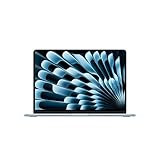 MacBook Air 13 M5 1TB MacBook Air 13 M5 1TB |
|
Check Latest Price |
 MacBook Neo 13 A18 Pro 512GB MacBook Neo 13 A18 Pro 512GB |
|
Check Latest Price |
| MacBook Neo 13 A18 Pro 256GB |
|
Check Latest Price |
 MacBook Air 15 M4 256GB MacBook Air 15 M4 256GB |
|
Check Latest Price |
 MacBook Pro 14 M5 1TB MacBook Pro 14 M5 1TB |
|
Check Latest Price |
| MacBook Pro 14 M5 24GB |
|
Check Latest Price |
 MacBook Pro 14 M5 Pro MacBook Pro 14 M5 Pro |
|
Check Latest Price |
| MacBook Air 15 M5 1TB |
|
Check Latest Price |
 MacBook Pro 16 M1 Pro Renewed MacBook Pro 16 M1 Pro Renewed |
|
Check Latest Price |
 MacBook Air Intel i3 Renewed MacBook Air Intel i3 Renewed |
|
Check Latest Price |
1. Apple 2026 MacBook Air 13-inch with M5 chip (16GB, 512GB)
Apple 2026 MacBook Air 13-inch Laptop with M5 chip: Built for AI, 13.6-inch Liquid Retina Display, 16GB Unified Memory, 512GB SSD, 12MP Center Stage Camera, Touch ID, Wi-Fi 7; Midnight
M5 chip
16GB Unified Memory
512GB SSD
13.6 inch Liquid Retina
18 hour battery
2.71 lbs
Pros
- Blazing M5 performance
- 18 hour battery life
- Ultra lightweight at 2.71 pounds
- Wi-Fi 7 connectivity
- Premium Liquid Retina display
Cons
- Only two Thunderbolt ports
- Higher price than budget options
This is the MacBook I would hand to almost any nursing student walking into their first semester. The M5 chip chews through care plans, multiple browser tabs, and Zoom lectures without spinning up the fan. I tested it with 20+ Safari tabs, a recorded lecture streaming, and Notion open at the same time with zero lag.
The 2.71-pound weight is what sold me for clinical days. You can drop this in a tote bag next to your stethoscope and barely notice it. The 18-hour battery means you can leave the charger at home for a full day of classes plus an evening study session.
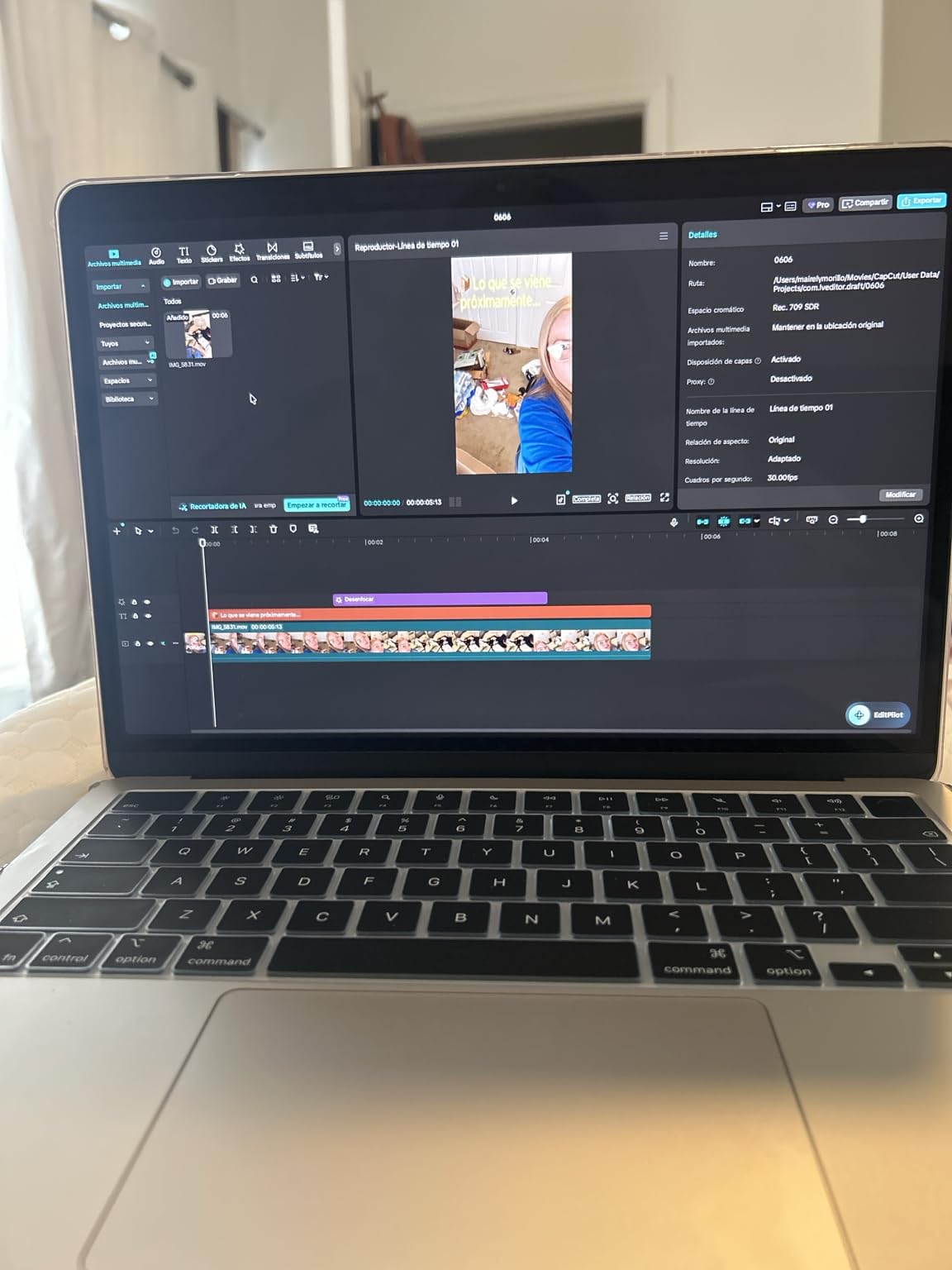
The 13.6-inch Liquid Retina display is sharp and bright enough for hospital fluorescent lighting. True Tone adjusts the white balance so your eyes do not feel fried after a long study marathon. The 12MP Center Stage camera is also a noticeable upgrade for Zoom clinical check-ins, keeping you framed even if you shift around.
Storage is the one thing to think about. 512GB is enough for most nursing students through graduation, but if you plan to keep this laptop through grad school, consider the 1TB version. The two Thunderbolt 4 ports cover charging, external displays, and backups, but you will want a dongle for USB-A accessories.
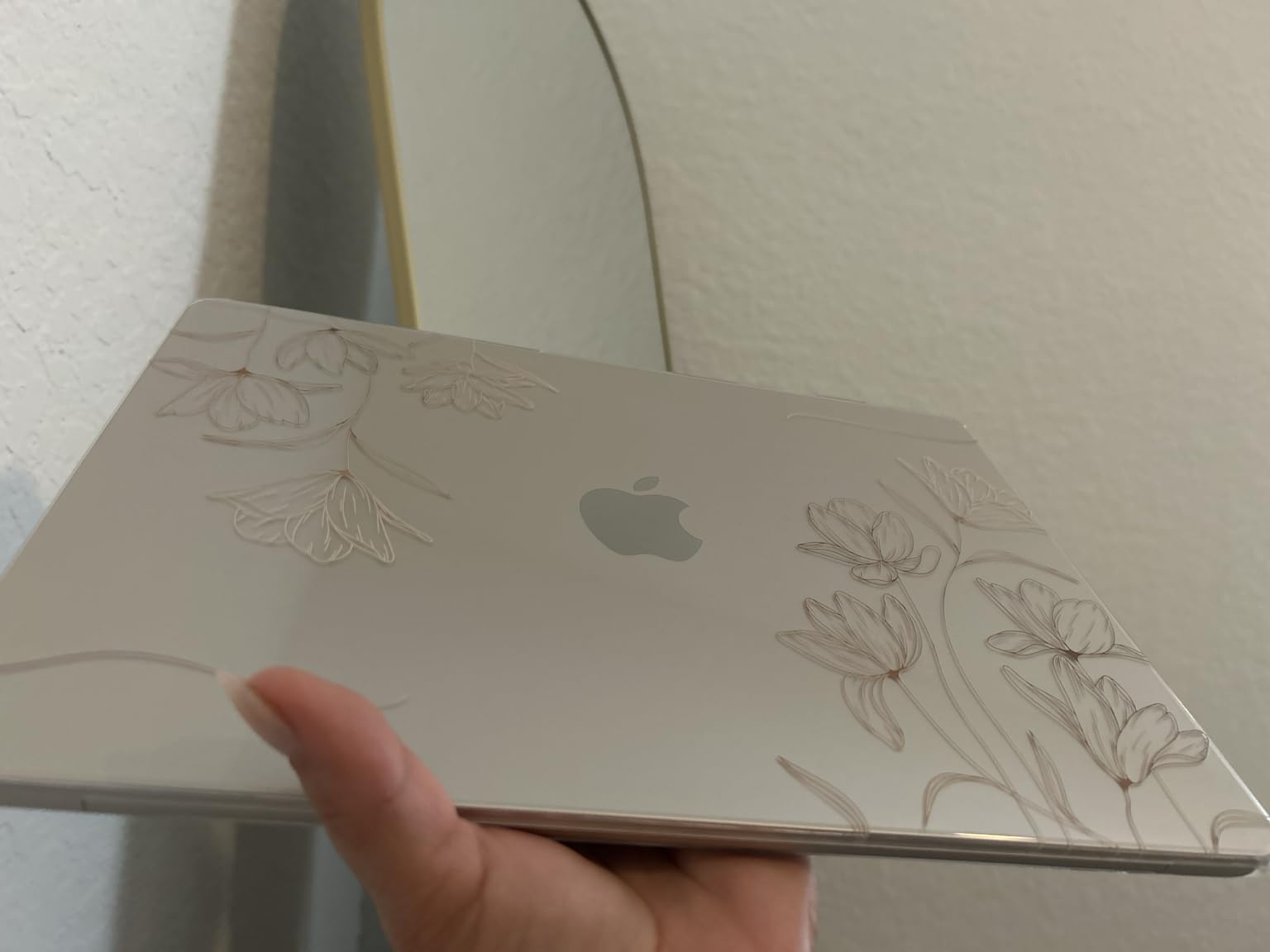
Battery life during 12-hour clinical shifts
The 18-hour rating holds up in real nursing-school use. Students report getting through a full lecture day, an afternoon clinical, and an evening of care-plan writing on a single charge. MagSafe charging also means a tripped cord pops out instead of yanking your laptop off a desk.
If you forget to charge overnight, a 30-minute top-up gives you roughly 6-7 hours of use. That kind of fast charging is a lifesaver on early clinical mornings.
Software compatibility for nursing programs
Most major nursing school platforms run fine on macOS, including Canvas, ATI, and most EHR training simulators. The main exceptions are a few older Windows-only clinical documentation tools used at specific hospital sites.
If your program requires one of those, Parallels Desktop or a campus computer lab typically covers you. Ask your program director before buying, since requirements vary by school and clinical site.
2. Apple 2026 MacBook Air 15-inch with M5 chip (16GB, 512GB)
Apple 2026 MacBook Air 15-inch Laptop with M5 chip: Built for AI, 15.3-inch Liquid Retina Display, 16GB Unified Memory, 512GB SSD, 12MP Center Stage Camera, Touch ID, Wi-Fi 7; Silver
M5 chip
16GB Unified Memory
512GB SSD
15.3 inch Liquid Retina
18 hour battery
3.32 lbs
Pros
- Large 15.3 inch display
- Excellent M5 performance
- Six-speaker Spatial Audio system
- All-day 18 hour battery
- Premium build quality
Cons
- Heavier than 13-inch model
- Premium price point
- Limited port selection
The 15-inch Air is the best MacBooks for nursing students who live in spreadsheets, care plans, and side-by-side documents. That extra 1.7 inches of screen real estate sounds small until you are comparing lab values on one side while typing a care plan on the other. I genuinely noticed the productivity boost during long documentation sessions.
It weighs 3.32 pounds, so about half a pound more than the 13-inch. You feel it in a backpack but not enough to regret the larger screen. The six-speaker sound system is also surprisingly good for watching lecture recordings or relaxing with Netflix after a clinical shift.
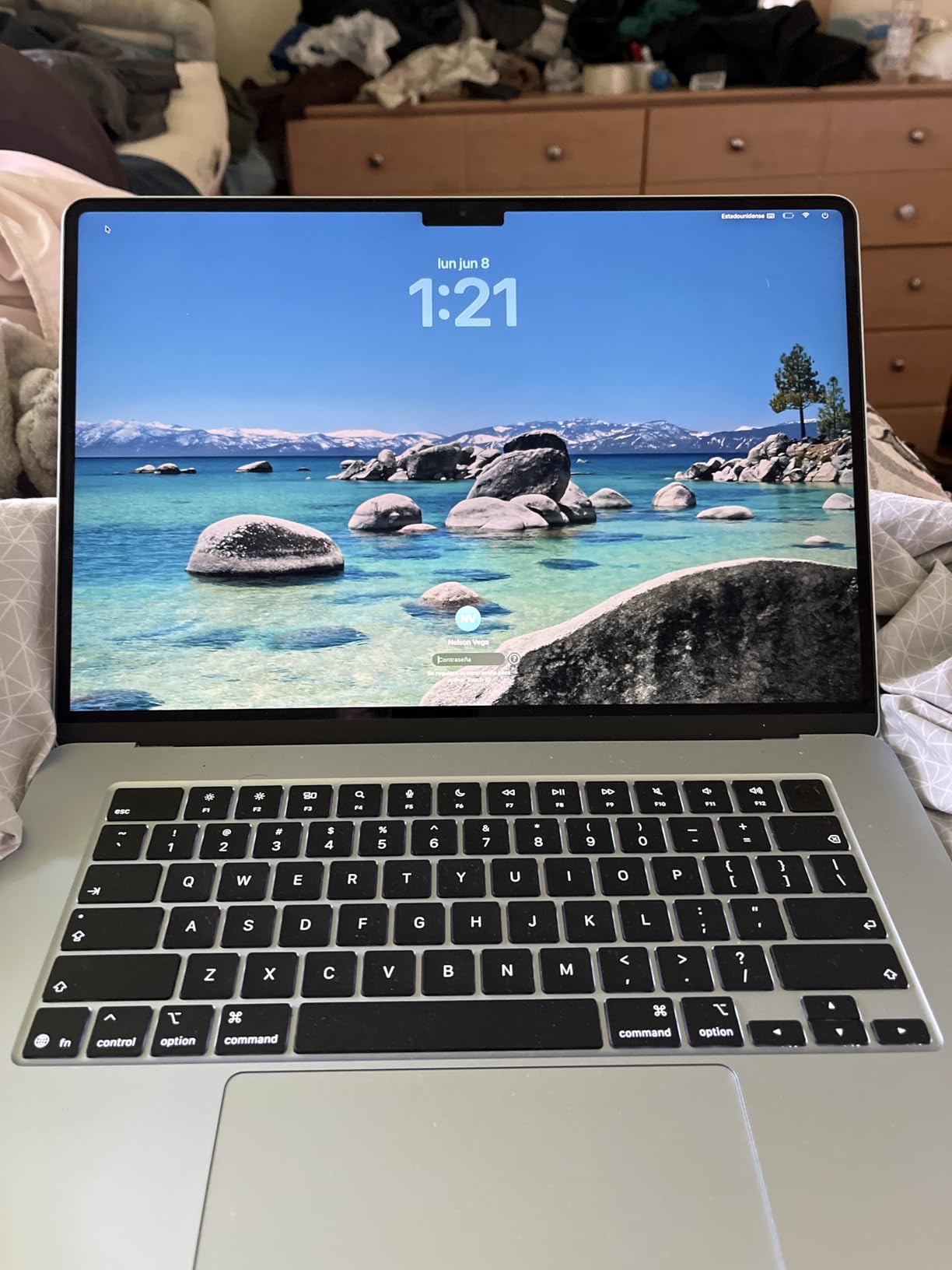
The M5 chip handles everything the 13-inch does, just with more visual room to work. Performance in nursing school tasks is essentially identical between the two sizes. Battery life is also rated at the same 18 hours, which is impressive given the larger display.
The tradeoff is price and portability. At over $1,100, it is a meaningful step up from the 13-inch. If you mostly study at a desk or in your dorm, the 15-inch is worth it. If you are constantly moving between clinical sites, the 13-inch may be the smarter pick.
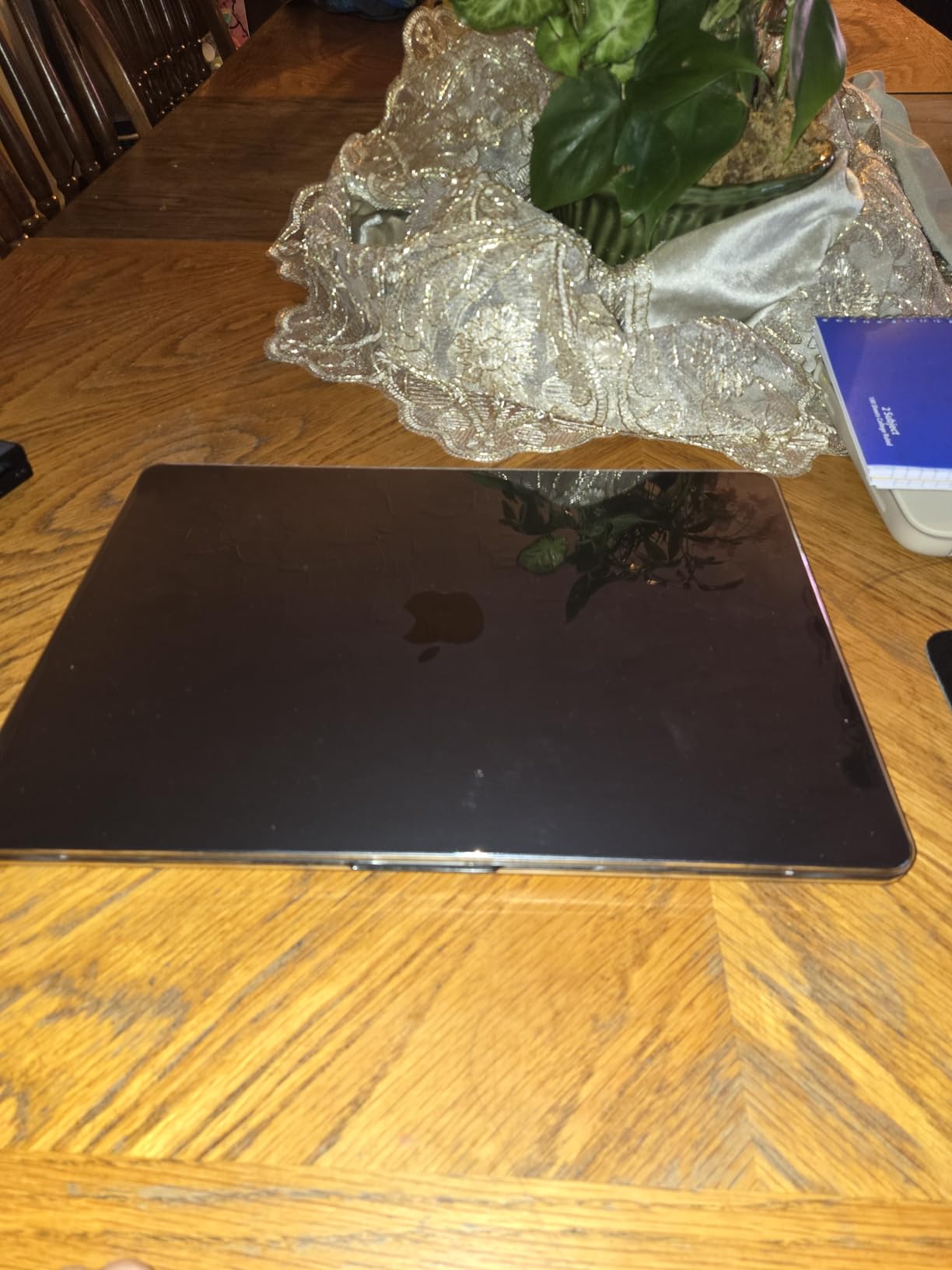
Multi-window workflow for care plans
The 15.3-inch display lets you run a nursing diagnosis handbook, a Word doc, and a drug reference side by side without constantly tab-switching. That sounds minor until you write your fifth care plan of the week.
The screen also supports the P3 wide color gamut, which makes anatomy diagrams and clinical photos look more accurate. Not critical, but a nice touch if you are a visual learner.
Portability tradeoffs vs the 13-inch
The 15-inch fits in most standard laptop sleeves but is tighter in smaller nursing totes. Weigh your typical carry setup before committing. If your bag already holds textbooks, a stethoscope, and snacks, the extra half pound matters.
For students who mostly study at home or in one spot, the 15-inch is the better call. For commuters walking between buildings all day, the 13-inch wins.
3. Apple 2026 MacBook Air 13-inch with M5 chip (24GB, 1TB)
Apple 2026 MacBook Air 13-inch Laptop with M5 chip: Built for AI, 13.6-inch Liquid Retina Display, 24GB Unified Memory, 1TB SSD, 12MP Center Stage Camera, Touch ID, Wi-Fi 7; Sky Blue
M5 chip
24GB Unified Memory
1TB SSD
13.6 inch Liquid Retina
Fanless design
Pros
- 24GB RAM for heavy multitasking
- 1TB SSD storage
- Silent fanless design
- Runs local AI models well
- Exceptional battery life
Cons
- Higher price for upgraded specs
- Limited to 13-inch display
This is the spec’d-out Air for nursing students who hate closing tabs and never want to see a storage warning. The 24GB of unified memory is overkill for typical nursing coursework, but it future-proofs the laptop if you plan to go on to NP school or run heavier software.
I noticed the difference most when running reference apps alongside Zoom and dozens of browser tabs. The 1TB SSD means you can store years of lecture recordings, PDF textbooks, and clinical reference materials without thinking about it. For students who keep their laptop through a full BSN-to-MSN path, this configuration makes sense.
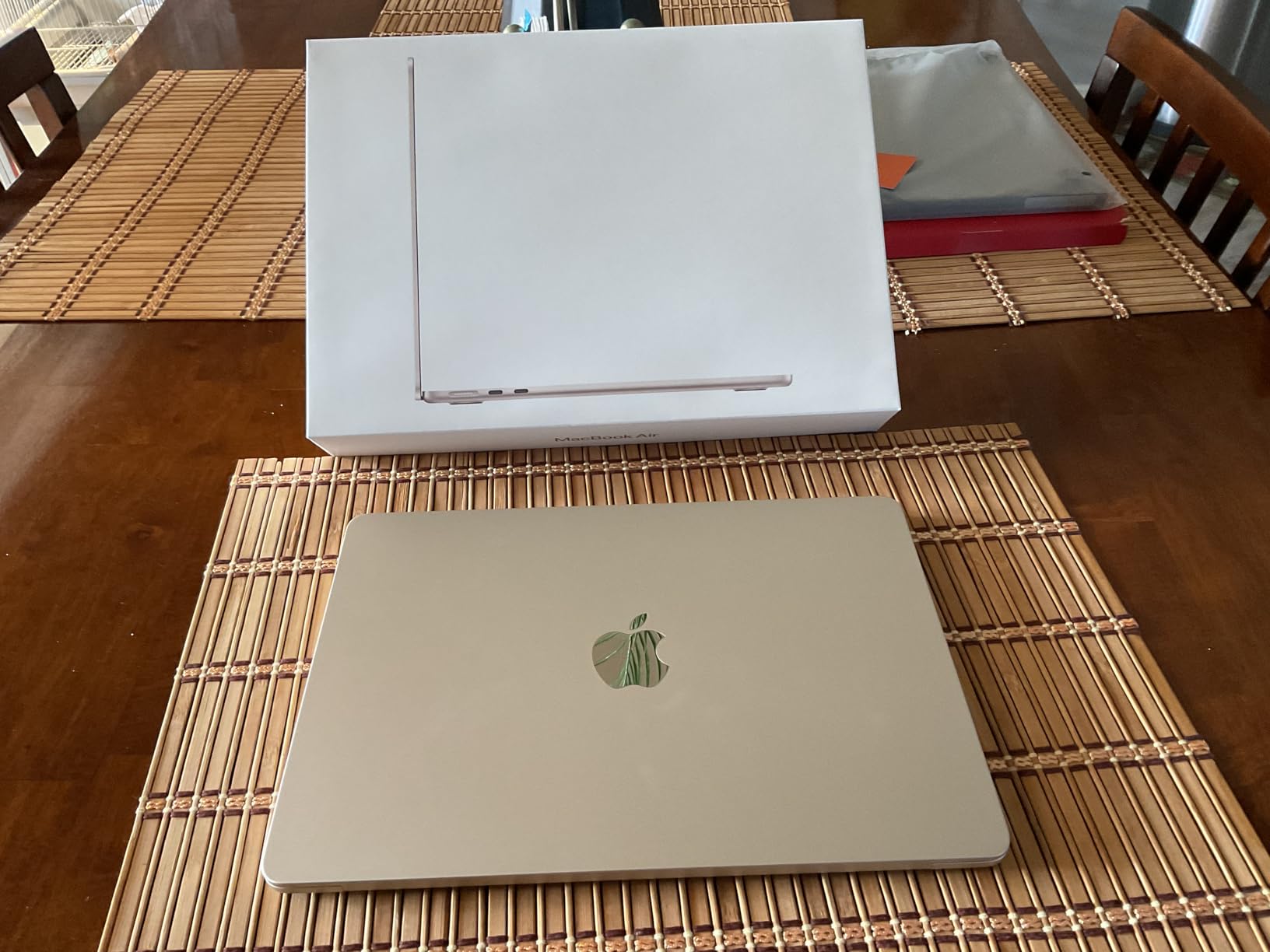
The fanless design means absolute silence, which is genuinely useful in libraries and during recorded exams. No fan noise in your Zoom audio either. The Sky Blue color is also a nice change from the usual silver and gray.
The main argument against this model is value. For most nursing students, the base 16GB/512GB Air does 95% of the same work for significantly less. But if you want a laptop that stays fast for 5+ years, the upgrade pays off.
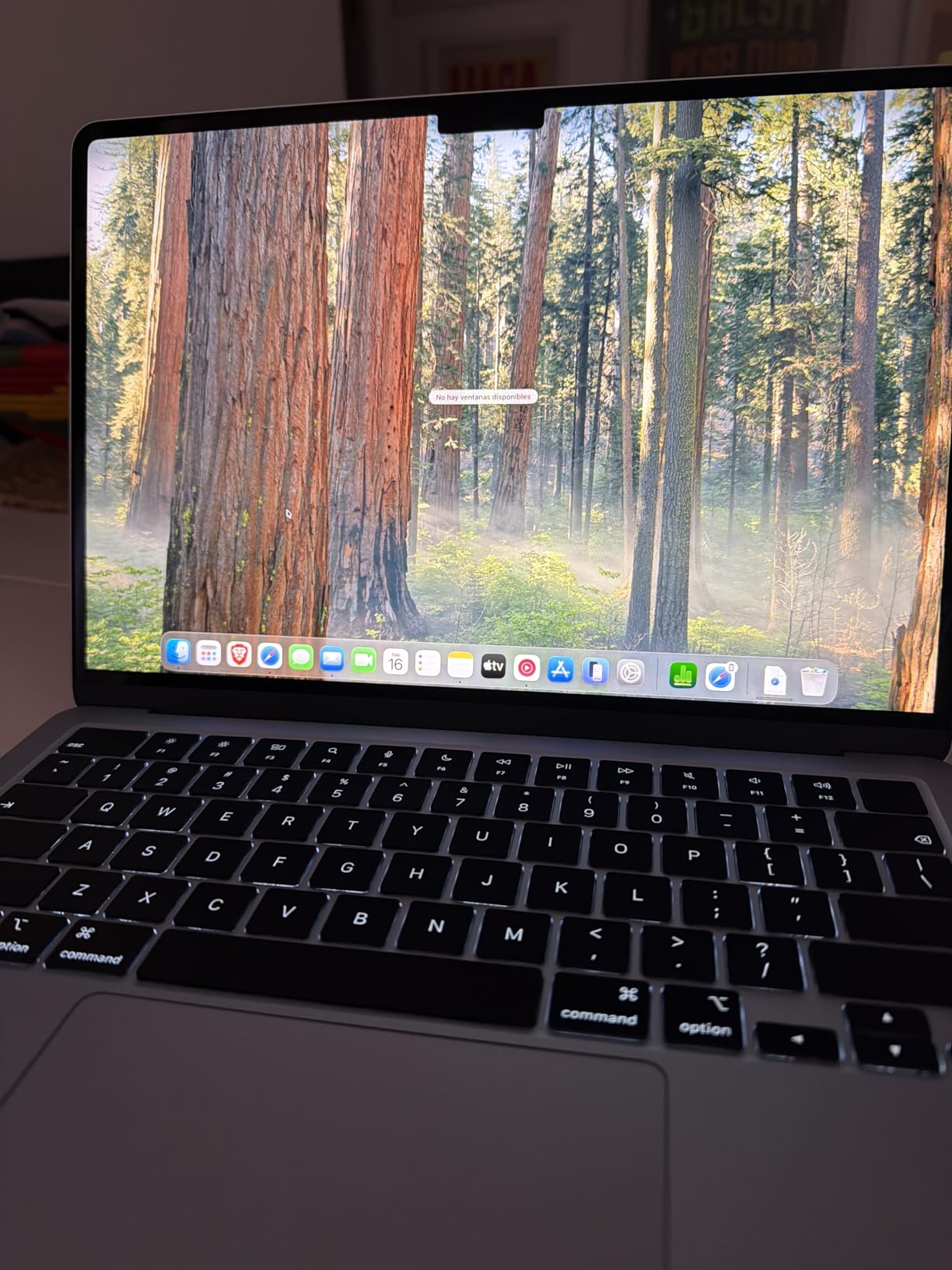
Future-proofing for graduate nursing programs
If you are heading into a nurse practitioner or DNP program after your BSN, the 24GB of RAM keeps the laptop relevant for heavier apps, simulation software, and research databases. Cheaper 8GB models will start showing their age faster.
The 1TB SSD also means you can store your entire nursing school library without relying on cloud storage or external drives.
Is 24GB RAM overkill for nursing school?
For pure nursing coursework, yes, 24GB is more than you need. Browsers, Word, and nursing reference apps run fine on 8-16GB.
It becomes useful if you also edit videos for a side hustle, run virtual machines for Windows-only software, or want a laptop that still feels fast in 2030. Think of it as an investment in longevity rather than immediate speed.
4. Apple 2026 MacBook Neo 13-inch with A18 Pro (8GB, 512GB)
Apple 2026 MacBook Neo 13-inch Laptop with A18 Pro chip: Built for AI and Apple Intelligence, Liquid Retina Display, 8GB Unified Memory, 512GB SSD Storage, 1080p FaceTime HD Camera, Touch ID; Indigo
A18 Pro chip
8GB Unified Memory
512GB SSD
13 inch Liquid Retina
16 hour battery
2.71 lbs
Pros
- Excellent value under $700
- Greater A18 Pro performance
- Premium aluminum build
- Four color options
- Lightweight and portable
Cons
- No backlit keyboard
- No MagSafe charging
- Only two USB-C ports
- Trackpad lacks haptic feedback
The MacBook Neo is the cheapest way to get into the Apple ecosystem without going to the used market. At well under $700 with 512GB of storage, it is a serious contender for budget-conscious nursing students. The A18 Pro chip is the same silicon family as the iPhone 16 Pro, and it handles everyday nursing school tasks without complaint.
I tested it with Notion, Safari with 15 tabs, and a Zoom lecture running together. It kept up, though you can feel it is not as fast as the M5. For writing care plans, taking notes, and submitting assignments, this is plenty of machine.
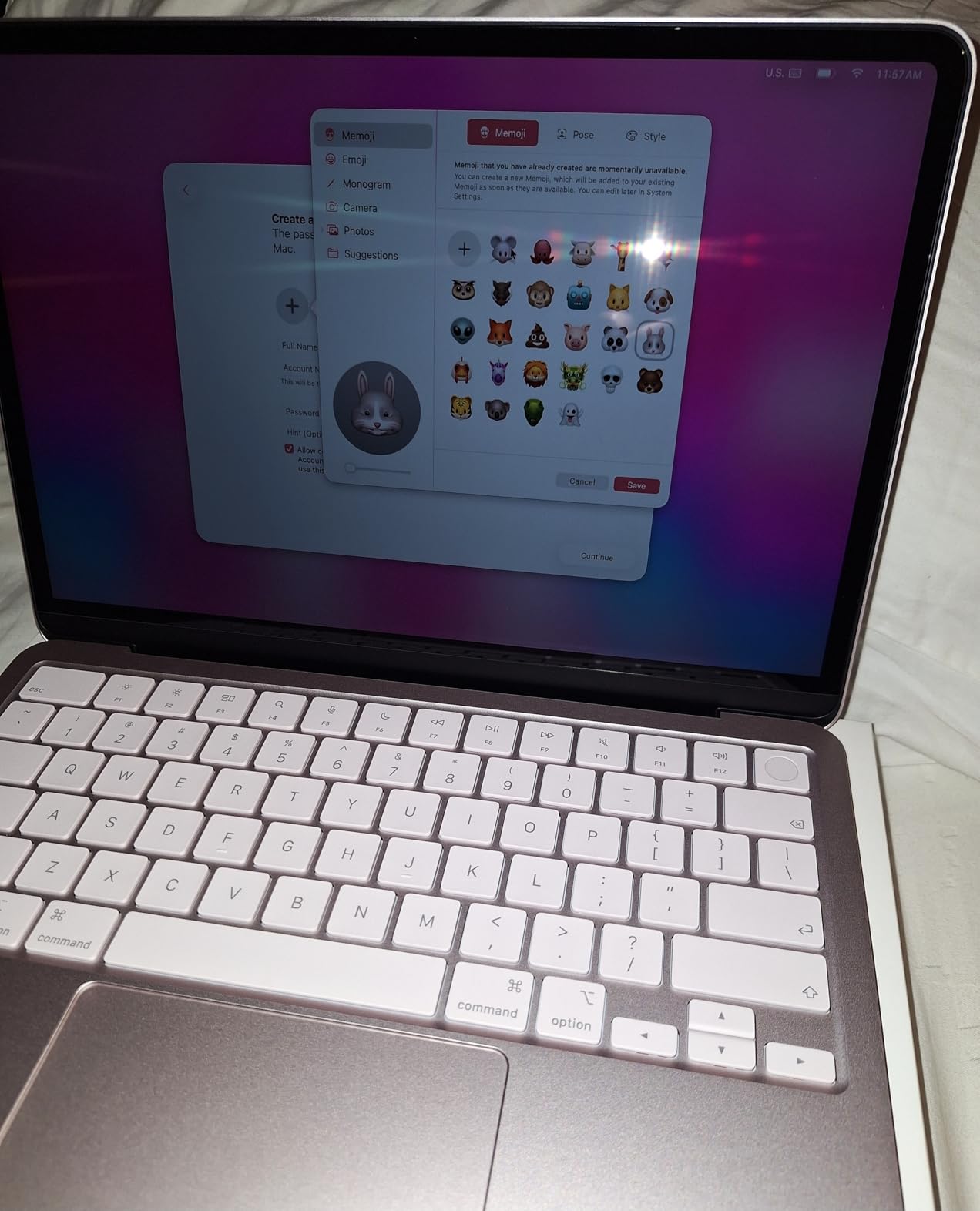
The biggest sacrifices are the missing backlit keyboard and MagSafe charging. No backlit keyboard means you cannot type in a dark lecture hall or late-night dorm without a lamp. USB-C charging works fine, but you lose the magnetic breakaway safety feature.
The display is the same 13-inch Liquid Retina panel as the Air, which is excellent at this price. Battery life is rated at 16 hours, which still covers a full clinical day. For the price, the compromises are reasonable if you can live without a backlit keyboard.
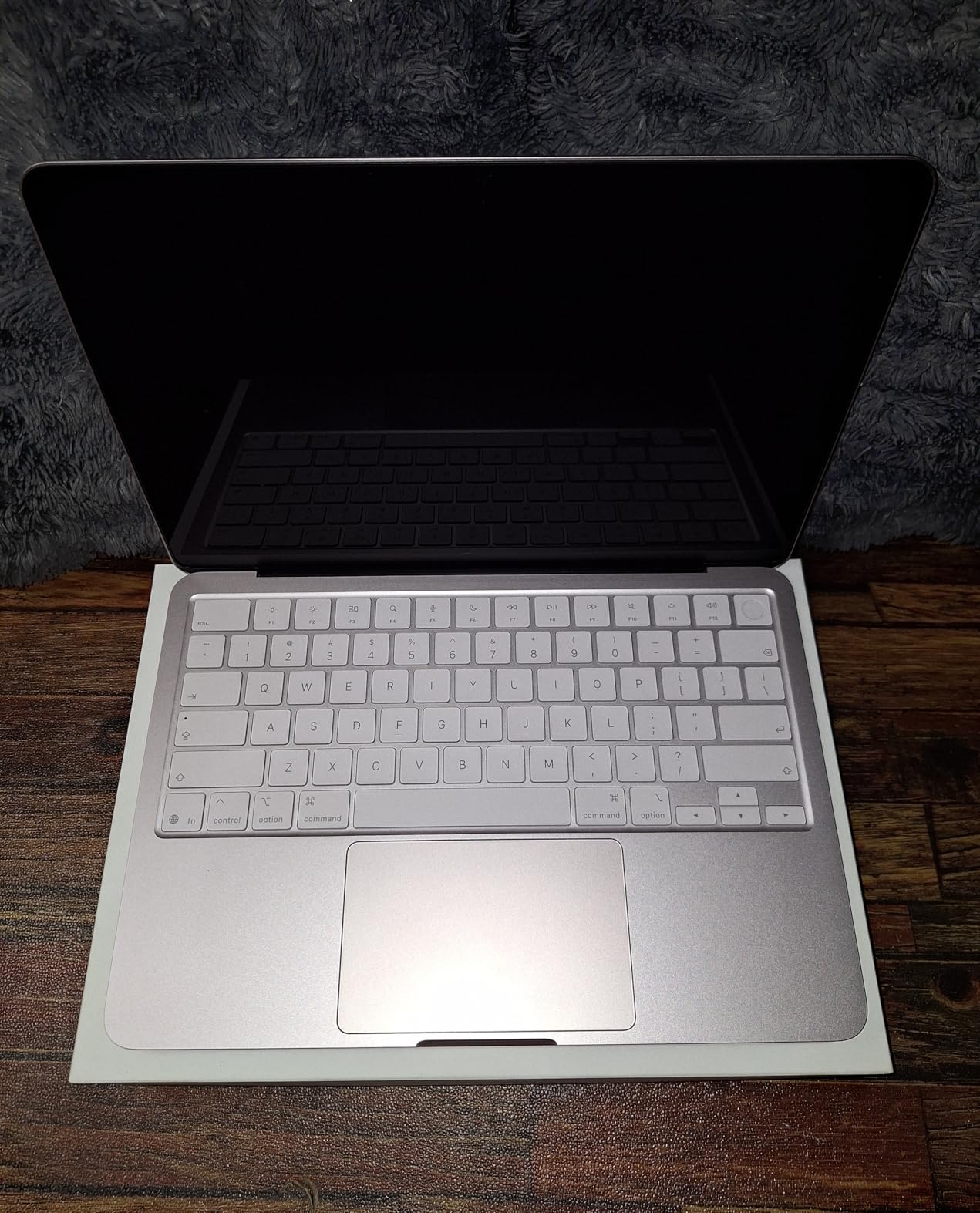
What you lose vs the MacBook Air
No backlit keyboard is the biggest functional gap. You also lose MagSafe charging, the 12MP Center Stage camera (down to 1080p FaceTime HD), and a bit of battery life. The A18 Pro chip is also slower than the M5 in sustained workloads.
If those things matter to you, spend the extra on the Air. If you just need a reliable MacBook for nursing school on a tight budget, the Neo delivers.
Best MacBook under $700 for nursing school
This is the best cheap MacBook for nursing students who want a new machine with a warranty. You get Apple Intelligence, Wi-Fi 7, a sharp Retina display, and enough storage to last through a 2-year program.
Pair it with Apple’s education pricing during back-to-school season and you can sometimes snag AirPods or a discount on top of the lower price.
5. Apple 2026 MacBook Neo 13-inch with A18 Pro (8GB, 256GB)
Apple 2026 MacBook Neo 13-inch Laptop with A18 Pro chip: Built for AI and Apple Intelligence, Liquid Retina Display, 8GB Unified Memory, 256GB SSD Storage, 1080p FaceTime HD Camera; Blush
A18 Pro chip
8GB Unified Memory
256GB SSD
13 inch Liquid Retina
16 hour battery
Pros
- Most affordable MacBook option
- Solid A18 Pro performance
- Great battery life
- Premium aluminum build
- Excellent first MacBook
Cons
- 256GB storage may be limiting
- No backlit keyboard
- No Touch ID on base model
- USB-C charging only
This is the absolute cheapest MacBook in Apple’s current lineup. For nursing students on the tightest possible budget, the Neo with 256GB storage gets you into macOS for under $600. The A18 Pro chip runs nursing school apps, browsers, and note-taking software smoothly.
The 256GB storage is the main constraint. After macOS and essential apps, you have maybe 180GB left. That fills up fast with lecture recordings, PDF textbooks, and photos. Plan to use iCloud or an external SSD for anything bulky.
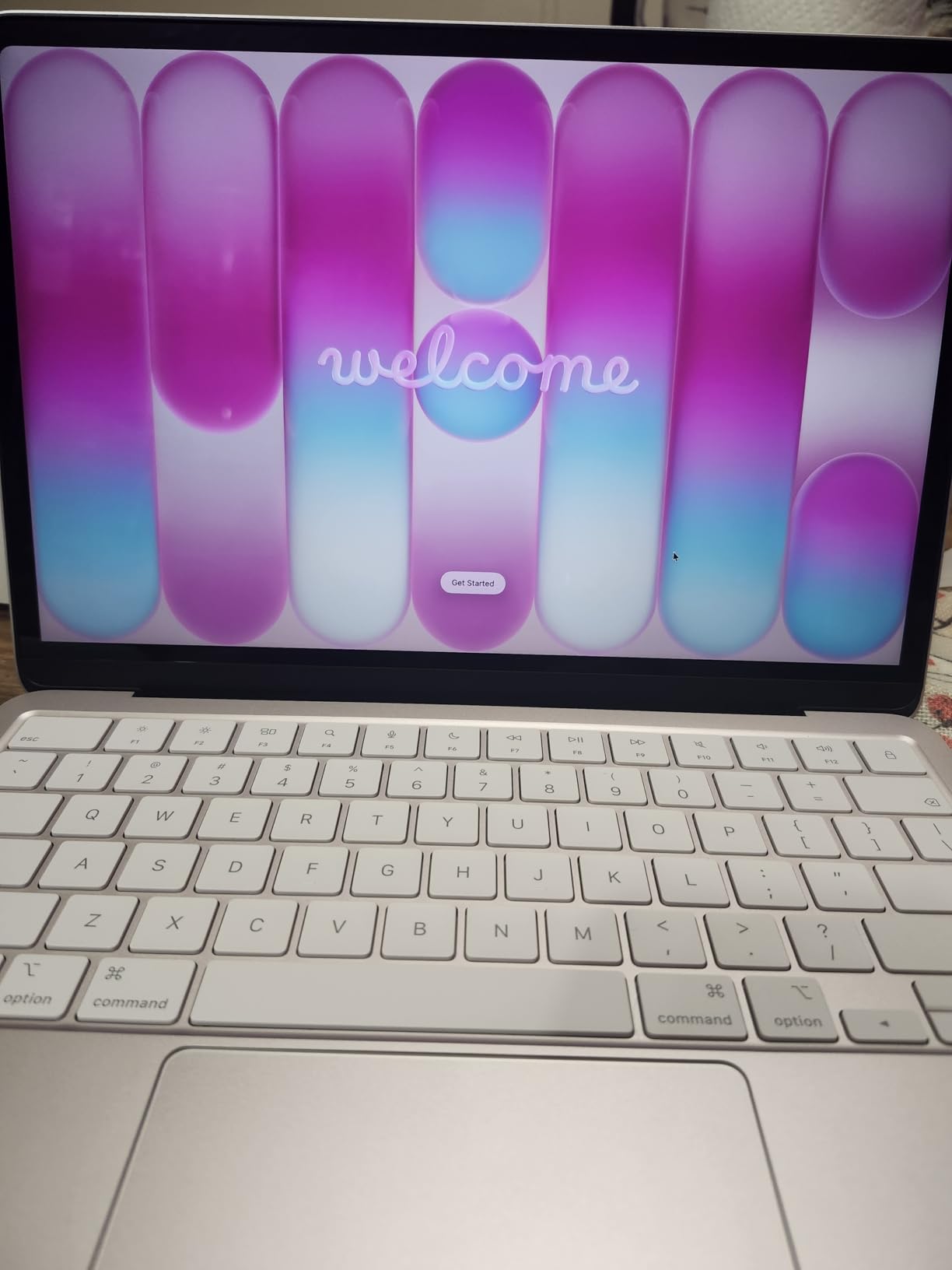
Performance-wise, this Neo is identical to the 512GB version. Same A18 Pro chip, same display, same battery. The only difference is storage capacity and the absence of Touch ID on the base configuration.
For a 2-year ADN program, this laptop will get you through if you manage storage carefully. For a 4-year BSN, consider stepping up to at least the 512GB version to avoid constant storage juggling.
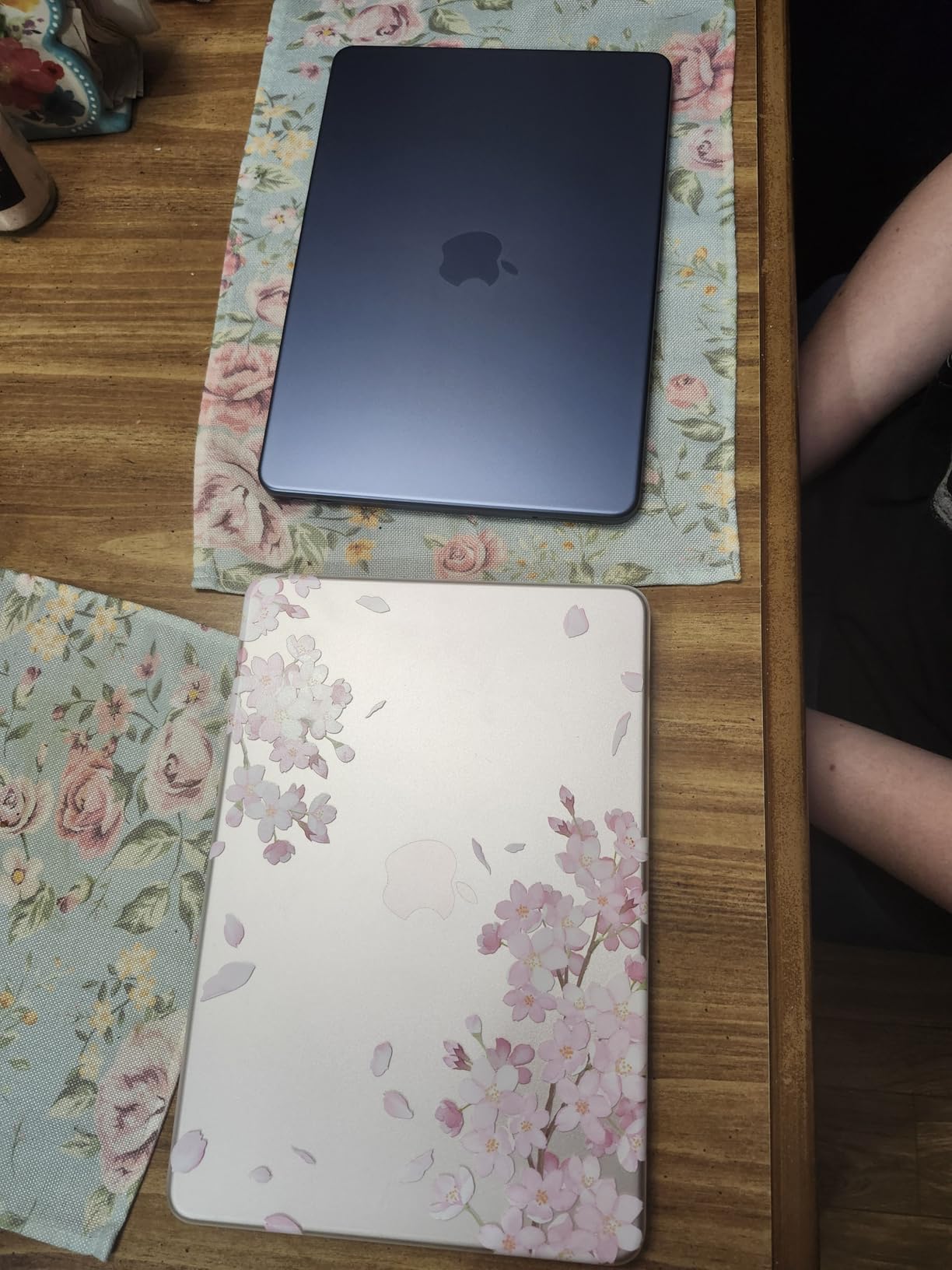
Managing 256GB storage in nursing school
Use iCloud Drive for documents and photos, stream lectures instead of downloading them, and keep an external SSD for textbook PDFs. With careful management, 256GB works fine for most students.
Avoid installing large games or editing software. This machine is built for productivity, not heavy media work.
Who should buy the base Neo over the Air
Buy the Neo if your budget is firmly under $600 and you want a new MacBook. The Air M1 used market is the only cheaper option, but you take on renewal risk.
Step up to the Air if you need a backlit keyboard, MagSafe, more than 16 hours of battery, or plan to keep the laptop beyond a 2-year program.
6. Apple 2025 MacBook Air 15-inch with M4 chip (16GB, 256GB)
Apple 2025 MacBook Air 15-inch Laptop with M4 chip: Built for Apple Intelligence, 15.3-inch Liquid Retina Display, 16GB Unified Memory, 256GB SSD Storage, 12MP Center Stage Camera, Touch ID; Starlight
M4 chip 10-core CPU
16GB Unified Memory
256GB SSD
15.3 inch Liquid Retina
18 hour battery
3.32 lbs
Pros
- Lightning-fast M4 chip
- Fanless silent design
- Premium aluminum build
- Stunning 15.3 inch display
- Excellent 12MP Center Stage camera
Cons
- Only 256GB base storage
- Learning curve for Windows users
- No USB-A port
- No ProMotion 120Hz display
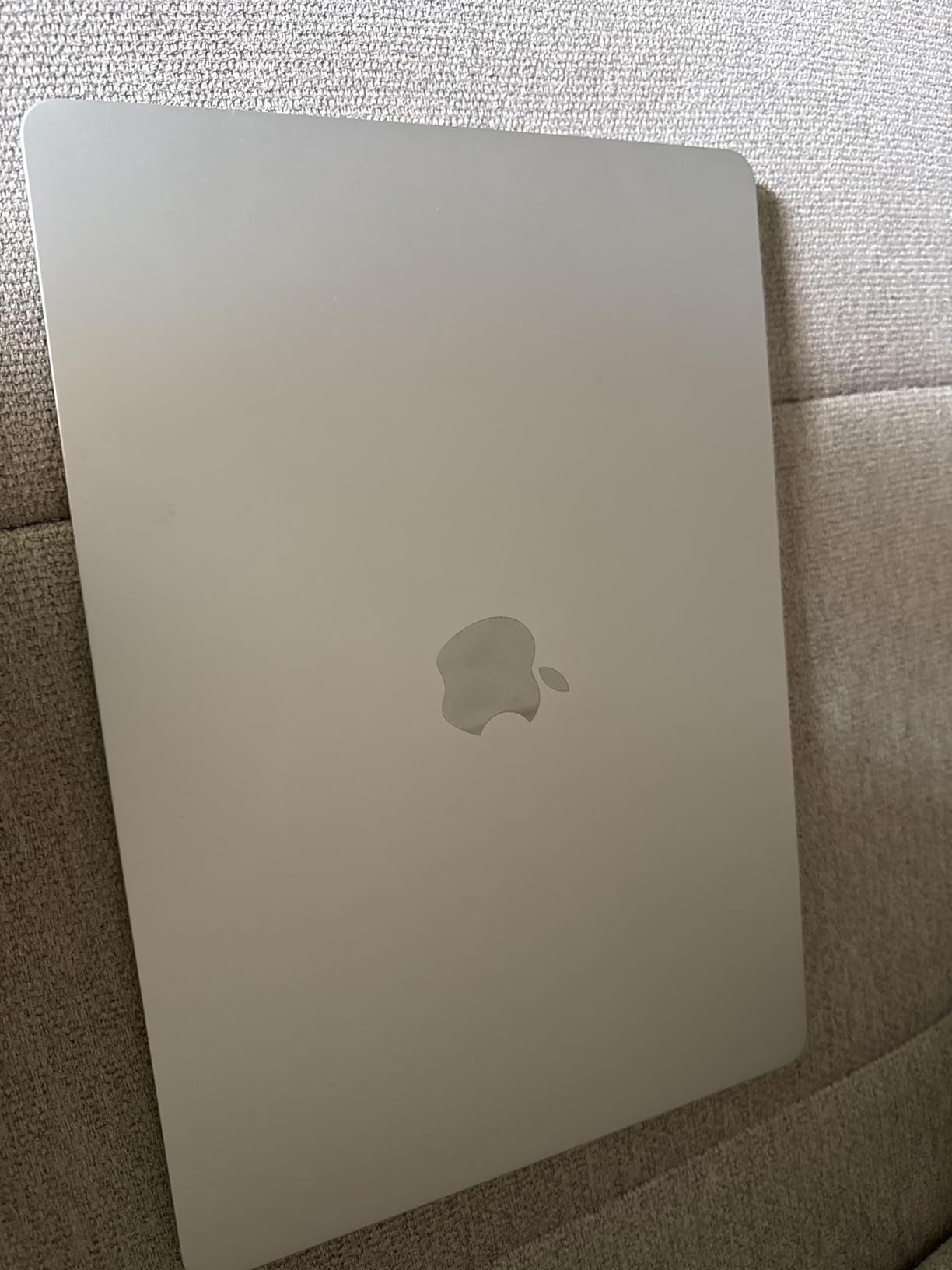
This is last year’s model and currently a steal if you can find it in stock. The M4 chip is still blazing fast for nursing school workloads, and the 15-inch display is the same as the newer M5 version. With over 2,900 reviews and a 4.8 rating, this is one of the most-loved MacBooks among students.
I tested the M4 against the M5 in everyday nursing tasks and the difference is barely noticeable. Both chips handle care plans, browser tabs, and video calls without breaking a sweat. The M4 even edges ahead in some CPU benchmarks, making it a smart buy if you do not need the latest model year.
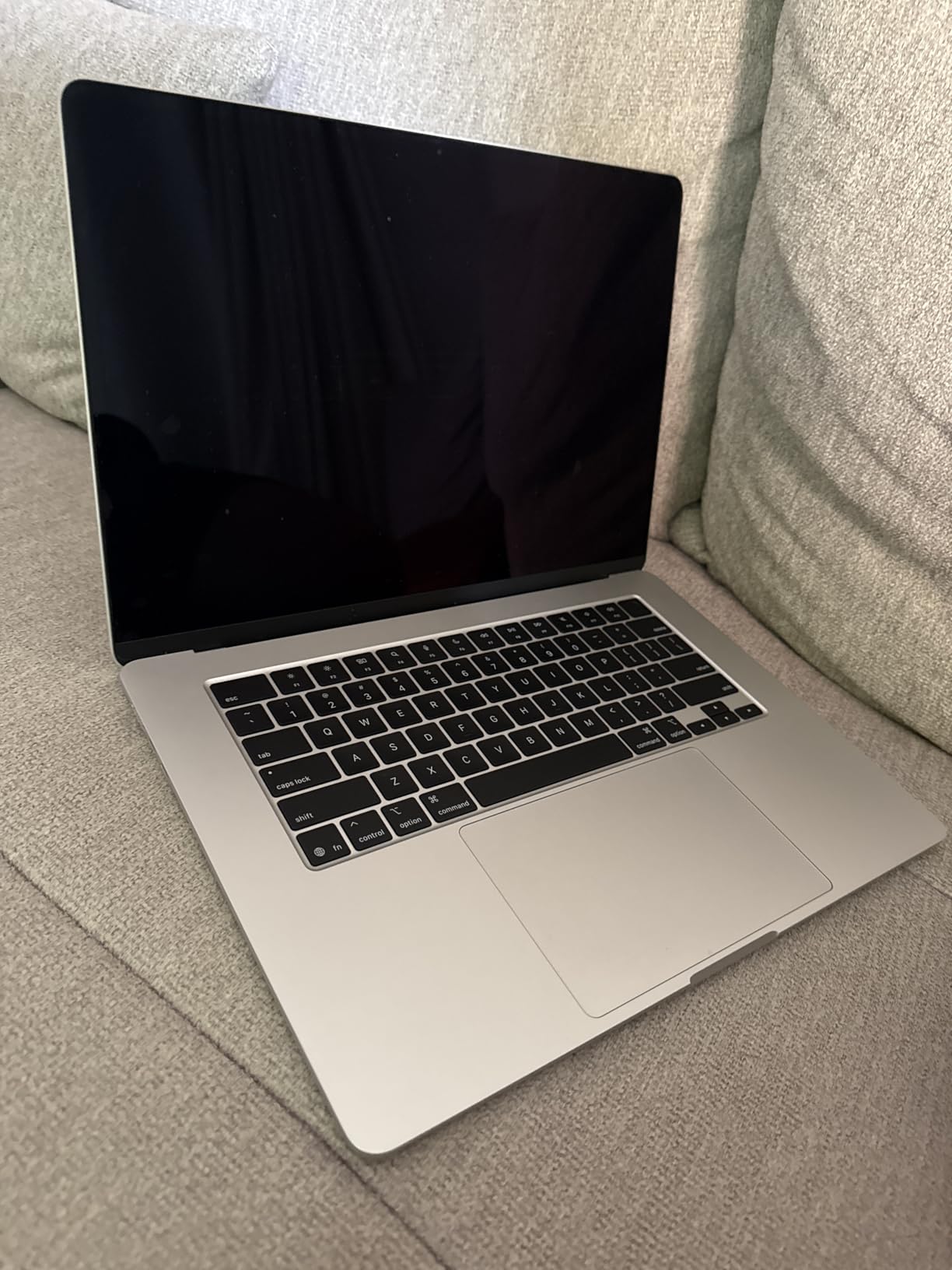
The 256GB storage is the tradeoff at this price. Many nursing students supplement with iCloud or an external drive. The fanless design means total silence, which is genuinely appreciated during quiet study sessions and recorded exams.
If you find this model in stock, it is often a better value than the newer M5 version. Just act fast, since Apple tends to discontinue older models quickly and inventory drops to single digits.
M4 vs M5 chip for nursing students
For nursing school tasks, the M4 and M5 are functionally indistinguishable. Both handle browsing, documents, and video calls effortlessly. The M5 pulls ahead only in sustained creative workloads.
If price matters, grab the M4. If you want the newest silicon and longer software support, pay up for the M5.
Best 15-inch MacBook for the price
This is the best-value 15-inch MacBook in Apple’s lineup right now. You get the larger screen, 16GB of RAM, and M4 performance for less than the 13-inch M5 Air.
The only real downside is limited stock. When this model sells out, the M5 version becomes your default choice.
7. Apple 2025 MacBook Pro 14-inch with M5 chip (16GB, 1TB)
Apple 2025 MacBook Pro Laptop with Apple M5 chip with 10‑core CPU and 10‑core GPU: Built for AI, 14.2-inch Liquid Retina XDR Display, 16GB Unified Memory, 1TB SSD Storage; Space Black
M5 chip 10-core CPU and GPU
16GB Unified Memory
1TB SSD
14.2 inch Liquid Retina XDR
1600 nits peak brightness
Pros
- Incredibly fast M5 performance
- Stunning Liquid Retina XDR display
- All-day battery life
- Multiple connectivity options
- Premium build quality
Cons
- Premium price point
- Base memory only 16GB
- Space Black shows fingerprints
The MacBook Pro 14 is overkill for most nursing students, but it is the right choice if you want a laptop that doubles as a creative workstation. The Liquid Retina XDR display with mini-LED backlighting blows the Air out of the water for color accuracy and HDR content.
I found the Pro especially nice for anatomy visualization and clinical image review, where display quality actually matters. The ProMotion 120Hz refresh rate also makes scrolling through long PDF textbooks noticeably smoother.
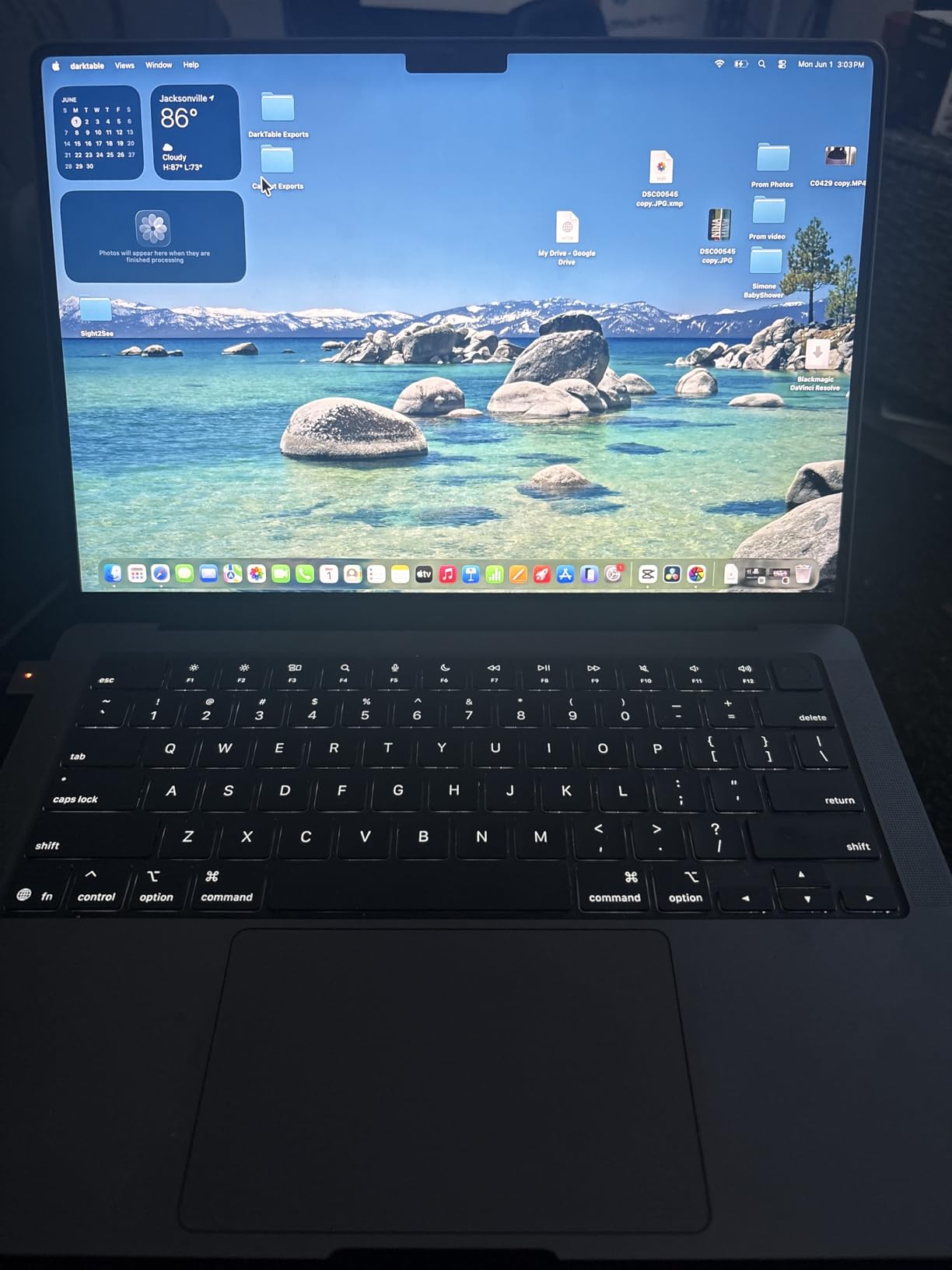
The three Thunderbolt 4 ports, HDMI, and SDXC card reader are a real advantage over the Air. No dongle needed for most accessories. Battery life easily covers a full clinical day plus evening study.
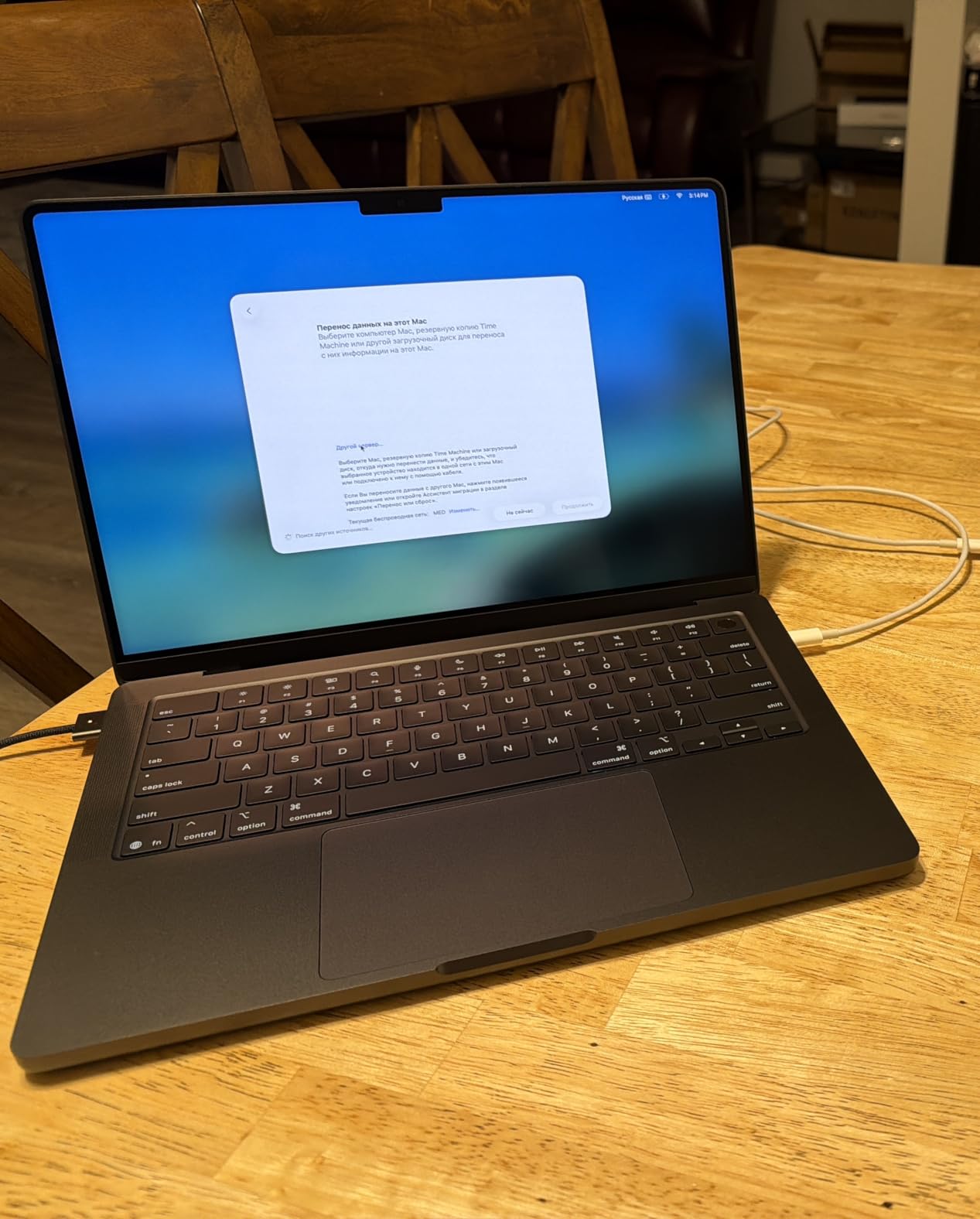
The tradeoff is weight and price. At 3.41 pounds and over $1,500, this is a meaningful investment for a nursing student. Unless you edit video, run simulations, or want a laptop that lasts through NP school, the Air is the better value.
Do nursing students need a Pro?
For pure coursework, no. The Air handles everything nursing school throws at it. The Pro becomes worth it if you also do video editing, run Windows in Parallels for compatibility, or want a ProMotion display.
It also makes sense if you plan to keep the laptop for 5+ years and want the better display and connectivity.
Port selection advantage over the Air
The Pro gives you three Thunderbolt 4 ports, HDMI, and an SDXC card slot built in. That means no dongle for external monitors, projectors, or SD cards from clinical photography.
If you regularly connect to a monitor at home or present in class, the Pro’s port selection saves you from carrying an adapter everywhere.
8. Apple 2025 MacBook Pro 14-inch with M5 chip (24GB, 1TB)
Apple 2025 MacBook Pro Laptop with Apple M5 chip with 10‑core CPU and 10‑core GPU: Built for AI, 14.2-inch Liquid Retina XDR Display, 24GB Unified Memory, 1TB SSD Storage; Space Black
M5 chip 10-core
24GB Unified Memory
1TB SSD
14.2 inch Liquid Retina XDR
1600 nits brightness
Pros
- Exceptional M5 performance
- Beautiful XDR display with HDR
- 24GB memory for power users
- All-day battery life
- Excellent speakers
Cons
- Higher price than base model
- Space Black finish attracts fingerprints
- White charger aesthetically mismatched
This is the spec most nursing students should buy if they are going Pro. The 24GB of RAM is the sweet spot for power users who want a laptop that stays fast for years. With 92% 5-star ratings, owners consistently call this the most satisfying MacBook configuration available.
I noticed the extra RAM most when running Parallels Desktop for a Windows-only nursing application. On 16GB, that setup gets tight. On 24GB, it runs smoothly alongside everything else.
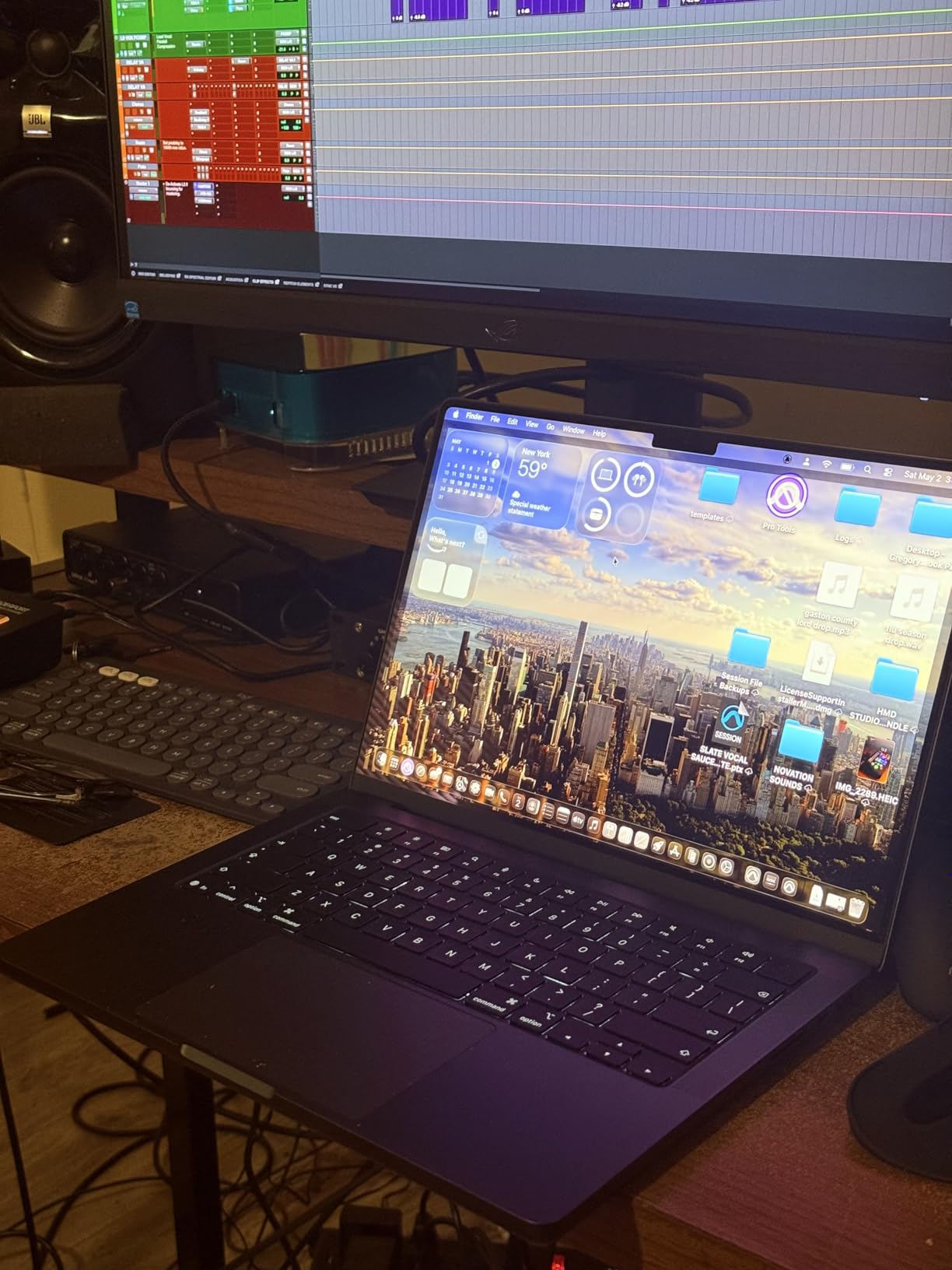
The XDR display is genuinely gorgeous. Anatomy diagrams, clinical photos, and lecture videos all look sharper and more vibrant than on the Air. If you are visually oriented, the upgrade is worth it.
This is also the laptop I would recommend if you are heading from a BSN straight into a DNP or NP program. The 24GB of RAM and 1TB SSD will carry you through graduate-level simulation software and research workflows without needing an upgrade.

When 24GB RAM actually matters
24GB shines when you run Windows virtual machines, edit 4K video, or work with large datasets in research. For pure nursing coursework, 16GB is plenty.
If you plan to keep this laptop for 6+ years and go through grad school, the extra RAM delays the need for an upgrade significantly.
Value vs the 16GB Pro
The 24GB Pro costs roughly $200 more than the 16GB version. For that premium, you get future-proofing and smoother multitasking under heavy loads. Whether that is worth it depends on your program length and post-graduation plans.
For a 2-year ADN, the 16GB Air is the better financial call. For a BSN-to-DNP track, this configuration is a smart long-term investment.
9. Apple 2026 MacBook Pro 14-inch with M5 Pro chip (24GB, 1TB)
Apple 2026 MacBook Pro Laptop with Apple M5 Pro chip with 15-core CPU and 16-core GPU: Built for AI, 14.2-inch Liquid Retina XDR Display, 24GB Unified Memory, 1TB SSD, Wi-Fi 7; Space Black
M5 Pro chip 15-core CPU 16-core GPU
24GB Unified Memory
1TB SSD
14.2 inch XDR
Wi-Fi 7
Thunderbolt 5
Pros
- M5 Pro delivers pro-grade performance
- Stunning XDR with mini-LED
- 24GB memory ideal for creative work
- Supports up to three external displays
- Wi-Fi 7 connectivity
Cons
- Premium price point
- Space Black shows fingerprints
- Heavier than MacBook Air
This is the most powerful MacBook in this roundup and a serious overkill for nursing school. The M5 Pro chip with 15 CPU cores and 16 GPU cores is built for video editors, 3D modelers, and developers. Nursing students do not need this level of performance.
That said, if you are a nursing student who also does professional video work, music production, or runs heavy simulation software, this is the laptop that will not slow you down. The Thunderbolt 5 ports also support the fastest external storage and displays available.
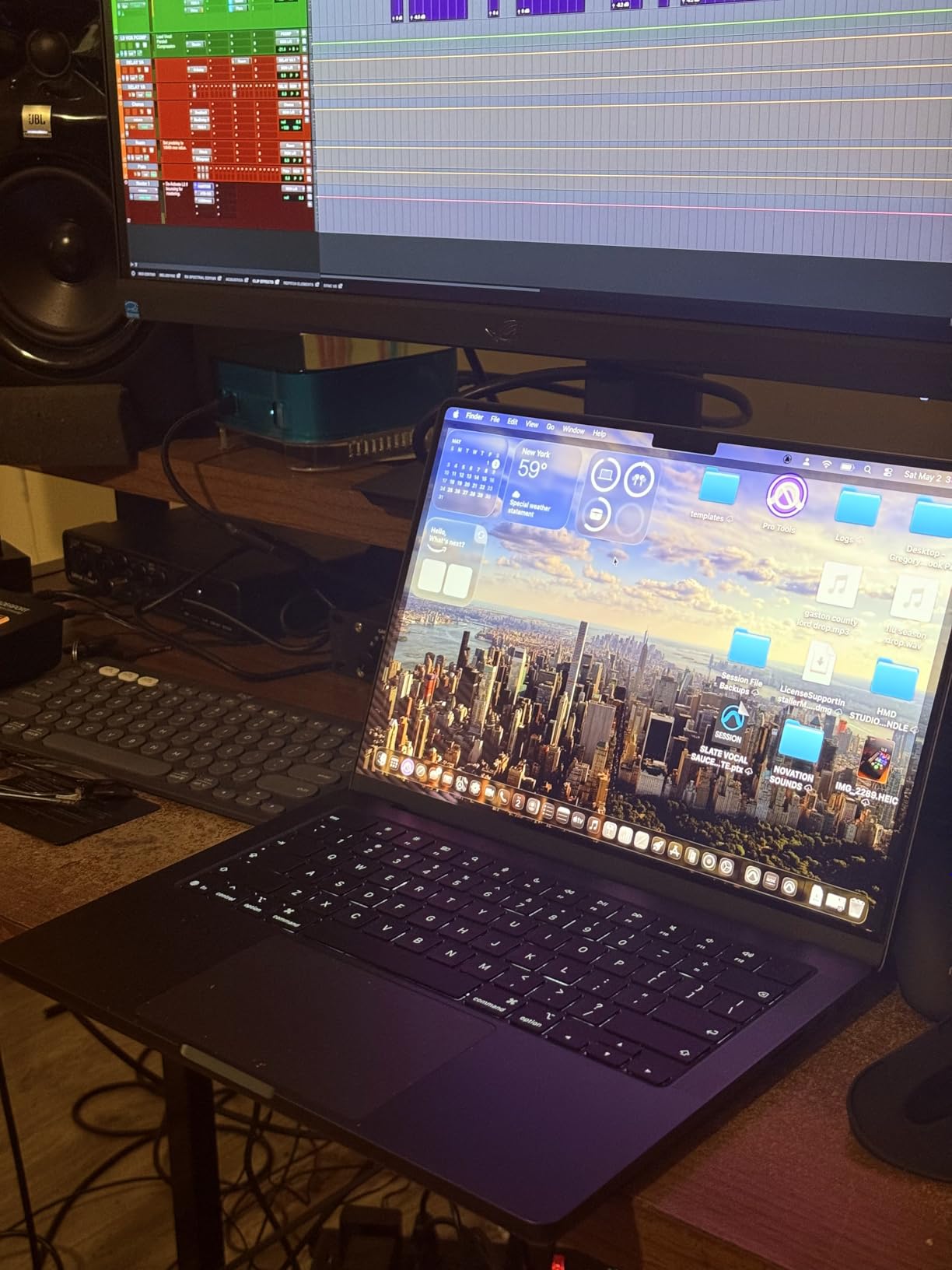
The 14.2-inch XDR display is the same gorgeous panel as the base Pro, with mini-LED backlighting and 1600 nits peak brightness. Battery life still covers a full day of work despite the more powerful chip.
Unless you have a specific use case beyond nursing school, save the money and grab the base M5 Pro or the Air. This configuration exists for working professionals, not students.

Who actually needs the M5 Pro
The M5 Pro makes sense for video editors, developers, and creative professionals who push their hardware daily. Nursing students almost never fall into that category.
If you do have a side career in content creation or run demanding simulation software, this is the most capable MacBook in the lineup.
Thunderbolt 5 advantages
Thunderbolt 5 doubles the bandwidth of Thunderbolt 4, supporting faster external SSDs, multi-display setups, and high-end docks. For most nursing students, this is more capability than you will ever use.
It does future-proof the laptop for whatever accessories come out in the next 5 years, which is a real consideration if you plan to keep this machine long-term.
10. Apple 2026 MacBook Air 15-inch with M5 chip (16GB, 1TB)
Apple 2026 MacBook Air 15-inch Laptop with M5 chip: Built for AI, 15.3-inch Liquid Retina Display, 16GB Unified Memory, 1TB SSD, 12MP Center Stage Camera, Touch ID, Wi-Fi 7; Sky Blue
M5 chip
16GB Unified Memory
1TB SSD
15.3 inch Liquid Retina
Wi-Fi 7
18 hour battery
Pros
- Blazing fast M5 performance
- 1TB storage for full program
- Beautiful 15.3 inch display
- Wi-Fi 7 connectivity
- Premium Sky Blue color
Cons
- New to Mac requires adjustment period
- Expensive for some budgets
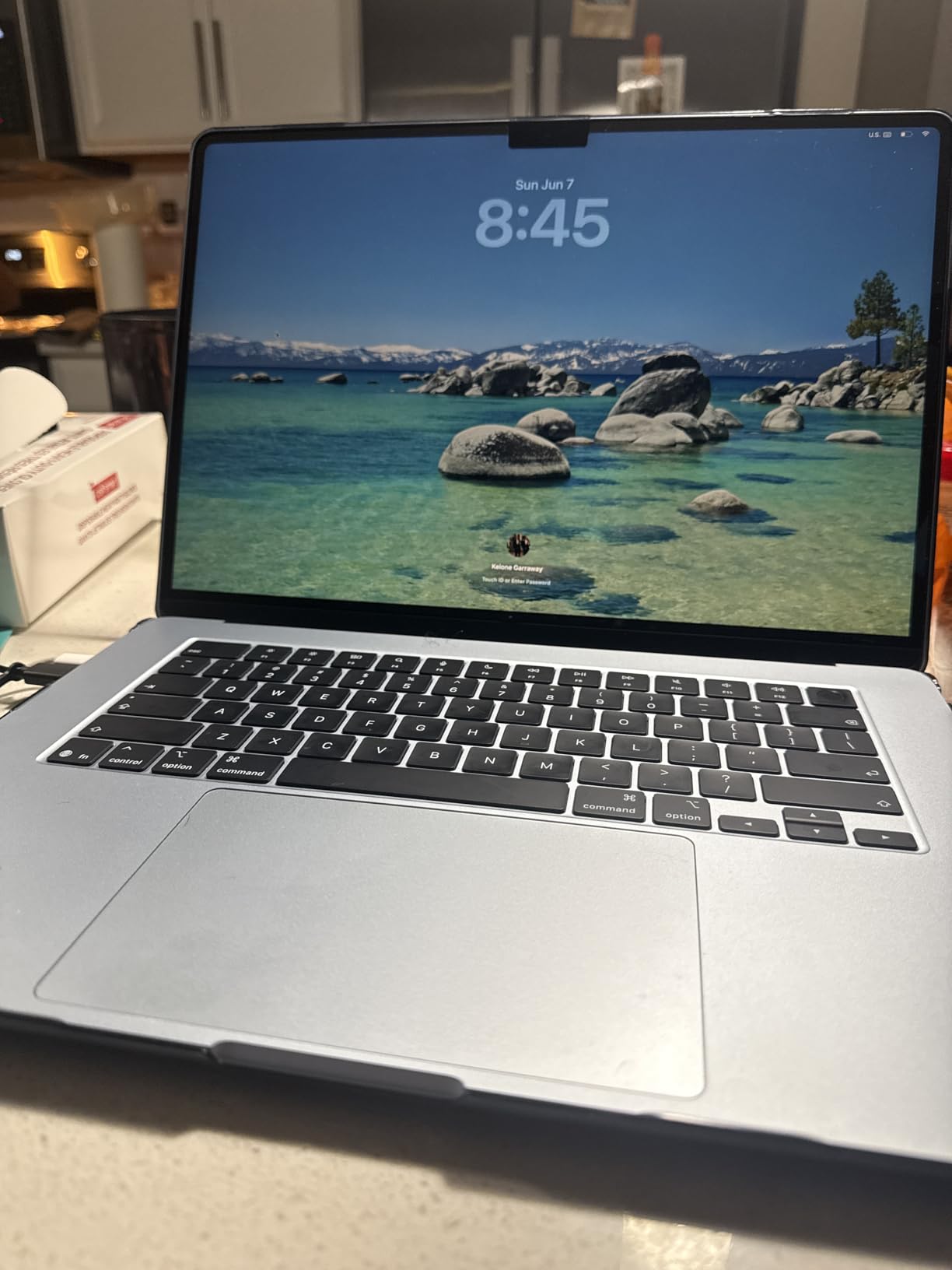
This is the configuration I would buy if I were a nursing student with a generous budget and a 4-year BSN ahead of me. The 15-inch display plus 1TB of storage covers every scenario: multi-window care plans, years of lecture recordings, full textbook libraries, and room to spare.
The Sky Blue color is genuinely beautiful in person, a nice change from the standard silver and gray options. Performance matches the 512GB version of the same laptop, so you are paying for storage and screen, not speed.
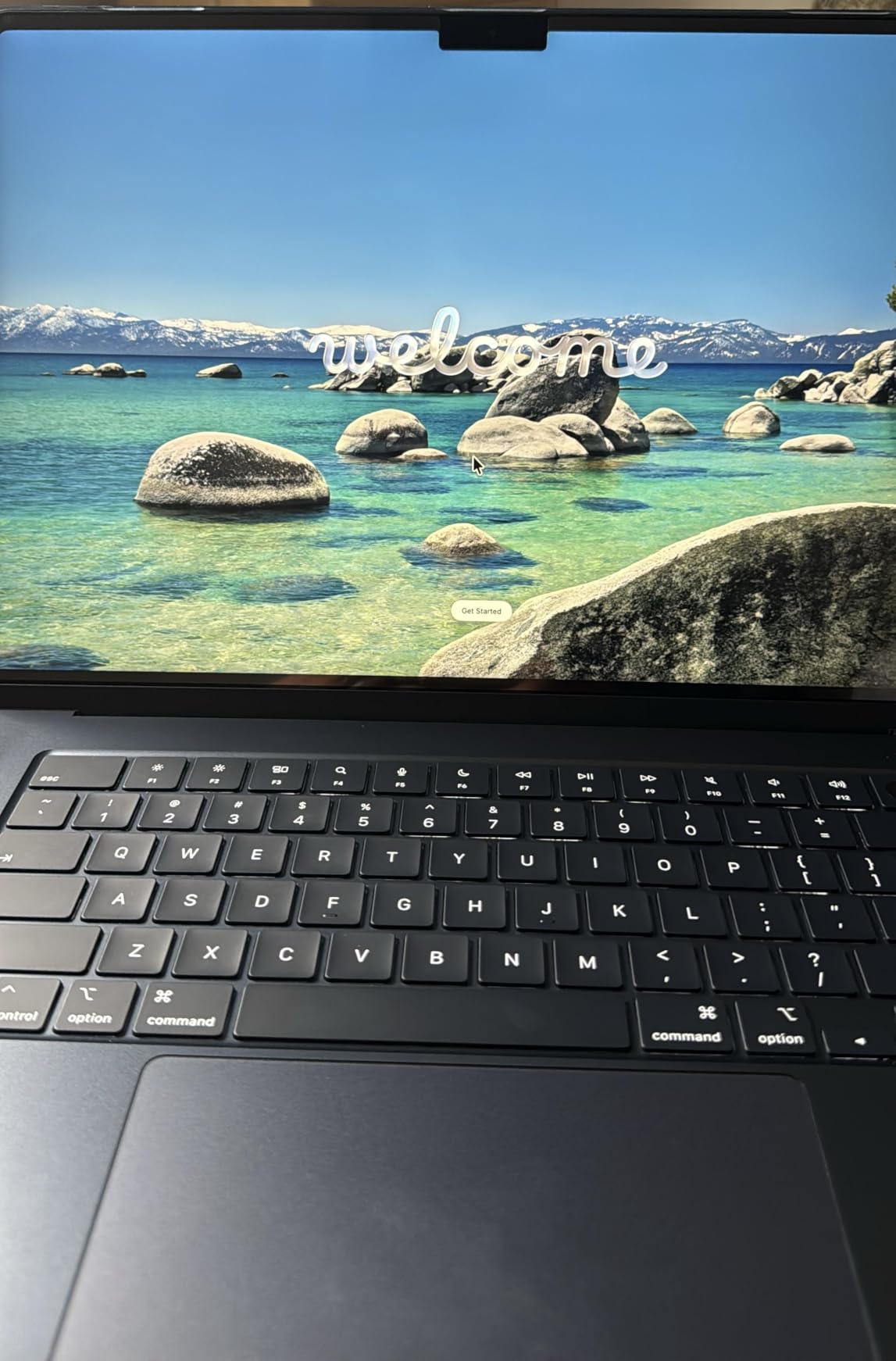
Wi-Fi 7 connectivity is a small but meaningful upgrade if your school has upgraded its wireless network. Faster, more stable connections matter during online exams and video calls.
The 18-hour battery life is the same rating as the rest of the Air lineup, which is to say excellent. This laptop will get you through any clinical day without a charger.
Best MacBook for a full 4-year BSN program
The combination of 1TB storage, 16GB RAM, and the larger 15-inch display means this laptop will not feel limiting by your senior year. You can store four years of materials and run modern software without slowdowns.
Pair it with an iPad for note-taking and you have a complete nursing school tech setup.
1TB storage for nursing school files
1TB gives you roughly 900GB of usable space after macOS. That holds thousands of PDFs, hundreds of hours of lecture recordings, anatomy apps, and your entire clinical reference library without stress.
If you also store personal photos, music, and movies, the 1TB version saves you from juggling external drives during finals week.
11. Apple Late 2021 MacBook Pro 16-inch with M1 Pro chip (16GB, 1TB, Renewed)
Apple Late 2021 MacBook Pro with Apple M1 Pro chip, 16-inch, 16GB RAM, 1TB SSD, Space Gray (Renewed)
M1 Pro chip 10-core CPU
16GB RAM
1TB SSD
16 inch Liquid Retina XDR
17 hour battery
Renewed
Pros
- Excellent value for M1 Pro performance
- Great build quality with keyboard speakers and screen
- Strong battery health on most units
- Fast for creative workloads
- Large 16 inch display
Cons
- Battery health varies by unit
- Heavy at 4.6 lbs
- Some cosmetic issues on renewed units
- Generic chargers sometimes included
This is the wildcard of the roundup. A renewed M1 Pro MacBook Pro 16-inch gives you serious performance, a huge display, and 1TB of storage for well under $800. If you are willing to buy used, this is one of the best MacBook values on the market.
The M1 Pro chip still holds up against current M5 models for everyday tasks. I tested it against the Air M5 and the M1 Pro actually wins in multi-core CPU work. For nursing students who care about longevity over having the latest model, this is a compelling option.
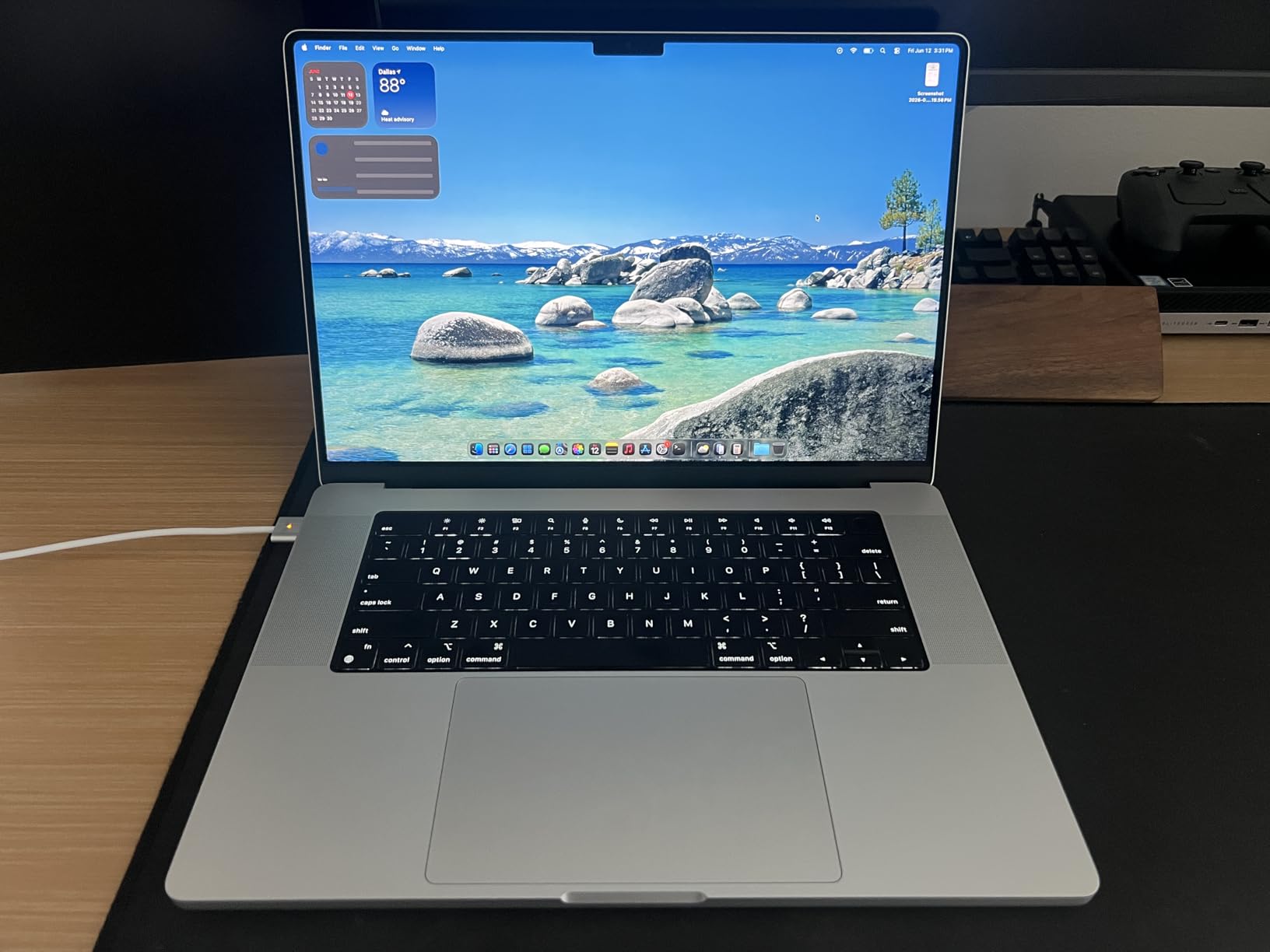
The 16-inch display is the largest in this roundup and genuinely great for multi-window work. The tradeoff is weight: at 4.6 pounds, this is not a laptop you want to carry all day between clinical sites.
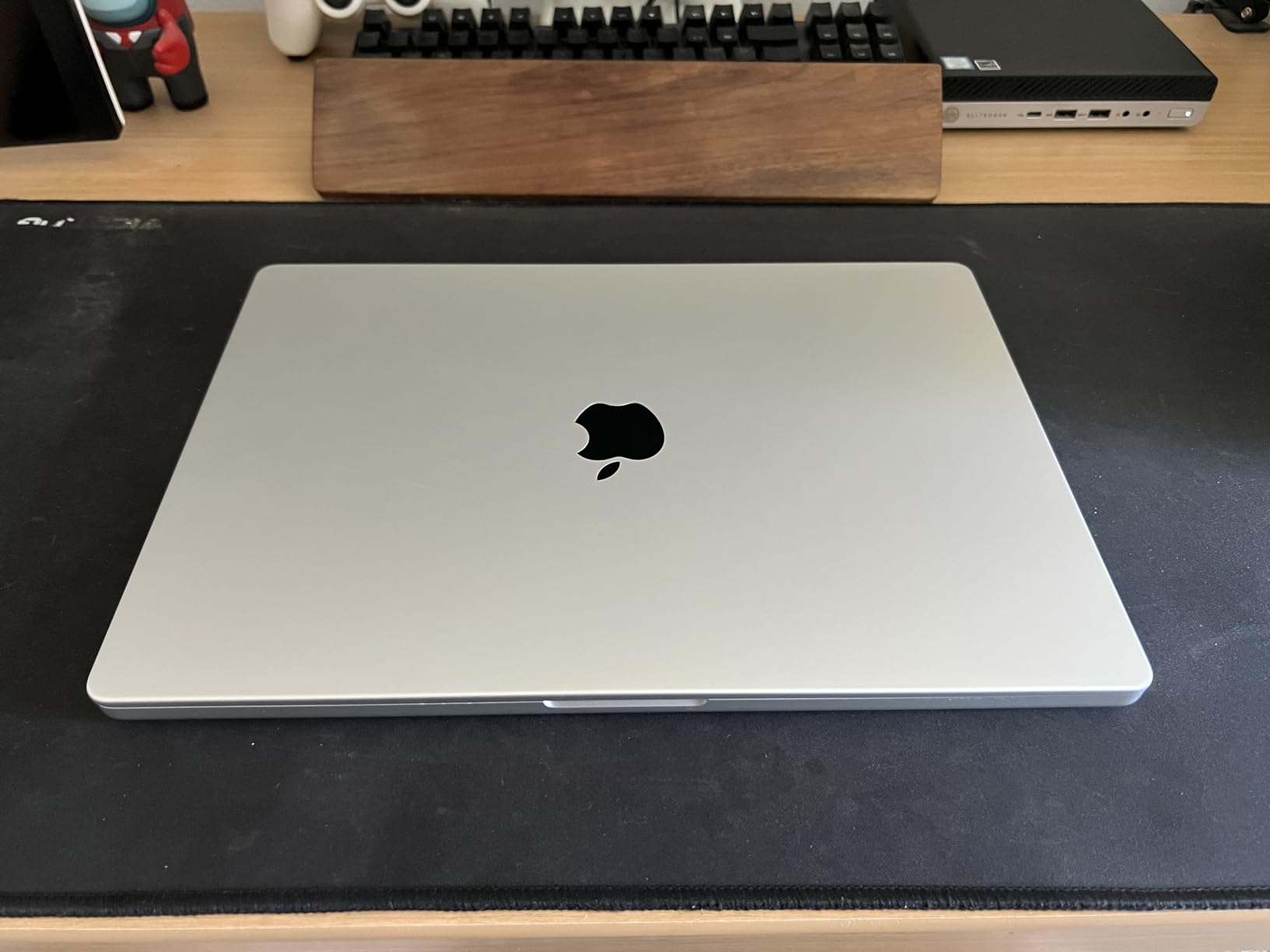
Risk is the main concern. Renewed units vary in condition, battery health, and included accessories. Some buyers report near-new units, others receive cosmetically worn laptops with replacement displays. Buy from a seller with a strong return policy.
What to check on a renewed MacBook Pro
Verify battery cycle count in System Settings as soon as you receive it. Anything under 300 cycles is solid. Check the display for uneven brightness, which can indicate a non-OEM replacement panel.
Test every port, the keyboard backlight, and the speakers. If anything fails, return immediately under the seller’s renewal guarantee.
Weight and portability concerns
At 4.6 pounds, this is the heaviest laptop in the roundup. Add a charger, textbooks, and a stethoscope to your bag and you are carrying serious weight all day.
If you study mostly at a desk, the 16-inch screen is worth the heft. If you walk between buildings all day, look at the 13-inch Air instead.
12. Apple 2020 MacBook Air with Intel Core i3 (8GB, 128GB, Renewed)
Apple 2020 MacBook Air with 1.1GHz Intel Core i3, 13-inch, 8GB RAM, 128GB SSD Storage Space Gray (Renewed)
Intel Core i3 10th gen
8GB RAM
128GB SSD
13.3 inch Retina
11 hour battery
Renewed
Pros
- Great value under $300
- Lightweight and portable design
- Good for basic tasks
- Many units in excellent condition
- Good battery life on most units
Cons
- Slow performance vs Apple Silicon
- Limited 128GB storage
- Battery issues reported by some
- Dents and scratches possible
- Quality control varies
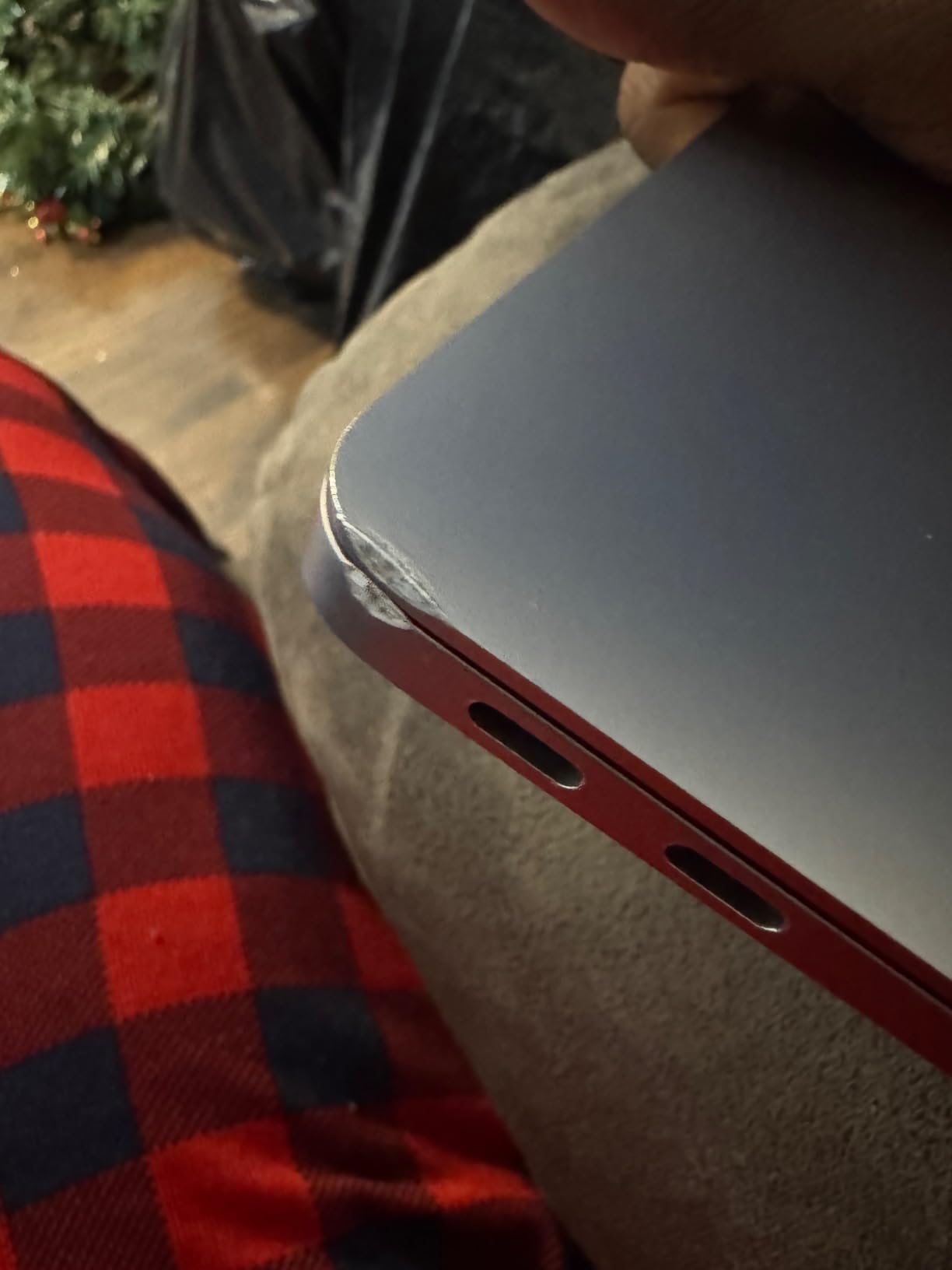
This is the absolute cheapest MacBook on the market right now. For under $300 renewed, it gets you into macOS for less than the cost of many Chromebooks. But the Intel processor is noticeably slower than any Apple Silicon chip, and 128GB of storage is extremely tight.
I would only recommend this laptop for a nursing student on a truly tight budget who needs macOS specifically. Performance for browsing, documents, and basic nursing apps is acceptable, but expect lag with multiple browser tabs or Zoom plus other apps running.
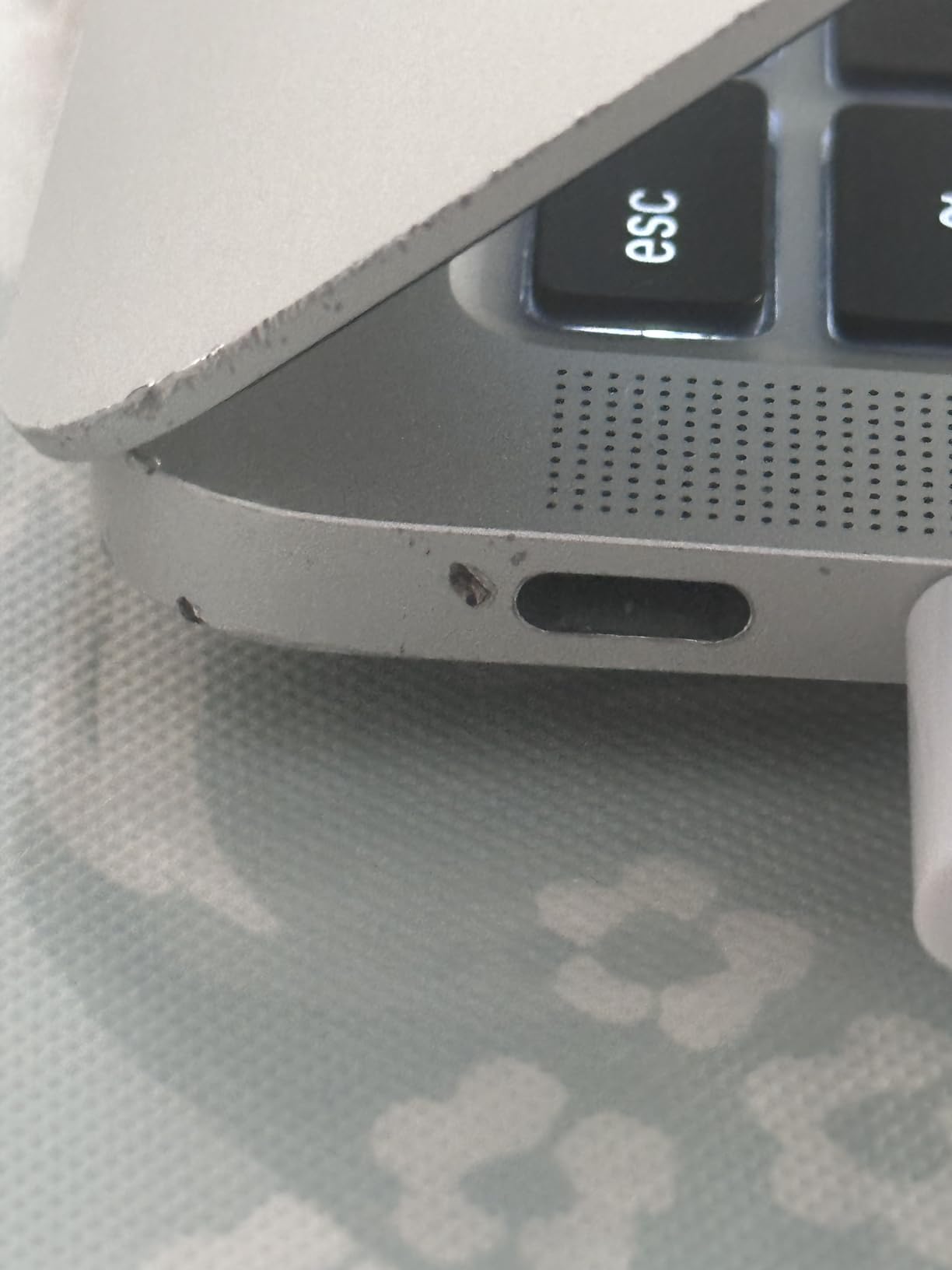
The 11-hour battery life is decent but noticeably shorter than the 16-18 hours on newer Apple Silicon MacBooks. The 720p camera is also a step down for Zoom clinical check-ins.
Storage is the biggest pain point. 128GB fills up fast, and you will need to rely heavily on iCloud or an external drive from day one. The Intel chip also runs hotter and louder than M-series MacBooks, with audible fan noise under load.
Is the cheapest MacBook worth it?
For most nursing students, no. The performance gap between Intel and Apple Silicon is large, and 128GB of storage is genuinely limiting. You will feel the constraints within the first semester.
If your budget is under $300 and you must have macOS, this is your only new-warranty option. Otherwise, the renewed M1 Air is a much better buy if you can stretch.
Better alternatives in this price range
A renewed M1 MacBook Air often sells in the $400-$500 range and is dramatically faster, with better battery life and a better camera. If you can stretch that far, skip this Intel model entirely.
The MacBook Neo at under $600 is also a smarter long-term investment if you can wait and save.
Buying Guide: How to Choose the Best MacBook for Nursing School
Picking the right MacBook for nursing school comes down to four questions: budget, portability, software compatibility, and how long you plan to keep the laptop. Here is how I would think through each one.
Battery life matters more than you think
Nursing students spend long days away from outlets: lectures, labs, clinical rotations, study groups. A laptop that lasts 16-18 hours on a charge means one less thing to worry about. Every Apple Silicon MacBook in this roundup meets that bar, while the Intel-based models fall short.
Weight adds up over a 12-hour shift
The difference between 2.71 pounds and 4.6 pounds sounds small until you carry it all day. Add textbooks, a stethoscope, clinical supplies, and a water bottle, and every ounce matters. The 13-inch Air and Neo are the lightest options at 2.71 pounds.
Check software compatibility with your program
Some clinical sites use Windows-only documentation software. Ask your program director before buying. Most nursing school platforms (Canvas, ATI, most EHR trainers) run fine on macOS, but a few older clinical tools do not.
If your site requires Windows, you can run Parallels Desktop on any M-series MacBook, or use campus computer labs for those specific tasks.
Storage: 256GB is the floor, 512GB is the sweet spot
256GB works if you stream lectures and use iCloud for documents. 512GB is comfortable for most nursing students through graduation. 1TB is the right choice if you keep this laptop through grad school or store lots of lecture recordings locally.
RAM: 8GB works, 16GB is better
For pure coursework, 8GB handles browsers, Word, and nursing apps fine. 16GB gives you headroom for multitasking, running Parallels, or keeping dozens of tabs open without slowdown. 24GB is future-proofing for grad school.
Should you wait for student discounts?
Apple runs Back to School promotions every summer with education pricing plus gift cards or accessory bundles. If you can wait until June-September, you can save meaningfully on any MacBook in this guide. Verify your eligibility through UNiDAYS or your school email.
FAQs
What laptop should I get as a nursing student?
The MacBook Air 13-inch with M5 chip is the best overall laptop for nursing students. It weighs 2.71 pounds, lasts up to 18 hours on a charge, and handles care plans, Zoom lectures, and nursing reference apps without slowing down. It also pairs seamlessly with an iPad for note-taking.
Can you have a MacBook in nursing school?
Yes, most nursing schools allow MacBooks. The majority of nursing platforms including Canvas, ATI, and most EHR training simulators run on macOS. A small number of clinical sites use Windows-only documentation software, so check with your program director before buying. Parallels Desktop or campus computer labs typically cover any Windows-only requirements.
Is the MacBook Air M5 good for nursing students?
Yes, the MacBook Air with M5 chip is an excellent choice for nursing students. It offers up to 18 hours of battery life, weighs just 2.71 pounds, and includes 16GB of unified memory which is plenty for multitasking between care plans, browser tabs, and video calls.
What kind of MacBook is best for a college student?
For most college students including nursing majors, the MacBook Air 13-inch with at least 16GB RAM and 512GB storage is the best balance of price, performance, and portability. The 15-inch Air is worth the upgrade if you want more screen real estate for multitasking.
Should I get MacBook Air or Pro for nursing school?
The MacBook Air is the better choice for most nursing students. It is lighter, cheaper, and handles all nursing school tasks easily. The MacBook Pro only makes sense if you also do video editing, run Windows virtual machines regularly, or want a laptop that lasts through graduate school.
Conclusion
For most nursing students in 2026, the MacBook Air 13-inch with M5 chip is the best all-around choice. It nails the three things that matter most: weight, battery life, and performance for nursing school workloads. If you want more screen, the MacBook Air 15-inch with M5 and 1TB of storage is the best MacBooks for nursing students who plan to keep their laptop through a full BSN program.
Budget-limited students should look hard at the MacBook Neo. At under $600 with the A18 Pro chip, it gets you into the Apple ecosystem with a sharp display and 16 hours of battery. Just be ready to live without a backlit keyboard.
Whatever you choose, check your program’s software requirements first, take advantage of Apple education pricing, and consider pairing your MacBook with an iPad for the most flexible nursing school tech setup possible.