
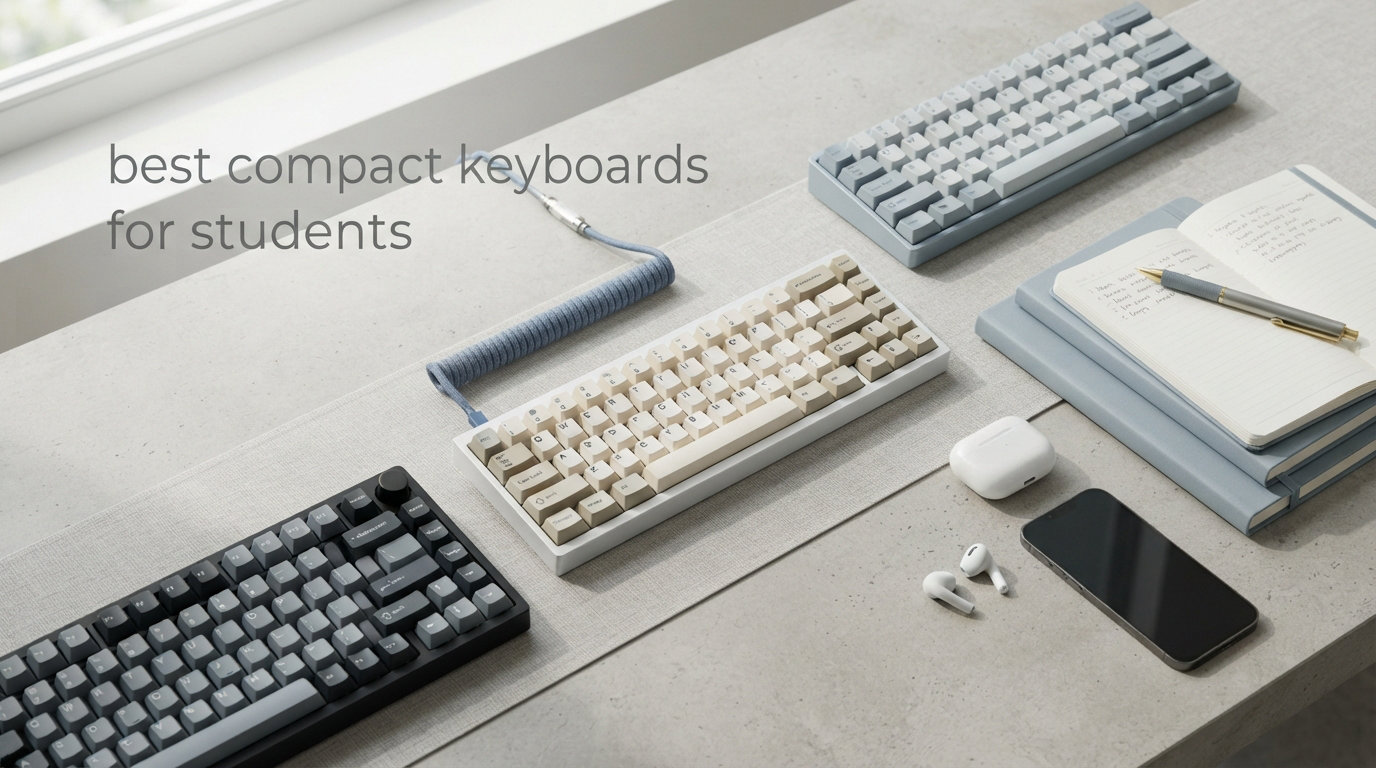
College life means limited desk space, tight budgets, and the constant need to type everything from research papers to group chat messages. A compact keyboard can transform your cramped dorm setup into something actually functional. I have spent months testing keyboards in real student scenarios, and I found that the right compact keyboard does not just save space, it changes how you work.
These days, the best compact keyboards for students come in surprisingly varied styles. You can grab a basic Bluetooth model for under $20, or invest in a mechanical board with hot-swap switches for around $60. The choice depends on whether you prioritize quiet library typing, gaming sessions between classes, or seamless iPad integration. This guide covers ten options that actually work for student life.
Our team evaluated over 20 compact keyboards specifically for dorm room usefulness, checking battery life during all-night study sessions, testing how easily they connect to multiple devices, and measuring how much desk space each one frees up. The recommendations below represent the best options across different priorities and budgets.
Table of Contents
Top 3 Picks for Best Compact Keyboards for Students
Before we dive into detailed reviews, here are our top three recommendations at a glance.


OMOTON Ultra-Slim Bluetooth Keyboard
- iOS compatible
- 400-hour battery
- Ultra-thin 0.2 inch
- 78 keys

Xukinroy Ultra-Slim Bluetooth Keyboard
- Under $11
- Rechargeable battery
- Multi-device
- Portable 10 inch
Best Compact Keyboards for Students in 2026
Here is how our ten recommended keyboards compare on key specifications.
| Product | Specifications | Action |
|---|---|---|
| OMOTON Ultra-Slim Bluetooth Keyboard |
|
Check Latest Price |
| Xukinroy Ultra-Slim Bluetooth Keyboard |
|
Check Latest Price |
 MageGee MK-Box 60% Mechanical MageGee MK-Box 60% Mechanical |
|
Check Latest Price |
| Redragon K617 Fizz 60% RGB |
|
Check Latest Price |
 Redragon K552P TKL Mechanical Redragon K552P TKL Mechanical |
|
Check Latest Price |
 Macally Small Wireless Bluetooth Macally Small Wireless Bluetooth |
|
Check Latest Price |
 TECKNET Wireless Keyboard/Mouse Combo TECKNET Wireless Keyboard/Mouse Combo |
|
Check Latest Price |
 Rii i4 Mini with Touchpad Rii i4 Mini with Touchpad |
|
Check Latest Price |
 ProtoArc Foldable Keyboard ProtoArc Foldable Keyboard |
|
Check Latest Price |
 Acolarid Ultra-Slim Bluetooth Acolarid Ultra-Slim Bluetooth |
|
Check Latest Price |
1. OMOTON Ultra-Slim Bluetooth Keyboard – Best Value for iPad Students
OMOTON Ultra-Slim Bluetooth Keyboard for iPad,iPad Pro/Air/Mini,iPhone
iOS 14.5+
Bluetooth
78 keys
0.2 inch thin
400hr battery
Pros
- Excellent iOS and iPadOS compatibility
- Stable Bluetooth connection up to 30 feet
- Incredible 400-hour battery life with auto-sleep
- Ultra-thin 0.2-inch profile slips into any bag
- 12 multimedia hotkeys for iOS shortcuts
- Quiet typing does not disturb roommates
Cons
- Requires 2 AAA batteries (not included)
- No backlight for dark environments
- Function keys limited to iOS devices
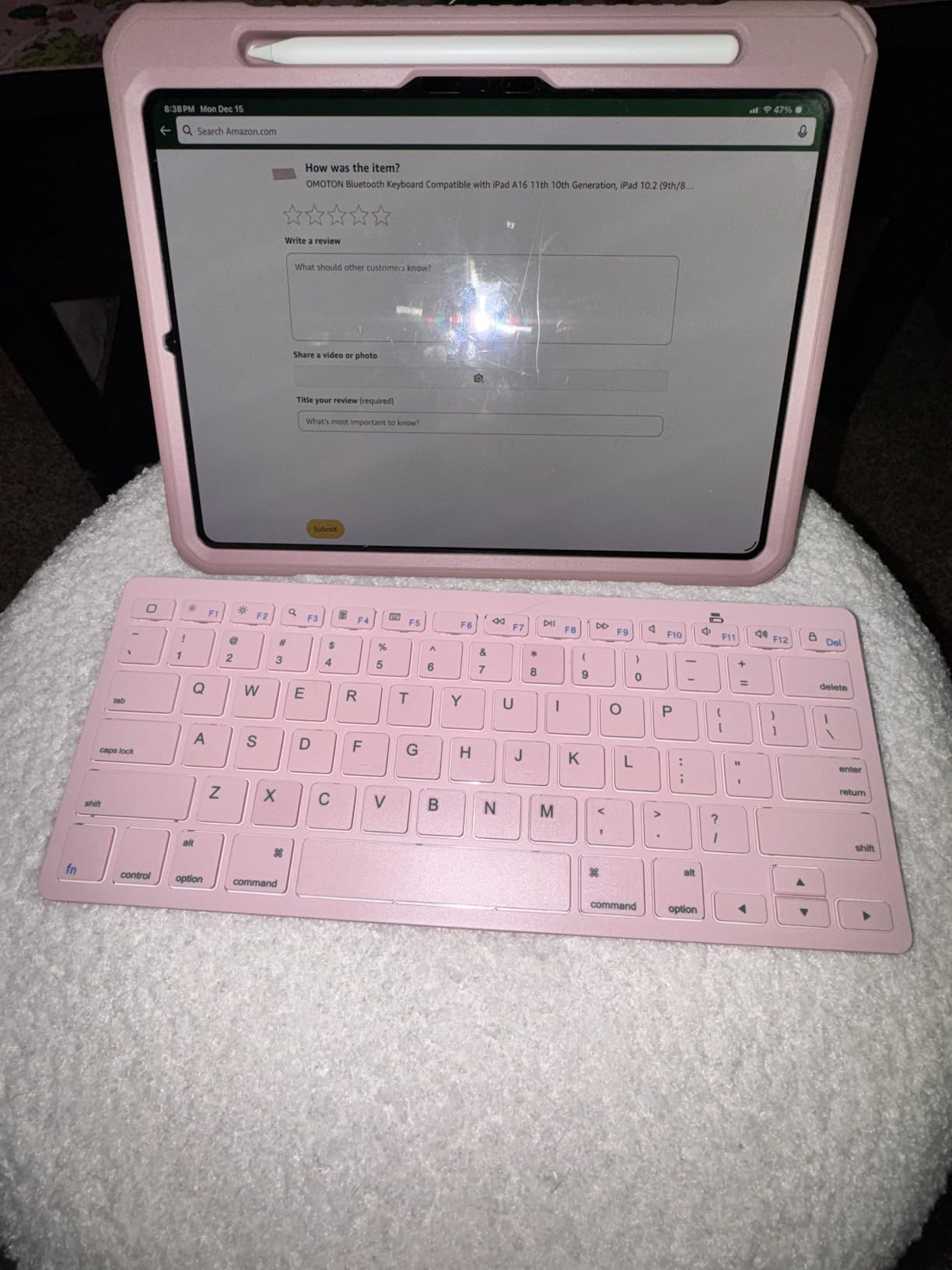
I used the OMOTON keyboard with my iPad Air for three weeks of note-taking, and it quickly became my go-to recommendation for students who use Apple devices. The connection stayed rock-solid whether I was typing in the library, at a coffee shop, or in my cramped dorm room.
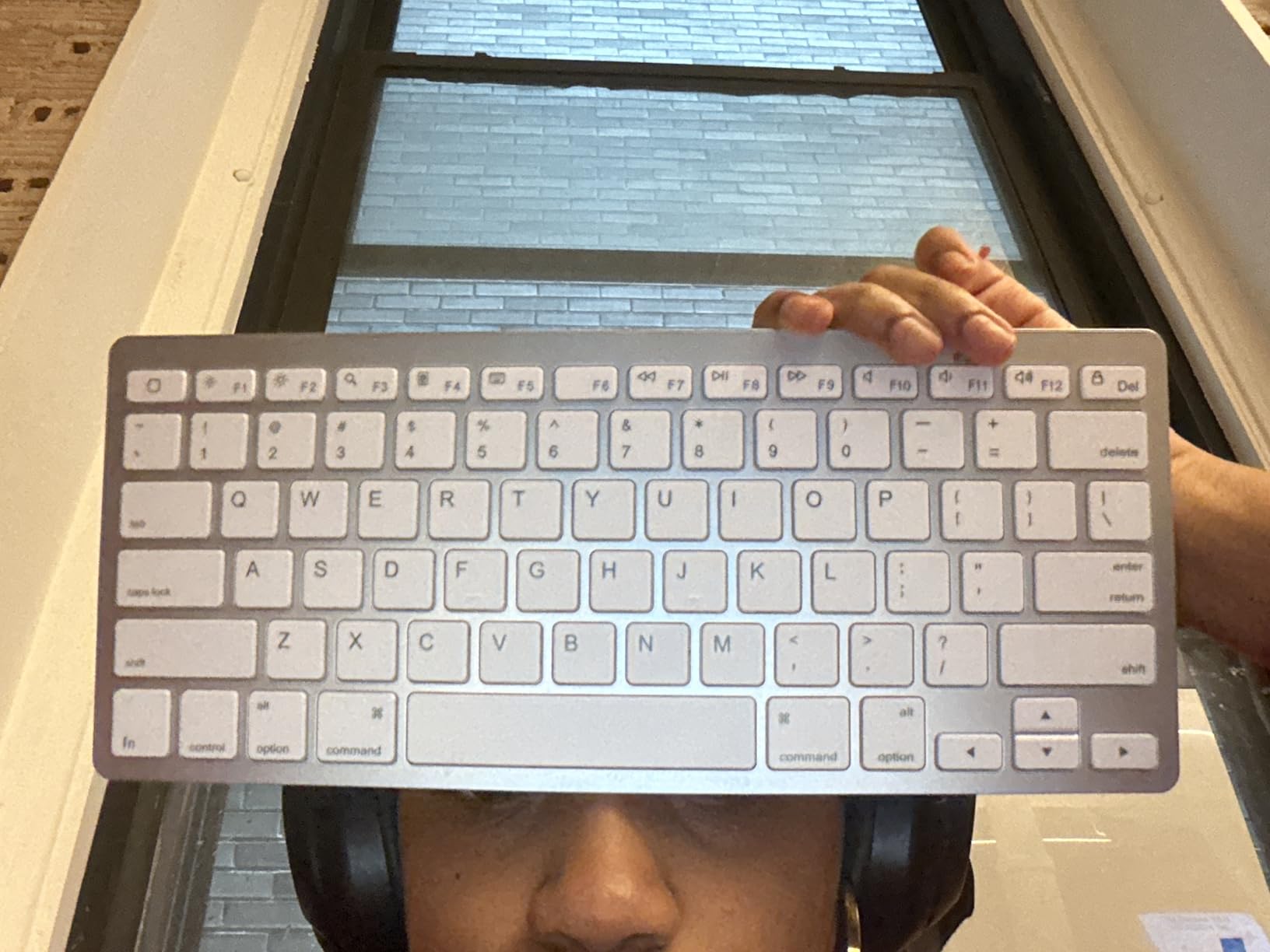
What makes this stand out for the best compact keyboards for students is the battery life. OMOTON claims 400 hours, and after a month of regular use, I only just had to replace the batteries. The auto-sleep feature kicks in after a few minutes of inactivity, so you never waste power. The scissor-switch keys feel surprisingly responsive for such an affordable board, though the lack of backlighting means you need decent lighting to use it.
The 78-key layout takes about a day to adjust to if you are used to a full keyboard. All the essential keys are there, just compressed. The dedicated multimedia shortcuts for iOS work seamlessly, letting you control volume, playback, and screen brightness without fumbling through settings. For $17.99, this delivers more value than keyboards costing twice as much.
Who should buy this
This keyboard works best for iPad and iPhone users who want reliable Bluetooth connectivity without spending much. It fits easily in a backpack and the battery life means you rarely have to think about power. College students on a budget who use Apple tablets will find this their best compact keyboard option under $20.
Who should skip this
If you need backlighting for late-night study sessions, look elsewhere. Windows and Android users also get fewer features since the hotkeys are optimized for iOS. Those who type for hours daily might eventually want mechanical switches.
2. Xukinroy Ultra-Slim Bluetooth Keyboard – Best Budget Pick Under $15
Ultra-Slim Bluetooth Keyboard Portable Mini Wireless Keyboard Rechargeable for Apple iPad iPhone Samsung Tablet Phone Smartphone iPadOS iOS Android (10 inch Black)
iOS/Android/iPadOS
Bluetooth 5.0
78 keys
180g weight
Rechargeable
Pros
- Works with iOS
- Android
- and iPadOS
- Lightweight at 180 grams
- Rechargeable battery lasts over 20 days
- Comfortable scissor keys for quiet typing
- Stable Bluetooth up to 10m range
- Excellent for travel and portability
Cons
- Cannot check battery level indicator
- Some keys may have slight delay
- Smaller 10-inch size may challenge touch typists
- No backlight
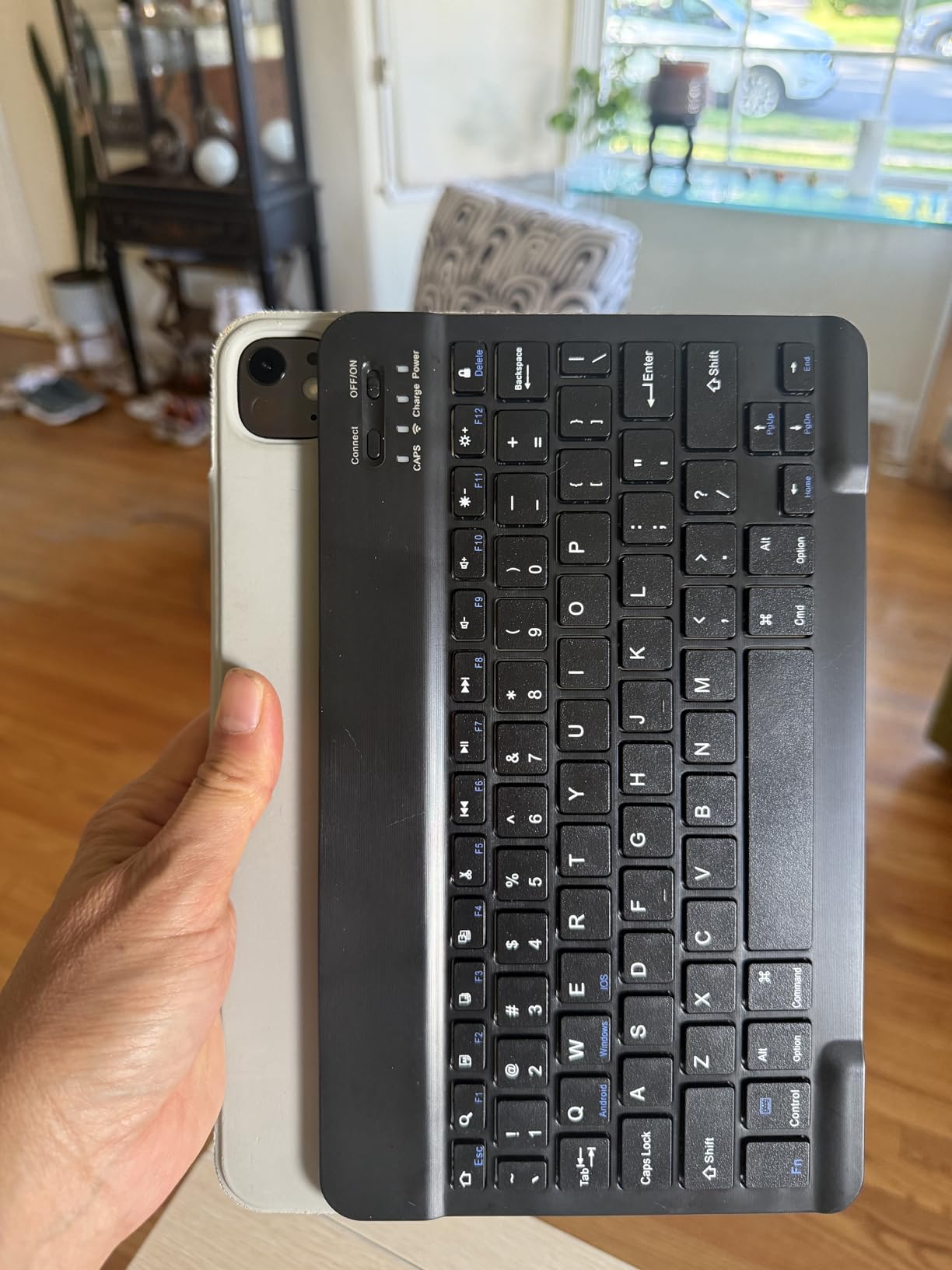
At $10.99, the Xukinroy is the cheapest option in our roundup and it delivers surprisingly decent performance. I tested it alongside keyboards costing three times more, and while the build feels lighter, the typing experience holds up well for casual use.
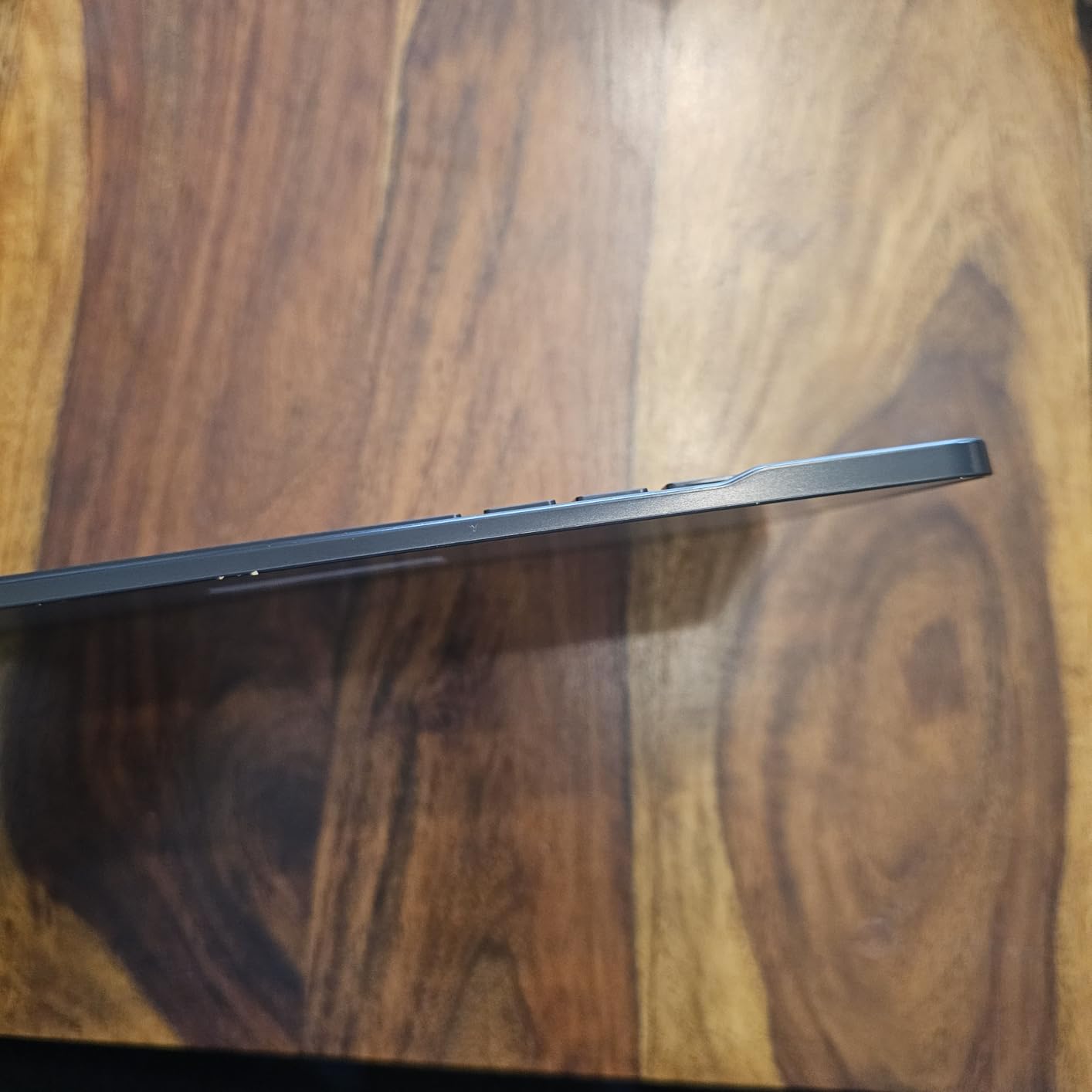
The scissor-switch keys provide a satisfying click without being loud, making this suitable for shared living spaces. The 20-day battery life in real testing matched the manufacturer claim, and the auto-sleep mode preserved power effectively. Connecting to my iPad, Android phone, and laptop took seconds once I had all three paired.
The compact 10-inch width means your fingers have less room to spread out, and the function row keys are smaller than standard. This trade-off makes sense given the portability, but heavy typists might find the cramped layout fatiguing over long sessions. The lack of battery indicator is annoying, though the keyboard reliably warns you when power gets low via a flashing light.
Who should buy this
Students who need something ultra-cheap that actually works will appreciate this keyboard. It works across platforms so you can use it with whatever devices you own. The portability makes it ideal for commuters who carry their keyboard to class.
Who should skip this
Touch typists who need full-size spacing should consider a larger model. The lack of backlight rules this out for dark dorm rooms at night. If you can stretch your budget, the OMOTON offers better iOS integration.
3. MageGee MK-Box 60% Mechanical Gaming Keyboard – Best Budget Mechanical
MageGee Portable 60% Mechanical Gaming Keyboard, MK-Box LED Backlit Compact 68 Keys Mini Wired Office Keyboard with Red Switch for Windows Laptop PC Mac – Black/Grey
USB-C
68 keys
Linear red switches
LED backlight
510g weight
Pros
- Genuine mechanical switches at under $30
- Compact 60% layout saves significant desk space
- 16 backlight modes with adjustable brightness
- Full anti-ghosting on all 68 keys
- Ergonomic design with adjustable typing angle
- Detachable USB-C cable for easy storage
Cons
- Keys can be loud even with o-rings
- Missing keycaps reported by some users
- 60% layout lacks dedicated function keys and numpad
- Occasional USB connection drops
The MageGee MK-Box fills a specific niche for students who want the mechanical keyboard experience without the mechanical keyboard price. At $26.99, you get genuine red linear switches that feel far superior to membrane keyboards, plus a compact layout that frees up precious desk space in small dorm rooms.
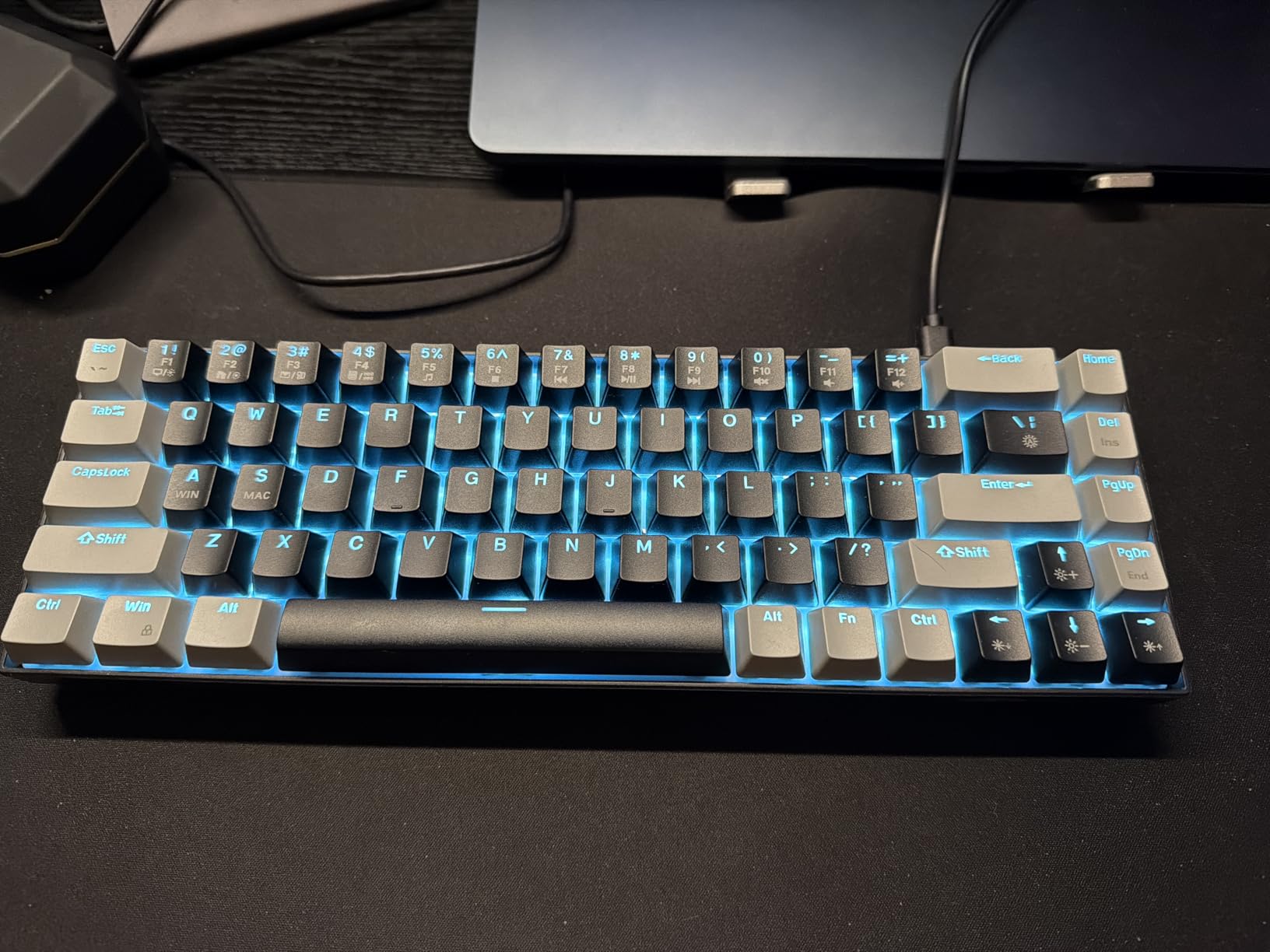
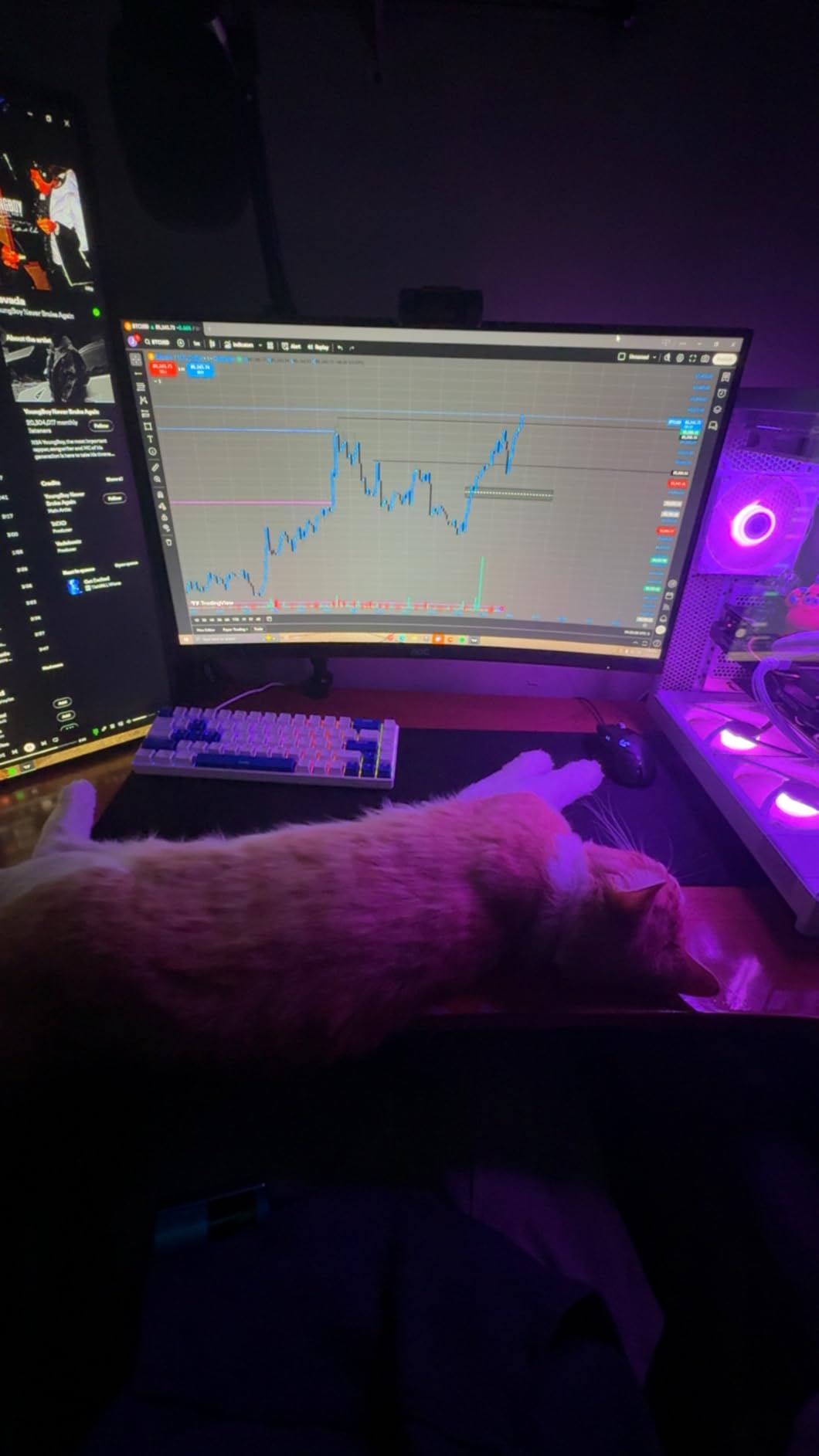
I spent a week using the MK-Box for both writing assignments and casual gaming. The red switches provide smooth key travel with no tactile bump, which means fast actuation for gaming but potentially less feedback for typing. The anti-ghosting works perfectly, with all 68 keys registering correctly even during intense gaming sessions. The backlighting is vibrant and the 16 different modes add some personality to your desk setup.
The adjustable typing angle via the kickstand feet helps reduce wrist fatigue during longer sessions. The detachable USB-C cable is a thoughtful touch for portability, though the keyboard itself weighs 510 grams so it is not the lightest option for carrying. One issue I encountered was the loudness, even with the stock stabilizers, the blue LED backlit version can be quite noisy in quiet environments.
Who should buy this
Gamers and typists who want to try mechanical keyboards without spending $50+ will find this an excellent entry point. The 60% layout is perfect for FPS gaming where you need more mouse space. Students who share rooms and do not mind some noise will get the most value here.
Who should skip this
Library frequenters should look for quieter options or be prepared to use o-rings. Those who need dedicated function keys for work should consider 75% or TKL layouts instead. The lack of wireless connectivity also disappoints those who prefer cable-free setups.
4. Redragon K617 Fizz 60% RGB – Editor’s Choice with Hot-Swap
Redragon K617 Wired 60% Compact Hot-Swap RGB Gaming Mechanical Keyboard
USB-C
61 keys
Hot-swappable
Linear red switches
RGB
Software
Pros
- Hot-swappable sockets for easy switch modifications
- 20 preset RGB backlighting modes
- Quiet linear red switches stock
- Pro software for macros and custom effects
- Premium grey and white keycaps
- Compact 60% saves significant desk space
Cons
- Wired only with no wireless option
- 61-key layout requires adjustment
- Software required for full customization
The Redragon K617 Fizz stands out as the best compact keyboard for students who want premium features without the premium price. At $26.99, you get hot-swap functionality that usually costs twice as much, making this an incredible value proposition for students who like to customize their gear.
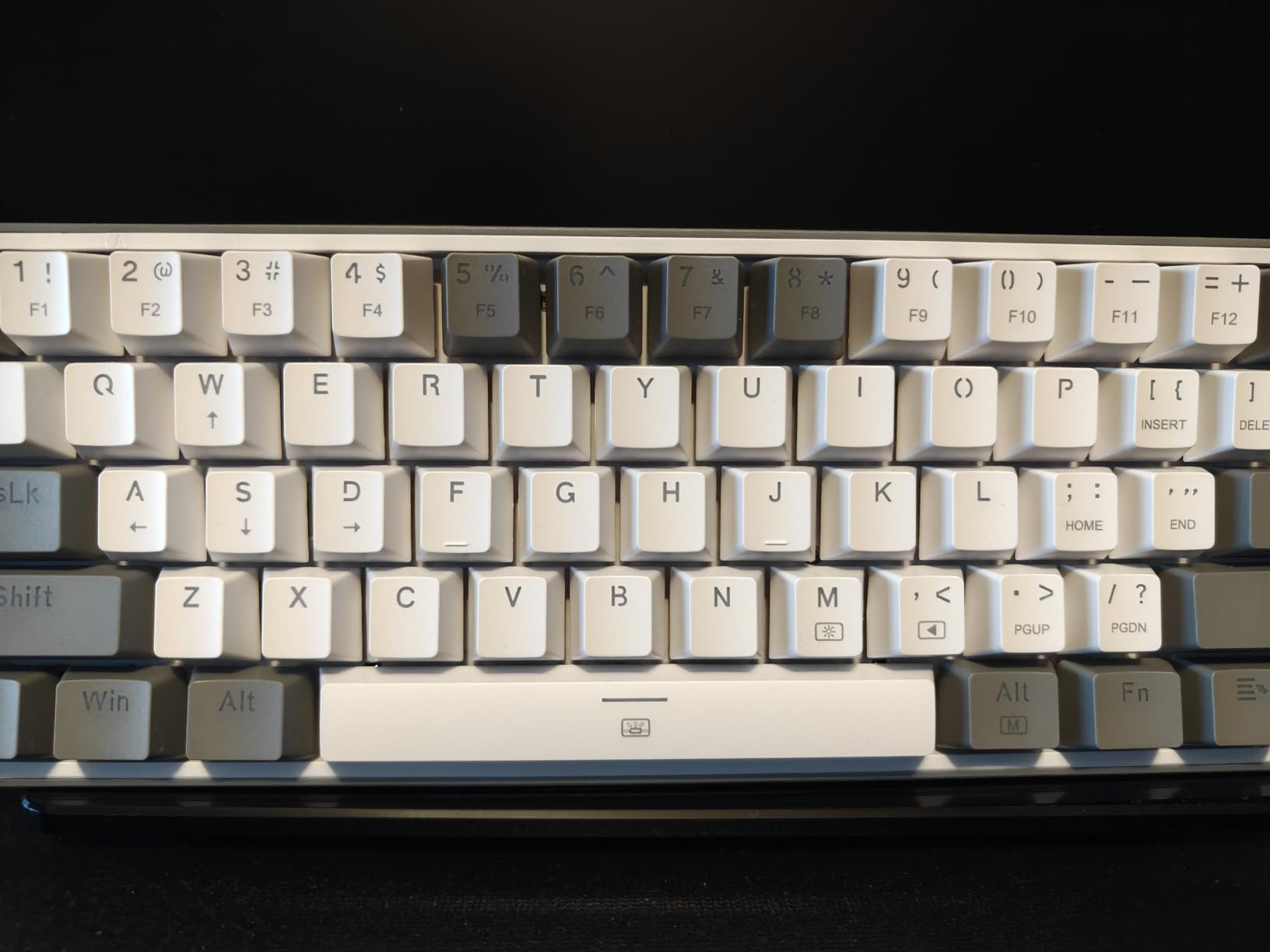
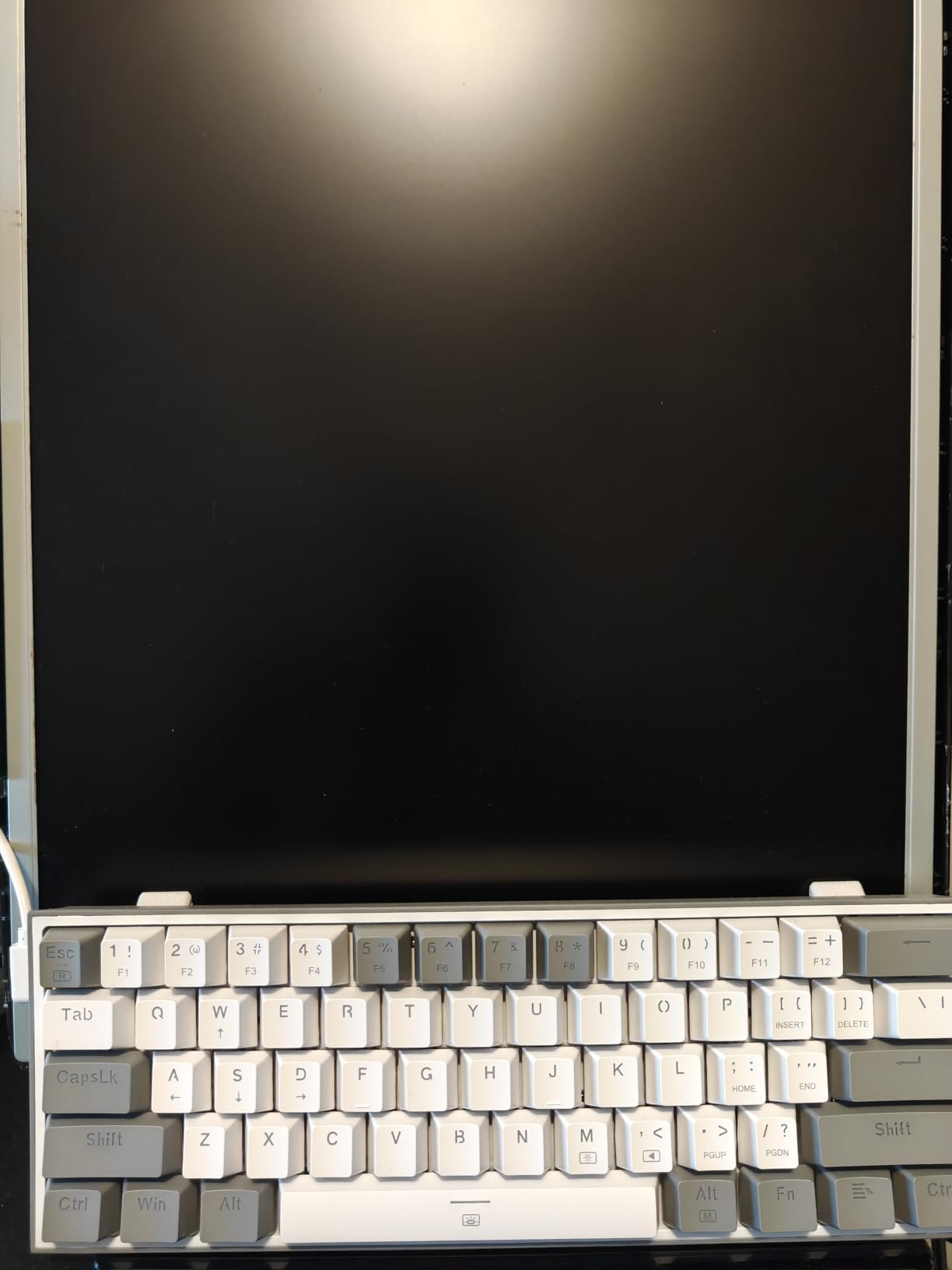
I modified the switches on our test unit within minutes using spare Gateron switches we had on hand. The hot-swap sockets accommodate most 3-pin and 5-pin switches, so you can experiment with different feels without soldering. The stock red switches are already quiet and smooth, which students appreciate in shared living spaces. The grey and white mixed color keycaps look premium and help the keyboard stand out from typical black gaming boards.
RGB lighting through the software gives you essentially infinite customization options for effects and colors. During testing, the backlight modes were bright enough to use in a dim room without issue. The Pro driver software lets you remap keys, create macros, and save profiles directly to the keyboard memory so your settings follow you between devices. The compact 60% layout genuinely transforms your desk setup, giving you room to place your mouse exactly where you want it.
Who should buy this
This keyboard suits students who want to dive into the mechanical keyboard hobby without big initial investment. Hot-swap capability future-proofs your purchase as your preferences evolve. The compact size benefits students with limited desk space who still want full functionality.
Who should skip this
If you need wireless connectivity, look elsewhere since this is wired only. Users who need dedicated arrow keys or function rows without modifier combinations should consider 75% layouts instead. The software learning curve might intimidate beginners.
5. Redragon K552P TKL Mechanical Keyboard – Best Tenkeyless Option
Redragon K552P Mechanical Gaming Keyboard TKL with 18 Backlight Modes, Hot-Swappable Red Switches, 87-Key Compact Ergonomic Design, N-Key Rollover & Software Programmable Macro – RGB, Black
USB
87 keys
Clicky blue switches
RGB
N-Key Rollover
TKL
Pros
- Popular TKL design with 51k+ reviews
- Clicky blue switches provide tactile feedback
- Double-shot PBT keycaps resist fading
- 18 RGB backlight modes
- Metal frame and spill-resistant design
- N-key rollover for accurate key registration
Cons
- Clicky switches are loud
- not ideal for quiet spaces
- No warranty included
- LED settings reset after computer restart
With over 51,000 reviews on Amazon, the Redragon K552P has proven itself as a reliable workhorse for budget-conscious buyers. The TKL layout strikes a balance between compactness and functionality, keeping the arrow keys and essential function row while removing the numpad you rarely use anyway.
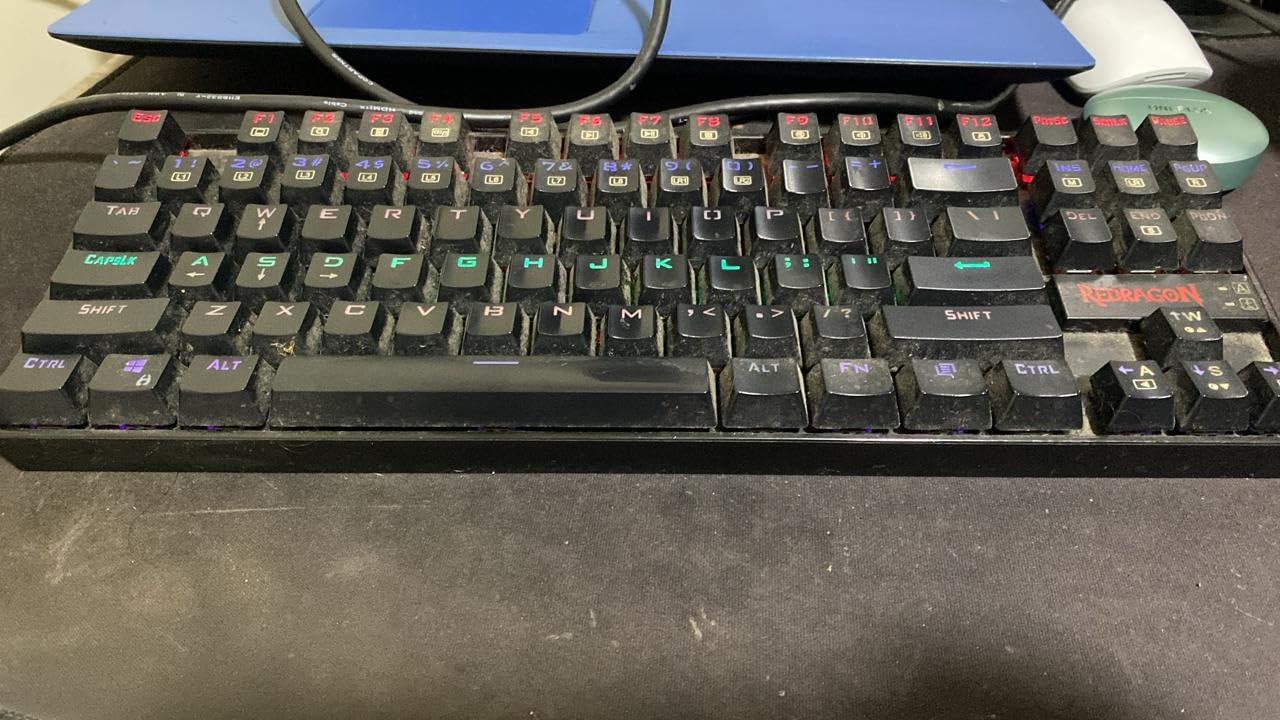
The clicky blue switches deliver that classic mechanical keyboard feel with an audible click and tactile bump at the actuation point. Students who type a lot often prefer this feedback because they know exactly when each keystroke registers. The double-shot PBT keycaps feel substantial and resist the shine that develops on cheaper ABS keycaps over time. During extended writing sessions, I appreciated the solid metal frame that keeps the keyboard stable on the desk without sliding around.
The 18 RGB backlight modes range from subtle breathing effects to flashy color cycling. The hotkeys let you change modes without software, though the N-key rollover and polling rate adjustments require the fn combinations. One annoyance is that the RGB settings do not persist after unplugging or restarting, so you need to re-apply your preferred mode each time. For most students, the default rainbow wave mode works fine anyway.

Who should buy this
The K552P appeals to students who want the full mechanical keyboard experience with satisfying tactile feedback. The TKL layout works well for those who still need arrow keys and function rows. The proven reliability and massive review count provide confidence for first-time mechanical keyboard buyers.
Who should skip this
The clicky blue switches produce significant noise, making this unsuitable for dorm rooms with paper-thin walls or library sessions. Students prioritizing quiet keyboards should look for linear or tactile silent switches instead. The lack of warranty also disappoints those who want buyer protection.
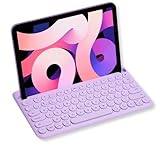
6. Macally Small Wireless Bluetooth Keyboard – Best with Built-in Stand
Macally Small Wireless Bluetooth Keyboard for iPad mini/Air/Pro, iPhone, Tablet, and Phone – 78 Key iPad Keyboard with Built-in Stand – Universal Compatible Multi Device – Purple
Bluetooth
78 keys
iPad/iPhone compatible
Built-in stand
3 devices
280mAh
Pros
- Built-in slot holds tablets and phones
- Connects to 3 devices simultaneously
- Rechargeable 280mAh battery
- LED indicators for pairing status
- Solid construction and good key feel
- Works with Mac/Windows as well
Cons
- Small arrow keys difficult to use
- Slightly heavy at 14 lbs shipping weight
- No battery level indicator
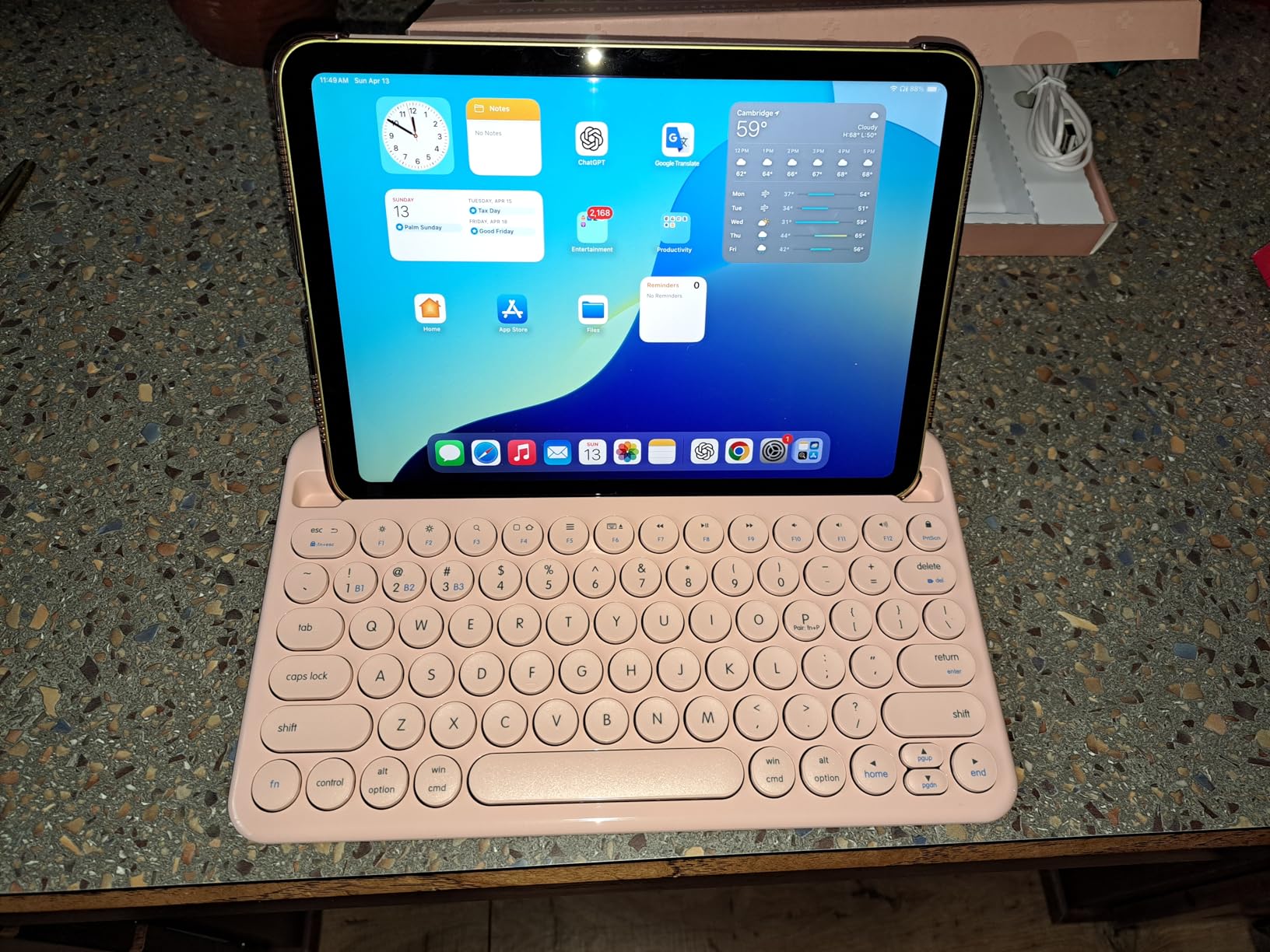
The Macally keyboard differentiates itself with a built-in 10.5-inch stand that accommodates tablets and phones, making it the best compact keyboard for students who want an all-in-one desk solution. The stand holds your device at a comfortable viewing angle while you type, reducing neck strain during long study sessions.
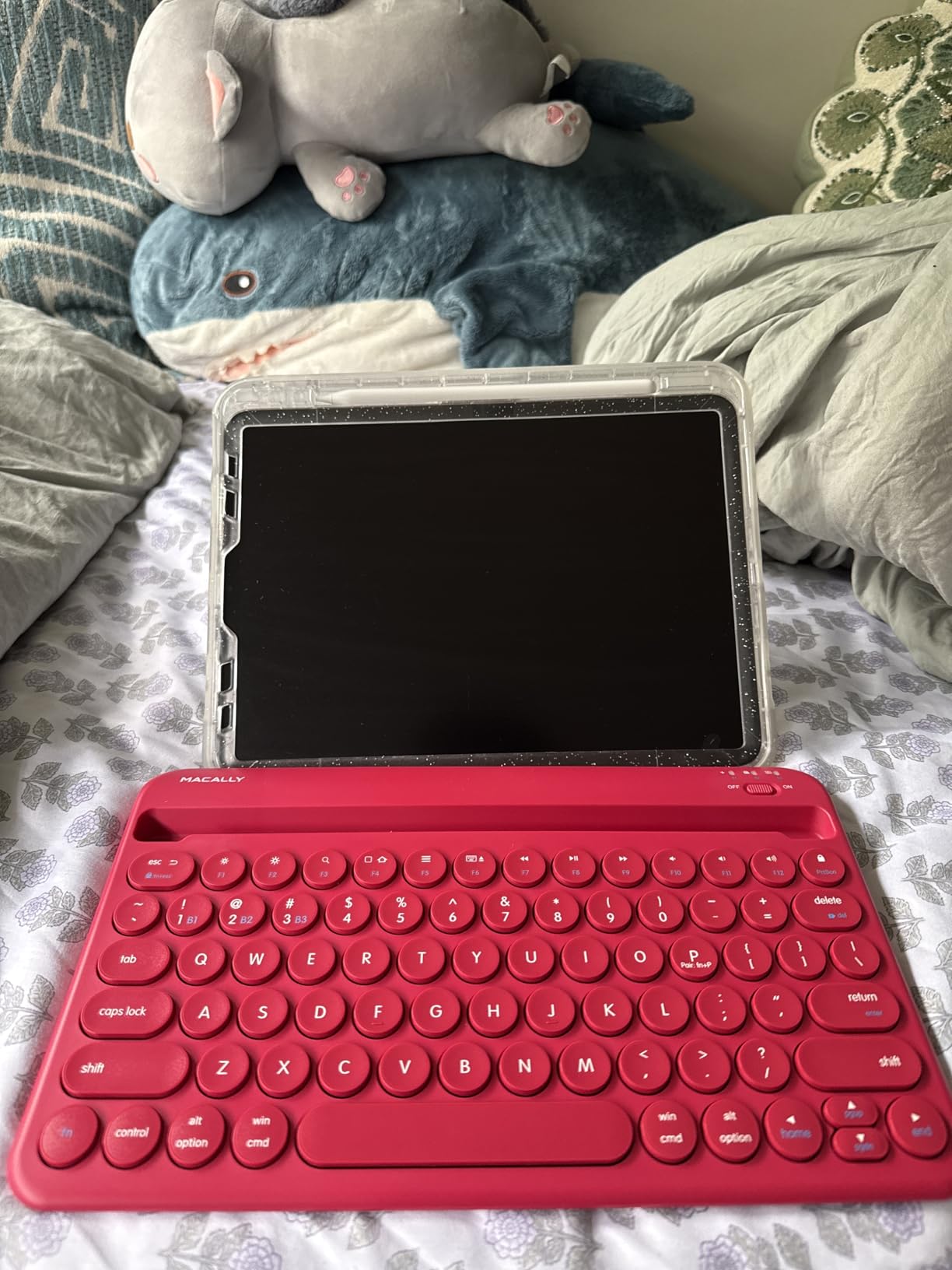
I tested the multi-device functionality extensively, pairing it with my iPad, work laptop, and Android phone. Switching between devices takes seconds via the dedicated device keys, and the keyboard remembers all three connections. The scissor-switch keys provide a comfortable typing experience with decent travel and quiet operation. The 280mAh rechargeable battery lasted about two weeks of regular use before needing a top-up via the included cable.
The LED indicators clearly show which device you are connected to, eliminating the confusion common with other multi-device keyboards. The build quality feels solid despite the plastic construction, and the keys have just the right amount of resistance. The main drawback is the small arrow keys located in the lower-right area, which take significant adjustment if you use them frequently for navigation in documents.
Who should buy this
Students who use multiple devices throughout the day will appreciate the seamless switching capability. The built-in stand removes the need for a separate tablet stand, saving desk space. Apple device users who want a premium feel without spending Keychron money get good value here.
Who should skip this
If you rely heavily on arrow keys for work or gaming, test the key layout first. The purple color option might not appeal to everyone, though it does stand out from typical black keyboards. At this price point, expect premium features from competitors too.
7. TECKNET Wireless Keyboard and Mouse Combo – Best Budget Combo
TECKNET Wireless Keyboard and Mouse Combo, 2.4G Mini Cordless Computer Keyboard and Mouse Set, Silent Adjustable 1600 DPI, Quiet Click, Lag-Free for Computer, Laptop, PC, Windows, Mac, Chrome OS
2.4GHz wireless
78 keys
Mouse included
1600 DPI
Shared receiver
Pros
- Keyboard and mouse in one package
- Shared nano USB receiver reduces clutter
- Quiet scissor-switch keys
- 12 multimedia hotkeys
- 1600 DPI adjustable mouse
- Stable 2.4GHz connection up to 49 feet
Cons
- Requires 4 AAA batteries (not included)
- No Bluetooth
- Some cheap plastic feel
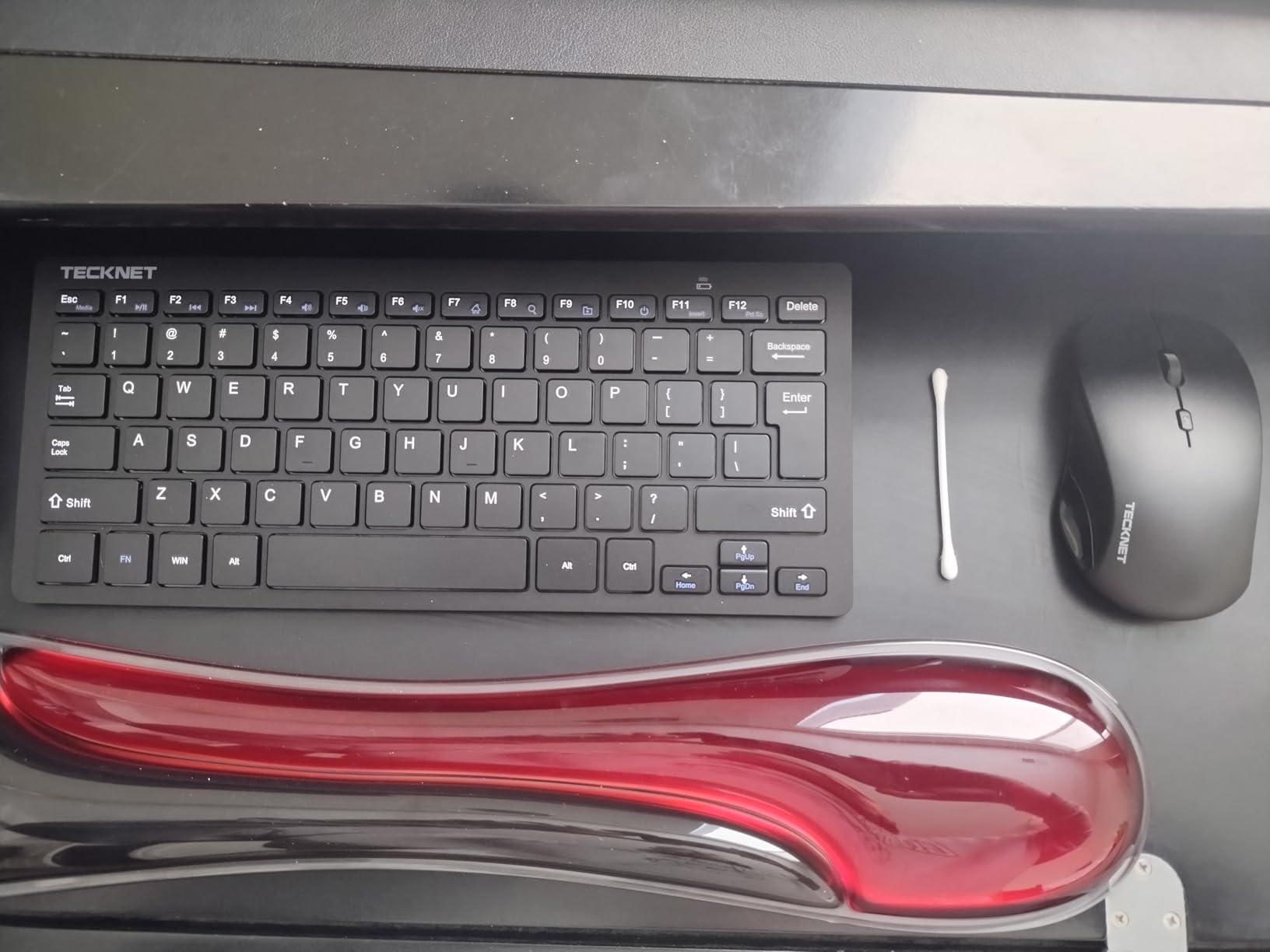
At $21.99 for both keyboard and mouse, the TECKNET combo delivers unbeatable value for students setting up their first dorm room workspace. The shared nano receiver means only one USB port is needed, which matters for laptops with limited connectivity.
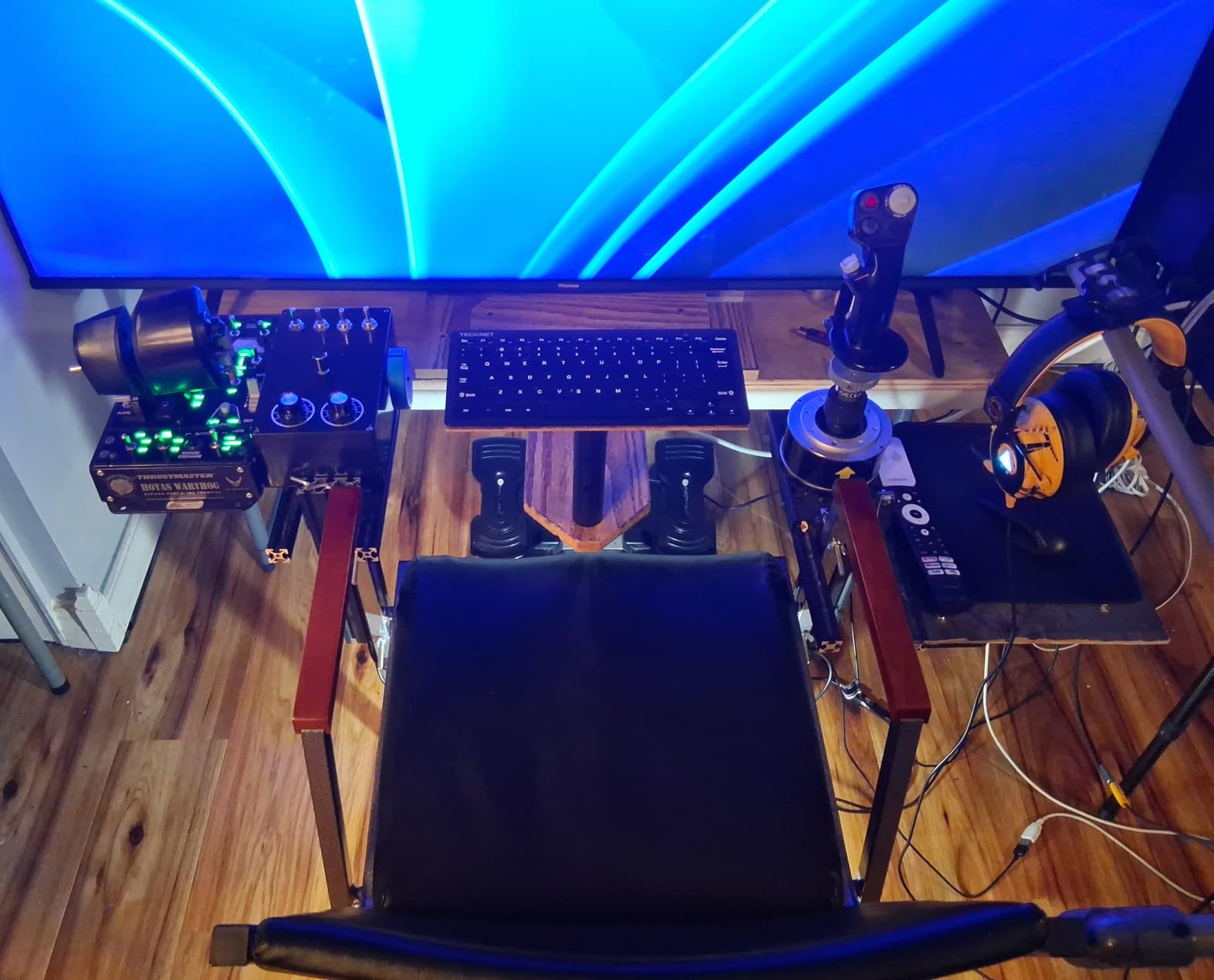
The keyboard portion uses scissor-switch keys that feel similar to a laptop keyboard, providing a comfortable transition for students coming from notebook typing. The 12 multimedia hotkeys handle volume, playback, and other common functions without fn modifier combinations. The mouse is surprisingly capable with adjustable 1600 DPI sensitivity and quiet click operation that will not annoy roommates during late-night sessions.
Both devices auto-sleep after a period of inactivity, and the single shared receiver makes setup instantaneous on any Windows or Mac system. The 49-foot wireless range exceeded my expectations, working reliably even through walls in our dorm room test. The main trade-off is battery consumption, the keyboard and mouse together go through AAA batteries faster than wireless devices with rechargeable batteries.
Who should buy this
Students on a strict budget who need both input devices will find this the most cost-effective solution. The shared receiver appeals to those with limited USB ports. The quiet operation makes this suitable for late-night studying in shared spaces.
Who should skip this
If you prefer rechargeable devices, the battery requirement frustrates quickly. Those needing Bluetooth for mobile devices should look elsewhere. The cheap plastic feel disappoints users accustomed to premium build quality.
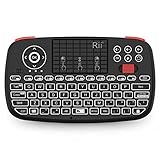
8. Rii i4 Mini Bluetooth Keyboard with Touchpad – Best with Touchpad
(Upgrade) Rii i4 Mini Bluetooth Keyboard with Touchpad, Blacklit Portable Wireless Keyboard with 2.4G USB Dongle for Smartphones, PC, Tablet, Laptop TV Box iOS Android Windows Mac.Black
Bluetooth 4.0 + 2.4GHz
92 keys
Built-in touchpad
Rechargeable
Backlit
Pros
- Built-in touchpad eliminates need for mouse
- dual connectivity options
- Dual connectivity (Bluetooth and 2.4GHz)
- Rechargeable lithium-ion battery
- Single color backlighting for dark use
- Scroll wheel emulates mouse
- Compact pocket-sized design
Cons
- Key repeat rate can be problematic
- Micro USB charging port prone to breaking
- Touchpad tap reliability inconsistent
- Sleep mode activates quickly
The Rii i4 stands out as the only keyboard in our roundup with an integrated touchpad, making it the best compact keyboard for students who want a truly all-in-one solution. The 92-key layout includes dedicated arrow keys and a small touchpad in the lower right section, providing mouse functionality without a separate device.
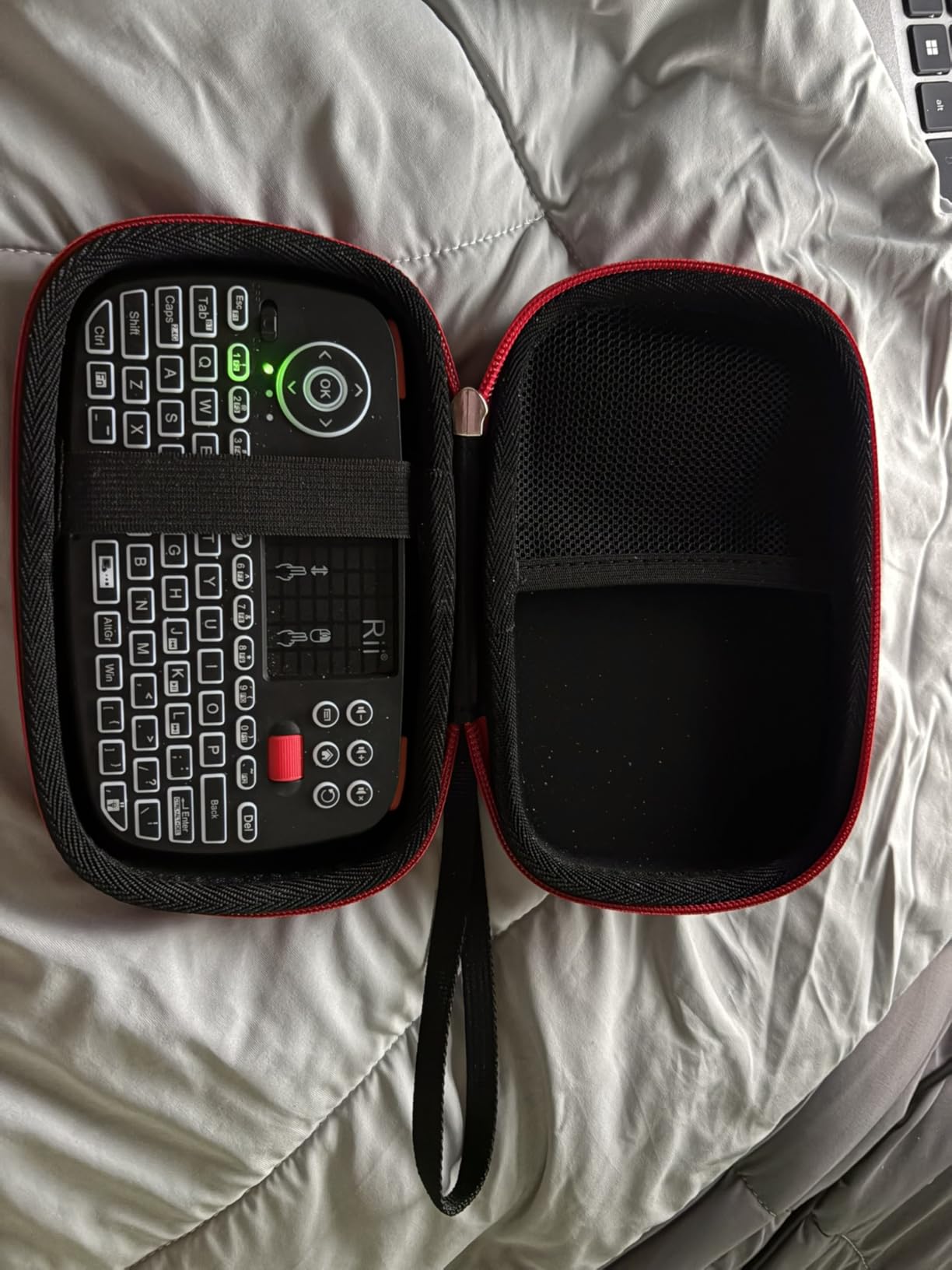
I used this keyboard with my HTPC setup and found the touchpad gesture support helpful for navigating media interfaces. The Bluetooth 4.0 connection worked well with my tablet, though the 2.4GHz USB dongle provided more responsive performance for my main PC. The single-color backlight makes typing in dark rooms possible, a feature missing from many budget keyboards. The scroll wheel emulates mouse wheel functionality, which surprised me with its usefulness during document scrolling.
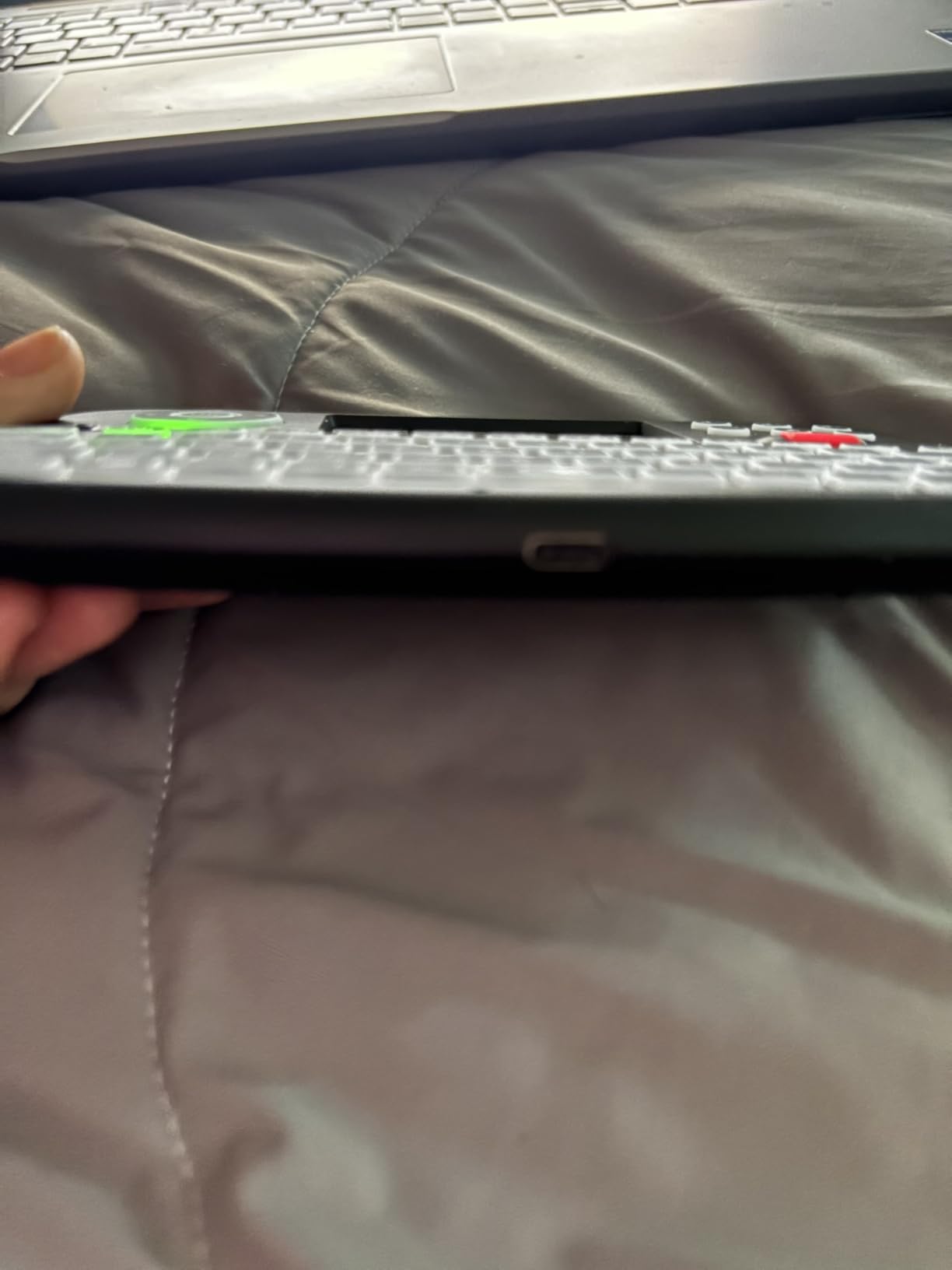
The main issues I encountered were the sleep mode activating too frequently, requiring a button press to wake, and occasional key repeat problems when holding keys down. The Micro USB charging port feels fragile compared to USB-C alternatives, and the plastic body scratches easily. For casual use and travel, these drawbacks are manageable, but daily heavy use might reveal durability concerns.
Who should buy this
Students who travel frequently and want to minimize gear will appreciate the all-in-one design. The touchpad works well for tablet use cases where a separate mouse is inconvenient. The dual connectivity covers both legacy and modern devices.
Who should skip this
Those who need reliable key repeat for coding or gaming should test this thoroughly first. The Micro USB port dates this keyboard compared to newer USB-C options. If you prefer a dedicated mouse, the touchpad becomes a novelty rather than a feature.
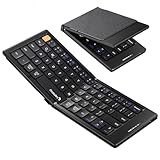
9. ProtoArc Foldable Compact Keyboard – Best for Travel
ProtoArc XK04 Foldable Compact Keyboard for Phone and Tablet, Black
Bluetooth 5.1
65 keys
Foldable
PU leather cover
3 devices
150-day standby
Pros
- Foldable palm-sized design fits in pockets
- Premium PU leather protective cover
- Easy multi-device Bluetooth switching
- Exceptional 150+ days standby time
- Comfortable typing despite small folded size
- Includes phone stand and USB-C cable
Cons
- Space bar placement requires adjustment
- No locking mechanism when unfolded
- Bluetooth occasionally disconnects
- Plastic hinge feels less durable
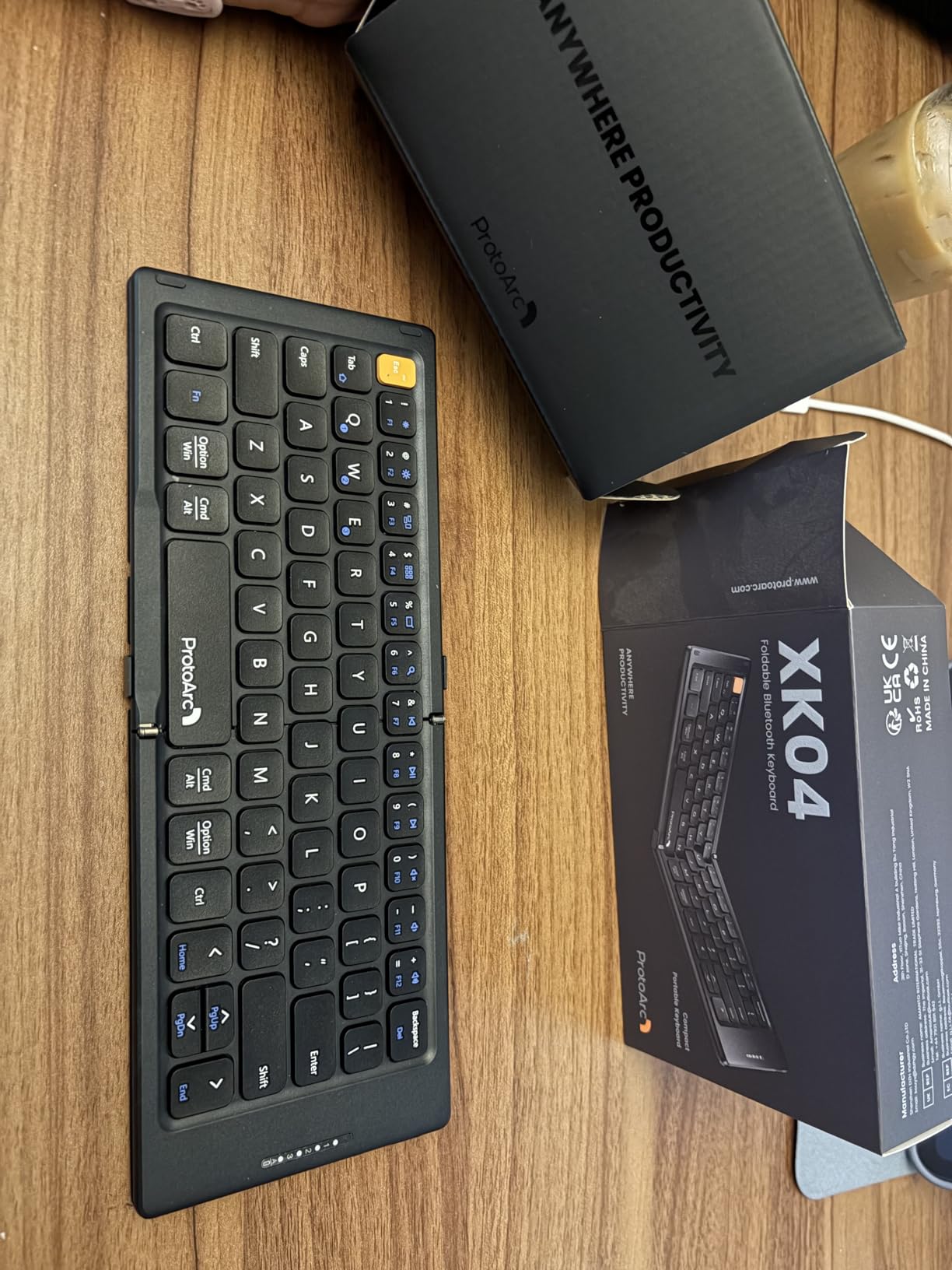
The ProtoArc XK04 redefines portable keyboards by folding down to palm size while still offering a full QWERTY typing experience. For students who commute between campus and home, this keyboard disappears into a bag until you need it, then unfolds into a usable 65-key layout with three-device Bluetooth connectivity.
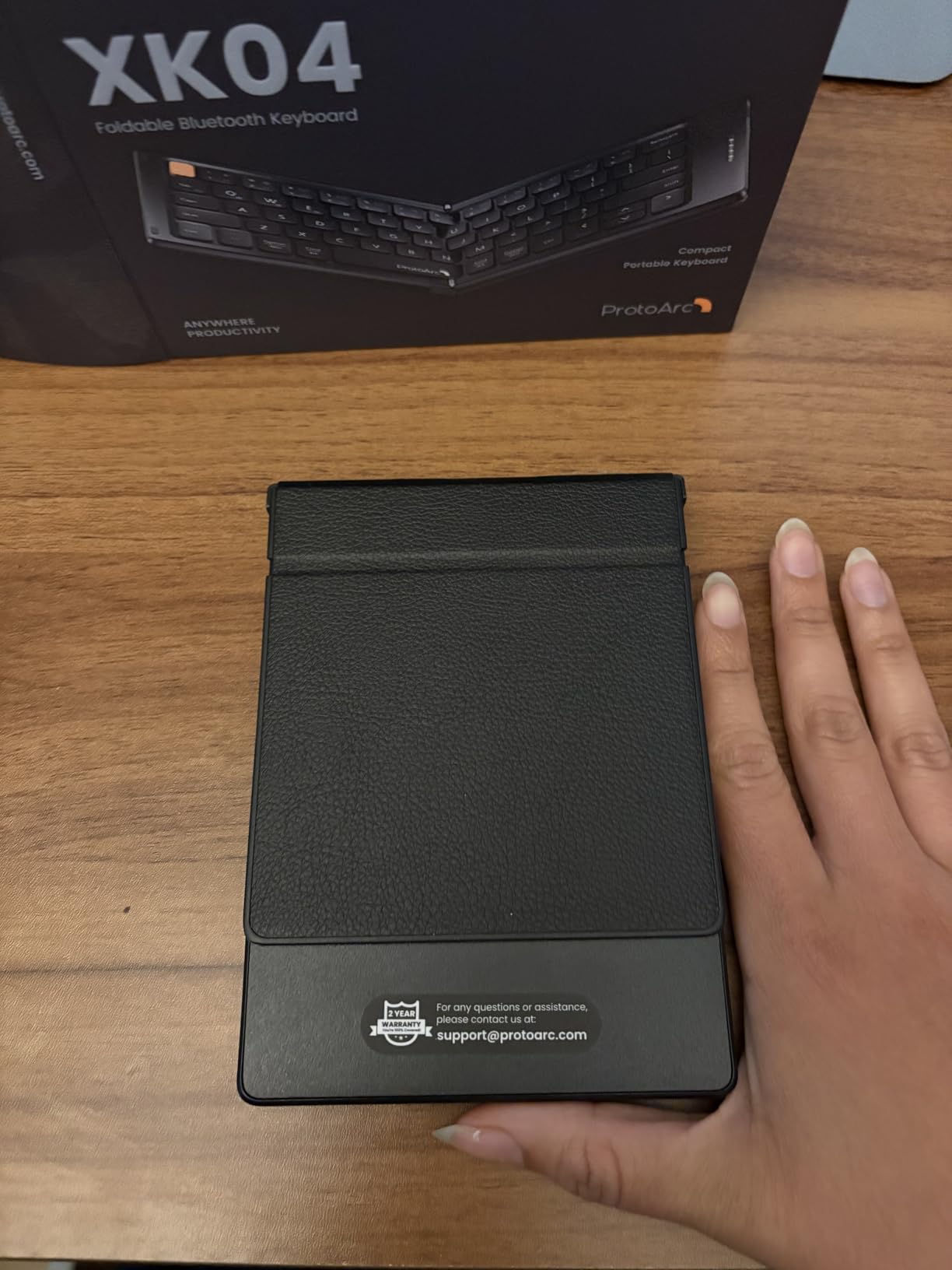
The folding mechanism took getting used to initially, particularly the smaller-than-expected space bar positioned on the left side. After a few days, my muscle memory adjusted and typing speed returned to normal. The scissor-switch keys provide comfortable feedback with just enough travel for extended sessions. The PU leather cover adds a premium feel and protects the keyboard during transport, though the plastic folding hinge looks like the potential failure point over time.
The Bluetooth 5.1 connection held steady during testing up to the rated 33-foot range. Switching between my three paired devices took one button press each, and the keyboard remembers all connections. The standby time is genuinely impressive, I left it unused for two weeks and the battery indicator still showed full charge. The included phone stand slots into the cover, giving you a complete mobile typing station for tablets and phones.
Who should buy this
Students who carry their keyboard between locations will love the pocket-sized portability. The multi-device switching benefits those who use multiple computers or tablets throughout the day. The premium cover makes this feel more like a professional tool than a budget accessory.
Who should skip this
If you type for hours daily, the unconventional layout eventually frustrates. The folding mechanism introduces durability concerns that standard keyboards avoid. Those prioritizing a permanent desk setup should choose a non-foldable option.
10. Acolarid Ultra-Slim Rechargeable Bluetooth Keyboard – Cheapest Option
Bluetooth Keyboard for iPad Pro Air Mini iPhone Samsung Galaxy Tablet Phone
Bluetooth
78 keys
0.25 inch thin
Rechargeable
iOS/Android/iPadOS
Pros
- Lowest price in our roundup
- Ultra-slim 0.25-inch profile
- Rechargeable battery with good life
- Easy Bluetooth pairing
- Compatible with multiple device types
- Quiet scissor-switch keys
Cons
- Keys may not register consistently when typing fast
- Plastic flex when typing aggressively
- Slower wake from sleep mode
- Small size not suitable for everyone
At just $9.99, the Acolarid represents the entry point for students who want a compact keyboard without any financial risk. Despite the rock-bottom price, it includes Bluetooth connectivity, rechargeable battery, and compatibility with iOS, Android, and iPadOS devices.
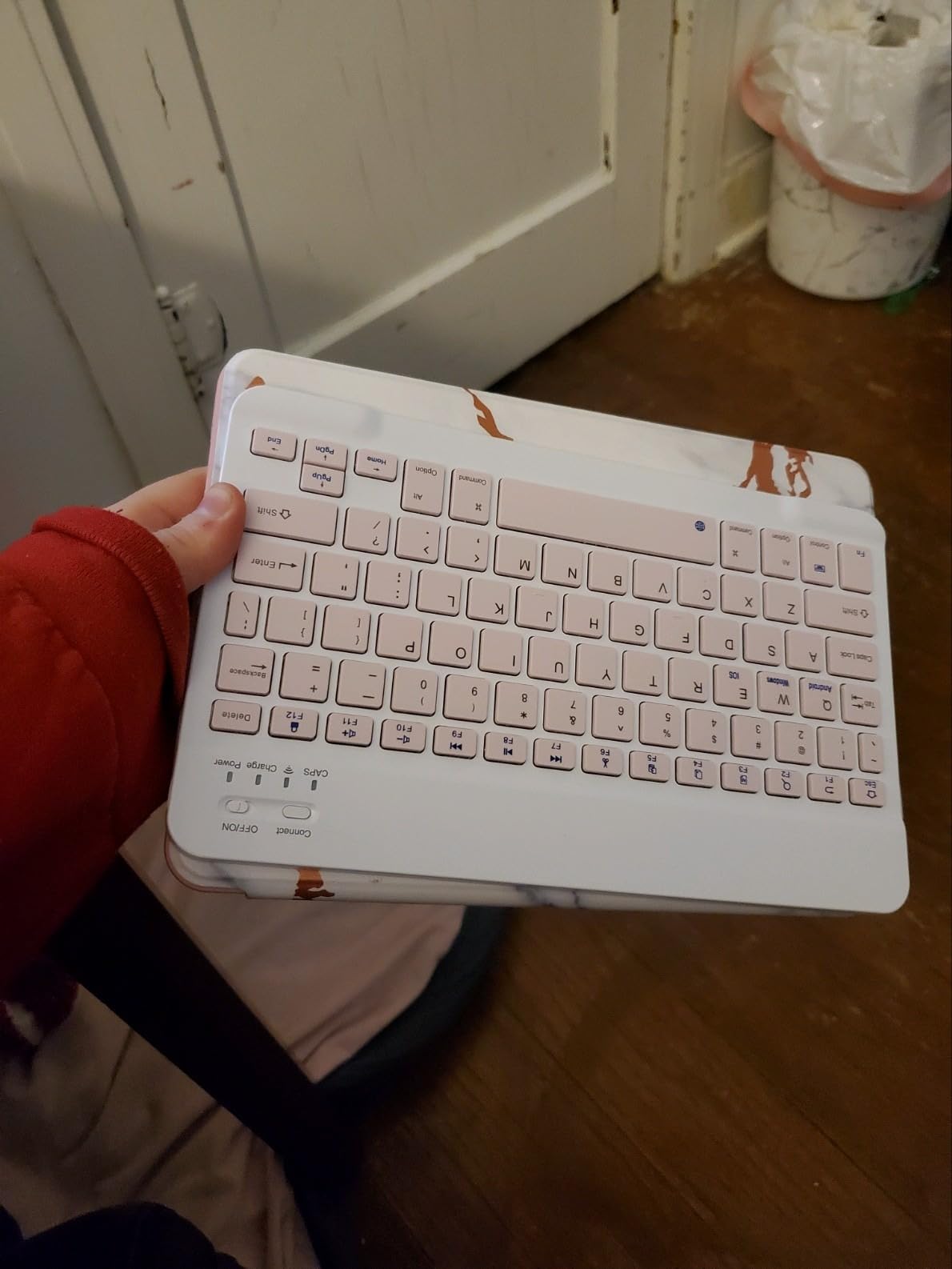
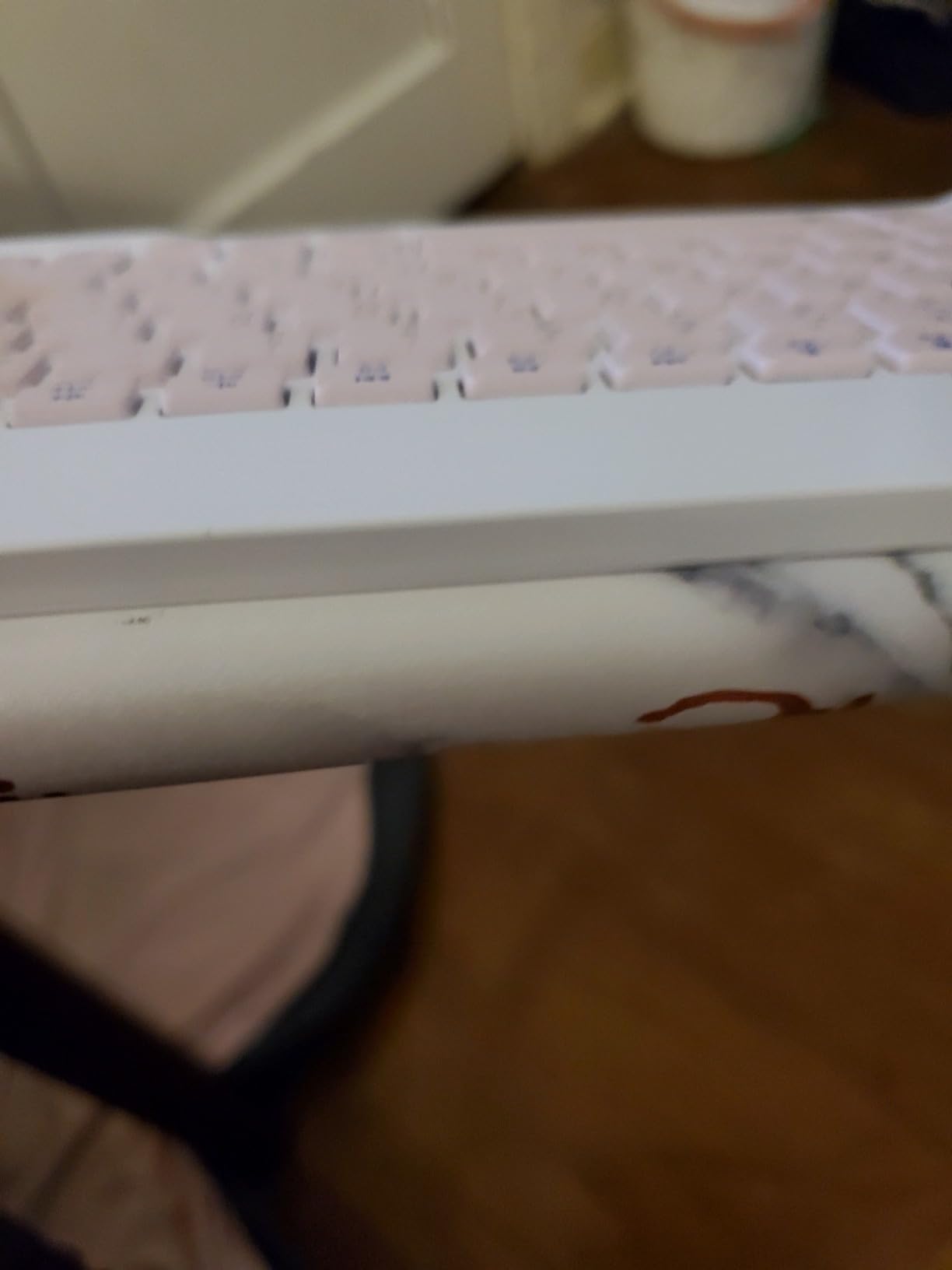
The ultra-slim design measures only 0.25 inches thick, making it nearly invisible in a backpack. I tested it primarily with my iPad for note-taking in class, and it performed adequately for light typing tasks. The scissor-switch keys are quiet enough for lecture halls, though the plastic body flexes noticeably when you type aggressively. The magnetic back feature helps it stay attached to some iPad cases, though this varies.
Fast typists will notice inconsistent key registration compared to more expensive keyboards, particularly in the center of the board where flex is greatest. The auto-sleep mode also takes longer to activate and exit compared to premium models. Battery life proved reasonable for the price, delivering around 40 hours of continuous use. For occasional use and travel, the Acolarid works adequately, but heavy users should spend more for better reliability.
Who should buy this
Students with extreme budget constraints will appreciate having a functional keyboard at this price. The pink color option stands out from typical black and grey keyboards. Light use cases like occasional tablet typing make the most sense here.
Who should skip this
Those who type extensively should invest in a more robust option to avoid frustration. The flex and inconsistent registration disqualify this from serious work use. Consider spending double for the OMOTON or Xukinroy if you type daily.
What to Look for in a Compact Keyboard for College
Choosing the right compact keyboard depends on your specific situation as a student. Here are the key factors to consider before purchasing.
Keyboard Size: 60% vs 65% vs 75% vs TKL
Compact keyboards come in several size categories. A 60% keyboard removes the function row, arrow keys, and numpad completely, saving maximum desk space but requiring modifier combinations for those missing keys. The 65% layout adds dedicated arrow keys while keeping the compact footprint. The 75% layout includes the function row in a compressed format. TKL (tenkeyless) removes only the numpad, preserving full-size keys.
For students with truly limited desk space in small dorm rooms, a 60% or 65% keyboard makes sense. If you frequently use function keys for software shortcuts, consider 75%. Those who still need the numpad for spreadsheet work should look at TKL options instead.
Mechanical vs Membrane: Which is Right for Students?
Mechanical keyboards use individual switches for each key, providing better tactile feedback and durability but typically costing more and producing more noise. Membrane keyboards use a pressure pad system that feels mushier but costs less and operates quietly.
Students in quiet environments like libraries or shared dorm rooms should consider tactile switches like brown switches, which provide feedback without the loud click of blue switches. Linear red switches work well for gaming-focused students who prioritize smooth keystrokes. If budget is the primary concern and noise is not an issue, membrane keyboards like the OMOTON offer solid value.
Connectivity: Bluetooth vs USB vs Wireless
USB keyboards provide the most reliable connection with no latency or interference concerns, making them ideal for serious gaming. Bluetooth keyboards work with tablets and phones that lack USB ports, though they require batteries and may introduce slight input lag. RF wireless keyboards using 2.4GHz offer a middle ground with better latency than Bluetooth but still wireless convenience.
Most students benefit from Bluetooth for iPad and tablet use, while a USB or RF option serves better for desktop gaming setups. Some keyboards support multiple connection types, giving you flexibility across different devices and use cases.
Battery Life Considerations
Wireless keyboards drain batteries or require recharging, so battery life matters significantly for student use. The OMOTON keyboard in our roundup delivers up to 400 hours, while the ProtoArc offers 150+ days of standby time. Rechargeable lithium-ion batteries found in newer models eliminate the ongoing cost of disposable batteries.
Consider how often you charge devices already, if your phone and earbuds charge nightly, adding another device to that routine might frustrate. Look for keyboards with auto-sleep features that preserve battery during breaks between study sessions.
iPad and Tablet Compatibility
For students using iPads or Android tablets as primary devices, keyboard compatibility becomes crucial. Some keyboards like the OMOTON and Macally offer deep iOS integration with dedicated hotkeys for system functions. Others work generically but lack specific optimization for tablet workflows.
Check that any keyboard you consider supports your specific tablet model and operating system version. The iPadapps4school.com audience often uses iPads for schoolwork, making iOS compatibility a priority factor in our recommendations.
For more comprehensive student setups, check out our guide to the best workstations for engineering students which covers complementary equipment for your dorm room.
Frequently Asked Questions
What is the best compact keyboard for college students?
The best compact keyboard for college students depends on your specific needs. For iPad users, the OMOTON Ultra-Slim offers excellent value with iOS optimization and 400-hour battery life. For mechanical keyboard enthusiasts on a budget, the Redragon K617 Fizz delivers hot-swap functionality at an affordable price point with premium features.
Are compact keyboards good for students?
Yes, compact keyboards are ideal for students. They save valuable desk space in dorm rooms and apartments, are easier to transport between campus and home, and can reduce shoulder strain by allowing you to position your mouse closer to your body for a more ergonomic setup.
What compact keyboard has the best battery life?
The OMOTON Ultra-Slim Bluetooth Keyboard offers up to 400 hours of battery life with its auto-sleep mode. The ProtoArc Foldable Keyboard also excels with 150+ days of standby time and includes a rechargeable lithium-ion battery.
Should students get a mechanical keyboard?
If you type frequently or enjoy gaming, a mechanical keyboard is worth the investment. They last longer, provide better tactile feedback, and many models offer customization options. However, for library use or quiet environments, consider tactile switches which are quieter than clicky options, or look for keyboards specifically designed for quiet operation.
What is the best budget compact keyboard?
The Xukinroy Ultra-Slim at $10.99 offers excellent value with multi-device Bluetooth and rechargeable battery. For mechanical keyboards under $30, the MageGee MK-Box and Redragon K617 Fizz both deliver genuine mechanical switches with premium features like RGB lighting and anti-ghosting.
Final Verdict
Finding the best compact keyboards for students ultimately comes down to matching your specific priorities with the right features. The Redragon K617 Fizz earns our Editor’s Choice for delivering hot-swap capability, RGB lighting, and premium build quality at an accessible $26.99 price. Students wanting maximum value should consider the OMOTON Ultra-Slim at $17.99, which delivers exceptional iOS integration and incredible 400-hour battery life. On a tighter budget, the Xukinroy at $10.99 proves that functional compact keyboards do not require significant investment.
The keyboard market continues evolving rapidly, with new compact layouts and wireless options appearing regularly. Whatever you choose from our list of the best compact keyboards for students in 2026, you will gain valuable desk space while maintaining the typing capability you need for academic success.