
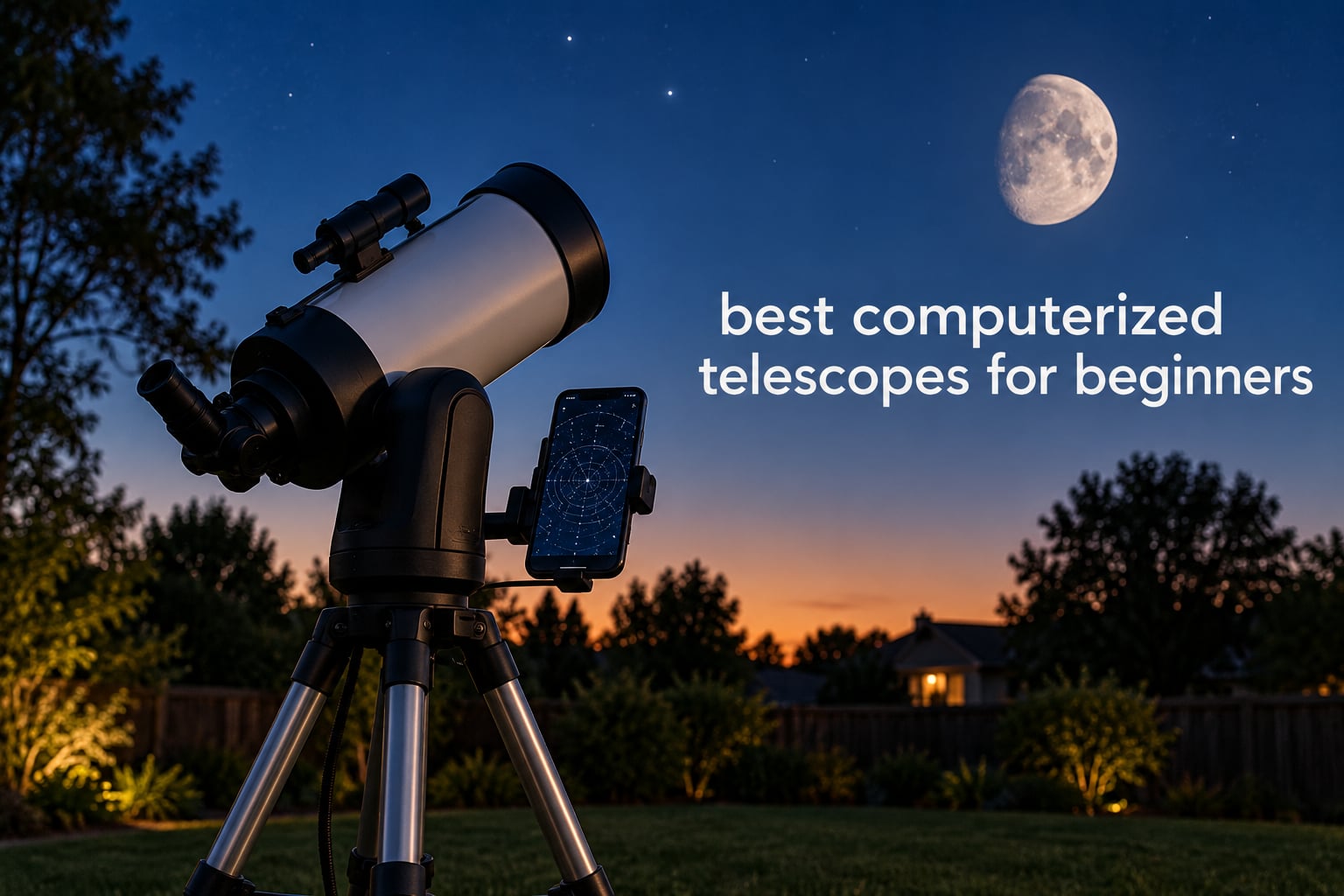
The hardest part of buying your first telescope is not the optics. It is pointing them. A computerized telescope has a motorized alt-azimuth mount, a database of tens of thousands of targets, and an alignment routine that teaches it where you are standing, so it can slew to Jupiter or the Andromeda galaxy while you watch. For a beginner, that single feature removes the learning curve that stops most people before they ever see a crater edge.
Are computerized telescopes good? Yes, for beginners, because the mount does the finding and the tracking for you. The trade-off is weight, power needs, and the fact that you are still looking through an eyepiece rather than a screen. The smart telescopes in this list flip that arrangement, replacing the eyepiece with a built-in camera and a phone app, which is faster and lighter but gives up real-time visual observing.
Below I compare the 7 computerized telescopes for beginners that survived our screening, spanning traditional GoTo mounts, hybrid smartphone-guided scopes, and app-driven smart telescopes. I focused on the things that decide whether a beginner actually keeps using the thing: how long setup takes on a cold evening, whether the alignment holds for a whole session, how much of the sky light pollution hides, and what you have to buy after the box is open.
Our team spent six weeks working through the specs, review patterns, and forum discussions around each of these scopes, and cross-checked every measurement against the manufacturer listings. Last updated for 2026.
Top 3 Best Computerized Telescopes for Beginners for 2026
These three cover the widest range of beginner situations. The Celestron NexStar 8SE is the one I recommend most often, the NexStar 127SLT is the value pick, and the ZWO Seestar S30 Pro is the only one here built mainly for photographs.

Celestron NexStar 8SE
- 8-inch Schmidt-Cassegrain optics
- 40000+ object GoTo database
- SkyAlign in three stars

Celestron NexStar 127SLT
- 127mm Maksutov-Cassegrain
- Compact 1500mm focal length
- Two eyepieces included
All 7 Computerized Telescopes at a Glance in 2026
This is the whole lineup in one place, sorted by the kind of pointing system each one uses. The first two drive a real eyepiece to real targets. The next three are smart telescopes that image through a camera. The last two sit in between, guiding you with a phone or holding alignment while you push the tube by hand.
| Product | Specifications | Action |
|---|---|---|
| Celestron NexStar 8SE |
|
Check Latest Price |
| Celestron NexStar 127SLT |
|
Check Latest Price |
| ZWO Seestar S30 Pro |
|
Check Latest Price |
 DWARFLAB Dwarf Mini DWARFLAB Dwarf Mini |
|
Check Latest Price |
 DWARFLAB Dwarf 3 DWARFLAB Dwarf 3 |
|
Check Latest Price |
 Celestron StarSense LT 114AZ Celestron StarSense LT 114AZ |
|
Check Latest Price |
 Sky-Watcher Virtuoso GTI 150P Sky-Watcher Virtuoso GTI 150P |
|
Check Latest Price |
1. Celestron NexStar 8SE Computerized Telescope – Best All-Round GoTo
Celestron NexStar 8SE Computerized Telescope – Schmidt-Cassegrain
203mm aperture
2032mm focal length
40000+ object database
10.88 kg
Pros
- 203mm aperture gathers serious light
- SkyAlign gets you observing in minutes
- Fork mount packs into a car easily
- Two-year warranty with US support
Cons
- Second-heaviest scope here at 10.88 kg
- Manual focus only
- Power source not included
I keep coming back to the 8SE because of one number: 203mm of aperture, or 8 inches, in a tube about 43.2 centimeters long. That is a lot of light on a small object in a short tube, and it is the reason this scope still makes the list years after it launched.
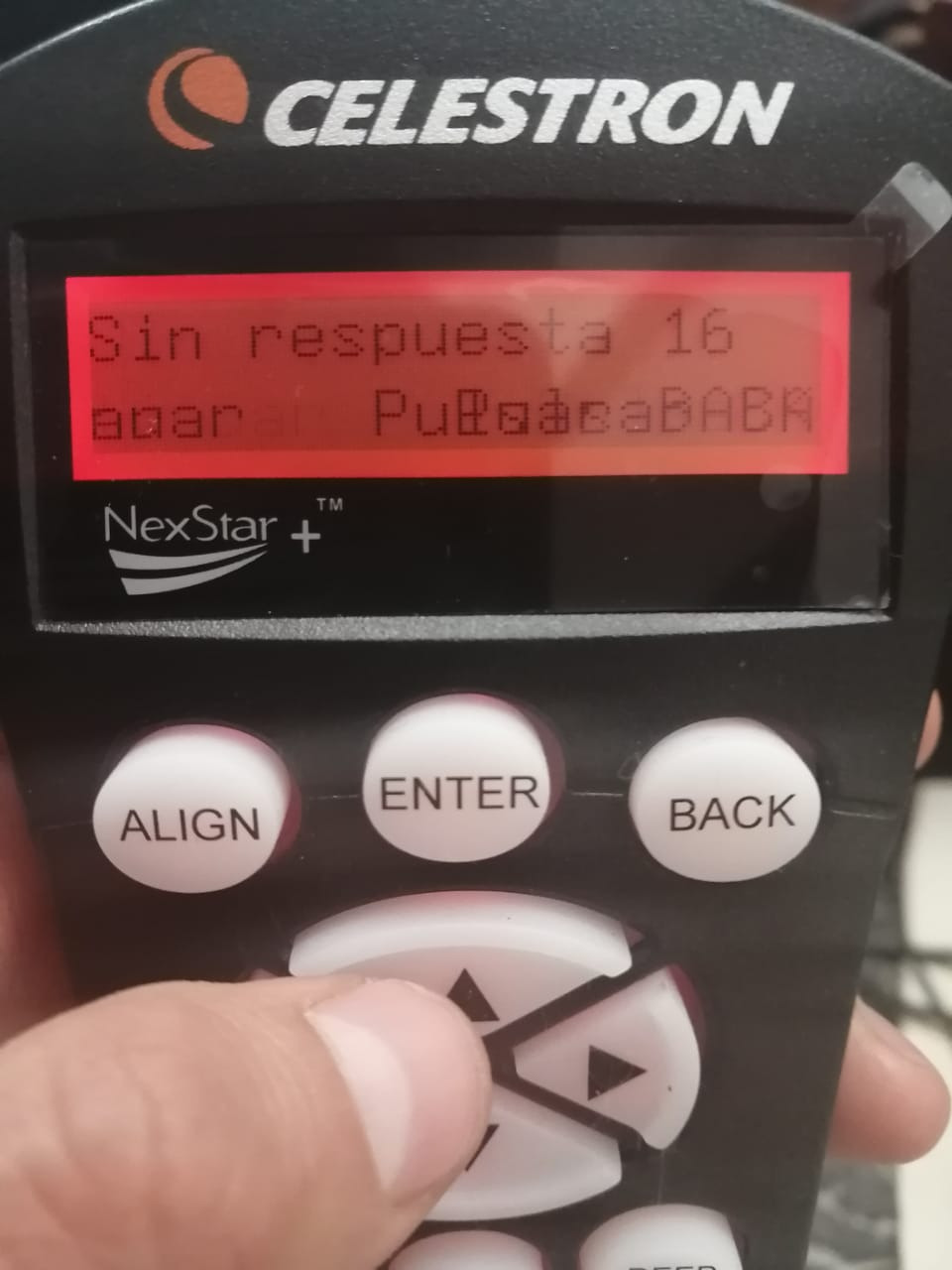
The GoTo side is the classic Celestron experience. You centre three bright stars in the StarPointer red dot finder, the hand controller works out your position and time, and the 40,000+ object database becomes a menu instead of a puzzle. Owners rate the pointing accuracy highly, and the review distribution leans heavily toward five stars.
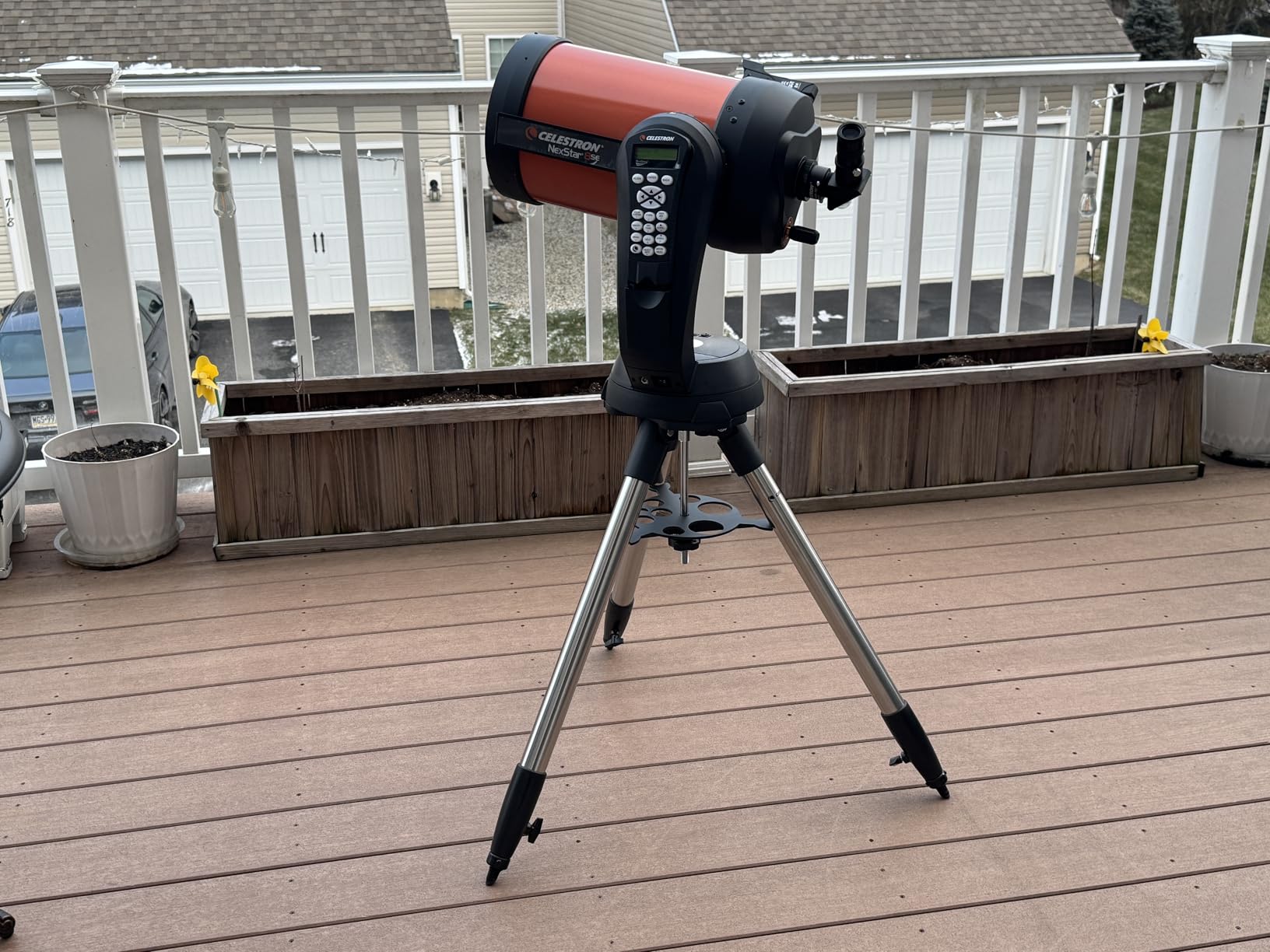
Physically it is a single fork arm on a tripod, which keeps the whole thing narrower than a German equatorial mount of the same aperture. StarBright XLT coatings on the corrector help with transmission, and a Dawes limit of 0.57 arc seconds means the optics are not the bottleneck when the air is steady. For Jupiter, Saturn and lunar terminator detail, the aperture does the work.
Two things catch new owners out. Focus is manual only, so fine focusing at high power is a skill the first night teaches you. And the listed power options, eight AA batteries, a 12V adapter or a PowerTank, are all sold separately, so budget for that before the first session.
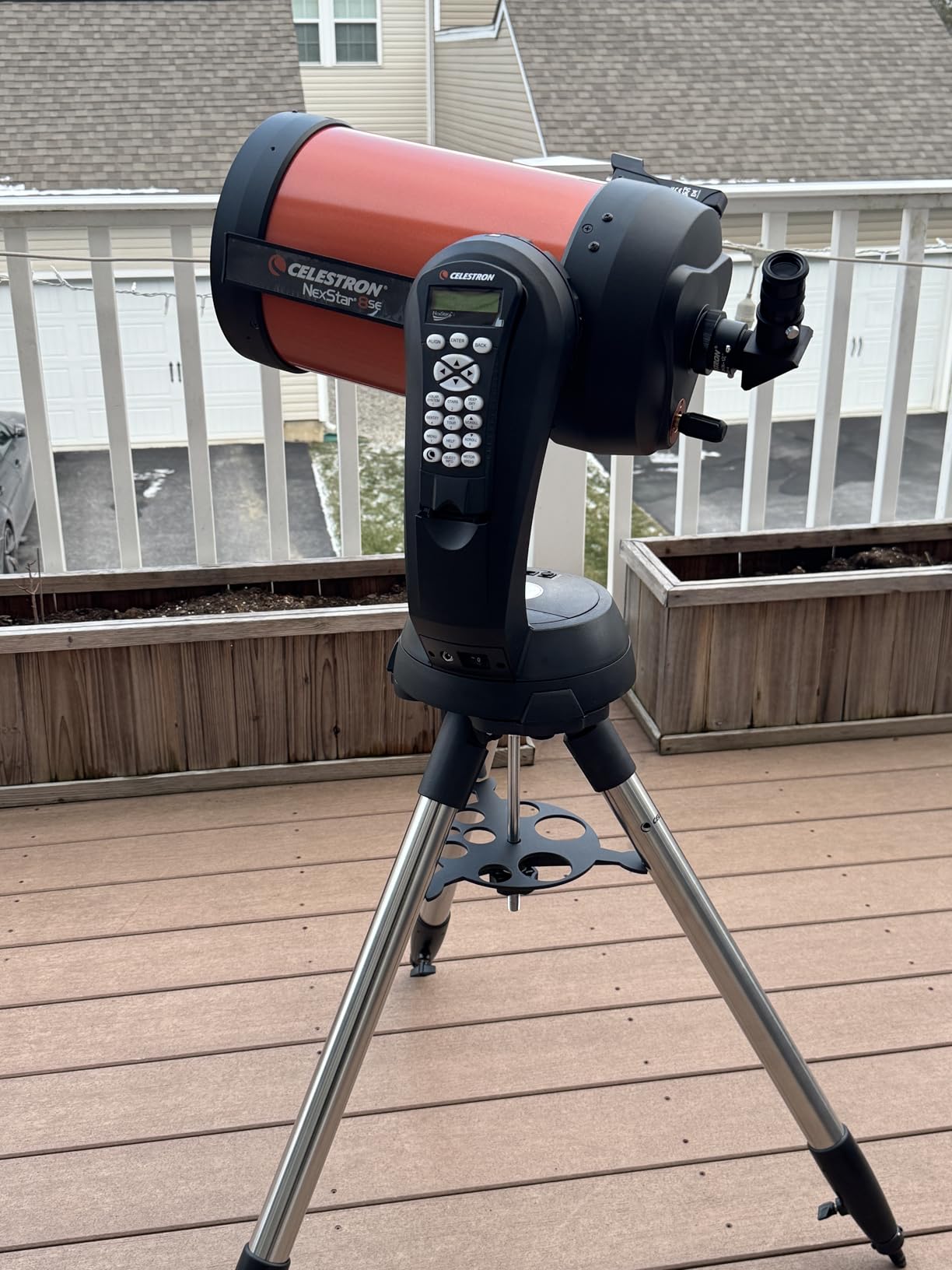
What the 8SE does better than the alternatives
Nothing else here pairs an aperture that large with a working automated slew and tracking system. That combination is what makes it a one-instrument answer: lunar detail on a Tuesday, Jupiter’s cloud bands in August, and a globular cluster in November, without buying anything else.
For an adult beginner who wants to grow into astrophotography later, the fork mount is also a stable base. The tracking holds a fixed target in frame long enough to stack exposures, which is the capability that separates a computerized mount from a manual one.
Where the 8SE disappoints
At 10.88 kg it is the second-heaviest item here, and that weight sits high on the fork arm where it makes the tripod feel tippy in a breeze. If you are moving to a field every clear weekend, that is a real cost in effort.
It is also the biggest commitment in the group, and more than a beginner needs to make on the first try. People who buy it to grow into it tend to be happy; people who buy it as a casual garden toy are the ones who stop using it.
2. Celestron NexStar 127SLT Maksutov-Cassegrain – Best Value Traditional GoTo
Celestron NexStar 127SLT Maksutov-Cassegrain Computerized GoTo Telescope
127mm aperture
1500mm focal length
Single fork arm mount
18.1 lb
Pros
- Sharp high-contrast Maksutov views
- Compact enough for travel
- Two eyepieces plus Starry Night software
- SkyAlign setup takes minutes
Cons
- Manual focus only
- You swap eyepieces for bigger targets
- Fork and tripod bulkier than expected
The 127SLT is the scope I recommend when someone says they want a real telescope, not a gadget, and does not want a four-figure outlay. A 127mm Maksutov-Cassegrain gives you contrast you can see on the Moon and on the Orion Nebula, and the whole thing travels at 18.1 pounds.
Pointing works the same way as the 8SE, with SkyAlign and the same 40,000+ object database. The difference is the fork, and it is the same single arm design, so the profile stays narrow.
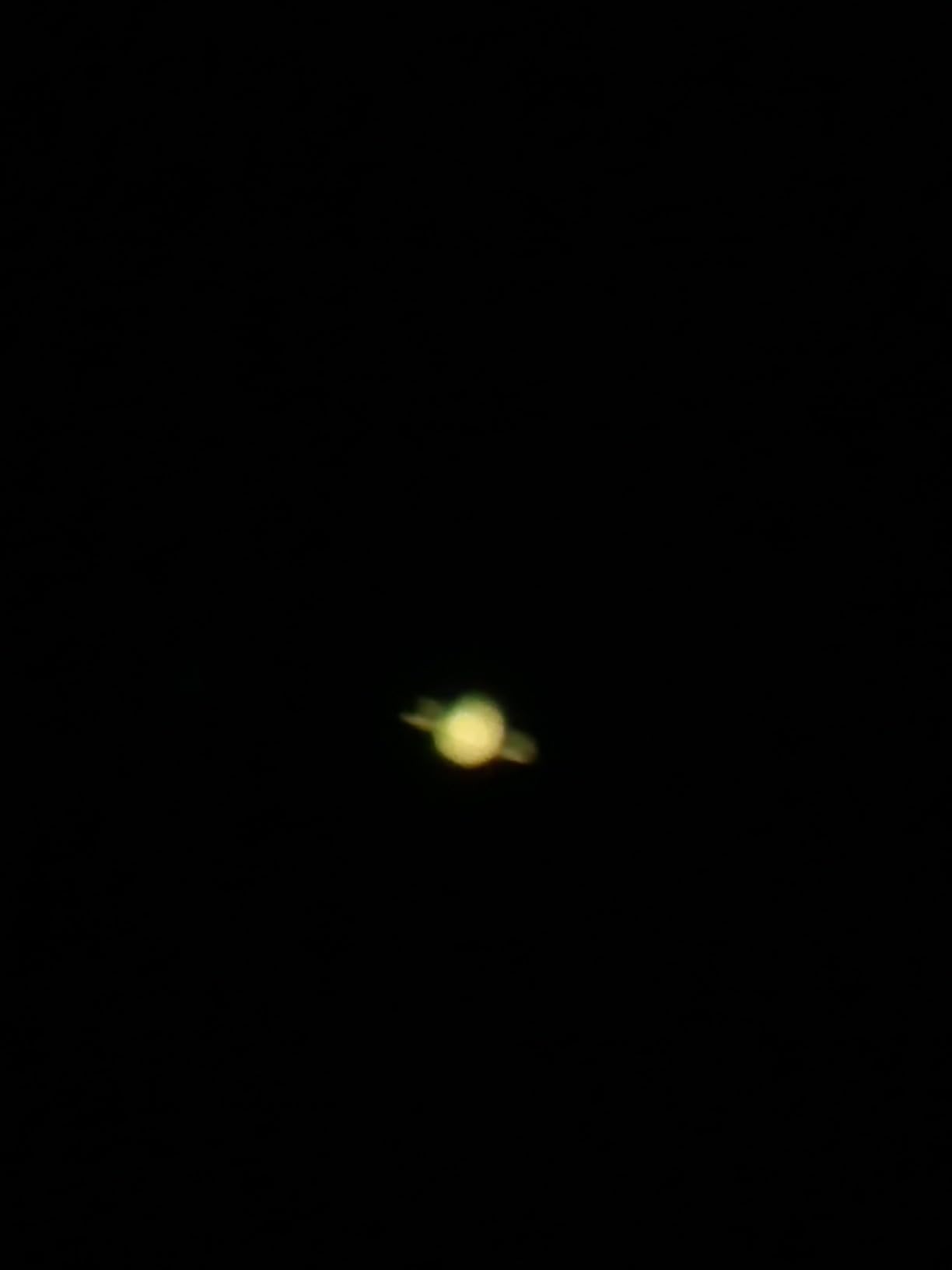
A 1500mm focal length in a 27-inch tube is a long, narrow field. Through the supplied 20mm eyepiece you get a 1.7 degree field of view, which frames the Moon and Jupiter nicely. To go tighter on a planet you change eyepieces, and the 9mm included gives you the magnification where Saturn’s ring detail resolves.
One structural note. The supplied 20mm and 9mm eyepieces give you a usable spread, but the listed zoom ratio of 3 means any real magnification change is an eyepiece swap. That is normal for this class and cheap to solve with a Barlow later, not a defect.
Why the 127SLT makes sense for a first telescope
Maksutov-Cassegrain optics are forgiving. There is no collimation to maintain, no central obstruction to fight, and the closed tube does not collect dust on a mirror. A beginner gets a good result on the first night and roughly the same result on the fiftieth.
Owners also mention the free Starry Night special edition software, which is genuinely useful for planning. You can check what is up for your location and time before you drive anywhere.
Where the 127SLT disappoints
127mm is a modest aperture by Dobsonian standards. Galaxies will look pale grey smudges from a suburban backyard, and the difference is obvious once you have seen what a larger scope shows. If deep-sky objects are your main interest, this is not the aperture you want long term.
Manual focus is the other learning curve. A Maksutov needs a careful focuser adjustment to avoid overfocusing, and beginners tend to undershoot it.
3. ZWO Seestar S30 Pro Smart Telescope – Best for Astrophotography
ZWO Seestar S30 Pro Smart Telescope, App-Controlled Astrophotography
30mm aperture
160mm focal length
Dual-camera 4K imaging
3.64 lb
Pros
- Power on and start in minutes
- 4.6 degree field fits wide Milky Way shots
- Built-in light pollution filters
- Stacking and AI noise reduction automatic
Cons
- No eyepiece for visual observing
- Deep-sky work needs a stationary setup
- Planetary detail is not its strength
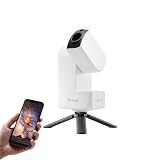
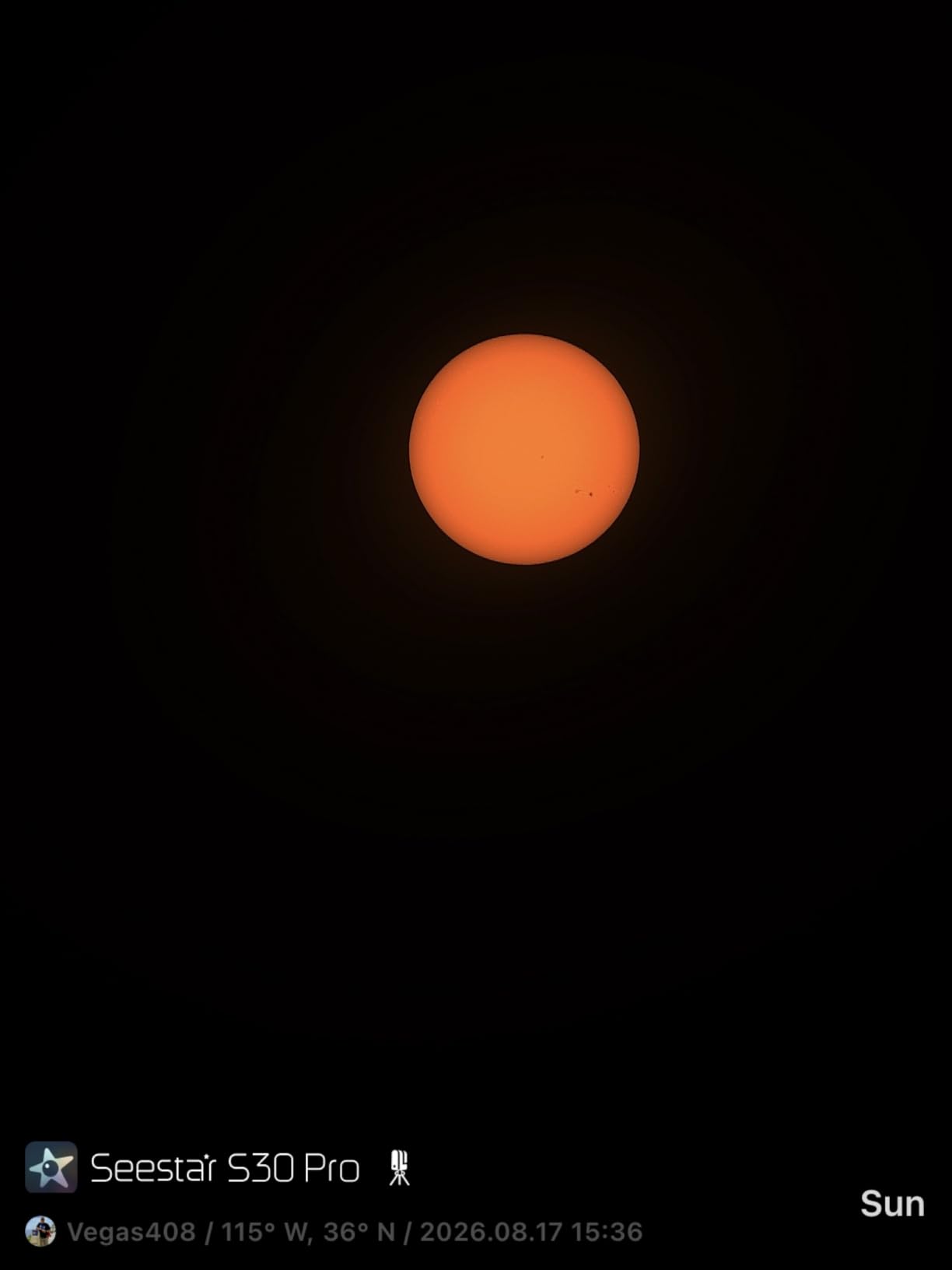
The S30 Pro is a completely different instrument from the Celestrons. There is no eyepiece. You power it on, connect the app, and a dual-camera system with mosaic stitching produces finished images of deep-sky objects, the Milky Way, star trails, the Moon and the Sun.
At 160mm focal length and a 4.6 degree field of view, this is built for wide scenes. The alt-azimuth mount supports equatorial mode, which is what you switch to when you want the mount to track more like an equatorial rig and hold stars sharp for longer.
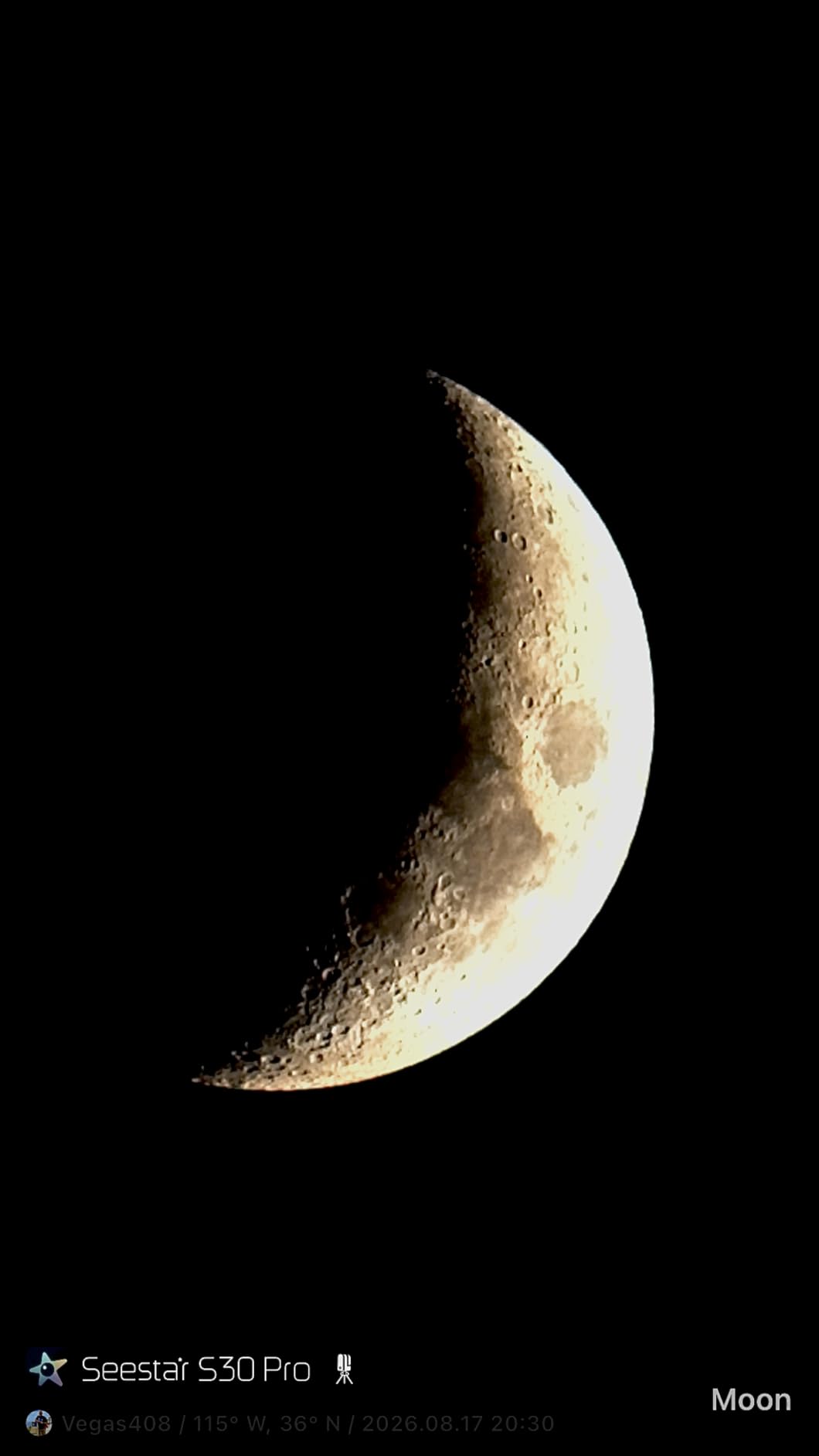
What makes it work in a city is the built-in light pollution filters plus one-tap AI noise reduction and sky and foreground separation. Reviewers repeatedly describe the app as the decisive feature: the pointing is automatic, the stacking happens on the device, and the first usable result arrives in a session rather than after an evening learning stacking software.
Anti-dew protection is listed for long sessions, and the 3.64 lb weight means you can carry it out to a field in one hand. Community owners frequently call the automation out as the reason they stayed with it rather than moving to a traditional rig.
When the S30 Pro is the right buy
Buy it if the photographs are the goal. If you want to show someone Saturn’s rings live, through glass, with your own eye, this is the wrong tool, because there is nothing to look through. That single fact narrows the audience a lot and it is worth being blunt about.
It also rewards patience with a process rather than a single moment. You point it at a target, start stacking, and walk away. A beginner who enjoys that loop finds it genuinely absorbing.
Where the S30 Pro disappoints
Planetary viewing is the weak spot, and reviewers say so directly. Splitting Jupiter’s belts or seeing Mars at opposition through an eyepiece is not what this scope does, and no amount of app processing changes that.
Deep-sky imaging also requires the device to sit still. Wind, a bumping table, or a car roof and you are re-shooting the sequence. And with 232 reviews behind it, it is the newest design here, so the long-term reliability record simply does not exist yet.
4. DWARFLAB Dwarf Mini Smart Telescope – Most Versatile for First-Time Imaging
DWARFLAB Dwarf Mini Smart Telescope – 1.85lb Portable Astronomy Telescope
30mm aperture
150mm focal length
Sony IMX662 sensor
1.85 lb
Pros
- Unboxing to first image in about 3 minutes
- Plate-solving finds targets automatically
- Up to 90-second exposures with light pollution filters
- 360-degree pivot and EQ mode guidance
Cons
- Low resolution for small targets
- Planets show as featureless discs
- Wi-Fi connection can be finicky
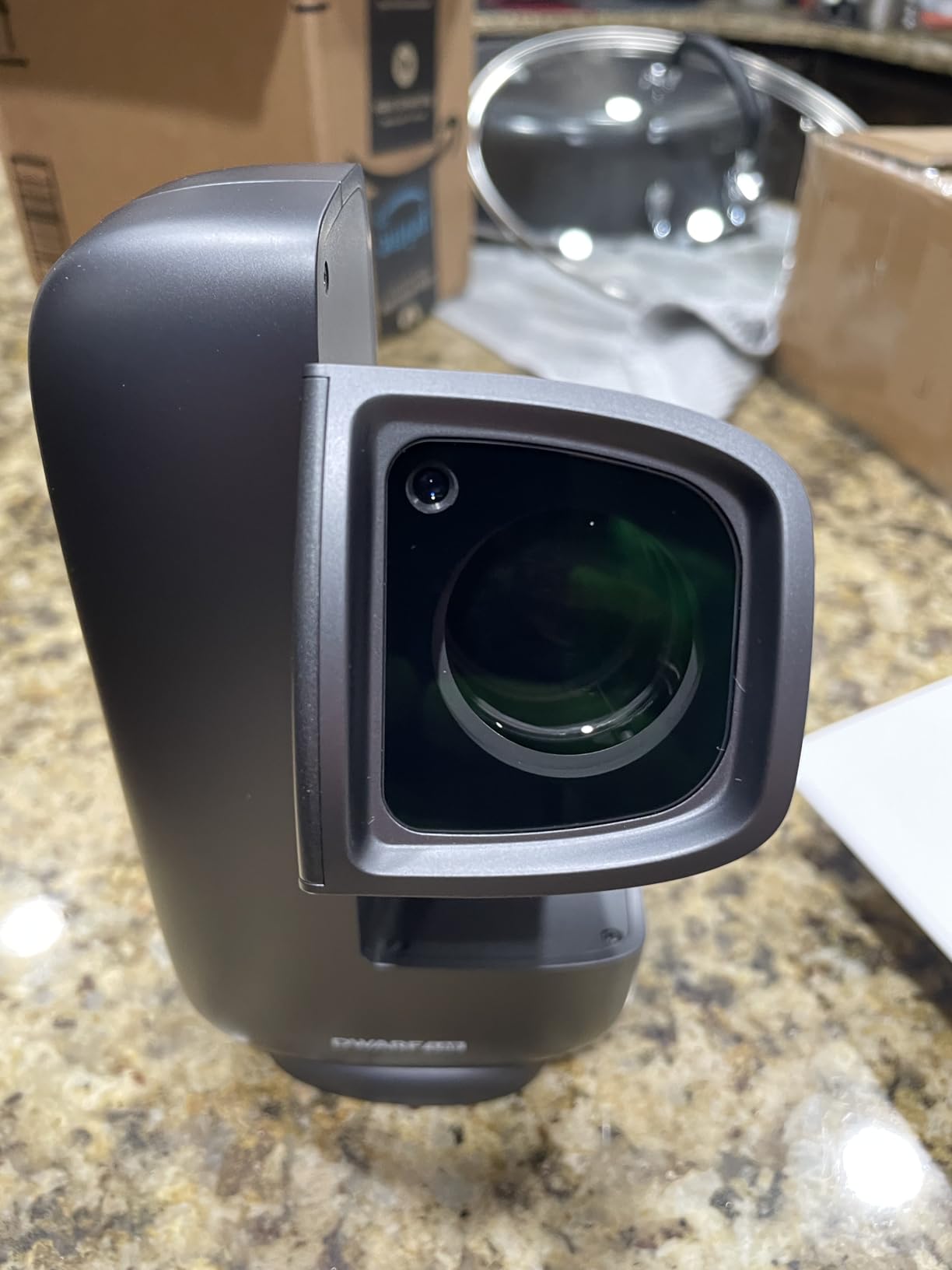
The Dwarf Mini is the smallest and lightest scope in this lineup at 1.85 pounds, and reviewers treat it as the value pick for a first astrophotography rig. The Sony IMX662 sensor with 2.9 micron pixels is not a large-format imager, but for learning the loop it is more than enough.
Getting started is the strongest part. The app includes an interactive star map, and plate-solving locates and tracks deep-sky objects automatically even from something as casual as a picnic table. Unboxing to a first image takes about three minutes by owner accounts.

The EQ mode is unusually well explained for a beginner device: it gives exact degree and direction instructions for polar alignment rather than asking you to judge it by eye. Once aligned, single-frame exposures run up to 90 seconds with built-in light pollution filters, which is what makes it usable in a bright backyard.
Stacking is handled inside the scope, and a built-in shutter captures dark frames automatically. Two-times and four-times tile mosaics plus multi-session mega stacking let you build up faint targets over several nights, which is the part that keeps people coming back.
Who the Dwarf Mini suits
A child aged ten who can follow an app but is not ready to align a fork mount. The 1.85 lb body, the 360-degree pivot and the all-ages app design mean one person can carry it outside and operate it. For family use, our guide to the best telescopes for kids covers the wider decision.
It is also the lowest-commitment way here to find out whether you actually enjoy stacking images before spending real money on a traditional mount and camera.
What holds it back
Sensor resolution is the ceiling. Small deep-sky objects appear tiny and do not enlarge well, so a large galaxy will look like a smudge on a phone screen. Social sharing is realistic; large prints are not.
Planetary viewing is effectively off the table, planets render as featureless discs, and it will not track birds or aircraft. A few reviewers also report initial Wi-Fi connection trouble, with connecting through home Wi-Fi in the app settings as the workaround, and the occasional report of internal dust near the lens.
5. DWARFLAB Dwarf 3 Smart Telescope – Best for Travel and Daylight Use
DWARFLAB Dwarf 3 Smart Telescope, App-Controlled Astrophotography Camera
35mm objective
Dual telephoto and wide lenses
4K auto-tracking
2.28 kg
Pros
- Only 3 lb
- fits a standard backpack
- Works for wildlife and scenery in daylight
- Cloud processing needs no computer
- Carrying bag and filters in the box
Cons
- Depends on phone or laptop for control and processing
- Alt-azimuth with EQ mode only for tracked exposures
- Resolution aimed at sharing rather than printing
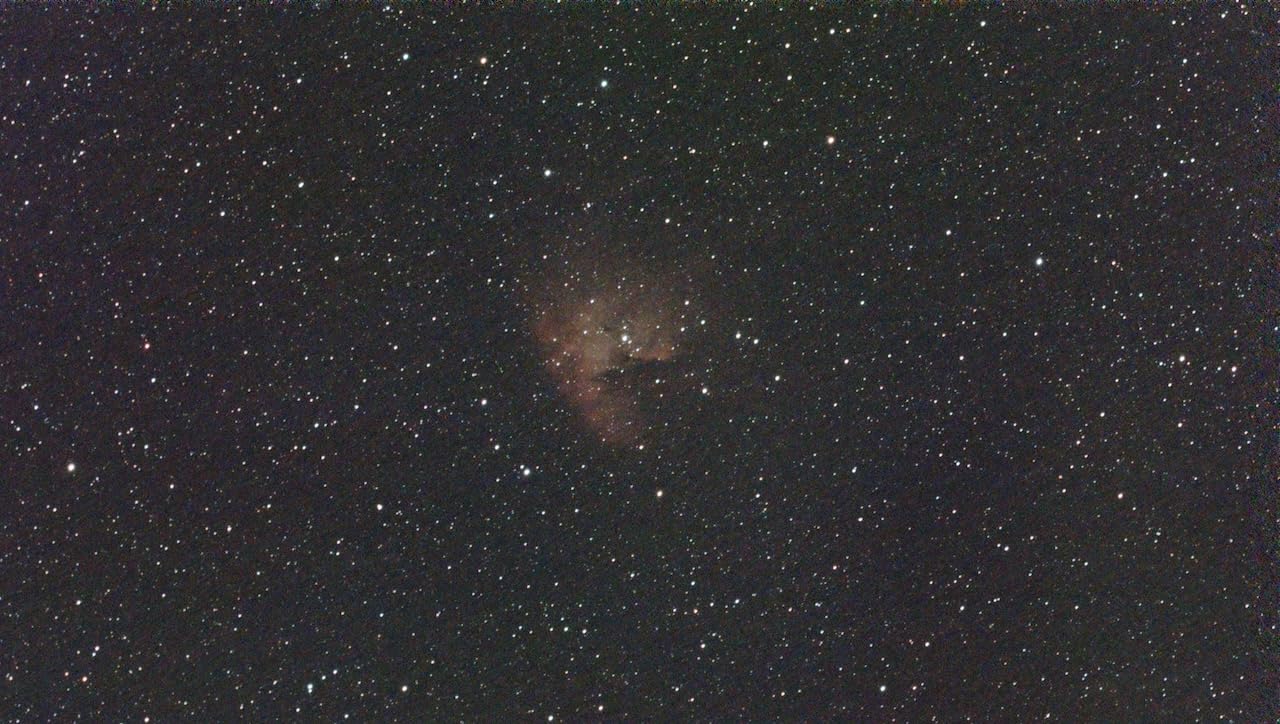
The Dwarf 3 is the one scope here built around two lenses rather than a single optical path. A telephoto for deep space and distant subjects, and a wide-angle for the Milky Way and star trails, which means one device covers both ends of the framing range. Owners also use the telephoto for daylight wildlife and scenery, which roughly doubles the number of times per year the device gets picked up.
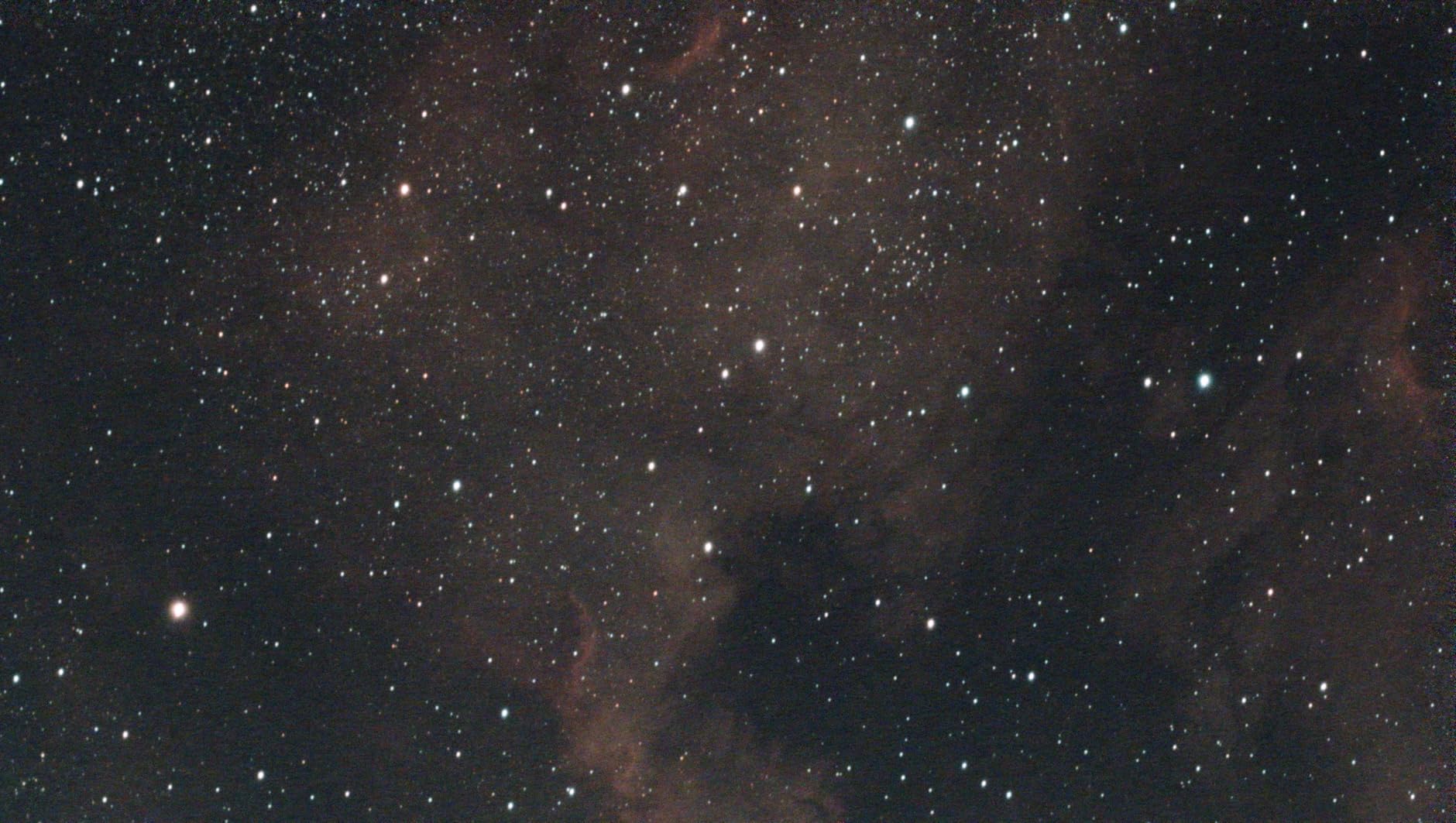
Image processing happens in the cloud through the DWARFLAB app, so there is no PC to set up and no stacking software to install. The app is easy enough that reviewers describe the target audience as ages 6 to 98, and a first astrophotography run takes about two minutes.
Auto-tracking runs in 4K and the alt-azimuth mount with EQ mode handles longer tracked exposures. At 2.28 kg it fits a normal backpack, and the box includes a carrying bag, magnetic filters, a filter pouch, a cleaning cloth and a USB-C cable.
When to pick the Dwarf 3 over the Mini
If you want one device for the daytime and the night, this is the pick. The dual-lens system removes the need to choose a field of view, and reviewers consistently single out the low weight and near-automatic results as the reasons to buy.
For a school project, a camping trip, or a gift that a child will actually use, the included carrying kit and battery-only power make it a straightforward object to hand to someone else.
What holds it back
It leans on your phone or laptop for control and processing. If you are somewhere with no signal, that is a real limitation for a product that otherwise travels so well, and parents of younger children often flag app-only operation as the sticking point.
The image resolution is aimed at sharing on a screen rather than printing, and the EQ mode is the only path to longer tracked exposures, so the alt-az mount alone will trail on anything beyond a short exposure.
6. Celestron StarSense Explorer LT 114AZ – Best for Kids and Family Observing
Celestron StarSense Explorer LT 114AZ Newtonian Smartphone Guided Telescope
114mm aperture
1000mm focal length
StarSense phone alignment
10.4 lb
Pros
- No experience needed to use
- App builds a nightly target list
- 25mm and 10mm eyepieces plus 2x Barlow included
- Preassembled mount and tripod
Cons
- Manual mount means you move the tube yourself
- Manual focus only
- Phone required in the eyepiece for guiding
This is the longest-established listing in the group by review volume, and it produces the highest share of one-star reviews. That is not a failure of quality, it is a mismatch of expectation. People buy it expecting a GoTo mount and get a manual one, so I want to be precise about what it actually is.
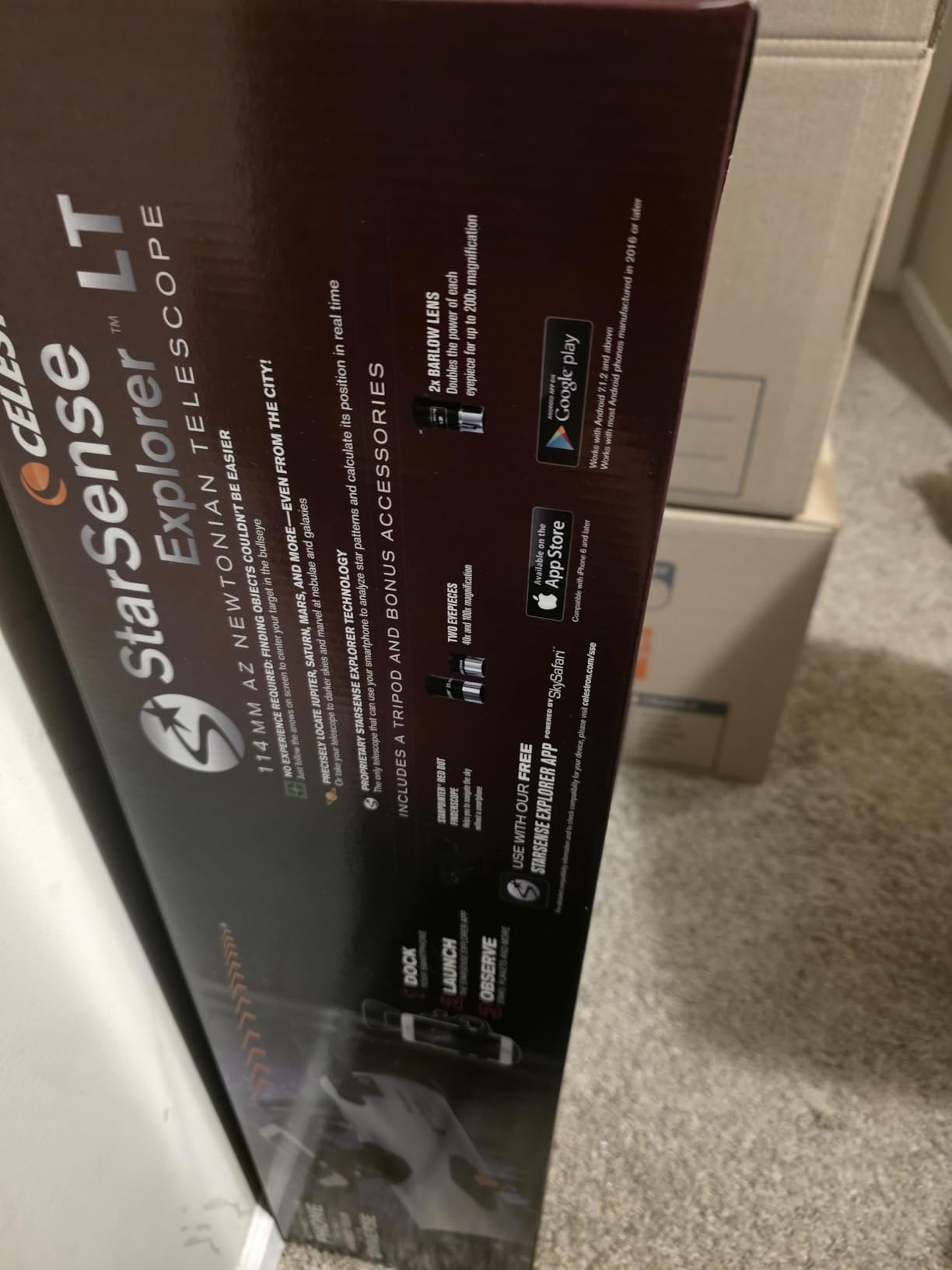
The pointing is done by your phone. You dock the phone at the eyepiece, and StarSense sky recognition technology analyses the star pattern overhead to work out where the telescope is pointing. Then the app generates a curated list of the best targets for your location and time, and you move the tube by hand to each one.
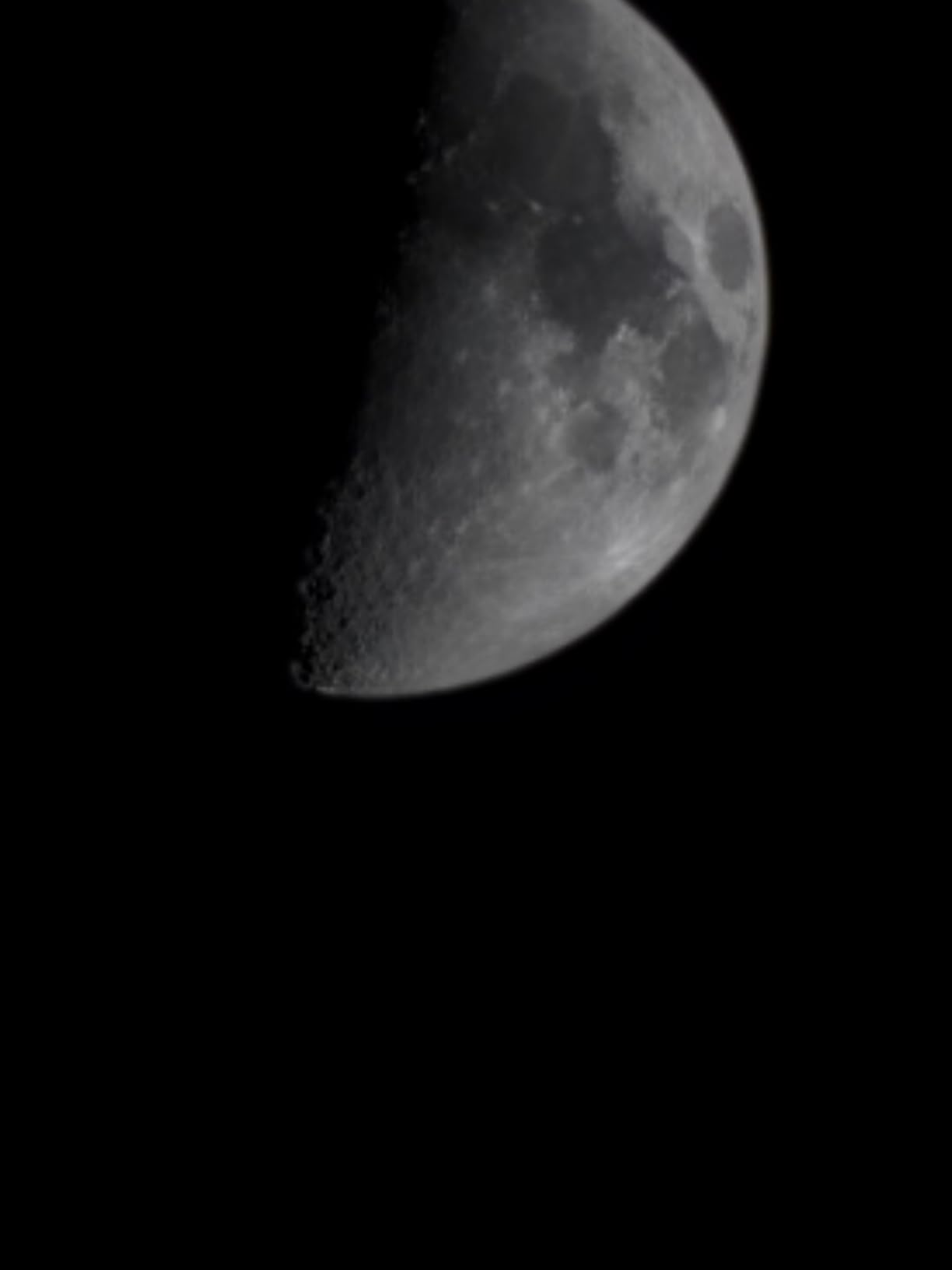
Optically it is a 4.5-inch Newtonian on a 1000mm focal length, with mirrors coated in aluminium and SiO2 for reflectivity. Through the supplied 25mm and 10mm eyepieces, plus the included 2x Barlow, the Moon, Jupiter, Saturn and brighter deep-sky objects all resolve well for the price band.
You also get a preassembled mount and tripod, which removes the single most tedious step of a first telescope. A manual altitude slow-motion adjustment and a sliding rod make tracking a target manageable once you have the technique.
Who this scope is genuinely for
A family that wants to look at the sky together without a two-person alignment procedure. The app does the finding, one person reads the screen and one person moves the tube, and a child can drive that without adult help. The average owner rating of 4.1 across more than 1500 reviews reflects a product that works as designed.
It is also the one product in this comparison that ships fully assembled, with a two-year warranty and unlimited support covering the learning period.
Why some buyers are disappointed
The mount is manual. There is no motorized slew and no automatic tracking, so the telescope will drift off a planet within a couple of minutes at high power. If the pitch is “I want it to find things itself,” this does not do that.
You also need the phone in the eyepiece to be guided, which is awkward in cold weather and impossible without a battery. That 9% share of one-star reviews is mostly this gap between expectation and specification.
7. Sky-Watcher Virtuoso GTI 150P GoTo Dobsonian – Best Tabletop Aperture
Sky Watcher Sky-Watcher Virtuoso GTI 150P Collapsible Tabletop GoTo Dobsonian Telescope
150mm aperture
750mm focal length at f/5
Built-in Wi-Fi GoTo
25.8 lb
Pros
- Large aperture in a short tabletop tube
- Fast f/5 optics for light gathering
- Freedom Find encoders keep alignment when you push by hand
- Collapsible tabletop design
Cons
- Heaviest option at 25.8 pounds
- Manual focus only
- Small 62-review track record
The Virtuoso GTI 150P takes a different route to automation. Instead of a database and a hand controller, it has built-in Wi-Fi and full GoTo through the SynScan Pro app, and the mount uses dual encoders so it always knows where it is pointing.
That encoder system, marketed as Freedom Find, is the part I like most. You can push the tube by hand to centre an object without losing the alignment, which removes a frustration that the other GoTo mounts here cannot help with. Centre it with your fingers, step back, and the mount still knows where it is pointing.
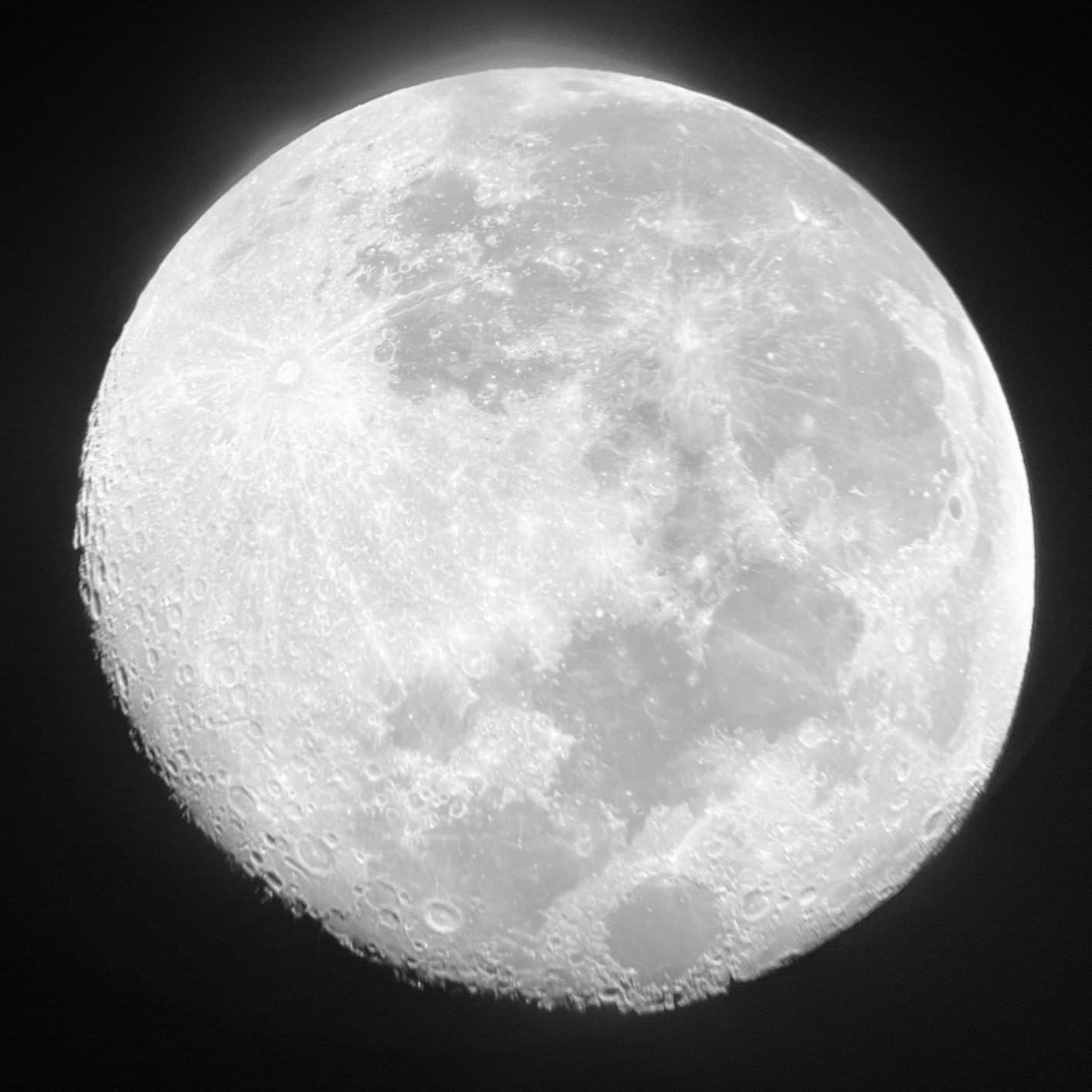
Optically, 150mm at f/5 with fully coated optics is a large amount of light-gathering for a tabletop instrument. At 750mm focal length and a 0.83 degree field of view, it handles the Moon, planets, galaxies and nebulae, and the f/5 focal ratio gives brighter images than a long Newtonian.
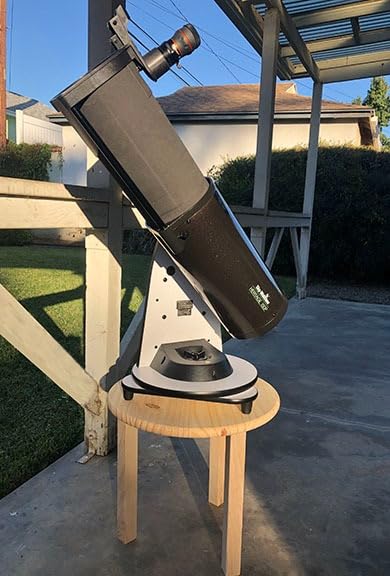
The collapsible tabletop design is the other practical point. It is not a grab-and-go scope, but it is a mount you can set on a table or a sturdy outdoor surface and leave there, which suits a garden, a balcony, or a classroom where space is the constraint.
Why the aperture matters here
Aperture is the one specification you cannot add later. Everything else on this list, eyepieces, filters, a camera, can be bought next year. Moving up in aperture means a different telescope, and the difference shows on faint galaxies and on the dividing line in Saturn’s rings under decent seeing.
For a beginner who will spend years on this hobby rather than a few months, buying the aperture you can still carry to a good night is usually the right call.
What to watch out for
At 25.8 pounds, the tabletop Dobsonian base is the heaviest thing in this comparison, and that weight is why the collapsible design exists. Carrying it to a field is a two-person job for some adults.
Focus is manual, and with only 62 reviews behind it the long-term owner record is thin compared with the Celestrons. A SynScan hand controller is listed as compatible but worth confirming what is included before you rely on it.
Computerized vs Smart vs Manual Telescopes: What Are You Actually Buying?
These three categories get mixed up on almost every ranking page, and the confusion is the single biggest reason people buy the wrong thing. A computerized telescope is a real telescope with a motorized mount. A smart telescope is a camera on a tripod that produces pictures. A manual telescope is glass in a tube that you aim yourself. They satisfy different needs.
Here is the honest version. If you want to see planets with your own eye, a traditional scope is the only one of the three that does it. If you want to produce images you can share, a smart telescope reaches a finished picture in minutes and a traditional scope needs a camera, a computer and software. If you want the cheapest route to more light per pound, a manual Dobsonian is the traditional answer, and automation is then the wrong thing to pay for. Both routes are legitimate; they just produce different nights.
Our guide to the best telescopes for beginners covers the manual side in more detail, including when a GoTo mount is money better spent on a larger mirror.
Two cautions. First, app-only operation means you are entirely dependent on a phone, which parents and non-tech users regularly flag as a dealbreaker, and it does not work well where there is no signal. Second, in the smart category the community is openly skeptical of some brands, with Unistellar in particular drawing repeated criticism on Reddit r/telescopes for pricing and reliability, one commenter calling them the worst smart telescopes out there and warning against them for kids. None of the scopes in this guide are from that brand.
The same discussion that dismisses Unistellar also surfaces the Celestron Odyssey Pro as a frequently recommended smart telescope, on the grounds that it doubles as a normal telescope you can use at the eyepiece. That dual-function argument is worth weighing if you want one device for both jobs.
How GoTo Alignment Works and What to Do When It Fails
Alignment is the step everyone worries about, and it is much less fragile than its reputation. In SkyAlign, the system asks you to centre three bright stars in the finder, in roughly any order, then solves for your location, time and orientation. From that model it can slew to any target in the database and track it as the Earth turns.
StarSense does the same job optically instead of arithmetically. A phone camera analyses the star pattern overhead and returns a match. Some owners consider it generally more reliable, and the practical difference on a first night is small. The community complaint that comes up most is not accuracy but repetition: people report occasionally having to align a second time during the same evening, which usually means ambient temperature change or a bump to the tripod.
Plate solving, used by the DWARFLAB scopes, skips the star-centring ritual entirely. The app takes a picture of the sky, recognises the pattern and points itself. The Dwarf Mini reaches a tracked target in about three minutes this way.
If alignment drifts mid-session, four fixes cover nearly every case. Level the tripod, because a tilted base invalidates the model faster than anything else. Keep the phone or controller away from any body heat, since a warm handheld can shift the star centre. Re-align rather than re-slewing, since chasing a drifted object wastes an evening. And if the app will not connect at all, on the DWARFLAB units the reported workaround is to connect through home Wi-Fi in the app settings instead of a direct link.
What You Have to Buy on Top of the Telescope
This is the part most roundups skip, and it is where beginner budgets quietly go wrong. A computerized telescope is rarely a sealed system, and the add-ons fall into four groups.
Power comes first. The NexStar 8SE lists eight AA batteries, a 12V adapter or a PowerTank, none of which are included. Budget for a mains adapter and a power bank before a long session, because eight AAs will not last an all-night observing run.
Eyepieces are second. The 127SLT and the StarSense 114AZ both include two, which is enough to start, but a 2x Barlow plus a moderate eyepiece in the 6mm to 8mm range is what takes you from the Moon to Jupiter’s detail. The 8SE includes a 25mm only, so it needs the most help here.
A solar filter is the one non-optional purchase. A front-aperture white-light solar filter is a genuine safety device, and no telescope should be pointed near the Sun without one. Read the filter instructions for your specific aperture and never improvise.
Finally, add a red flashlight. White light ruins dark adaptation, and a phone screen at full brightness does the same thing, so a dim red torch is a small item that makes every other purchase more useful.
If you are building toward photographs, our best telescopes for astrophotography guide covers the camera and adapter side. For a school or club setting, the best telescopes for students page looks at durability and shared use, and our telescopes for viewing planets guide ranks by aperture and focal length for planetary work.
How We Evaluated These Telescopes
Seven scopes survived our screening out of a much larger candidate pool, because the category is dominated by variations on a few product families and we only counted genuinely distinct designs. We compared published specifications against manufacturer listings, read the full owner review sets, and cross-referenced recurring themes on Reddit r/telescopes, r/AskAstrophotography and Cloudy Nights.
Our weighting favoured setup time, how long alignment holds, whether the scope works in a bright backyard, what the add-ons above will cost, and honest reasons to avoid each one. Star rating alone did not decide any position here.
One community theme shaped the buying guide more than any spec sheet. A Cloudy Nights user with a Celestron 6SE and StarSense reports that the scope saw less and less use once a Seestar S50 arrived, because the setup time was equally quick but the newer device was more convenient. That is the honest risk of any computerized telescope: the easiest one to stop using is not always the worst one, it is the one that takes the most effort per session.
Frequently Asked Questions
What is the best computerized telescope for beginners?
The Celestron NexStar 8SE is the best all-round choice for beginners, pairing an 8-inch Schmidt-Cassegrain aperture with a fully automated GoTo mount, SkyAlign alignment and a 40,000+ object database. If you want less weight and a lower outlay, the NexStar 127SLT is the value pick. If you want images rather than eyepiece views, the ZWO Seestar S30 Pro is the fastest route to a finished picture.
Are computerized telescopes good?
Yes, for most beginners, because the motorized mount finds and tracks objects for you. The hardest part of stargazing is locating targets rather than seeing them, and alignment removes that barrier so new observers spend their first nights on Jupiter and Saturn instead of hunting for them. The costs are weight, separate power accessories, and manual focus that takes practice.
What type of telescope is best for a beginner?
A computerized alt-azimuth mounted telescope on a refractor, Maksutov-Cassegrain or moderate Newtonian design is easiest for a beginner, because setup needs no polar alignment. A tabletop Dobsonian gives more light per pound but has no automation. A smart telescope is best if you want photographs, and worst if you want to look through an eyepiece.
What are the best telescopes for beginners?
The shortlist is the Celestron NexStar 8SE for aperture plus automation, the Celestron NexStar 127SLT for value, the Celestron StarSense Explorer LT 114AZ for family use on a smaller budget, and the ZWO Seestar S30 Pro for astrophotography. Manual tabletop Dobsonians are also worth considering, since they often show more detail per pound of outlay than a computerized mount.
Is Celestron StarSense worth the cost?
StarSense is worth it if you want automated pointing without a hand controller, because it analyses the star pattern overhead with your phone and returns a match, and the app also builds a nightly target list for your location. It is less essential on a scope that already has a full GoTo mount, where you would be paying for a second alignment method you do not need.
What is considered the best smart telescope?
The Celestron Odyssey Pro gets the strongest community endorsement, mainly because it doubles as a normal telescope with a real eyepiece, which almost no other smart design does. Among the app-only options here, the ZWO Seestar S30 Pro leads on automation and the DWARFLAB Dwarf Mini on portability. Most smart scopes are poor at planetary viewing.
Which Celestron telescope is considered the best?
For beginners, the Celestron NexStar 8SE is generally considered the best, because an 8-inch aperture is unusually large for a fully automated GoTo mount. The NexStar 127SLT is the better choice on a smaller budget, and the StarSense Explorer LT 114AZ is the family pick. Community advice often favours higher-grade mounts for anyone planning astrophotography.
How good are Unistellar telescopes?
The hardware is capable, but community sentiment is sharply negative on value. On Reddit r/telescopes, multiple threads advise beginners to avoid Unistellar entirely, with one commenter calling them the worst smart telescopes out there and warning against them for kids. On Cloudy Nights the recurring complaint is that the pricing far exceeds what the app-driven experience delivers.
Which Computerized Telescope Should You Buy in 2026?
Buy the Celestron NexStar 8SE if you want one instrument that covers the Moon, the planets and deep-sky objects for years, and you are willing to carry 10.88 kg to get 8 inches of aperture. It is our best computerized telescope for beginners in 2026 for the simple reason that nothing else here pairs that aperture with a working automated slew and tracking system.
Buy the NexStar 127SLT if that weight or outlay is a step too far. It gives you the same alignment system and database on a smaller, more portable Maksutov-Cassegrain, and it is the value pick of the group.
Buy the StarSense Explorer LT 114AZ if the telescope is for a child or the whole family, and read the specification carefully first. It guides you with a phone rather than a motor, and knowing that in advance prevents almost every complaint in its reviews.
Buy the ZWO Seestar S30 Pro, the Dwarf 3 or the Dwarf Mini if you want photographs, not eyepiece views. Among them the Dwarf Mini is the lightest and most compact way to learn stacking, the Dwarf 3 adds the dual-lens daylight capability, and the S30 Pro leads on automation and wide-field imaging. Buy the Virtuoso GTI 150P if your nights are mostly from a fixed spot, such as a garden table, and aperture matters more to you than portability.
Whichever you choose, buy a solar filter, a power source and a red flashlight in the same order, and give it three clear nights before you judge it.