
Summer break is supposed to be fun, but it also brings a sneaky problem: the summer slide. Research shows kids can lose up to two months of reading achievement during the break if they don’t crack a book open. That’s where the best summer reading books for kids come in, and I’ve spent weeks curating a list that actually keeps children turning pages.
Our team tested and reviewed 12 standout titles across every age group, from toddlers to tweens. We looked at picture books, early readers, chapter books, and award-winning middle-grade novels. Every pick on this list earned its spot through real engagement, not just pretty covers.
Whether your child is a reluctant reader who gravitates toward screens or a bookworm who devours everything in sight, there is something here. And if you want to pair these books with a great e-reader, check out our guide to the best Kindles for students for a screen-time-friendly reading option. Let’s find the right book for your young reader.
Table of Contents
Top 3 Picks for Summer Reading Books


Best Summer Reading Books for Kids in 2026
| Product | Specifications | Action |
|---|---|---|
| Magic Tree House Boxed Set, Books 1-4 |
|
Check Latest Price |
 The One and Only Ivan The One and Only Ivan |
|
Check Latest Price |
 The Girl Who Drank the Moon The Girl Who Drank the Moon |
|
Check Latest Price |
 Because of Winn-Dixie Because of Winn-Dixie |
|
Check Latest Price |
 One Crazy Summer One Crazy Summer |
|
Check Latest Price |
 The Eyes and the Impossible The Eyes and the Impossible |
|
Check Latest Price |
 The Chocolate Touch The Chocolate Touch |
|
Check Latest Price |
 Hot Dog Hot Dog |
|
Check Latest Price |
 The Watermelon Seed The Watermelon Seed |
|
Check Latest Price |
| Pete the Cat: Pete at the Beach |
|
Check Latest Price |
 The Night Before Summer Vacation The Night Before Summer Vacation |
|
Check Latest Price |
 And Then Comes Summer And Then Comes Summer |
|
Check Latest Price |
1. Magic Tree House Boxed Set, Books 1-4 – Best Chapter Book Starter Set
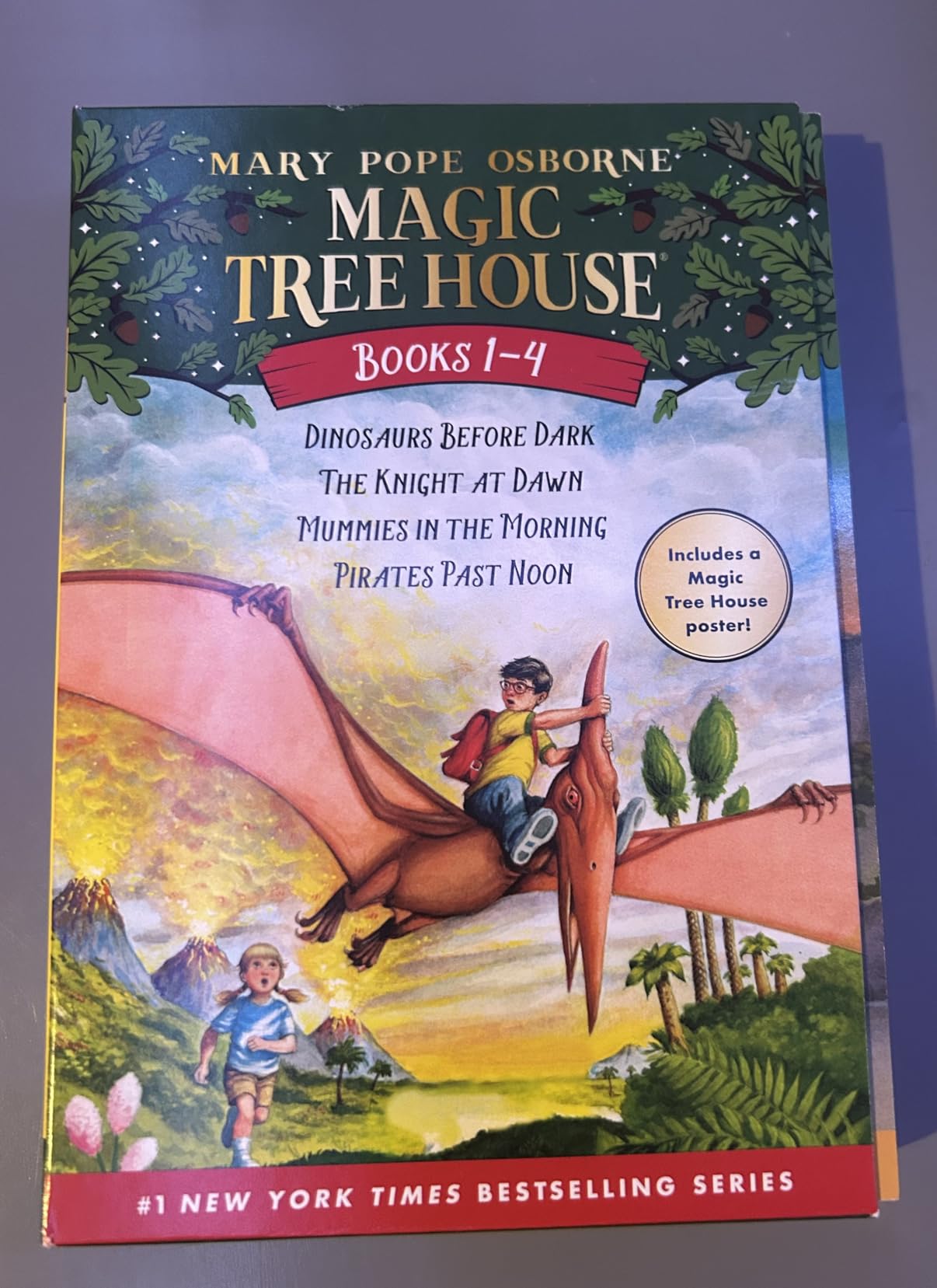
Magic Tree House Boxed Set, Books 1-4: Dinosaurs Before Dark, The Knight at Dawn, Mummies in the Morning, and Pirates Past Noon
4-book boxed set
Ages 5-8
Grade 1-4
80 pages per book
Pros
- Perfect bridge from picture books to chapter books
- Educational facts woven into adventures
- Short chapters keep kids engaged
- Fast-paced time-travel plots
Cons
- Some sentence fragments
- Siblings occasionally bicker
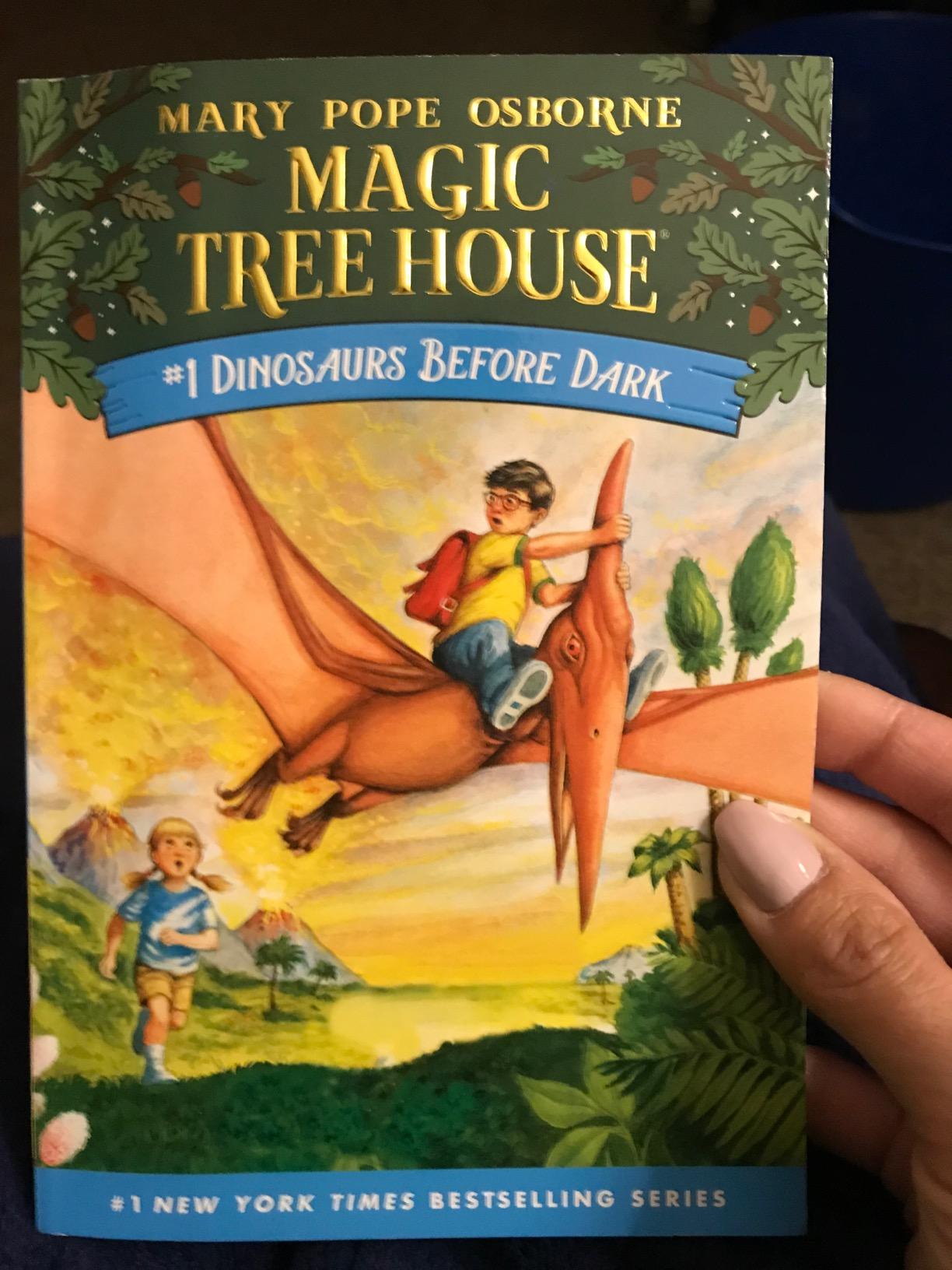
I handed this boxed set to my first grader last summer and watched him go from a reluctant reader to someone who asked for 20 more minutes of reading time each night. The Magic Tree House series follows siblings Jack and Annie as they discover a tree house filled with books that transport them through time. Books 1-4 cover dinosaurs, knights, mummies, and pirates, which honestly feels like the perfect mix for a young imagination.
What makes this set work so well for summer reading is the short chapter structure. Each book runs about 80 pages with illustrations every few pages, so kids never feel overwhelmed. My son finished his first book in three days and immediately wanted to start the next one.
The educational content is where this series shines beyond entertainment. Jack carries a notebook and writes down facts about each historical period, which models good study habits without feeling like homework. My kid started asking me about ancient Egypt after finishing Mummies in the Morning, and that curiosity is exactly what summer reading should spark.
With over 24,000 reviews and a 4.8 rating, this set is clearly a parent favorite. The paperback quality is decent for the price, though some reviewers noted the paper could be thicker. For a starter chapter book set that keeps kids reading all summer long, this is hard to beat.
Reading Level and Difficulty
These books sit at roughly a Guided Reading Level M-N, making them ideal for kids in grades 1-3. The vocabulary is accessible but introduces enough new words to stretch young readers. If your child is transitioning from early readers to longer chapter books, this is the sweet spot.
The print size is generous and the line spacing helps kids who are still developing reading stamina. Each chapter ends on a mild cliffhanger, which naturally encourages kids to keep going.
Series Continuation Potential
There are over 30 books in the main Magic Tree House series, plus a spinoff series called Merlin Missions for more advanced readers. If your child falls in love with Jack and Annie, you have years of reading material ahead. This boxed set is just the beginning of a deep, rewarding series.
Many parents on forums mention this series as a go-to for keeping reading momentum through summer. The familiarity of characters and structure makes each new book feel comfortable rather than intimidating.
2. The One and Only Ivan – Best Award-Winning Middle-Grade Novel
The One and Only Ivan: A Gentle Friendship Story About Patience, Kindness, and Everyday Adventures Together
Newbery Medal winner
Ages 8+
Grade 3-7
336 pages
Pros
- Beautiful lyrical prose
- Based on a true story
- Teaches empathy and compassion
- Strong character development
Cons
- Not divided into traditional chapters
- Some emotionally heavy moments
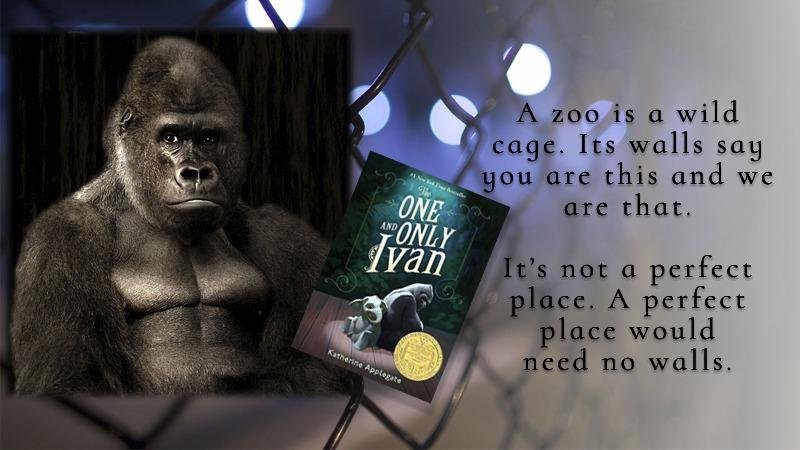
The One and Only Ivan wrecked me in the best possible way. I read it alongside my 9-year-old daughter over two weeks, and we had some of the best conversations about empathy and kindness that I have ever had with her. This Newbery Medal winner tells the story of Ivan, a silverback gorilla living in a shopping mall circus, and his friendship with a baby elephant named Ruby.
Based on a true story, the book is written in first person from Ivan’s perspective. The sentences are short and poetic, which makes it accessible for reluctant readers even though it runs 336 pages. My daughter, who normally avoids longer books, finished it faster than anything else this summer.
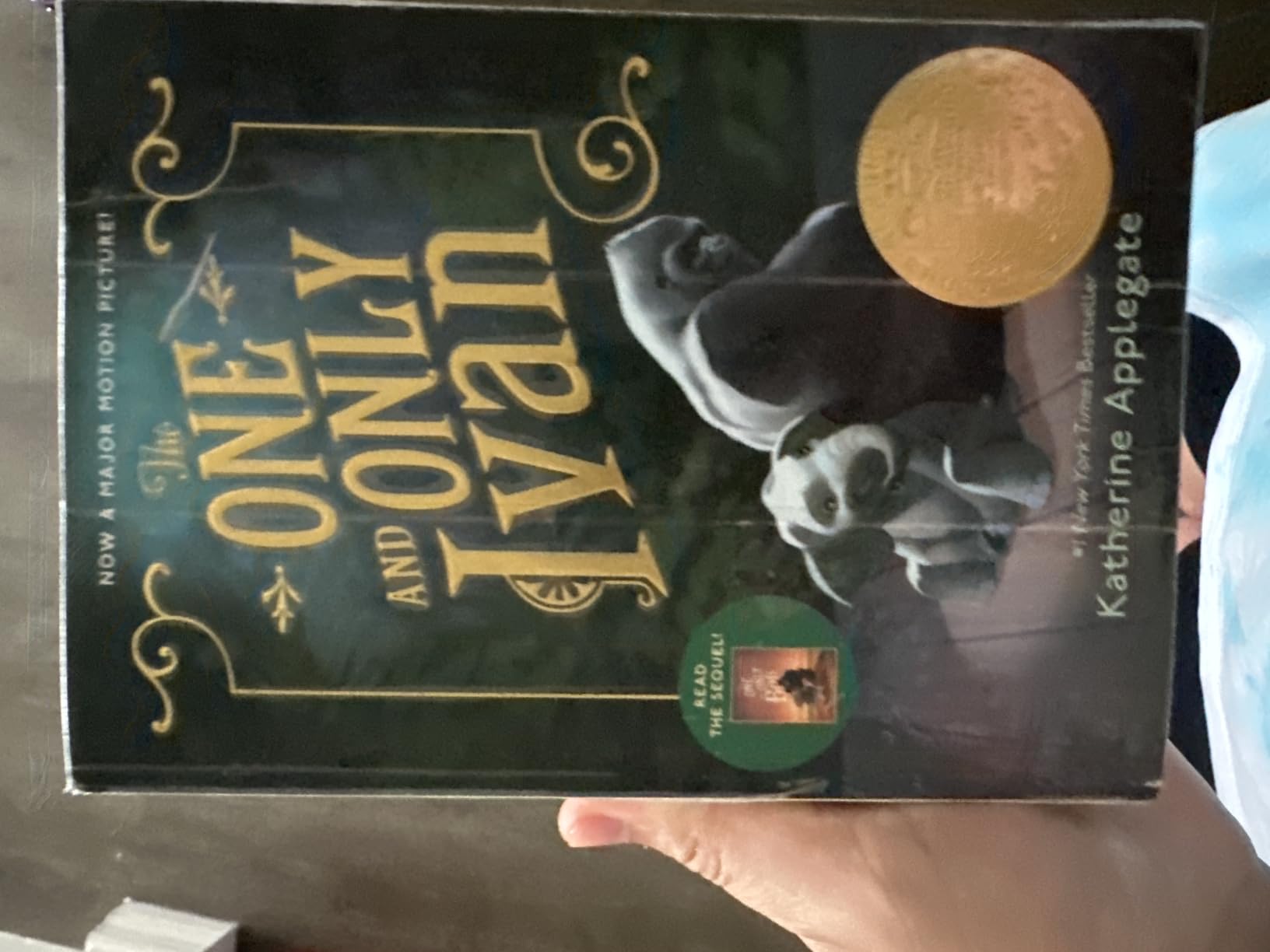
What struck me most was how Applegate handles difficult themes without talking down to kids. Ivan’s captivity is sad, but the story focuses on hope, friendship, and the power of art. The occasional illustrations by Patricia Castelao add visual breaks that keep younger readers engaged.
With nearly 29,000 reviews and a 4.8 rating, this is one of the most beloved children’s books of the past decade. It is the first in a four-book series, so if your child connects with Ivan’s world, there is more to explore. For the price, this is exceptional value for a book that could genuinely change how your child sees the world.
Emotional Themes and Age Appropriateness
The book deals with animal captivity, loss, and loneliness, which are heavy topics. However, the treatment is gentle and age-appropriate for readers 8 and up. I recommend reading it together if your child is sensitive, so you can talk through the emotional moments.
The lack of traditional chapter divisions actually works well for summer reading because kids can stop at any natural pause point. Some parents initially find this format unusual, but most kids adapt quickly.
Read-Aloud and Discussion Potential
This is one of the best read-aloud books on our list. The prose sounds almost like verse when spoken aloud, and the short passages are perfect for reading a few pages together before bed. Many teachers use it for classroom book clubs because it generates rich discussion.
Discussion topics naturally arise around animal welfare, what makes a good friend, and how art can change the world. If you want a summer reading book that sparks real conversations, this is the one.
3. The Girl Who Drank the Moon – Best Fantasy Adventure for Older Kids
The Girl Who Drank the Moon (Winner of the 2017 Newbery Medal)
2017 Newbery Medal
Ages 8+
Grade 5-9
400 pages
Pros
- Rich fantasy world-building
- Multi-perspective storytelling
- Beautiful lyrical writing
- Strong female characters
Cons
- Some complex vocabulary
- Slower start for younger readers
The Girl Who Drank the Moon is the kind of book that made me forget I was reading a children’s novel. Kelly Barnhill weaves a fantasy about a witch named Xan who accidentally feeds a baby girl moonlight instead of starlight, giving the child enormous magical power. The story unfolds over 13 years and shifts between multiple character perspectives.
I gave this to my 11-year-old niece for her summer reading list, and she called it the best book she read all year. The world-building is rich with dragons, bog monsters, and a magical forest that feels alive. At 400 pages, it is one of the longer books on this list, so it works best for confident readers.
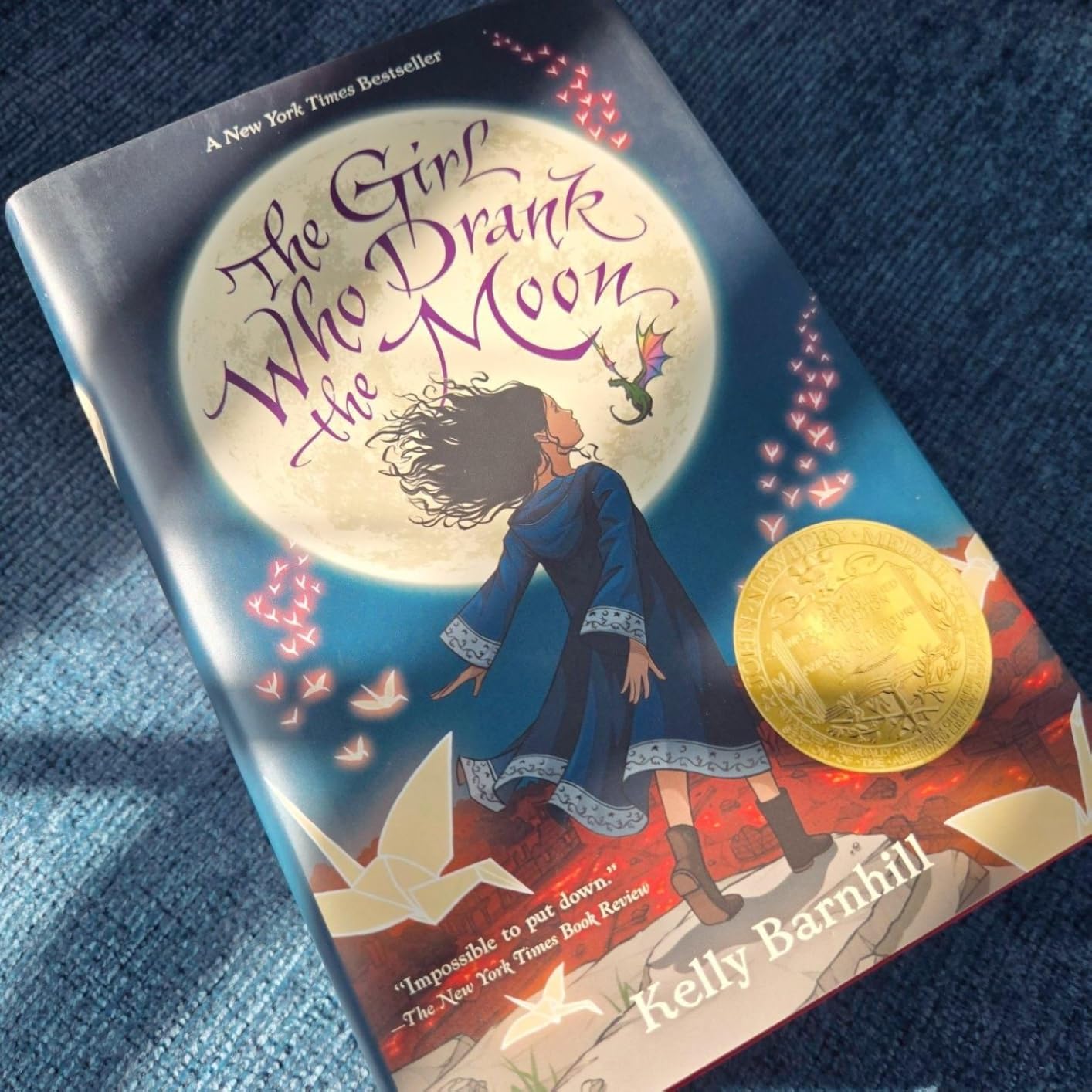
The Newbery Medal committee got this one right. The writing is lyrical without being showy, and the themes of love, sacrifice, and the danger of fear-mongering are woven in naturally. My niece particularly loved the tiny dragon Fyrian, who provides comic relief throughout the story.
With nearly 30,000 reviews and a 4.7 rating, this book has clearly resonated with a massive audience. Some parents noted that the vocabulary can be challenging for younger readers, so I would lean toward the higher end of the recommended age range for independent reading.
Vocabulary and Reading Level
This book sits at roughly a grade 5-6 reading level with some challenging vocabulary throughout. Words like “sorrowful,” “inexorable,” and “malevolence” appear regularly. For advanced readers this is a plus, but some kids may need occasional help with unfamiliar words.
If your child is a strong reader who has outgrown simpler chapter books, this is the perfect summer challenge. The payoff is a deeply satisfying story that rewards careful reading.
Multi-Perspective Storytelling
The narrative shifts between several characters, which helps kids develop empathy by seeing events from different angles. This structure takes some getting used to, but it teaches an important literary skill. By the midpoint, everything starts connecting in surprising ways.
For kids who have only read single-perspective stories, this is a great introduction to more complex narrative structures. It prepares them well for the jump to young adult literature.
4. Because of Winn-Dixie – Best Heartwarming Friendship Story
Because of Winn-Dixie: (A Beloved Middle-Grade Classic About Friendship, Family, and a Dog That Changes Everything – For Kids Ages 9-12 in Grades 4-7)
Newbery Honor
Ages 8+
Grade 4-7
192 pages
Pros
- Heartwarming friendship story
- Great for read-alouds
- Vivid Florida setting
- Teaches acceptance
Cons
- Slower pacing may not suit all readers
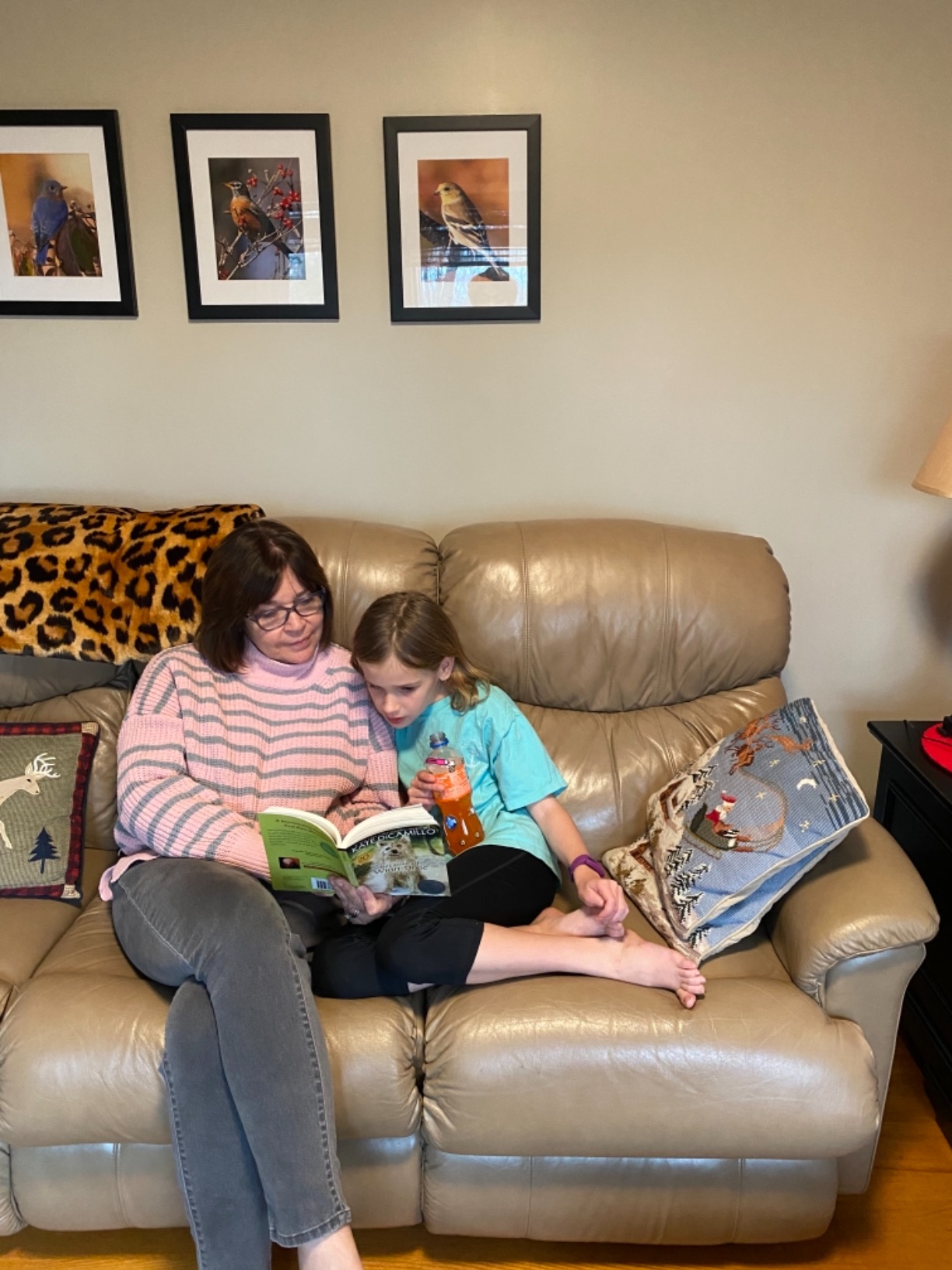
Because of Winn-Dixie is the book I recommend most often to parents asking for something gentle and meaningful. Kate DiCamillo tells the story of Opal, a preacher’s daughter who adopts a stray dog she finds causing chaos in a grocery store. That dog, Winn-Dixie, helps Opal navigate loneliness and make unexpected friends in her new Florida town.
I read this with my daughter over a lazy summer week, and the pacing matched the setting perfectly. The chapters are short, the language is warm, and each character Opal meets adds a layer to the story. It is the kind of book that feels like sitting on a porch with a glass of sweet tea.
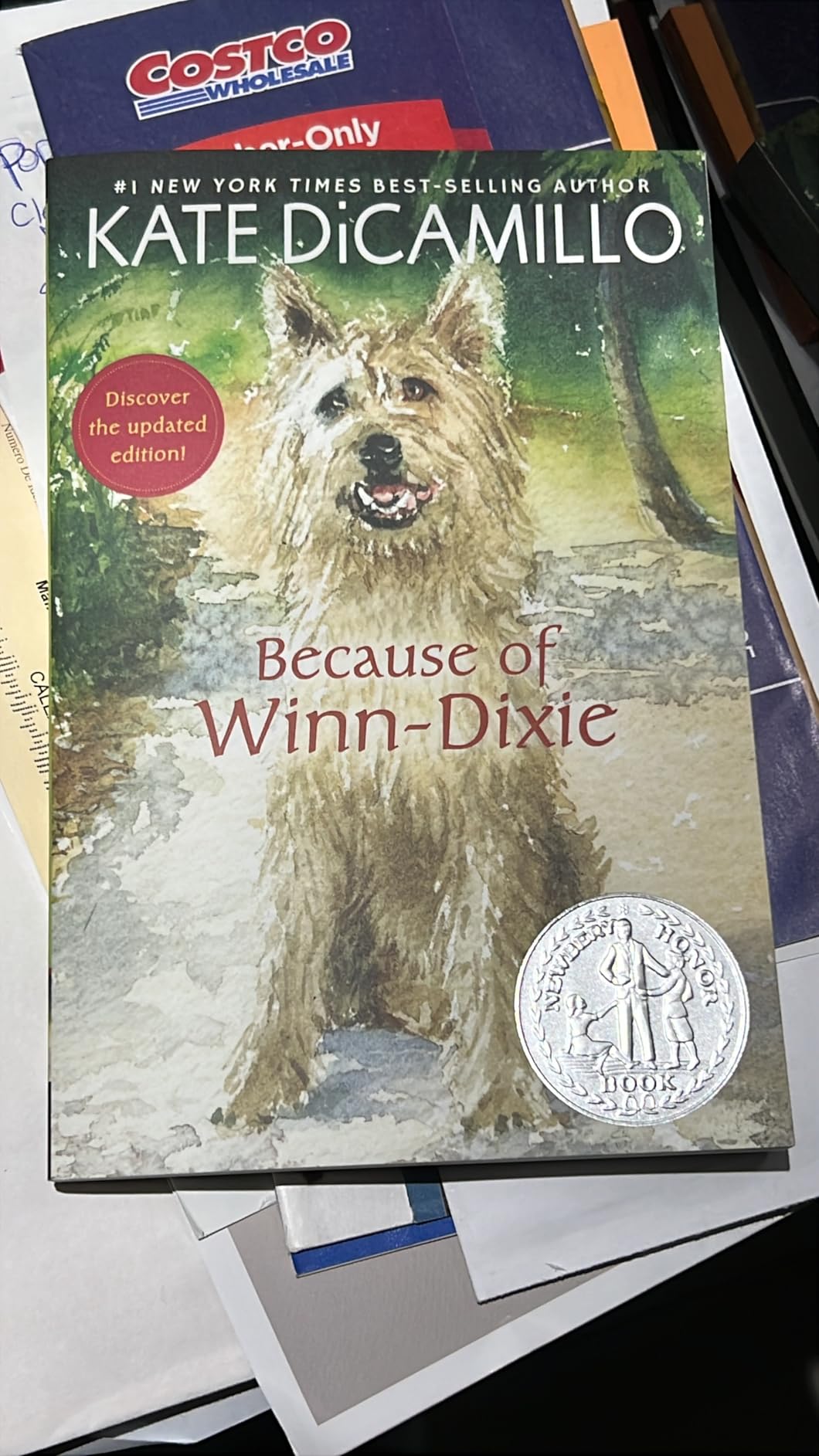
This Newbery Honor winner tackles real themes like divorce, alcoholism, and loneliness, but DiCamillo handles them with such tenderness that nothing feels heavy-handed. My daughter was 8 when we read it, and she came away talking about how everyone has a story and a sadness, which was a pretty profound takeaway for a summer afternoon.
With 15,000 reviews and a 4.7 rating, this book has earned its place as a modern classic. Some readers noted the pacing feels slow, which is actually what makes it a great summer read. There is no rush, just a beautiful story about connection.
Themes of Loneliness and Connection
Opal’s mother left when she was young, and the book handles this absence with remarkable sensitivity. Kids who have experienced family changes may find this story especially comforting. The message that connection can come from unexpected places is one that sticks with young readers.
Winn-Dixie the dog serves as a bridge between Opal and her community, which is a lovely metaphor for how pets help children build social confidence. If your family has a pet, this story will resonate even more deeply.
Reading Level and Accessibility
At 192 pages with accessible vocabulary, this book works well for independent readers in grades 4-6. The Lexile level is around 670L, making it approachable for most kids in that range. The short chapters also make it a fantastic read-aloud for younger children.
Many teachers assign this book for literature circles because it generates rich discussion without requiring advanced reading skills. It is a safe but meaningful choice for summer.
5. One Crazy Summer – Best Historical Fiction for Tweens
One Crazy Summer: A Newbery Honor Winner―A Moving Novel About Family, Activism, and Self-Discovery in 1960s America
Newbery Honor
Ages 9-11
Grade 3-7
240 pages
Pros
- Rich historical context
- Three authentic sister characters
- Beautiful storytelling
- Important civil rights themes
Cons
- Some mature themes need parental guidance
- Complex family dynamics
One Crazy Summer takes place in 1968 Oakland, California, where three sisters from Brooklyn are sent to spend the summer with their estranged mother. Rita Williams-Garcia tells this story with warmth, humor, and historical depth. The girls end up attending a summer program run by the Black Panthers, which opens their eyes to a world they never knew existed.
I picked this up thinking it would be a quick summer read for my 10-year-old, and it turned into a week-long exploration of civil rights history. My son had so many questions about the 1960s, the Black Panthers, and what it means to fight for your community. This book does what great historical fiction should do: it makes the past feel personal.
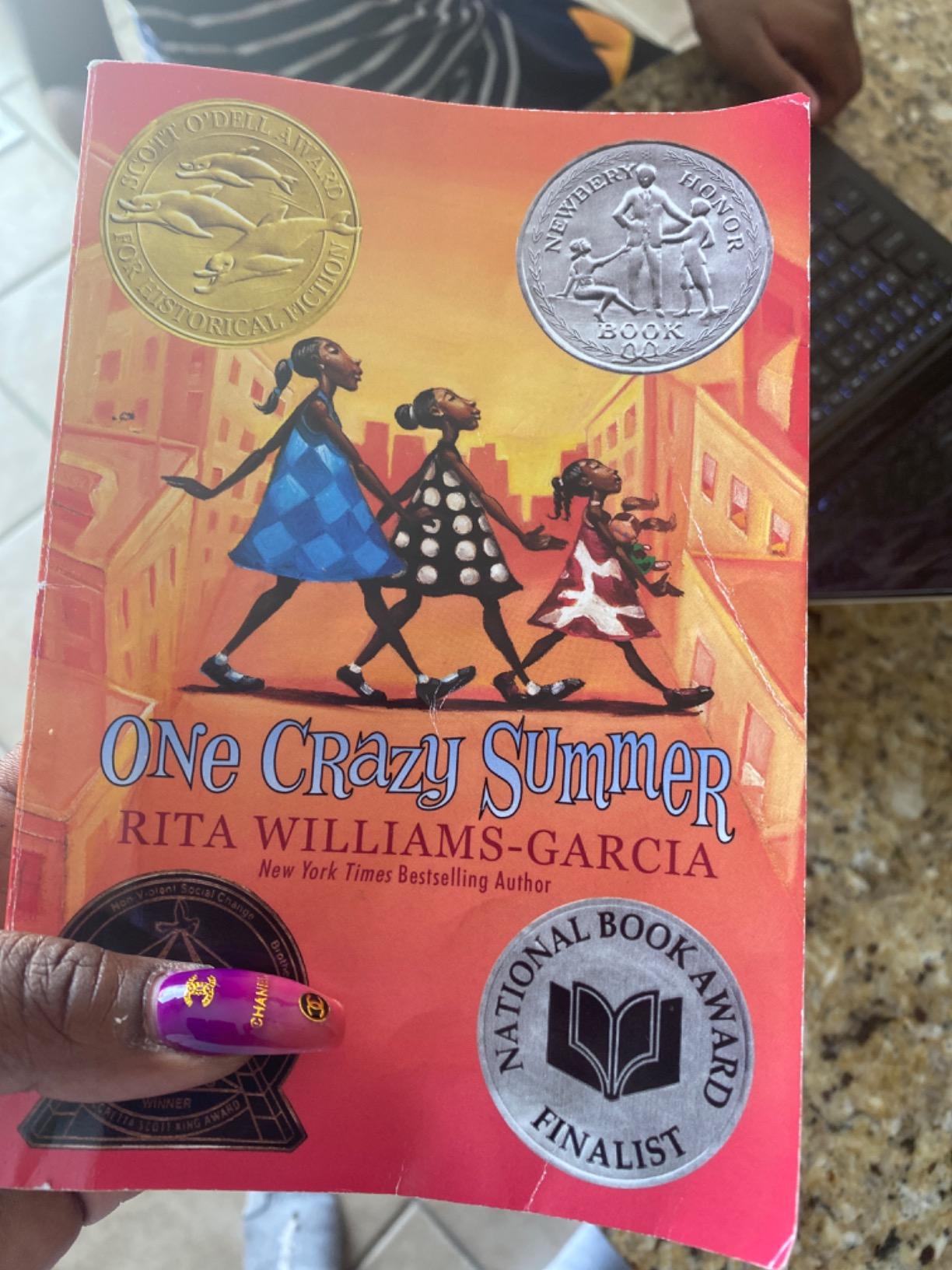
The three sisters, Delphine, Vonetta, and Fern, are some of the most authentic child characters I have encountered in middle-grade fiction. Their bickering, their loyalty, and their confusion all feel real. Williams-Garcia captures sibling dynamics with an accuracy that made me laugh and wince in recognition.
This Newbery Honor winner has over 5,000 reviews and a 4.7 rating. It is the first book in a trilogy, so there is more to explore if your child connects with the Gaither sisters. The historical context does require some parental guidance for younger readers, so I recommend reading it together or discussing it as they go.
Historical Context and Learning Opportunities
The book introduces the Black Panthers in a nuanced, age-appropriate way that counters common misconceptions. Kids learn about the community programs the organization ran, like free breakfast programs and health clinics. This opens the door for important family conversations about activism and racial justice.
If your child is studying American history, this book brings the 1960s to life in a way textbooks simply cannot. The summer setting makes it especially fitting for a reading list.
Complex Family Dynamics
The relationship between the girls and their mother Cecile is complicated and sometimes painful. She is not a warm, nurturing figure, and the book does not sugarcoat that. This honesty is what makes the story so powerful for older kids who can handle emotional complexity.
Parents on forums frequently mention this book as a favorite for sparking meaningful conversations. If you want a summer read that builds empathy and historical awareness, this is an excellent choice.
6. The Eyes and the Impossible – Best New Adventure Story
The Eyes and the Impossible: (Newbery Medal Winner)
Newbery Medal Winner
Ages 8+
Grade 3-7
256 pages
Pros
- Unique dog narrator
- Beautiful painted illustrations
- Themes of friendship and heroism
- Charming for all ages
Cons
- Story can be hard for some kids to follow
- Higher price point
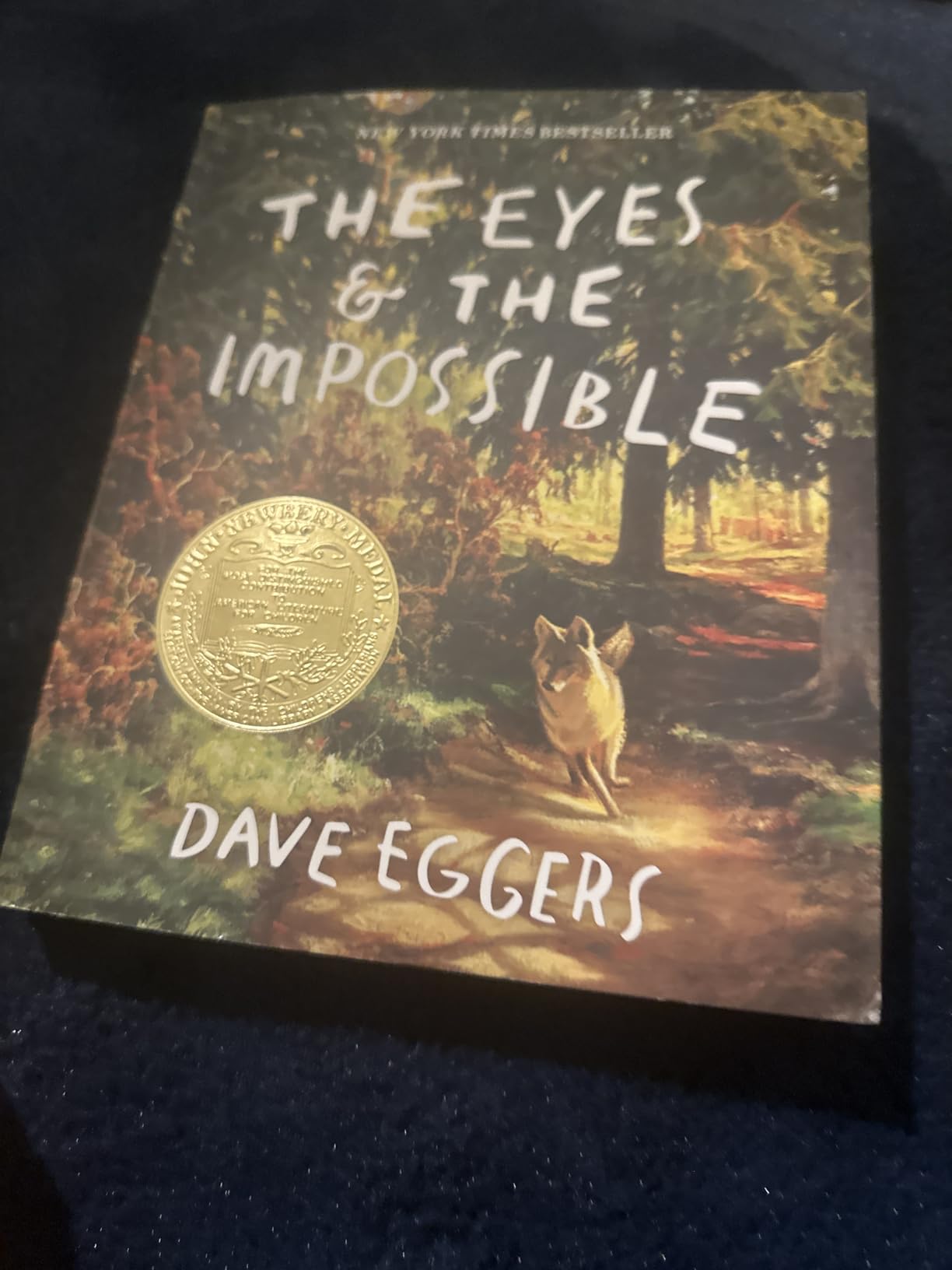
The Eyes and the Impossible is the freshest book on this list, and my family could not put it down. Dave Eggers tells the story of Johannes, a free dog who serves as the appointed Eyes of an urban park. His job is to watch everything and report to the three ancient bison who rule the park. When the equilibrium is threatened, Johannes must rally an unlikely group of animal friends to save the day.
I gave this to my son right after he finished his required school reading, and he demolished it in four days. The narration from a dog’s perspective is hilarious and strangely philosophical. Johannes sees things humans miss, and his observations about the park’s humans, animals, and changing seasons are both funny and touching.
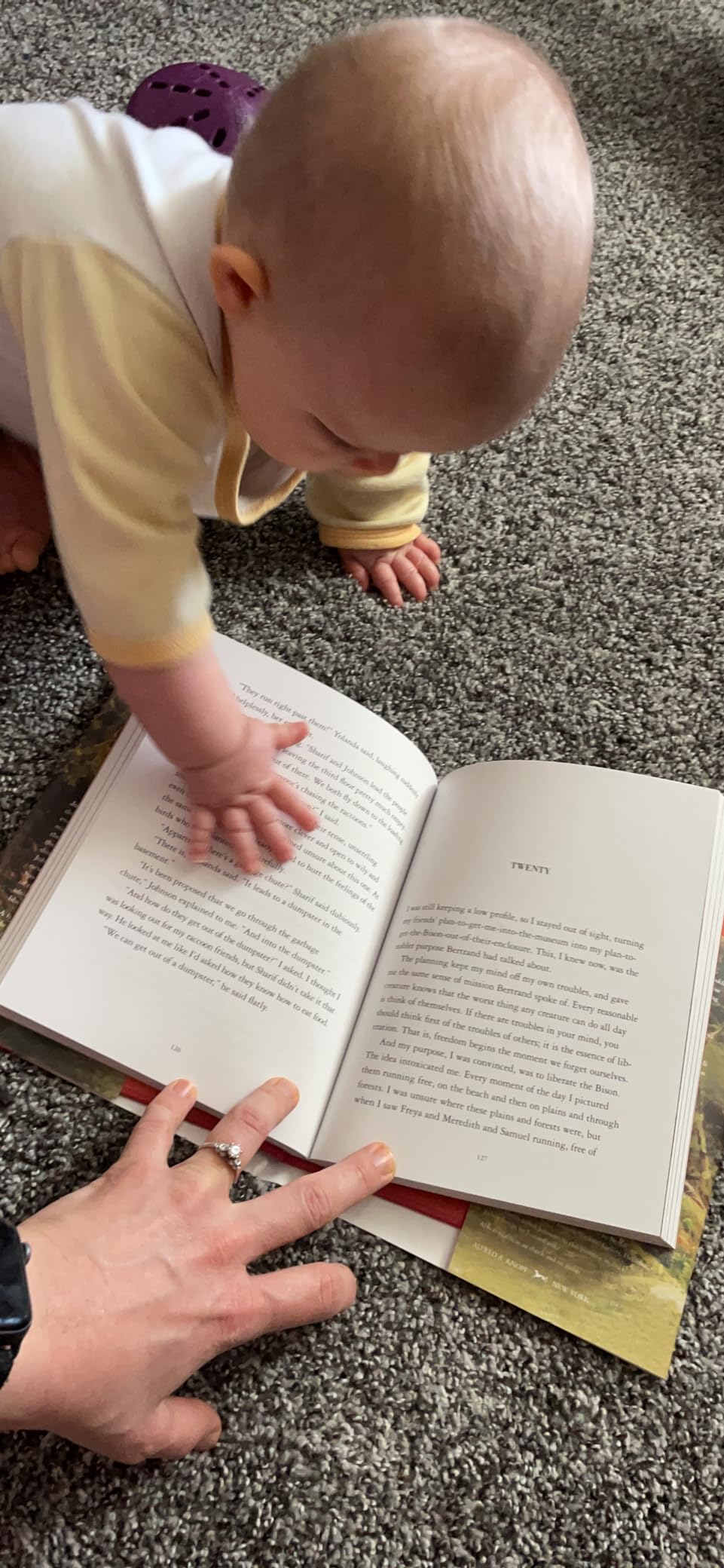
The painted illustrations by Shawn Harris are a standout feature. They appear throughout the book and add a visual richness that sets this apart from typical middle-grade novels. My son kept flipping back to look at certain illustrations again.
Winner of the Newbery Medal, this book has over 1,500 reviews and a 4.6 rating. Some parents mentioned the story can be difficult for younger children to follow, so I recommend it for ages 9 and up for independent reading. It is an excellent read-aloud for younger kids who can enjoy the adventure without worrying about the plot complexity.
Narration Style and Accessibility
Johannes narrates in present tense with a distinctive voice that takes a few chapters to settle into. Once kids adjust to the style, it becomes one of the most engaging reading experiences on this list. The language is playful and accessible despite the unconventional narration.
If your child has only read traditional narratives, this book is a great way to introduce them to different storytelling approaches. It rewards attentive reading in ways that more straightforward books do not.
Illustrations and Visual Appeal
The full-color painted illustrations appear at key moments and help break up the text for kids who need visual rests. For reluctant readers, having something to look at every few pages can make a 256-page book feel much more manageable. This is one of the few middle-grade novels where the illustrations genuinely enhance the story rather than just decorate it.
Several reviewers specifically mentioned the illustrations as a reason their reluctant readers finished the book. If visual appeal matters for your child, this is a top contender.
7. The Chocolate Touch – Best Classic Chapter Book
The Chocolate Touch: Perfect Summer Reading for Kids
Classic children's book
Ages 6-9
Grade 3-7
128 pages
Pros
- Fun twist on King Midas myth
- Great for book clubs
- Teaches about choices
- Perfect length for new chapter readers
Cons
- Some packaging issues reported
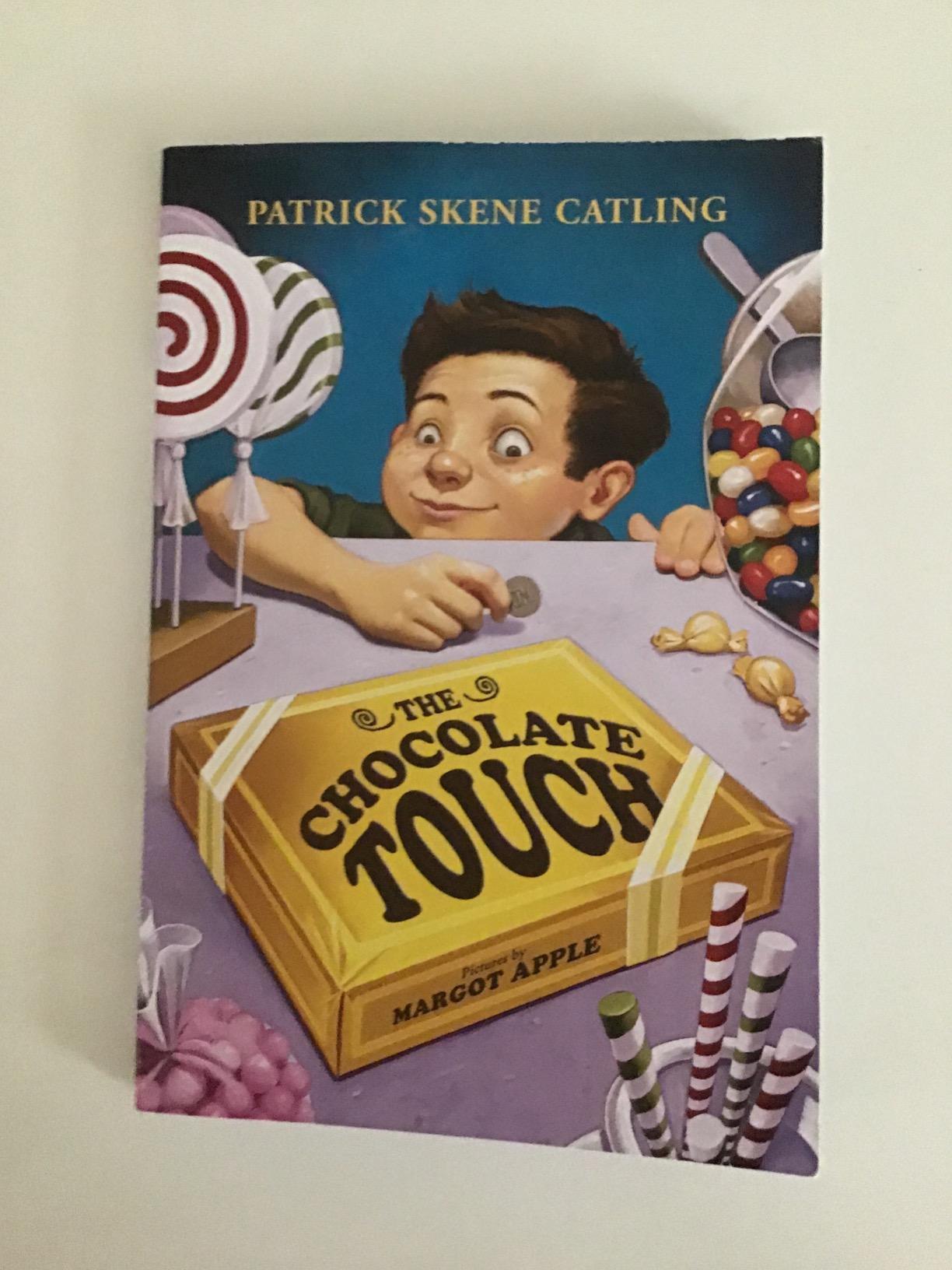
The Chocolate Touch is a classic that has been delighting kids since 1952, and it still works. The story follows John Midas, a boy who loves chocolate more than anything, until one day everything his lips touch turns to chocolate. At first it is a dream come true, but John quickly learns that too much of a good thing is not so great after all.
I read this as a kid and recently shared it with my 7-year-old, who found it just as funny as I did. At 128 pages, it is the perfect length for a child transitioning into longer chapter books. The vocabulary is accessible, the chapters are short, and the premise is irresistible to young readers.
This book is a favorite for third-grade book clubs, and I can see why. It teaches a lesson about selfishness and moderation without being preachy. Kids laugh at John’s chocolate toothpaste and chocolate bacon, then naturally start thinking about what they would turn to gold if they had the Midas touch.
With over 6,000 reviews and a 4.6 rating, this book has proven its staying power. The recent reprint edition features updated cover art while keeping the charming interior illustrations by Margot Apple. For a classic that still feels fresh, this is a fantastic summer pick.

Moral and Discussion Potential
The book is a retelling of the King Midas myth, which opens up opportunities to explore Greek mythology if your child is interested. The lesson about greed and moderation is delivered with humor, so kids absorb it without feeling lectured to.
Many parents use this book as a conversation starter about healthy eating habits and making good choices. The chocolate metaphor is one kids immediately understand and can relate to their own favorite treats.
Length and Reading Level
At 128 pages with simple vocabulary, this is one of the most accessible chapter books on our list. It works well for kids in grades 2-4 who are building reading confidence. Most kids can finish it in a week of independent reading, which gives a great sense of accomplishment.
The short chapters make it ideal for reading before bed or during quiet summer afternoons. It is also a popular read-aloud choice for classrooms and book clubs.
8. Hot Dog – Best Caldecott Medal Picture Book
Hot Dog: (Winner of the 2023 Caldecott Medal)
2023 Caldecott Medal
Ages 2-6
Grade PreK-3
40 pages
Pros
- Extraordinary illustrations
- Perfect summer theme
- Emotion conveyed through art
- Great for read-alouds
Cons
- Very few words
- Some kids prefer more text
Hot Dog won the 2023 Caldecott Medal for good reason. Doug Salati tells the story of a dachshund wilting in the summer heat of the city, until his owner whisks him away to the beach. The story is told almost entirely through breathtaking illustrations, with minimal text that lets the art do the heavy lifting.
I read this with my 4-year-old on a hot July afternoon, and she was mesmerized. The way Salati captures the oppressive city heat and then the release of ocean breeze is something special. My daughter kept turning back to certain pages just to look at them again.

This is the kind of picture book that works on multiple levels. Toddlers love the dog and the beach scenes. Older kids start to notice how the illustrations shift from tight, cramped city panels to expansive, breezy ocean spreads. Adults appreciate the artistry and the relatable feeling of needing to escape the summer grind.
With a 4.8 rating from over 750 reviews, this book is clearly beloved. The main complaint is that there are very few words, but that is the point. This is a masterclass in visual storytelling, and it earned the highest honor in children’s picture books for a reason.

Visual Storytelling and Art Style
The illustrations transition from warm oranges and reds in the city to cool blues and greens at the beach, creating an emotional journey that words alone could not convey. This visual narrative teaches young children how to read images, an important early literacy skill.
If you have a child who is visually oriented or who struggles with text-heavy books, this is a perfect entry point. They can tell you the story themselves just by looking at the pictures.
Age Range and Read-Aloud Experience
The sparse text means this book works beautifully for ages 2-6 as a read-aloud. Older preschoolers can even narrate the story themselves, which builds confidence and storytelling skills. The book takes about five minutes to read aloud, making it perfect for bedtime or a midday quiet break.
For summer specifically, the beach theme makes this a seasonal favorite. Pack it in your beach bag or read it before your first family trip to the shore.
9. The Watermelon Seed – Best Funny Summer Picture Book
Pros
- Hilarious for toddlers
- Bright illustrations
- Perfect summer theme
- Available as board book
Cons
- Some children alarmed by swallowing seed concept
The Watermelon Seed is the picture book my kids asked for on repeat last summer. Greg Pizzoli tells the story of a crocodile who loves watermelon until he accidentally swallows a seed. The panic that follows is genuinely funny, and the bright, bold illustrations had my preschooler giggling every single time.
I bought this for a beach trip thinking it would be a fun seasonal read, and it became the most-requested book in our house for months. The humor is perfectly tuned for ages 2-5. The crocodile’s worried expressions are cartoonish and charming, never scary.
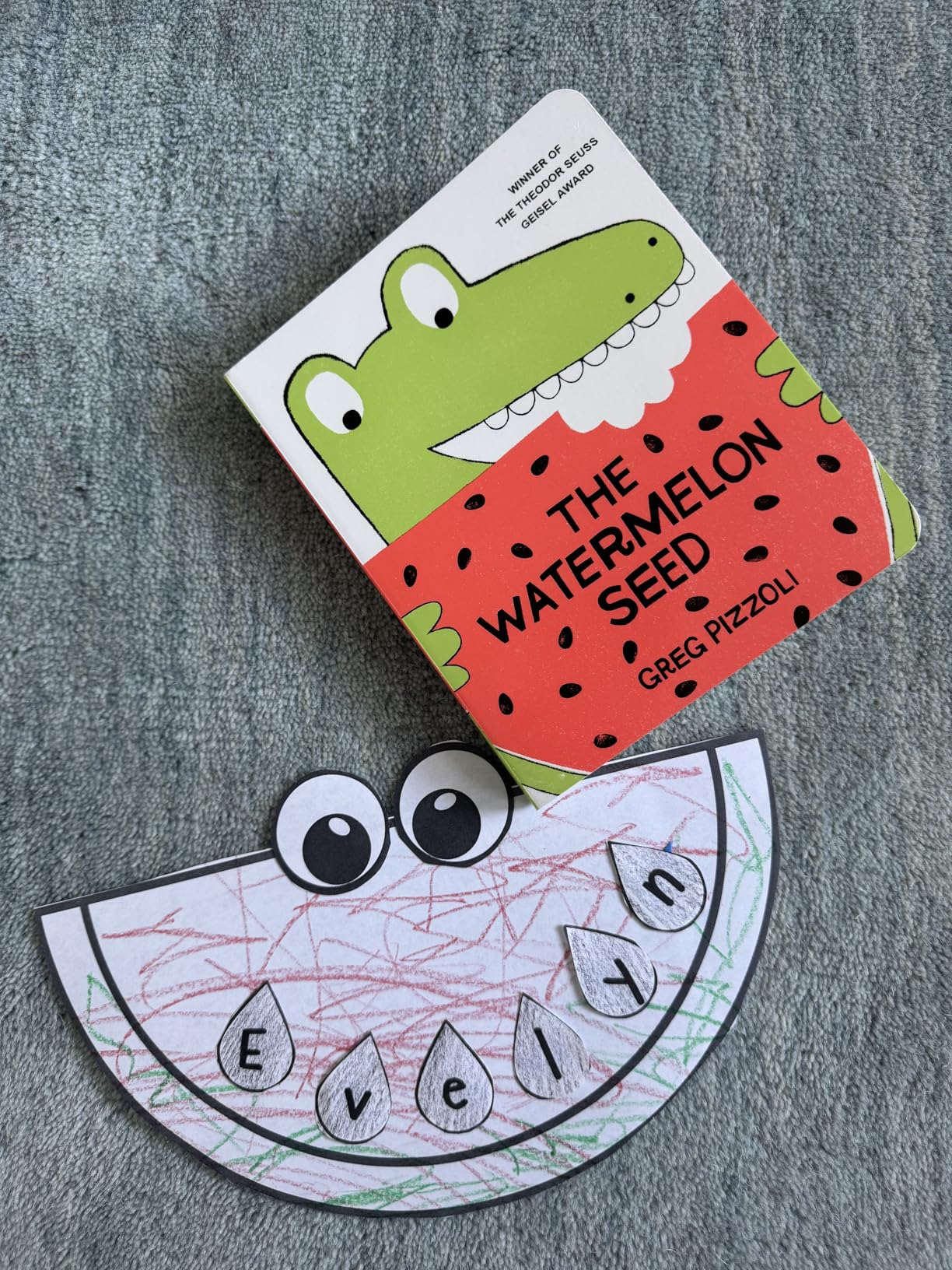
What I appreciate about this book is its simplicity. The text is minimal, the color palette is bright, and the joke lands every time. Pizzoli understands exactly what makes toddlers laugh. The resolution, where the crocodile burps up the seed, is both satisfying and silly.
With nearly 1,600 reviews and a 4.8 rating, this is clearly a crowd-pleaser. It is available in both hardcover and board book formats, and I recommend the board book for younger kids who tend to be rough with pages. The watermelon theme makes it an ideal summer read.
Humor and Toddler Appeal
The fear of swallowing a watermelon seed and growing a watermelon in your belly is a universal childhood worry, which makes this book instantly relatable. Pizzoli turns that fear into comedy, which helps kids process the anxiety through laughter.
The repetitive reading that toddlers demand with this book is actually great for early literacy. Kids memorize the text and start to connect spoken words with written ones, building pre-reading skills without any effort.
Format Options
The board book version is sturdy and perfect for little hands. If your child is under 3, the board book is the way to go. The hardcover is great for ages 3-5 and has larger pages that showcase the illustrations more effectively.
Either format makes a great summer gift or addition to a seasonal book basket. Pair it with real watermelon slices for a fun snack-time reading experience.
10. Pete the Cat: Pete at the Beach – Best Early Reader Book
Pete the Cat: Pete at the Beach: A Fun Summer Story for Children (Ages 4-8) (My First I Can Read)
My First I Can Read
Ages 4-8
Grade PreK-3
32 pages
Pros
- Kids love Pete the Cat
- Simple text for early readers
- Great summer theme
- Affordable price
Cons
- Some kids may initially relate to fear of swimming
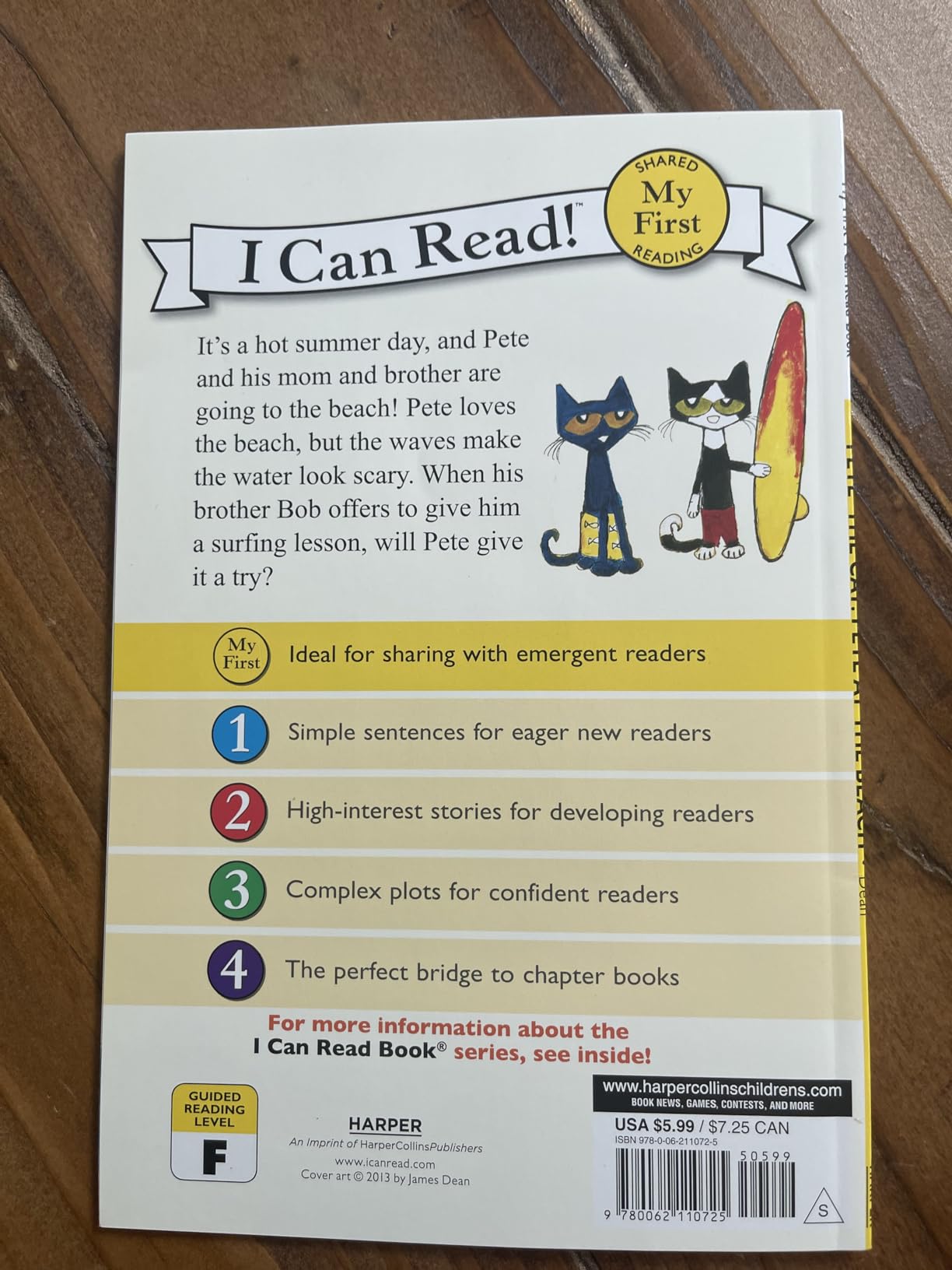
Pete the Cat: Pete at the Beach is the early reader I recommend to every parent of a 4-to-6-year-old. Pete is a cool cat who goes to the beach with his family but is nervous about the water. His brother Bob helps him build confidence, and by the end, Pete is surfing. The story models facing fears in a way kids actually absorb.
This book is part of the My First I Can Read series, which means it is designed specifically for the earliest readers. The text is simple, repetitive, and uses sight words that kindergartners are learning. My daughter read this aloud to me with very little help, and her confidence shot through the roof.
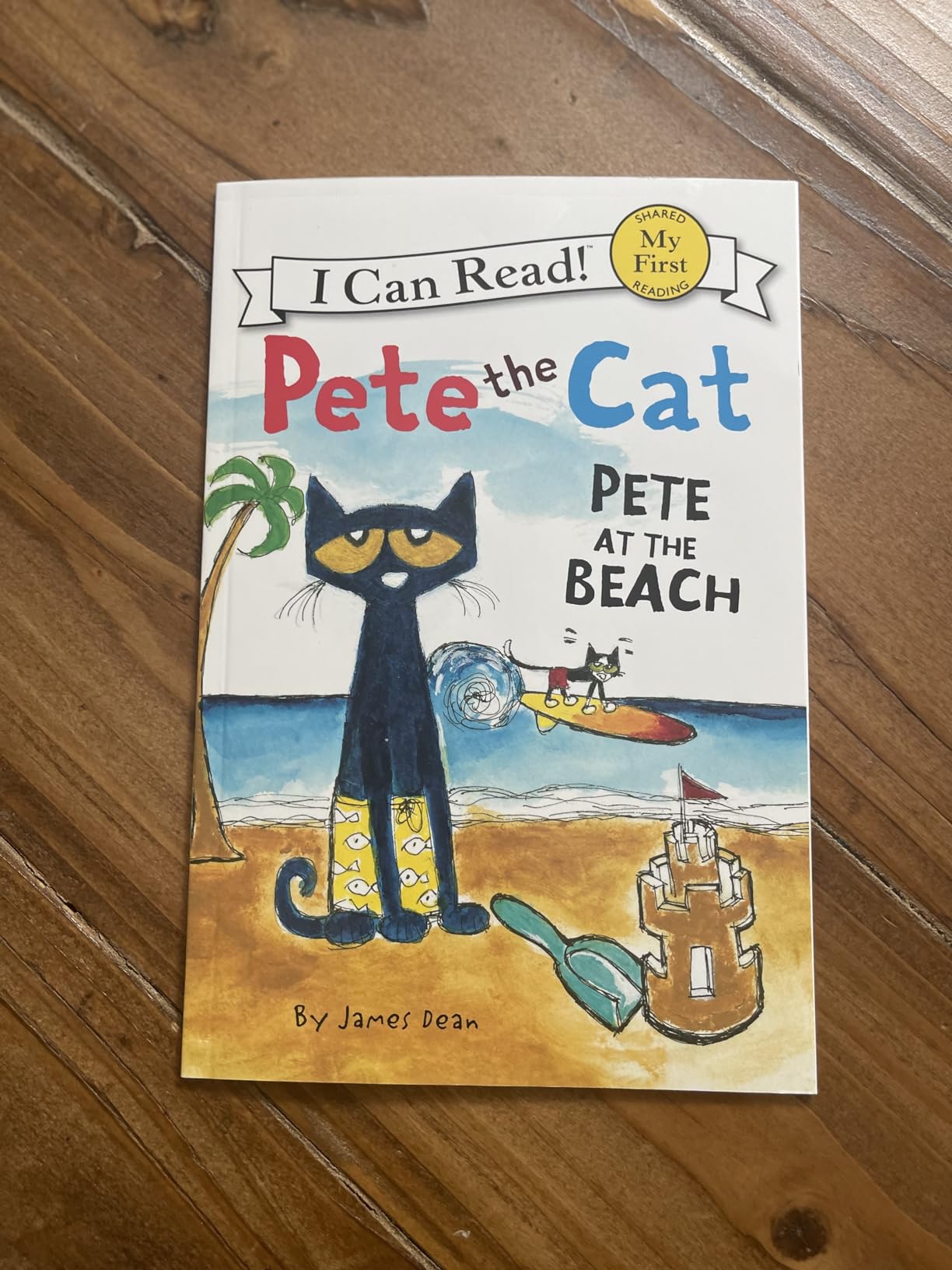
The Pete the Cat series has a massive following for good reason. The illustrations are bright and groovy, the tone is always positive, and Pete’s laid-back attitude is contagious. This particular book captures the essence of summer while sneaking in a message about trying new things.
With over 9,000 reviews and a 4.6 rating, this is one of the most popular early readers on the market. The price point makes it an easy addition to any summer reading collection. Some parents noted that the fear-of-swimming theme initially made their kids hesitant, but Pete’s positive example helps them work through it.
Reading Level for Beginners
This book is designed for children who are just starting to read independently. The Guided Reading Level is approximately D-E, with short sentences and repeating patterns. Most kids in late kindergarten or early first grade can read it with minimal assistance.
The repetitive text structure builds confidence because kids start to predict what comes next. This predictability is a feature, not a bug, in early literacy. It helps children feel successful, which keeps them motivated to read more.
Series Value and Expansion
There are dozens of Pete the Cat books, so if your child connects with the character, you have a wealth of reading material ahead. The series includes picture books, I Can Read books, and even seasonal titles. Starting with Pete at the Beach is a great way to introduce the series during summer.
Many parents on forums mention Pete the Cat as a go-to for kids who prefer screens to books. The character’s cool factor and the simple text make it an easy win for reluctant early readers.
11. The Night Before Summer Vacation – Best Rhyming Picture Book
The Night Before Summer Vacation
The Night Before series
Ages 3-6
Grade PreK-3
32 pages
Pros
- Engaging rhyming text
- Perfect end-of-school-year read
- Fun summer theme
- Great read-aloud
Cons
- Rhymes not as smooth as other series titles
The Night Before Summer Vacation puts a seasonal spin on the classic Twas the Night Before Christmas poem. A family is frantically packing for their summer trip, and the rhyming text captures the chaos and excitement perfectly. I have read this book at least 50 times to my kids, and I still do not mind it.
This is part of the broader The Night Before series, which covers holidays and milestones. The summer vacation edition is perfect for the last week of school or the night before a family trip. My kids love the detail of everything going wrong with the packing, and the illustrations are full of little jokes to spot.
The rhyming structure makes this a natural read-aloud, and the rhythm helps develop phonological awareness in young children. At 32 pages, it is the perfect length for a bedtime story. The reading level is suitable for preschool through grade 3.
With a 4.8 rating from nearly 1,000 reviews, this book is a parent favorite. Some reviewers noted that the rhymes do not flow quite as smoothly as other books in the series, but kids do not seem to notice. The summer theme and relatable packing chaos more than make up for any minor rhythmic hiccups.
Rhyming and Early Literacy
Rhyming books build phonological awareness, which is one of the strongest predictors of reading success. When kids hear and recognize rhyming patterns, they develop an ear for language that helps them decode words later. Books like this do that work disguised as pure fun.
The familiar poem structure also gives kids a sense of what to expect, which builds confidence. Many children memorize the rhymes and start to chime in, which is an important step toward independent reading.
Seasonal Timing and Use
This book is perfect for the transition from school to summer. Read it on the last day of school, the night before a vacation, or anytime during the first week of summer break. The excitement of packing and traveling captures the feeling of summer adventure perfectly.
It also pairs well with other seasonal books in The Night Before series, like The Night Before Kindergarten or The Night Before the Fourth of July.
12. And Then Comes Summer – Best Summer-Themed Picture Book
Pros
- Beautiful vivid illustrations
- Celebrates summer traditions
- Perfect for end-of-school-year
- Gentle read-aloud
Cons
- Flow can be awkward for large group read-alouds
And Then Comes Summer is a love letter to the season itself. Tom Brenner and Jaime Kim celebrate everything that makes summer magical, from the first day of vacation to fireworks, bike rides, ice cream trucks, and lemonade stands. The text follows a rhythmic when-then structure that builds anticipation throughout the book.
I bought this book on a whim last May, and it became our official last-day-of-school tradition. My kids love spotting the different summer activities on each page, and the illustrations are genuinely gorgeous. Jaime Kim’s art is warm, bright, and full of the kind of nostalgic summer energy that makes you want to be a kid again.
This is a quieter book than some of the others on this list. There is no conflict or problem to solve. It is purely a celebration of summer, and that simplicity is its strength. The 4.8 rating from over 600 reviewers confirms that parents and kids respond to its gentle, joyful approach.
One reviewer noted that the rhythm can feel awkward during large group read-alouds, which is worth noting if you plan to use it in a classroom setting. For one-on-one reading at home, this is not an issue at all. The book is part of the And Then Comes series, which includes seasonal titles for fall, winter, and spring.
Art Style and Visual Impact
Jaime Kim’s illustrations use warm yellows, oranges, and blues to create a sun-drenched feel that practically radiates summer. Each spread captures a different summer moment with the kind of nostalgic warmth that adults appreciate as much as children do. The art alone makes this book worth owning.
For visual learners, the detailed illustrations provide plenty to talk about beyond the text. Kids can point out activities they have done and ones they want to try, which extends the reading experience into real-life summer planning.
Tradition and Celebration
This book works beautifully as a seasonal tradition. Reading it on the last day of school or the first day of summer vacation marks the transition in a meaningful way. Some families make it an annual ritual that kids look forward to year after year.
The focus on simple summer pleasures like bike rides, sprinklers, and ice cream is a refreshing counterpoint to screen-based entertainment. It reminds kids (and parents) that the best summer moments are often the simplest ones.
How to Choose the Best Summer Reading Books for Kids
Choosing the right summer reading books for kids comes down to three factors: age and reading level, interests, and reading goals. Start by matching the book format to your child’s developmental stage. Picture books work for ages 2-7, early readers for ages 4-8, and chapter books for ages 7 and up.
Consider your child’s interests carefully. If your kid loves animals, books like The One and Only Ivan or The Eyes and the Impossible will pull them in. If they prefer humor, The Watermelon Seed or The Chocolate Touch are safe bets. Matching books to interests is the single most effective way to prevent the summer slide.
Think about reading format too. Some kids prefer physical books, while others do great with e-readers. If you are considering a digital reading device, our guide to the best Kindles for students covers the top options for young readers. Audiobooks paired with physical copies also work well for reluctant readers who benefit from hearing the story while following along.
Finally, mix award-winners with fun reads. Books with Newbery and Caldecott medals guarantee quality, but kids also need books that are just pure entertainment. A balanced summer reading list includes both. The goal is to keep kids reading consistently, not to turn summer into an assignment.
Frequently Asked Questions
What books should kids read in summer?
Kids should read a mix of age-appropriate picture books, early readers, and chapter books during summer. The best summer reading books for kids include award winners like The One and Only Ivan, engaging series like Magic Tree House, and fun seasonal titles like The Watermelon Seed. The key is matching the book to the child’s reading level and interests.
How do I choose books for my child’s summer reading list?
Match the book format to your child’s age: picture books for ages 2-7, early readers for ages 4-8, and chapter books for ages 7 and up. Consider their interests, check the reading level (Lexile or grade equivalent), and include a mix of award-winning titles and fun reads. Aim for variety so kids stay engaged all summer long.
What are the benefits of summer reading for kids?
Summer reading prevents the summer slide, which is the learning loss that occurs when children do not read during extended school breaks. Studies show kids who read during summer maintain or improve their reading skills, build vocabulary, develop empathy, and strengthen their imagination. Consistent summer reading also helps kids start the new school year ahead rather than behind.
How can I encourage a reluctant reader during summer?
Let reluctant readers choose their own books, try graphic novels or illustrated chapter books, read aloud together, and connect reading to their interests. Books like Pete the Cat, The Watermelon Seed, and Magic Tree House work well for reluctant readers because they are engaging and accessible. Avoid turning reading into a chore or punishment.
What age groups are these summer reading books for?
The books on this list cover ages 2 through 12. Picture books like Hot Dog and The Watermelon Seed suit ages 2-6, early readers like Pete the Cat work for ages 4-8, and chapter books like The Girl Who Drank the Moon and One Crazy Summer are best for ages 8-12. Always check the recommended reading age before selecting a book.
Wrapping Up Our Summer Reading Picks
Finding the best summer reading books for kids does not have to be complicated. Whether you start with the Magic Tree House boxed set for a new chapter reader, The One and Only Ivan for a thought-provoking middle-grade novel, or The Watermelon Seed for a toddler who needs a laugh, the right book is the one your child actually wants to open. Build a small stack, mix in some series for momentum, and let summer reading happen naturally in 2026.