

Finding the best flashcards for studying can make the difference between barely passing and truly mastering your material. Whether you are prepping for finals, learning a new language, or grinding through nursing school, the right physical flashcards give you something a screen never can — tactile engagement that helps lock information into memory.
Our team spent weeks testing and comparing physical flashcard options to see which ones hold up under real study pressure. We looked at paper quality, durability, organization features, and how well each set fits different study styles. Some of these cards are blank slates you fill yourself, while others come pre-loaded with content for specific subjects.
If you also use your iPad for studying, you can pair these physical cards with our complete guide to making flashcards on iPad for a hybrid approach. For now, let us look at the best flashcards for studying you can get your hands on in 2026.
Table of Contents
Top 3 Picks for Best Flashcards for Studying
Out of every set we tested, three stood out clearly from the pack. These picks cover different budgets and study needs, so there is something here whether you want maximum quantity, color-coded organization, or a reusable option.

Amazon Basics Heavy Weight Index Cards
- 300 count bulk pack
- 114 lb heavy stock
- Printer compatible
- Precision-cut edges

YAGUAO Colored Index Cards with Ring
- 250 count 5 colors
- 180gsm heavyweight
- Metal rings included
- No ink bleeding

Apostrophe Games Dry Erase Index Cards
- 45 reusable cards
- Laminated both sides
- Storage box included
- Zero-waste design
Best Flashcards for Studying in 2026
Here is a quick side-by-side look at all eight sets we reviewed. Use this table to compare key features at a glance, then scroll down for the full breakdown of each option.
| Product | Specifications | Action |
|---|---|---|
| Amazon Basics Heavy Weight Index Cards |
|
Check Latest Price |
| YAGUAO Colored Index Cards with Ring |
|
Check Latest Price |
| Apostrophe Games Dry Erase Cards |
|
Check Latest Price |
 Glyanlee 300 PCS Colored Flash Cards Glyanlee 300 PCS Colored Flash Cards |
|
Check Latest Price |
 YIZUUN Index Cards with Ring YIZUUN Index Cards with Ring |
|
Check Latest Price |
 Koogel 400PCS Spiral Index Cards 4×6 Koogel 400PCS Spiral Index Cards 4×6 |
|
Check Latest Price |
 Slapaflife Multiplication Flash Cards Slapaflife Multiplication Flash Cards |
|
Check Latest Price |
 Top 200 Drugs Quick Reference Cards Top 200 Drugs Quick Reference Cards |
|
Check Latest Price |
1. Amazon Basics Heavy Weight Ruled Index Cards – Best Bulk Value
Amazon Basics Heavy Weight Ruled Index Cards for Studying and Note Taking, White, 3″ x 5″, 300 Count (Pack of 3)
300 count bulk pack
114 lb heavy stock
Ruled one side
Precision-cut edges
Pros
- Massive 300-count pack for bulk studying
- 114 lb paper works in printers and with pens
- Ranked #1 in Index Cards on Amazon
- Smooth clean writing surface
Cons
- Slightly thinner than premium name brands
- White only
- no color options
I grabbed these for a semester of organic chemistry and honestly did not expect much for the price. After running about 200 cards through my printer for a vocabulary deck, I was impressed. The 114 lb stock fed through without jamming once, and the ink came out clean on every single card.
Writing by hand felt natural too. Pens, pencils, and even fine-tip markers all worked without ghosting through to the other side. The precision-cut edges mean every card is the exact same size, which matters more than you would think when you are shuffling through a thick deck during a cram session.
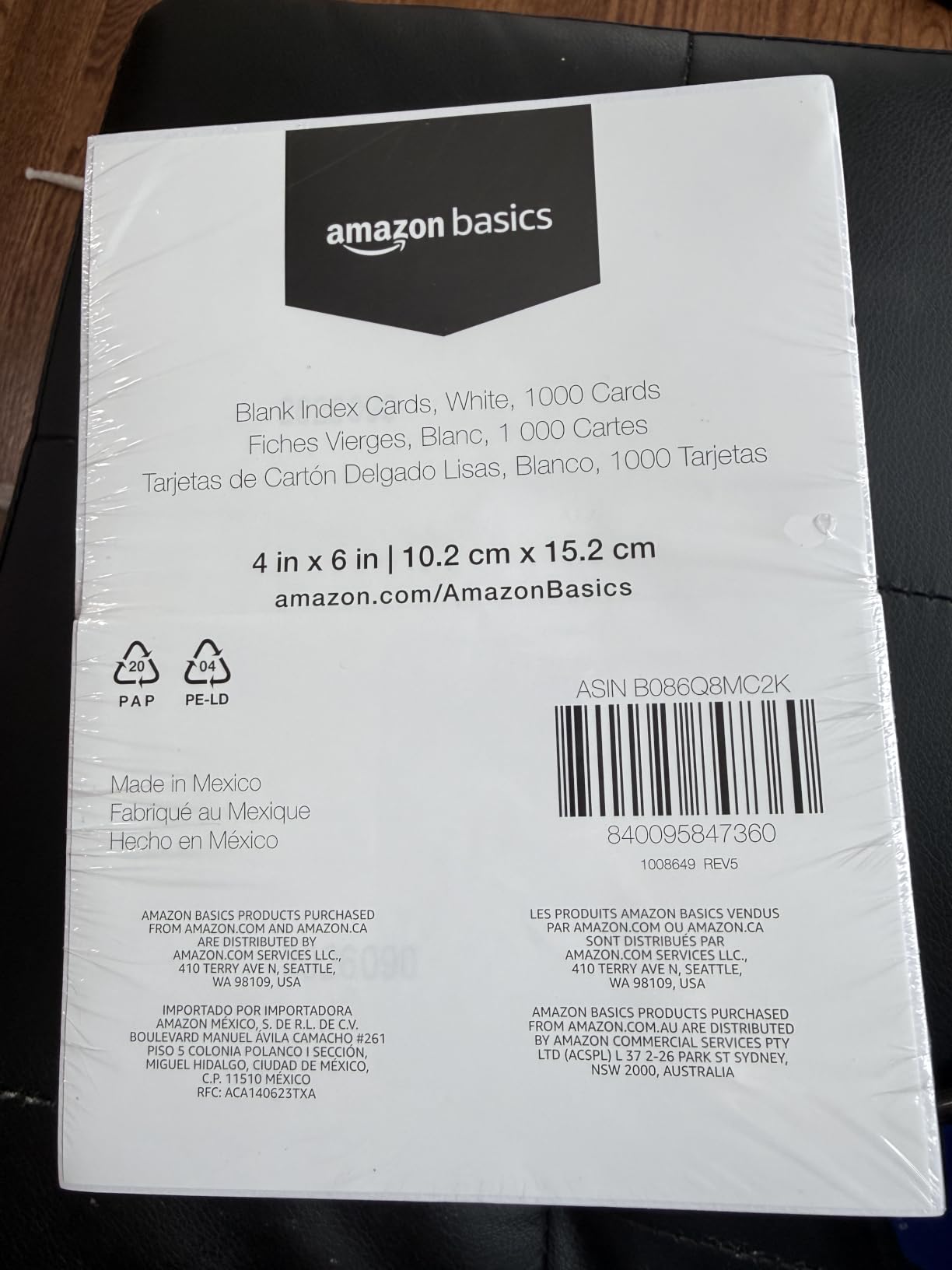
With over 32,000 reviews and a 4.7-star average, these are clearly the go-to for a reason. The ruled lines on one side keep handwriting neat, while the blank back gives you flexibility for diagrams or free-form notes. For pure quantity and reliability, nothing else in this list comes close.
My one complaint is the lack of color variety. When you are color-coding subjects like many students on Reddit recommend, white-only cards mean you need to buy additional colored sets. But at this count and quality, you can easily justify pairing them with a smaller colored set.
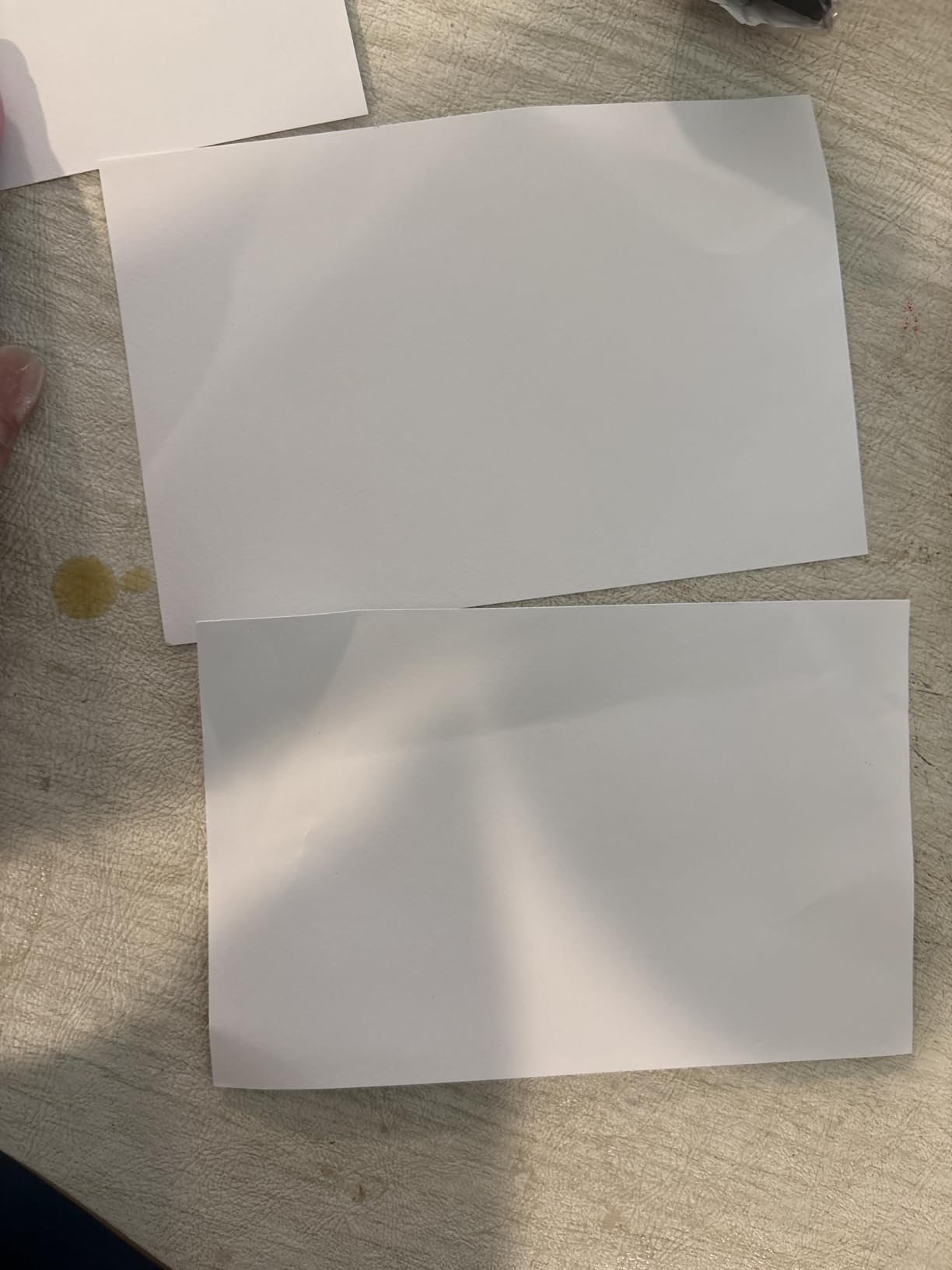
Who Should Buy These
These are perfect for students who need a high volume of cards and want to print custom decks. If you run your flashcards through a printer or use spaced repetition with a physical Leitner box system, the 300-count bulk pack gives you plenty of room to build extensive decks without running out mid-semester.
Print Compatibility and Paper Quality
The 114 lb (186 gsm) weight is the sweet spot for printer compatibility. Heavier cardstock jams in home printers, while lighter paper feels flimsy. These cards hit the balance where most inkjet and laser printers handle them without issue. The ruled side uses a light blue rule that does not interfere with printed text.
2. YAGUAO Colored Index Cards with Ring – Best for Color Coding
250 Count Colored Index Cards 3×5 Inch Flash Cards Note Cards with Ring
250 count 5 colors
180gsm heavyweight
Metal rings included
Ruled one side
Pros
- Five vibrant colors for subject organization
- Sturdy metal binder rings included
- 180gsm paper resists ink bleed
- 4.8-star rating from 1858 reviews
Cons
- Colors may differ slightly from product images
- Not as heavy as some users expect
The first thing I noticed opening these was how much the color-coding changed my study workflow. I assigned each of the five colors to a different subject — blue for biology, pink for vocabulary, green for formulas — and suddenly flipping through a mixed deck felt organized instead of chaotic.
The 180gsm weight held up well across a month of daily use. Gel pens, ballpoints, and markers all wrote smoothly without bleeding through. The metal rings snap open and closed easily, so rearranging cards or moving them between color groups is painless.
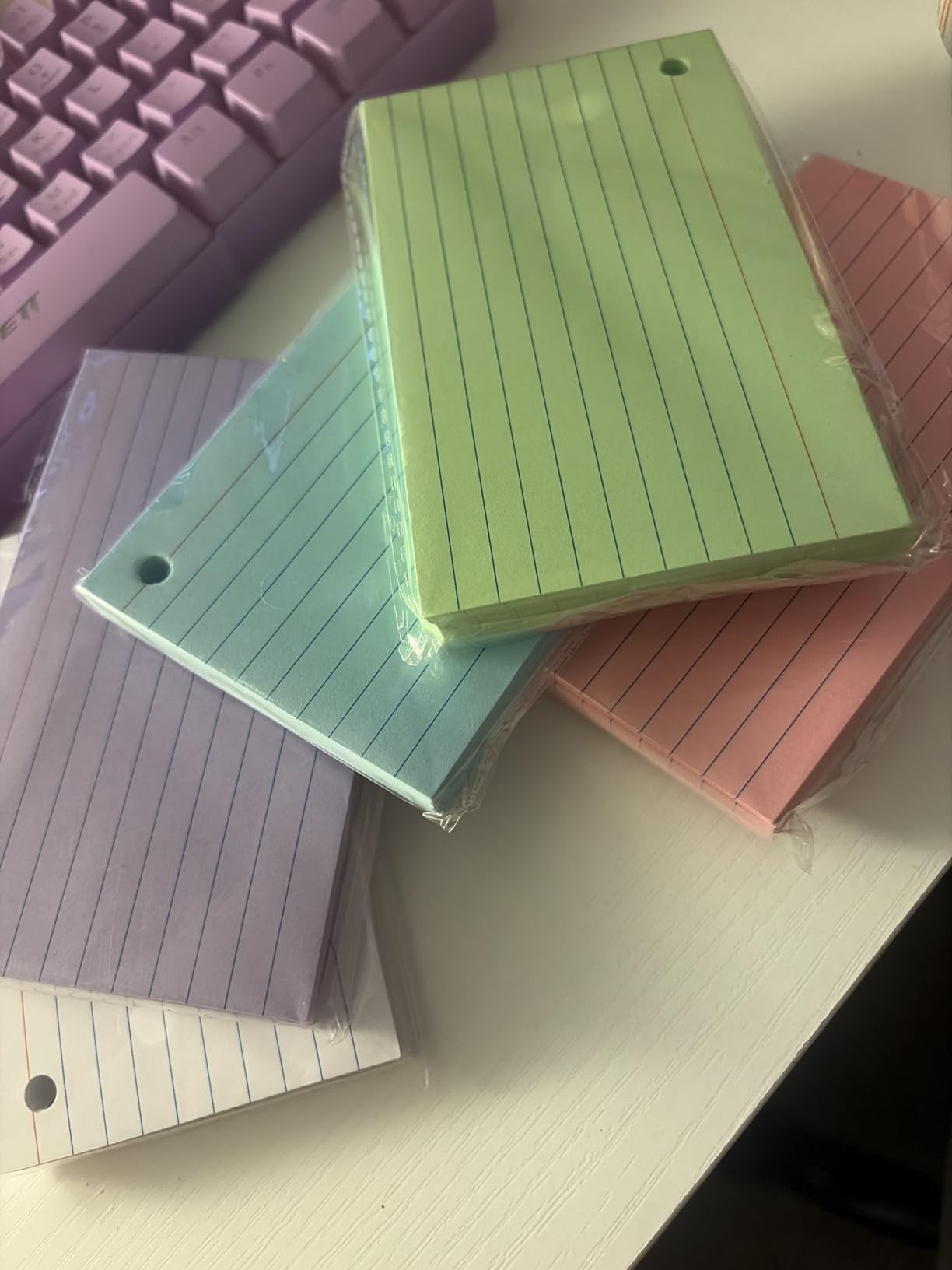
Nursing students rave about these in the reviews, and I can see why. When you are juggling pharmacology, anatomy, and procedures all at once, color-coding by body system or drug class makes review sessions dramatically more efficient. The rings let you carry just the deck you need for a given study block.
One thing to watch — a few reviewers mentioned the colors look slightly different in person than online. The actual shades are a bit more muted. This did not bother me at all for studying purposes, but if you are picky about exact hues, keep that in mind.
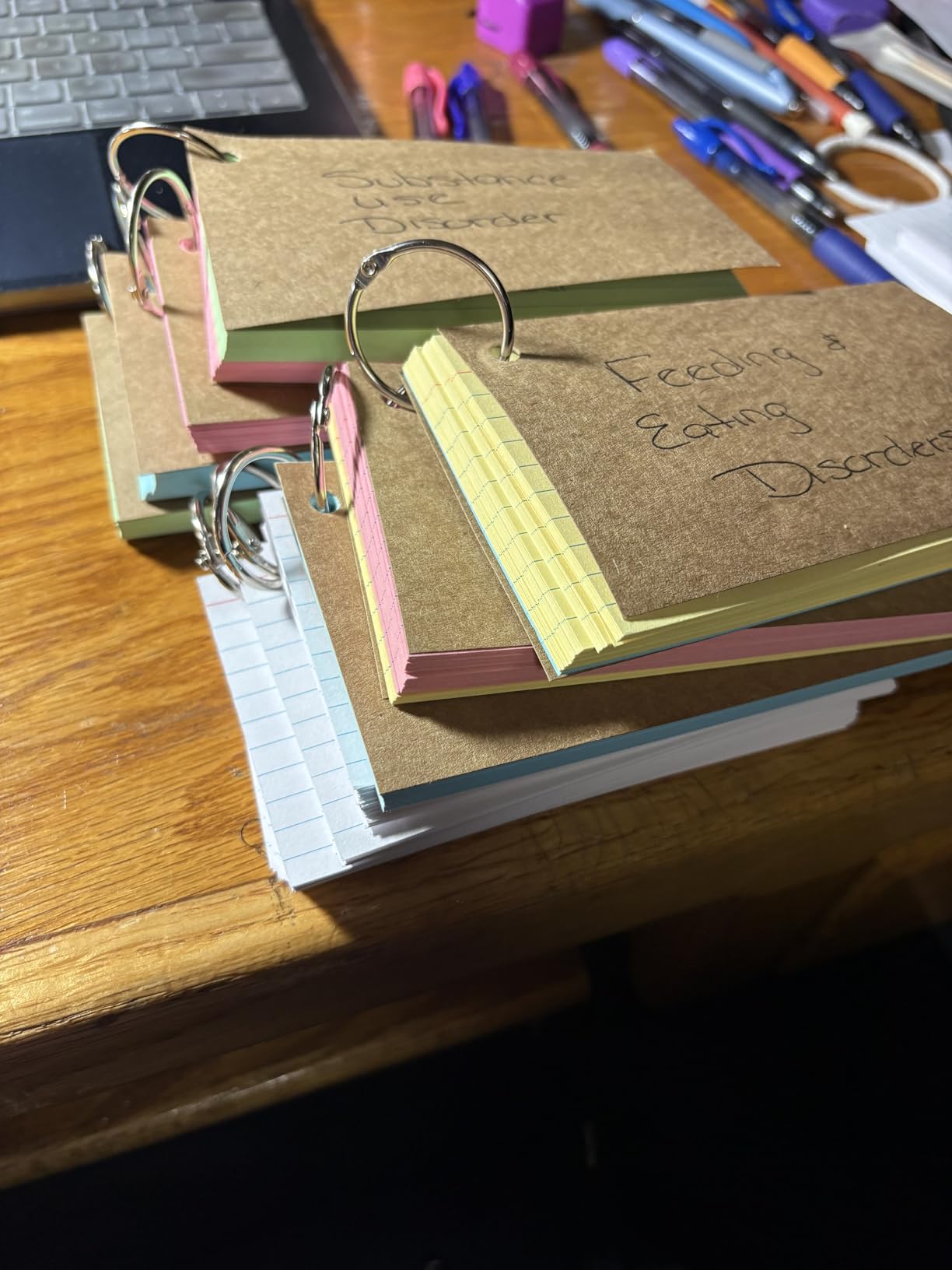
Color Organization Strategy
The five-color system works best when you assign colors before you start creating cards. Pick a color scheme and stick with it across all your subjects. For example, warm colors for things you need to memorize verbatim and cool colors for concepts you need to understand and apply. This visual cue helps your brain switch contexts faster during mixed review sessions.
Ring Quality and Portability
The included metal rings are surprisingly sturdy for the price point. Each ring holds about 50 cards comfortably without feeling overstuffed. The rings open with a simple squeeze-and-pull mechanism, so you can add or remove cards in seconds. Toss a ring or two in your bag and you have a portable study kit that weighs almost nothing.
3. Apostrophe Games Dry Erase Index Cards – Best Reusable Option
Dry Erase Index Cards, 45 Pack Reusable 3×5 Inch Laminated Note Cards w/Box
45 reusable cards
Laminated both sides
Storage box included
Dry and wet erase compatible
Pros
- Write wipe and reuse unlimited times
- Works with dry and wet erase markers
- Zero-waste environmentally friendly design
- Sturdy laminated construction
Cons
- Ink left too long needs extra effort to clean
- Some smudging with handling
I was skeptical about dry erase flashcards at first. Would the ink smear when I shuffled them? Would the writing fade mid-study session? After three weeks of use, I can say the concept works — with one important caveat. Use wet erase markers, not standard dry erase, and you will have zero smudging problems.
The laminated surface is genuinely tough. I accidentally left a card under my laptop for a day with writing on it, and it wiped clean with a damp cloth. The 45-count is smaller than other sets on this list, but since these are reusable, that is not really a limitation. You wipe and rewrite as many times as you need.
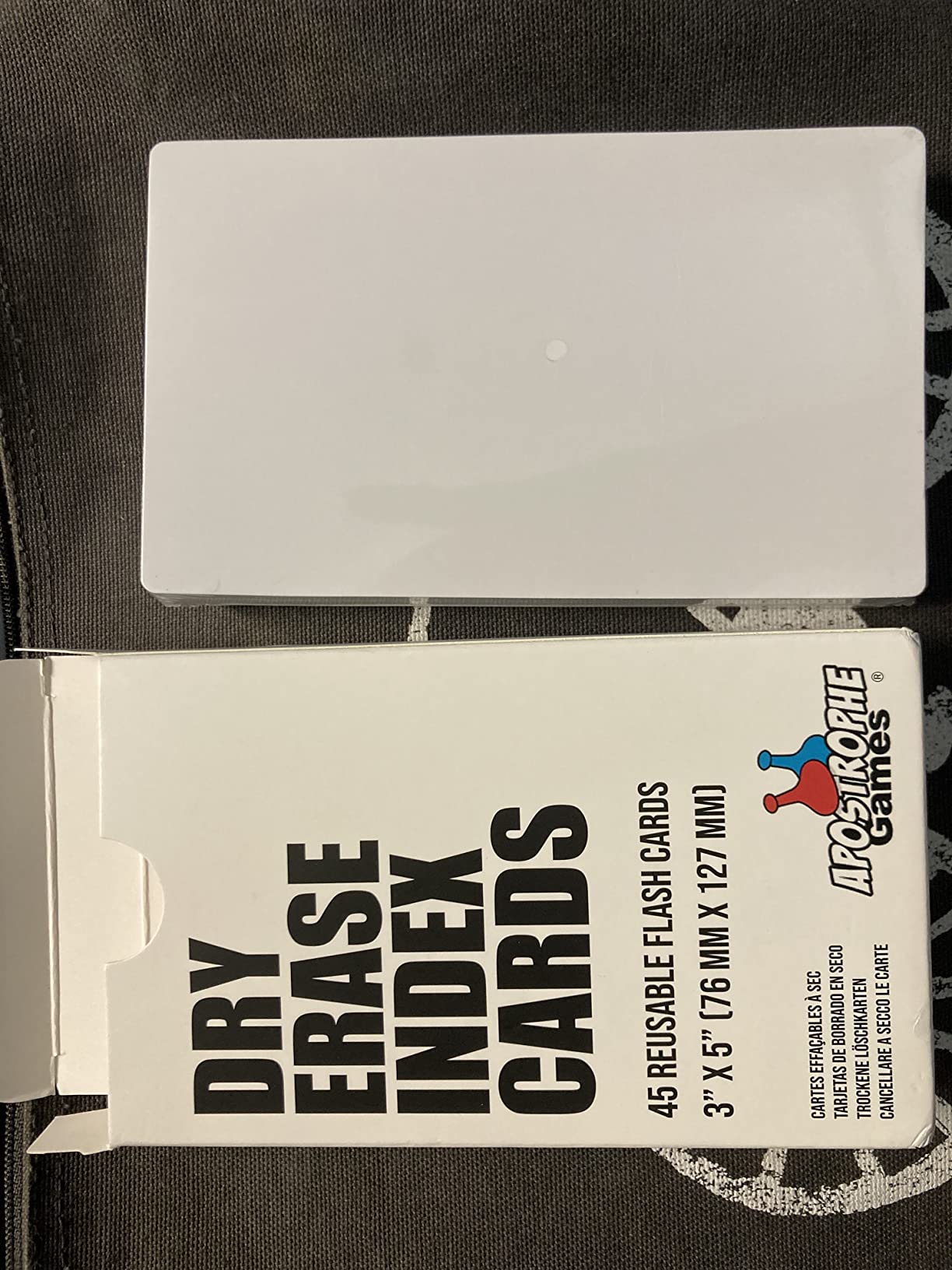
This set shines for active recall practice where you write a question, test yourself, then erase and start fresh. It is also ideal for planning and brainstorming — I used mine to map out essay structures and then wiped them clean for the next assignment. The storage box keeps everything together in a backpack.
The main trade-off is that you cannot build a permanent deck with these. If your study method relies on accumulating hundreds of cards over a semester, reusable cards will not work for that. But for daily practice, quick reviews, and reducing paper waste, they are hard to beat.
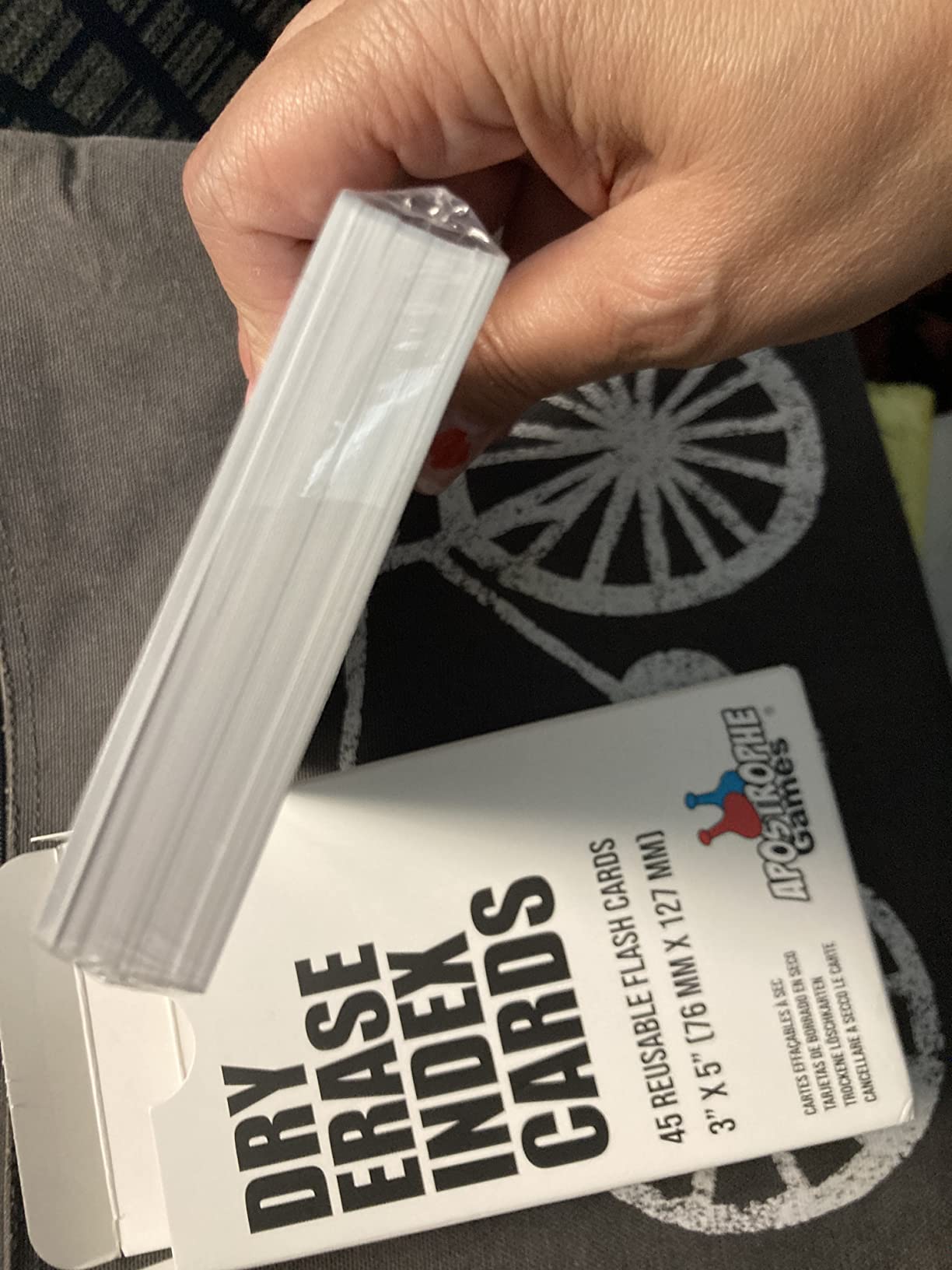
Wet Erase vs Dry Erase Performance
Wet erase markers are the clear winner here. They bond to the laminated surface without rubbing off during handling, which eliminates the smudging problem entirely. When you want to erase, a damp cloth or tissue wipes the ink away cleanly. Dry erase markers work too, but expect some transfer if cards rub against each other in a stack.
Environmental and Cost Benefits
Over a full academic year, a single set of 45 reusable cards replaces hundreds of disposable index cards. That saves money and significantly reduces paper waste. If sustainability matters to you — or if you are tired of buying new card packs every semester — this set pays for itself within the first month.
4. Glyanlee 300 PCS Colored Flash Cards – Best Multi-Color Set
300 PCS Index Cards 3×5 Inches, Colored Flash Cards with Ring
300 count 6 colors
160gsm paper
6 stainless steel rings
Ruled front blank back
Pros
- Six different colors for detailed organization
- 300 cards with 6 rings included
- Pre-punched holes for easy binding
- Excellent 4.8-star rating
Cons
- Some users prefer thicker cardstock
- 160gsm is lighter than 180gsm options
Six colors is a meaningful upgrade over the typical five-color sets. I used the extra color for a review pile — cards I had trouble remembering got moved to the sixth color so I could drill them separately. That simple system boosted my retention on difficult material noticeably.
The pre-punched holes and included rings save you the hassle of punching cards yourself, which is a bigger deal than it sounds. I have ruined index cards trying to punch holes with a standard hole puncher, getting off-center or tearing the edges. These come ready to organize right out of the package.
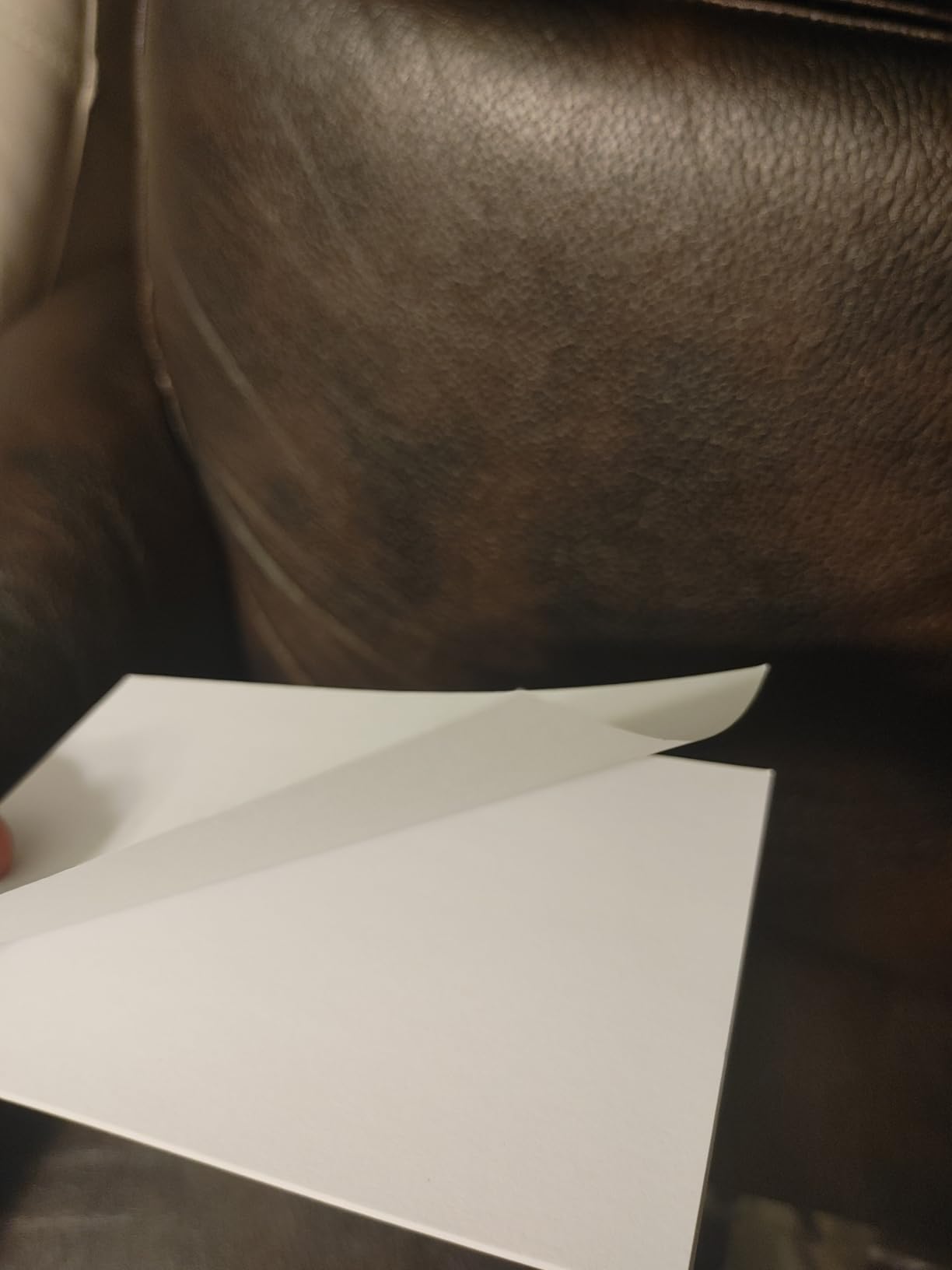
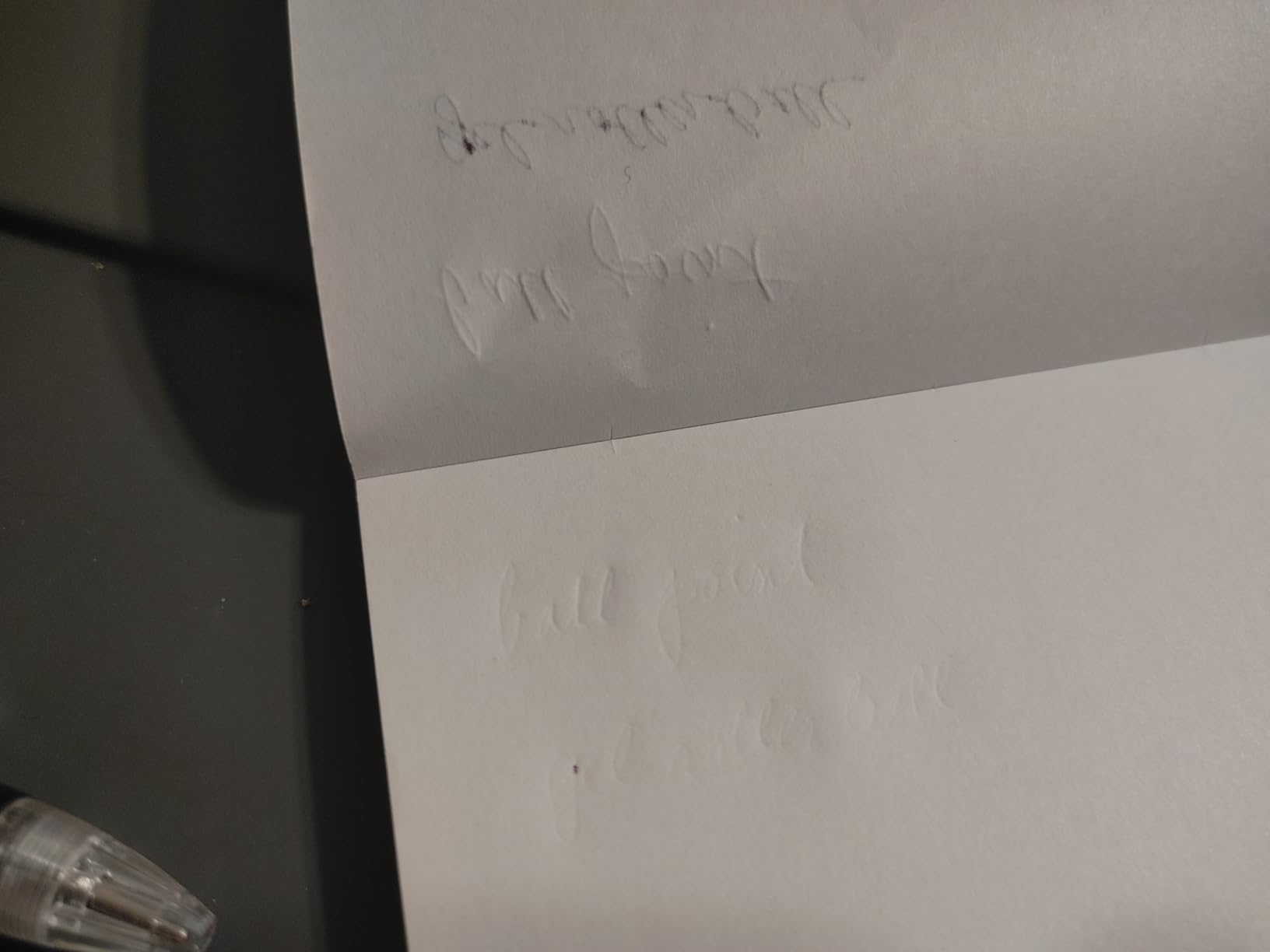
The 160gsm paper is slightly lighter than the YAGUAO set, but I did not notice any practical difference in daily use. Pens and pencils wrote cleanly with no bleed-through. The ruled front and blank back combination gives you structure on one side and freedom on the other, which works well for question-and-answer format cards.
At 300 cards across six colors, you get 50 cards per color. That is enough for a substantial deck per subject without feeling overwhelming. The stainless steel rings are solid and do not bend or warp with regular use.
How Six Colors Improve Recall
Research on color psychology in learning suggests that color-coding helps the brain create stronger associations. With six colors, you can assign one to each major topic or difficulty level. When you review, the color acts as a visual trigger that helps you recall the category before you even read the card. This is especially effective for visual learners.
Durability for Daily Carry
The cards hold up well to being stuffed in a backpack and pulled out multiple times a day. Corners do not dog-ear easily, and the pre-punched holes do not tear with normal ring use. After a full month of daily handling, my set looked nearly new aside from some ink on the cards themselves.
5. YIZUUN Index Cards with Ring – Best Organized Set
Index Cards 3×5, 200 Count, Flash Cards with Ring, Index Cards with Ring
200 count 4 colors
Metal binding rings
Colored protective covers
Elastic band closure
Pros
- Colored protective covers keep decks separate
- Elastic band keeps cards tidy
- Premium bleed-resistant paper
- Clear grid design for neat notes
Cons
- Cards slightly thinner than some options
- Line spacing may not suit all preferences
The colored protective covers are the standout feature here. Each of the four sets has its own colored cover that acts like a mini notebook, so you always know which subject is which at a glance. No more flipping through cards trying to find where one deck ends and another begins.
I used these for exam revision across four courses, dedicating one colored set per course. The elastic band kept each set compact and secure in my bag. When it was time to study, I grabbed the color I needed and the band held everything together until I was ready to review.
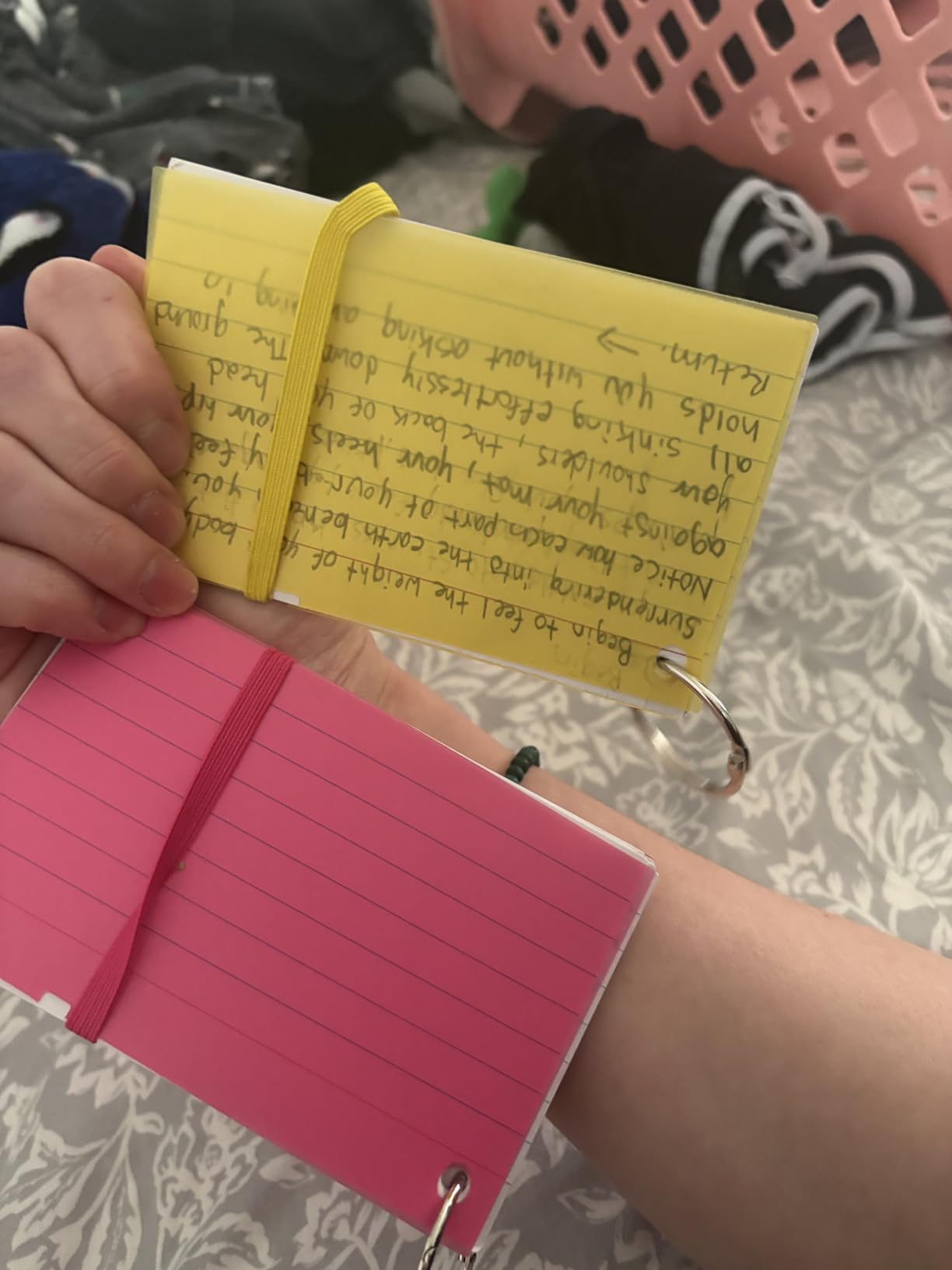
The grid design on these cards is a nice touch if you prefer structured notes over ruled lines. The grid helps with drawing diagrams, writing formulas, and keeping handwriting aligned. Ink bleed-through was minimal across every pen type I tried, including a felt-tip marker.
At 200 cards total with 50 per color, this set strikes a good middle ground. It is not as overwhelming as a 300-plus bulk pack, but it provides enough cards to build meaningful decks for four subjects. The organization features make it feel more like a system than just a stack of cards.
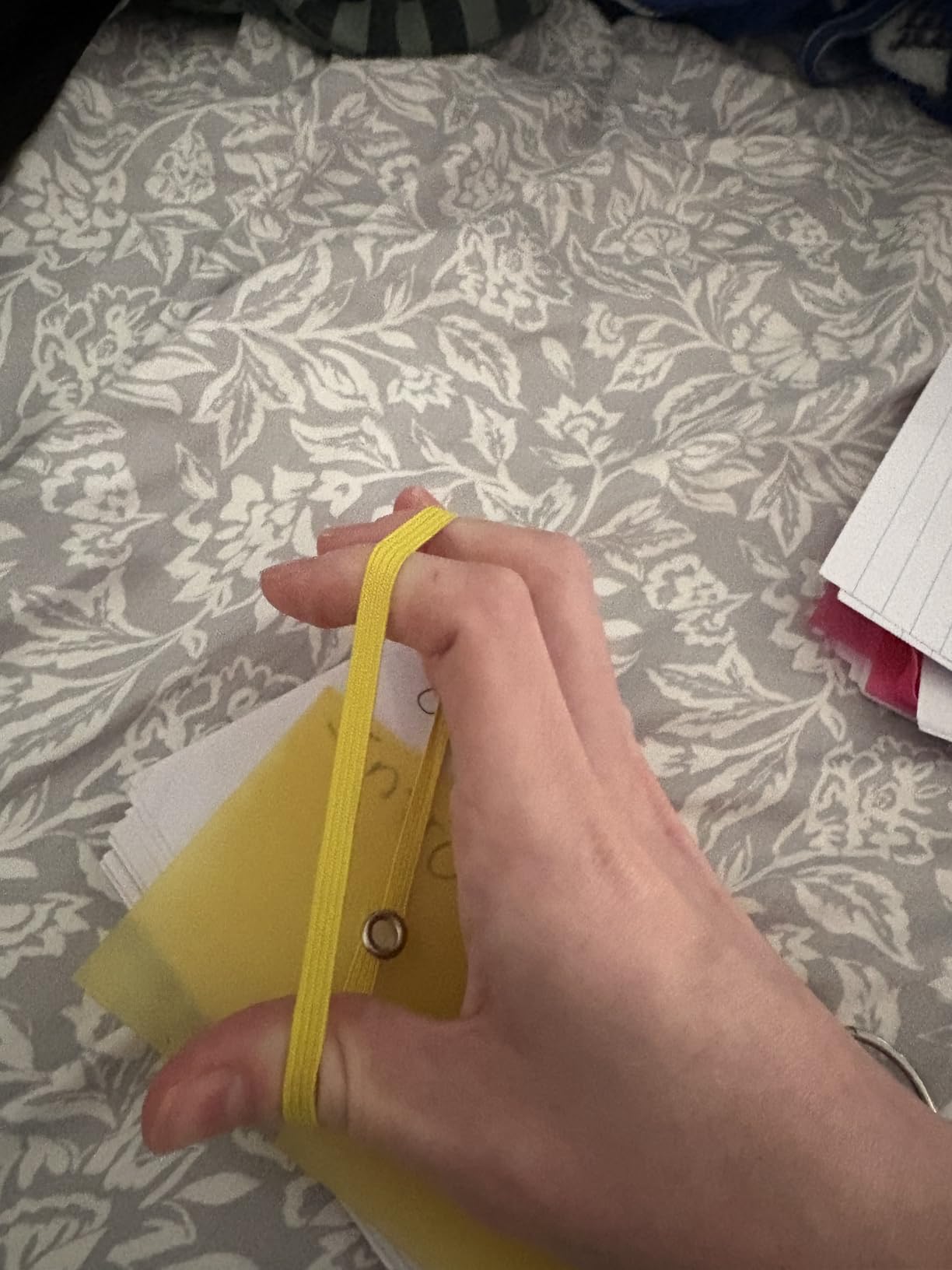
The Elastic Band Advantage
The elastic band solves a real problem — loose cards falling out in your bag. Other ring-bound sets can spread open when stuffed in a backpack, especially as the ring loosens over time. The band adds a second layer of security that keeps your deck intact no matter how roughly you transport it.
Grid vs Ruled Layout
Grid lines give you more flexibility than ruled lines. You can write horizontally, vertically, or diagonally. You can sketch a quick diagram or chemical structure without fighting against horizontal rules. For STEM subjects especially, the grid layout is a meaningful upgrade over traditional ruled cards.
6. Koogel 400PCS Spiral Index Cards 4×6 – Best Large Format
Koogel 400PCS Spiral Index Cards 4×6, Flash Cards for Studying, Colored
400 count 8 colors
4x6 inch large format
150gsm heavyweight
Spiral bound with PVC covers
Pros
- Large 4x6 format gives more writing room
- 8 vibrant colors for maximum organization
- Waterproof frosted PVC covers
- Perforated edges for clean tear-off
Cons
- Spiral binding can shift when turning pages
- Spiral wire feels thin to some users
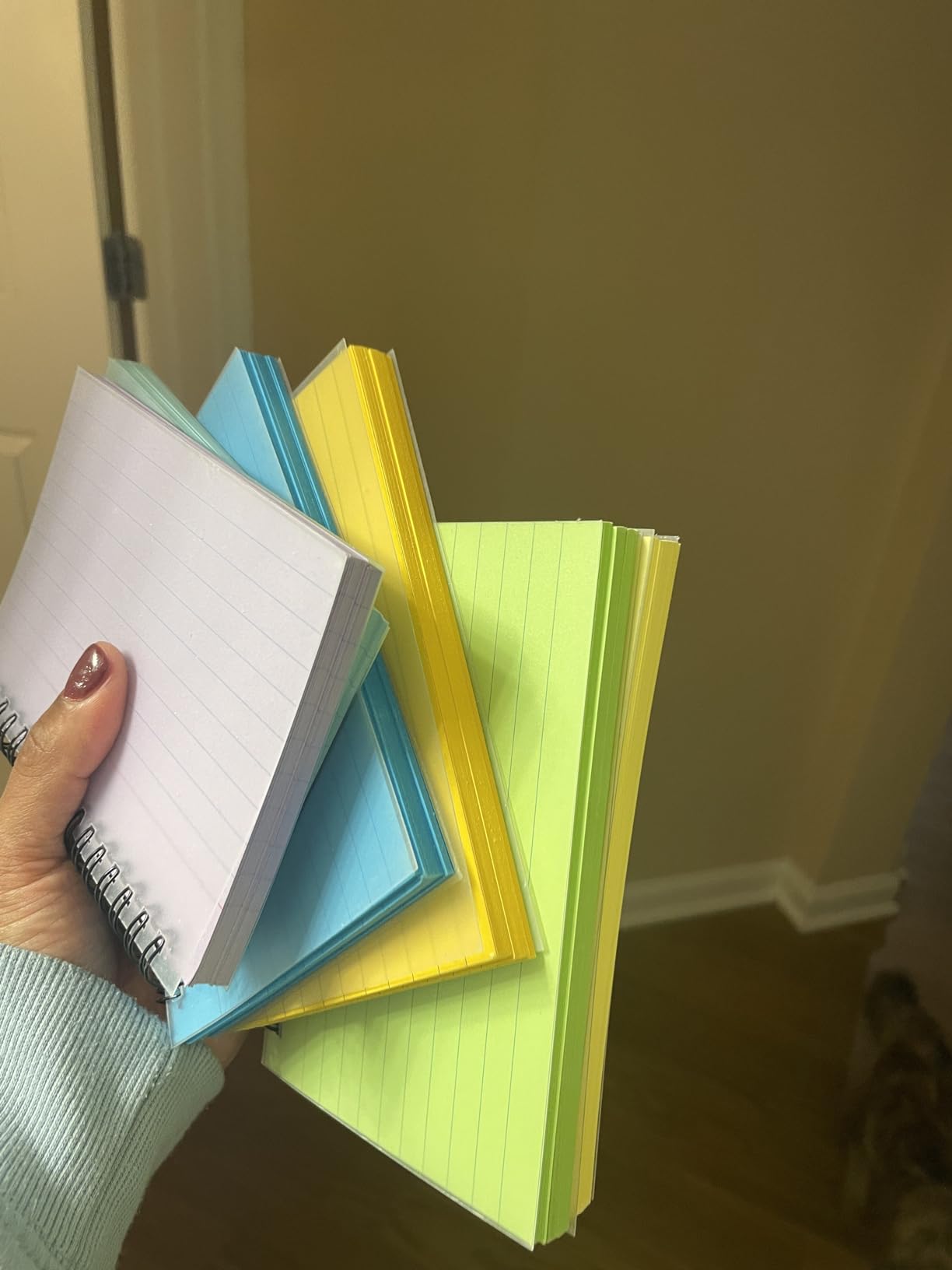
The jump from 3×5 to 4×6 is more significant than it sounds. On a 3×5 card, you can fit maybe three to four lines of handwriting. On a 4×6 card, you have room for a full question, a detailed answer, a small diagram, and even an example. For complex subjects like anatomy or history, that extra space changes how you write cards.
Eight colors is the most variety on this list. I used them to build a priority system — red for must-know material, orange for important, yellow for nice-to-know, and so on through the spectrum. When I had limited time before an exam, I started with red and worked my way down.
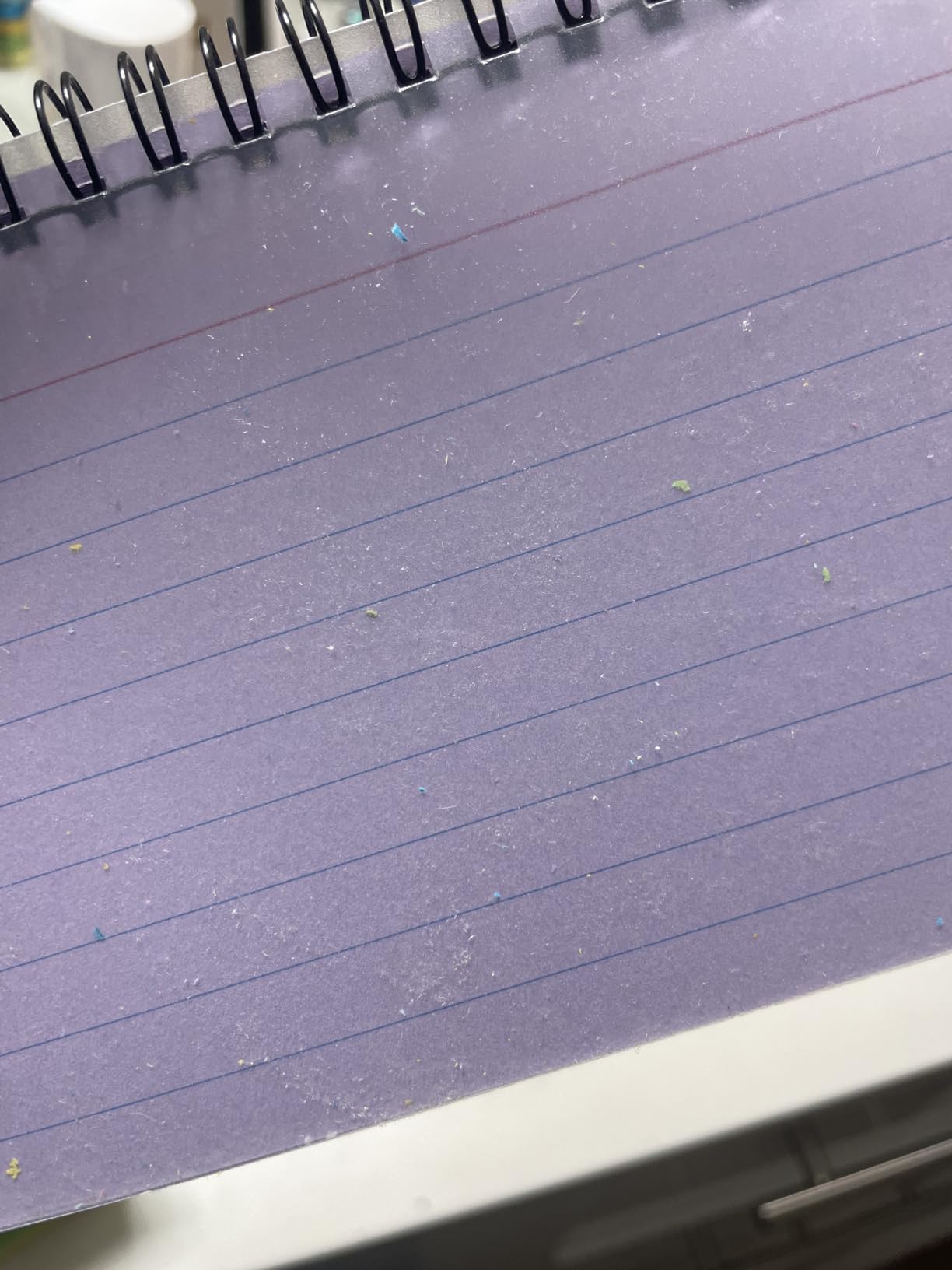
The spiral binding with frosted PVC covers gives these a polished, professional feel. Each of the eight notebooks contains 50 perforated sheets, so you can tear cards out cleanly to use individually or keep them bound for organized review. The waterproof covers mean a spilled coffee does not ruin your study materials.
The 150gsm paper holds ink well and resists ghosting. My only real gripe is the spiral mechanism itself — it shifts slightly when you turn pages rapidly, which can be mildly annoying. It is not a dealbreaker, but it is worth knowing before you buy.
When Bigger Cards Are Better
Large format cards are ideal for subjects that require more than a word or two per card. If you study history with dates and context, biology with processes to diagram, or law with case details, the 4×6 size gives you room to include complete information without cramming. Smaller cards force you to abbreviate, which can hurt recall if your abbreviation is not clear later.
Perforated Tear-Off Convenience
The perforated edges let you remove cards cleanly without tearing the paper. This is useful when you want to pull out specific cards for a focused review session or hand a card to a study partner. The torn edge is clean enough that the card looks intentional, not damaged.
7. Slapaflife Multiplication Flash Cards – Best for Math Practice
Slapaflife Multiplication Flash Cards 0-12, Times Table Flashcards,13 Pcs Flash Cards with 2 Dry Erase Markers 2 Rings, 1st to 3rd Grades Multiplication Game
13 cards 0-12 times tables
Laminated waterproof
2 dry erase markers
Rounded child-safe edges
Pros
- Covers all times tables 0 through 12
- Includes dry erase markers and rings
- Laminated waterproof surface
- Rounded edges safe for young children
Cons
- Limited to multiplication only
- No blank cards for custom content
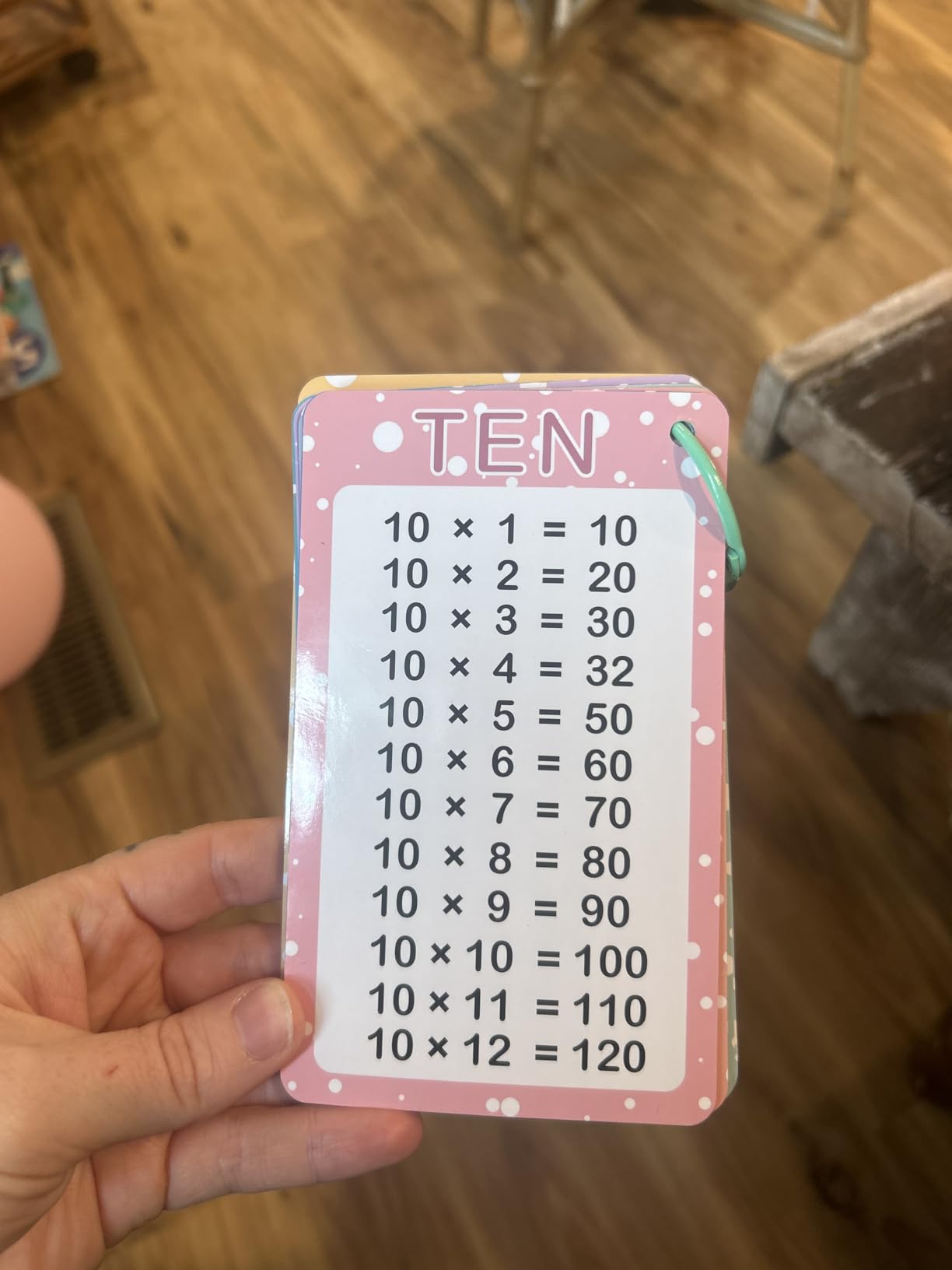
These are purpose-built flashcards, not blank cards you write on yourself. Each of the 13 cards covers a times table from 0 through 12, with the question on the front and the answer on the back. I handed these to my younger cousin who was struggling with multiplication, and within two weeks her speed improved dramatically.
The included dry erase markers let kids write answers directly on the laminated cards, wipe them off, and try again. This interactive element keeps children engaged longer than passive review. The two metal binder rings let you keep the set organized or split it into smaller chunks for focused practice.
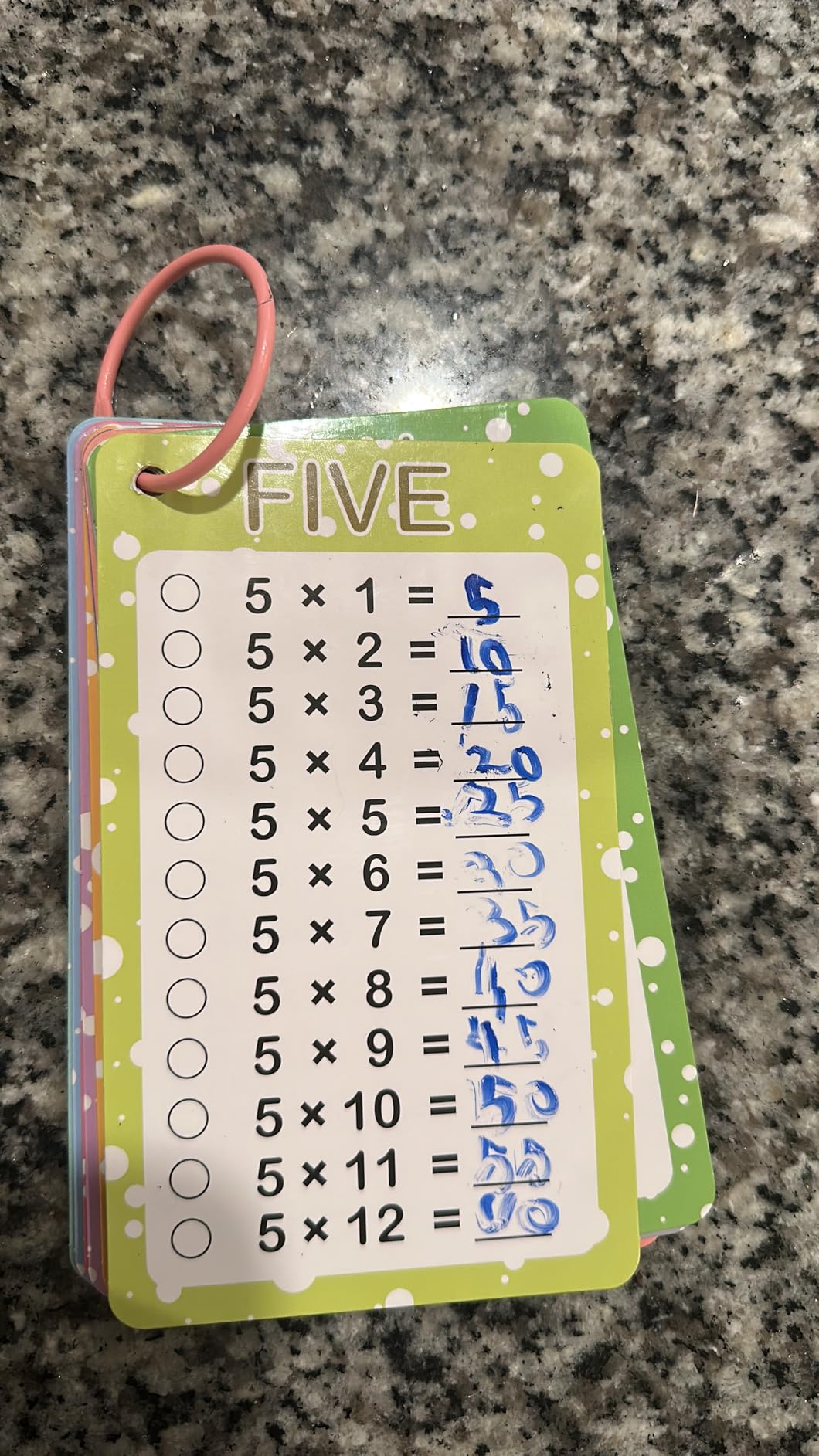
The thickened cardboard and lamination make these nearly indestructible. They survived being dropped, spilled on, and crammed into a backpack without any visible damage. The rounded edges are a thoughtful safety touch for younger children who might handle the cards roughly.
For homeschool families and parents helping with homework, this set is a no-brainer. It is focused, durable, and the dry erase interactivity makes practice feel more like a game than a chore. The compact size means you can pull them out anywhere — car rides, waiting rooms, or the kitchen table.
Age Range and Skill Level
These cards are designed for grades 1 through 3, which is when most students learn multiplication tables. The format works well for beginners who need repetition and visual reinforcement. If your child has mastered basic times tables, you may want a more advanced math set. But for the foundational stage, these hit the sweet spot.
Dry Erase Marker Quality
The included dual-colored markers (blue and red) write smoothly on the laminated surface and erase cleanly with a dry cloth or tissue. Having two colors lets kids use one for answers and another for corrections or notes. The markers are standard size, so replacements are easy to find when the originals run out.
8. Top 200 Drugs Quick Reference Flash Cards – Best for Medical Students
Top 200 Drugs Quick Reference Flash Cards 2025 – Rapid Review of Pharmacology Essentials for Nursing Students, Pharmacy Tech & Paramedics – Color-Coded Drug Guide
Top 200 drugs review
7 color-coded categories
Waterproof PVC
Compact pocket size
Pros
- Covers the most-tested 200 drugs
- Seven color-coded therapeutic categories
- Durable waterproof PVC material
- Compact size fits in scrub pockets
Cons
- Writing is small for some users
- Limited 37 reviews so far
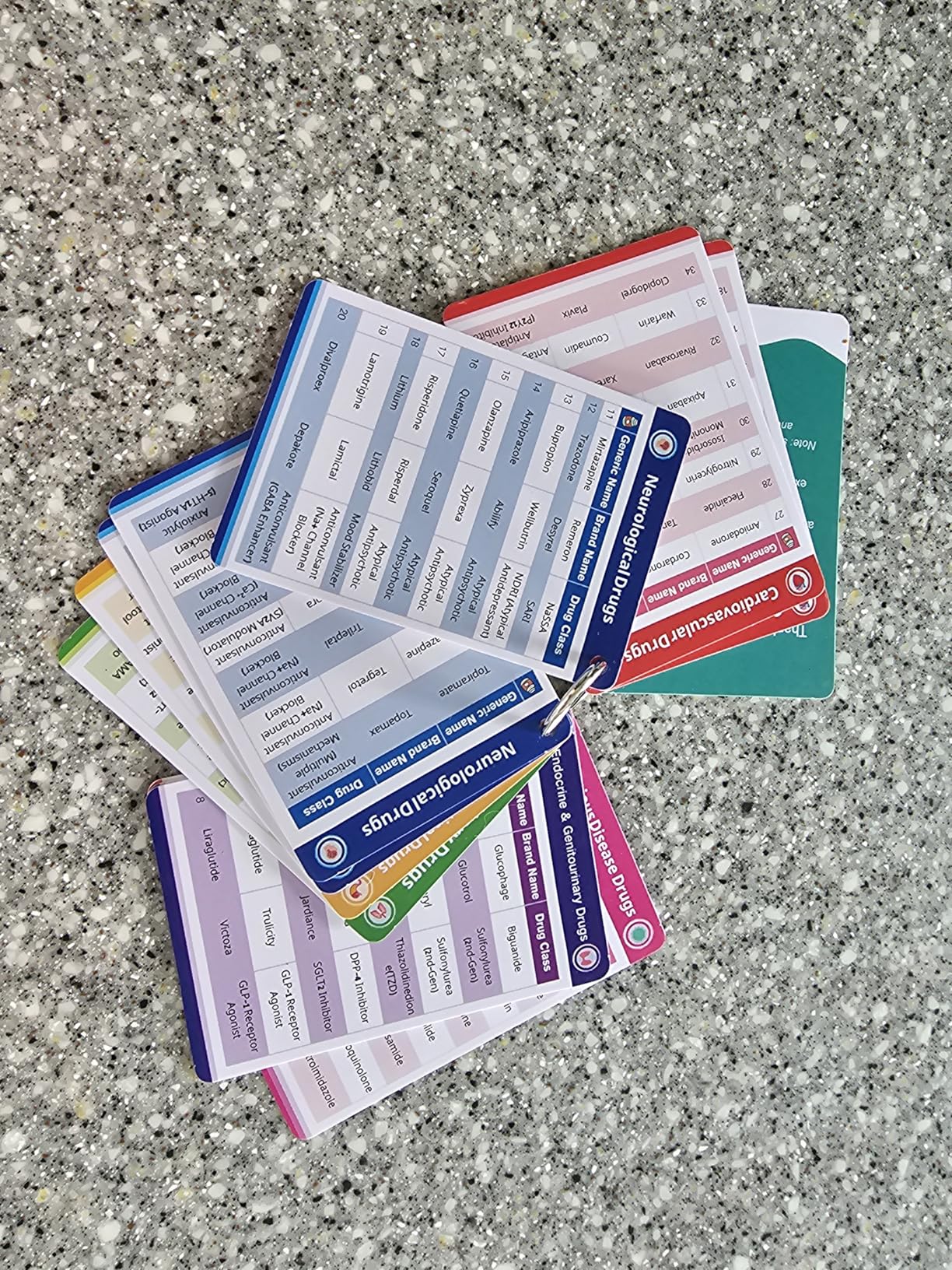
These are pre-made flashcards for a very specific audience — nursing students, pharmacy techs, paramedics, and anyone studying pharmacology. Instead of blank cards, you get 200 drug reference cards covering generic name, brand name, drug class, and key clinical information. This is exactly the kind of content where pre-made cards save you hours of writing.
The seven color-coded therapeutic areas let you sort drugs by category — cardiovascular, antibiotics, pain management, and so on. During clinical rotations, being able to pull out the relevant color and review drug classes during downtime is incredibly efficient. The PVC material is waterproof, so they survive hospital environments.
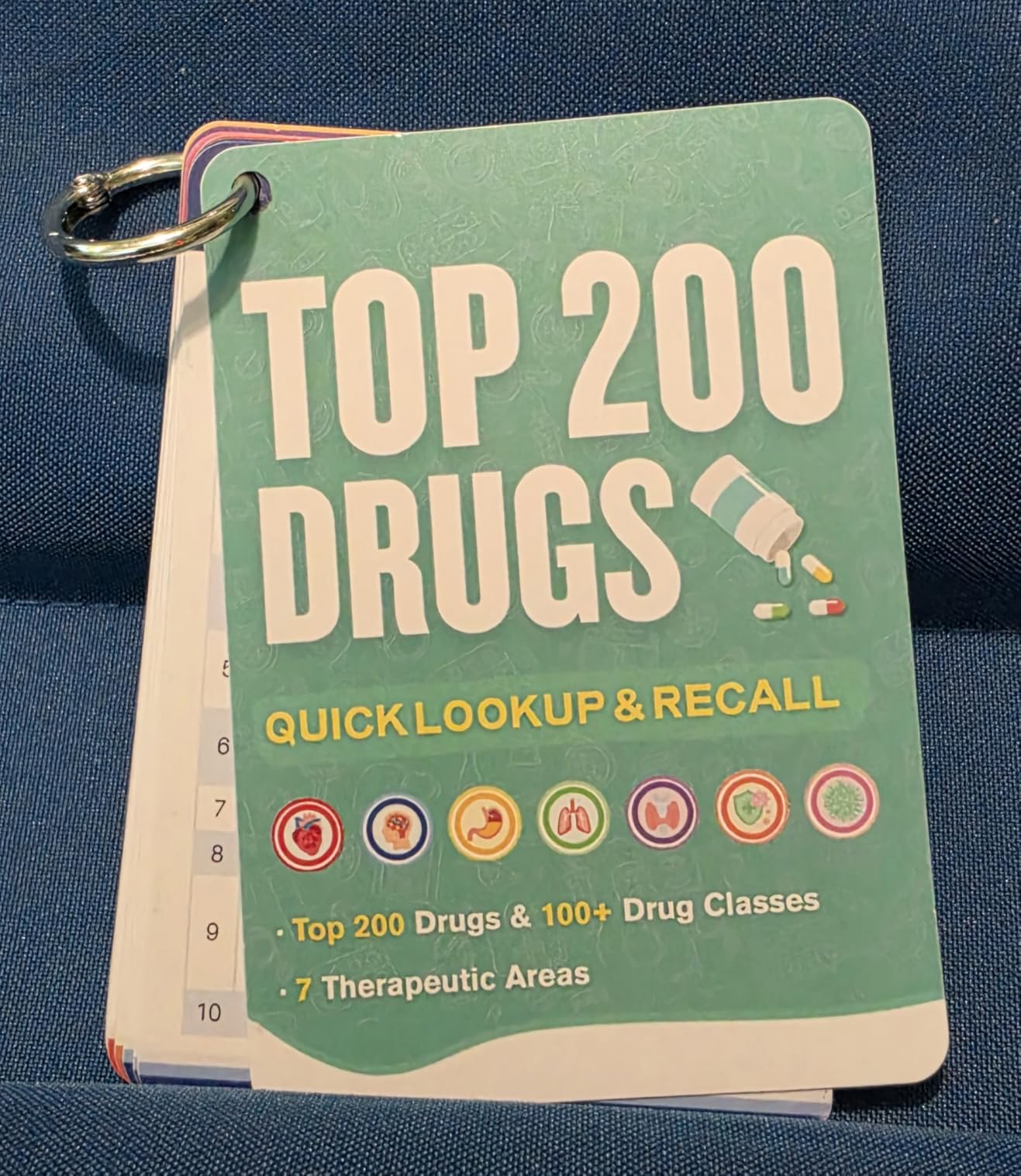
The compact size fits in a scrub pocket, which is where these cards really earn their keep. A nursing student on a 12-hour shift can pull out a few cards during breaks and keep drilling drug names and classes. Several reviewers mentioned using these right before exams and clinical check-offs.
Since these are a newer product with about 37 reviews, the review pool is smaller than the other sets on this list. But the feedback is consistently positive, with users praising the accuracy and portability. The one common complaint is that the text is small, which is the trade-off for fitting comprehensive drug info on a pocket-sized card.
How to Use These in Clinical Practice
The best approach is to carry five to ten cards per shift, focusing on drugs you encounter that day. Review them during breaks and before handoff. Over a rotation, you will have worked through all 200 drugs with real-world context attached to each one, which dramatically improves retention compared to memorizing a list.
Pharmacology Exam Preparation
For exam prep, sort the cards by color-coded category and drill one therapeutic area at a time. The front of each card shows the drug name and class, while the back includes key details like indications and warnings. This format mirrors how pharmacology questions appear on the NCLEX and similar certification exams.
How to Choose the Best Flashcards for Studying
Picking the right flashcards comes down to matching the format to your study habits. Here are the key factors I considered during testing, along with recommendations for different situations.
Paper Weight and Quality: Look for at least 150gsm for a sturdy feel. Anything below that tends to feel flimsy and tears easily. The 180gsm to 186gsm range (around 114 lb) is ideal — thick enough to prevent ink bleed but still manageable for daily handling.
Color Options: If you study multiple subjects simultaneously, color-coding is one of the most effective organizational strategies. Sets with five or more colors let you assign a color per subject or topic. Forum discussions on Reddit consistently show that students who color-code retain and recall information better.
Binding and Organization: Metal rings, spiral binding, and elastic bands all solve the problem of keeping cards together. Rings offer flexibility — you can add, remove, and rearrange cards freely. Spiral binding keeps everything in one place but limits reorganization. Pick based on how much you shuffle your deck.
Pre-Made vs Blank: Blank cards give you total control over content and work for any subject. Pre-made cards save time but lock you into one topic. For standardized subjects like multiplication tables or pharmacology, pre-made cards are worth it. For everything else, go blank.
Size Considerations: Standard 3×5 cards are portable and sufficient for vocabulary and short Q and A. The 4×6 format gives you room for diagrams, detailed answers, and complex information. If you carry cards in a pocket, stick with 3×5. If you study at a desk, 4×6 offers more flexibility.
Once you have your physical flashcards sorted, you might also want to learn how to study for tests on your iPad to round out your study toolkit with complementary digital methods.
FAQs
What is the best free flashcard app?
The best free flashcard apps typically include Anki and Quizlet, both of which offer free tiers with core flashcard features. Anki is fully free on desktop and Android with a one-time purchase on iOS, while Quizlet offers a free basic tier with flashcards and practice modes. For physical flashcards, blank index card sets like the Amazon Basics 300-count pack give you the lowest cost per card.
Are AI flashcard apps worth it?
AI flashcard apps can save significant time by generating cards from PDFs, lecture notes, or textbook photos automatically. They are worth it if you study information-heavy subjects like medical school or law where you would otherwise spend hours writing cards manually. The trade-off is that AI-generated cards often need manual editing for accuracy, and subscriptions can cost 15 to 20 dollars per month.
What is the best flashcard app for college students?
For college students, the best choice depends on your study style. Quizlet offers the easiest interface and large pre-made deck library. Anki has the best spaced repetition algorithm for long-term memorization but a steeper learning curve. For physical flashcards, color-coded sets like the YAGUAO 250-count with rings work well for managing multiple courses at once.
Which flashcard app has the best spaced repetition?
Anki is widely considered the gold standard for spaced repetition among medical students and serious learners. Its algorithm adjusts review intervals based on how well you recall each card, which optimizes long-term retention. Among physical flashcard methods, the Leitner box system uses the same principle — sorting cards into boxes based on how well you know them and reviewing harder cards more frequently.
Can I make flashcards from a PDF for free?
Yes, you can make flashcards from PDFs for free using tools like Anki, which supports manual card creation from any text. Some AI flashcard apps offer limited free PDF imports. For a no-tech approach, print the PDF content onto index cards like the Amazon Basics heavy weight set, which is specifically designed to run through home printers without jamming.
Final Thoughts on the Best Flashcards for Studying
The best flashcards for studying in 2026 are the ones that fit how you actually learn. For bulk value and printer compatibility, the Amazon Basics 300-count set is unbeatable. If you need color-coded organization with rings included, the YAGUAO 250-count delivers excellent quality at a great value. And for eco-conscious students or those who practice active recall daily, the Apostrophe Games dry erase set offers unlimited reuse.
Pick the format that matches your study style, build your decks, and commit to consistent review. The cards only work if you use them regularly. Good luck with your studies.