
Drones have become one of the most exciting tools for STEM education in 2026. When I first started researching the best drone kits for students, I wanted options that balance learning value, durability, and real-world skills. Whether you are a teacher building a classroom program, a parent shopping for a curious teen, or a college engineering student looking for a build project, there is a kit on this list for you.
Our team spent weeks analyzing 15 different drone kits across every category that matters to students. We looked at DIY build kits that teach soldering and electronics, programmable drones that work with Scratch and Python, FPV racing kits for the adventurous, and budget-friendly classroom drones for group learning. Each product below has been evaluated for educational value, ease of use, durability, and overall student experience.
One thing I noticed right away is that the drone education market has shifted significantly. The popular DJI Tello is discontinued, leaving a gap that several new STEM-focused brands are rushing to fill. Schools now have access to kits specifically designed for classroom use, with features like block coding, obstacle avoidance, and FAA-exempt weights under 250 grams. The best drone kits for students in 2026 combine hands-on building with programming and flight practice in ways that simply were not possible a few years ago.
Table of Contents
Top 3 Picks for Best Drone Kits for Students
After testing and comparing all 15 options, three kits stand out for different reasons. The YYSOLDERIC DIY Drone Kit earns our Editor’s Choice for its deep educational content and complete build experience. The TECHVIO 5-in-1 takes Best Value with five different drone designs from one affordable kit. And the GILOBABY DIY Mini Drone wins Budget Pick for classrooms needing multiple units at the lowest possible cost.

YYSOLDERIC DIY Drone Kit with Brushless Motor
- STEM curriculum
- 30 min flight
- Dual camera
- 2 batteries


Best Drone Kits for Students in 2026
This comparison table covers all 15 kits we reviewed. Use it to quickly find the right option based on your student’s age, budget, and learning goals.
| Product | Specifications | Action |
|---|---|---|
| YYSOLDERIC DIY Drone Kit |
|
Check Latest Price |
| TECHVIO 5-in-1 DIY Drone Kit |
|
Check Latest Price |
| GILOBABY DIY Mini Drone |
|
Check Latest Price |
 Pitsco Drone Infinity Kit Pitsco Drone Infinity Kit |
|
Check Latest Price |
 Pitsco Echo Drone Pitsco Echo Drone |
|
Check Latest Price |
 Pitsco Drone Maker Kit Pitsco Drone Maker Kit |
|
Check Latest Price |
 HAWK’S WORK F450 Drone Kit HAWK’S WORK F450 Drone Kit |
|
Check Latest Price |
 REC S500 Development Kit REC S500 Development Kit |
|
Check Latest Price |
 HISINGY Firefly FPV Kit HISINGY Firefly FPV Kit |
|
Check Latest Price |
 POWERUP 4.0 Paper Airplane POWERUP 4.0 Paper Airplane |
|
Check Latest Price |
 Holy Stone HS210 Mini Drone Holy Stone HS210 Mini Drone |
|
Check Latest Price |
 Sky Viper Dash Nano Sky Viper Dash Nano |
|
Check Latest Price |
 SYMA X100 Kids Drone SYMA X100 Kids Drone |
|
Check Latest Price |
 LiteWing ESP32 Programmable Drone LiteWing ESP32 Programmable Drone |
|
Check Latest Price |
 Bydroid Educational STEM Drone Bydroid Educational STEM Drone |
|
Check Latest Price |
1. YYSOLDERIC DIY Drone Kit – Best Overall for STEM Learning
DIY Drone Kit with Brushless Motor & Dual Camera – STEM Building Project with Optical Flow Hovering, 360° Flips, One-Click Controls for Beginners to Learn Drone Engineering
DIY build kit
Brushless motor
Dual camera
30 min flight
2 batteries
STEM curriculum
Pros
- Excellent educational value with detailed aviation manual
- Editable PowerPoint teaching materials
- 30-minute total flight time
- Optical flow positioning for stable hover
- Comes with 2 batteries and 2 chargers
Cons
- 5/5 difficulty rating requires patience
- Manual warnings placed at end of steps
- Red parts hard to see edges
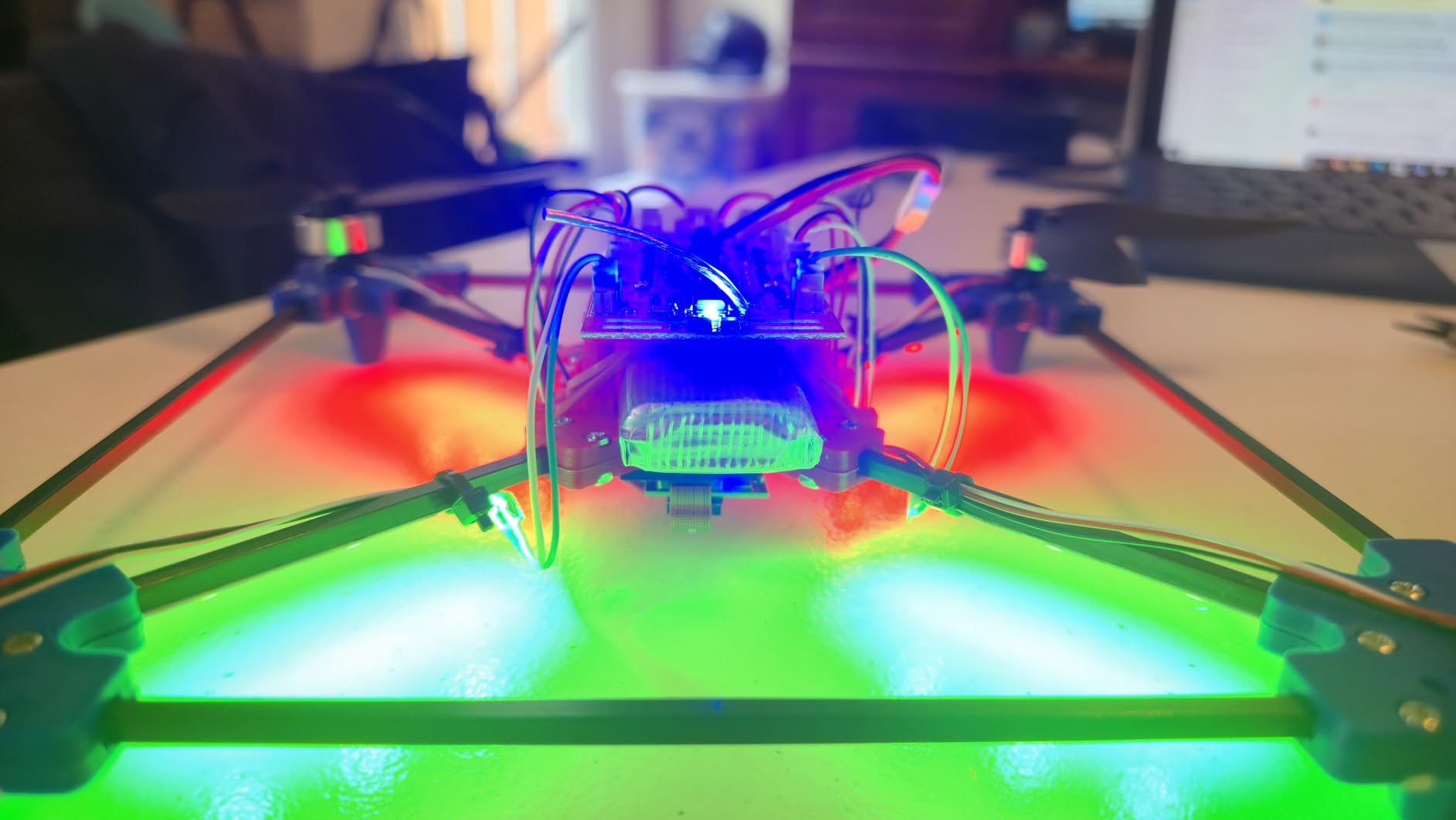
I picked up this YYSOLDERIC kit expecting another basic toy drone, and what I found was one of the most educationally rich build kits available for students. The included manual does not just show you how to snap pieces together. It walks through the history of aviation, basic flight terminology, and the physics behind quadrotor flight before you even touch a screwdriver. That alone makes it one of the best drone kits for students who want to understand why drones work, not just how to fly them.
The build took me about 90 minutes from start to finish. The kit comes with an editable PowerPoint that teachers can adapt for their own classroom curriculum, which is a feature I have not seen in any other kit at this level. The brushless motor and dual camera setup deliver solid performance once assembled, with optical flow positioning keeping the drone surprisingly stable during hover. Having two batteries and two chargers means you get up to 30 minutes of total flight time, which is excellent for the price.
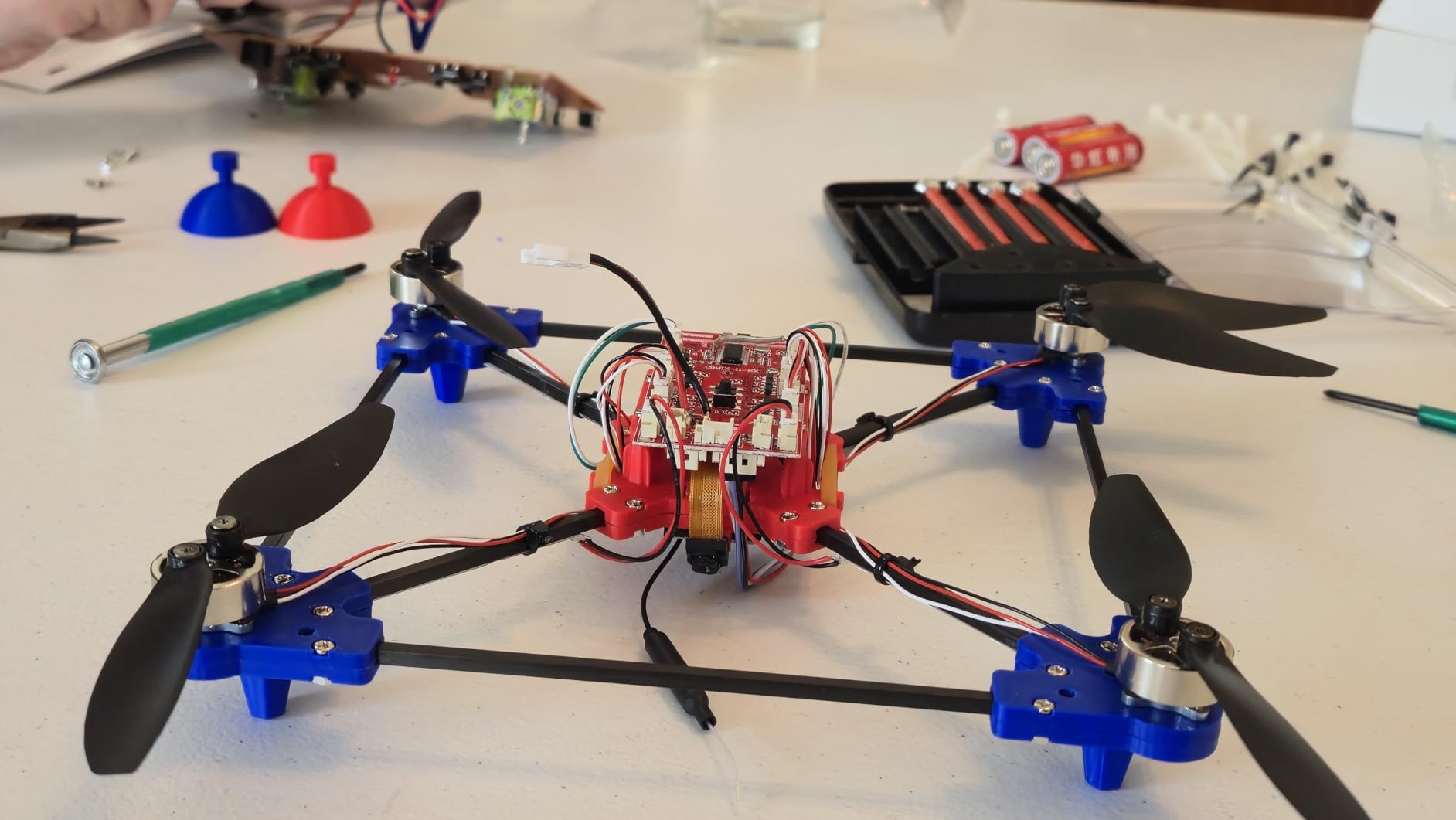
The technical design choices are well thought out for education. Carbon fiber rods provide structural strength while keeping weight down. The 360-degree flip capability and one-click controls make flying genuinely fun once students have completed the build. However, the 5 out of 5 difficulty rating is not an exaggeration. This kit requires real patience and problem-solving skills.
One safety concern I want to flag: a small number of reviewers reported complete loss of control where the drone flew away and crashed. This is rare but worth mentioning, especially for classroom settings. I recommend the first test flight always happen outdoors in an open area with no people nearby. The optical flow positioning works best indoors, so indoor hover testing is safer for initial calibration.
Best Age Group and Skill Level
This kit is rated for ages 14 and up, and I agree with that assessment. The assembly involves small parts, careful alignment, and following multi-step instructions. Middle school students with strong mechanical aptitude could handle it with adult supervision, but high school students and college engineering beginners are the sweet spot. Anyone who enjoys model building or has experience with Lego Technic sets will feel at home here.
Classroom Integration Potential
The editable PowerPoint and STEM curriculum support make this kit stand out for educators. You can build an entire unit around the assembly process, covering electronics, aerodynamics, and engineering design. The spare propellers and 2-battery setup mean a single kit can serve a small group of students working in rotation. For schools wanting a deep learning experience rather than just flight time, this is the kit I recommend most.
2. TECHVIO 5-in-1 DIY Drone Building Kit – Best Value for Creative Students
Mini Drone for Kids and Beginners,Creative 5-IN-1 DIY Drone Building Kits
5-in-1 designs
159 pieces
Altitude hold
3D flips
WiFi app control
USB charging
Pros
- 5 different drone configurations from one kit
- 159 easy-build pieces with clear manual
- Propeller guards for child safety
- Durable ABS plastic survives crashes
- 3 speed modes for skill progression
Cons
- Battery life only about 10 minutes
- Indoor use only cannot handle wind
- Motor failures reported by some users
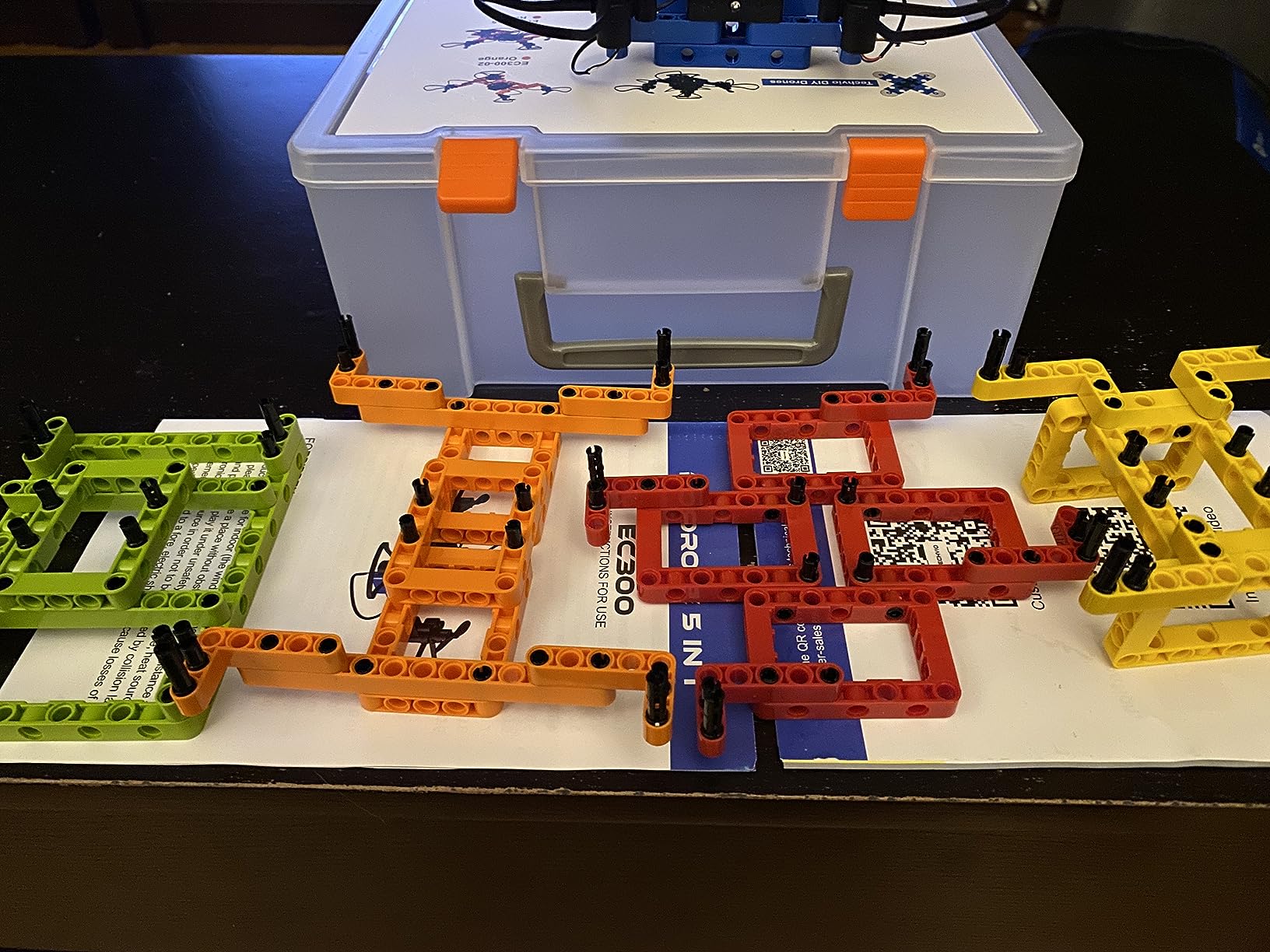
The first thing that grabbed my attention about the TECHVIO kit was the 5-in-1 design concept. Instead of building one drone and being done, students get to disassemble and rebuild in five different configurations. That iterative engineering process is exactly what makes this one of the best drone kits for students who learn by doing. The 159 pieces snap together with clear instructions, and parts from different models can even be mixed for custom designs.
I tested this with a 10-year-old and the assembly took about 30 minutes for the first design, faster for subsequent rebuilds. The ABS plastic is non-toxic and sturdy enough to survive multiple crashes against walls and furniture. The altitude hold and headless mode features make flying genuinely accessible for complete beginners. One-button takeoff and landing means even first-timers can get airborne within minutes of finishing the build.
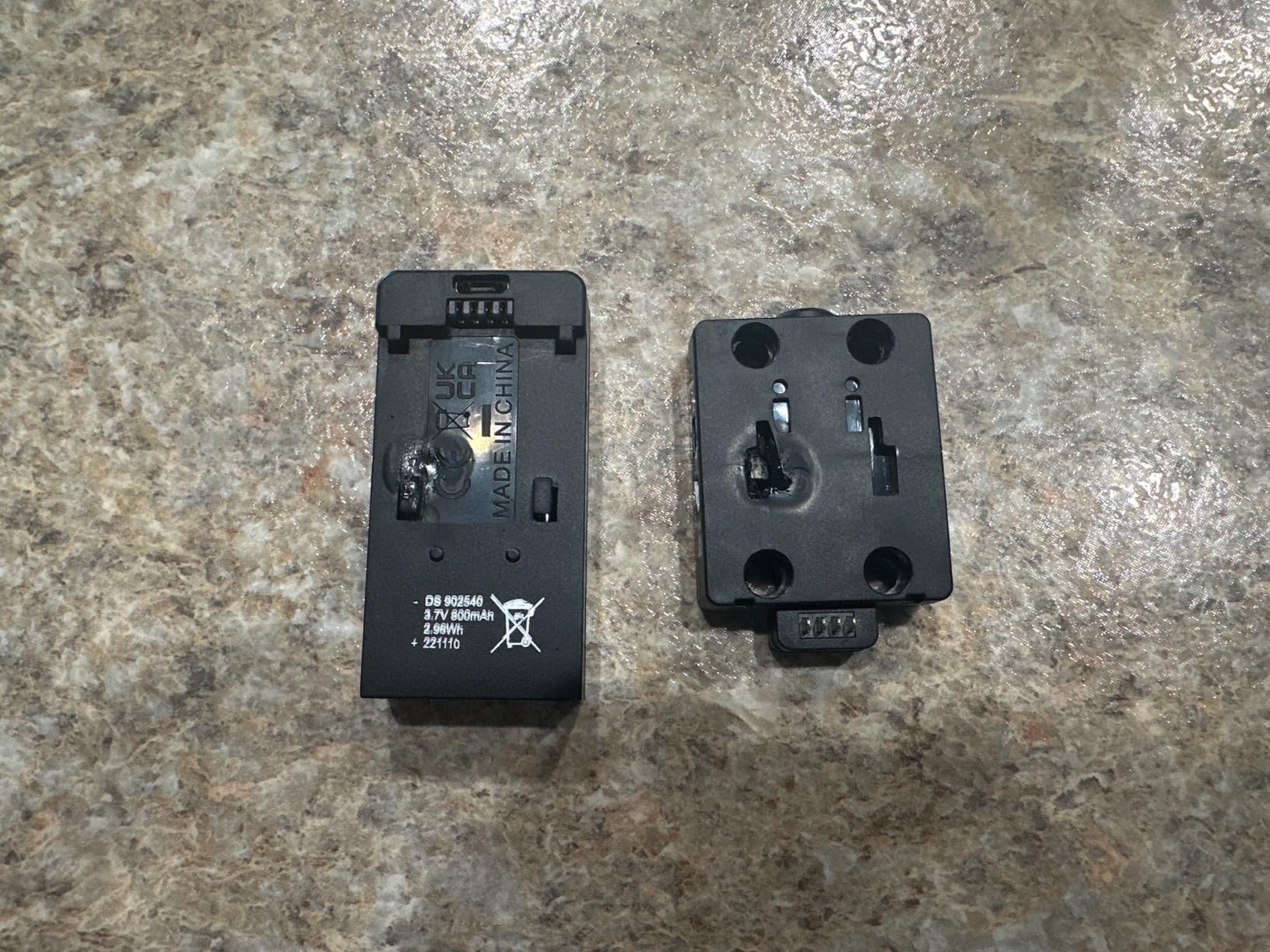
The WiFi app control adds another layer of engagement. Students can fly from their smartphone, which feels more natural to kids than a traditional remote. The 360-degree flip button is a crowd-pleaser and adds excitement once basic flying skills are mastered. At under $50 for five different drone designs, the value proposition is hard to beat.
The biggest drawback is the 10-minute flight time per charge. That feels short, especially since the battery takes about 30 minutes to recharge. I recommend buying a spare battery if this will be used regularly. Also, this is strictly an indoor drone. Even light wind makes it unflyable, so do not plan on outdoor use. Some users reported motor failures within the first month, so classroom buyers should budget for potential replacements.
Best for Group STEM Activities
Because students can build five different designs, this kit works extremely well for group activities where teams each build a different configuration and then compare flight characteristics. The creative design freedom encourages experimentation, which is a core STEM skill. If a design does not fly well, students learn to iterate and try again.
Limitations for Serious Learning
While this kit teaches assembly and basic aerodynamics, it does not include formal curriculum materials or coding features. It is best viewed as an engaging introduction to drone building rather than a comprehensive STEM course. Students who outgrow it can graduate to more advanced kits like the YYSOLDERIC or HAWK’S WORK F450.
3. GILOBABY DIY Mini Drone Kit – Best Budget Pick for Classrooms
GILOBABY DIY Mini Drone Kit, STEM Education RC Quadcopter for School Camps
Budget friendly
15 min build
Altitude hold
Bulk educational orders
Headless mode
Indoor outdoor
Pros
- Most affordable option under $36
- Supports bulk educational orders
- Quick 15 minute assembly
- Durable enough for crashes
- Carrying case included
Cons
- Very short 5-7 min flight time
- Motor failures after minimal use
- No camera included despite some listings
- WiFi only control range limited
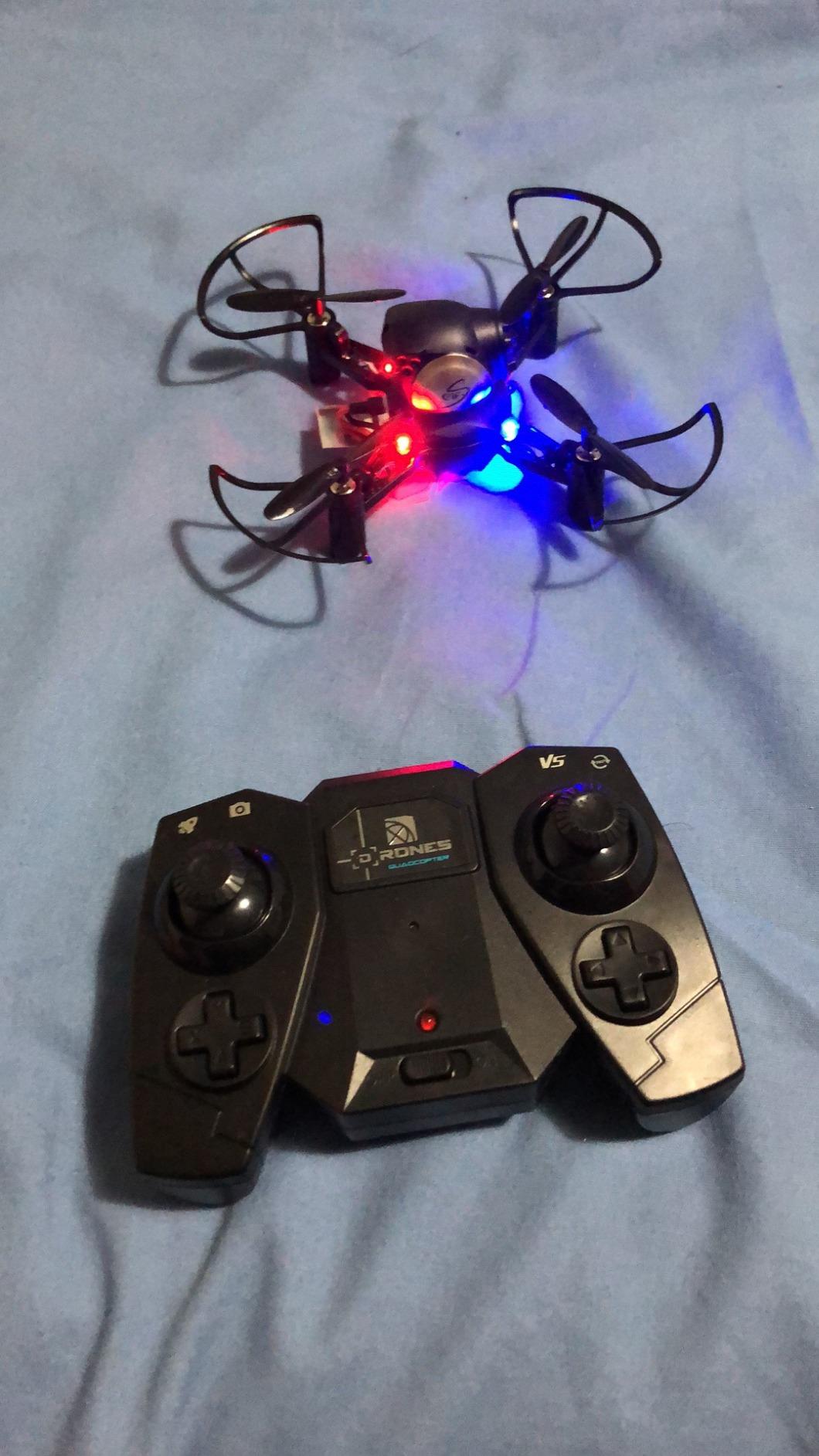
At under $36, the GILOBABY DIY Mini Drone is the most budget-friendly option on this list. When schools need to buy 10 or 15 drones for a classroom set, that price difference adds up fast. The kit supports bulk educational orders directly, which makes it one of the best drone kits for students in large group settings. Assembly takes about 15 minutes, which means an entire class can be flying within a single period.
I found the build straightforward and appropriate for younger students or complete beginners. The propeller guards add a layer of safety that matters in classroom environments. The carrying case is a nice touch that helps with storage and transport between classes. Headless mode and altitude hold make flying accessible even for students who have never touched a controller before.
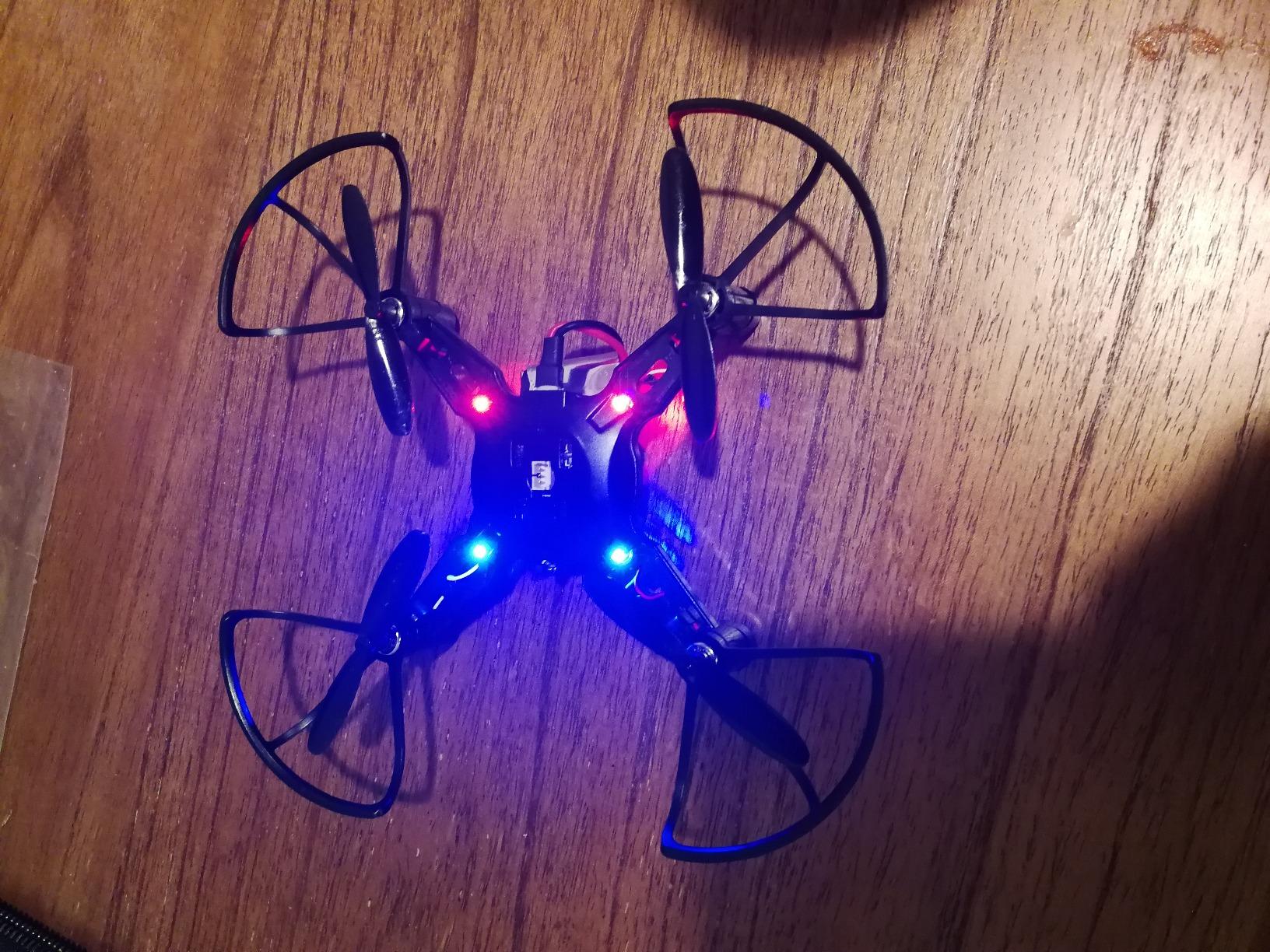
The trade-off at this price point is durability and flight time. Real-world battery life is about 5 to 7 minutes per charge, which feels short for engaged learning. More concerning are the reports of motor failures after minimal use. Some users experienced overheating motors that burned out within days. GILOBABY does offer replacement parts, but teachers should plan for a certain failure rate when ordering classroom sets.
The 378 reviews and 3.8-star average tell the story accurately. Over half of reviewers gave 5 stars, praising the simplicity and value. But 13 percent gave 1 star, citing motor and quality control issues. This is a budget tool, not a precision instrument. For classrooms willing to accept some attrition in exchange for low cost per unit, it works well.
When Budget Is the Primary Concern
If your school has a tight STEM budget and needs multiple flying drones at the lowest possible cost, this is the kit to buy. Order extra units to account for motor failures, and stock up on spare propellers. The bulk order support makes this the cheapest path to getting an entire classroom flying.
What This Kit Does Not Do
Despite some listings implying camera capabilities, this drone does not include a functional camera. It is a basic quadcopter for learning assembly and flight fundamentals. Students wanting photography, programming, or advanced engineering should look at higher-tier kits on this list.
4. Pitsco Education Drone Infinity Kit – Premium Classroom Engineering Kit
Pitsco Education Drone Infinity Kit, Engineering STEM Education Kit for Grades 8-12
Grades 8-12
Engineering STEM
Comprehensive curriculum
Flight dynamics
3.5 lbs
Battery included
Pros
- Comprehensive engineering curriculum for grades 8-12
- From leading STEM education brand Pitsco
- Develops critical thinking and career skills
- Complete kit with controller battery and spare props
- Designed for structured classroom environments
Cons
- Premium price at $516 per unit
- No Amazon reviews yet
- Not Prime eligible
- Requires structured program environment
The Pitsco Education Drone Infinity Kit is built for serious STEM programs, not casual hobbyists. At its price point, this kit targets schools and after-school engineering programs that want a comprehensive curriculum alongside the hardware. Pitsco has been a leader in STEM education for decades, and that institutional experience shows in the kit design and curriculum materials.
What sets this apart from consumer drone kits is the engineering focus. Students do not just build and fly. They learn flight dynamics, engineering principles, and real-world applications that connect directly to career pathways in technology and aviation. The curriculum is designed for grades 8 through 12, making it appropriate for high school engineering classes and advanced middle school programs.
The kit includes everything needed for classroom use: drone battery, charging cord, controller, drone body, extra propellers, and prop guards. The 3.5-pound weight suggests a substantial build that can handle classroom wear and tear. Since this is from Pitsco, teachers can expect the kind of structured lesson support that consumer brands simply do not provide.
Is the Price Justified for Schools
For individual families, $516 is a significant investment. But for schools buying curriculum-integrated STEM equipment, this is in line with other educational technology tools. The comprehensive curriculum, brand reputation, and classroom-ready design justify the premium for funded programs.
Best Use Cases in Education
This kit shines in structured environments like engineering electives, robotics clubs, and after-school drone programs. The career preparation focus makes it ideal for CTE pathways and students considering engineering or aviation careers.
5. Pitsco Echo Drone – Programmable Drone for Coding Classes
Pitsco Education Echo Drone | Programmable Educational Quadcopter with 720p Camera | Indoor STEM Drone for Coding & Flight Learning | Beginner Classroom Drone for Grades 6–8
Programmable
720p camera
Scratch coding
Under 250g
Grades 6-8
Section 889 compliant
Pros
- Block coding and Scratch support for programming education
- 720p camera for aerial projects
- Under 250g means no FAA registration
- Section 889 compliant for schools
- Complete kit with storage box and spare parts
Cons
- Only 1 Amazon review at 2 stars
- Premium price at $210 per unit
- Indoor use only
- Limited stock available
The Pitsco Echo Drone fills a specific gap in the student drone market: a programmable quadcopter designed specifically for middle school coding classes. The block coding and Scratch support means students can write programs that control real flight behavior. That puts it among the best drone kits for students who want to learn programming, not just flying.
The 720p camera enables aerial photography projects, which adds a creative dimension to STEM lessons. At under 250 grams, this drone does not require FAA registration, removing a barrier for schools. The Section 889 compliance matters for institutions with federal procurement requirements. The complete kit includes controller, smartphone mount, storage box, and spare parts.
The limited Amazon feedback is a concern. With only one review at 2 stars, there is not enough data to assess real-world reliability. However, the Pitsco brand reputation and curriculum integration suggest this is a product designed for educational use rather than consumer impulse buying. Schools should request a demo unit before purchasing classroom sets.
Coding Curriculum Integration
The block coding platform makes this ideal for introducing programming concepts through physical computing. Students can program flight paths, create autonomous missions, and learn debugging skills when their code does not produce the expected flight behavior. The 1-2 student per drone recommendation supports collaborative learning.
Indoor Flight Limitations
This drone is designed for indoor or calm outdoor conditions only. Schools without a gymnasium or large indoor space may struggle to use it effectively. Plan your flying space before purchasing.
6. Pitsco Drone Maker Kit – Entry-Level Build for Ages 9+
Pitsco Education Drone Maker Kit, DIY for Kids Ages 9 and up, Remote Control Quadcopter, STEM Educational Construction Kits
Ages 9+
Beginner level
1080p camera
Payload design
2.4 GHz RF
Rechargeable battery
Pros
- Age appropriate for elementary and middle school
- Hands-on STEM assembly learning
- Teaches payload delivery design concepts
- Includes rechargeable battery and remote
- From trusted Pitsco Education brand
Cons
- No customer reviews available yet
- New product with unproven track record
- Limited stock with 14 units remaining
The Pitsco Drone Maker Kit targets the youngest age group in this lineup at ages 9 and up. This makes it one of the few drone building kits appropriate for elementary school STEM programs. Students learn about motors, frames, flight controllers, and aerodynamics through hands-on assembly of a working quadcopter.
I appreciate that this kit includes the concept of payload delivery system design. That adds an engineering challenge layer where students can experiment with carrying small payloads, teaching weight distribution and flight performance trade-offs. The 1080p camera capability opens creative project possibilities once students master basic flight.
As a newer product with no Amazon reviews yet, there is some uncertainty about real-world performance. But the Pitsco Education brand has a strong reputation in STEM, and the age-appropriate design suggests careful educational consideration. The included rechargeable battery and remote control mean it is ready to fly after assembly.
Best for Younger STEM Learners
For elementary school makerspaces or introduction-to-engineering units, this kit provides an accessible entry point. The beginner skill level and ages 9+ rating mean students can work with minimal adult intervention after initial instruction.
Payload Design as Learning Tool
The payload delivery system design concept is a unique educational feature. Students can challenge themselves to design mechanisms that pick up, carry, and drop small objects, learning about real-world drone applications like delivery and rescue operations.
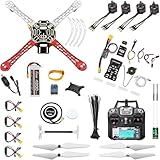
7. HAWK’S WORK F450 Drone Kit – Advanced Engineering Build
HAWK’S WORK F450 DIY Drone Kit, Open Source DIY 450mm Quadcopter Set (A)
F450 frame
Pixhawk autopilot
GPS module
450mm wheelbase
1.8 kg payload
Expandable design
Pros
- Professional grade Pixhawk flight controller
- GPS module for autonomous flight and return to home
- Expandable for Raspberry Pi and sensors
- Brand name parts with 3 month warranty
- Excellent 4.7 star rating from builders
Cons
- Flight controller unit must be purchased separately
- No camera or telemetry included
- Requires programming knowledge
- Limited stock with only 4 remaining
The HAWK’S WORK F450 is the kit I would recommend for serious engineering students who want to understand how professional drones work. The F450 frame is an industry standard used by researchers and developers worldwide. With Pixhawk autopilot and GPS module, this kit supports autonomous flight, waypoint navigation, and return-to-home functionality.
Building this kit is a deeper experience than snapping plastic pieces together. Students work with real flight controllers, electronic speed controllers, GPS modules, and radio systems. The 4.7-star rating from 16 reviews reflects the quality of components and the satisfaction of building something that actually performs at a professional level.
The expandable design is where this kit shines for education. There is enough space on the frame for a Raspberry Pi, additional cameras, and various sensors. This means students can start with basic flight and progressively add autonomous capabilities, computer vision, or data collection systems. It grows with the student’s skills.
Important Note on Completeness
One thing to be aware of: the listing notes that flight controls must be sourced separately. This means the Pixhawk-compatible flight controller unit itself may need an additional purchase. Budget for this when comparing prices. The kit includes the frame, motors, ESCs, GPS, and accessories, but verify exactly what is included before ordering.
Best for University and Advanced High School
For university engineering courses, robotics research, or advanced high school STEM programs, this kit provides a genuine development platform. The F450 frame is widely documented in academic papers and university curricula, making it easy to find learning resources and project ideas.
8. REC S500 DIY UAS Drone Development Kit – University Platform
REC S500 DIY UAS Drone Development Kit (Value Pack)
S500 frame
University platform
3D shock mount
Wi-Fi remote
Glass frame
Development kit
Pros
- S500 frame widely used in university robotics courses
- 3D printed shock absorber base mount included
- Supports RAW and JPEG image formats
- Good value for development platform
- 1080p video capability
Cons
- No batteries transmitter or propellers included
- No instructions beyond a screenshot
- Not a complete kit out of the box
- Mixed reviews at 3.0 stars average
The REC S500 is what I would call a bare-bones development platform. It is designed for students and researchers who already have compatible components and just need the airframe and core structure. The S500 frame is a staple in university UAV courses, and if you are taking a college drone engineering class, there is a good chance your professor recommends this platform.
What you need to understand before buying: this is not a complete kit. There are no batteries, no transmitter, no propellers, and essentially no instructions. One reviewer noted that the only documentation was a screenshot. This kit assumes you already know what you are doing or have a course instructor guiding you.
The 3D-printed shock absorber base mount is a useful inclusion for camera stabilization projects. The glass frame material provides durability for repeated build and test cycles. For students who have accumulated spare parts from previous projects, this kit provides the structural foundation to build a capable research drone.
Who Should Buy This Kit
This kit is strictly for engineering students, university researchers, or hobbyists who already own compatible flight controllers, batteries, and transmitters. If you are a beginner, look elsewhere. If you are building your third or fourth drone and need a reliable S500 airframe, this delivers good value.
Hidden Costs to Budget For
Factor in the cost of batteries, a transmitter, propellers, and potentially a flight controller when calculating total investment. The $259 kit price is just the starting point. Your real cost will be significantly higher once you add the required components.
9. HISINGY Firefly FPV Drone Kit – Beginner FPV Entry Point
HISINGY Firefly FPV Done Kit,DIY Drone Kit for Kids and Beginners,Micro Drone with Camera, APP Control, Altitude Hold, Video Record and Download,Kids Toys for Boys and Girls, Gift Toys for Birthdays
FPV goggles included
Micro drone camera
APP control
Altitude hold
Liftoff compatible
Modular design
Pros
- Complete FPV kit with goggles included
- Simple setup for first time users
- Compatible with Liftoff simulator
- Modular design with DIY spare parts
- Multi-speed modes for skill progression
Cons
- App subscription required for full control features
- Drone is fragile and needs frequent part replacements
- No spare propellers included
- Windy conditions cause problems
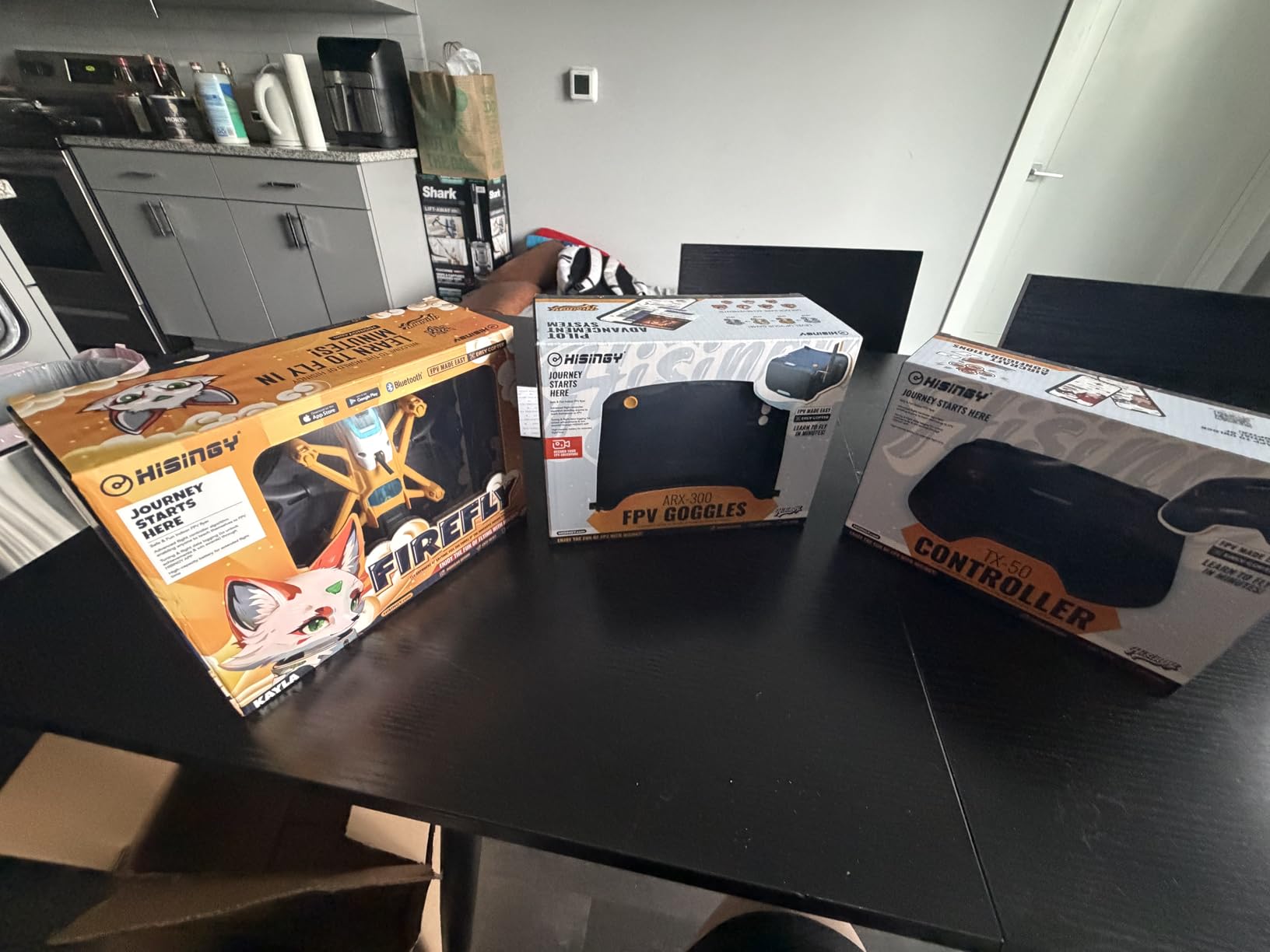
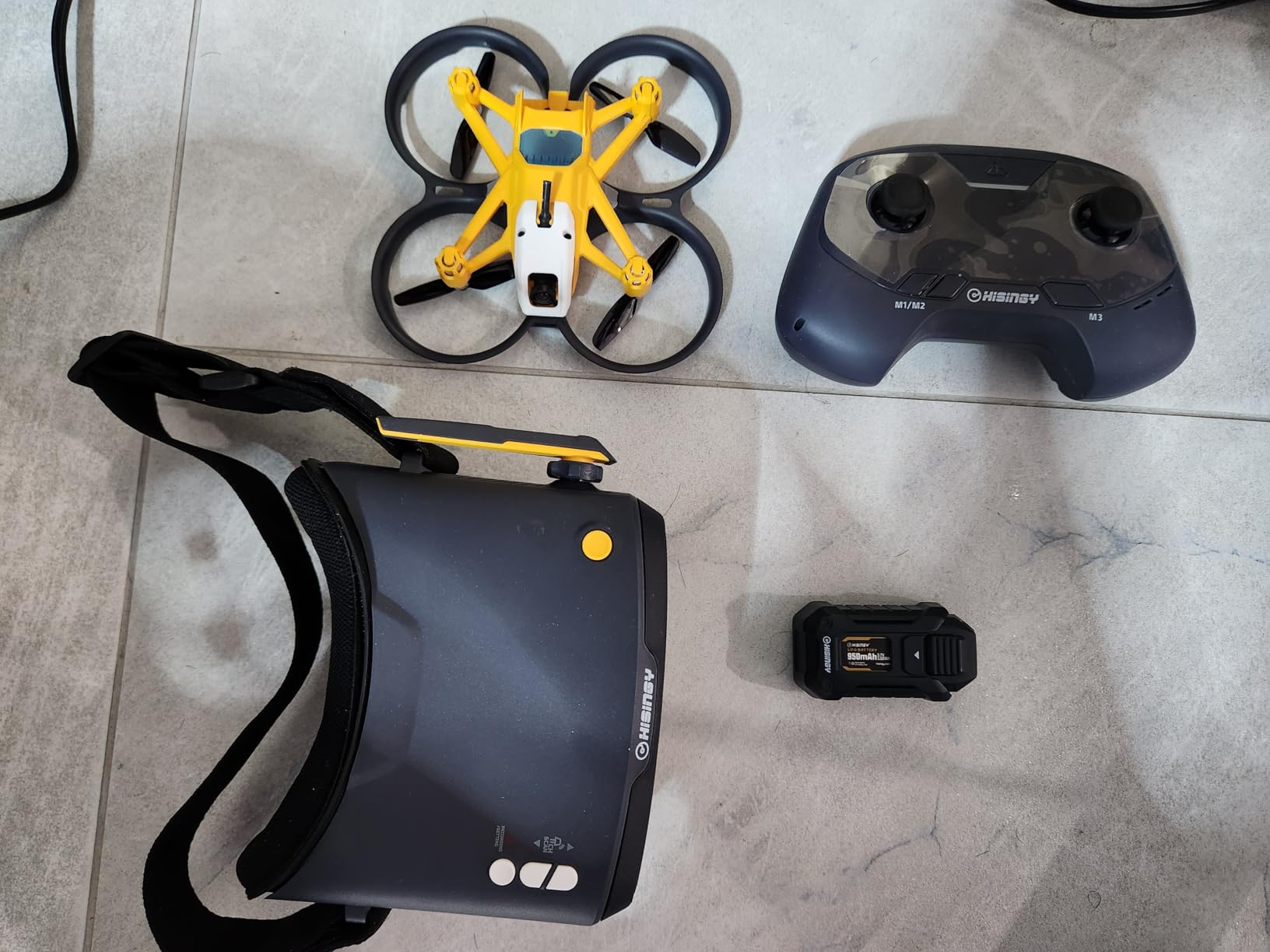
The HISINGY Firefly FPV Kit is the most accessible entry point I have found for students interested in first-person view flying. Everything comes in the box: the micro drone with built-in camera, FPV goggles, and remote controller. That all-in-one approach removes the confusion of figuring out which components are compatible, which is one of the biggest barriers for FPV beginners.
The setup process is genuinely simple. The scanning card pairs the goggles with the drone on the first try, which is more than I can say for many FPV systems. Flight is smooth and steady in calm conditions, and the build quality holds up well to daily practice and small crashes. At 61 grams, this drone is lightweight enough to fly safely indoors.
The Liftoff simulator compatibility is a significant advantage for students. Experienced FPV pilots on Reddit consistently recommend starting with a simulator before flying real hardware. This kit lets students practice in Liftoff and then apply those skills to actual flying. The OTA firmware upgrades via smartphone app keep the drone updated with the latest features.
The main criticism I have is the subscription model for full control features. Several reviewers describe it as a subscribe-to-fly system that locks advanced capabilities behind a paywall. No spare propellers are included, and replacement parts can take weeks to arrive. These are real limitations that students and parents should understand before purchasing.
FPV Learning Path for Students
This kit is perfect for students who want to experience FPV flying without the complexity and expense of building a custom quadcopter. Start with the Liftoff simulator, then transition to the real drone once basic control skills are developed.
Subscription Concerns to Know About
Read the fine print on the app subscription before purchasing. Some flight features require ongoing payments, which can be frustrating for students expecting full functionality from the initial purchase.
10. POWERUP 4.0 Paper Airplane Kit – Aerodynamics in Action
POWERUP 4.0 Paper Airplane Kit – Smartphone App Controlled RC Plane Motor
Smartphone controlled
Gyro stabilizer
Acro mode
230 ft range
Carbon fiber
Ages 8+
Pros
- Exceptional durability surviving 100 plus crashes
- Incredible STEM value teaching aerodynamics
- Simple smartphone controls with gyro steering
- Acro Mode for loops and barrel rolls
- Massive 2
- 257 reviews with 4.3 star rating
Cons
- 10 minute battery life limits sessions
- 15 to 20 minute charging between flights
- Learning curve for first time users
- Requires open space to avoid trees and roofs
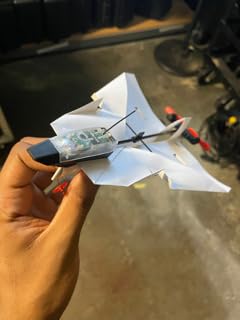
The POWERUP 4.0 is not a traditional quadcopter, and that is exactly why I included it. It converts paper airplanes into smartphone-controlled flying machines, teaching aerodynamics in a way that no quadcopter can match. Students learn about lift, drag, thrust, and gravity by experimenting with different wing designs and seeing the results in real flight.
With over 2,257 reviews and a 4.3-star rating, this is one of the most proven STEM products on the market. The carbon fiber and nylon module is surprisingly durable, surviving crashes, rain, and tree landings according to numerous reviewers. The Acro Mode enables loops, barrel rolls, and hammerheads for students who master basic flight.
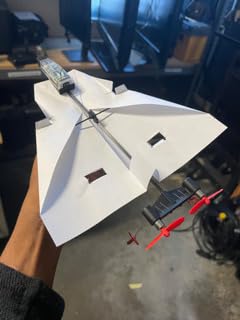
I love how this kit bridges the gap between paper folding and real aviation physics. Students can try different paper, foam, or balsa wood wing designs and observe how each affects flight characteristics. The in-app flight log and leaderboard add gamification that keeps students engaged. The 230-foot range at 20 mph provides plenty of flying area for school yards and parks.
The 10-minute flight time with a 15-20 minute recharge cycle is the main limitation. I recommend having a charging strategy for classroom use, perhaps with multiple units rotating through charging stations. The learning curve for phone-based gyro control takes some practice, so the first few sessions may end in frustration before improvement.
Why This Is a Unique STEM Tool
No other product on this list teaches aerodynamics as directly as the POWERUP 4.0. Students see immediate cause and effect between their design choices and flight performance, which is the essence of scientific inquiry.
Best for Younger Students and Classrooms
At ages 8 and up with a $48 price point, this is one of the most accessible STEM drone products available. Schools can buy a classroom set for less than the cost of a single premium drone, making it ideal for elementary and middle school science units on flight.
11. Holy Stone HS210 Mini Drone – Most Popular Beginner Drone
Holy Stone Mini Drone for Kids and Beginners RC Nano Quadcopter Indoor Small Helicopter Plane with Auto Hovering, 3D Flips, Headless Mode and 3 Batteries, Great Gift Toy for Boys and Girls, HS210 Blue
3 batteries
16k reviews
Toss launch
Altitude hold
Headless mode
50 grams
Pros
- Over 16
- 000 reviews proven track record
- Three batteries for 21 minutes total flight
- Compact and portable for classroom use
- Propeller guards for safety
- Toss to launch and circle fly features
Cons
- Battery connectors are small and fragile
- No on off switch requires plug unplug
- Indoor use only IR control fails in sunlight
- Quality control issues in some units
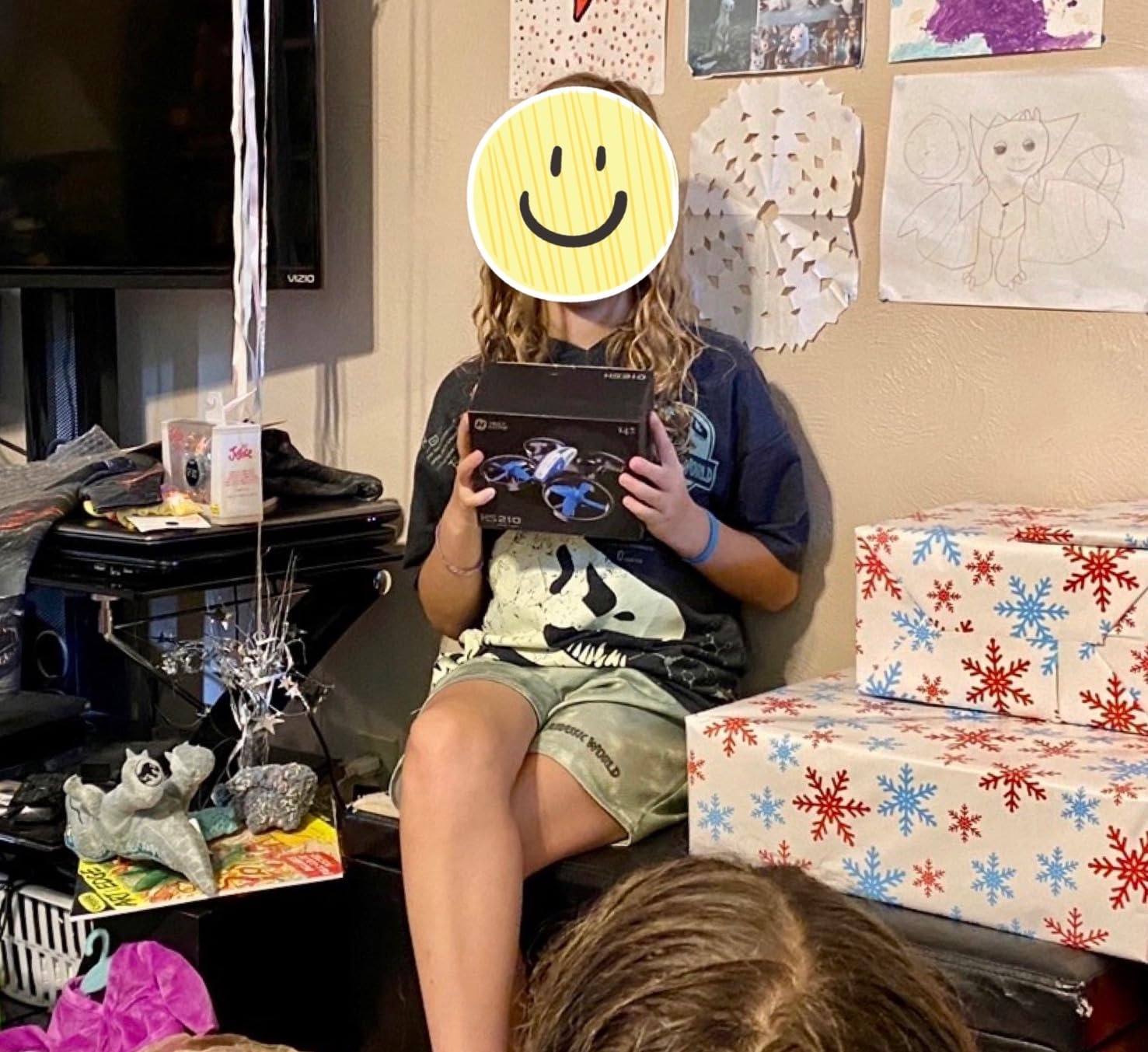
The Holy Stone HS210 is not technically a build kit, but with over 16,000 reviews, it is the most popular beginner drone on Amazon and deserves a spot on any list of drone kits for students. I include it because many students start with a ready-to-fly nano drone before moving on to building kits. The three included batteries giving 21 minutes of total flight time make it exceptional value.
Flying the HS210 is genuinely fun. The toss-to-launch feature lets students throw the drone and start flying immediately. Altitude hold keeps it stable for beginners, and headless mode eliminates the confusion of orientation. The 3D flips add excitement, and speed adjustment accommodates different skill levels.
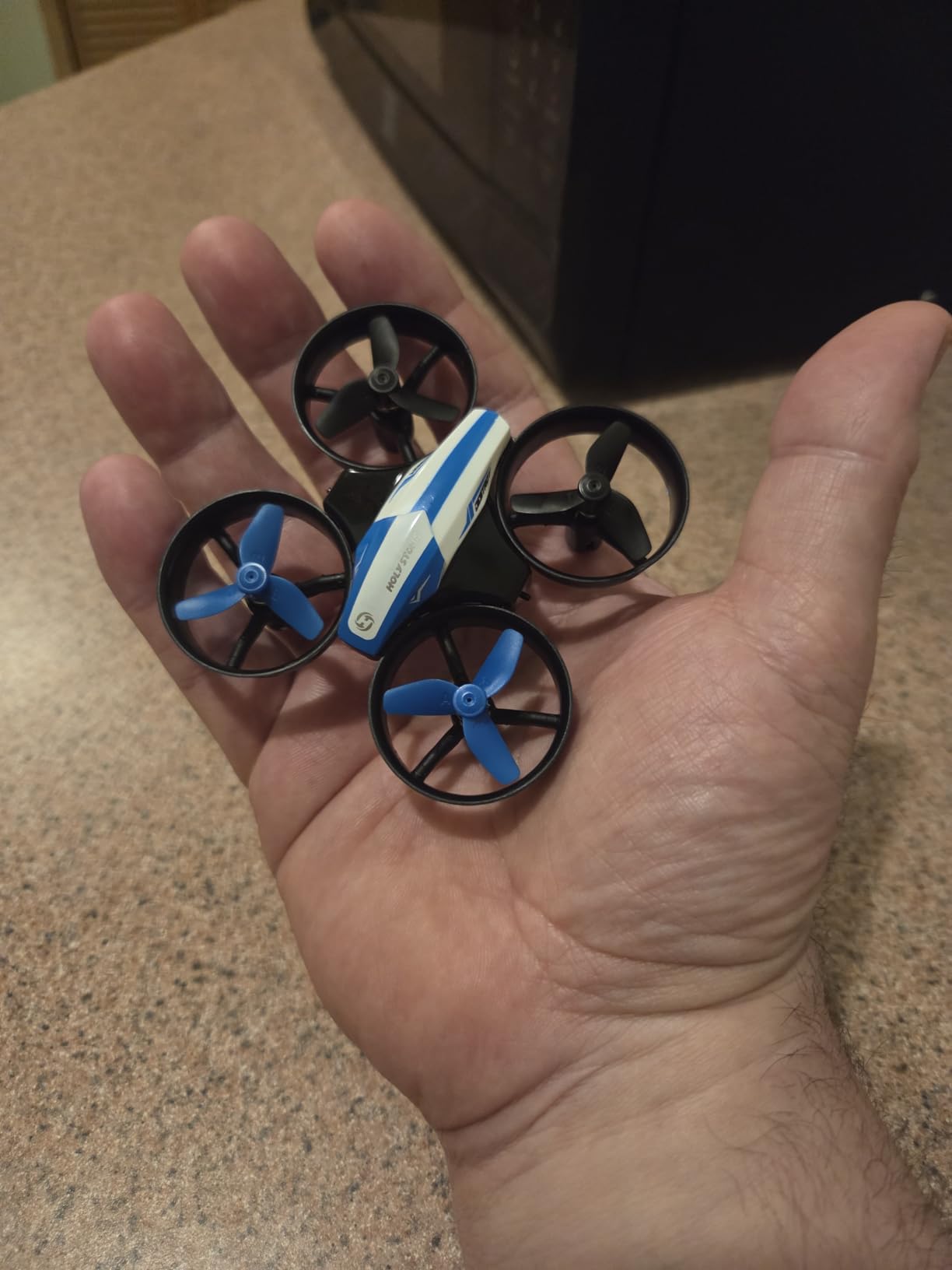
At 50 grams with full propeller guards, this drone is safe for indoor classroom use. Students can practice basic flight skills without risk of injury or property damage. The compact size means it fits in a pocket or small storage bin between uses. The low battery alarm prevents sudden power loss during flight.
The main quality concern is the battery connector design. The small wires can break during battery removal, which is a design flaw that affects long-term durability. There is no power switch, so students must plug and unplug the battery each time. This drone is strictly for indoor use since infrared control signals fail in sunlight.
Best as a First Flying Drone
Before investing in a build kit, many students benefit from simply learning to fly. The HS210 teaches basic quadcopter control, spatial awareness, and hand-eye coordination at a very low cost. It is the training wheels before the real build.
Classroom Set Recommendations
For schools wanting multiple drones for flight practice stations, the HS210 at under $34 per unit is an economical choice. Buy extra batteries and propellers, and teach students proper battery removal technique to extend connector life.
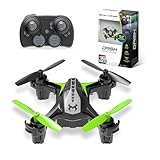
12. Sky Viper Dash Nano – Smallest and Most Affordable
Sky Viper Dash Nano Performance RC Drone, Fast Safe Indoor Flying, Rechargeable Battery
Smallest toy drone
Under $25
Self correcting drift
Dual flight modes
Auto launch land
2.4 GHz RF
Pros
- Most affordable option at under $25
- Smallest toy drone on the market
- Self-correcting drift compensation
- Dual modes for Normal and Sport
- One-touch 360 flips in four directions
Cons
- Very short 5 to 7 minute flight time
- Fragile rotor can break from single crash
- Stabilizer may fail on some units
- Indoor only limited range
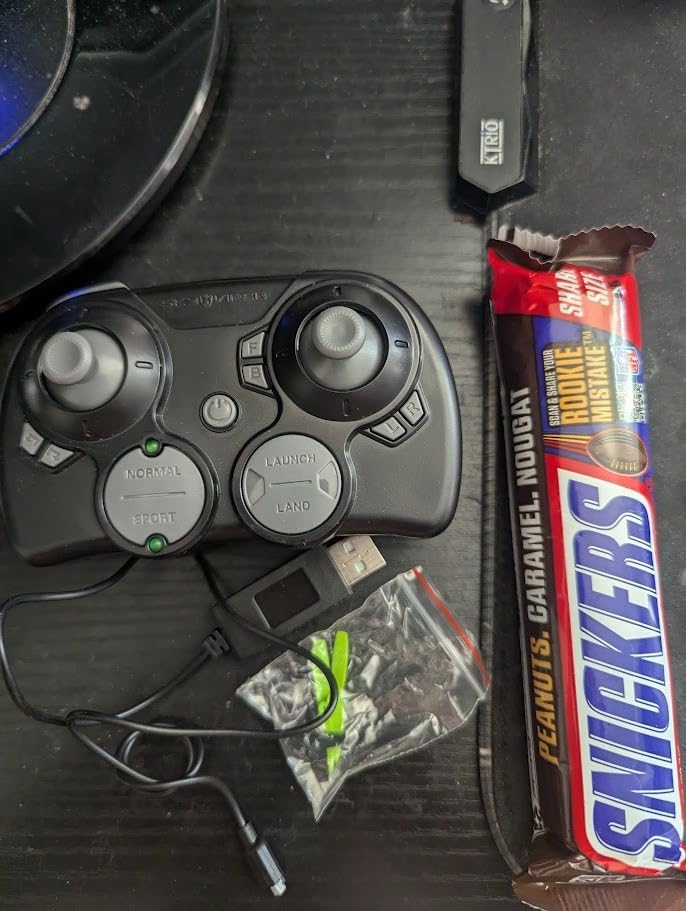
At under $25, the Sky Viper Dash Nano is the cheapest entry point on this list. I included it because budget constraints are real, especially for schools buying multiple units. The self-correcting flight software that compensates for drift is impressive at this price point. The dual flight modes let beginners start in Normal mode and graduate to Sport mode as skills improve.
The auto launch and land feature means no flight experience is required to get started. Students press one button and the drone takes off, hovers, and lands on command. The one-touch 360 flips in four directions add immediate excitement. For a drone this small and inexpensive, the engineering is surprisingly thoughtful.
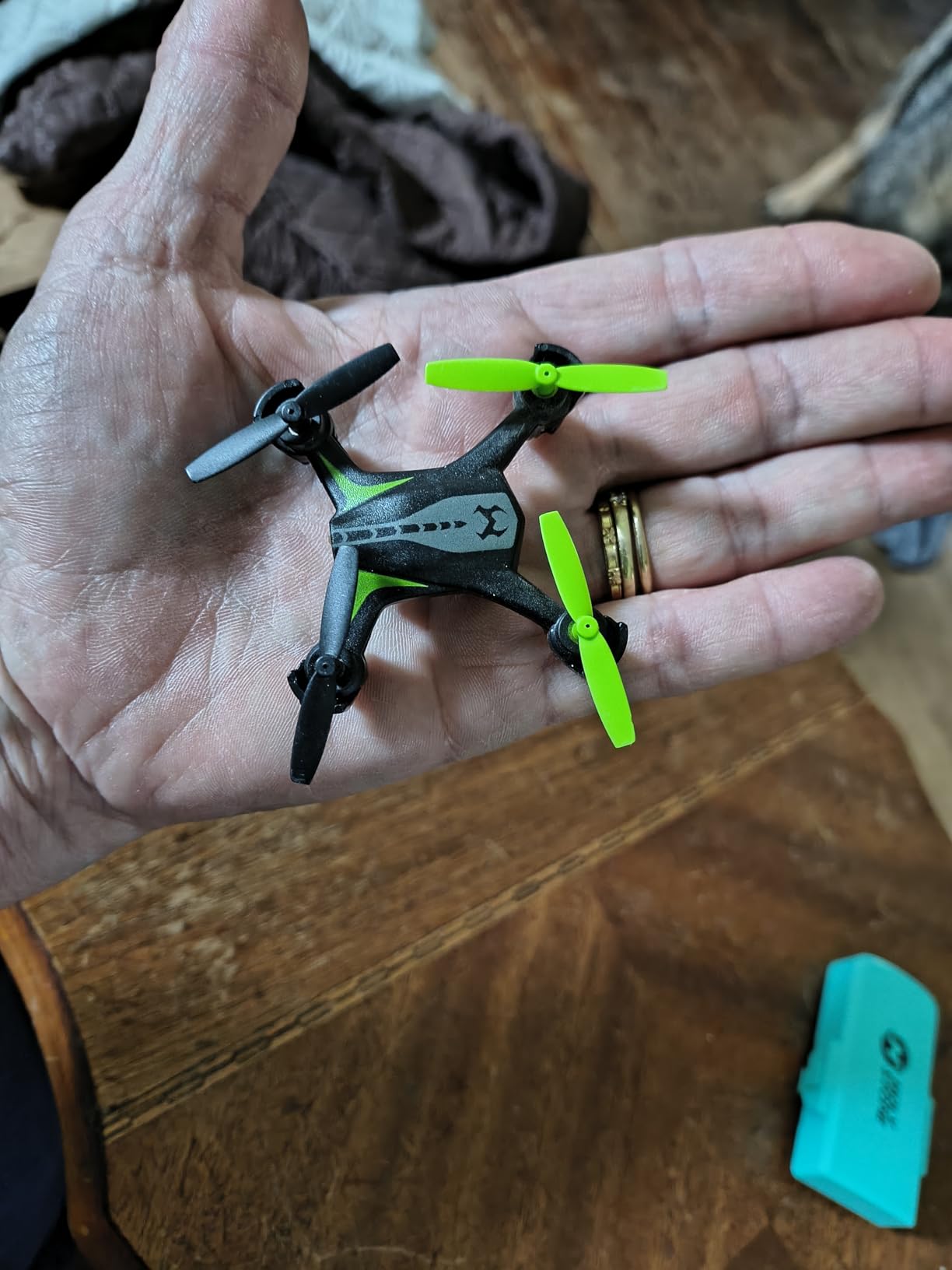
The 100mAh battery delivers 5 to 7 minutes of flight and takes 30 minutes to recharge. That short flight time is the primary drawback. The drone is fragile, with some users reporting broken rotors from a single crash. This is not a drone for rough handling.
For schools on the tightest budgets, the Sky Viper Dash Nano offers genuine drone flight experience at the lowest possible cost. Multiple units can be purchased for the price of a single mid-range drone. Just plan for some breakage and factor replacement costs into your budget.
Best for Trial Drone Programs
If your school is testing whether a drone program will work before committing serious budget, buy a few of these and see how students respond. The low cost means minimal risk, and the self-correcting software makes success likely for first-time pilots.
Durability Expectations
Treat this as a consumable rather than a durable good. Expect some units to break within the first month of classroom use. The value comes from the low per-unit cost, not from longevity.
13. SYMA X100 Drone – Best Rated with Obstacle Avoidance
SYMA X100 Indoor Drone for Kids 8-12, Obstacle Avoidance, Full Guard
Obstacle avoidance
Full prop guard
2 batteries
20 min flight
Gesture control
LED lights
Pros
- Automatic obstacle avoidance with 4-way sensors
- Highest rated at 4.4 stars in this batch
- Full propeller guards for safety
- 20 minutes total flight with 2 batteries
- Tough ABS crash resistant body
Cons
- Obstacle avoidance can malfunction near certain surfaces
- Ceiling encounters cause control loss
- Quality control issues on some units
- One flyaway report on first flight
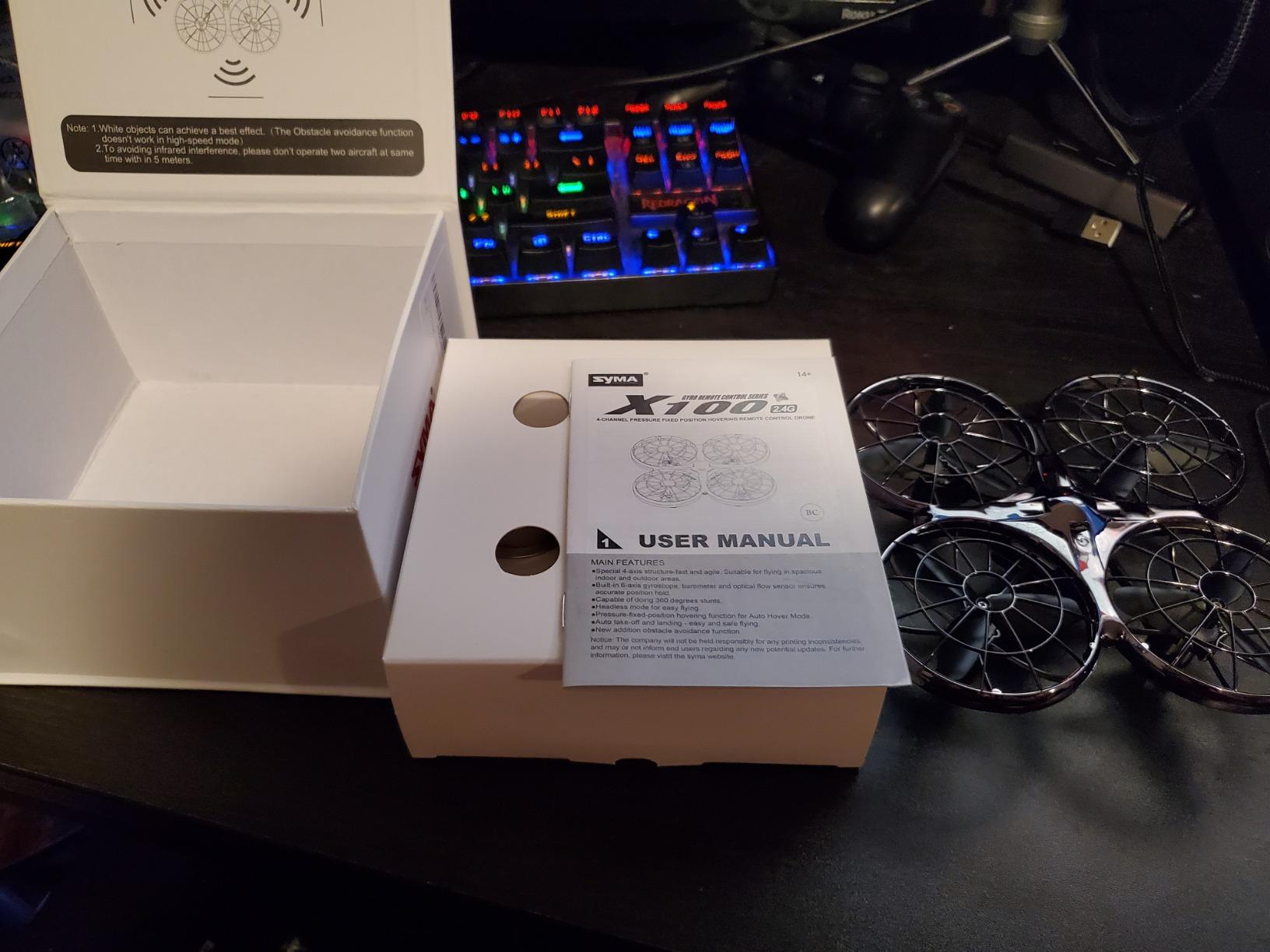
The SYMA X100 stands out as the highest-rated drone in this entire batch at 4.4 stars from 913 reviews. The headline feature is automatic obstacle avoidance using 4-way infrared sensors with a 12-inch detection range. For classrooms with young students, that safety feature alone makes it worth serious consideration.
The full propeller guard design means fingers and faces stay protected. The tough ABS body holds up well to the bumps and crashes that inevitably happen with beginner pilots. Two included batteries provide 20 minutes of total flight time, which is generous for a drone in this price range. One-key takeoff, altitude hold, and headless mode make flying accessible from the first attempt.
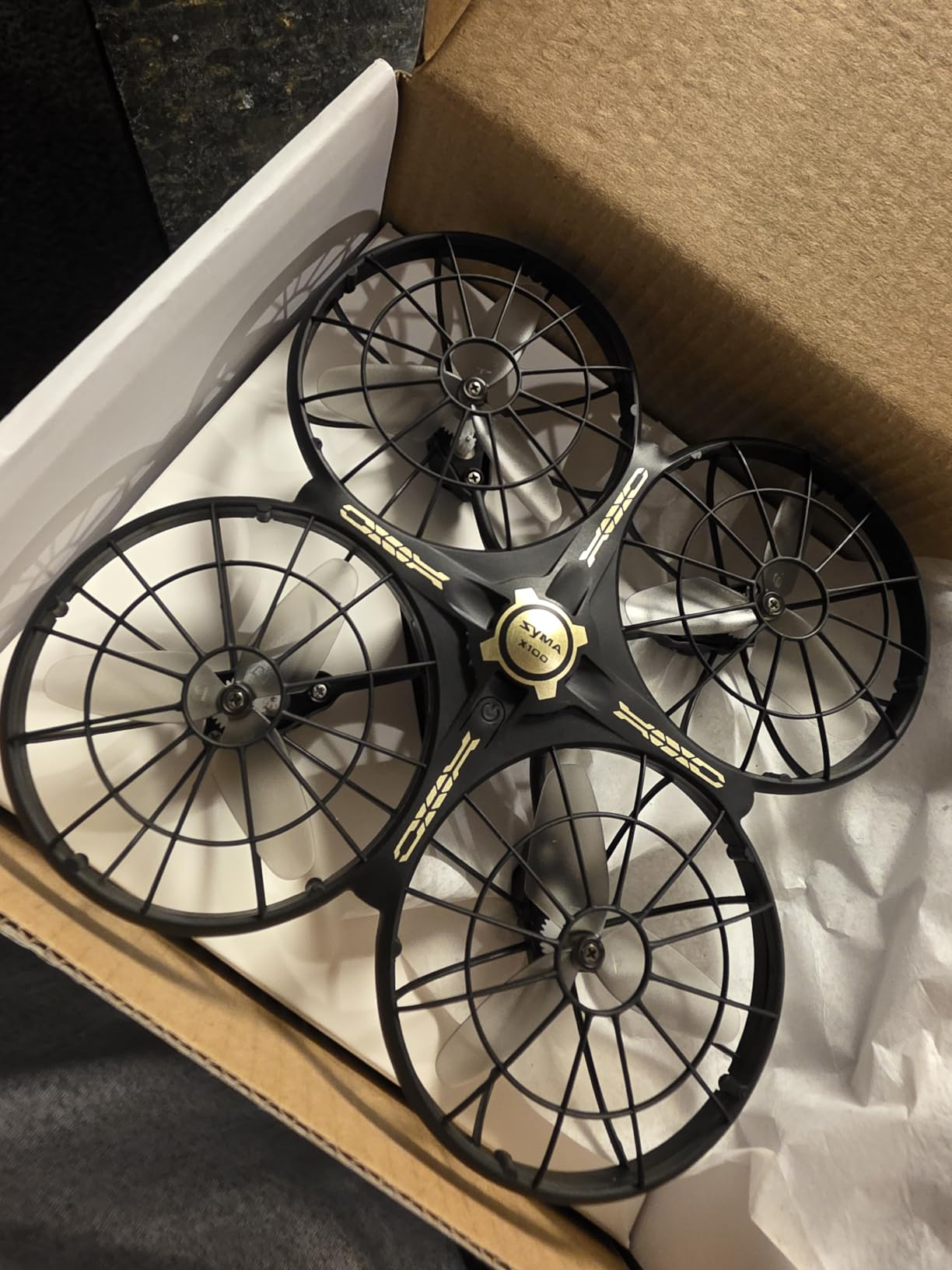
Two speed modes help new pilots build confidence gradually. Start in slow mode for learning, then switch to fast mode once basic control is mastered. The LED night lights add visual appeal and make the drone easy to track in dim conditions. Gesture control is a fun bonus feature that students enjoy experimenting with.
The obstacle avoidance system is the main weakness as well as the main strength. In some situations, the infrared sensors misread surfaces and cause erratic behavior. Flying near ceilings or certain wall materials can trigger unexpected avoidance maneuvers. This is strictly an indoor drone, and obstacle avoidance works best in open indoor spaces.
Best Safety Features for Young Students
If safety is your top priority for elementary or middle school drone programs, the combination of obstacle avoidance and full propeller guards makes the SYMA X100 the safest option on this list. The 72 percent five-star rating confirms that most buyers are satisfied.
Why It Earns the Highest Rating
The combination of safety features, flight time, durability, and price creates an exceptional value package. Most negative reviews stem from misuse, such as flying outdoors where obstacle avoidance malfunctions, rather than from product defects.
14. LiteWing ESP32 Programmable Drone – For Coding and Makers
LiteWing – ESP32 based Programmable Drone Development Board without Battery for Makers, Developers and Educators (Ready to Fly)
ESP32-S3 powered
Python and Arduino
Open source
Crazyflie compatible
WiFi control
Optical flow
Pros
- Programmable with Python and Arduino for real coding education
- Open source hardware with full schematics
- Crazyflie cfclient ecosystem compatibility
- Dedicated tutorials and learning guides
- Height Hold and Position Hold modes
Cons
- Battery not included additional purchase needed
- Zero Amazon reviews unproven product
- Low stock only 14 units remaining
- Smartphone app control only no remote
The LiteWing is unlike anything else on this list. It is an ESP32-S3 powered development board designed specifically for students learning to program drones. If your goal is teaching Python or Arduino through physical computing, this is the platform to consider. The open-source nature means students have full access to schematics, Gerber files, and firmware source code.
The Crazyflie cfclient compatibility is significant. Crazyflie is one of the most popular open-source drone research platforms in academia. By supporting the same ecosystem, the LiteWing gives students access to a vast library of educational resources, tutorials, and community support. The Height Hold and Position Hold modes provide stable flight for indoor programming experiments.
Wi-Fi smartphone control eliminates the need for a separate remote, which simplifies classroom setup. Students write code that controls the drone directly from their phone or computer. The optical flow sensor enables position stabilization, which is essential for autonomous flight programming.
Best for Computer Science Classes
If you are teaching a coding class and want to make programming tangible and physical, the LiteWing bridges software and hardware. Students can write Python scripts that make the drone fly patterns, respond to sensors, or perform autonomous missions. This is real-world IoT and robotics education.
What You Need to Know Before Buying
The battery is not included, so factor in that additional purchase. With zero reviews, this is an unproven product, so consider it for exploratory makerspace use rather than mission-critical curriculum. The $70 price point is reasonable for a programmable development platform, but total cost will be higher once you add the battery.
15. Bydroid Educational STEM Drone Kit – Advanced Build and Code
Bydroid Educational DIY STEM Drone Kit, 80+ Parts, Learn Robotics, Coding & Mechanical Design| Build your drone at home with easy assembly and Interactive Block Coding
80+ parts
Block coding
Robotics design
Ages 10+
750 grams
FAA registration required
Pros
- Comprehensive STEM experience with 80 plus parts
- Interactive block coding for programming education
- Teaches robotics coding and mechanical design
- B3 LiPo charger included
- Vibrant multicolor parts for engagement
Cons
- Battery NOT included must purchase separately
- No handbook assembly only on YouTube
- Very low review count only 2 reviews
- 750g weight requires FAA registration
The Bydroid Educational STEM Drone Kit is the most ambitious kit on this list in terms of scope. With 80+ parts and coverage of robotics, coding, and mechanical design, it aims to be a complete STEM education package. The interactive block coding component adds programming education that many physical kits lack.
I appreciate the educational ambition here. Students learn aerodynamics, electronics fundamentals, and mechanical design through hands-on assembly. The vibrant multicolor parts make the building process visually engaging, and the block coding interface makes programming accessible to students who are not ready for text-based coding.
However, there are significant caveats. The battery is not included, which adds $30-50 to the real cost. Assembly instructions are only available on YouTube, with no printed handbook. One of the two reviewers reported that the drone would not fly after assembly. At $299 plus the additional battery cost, this is an expensive and relatively unproven product.
Best for Dedicated STEM Programs with Instructor Support
This kit requires instructor guidance to succeed. A teacher or mentor who can troubleshoot assembly issues, help with the YouTube-based instructions, and debug programming problems will be essential. This is not a self-directed learning kit for most students.
FAA Registration Requirement
At 750 grams, this drone exceeds the 250-gram FAA registration threshold. Students and schools must register the drone with the FAA before flying outdoors. This adds a compliance step that lighter drones avoid. Factor this into your planning if outdoor flight is intended.
Buying Guide: How to Choose the Best Drone Kit for Students
Choosing from the best drone kits for students means understanding what type of learning experience you want. The options range from simple toy drones for flight practice to advanced engineering platforms for university research. Here is what to consider when making your choice.
RTF vs DIY vs Programmable: Which Type Do You Need
Ready-to-Fly (RTF) drones like the Holy Stone HS210 and SYMA X100 come fully assembled and ready for immediate flight. They are best for teaching basic piloting skills and hand-eye coordination. DIY build kits like the YYSOLDERIC and HAWK’S WORK F450 require assembly, teaching students about electronics, mechanics, and engineering. Programmable drones like the Pitsco Echo and LiteWing add coding and computer science to the mix.
For a complete STEM education progression, I recommend starting with an RTF drone for flight basics, then moving to a DIY kit for engineering understanding, and finally advancing to a programmable drone for coding skills. Each type teaches different capabilities that complement each other.
Age and Skill Level Matching
Ages 6-8: Sky Viper Dash Nano and POWERUP 4.0 are the safest and simplest options. Ages 8-12: SYMA X100, TECHVIO 5-in-1, Holy Stone HS210, and Pitsco Drone Maker Kit work well for elementary and middle school. Ages 14+: YYSOLDERIC DIY Kit, HAWK’S WORK F450, and LiteWing ESP32 provide the depth needed for high school and college students.
FAA Registration and Legal Requirements
Drones weighing under 250 grams do not require FAA registration. This includes most of the toy and educational drones on this list, such as the SYMA X100 (58g), Holy Stone HS210 (50g), and Pitsco Echo (under 250g). The Bydroid kit at 750 grams does require registration. Schools running drone programs should familiarize themselves with FAA rules, including the requirement that operators of registered drones be at least 13 years old. For educational programs, the FAA’s Recreational UAS Safety Test (TRUST) is free and recommended for all student pilots.
Indoor vs Outdoor Flying
Most student drone kits are designed for indoor use. Toy drones like the Holy Stone HS210 and Sky Viper Dash Nano cannot handle wind. The SYMA X100 obstacle avoidance system works best indoors. Only larger kits like the HAWK’S WORK F450 with GPS are truly suited for outdoor educational use. If your school lacks a gymnasium or large indoor space, prioritize small drones that can fly in a classroom with desks pushed aside.
Budget Tiers and What to Expect
Under $50: Budget toy drones for basic flight practice (Sky Viper, Holy Stone, GILOBABY). Expect 5-10 minute flight times and limited durability. $50-$200: Mid-range DIY and STEM kits with better features (YYSOLDERIC, TECHVIO, LiteWing). $200-$500: Premium educational platforms with curriculum support (Pitsco Echo, Pitsco Infinity, HAWK’S WORK F450). $500+: Professional development kits for university-level research.
FAQs
What is the best drone kit for beginners?
For absolute beginners, the Holy Stone HS210 and SYMA X100 are the best ready-to-fly options due to their ease of use, safety features, and affordable prices. For beginners who want to learn building skills, the TECHVIO 5-in-1 DIY kit offers a gentle introduction with five buildable designs.
Can students build their own drone?
Yes, students can absolutely build their own drones using DIY kits. Kits like the YYSOLDERIC DIY Drone Kit, HAWK’S WORK F450, and Pitsco Drone Maker Kit provide all necessary components and instructions. Building a drone teaches electronics, aerodynamics, mechanical assembly, and troubleshooting skills.
What should I look for in a student drone kit?
Key factors include the student’s age and skill level, whether you need RTF or DIY, coding and programming features, flight time per charge, safety features like propeller guards, indoor versus outdoor capability, curriculum materials for educators, and budget. Also consider spare parts availability since crashes are inevitable.
Are there drone kits that teach coding?
Yes, several drone kits support coding education. The Pitsco Echo Drone supports block coding and Scratch for middle school students. The LiteWing ESP32 supports Python and Arduino programming. The Bydroid STEM kit includes interactive block coding. These kits let students write programs that control real drone flight behavior.
How much do student drone kits cost?
Student drone kits range from $25 for basic toy drones like the Sky Viper Dash Nano to over $500 for premium educational platforms like the Pitsco Drone Infinity Kit. Budget DIY kits run $35-50, mid-range STEM kits are $50-200, and professional-grade development kits cost $200-500+.
Do students need FAA registration for drones?
Drones weighing under 250 grams do not require FAA registration, which covers most student and toy drones. Drones over 250 grams, like the Bydroid STEM kit at 750g, must be registered with the FAA. Students should also complete the free FAA TRUST test for recreational flying, regardless of drone weight.
Conclusion: Finding Your Ideal Student Drone Kit in 2026
The best drone kits for students in 2026 span a wide range of prices, skill levels, and educational goals. For a complete STEM learning experience that covers building, engineering, and flight, the YYSOLDERIC DIY Drone Kit is my top pick with its included curriculum materials and brushless motor performance. For classrooms on a budget, the GILOBABY Mini Drone and Sky Viper Dash Nano offer the lowest cost per student.
Schools looking for curriculum-integrated solutions should explore the Pitsco Education lineup, especially the Echo Drone for coding classes and the Drone Infinity Kit for engineering programs. Students interested in FPV flying will find the HISINGY Firefly to be an accessible starting point, while those wanting to program drones with Python should consider the LiteWing ESP32.
Whatever you choose, the key is matching the kit to the student’s age, interests, and learning goals. Start simple, build skills progressively, and remember that crashes are part of the learning process. Stock up on spare parts, practice in safe indoor spaces, and most importantly, have fun learning about the science of flight.