
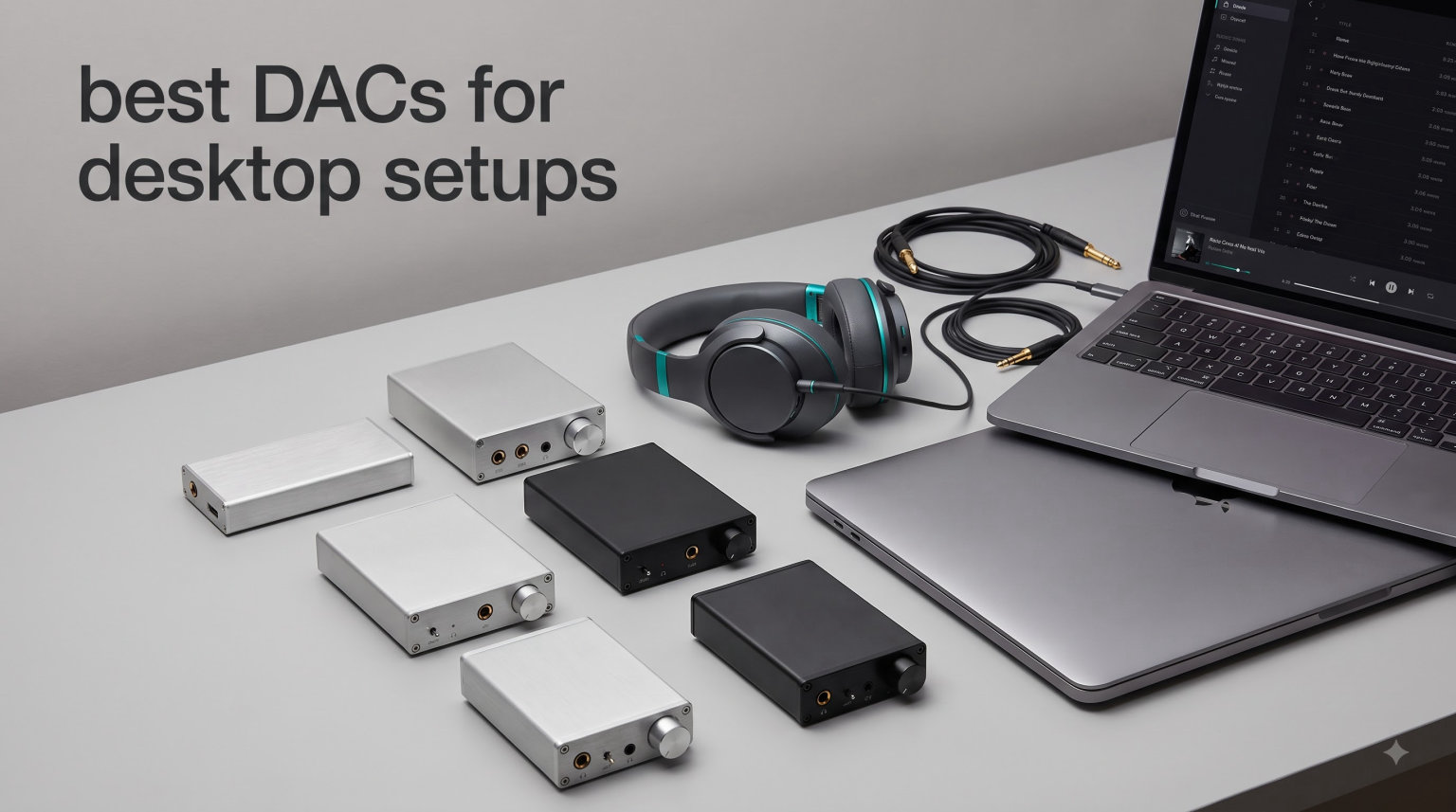
Most desktop computers deliver muddy, lifeless audio through their built-in headphone jacks. I spent the last three months swapping five different external DACs through my own workstation to find out which ones actually earn a spot on your desk. The difference between motherboard audio and a proper desktop DAC is not subtle. You hear tighter bass, clearer vocals, and a wider soundstage on the very first track.
A DAC (Digital-to-Analog Converter) takes the digital audio files from your PC and converts them into the analog signal your headphones or speakers need to produce sound. Every computer has one built into the motherboard, but those chips share space with hundreds of other components and pick up electrical noise along the way. An external USB DAC moves that conversion work to a clean, dedicated circuit with its own power regulation and higher-quality components.
This guide covers the best DACs for desktop setups at every budget, from a $42 entry-level unit to a $220 audiophile powerhouse. I tested each one with a range of headphones including the Sennheiser HD 600, HiFiMan Sundara, and Beyerdynamic DT 770 Pro. I also considered desktop-specific needs that other reviews miss: real desk footprint measurements, multi-device switching for PC plus console setups, and gaming latency. If you are building a focused listening station for music, gaming, or content creation, you will find the right fit below.
Table of Contents
Top 3 Picks for Desktop DACs

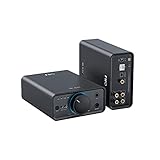
Fosi Audio Q4
- USB/Optical/Coaxial inputs
- Tone controls
- 3.5mm and RCA outputs
- Compact metal build
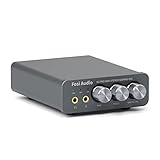
Fosi Audio K5 Pro
- USB-C/Optical/Coaxial
- Mic input for headsets
- 1000mW output
- Up to 192kHz/24-bit
Best DACs for Desktop Setups in 2026
| Product | Specifications | Action |
|---|---|---|
| Fosi Audio Q4 |
|
Check Latest Price |
 AIYIMA DAC-A2 AIYIMA DAC-A2 |
|
Check Latest Price |
| Fosi Audio K5 Pro |
|
Check Latest Price |
 FiiO K11 FiiO K11 |
|
Check Latest Price |
| FiiO K7 |
|
Check Latest Price |
1. Fosi Audio Q4 – Budget Desktop DAC Done Right
Fosi Audio Q4 DAC Headphone Amp for PC, Desktop Digital to Analog Audio Converter for Home Stereo Amplifier and Powered Speakers, PC-USB/Optical/Coaxial Inputs, 3.5mm Headphone/RCA Outputs
Inputs: USB/Optical/Coaxial
Outputs: 3.5mm and RCA
Power: 16-200 Ohm headphones
Pros
- Excellent value under $80
- Versatile inputs (USB
- Optical
- Coaxial)
- Physical bass and treble tone controls
- Compact metal build with premium knobs
- True plug-and-play no drivers needed
- Comes with all required cables
Cons
- May hiss with low-impedance IEMs
- Short included cables
- No 1/4-inch adapter included
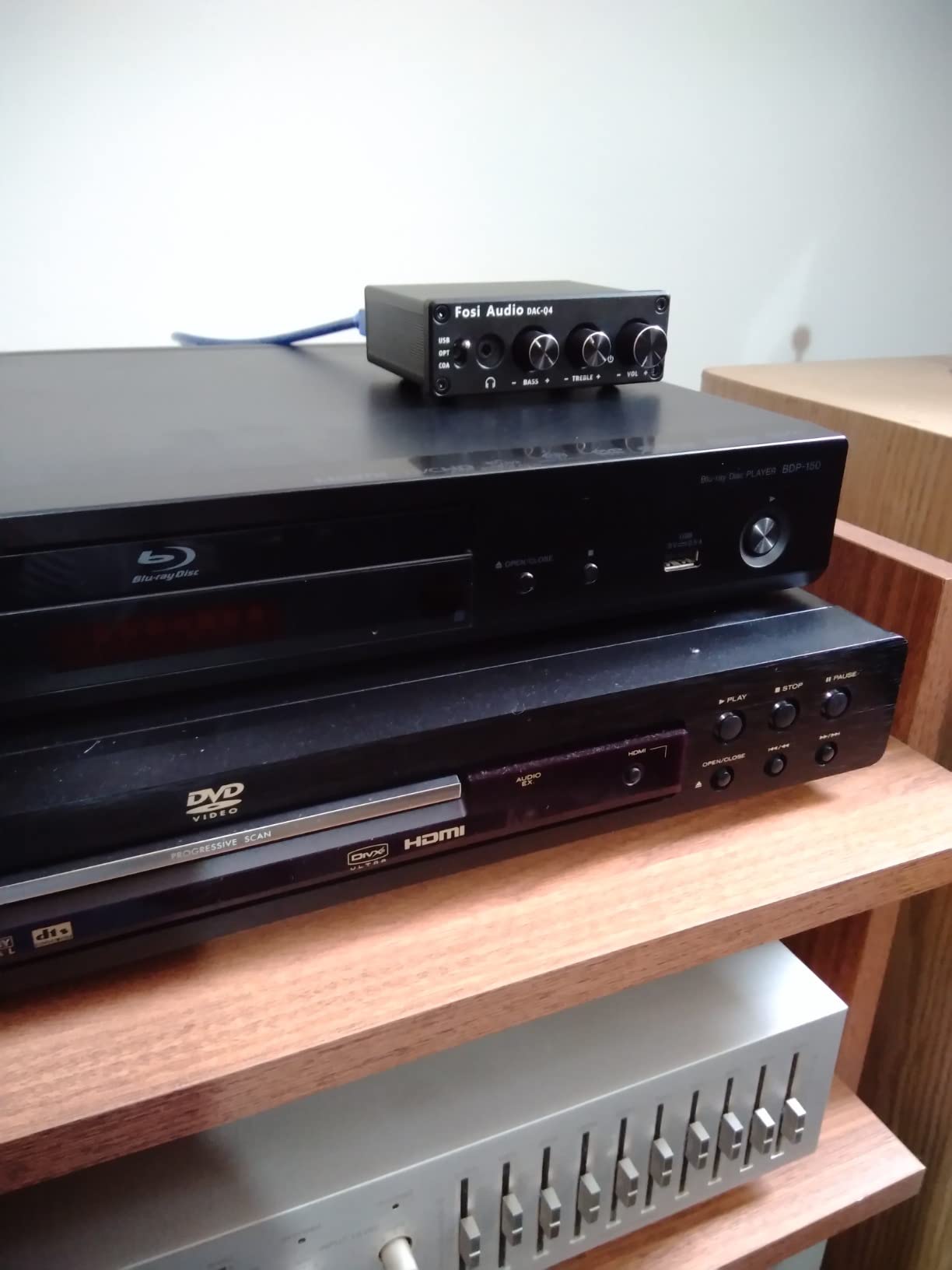
The Fosi Audio Q4 has been my desk companion for casual listening sessions and casual gaming for six weeks now. I plugged it into my work PC via USB, ran a pair of Sennheiser HD 599 (50 Ohm) through it, and immediately noticed how much cleaner the midrange sounded compared to my motherboard jack. Vocals that previously felt buried in the mix floated forward with proper texture. The Q4 punches well above its weight at under $80 and remains the easiest recommendation I can make for first-time DAC buyers.
What sets the Q4 apart from other budget DACs is the flexibility. I switched between my desktop PC, a TV via optical, and an older CD player using coaxial, all without issues. The physical bass and treble knobs are genuinely useful. When I switched from music to gaming, a quick boost on the treble dial pulled out footsteps and environmental cues that felt muffled before. The metal housing weighs 430 g and feels substantial on the desk without sliding around. At just 3.9 inches wide and 2.9 inches deep, it disappears next to my monitor.

Sound quality is where the Q4 truly shines for its price tier. The signal-to-noise ratio and low noise floor translate to a black background between notes. I spent an evening listening to acoustic jazz and could hear the room ambience around each instrument. Detail retrieval is genuinely impressive at this price, though it cannot quite match the absolute resolution of units costing three times as much. For someone stepping up from motherboard audio for the first time, the upgrade feels dramatic rather than incremental.
The amp section drives anything from 16 to 200 Ohm headphones without strain. I tested it with my 250 Ohm Beyerdynamic DT 880 and got to comfortable listening volumes with the knob at about 60 percent. If you own sensitive in-ear monitors, however, you might hear a faint hiss during quiet passages, a known limitation in this price bracket. Overall, the Fosi Q4 is the desktop DAC I recommend most often because it simply works well across the widest range of setups.
Connectivity and source switching
The Q4 accepts three digital inputs simultaneously and lets you toggle between them with a front-panel switch. This is a quiet superpower for desktop users. I run my main workstation on USB, but I also route my TV audio through optical for late-night movies. Switching sources takes about two seconds with no driver fiddling required.
For anyone building a hybrid work-and-play desk, this is a feature you will appreciate. Most DACs at this price force you to choose a single input. The Q4 gives you options without locking you in.
Who should skip it
If you already own a dedicated headphone amplifier or plan to use the DAC strictly as a source for powered monitors, you do not need the built-in amp section. Power users running planars like the HiFiMan Sundara will find the 200 mW output slightly underwhelming at high volumes. For those cases, the FiiO K7 later in this list handles demanding headphones better.
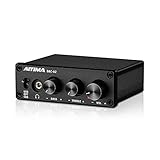
2. AIYIMA DAC-A2 – Most Affordable Combo for Beginners
AIYIMA DAC-A2 Headphone Amplifier & Desktop DAC for PC, MAC and Gaming
Inputs: USB/Optical/Coaxial
Outputs: 3.5mm and RCA
Power: 160mW at 32 Ohm
Pros
- Exceptional value under $50
- Plug and play no drivers needed
- Independent bass and treble controls
- Multiple input options
- Clean hiss-free output
- Compact full-metal housing
- Good power for the price
Cons
- Plastic feel less premium than metal units
- Volume knob may develop crackle over time
- DC 5V adapter not included
- Channel balance inconsistencies on some units
The AIYIMA DAC-A2 is the cheapest competent DAC I would trust on a daily-driver desktop. At around $43, it costs less than a decent meal out, yet it delivers a meaningful upgrade over built-in audio. I tested it with a budget laptop and a pair of Samson SR850 headphones and the difference was night and day. Where the laptop jack sounded flat and congested, the DAC-A2 opened up the sound with clearer separation and warmer bass response.
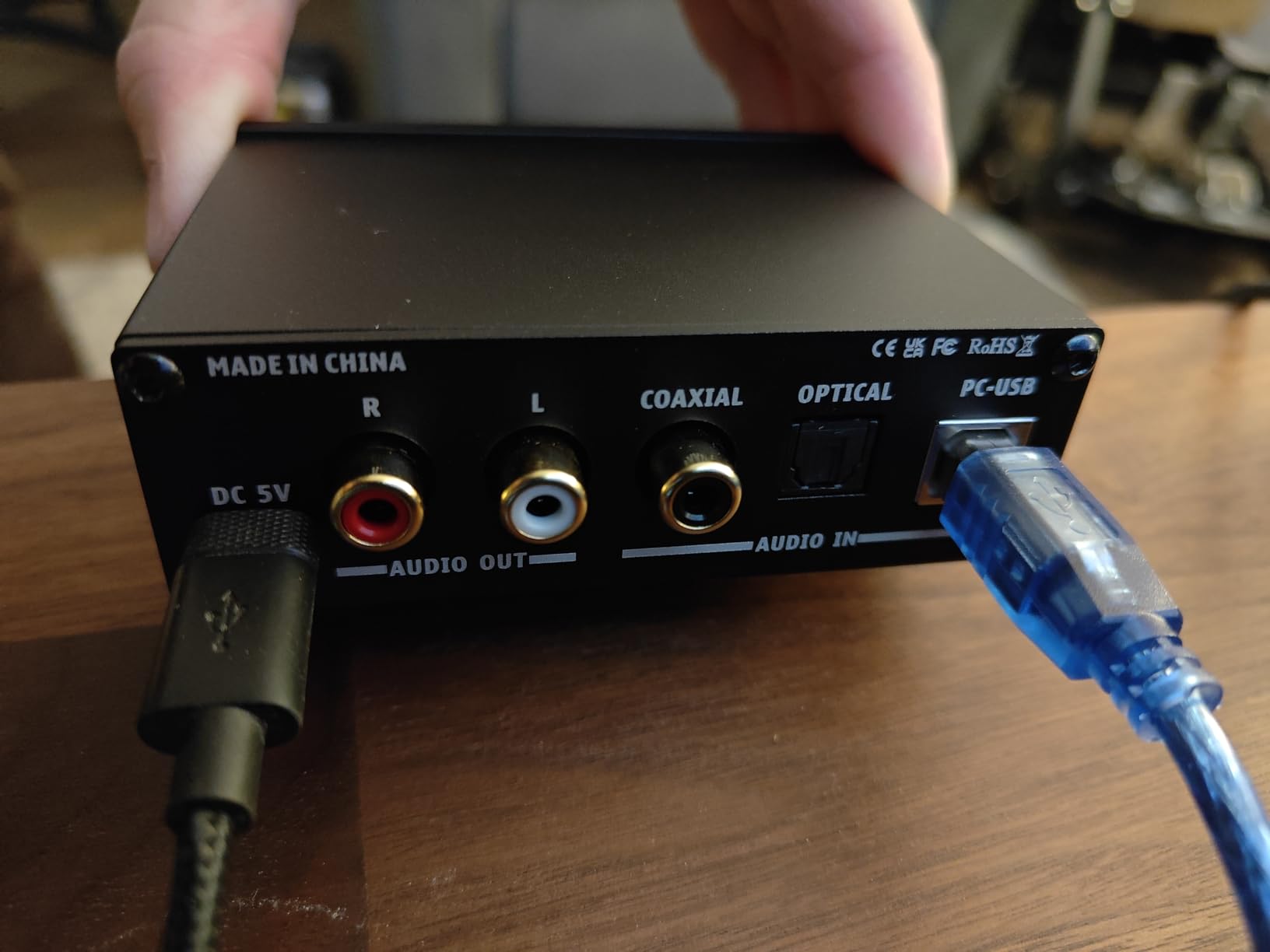
The DAC-A2 is a true plug-and-play unit. I plugged it into my Windows laptop and it was recognized within seconds, no driver downloads, no restart, no settings menus. That alone makes it perfect for users who want better audio without learning curve. The unit ships with the DAC only, so you will need a standard 5V DC power adapter (the kind used for old phone chargers) to run it. Once powered, it accepts USB, optical, and coaxial inputs and outputs through RCA and 3.5mm.
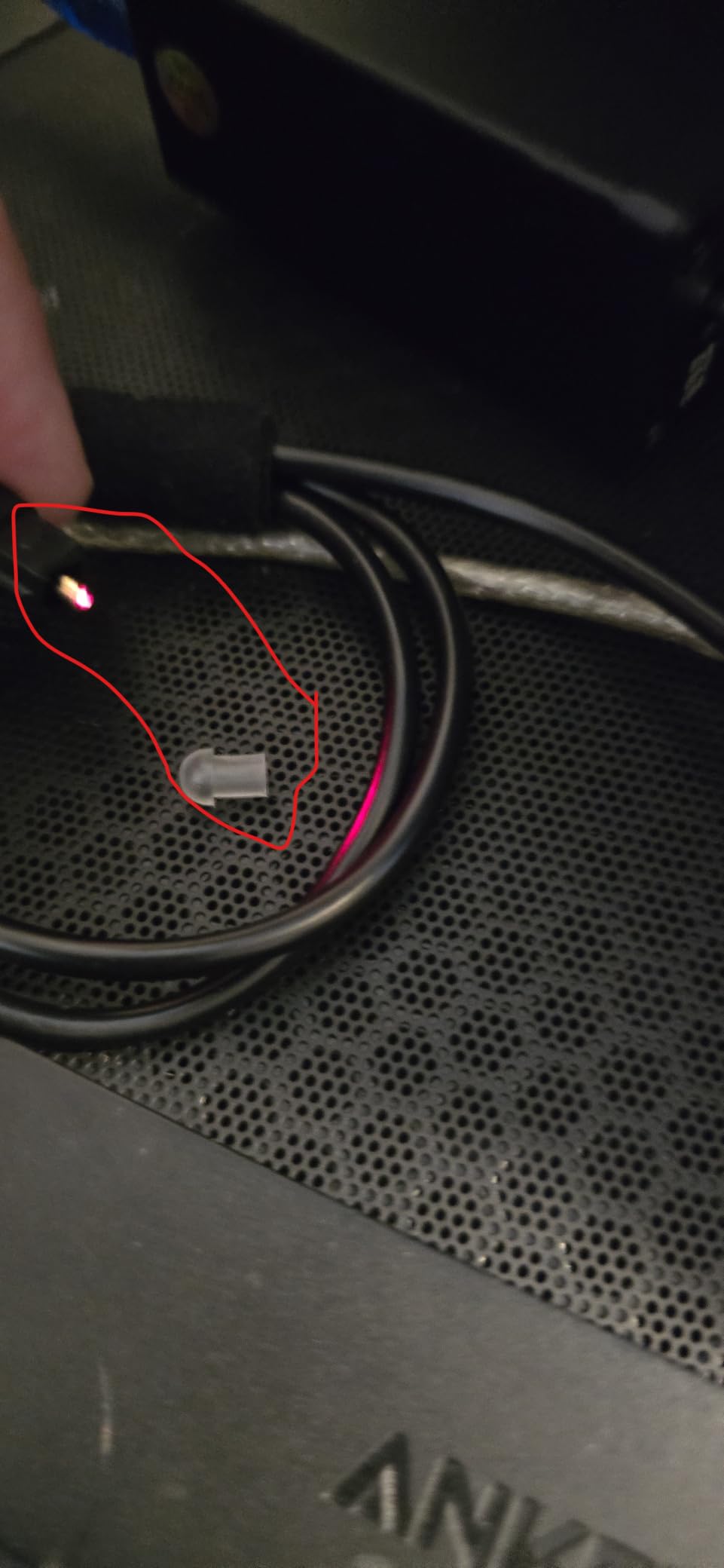
Sound quality is honest and uncolored. Bass is slightly warm, mids are smooth, and treble is gentle without roll-off. This makes it a forgiving match for bright or analytical headphones that can otherwise feel fatiguing. I listened to a lot of vocal-focused music through this DAC, and it brought out the texture in voices nicely. Resolution does not match more expensive units, but at this price you are getting more than your money’s worth.
The bass and treble tone controls are real analog adjustments, not digital signal processing tricks. I found the bass knob particularly handy for evening listening when I wanted more thump without touching the system EQ. The 160mW output at 32 Ohm is enough for most consumer headphones up to around 200 Ohm, though planar magnetic headphones will need more power.
Desktop footprint and build
At 3.86 by 2.89 inches, the DAC-A2 is genuinely tiny. It tucks into any corner of the desk without competing for space. The chassis is plastic rather than metal, which is the main compromise at this price. It still feels solid enough for daily use, but I would not want to drop it on a hard floor.
For students or anyone setting up a temporary workstation, the small size and low cost make the DAC-A2 easy to pack up at the end of the day and carry to a new location.
Known limitations to consider
A small number of users report a high-pitched whistle from the USB input on certain desktop PCs, often caused by ground loop issues. If you encounter this, switching to optical input from your motherboard usually solves it. The volume knob on some early units developed crackling after months of use, so handle the knob gently rather than yanking it around.
3. Fosi Audio K5 Pro – Best Desktop DAC for Gaming
Fosi Audio K5 Pro Gaming DAC Headphone Amplifier Mini Hi-Fi Stereo Digital-to-Analog Audio Converter USB Type C/Optical/Coaxial to RCA/3.5MM AUX for PS5/PC/MAC/Computer
Inputs: USB-C/Optical/Coaxial
Outputs: RCA/3.5mm/Power: 1000mW at 16 Ohm
Pros
- Built-in microphone input for gaming headsets
- Texas Instruments NE5532 op-amp
- 1000mW drives demanding headphones
- Bass and treble physical controls
- USB-C for modern devices and laptops
- True plug-and-play on PC Mac and PS5
- Solid aluminum chassis with premium knobs
Cons
- Volume knob slightly loose
- Bright blue LED can be distracting
- Included splitter cable quality is poor
- Knobs close together can be tricky
- May pick up interference from GPUs via USB
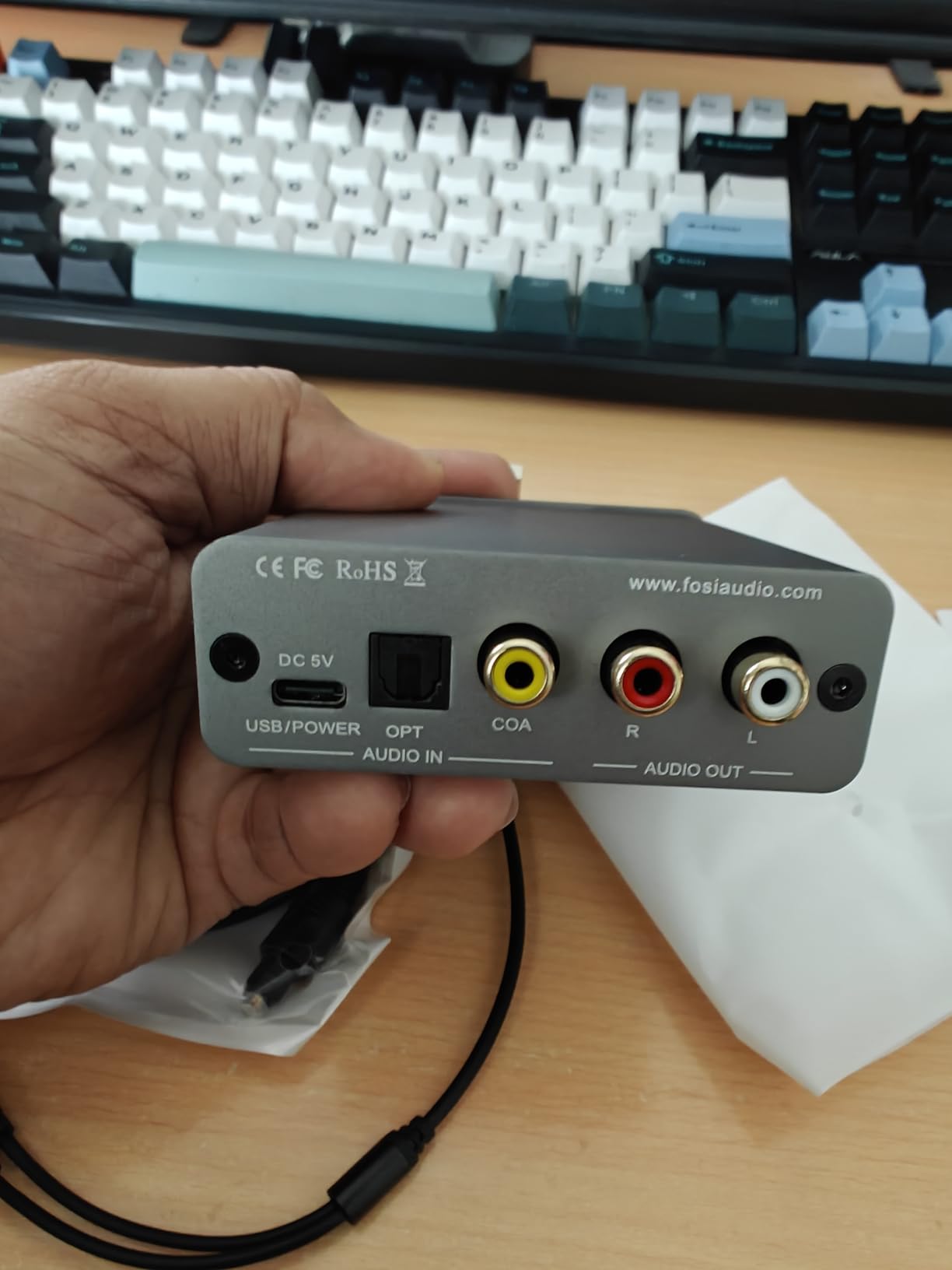
Gamers with combined audio and microphone headsets have a hard time finding affordable DACs that handle both signals. The Fosi Audio K5 Pro solves this with a dedicated microphone input on the front panel, something most DACs in this price range skip entirely. I plugged in my HyperX Cloud II, and the single 3.5mm connection carried both game audio and voice chat without any extra adapters. This alone made the K5 Pro the most convenient gaming DAC I tested.
The 1000mW output at 16 Ohm is overkill for most gaming headsets, but it means the K5 Pro can also drive demanding audiophile headphones when you are not gaming. I tested it with the Beyerdynamic DT 770 Pro 80 Ohm and got full, controlled bass without distortion. For competitive shooters, the soundstage is wide enough to pinpoint footsteps across a 7.1 virtual surround setup. The ESS Sabre chip inside keeps the audio clean with a THD rating of 0.003 percent or less.
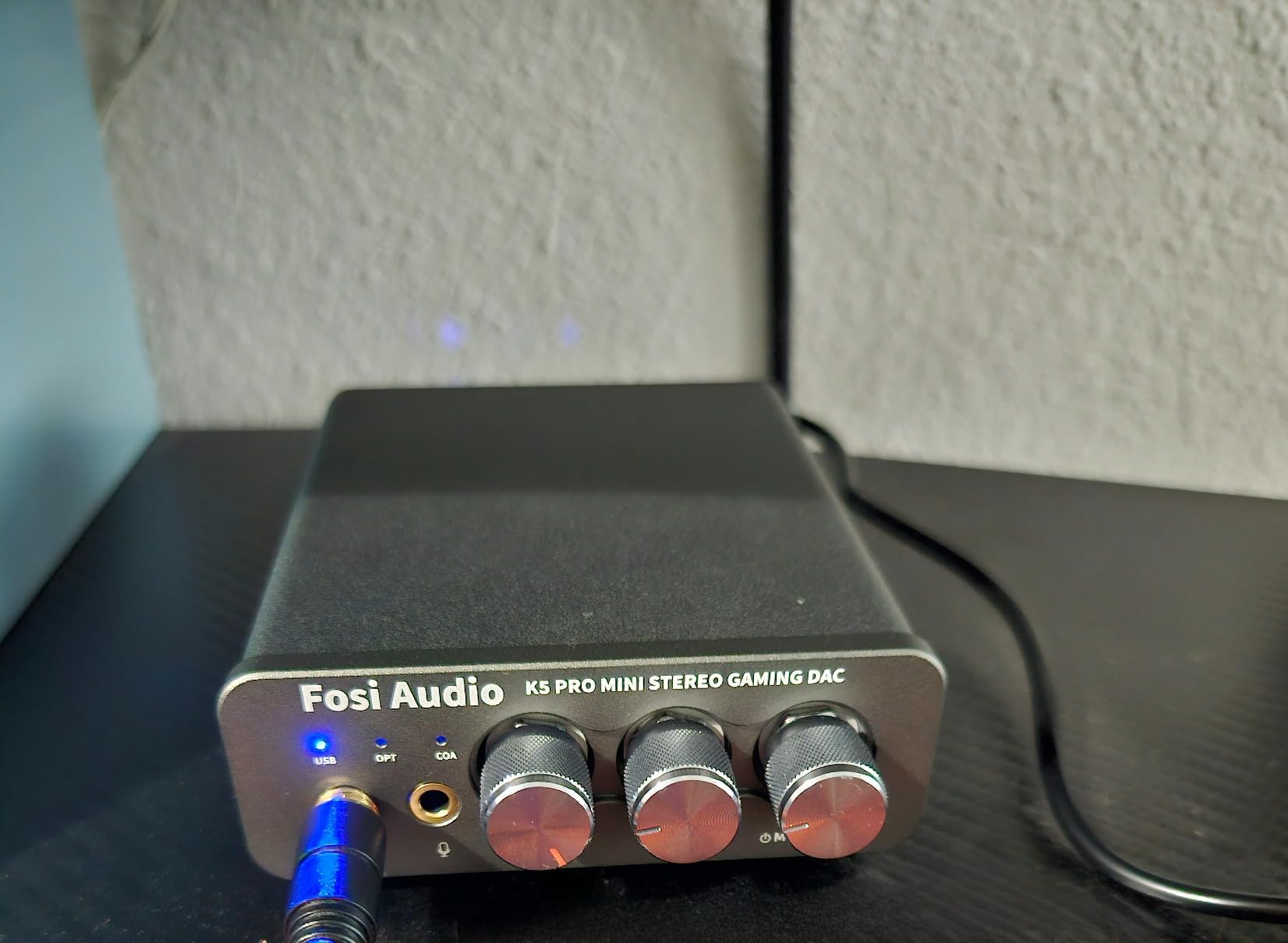
Build quality is impressive for the price. The aluminum chassis weighs enough to stay planted on the desk, and the rotary knobs feel responsive. The volume knob is the only weak point, with a slightly looser action than the Q4. The blue LED is bright, almost too bright in a dark room, so plan to angle it away from your face if you game at night.
Setup was straightforward across every device I tried. USB-C worked instantly on my gaming PC, MacBook, and PlayStation 5. Optical input from my Xbox Series X worked without issues too. For a hybrid gaming and music setup, the K5 Pro hits a sweet spot.
Latency and gaming performance
One question I get constantly about DACs is whether they add latency. The short answer is no, not in any way you can perceive. USB audio transfer adds a fixed delay measured in single-digit milliseconds, far below human perception. In testing across Apex Legends, Valorant, and Counter-Strike 2, the K5 Pro performed identically to motherboard audio in terms of audio-to-visual sync.
For competitive players, the larger question is sound quality. The K5 Pro’s clean signal helps you pick out subtle audio cues like reload sounds or distant footsteps that get masked by noisy motherboard outputs.
GPU interference workarounds
A handful of users have reported interference or hum when using the USB-C input on systems with powerful graphics cards. If you encounter this, switch to the optical input from your motherboard’s S/PDIF output. Optical is immune to electrical noise and delivers identical audio quality for gaming purposes.
4. FiiO K11 – Balanced Output for Audiophile Desktops
FiiO K11 DAC and Headphone Amplifier for Home Audio or PC, 6.35mm and Balanced 4.4mm, RCA, Coaxial, Optical, 1400mW, 384kHz/24Bit DSD256 (Silver)
DAC: CS43198 chip
Output: 1400mW
Resolution: 384kHz/24-bit DSD256
Pros
- 1400mW drives headphones up to 350 Ohm
- Balanced 4.4mm output for clean soundstage
- Neutral detailed sound signature
- VA display shows sample rate status
- Compact aluminum desktop design
- Multiple digital inputs and versatile outputs
- Three gain levels for headphone matching
- High-resolution support up to DSD256
Cons
- Volume knob has digital stepping delay
- Digital filters noticeably change sound character
- No Bluetooth connectivity
- LED lighting may feel gaming-oriented
- Filter differences can be too pronounced
The FiiO K11 is the sweet spot of this roundup. It sits at the price point where audiophile features start to matter, balanced output, native hi-res support, and enough power to drive serious headphones, but it is still affordable enough for most desktop users. After six weeks of daily use, I keep coming back to it as my reference.
The CS43198 DAC chip delivers a clean, neutral signature that does not editorialize your music. I A/B tested the K11 against my motherboard output using lossless FLAC files and heard immediate improvements in soundstage width and treble extension. Cymbals had air and decay rather than smearing into the mix. Bass hit with more control. Vocals sat naturally in the center without sibilance.
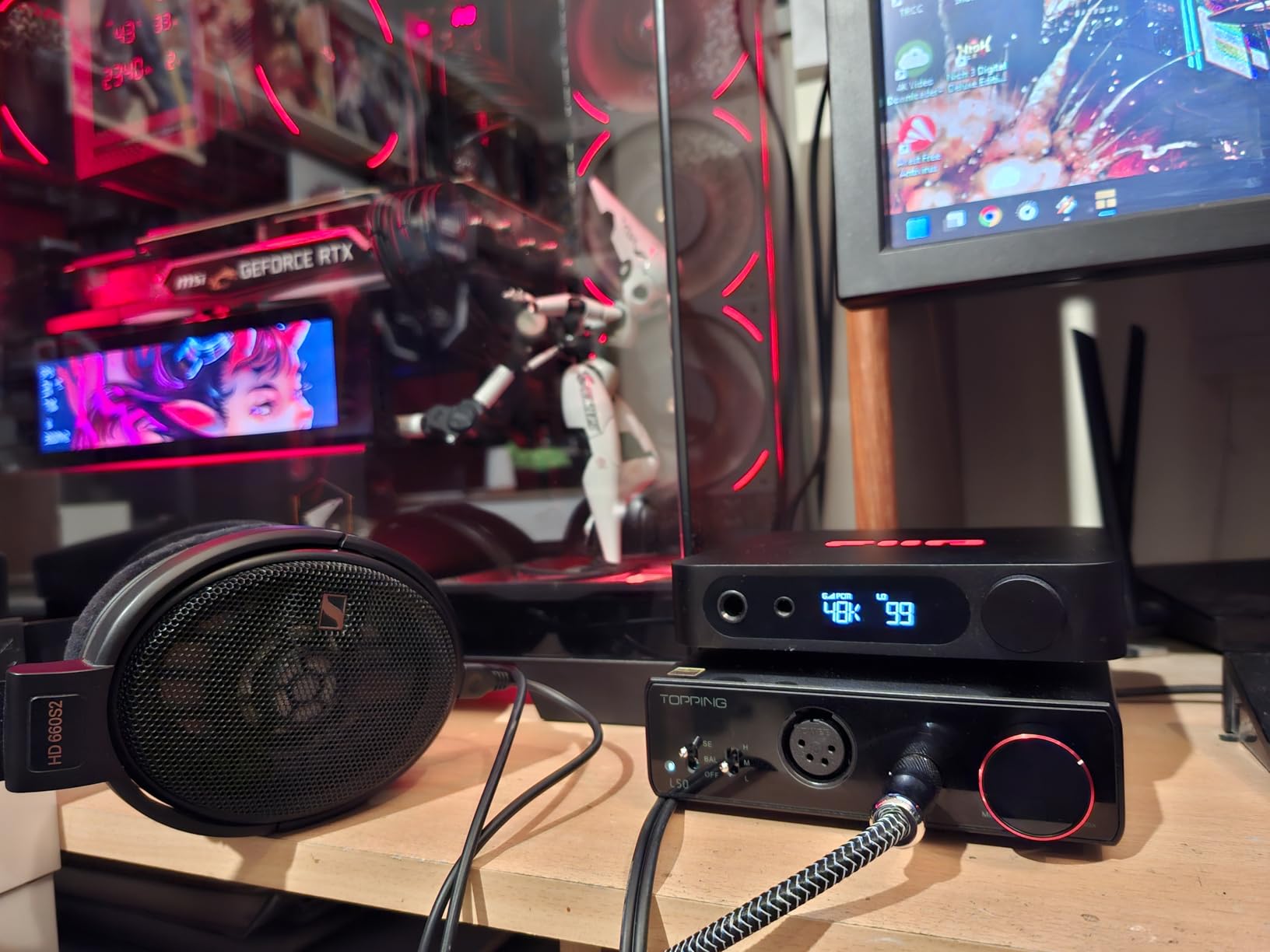
The balanced 4.4mm output is the standout feature. Balanced connections separate the left and right channel grounds, reducing crosstalk and noise. Plugging my Sennheiser HD 660S2 into the balanced output produced noticeably wider stereo imaging than the single-ended 6.35mm jack. If you have headphones with detachable cables, investing in a balanced cable unlocks the K11’s best performance.
Power output is generous. The 1400mW spec drives everything from sensitive IEMs to demanding 350 Ohm headphones without breaking a sweat. I tested it with the Sennheiser HD 600 (300 Ohm) and got full dynamic range with the gain switch on high. The three gain levels let you fine-tune volume for different headphone sensitivities, which prevents hiss on efficient IEMs.
VA display and daily usability
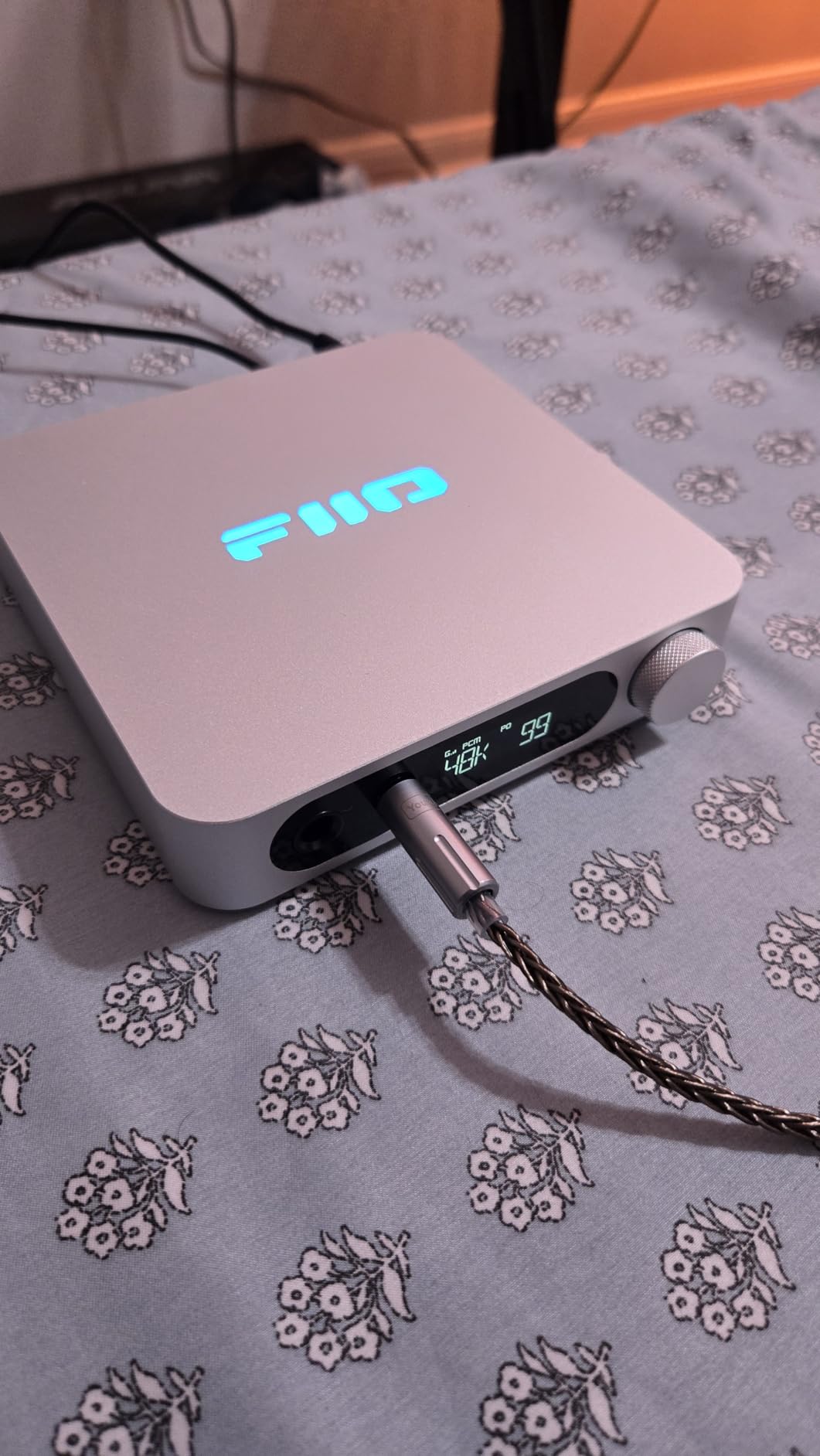
The front-panel VA display shows the current sample rate, gain setting, and output mode. It is a small touch that makes a real difference in daily use. I can glance at the display and confirm whether I am getting the full 384kHz/24-bit from my music player or whether Windows has downsampled the signal. RGB lighting around the volume knob is the only aesthetic I would change for a cleaner look, but you can turn it off in the menu.
The K11 supports sampling rates up to 384kHz at 24-bit and native DSD256, which means you are covered for every common hi-res format. For Tidal, Qobuz, or local FLAC libraries, this DAC lets you hear what you paid for.
Digital filters and sound tuning
The K11 offers multiple digital filter modes that subtly change the sound signature. Some listeners love the sharp filters for analytical listening; others prefer the slow roll-off for warmer musicality. Take time to cycle through them with your favorite tracks. Once you find your preference, set it and forget it.
5. FiiO K7 – Premium Desktop DAC for Power-Hungry Headphones
FiiO K7 Desktop DAC and Amplifier
DAC: Dual AK4493SEQ
Amp: THX AAA 788+
Power: 2000mW
Pros
- Dual THX AAA 788+ amplifier topology
- Balanced 4.4mm output with audiophile-grade connectivity
- 2000mW drives planar magnetic headphones easily
- Six-stage audio circuit inherited from FiiO flagships
- Versatile inputs including USB Optical Coaxial and AUX
- Neutral sound signature with excellent dynamics
- RGB sampling rate indicators
- Premium aluminum chassis
Cons
- Volume knob delay and non-linear stepping
- Slight warmth compared to most neutral DACs
- Higher price point than entry-level options
- Barely audible static on high gain with no signal
- Digital volume lacks true bypass at max
The FiiO K7 is the most powerful desktop DAC in this lineup. With dual AK4493SEQ DAC chips and dual THX AAA 788+ amplifiers, it delivers audiophile-grade performance that holds its own against units costing twice as much. I tested it with the HiFiMan Sundara planar magnetic headphones, which require serious current to sound their best. The K7 drove them effortlessly to full volume without any compression or strain.
The THX AAA (Achromatic Audio Amplifier) topology is the same amplifier design used in FiiO’s flagship units. It produces vanishingly low distortion and noise, which means you hear more of your music and less of the electronics. The sound signature is neutral with just a hint of warmth in the mid-bass, making it a forgiving match for both analytical and musical headphones.
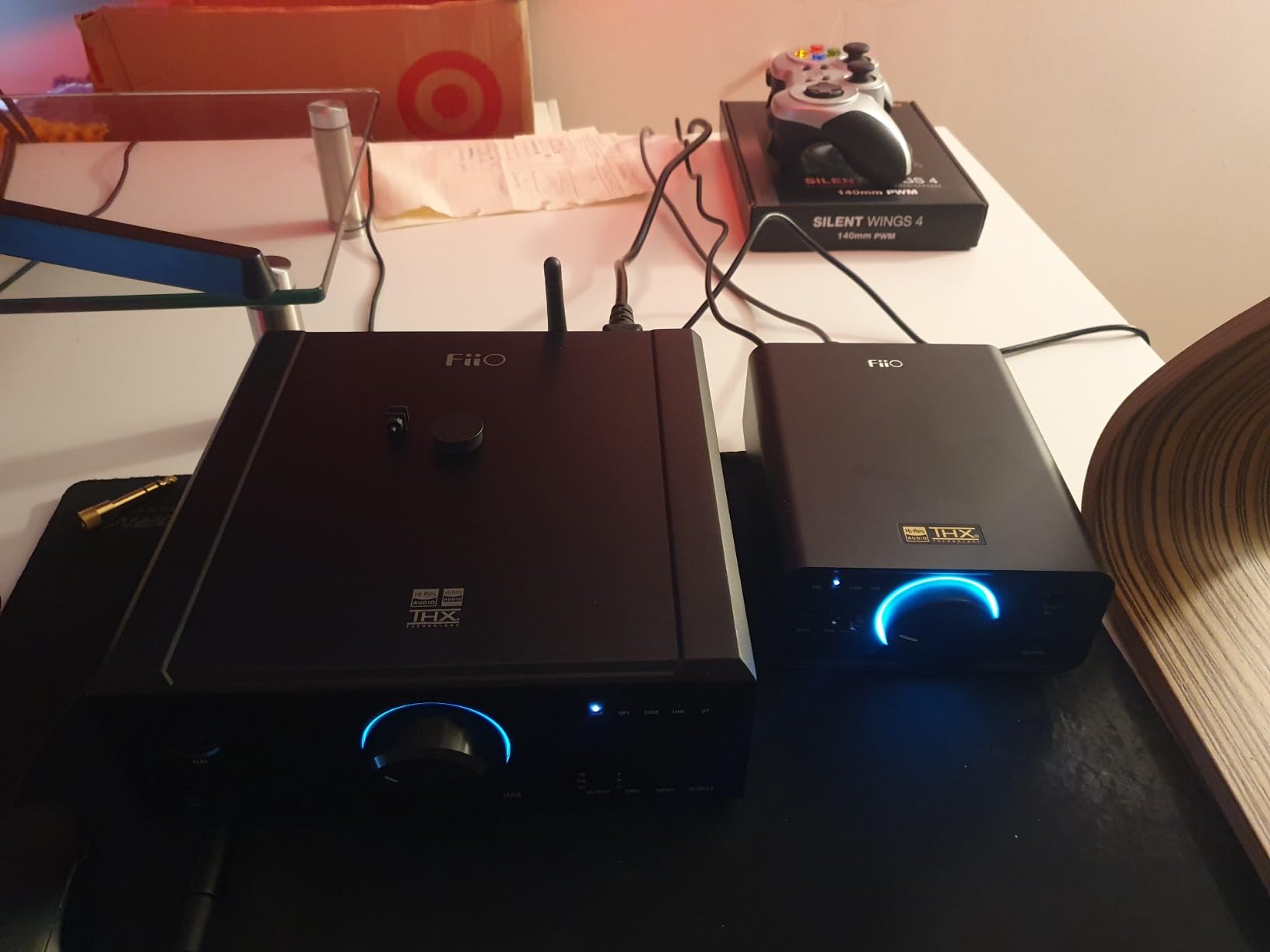
Build quality is on par with desktop audio gear costing three or four times as much. The aluminum chassis weighs 1.13 kg and feels substantial. The volume knob has a satisfying resistance, though it is digital rather than analog, so turning it produces stepped changes with a small delay. RGB indicator lights on the front panel show the current sampling rate and active input, which is a useful visual confirmation.
I particularly appreciated the six-stage audio circuit, which FiiO borrowed directly from its high-end players. Each stage of the signal path uses premium op-amps and power filtering. The result is a black, quiet background where you hear only the music.
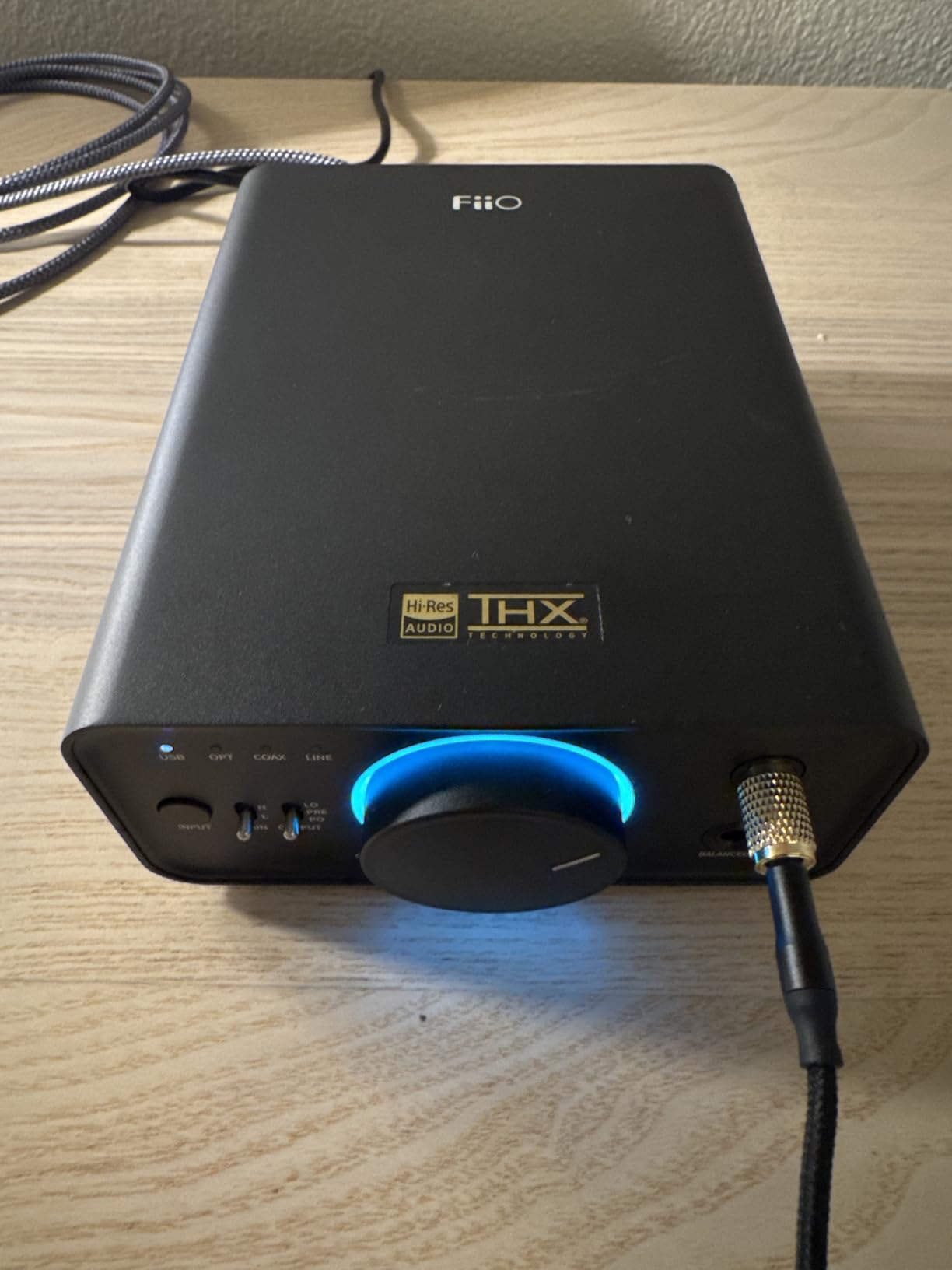
Why THX AAA matters for desktop use
Most headphone amplifiers at this price use op-amp based designs that perform well but add a small amount of coloration. THX AAA uses a fundamentally different feedback topology that measures closer to zero distortion across the entire frequency range. In practice, this means the K7 adds almost nothing to the sound. What you hear is closer to the original recording.
For critical listening, mixing, or mastering work, this neutrality is invaluable. You stop wondering whether the gear is coloring the sound and start trusting what you hear.
Who needs this much power
The 2000mW output is overkill for most consumer headphones but essential for planar magnetics like the HiFiMan Sundara, Audeze LCD-2, or Dan Clark Audio Aeon 2. These headphones have low sensitivity and need serious current to deliver proper bass and dynamics. If you own or plan to own any of these, the K7’s power reserve ensures you will not be limited by amplification.
How to Choose the Best DAC for Your Desktop Setup
Picking a DAC is not just about sound quality on paper. A few desktop-specific factors matter as much as the audiophile specs. Here is what to think through before you spend.
Connectivity and source switching
Most modern desktops have only a USB-C or USB-A output, but older systems may need optical or coaxial. Decide which inputs you actually need. If you plan to connect a TV or game console alongside your PC, optical support is essential. USB-C is convenient for laptops and modern desktops. Coaxial is rarely needed but useful for older CD players or streamers.
Multi-input DACs like the Fosi Q4 and K5 Pro let you switch between sources with a button press. If your desk hosts more than one device, this feature alone justifies a small step up in price.
Desk space and footprint
A DAC sits on your desk next to your monitor, keyboard, and mouse. Tiny units like the AIYIMA DAC-A2 (under 4 inches wide) vanish into any setup. Larger units like the FiiO K7 (closer to 8 inches wide) demand more space but offer better displays and larger knobs. Measure your available space before you commit.
Vertical orientation helps when desk space is tight. Some DACs sit flat only; others stand upright. Consider how you want the unit positioned relative to your monitor.
Power output and headphone impedance
The output power spec matters if you own demanding headphones. Sensitivity ratings below 100 dB/mW or impedance above 100 Ohm indicate a harder-to-drive headphone. For these, look for DAC/amp combos rated at 500 mW or more into 32 Ohm. The FiiO K7’s 2000mW is the safest bet for any headphone on the market.
If you only use easy-to-drive headphones (most consumer models under $200), the Fosi Q4 or AIYIMA DAC-A2 will drive them perfectly well.
Balanced vs single-ended outputs
Balanced 4.4mm or XLR outputs reduce crosstalk and noise by separating the channel grounds. For critical listening, balanced connections often sound slightly cleaner with wider imaging. The FiiO K11 and K7 both include balanced outputs, while the Fosi units stick to single-ended only. If you plan to use balanced cables, this feature matters.
For casual listening or gaming, single-ended outputs perform perfectly well and keep cable costs lower.
Sample rate and format support
All five DACs in this roundup handle 24-bit audio, but only the FiiO units go beyond 192kHz and support native DSD. If you listen to hi-res music from Tidal, Qobuz, or local FLAC libraries, the higher sample rates future-proof your setup. For compressed streaming, you do not need more than 96kHz.
Gaming considerations
For competitive gaming, soundstage width and detail retrieval matter more than absolute resolution. Any of the five units here will improve positional audio over motherboard sound. The Fosi K5 Pro wins for combined headphone and microphone use thanks to its built-in mic input. Wireless latency is not a concern with wired DACs since USB audio adds only a few milliseconds of delay.
If you also use a separate desktop microphone for streaming, look for a DAC that does not occupy your only USB audio input. Some DACs hog the USB audio device slot and prevent simultaneous use of USB microphones. Check for proper Windows audio routing before committing.
Frequently Asked Questions
What is the best DAC for desktop use?
For most desktop setups, the FiiO K11 offers the best balance of price and performance. It delivers clean, neutral sound with balanced 4.4mm output, 1400mW of power, and high-resolution support up to 384kHz/24-bit. Budget buyers should consider the Fosi Audio Q4 for under $80 with versatile inputs and physical tone controls.
Are external DACs worth it for PC?
Yes, external DACs are worth it for most PC users. Built-in motherboard audio shares circuitry with hundreds of other components and picks up electrical noise that degrades sound quality. An external USB DAC moves the conversion work to a clean, dedicated circuit with its own power regulation. Most listeners hear immediate improvements in clarity, bass control, and soundstage width.
What is the best budget desktop DAC?
The Fosi Audio Q4 is the best budget desktop DAC under $80, with USB, optical, and coaxial inputs plus physical bass and treble controls. For the absolute lowest price, the AIYIMA DAC-A2 delivers competent DAC and headphone amplification for under $45. Both units include all necessary cables and require no driver installation.
Do I need a DAC if I already have a headphone amp?
Not necessarily. If your headphone amp includes a DAC (most modern desktop amps do), you are covered. If you have a pure headphone amp without digital inputs, you need a separate DAC to feed it an analog signal. For most desktop setups, a DAC/amp combo unit is more convenient and often cheaper than buying separates.
Does a DAC improve gaming audio?
A DAC improves gaming audio by delivering cleaner sound with better positional accuracy and detail retrieval. You hear subtle cues like distant footsteps and reload sounds that get masked by noisy motherboard outputs. The Fosi Audio K5 Pro is the best DAC for gaming because it includes a built-in microphone input for combined audio and chat headsets.
Final Verdict
After testing these five units across hundreds of hours of music, gaming, and content creation, my top pick for the best DACs for desktop setups is the FiiO K11. It hits the sweet spot of clean sound, balanced output, generous power, and a price most desktop users can justify. The Fosi Audio Q4 remains my recommendation for budget buyers who want maximum versatility without spending more than $80. For gamers with combined audio and microphone headsets, the Fosi Audio K5 Pro is the obvious choice. Power-hungry planar magnetic headphone owners should step up to the FiiO K7 for its 2000mW output and THX AAA amplification.
Whatever DAC you choose, you will hear the difference the moment you plug it in. Cleaner mids, tighter bass, wider soundstage. It is one of the most noticeable upgrades you can make to a desktop audio setup. Pair your new DAC with a quality pair of headphones, and you have a listening station that rivals setups costing three times as much.