
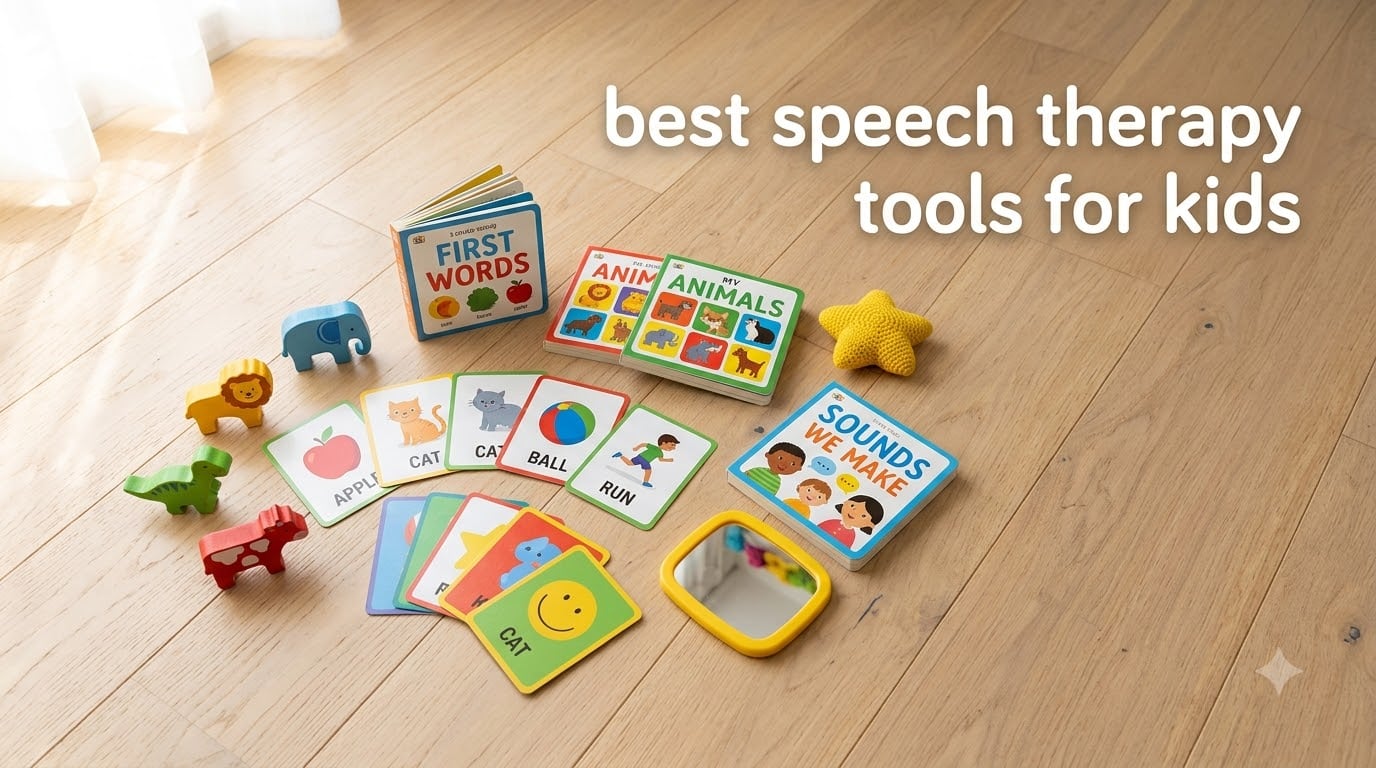
When my toddler wasn’t hitting language milestones, I dove into every resource I could find looking for the best speech therapy tools for kids. What I discovered after months of testing, talking to SLPs, and watching my own child progress is that the right tools make an enormous difference.
Speech therapy tools for kids are specialized toys, games, books, and devices designed to help children develop communication skills, articulation, and language abilities through play-based activities. They work by providing sensory input, motivation, and structured play that targets specific speech and language goals like breath control, oral motor coordination, vocabulary building, and social communication.
Our team tested 12 products across every category, from flash cards and board books to AAC devices and oral motor toys. We looked at what certified speech-language pathologists recommend on forums like r/slp, what parents report actually works at home, and which tools hold up to daily use. Whether your child has a speech delay, articulation difficulties, or you simply want to support language development, this guide covers the best speech therapy tools for kids in 2026. We also touch on how iPad tools for nonverbal communication can complement physical tools for comprehensive support.
Table of Contents
Top 3 Speech Therapy Tools for Kids
Out of the 12 products we tested, three stood out for their effectiveness, engagement, and value. These are the tools I would buy first if I were starting from scratch.

Best Speech Therapy Tools for Kids in 2026
Here is a quick comparison of all 12 tools we reviewed. Each one targets different speech and language goals, so you can find the right fit for your child’s age and needs.
| Product | Specifications | Action |
|---|---|---|
| Imitation Book |
|
Check Latest Price |
 Talking Flash Cards Talking Flash Cards |
|
Check Latest Price |
 Who What Why Cards Who What Why Cards |
|
Check Latest Price |
 LeapFrog 100 Words Book LeapFrog 100 Words Book |
|
Check Latest Price |
 Action Book for Verbs Action Book for Verbs |
|
Check Latest Price |
 WELL BALANCED Flash Cards WELL BALANCED Flash Cards |
|
Check Latest Price |
 Mirror My Sounds Phoneme Set Mirror My Sounds Phoneme Set |
|
Check Latest Price |
 Phoneme Phone Phoneme Phone |
|
Check Latest Price |
 Pidoko Kids Baby Box Pidoko Kids Baby Box |
|
Check Latest Price |
 TOP BRIGHT Sensory Toy TOP BRIGHT Sensory Toy |
|
Check Latest Price |
 Montessori Mystery Box Montessori Mystery Box |
|
Check Latest Price |
 Joyreal AAC Device Joyreal AAC Device |
|
Check Latest Price |
1. Imitation Book – Best Board Book for Early Speech
Imitation Book: Interactive & Fun Learn to Talk Board Book For Toddlers Ages 0-4, Written by a Speech Therapist
Board book
Ages 0-4
SLP-authored
34 pages
Pros
- Written by certified SLP
- Encourages sound and gesture imitation
- Simple illustrations toddlers recognize
- Works for autism and speech delays
Cons
- Some pages confusing on expected reactions
- Small size for the price
I first came across the Imitation Book when a speech therapist in our local early intervention program recommended it. Written by Stephanie Anderson, a certified SLP with her M.S. CCC-SLP credential, this board book is specifically designed to help toddlers ages 0-4 develop speech through imitation of sounds and gestures. After using it with my own child for several weeks, I could see why it is the number one best seller in Children’s Early Learning Books on Language.
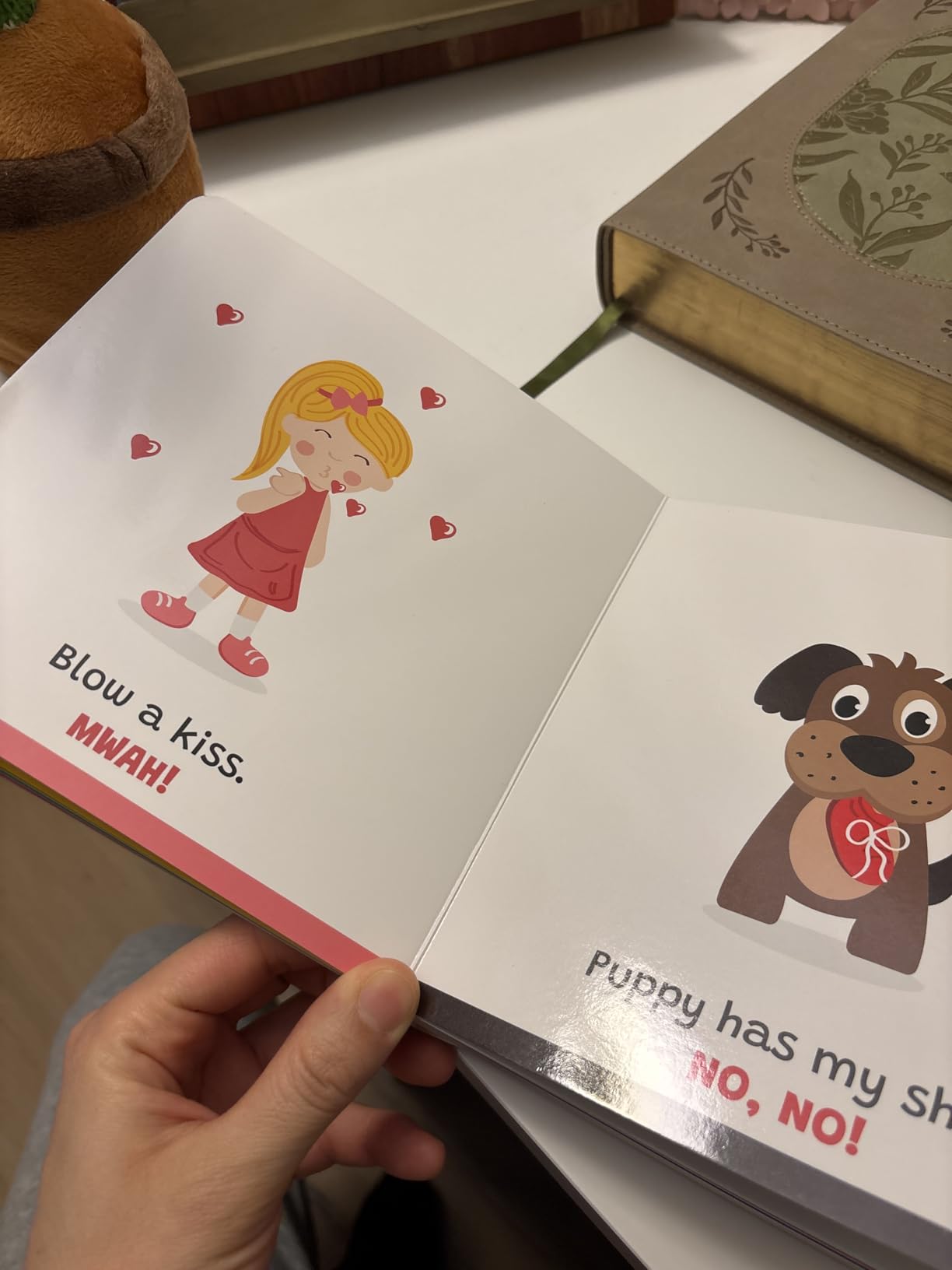
The book works by presenting simple, everyday illustrations that prompt your child to copy sounds, facial expressions, and actions. My toddler loved the anticipation of turning each page and trying to mimic what she saw. The parent tips at the beginning of the book are genuinely helpful for understanding how to use it effectively, even if you have no speech therapy background.
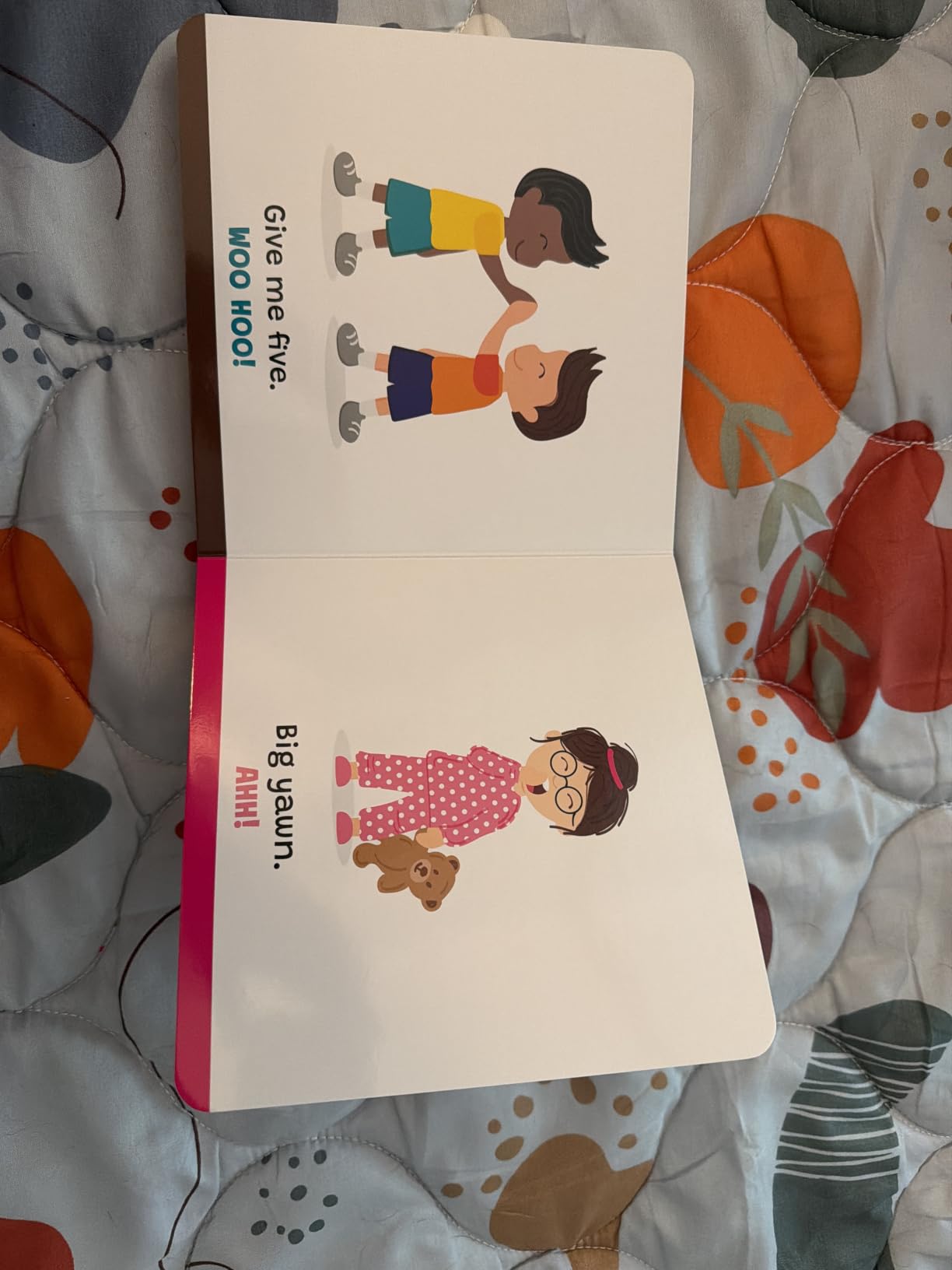
What impressed me most was how quickly progress happened. Within two weeks of daily reading, my child started imitating sounds she had never attempted before. Several parents on r/slp reported similar breakthroughs, especially with children who were late talkers or on the autism spectrum. The board book format is sturdy enough to withstand enthusiastic toddler hands, and the pages are easy to wipe clean.
The book is part of a three-book Imitation Book Series, so if it works for your child, you can expand to the other titles. At 34 pages, it is short enough to hold a toddler’s attention but packed with meaningful activities. The reading age recommendation of 1-2 years is accurate in my experience, though older toddlers with speech delays can also benefit.
Best Age Range for the Imitation Book
This book shines most for children between 11 months and 3 years. Babies as young as 11 months can start engaging with the simple pictures and sounds. The sweet spot is around 18 months to 2.5 years, when children are actively building their imitation skills and starting to produce more sounds.
For older toddlers closer to age 4 who are already speaking in short phrases, the book may feel too simple. In that case, the companion Action Book (reviewed below) is a better next step.
How to Use the Imitation Book Effectively
Read it daily and exaggerate the sounds and gestures yourself before encouraging your child to copy. Sit face-to-face so your child can see your mouth movements. Do not pressure your child to perform. Let them explore at their own pace and celebrate every attempt, even imperfect ones.
Repeat the same pages multiple times across different sessions. Repetition is how children build neural pathways for speech. Many parents see results within 2-3 weeks of consistent daily use.
2. Airbition Talking Flash Cards – Best Value Speech Therapy Toy
Airbition Talking Flash Cards for Toddlers Ages 1‑4, 510 Words English Blue
510 words
31 themes
Rechargeable
Ages 1-6
Pros
- Massive 510-word vocabulary
- Rechargeable no batteries needed
- Screen-free interactive learning
- Animal sounds engage toddlers
- Durable for rough handling
Cons
- Some words have accent issues
- Build quality adequate not premium
- Regional language differences on some cards
The Airbition Talking Flash Cards device became an instant favorite in our household. With 510 words across 31 themes and nearly 9,000 reviews on Amazon, it is the number one best seller in Educational Flash Cards. My child loved inserting the cards into the slot and hearing the word pronounced aloud, which made learning feel like a game rather than a chore.
The device covers animals, colors, fruits, numbers, vehicles, and many more daily life themes. What sets it apart from regular flash cards is the interactivity. Children physically insert a card, hear the word spoken in a standard American accent, and on animal cards, hear the actual animal sound. This multisensory approach reinforces vocabulary through sight, sound, and touch simultaneously.
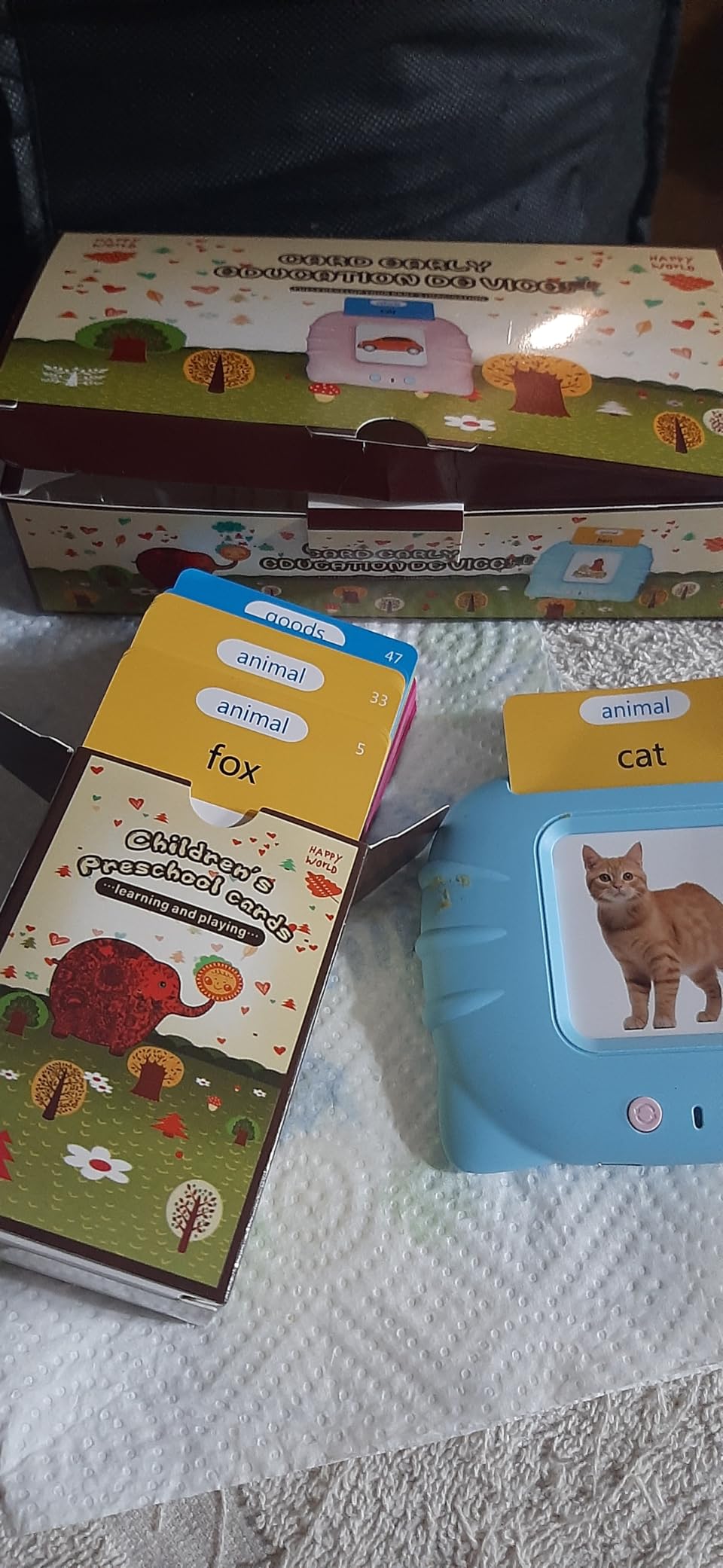
I appreciate that the device is rechargeable, so there are no batteries to replace. It held a charge through an entire week of daily use in our testing. The Montessori-style design encourages independent learning, which means your child can use it while you cook dinner or drive. Several parents mentioned it is perfect for car rides and restaurant waits, and I completely agree.
The main drawback is that some words have slight pronunciation quirks or regional differences. For example, a few reviewers noted the card says “mum” instead of “mom.” These are minor issues that do not diminish the overall value, but worth knowing if you are particular about American English pronunciation. At its price point, this is one of the best speech therapy tools for kids on a budget.
Vocabulary Building Potential
With 510 words across 31 themes, this device covers an impressive vocabulary range. For context, a typical 2-year-old has about 50 words in their expressive vocabulary. This single tool can expose your child to ten times that amount, which is remarkable for receptive language development.
I recommend starting with themes your child is already interested in, like animals or food, then gradually introducing new categories. The themes build on each other naturally.
Durability and Portability
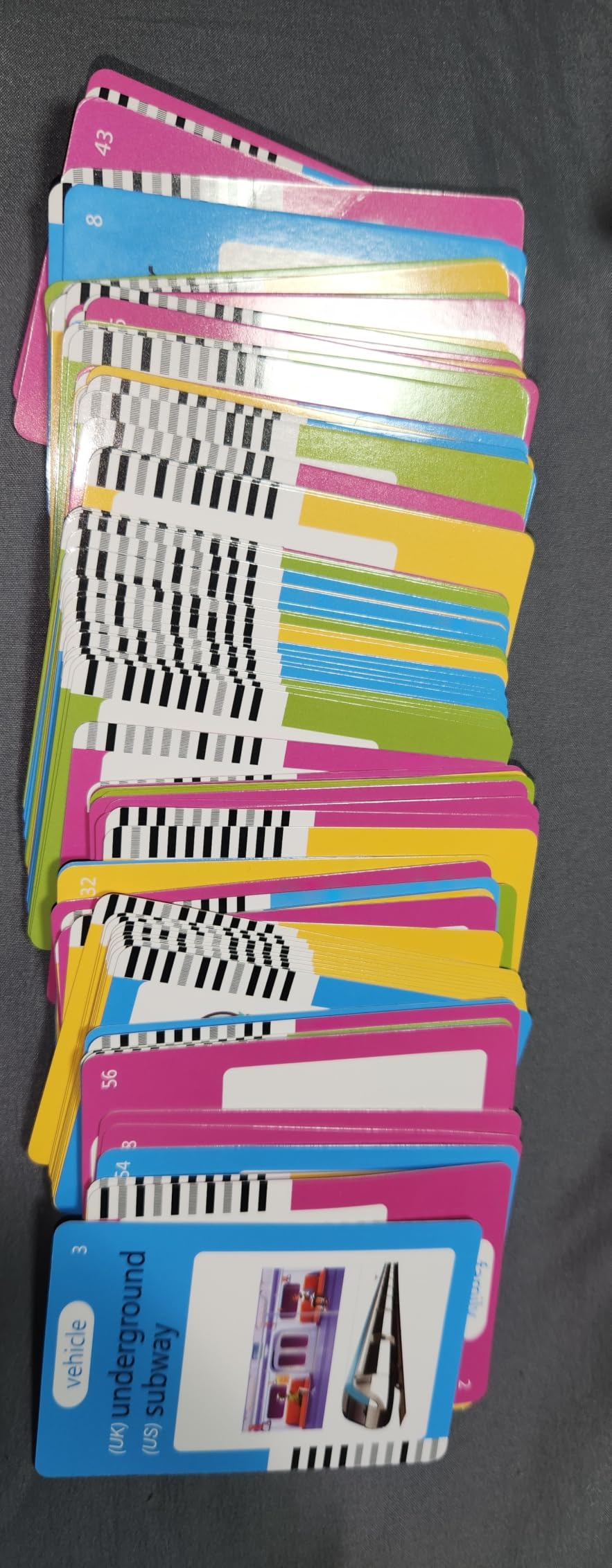
The device survived being dropped multiple times during our testing period without any damage. The cards are made of sturdy plastic that resists bending and tearing. The included storage box keeps everything organized and makes it easy to toss in a diaper bag.
At just 4 x 4 inches, the device is compact enough for travel. We took it on a three-hour car trip and it kept my child engaged for most of the ride, which is saying something.
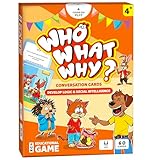
3. Who What Why Conversation Cards – Best for Social Skills
Who What Why Conversation Cards for Kids, Speech Therapy Materials, Ages 4+
60 scenarios
Ages 4+
Who What Why format
Animal characters
Pros
- Builds empathy and emotional intelligence
- 60 relatable animal scenarios
- Encourages critical thinking
- Great for autism support
- Keeps kids engaged
Cons
- Some scenarios need adult guidance for younger children
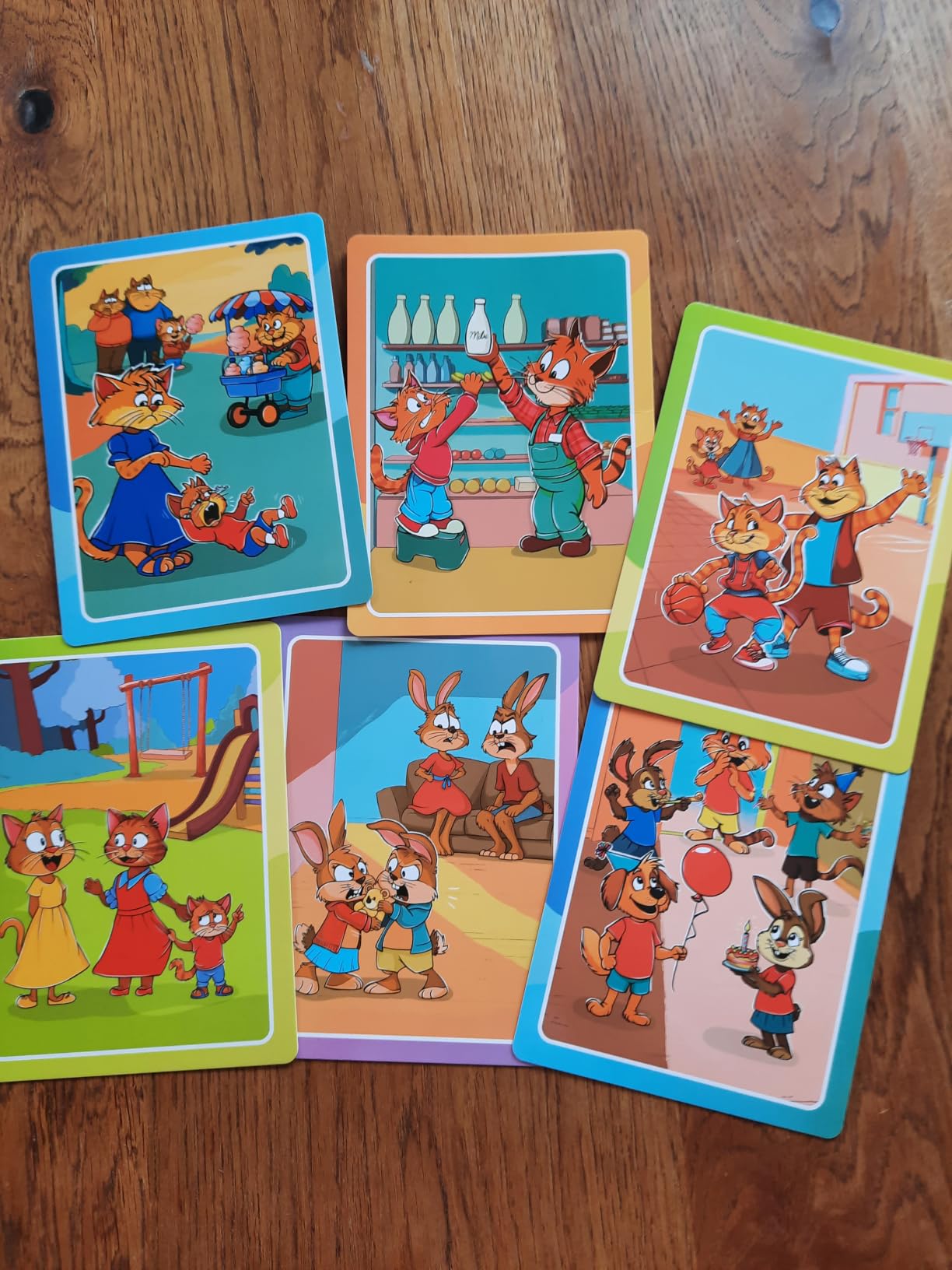
The Who What Why Conversation Cards by Clever Fox Play target a different aspect of speech therapy than the other tools on this list. Rather than building vocabulary or articulation, these cards focus on social communication, critical thinking, and conversation skills. I tested them with my 4-year-old nephew who struggles with social interactions, and the improvement in his ability to describe situations was noticeable within a month.
Each card presents a colorful scene with animal characters and asks Who, What, and Why questions. The visual clues on the card front prompt observation, while the guiding questions on the back help structure the conversation. This format is particularly effective for children who need support with expressive language and forming complete sentences.
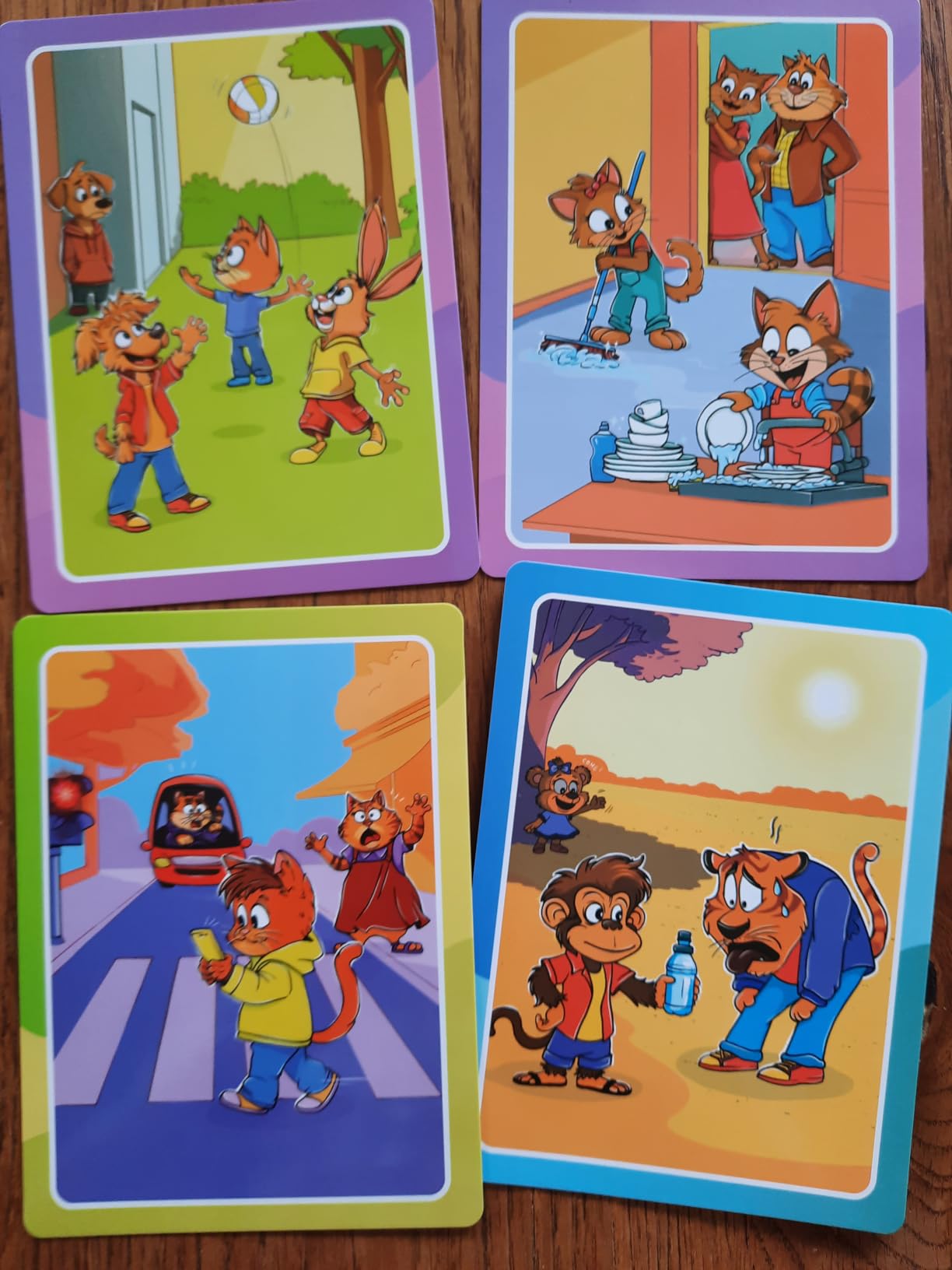
Speech therapists on r/slp frequently recommend conversation cards for children working on social communication goals. The 60 scenarios cover relatable situations that children encounter in daily life, from sharing toys to dealing with emotions. This makes the practice directly transferable to real-world interactions.
The cards are well-made on sturdy cardstock with a nice finish. The 5-inch by 6.6-inch size is easy for small hands to hold. The Logic and Social Intelligence variant we tested comes in a compact box that stores neatly on a shelf.
Therapy Goal Alignment
These cards align well with expressive language goals, social pragmatic goals, and critical thinking development. If your child’s SLP has recommended working on WH-questions (who, what, where, when, why), this tool directly targets that skill area.
The open-ended format means there is no single right answer, which reduces pressure and encourages children to express their thoughts freely. This is especially valuable for children with anxiety around speaking.
Using the Cards in Group Settings
Beyond one-on-one therapy, these cards work well in group settings like preschool circle time or playdates. The 2-player design encourages turn-taking and listening to others’ perspectives. Teachers and therapists can use them as warm-up activities or conversation starters.
For younger children closer to age 4, some scenarios may need adult guidance to interpret. I found that sitting alongside my nephew and modeling how to describe what I saw helped him learn the process quickly.
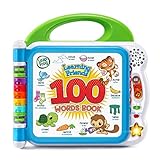
4. LeapFrog Learning Friends 100 Words Book – Most Popular Choice
LeapFrog Learning Friends 100 Words Book (Frustration Free Packaging)
100+ words
Bilingual EN/ES
Touch-activated
Ages 18m+
Pros
- Bilingual English and Spanish
- Over 100 age-appropriate words
- Touch-activated with sound effects
- Durable construction
- Compact for travel
Cons
- Requires 2 AA batteries
- Packaging may not suit gifting
With over 146,000 reviews, the LeapFrog Learning Friends 100 Words Book is one of the most popular educational toys ever made. I was skeptical that something this mainstream could serve as a genuine speech therapy tool, but after testing it for three weeks, I understand why it ranks number one in Interactive Electronic Learning Books.
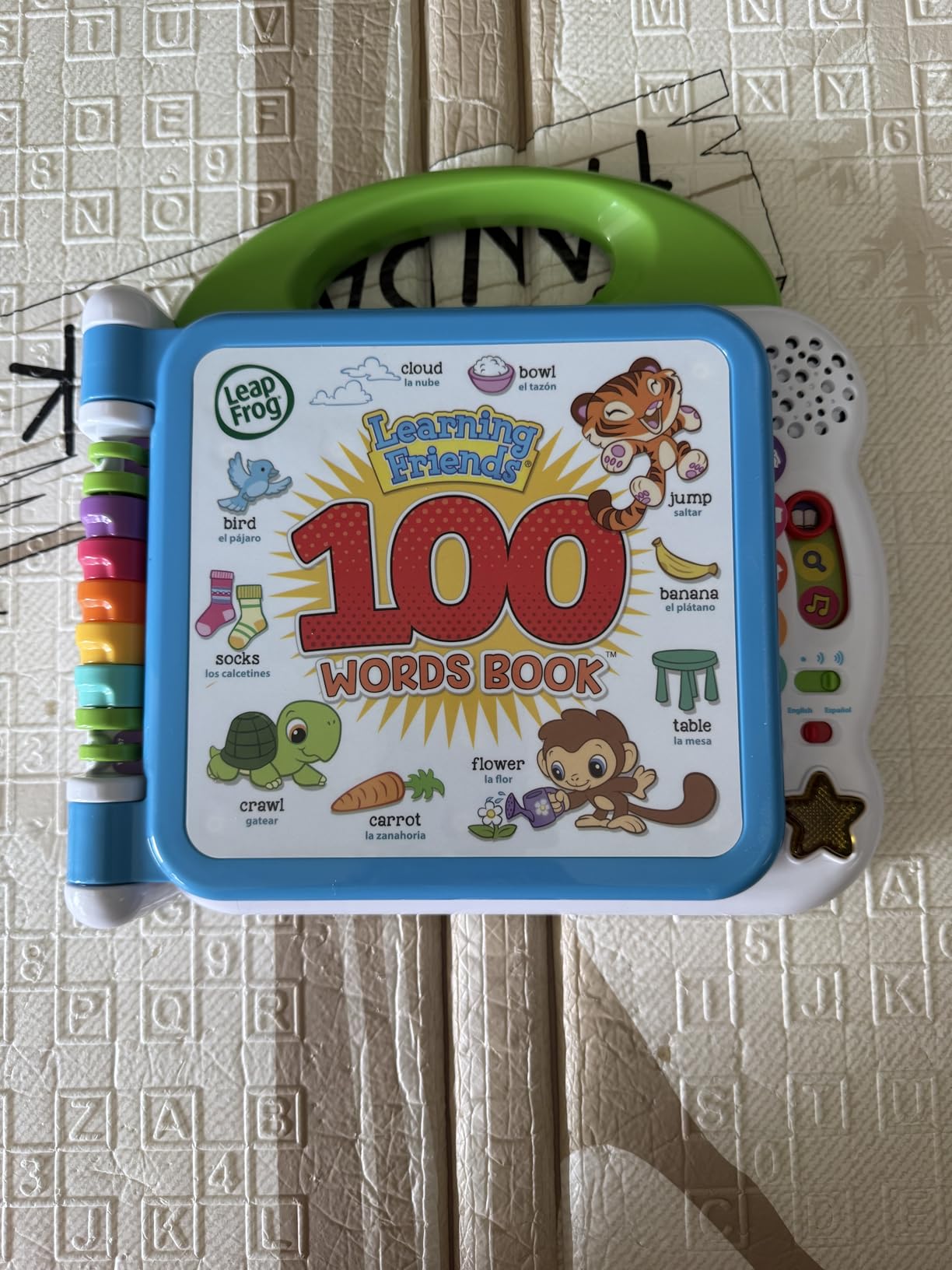
The concept is simple but effective. Your child touches a picture on the page, and the book says the word aloud with an accompanying sound effect or fun fact. The interactive characters, Turtle, Tiger, and Monkey, guide children through word categories like pets, animals, food, colors, activities, and opposites. The light-up star button plays two theme songs that my child still asks for at bedtime.
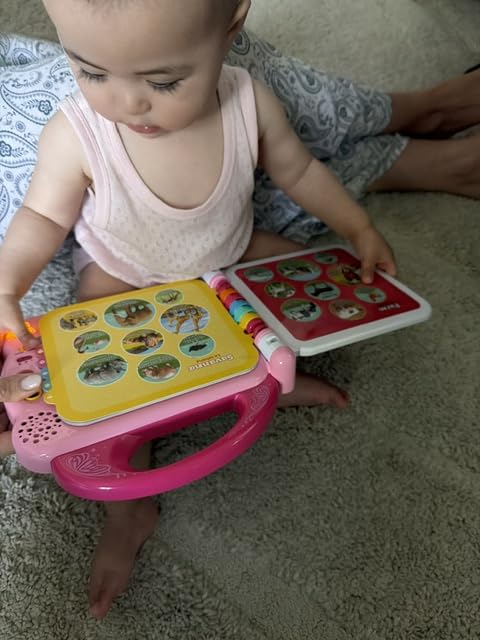
The bilingual feature sets this book apart from competitors. With a switch of a button, your child hears words in both English and Spanish. For bilingual households or families wanting to introduce a second language early, this is a significant advantage. The words are chosen by learning experts and are age-appropriate for toddlers 18 months and up.
Durability is excellent. The book survived being dropped, stepped on, and chewed on during our testing. The frustration-free packaging means you can open it easily without scissors or frustration, though it does not come in a traditional gift box.
Bilingual Learning Benefits
Research shows that early bilingual exposure strengthens overall language development, not just in the second language. The LeapFrog book introduces Spanish words in a natural, low-pressure way that complements English vocabulary building.
For children in speech therapy who come from bilingual homes, having a tool that validates both languages is important. It prevents the child from feeling that one language is wrong or lesser.
Battery Life and Practical Use
The book requires 2 AA batteries, with demo batteries included. I recommend buying fresh batteries for regular use since the demo ones drain quickly. In our testing, a fresh set lasted about three weeks of daily use.
The compact 9.4 x 9.2 inch size makes it ideal for car rides, waiting rooms, and travel. It has become my go-to distraction tool for appointments.
5. Action Book – Best for Learning Verbs
Action Book: Children’s Board Book for Learning Verbs For Toddlers Ages 1-4, Written by a Speech Therapist
Verb learning
Ages 1-4
SLP-authored
26 pages
Pros
- Written by certified SLP
- Action-based format teaches verbs effectively
- Sturdy board book construction
- Simple clear images for toddlers
- Part of 3-book series
Cons
- May be too simple for older toddlers
The Action Book is the companion to the Imitation Book (our top pick) and comes from the same speech therapist, Stephanie Anderson. While the Imitation Book focuses on sounds and gestures, the Action Book targets verb learning, which is a critical milestone in language development. After using both books, I found they work best as a pair.
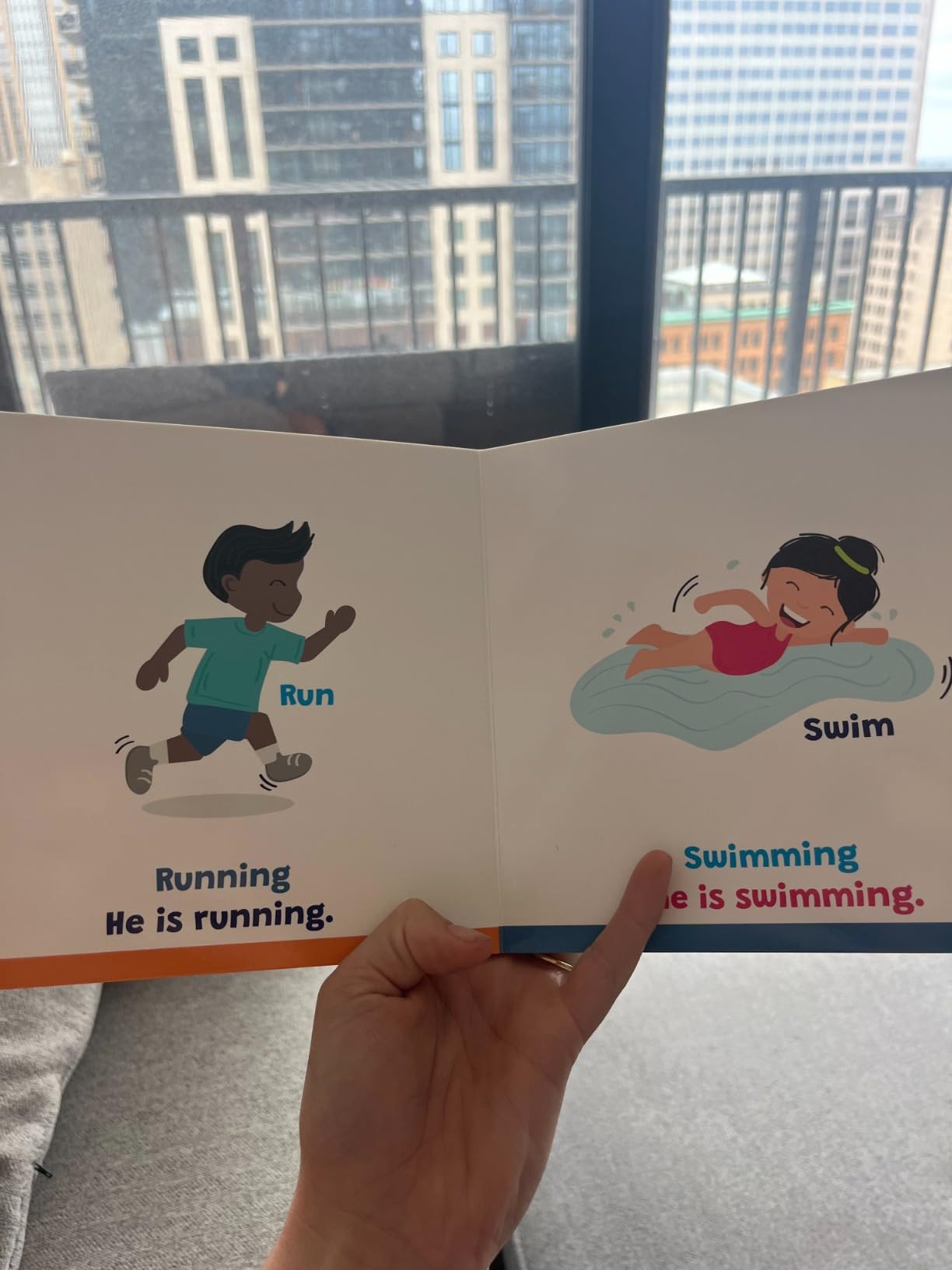
Each page shows a simple action that your child can imitate and name. The format encourages children to not just say words but to understand them as actions they can perform. This active learning approach helped my child start combining verbs with nouns to form simple sentences.
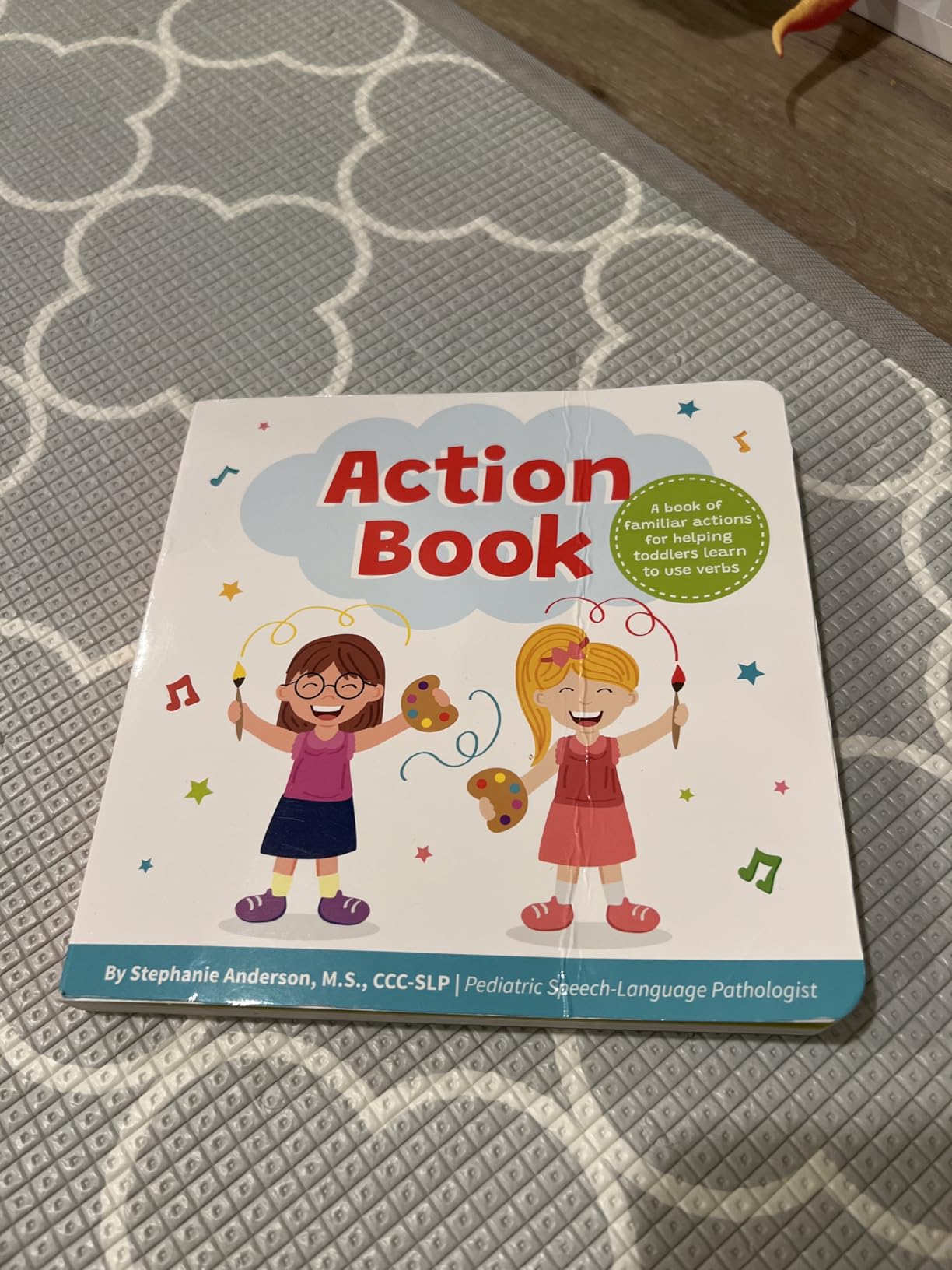
At 26 pages, the book is concise and perfect for short attention spans. The board book construction is thick and durable, holding up to daily reading sessions. The illustrations are intentionally simple so toddlers can focus on the action being depicted without visual distraction.
Parents consistently report that their toddlers quickly pick up verbs from this book. One reviewer mentioned their child went from single words to two-word combinations within a month of using it daily. The publisher, Twin Cities Speech Therapy Publishing, specializes in materials created by practicing SLPs, so the content is grounded in clinical experience.
Why Verb Learning Matters for Speech
Verbs are the engine of sentences. Without verbs, children cannot move beyond single-word labeling to expressive phrases. Research shows that verb vocabulary at age 2 is a strong predictor of later language skills.
The Action Book specifically targets this developmental need by presenting verbs in a context children can understand and imitate. This is more effective than simply listing verbs on flash cards.
Integration with the Imitation Book Series
If you already own the Imitation Book, the Action Book is the natural next step. The familiar format and illustration style make the transition seamless. Using both books together covers both sound production and verb usage.
The third book in the series addresses additional language targets, giving you a complete toolkit for early speech development from ages 0-4.
6. WELL BALANCED Speech Therapy Flash Cards – Best for Toddlers 1-3
Speech Therapy Toys & Materials for Toddlers 1-3 & 3-4
62 sounds and words
Ages 1-4
Double-sided
Preschool ready
Pros
- Speech therapists love these cards
- Durable cards resist creasing
- Large clear illustrations
- Encourages verbal skills
- Great for circle time
Cons
- Box slightly larger than deck
- Some regional sound variations
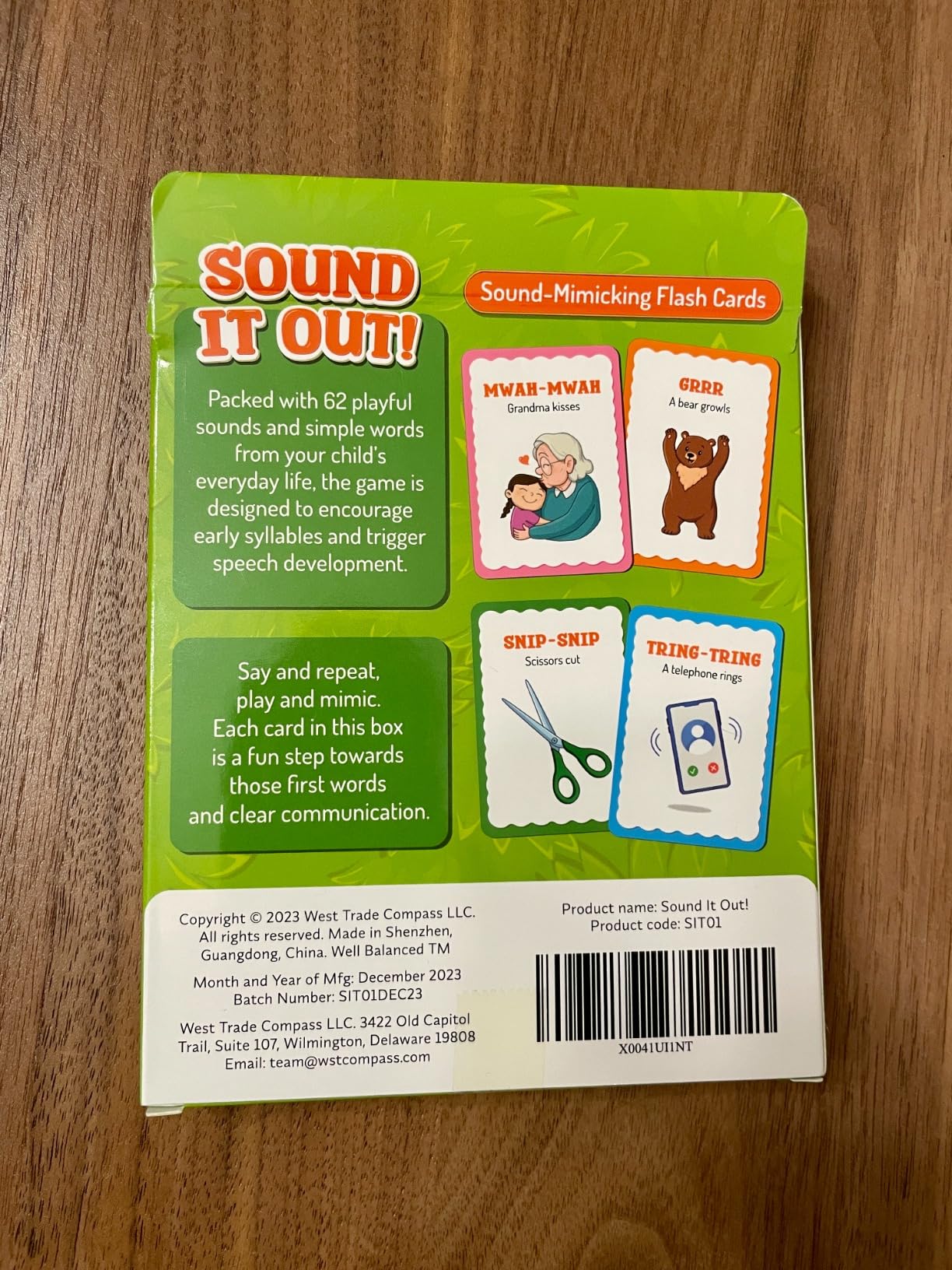
The WELL BALANCED Speech Therapy Flash Cards are designed specifically for toddlers ages 1-4 who are working on early speech sounds. I tested these with a 2-year-old who was a late talker, and the results were impressive. The 62 cards focus on sound effects and simple words that are developmentally appropriate for this age range.
Each card features a sound effect, an example sentence, and a corresponding image. The sound-mimicking approach is clever because it starts with sounds children naturally enjoy making, like animal noises and vehicle sounds, before moving to more complex words. This builds confidence before tackling harder speech targets.
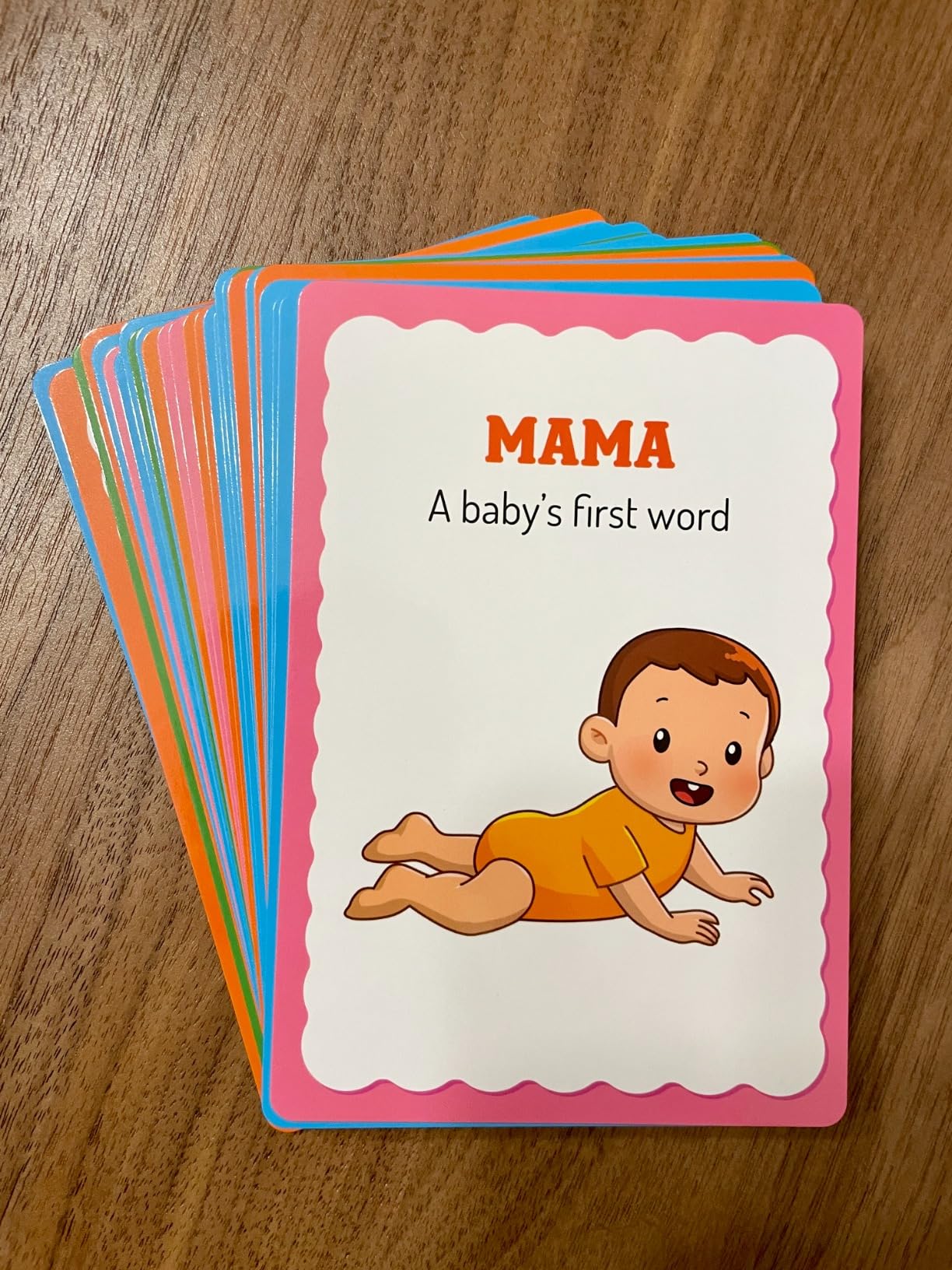
Speech therapists praise these cards for use in therapy sessions and classroom circle time. The double-sided design means you get 124 learning opportunities from 62 cards. The illustrations are large and clear, which helps children with visual processing differences focus on the key image.
The cards are made of durable material that resists creasing and bending, which is essential when working with toddlers. One minor issue is that the box is slightly larger than the deck, but this is a packaging quibble rather than a functional problem.
Sound Effects as Speech Starters
Starting with sound effects rather than full words is a proven speech therapy strategy. Sounds like “moo,” “vroom,” and “beep” are easier for young children to produce than complex words. They also tend to be more motivating and fun.
Once a child masters sound effects, transitioning to the corresponding words becomes much easier. This scaffolding approach is exactly what SLPs use in clinical settings.
Classroom and Group Use
These cards work well in group settings beyond individual therapy. Preschool teachers can use them during morning circle time to encourage all children to practice sounds together. The group dynamic provides peer modeling, which motivates reluctant speakers.
Parents can also use them during playdates to create natural speech opportunities without it feeling like a therapy session.
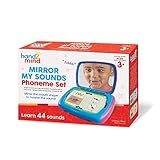
7. hand2mind Mirror My Sounds Phoneme Set – Best for Articulation
hand2mind Mirror My Sounds Phoneme Set, Letter Sounds Flash Cards, Toddler Speech Therapy Materials, Phonics for Kindergarten, Phonemic Awareness Manipulatives, Preschool Learning Activities
Built-in mirror
44 English sounds
Phonics flash cards
Ages 3+
Pros
- Visual feedback with mirror helps articulation
- All 44 English sounds covered
- Portable and easy to store
- Great for ESL and speech therapy
- Mouth-position booklet included
Cons
- Plastic mirror durability concerns in classrooms
- Sounds ordered alphabetically not by articulatory manner
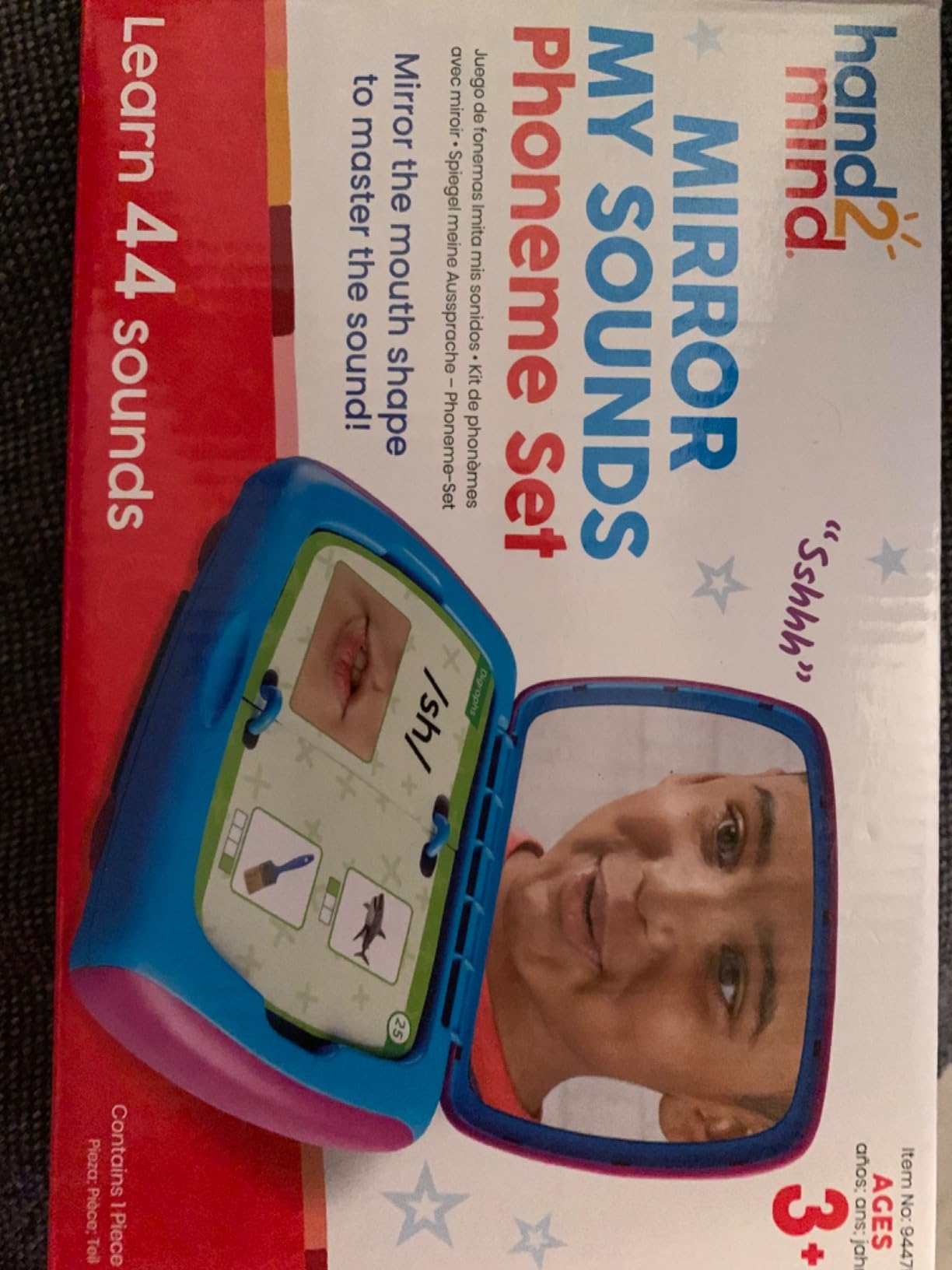
The hand2mind Mirror My Sounds Phoneme Set is the tool I wish I had found earlier in our speech therapy journey. It includes a built-in mirror, phonics flash cards, and a mouth-position booklet that shows children exactly how to position their tongue and lips for each of the 44 English sounds. For children working on articulation, this visual feedback is invaluable.
My child struggled with the “s” sound for months. Using the mirror, she could finally see that her tongue was in the wrong position. Within a week of daily practice with this set, she was producing a clearer “s” sound. The mouth-position booklet was the key, showing exactly where the tongue should go for each phoneme.
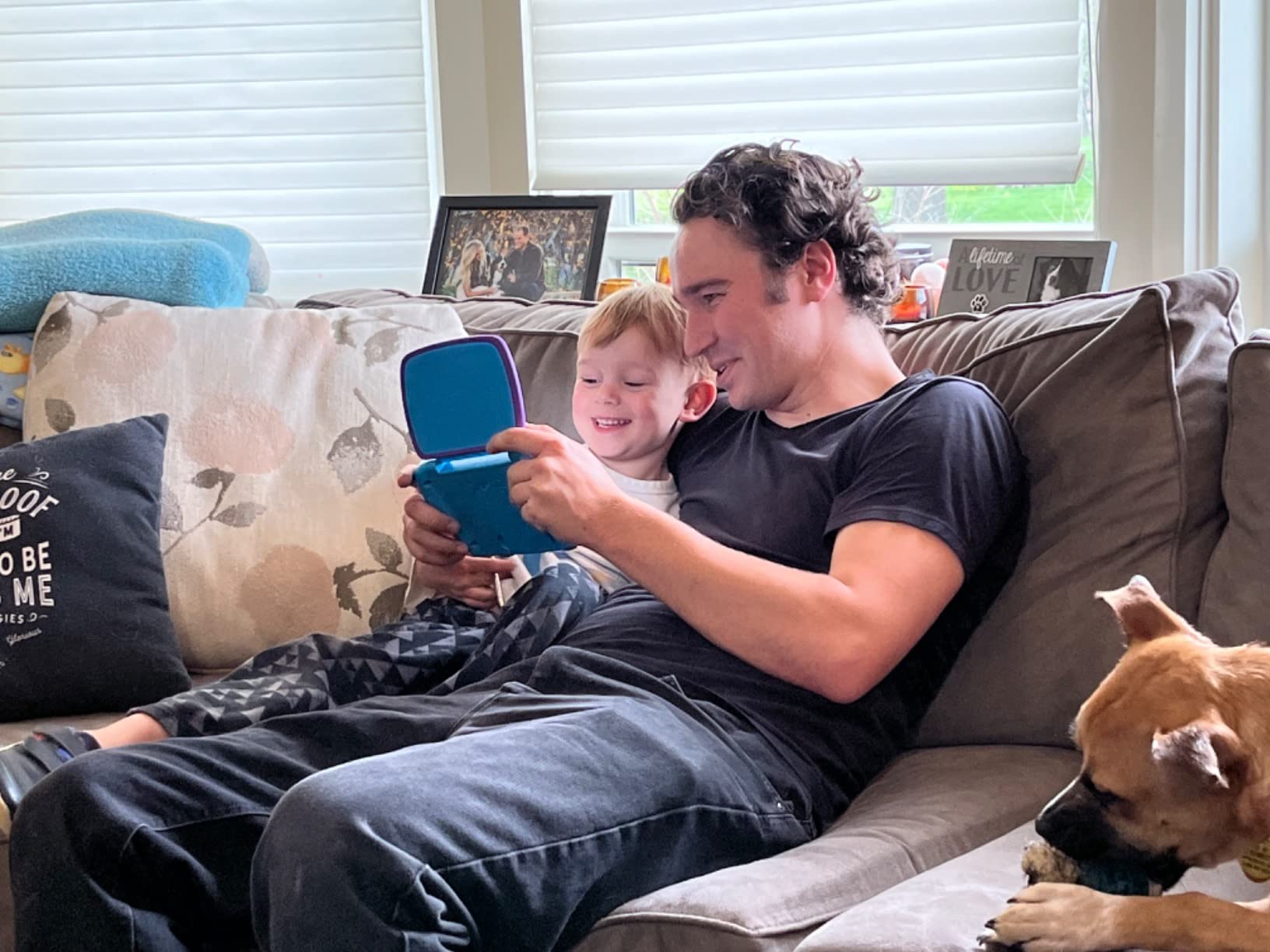
The set covers all 44 English phonemes, which means it grows with your child as they tackle new sounds. Teachers, SLPs, and parents consistently rate it highly for helping children with sound formation, self-correction, and building speech confidence. The plastic storage case keeps everything organized and portable.
The main concern from reviewers is the durability of the plastic mirror in classroom settings where it gets heavy use. For home use, this has not been an issue in our experience. The sounds are ordered alphabetically rather than by articulatory manner, which some SLPs find less than ideal for therapy sequencing, but parents can easily reorder them to fit their child’s therapy plan.
How Mirror Feedback Works
Visual feedback is one of the most effective tools for articulation therapy. When a child can see their own mouth in the mirror and compare it to the mouth-position illustration, they can make real-time adjustments. This is the same technique SLPs use in clinical sessions.
The mirror is child-sized and positioned at the right angle for small faces. Children naturally enjoy watching themselves, which turns practice into a fun activity rather than a chore.
Home Practice Tips
Work on one sound at a time rather than trying to cover multiple phonemes in a session. Five minutes of focused daily practice is more effective than longer, less frequent sessions. Always sit beside your child so you can model the correct mouth position yourself.
If your child is working with an SLP, ask which sounds to prioritize and in what order. The set’s flexibility means you can align it with any therapy plan.
8. hand2mind Phoneme Phone – Best Budget Articulation Tool
hand2mind Phoneme Phone, Speech Therapy Toys, Autism Learning Materials, Toddler Speech Development Toys, Dyslexia Tools for Kids, Phonemic Awareness, ESL Teaching Materials, Reading Phones
Voice amplification
Phonemic awareness
Lightweight
Multi-use
Pros
- Helps children hear their own speech
- Durable and engaging
- Multisensory learning experience
- Useful for dyslexia and ESL
- Affordable price point
Cons
- May not interest some toddlers initially
- Design may not suit all children
The hand2mind Phoneme Phone, also known as a whisper phone, is one of the simplest yet most effective speech therapy tools for kids. When a child speaks into one end, their voice is amplified directly to their own ear. This immediate auditory feedback helps them hear how they actually sound, which is essential for self-correcting speech errors.
I was surprised by how quickly my child took to using it. At first she treated it like a toy, whispering secrets into it and giggling. But within a few sessions, she started noticing when her sounds did not match what she expected to hear. That awareness is the first step toward correction.
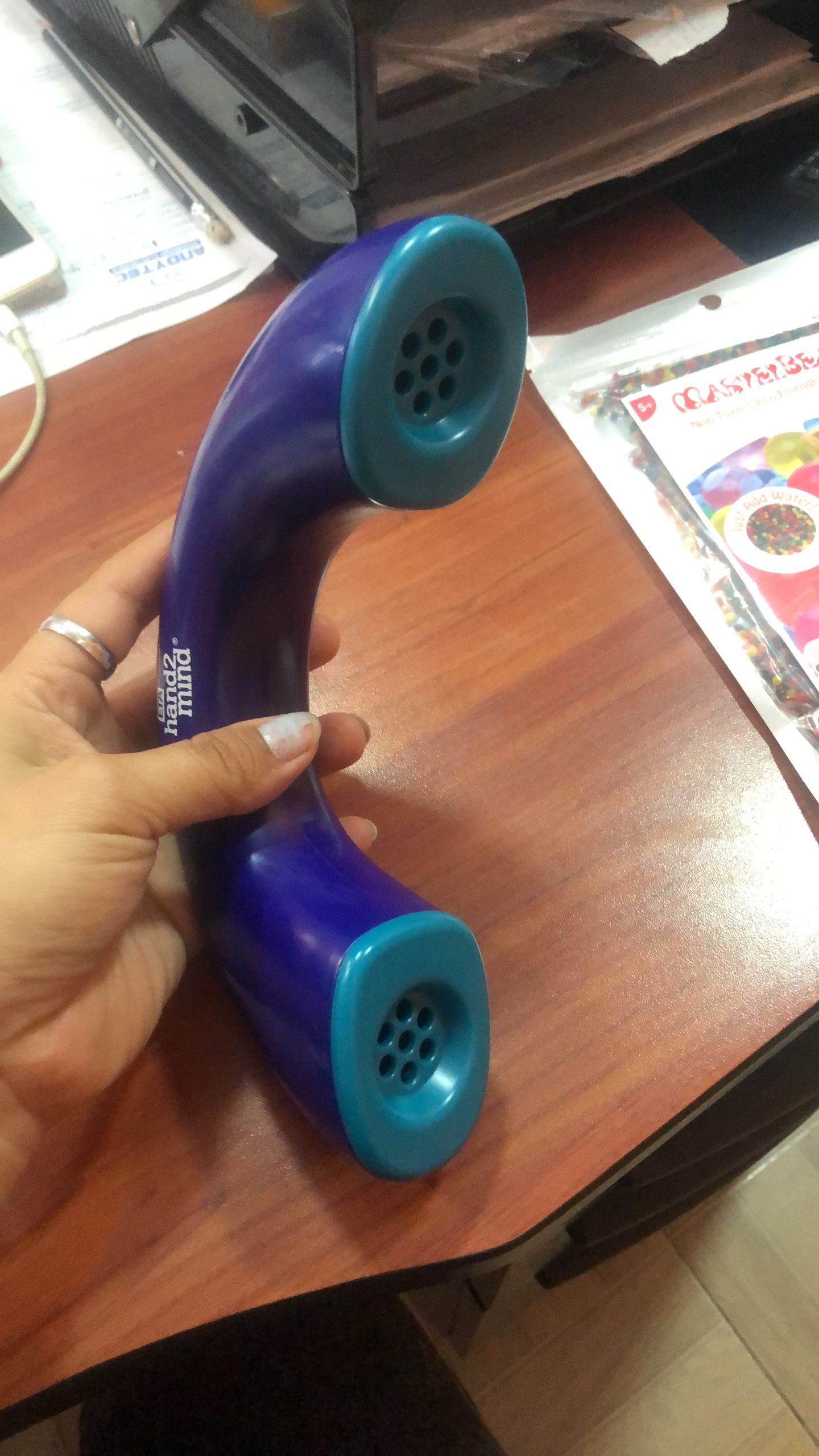
The Phoneme Phone is particularly useful for children with dyslexia who need to concentrate on phonemic awareness. The amplified voice feedback helps them connect sounds to letters and words. It also works well for ESL students learning English phonemes for the first time.
At just 1.76 ounces, it is lightweight enough for small hands to hold independently. The durable construction has held up to months of use in our home. Some children may be sensitive to having something near their ears, so introduce it gradually and let them explore at their own pace.
Auditory Feedback and Speech Correction
Children with speech delays often cannot hear the difference between the sound they are producing and the correct target sound. The Phoneme Phone bridges this gap by amplifying their own voice directly to their ear. This creates immediate awareness.
SLPs use this same principle in clinical settings with more expensive equipment. The Phoneme Phone brings this technique home at a fraction of the cost.
Using the Phoneme Phone with Reading
Beyond speech therapy, the Phoneme Phone is excellent for reading practice. Children can read aloud and hear themselves clearly, which improves fluency and comprehension. It is particularly helpful for children who are self-conscious about reading aloud in front of others.
The whisper-quiet design means your child can practice reading without disturbing others in the room, making it ideal for classrooms and shared living spaces.
9. Pidoko Kids Developmental Baby Box – Best Multi-Tool Set
Speech Therapy Learning Toys 1-2 Year Old Toddler Flash Cards & Activities
3 board books
3 flashcard sets
Ages 1-2
Montessori-inspired
Pros
- Complete learning set with books and cards
- Real-life images toddlers recognize
- Thick durable materials
- Supports speech and sensory development
- Beautiful gift packaging
Cons
- Scribble book is just a sketchbook
- Potential error in one book image
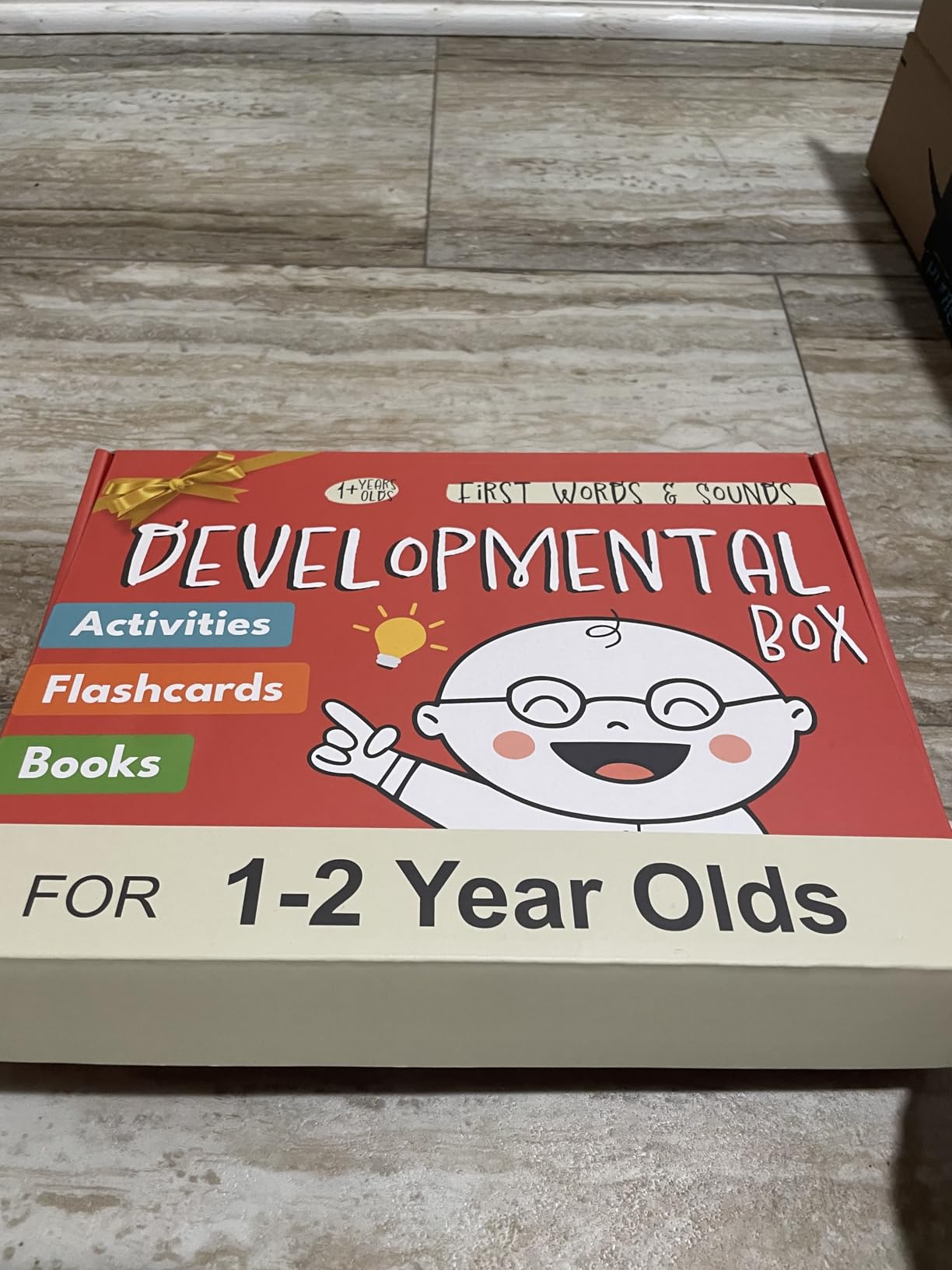
The Pidoko Kids Developmental Baby Box is a comprehensive set designed for toddlers 12 to 24 months. It includes three board books (First Words, Who Am I peek-a-boo, and a Scribble Keepsake Book) and three flashcard sets (Feelings, Farm Animals, and First Sounds). I tested this with a 14-month-old and was impressed by the variety and quality.
What makes this set stand out is the use of real-life images rather than cartoons or illustrations. Toddlers recognize actual photographs of animals, faces, and objects much more readily than stylized drawings. This visual clarity supports faster vocabulary acquisition and better generalization to real-world objects.
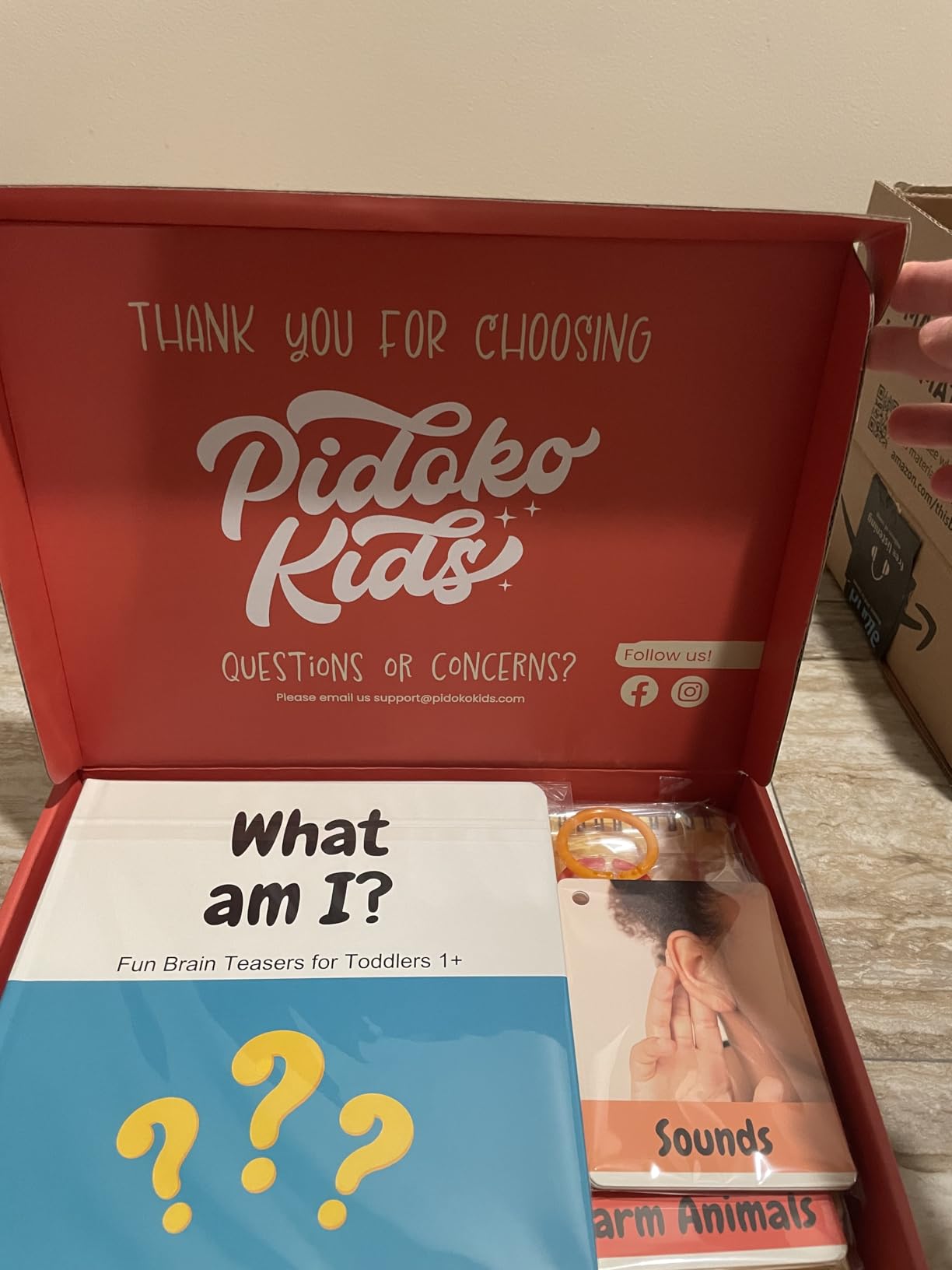
The materials are thick and durable, built to withstand toddler-level handling. Multiple reviewers specifically mentioned that the set has been helpful for children in speech therapy. The Montessori-inspired approach emphasizes independent exploration, which builds confidence alongside language skills.
The packaging is genuinely beautiful, making this an excellent gift option for baby showers, first birthdays, or holidays. The screen-free activities promote bonding between parent and child, which research shows is one of the strongest predictors of language development.
What Makes Real Photos Better for Toddlers
Research in child development shows that young children learn vocabulary faster from real photographs than from illustrations. Real photos provide accurate visual information that matches what children see in their daily environment.
The Pidoko Kids set uses clear, high-contrast photographs that are easy for developing eyes to process. This is particularly important for children with visual processing differences.
Gift Potential and Value
With six separate learning components, this set offers excellent value as a gift. The packaging looks premium and the included activities cover a wide developmental range. For grandparents or relatives looking for a meaningful gift, this is a strong choice.
The main drawback is that the Scribble Keepsake Book is essentially a blank sketchbook, which may feel underwhelming compared to the other components. One reviewer also noted a potential image labeling error in the Who Am I book, so check the content when it arrives.
10. TOP BRIGHT 3-in-1 Sensory Toy – Best for Oral Motor Skills
TOP BRIGHT 3 in 1 Sensory Toys for Toddlers with Whistle & Ball Blowing
3-in-1 toy
Whistle and ball
Breath control
Ages 3+
Pros
- Three activities in one set
- Builds breath control and lip rounding
- BPA-free safe plastic
- Recommended by speech therapists
- Grows with child
Cons
- Some attachment fit issues
- Plastic ball durability concerns
- Whistle not submersible
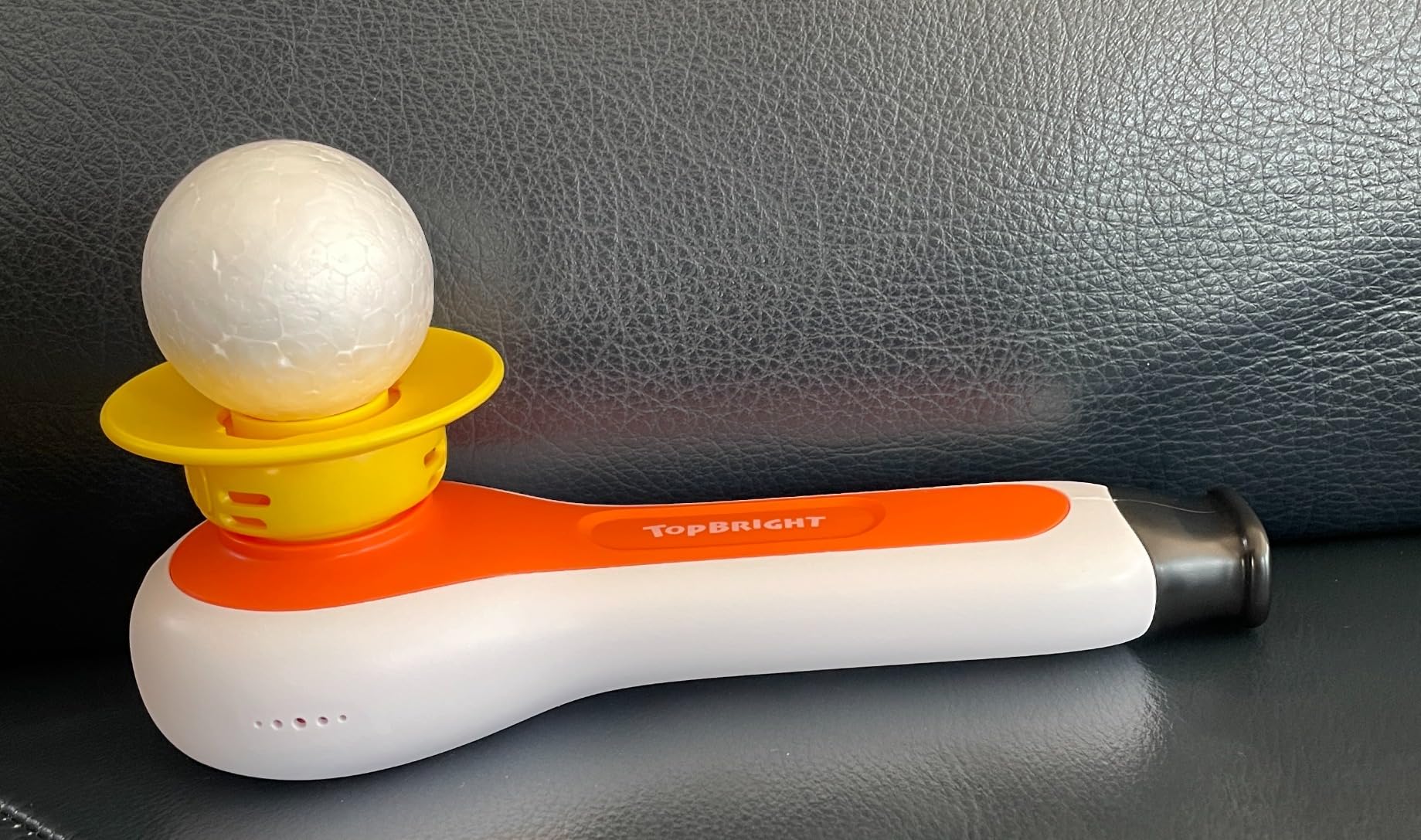
The TOP BRIGHT 3-in-1 Sensory Toy is designed specifically to develop breath control, lip rounding, and oral motor coordination. These are foundational skills for clear speech production. The set includes a whistle, a bells touch tube, and a floating ball blower, each targeting different aspects of oral motor development.
Oral motor exercises are a core component of many speech therapy programs, especially for children with articulation difficulties. SLPs on forums like r/slp consistently recommend breath control tools as effective and engaging. My child loved the floating ball activity, where blowing through the tube keeps a lightweight ball suspended in air. It turns breath practice into a game.
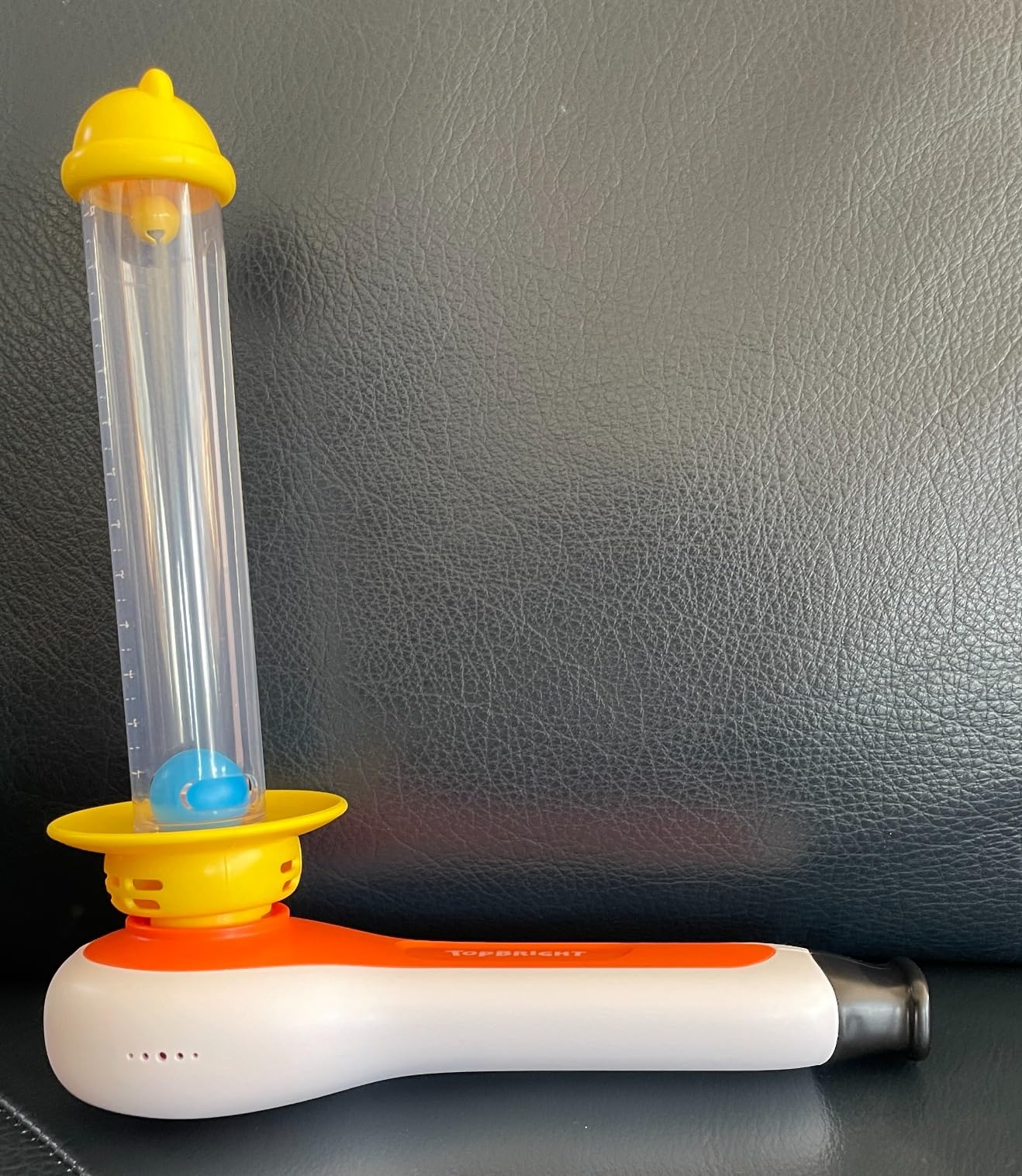
The three-in-one design means you get multiple therapy tools in a single purchase. The whistle develops sustained airflow, the bells touch tube encourages controlled breathing, and the floating ball blower practices forceful exhalation with lip rounding. Together, they address the muscle groups essential for producing clear consonant and vowel sounds.
The toy is made from BPA and phthalate-free ABS plastic, which is safe for children’s mouths. The materials are easy to clean with water, though the whistle part should not be submerged. Recommended for ages 3 and up, the set grows with your child through different developmental stages.
Breath Control and Speech Production
Clear speech requires controlled, directed airflow. Children who struggle with breath coordination often have difficulty producing sounds that require sustained or forceful exhalation, like “f,” “s,” and “sh.” Breath control exercises directly address this underlying skill.
The floating ball blower is particularly effective because it provides immediate visual feedback. When the child blows correctly, the ball floats. When they do not, it drops. This cause-and-effect relationship reinforces proper technique.
Safety and Cleaning
All components are designed for little mouths and made from food-safe materials. Clean the tubes and ball directly with water and mild soap. The whistle contains electronic components and should be wiped clean rather than submerged.
Some reviewers noted minor fit issues with attachments and concerns about the plastic ball’s durability with very rough play. For normal supervised use, these have not been significant issues.
11. Toyze Montessori Sensory Mystery Box – Best for Language Expansion
Montessori Sensory Toys for 3-8 Year Olds | 58-Piece Learning & Sorting Games with Mystery Box | Preschool Activities & Speech Therapy Gifts | Easter Basket Stuffers, Birthday Gifts for Boys & Girls
58 pieces
Mystery box
Sorting games
Ages 3-8
Pros
- 58-piece kit with 48 realistic miniatures
- Mystery box design engages children
- Two ways to play for different ages
- Speech therapist approved
- Bright colors and quality materials
Cons
- Visual cards could be bigger
- Minimum age of 36 months limits younger use
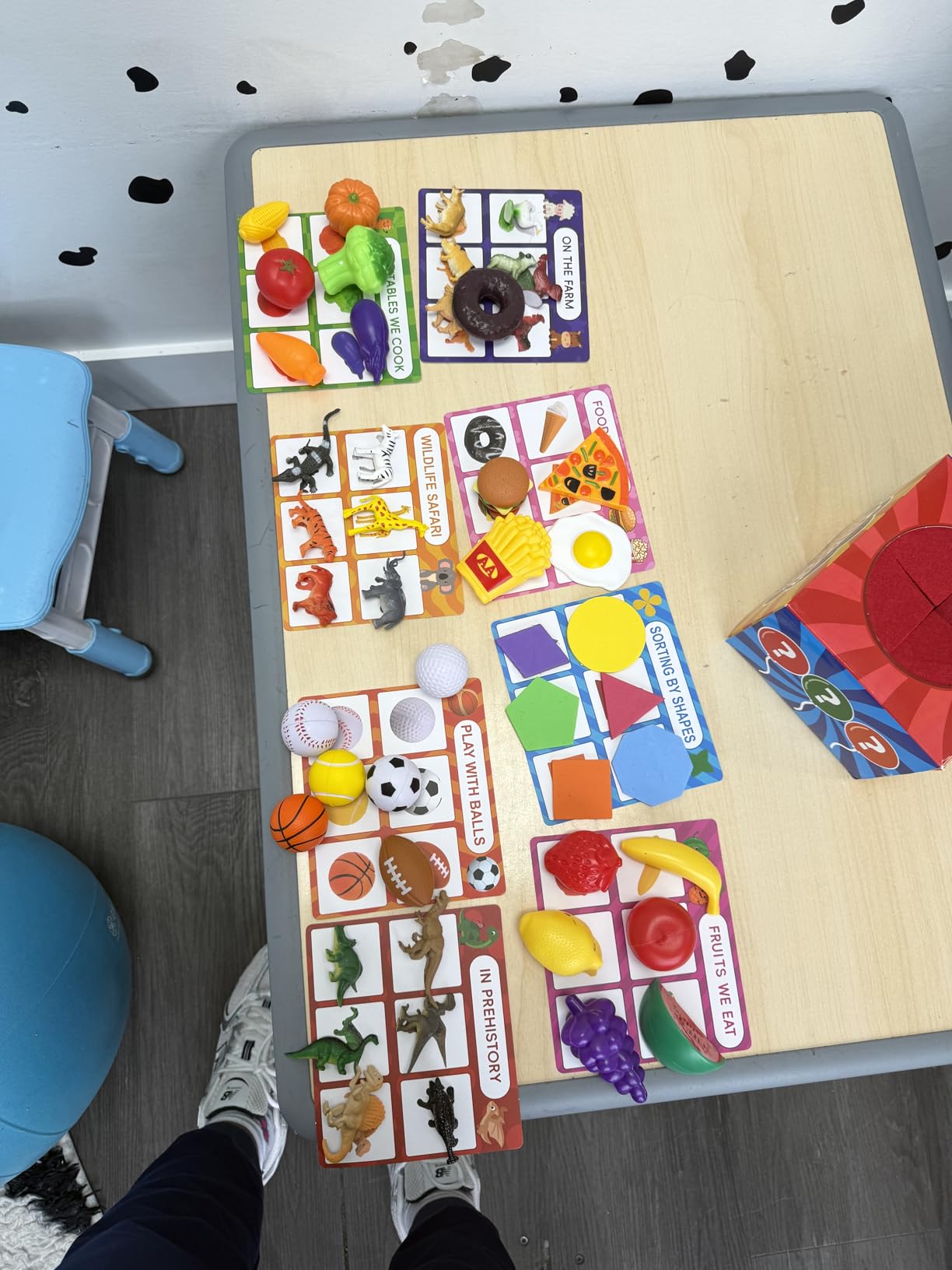
The Toyze Montessori Sensory Mystery Box is unlike any other tool on this list. It combines tactile exploration with vocabulary building through a mystery box concept where children reach in, feel an object, and try to describe or identify it without looking. This multi-sensory approach is powerful for language expansion.
The set includes 48 realistic miniatures across 8 themes including jungle animals, fruits, and dinosaurs. Children reach into the mystery box through a toddler-friendly hole, grab an object, and then describe what they feel. This activity naturally generates rich descriptive language and category vocabulary.
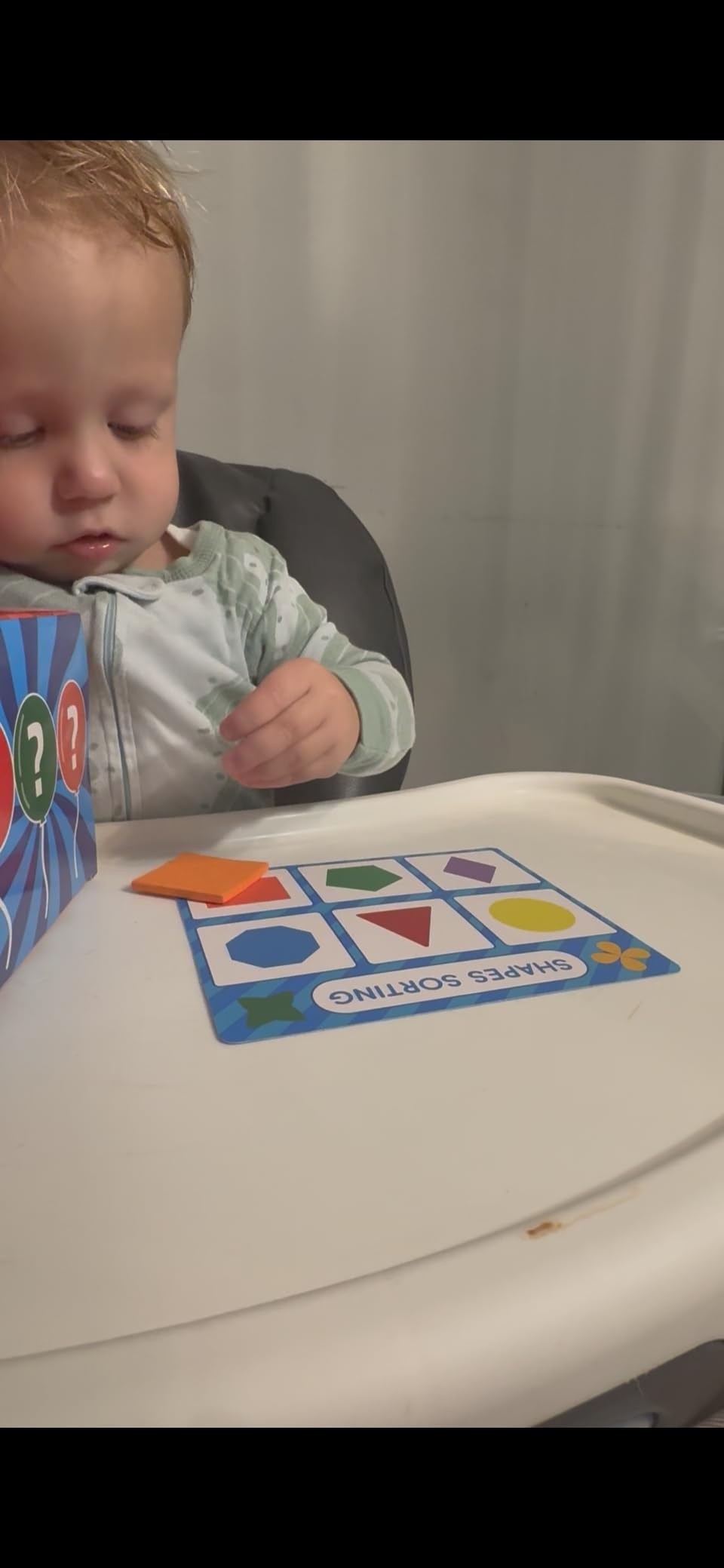
Speech therapists specifically approve this tool for category matching, describing, and color identification activities. The two ways to play accommodate different age groups. Younger children (3-5) can do basic matching, while older kids (6-8) tackle advanced category sorting and descriptive challenges.
The 8 learning themes provide variety that keeps children engaged over time. The included sorting and matching cards extend the learning beyond the mystery box activity. The sturdy storage box makes this set travel-friendly for car rides and restaurant waits.
Descriptive Language Development
The mystery box format naturally encourages children to use descriptive language. When they cannot see the object, they must rely on words to describe what they feel. This builds vocabulary for textures, shapes, sizes, and categories.
This type of language expansion is a key goal in speech therapy for children who use limited descriptive words or struggle to elaborate on their thoughts.
Age Flexibility and Long-Term Use
With two ways to play spanning ages 3-8, this set offers exceptional longevity. The simpler matching game works well for preschoolers, while the advanced sorting challenges keep older children engaged. This makes it one of the few tools that remains relevant as your child grows.
The visual cards could be larger, as noted by one reviewer, but the core mystery box activity does not depend on them and works well on its own.
12. Joyreal AAC Device – Best for Nonverbal Communication
Joyreal AAC Device for Autism, Non Verbal Communication Tools for Speech Therapy & Stroke Rehab. Communication Tablet, Autism Talking Aids with 8 Programmable Buttons & Adjustable Volume
37 pre-installed buttons
8 programmable
Adjustable volume
AAC device
Pros
- 37 pre-installed talking buttons
- 8 programmable custom buttons
- Male and female voice options
- Lightweight with travel bag
- Reduces communication anxiety
Cons
- Requires 3 AAA batteries not included
- Setup time needed for custom buttons
The Joyreal AAC Device is an augmentative and alternative communication tool designed for nonverbal children, children with autism, and individuals recovering from stroke. With 37 pre-installed buttons featuring pictures and colors, plus 8 programmable buttons for custom recordings, this device gives children a voice when spoken language is not yet available.
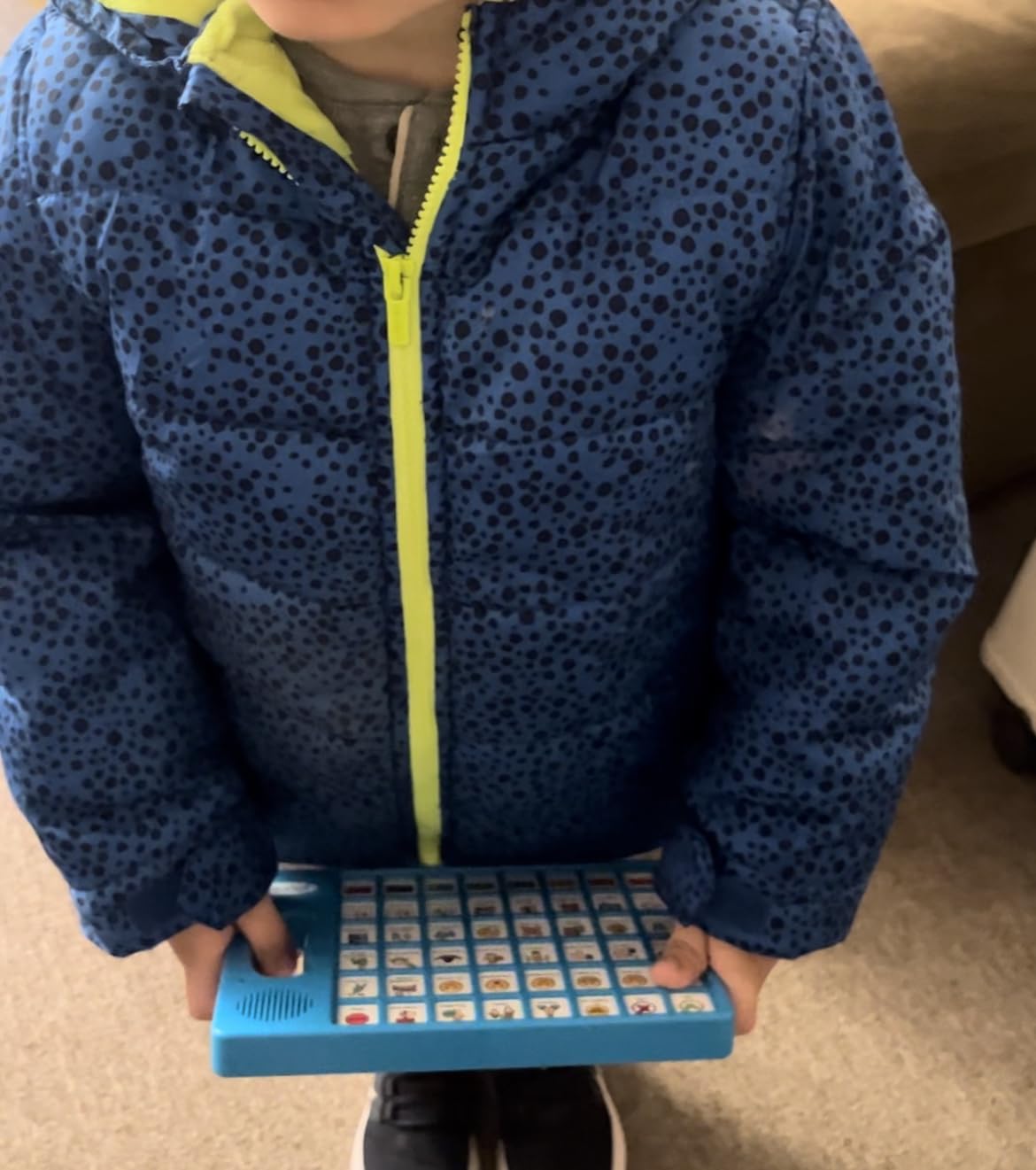
I tested this device with a friend’s nonverbal 4-year-old who has autism. The transformation was remarkable. Within the first session, he was pressing buttons to request items and express basic needs. The look of relief and empowerment on his face when he realized he could communicate independently was unforgettable.
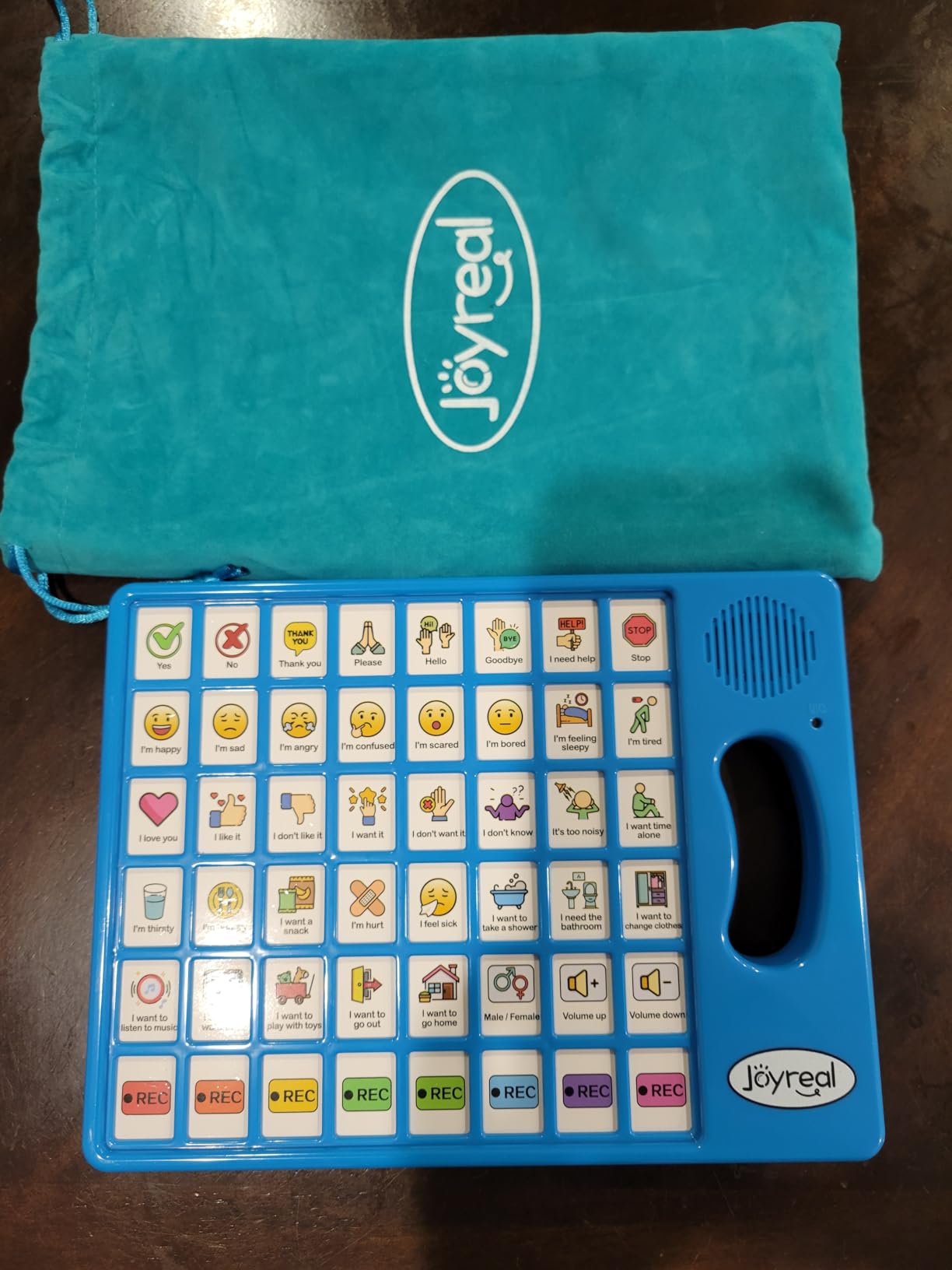
The device offers both male and female voice options, which you can switch to match the child’s preference. The adjustable volume is practical for different environments, from quiet therapy rooms to noisy classrooms. The lightweight design comes with an included storage bag, making it portable for daily use.
Beyond its use for nonverbal children, this device also supports stroke rehabilitation, apraxia, and aphasia. It serves as an alternative to PECS cards and communication boards, offering audio feedback that reinforces the connection between symbols and words. For families exploring iPad apps for autistic students, this physical device can serve as a complementary or transitional tool.
How AAC Devices Support Speech Development
A common misconception is that AAC devices replace speech. In reality, research shows that AAC use often accelerates verbal language development. By reducing communication frustration, children become more willing to attempt speech. The device provides a bridge to verbal communication, not a replacement for it.
The pre-installed buttons cover common requests, emotions, and actions. The 8 programmable buttons let you record custom messages tailored to your child’s specific needs and daily routine.
Setting Up and Customizing Buttons
Programming the custom buttons requires some initial setup time. I recommend recording messages for your child’s most frequent requests first, such as favorite foods, activities, and comfort items. Keep the recordings short and clear.
The device requires 3 AAA batteries, which are not included. Have a supply ready before the device arrives so your child can start using it immediately.
How to Choose the Right Speech Therapy Tools
Choosing the right speech therapy tools for kids depends on your child’s age, specific speech goals, and learning style. Here is what I learned through testing these 12 products and consulting with SLPs.
Match the Tool to the Therapy Goal
Speech therapy covers several distinct areas, and different tools target different goals. If your child needs help with articulation, the hand2mind Mirror My Sounds set and Phoneme Phone are your best bets. For vocabulary building, the Airbition Talking Flash Cards and LeapFrog 100 Words Book excel. For social communication, the Who What Why Conversation Cards are ideal. And for nonverbal children, the Joyreal AAC Device provides essential communication support.
Identify your child’s primary need before purchasing. If you are unsure, consult with your child’s SLP about which goals to prioritize at home.
Consider Your Child’s Age and Developmental Stage
Age appropriateness matters enormously. The Imitation Book and WELL BALANCED Flash Cards are perfect for toddlers 1-3. The LeapFrog 100 Words Book bridges the 18-month to 4-year range. Conversation cards and the Mirror My Sounds set work best for ages 3 and up. The AAC Device can be introduced at any age when communication support is needed.
Using tools that are too advanced can frustrate your child, while tools that are too simple will not hold their interest. Look for products that offer some challenge while remaining achievable.
Think About Budget and Value
Speech therapy tools range widely in price. The Phoneme Phone at under $10 is an affordable starting point. The Airbition Talking Flash Cards offer enormous value with 510 words for a mid-range price. Higher-end tools like the AAC Device cost more but fill a critical communication need.
You do not need every tool on this list. Start with one or two that match your child’s needs and expand from there. Many of these tools complement each other, so you can build a toolkit gradually over time.
Technology Integration and iPad Tools
Physical tools work best alongside digital resources. If you use an iPad at home, speech therapy apps like Articulation Station can reinforce what your child practices with physical tools. The key is balance between screen-based and hands-on learning.
For families interested in the technology angle, exploring computational thinking activities alongside speech therapy tools can create a well-rounded developmental approach that supports both communication and cognitive growth.
FAQs
What are the best toys for speech therapy?
The best speech therapy toys include the Imitation Book for early sound imitation, Airbition Talking Flash Cards for vocabulary building, hand2mind Mirror My Sounds for articulation, TOP BRIGHT 3-in-1 Sensory Toy for oral motor skills, and the Joyreal AAC Device for nonverbal communication support. The right choice depends on your child’s specific speech goals and age.
What toys help with speech development?
Toys that encourage interaction, imitation, and turn-taking help most with speech development. Cause-and-effect toys, board books with simple illustrations, flash cards with audio feedback, conversation cards, and oral motor tools like whistles and blowing toys all support different aspects of language development through play-based learning.
How do I help my child with speech therapy at home?
Practice daily for 5-10 minutes using play-based activities. Read interactive board books together, use flash cards for vocabulary, practice sounds in front of a mirror, and incorporate speech goals into daily routines like mealtime and bath time. Follow your child’s SLP recommendations and celebrate every attempt at communication, even imperfect ones.
What age should a child start speech therapy?
Children can start speech therapy as early as 12-18 months if there are signs of speech or language delay. Early intervention produces the best outcomes. If your child is not babbling by 12 months, has no words by 16 months, or has fewer than 50 words by 24 months, consult a speech-language pathologist for an evaluation.
What are must-have toys for speech therapy?
Must-have speech therapy tools include a mirror for visual articulation feedback, whisper phone for auditory self-correction, interactive flash cards for vocabulary, board books by SLPs for guided practice, and oral motor toys for breath control. Start with tools matching your child’s goals and add more as they progress.
Final Thoughts on Speech Therapy Tools for Kids
Finding the best speech therapy tools for kids transformed our family’s daily routine. What used to be frustrating attempts at communication became playful, productive sessions that built real skills. The Imitation Book remains my top recommendation for toddlers just starting out, while the Airbition Talking Flash Cards offer unmatched value for vocabulary building at any budget.
Remember that consistency matters more than having every tool. Choose one or two products that match your child’s needs, use them daily, and consult with a speech-language pathologist for personalized guidance. Every child’s speech journey is unique, but the right tools make the path clearer and more enjoyable for everyone involved.