
When I started homeschooling my three kids seven years ago, I bought every shiny supply on every Pinterest board. Within two months, half of it sat unused in a closet while my kids fought over the same three dry erase markers. That mistake taught me what actually matters, and it shapes this list of the best homeschool supplies for parents who want to spend money on things that get used daily.
After testing dozens of products across writing, art, organization, and planning categories, our team narrowed down the 10 supplies that consistently show up in our homeschool room every single day. Whether you are a brand-new homeschool family building a supply list from scratch or a seasoned parent refreshing your stash for 2026, these picks balance quality, durability, and price.
This guide covers the must-haves: whiteboards, dry erase markers, Ticonderoga pencils, an electric sharpener, composition notebooks, watercolor sets, crayons, a laminator, a globe, and a homeschool planner. Each pick includes what we loved, what we would change, and who the supply works best for.
Table of Contents
Top 3 Picks at a Glance

Ticonderoga Pencils 72 Count
- Smooth #2 HB graphite
- Latex-free eraser
- Pre-sharpened ready to use
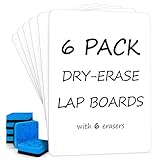
Scribbledo Dry Erase Boards 6-Pack
- Double sided 9x12 inches
- Includes 6 erasers
- No ghosting wipe clean

Oxford Composition Notebooks 6 Pack
- Wide ruled 100 sheets
- Sewn bound pages
- Marble covers assorted
Quick Overview: Best Homeschool Supplies for Parents in 2026
| Product | Specifications | Action |
|---|---|---|
| Scribbledo Dry Erase Whiteboards 6 Pack |
|
Check Latest Price |
 Amazon Basics Dry Erase Markers 12 Pack Amazon Basics Dry Erase Markers 12 Pack |
|
Check Latest Price |
 X-ACTO School Pro Electric Sharpener X-ACTO School Pro Electric Sharpener |
|
Check Latest Price |
| Ticonderoga Pencils 72 Count |
|
Check Latest Price |
| Oxford Composition Notebooks 6 Pack |
|
Check Latest Price |
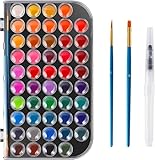 Blablaovy 48 Color Watercolor Set Blablaovy 48 Color Watercolor Set |
|
Check Latest Price |
 Crayola Crayons Bulk 24 Pack Crayola Crayons Bulk 24 Pack |
|
Check Latest Price |
 Scotch Thermal Laminator TL901X Scotch Thermal Laminator TL901X |
|
Check Latest Price |
 Replogle Student World Globe 12 Inch Replogle Student World Globe 12 Inch |
|
Check Latest Price |
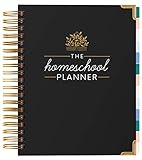 Paper Peony Press Homeschool Planner Paper Peony Press Homeschool Planner |
|
Check Latest Price |
1. Scribbledo Dry Erase Whiteboards 6-Pack – Personal Boards That Get Daily Use
Scribbledo Small Dry Erase Whiteboards for Students, 6 Pack 9 x 12
6 pack double sided
9x12 inch masonite
Includes 6 erasers
Pros
- Durable masonite construction
- Wipes clean with no ghosting
- Perfect personal size for kids
- Holds up to repeated daily use
- Affordable 6-pack for the whole family
Cons
- Boards ship with protective film that needs peeling
- Smaller than wall-mounted whiteboards
After seven years of homeschooling, I can say with certainty that individual whiteboards are the single supply my kids reach for the most. We replaced our single wall-mounted whiteboard with this 6-pack from Scribbledo in 2026, and our morning math time has never run smoother.
Each board measures 9 by 12 inches, which is the right size for elementary through middle school hands. The double-sided surface means my kids can work through a full page of long division without erasing mid-problem. I watched my daughter flip the board mid-spelling test, finish her list, then flip back to check answers, all in about 90 seconds.
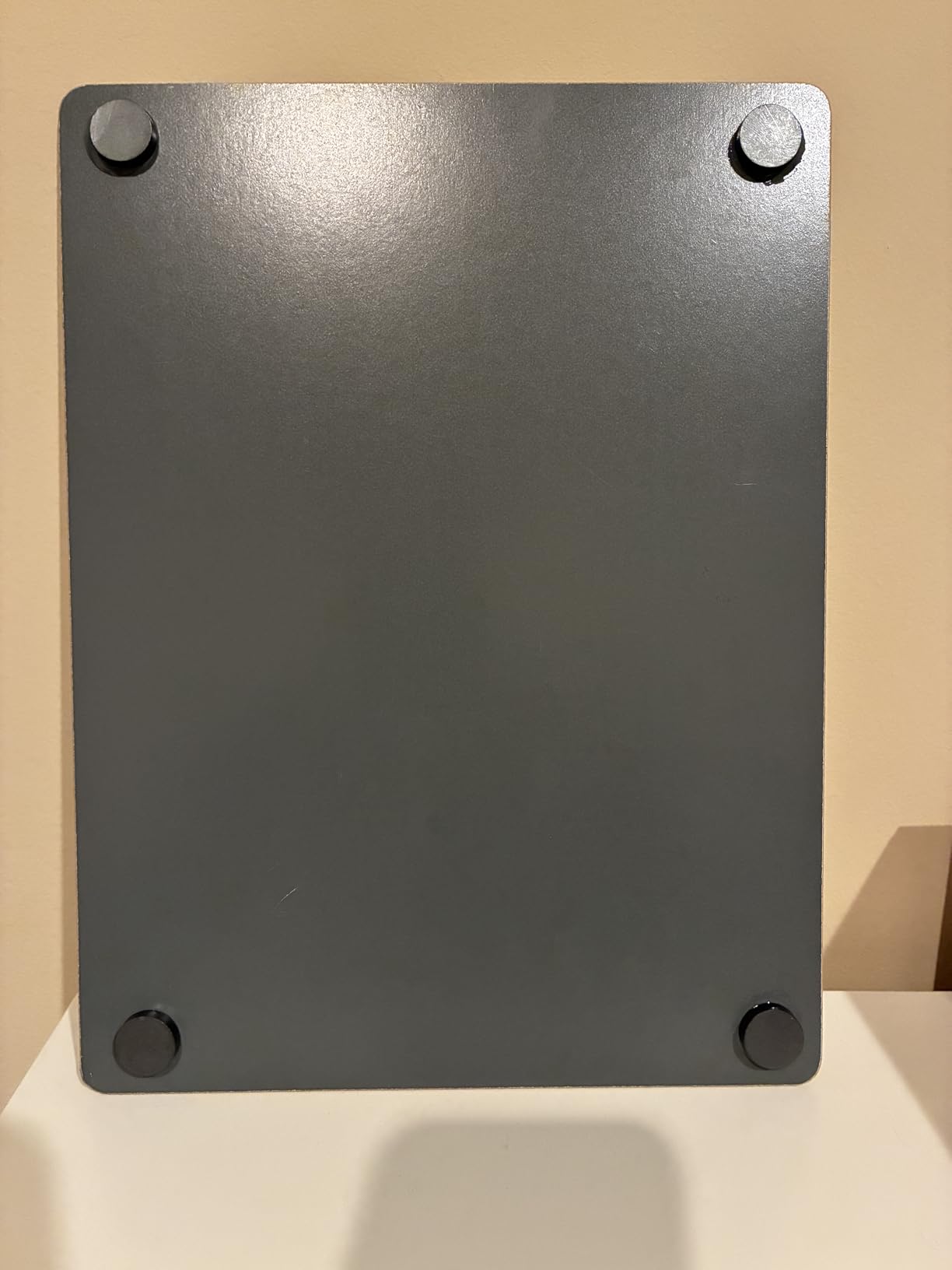
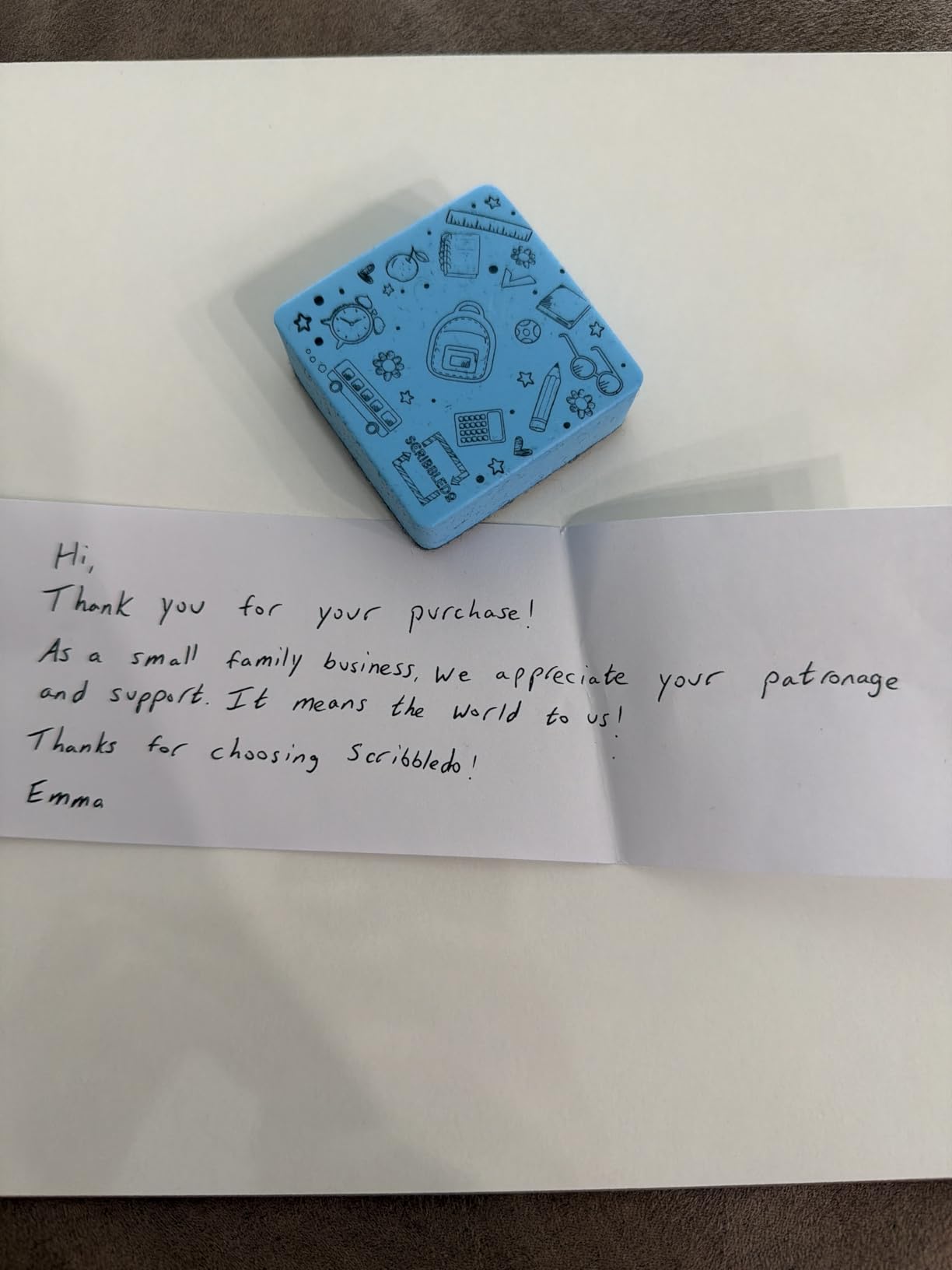
The masonite hardboard construction has held up to three years of daily use in our home. The rounded corners are a thoughtful safety feature for younger learners, and the included blue erasers actually work without leaving smears. I have tossed these in backpacks, dropped them off tables, and stored them in totes, and the surfaces still wipe clean with no ghosting.
The boards ship with a thin protective film on each writing surface that takes about 30 seconds to peel off per board. Once that is done, the surface is smooth and ready. They pair perfectly with the Amazon Basics markers in our next pick, and the price per board is far lower than buying individual whiteboards from office supply stores.
Setup and first-week tips
Buy one board per child plus two extras for the parent. Designate a wall hook or magazine holder for storage so they do not end up stacked on the kitchen counter. Label the back corner with each child’s name using a permanent marker to prevent mix-ups during group lessons.
Where this product falls short
If you teach a high school student who needs full poster-size workspace for chemistry diagrams or calculus problems, these personal boards will feel cramped. They are also not magnetic, so any curriculum that relies on magnetic fraction tiles or letter magnets will require a separate large board.
2. Amazon Basics Dry Erase Markers 12-Pack – Low-Odor Markers That Actually Erase
Amazon Basics Dry Erase Whiteboard Markers, Chisel Tip, Low-Odor, Assorted Colors, 12-Pack, Erase Easily
12 assorted colors
Chisel tip low odor
Smooth ink flow
Pros
- Vibrant assorted colors
- True low odor formula
- Chisel tip for thick or thin lines
- Erases cleanly without ghosting
- Trusted Amazon Basics quality
Cons
- Cap can dry out if left off
- No fine tip option in this pack
Markers can make or break a whiteboard setup, and after trying at least six brands over the years, the Amazon Basics 12-pack has earned permanent shelf space in our homeschool supply closet. The low-odor formula was the deciding factor for me because I run school at our kitchen table, and any marker with a strong chemical smell gives me a headache within an hour.
This 12-pack covers every color we need for color-coding, map work, and grammar diagramming. The chisel tip is more versatile than I expected; my younger kids press down for thick lines during art time, while my middle schooler angles the marker for thinner handwriting practice.
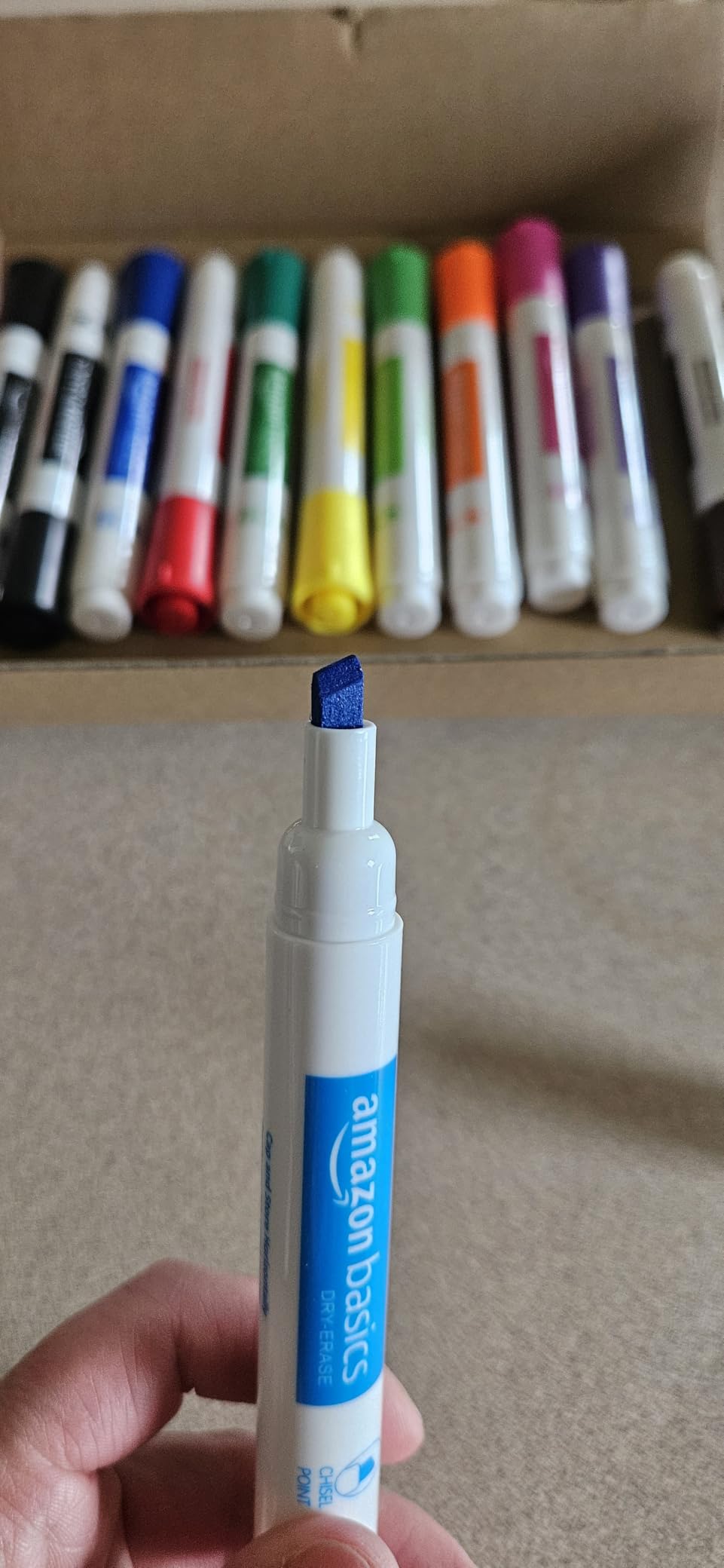
The ink flow is consistent from the first stroke to the last drop in the barrel. I have used cheaper markers that skip mid-word, which frustrates kids and slows lessons. These write smoothly every time, and they wipe off the Scribbledo boards with a single pass of an eraser or dry cloth.
With over 26,000 reviews averaging 4.5 stars, these markers have been tested by more classrooms and homeschool rooms than I could ever review on my own. They match the performance of name-brand markers I have paid three times the price for, and the assorted colors give my kids ownership over their personal whiteboard setup.
Marker care and replacement schedule
Store markers horizontally so the ink stays evenly distributed. Replace the cap firmly after every use, and the markers will last 4 to 6 weeks of daily use. We go through about one pack per quarter across three kids, so I buy three packs at the start of the school year and restock as needed.
Where this product falls short
If you need ultra-fine tips for detailed calligraphy or small handwriting, this pack only includes chisel tips. For younger children still building hand strength, the chisel tip can be harder to control than a bullet tip. You may want to keep a small stash of bullet-tip markers on hand for kindergarten and first-grade writing practice.
3. X-ACTO School Pro Electric Pencil Sharpener – The Sharpener That Stops the Pencil Fight
X-ACTO Pencil Sharpener, School Pro Electric Sharpener, Black, With Six Size Dial, XL Shavings Bin – Heavy Duty, Classroom Supplies
Electric six size dial
XL shavings bin
SafeStart motor
Pros
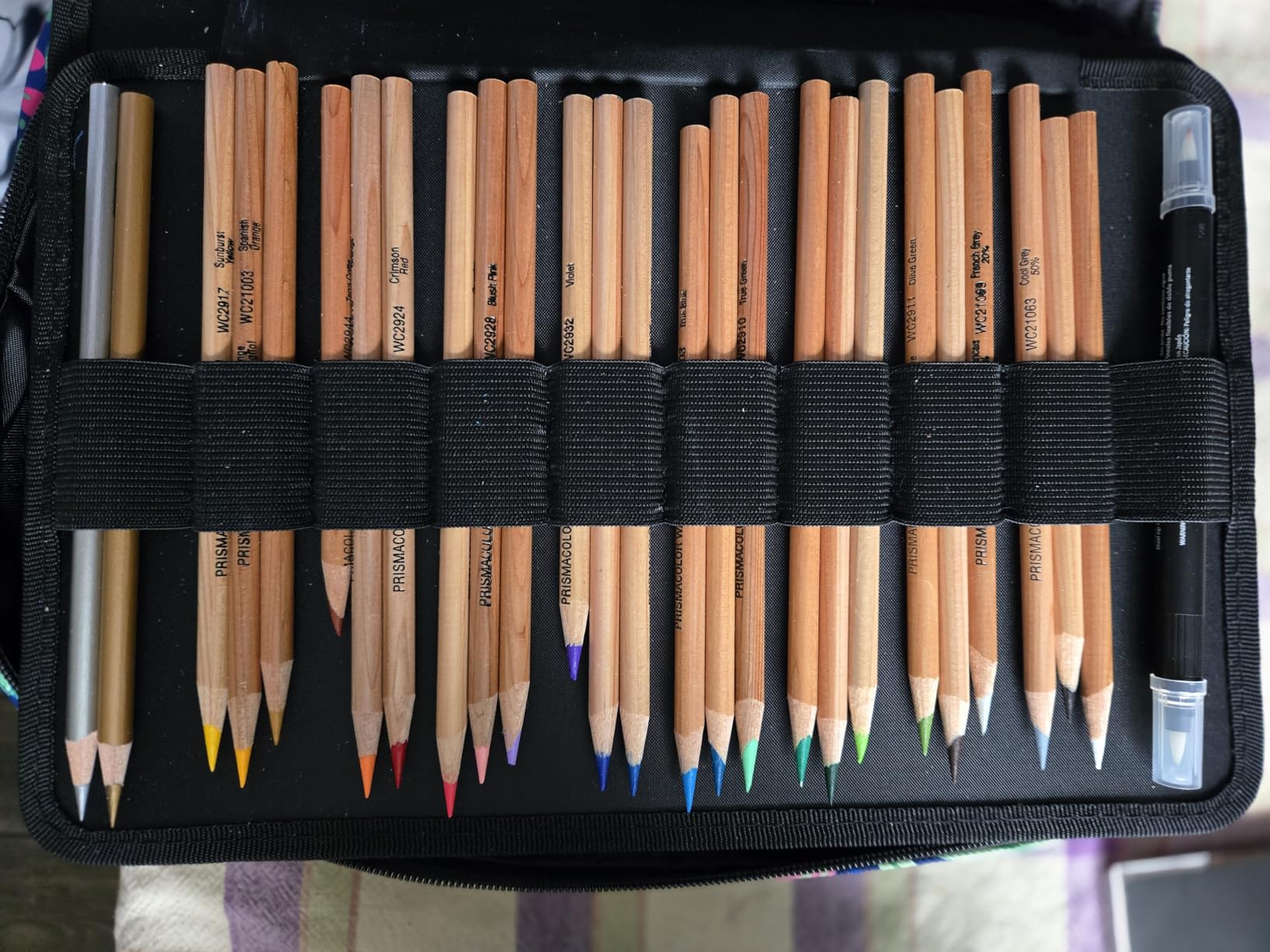
- Sharpens six pencil sizes including colored pencils
- SafeStart motor prevents injury
- XL shavings bin reduces mess
- Heavy duty build for years of use
- Two year manufacturer warranty
Cons
- Louder than manual sharpeners
- Bulkier than handheld options
Before we owned the X-ACTO School Pro, our family went through three cheap sharpeners in a single school year. The motor would burn out, the shaving bin would overflow, or the blades would stop cutting cleanly. Since we switched to this heavy-duty model in 2026, we have not replaced a single sharpener, and my kids sharpen pencils independently without asking me for help.
The six-size dial is the standout feature for a homeschool family. We use standard #2 pencils for most writing, but my daughter switched to thicker pencil grips last year, and my son uses colored pencils for art. One sharpener handles all of them without me needing to swap cutters or buy a separate unit.
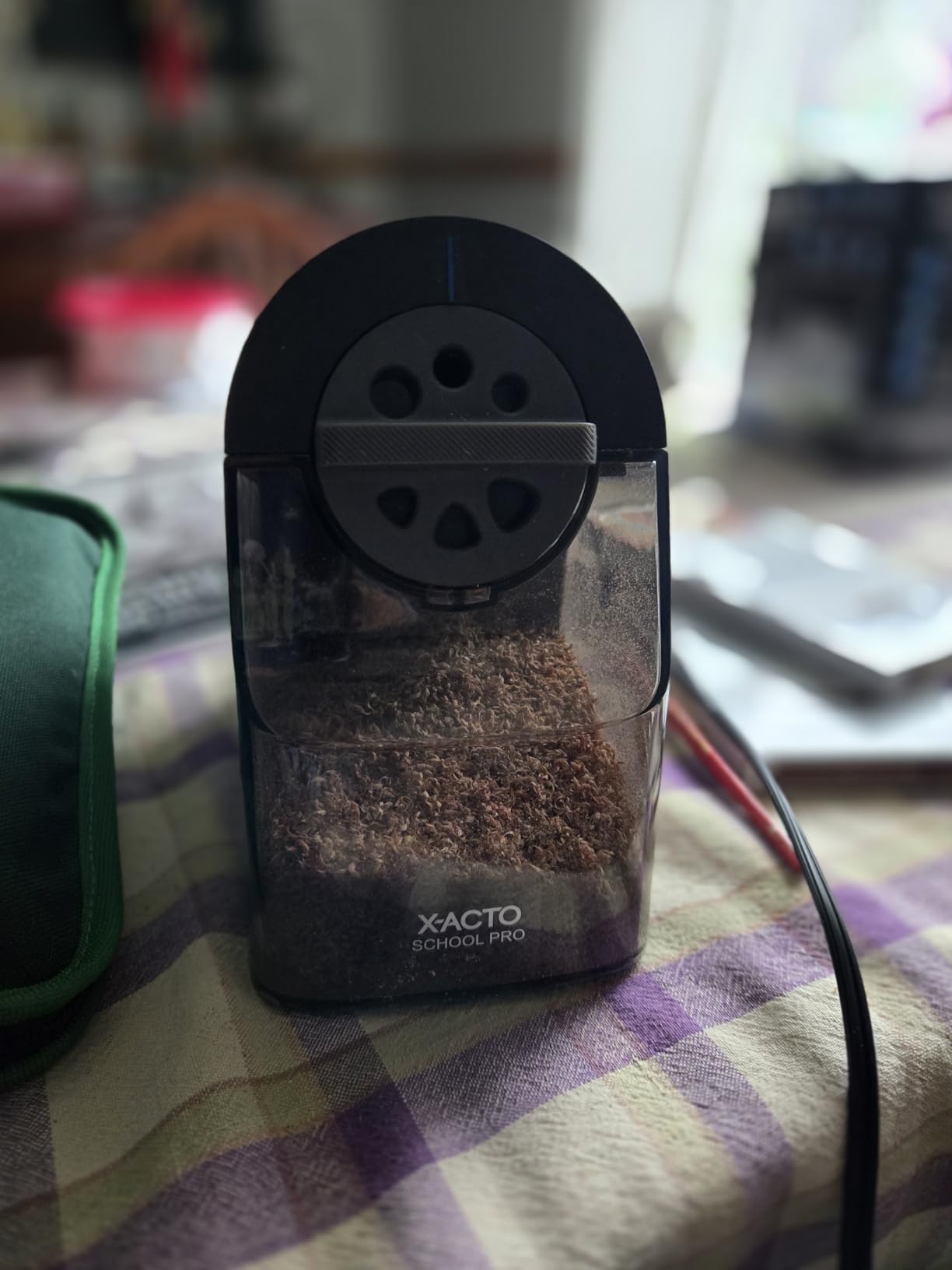
The SafeStart motor is a feature I appreciate more than I expected. The sharpener only runs when the bin is locked in place, so my six-year-old cannot accidentally stick a pencil in while the cutter is exposed. The flyaway cutter prevents over-sharpening, which used to grind down an entire pencil to a stub in my old sharpener.
Emptying the XL shavings bin is quick and clean. The bin holds about three times more shavings than the cheap models I used before, which means I empty it once a week instead of every other day. With over 10,000 reviews and a 4.5-star rating, this sharpener is the consensus pick from teachers and homeschool parents.
Placement and safety tips
Put the sharpener on a sturdy side table or shelf where small hands can reach it without climbing. Empty the bin weekly to keep the motor running cool. Keep a small brush nearby to clear pencil dust from the dial so it does not clog over time.
Where this product falls short
The motor is louder than a manual sharpener, so if you have a noise-sensitive child or share walls with neighbors, the grinding sound during quiet morning time can be disruptive. The unit is also larger than handheld sharpeners, so it needs a permanent spot on your homeschool table or shelf.
4. Ticonderoga Pencils 72 Count – The Pencil Every Homeschool Parent Trusts
Ticonderoga Wood-Cased Pencils, Pre-Sharpened, 2 HB Soft, Yellow, 72 Count
Pre-sharpened 72 count
#2 HB smooth graphite
Latex-free eraser
Pros
- Industry-leading smooth graphite core
- Pre-sharpened saves prep time
- Latex-free eraser removes cleanly
- Premium wood sharpens without splintering
- Non-toxic PMA certified for kids
Cons
- Eraser wears down faster than the pencil
- Box can be bulky for small storage drawers
Ask any seasoned homeschool parent what pencil to buy, and you will hear Ticonderoga every single time. After using generic store-brand pencils for one frustrating semester, I switched to this 72-count pack and never looked back. The pencils write smoother, sharpen cleaner, and last longer than anything else on the market.
The exclusive graphite formula is the real reason these pencils stand out. They lay down a consistent dark line without pressing hard, which matters when teaching proper pencil grip to young writers. My kindergartner’s handwriting improved noticeably within two weeks of switching because she stopped fighting the pencil.
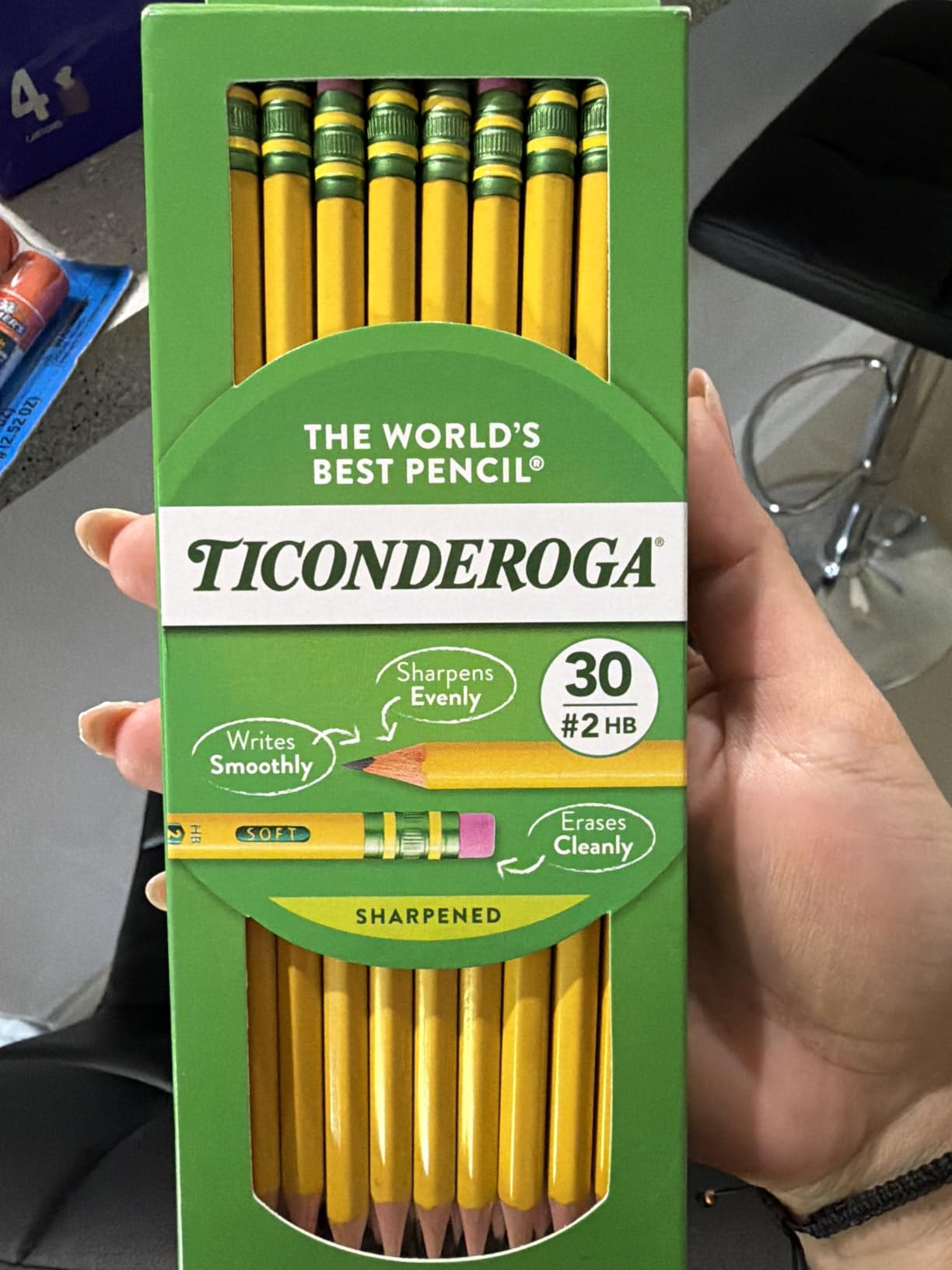
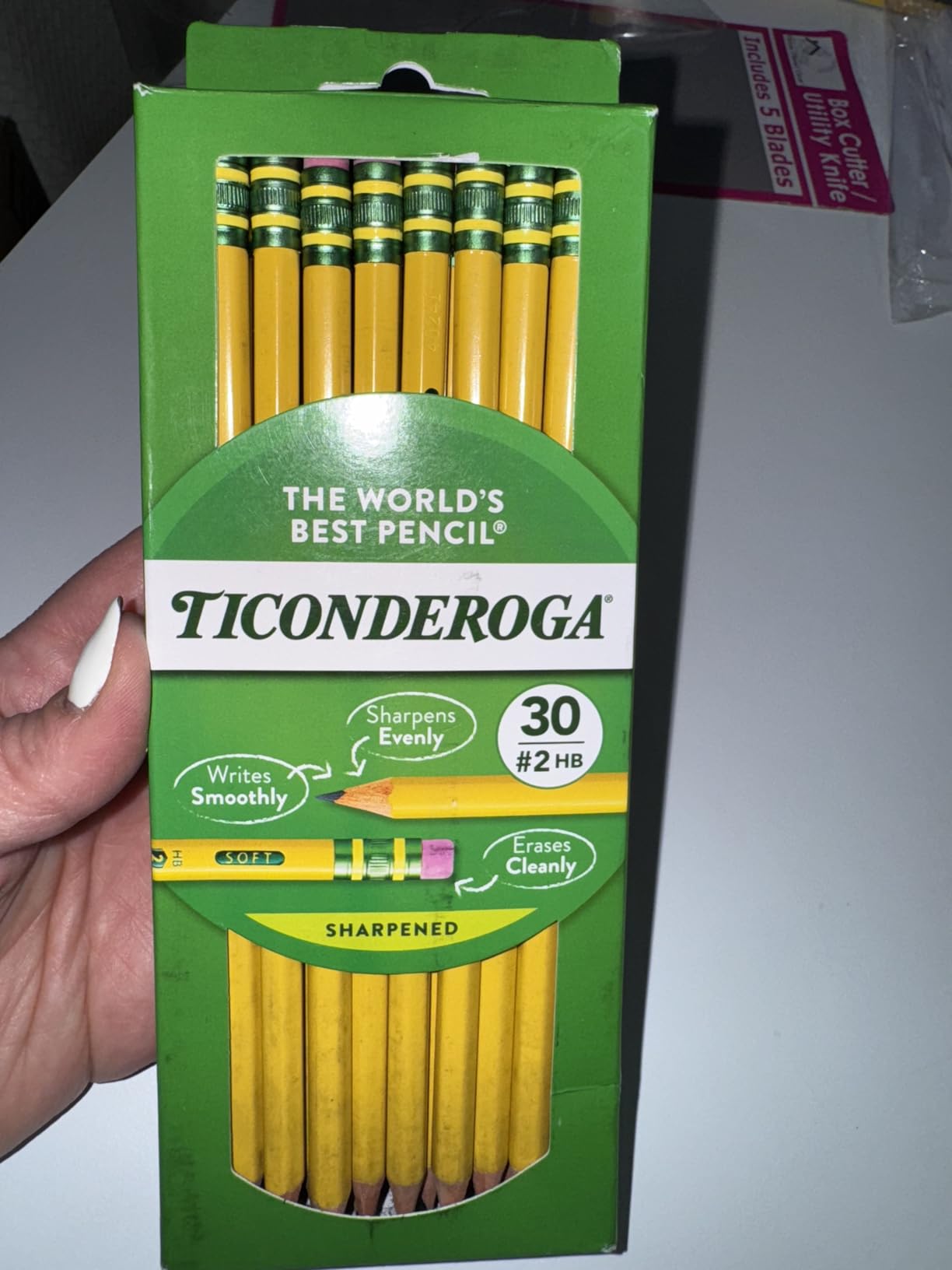
The 72-count pack is the sweet spot for a family with two to four kids. We go through about six pencils per week across three children, and a single pack lasts an entire school year with a few spares left over for next year. The pre-sharpened tip saves me about 20 minutes of prep time at the start of each semester.
With nearly 80,000 reviews and a 4.8-star rating, Ticonderoga is not just popular; it is the trusted standard. Teachers order these by the case, homeschool parents rebuy them every August, and the latex-free eraser removes marks cleanly without smudging across the page.
How to make a 72-count last all year
Assign each child a labeled cup or pouch with 6 to 8 pencils at a time. When a pencil gets too short to sharpen, retire it to a “lost pencil” jar for emergency use. Buy the 72-count in late summer when back-to-school sales hit, and you will save significantly compared to buying smaller packs throughout the year.
Where this product falls short
The eraser tip wears down faster than the pencil itself, which is normal for any quality pencil. Younger kids tend to press too hard and wear the eraser flat within a month. You may need separate erasers for heavy eraser users, but the pencil itself will keep writing long after the eraser is gone.
5. Oxford Composition Notebooks 6-Pack – The Workhorse Notebook for Every Subject
Oxford Composition Notebooks, 6 Pack, Cover Colors Vary, Wide Ruled Paper, 9-3/4 x 7-1/2 Inch School Journals, Assorted Marble Covers, 100 Sheets, per Book (63762)
6 pack 100 sheets
Wide ruled sewn bound
Marble covers assorted
Pros
- Sewn binding is more secure than spiral
- Marble covers include reference charts
- Wide ruled pages for young writers
- Affordable 6-pack value
- Works for every subject from math to journaling
Cons
- Covers are plain cardboard not decorative
- Bulkier than spiral notebooks
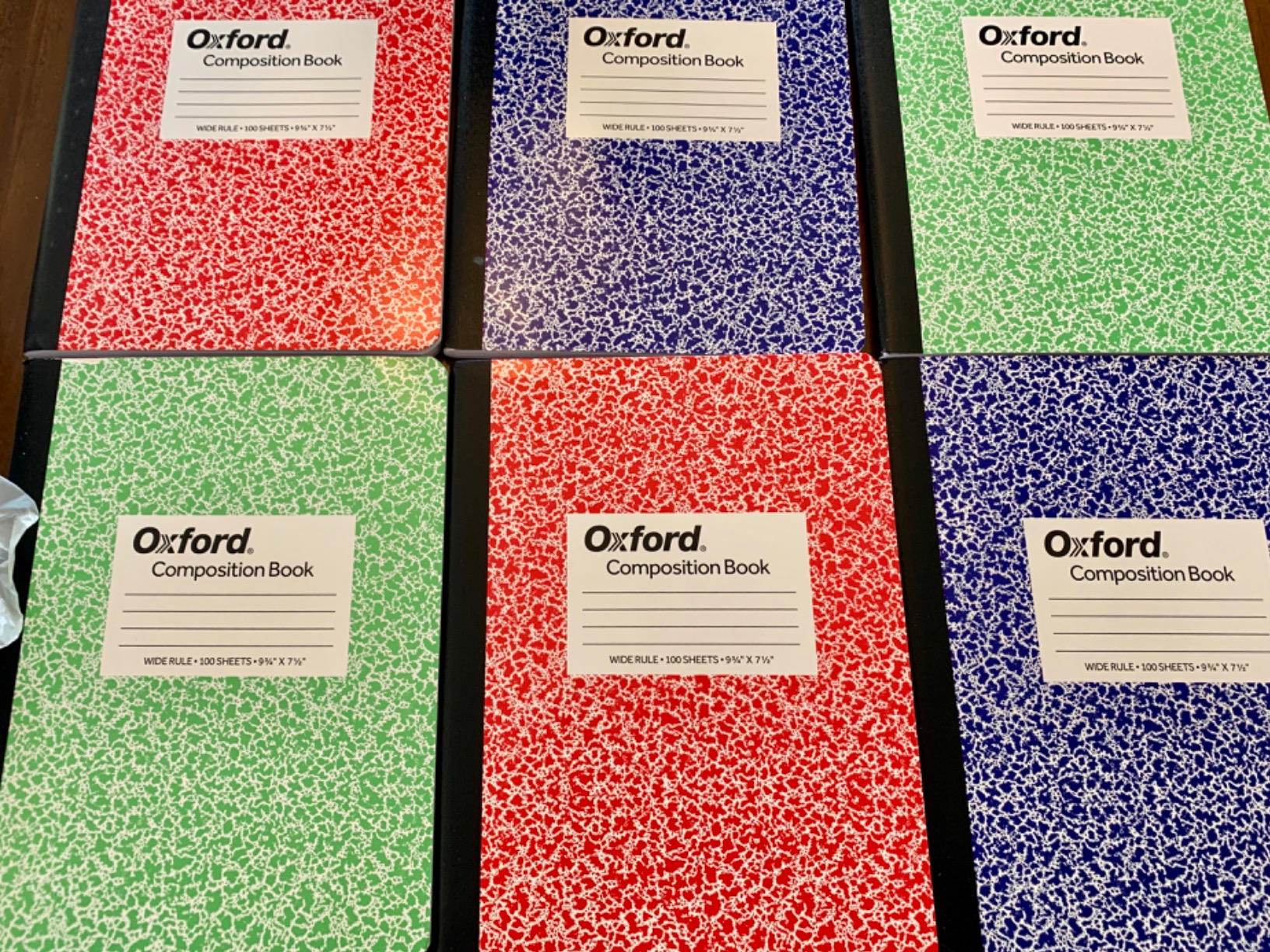
Composition notebooks are the unsung hero of our homeschool supplies. We use them for math, spelling, copywork, science observations, history notes, and personal journaling. After trying five different brands, the Oxford 6-pack delivers the best combination of durability, paper quality, and price per notebook.
The sewn binding is the feature that sold me. Spiral notebooks get bent in backpacks, pages tear out easily, and the coils catch on everything. Composition notebooks lay flat, hold up to daily use, and survive being stuffed in a homeschool tote without losing pages.
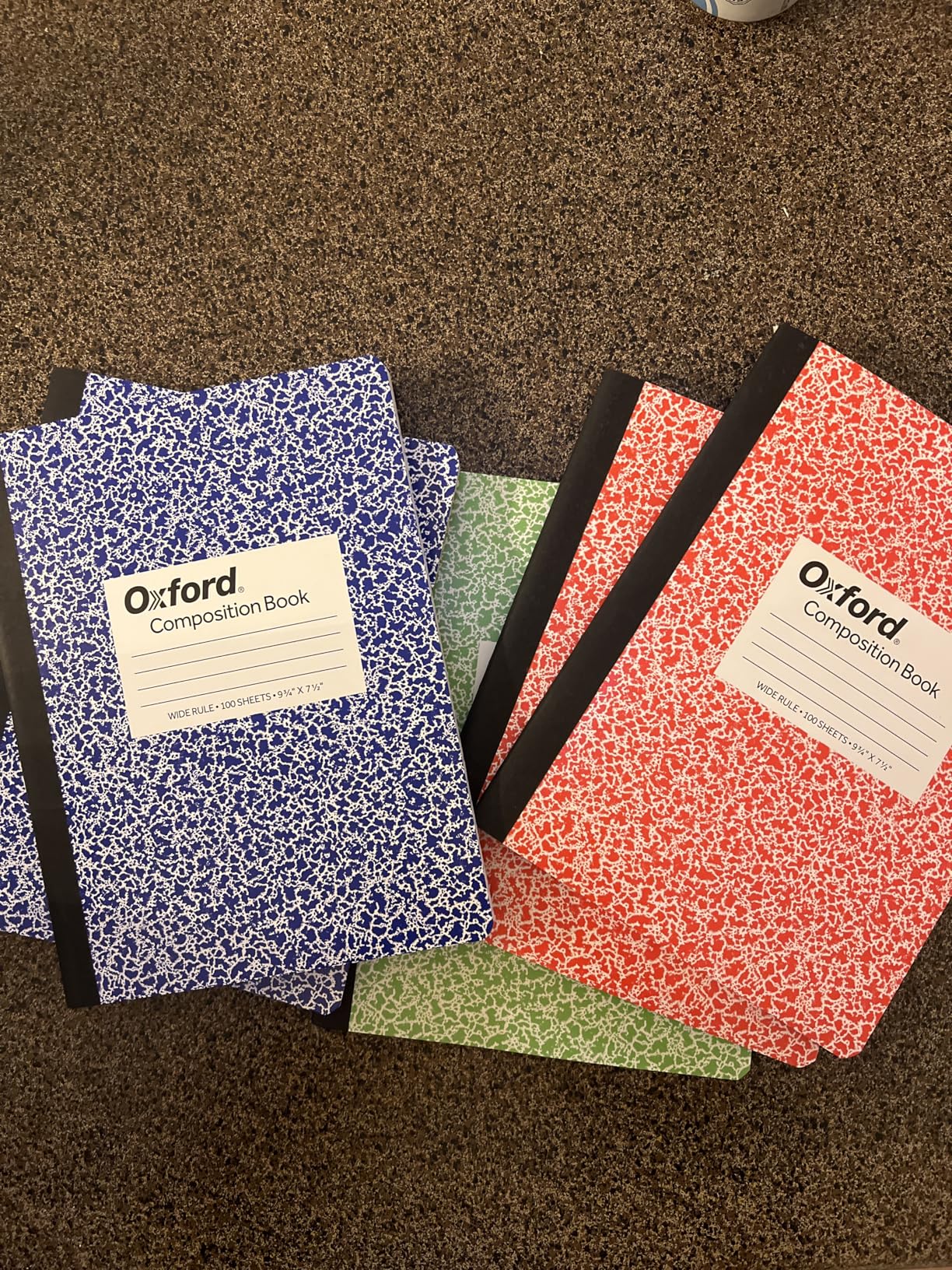
Each notebook contains 100 sheets of wide-ruled paper. Wide ruling matters more than people realize; my second grader’s handwriting became neater within weeks of switching from college-ruled to wide-ruled because she had room to form each letter properly.
The assorted marble covers are a small but fun detail. Each of my kids picks their favorite color at the start of the year, and the conversion charts printed inside the front cover have come in handy more times than I can count for measurement conversions and basic formulas.
How to organize notebooks by subject
Use one notebook per core subject per child. Label the front cover with a subject label or sticker. Reserve the last 10 pages of each notebook for vocabulary lists, and the first 2 pages for a table of contents. At the end of the year, you have a complete record of what your child learned.
Where this product falls short
The cardboard covers are plain and not decorative, so if your kids love colorful or character-themed school supplies, these may feel boring. They are also slightly bulkier than spiral notebooks, so they take up more room in a small backpack or pencil pouch.
6. Blablaovy 48-Color Watercolor Set – Affordable Art That Holds Up
48 Colors Washable Watercolor Paint Set, with 3 Brushes Pen
48 vivid colors
3 brushes included
Non-toxic washable
Pros
- Wide color range for the price
- Non-toxic safe for all ages
- Portable case doubles as palette
- Blendable smooth pigment
- Washes out of clothes easily
Cons
- Small paint wells for older artists
- Pans can crack if dropped hard
Watercolor paints used to be a supply I bought grudgingly because my kids would use them twice and then lose interest. The Blablaovy 48-color set changed that. The variety of colors keeps my kids engaged for hours, and the portable case means we can take art outside for nature journaling without a separate palette.
For under $10, you get 48 colors, two paintbrushes, and a water brush pen. The value is hard to beat for a homeschool family on a budget. My kids use these for art class, science illustrations, map coloring, and poetry copywork, and we have not needed to buy a replacement after six months of weekly use.
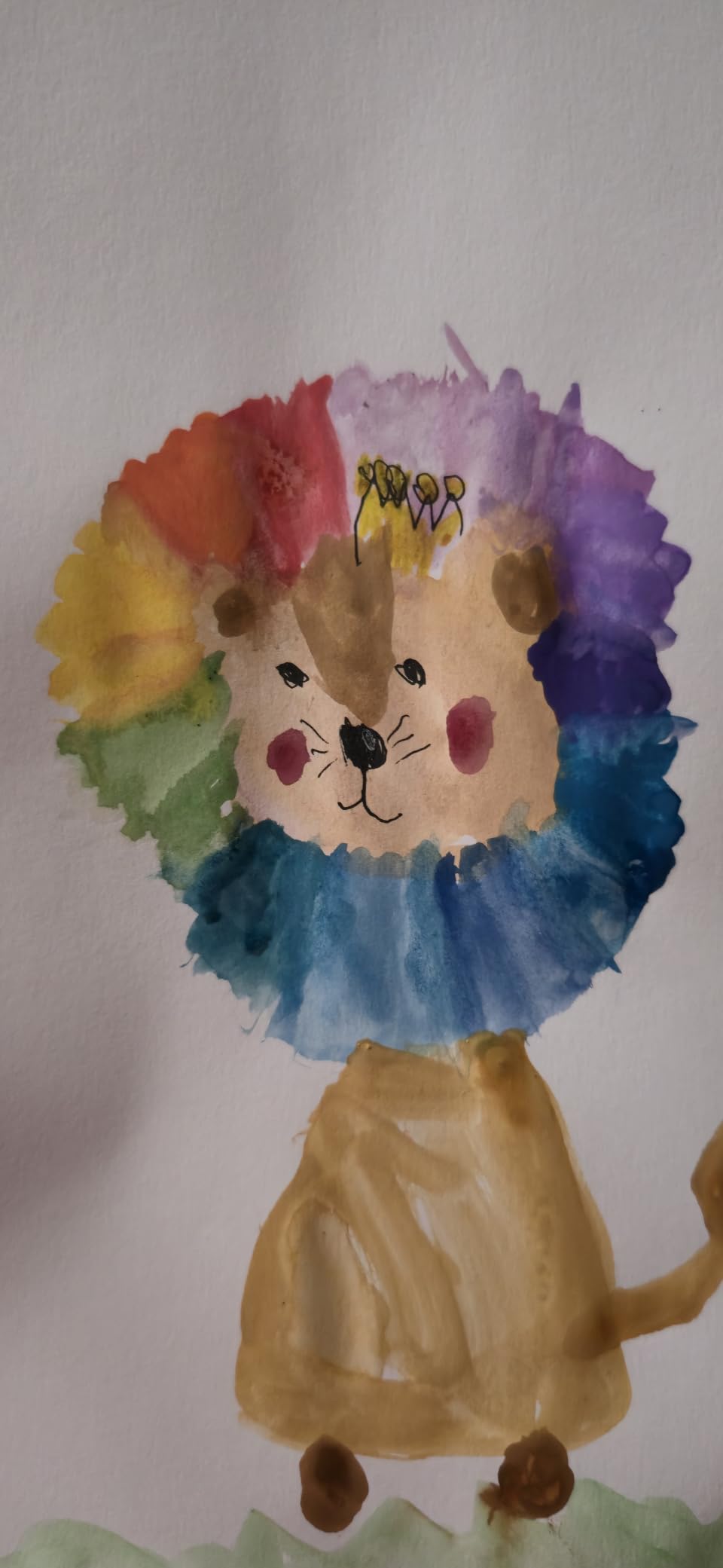
The non-toxic certification gives me peace of mind because my six-year-old still occasionally puts brushes in her mouth during focused art time. The washable formula also means I have not ruined a single shirt despite the inevitable spills that come with kids and watercolors.
The lid of the case pops off and doubles as a mixing palette, which my older kids love for blending custom colors. The pigment quality is smooth and blendable, comparable to more expensive artist-grade sets I have used in the past.
Best uses across age ranges
For kindergarten through third grade, use the paints with thick watercolor paper for resist projects. For middle school, pair the set with a water brush pen for field sketching during nature walks. Store the case flat to prevent the pans from cracking if dropped.
Where this product falls short
The individual paint wells are small, so older artists working on larger pieces may run out of pigment quickly. The plastic pans can crack if the case is dropped on a hard floor, so store it on a high shelf or in a secure drawer when not in use.
7. Crayola Crayons Bulk 24-Pack – 576 Crayons to Last the Whole Year
Crayola Crayons Bulk (24 Packs), Teacher Classroom Must Haves & Essentials
24 boxes of 24 colors
576 total crayons
Trusted Crayola quality
Pros
- 576 crayons covers a full school year
- Vibrant smooth coloring experience
- Trusted non-toxic formula for kids
- Affordable per-crayon cost
- Bulk format reduces restocking
Cons
- Box storage takes up space
- Wax can break if left in hot cars
Crayons are one of those supplies you can never have enough of. They roll under furniture, get chewed by younger siblings, and disappear into couch cushions at an alarming rate. Buying the Crayola 24-pack bulk set solved our crayon shortage problem for an entire school year across three kids.
The classic Crayola quality is what keeps me coming back. The pigments lay down smoothly, the colors match the standard crayon box we all grew up with, and the wax formula does not crumble mid-coloring the way cheaper brands do.
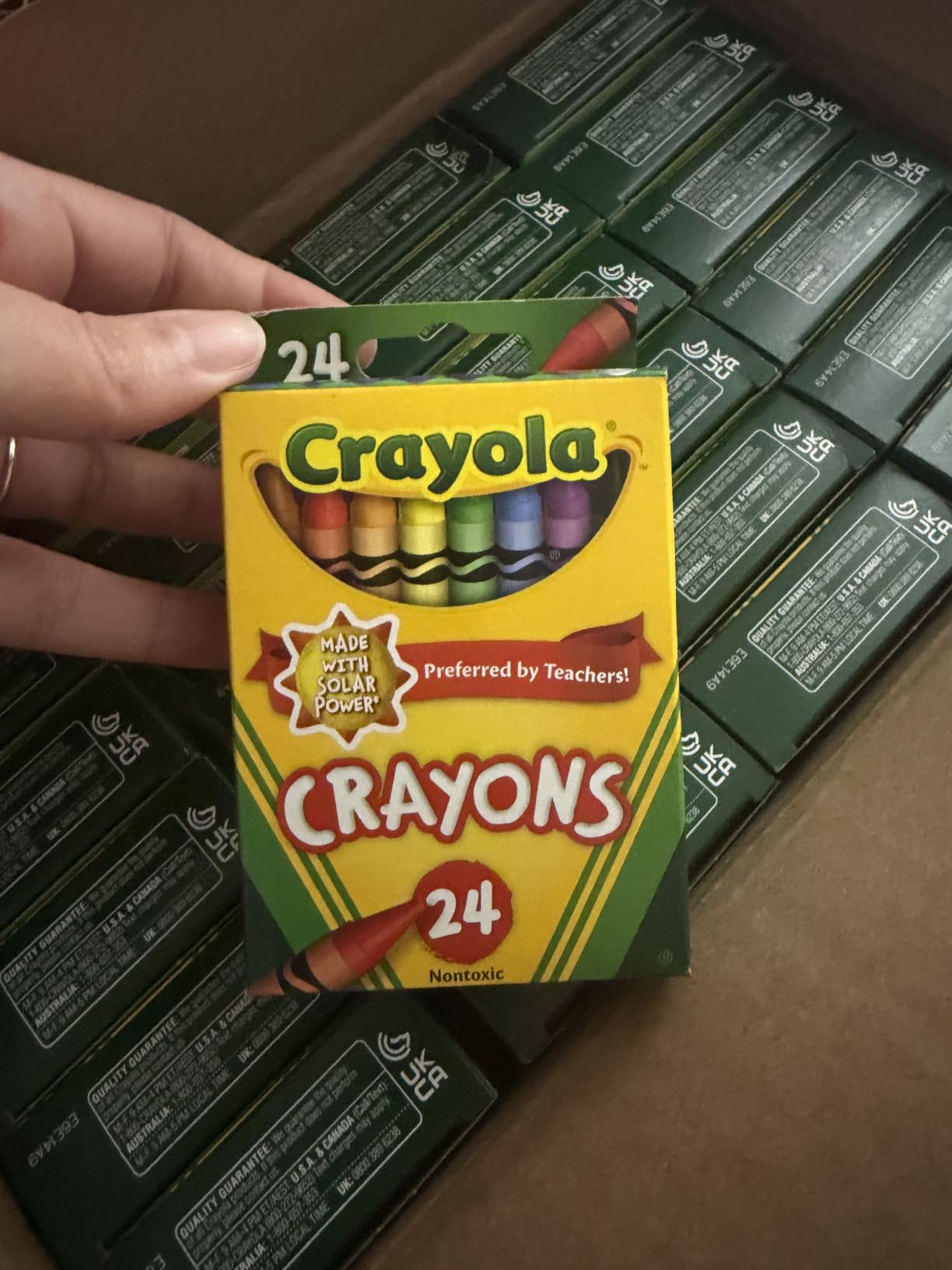
Each box contains 24 colors, and 24 boxes give us 576 total crayons. We store extra boxes in our homeschool closet and refill the active crayon cups when one runs low. My kids color maps, illustrate stories, and complete art assignments without fighting over the “good” box anymore.
The non-toxic certification and durability of Crayola wax make these safe for our kindergartner and reliable enough for our middle schooler who uses crayons for map shading in geography lessons.
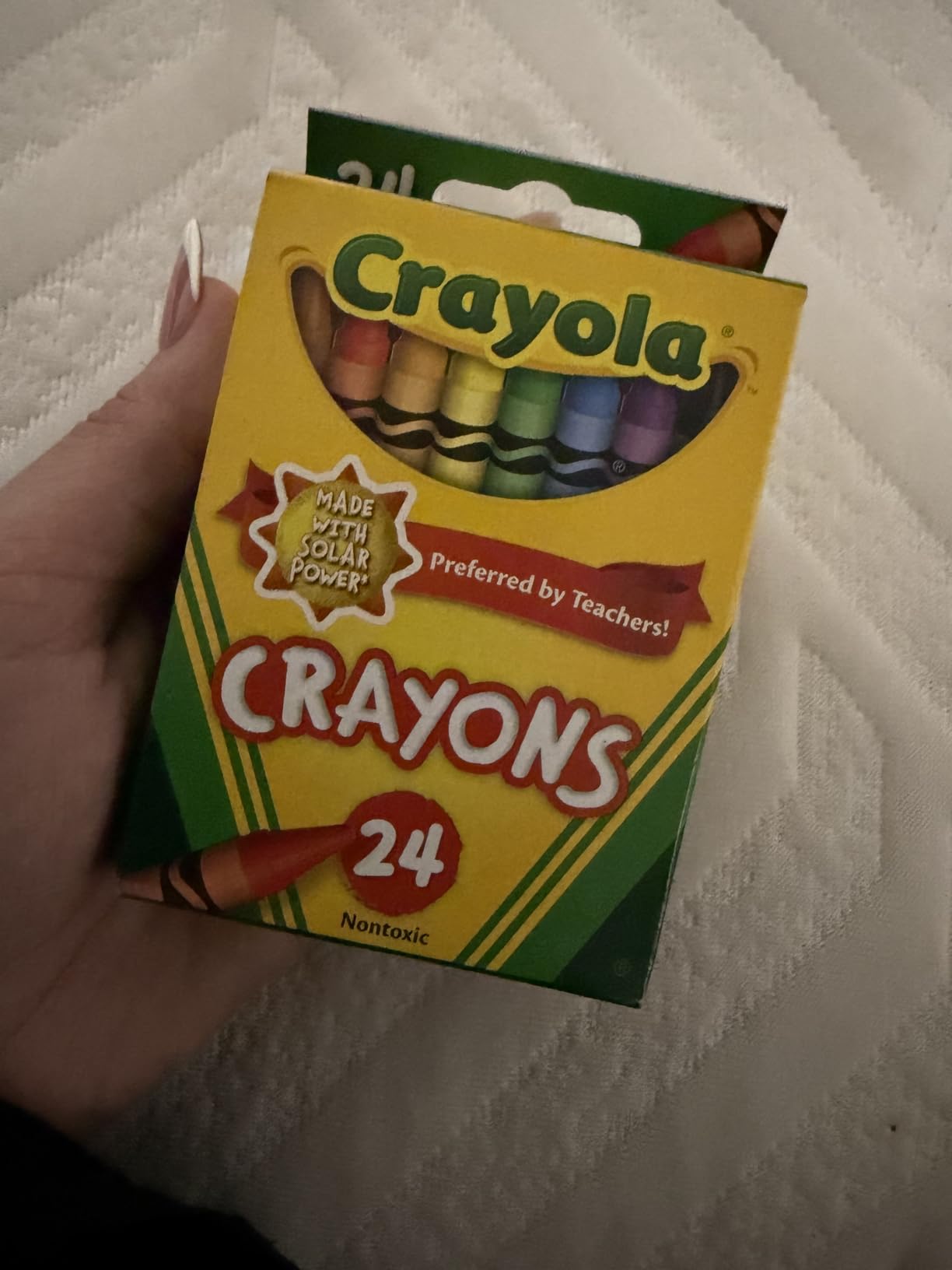
Storage and organization tips
Decant one box per child into individual cups at the start of the year. Store the remaining boxes in a closet or drawer sorted by color family. Replace individual crayons by dipping the broken stub into hot water and pressing it back into the empty slot for a quick fix.
Where this product falls short
The bulk packaging takes up significant shelf space, so if your homeschool room is small, plan a dedicated storage bin. Crayons can melt if left in a hot car or attic, so avoid storing extras in places that get warm.
8. Scotch Thermal Laminator TL901X – The Laminator That Saves Worksheets for Years
Scotch Thermal Laminator, 2 Roller System for a Professional Finish, Use for Home, Office or School, Suitable for use with Photos (TL901X)
2 roller system
9 inch width
Letter-size laminating
Pros
- Bubble-free professional finish
- Laminates one page per minute
- Accepts 3 and 5 mil pouches
- Marker-proof and tear-proof output
- Compact for home office use
Cons
- 5 minute warm up time
- Replacement pouches sold separately
I resisted buying a laminator for years because I thought it was an unnecessary expense. After one semester of reprinting the same multiplication chart and alphabet poster every few weeks because they got torn or stained, I broke down and bought the Scotch TL901X. It has saved me countless hours and dollars in reprint costs since.
The 2-roller system with adjustable temperature is the difference between this laminator and cheaper models. I have used budget laminators that produced wrinkled, bubbled pouches that peeled apart within weeks. The TL901X produces flat, smooth laminations that hold up to daily handling by kids.
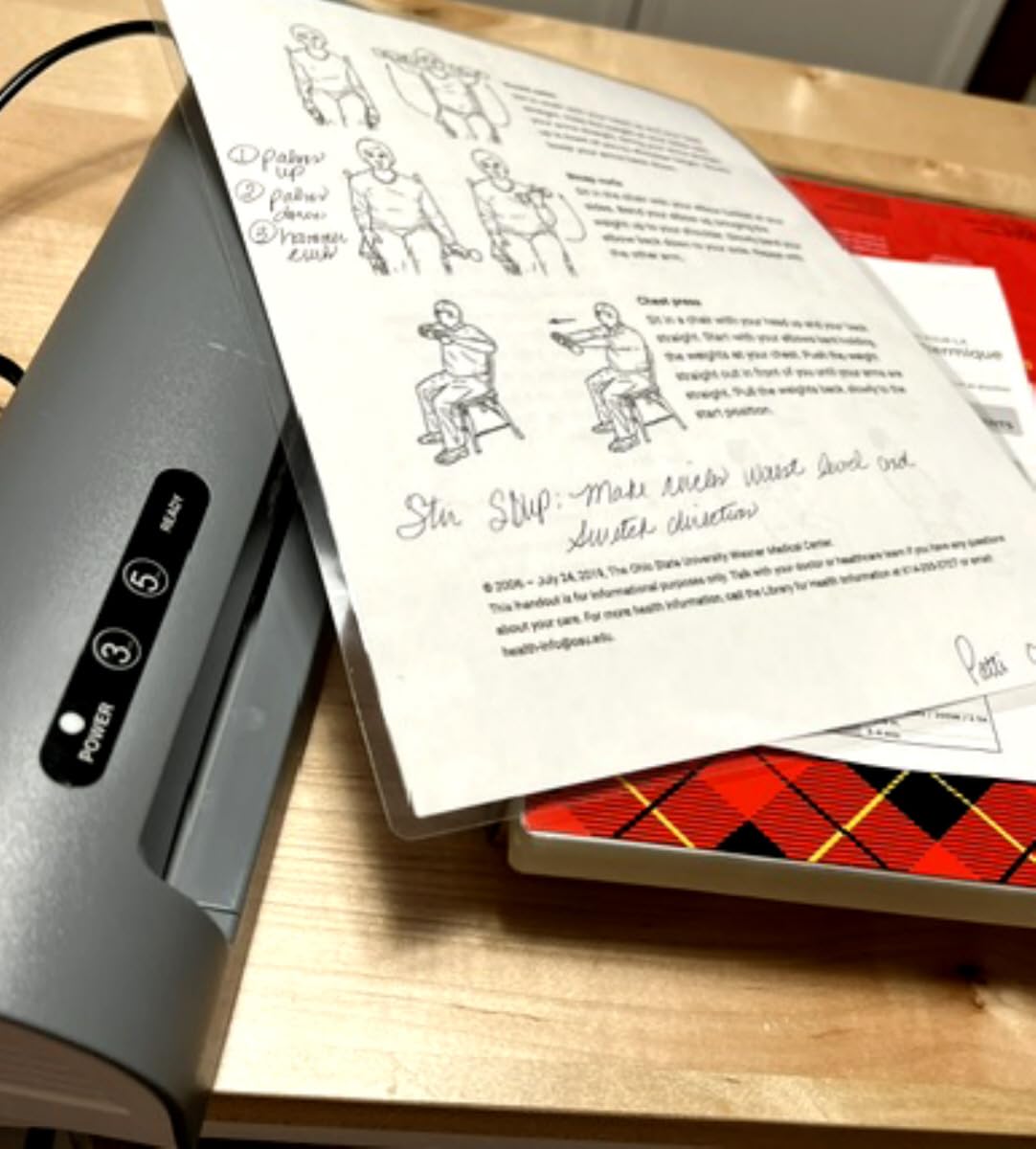
The laminator handles both 3 mil and 5 mil pouches up to 9 inches wide. We use 3 mil for reference charts and 5 mil for heavily used items like handwriting practice sheets and daily schedule cards. Both thicknesses come out crystal clear with no cloudiness.
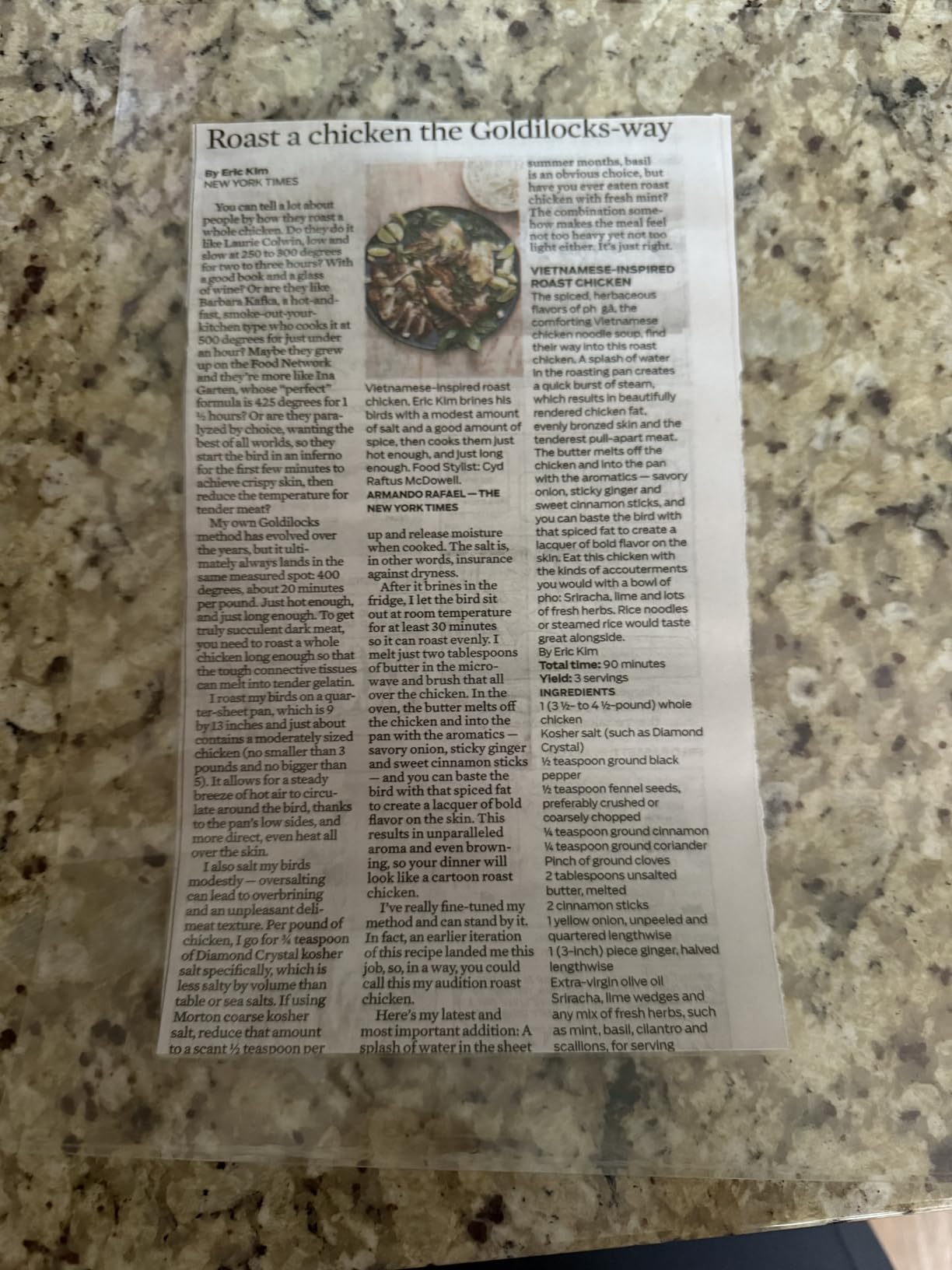
One of my favorite uses is laminating matching games, file folder activities, and Montessori-style learning materials. Items I laminated two years ago still look new, and my kids use them weekly without any wear. The marker-proof surface means I can use dry erase markers on laminated pages and wipe them clean.
What to laminate for maximum reuse
Laminate anything your child references more than five times: alphabet charts, number lines, multiplication tables, handwashing routines, chore charts, and map outlines. Use dry erase markers on laminated pages to make writing practice sheets reusable for the whole year.
Where this product falls short
The 5-minute warm-up time is longer than some competitors, so if you laminate one item at a time throughout the day, you may find yourself waiting. Replacement pouches are sold separately, so budget for ongoing supply costs beyond the initial laminator purchase.
9. Replogle Student World Globe 12-Inch – The Geography Supply That Teaches Without Trying
Replogle Student – Educational Classic World globe, Blue Ocean, Raised Relief feature, including a bonus map, made in USA, 12″/30cm diameter
12 inch diameter
Raised relief 3D texture
Bonus map included
Pros
- Raised relief makes mountains tactile
- Accurate political boundaries
- US states color coded for easy ID
- Sturdy wood base for stability
- Includes bonus double-sided map
Cons
- Some find the 12 inch size too small
- USA-made but not handmade
A globe was one of the first supplies I bought when we started homeschooling, and the Replogle Student Globe has been the most durable piece of geography equipment we own. Seven years later, the same globe sits on our homeschool shelf and gets used weekly for history lessons, geography drills, and current events.
The 12-inch diameter is the right size for a homeschool family. Smaller globes feel cramped and lack detail. Larger globes take up too much shelf space. The 12-inch size balances detail and practicality.
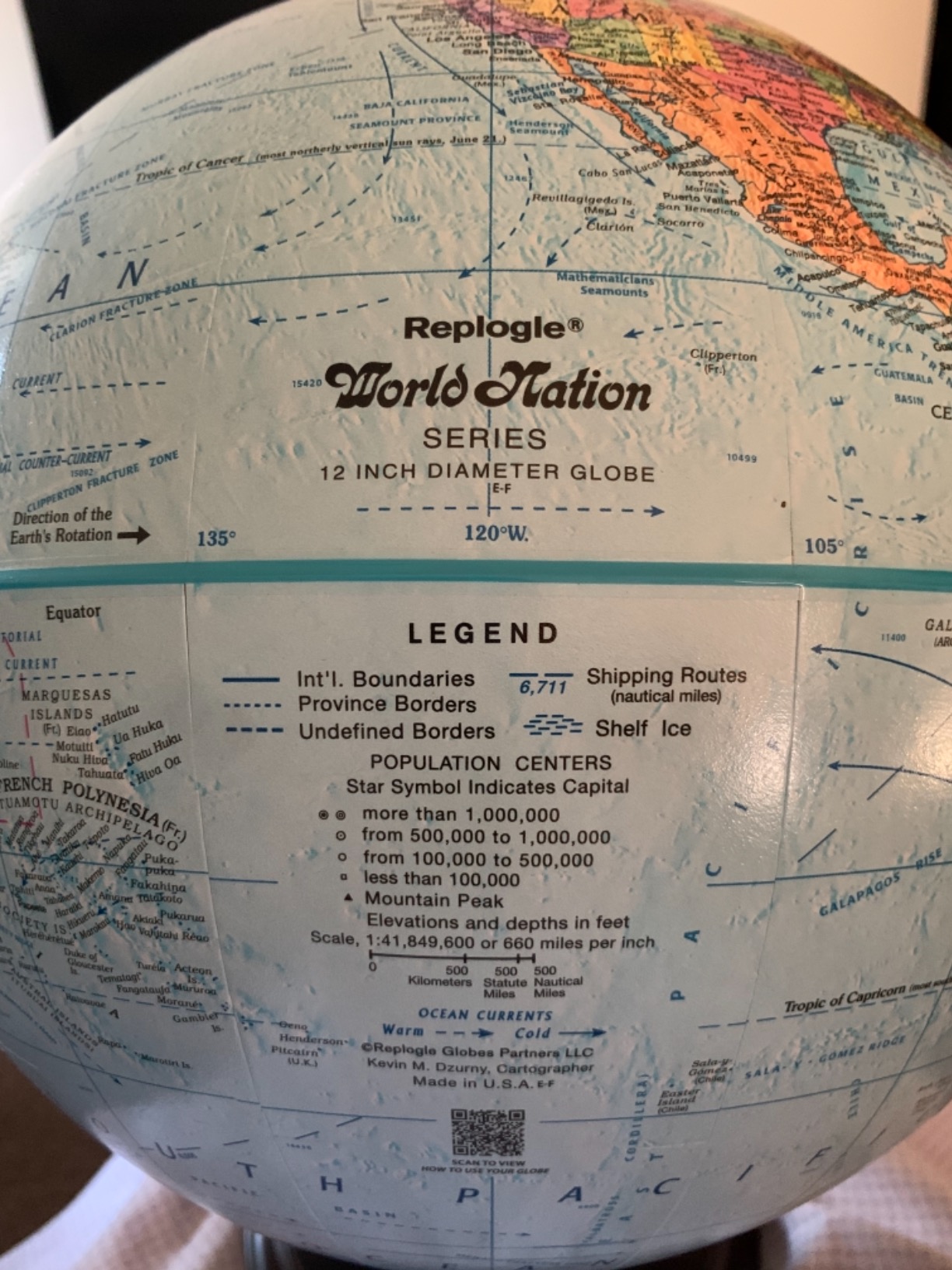
The raised relief feature is what sets this globe apart from cheaper models. My kids can actually feel the Andes mountains and the Himalayas under their fingertips, which makes geography memorable in a way that flat maps never do. We use this for tactile learning games where my kids close their eyes and identify continents by texture.
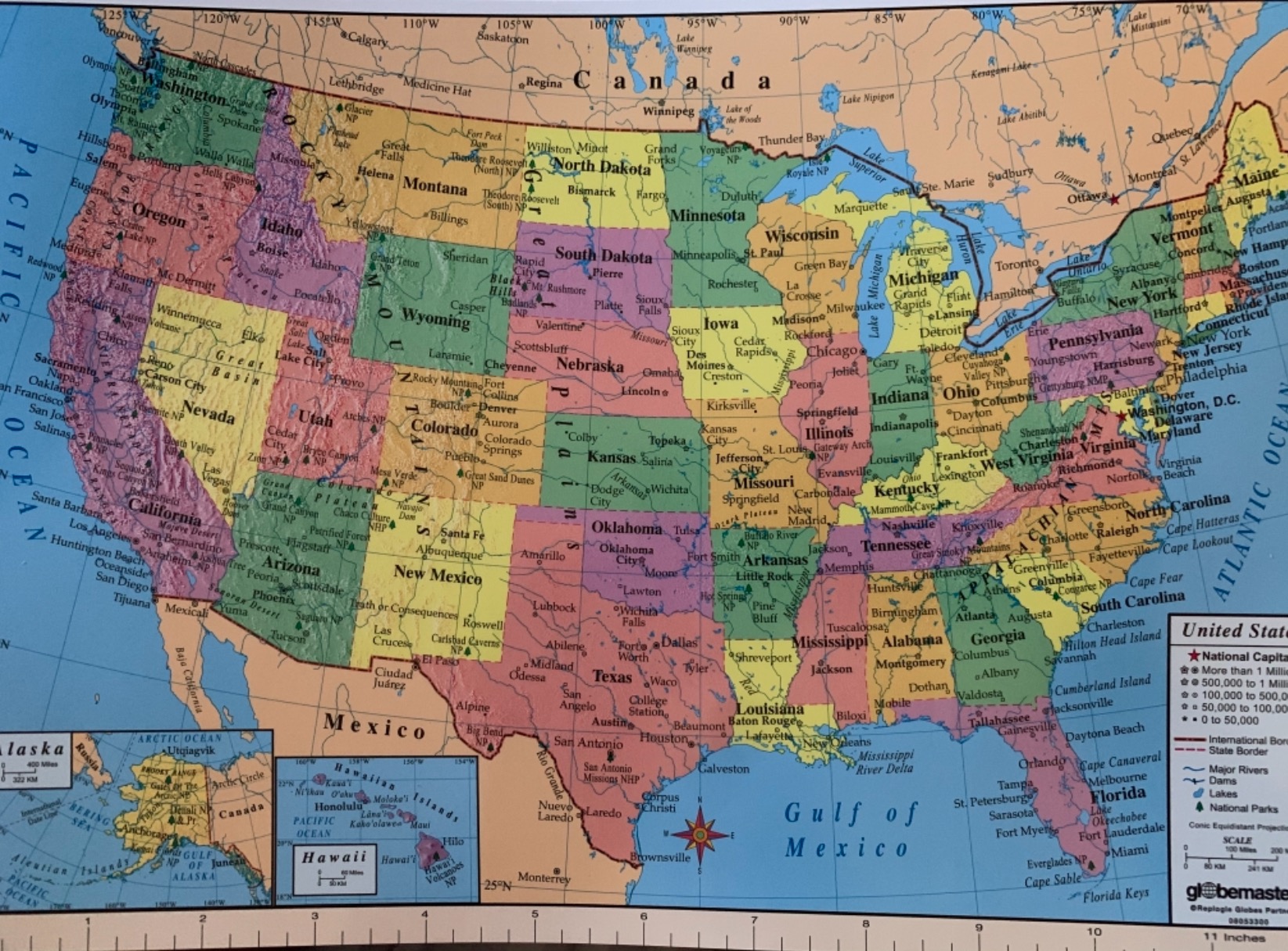
The blue ocean political map is clear and color-coded by region. US states are marked in different colors, which makes state identification much easier than monochrome globes. The accurately tilted axis with time dial teaches concepts like rotation and time zones without me having to explain them.
How to integrate the globe into weekly lessons
Pick a country or continent each week and locate it on the globe together. Use the bonus map for flat reference work. Pair the globe with current events by finding news locations as a family. Make a globe scavenger hunt for state capitals or major rivers.
Where this product falls short
The 12-inch size may feel small for older students who want detailed topographic information. The globe is not illuminated, so for low-light learning sessions you may need an additional lamp. It is also more expensive than basic globes, but the durability and accuracy justify the cost.
10. Paper Peony Press Homeschool Planner – The Planner That Keeps the Whole Year Organized
The Homeschool Planner: Beautiful and Undated with Monthly Tabs | To Do List, Goals, Meal Planning & Academic Tools | Homeschooling, Distance Learning & Family Organizer | Gold Spiral
Undated monthly tabs
Meal and grade tracking
192 pages spiral bound
Pros
- Undated format works for any start month
- Monthly tabs for quick navigation
- Includes meal and goal planning
- Tracks attendance and grades
- Durable spiral binding with reinforced corners
Cons
- No daily lesson planning pages
- Smaller than full-size planners
I have tried digital planners, printable planners, and bullet journals for our homeschool schedule. The Paper Peony Press homeschool planner is the first paper planner that has stuck. The undated format means I can start using it in September, January, or any month in between without wasting pages.
The monthly tabs are a simple feature that saves me time every single day. I flip to the current month in seconds instead of searching through dozens of unmarked pages. The spiral binding lays flat on the table, which is essential when I am writing lesson plans during my morning coffee.
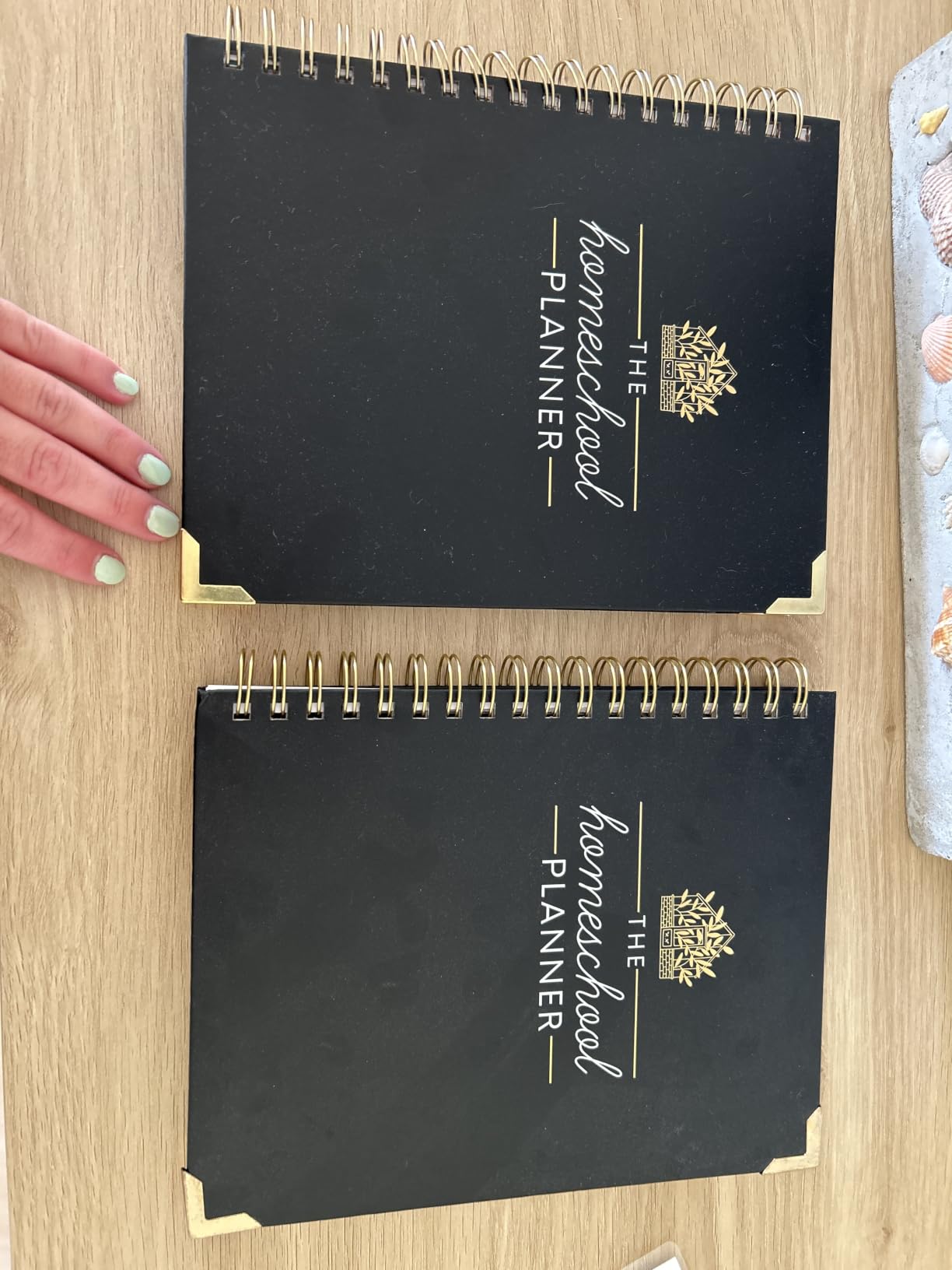
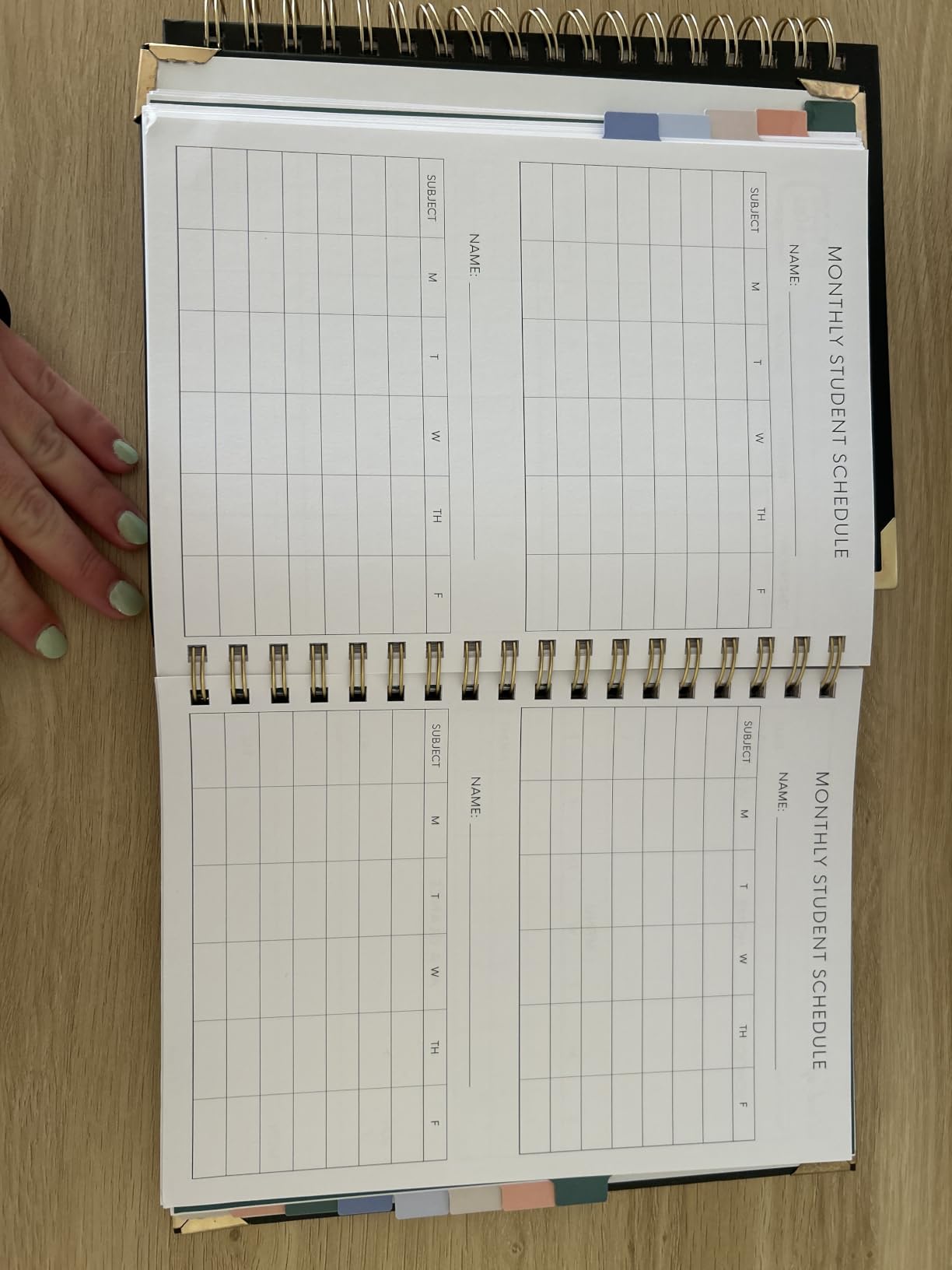
The planner includes sections for goal setting, weekly scheduling, attendance tracking, grade recording, reading logs, meal planning, and field trip ideas. Having all of these in one bound book eliminates the chaos of sticky notes, random printouts, and forgotten deadlines.
The 192 pages cover a full academic year with room for two to three children per page. The gold spiral binding is sturdy, and the reinforced corners have held up to daily use in my bag and on the kitchen counter.
How to set up the planner for the year
Fill in the goal-setting pages at the start of each quarter. Use the weekly scheduling pages to block core subjects by day. Track attendance daily and grades weekly to spot progress gaps early. Pair the planner with a digital calendar for time-sensitive appointments.
Where this product falls short
The planner does not include detailed daily lesson planning pages, so if you prefer to script every minute of the school day, you will need a separate curriculum planner. The size is also smaller than a full 8.5 by 11 inch planner, which means the writing space for each day is more limited.
Buying Guide: How to Choose the Best Homeschool Supplies for Parents
After testing these supplies across three kids and seven years of homeschooling, I have learned that the right homeschool supplies depend on your family’s specific needs. Here is how to decide what to prioritize based on grade level, budget, and family size.
What to prioritize for new homeschool families
Start with the basics: pencils, composition notebooks, a whiteboard set, dry erase markers, and a homeschool planner. These five supplies cover 80% of daily lesson needs and cost less than $75 total. Add art supplies like crayons and watercolors once you have the core writing tools covered.
Budget vs premium supply choices
The Ticonderoga pencils and Oxford notebooks outperform more expensive alternatives. Spend extra on the electric pencil sharpener and laminator because both items last five to ten years and get daily use. Save money on art supplies because kids outgrow crayons quickly and watercolor sets get used up.
Multi-child organization strategies
Buy supplies in bulk and assign individual cups, totes, or baskets per child. Label everything with the child’s name using a label maker or permanent marker. Stock one electric sharpener per family rather than per child to reduce clutter and cost.
Digital versus physical organization
Physical planners like the Paper Peony Press work better for daily lesson planning because you can flip pages quickly during class. Use digital calendars for doctor appointments, co-op schedules, and field trip dates. Pair the homeschool planner with a notes app for capturing ideas on the go.
Seasonal supply refresh schedule
Replace pencils and crayons at the start of each semester. Reorder dry erase markers when colors start to fade. Laminate new reference charts at the start of the year. Rotate art supplies quarterly to keep kids engaged with fresh materials.
FAQs
What supplies should I get for homeschooling?
The essential homeschool supplies for parents include Ticonderoga pencils, composition notebooks, dry erase whiteboards, dry erase markers, an electric pencil sharpener, basic art supplies (crayons and watercolors), a thermal laminator, a world globe, and a homeschool planner. Start with these ten items before adding subject-specific materials like science kits or math manipulatives.
How many hours a day should I homeschool my child?
Most homeschool families spend 2 to 4 hours on focused academics per day for elementary students, with another 1 to 2 hours of hands-on learning, reading, and exploration. Middle and high school students typically need 4 to 6 hours of structured study. The exact hours depend on your child’s age, attention span, and curriculum depth rather than the supplies you use.
What supplies do I need for kindergarten homeschool?
For kindergarten homeschool, focus on pre-sharpened pencils, a primary composition notebook, large crayons, washable watercolors, child-safe scissors, glue sticks, a personal whiteboard set, and a picture-based homeschool planner. Skip advanced items like a laminator or globe until your child shows sustained interest in handwriting and geography.
Do homeschooled kids do better in life?
Research consistently shows that homeschooled students perform above average on standardized tests, have higher college graduation rates, and report stronger family relationships than their public school peers. Outcomes depend more on parental engagement, curriculum choice, and community involvement than on specific supplies, but having the right tools reduces friction and supports daily learning success.
Final Thoughts on Building Your Homeschool Supply List
The best homeschool supplies for parents are not the most expensive or the most popular. They are the supplies your kids actually reach for every day. After seven years of testing, the ten picks in this guide cover writing, art, organization, geography, and planning without blowing your budget or cluttering your shelves with unused items.
Start with the Ticonderoga pencils, Scribbledo whiteboards, and Oxford composition notebooks for the core of your daily lessons. Add the X-ACTO sharpener, Amazon Basics markers, Crayola crayons, and Blablaovy watercolors for art and writing support. Finish with the Scotch laminator, Replogle globe, and Paper Peony Press planner for organization and long-term reuse.
Whether you are building a homeschool supplies list for the first time or refreshing your stash for 2026, these supplies have been tested by our family and thousands of other homeschool parents. Pick the ones that match your child’s grade level, family size, and teaching style, and you will have a supply closet that supports learning every day of the school year.