
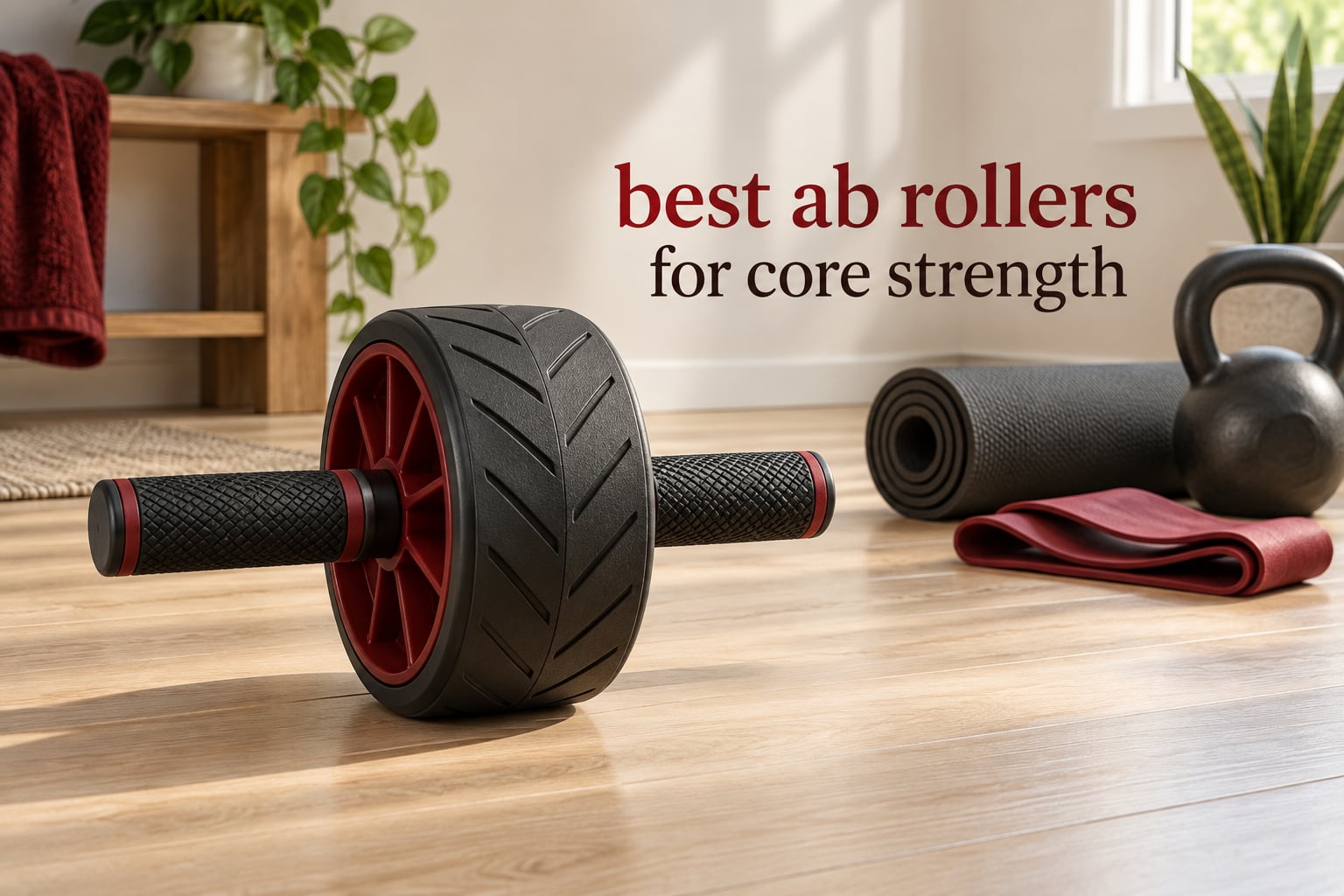
Most people meet the ab wheel the same way: they buy one on a Monday, do twenty reps off the video they watched, and wake up Tuesday wondering what they did to their lower back. The tool is not the problem. The missing piece is that an ab roller does not train your abs to bend your spine, it trains them to refuse to. That single distinction changes how you pick a wheel, how you use it, and how fast you should progress.
We spent weeks with these ten rollers on carpet, hardwood and tile, logging how they roll, how wide the base really is, what the weight ratings claim, and where each one starts to feel unstable. This is our list of the best ab rollers for core strength in 2026, ordered by the order we would actually buy them.
If your core training has stalled or you want equipment that travels well, our guides to the best medicine balls for core workouts and the best foam rollers for deep tissue work sit well alongside a wheel.
Table of Contents
Quick answer: the ab rollers worth your time right now
The VINSGUIR 3.2 inch dual-wheel is the best ab roller for most people because its wide base rolls straight without fighting you. The EnterSports 3.1 inch roller is the best value pick, with a 600 pound rod and two knee pads in the box. The Perfect Fitness Ab Carver Pro is the best roller for beginners who want a spring to catch them. The VINSGUIR 2 inch precision wheel is the best pick once your form is solid and you want a harder challenge.

VINSGUIR 3.2 inch Dual-Wheel
- 3.2 inch dual-wheel base
- 440 lb steel shaft
- 1.4 lb frame
- 30 day returns and 12 month warranty

Perfect Fitness Ab Carver Pro
- Built-in carbon steel spring return
- Ultra-wide rubberised wheel
- Removable angled handles
- 1 year warranty

EnterSports 3.1 inch Wheel Roller
- 3.1 inch textured wheel
- 600 lb alloy steel rod
- Two adjustable knee pads
- EVA foam handles
Do ab rollers help with core strength, or is it all hype?
They do, and here is the mechanism. Rolling the wheel away from your body lengthens your trunk into a long lever, and the only way to stop that lever from pulling your lower back into an arch is to brace. That is called anti-extension training, and it is the function that transfers straight into a deadlift, a squat and an overhead press. A crunch trains the opposite movement, spinal flexion, which is why your neck and lower back can hate crunches but tolerate the wheel.
One caveat worth stating plainly. The most-cited activation research in this space was a small study on trained men, so treat percentage claims with suspicion. What is not in dispute is that the rectus abdominis, external obliques, lats and deep spinal stabilisers all work harder during a rollout than during a crunch, and that the harder you control the range, the more of those muscles you recruit.
You do not need a wheel to build a strong core. You need one if you have already built a plank and want the next step. Our medicine ball core guide covers the other side of that equation.
All 10 ab rollers compared side by side
Wheel width is the single biggest predictor of how forgiving a roller feels. The table below lists every pick with the specs that actually change how it handles.
| Product | Specifications | Action |
|---|---|---|
| VINSGUIR 3.2 inch Dual-Wheel Roller |
|
Check Latest Price |
| EnterSports 3.1 inch Wheel Roller |
|
Check Latest Price |
| Perfect Fitness Ab Carver Pro |
|
Check Latest Price |
 Luyata 10-in-1 Ab Wheel Kit Luyata 10-in-1 Ab Wheel Kit |
|
Check Latest Price |
 READAEER Heavy Duty Dual Wheel READAEER Heavy Duty Dual Wheel |
|
Check Latest Price |
 Sports Research Ab Wheel Sports Research Ab Wheel |
|
Check Latest Price |
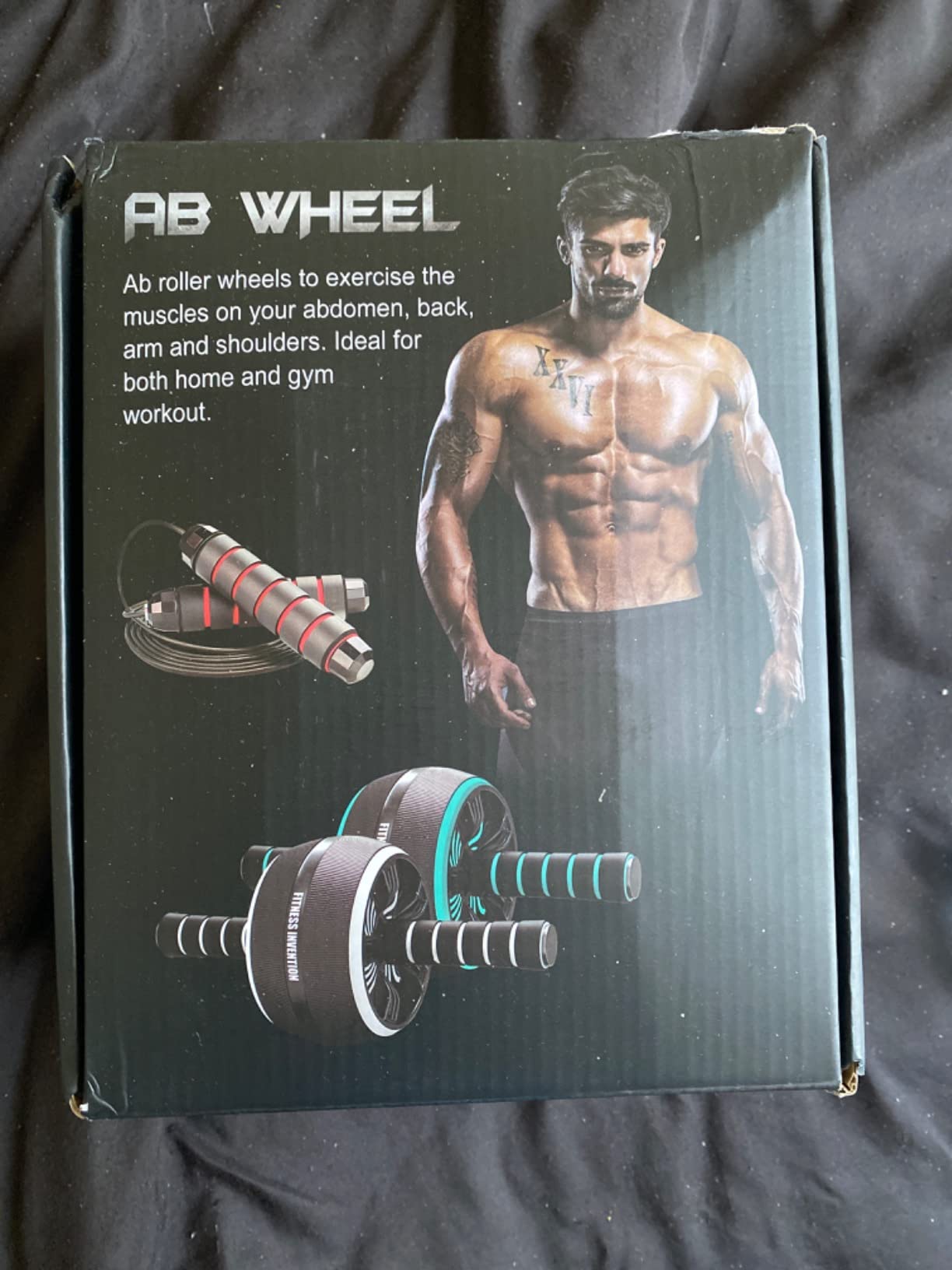
 Fitness Invention Wide Wheel Roller Fitness Invention Wide Wheel Roller |
|
Check Latest Price |
 Abiarst 3.2 inch Dual Wheel Abiarst 3.2 inch Dual Wheel |
|
Check Latest Price |
 VINSGUIR 2 inch Precision Wheel VINSGUIR 2 inch Precision Wheel |
|
Check Latest Price |
 Sunny Health and Fitness Double Wheel Sunny Health and Fitness Double Wheel |
|
Check Latest Price |
1. VINSGUIR 3.2 inch dual-wheel roller – a very wide base with the deepest review history
Vinsguir Ab Roller Wheel, Abs Workout Equipment for Abdominal & Core Strength Training, Exercise Wheels for Home Gym, Fitness Equipment for Core Workout with Knee Pad Accessories
Wheel: 3.2 inch dual
Weight: 1.4 lbs
Load: 440 lbs
Shaft: stainless steel
Pros
- 3.2 inch base is among the widest here
- Very stable at full extension
- Light enough to move between rooms
- Quick assembly
- 23k+ owner reviews to learn from
Cons
- Included knee mat is very thin
- Handle grips can loosen on a wide stance
- One report of discoloured plastic
This is the roller we kept reaching for. The 3.2 inch dual-wheel base is jointly the widest in our test group, and width is what lets you hold a long rollout without constantly correcting a wobble. At 1.4 lbs it moves from the living room floor to a hotel room without becoming a thought.
The build is a stainless steel shaft rated to 440 lbs, with EVA rubber cotton grips. That rating is not the highest here, but owners report no flex in the shaft under body weight, and the frame stayed quiet on both carpet and laminate in our sessions.
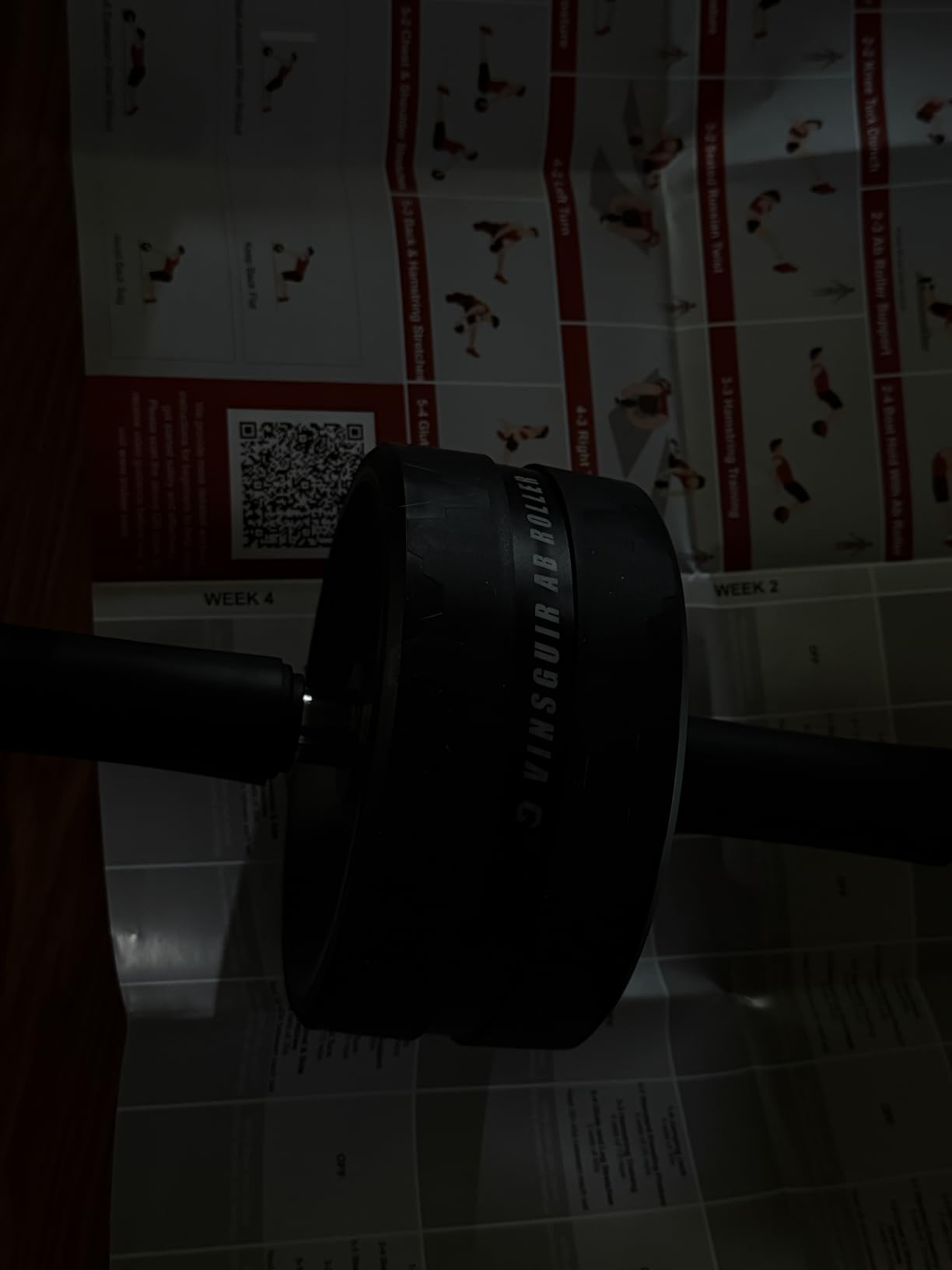
The knee pad is the weak point. Several owners describe it as roughly an eighth of an inch thick, and on hardwood you will feel it through your kneecaps by rep three. It is still worth using, but treat it as a floor protector rather than cushioning, and buy a proper NBR mat if you train on a hard surface.
One more thing to know before you commit. A small number of buyers report handle grips backing off the centre bar if you set your hands very wide, and a handful outside the US describe returns as difficult to process. Inside the US, the listing carries 30-day returns and a 12-month warranty, which is more reassurance than most of this category offers.
Who this roller suits
Anyone who can already hold a plank and wants the widest, calmest platform available. It is the safest first wheel on this list for a person who has never done a full rollout, because the base fights lateral wobble for you.
It also works well in a small home gym or office corner. The footprint is small, it stores in a basket, and the whole unit is light enough to move with one hand.
Who should skip it
Skip it if you train barefoot on hardwood and care about your floor, or if you are a heavy user. A 440 lb ceiling is fine for most adults but it is not the highest rating in this group, and the thin pad will not save a session on a hard surface.
2. EnterSports 3.1 inch wheel roller – the best value pick with two knee pads
Ab Roller Wheel for Abs Workout – Abdominal Exercise Equipment with 2 Knee Pads for Home Gym, Core Strength Training, Fitness Equipment for Men & Women (Red)
Wheel: 3.1 inch textured
Load: 600 lbs
Handles: EVA foam
Pads: 2 included
Pros
- 600 lb alloy steel rod
- Two knee pads in the box
- Textured tread resists slipping
- Quiet smooth rolling
- Compact for travel
Cons
- Long-term wheel durability unproven
- Full extension is advanced work
- Heavy load on the lower back
Two knee pads in the box is unusual at this level, and it is the reason this one edges out cheaper rivals. The pads measure about 7.87 inches square, which covers a standard knee stance and stays put on hard floors where thin pads skate.
The 3.1 inch textured wheel grips well. On hardwood it tracked straight with no skidding, and on carpet it had enough bite to stop the rebound from running away from you. The 600 lb alloy steel rod is among the highest published ratings in this roundup, alongside the Fitness Invention.
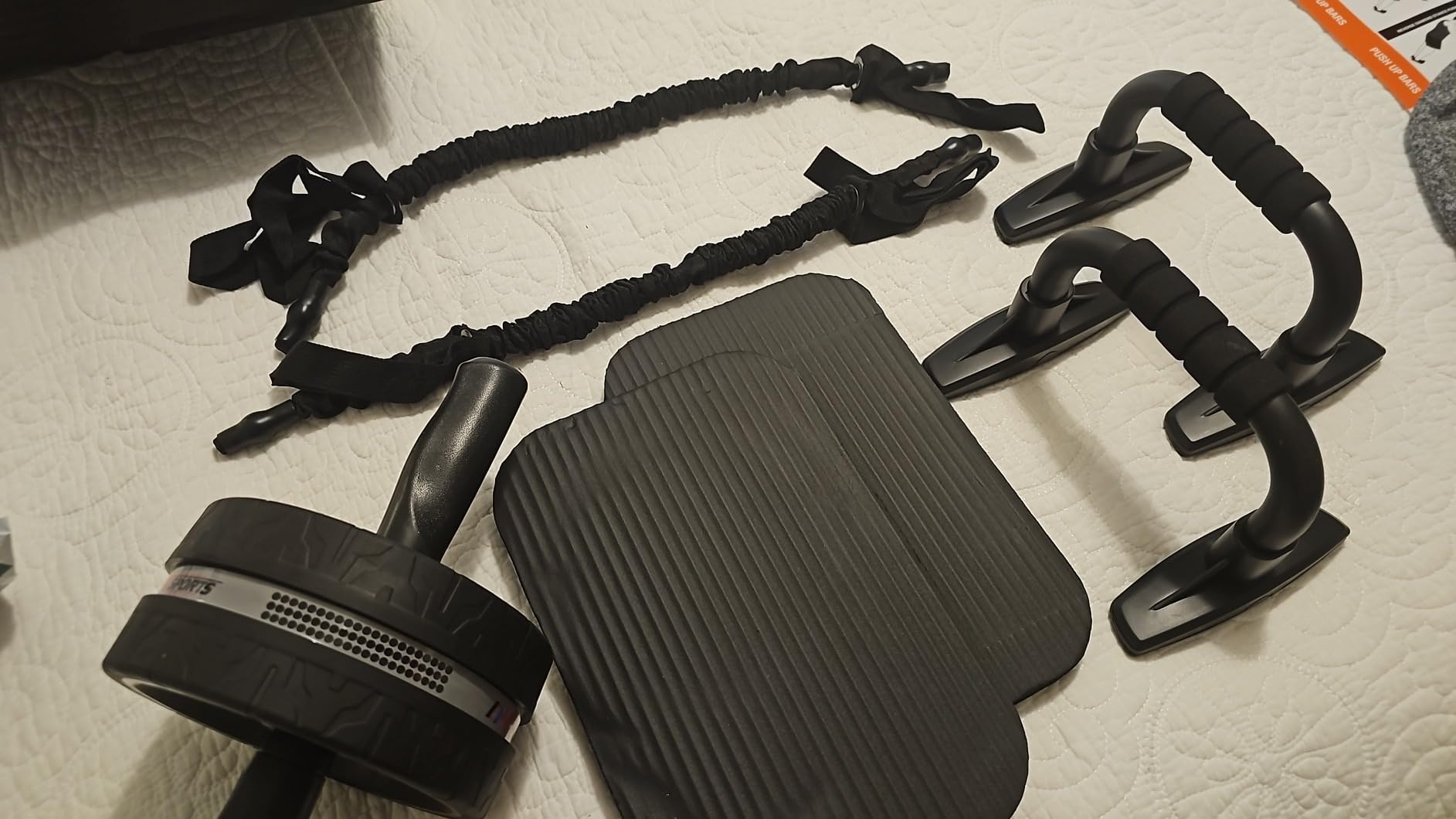
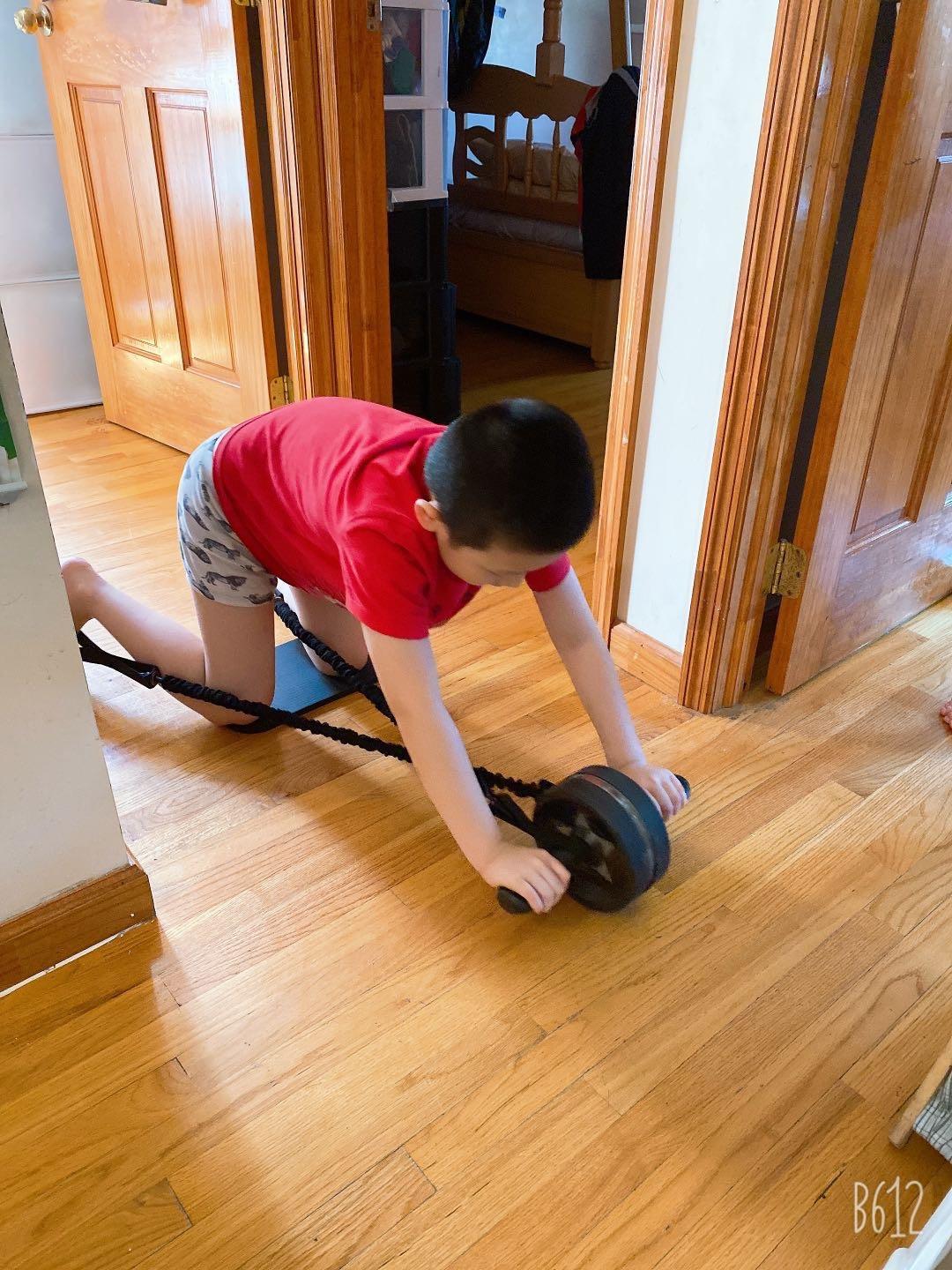
Owners like the EVA foam handles for long sessions, and assembly takes four steps. A few reviewers flagged uncertainty about how the wheel and rod will hold up over years, which is a fair question for a lighter-feeling frame.
The honest limitation is difficulty, not quality. A full-extension rollout on this wheel is genuinely hard, and owners with a prior hernia repair specifically caution against going to full range. Build up over weeks rather than chasing depth in week one.
Who this roller suits
Beginners who want a forgiving wheel and who plan to train on hardwood or tile. The wide base plus two pads means the first month of sessions will not end in knee pain.
It is also a good fit for anyone moving between surfaces, because the textured tread behaved consistently on every floor we tried it on.
Who should skip it
Skip it if you have any history of lower back or abdominal surgery, or if you want a spring or band to help you on the return. There is no assistance mechanism here, so the demand is on you from rep one.
3. Perfect Fitness Ab Carver Pro – the spring-assisted roller for learning range
Perfect Fitness Ab Carver Pro Roller Wheel With Built In Spring Resistance, At Home Core Workout Equipment, Red
Wheel: ultra-wide tread
Return: carbon steel spring
Weight: 200 g
Warranty: 1 year
Pros
- Spring return catches you without doing the work
- Very wide stable wheel
- Removable handles for storage
- Angled grips engage the arms
- Carves well for obliques
Cons
- Most expensive roller in this roundup
- No printed routine in the box
- Included knee pads slide on wood floors
- Spring sometimes needs resetting
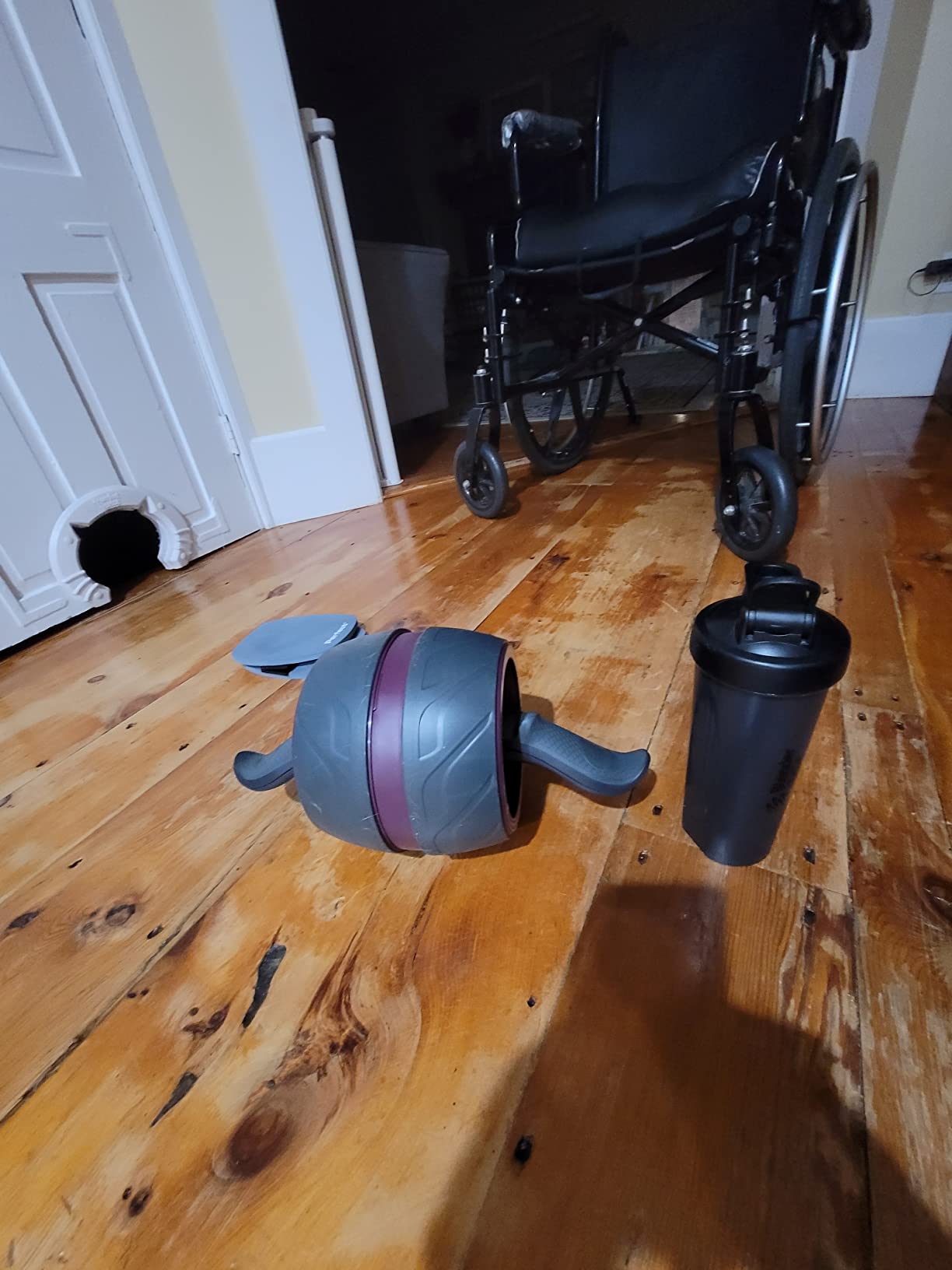
This is the only roller in the group with a real assist mechanism. The interior carbon steel spring gives back a small amount of energy as you return, which is exactly the amount of help a beginner needs to learn the shape of a long rollout without collapsing.
What the spring does not do is lift you. Users consistently describe it as helping you keep rhythm rather than performing the repetition for you, which is the honest way to think about it. The ultra-wide rubberised wheel stayed planted where narrower wheels wobble.
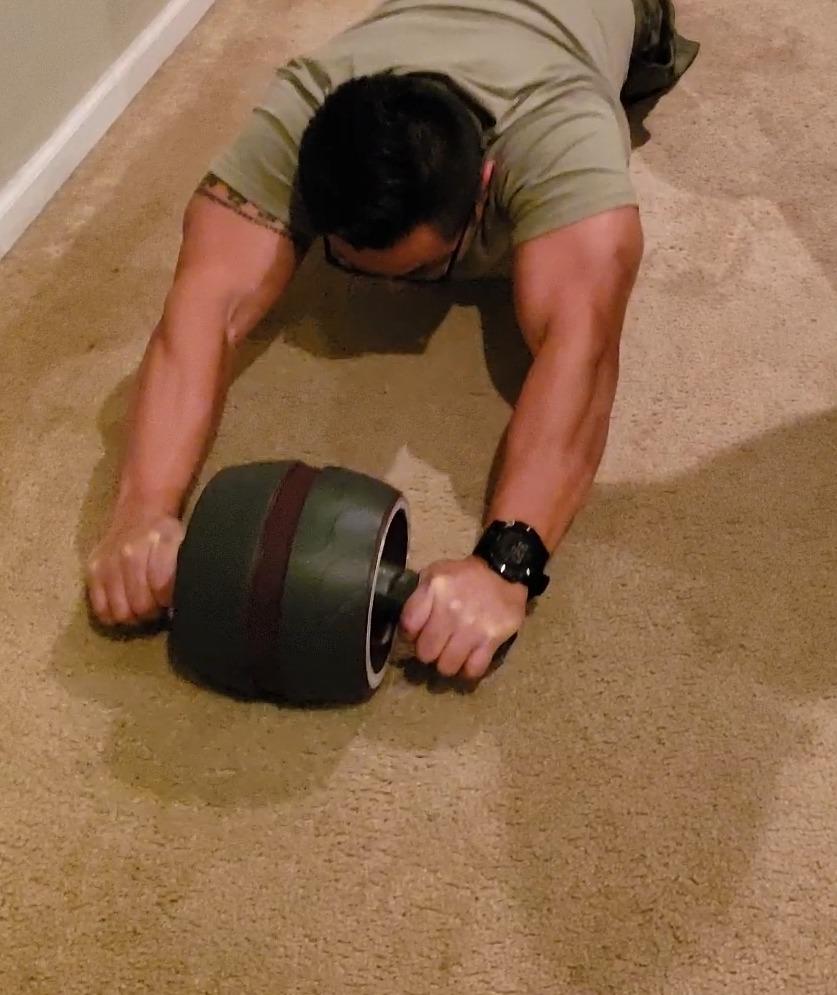
The angled ergonomic handles are removable, which makes storage genuinely easy, and they invite you to keep your arms engaged rather than hanging limp. Several owners report using it for oblique work by carving side to side across the tread.
Two practical notes. The printed routine is not in the box, so plan your sessions from our four-week program instead. And the included knee pads are thin enough to slide on hardwood, so put a towel or a proper mat under them.
Who this roller suits
Beginners who have a plank but fear the rollout. The spring means your first sessions can cover a long range without the form collapsing at the shoulders.
It is also a good travel pick. Removable handles and a 200 g weight make it the easiest to pack of the wide-wheel models.
Who should skip it
Skip it if buying the most expensive option in the roundup matters more to you than having assistance built in. The spring does not add much once you are already strong, and it can occasionally need resetting by lifting the wheel.
4. Luyata 10-in-1 ab wheel kit – the roller that arrives with a whole gym
Ab Roller Wheel, 10-In-1 Ab Exercise Wheels Kit, Black
Wheel: 3 inch thick base
Load: 440 lbs
Weight: 3.9 lbs
Pad: thick NBR
Pros
- Roller plus push-up bars band jump rope and wraps
- Thick 3 inch wheel base is very stable
- Best knee pad in the roundup by a wide margin
- Quiet tread safe on carpet and wood
Cons
- Bulky and heavy at 3.9 lbs
- Rating sits below the standalone wheels
- Bundle quality varies by component
The box contains the roller, a thick foam knee mat, two push-up bar handles, two wrist wraps, an eight-shaped stretch band, a jump rope, a guide and a gift box. If you are building a home gym from nothing, this is a genuinely efficient starting box rather than four separate orders.
The knee mat is the real stand-out. It is NBR and noticeably thicker than the pads on every standalone roller here, and on hardwood it made a measurable difference to session comfort.
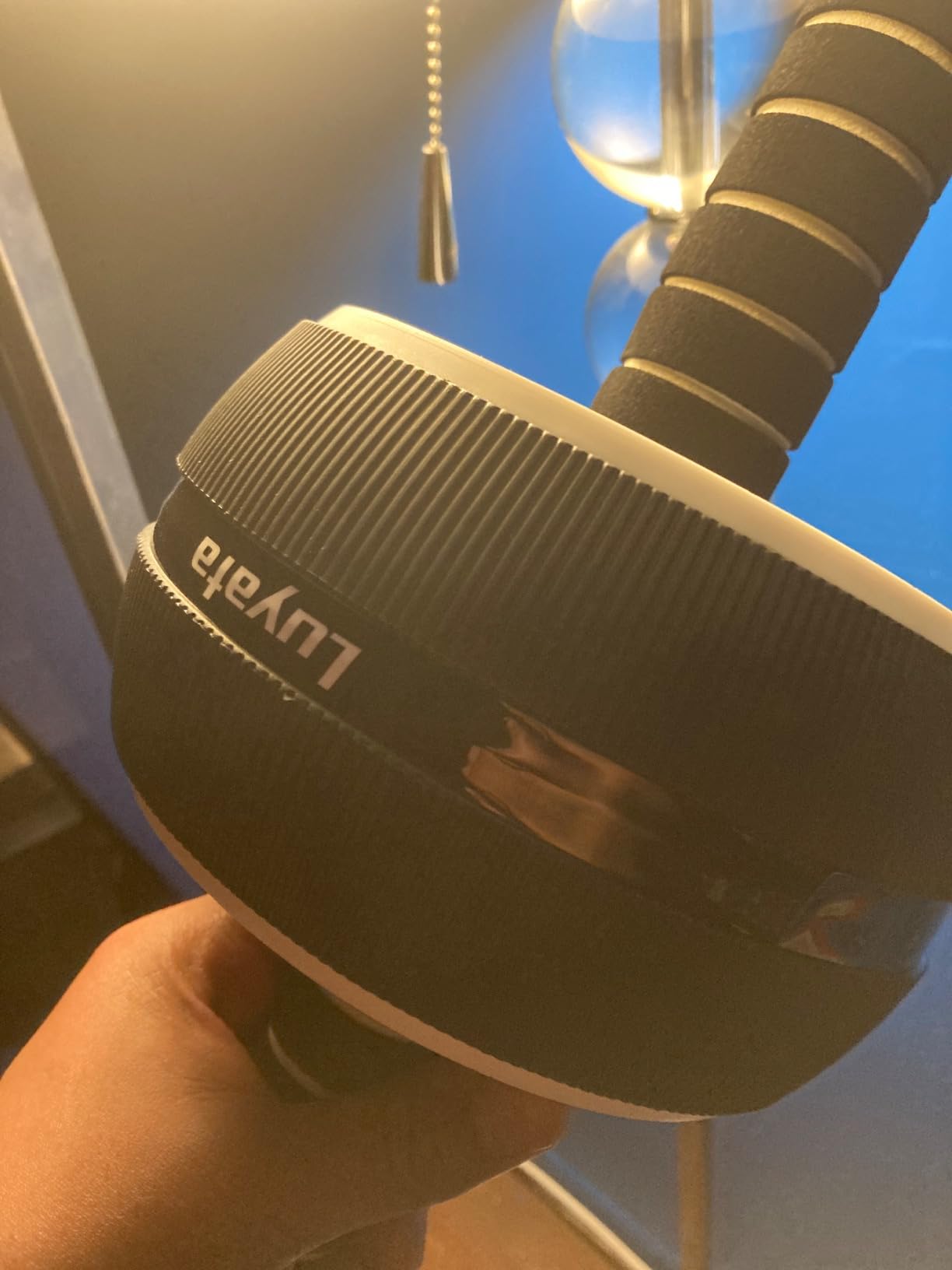
The 3 inch thick wheel base is stable, and the rubber tread runs quietly without scratching carpet or wood. The 440 lb rating is adequate for most adults, and the push-up bars add real value for calisthenics and handstand work.
Be realistic about the tradeoff. At 3.9 lbs this is by far the heaviest item we tested, and its 4.4 star average sits below most standalone wheels.
Who this roller suits
Newcomers assembling a home gym who would rather open one box than shop five. It also suits anyone training on hardwood who needs a knee pad they can actually kneel on.
Calisthenics trainees will get more use from the push-up bars than from the wheel itself, which is a reasonable bonus rather than a gimmick.
Who should skip it
Skip it if storage or travel matters, or if you only want the roller. You are carrying 3.9 lbs of extras you may never touch, and you give up nothing by buying a standalone wheel and a separate mat.
5. READAEER heavy duty dual wheel – the budget pick with a two year warranty
READAEER Ab Roller Wheel, Heavy Duty Workout Equipment for Home Gym, Professional Metal Handle with Rubber Surface Abdominal Exercise Wheel for Strength Training, Ab Wheel with Knee Pad
Wheel: dual non-skid rubber
Load: 550 lbs
Weight: 820 g
Warranty: 2 years
Pros
- Two year warranty is the longest here
- Dual wheels beat cheap single-wheel balance
- Quiet across carpet tile and hard floors
- Assembles in about a minute
Cons
- Knee mat is very thin
- Light plastic frame feels flimsy
- May be small for larger users
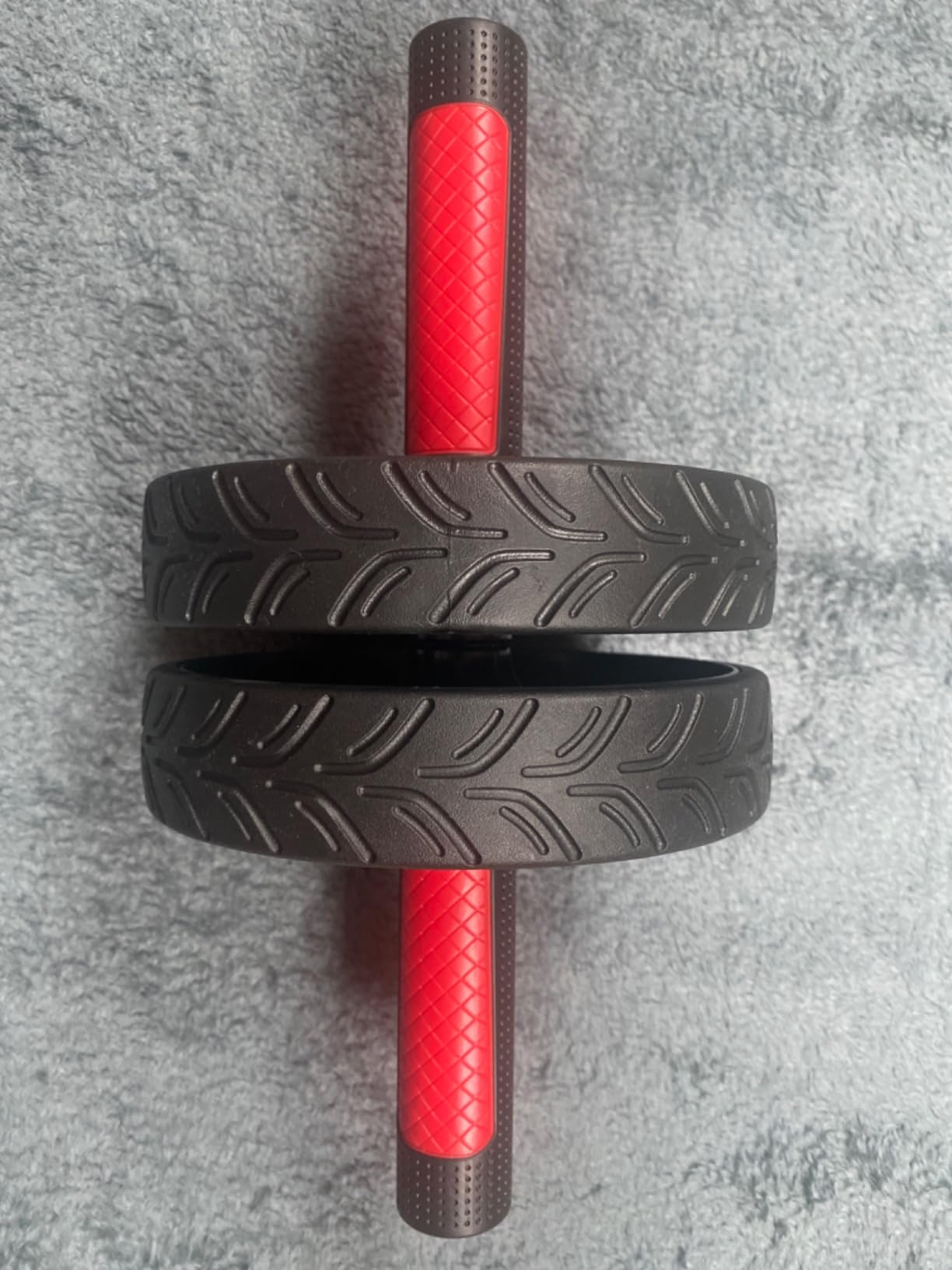
Two years of warranty is longer than most rivals offer here, and it changes how you should read the price. Most others cover one year or none, so this is the pick if you are buying on value and want cover for longer.
The dual non-skid rubber wheels gave noticeably better balance than the cheap single-wheel models, and the high-density tread was quiet on every surface we tried. Stainless steel handles are rated to 550 lbs, which is plenty for most adults.
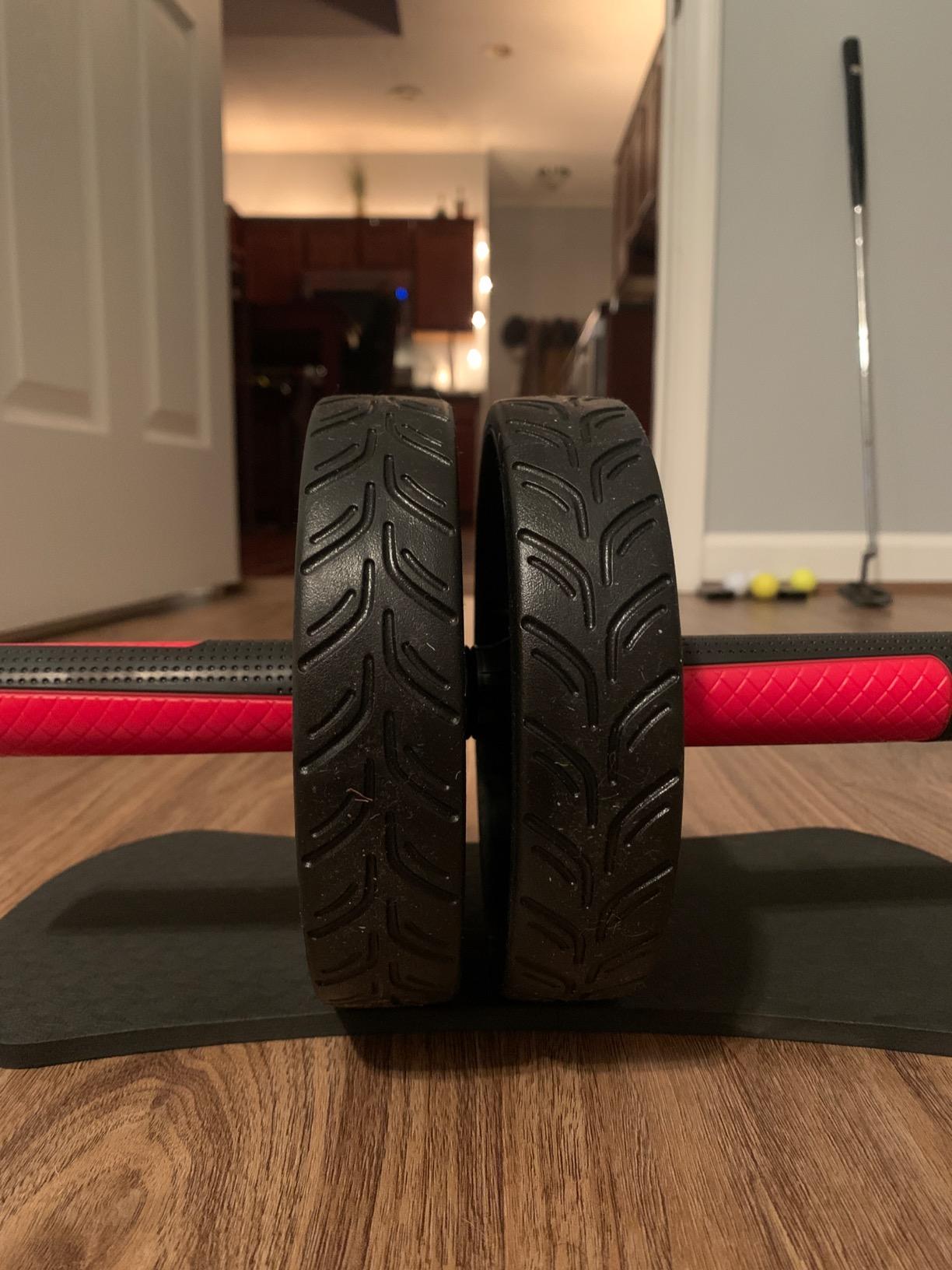
Owners repeatedly note that the included knee mat is very thin, so plan to add your own. Assembly takes about a minute with no instructions, and the frame is light enough at 820 g to move easily around a room.
There is a size caveat. Several reviewers feel it may run small for larger, heavier users, and some describe the plastic frame as not feeling genuinely heavy duty despite the product name. If you are over 200 lbs, weigh the build quality against a steel-framed alternative.
Who this roller suits
First-time buyers on a budget who want long warranty cover and dual-wheel stability without paying for a premium brand. The minute-long assembly also suits anyone who does not want to read instructions.
It is a sensible dorm or apartment roller, since it is quiet and light enough to move out of the way.
Who should skip it
Skip it if you are a heavier user or if you want a dense build. The light plastic frame and the thin pad are the two things buyers most often flag, and both are hard to unfix later.
6. Sports Research ab wheel – a notably solid hand feel
Sports Research® Ab Wheel Roller for Core Strength Training
Wheel: 3 inch wide
Load: 330 lbs
Handles: detachable
Warranty: 1 year
Pros
- 3 inch wheel is roughly double a typical wheel
- Solid weighty feel rather than flimsy plastic
- Quiet on carpet laminate and tile
- Handles detach for storage
Cons
- Soft grip foam may wear over time
- Knee pad is not dense
- 330 lb rating is the second lowest here
- Printed guide is minimal
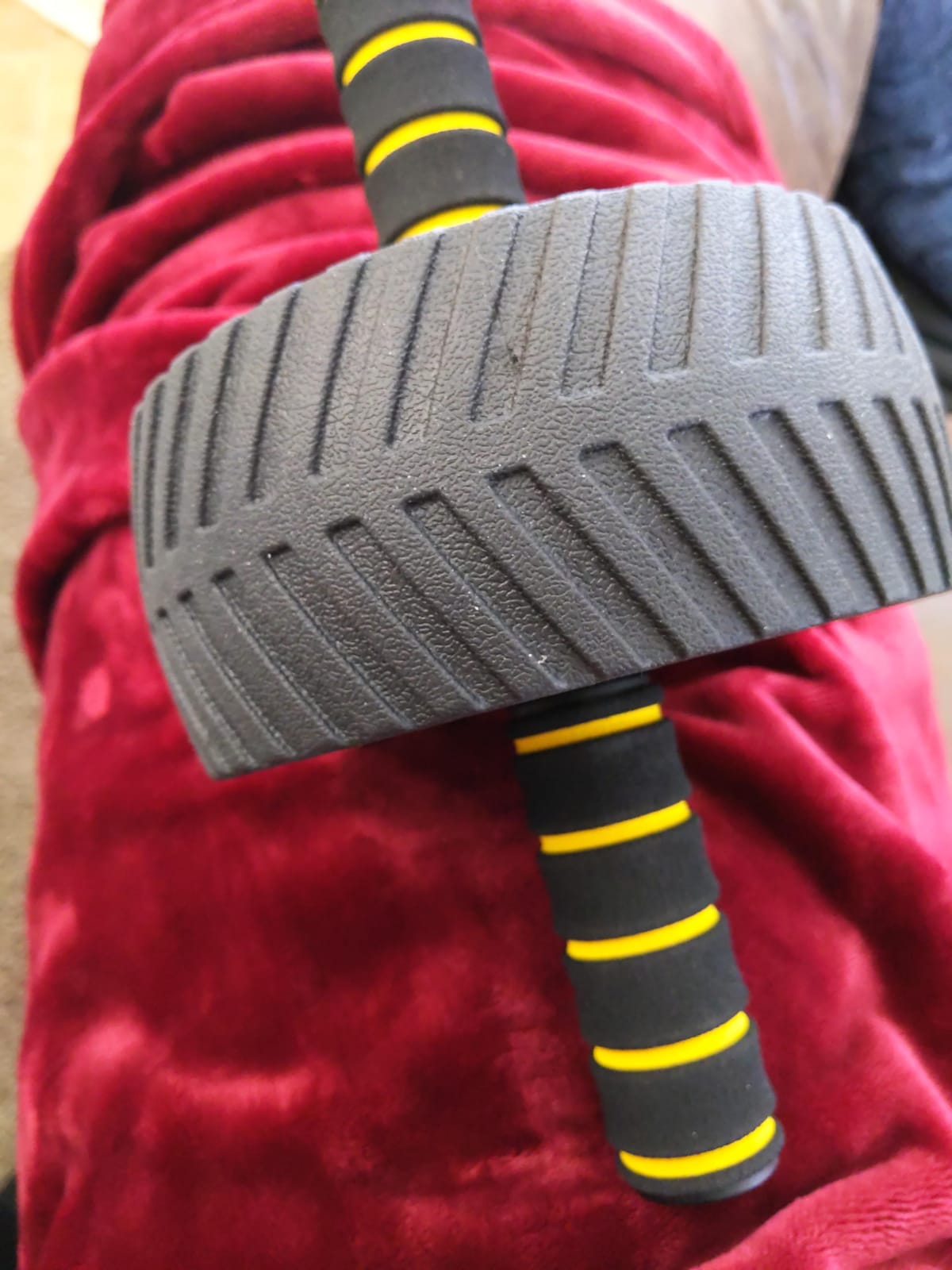
The first thing you notice is the mass. It does not feel like hollow plastic, and owners who compared several models describe it as the best build quality in the mid-price bracket. The 3 inch wheel is roughly double the width of a typical ab wheel and it did not wobble once.
The rubberised liner on the wheel made it the quietest roller in our test on every surface. Carpet, laminate and tile all produced a low roll with no scratch and no skid.
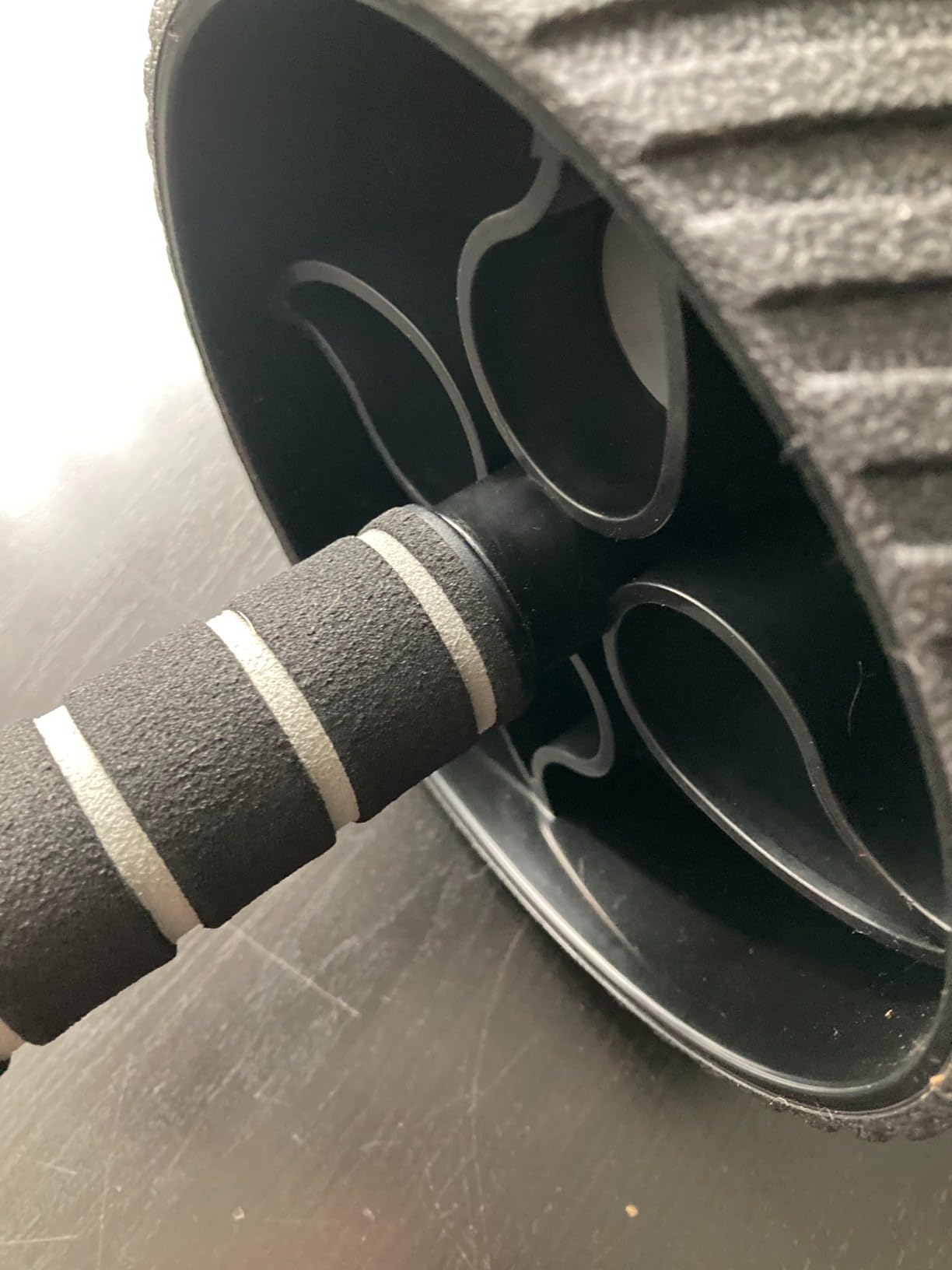
The ergonomic grips are wide and comfortable, and they detach so the unit folds down for travel. The included knee pad gets singled out as surprisingly comfortable by several owners, which is unusual in this category.
Two things to weigh. The published weight rating of 330 lbs sits at the lower end of this group, and the grip foam is soft enough that some buyers expect it to wear down over years. Heavier users should check their bodyweight against that ceiling before buying.
Who this roller suits
Anyone who cares how the equipment feels in the hand and trains in a shared space or a quiet apartment. Detachable handles and a near-silent roll make it easy to live with.
It is a strong choice for carpet and laminate households, where the liner grips without marking the floor.
Who should skip it
Skip it if you weigh more than the 330 lb rating, or if you want a thick knee pad for long sessions on hardwood. The soft grip foam is also a fair concern for high-rep users who grip hard.
7. Fitness Invention wide wheel roller – the one to gift
Fitness Invention Ab Roller Wheel – Ab Wheel Roller & Knee Mat – Rueda Para Abdominales – Abdominal Wheel – Abs Roller for Men & Women – Home Gym Equipment
Wheel: wide non-slip rubber
Load: 600 lbs
Warranty: life-time
Bonus: jump rope
Pros
- 600 lb load rating with rubber and steel build
- Life-time warranty is the longest cover listed here
- Soft handles reduce hand fatigue
- Adjustable jump rope included
- Polished packaging
Cons
- 4.5 star average trails the leaders
- Knee pad is basic
- Limited complaint data on long-term use
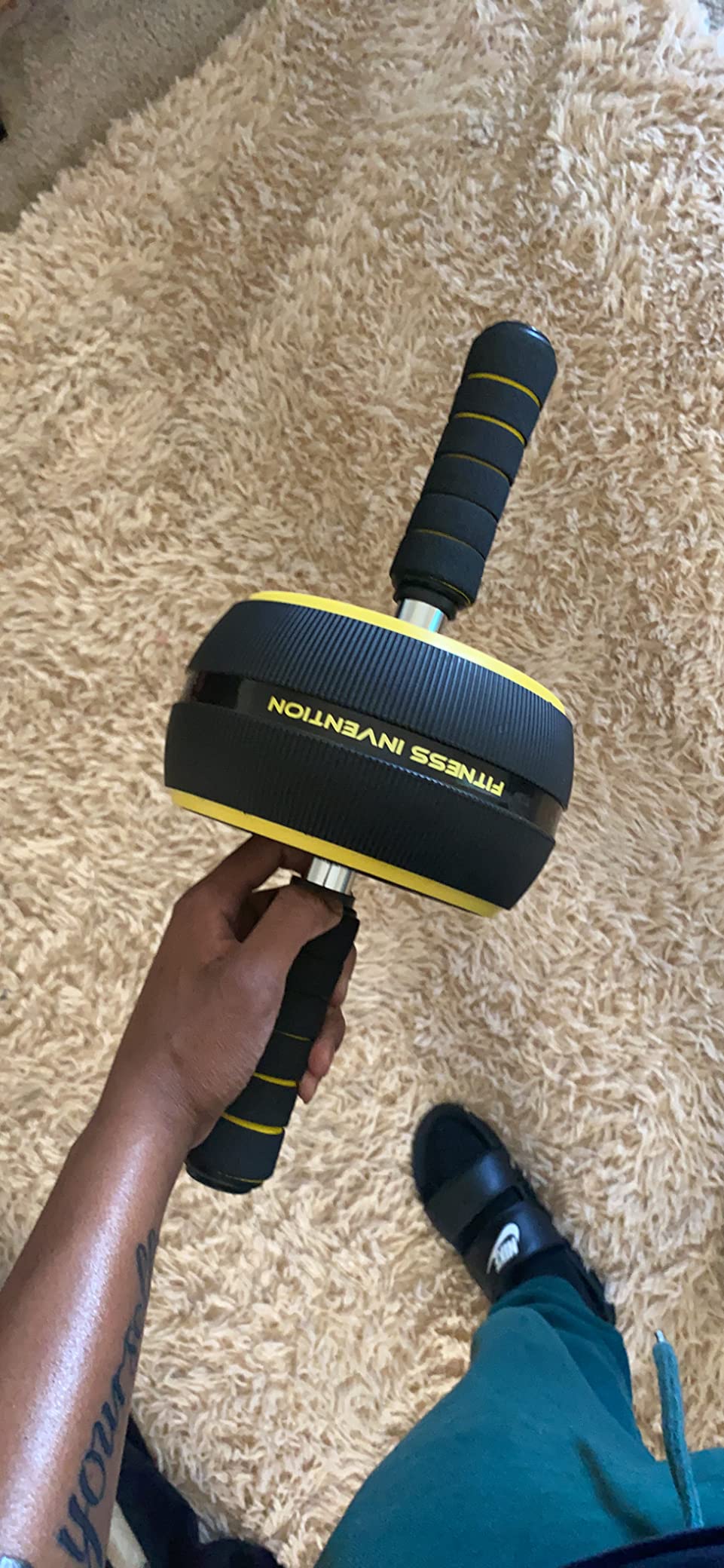
This is the pick when the roller is a present. The black and gold finish and the box presentation are a step above the plain white packaging most of this category ships in, and the life-time warranty is the strongest coverage available here.
The build is rubber and stainless steel rated to 600 lbs, which ties for the highest rating in the group. The wide wheel held its line through full kneeling rollouts on both carpet and tile, with no wobble.
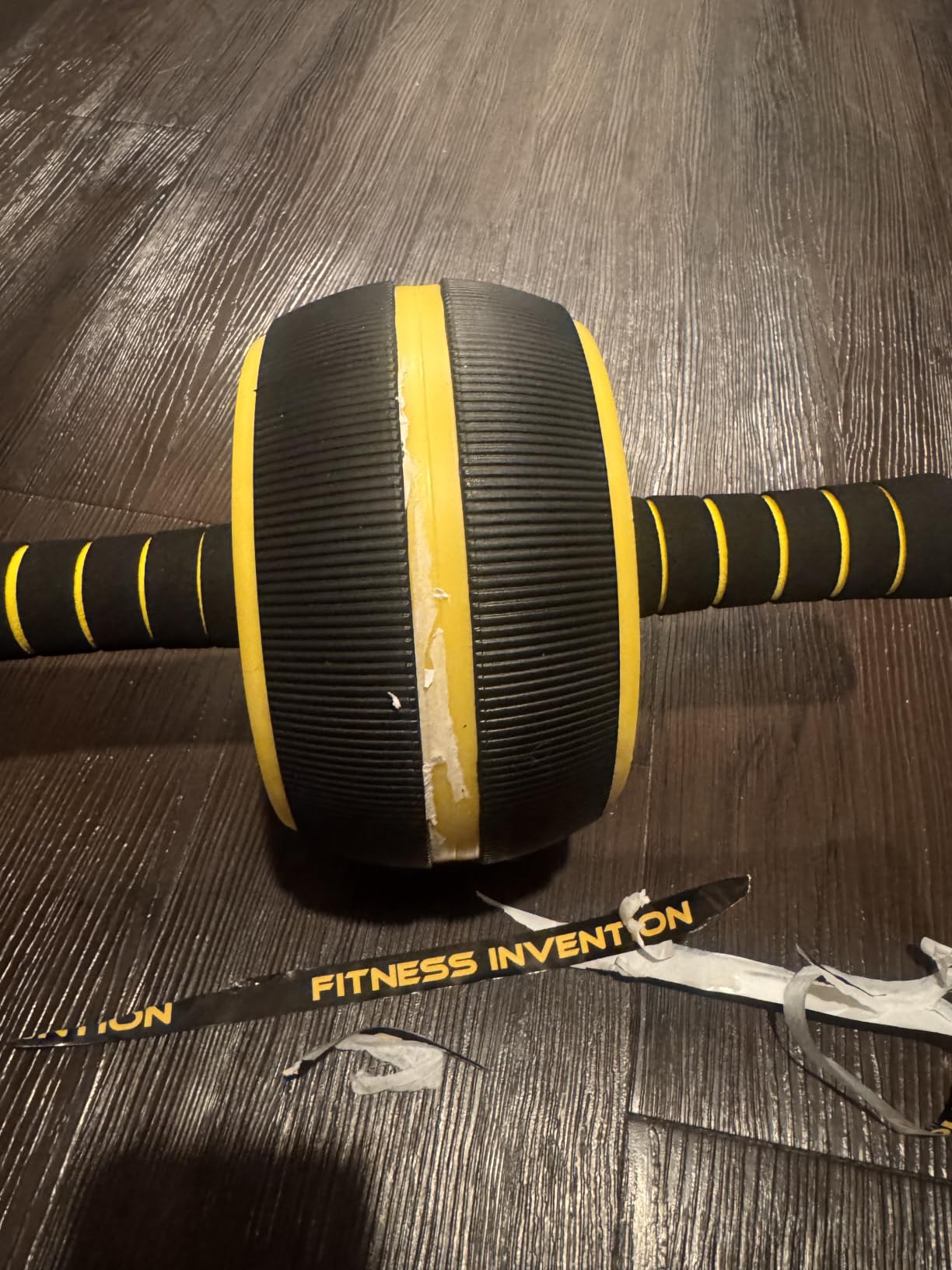
Soft handles reduce hand fatigue on long sets, and an adjustable jump rope is included, which gives the recipient something to do on rest days. It assembles easily and is portable.
The 4.5 star average sits below the leaders in this group, and the knee pad is basic compared with the Luyata or EnterSports pads. Complaint volume is low, which reads as solid but unexceptional rather than outstanding.
Who this roller suits
Gift buyers who want something that looks considered and carries life-time cover. The included jump rope adds value for a beginner building their first kit.
It also suits anyone who wants a high weight rating without a premium brand name attached to the box.
Who should skip it
Skip it if you are the most demanding user in the room or if you need a serious knee pad for hardwood training. The spec sheet is strong but the ratings trail the category leaders.
8. Abiarst 3.2 inch dual wheel – compact, quiet and doubles as a plank pad
Abiarst Ab Roller Wheel, Abs Workout Equipment for Abdominal & Core Strength Training, Home Gym Exercise Wheels for Men Women, with Knee Pad Accessories
Wheel: 3.2 inch dual
Load: 500 lbs
Weight: 0.63 kg
Pad: included
Pros
- 3.2 inch base keeps form without constant balancing
- Very quiet on carpet and hard floors
- Doubles as a plank pad
- Compact footprint stores in a basket
Cons
- Grips are narrow rather than chunky
- Knee pad is small for a wide stance
- Wheel surface collects dust
- Not beginner friendly at full range
At 0.63 kg and with a small footprint, this is the roller we would recommend for a flat with limited floor space. It stores in a basket, and users report core stability gains within a few weeks of consistent use.
The 3.2 inch ultra-wide dual base means you are not spending the set constantly rebalancing, and it rolled very quietly on both carpet and hardwood in our sessions.
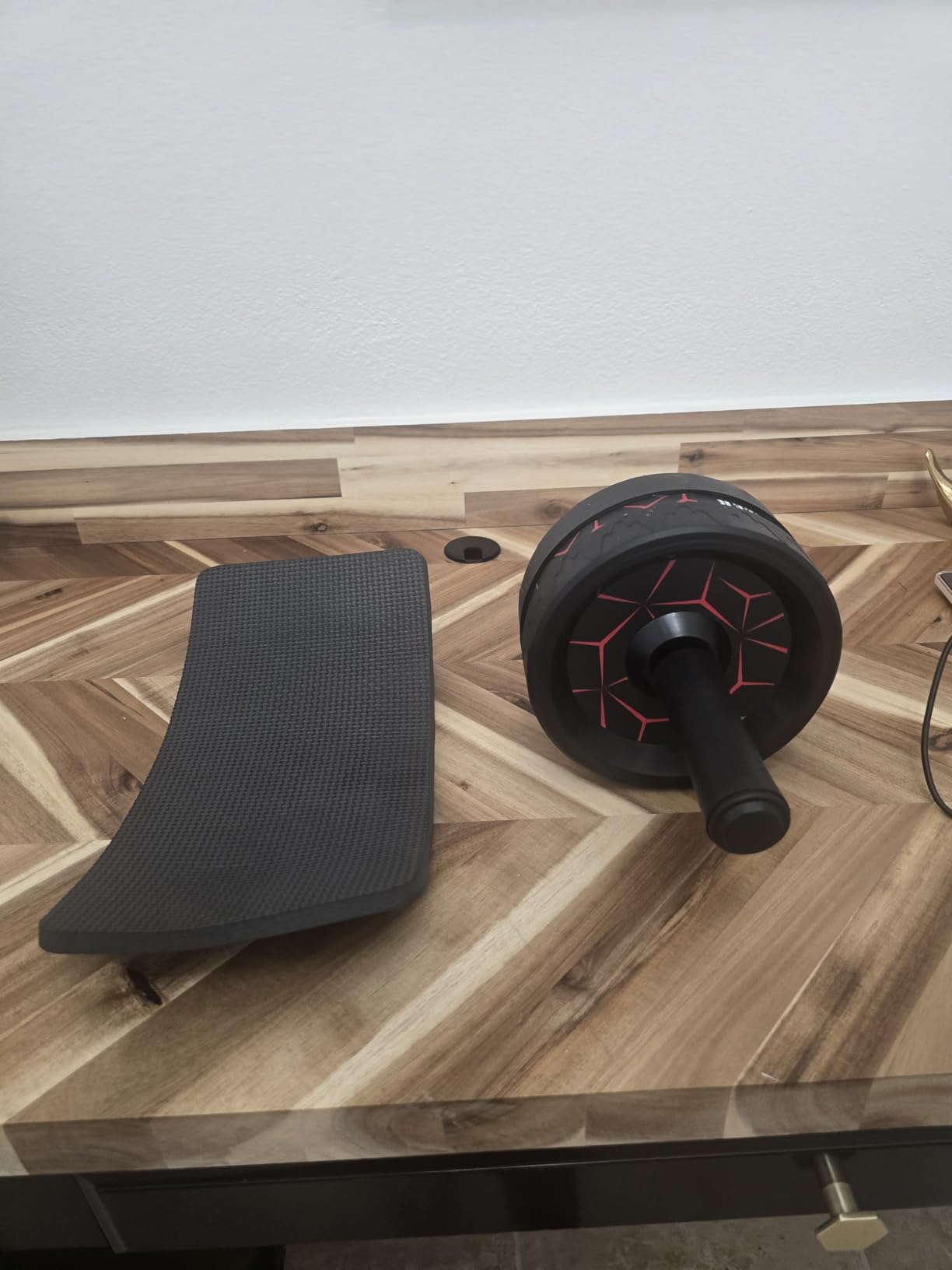
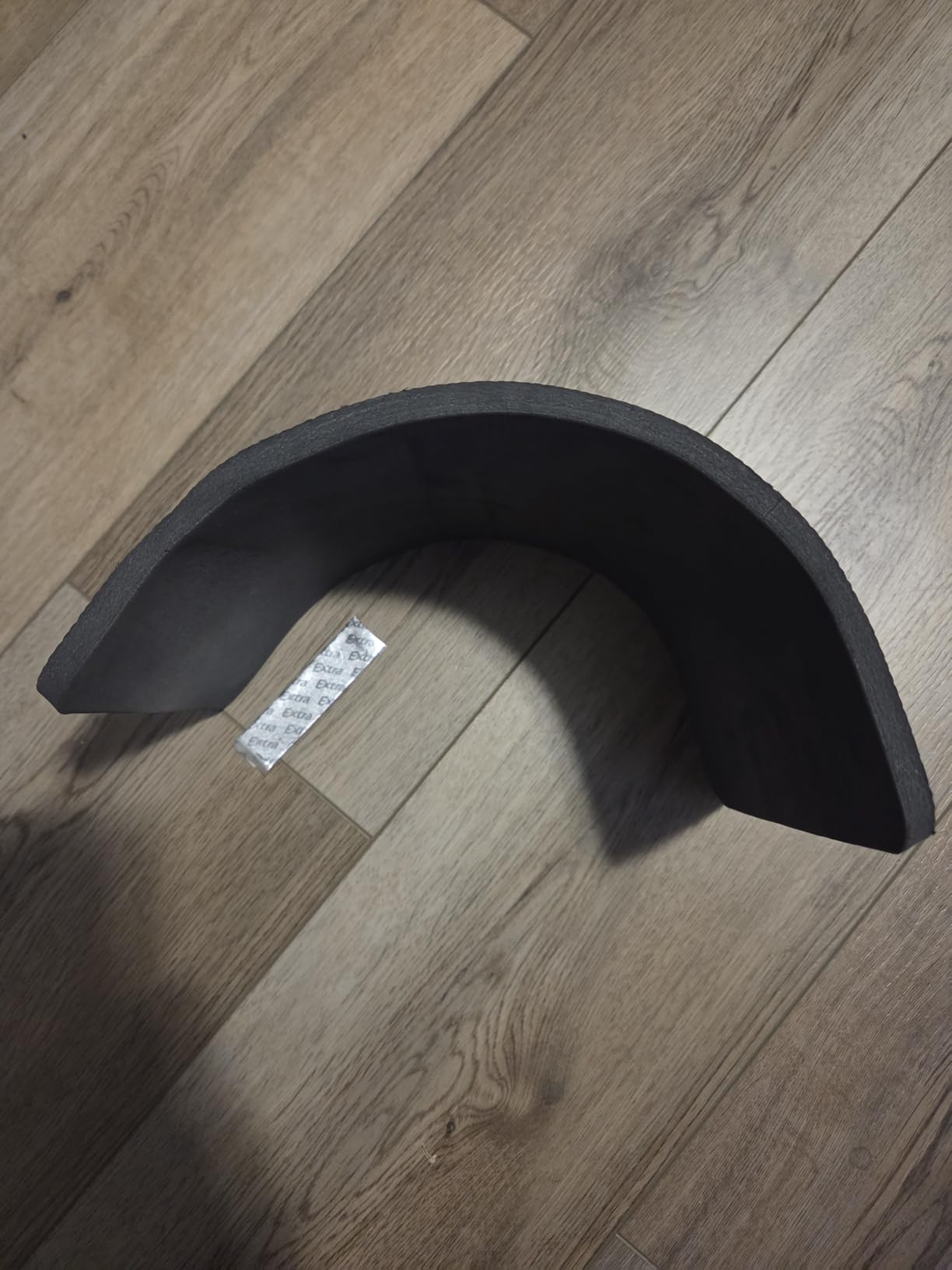
The high-tensile stainless steel shaft is rated to 500 lbs, and the EVA rubber cotton handles feel solid even though they are slim. The included knee pad is useful beyond the wheel, since it works as a plank pad too.
Two practical catches. The grips are narrow rather than chunky, so grip strength does factor in on long sets, and the knee pad is small enough that a wider stance will overhang it. Owners are also clear that this is not beginner friendly at full range.
Who this roller suits
Anyone training in a small space who wants quiet equipment and a single pad that does double duty. Existing trainees with a solid base will get the most from the wide wheel.
It suits travellers too, since at 0.63 kg it is one of the lighter wide-wheel options here.
Who should skip it
Skip it if you have never done a rollout, or if you have large hands and want a fatter grip. The narrow handles and small pad are the two complaints that come up repeatedly.
9. VINSGUIR 2 inch precision wheel – the hardest working pick once form is solid
Ab Roller Wheel for Home Gym, Core Strength Workout Equipment for Men Women
Wheel: 2 inch rounded
Load: 500 lbs core
Weight: 1.3 lbs
Setup: part assembled
Pros
- 4.7 stars is the highest average rating here
- Narrow rounded wheel forces real core control
- Textured tread grips hardwood and carpet
- Finger-grooved EVA handles
- Arrives mostly assembled
Cons
- Narrow wheel is harder for beginners
- 300 lb listed maximum is the lowest here
- Handle fitting can be fiddly
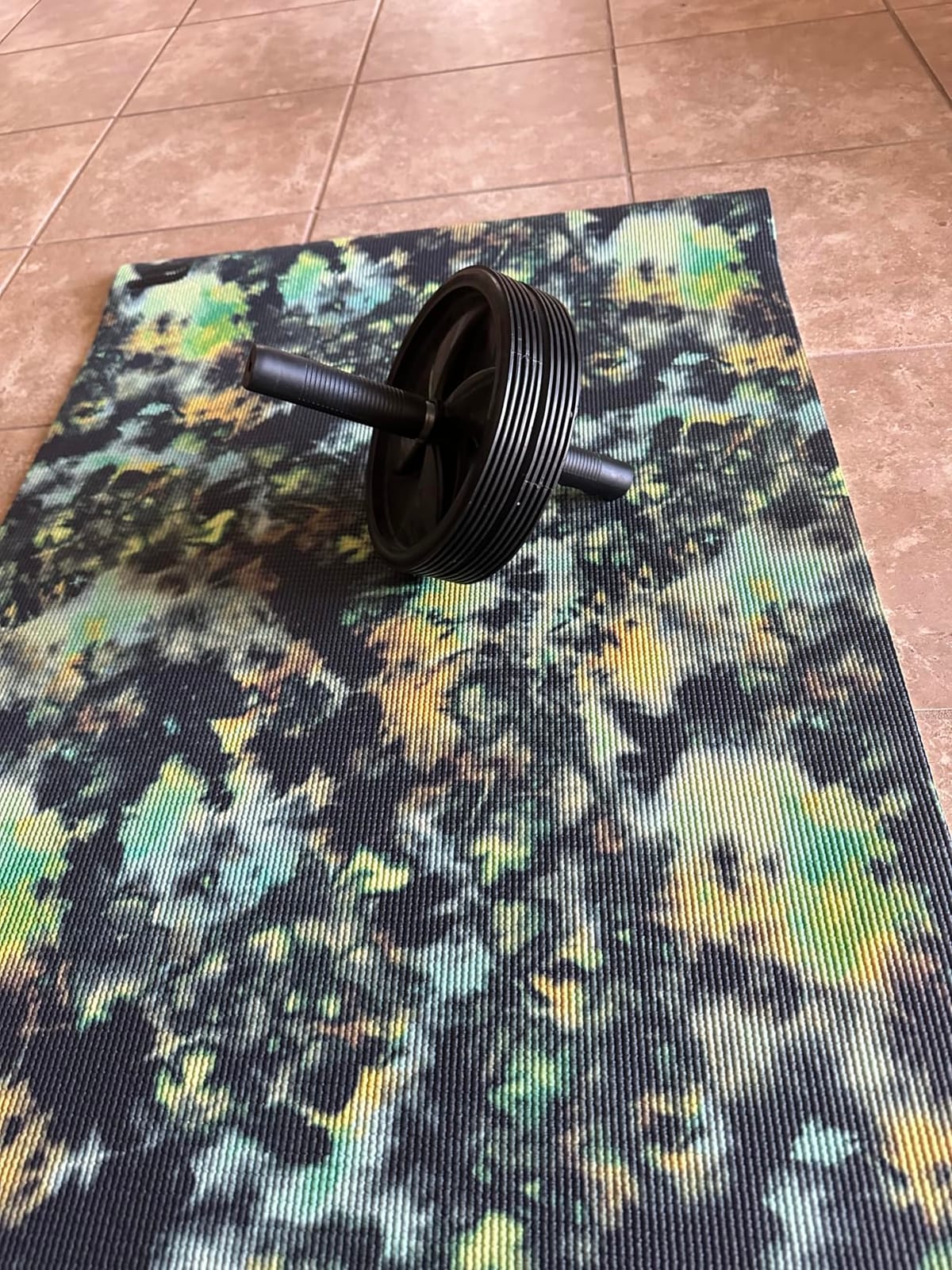
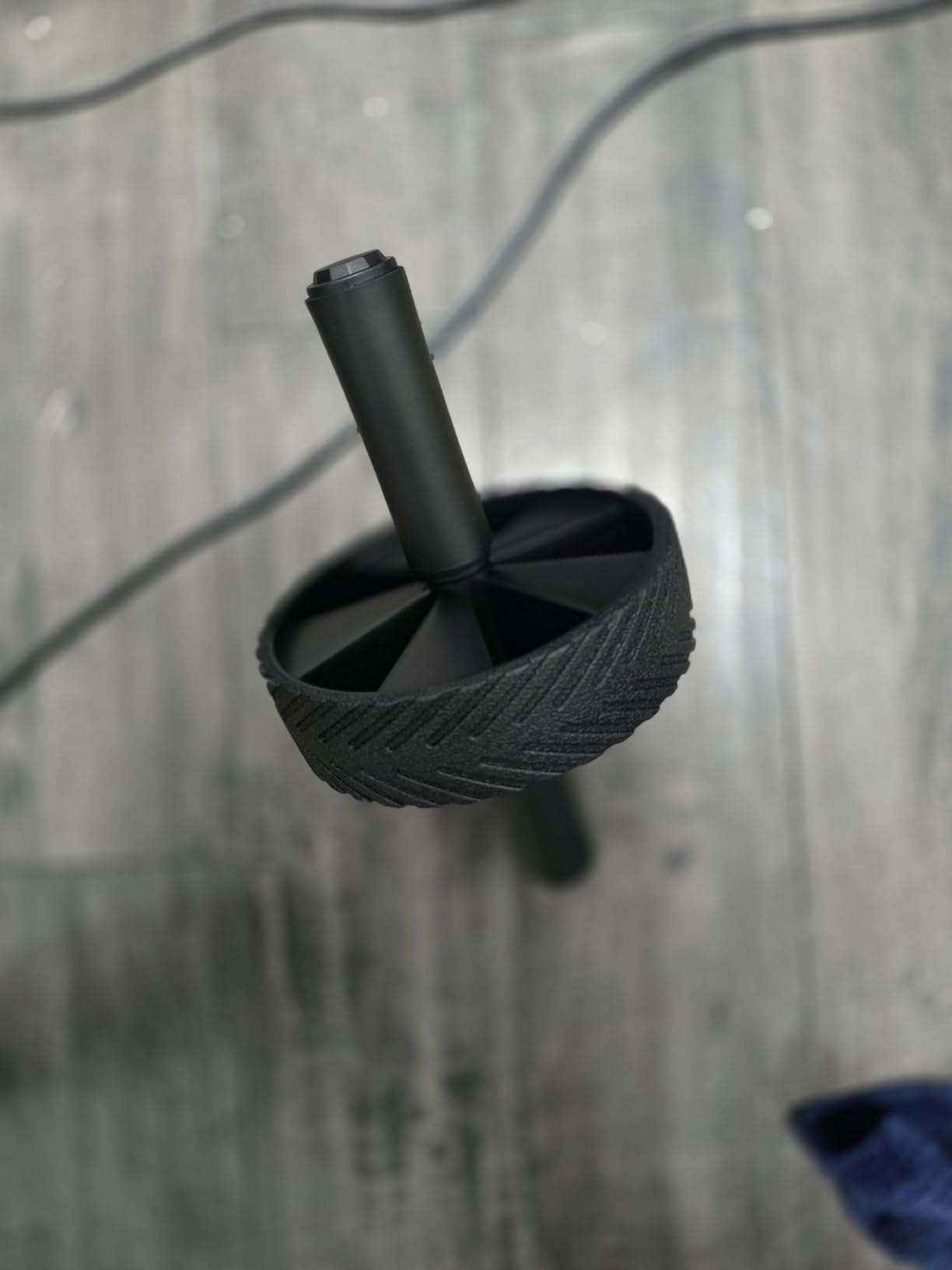
This has the highest average rating of any roller we tested, at 4.7 stars, and it is the one we would hand to someone whose plank is already boring them. The 2 inch rounded wheel has a smaller contact area than every other pick here, which means you cannot lean on lateral stability the way you can on a 3 inch base.
That is the entire point. The narrower wheel demands more core engagement, and owners consistently describe it as a step up rather than a better roller. Textured tread gripped hardwood without slipping and finger grooves in the EVA handles improved control noticeably.
It arrives partially assembled, so only the handles need fitting, and a little soap or water on the steel tube makes that job easier. The high-tensile steel core is rated to 500 lbs even though the listed maximum user weight is 300 lbs.
That 300 lb figure is one of the lowest listed maximums in this roundup, and it is worth taking seriously if you are a heavier user. The narrow wheel is also genuinely harder to control, so this is not a first ab wheel under any circumstances.
Who this roller suits
Intermediates who have logged months of clean kneeling rollouts and want more demand from the same movement. The extra balance demand is a genuine progression, not a gimmick.
It also suits anyone who prefers a small contact patch, because the rounded wheel makes rotation and oblique work feel natural.
Who should skip it
Skip it if you are a beginner, if you are above the 300 lb listed maximum, or if you train on a surface where a narrow wheel might catch. Buy a wide base first, then upgrade to this one.
10. Sunny Health and Fitness double wheel – the one that travels
Sunny Health & Fitness Ab Roller Dual Wheel Construction for Core Exercises
Wheel: independent double
Weight: 1.1 lbs
Warranty: 1 year frame
Best use: travel
Pros
- 1.1 lb frame is easy to carry
- Disassembles for a gym bag
- Very quiet with no squeak or wobble
- Flat-topped handles suit hands and wrists
- Side-to-side movement for obliques
Cons
- Plastic build feels cheap to some
- Handles can be uncomfortable under load
- Some felt wrist and chest pressure
- No knee pad included
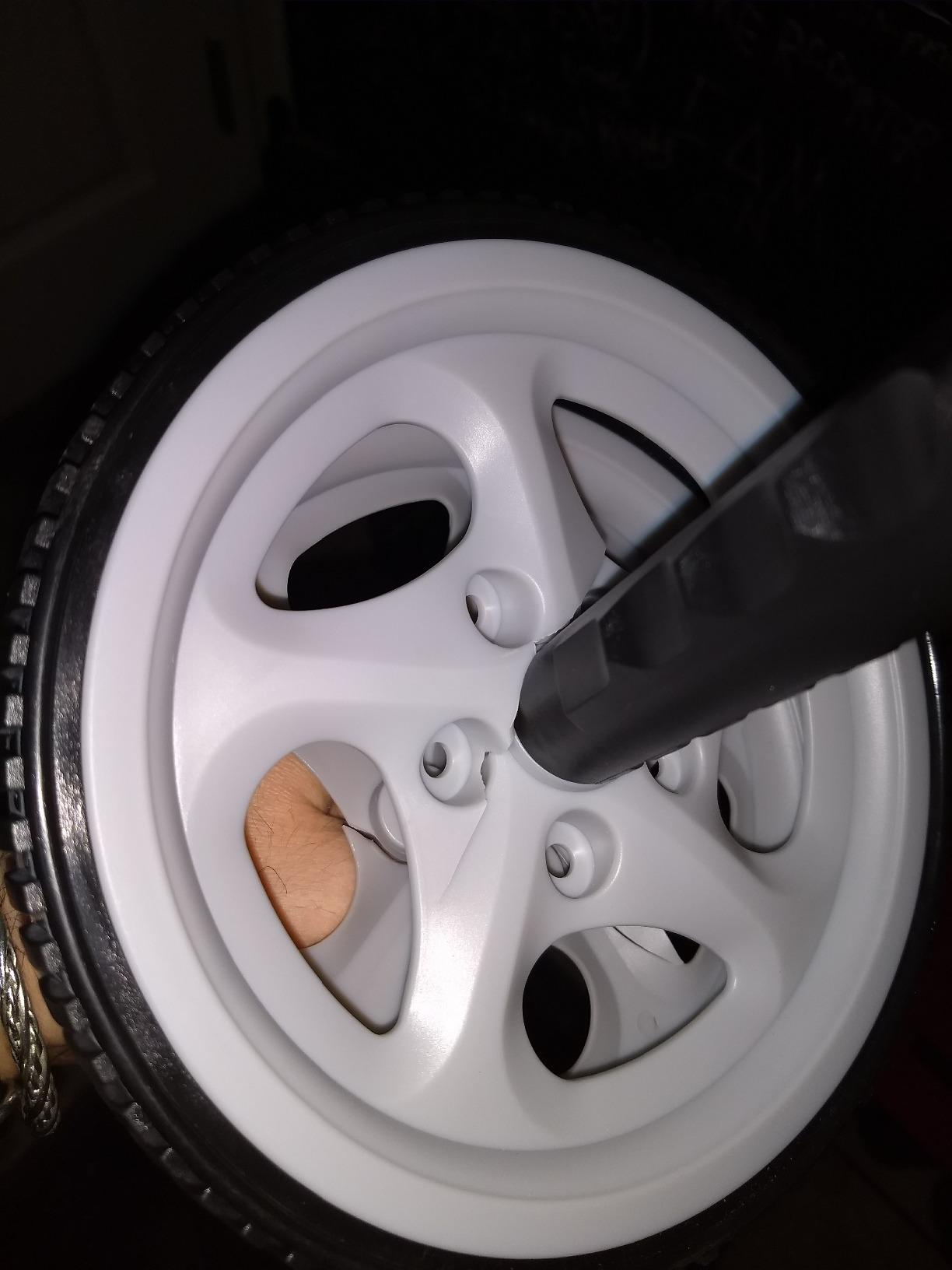
At 1.1 lbs this is among the lightest rollers in the roundup, and it disassembles into a bag without fuss. If you travel, use a shared gym, or simply want something you can move with one hand, that is a real advantage.
The independent double wheels roll very quietly with no squeaking and no wobble, and the ribbed high-gripping tread resists slipping. Long-term owners report using it two to three times a week for years without failure.
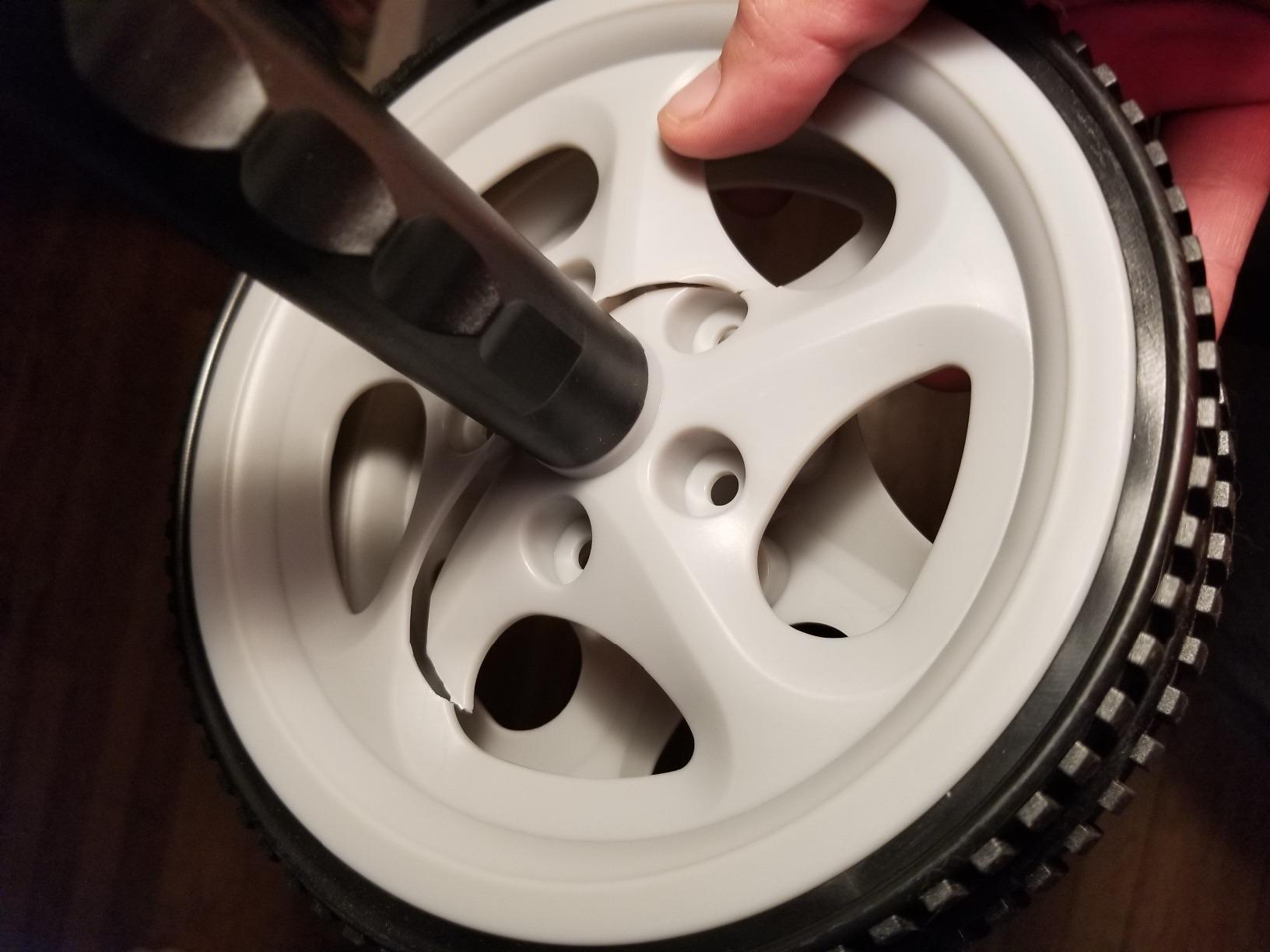
The flat-topped handles are comfortable on hands and wrists, and because the wheels are independent you can carve side to side for oblique work rather than only rolling forward and back.
It is the least finished design here. The plastic build reads as cheap to some owners, the handles can dig in during long sets unless you wear gloves, and there is no knee pad in the box at all. Warranty cover is one year on the frame and 180 days on other parts.
Who this roller suits
Travellers, hotel-room trainers and anyone sharing equipment with others. The 1.1 lb weight and simple disassembly make it the easiest to pack of all ten.
It is a solid first wheel for someone who will use it on carpet, where the ribbed tread has the most purchase and handle discomfort is least noticeable.
Who should skip it
Skip it if you want a thick knee pad, a premium build feel, or long sessions where handle comfort matters. It is a durable basic rather than a refined piece of equipment.
Ab wheel vs plank vs crunch: which core exercise wins
They are not competitors, because they train different functions. A plank is a static hold against spinal extension with no equipment and no skill demand, which makes it the right on-ramp. The ab wheel is the same anti-extension intent performed dynamically with a much longer lever, which pulls in your lats, shoulders and deep stabilisers and demands far more control.
A crunch sits in the opposite category. It trains spinal flexion, the movement your abdominals are already strong at bending, and it loads the lumbar spine and neck repeatedly. That is why the community consensus is that the wheel is much less taxing on your lower back and neck than crunches.
So the order is plank first, ab wheel second, crunches as an accessory if you like them. The plank builds the bracing pattern you need to survive the rollout, and the rollout then trains that same bracing under a much harder load. The most common mistake is skipping step one.
How to use an ab roller without wrecking your lower back
Kneel on a proper mat with your hands shoulder-width, grip below shoulder height, and set a target wall or line in front of you. Before you move, brace: pull your belly button toward your spine, tuck the pelvis slightly, and squeeze your glutes as if you are protecting your lower back from a punch.
Roll out to the farthest point you can control, not the farthest point you can reach. Extend your arms forward to make the movement easier, and let your body travel as one straight line from knees to head. Roll back by pulling rather than by letting gravity drop you, which keeps the abs working on the way in.
Stop the set the moment your lower back starts to arch or the roll begins to break into a curve. Depth is earned over weeks, and a partial rollout done well beats a full rollout done badly every single time.
Mistake 1: letting the hips rise and the lower back arch
This is the single most-cited failure in form-check threads, described as your butt being up in the air. Your ribs flare, your pelvis tips forward, and the anti-extension work disappears exactly when you need it most. Fix it by lowering your hips slightly, tightening your glutes, and shortening the range until your body forms a straight line.
Mistake 2: rolling out too far, too fast
Speed amplifies every wobble. Roll slowly enough that you could stop the wheel at any point, and use a wall as a depth marker so you get feedback instead of guessing. Start with a range that is embarrassingly short and grow it by an inch a week.
Mistake 3: dropping the hips into a pike
Forgetting to lower the hips to parallel with the floor changes the movement into a different exercise that targets the shoulders far more than the core. Keep your hips level with your shoulders and your belly button pulled in, and the rollout will feel harder where you want it to.
Mistake 4: using a narrow handle or a narrow wheel when your wrists complain
Users report pinkies dragging on the floor during deep rollouts on narrow setups, and some feel pressure through the wrists or chest. Fix it by moving your hands slightly narrower than shoulder width to keep the load off your fingertips, and by choosing a wider wheel, which reduces the side-to-side demand on the wrists and shoulders.
The 4-week beginner progression program
Change one variable at a time. Adding reps and range in the same week is how people end up sore and arched, and it is also why a first session can feel like a mistake rather than training.
Week 1: build the base. Hold a plank for 30 to 45 seconds, three rounds. Do 10 dead bugs and 10 bird dogs per side. Add 3 sets of 8 wall rollouts, where you stand facing a wall and roll the wheel toward it without going past your arms. Three sessions this week.
Week 2: move to the floor. From your knees, roll out only as far as you can hold a straight line, typically 8 to 12 inches. Do 3 sets of 8 on your ab roller, plus your Week 1 planks. Three sessions, with a rest day between each.
Week 3: extend the range. Same 3 sets, now 10 to 12 reps, rolling to the point where your arms are long but your hips have not dropped. Keep the wall as your honest limit. Three sessions.
Week 4: add standing work. From your feet, face the wall and roll toward it with your arms long, 3 sets of 6 to 8. If that is too much, stay on your knees and add a resistance band for assistance instead. Two or three sessions, then reassess.
Expect real soreness after week two, particularly in the lower back and shoulders. That is normal, but pain that sharpens during a rep, or numbness and tingling in the arms, means stop and shorten your range.
What to look for when buying an ab roller
Wheel width is the number that matters most. Everything from 2 inches to 3.2 inches is on this list, and the practical difference is how much of the work becomes balance instead of bracing. Beginners should start at 3 inches or wider, and narrow wheels are an upgrade for later rather than a smarter first purchase.
Decide how you want difficulty to arrive. A spring-assisted wheel like the Ab Carver Pro gives a small push on the return. A resistance band gives you a bigger, adjustable push and works with any roller. No assistance means you manage the full range yourself from rep one. Bands are the cheapest way to make a wide wheel feel beginner friendly, and our foam roller guide covers the recovery side of a hard session.
Check the weight rating against your bodyweight, not the shaft rating. Published figures in this category often describe how much load the shaft handles, which is not the same as a recommended user weight. Two picks here list a shaft figure well above their maximum user weight, so read both numbers.
Think about your floor. On carpet, almost any tread grips and nothing marks. On hardwood or tile, a rubberised liner like the Sports Research wheel is quieter and safer, and you should always use a real mat rather than the thin included pads. On tile especially, wide wheels are worth the extra cost. The same attention to surface and tolerance applies whether you are picking out a roller for the garden or a wheel for your abs.
Handles matter more than buyers expect. Foam handles that are too soft wear down, and narrow grips punish weak hands, as we saw on both the Abiarst and the Sunny roller. Ergonomic grips with finger grooves and a width slightly under shoulder span are the comfortable middle ground.
Finally, read the warranty line. The range here runs from none, to one year, to two years, to life-time. A longer warranty on a cheap roller often signals a better-made roller, and it is a more honest buying signal than brand name.
Which ab roller is right for your experience level
If you cannot hold a 30 to 60 second plank with a straight body line and no back pain, you are not ready for a wheel, and no roller in this roundup will fix that. Start with planks, dead bugs and bird dogs, and come back in two weeks. The ab wheel is the right device for anti-extension training specifically, and for isolation work with visible muscle definition, weighted cable movements do that job better.
Once you can plank, pick a wheel with 3 inches or more of width. Add assistance if you want to learn the long range before you can own it. When your kneeling rollouts are clean through full extension for weeks, and you want more demand rather than more reps, move to a narrow wheel.
Frequently Asked Questions
Do ab rollers help with core strength?
Yes. Rolling the wheel out lengthens your trunk into a lever, and your abs, obliques, lats and deep stabilisers must fire together to stop your lower back arching. That is anti-extension training, the same function that supports a deadlift or overhead press. A crunch trains the opposite movement, spinal flexion, which is why the wheel is often easier on your neck and lower back.
Is an ab roller better than a plank?
They train the same function at different levels. A plank is a static anti-extension hold with no equipment and no skill demand, so it is the right starting point. The ab wheel adds a much longer lever, more lat and shoulder involvement, and a real skill curve. Build to a 30 to 60 second plank first, then treat the wheel as the progression.
How do I use an ab roller properly?
Kneel on a mat, set your hands shoulder-width with grip below the shoulders, and brace by pulling your belly button to your spine and tucking the pelvis. Roll out to the farthest point you can control rather than the farthest point you can reach, then pull the wheel back rather than dropping it. Stop the set the moment your lower back starts to arch.
How many ab wheel reps should I do each week?
Start with 3 sets of 8 short kneeling rollouts, three times per week, with a rest day between sessions. Build to 3 sets of 10 to 12 over a few weeks, and only then progress to standing work at the wall. Change one variable at a time, and expect genuine soreness in the lower back and shoulders during week two.
What size ab wheel should I buy?
For a first roller, choose 3 inches or wider. The wheels on this list range from 2 inches to 3.2 inches, and the difference is how much of the effort becomes balance instead of bracing. Wide wheels are forgiving and beginner friendly; narrow rounded wheels demand more core control and suit intermediates who already have clean kneeling form.
The bottom line on the best ab rollers for core strength
After weeks with all ten, the VINSGUIR 3.2 inch dual-wheel is the best ab roller for core strength for most people, because a wide base lets you learn a long rollout without the balance work swallowing the session. The EnterSports 3.1 inch roller is the better value with two knee pads and a 600 lb rod, the Ab Carver Pro is the smoother on-ramp if you want assistance, and the VINSGUIR 2 inch wheel is where you go once your form is already clean.
Whatever you pick, build the plank first and progress one variable at a time. Spend five minutes on wheel width and weight rating before you buy anything, and start with three short sets this week rather than twenty reps on Monday.